




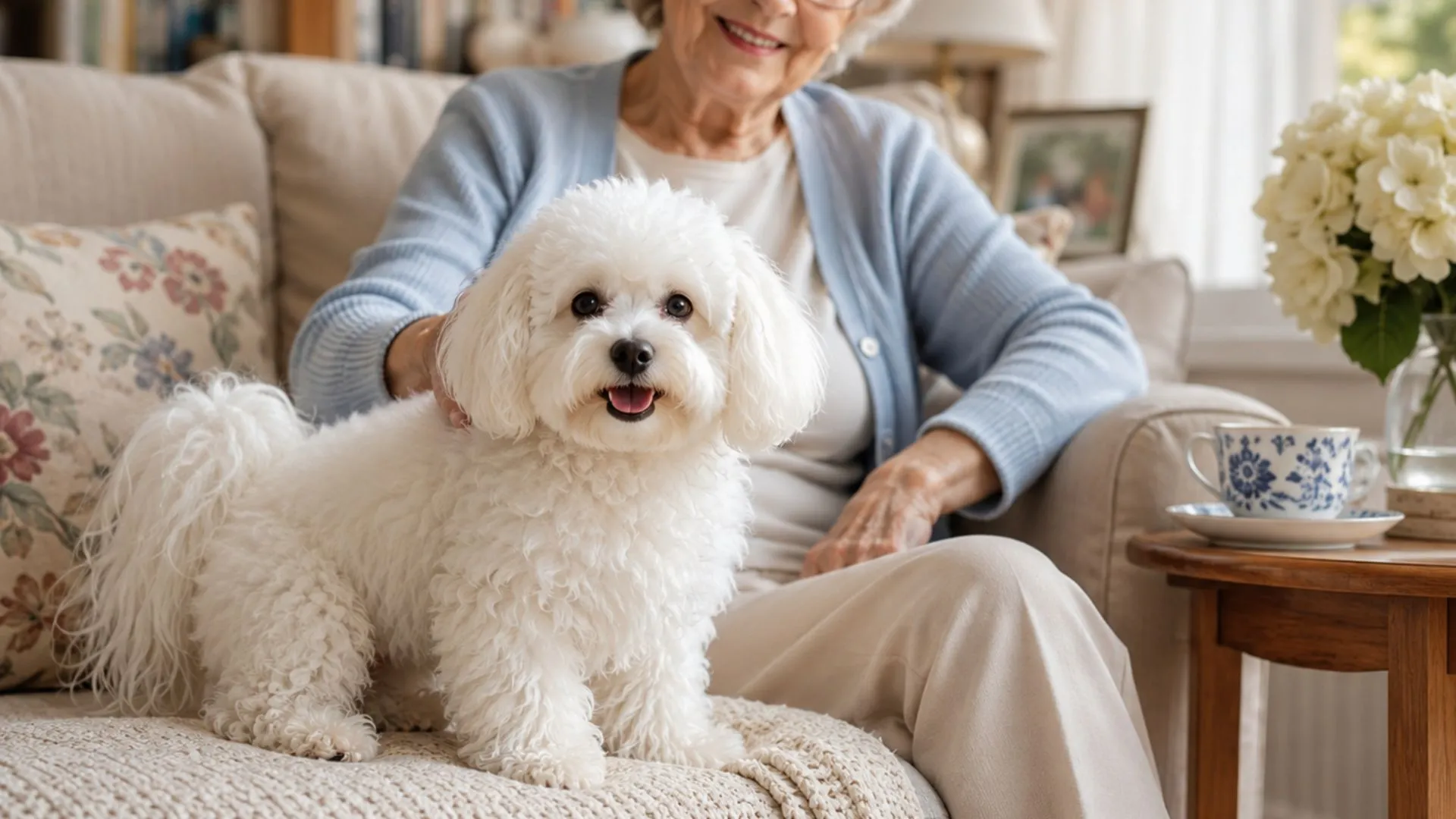
What if the perfect companion for your golden years isn’t the dog most people recommend?
A big yard. An energetic puppy. Hours of daily exercise. That’s what most people picture when they think about owning a dog.
But here’s the truth — the best dog for a senior isn’t always the most popular breed, and it certainly isn’t the one that demands constant activity.
Some dogs bring chaos. Others bring calm. Some fill your days with endless work, while others fill them with comfort, companionship, and quiet joy. And that difference matters more than most people realize.
If you’re looking for a loyal companion who matches a peaceful lifestyle, you’re in the right place. Let’s explore the breeds that are genuinely worth considering for seniors seeking exactly that.
Best Dog Breeds for Seniors Seeking a Peaceful Pet
1. Havanese
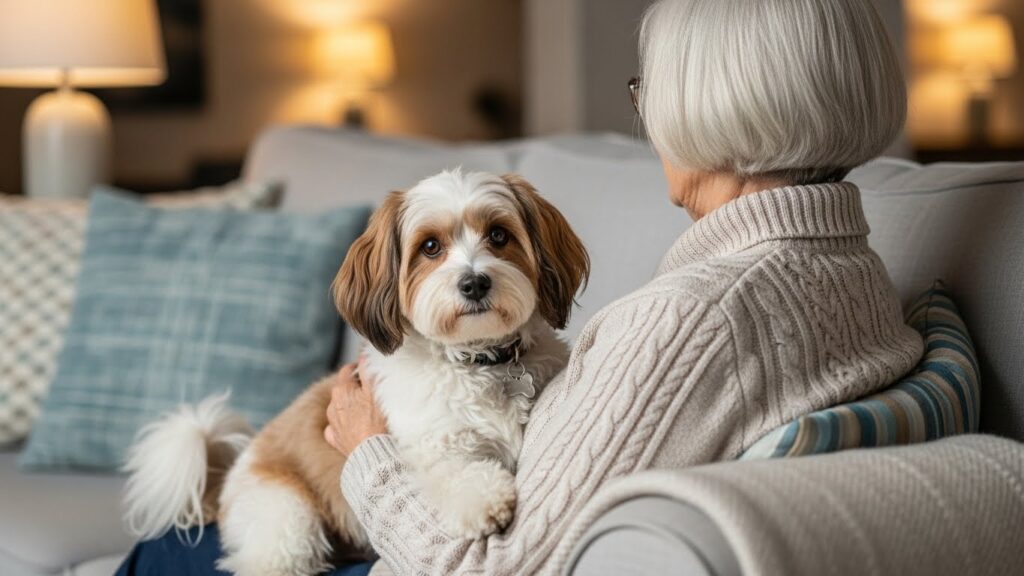
Havanese proves that a peaceful furry friend doesn’t have to be quiet or sleepy all day.
Some seniors want more than a dog that simply rests on the couch. They want a friend with a cheerful spirit, an affectionate nature, and just enough energy to make each day a little brighter. That’s exactly where the Havanese stands apart.
Unlike some small breeds that can be stubborn or overly independent, this tiny pup forms exceptionally close bonds with its family and often follows its favorite person from room to room.
For seniors who spend much of their time at home, that constant companionship can feel reassuring rather than demanding.
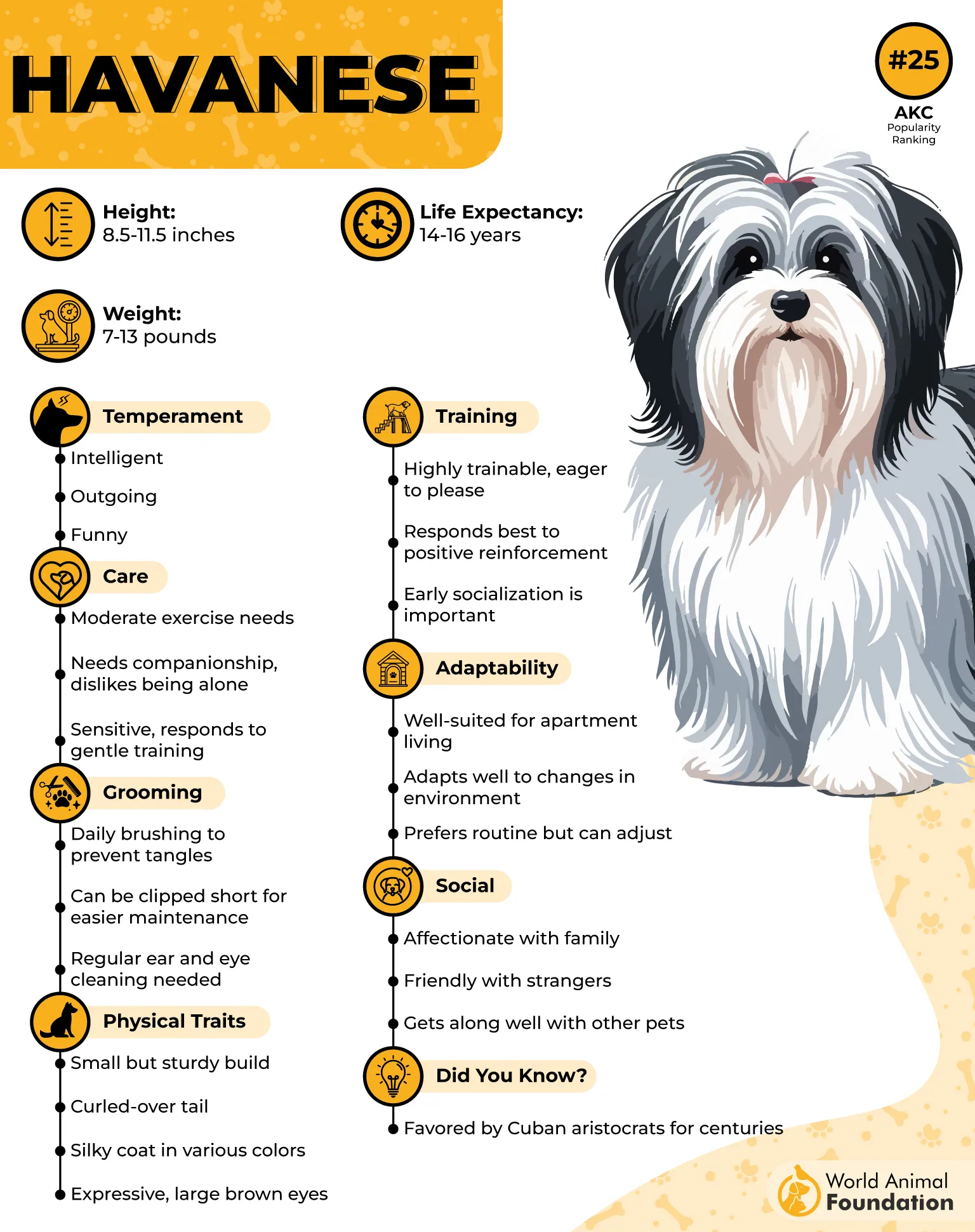
This active breed is intelligent and eager to please, which makes basic training easier than with many other toy-sized dogs. A few short walks and light indoor play sessions are usually enough to keep it happy and healthy.
Its silky coat does require regular brushing, so grooming is an important commitment. However, many pet owners find the extra care worthwhile because of the breed’s loving personality.
Compared to more reserved companions, this intelligent dog thrives on human interaction and is known for its unique springy gait, often described as a lively, bouncing walk that reflects its joyful character.
2. Cavalier King Charles Spaniel
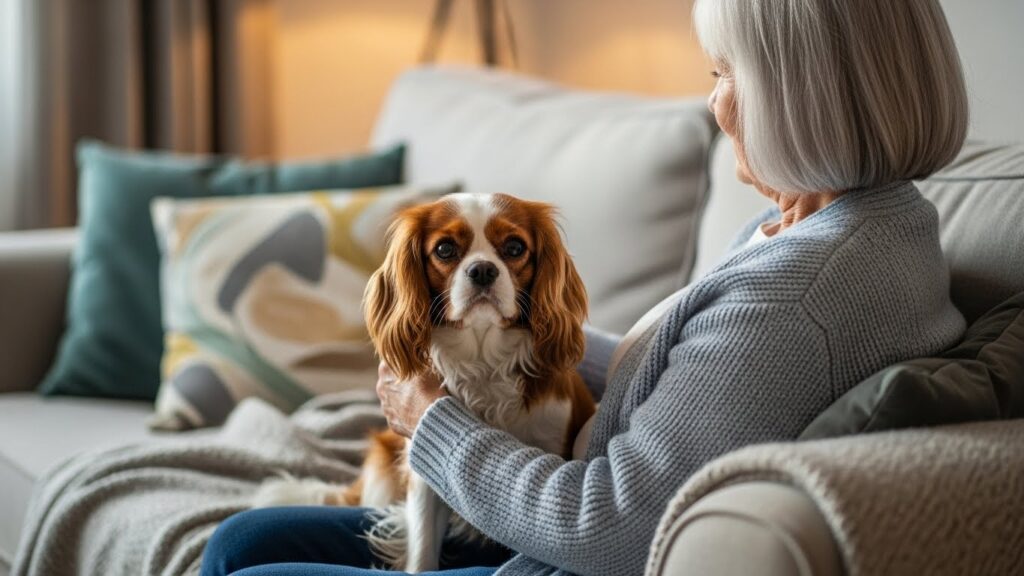
Cavalier King Charles Spaniel is the kind of dog that turns a quiet house into a warmer, more comforting place, as noted by PetMD.
While some companion breeds enjoy affection on their own terms, Cavaliers are happiest when they’re close to their favorite person.
Originally cherished by British royalty, these little dogs spent centuries serving as lap dog companions, and that loving nature remains one of their strongest qualities today.
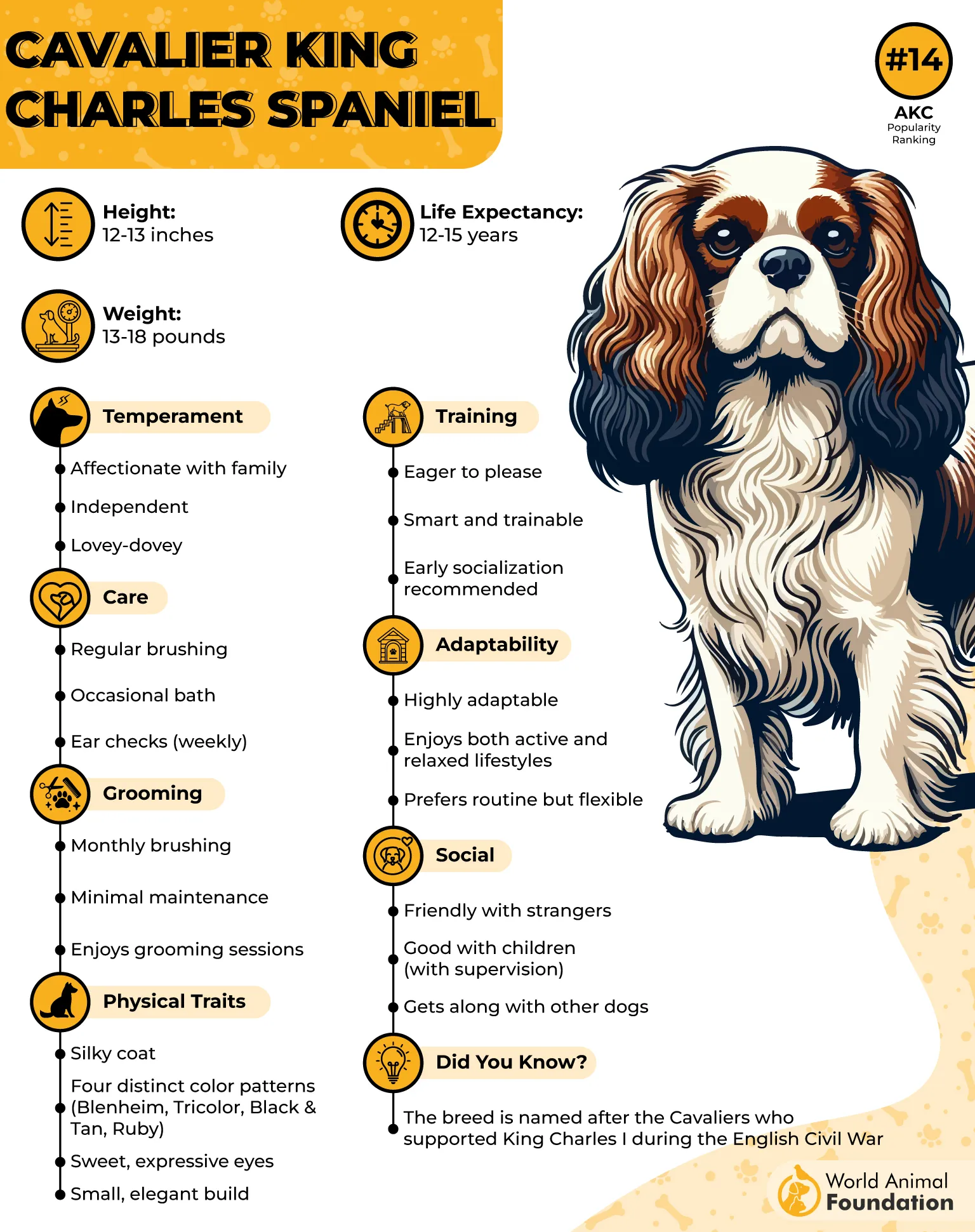
For seniors, this often means having a devoted friend nearby during morning coffee, afternoon reading sessions, or relaxing evenings on the couch. They enjoy daily walks, but unlike more energetic breeds, they don’t require long hours of exercise to stay content. Two short walks and some light play are usually enough.
Another reason many older adults appreciate this breed is its easygoing attitude around visitors, grandchildren, and other pets. Cavaliers are known for their patience and gentle manners, making everyday life feel less stressful.
Compared to breeds that can be reserved or highly independent, the Cavalier King Charles Spaniel actively seeks companionship and human interaction.
Few dogs have such a long history of being bred specifically to warm laps and stay close to people, making it a perfect match for those who value peaceful, constant companionship.
🎧 Dogcast
Episode 37 — Why Dogs Stay Close without Touching
If you don’t hear sound, tap the button above to enable audio.
3. Coton De Tulear
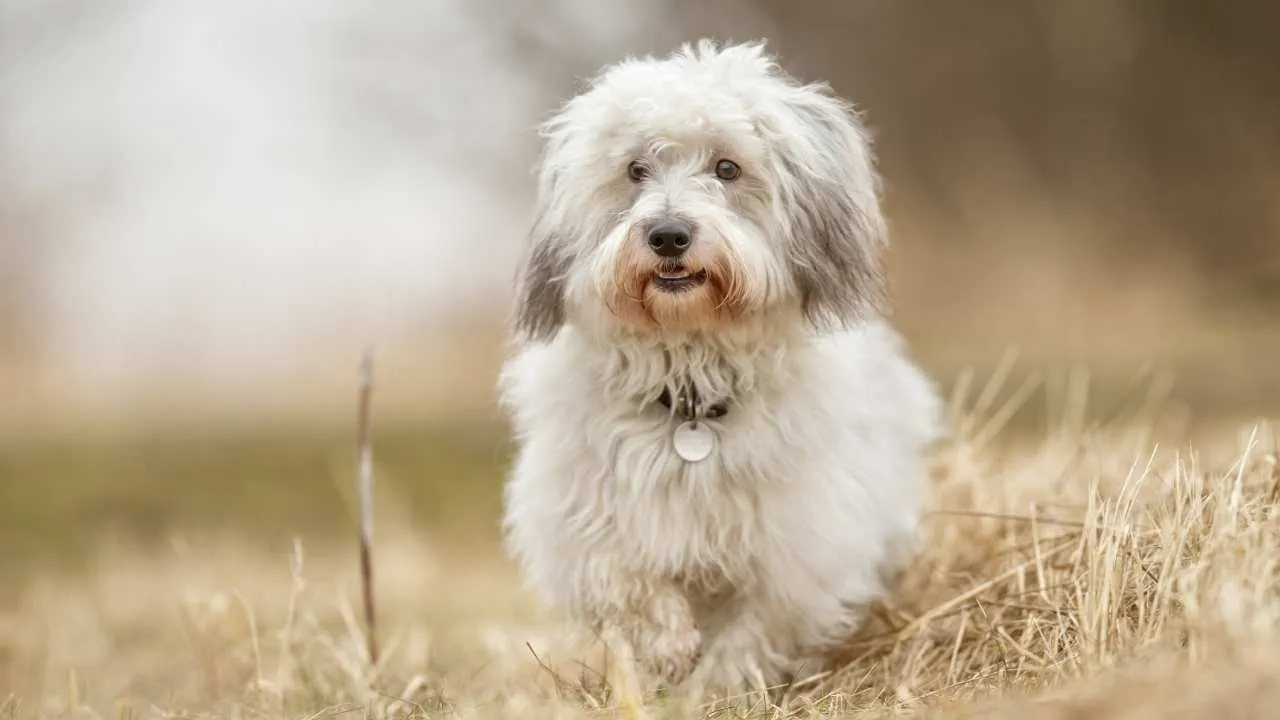
Coton de Tulear brings a different kind of companionship—one built on closeness, charm, and a surprisingly calm demeanor.
While some small dogs are known for being demanding or constantly on the move, the Coton de Tulear tends to settle comfortably into its owner’s daily routine.
Whether it’s sitting nearby during a morning newspaper read or relaxing beside the couch in the evening, this breed enjoys simply being part of everyday life.
Originally bred by Madagascar’s nobility, the Coton spent centuries as a wonderful companion dog rather than a working dog. That history still shows today. It forms strong bonds with its family and genuinely enjoys human company without needing endless activity to stay satisfied.
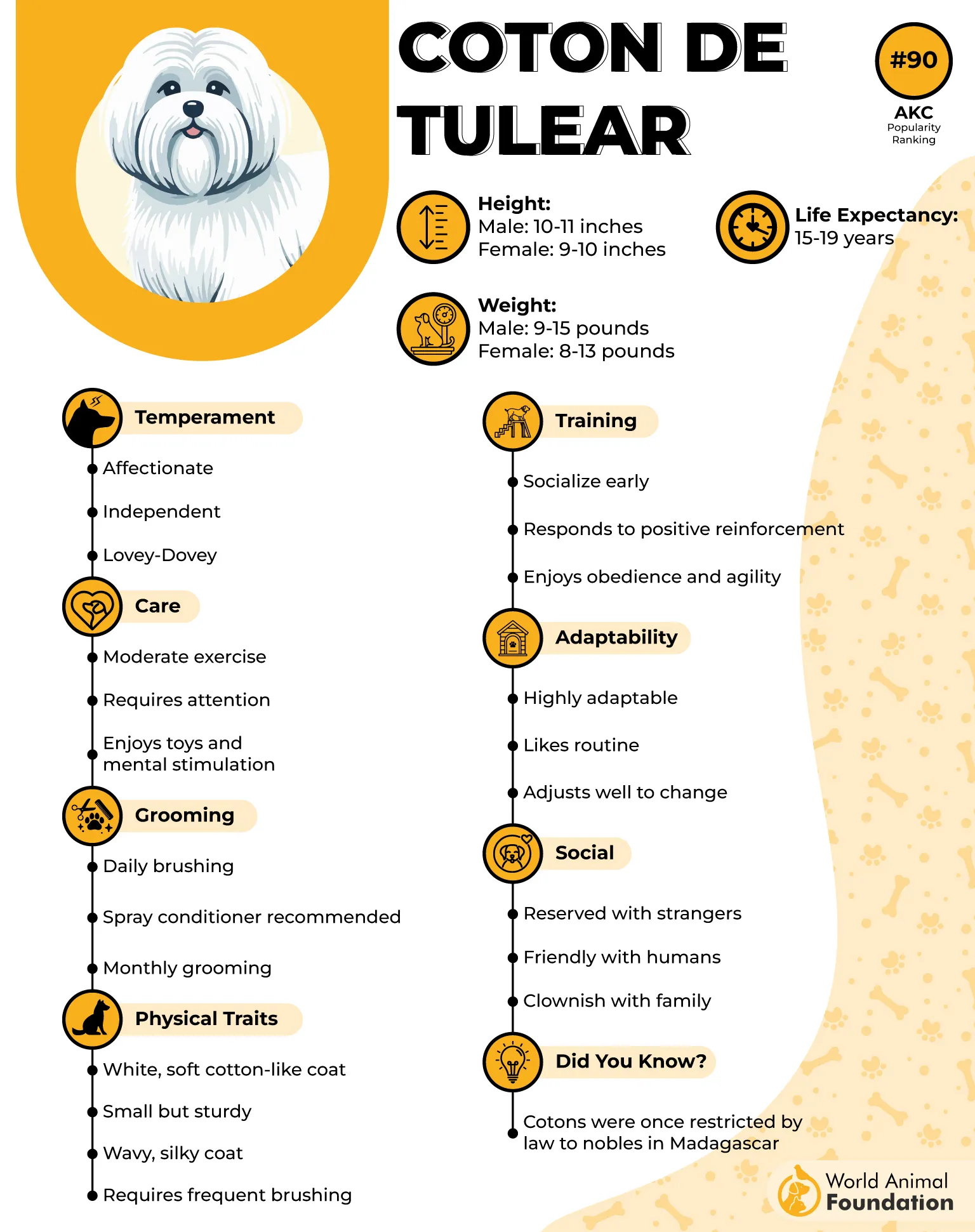
Compared to more energetic toy breeds, the Coton offers a balanced mix of playfulness and relaxation. It enjoys short walks and interactive games but is equally content spending quiet time indoors.
Its soft, cotton-like coat requires regular grooming, which is something seniors should consider before bringing one home.
One quality that makes the breed especially memorable is its tendency to communicate through unusual vocal sounds and expressive chatter rather than relying only on barking.
Combined with its cheerful personality and affectionate nature, the Coton de Tulear can be a delightful companion for a peaceful household.
4. French Bulldog
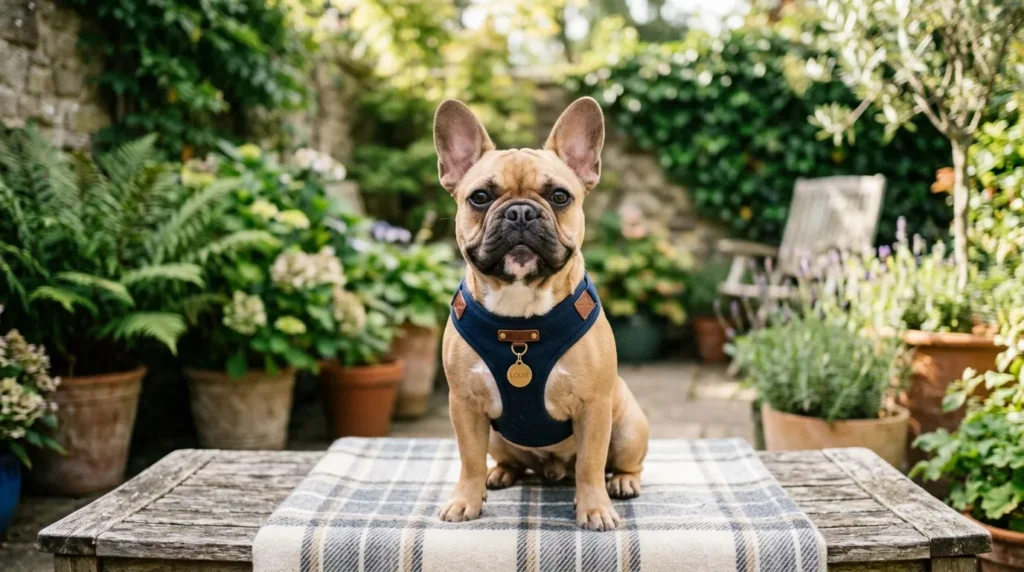
According to PDSA, the French Bulldog offers something many seniors appreciate—a companion that enjoys being close without demanding an active lifestyle.
Not every peaceful pet wants long hikes, endless games of fetch, or hours of outdoor exercise. Compared to more energetic breeds that need constant activity, the French Bulldog is generally content with a couple of short daily walks and plenty of time spent relaxing indoors.
That makes a noticeable difference for older adults who prefer quiet routines. Whether it’s watching television, reading a book, or enjoying a slow morning coffee, a Frenchie is often happiest simply sharing the moment with its owner.
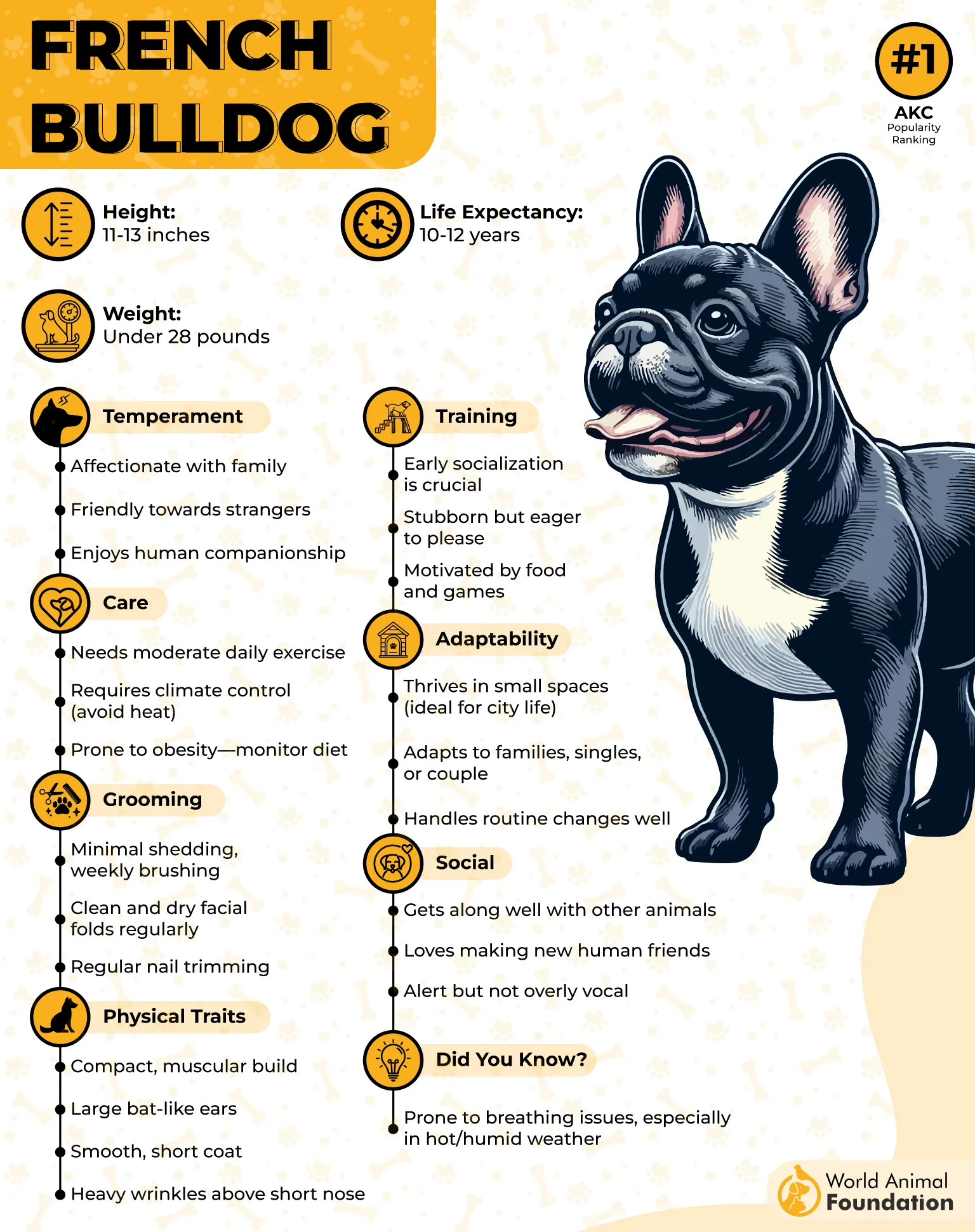
The French Bulldog is a low-maintenance companion that thrives on minimal exercise, making it well-suited for relaxed indoor living and short daily walks.
Their affectionate nature is another reason they stand out. French Bulldogs thrive on attention and love being included in everyday activities. These couch potatoes are also known for adapting well to apartment life, smaller homes, and households that don’t have large outdoor spaces.
One thing many people immediately recognize is their famous bat-like ears, which give the breed a charming and unmistakable appearance. Beneath that unique look is a playful but generally easygoing personality.
For seniors comparing companion breeds, the French Bulldog often feels less demanding than highly active dogs while still providing the closeness, entertainment, and loyal companionship that make sharing life with a dog so rewarding.
5. Japanese Chin
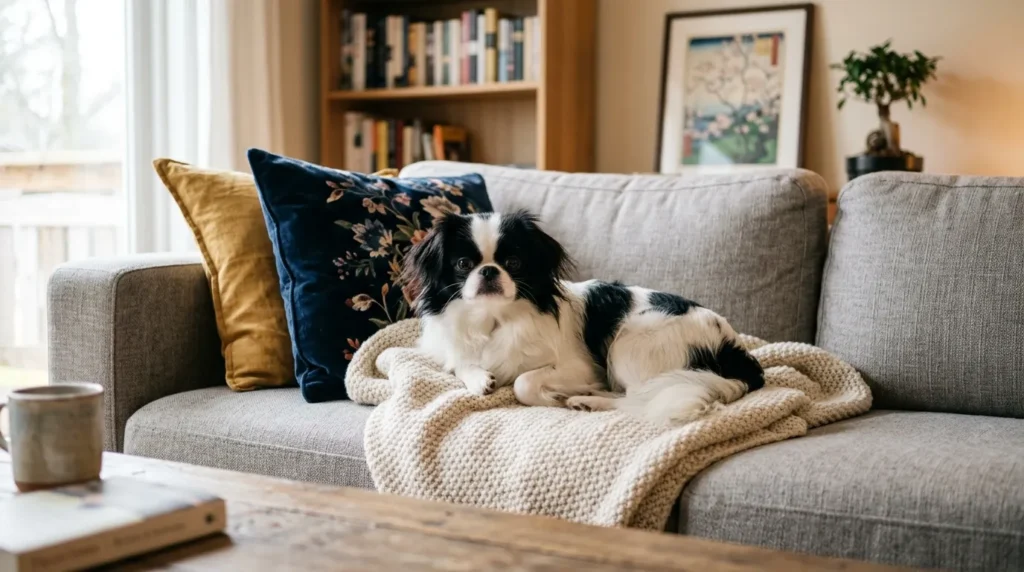
Japanese Chin feels less like a pet that lives in your home and more like a quiet companion that never really leaves your side.
For seniors comparing peaceful dog breeds, this one stands apart from more independent or high-energy companions. Instead of needing outdoor adventures or long play sessions, it is perfectly content staying indoors, moving gently from room to room just to remain close to its person.
Unlike breeds that prefer structured exercise routines, the Japanese Chin gets by with light activity and short indoor movement, making it suitable for slower daily lifestyles.
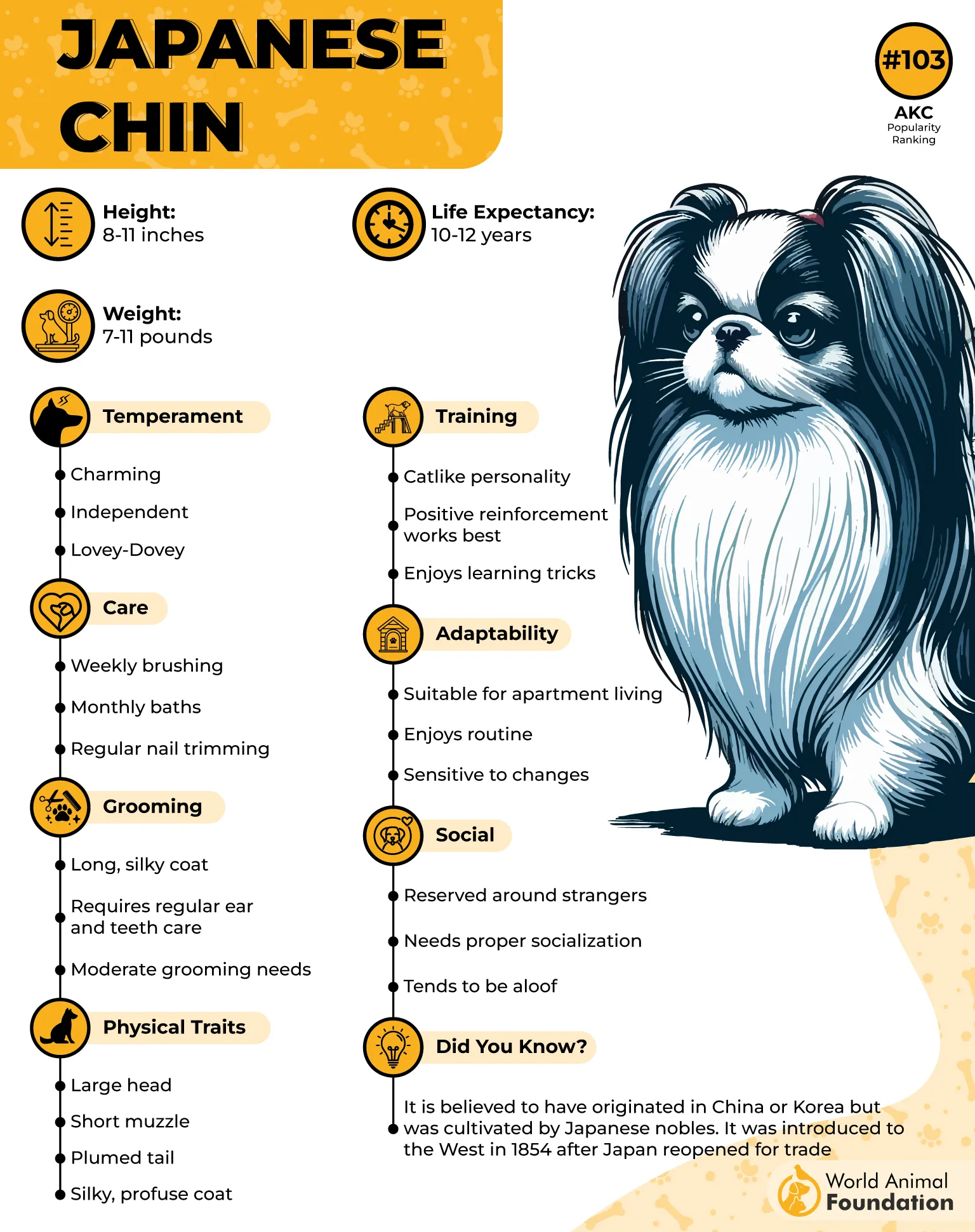
Its long history in royal courts and monasteries shaped a dog that values calm surroundings and close human contact rather than busy environments.
Many owners notice how it behaves almost like a small, thoughtful observer—watching household activity quietly, then settling beside its owner without being asked. It often uses elevated spots like sofas or armrests to stay near eye level, which makes companionship feel constant.
Its soft, silky coat needs light maintenance, but not heavy grooming compared to many long-haired toy breeds. Combined with its gentle presence and preference for indoor living, the Japanese Chin offers seniors a calm, close companion that blends naturally into a peaceful home routine.
6. Bolognese
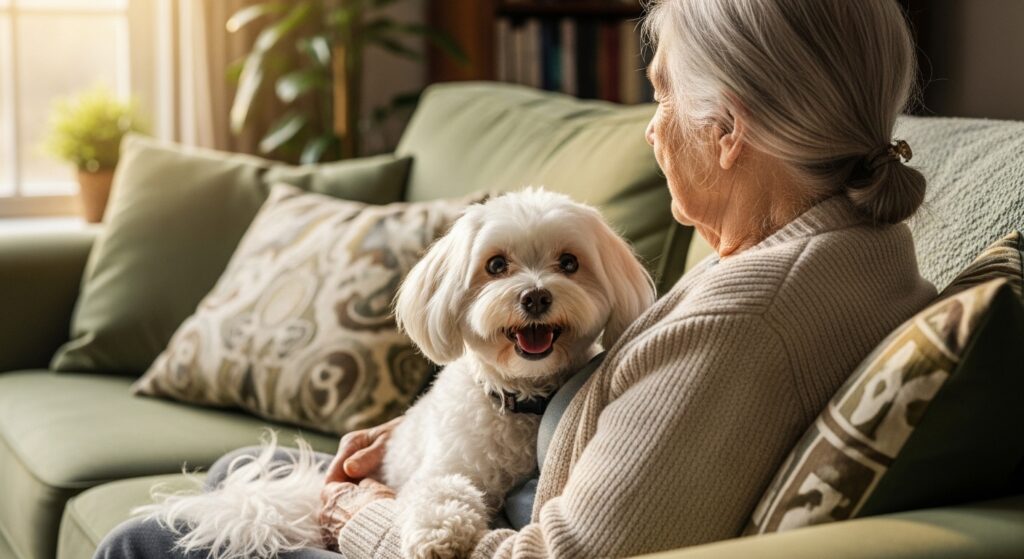
Bolognese offers something many seniors quietly prefer over high-energy pets—a steady, emotionally balanced companion that feels present without being overwhelming.
When compared with more playful or highly active toy breeds, this dog leans into calmness. It enjoys short moments of interaction, gentle play, and then naturally shifts into a relaxed state beside its owner.
That rhythm makes it easier for older adults who appreciate predictable, low-stress companionship throughout the day.
The breed’s history as a companion animal in European homes shaped a strong focus on human connection.
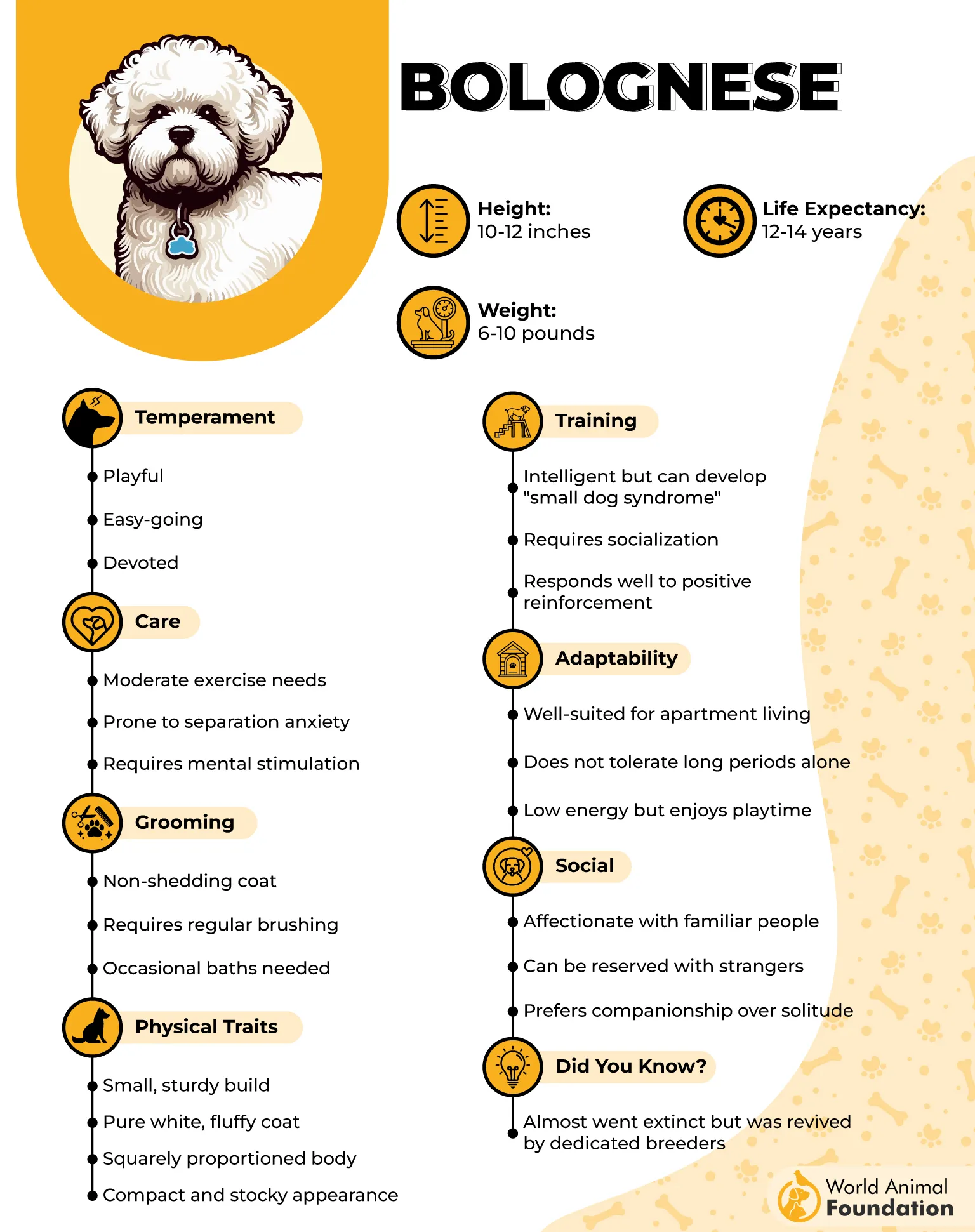
Rather than chasing constant stimulation, it pays close attention to its person and prefers staying nearby, whether that means resting at the feet or quietly following from room to room.
Training tends to be smoother than with many small breeds because it responds well to encouragement and routine. A gentle approach works best, especially during early social experiences that help it feel confident in different environments and around visitors.
Compared to dogs that demand frequent exercise or can become restless indoors, the Bolognese settles more easily into calm household life. One noticeable behavior is its habit of sitting in quiet observation for long periods, almost as if it is studying the household before deciding when to join in. This calm awareness makes it a comforting presence for seniors who value peaceful companionship.
7. Pug
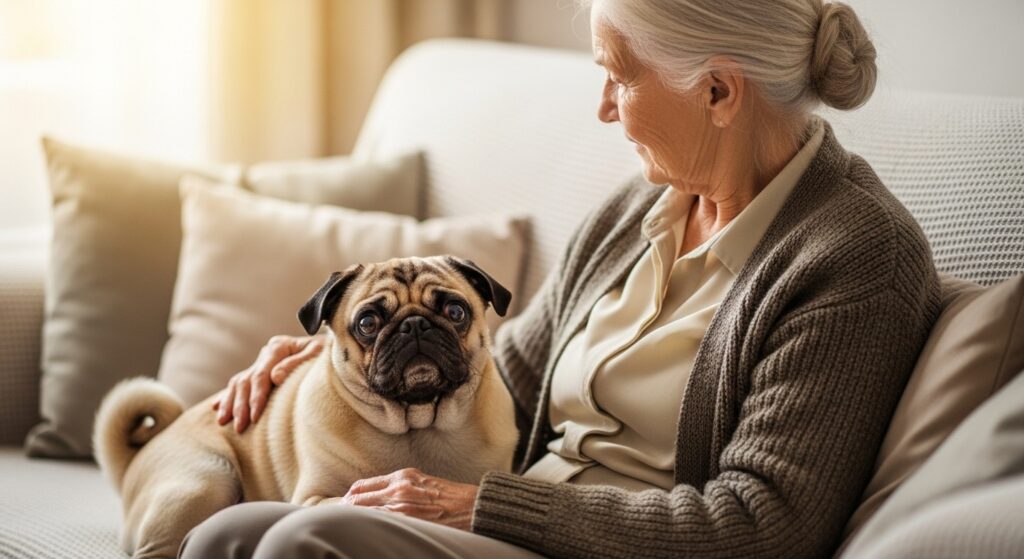
Pug brings a different kind of companionship for seniors—one that feels close, constant, and surprisingly entertaining even in the quietest home, as noted by Orvis.
Compared to more independent small breeds that are happy spending time alone, the Pug prefers being right where its family is. It often follows its owner from room to room and quickly settles into the nearest soft spot, especially if that spot happens to be a lap or couch corner.
This breed does not rely on long exercise routines like some more active companions. Short walks and light play are usually enough, making it easier for older adults who prefer slower daily rhythms.
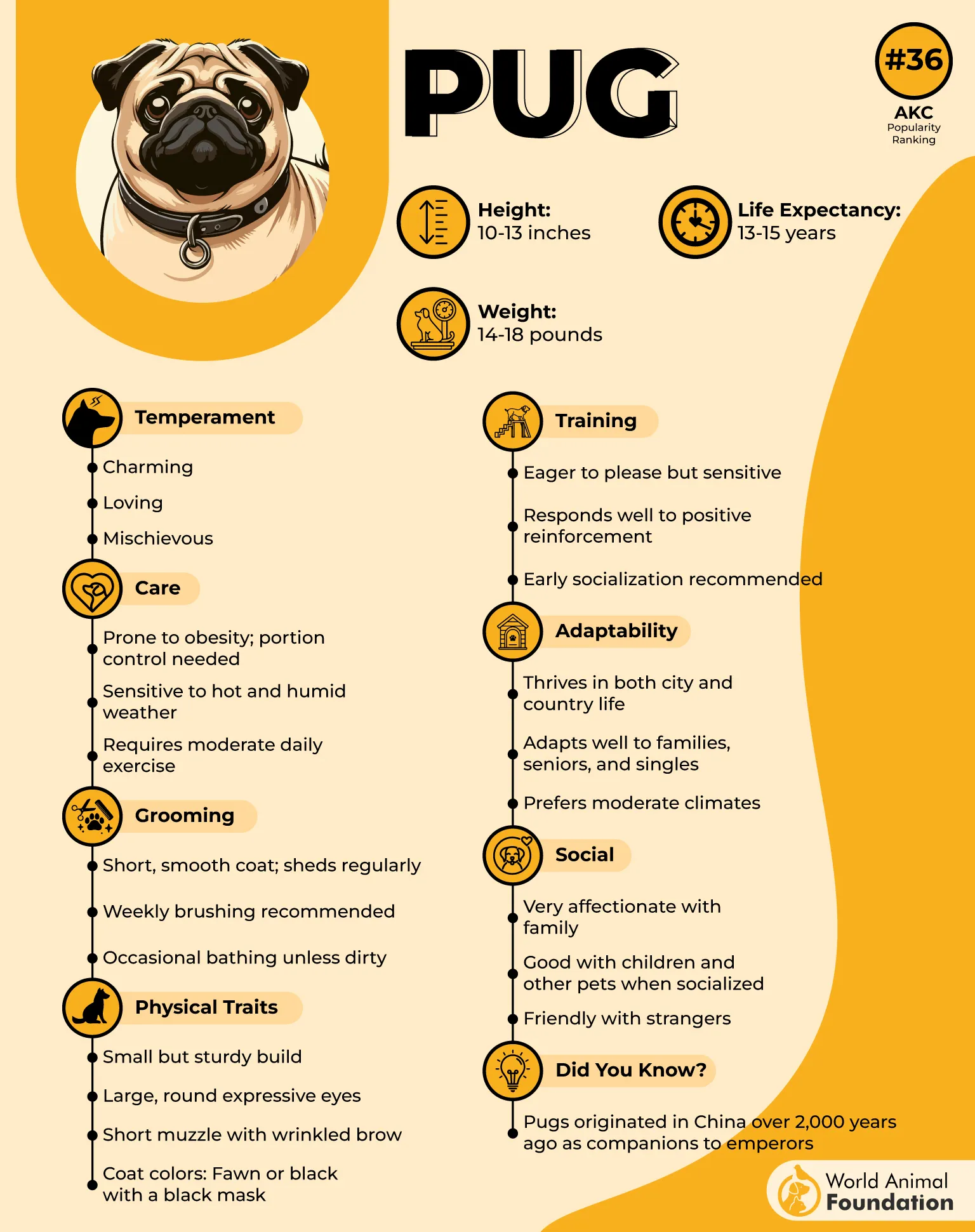
At the same time, it still enjoys brief outdoor moments, as long as conditions are comfortable and not too hot.
One important consideration is its breathing sensitivity in warm or humid weather, which means indoor comfort plays a bigger role in its well-being compared to many other dogs.
Unlike lean, high-energy toy breeds, the Pug is known for its rounded face and expressive wrinkles that make its emotions easy to read.
It often communicates through soft snorts, little grunts, and head tilts, creating a surprisingly expressive bond with its owner that feels both funny and affectionate in everyday life.
Conclusion
Choosing the right breed companion in later years is less about size or popularity and more about daily comfort and emotional ease. The ideal pet fits into a calm routine, offers steady affection, and adapts to slower, more peaceful living without demanding constant effort.
Short walks, gentle play, and quiet companionship often matter more than high energy or complex training needs.
When a dog naturally blends into a relaxed home environment, it brings not just company, but a sense of warmth, stability, and simple joy that makes everyday life feel fuller and more meaningful.
🐶 Peaceful Senior Dog Quiz — Can You Get All 6 Right?
Which breed is known for its unique springy, bouncing gait?
Which breed was originally cherished by British royalty as a lap companion?
Which breed originated with Madagascar’s nobility?
Which breed is famous for its bat-like ears and low exercise needs?
Which breed often prefers elevated spots like sofas or armrests to stay near eye level?
Which breed requires extra care in warm weather because of breathing sensitivity?
