




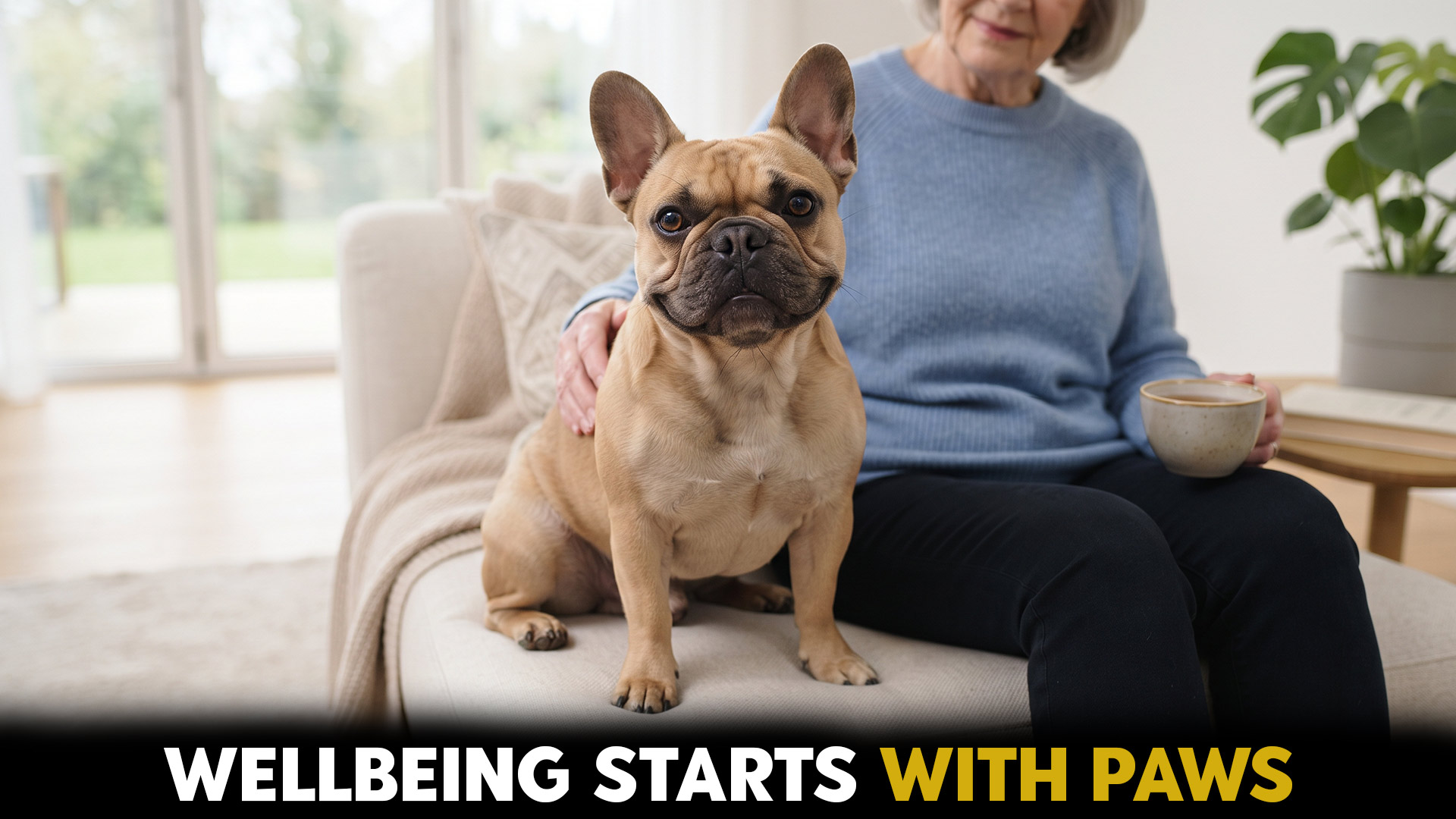
There’s something about coming home to a wagging tail that just… is different when you are older.
Companionship is important at every age. But for seniors, the right dog can change daily life. We are talking lower stress, more movement, less loneliness, and just more joy in the house.
But not every dog fits every lifestyle.
Older adults usually don’t want (or need) a dog that needs/demands hours of intense exercise or constant supervision.
What works best is a calm, adaptable companion. One that matches the pace of life, not fights against it.
So today, we are covering the best dog breeds for seniors and their wellbeing.
Dogs that are gentle, manageable, and wonderful-to-pet companions for older individuals living in all kinds of situations, from full houses to care homes to quiet apartments.
Did You Know?
Research shows that older adults who own dogs tend to walk more (60%), experience lower blood pressure, and show fewer feelings of isolation compared to non-owners.
In fact, some senior living communities and care homes are welcoming small companion dogs because of the wellbeing benefits residents experience.
Pretty amazing what a wagging tail can do, right?
Best Dog Breeds for Seniors and Their Wellbeing
1. Cavalier King Charles Spaniel
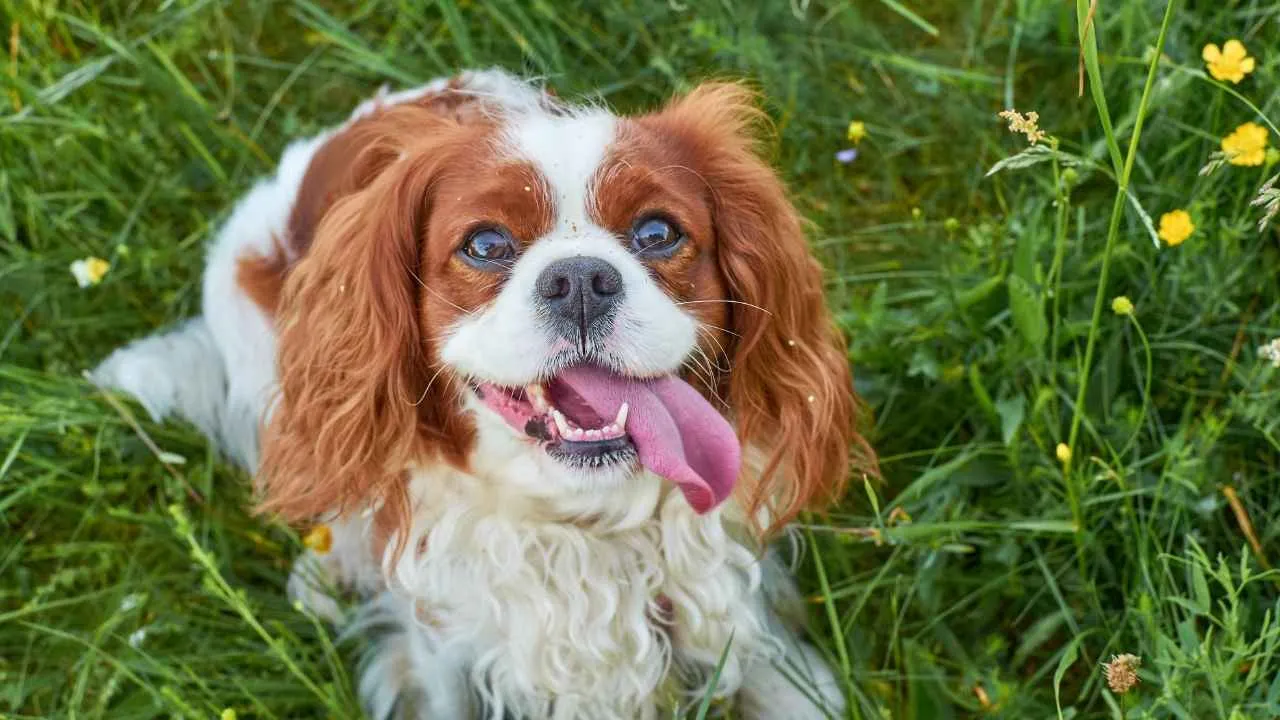
If there is a poster dog for senior companionship, this might be it.
Cavalier King Charles Spaniels are gentle, affectionate, and about as easygoing as dogs come. They were basically bred to be lap dogs and good companionship machines. That history really shows.
These dogs don’t need intense exercise. PetMD confirms their moderate exercise needs are just some daily walks and indoor playtime.
That makes them a great match for older adults who want an active walker’s companion without needing to keep up with a marathon runner.
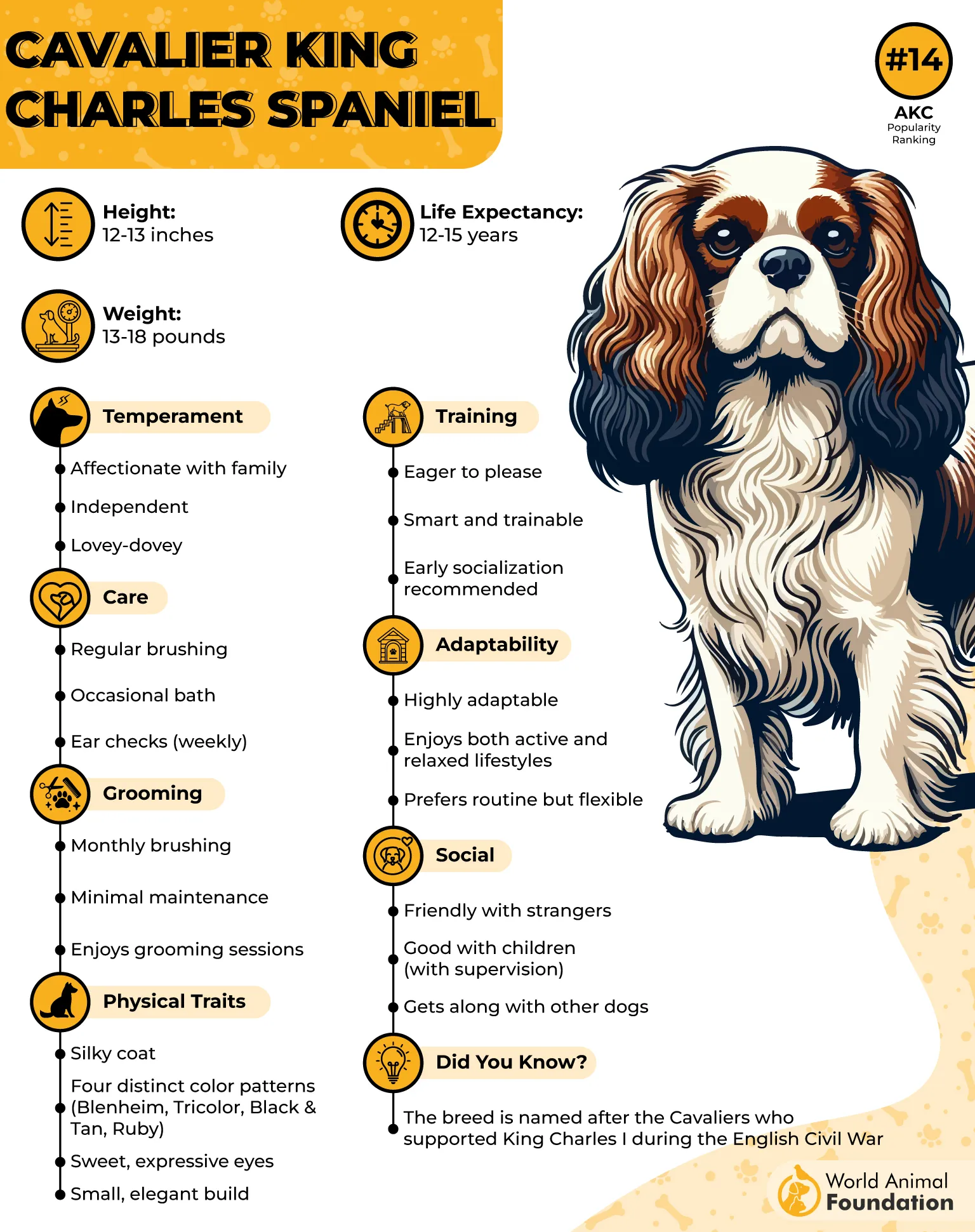
Moreover, they have moderate grooming needs. Regular brushing keeps their silky coat in good shape, and most senior owners find the routine relaxing rather than exhausting.
Cavaliers are also incredibly social. These Spaniel dogs get along well with other dogs, other pets, and pretty much every human they meet. In addition, their small size makes them easy to manage, whether you are at home, visiting family, or living in a care home setting.
2. Shih Tzu
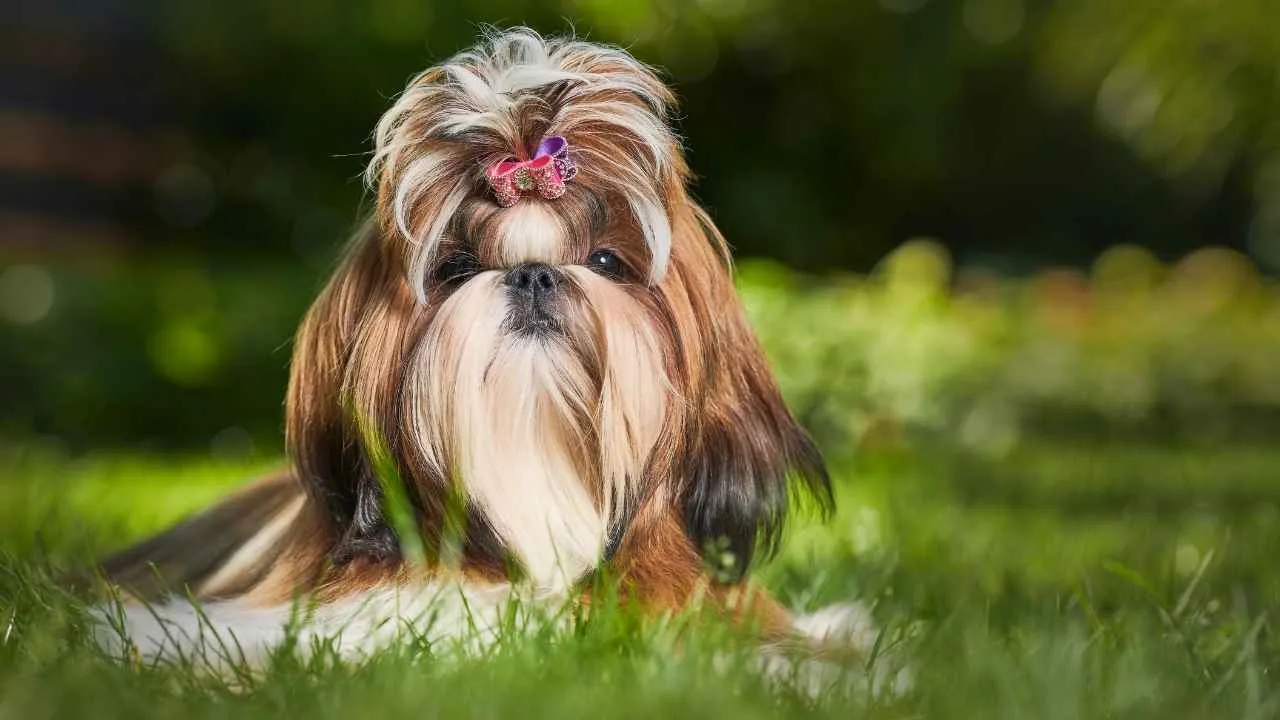
Shih Tzu dogs have been companions to humans for centuries, literally bred for palace life and good company.
So being someone’s best friend is kind of their thing.
These are small dog breeds that thrive indoors. They don’t require much space and adapt well to apartments, houses, or shared living situations. Their exercise needs are minimal. Short walks and some playtime cover it.
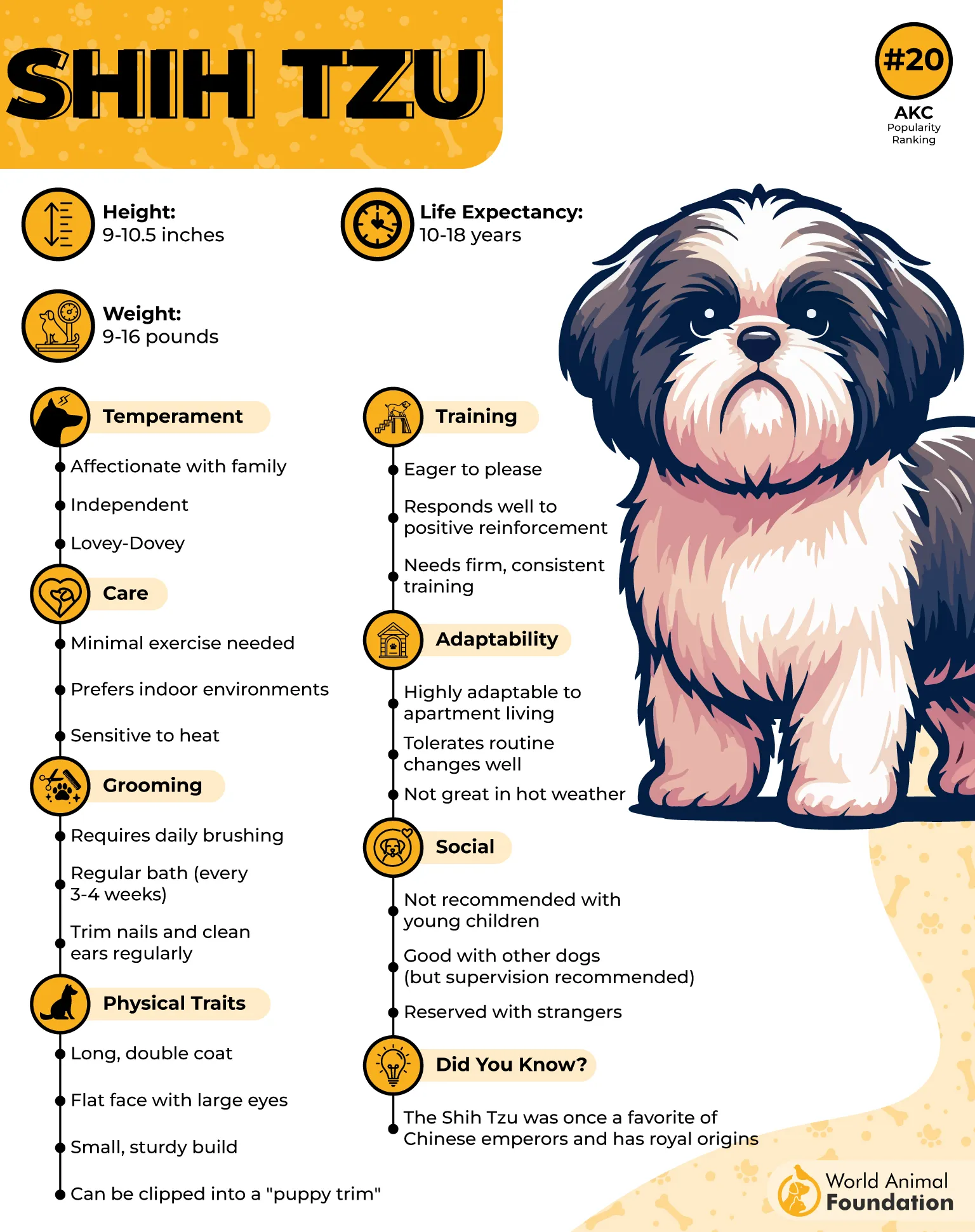
Grooming is where these Asian dogs need a bit more attention. Their long coat can mat if it is not brushed regularly. Many seniors actually opt for a shorter, low-maintenance trim to simplify things.

Shih Tzus are affectionate, loyal, and tend to bond closely with their person. They are well-behaved once trained. Plus, they make wonderful, steady companions for older individuals who want a dog that is always close by.
3. Bichon Frise
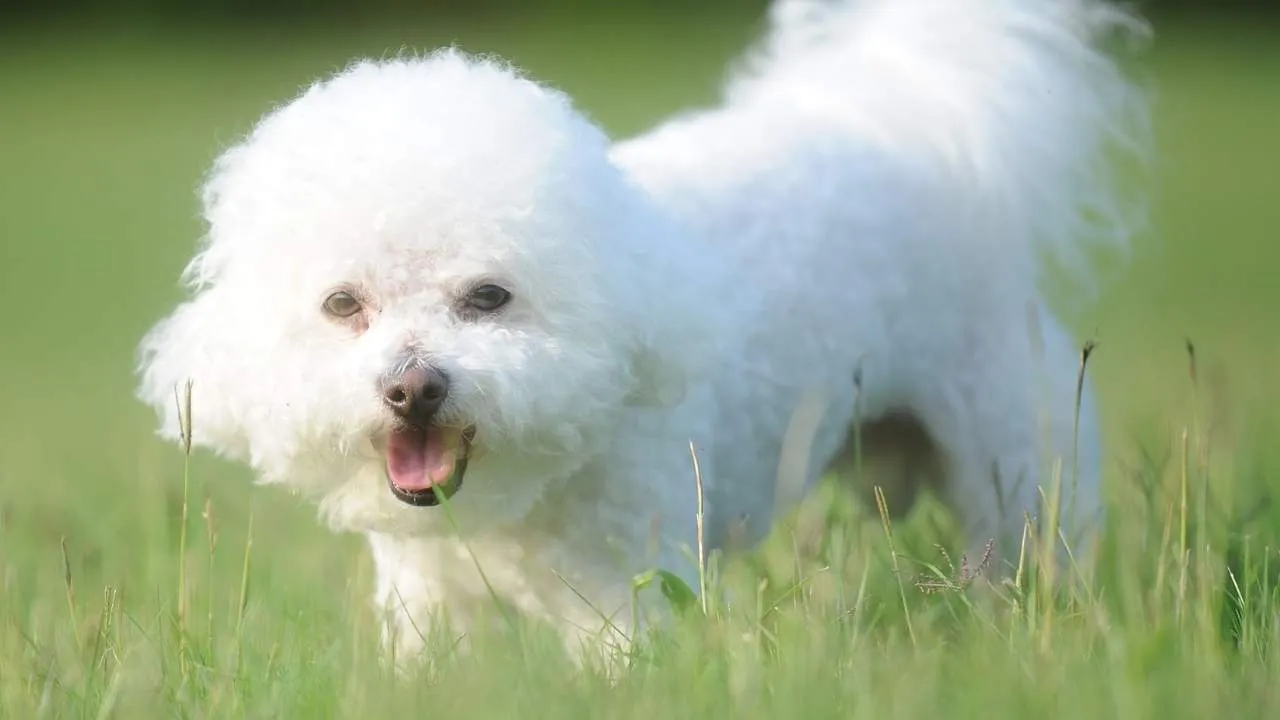
Fluffy, cheerful, and GENUINELY happy dogs.
Bichon Frise brings a lightness into every home. These small white dogs are playful, and their temperament tends to suit a slow, calm pace.
You will never get overwhelmed with these furry friends around.
Their coat is hypoallergenic and sheds minimally, which is a big plus for seniors dealing with allergies. Their grooming needs include regular brushing and occasional professional trims to keep things tidy and mat-free, according to Petplan.
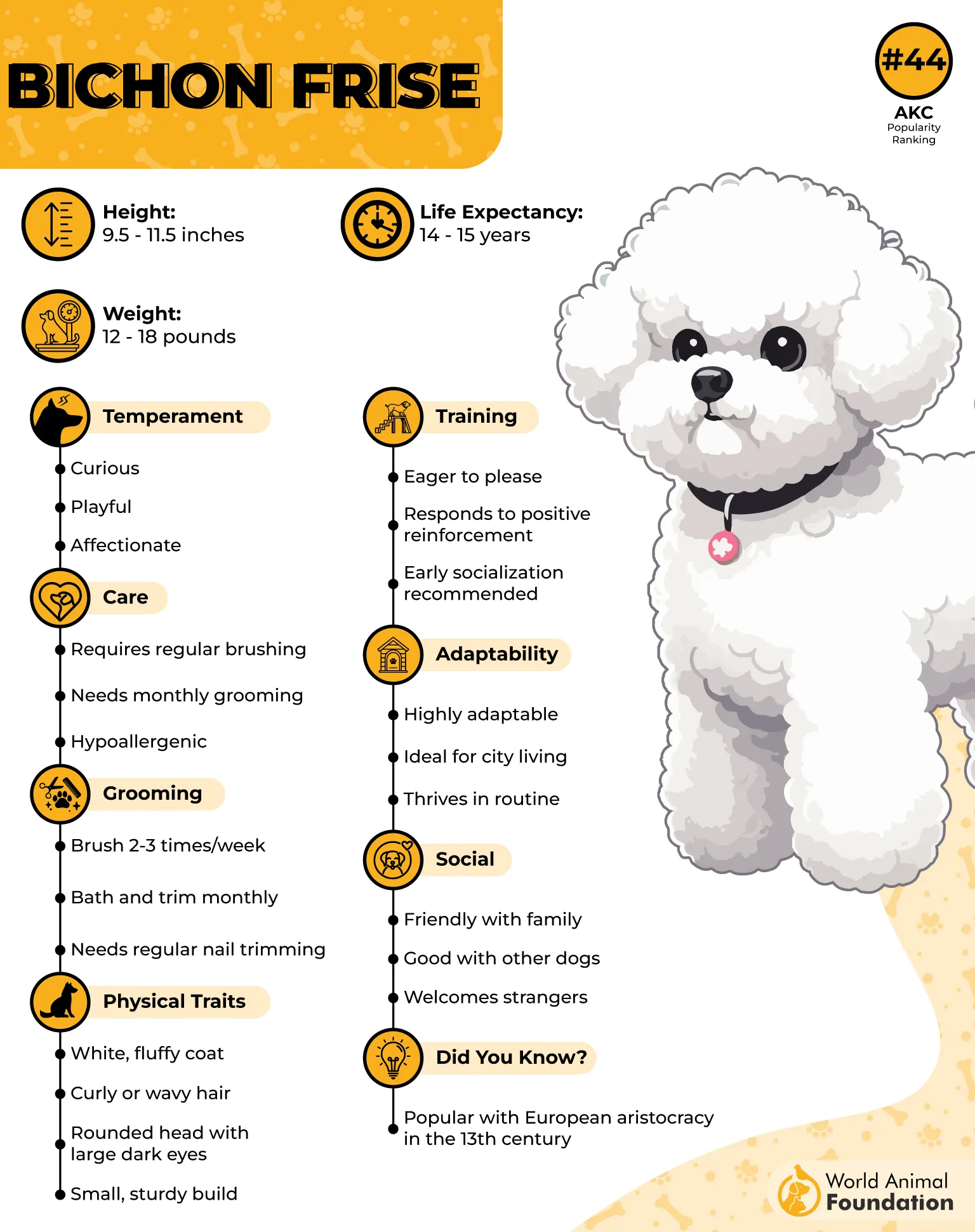
Exercise-wise, Bichons do fine with short daily walks and some indoor play. They are not high-energy dogs, though they do enjoy zoomie sessions now and then.
Bichon Frises are known for being welcoming toward people and other dogs. That makes them a great first for households, care homes, and any setting with frequent visitors, family, or dog walkers.
4. Pug
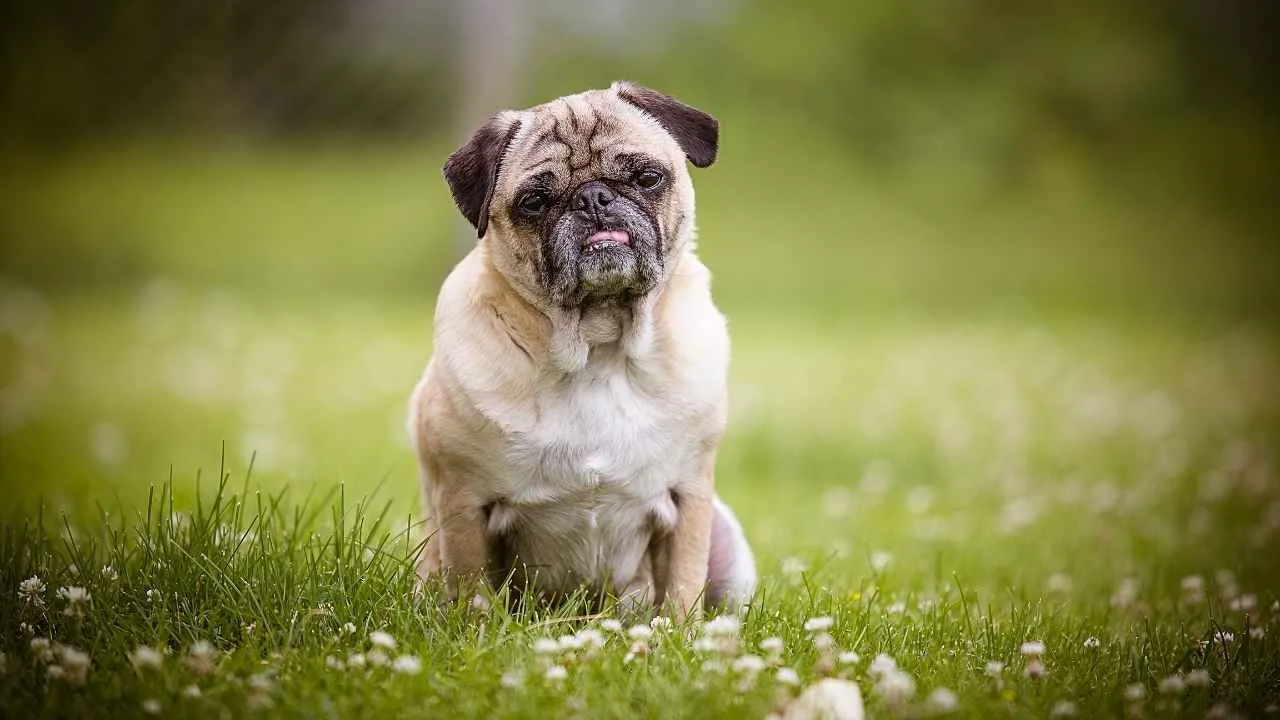
Pugs have earned their reputation as one of the best dogs for people wanting a low-key, affectionate companion. And for older adults, that combo works really well.
These wrinkly dogs need minimal to moderate exercise. Short walks are enough, and honestly, they are just as happy lounging on the couch beside you all afternoon.
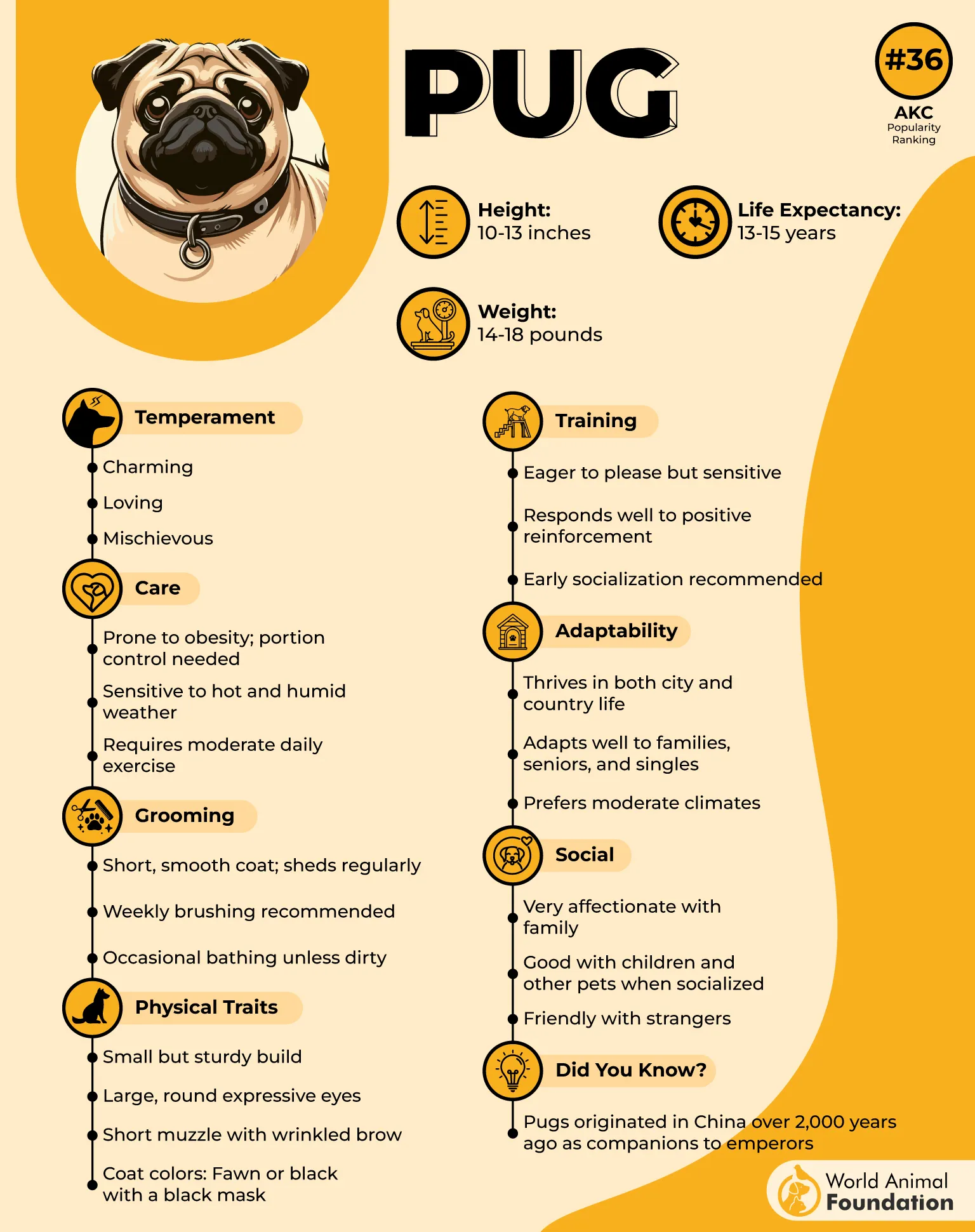
Their short coats keep grooming simple. You need regular brushing rather than anything huge. Their facial folds do need occasional cleaning to stay healthy. PDSA emphasizes it, as skin problems can lead to sores.
Pugs are social, well-mannered, and thrive on human connection. They don’t do well with long stretches of being alone, so they suit seniors who are usually at home or have family nearby. Their compact size makes them manageable even for people with limited mobility.
5. Havanese
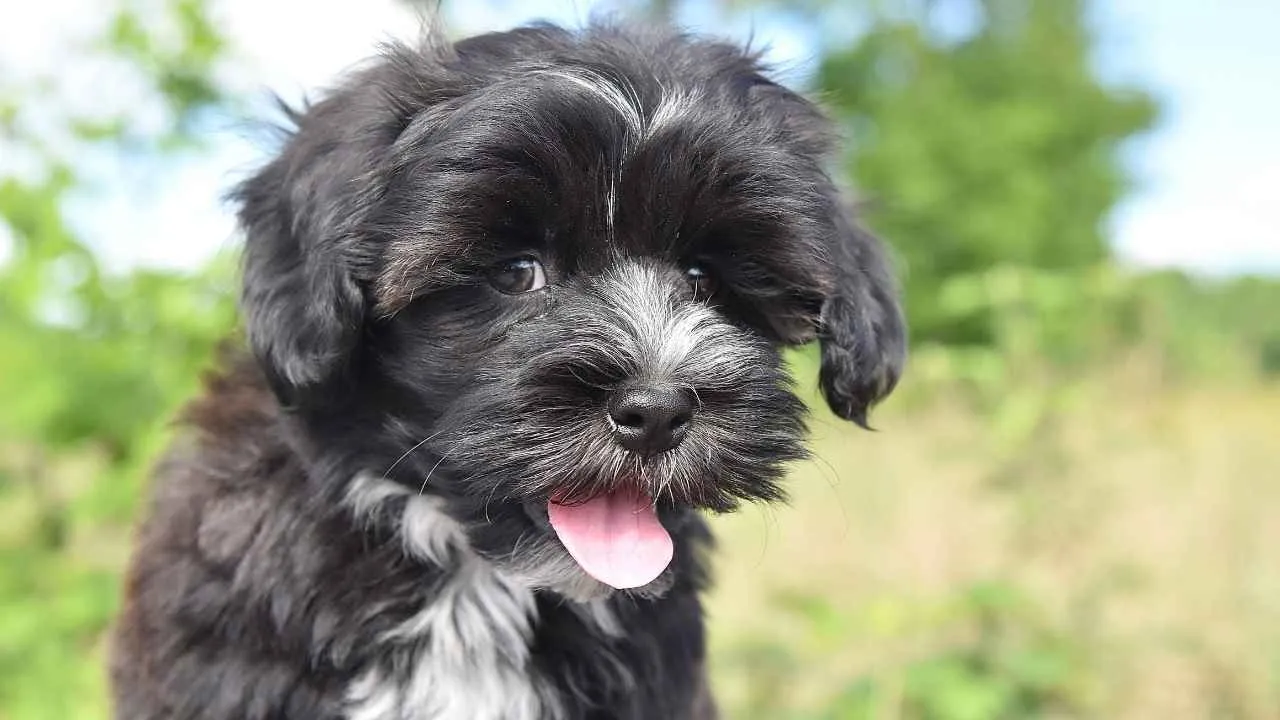
Havanese dogs are basically bred for companionship. Cuban in origin, and just naturally warm toward people.
They are one of those calm small breeds that seems to understand mood. Calm when you are calm. Playful when you want to play. It’s kind of remarkable, honestly.
These small dog breeds require moderate grooming. Their silky coat benefits from regular brushing, though many owners opt for a simpler puppy cut to cut down on maintenance.
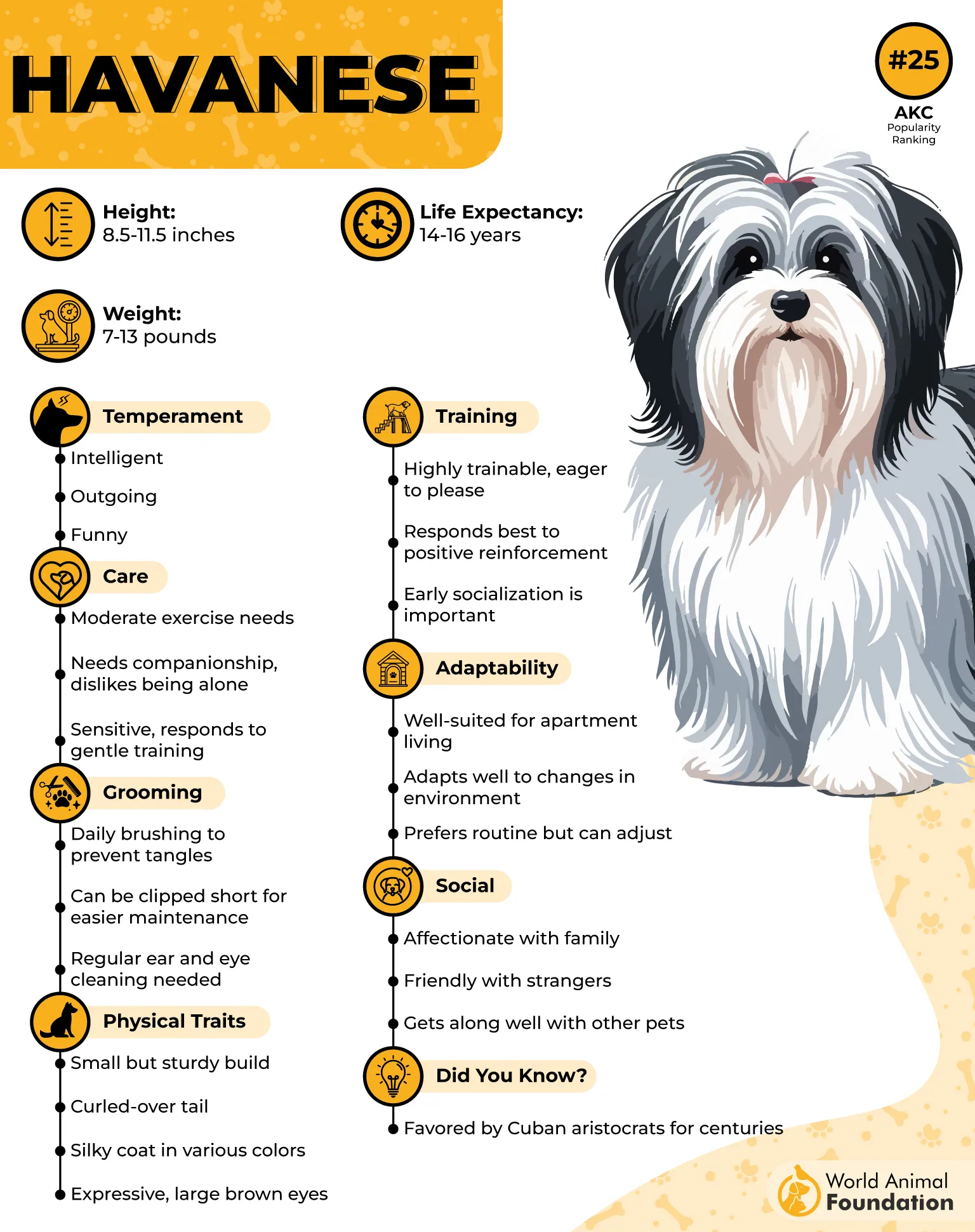
Exercise needs are manageable too. Daily walks and some indoor activity keep them happy without demanding too much from older owners.
Havanese dogs are famous for their intelligence and trainability. That makes basic training pretty smooth. They also adapt well to various living situations, homes, apartments, even care homes. And this nature makes them ideal canine companions for seniors looking for cheerful company.
6. French Bulldog
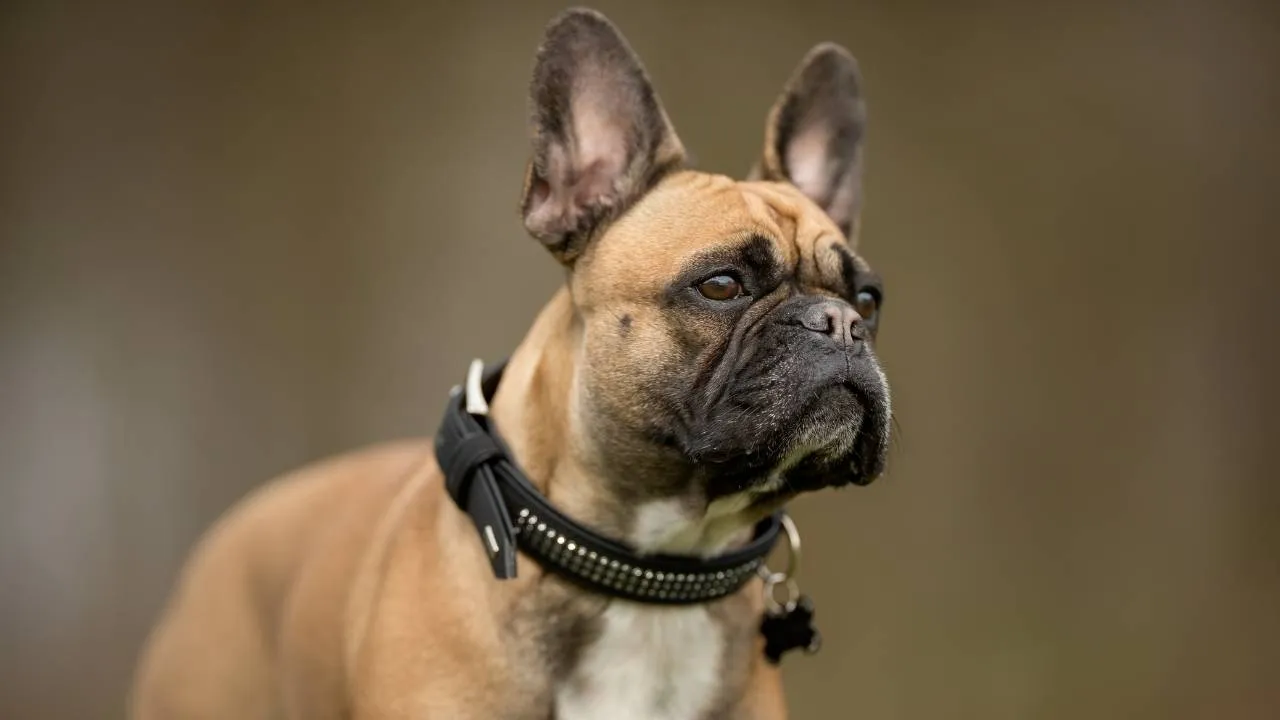
French Bulldogs have become one of the most popular dog breeds in the country. And it is NOT hard to see why once you spend time with one.
They are calm, funny, and don’t ask for much beyond your attention (which, let’s be honest, they will get anyway!).
French Bulldogs need minimal exercise. Short walks and some indoor lounging time are really all they are after. Their short coat also keeps grooming simple.
Because these are flat-faced dogs, they don’t handle extreme heat well, so seniors living in warmer climates should limit outdoor time.
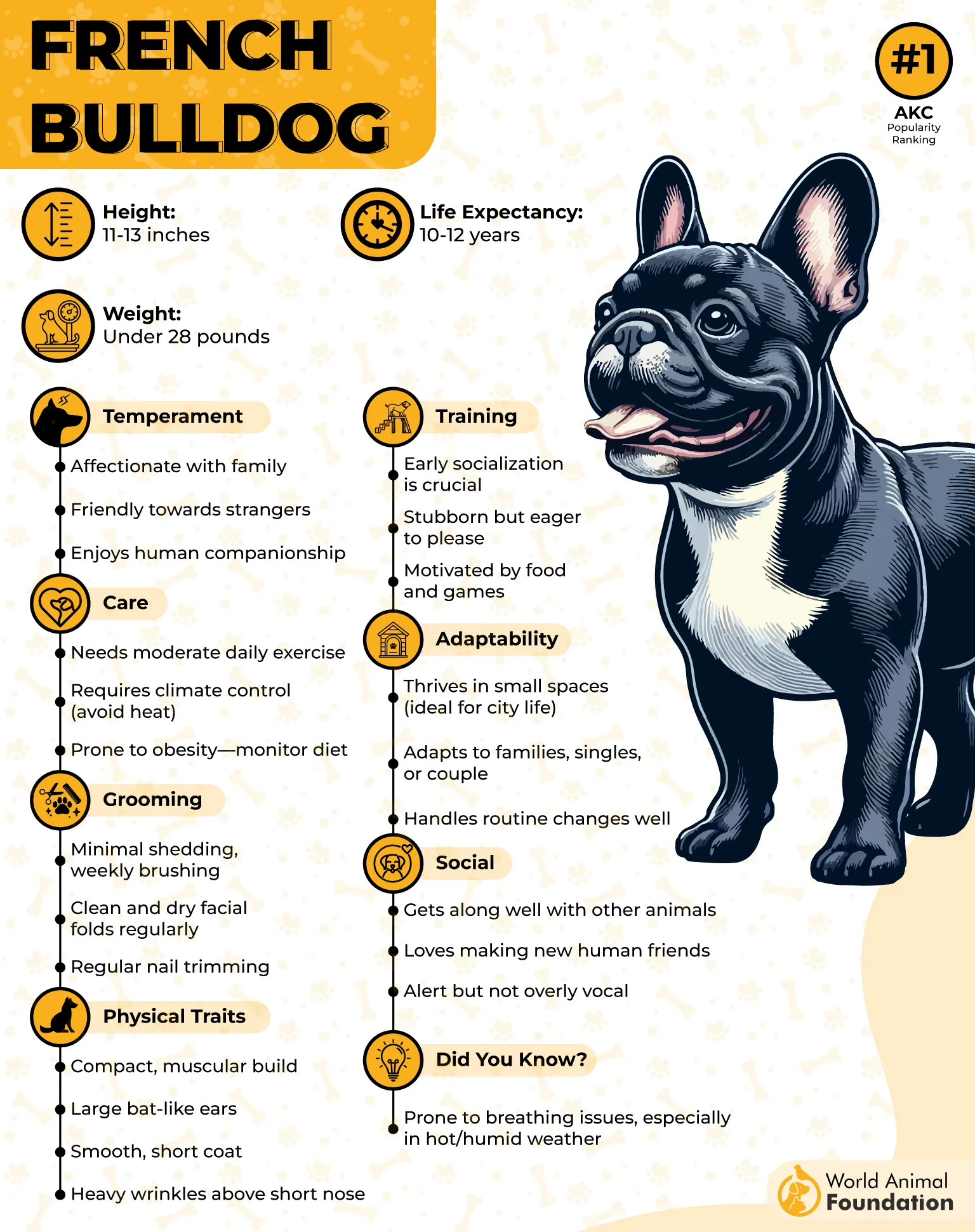
French Bulldogs are affectionate, low-key, and great companions for older adults who want a dog that’s content just being nearby.
They are also fairly quiet, according to Orvis, which suits apartment living.
7. Cocker Spaniel
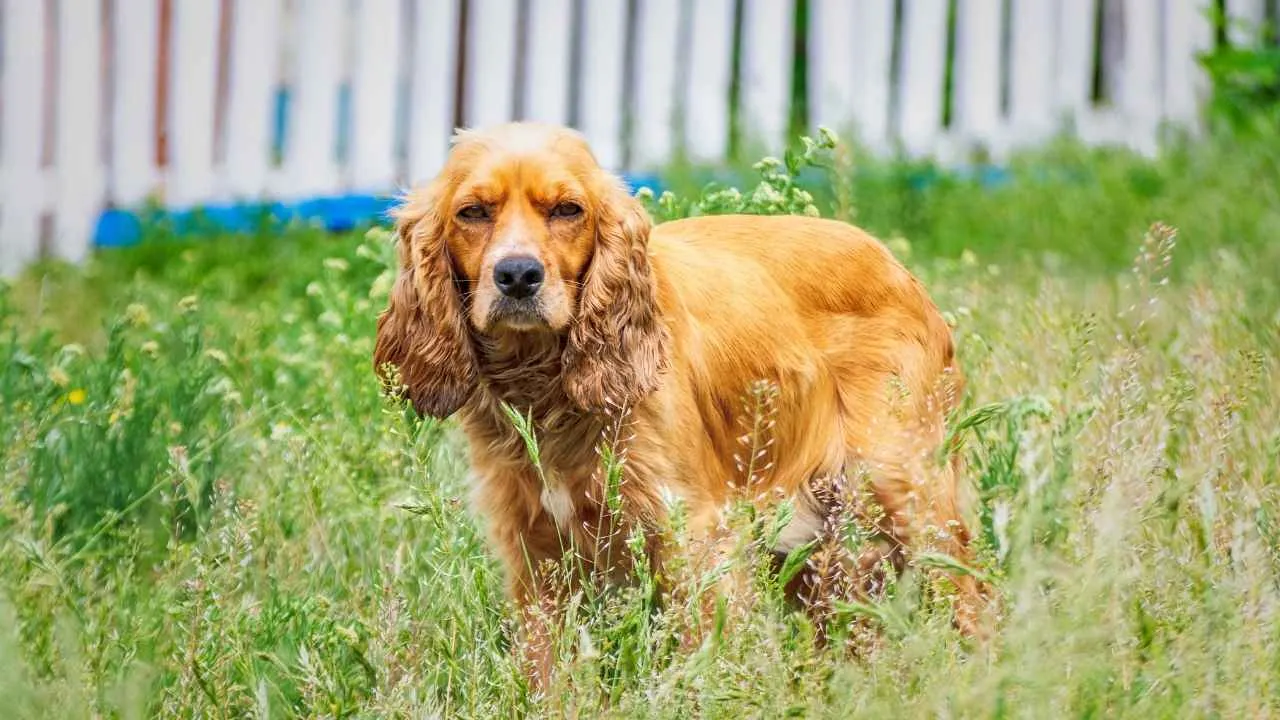
Gentle eyes, soft ears, and a temperament that feels… comforting.
Cocker Spaniels bring warmth without being demanding. That makes them a strong match for seniors.
Their exercise needs are moderate. Daily walks and some playtime keep them satisfied. They NEVER demand the stamina bigger or high-energy dogs need.
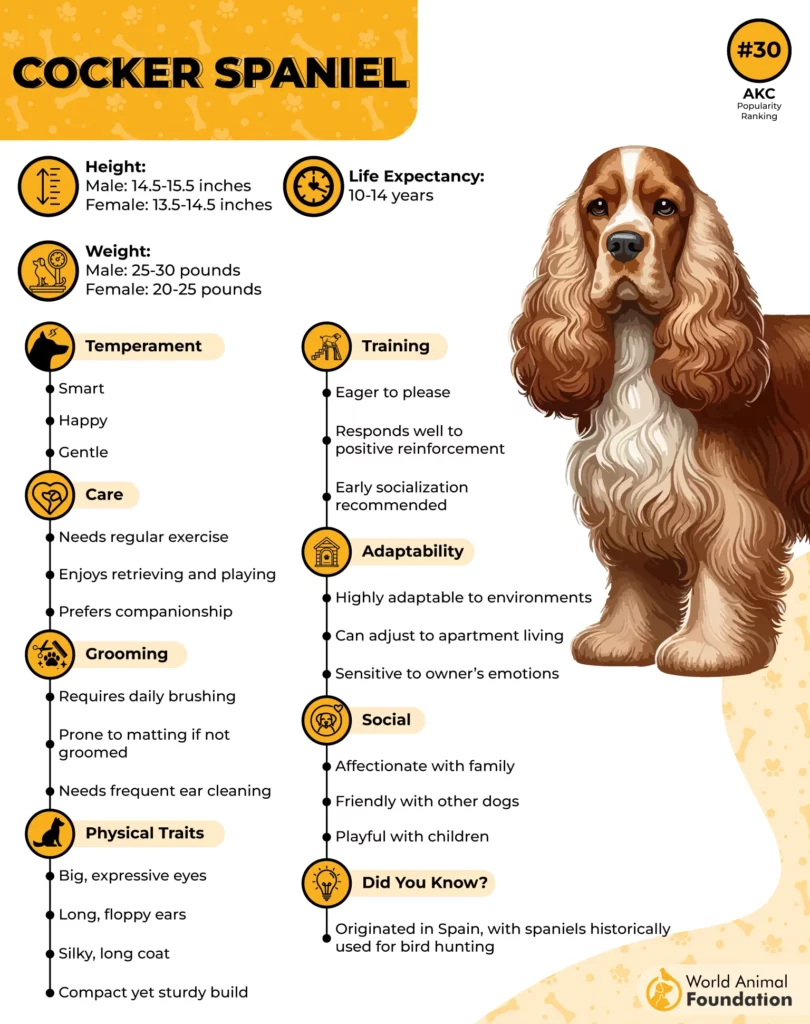
Their grooming needs are a bit more.
Regular brushing helps prevent matting in their long, feathered coat. Many owners bring in a professional groomer every so often for trims.
Cocker Spaniels are sociable and affectionate dogs. They generally get along well with other dogs and family members. They are well-suited for households with visitors, grandchildren, and other pets. That makes them a warm addition to daily life or older individuals.
Conclusion
Choosing the right dog is not just about breed standard or looks. For seniors, it is about finding a companion whose energy, size, and needs align with daily life.
These breeds all bring something special to the table.
Calm temperaments.
Manageable grooming.
Genuine companionship.
Rescue dogs are usually calm and settled, which can be a great fit for older adults not looking to raise a rowdy puppy from scratch.
At the end of the day, caring for a dog is a two-way street. These pets support healthy aging, encourage daily movement, and offer companionship.
And in return, they get a warm, welcoming environment.
For older adults ready to welcome a furry friend into their lives (with a pet care commitment), any of these breeds could be the start of something wonderful.
