





The most expensive part of owning a dog is often the decision made before the dog even arrives home. Breed choice has a greater impact on long-term costs than many people realize, influencing everything from grooming bills to healthcare expenses and daily maintenance.
A poor match can lead to years of higher spending, while a thoughtful choice can make ownership considerably more affordable. This is why experienced dog owners often pay close attention to care requirements before focusing on appearance or trends.
Affordable dog breeds are not simply cheaper to own. They are often easier to maintain, more predictable in their needs, and better suited to households that want financial stability alongside companionship. The difference becomes clearer with every passing year.
In the sections ahead, you’ll meet breeds that have built strong reputations for delivering exactly that balance.
Key Takeaways
A dog does not have to come with a hefty price tag to become an incredible companion for years to come.
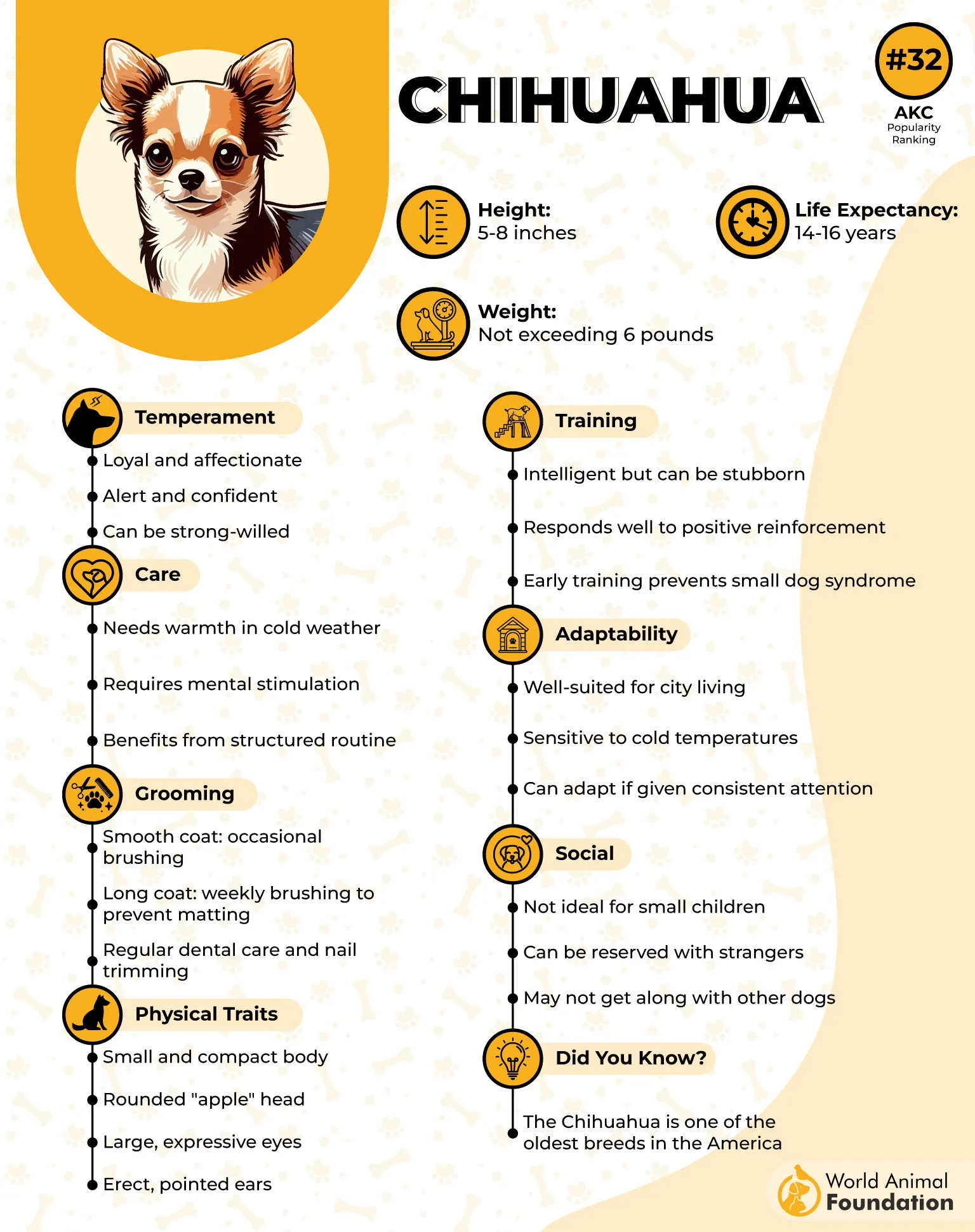
A Chihuahua can stay by your side for well over a decade while eating far less than larger breeds, making everyday care much easier to manage.
Beagles, Rat Terriers, and Miniature Pinschers also keep costs in check without asking you to give up an active and rewarding companion.
There is more to affordable ownership than a lower food bill, and these seven breeds might change the way you look at bringing home your next dog.
Best Dog Breeds for Owners Seeking Affordable Care
1. Chihuahua

The Chihuahua weighs less than six pounds on average, yet its lifespan often reaches 14 to 16 years, making it a practical choice for those planning for long-term companionship. That combination of small size and longevity can help keep everyday expenses more predictable over time.
Budget-Friendly Basics
Food expenses tend to remain manageable because this breed eats far less than larger dogs, and short-coated individuals usually require only occasional grooming. Those factors can make routine care easier to budget throughout the year.
The following numbers help illustrate the picture:
Healthcare: $300–$800 yearly
Grooming: $100–$300 yearly
Food: $240–$360 yearly
Small Footprint
This low-maintenance dog slips easily into everyday routines without needing much room, and its compact size makes neighborhood walks simple and convenient. Adoption costs can vary widely, ranging from around $50 to as much as $2,500, depending on the source and availability.
2. Beagle

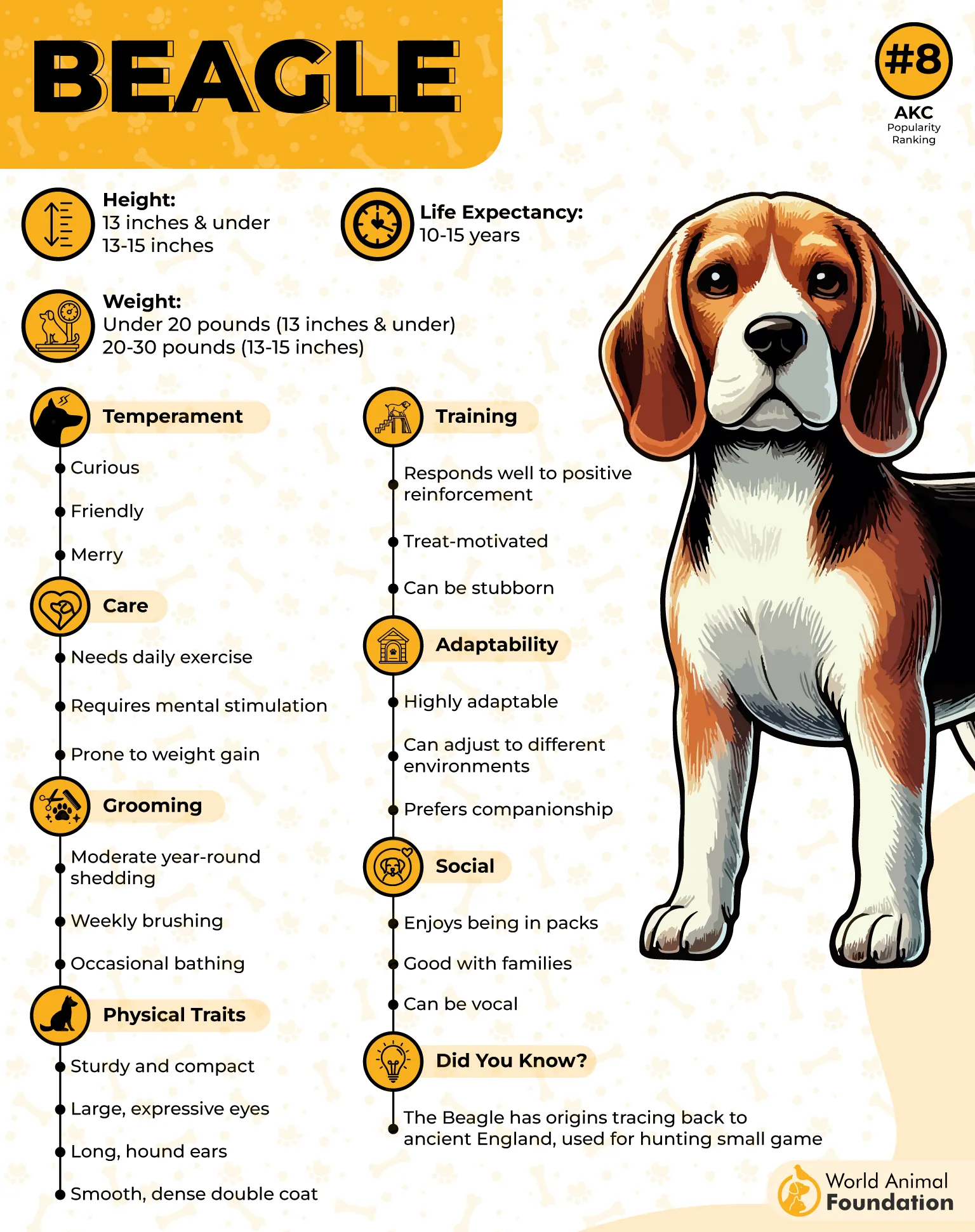
Beagles fit comfortably into households looking to keep everyday expenses manageable, thanks in part to their modest size of roughly 20 to 35 pounds. Their smaller appetite means mealtime requires less food, helping keep annual feeding costs lower than those of many larger breeds.
Costs in Check
One reason this breed appears on budget-friendly lists is the relatively low spending required in several key care categories. Combined with a short coat, routine upkeep can remain fairly straightforward throughout the year, as Petplan writes.
The numbers help tell the story:
Adoption: $25–$1,500
Food: $360–$600 yearly
Grooming: $0–$480 yearly
Always Up for Activity
In family life, the Beagle brings plenty of enthusiasm to daily life and generally enjoys spending time outdoors. Regular walks and active routines suit this breed well, making it a comfortable match for energetic households and first-time dog owners alike.
3. Bichon Frise

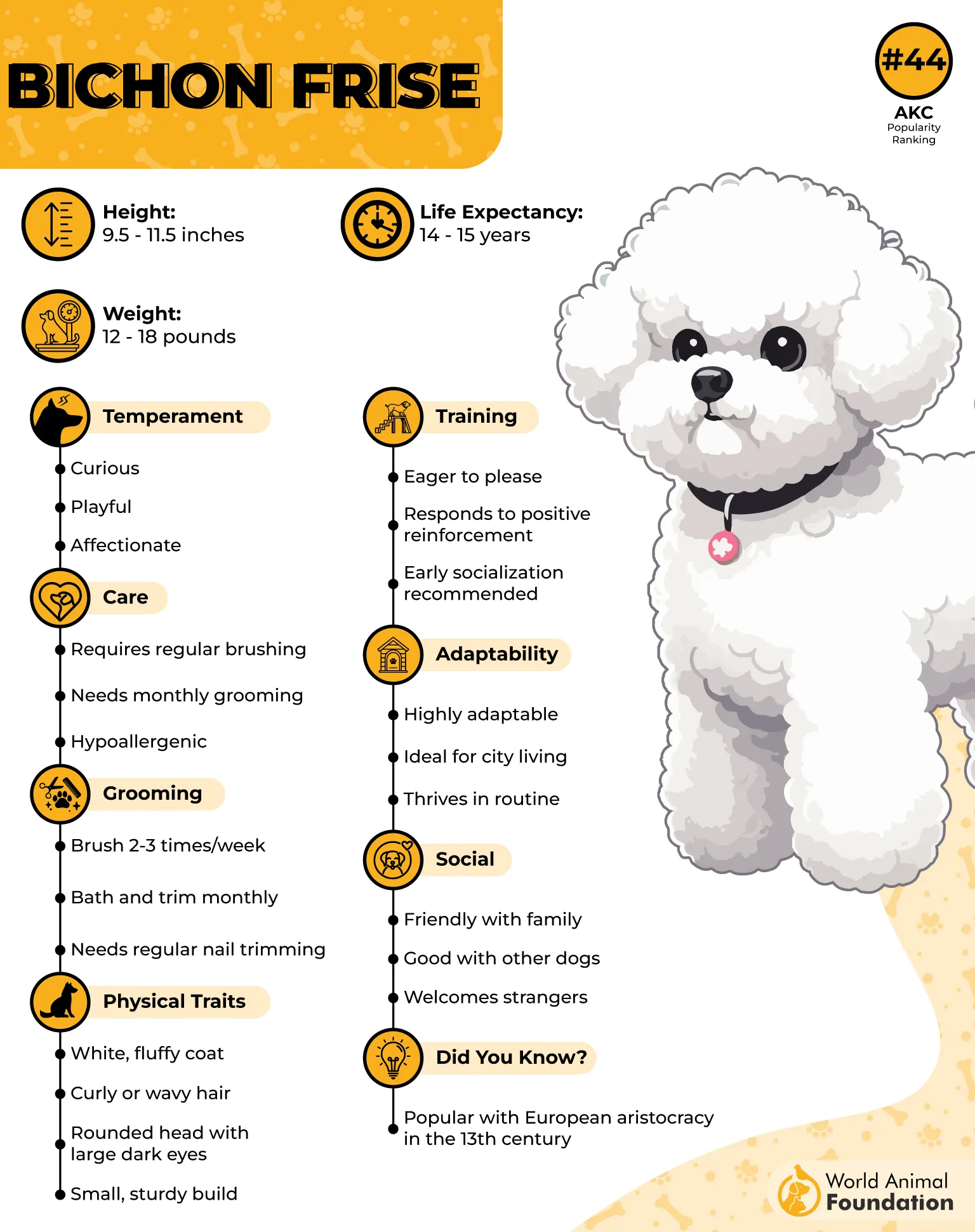
The Bichon Frise keeps things relatively simple from a budgeting perspective, thanks in part to its compact 12 to 18-pound frame. Smaller portions at mealtime and fewer size-related expenses can make this cheerful little companion easier on the wallet over the years.
Where Costs Go
While feeding expenses can be modest, grooming deserves a place in the budget because this breed requires professional attention every few months. Annual grooming costs can range from roughly $300 to $1,000, depending on coat care needs.
Here are the main expenses to keep in mind:
Adoption: $50–$2,500
Veterinary care: $1,380–$3,480 yearly
Food: $480–$1,200 yearly
Coat and Lifestyle
The Bichon Frise sheds very little, which may make it a practical choice for households concerned about allergies, as PetMD claims. Moderate energy levels mean regular exercise remains important, though daily needs are generally less demanding than those of high-drive working breeds.
4. Rat Terrier

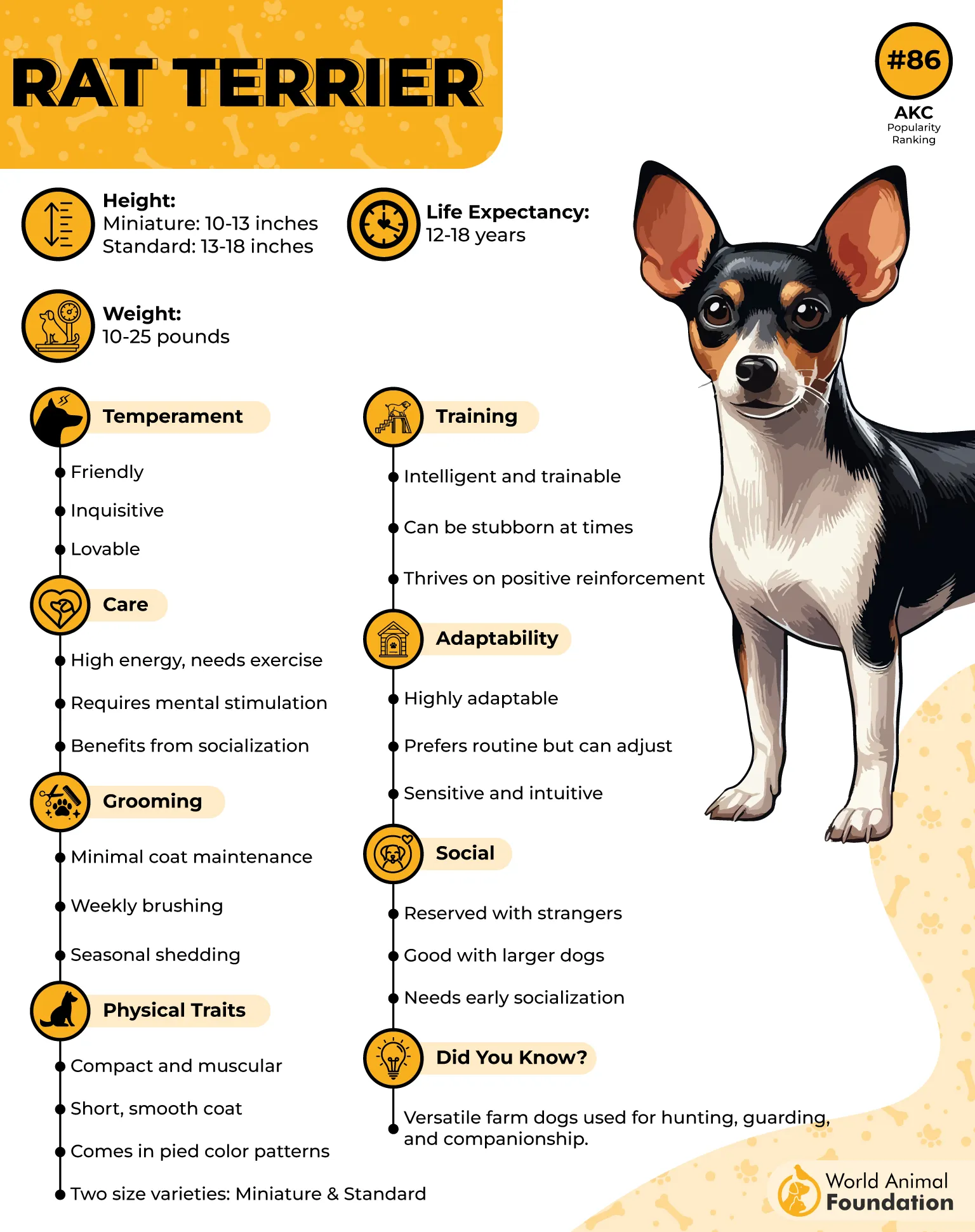
The Rat Terrier consistently ranks among the most economical breeds to own, thanks to its modest size, straightforward care needs, and strong overall health. Annual ownership costs average around $1,050, making long-term budgeting much easier for cost-conscious households.
Where the Savings Come From
A large part of the appeal comes from everyday expenses that remain relatively manageable throughout the year. Smaller portions at mealtime and minimal grooming requirements help keep routine costs from climbing too quickly.
Other yearly costs include:
Average annual cost: $1,050
Annual vet costs: $300
Estimated food cost: $300 yearly
Simple Coat Care
The Rat Terrier has a short, sleek coat that does not require professional trimming or specialized grooming appointments, as stated by Purina. That practical coat structure helps reduce ongoing maintenance expenses while keeping care routines straightforward and easy to handle.
5. Miniature Pinscher

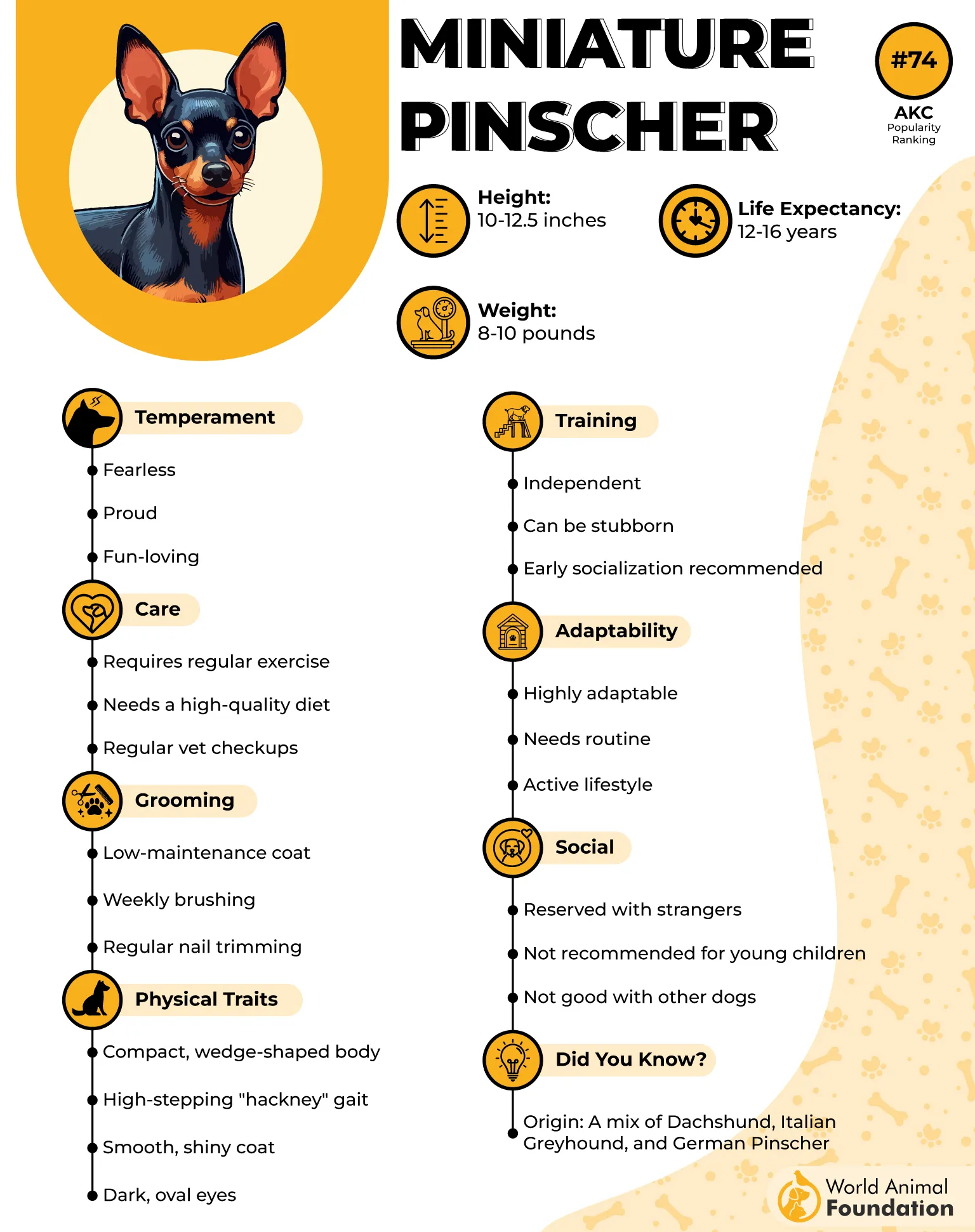
The Miniature Pinscher, famously known as “King of toy breeds,” has a reputation for acting much larger than its actual size, bringing confidence and curiosity into nearly every situation. Standing about a foot tall and weighing up to 11 pounds, this breed packs plenty of personality into a compact frame.
Budget-Friendly Basics
This furry friend keeps expenses manageable with their smaller appetite, which helps keep food costs low, while coat care remains simple with grooming sessions needed only occasionally.
You can plan for these regular expenses:
Annual food costs: $50–$150
Annual grooming: $140–$200
Annual healthcare: $400–$700
Small Dog, Big Presence
The Miniature Pinscher brings an outgoing attitude that keeps daily life entertaining, often approaching new situations with enthusiasm and self-assurance. That bold temperament is one reason this breed continues to attract people who enjoy lively canine companions.
6. Pug

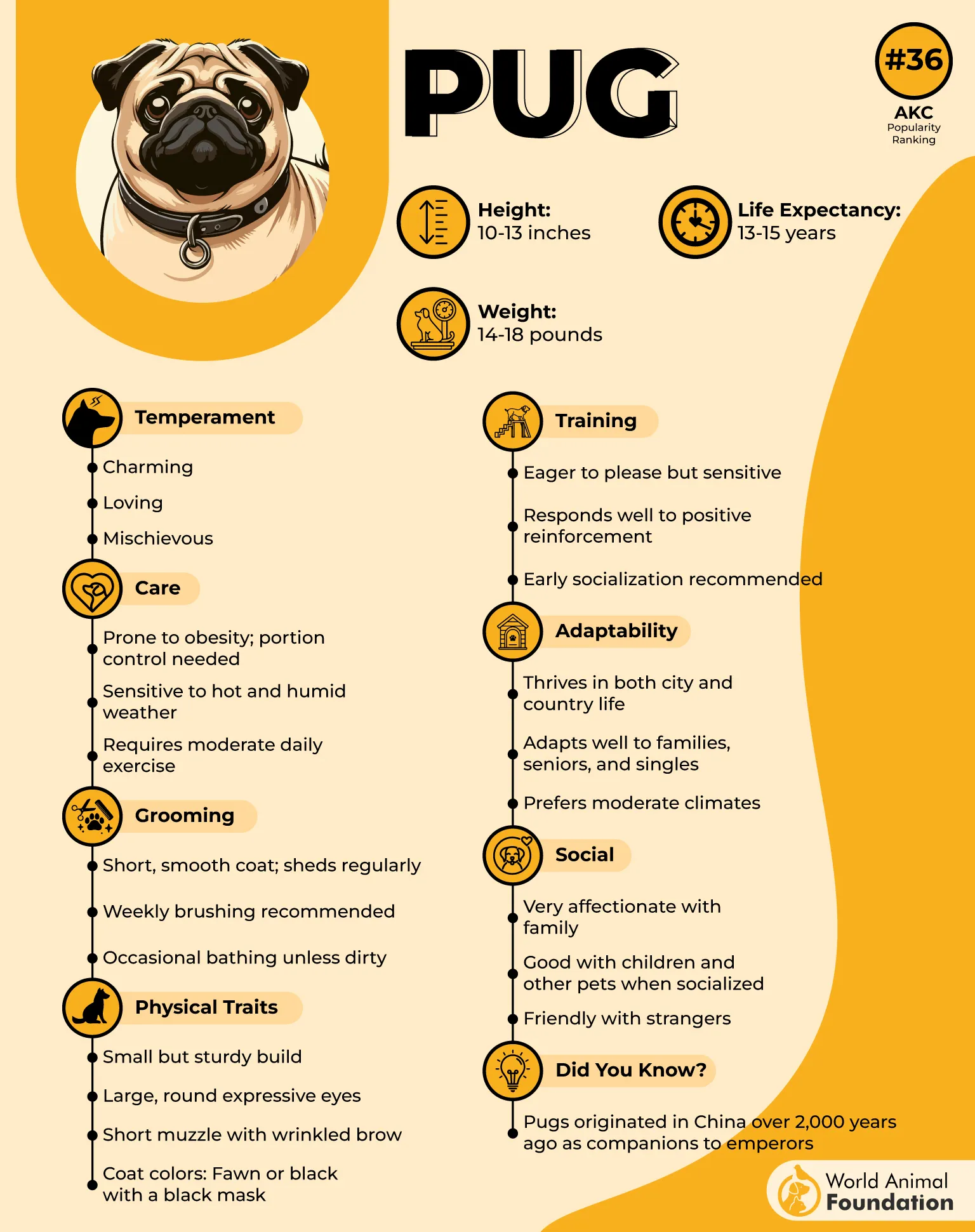
Pugs have been part of human households for around 2,000 years, with roots in China and a long association with royal circles in different parts of the world. That enduring popularity helped turn this compact companion into one of the most recognizable toy breeds today.
Smaller Dog, Smaller Bills
Weighing between 14 and 18 pounds, a Pug generally requires less food than larger breeds, which can help keep routine expenses manageable. Food costs commonly fall between $240 and $600 per year, depending on diet and portion needs.
These are the other common costs to account for:
Adoption: $100 to $2,000
Grooming: $360 to $720 yearly
Healthcare: $240 to $2,400 yearly
Easygoing Nature
Pugs adapt well to different households, including small living spaces, and often settle into new routines without much difficulty. That relaxed personality, combined with its approachable temperament, can make the breed appealing to people getting their first dog.
7. Dachshund

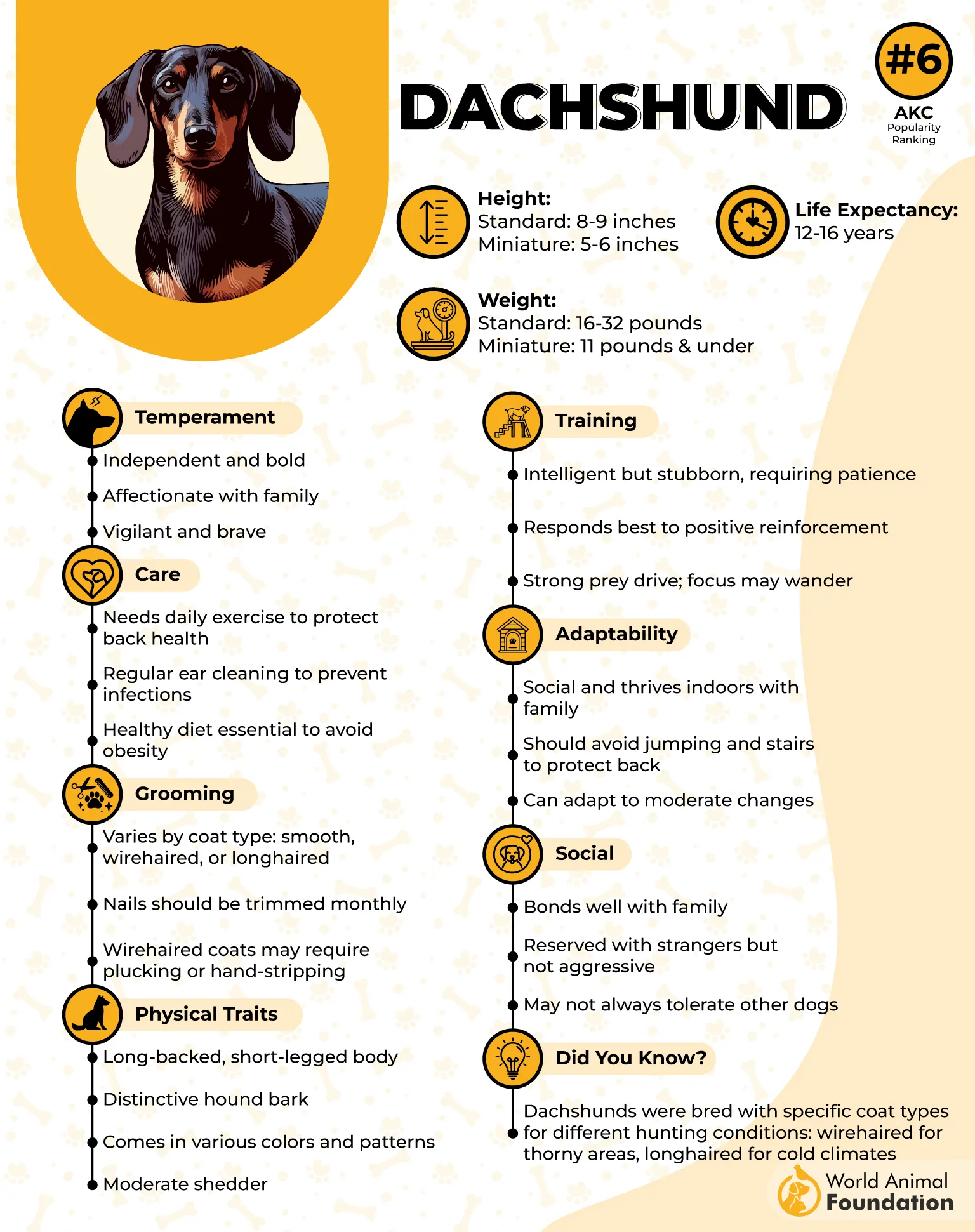
The Dachshund is instantly recognizable for its elongated body, muscular short legs, and alert expression that always seems to be watching what is happening nearby. That compact size also plays a role in keeping everyday expenses lower than those of many larger breeds.
Budget-Friendly Numbers
Cost-conscious buyers often notice that this breed comes with a fairly broad range of ownership expenses, depending on health, lifestyle, and location. Adoption, food, grooming, and veterinary costs can vary considerably from one household to another.
A quick look at the figures helps explain why:
Adoption: $150–$3,500
Food: $240–$840 annually
Grooming: $0–$600 annually
A Weight Worth Watching
Dachshunds can remain relatively inexpensive to care for when overall health is kept in good condition through sensible daily habits. Extra weight deserves attention because obesity can place additional strain on the breed’s distinctive body structure over time.
Conclusion
Every dog deserves proper care, but some naturally fit more comfortably into households that prefer predictable expenses and straightforward routines. The breeds in this guide illustrate how practical care needs can make ownership less overwhelming. They can be especially appealing to first-time owners and many pet parents, though shelter dogs are also worth considering.
Their appeal extends beyond affordability, offering companionship, loyalty, and everyday enjoyment without creating unnecessary financial strain. While individual costs will always vary, selecting a breed with realistic care demands can make a meaningful difference. Even with lower-maintenance breeds, regular vet visits remain an important part of responsible ownership.
