




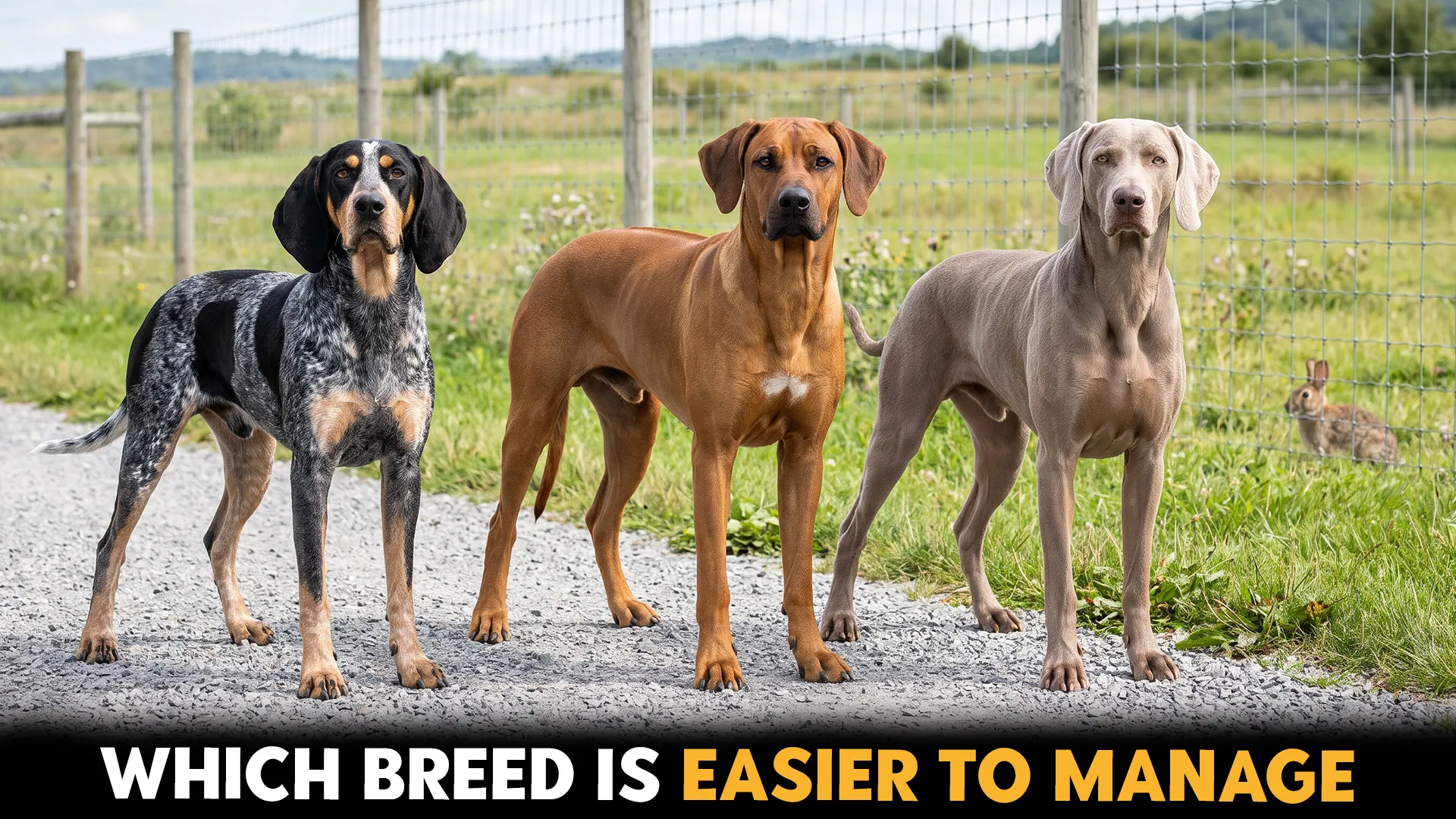
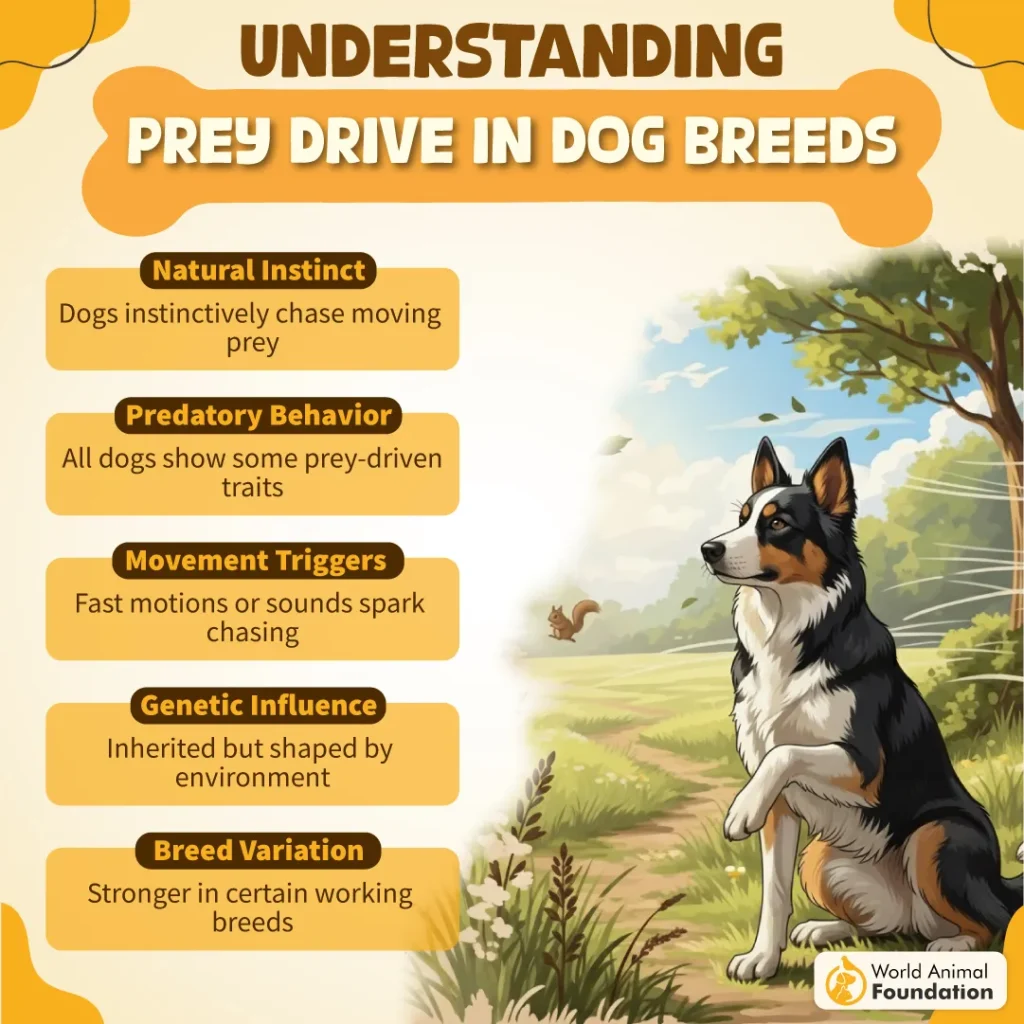
Every dog carries some degree of instinctual hunting behavior, but prey drive varies dramatically from one breed to the next. While high-drive sighthounds and terriers may bolt after a squirrel without a second thought, other breeds were carefully developed to work peacefully alongside livestock, small animals, and busy households without chasing everything that moves.
Understanding where a breed falls on that spectrum is one of the smartest steps you can take before bringing a dog home.
Prey drive shapes far more than how a dog reacts to neighborhood wildlife—it influences off-leash reliability, cat and small-pet compatibility, daily training needs, and how you manage walks or yard time.
For households with indoor cats, backyard chickens, small children, or unfenced spaces, choosing a dog with a naturally low, predictable prey drive—or a breed whose instincts are easily channeled through structured play—can prevent daily stress and safety risks.
Below, explore the best dog breeds for owners considering prey drive—along with their temperament, household compatibility, and training needs.
Best Dog Breeds For Owners Considering Prey Drive
1. Bluetick Coonhound
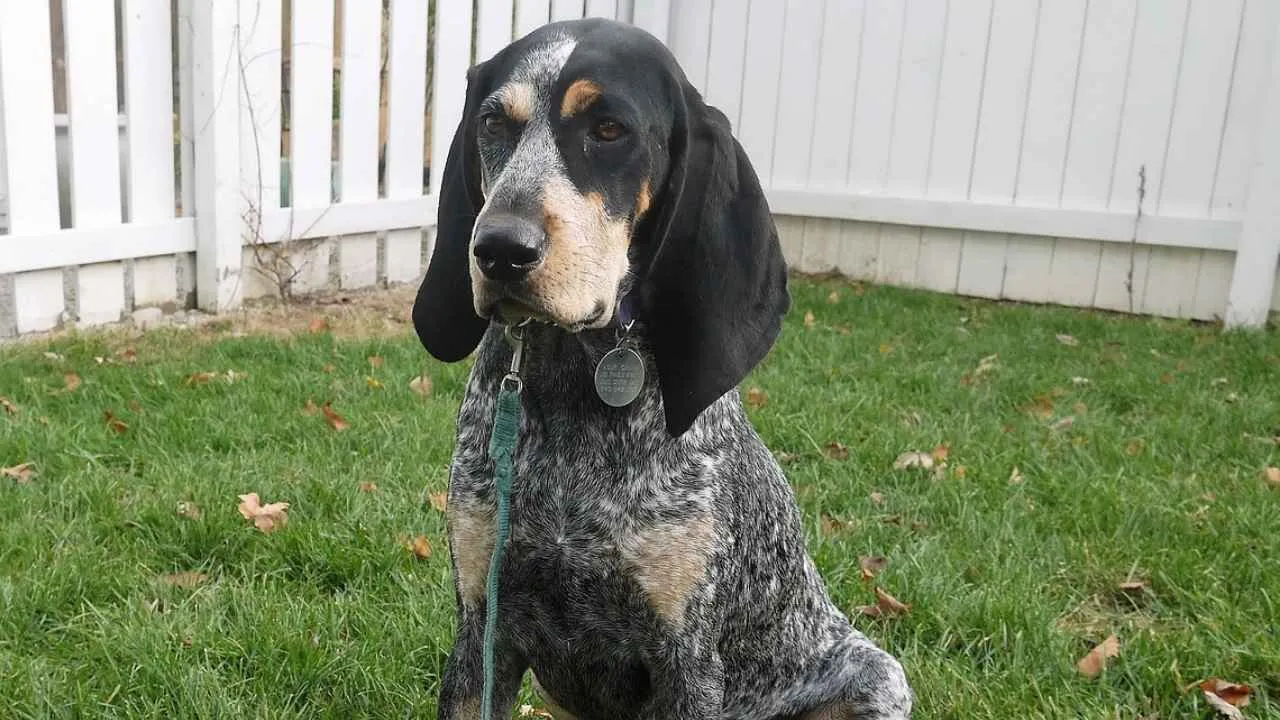
The Bluetick Coonhound was bred in the American South to trail raccoons by scent through the night, and the AKC notes that the same nose still runs the show at home. Squirrels and anything whizzing by can flip it from a lap dog into a tracking machine in seconds.
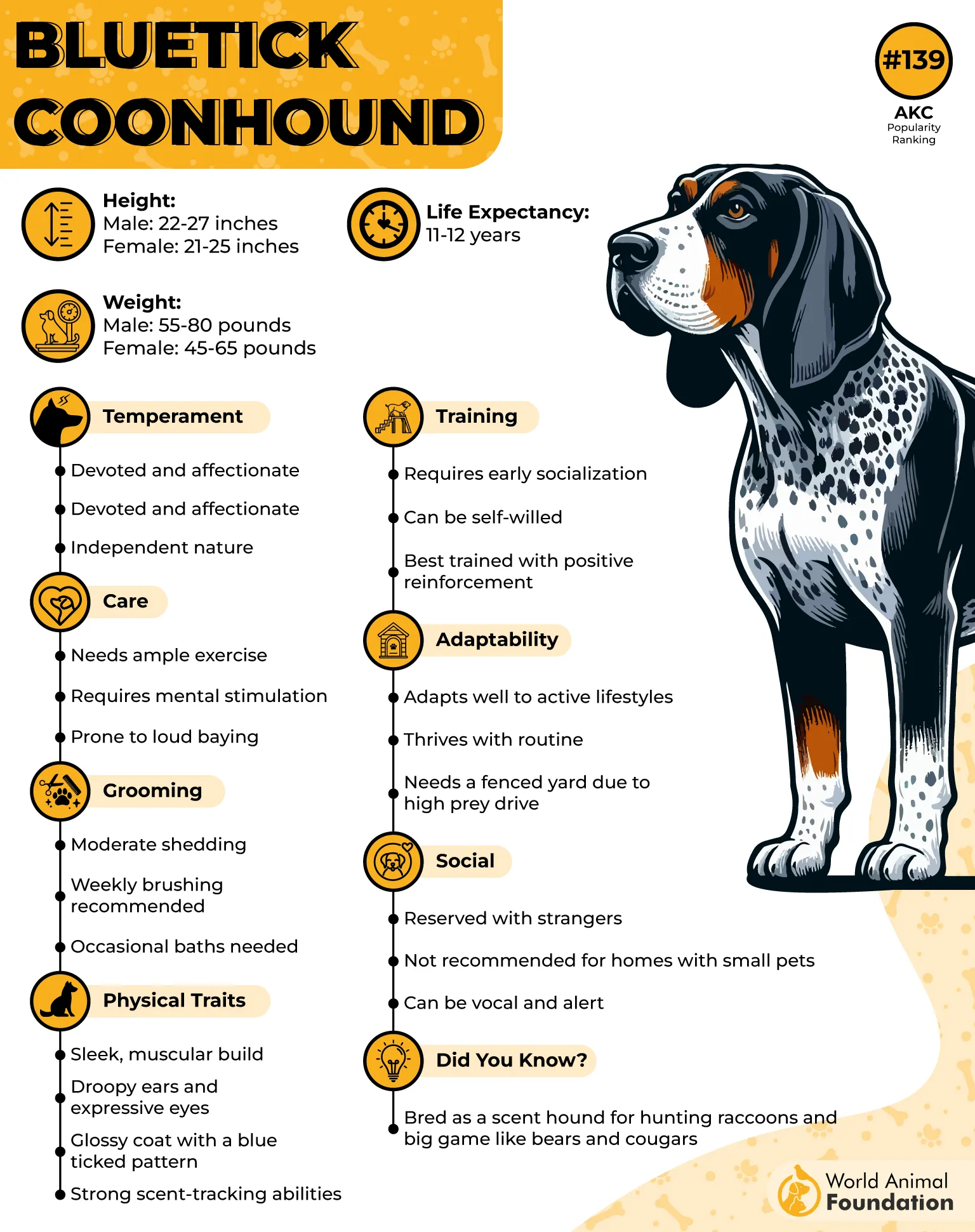
The real decision point here is your fencing, because a coonhound mid-trail will not stop for a called name. Recall training alone will not override centuries of scent-driven instinct. Containment matters more here than tone of voice.
Fence check: Walk the yard perimeter for gaps and dig spots each season, not just once.
Leash first: Use a long training lead on scent walks until recall is reliably solid.
A Bluetick suits owners who love long walks, do not mind barking, and can commit to serious containment. First-time owners hoping for a casual, unfenced yard dog should think twice. This is a nose with four legs attached.
2. Rhodesian Ridgeback
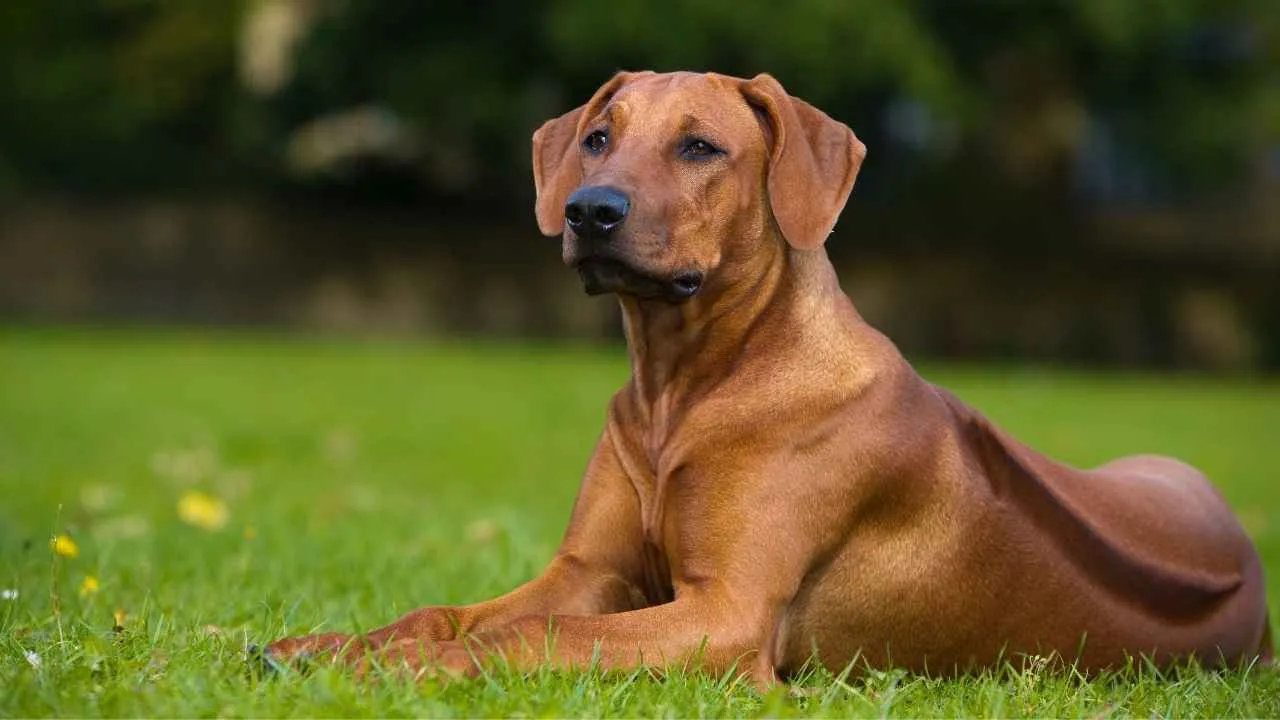
The Rhodesian Ridgeback was developed in southern Africa to track and corner lions until hunters arrived, and Britannica credits that history for its power, independence, and courage today. At home, that same courage turns into intense focus on anything small that runs, cats and squirrels included.
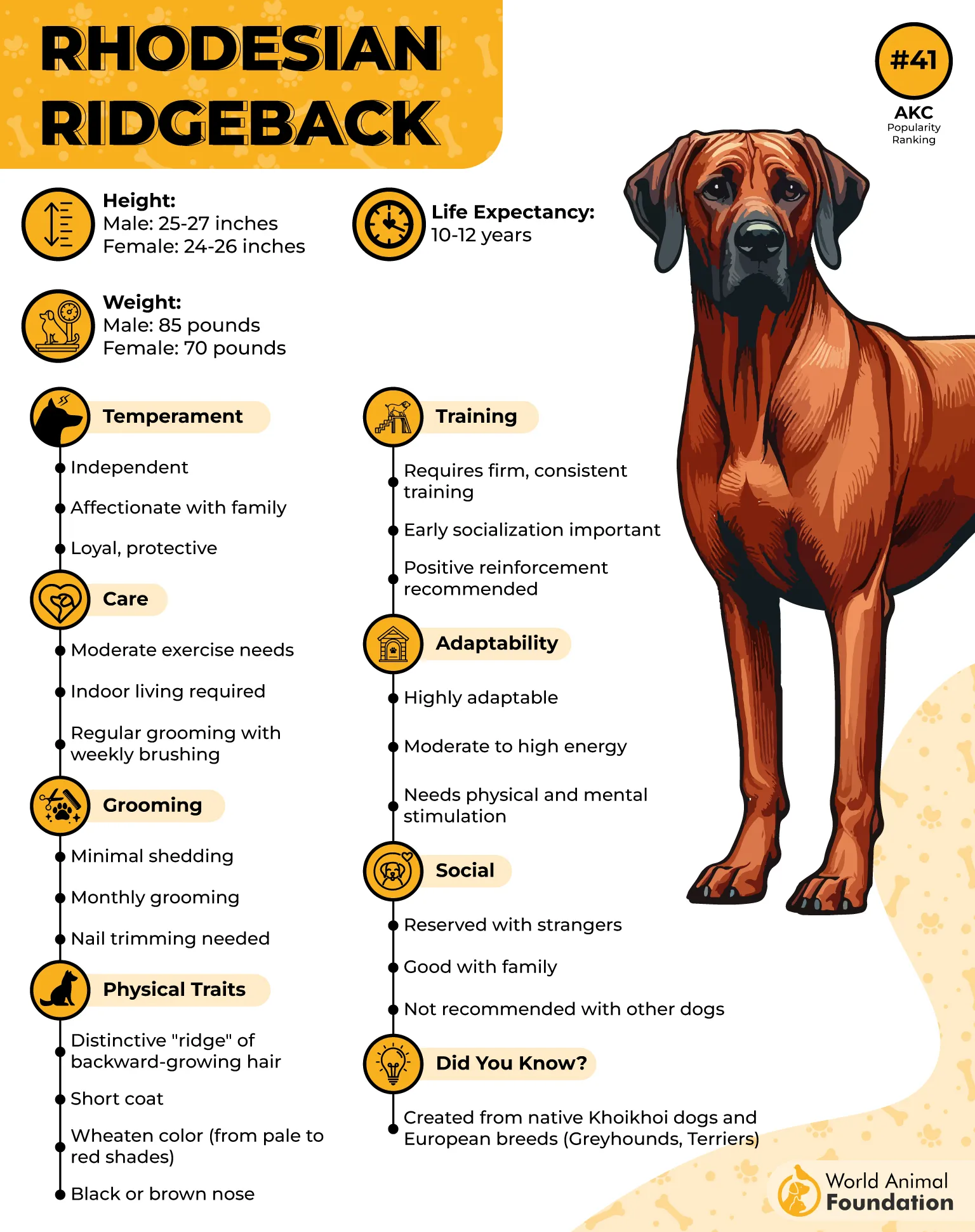
The variable that decides this one is introduction, not personality. A Ridgeback raised with a cat from puppyhood usually settles into easy coexistence, while meeting an unfamiliar small pet as an adult is a different story.
Early exposure: Introduce puppies to resident pets within the first few months, under close supervision.
Slow adult intros: Use a crate or baby gate for the first few weeks when adding a new small pet later.
A Ridgeback suits families ready to manage that early socialization window and want a loyal, intelligent companion. Owners adopting an adult rescue alongside resident cats should think twice first.
3. Weimaraner
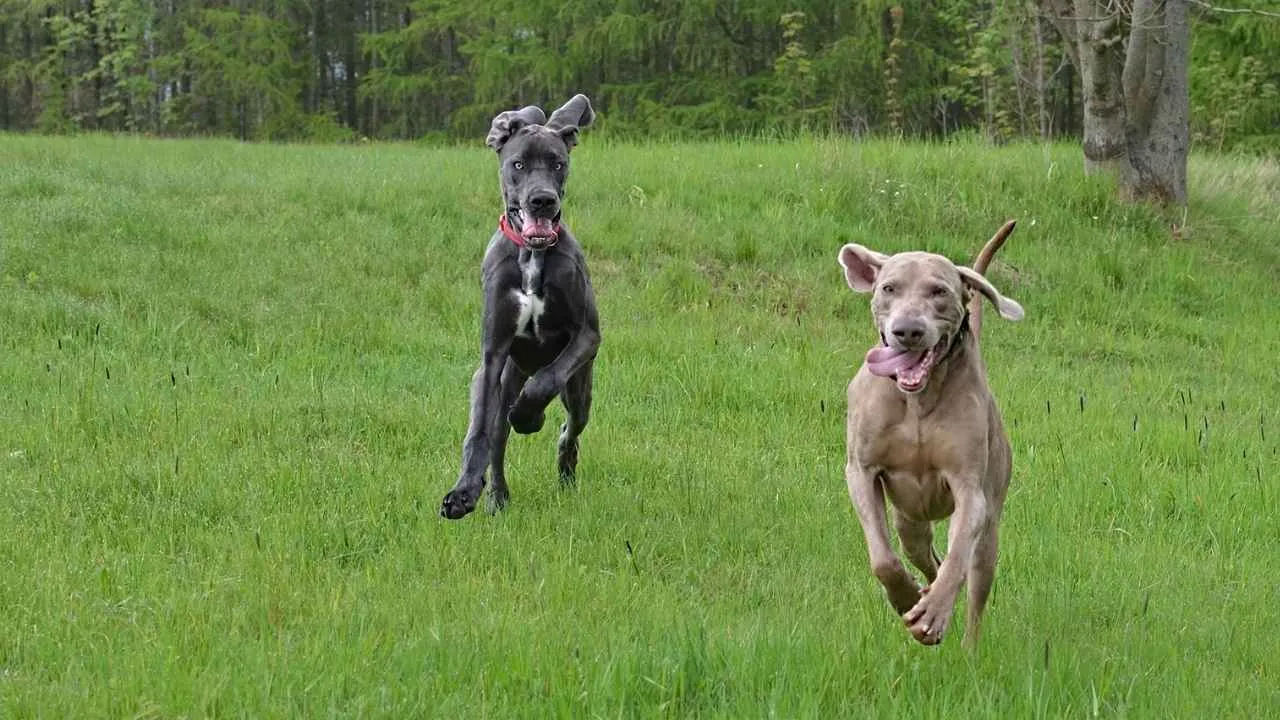
The Weimaraner was built in Germany as an all-purpose hunting dog, and Royal Canin still describes the breed as having a real passion for hunting pests and game. At home, fast motion near the yard, a jogger, a cyclist, or a squirrel, can trigger that same chase element.
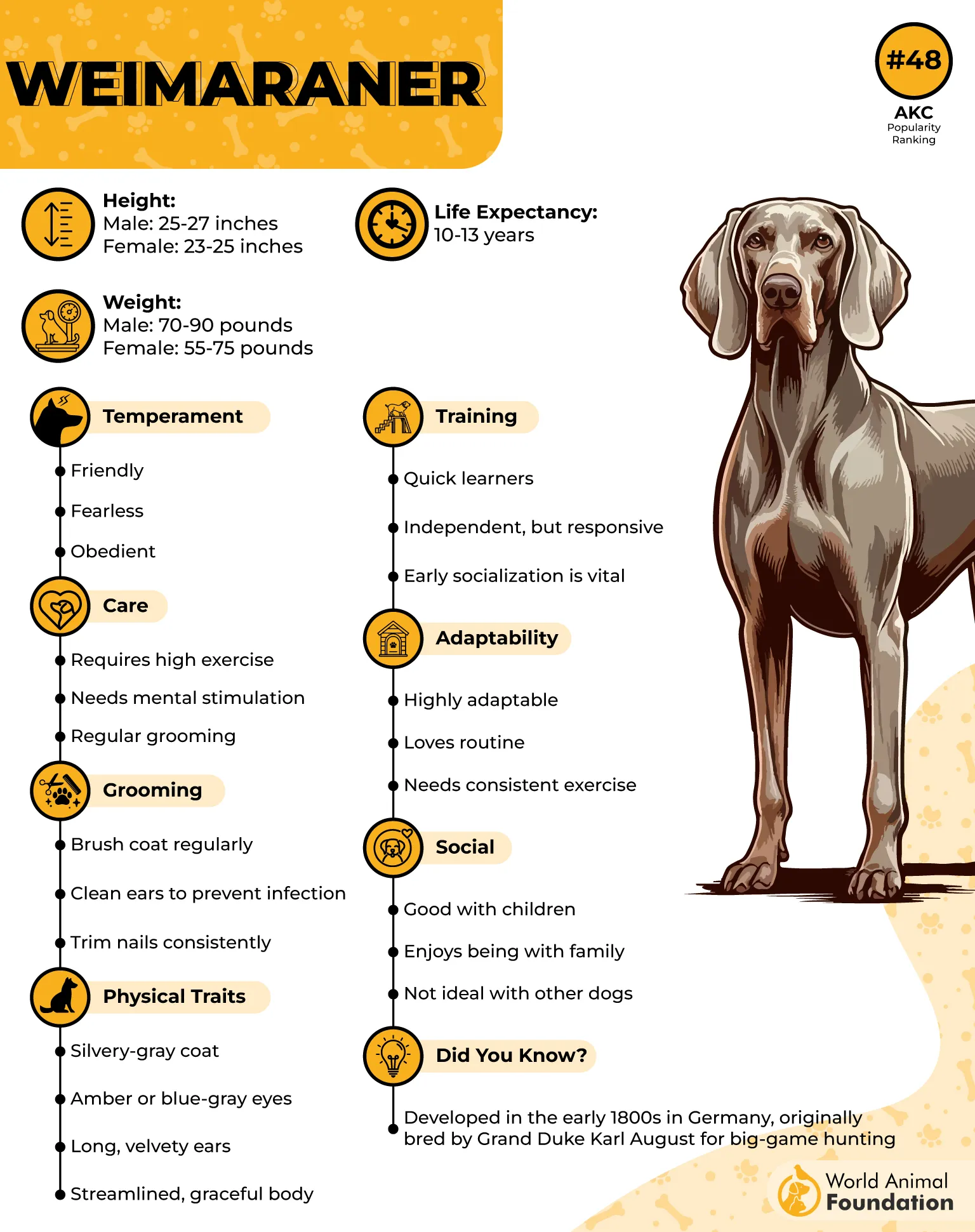
The variable to weigh here is your own daily bandwidth, since this breed was bred to work hard every single day. Without a real outlet, that hunting drive turns into destructive digging or fence-testing instead of staying in the field.
Scent games: Hide treats or toys in the yard for a nose-led hunt before breakfast.
Structured fetch: Book 2 short retrieving sessions a day instead of one long free-for-all walk.
This breed best suits active owners who already build structured routines into their day. Apartment dwellers or first-time owners without a plan for daily outlets should think twice before bringing one home.
4. Border Collie
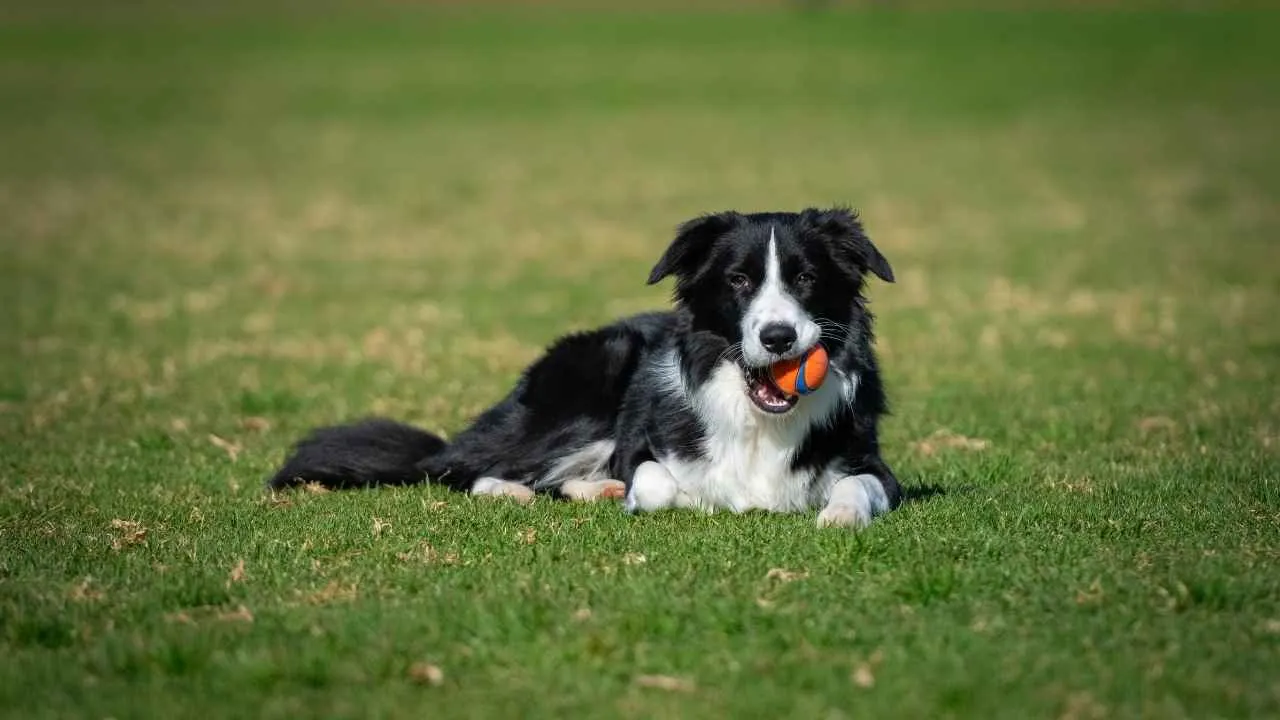
The Border Collie was bred to herd sheep using eye contact, stalking, and a tightly controlled chase, not an actual hunt. At home, that same wiring locks onto anything moving fast: bikes, joggers, running kids, and other pets.
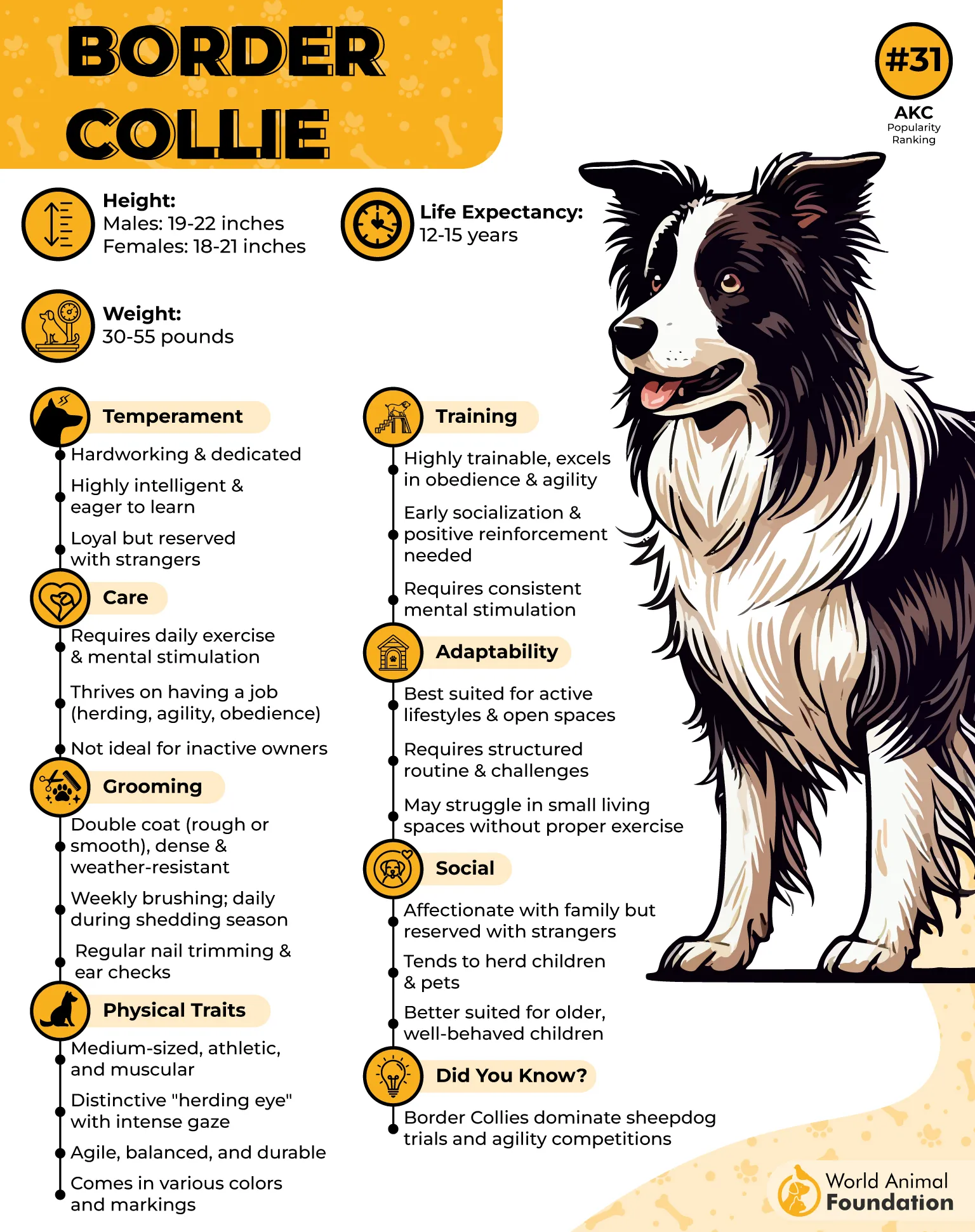
The variable that decides fit here is how much fast movement your household produces on a normal day. Young kids on scooters, other energetic dogs, or a yard that backs onto a cycling path all raise the odds of nipping or herding.
Redirect the chase: Teach a solid fetch cue so moving targets become a game, not something to herd.
Supervise scooter time: Keep the dog on a long line near scootering kids until nipping habits stop.
Border Collies suit active, intelligent households with structure and a daily job to do. Families with toddlers on tricycles or several small pets running around should think twice.
5. Greyhound
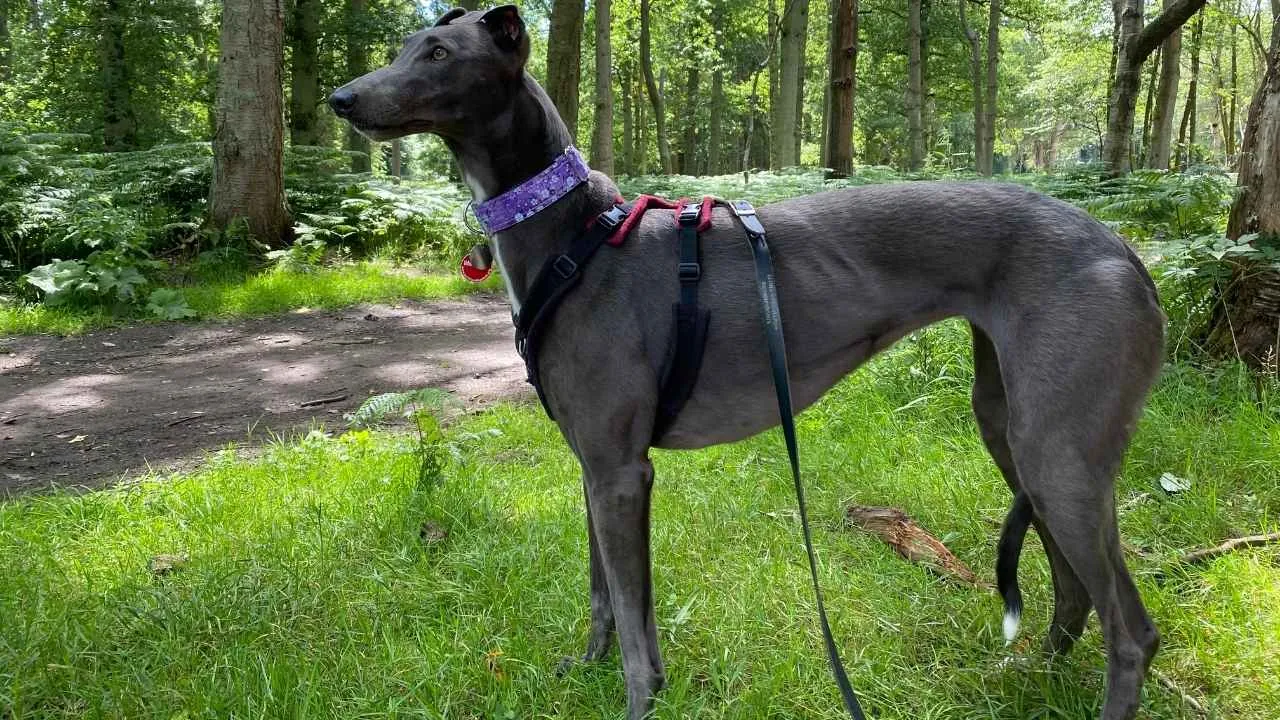
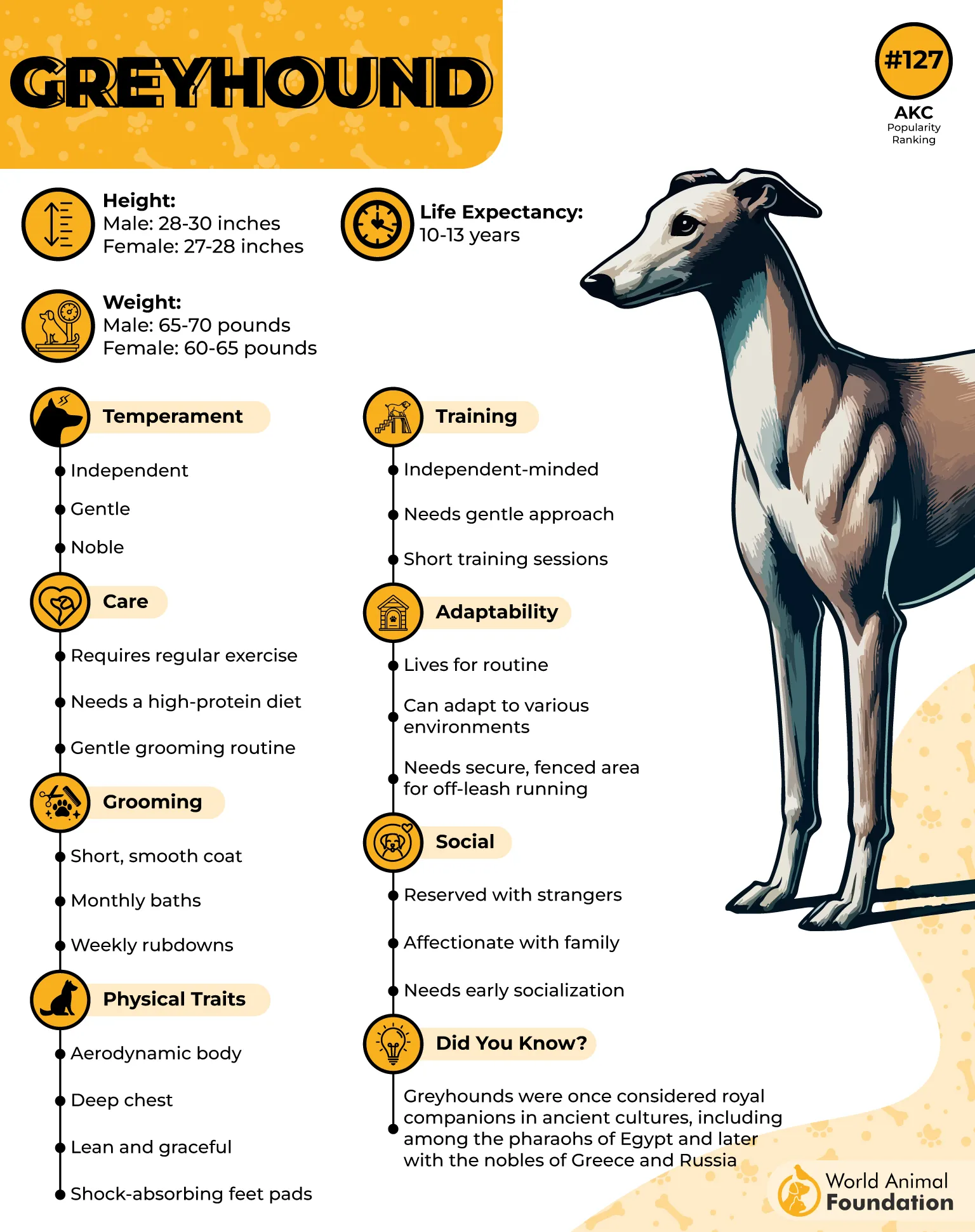
The Greyhound was bred purely for speed, with a prey drive wired to spot movement by sight and close the gap in seconds. At home, a squirrel darting across the yard or a small dog running past can flip that switch instantly.
The variable that matters most here is your outdoor setup, since PetMD notes Greyhounds should stay leashed and only run free in a securely enclosed space. An open yard without a solid fence turns a short sprint into a real problem fast.
Fence audit: Confirm every gate latches fully before any off-leash time outdoors.
Leash by default: Treat walks as leash-only until recall has been tested in total isolation.
Greyhounds suit owners with a securely fenced yard or access to safe enclosed spaces for off-leash time. Renters with open or shared yards, or households expecting a casual off-leash companion, should think twice.
6. Basenji
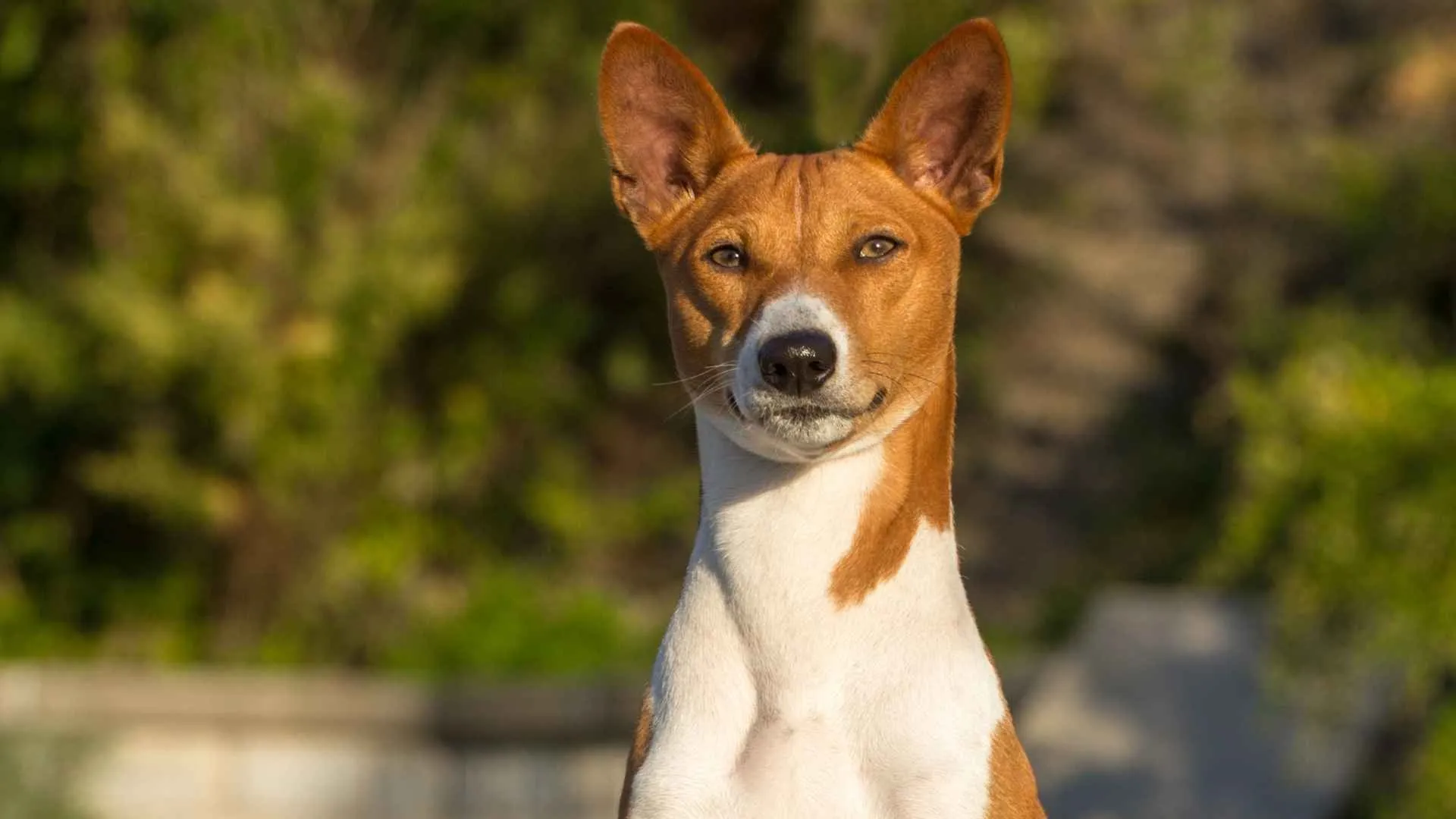
The Basenji was developed in Central Africa to flush and catch small game in thick brush, working mostly on its own. At home, that independence shows up as laser focus on anything small and quick, squirrels included.
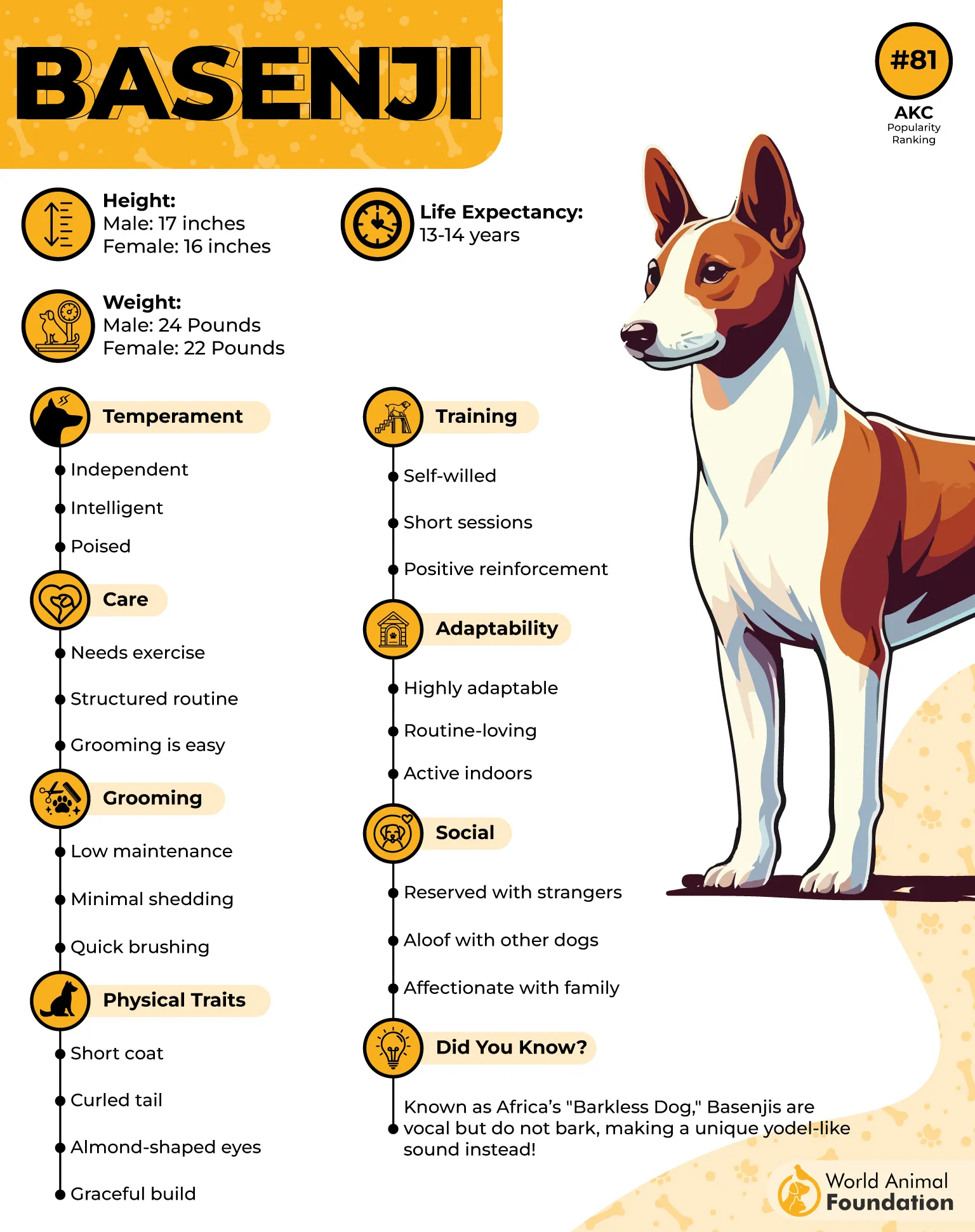
The variable to plan around is your fence height, because a Basenji can jump and climb like a cat chasing something interesting. A yard built for an average dog often is not built for this little hunter.
Go taller: Install fencing at least 1.8 meters high, with no low ledges to launch from.
Cover the top: Add an angled topper or roof panel over kennel runs and small yards.
Basenjis suit owners who already think like escape-artist-proofers and enjoy a quietly stubborn, cat-like companion. Owners with a standard low fence or an easygoing attitude toward yard security should think twice.
7. Siberian Husky
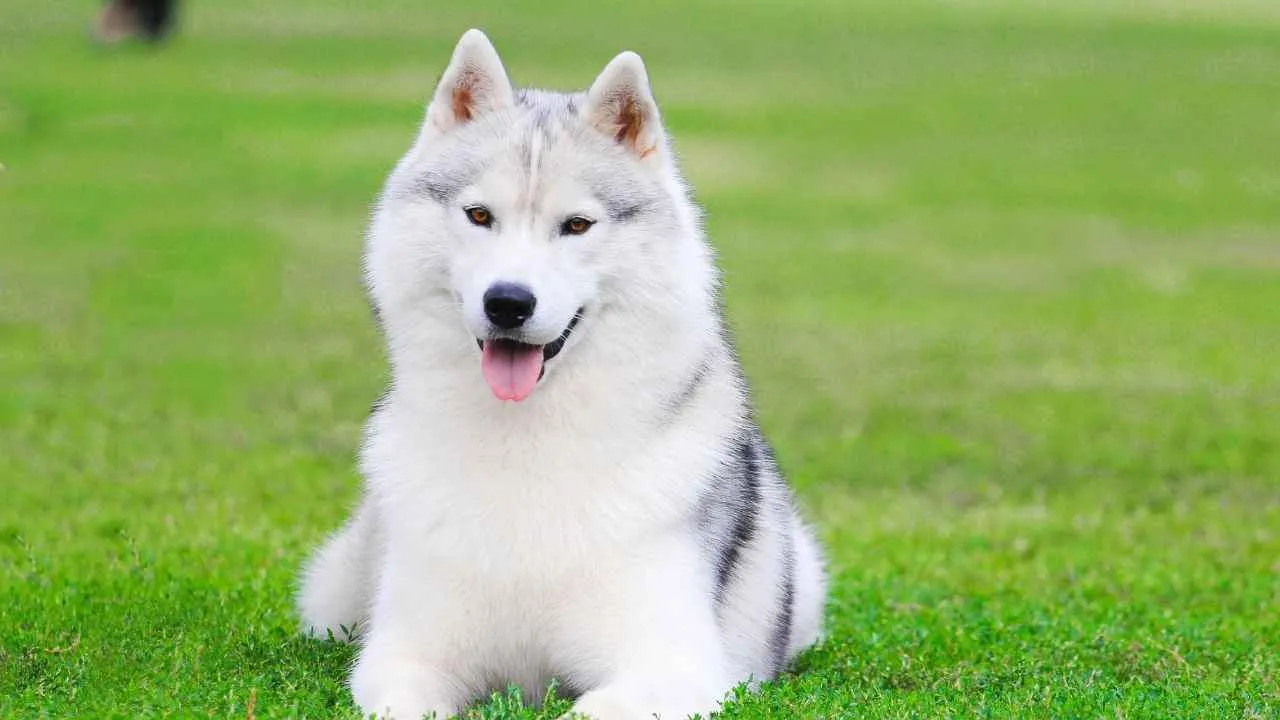
The Siberian Husky was bred by the Chukchi people as an endurance sled dog, not a hunter, yet the instinct to chase small animals runs deep anyway. At home, cats, rabbits, or anything small and fast can set that instinct off.
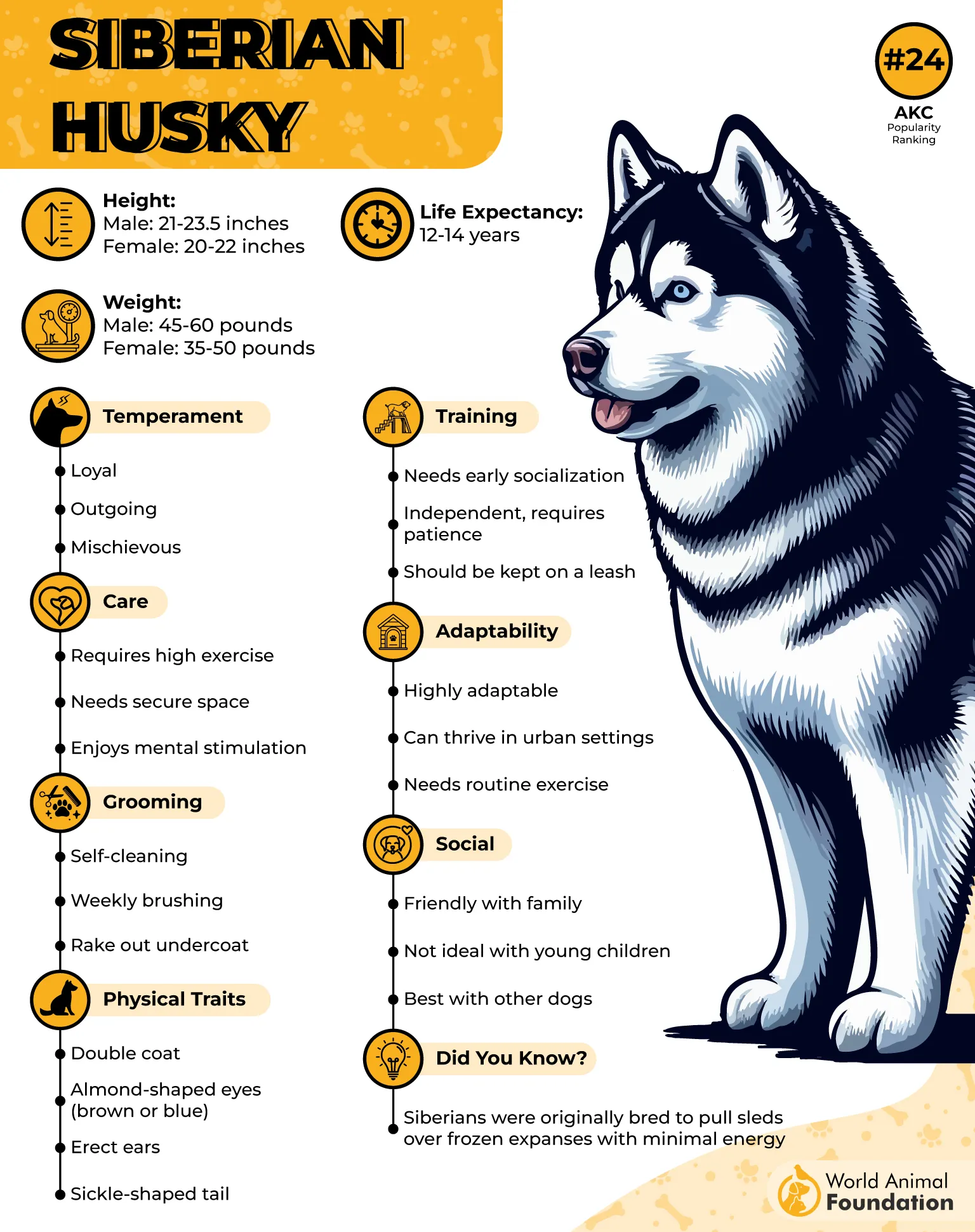
The variable that decides fit here is what already lives in your house, since VCA Animal Hospitals flags this breed as one that often cannot be trusted alone with cats or small pets. A husky-free household of small animals keeps the risk low.
Separate spaces: Keep cats and small pets in rooms the Husky cannot access unsupervised.
Muzzle for intros: Use a basket muzzle for the first supervised meetings with any new small pet.
Huskies suit households without resident cats or small pets, and owners who accept their independent streak. Anyone hoping to add a husky to a home full of small animals should think twice.
Conclusion
Prey drive is an old instinct, not aggression, and no amount of love or obedience training erases it overnight. Basing your choice on a cute face instead of your actual household, your other pets included, is exactly how good dogs end up back at the shelter.
Look honestly at your home, your other pets, and how much time you can actually give before any of these dogs come through the door. Check our recent posts for more breed guides built around real household fit, and tell us which match won you over.
