




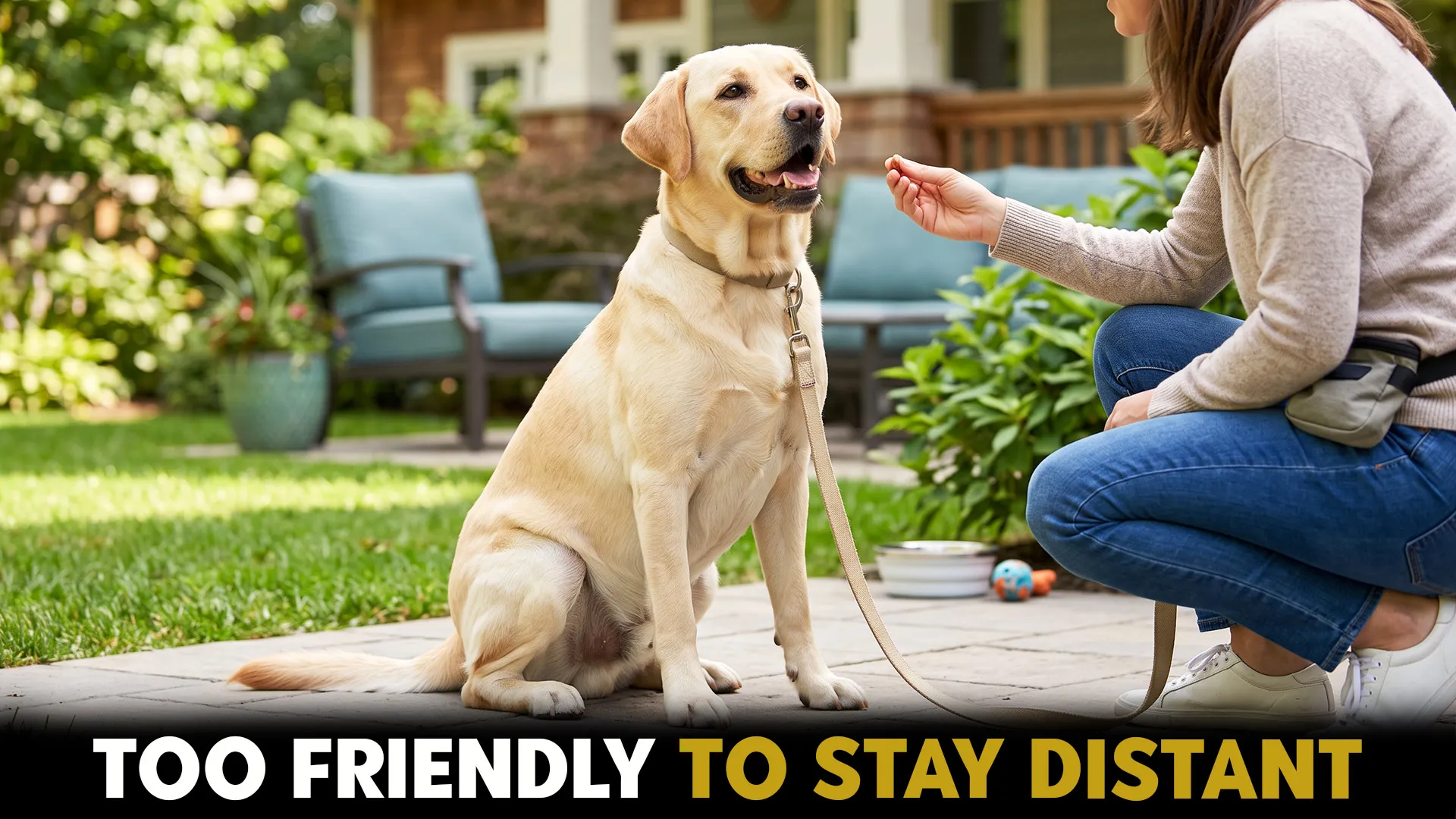
Bringing home your first dog is exciting, but choosing the right breed can make the transition much easier. Some dogs are naturally responsive to training, while others are adaptable, affectionate, and comfortable with everyday household routines. For beginners, a manageable temperament and predictable care needs can matter as much as appearance or size.
However, no dog is completely effortless to raise. Every breed needs exercise, socialization, consistent boundaries, and regular veterinary care. Grooming demands, potential health problems, and tolerance for being alone also deserve consideration before committing. Understanding these differences helps new owners prepare for the responsibilities of dog ownership.
The following seven breeds offer appealing qualities for beginners, from the intelligence of the Papillon to the friendly nature of the Labrador Retriever. Each has distinct needs, so the best choice depends on your home, schedule, and willingness to provide appropriate care.
Best Dog Breeds for New Owners: Simple & Rewarding
1. Papillon
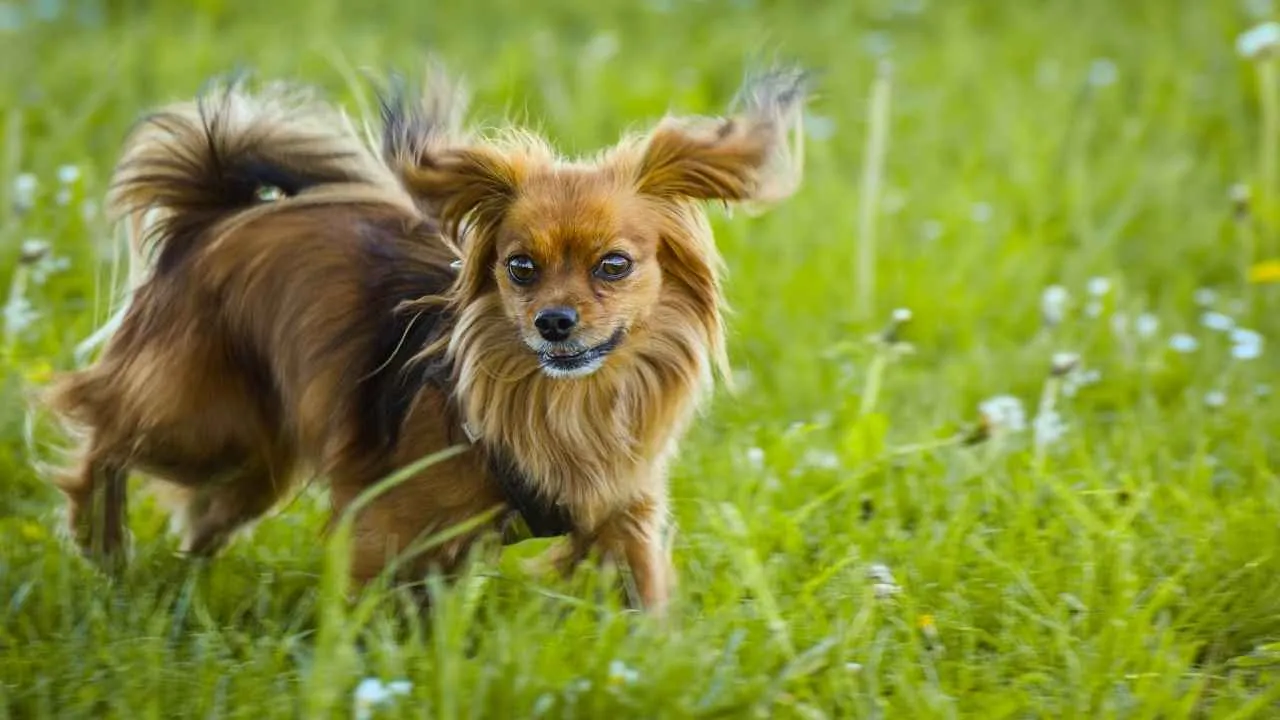
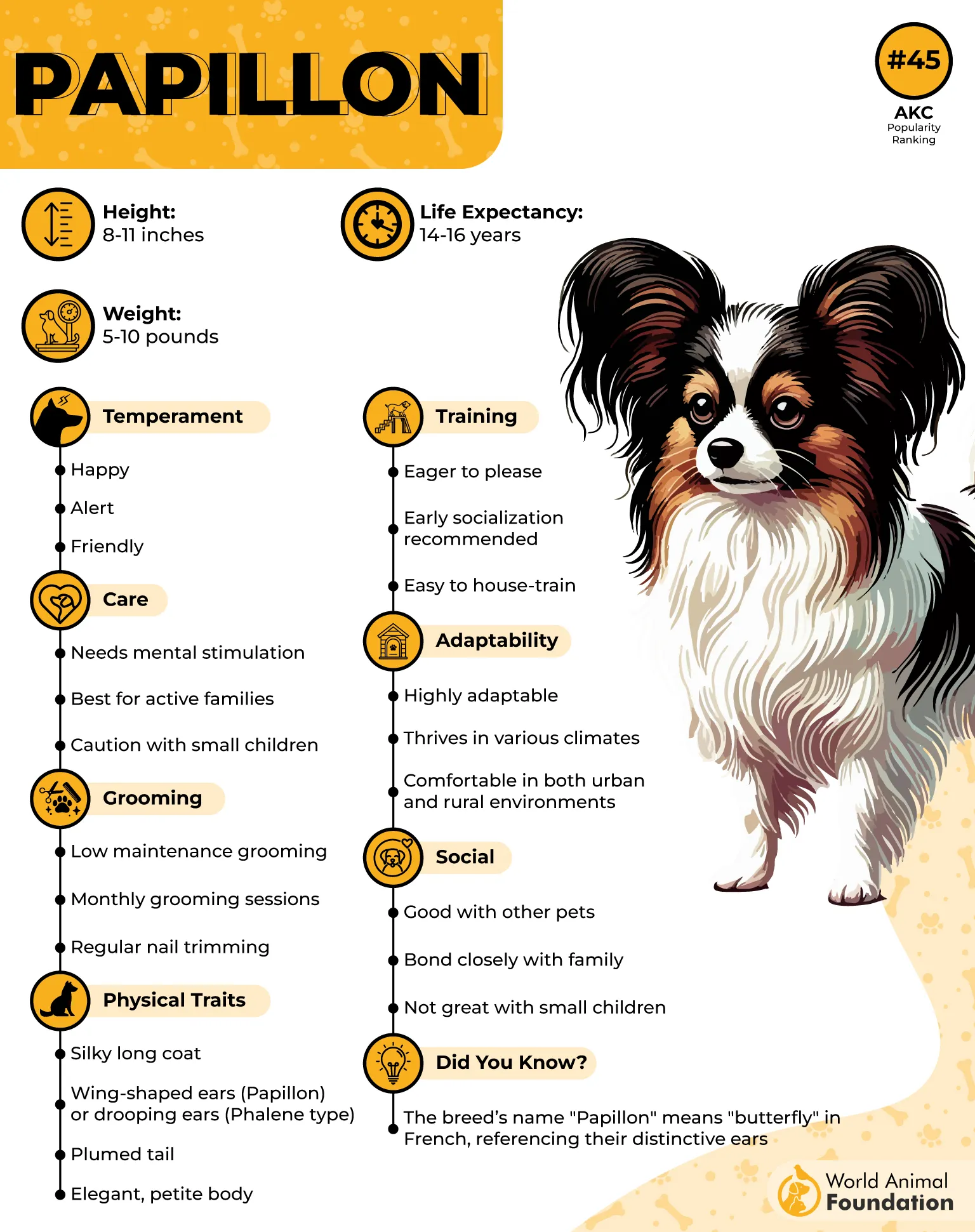
The Papillon developed from small European companion Spaniels that became popular among aristocratic families, particularly in France and Belgium, as per Britannica. Its name means butterfly in French, referring to its distinctive upright ears. Despite its elegant appearance, the breed has a history of agility and alertness.
Keeping an Intelligent Little Dog Active and Engaged
Papillons need daily walks, interactive games, and short training sessions to stay physically and mentally satisfied. Their eagerness to learn makes reward-based training especially effective for beginners. Early socialization and recall practice help manage distractions outdoors.
A Clever Companion That Makes Learning Enjoyable
Papillons often pick up household rules and new tricks quickly, making them rewarding partners for inexperienced owners willing to practise consistently. They enjoy participating in family activities and respond well to positive attention. For beginners who enjoy interactive play and teaching simple tricks, this breed offers an engaging introduction to dog ownership.
2. Cavalier King Charles Spaniel
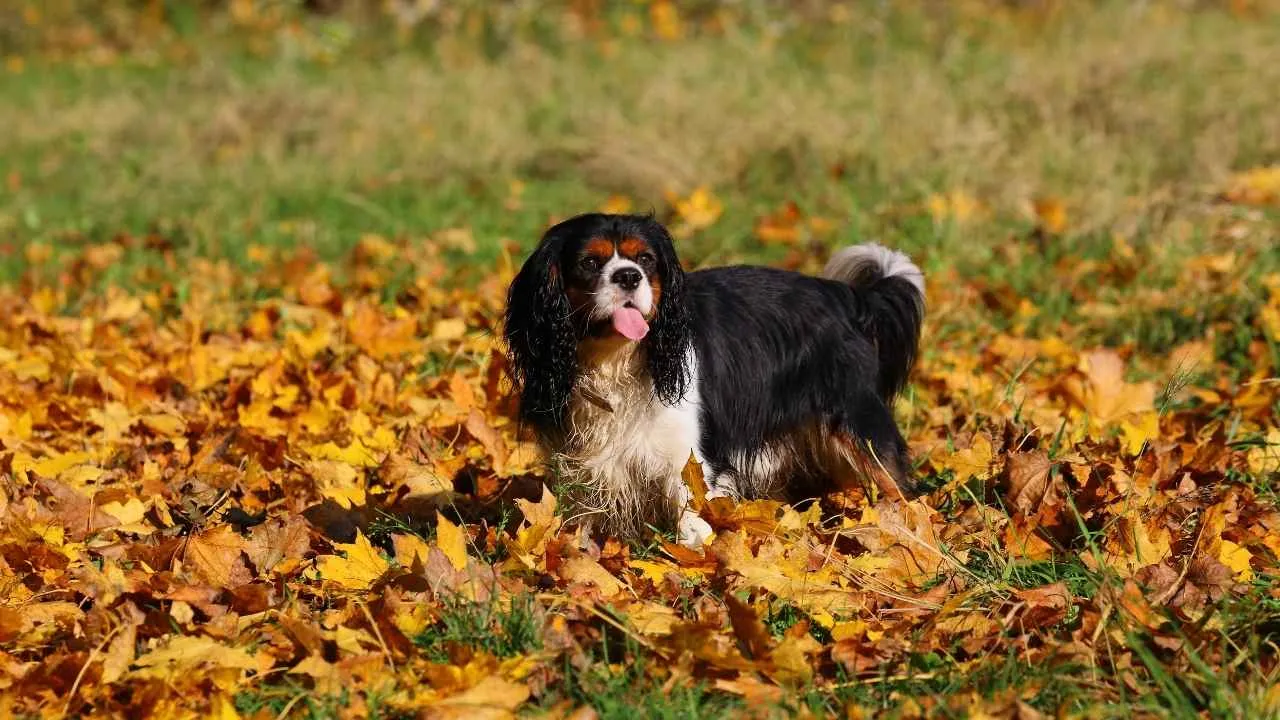
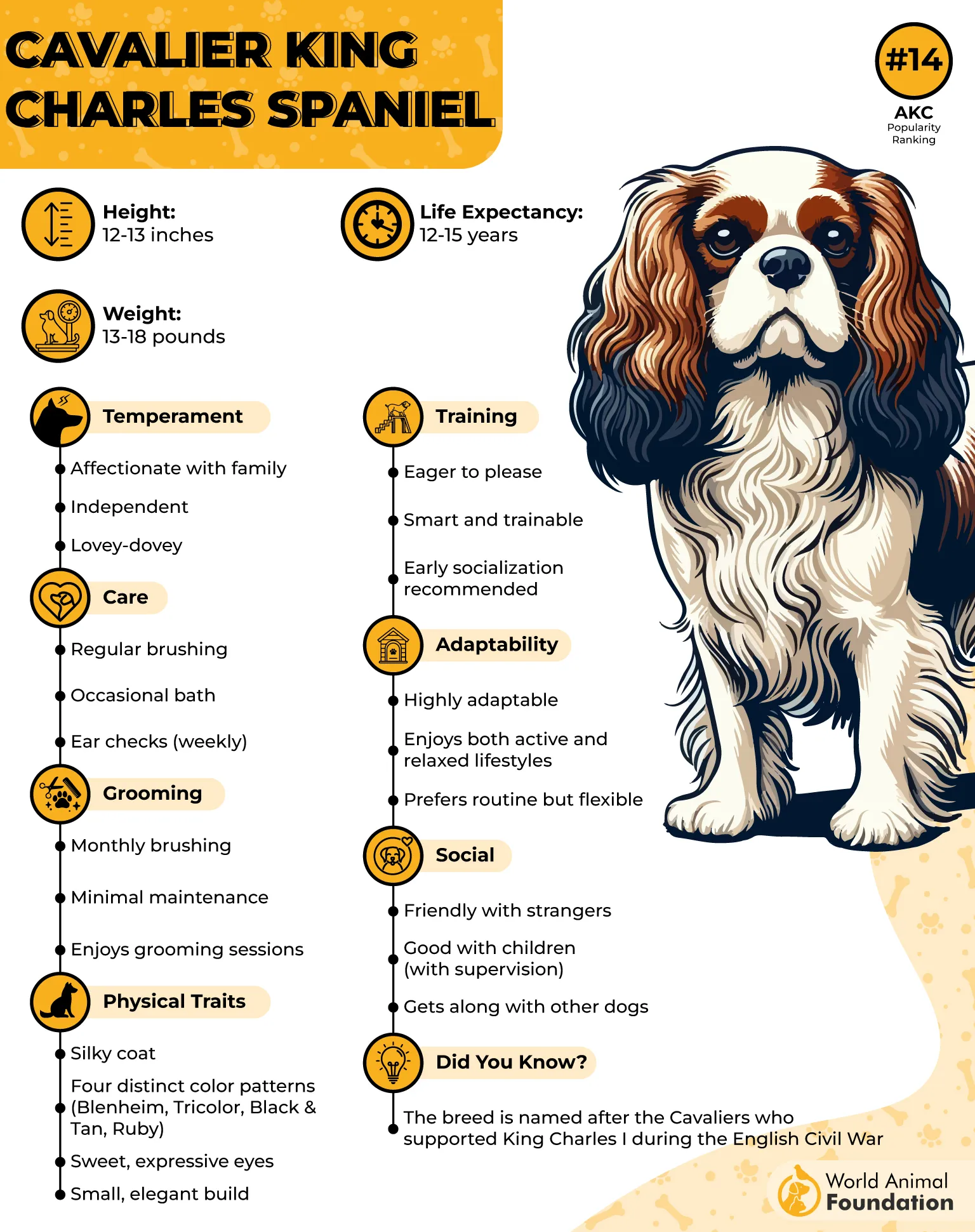
The Cavalier King Charles Spaniel descends from small companion spaniels favored by British royalty and aristocratic households. These dogs appeared in historical portraits and were treasured for their affectionate presence. Its companion-dog heritage contributes to its sociable temperament and strong desire to remain close to people.
Gentle Walks and Reward-Based Learning
Cavaliers generally benefit from daily walks, playtime, and basic obedience practice, as per Hill’s Pet. Their people-oriented nature can make training approachable when owners use patience and positive reinforcement. Early socialization helps them feel comfortable around visitors, children, and other dogs. Regular ear and coat care is also important.
An Affectionate First Dog for Close Companionship
The Cavalier is often appealing to beginners because it enjoys human company and can adapt to many household routines. Many are happy to join a gentle walk before settling beside their owners at home. Their friendly disposition can make everyday interactions enjoyable when they receive appropriate socialization.
3. Labrador Retriever
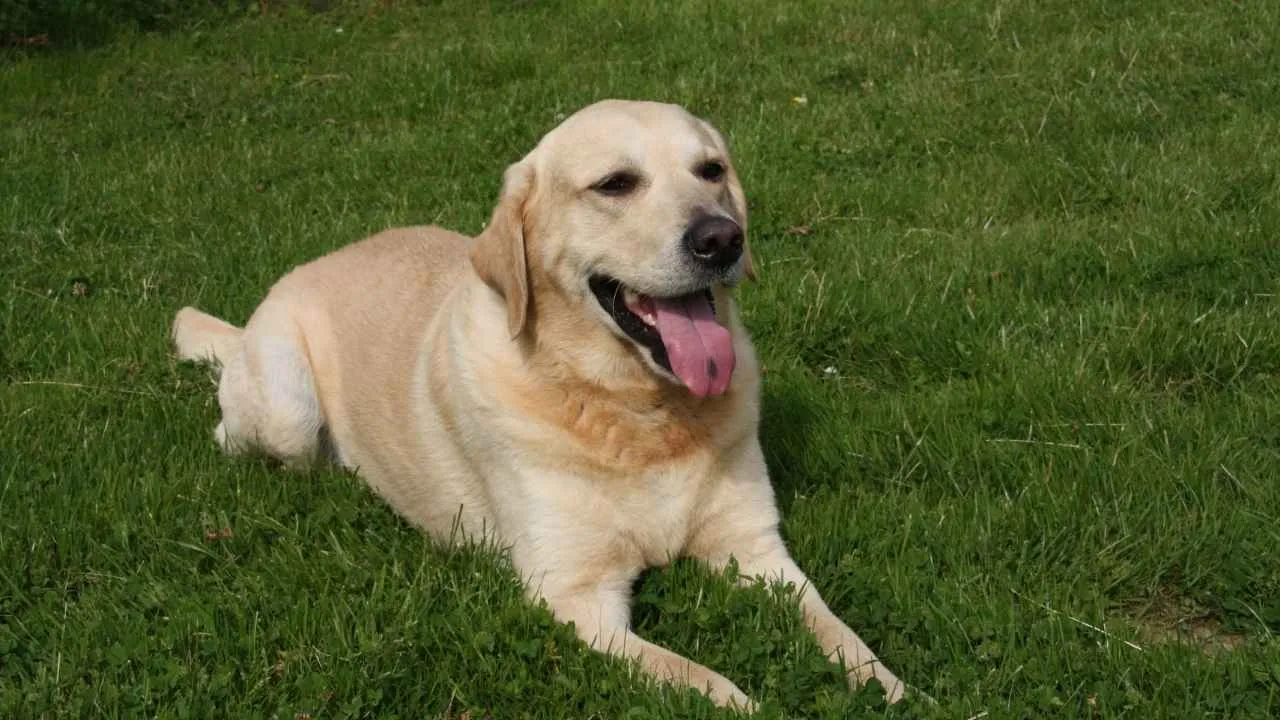
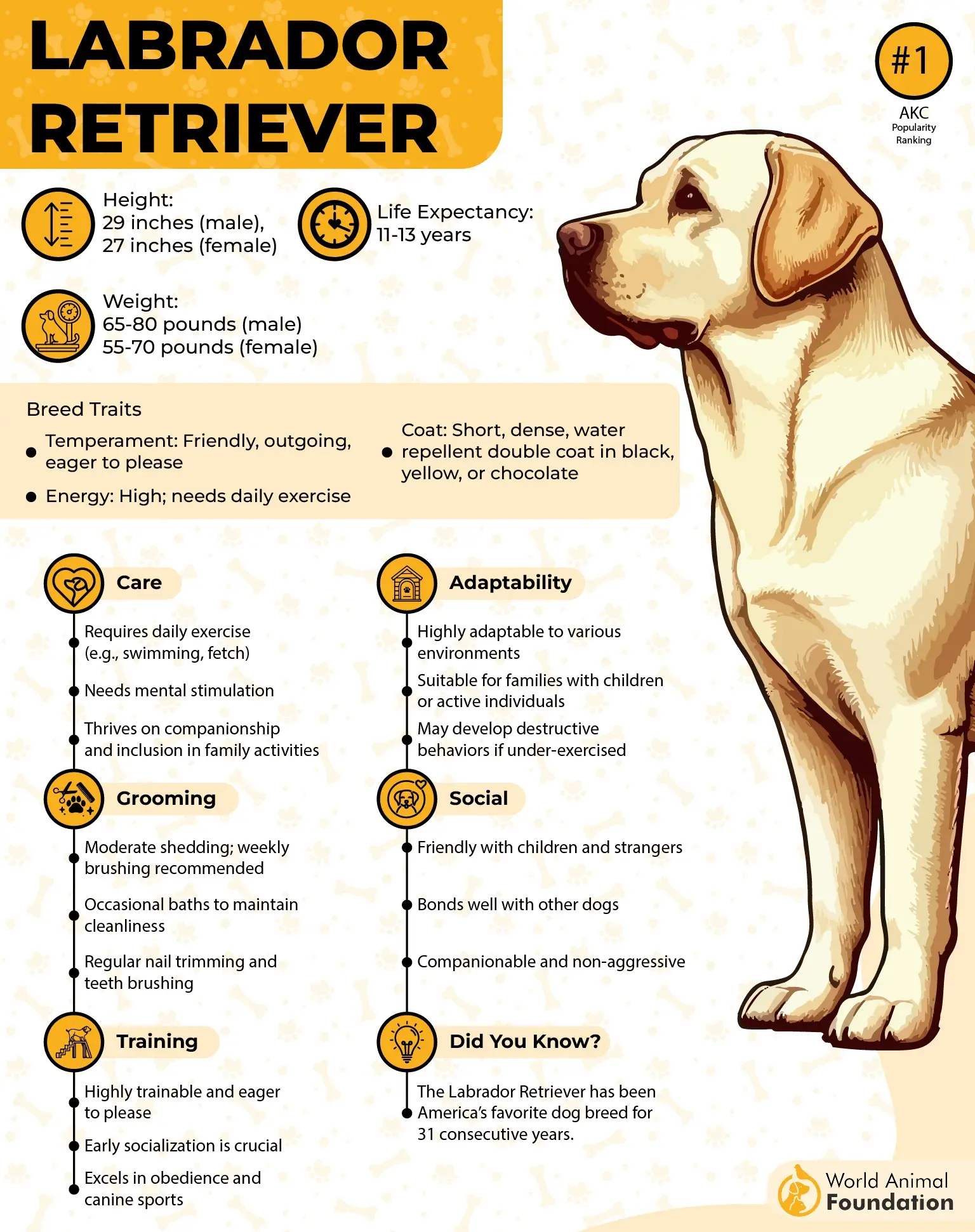
The Labrador Retriever developed from working dogs associated with Newfoundland, Canada, before becoming established in Britain as a retrieving breed, as per the AKC. Fishermen originally valued its ancestors for helping with nets and recovering objects from the water. British breeders later refined the Labrador for retrieving game during hunting activities.
Structured Exercise and Consistent Training
Labradors need substantial daily exercise, including walks, retrieving games, and opportunities to explore safely. Their enthusiasm and food motivation can make reward-based training effective, but owners must establish consistent boundaries early. Regular activity also helps prevent boredom and unwanted behavior. Weight management matters because Labradors can be prone to obesity.
A Friendly Learner With a Willing Attitude
Labradors are often recommended to first-time owners because they tend to enjoy cooperation and learning alongside people. Many thrive on retrieving games and family outings, making it easier to turn training into an enjoyable routine. However, young Labradors can be exuberant, so beginners should be prepared to teach calm behavior rather than expect it automatically.
4. Miniature Poodle
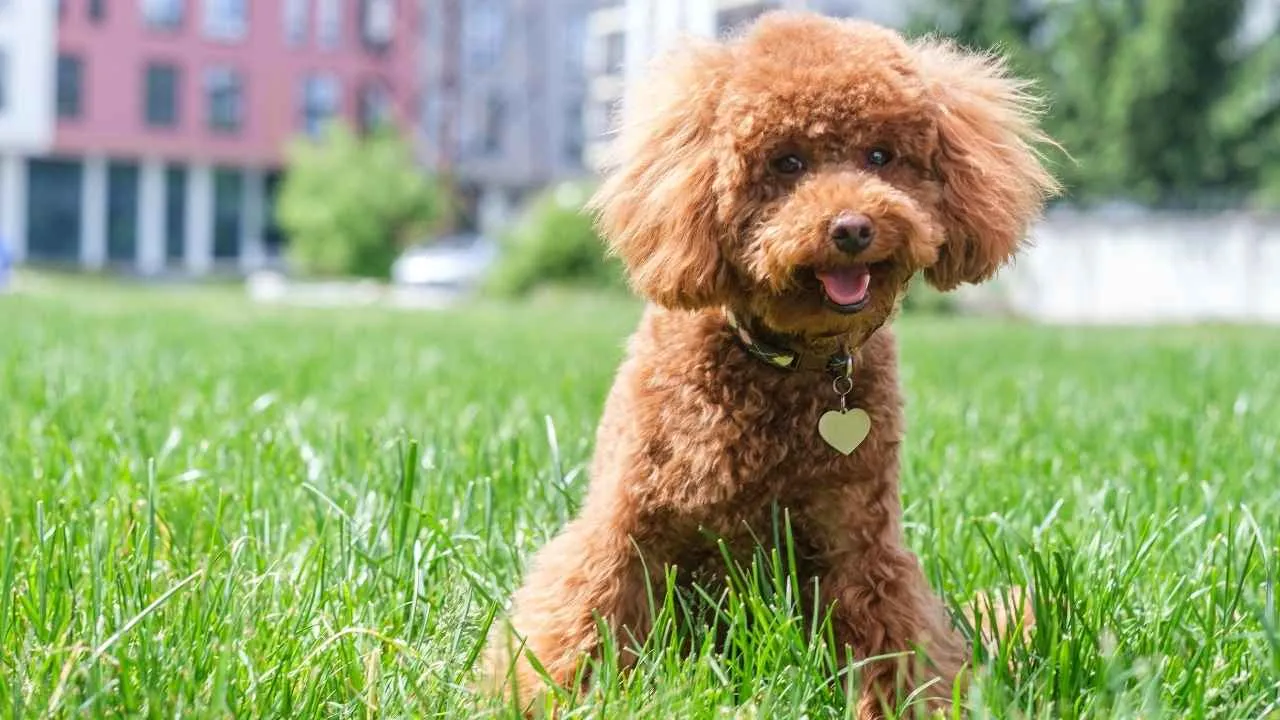
The Miniature Poodle belongs to a breed family historically associated with water retrieving in Europe, as per Purina. Smaller Poodles were developed to provide the intelligence and working ability of larger varieties in a more compact companion.
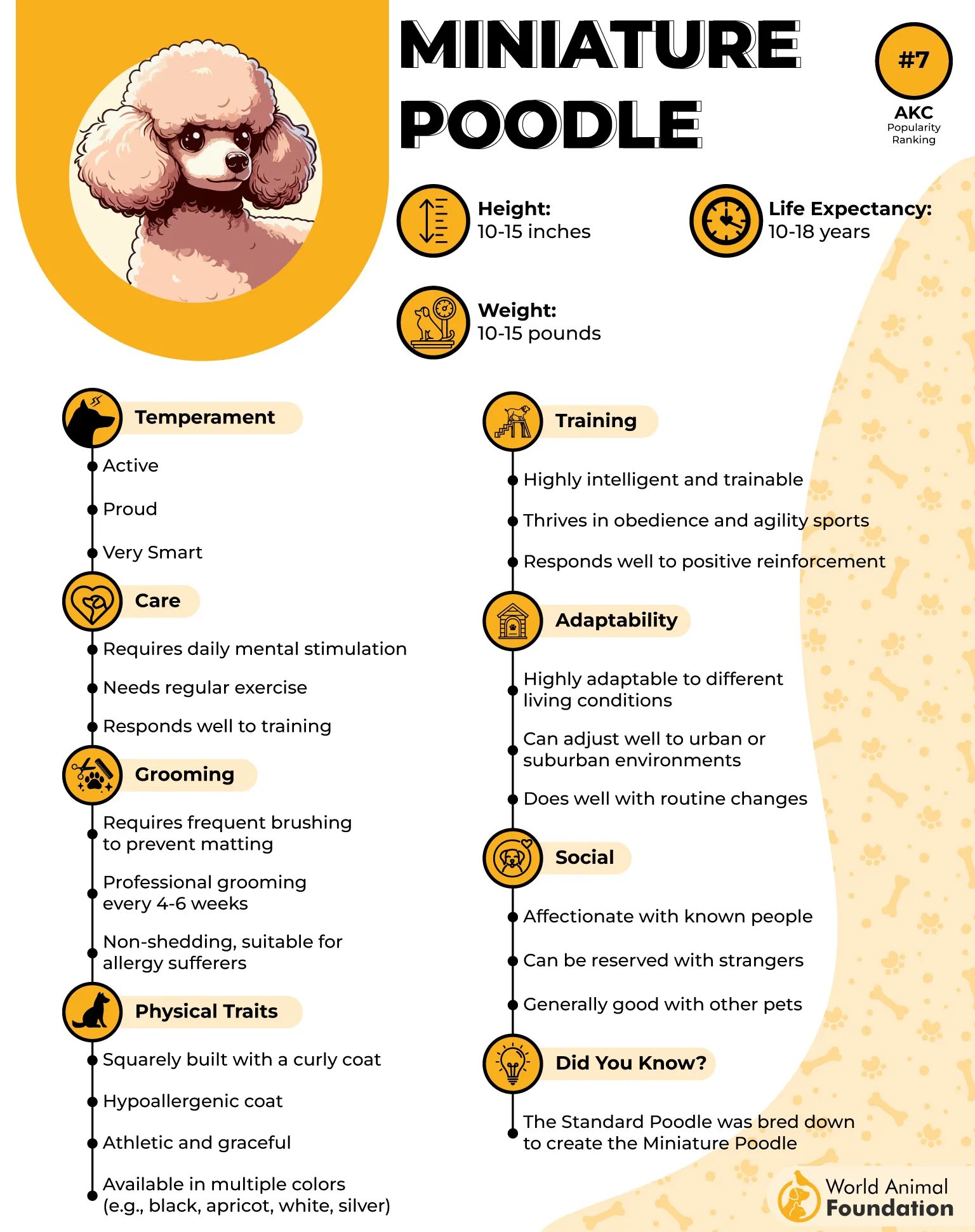
Mental Enrichment, Daily Walks, and Coat Maintenance
Miniature Poodles need regular walks, interactive games, and training exercises that challenge their intelligence. Beginners should also provide gradual socialization and teach the dog to settle independently. Although compact, this breed is active and needs more engagement than its appearance might suggest.
A Versatile Partner for First-Time Training
Miniature Poodles often excel with owners who enjoy teaching new skills and building routines. Their intelligence can make everyday lessons, from basic commands to more advanced tricks, especially rewarding. Their size is manageable for many beginners, but their grooming requirements and sensitivity to boredom should not be overlooked. They are best suited to owners who enjoy regular interaction.
5. Bichon Frise
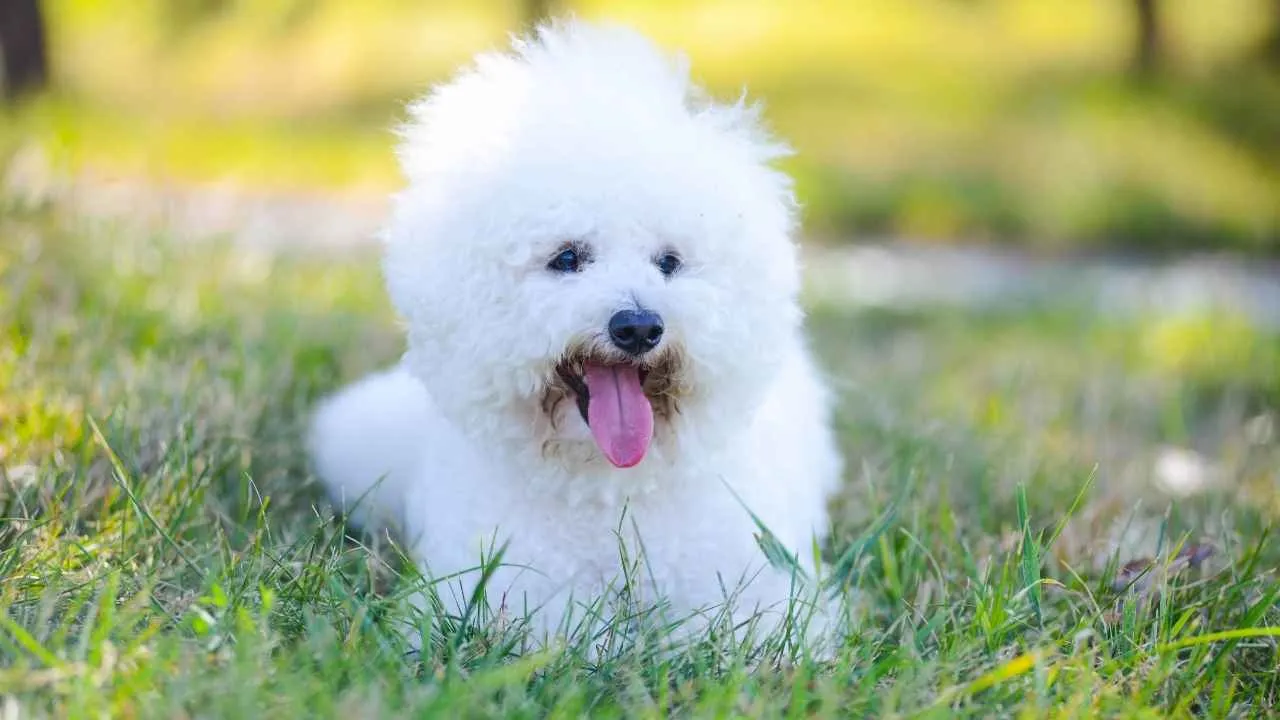
The Bichon Frise has historical roots in the Mediterranean region, where small white companion dogs became popular among sailors and European households. The breed later gained favor in France, where its cheerful appearance and sociable character attracted admirers. Although its ancestry includes several related small white dogs, the modern Bichon developed into a distinct companion breed.
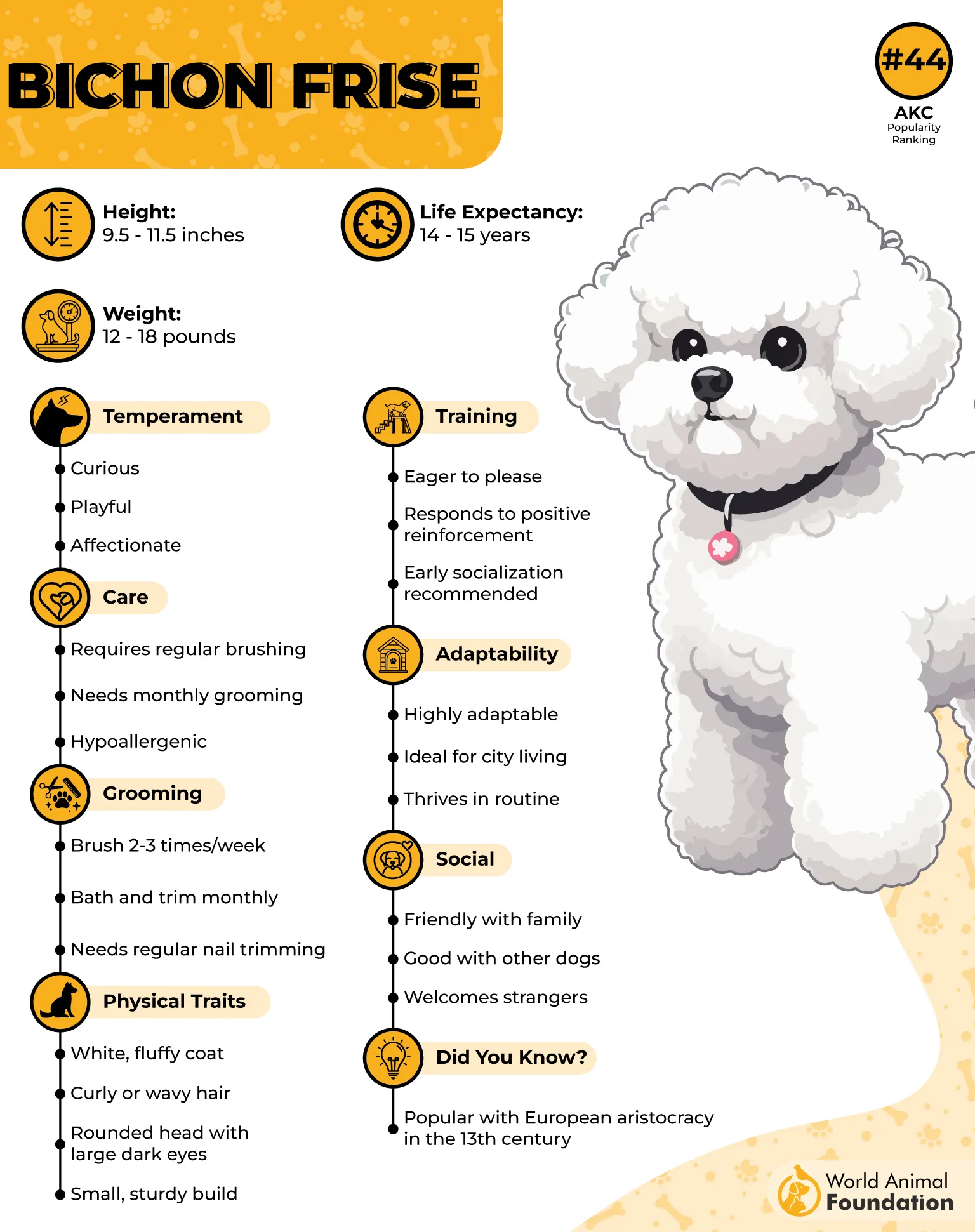
Everyday Activity and a Grooming-Friendly Routine
Bichon Frises generally enjoy daily walks, indoor play, and brief training sessions. Regular brushing and professional grooming are essential to maintain their fluffy coats. House-training may require patience and consistency. Beginners should also teach gradual independence because these affectionate dogs can become distressed if left alone for extended periods.
A Cheerful Housemate With a Sociable Spirit
The Bichon Frise is often a rewarding choice for owners seeking a playful and people-focused companion. Many enjoy greeting visitors, participating in household activities, and relaxing near family members after playtime. A friendly temperament does not eliminate the need for training, but their enthusiasm for interaction can make building a relationship enjoyable for beginners.
6. French Bulldog
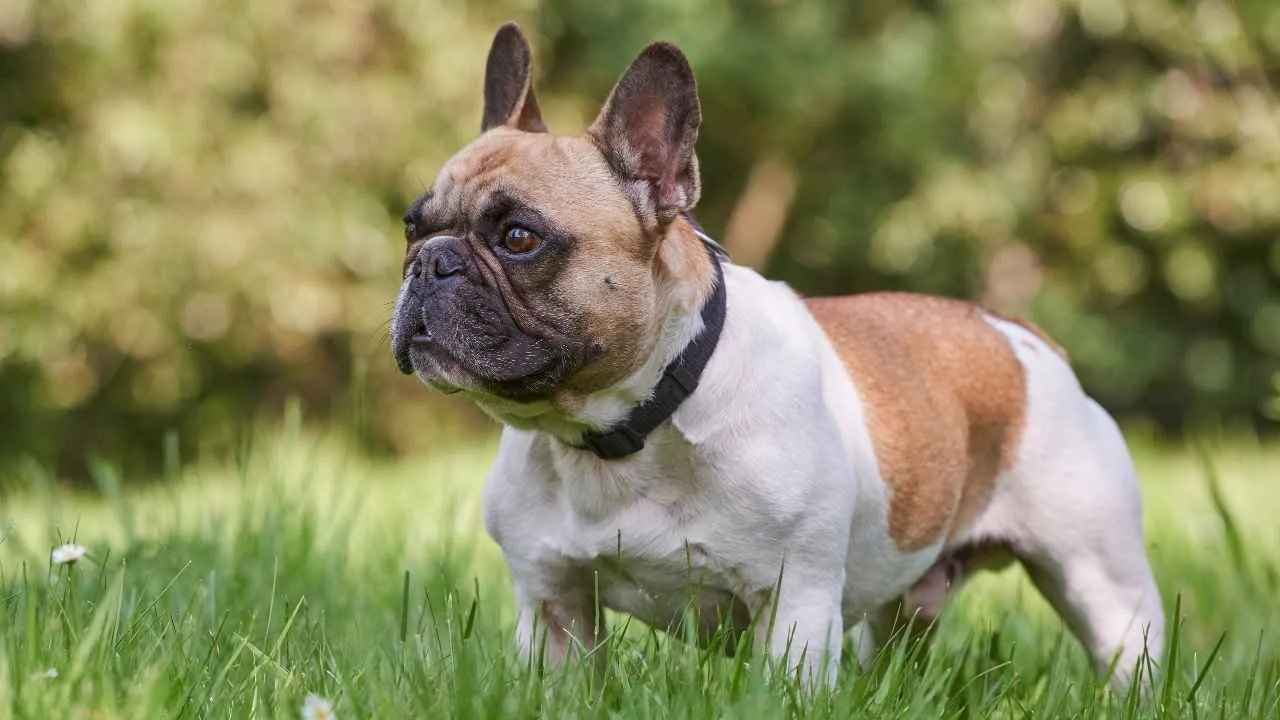
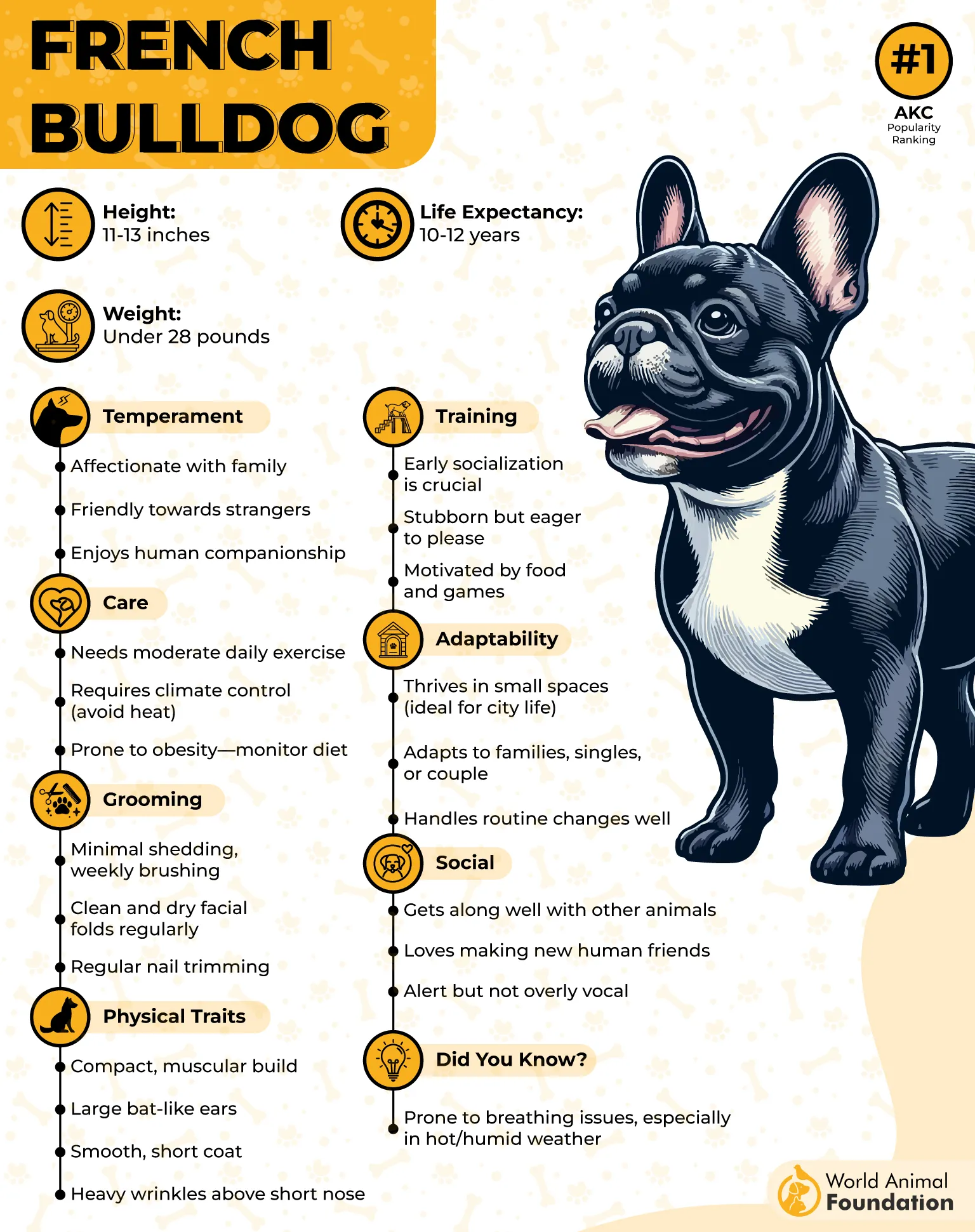
The French Bulldog developed from small bulldog-type dogs associated with England, with the breed later becoming popular in France during the 19th century. Lace workers and other communities helped establish its reputation as a compact companion.
Gentle Exercise and Careful Everyday Training
French Bulldogs usually do well with short walks, indoor play, and basic reward-based training. They do not typically need prolonged exercise, but mental stimulation and consistent household rules remain important. Their short muzzles can cause breathing difficulties and make overheating dangerous, so exercise should be limited in hot or humid conditions.
A Relaxed Companion for a Slower-Paced Home
French Bulldogs often enjoy close companionship and can be content with moderate daily activity. Their playful antics may provide entertainment without requiring lengthy outdoor adventures. This can appeal to beginners who prefer a less athletic dog, particularly when they can provide regular attention at home. However, their popularity should not overshadow their health needs.
7. Shih Tzu
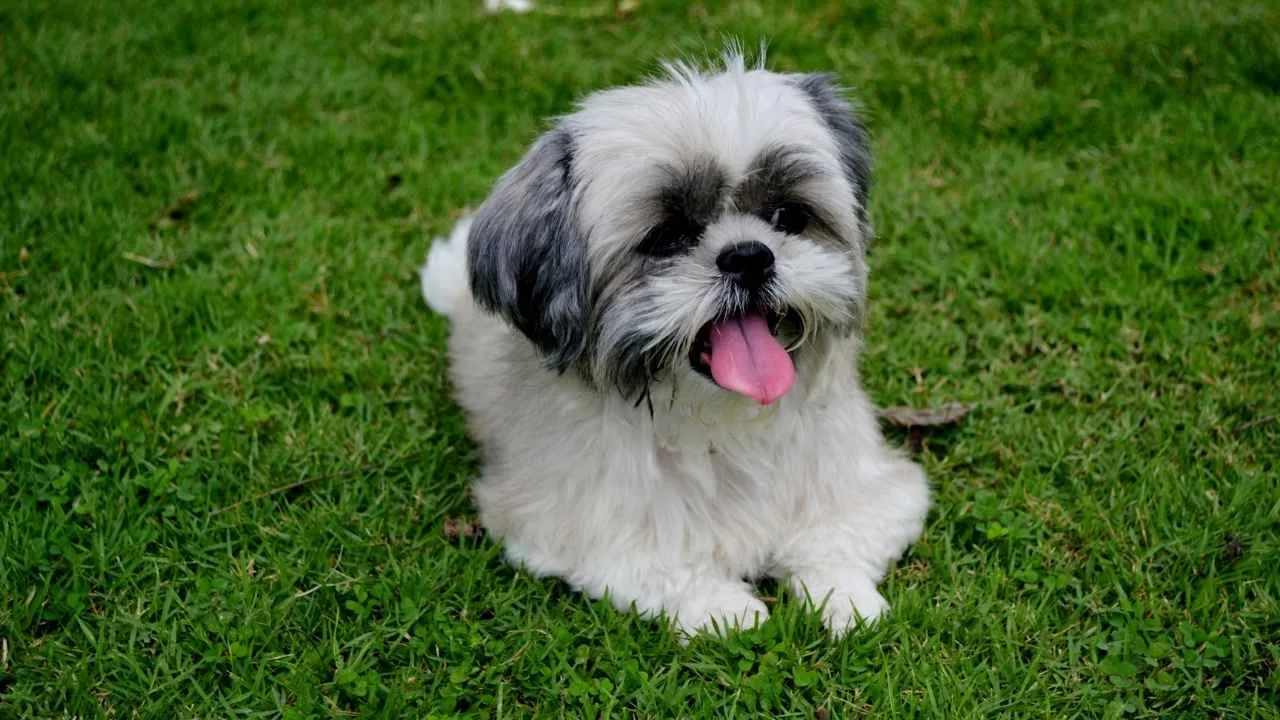
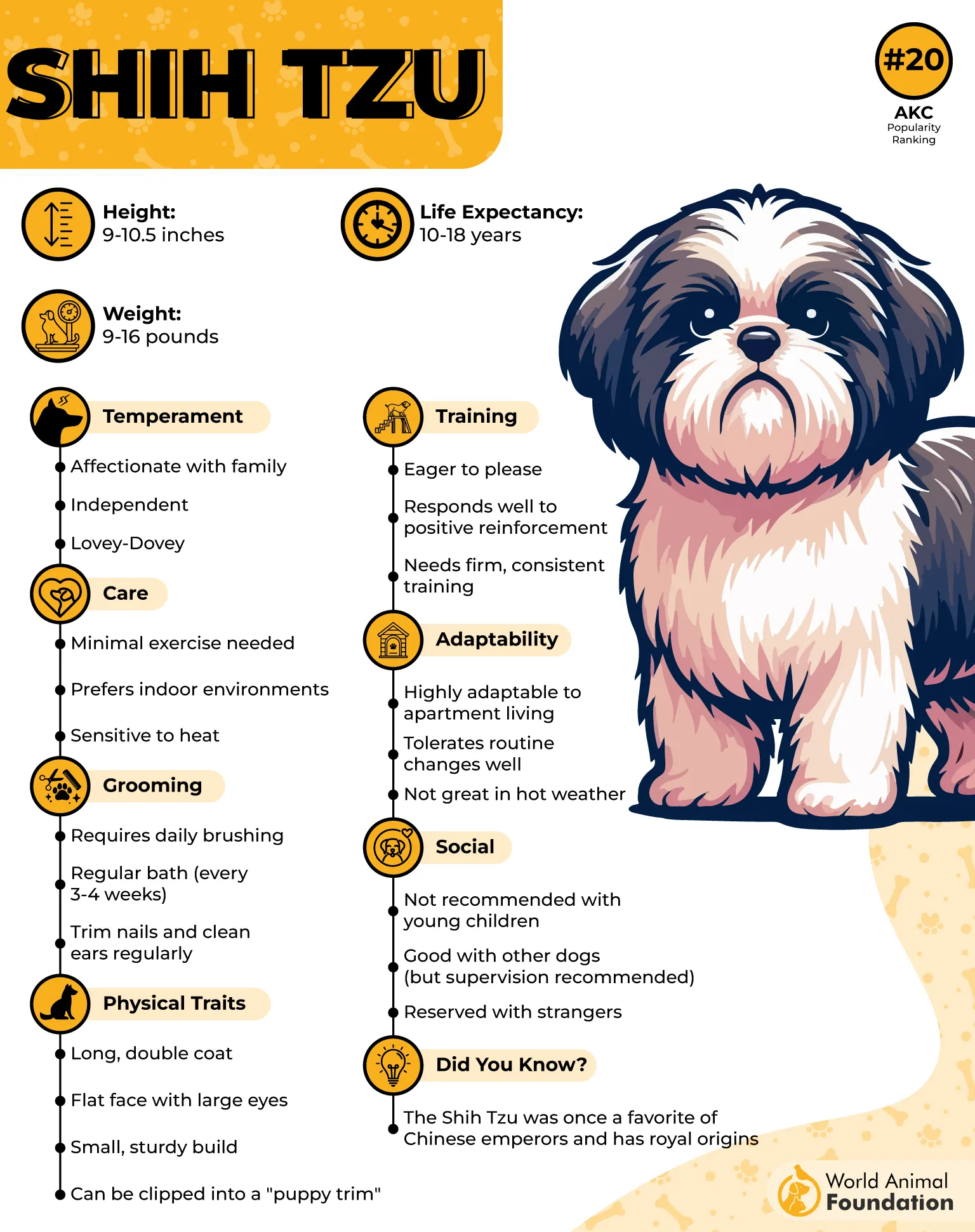
The Shih Tzu has historical roots in Tibet and China, where small companion dogs were treasured by royal and noble households. The breed became especially associated with Chinese imperial courts, where its distinctive coat and affectionate dog nature were highly valued. This background helps explain its preference for close human contact and comfortable domestic routines.
Short Walks, Gentle Lessons, and Regular Grooming
Shih Tzus need daily walks, indoor play, and short, positive training sessions. Their attention can wander, so rewards and consistency help keep lessons productive. Frequent brushing is necessary for long coats, while shorter trims can make maintenance easier. Like French Bulldogs, Shih Tzus have relatively short muzzles and may experience breathing or heat-related difficulties.
A Devoted Companion for Comfortable Living
Shih Tzus often thrive in homes where companionship is readily available. They may enjoy following their owners around the house before settling into a comfortable resting spot. Their modest exercise requirements can suit beginners who prefer relaxed walks and indoor games. With patient training and consistent care, they can become affectionate companions for many different households.
Conclusion
Papillons, Cavalier King Charles Spaniels, Labrador Retrievers, Miniature Poodles, Bichon Frises, French Bulldogs, and Shih Tzus each offer qualities that can appeal to first-time owners. Some are especially eager to learn, while others excel at providing affectionate companionship. The right choice depends on your available time, activity level, grooming budget, and home environment.
Before choosing a puppy or adult dog, research breed-related health concerns and seek reputable breeders or responsible rescue organizations. Plan for veterinary care, appropriate exercise, socialization, and consistent training from the beginning.
Consider how long the dog will regularly be alone and whether its temperament suits your household. A thoughtful decision can prevent avoidable difficulties and create a better experience for everyone.
Ultimately, the best first dog is one whose needs match your lifestyle. With patience, preparation, and positive reinforcement, beginners can develop the skills needed to raise a confident and well-mannered companion. Building trust takes time, but the rewards include companionship, shared activities, and a lasting bond.
