




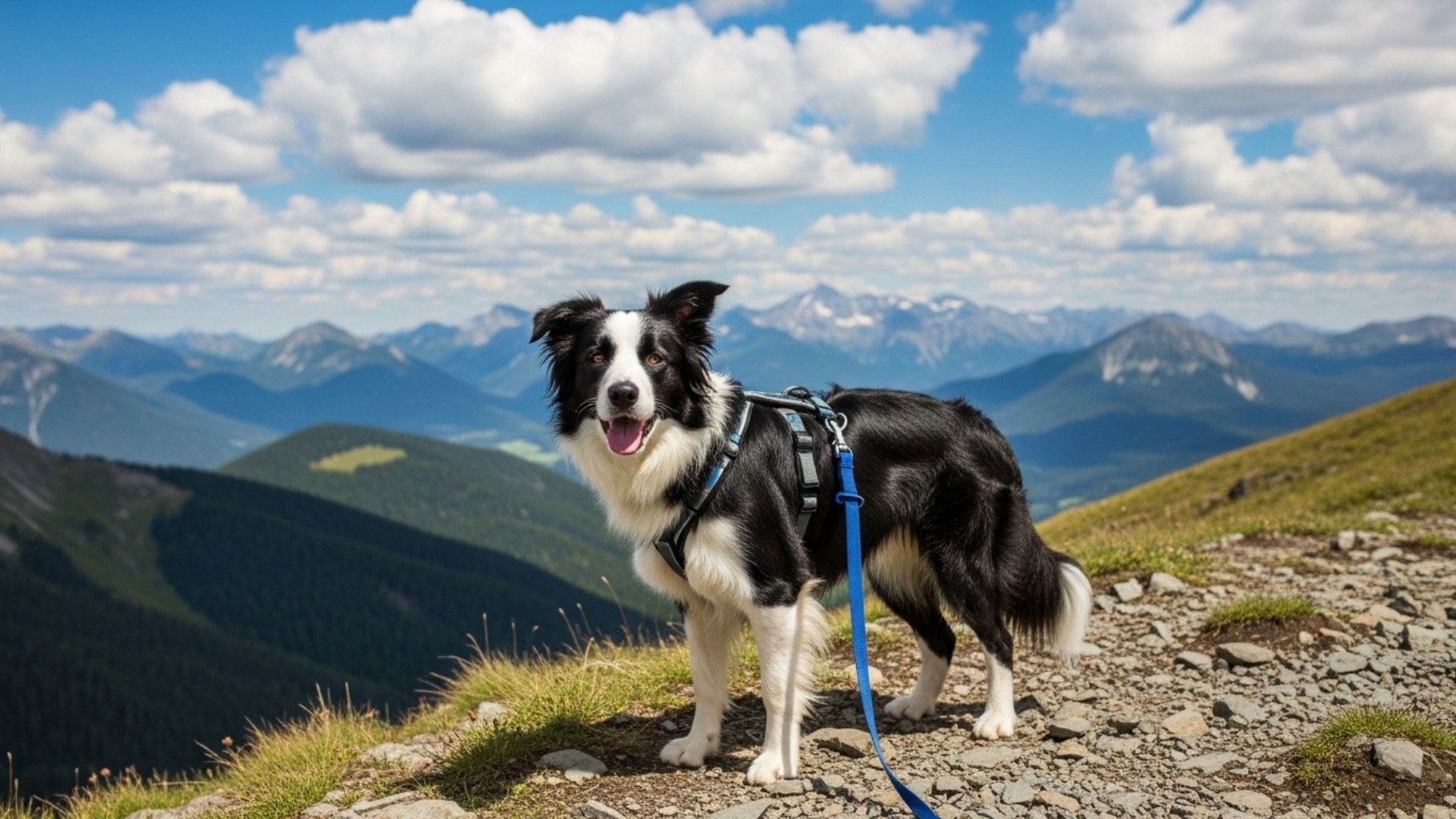
When your definition of the ideal weekend involves scenic, tricky trails, woody switchbacks, and long expanses of open country, you would have already discovered that not all dog breeds can keep up.
The activities that require long-distance hiking and trail navigating require stamina, mental capacity, strong joints, withstanding weather, and the interest to move.
The American Kennel Club states that most breeds of the Sporting and Herding categories were all originally bred to perform endurance tasks in the harsh environment.
It is these athletic dogs and herding breeds that were trained to be thinkers, natural runners, and be physically strong to endure rough terrain.
However, sports are not sufficient. Those dogs that are best in long-distance hiking and trail navigation are also able to easily be recalled, adapt to changes in temperature, have good paw strength, and a strong prey drive with balanced energy levels that do not turn to recklessness.
When you are in need of a trail running partner that can cover extensive miles and at the same time lift the tail at the top, these are seven great dogs that were designed to go the distance.
Best Dog Breeds for Long-Distance Hiking and Trail Running
1. Australian Shepherd
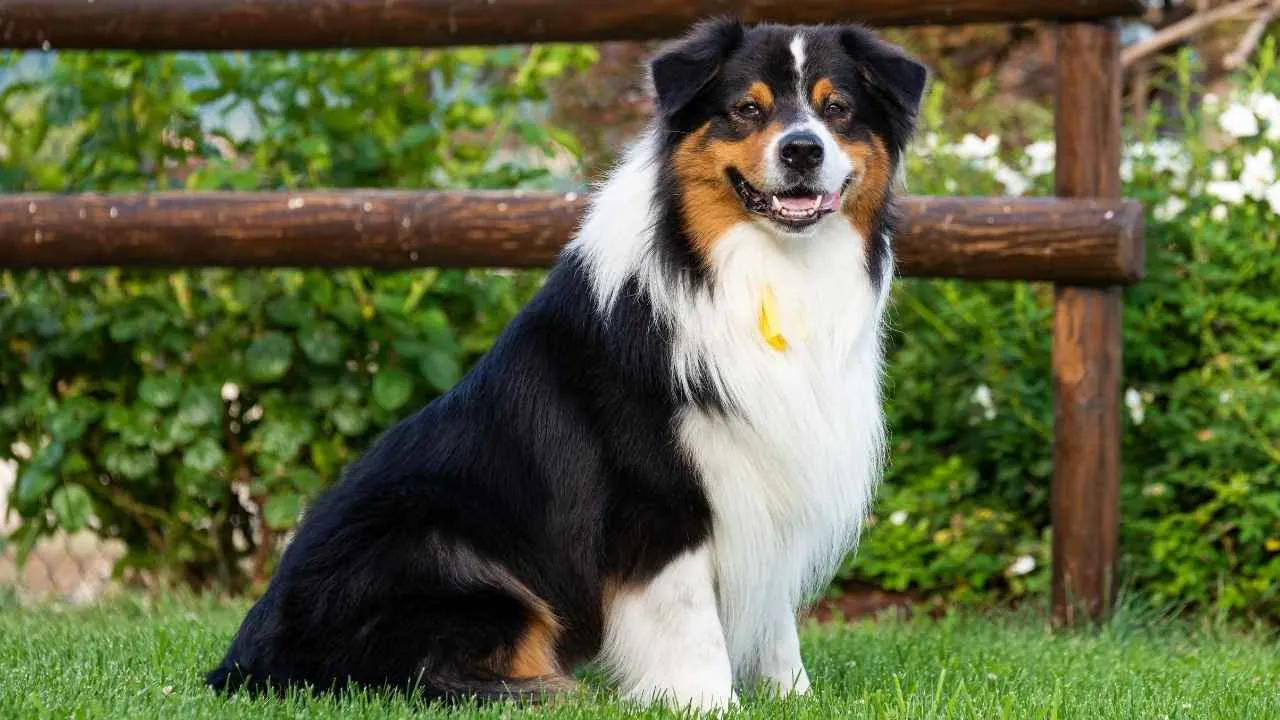
The Australian Shepherd is the perfect dog for trail runners. This herding dog is agile, smart, and hyper-driven, originally bred as a cattle dog to round up livestock over large ranch grounds, i.e., distance and terrain are natural.
Strength and Physical Conditioning
Aussies have great hindquarters, shoulders, and excellent coordination. They have a medium-sized build, which helps them to move through rocky trails, steep slopes, and through narrow ridges with accuracy.
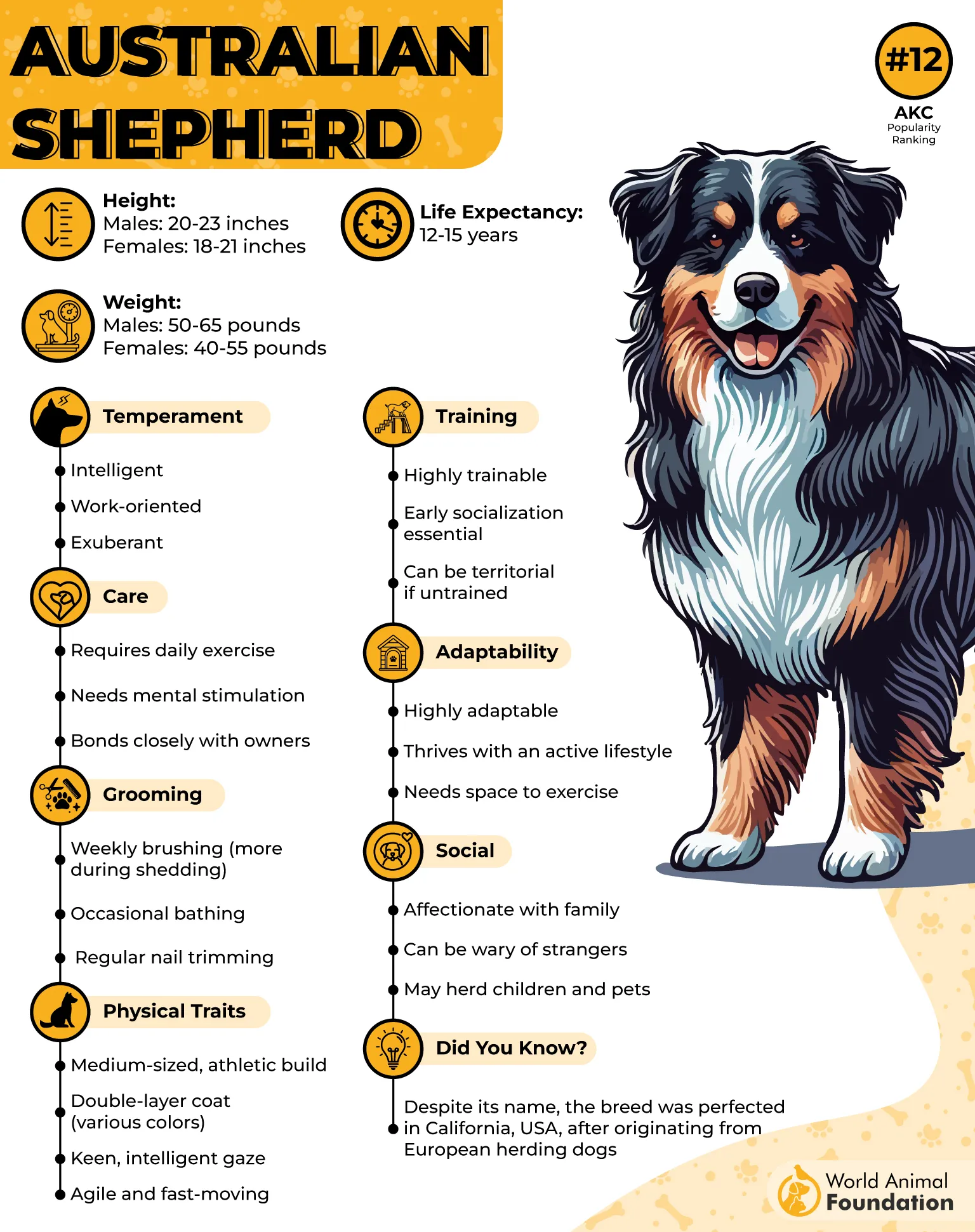
This cattle dog is the best at running long distances at a consistent speed, as opposed to short-distance running and exhaustion.
Mental Stimulation Matters
Hiking is not only physical exercise, but it is also mentally exciting. Aussies are problem solvers and environmentally conscious. They remain alert, active, and attentive to instructions, which is crucial in off-leash environments.
Climate Considerations
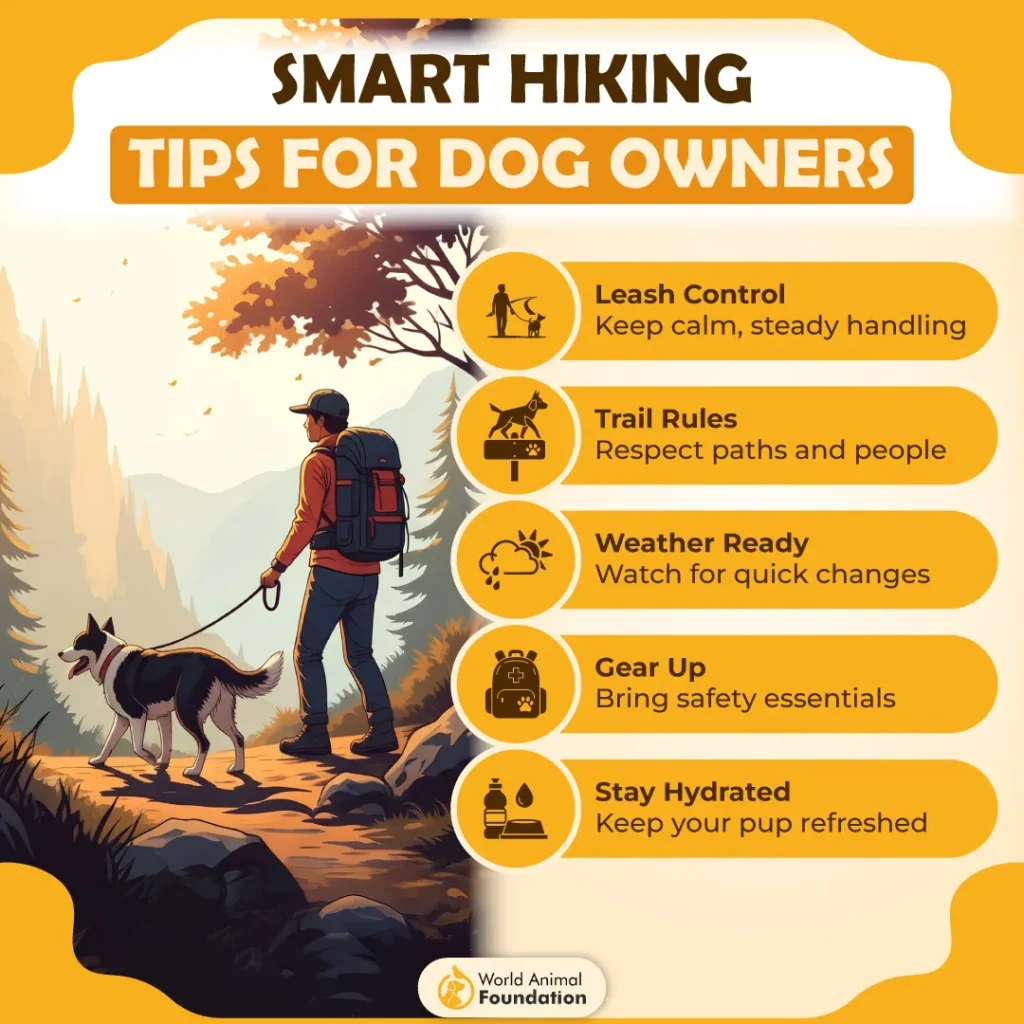
This dog’s double coat keeps it warm during the cold weather, but it might need some additional care during the hot weather. The important ones during summer are hydration and running in the mornings.
Ideal user: Active owners who are experienced and looking to have a fast, smart trail companion.
2. Labrador Retriever
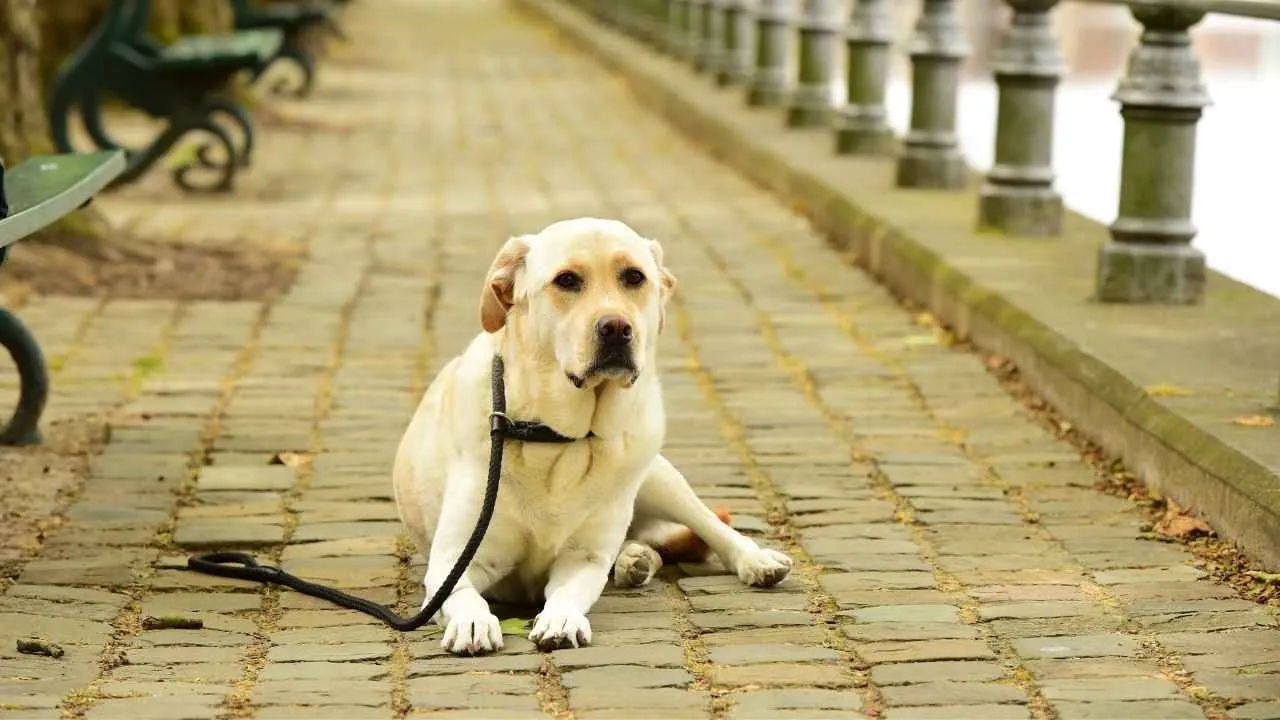
The Labrador Retriever is one of America’s most popular breeds, as stated by the AKC. Labs started as waterfowl hunting dogs to withstand extreme weather conditions in Canada, yet they have a friendly and trainable nature.
Competent Friend
Labs do not appear as lean as a few endurance breeds, but do not undervalue them. They will be in a position to tackle multi-mile hikes and moderate trail runs with comfort, provided they receive the proper training and the right conditioning.
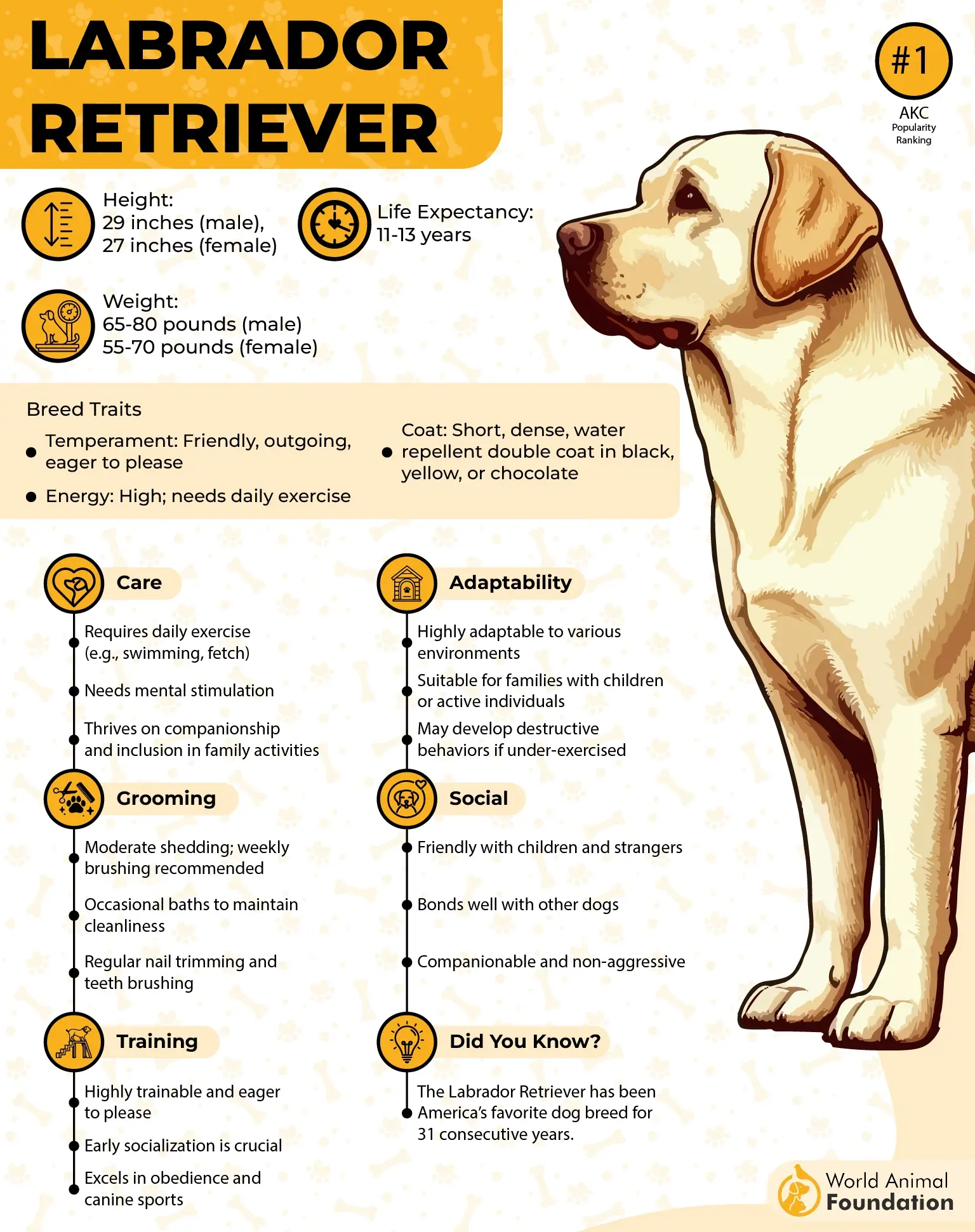
Their waterproof coat and webbed feet are well-suited to paths that include lakes, streams, or muddy roads.
Trail Safety and Trainability
When well trained, they are very strong recallers and responsive, making them great off-leash hiking partners.
Veterinary groups such as the VCA recommend keeping a healthy weight in active Labradors to minimize stress to the joints of the dog, particularly when going on high mileage.
Best: Families or individuals who desire a friendly, long-lasting, and water-loving hiking dog.
3. German Shorthaired Pointer
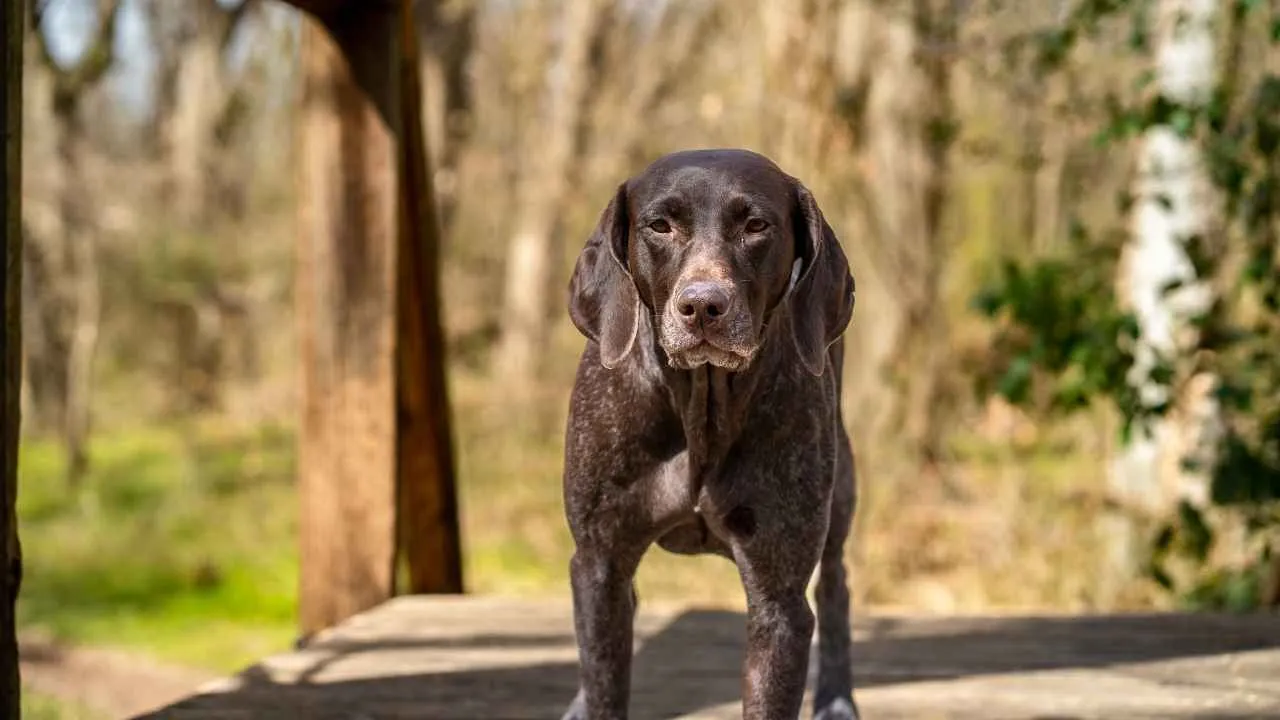
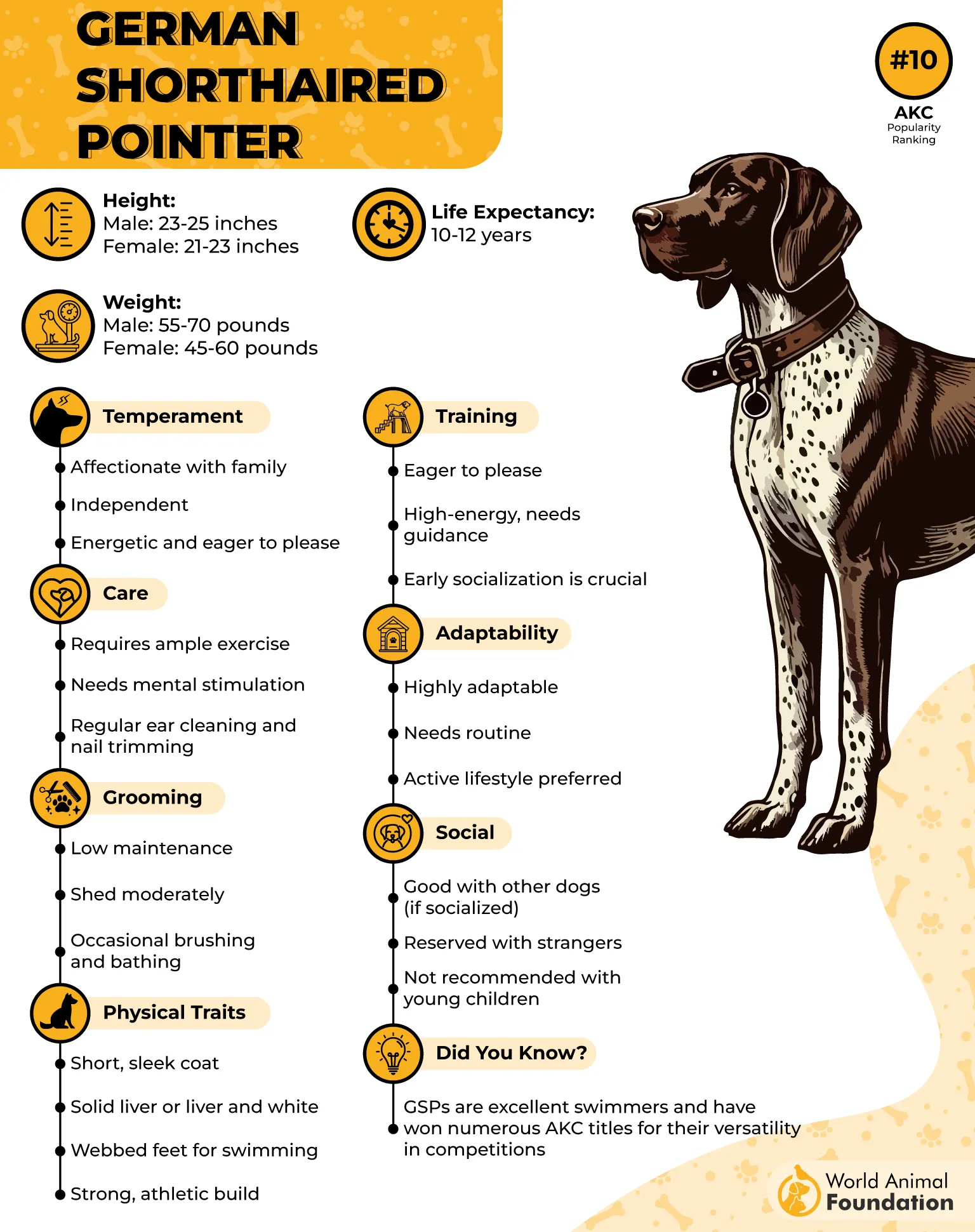
The German Shorthaired Pointer (GSP) can be your ideal match if trail navigation is your passion. This breed was constructed for marathon training, and it is skinny, strong, and never weary.
Built for Distance and Speed
GSPs were designed to be multi-purpose and used as working dogs that could work hours in a field as well as a forest. Their heart rate is outstanding, and they can run at a rapid pace on long hikes.
Bare Bones, Maximum Efficiency
Their scrawny coat serves to control the heat, which means that they are more adapted to hot climates compared to dogs with thick coats. But they might need safety in lower temperatures.
Mental Engagement Required
An inquisitive GSP is a destructive one. Trail running is more than just physical activity, and this is what they desire, as well as mental stimulation.
Generally, outdoor stores tend to promote GSPs as high-energy adventure dogs suited for serious sportsmen.
Best for: Experienced runners with a high amount of weekly mileage.
4. Border Collie
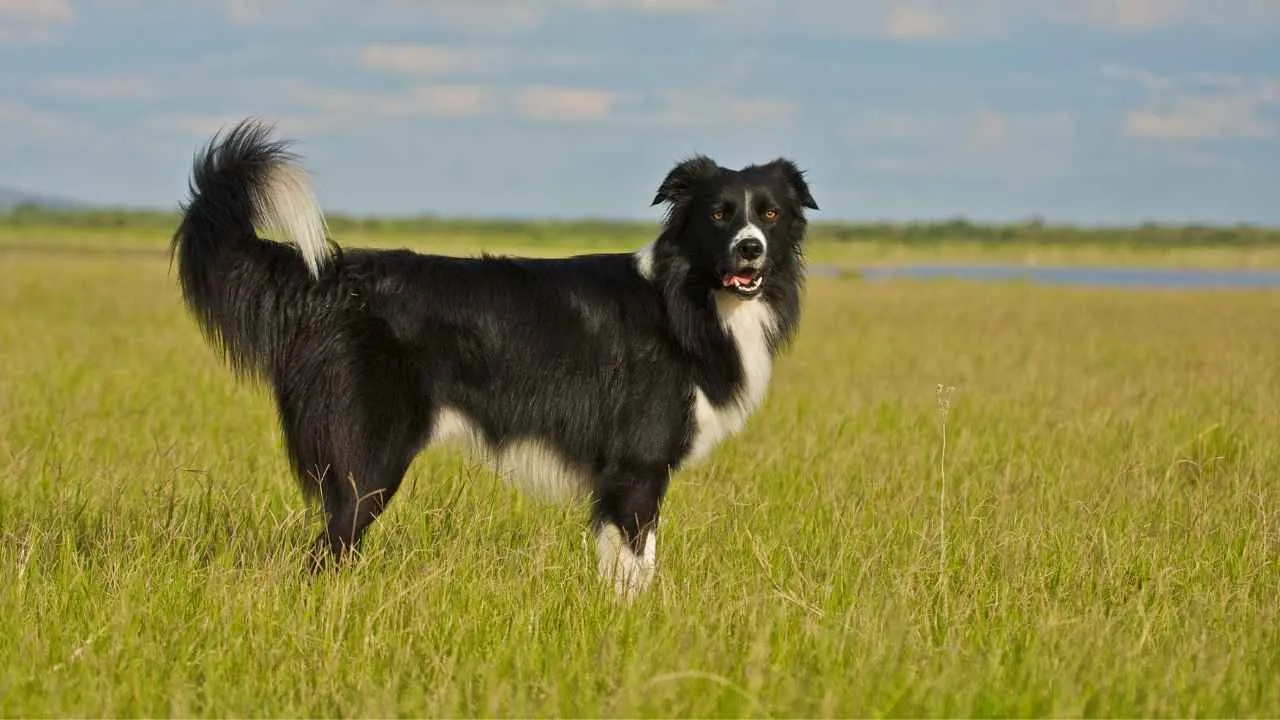
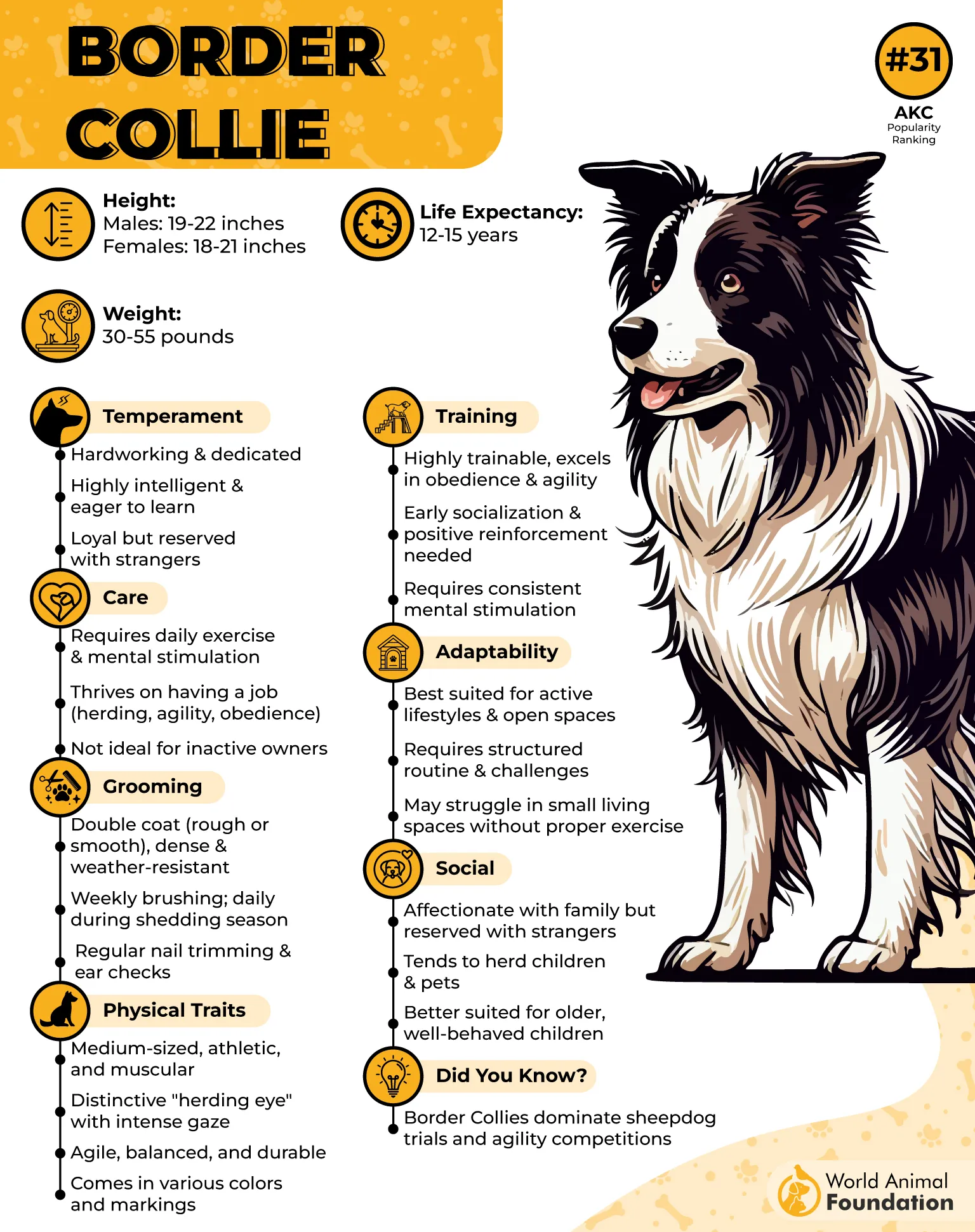
The Border Collie is considered to be one of the smartest dogs globally and is a combination of intelligence and sports ability.
Agile and Tireless
Border Collies are able to make a turn, jump, and run speedily. Their endurance enables them to trail behind long hikes and endless trail runs, particularly in moderate weather conditions.
Focus and Responsiveness
Their attention to detail also makes them very trainable. They are fast to respond to directional instructures and they are good in places where there is a need for alertness.
Mental Exercise is Crucial
Intelligent breeds such as Border Collies should be challenged on a regular basis to avoid behavioral problems. Hiking difficult terrain over long periods of time is a good, stimulating activity.
Best: Highly active Humans that prefer organized training and participation.
5. Alaskan Malamute
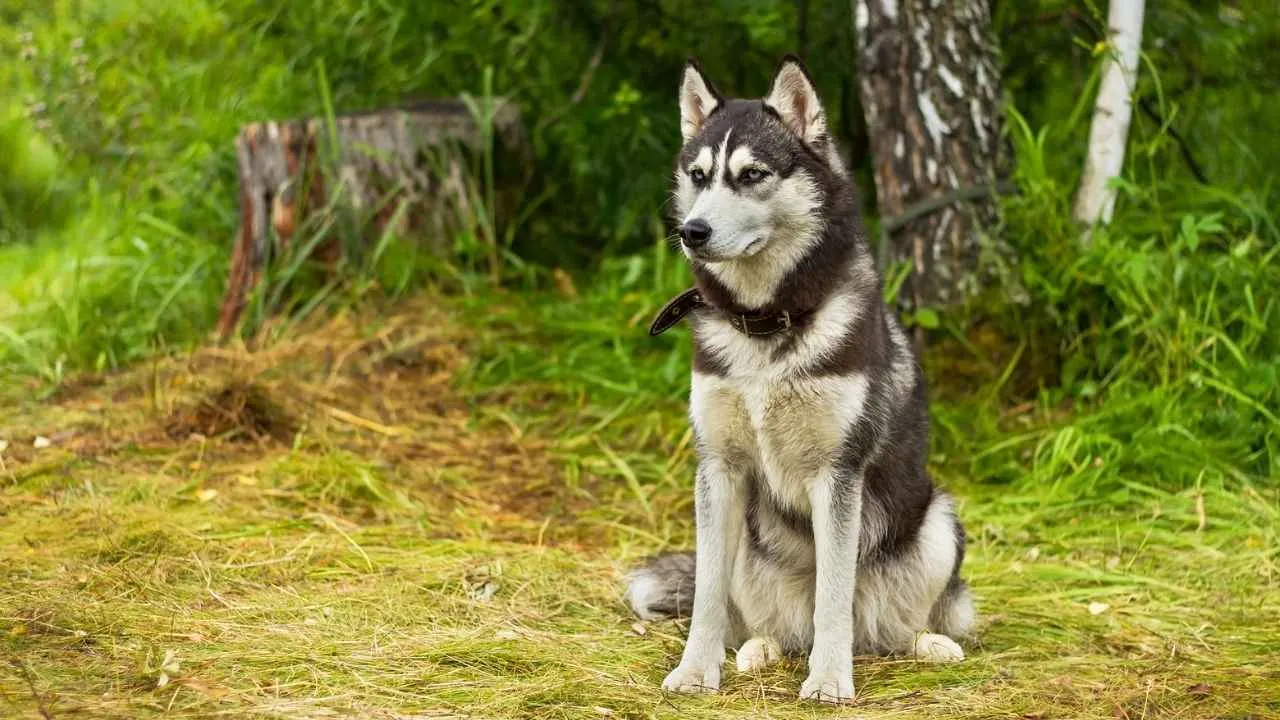
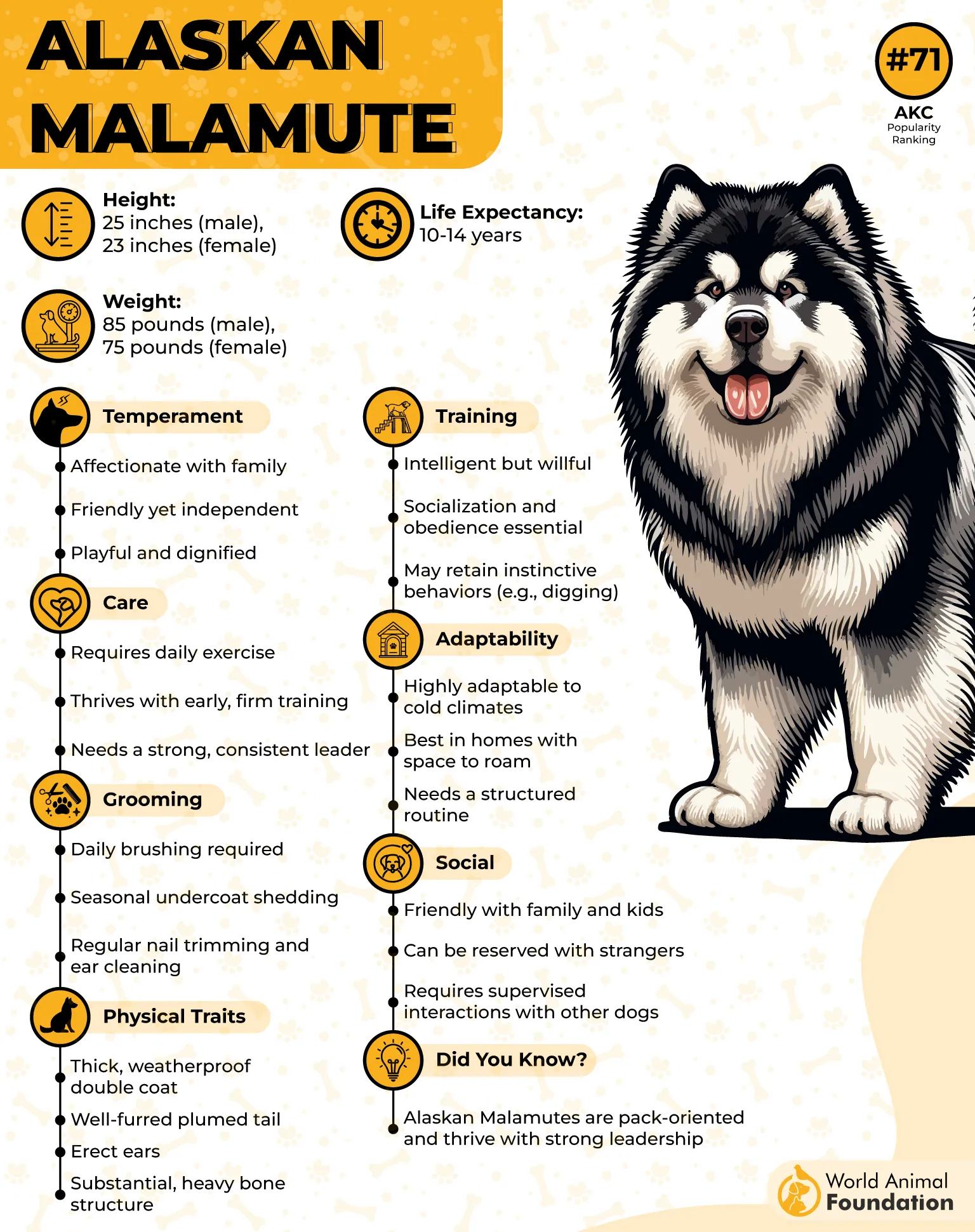
This breed is a strong one, and it was bred to pull sleds over the Arctic land in cold temperatures.
Strength Over Speed
Although not sprinters, Malamutes are good at endurance trekking, particularly in winter. They can deal with snow-covered tracks and mountainous areas.
Cold-Weather Advantage
They have a thick double coat that keeps them warm during freezing weather and are therefore suited to alpine hikes. They are, however, not very adaptable to warm weather.
Independent Nature
Malamutes are a bit stubborn and must be trained strongly and in safe places. They are strong, and therefore, the leash training should be regular and regulated.
Best for: Cold climate hikers and snow-trail adventurers.
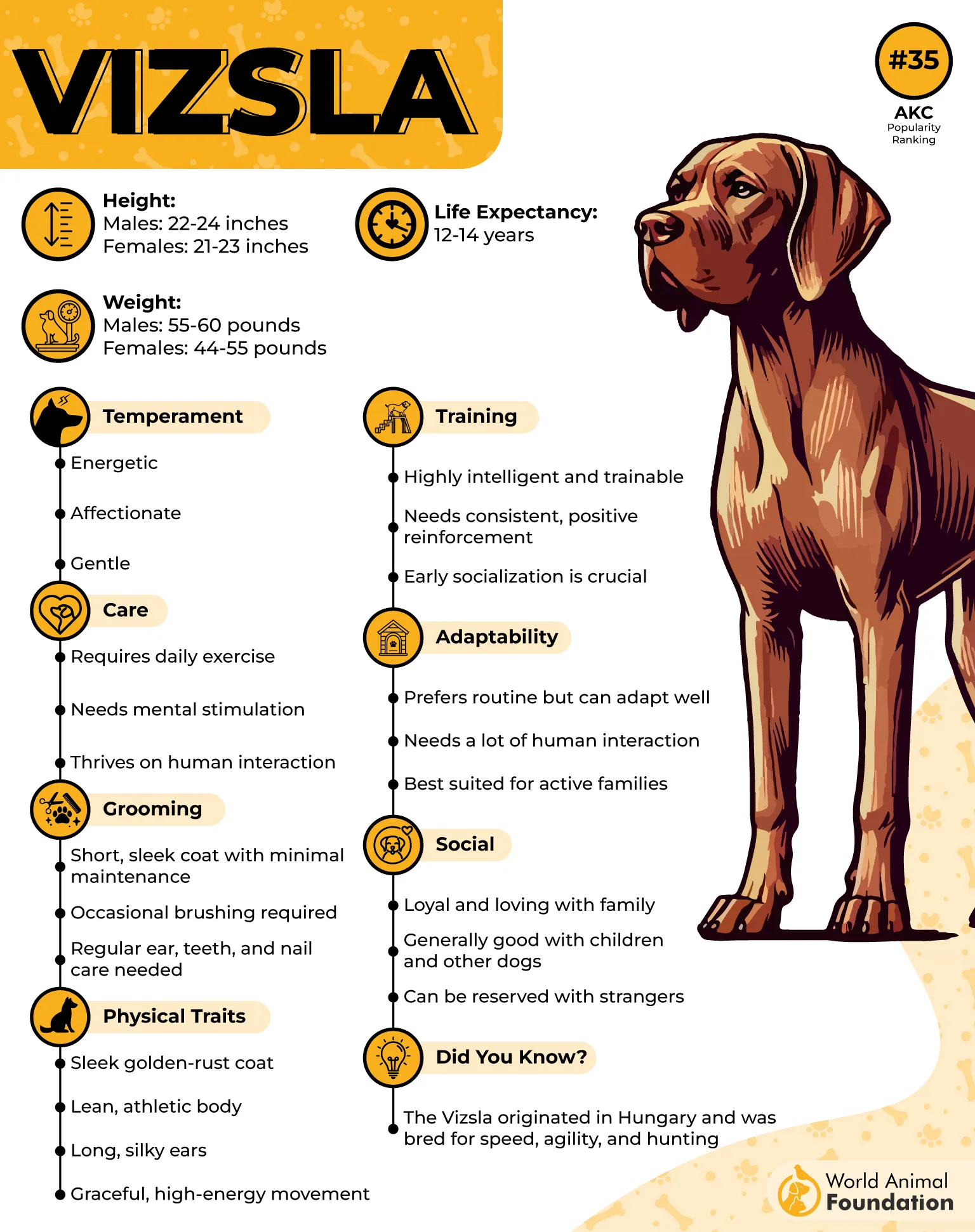
6. Vizsla
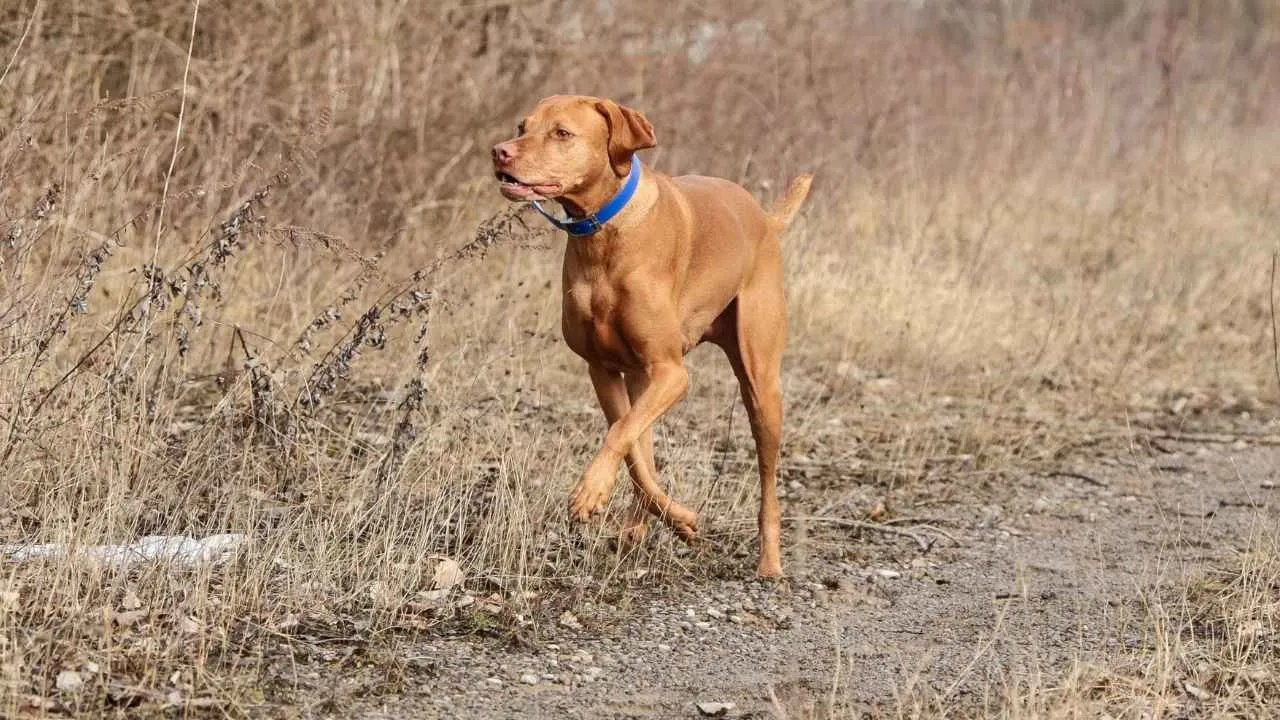
Vizslas are lovable and high-energy sporting animals also known as the Velcro dog.
Natural Runner
Vizslas are lean-bodied and designed to be fast. These dogs run the distance and hike difficult hikes and seldom get exhausted before their human companion, making them great running partners.
Strong Bonding
Vizslas are very attached to those who own them and follow them closely whenever they go off-lead. This loyalty improves the readability of trails.
Heat Tolerance
Their thin coat enables them to easily eliminate heat compared to other dogs with heavy coats, but hydration is necessary.
Most suitable for: Runners seeking a fast, emotionally engaged running mate.
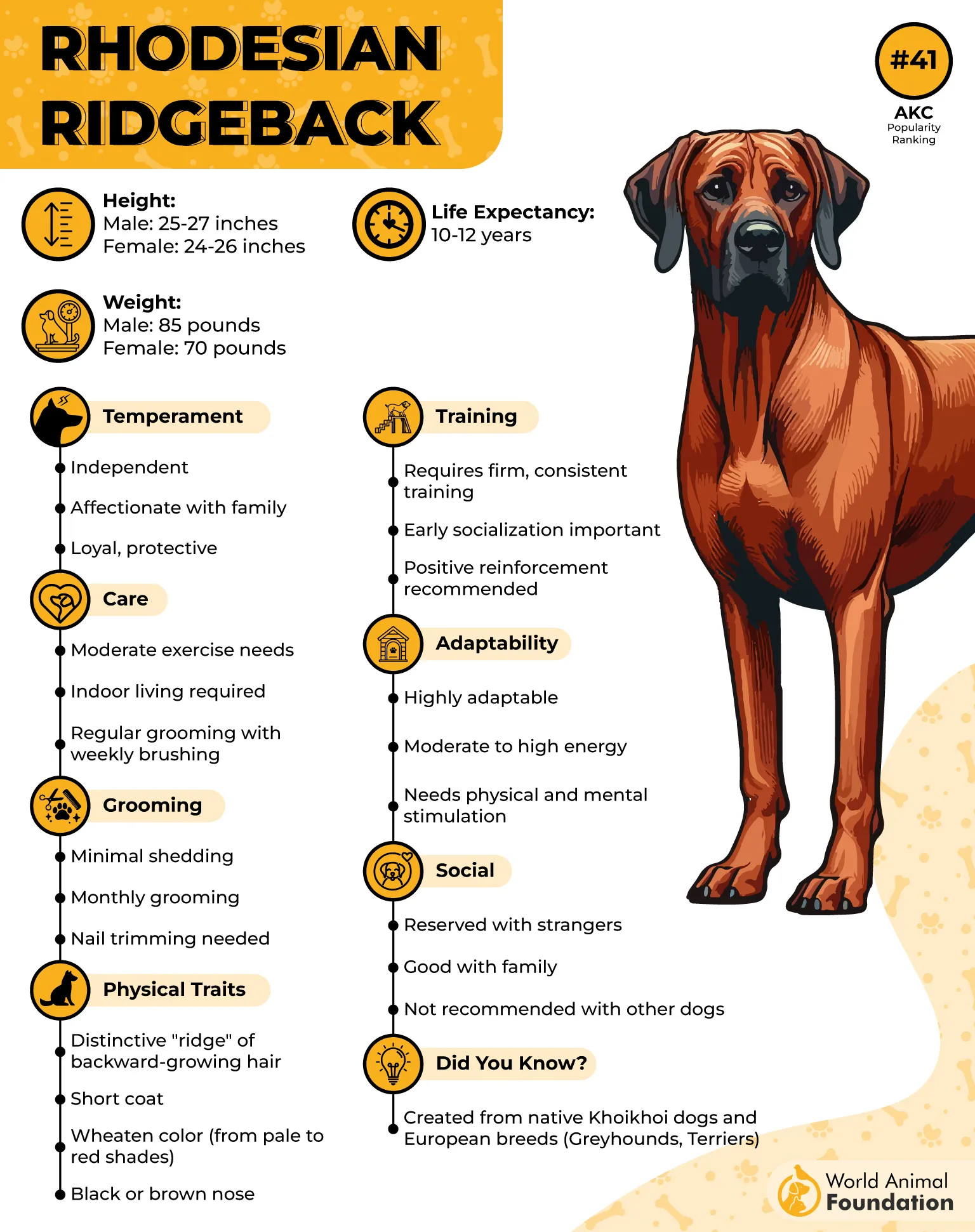
7. Rhodesian Ridgeback
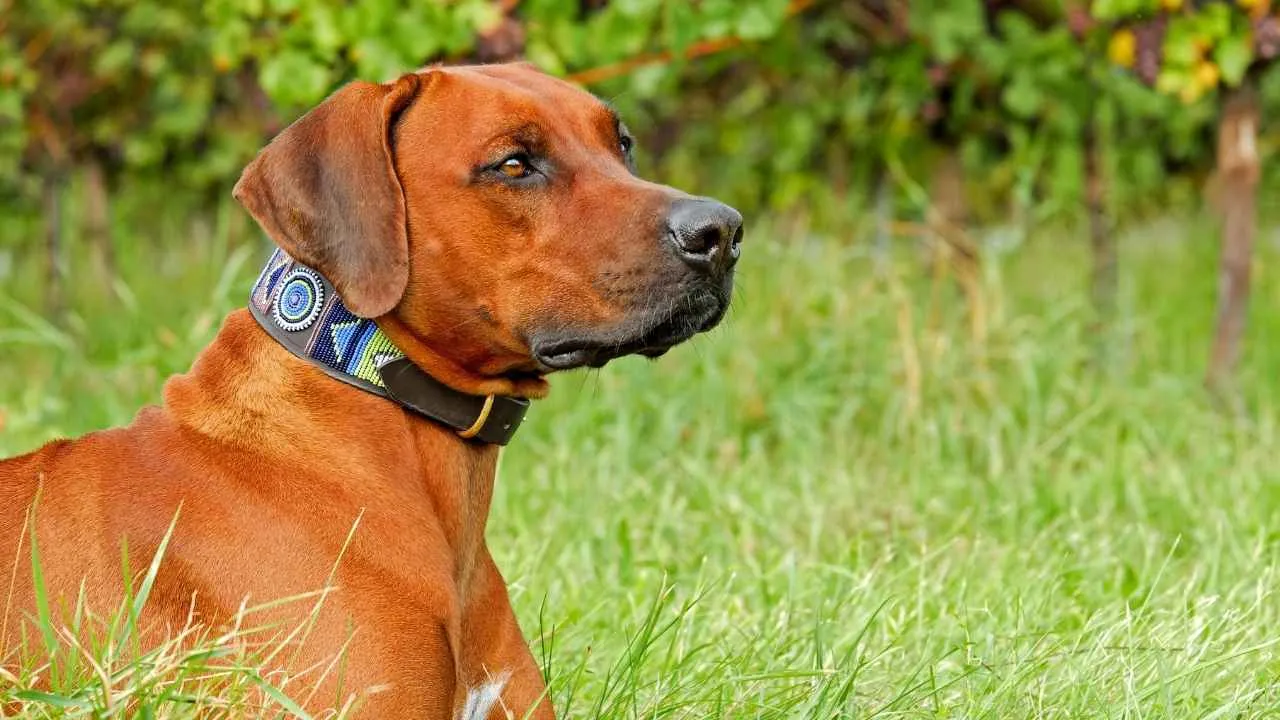
The Rhodesian Ridgeback is a strong endurance sport dog that was originally bred to act as a hunting dog and hunt lions in Africa.
Built For Harsh Terrain
Ridgebacks are powerful, strong, and can travel over long distances in hot weather conditions. They are also incredibly strong in the dry, rugged areas.
Calm But Capable
True to its storied history, the Ridgeback enjoys hunting, but is also known for its power and courage, as per Britannica. After strenuous activity, they can rest and, therefore, are perfect companions in adventure.
Good Recall Training Necessary
They have a high prey drive, and thus, early recall training is essential for off-leash safety.
Best for: Experienced warm-weather hunters.
Conclusion
Many important factors make a dog breed ideal for hiking and trail running. They need durability, intelligence, climate versatility, and a high training base. If you like snow trails in the Alps, forest marathons, or desert trails, you are sure to find a breed that goes at your speed.
All these breeds have a special asset to offer. The trick lies in it being a perfect fit between the ideal climate, mileage targets, and training commitment.
Properly trained, conditioned, and exercised, these breeds do not merely walk next to you, but they elevate with each mile. And there is nothing so nice as getting to the top and having your best friend at your side, wagging their tail, and looking forward to the next adventure.
