




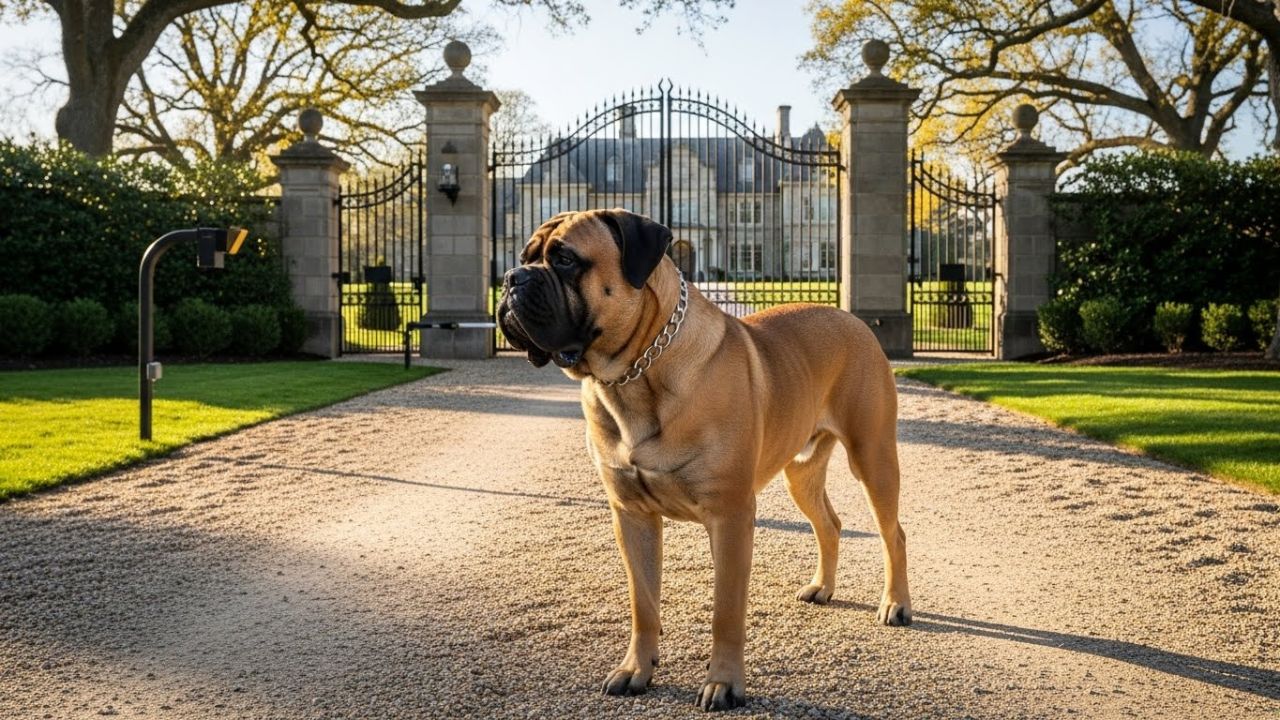
It’s 2:13 a.m., and while you’re still negotiating with your pillow, your guard dog is already on duty. Ears up, nose working, staring at the darkness as it owes them money.
This guide will help you figure out which guard-style breed actually fits your property and your lifestyle—not just the one that looks coolest in photos. Because real talk: a powerful guard dog isn’t an alarm system with fur—training and temperament matter.
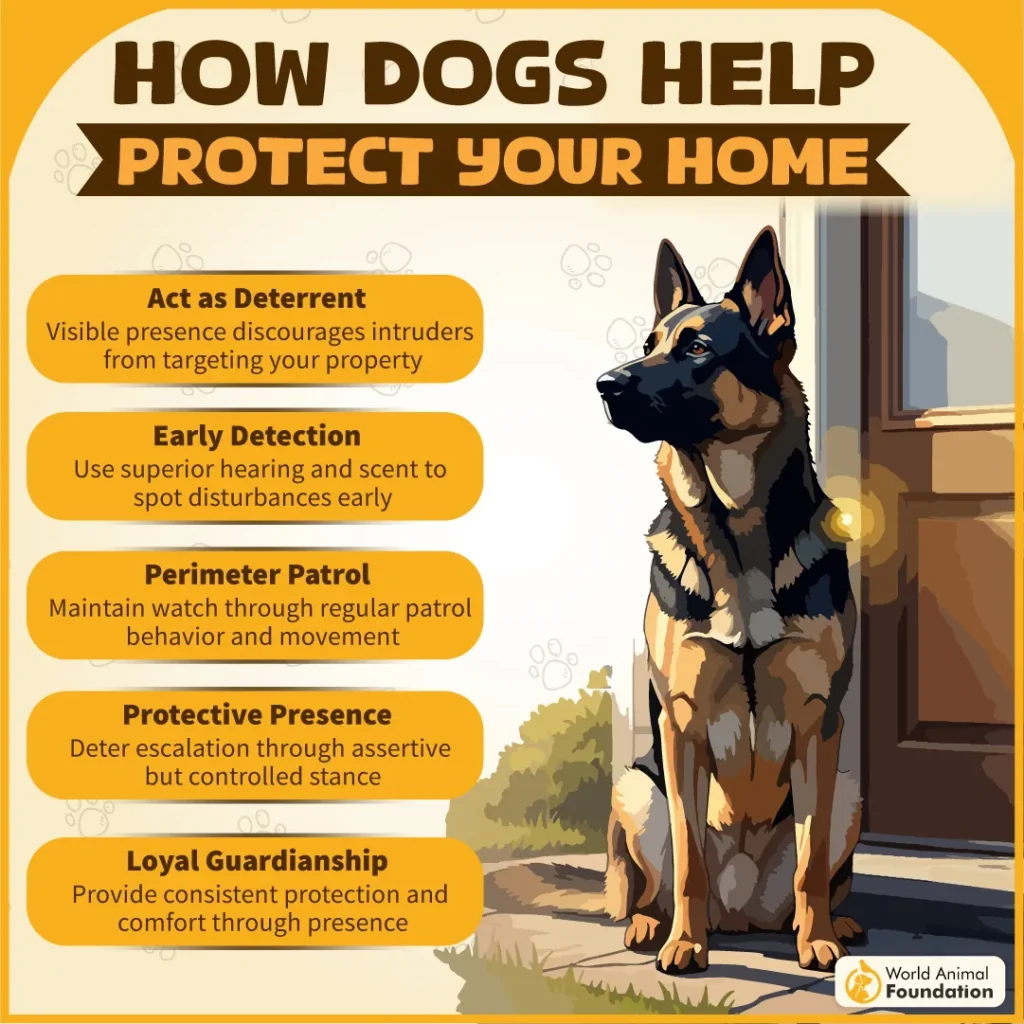
When we say “secure,” we’re talking about three layers: deterrence (that confident “don’t even try it” vibe), detection (super-hearing and superhero sniffing), and defense (stepping in only if it’s truly necessary). The goal is calm control, not chaos.
Quick glossary: a watchdog alerts you, a guard dog may block or challenge, and a protection dog is trained to act on command. And here’s the myth-buster: big dog doesn’t always mean brave—steady nerves and good training beat size.
Now, what’s your world like: apartment, suburban yard, acreage, or farm? Kids, guests, other pets—and are you a runner or more of a “walk to the fridge” athlete? Now let’s meet the contenders.
Best Dog Breeds for Keeping Your Property Secure and Safe
1. Belgian Malinois
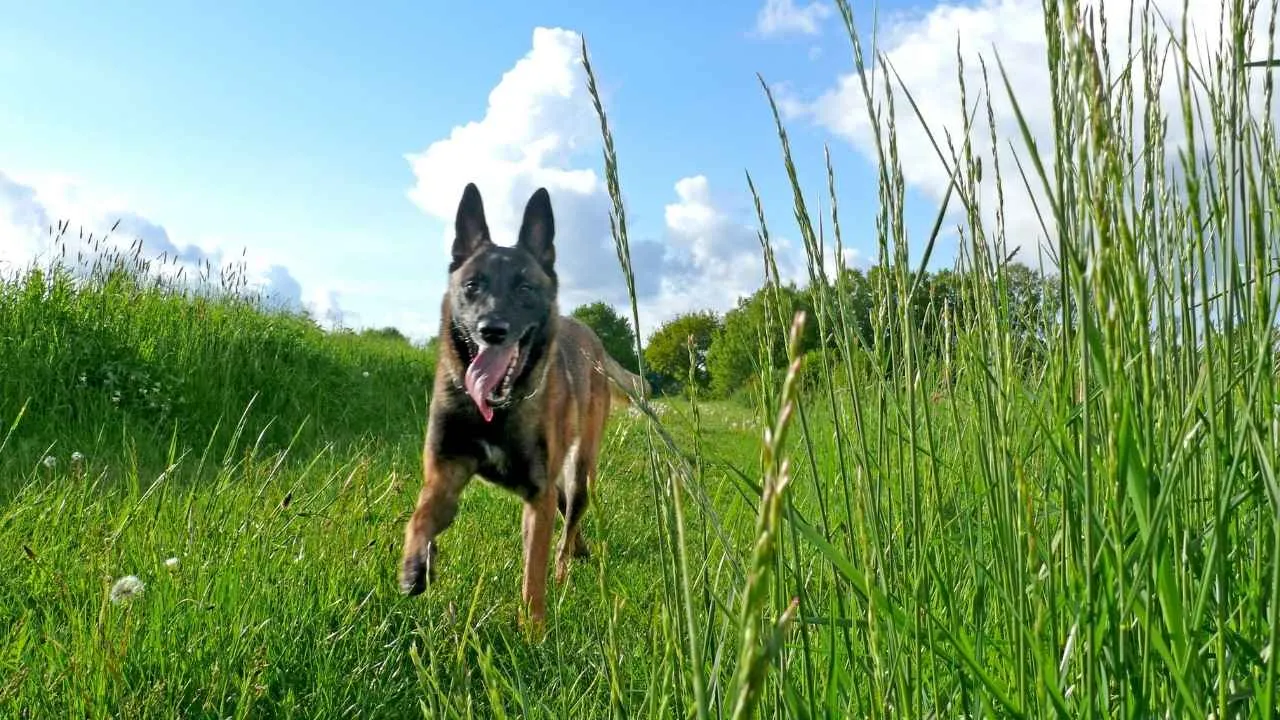
The Belgian Malinois walks in like a four-legged security consultant: sharp eyes, athletic build, and zero interest in “just chilling.” Originally bred for serious herding work, it’s now famous for high-focus jobs where quick thinking matters. Its security superpower is detection—spotting the unusual before you’ve even sat up in bed.
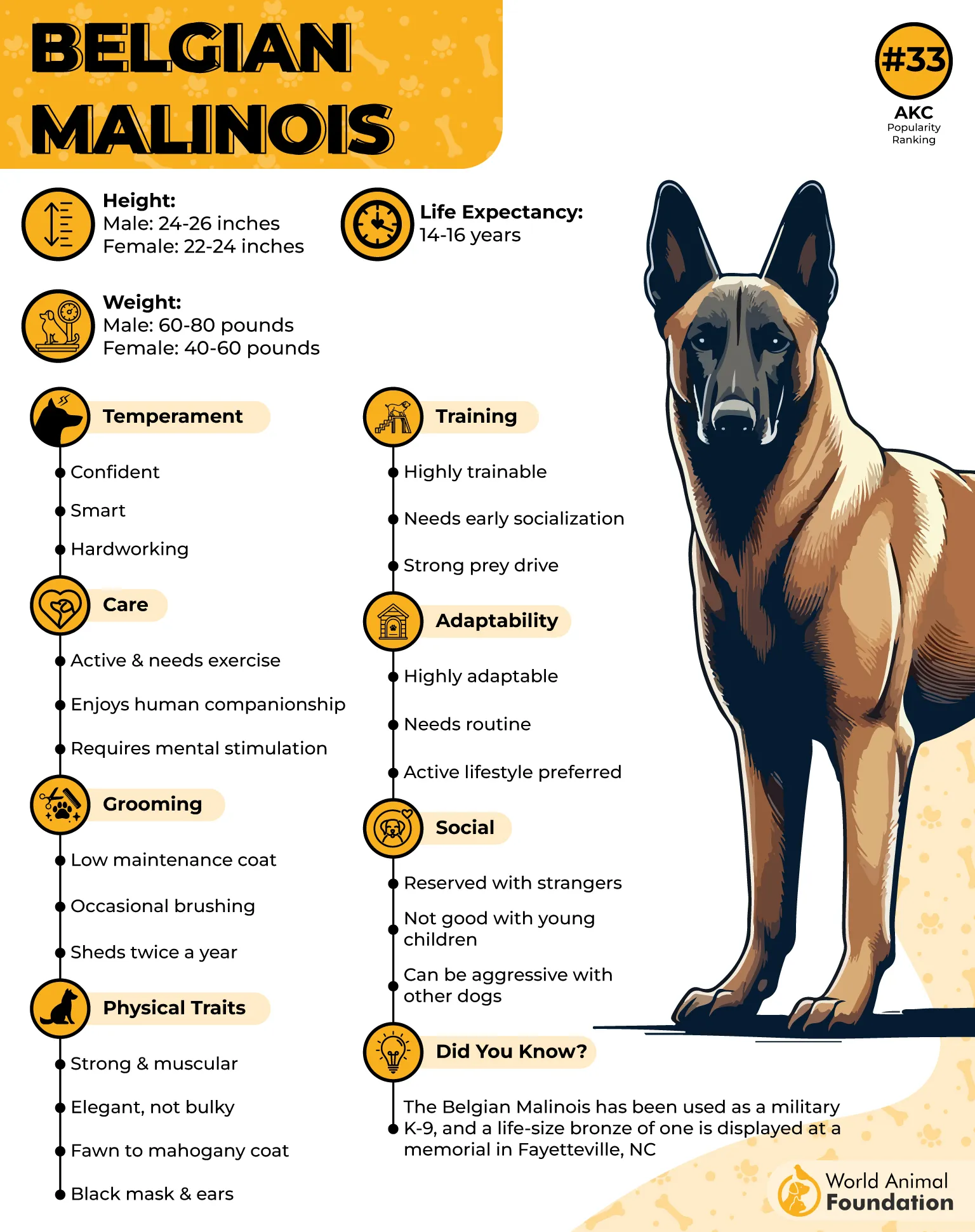
AKC mentions that responsible ownership means giving this dog structure and a daily mission, not random zoomies in the yard. Expect high energy needs: brisk exercise, skill-building, and brain games that keep that engine pointed in the right direction.
Home security setup tips (Dog-Friendly)
Create a calm “alert station” (mat near a window) so checking noises stays controlled.
Use a front-door buffer (gate/pen) so arrivals don’t turn into a launch sequence.
Training & Socialization: The Non-Negotiables
Teach an off-switch: “settle” and “all done” cues, practiced daily after excitement.
Do planned exposure to bikes, runners, and visitors at a distance to build neutrality.
In real life, the Malinois bonds hard and wants to be your shadow, your teammate, your manager. It’s often reserved with strangers and happiest in an active home that treats training like a lifestyle. Best setup: confident handlers, routine, and meaningful work.
Watch-outs: boredom can become “creative security theater” (chewing, pacing, intense scanning). This is not a low-time, low-energy pet pick.
Quick Verdict: If you love training and want a fast, driven home guardian, it’s a thrilling match.
2. Mastiff
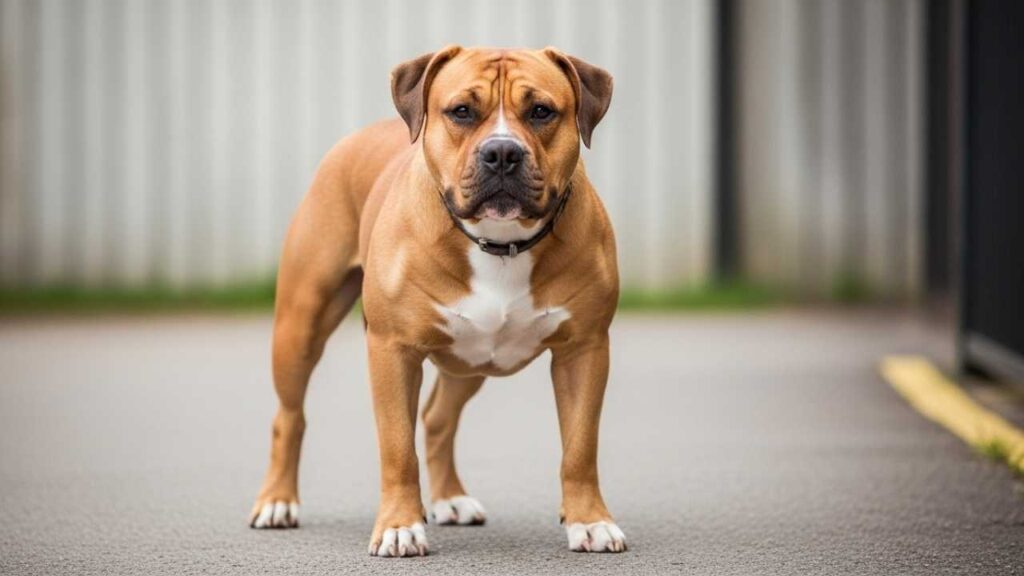
A Mastiff is a walking “No Soliciting” sign—massive, calm, and quietly in charge. With ancient guardian roots, this breed has been valued for steady courage and loyalty across centuries. Its security superpower is deterrence: most strangers notice the Mastiff before they notice your doorbell.
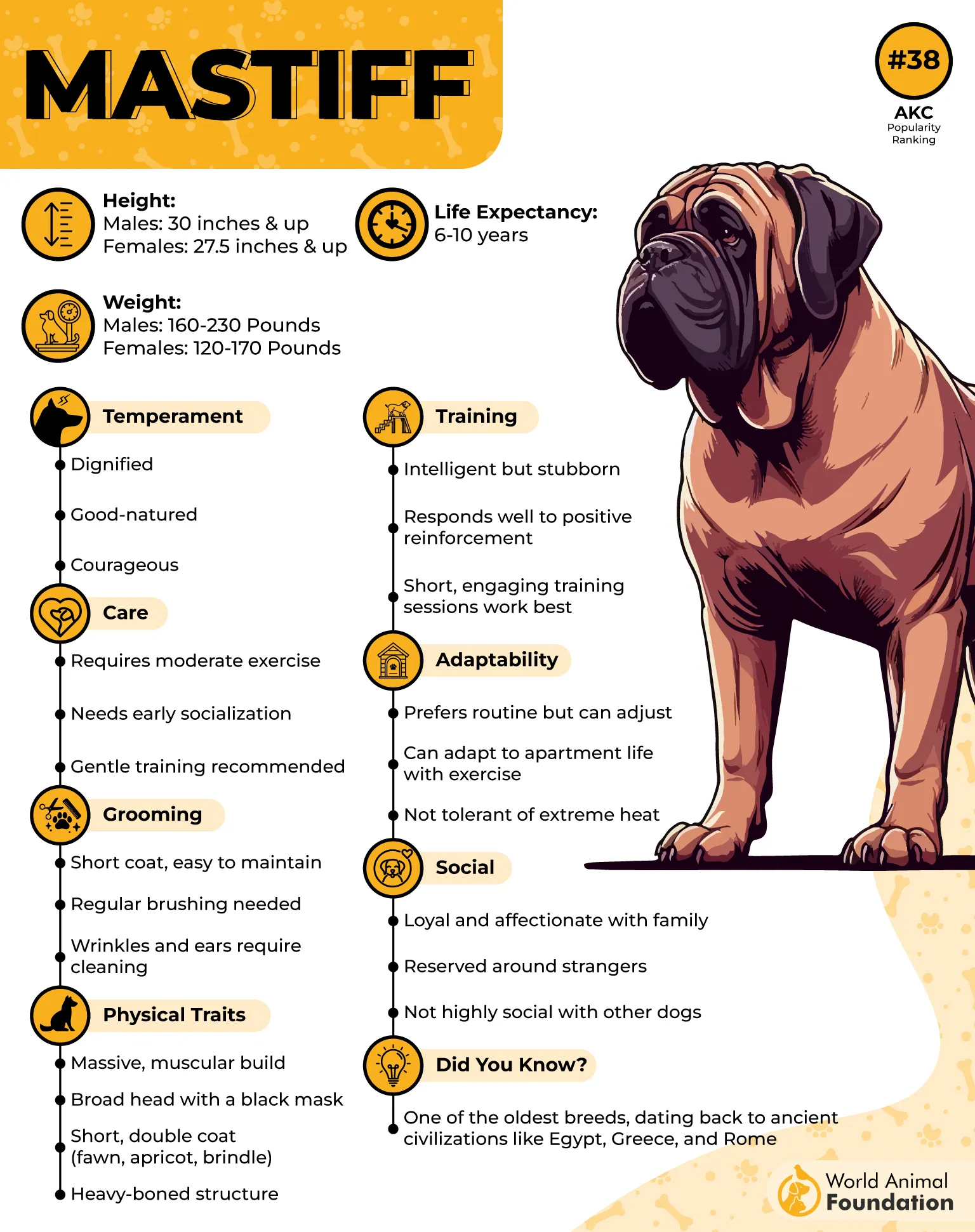
Responsible ownership is mainly about managing size with good manners and smart routines. Energy needs are usually moderate, but daily walks and gentle conditioning keep joints and mood in a good place.
Home security setup tips (Dog-Friendly)
Set up non-slip flooring near entrances to prevent slides during excited moments.
Give them a roomy “parking spot” away from the front door to reduce crowding.
Training & Socialization: The Non-Negotiables
Start leash manners early—big dog physics is not a training plan.
Practice calm guest introductions so that protectiveness stays composed and friendly.
PDSA notes that at home, Mastiffs are often affectionate, low-drama guardians who prefer to observe before reacting. They do best in quiet households with predictable routines and enough space to move comfortably. Best setup: owners who want a calm property-security presence, not a high-speed patrol dog.
Watch-outs: Drool, giant-dog expenses, and heat sensitivity can be part of life. Skipping training is risky when you own a gentle boulder.
Quick Verdict: If you want a steady, imposing protector with a soft family side, the Mastiff fits beautifully.
3. Rottweiler
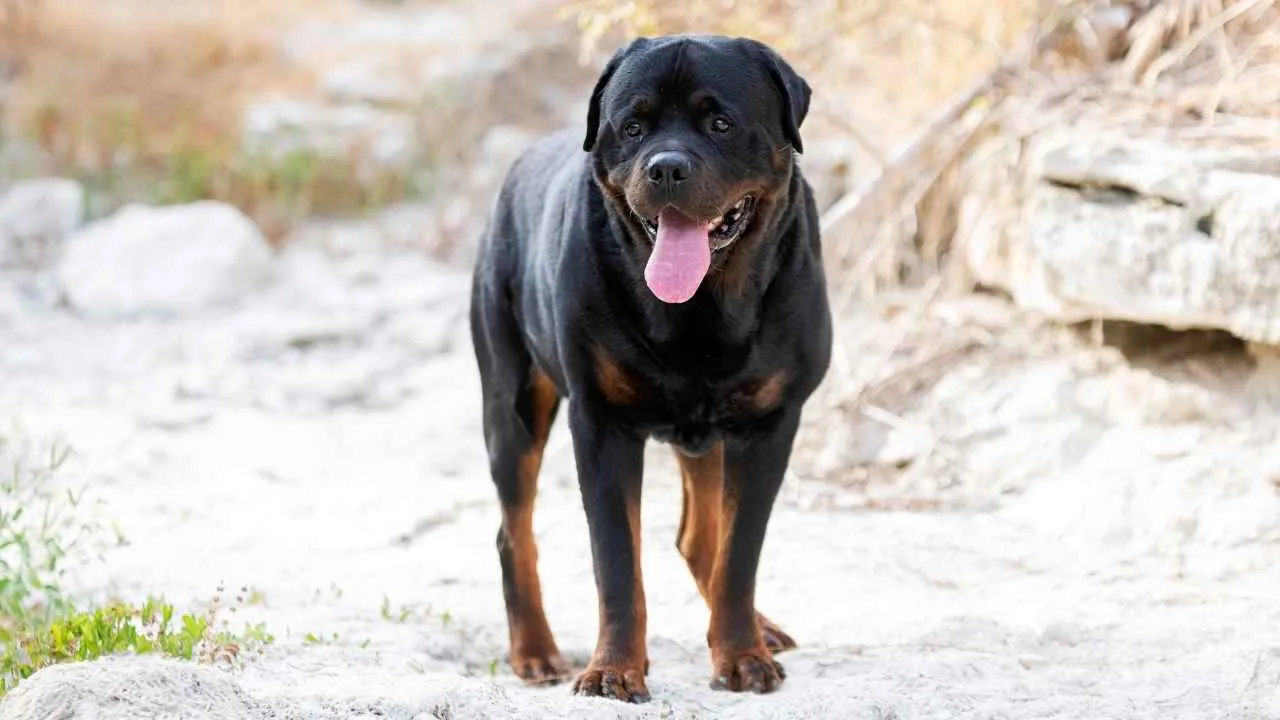
The Rottweiler brings “confident professional” energy—powerful, alert, and seriously loyal.
Britannica claims that bred for work and trusted for protection roles, the Rottie often shines as a balanced property-security dog. Its security superpower is controlled defense: calm assessment paired with the ability to act when it truly matters.
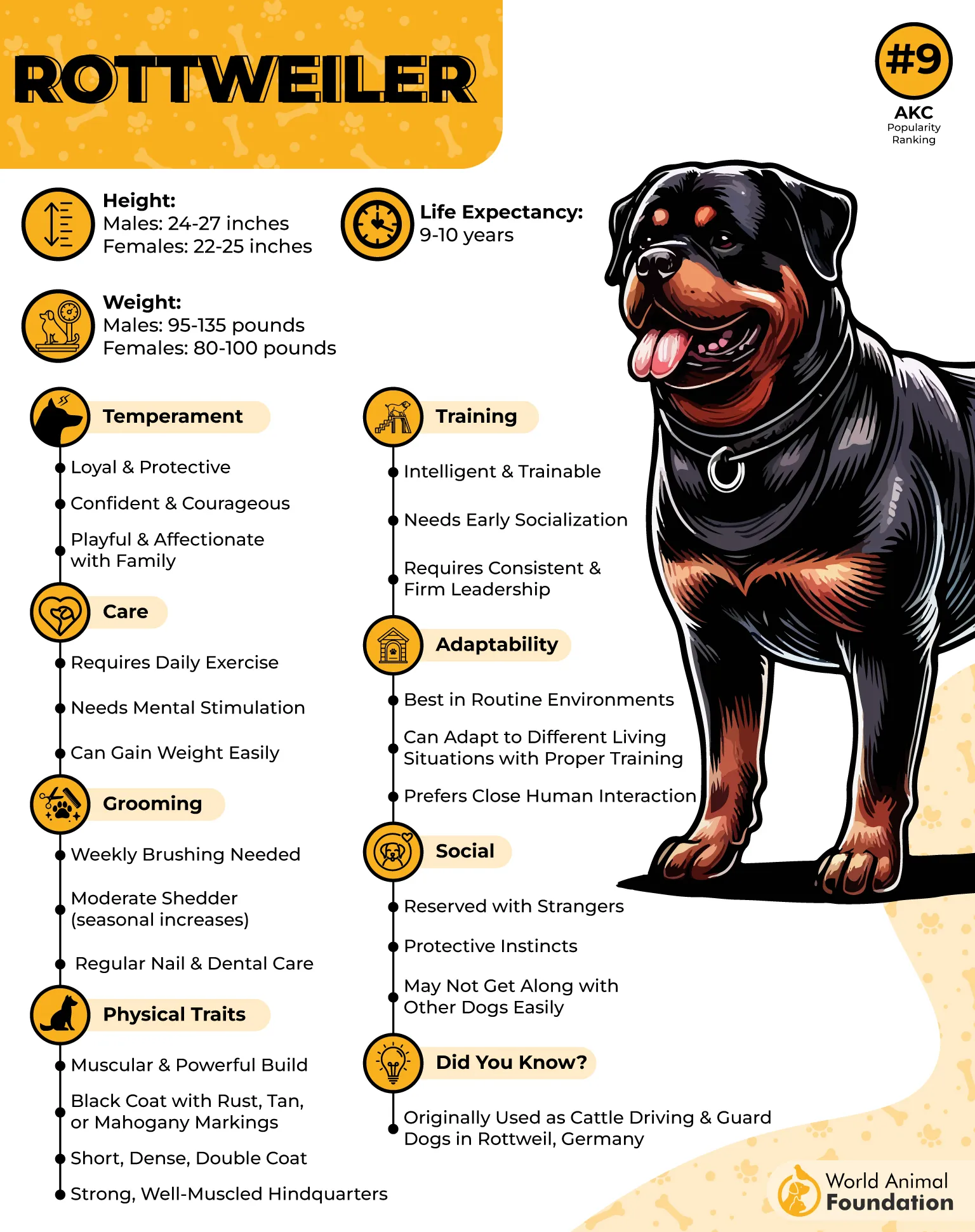
Responsible ownership means building reliability through structure, not hype. They need daily exercise plus mental work—obedience drills, scent games, and structured play with rules.
Home security setup tips (Dog-Friendly)
Use a double-entry routine (door + interior barrier) to keep guest flow safe and calm.
Do on-leash boundary walks to reinforce “this is our space” without fence-running habits.
Training & Socialization: The Non-Negotiables
Train impulse control: waiting at doors, polite greetings, and “leave it” around distractions.
Handle-training matters: paws, ears, collar grabs—practice gently for real-world safety.
In everyday life, a well-raised Rottweiler is affectionate with family and often reserved with strangers—more bodyguard than social butterfly. Best home setup: owners who enjoy training and want a strong guard dog that can also relax at home. Routine and clear rules bring out their best.
Watch-outs: Inconsistent boundaries can lead to pushy behavior, and poor socialization can make them overly suspicious. Their strength means training is the foundation, not an optional add-on.
Quick Verdict: If you want a loyal powerhouse for keeping your property secure and you’ll commit to structure, the Rottie is a top-tier pick.
4. Great Pyrenees
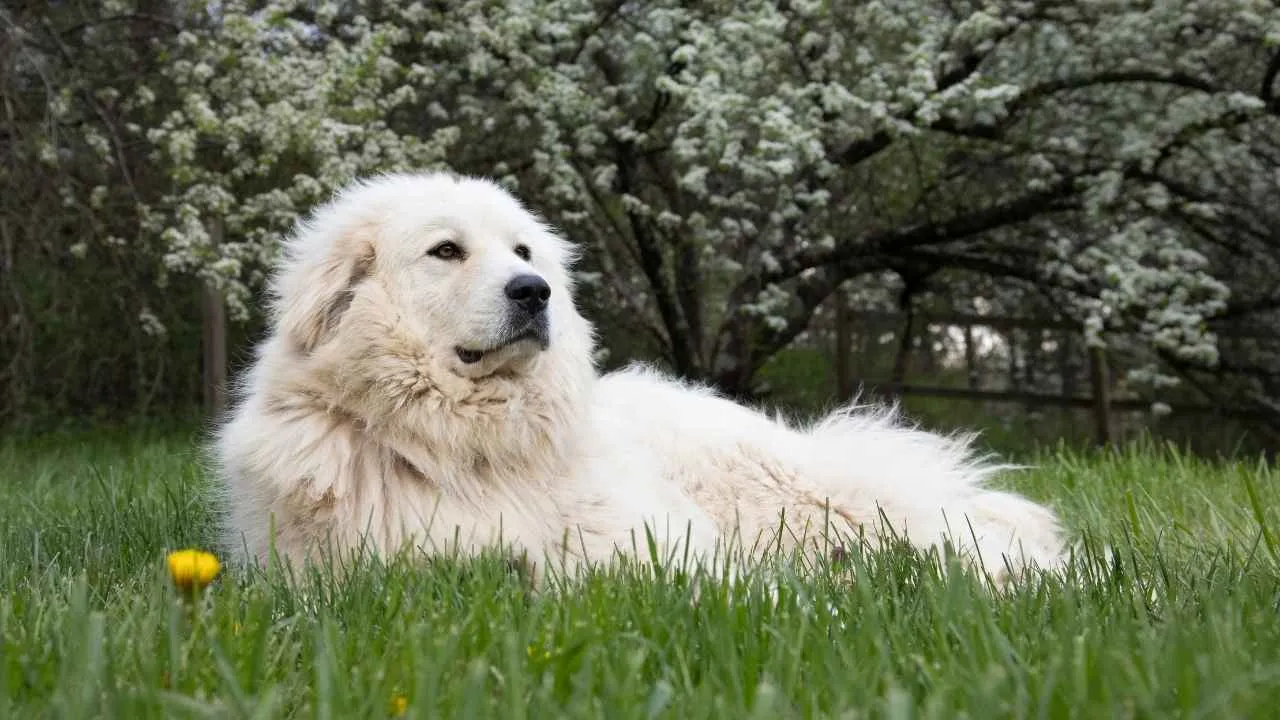
The Great Pyrenees has a calm, cloud-like vibe—until something crosses the line, and suddenly you realize this fluff comes with a security system.
Bred to guard livestock in harsh conditions, it’s wired to patrol, observe, and make independent decisions. Its security superpower is night-watch vigilance: it notices what doesn’t belong and takes boundary duty personally.
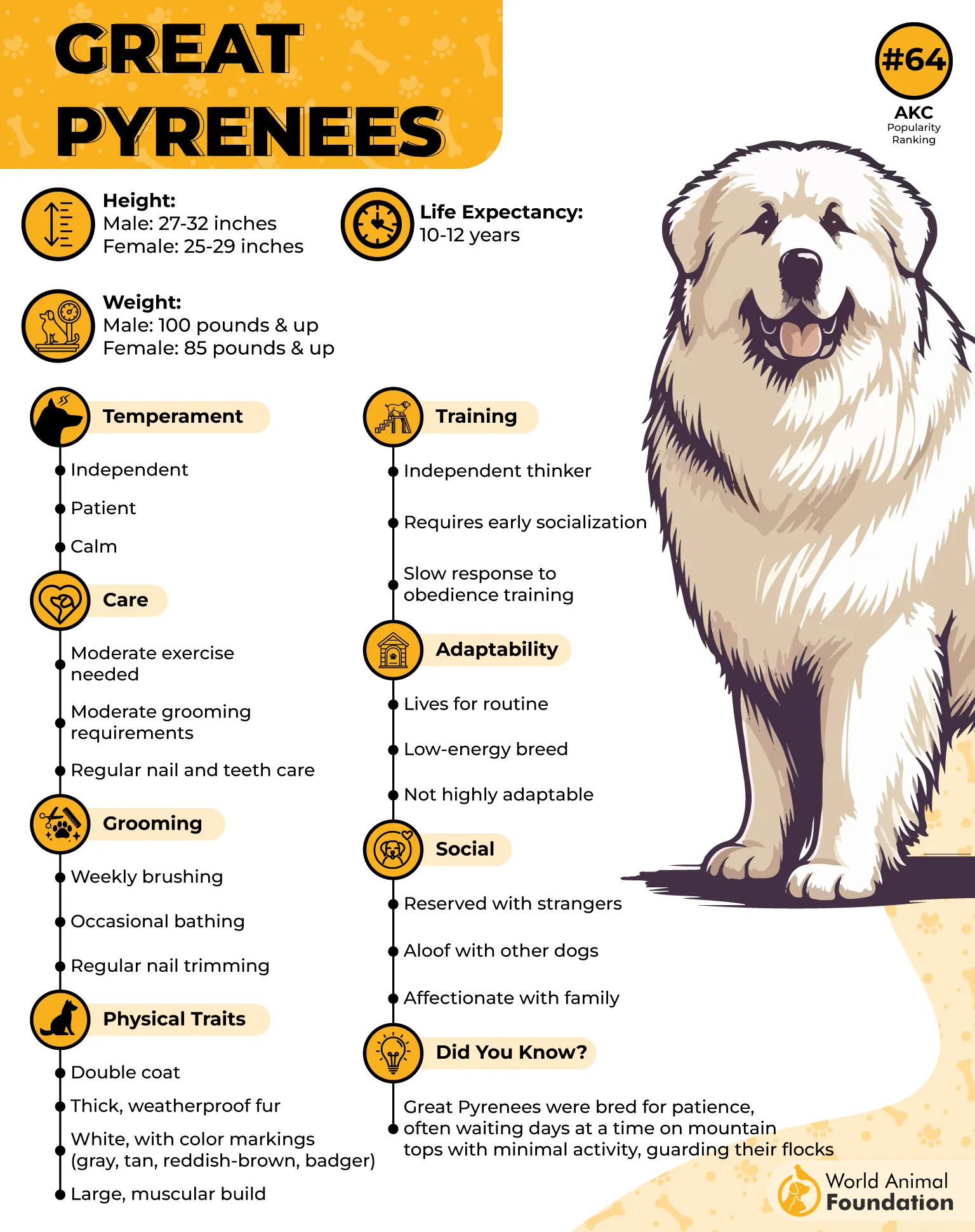
Responsible ownership means respecting its guardian instincts while teaching house rules early. Energy needs are moderate, but it requires steady walks, mental enrichment, and a job-like routine—plus patience for an independent streak.
Home security setup tips (Dog-Friendly)
Secure fencing is a must; this breed may wander to “expand the patrol route.”
Give a sheltered outdoor viewpoint or quiet indoor window spot for calm monitoring.
Training & Socialization: The Non-Negotiables
Teach reliable recall and boundary games early, then reinforce them for life.
Socialize with visitors and deliver activity so alerting stays steady, not nonstop.
In real life, Great Pyrenees are gentle with family and often sweet with kids, but naturally wary of unfamiliar activity. Best home setup: larger properties, quiet neighborhoods, farms, or homes that appreciate a calm guardian with a big voice. They thrive with clear routines and respectful handling.
Watch-outs: Barking can be frequent, especially at night, and the “I’ll decide” personality can frustrate strict-control owners. Grooming and shedding are part of the deal, as is the need for thoughtful containment.
Quick Verdict: If you want a steady, independent property guardian and can manage barking and boundaries, this breed fits.
5. Cane Corso
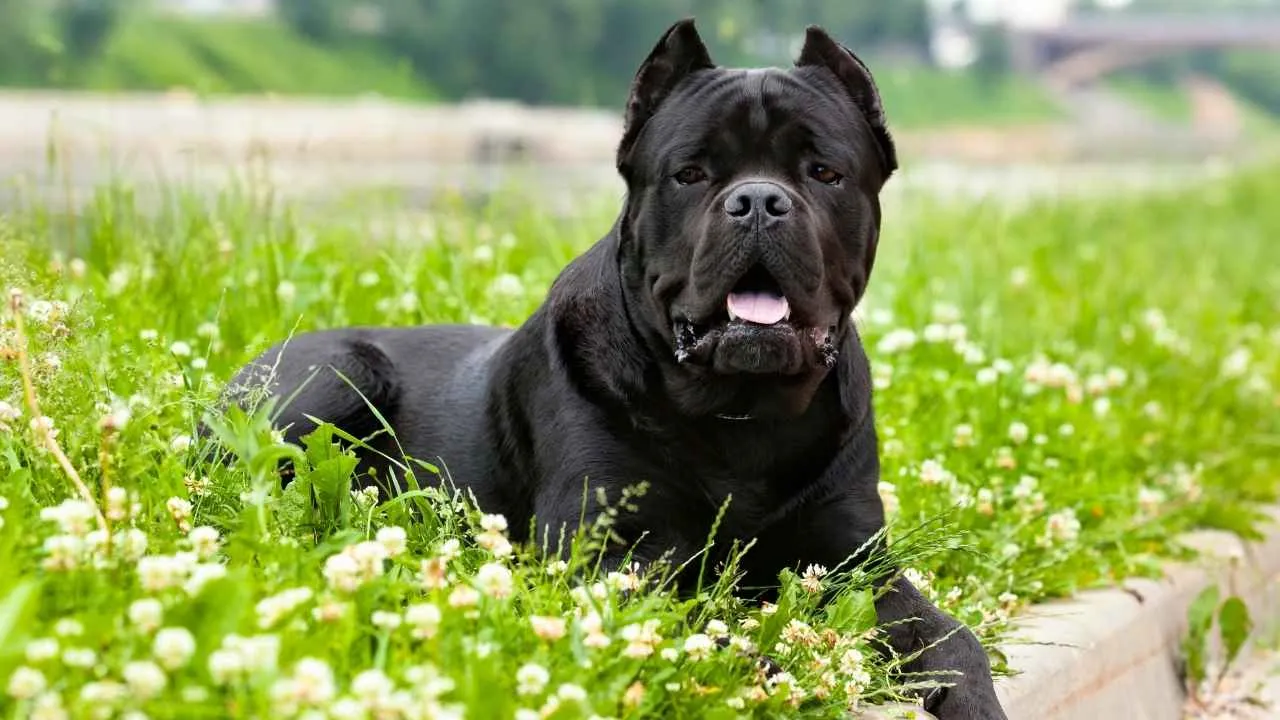
The Cane Corso gives off “professional bodyguard” energy—muscular, focused, and quietly confident. Developed as a working guardian, it tends to watch first and act with purpose rather than noise. Its security superpower is presence plus judgment: it can look intimidating while staying composed under good leadership.
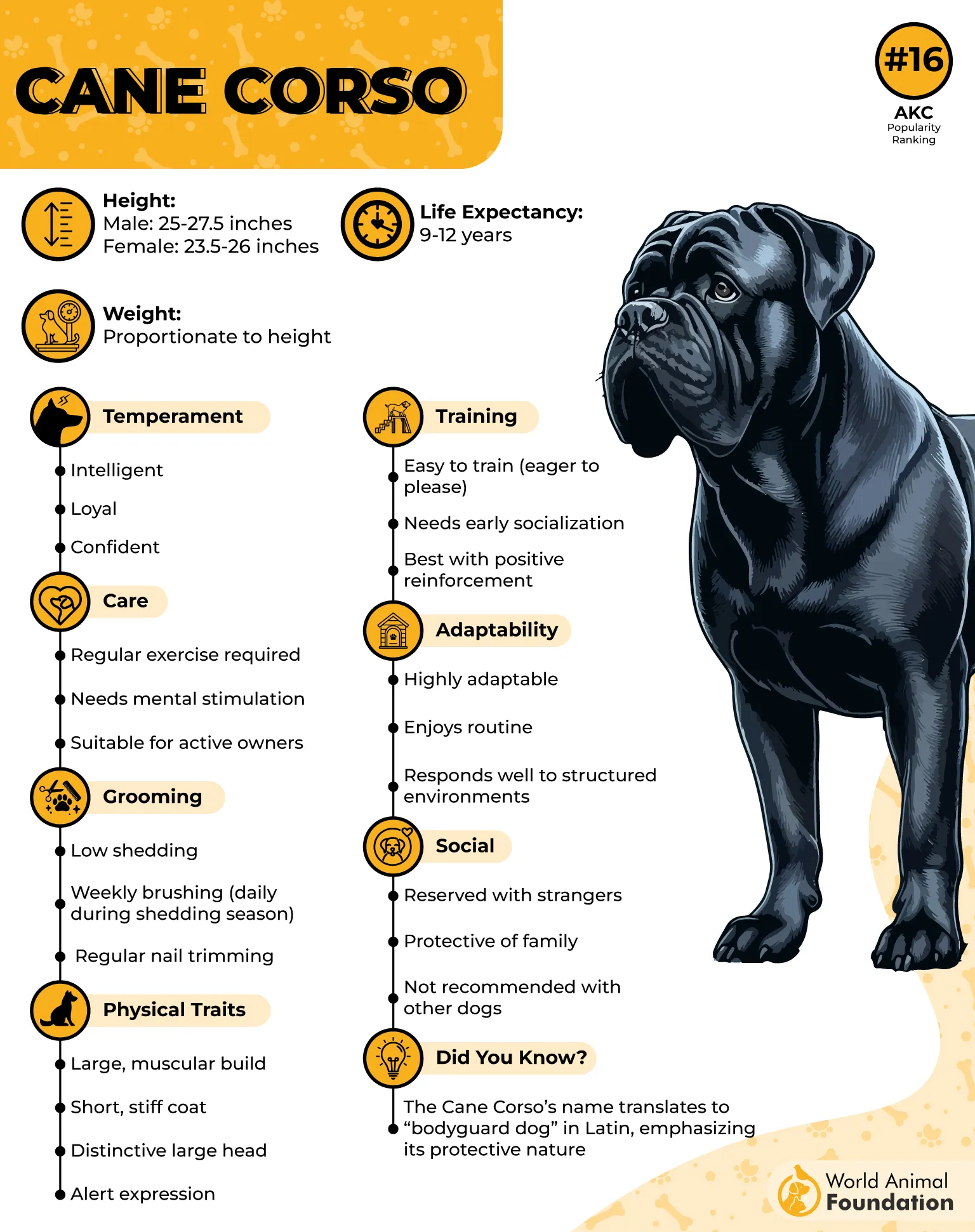
Responsible ownership is serious business here: this breed needs structured training, early socialization, and an owner who enjoys setting clear rules. Energy needs are moderate-to-high, and they do best with daily exercise and mental tasks that reinforce impulse control.
Home security setup tips (Dog-Friendly)
Use sturdy gates and a controlled entry routine so visitors never rush the dog.
Create a “safe zone” (crate or room) for calm separation during gatherings.
Training & Socialization: The Non-Negotiables
Enroll in obedience early; practice neutrality around strangers and other dogs.
Build rock-solid cues like “place,” “stay,” and “leave it” before testing instincts.
Temperament-wise, the Cane Corso is intensely loyal and typically reserved with strangers, often forming a tight bond with its household. Best home setup: experienced owners, consistent routines, and a home that values calm structure. It’s an excellent pick for keeping your property secure when trained thoughtfully.
Watch-outs: Poor socialization can turn protectiveness into over-guarding, and strength makes sloppy handling risky. This is not a casual first-time dog for most homes.
Quick Verdict: If you want a confident guardian and you’re committed to training as it matters, the Cane Corso delivers.
6. Rhodesian Ridgeback
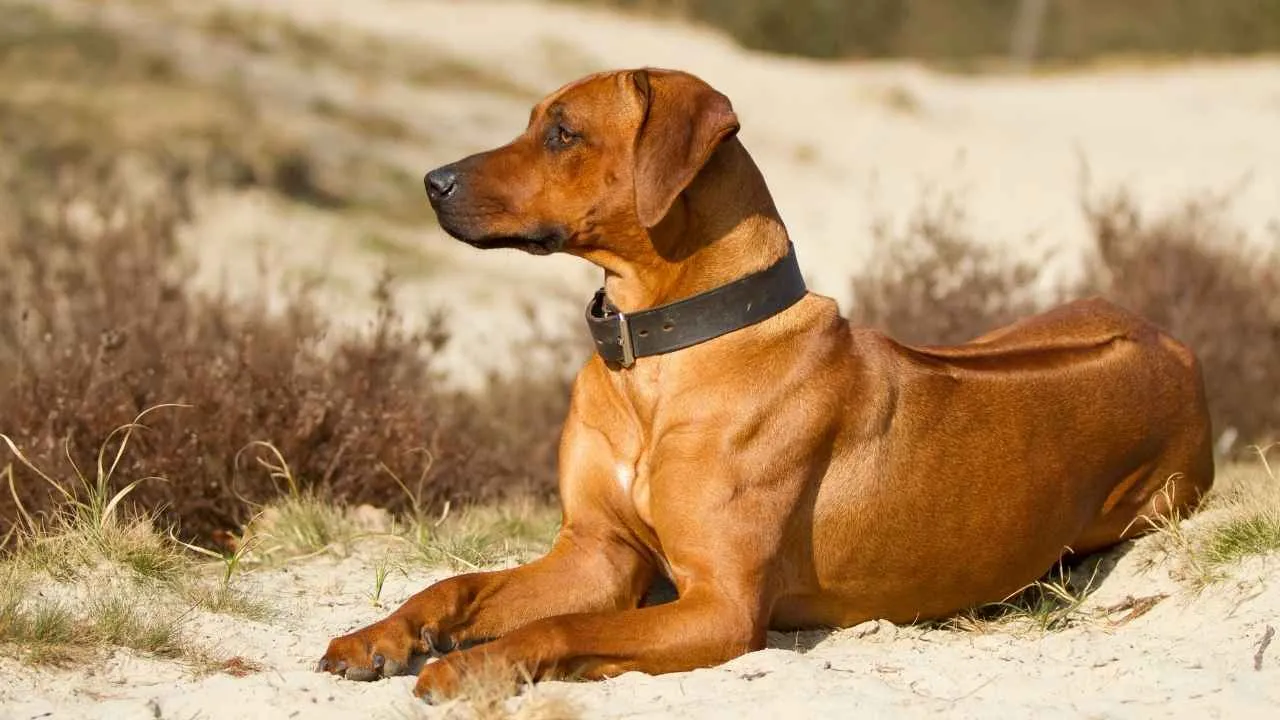
The Rhodesian Ridgeback is a smooth, athletic guardian with a cool-headed swagger—like it’s always evaluating the situation with quiet confidence. Originally bred for demanding work in southern Africa, it’s known for courage, endurance, and a strong sense of territory.
Its security superpower is calm alertness: it notices change, holds its ground, and doesn’t waste energy on constant noise.
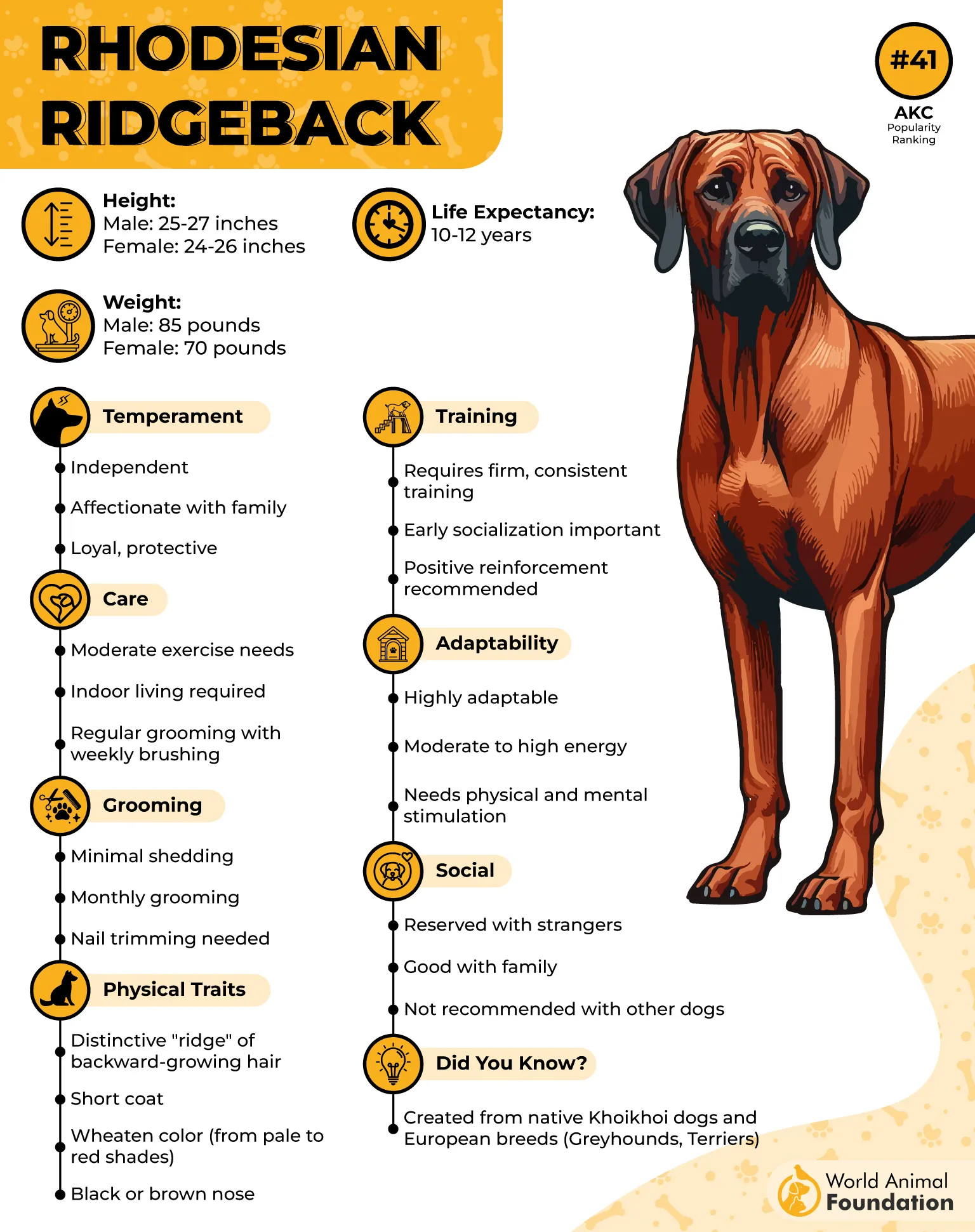
Responsible ownership means understanding the Ridgeback’s independent streak and giving it consistent guidance. Energy needs are solid but not frantic—daily runs or long walks plus mental stimulation keep it balanced and less likely to invent its own “security plan.”
Home security setup tips (Dog-Friendly)
Reinforce boundaries with a secure yard and supervised outdoor time, not free-roaming patrols.
Use a quiet “greeting routine” so excitement doesn’t become door-charging habits.
Training & Socialization: The Non-Negotiables
Train recall and leash skills early; this breed can be selective about listening.
Socialize with guests and unfamiliar environments so confidence stays smooth and stable.
In real life, Ridgebacks are caring with their people and often polite but reserved with strangers. Best home setup: owners who like an athletic dog that can guard without being constantly “on.” They do well in homes that can offer exercise, rules, and calm leadership.
Watch-outs: Boredom can lead to mischief, and a strong prey drive may require management around smaller animals. Overly harsh training usually backfires; they respond best to clear, fair handling.
Quick Verdict: If you want a quiet, athletic property-security companion with a strong will, the Ridgeback is a great match.
7. Giant Schnauzer
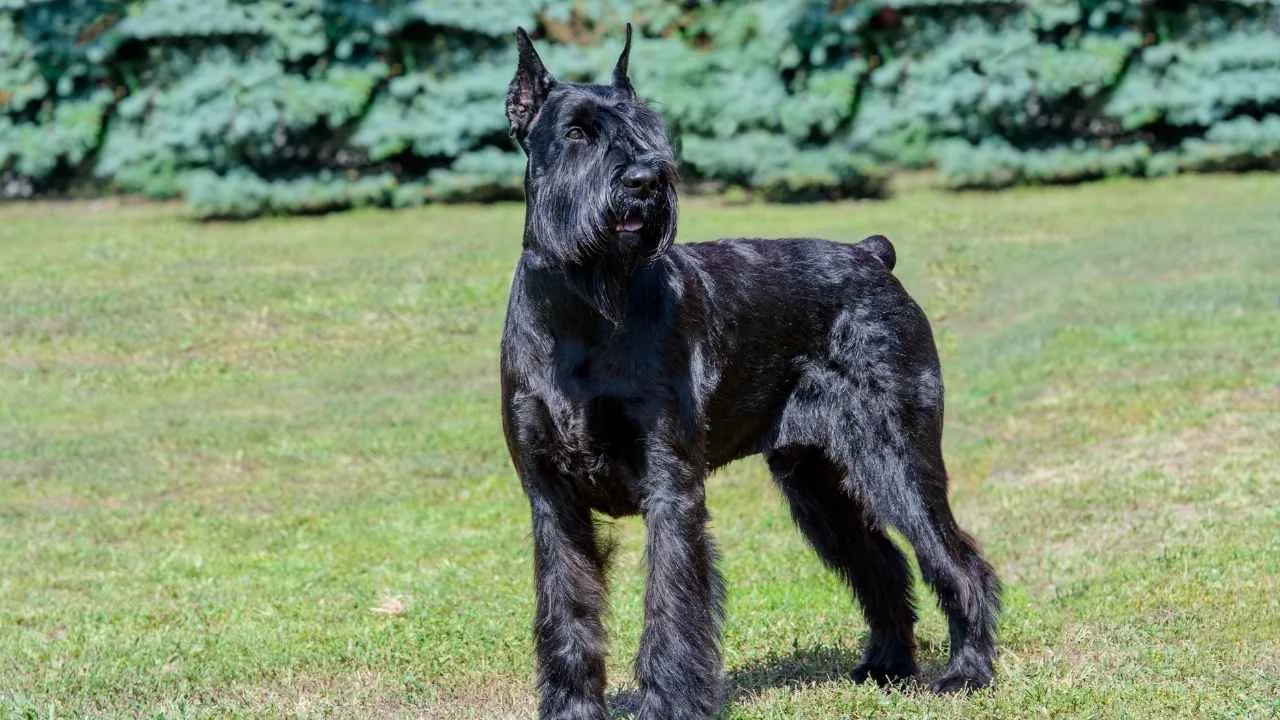
The Giant Schnauzer looks like it’s wearing a built-in security uniform—bold eyebrows, sturdy frame, and a stare that says “state your business.”
Bred for working roles, this breed is smart, protective, and often intensely devoted to its people. Its security superpower is proactive guarding: it’s naturally alert, quick to respond, and highly trainable in the right hands.
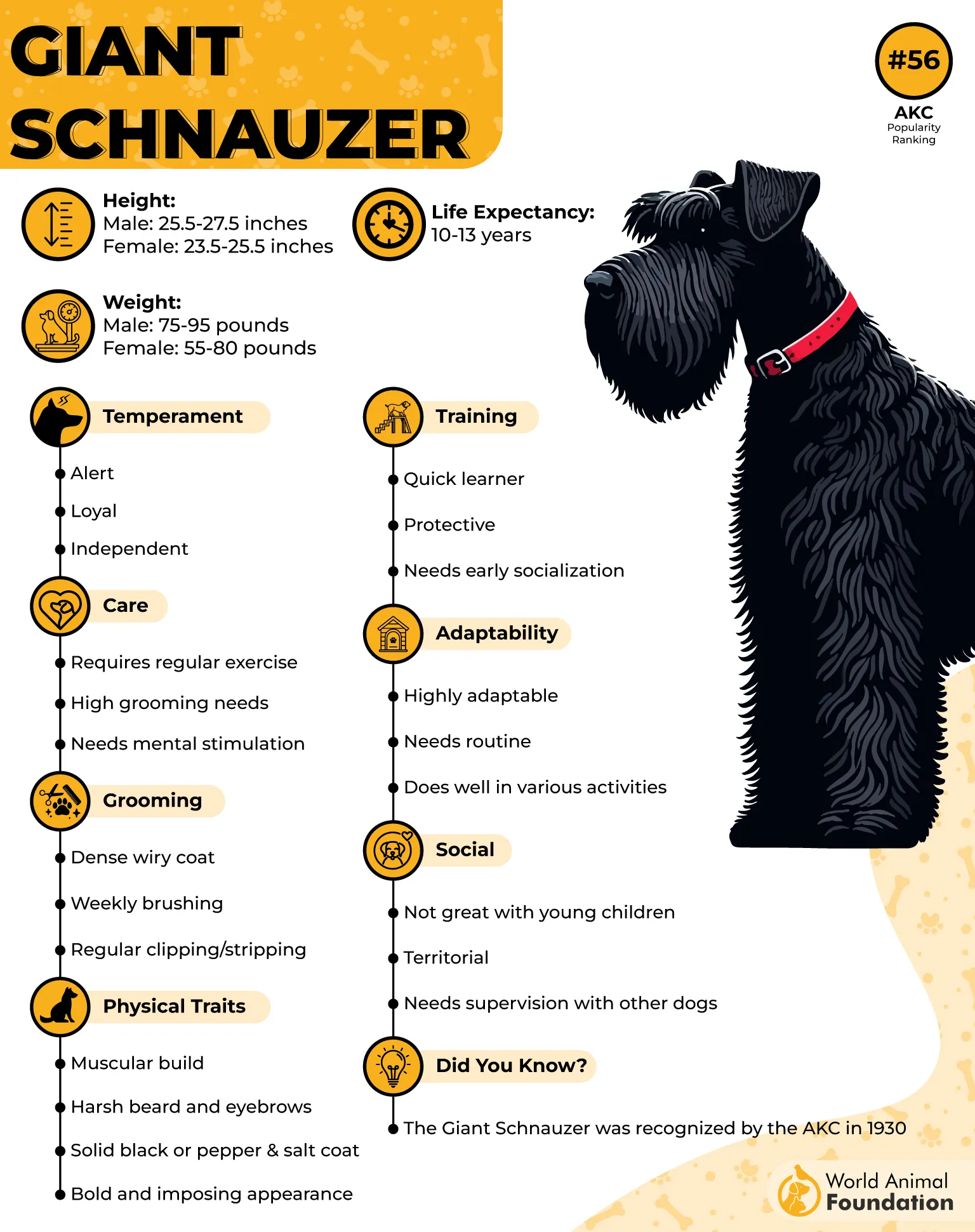
Responsible ownership means giving it daily structure, real training, and enough activity to prevent boredom from turning into chaos. Energy needs are high, and they do best with purposeful exercise plus brain work—obedience, scent games, and task-style routines.
Home security setup tips (Dog-Friendly)
Provide a consistent perimeter routine (structured walks) to prevent obsessive fence behavior.
Use durable enrichment (puzzle toys, chew plans) to keep indoor time calm.
Training & Socialization: The Non-Negotiables
Start early with calm exposure to strangers so protectiveness stays polite and controlled.
Practice impulse control daily—waiting at doors, calm greetings, and focused leash work.
In real life, Giant Schnauzers are often affectionate with family, sharp with strangers, and happiest when they have a job. Best home setup: experienced owners who enjoy training and want a guard dog that can also be an engaged companion. They thrive in households that are active and organized.
Watch-outs: they can become pushy or overly suspicious if training is inconsistent, and boredom leads to barking or destruction. Grooming needs are real, and their intensity isn’t for everyone.
Quick Verdict: If you want a smart, driven home guardian and you’re ready to train daily, the Giant Schnauzer is a standout.
Conclusion
At first glance, these guard dog breeds and protective dog breeds—the breeds mentioned—bring sharp instincts, an intimidating presence, and a loud bark to deter intruders and guard estates as excellent guard dogs and best guard dogs.
For dog owners, proper training, consistent training, obedience training, and proper socialization from a young age shape calm behavior, support family life with family members, small children, other animals, and make a protective dog a great family pet.
If you want great dogs and natural guardians beyond this list, consider Leonberger, German Shepherd, Doberman Pinscher, and Australian Shepherd—herding dogs bred specifically for police work and war dog duties. Share what home you have, and we’ll match a good breed.
