





If you’re planning to welcome a dog into your life for the first time, chances are you’re riding a rollercoaster of emotions right now. It’s exciting, overwhelming, and a little confusing all at once, and honestly, that’s completely normal.
Anyone making a big decision like this, especially one that involves this much commitment, feels the same way. You never really know how things will turn out until you’re living it: how your dog will get along with your kids or family, or whether it’ll settle into your home smoothly. Having a pet is wonderful, but it’s also a big responsibility, so feeling a little stuck while deciding makes total sense.
That’s why we’ve put together this guide featuring 7 dog breeds to make your decision a little easier. We’ll walk you through their temperaments, training needs, exercise requirements, and grooming routines, all the essentials you should know before bringing one home. Beyond that, it’s worth thinking about how much free time, indoor space, and budget you actually have.
These factors can help narrow your search based on size, energy levels, and how trainable a dog is. With that in mind, let’s dive into one of the top picks for first-time owners.
Best Dog Breeds for Inexperienced Families
1. Golden Retriever
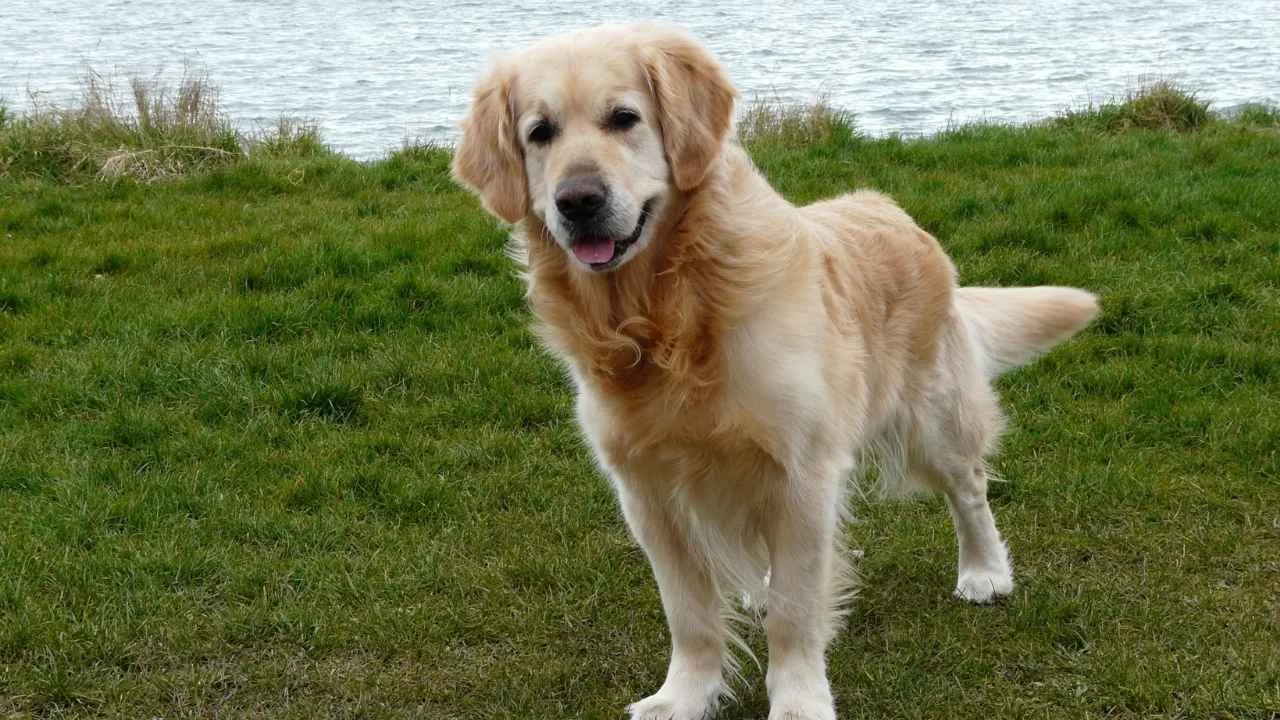
Golden Retrievers, or Goldies, seem to be lying around in every other house, and the reason behind their popularity is pretty simple: their tolerant, easygoing nature. They’re gentle, outgoing, trustworthy dogs with an eager-to-please attitude, which makes them absolute crowd-pleasers.
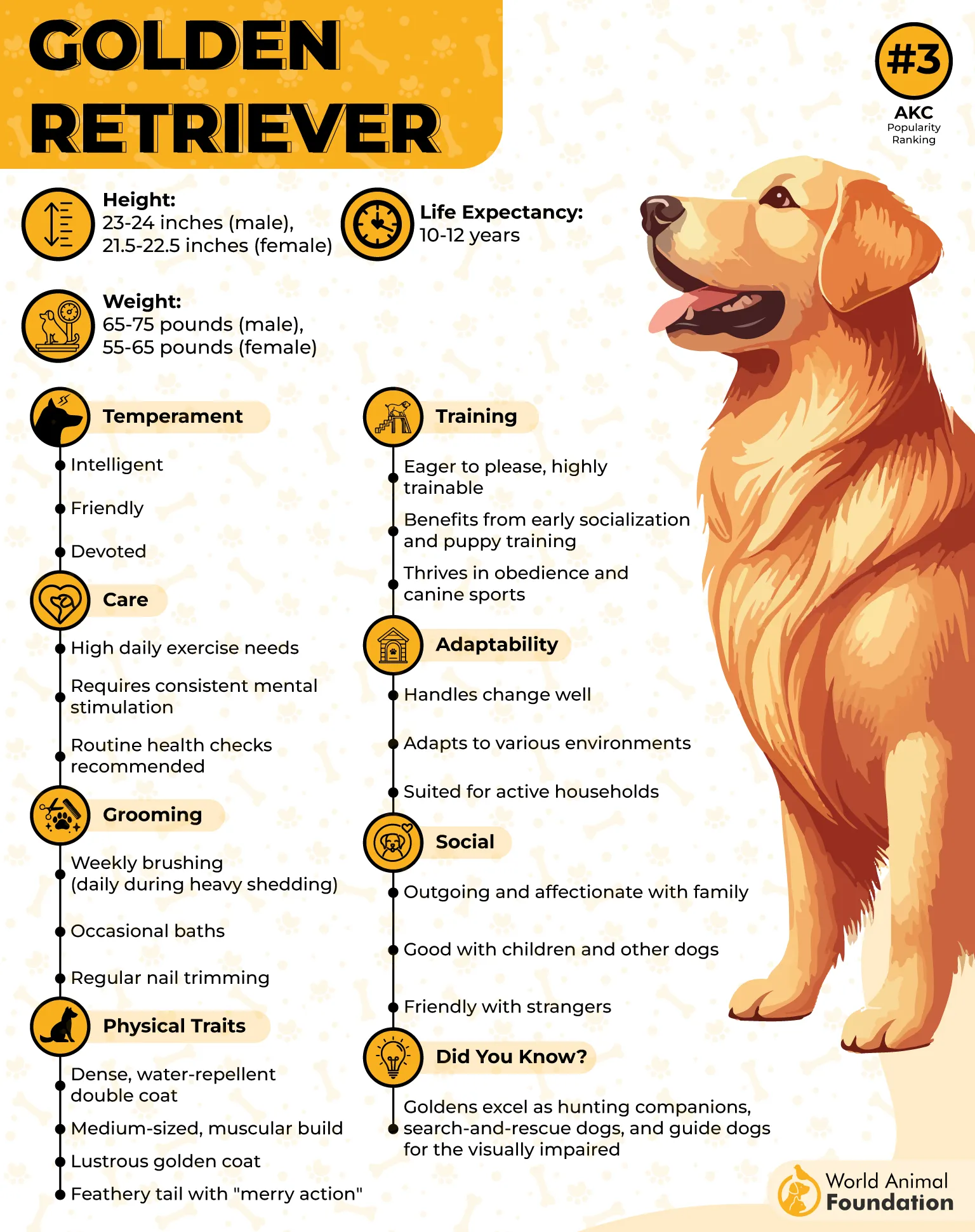
These medium-sized dogs were originally bred in the Scottish Highlands as athletic waterfowl retrievers, which is exactly where they got their name. Despite their working-dog roots, these affectionate companions make a perfect match for first-time owners thanks to their adaptable, laid-back personality.
That said, these former hunting dogs still need moderate exercise even as they age, as PetMD points out. Goldens rank among the smartest dog breeds out there, but they do best with obedience classes and plenty of praise or treat-based reward training.
2. Cavalier King Charles Spaniel
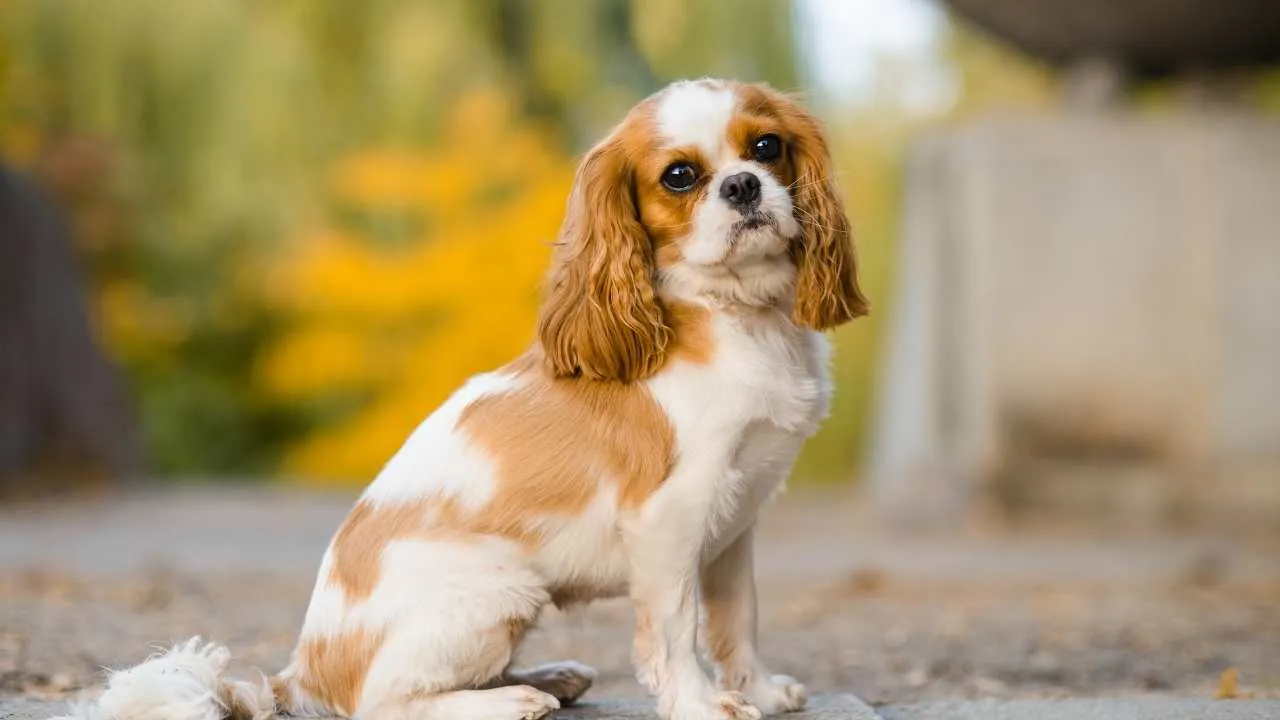
Cavalier King Charles Spaniels have a pretty interesting history behind their name. They were originally bred as pure lapdogs for royals and noble families, favored by King Charles I and later his son King Charles II, which is exactly who they’re named after.
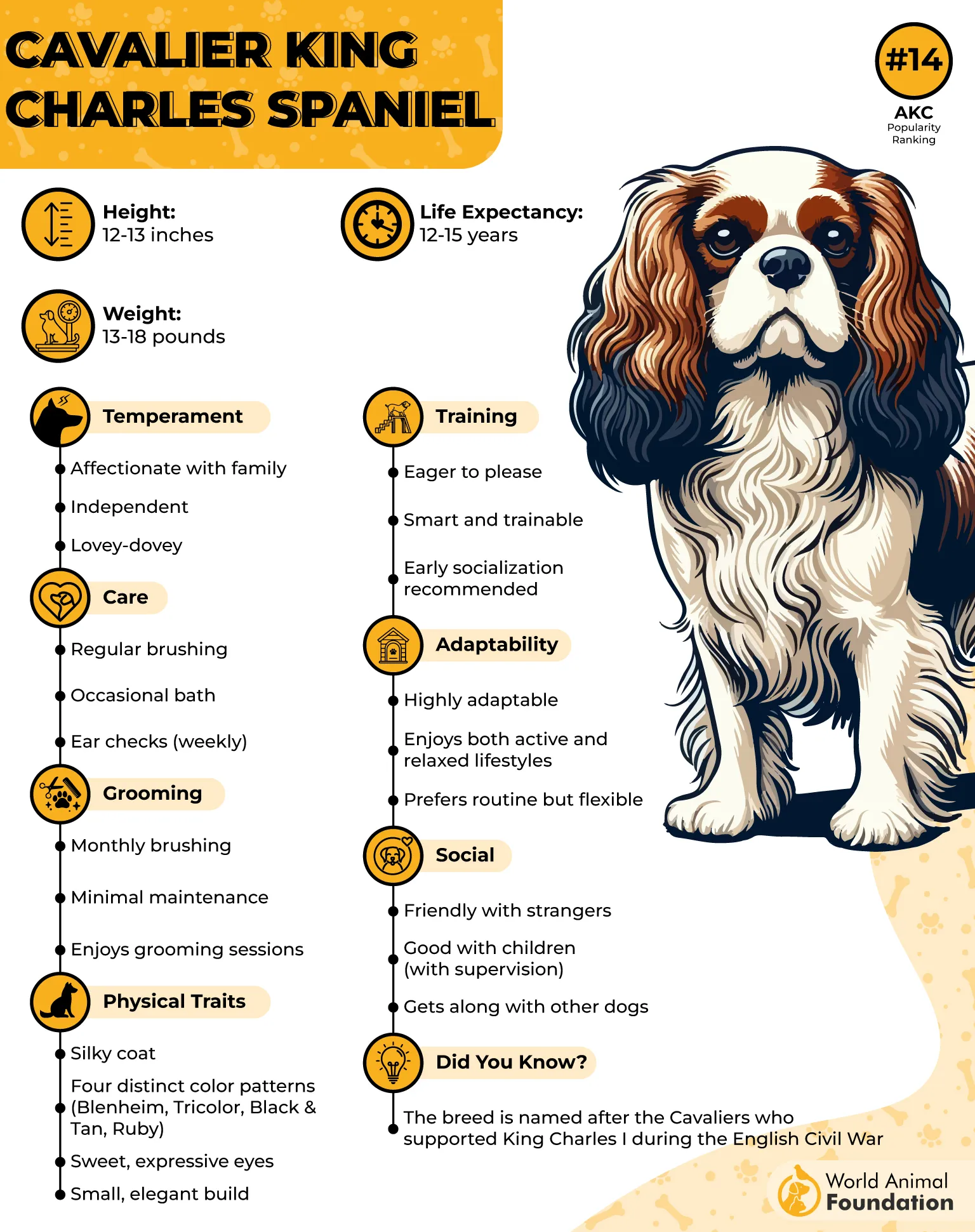
These small dogs are sweet, naturally polite, and easygoing, making them an excellent choice for first-time owners. They’re not stubborn, adjust well to apartment living, and have low to moderate exercise needs, which is really the cherry on top.
That said, these calm dogs are easy to train thanks to their sensitive, eager-to-please nature. They respond best to gentle, positive reinforcement with plenty of praise and treats. Cavaliers also have a silky coat that doesn’t shed much, though it does need brushing three to four times a week to stay smooth and tangle-free.
3. Bichon Frise
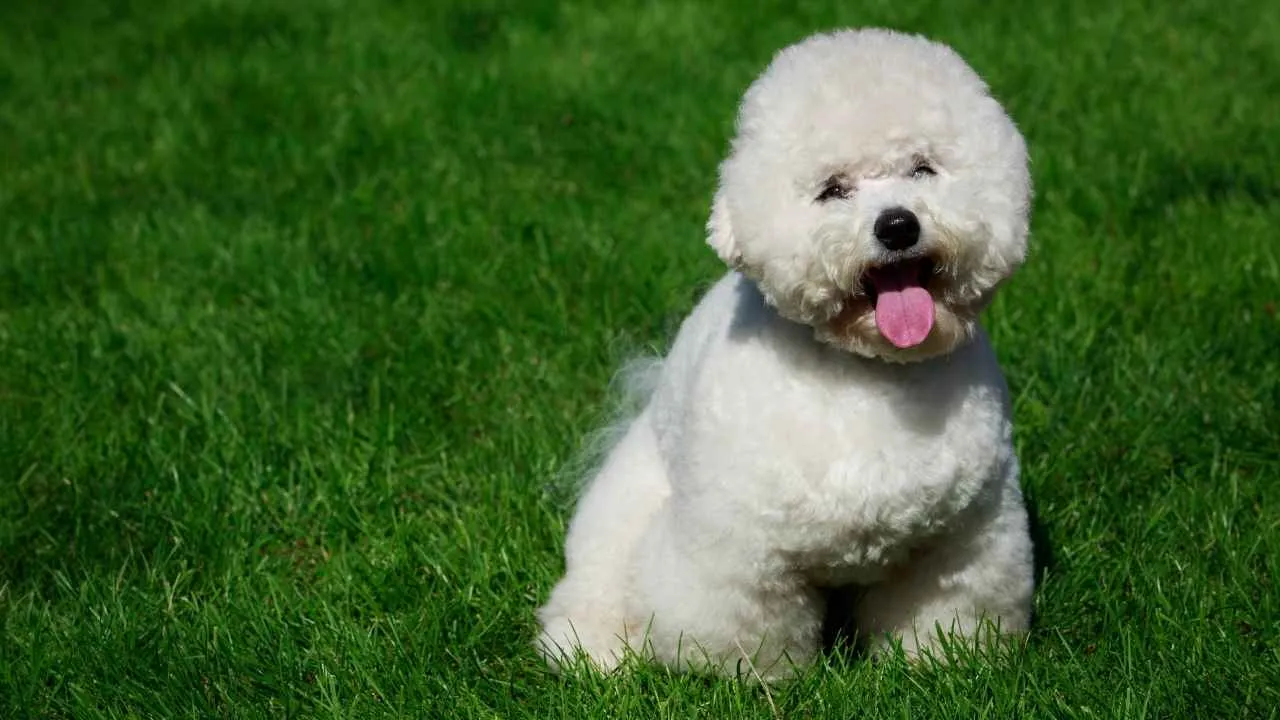
You may have spotted a Bichon Frise in your neighborhood or local park going by cute nicknames like marshmallow, cotton candy, or walking cloud, all thanks to that fluffy white coat. Bred purely as lapdogs, they don’t carry much of a prey drive either.
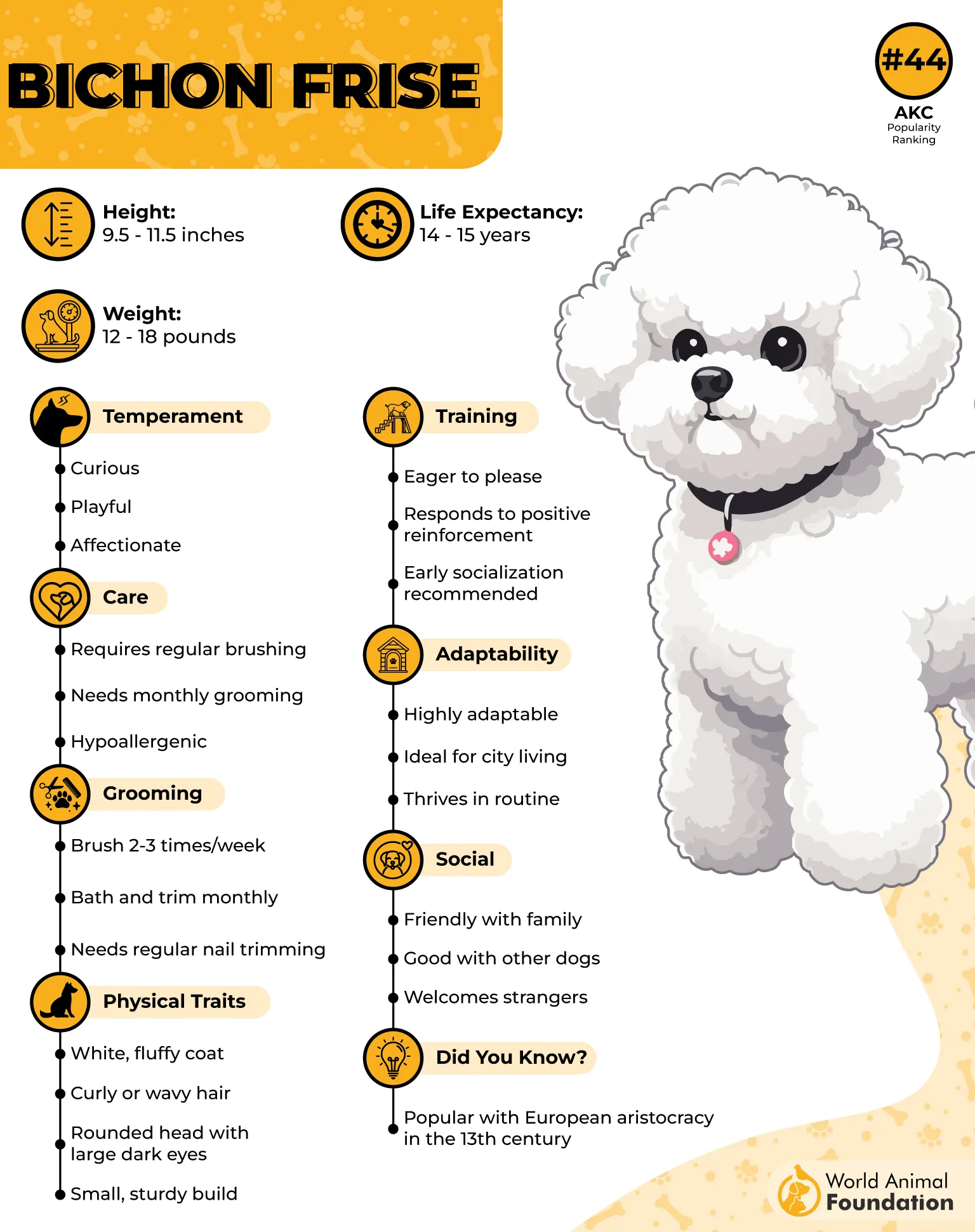
These merry, affectionate, social little companions make wonderful family dogs, even for owners who’ve never had a dog before. That’s probably part of why Purina gave them a perfect 5/5 vet rating for being family-friendly.
All things considered, Bichon Frises are well suited to first-time owners. Their compact size, adaptable nature, and friendly attitude make them a top pick, and with moderate exercise needs and an eager-to-please personality, they’re about as easygoing as it gets.
4. Toy Poodle

Toy Poodles are known for being among the smartest dog breeds in the world. They were bred down from Standard Poodles in 18th-century France, and despite their small size, they held onto that same work ethic, intelligence, and agility.
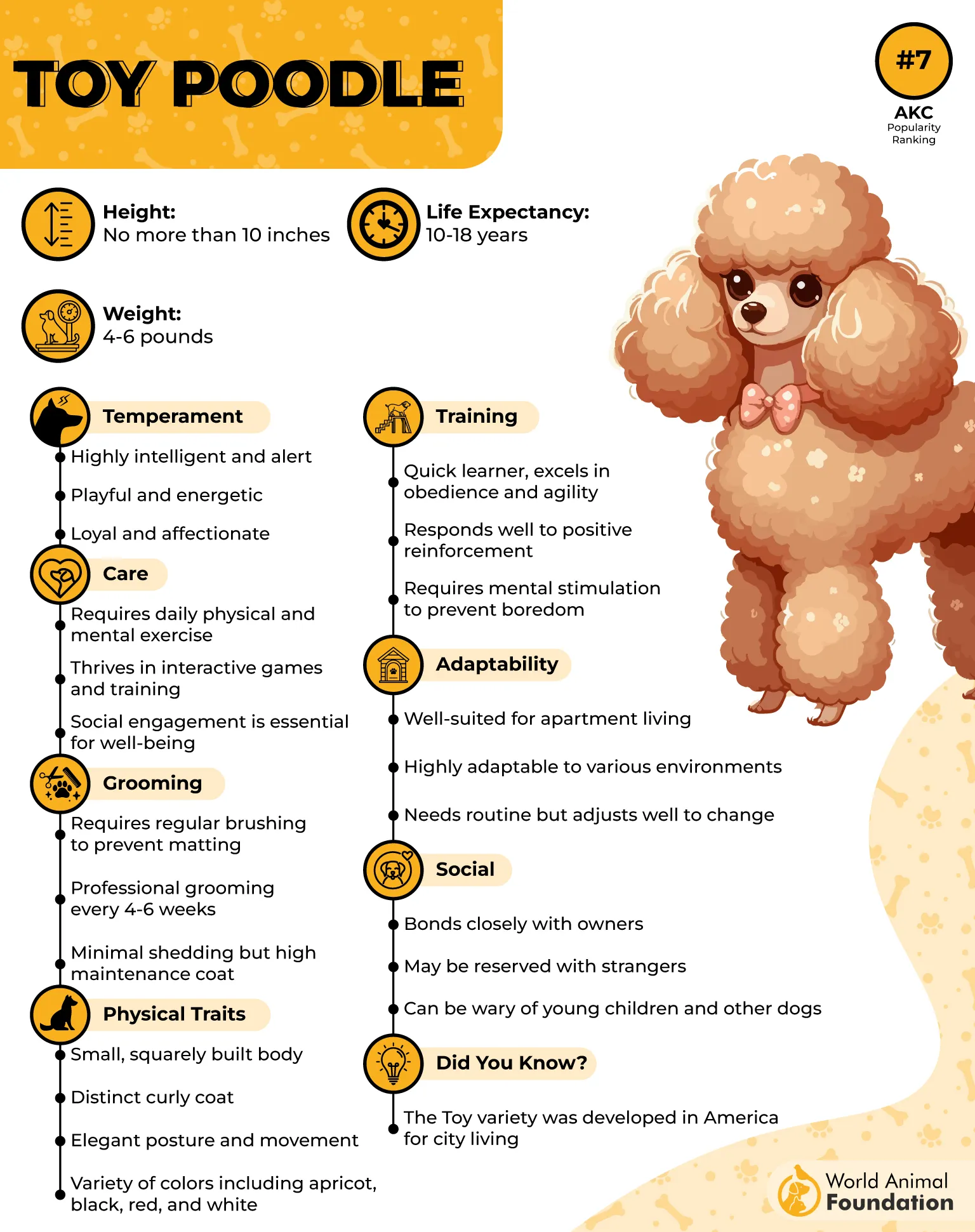
These intelligent dogs even worked as circus performers at one point, as Chewy shares. Toy Poodles are social butterflies who bond closely with their humans, and their adaptability, high trainability, and low-shedding coat make them a great fit for first-time owners.
That said, these alert little dogs need a moderate amount of daily exercise to keep their minds engaged. They’re considered hypoallergenic, but their curly, single-layer coat still needs daily brushing along with professional grooming every 4 to 6 weeks.
5. Papillon
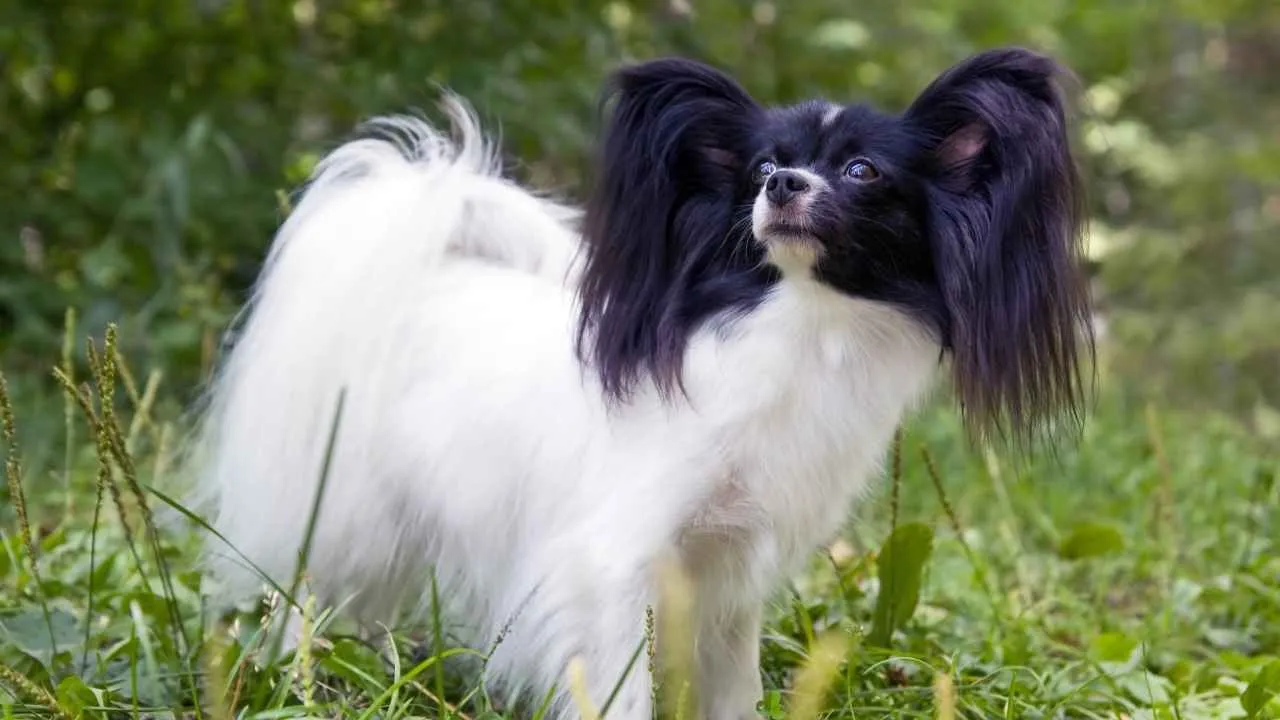
Papillons get their name from the French word for “butterfly,” thanks to those large, wing-like ears. Originally bred as companions and lapdogs for royalty, these charming little dogs are upbeat, outgoing, and surprisingly athletic for their size.
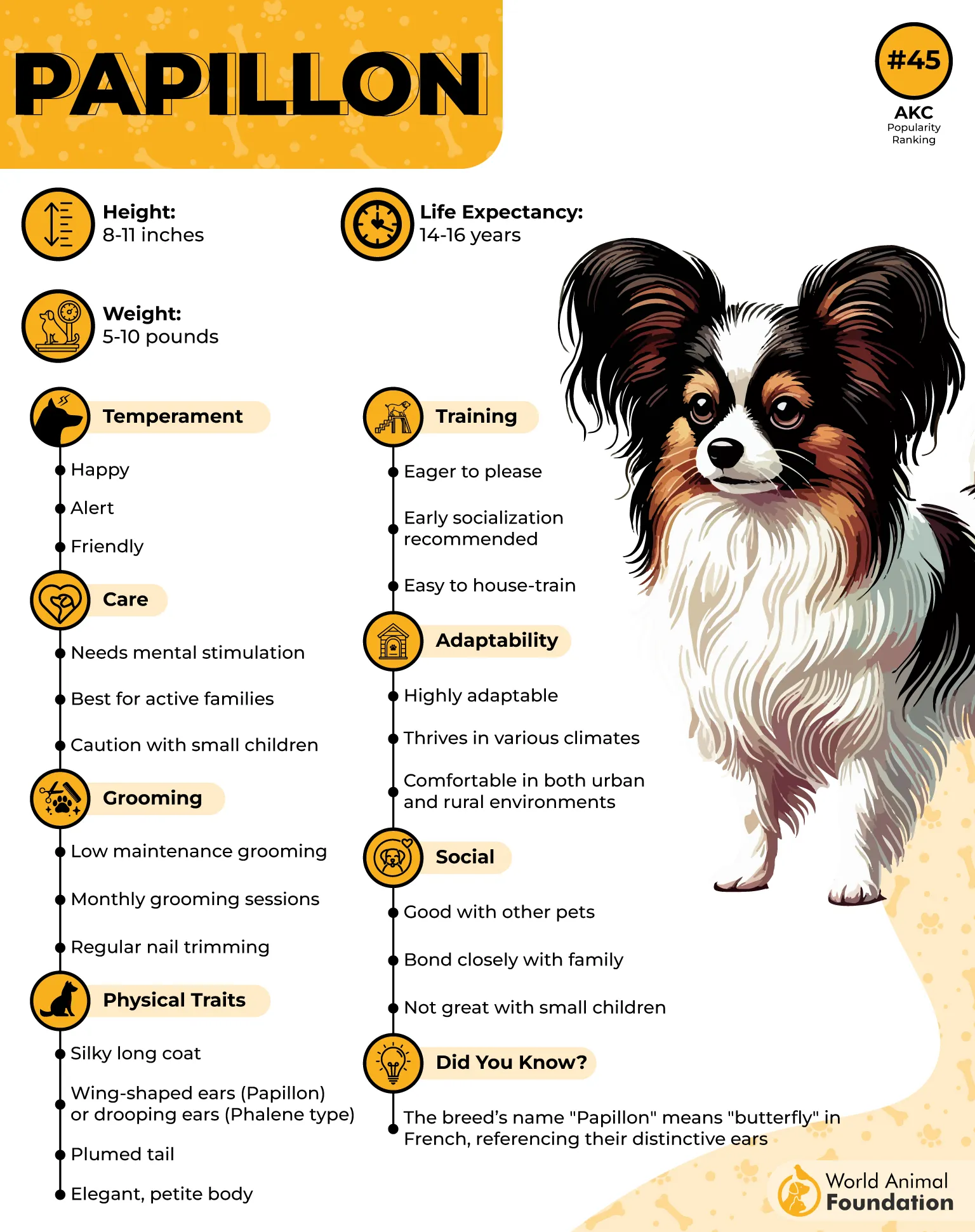
They form close bonds with their owners and adapt well to small apartments, though don’t mistake them for delicate couch potatoes; Papillons actually have moderate to high energy levels, as Omlet notes. Their friendly, sociable nature also makes them a solid choice for novice owners.
That said, Papillons pick up new commands fast and love showing off tricks, even though they can have a stubborn streak. Their fine, silky coat is a single layer, so it doesn’t mat easily, but it still needs brushing two to three times a week to stay smooth.
6. Havanese
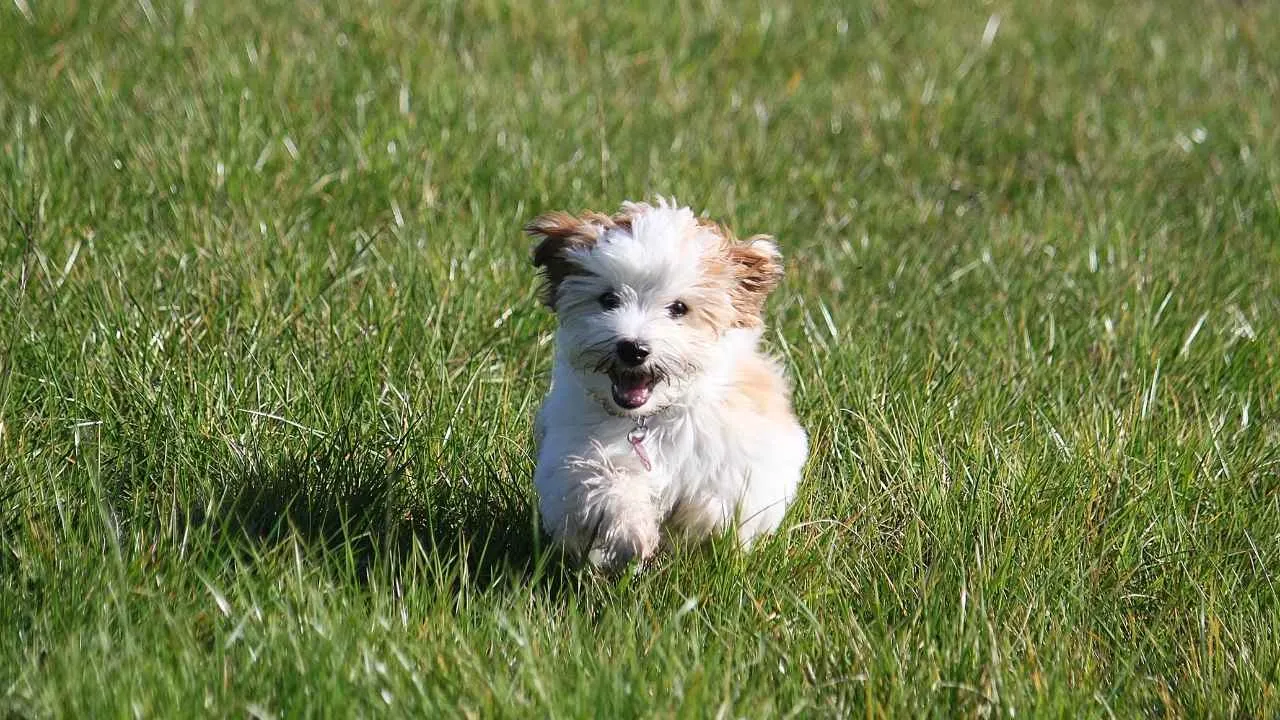
Havanese are the national dog of Cuba, bred strictly for charm, affection, and lap-warming companionship. Known for their playful, cheerful nature, they’re true velcro dogs at heart, gentle with a clownish streak that makes them love performing tricks for their favorite people.
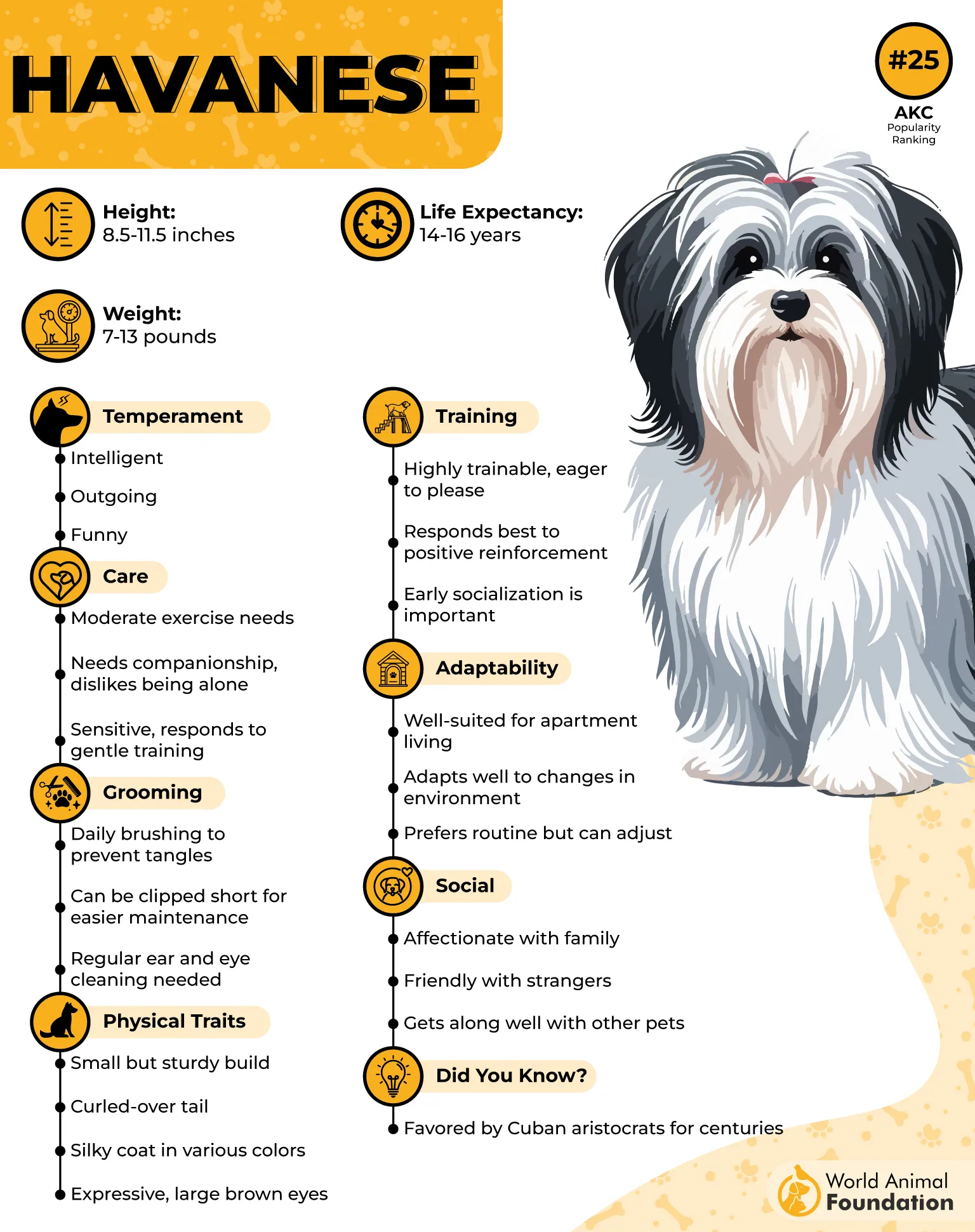
These small breeds also make great little watchdogs for families thanks to their alert nature. Their high adaptability makes them a great fit for apartment living, and their eager-to-please, non-aggressive temperament means beginners can handle them with ease.
On top of that, Havanese have moderate exercise needs and are easy to train. They’re sensitive, highly food-motivated, and respond best to positive reinforcement. Their long, double coat can be kept long or clipped short, though it does need daily brushing, or two to three times a week if you go with a puppy cut.
7. Shih Tzu
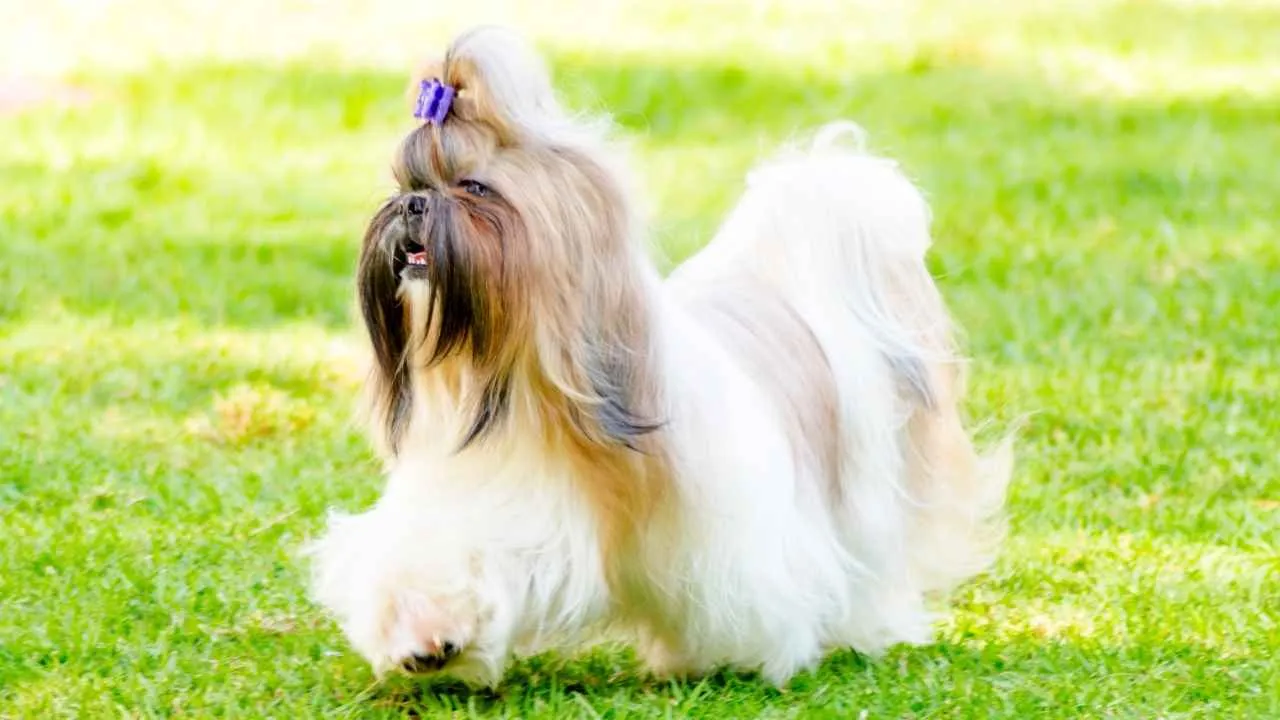
Shih Tzus, often called “little lions,” were bred to be prized royal lapdogs, and for centuries their sole purpose was to offer charming, affectionate companionship. True to that legacy, Shih Tzus remain outgoing, easygoing dogs with a calm, friendly nature.
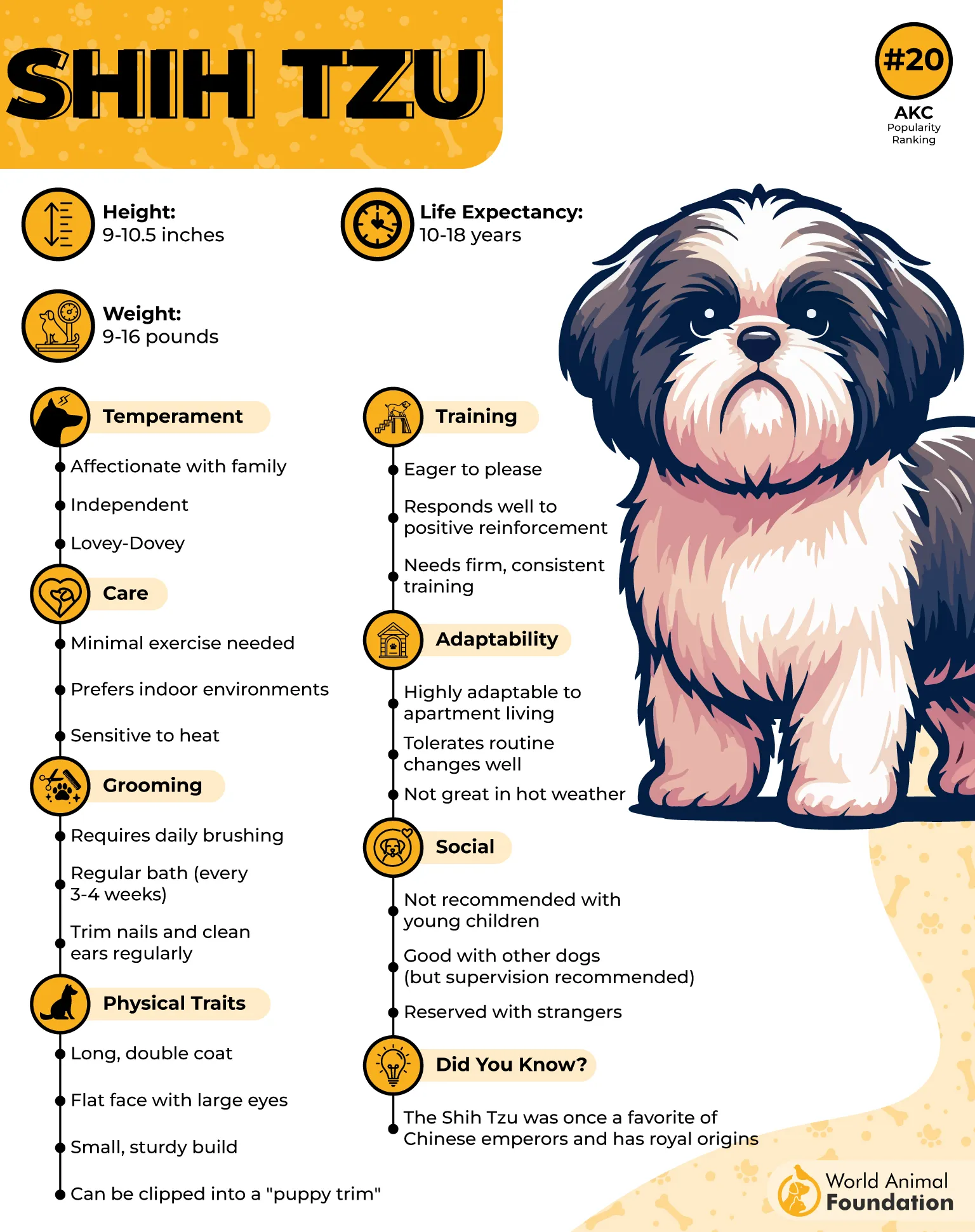
These little dogs have a low drive, a gentle temperament, and impressive intelligence, all of which make them a great choice for first-time owners. They rarely show prey drive or aggression, which is reassuring if you have kids at home, though they do tend to be chatty, vocal little dogs.
That said, Shih Tzus only need about 20 to 30 minutes of light activity a day. They’re moderately easy to train, though they can show a stubborn streak now and then. As hypoallergenic dogs, Shih Tzus don’t shed much, but they still need regular brushing to keep their coat in good shape.
Conclusion
If you love dogs and want one in your life, you can absolutely have one. There’s no rule saying only experienced owners get to enjoy the company of a dog. That’s why we’ve shared the 7 easiest dog breeds that are perfect for novice or first-time dog owners.
These friendly, easygoing dogs generally do well with children and other pets. Each one brings its own perks to the table, whether it’s moderate exercise needs, easy apartment living, or low shedding, all qualities that make them a great match for beginners.
That said, they do differ when it comes to exercise, training, and work history. Some were originally bred for hunting and still carry a bit of a chasing instinct, while others were bred purely to be lapdogs. So it’s worth reading through each breed’s details before making your final decision.
