





Getting the keys to your first home is exciting, but adding a dog can make the place feel officially yours. Suddenly, that empty corner becomes a dog-bed zone, the backyard becomes zoomie headquarters, and your camera roll becomes 90% puppy photos. The trick is choosing a breed whose energy, grooming needs, size, and personality actually fit your new-home lifestyle.
For a first-time homeowner, an easygoing dog can make the transition into pet parenthood much smoother. Trainability matters, but so do practical things like shedding on your brand-new sofa, barking when neighbors are nearby, exercise requirements, grooming costs, and whether that gorgeous backyard is actually secure enough for canine adventures.
The seven breeds below offer different combinations of companionship, manageable exercise, intelligence, and pure personality.
Best Dog Breeds for First-Time Homeowners
1. Golden Retriever
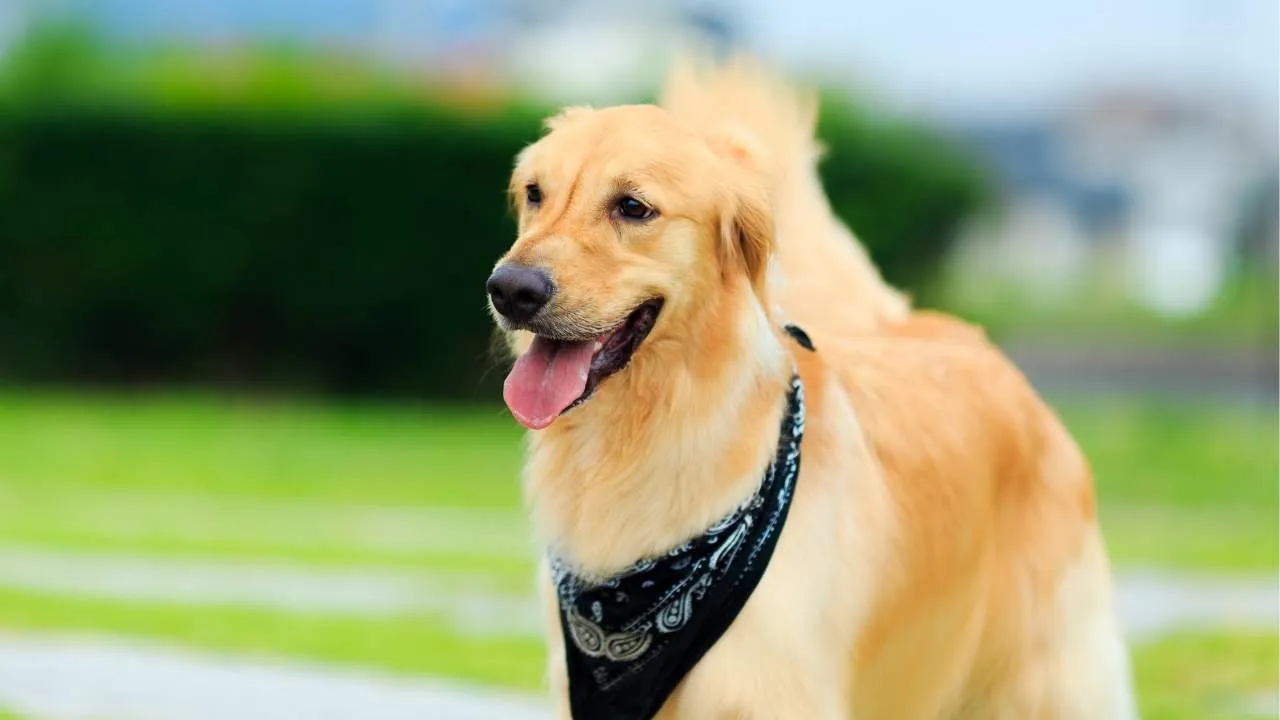
If your dream first home includes backyard fetch sessions and a ridiculously friendly dog greeting everyone at the door, the Golden Retriever is hard to ignore. The American Kennel Club describes them as intelligent, friendly, and devoted, which helps explain their long-standing reputation as approachable family companions.
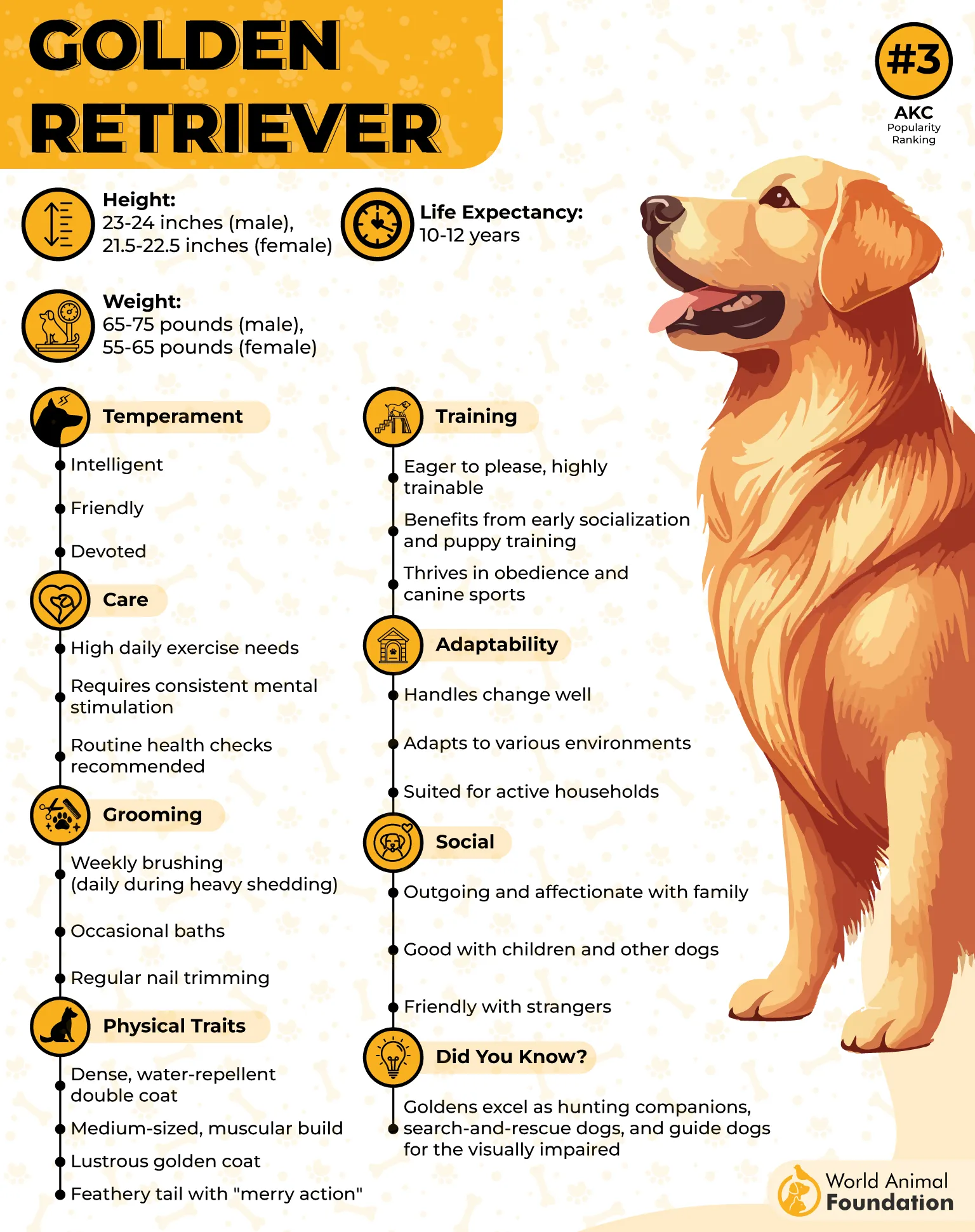
Training is one of the biggest reasons a Golden can work well for someone learning the ropes of dog ownership.
These intelligent dogs are generally eager to please and quick to understand routines, whether you are teaching “leave it,” polite doorway manners, or that the new decorative cushions are absolutely not giant chew toys. Positive reinforcement, consistency, and early socialization can turn all that enthusiasm into excellent household manners.
That sunny personality comes attached to an athletic body, though, so do not expect your backyard to do all the work. Golden Retrievers need meaningful daily exercise and tend to enjoy walking, hiking, swimming, retrieving, obedience work, and other activities with their people.
Tips To Manage Them As First-Time Homeowners
Secure the backyard before move-in play sessions; a fence makes outdoor exercise easier, but it should never replace walks and interactive games.
Create a dedicated entryway station with towels, leash, waste bags, and paw wipes—the setup is elite after muddy walks or swimming adventures.
2. Cavalier King Charles Spaniel

The Cavalier King Charles Spaniel brings major “tiny royal roommate” energy without demanding a palace. Their silky coats, enormous eyes, and affectionate nature make them difficult to walk past without saying, “Okay, you are ridiculously cute.”
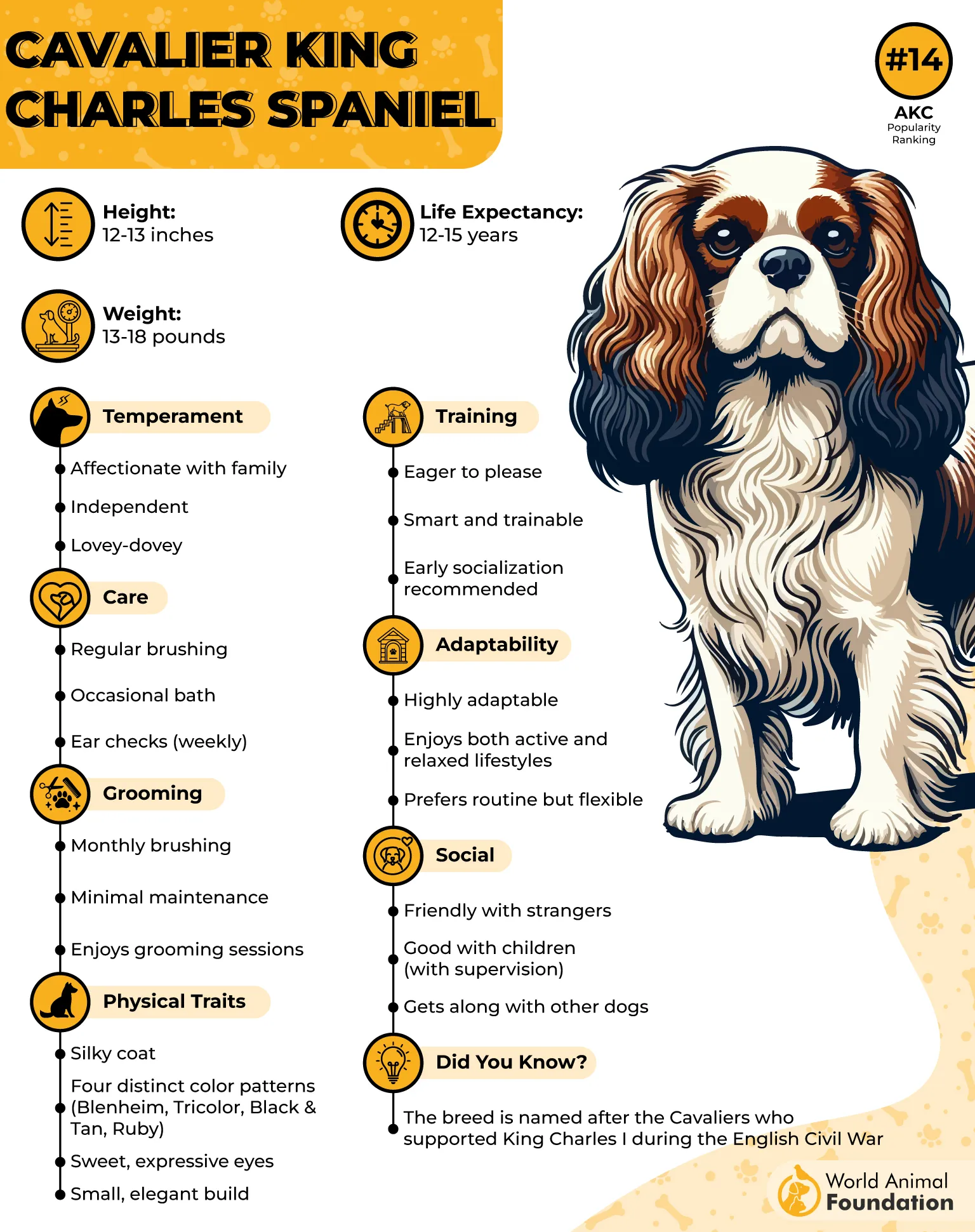
For new owners nervous about training, Cavaliers provide a relatively friendly starting point. PetMD describes them as sweet, gentle, affectionate, eager to please, and generally responsive to training. Short sessions filled with praise and rewards usually suit them better than turning puppy school into a canine military academy.
They also occupy a nice middle ground when it comes to exercise. Cavaliers have sporting-dog ancestry and enjoy walks and outdoor adventures, but they are equally famous for appreciating serious sofa time. That makes them appealing for homeowners who want a companion for neighborhood walks.
Their glamorous coat is less intimidating than it looks, although it still needs attention. Regular brushing helps prevent tangles, while their ears should be checked routinely and their nails kept trimmed; some grooming professionals recommend especially frequent brushing for longer-coated Cavaliers.
Tips To Manage Them As First-Time Homeowners
Inspect gates and gaps before giving your Cavalier garden access, because their curiosity can outrank their recall when an exciting scent appears.
Put washable throws on favorite sofas or chairs so cuddle sessions stay easy on your upholstery.
3. Bichon Frise
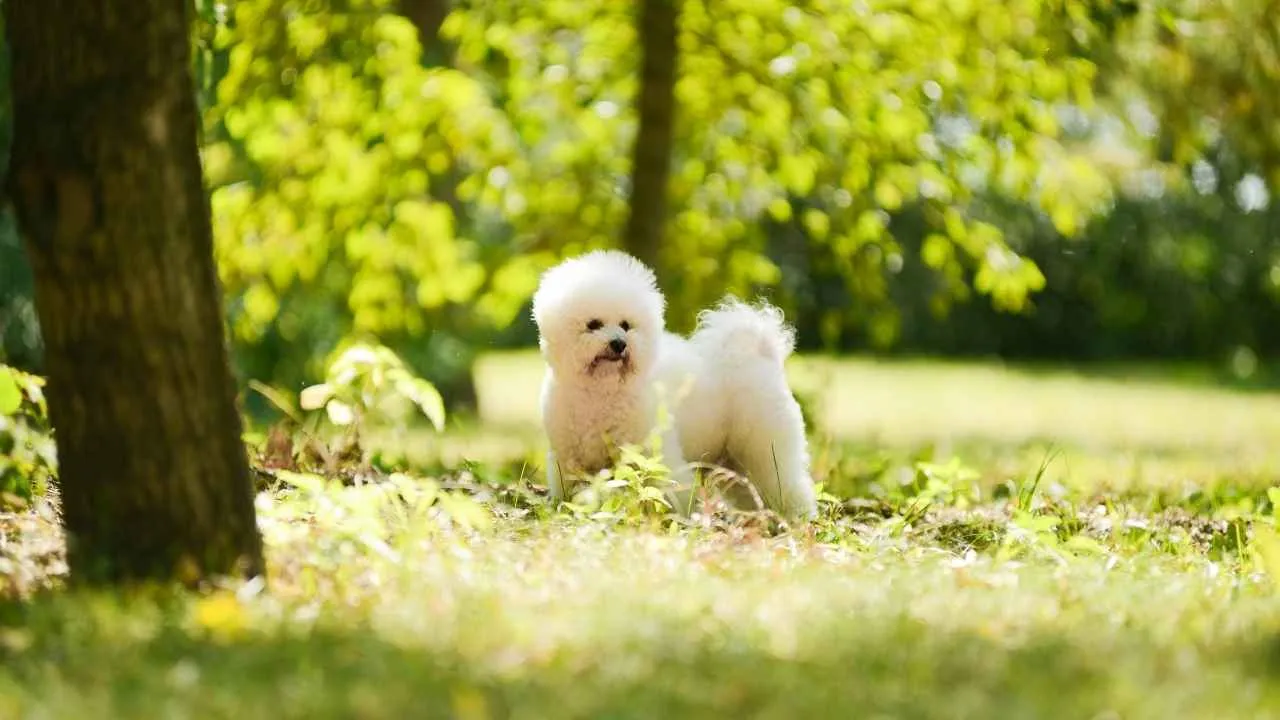
A Bichon Frise looks like someone animated a cotton ball and gave it a social calendar. They fit easily in compact houses and townhomes. Their size may be small, but their confidence and comedy potential are impressively full-sized.
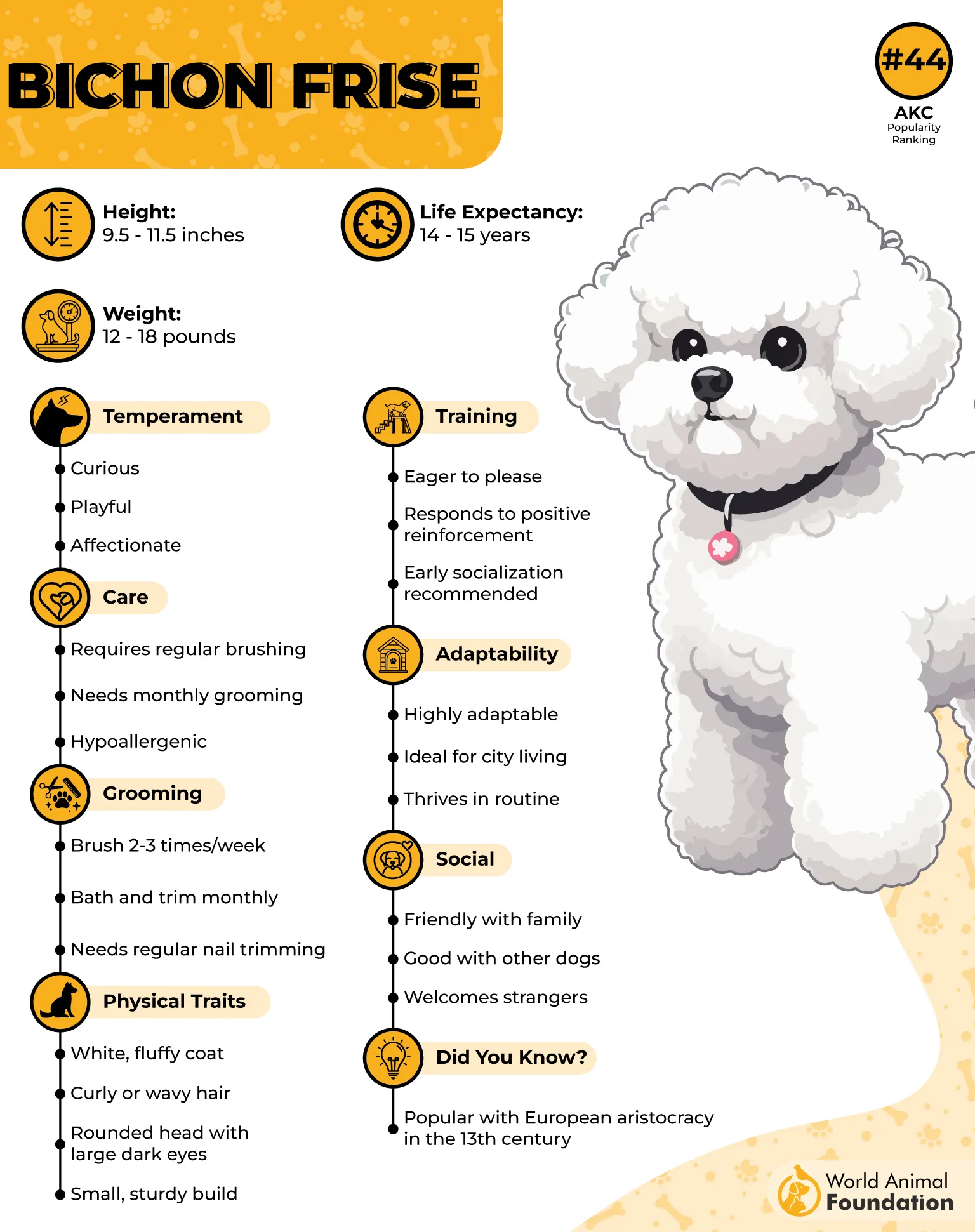
For first-time homeowners worried about creating enough room for a dog, Bichons are refreshingly adaptable. The Royal Kennel Club notes they can do well in smaller spaces and generally don’t require the intense exercise schedule of a high-drive working breed.
Another home-friendly bonus is their minimal shedding. Loose hair tends to remain trapped in the coat rather than immediately migrating onto every chair, which is lovely news for anyone admiring their freshly furnished living room.
Personality is where the Bichon makes a very convincing pitch. They are known for being sociable, trainable, enthusiastic performers, and quick learners who generally respond well to gentle positive methods.
Tips To Manage Them As First-Time Homeowners
Add professional grooming to your monthly household budget before bringing your Bichon home; future-you will appreciate the planning.
Use washable rugs around food and water stations so a freshly groomed white face does not immediately become “mystery beige.”
4. Papillon

Do not let the butterfly ears fool you—the Papillon is tiny, but its brain apparently missed the memo. Their name comes from the French word for “butterfly,” inspired by those spectacular fringed ears.
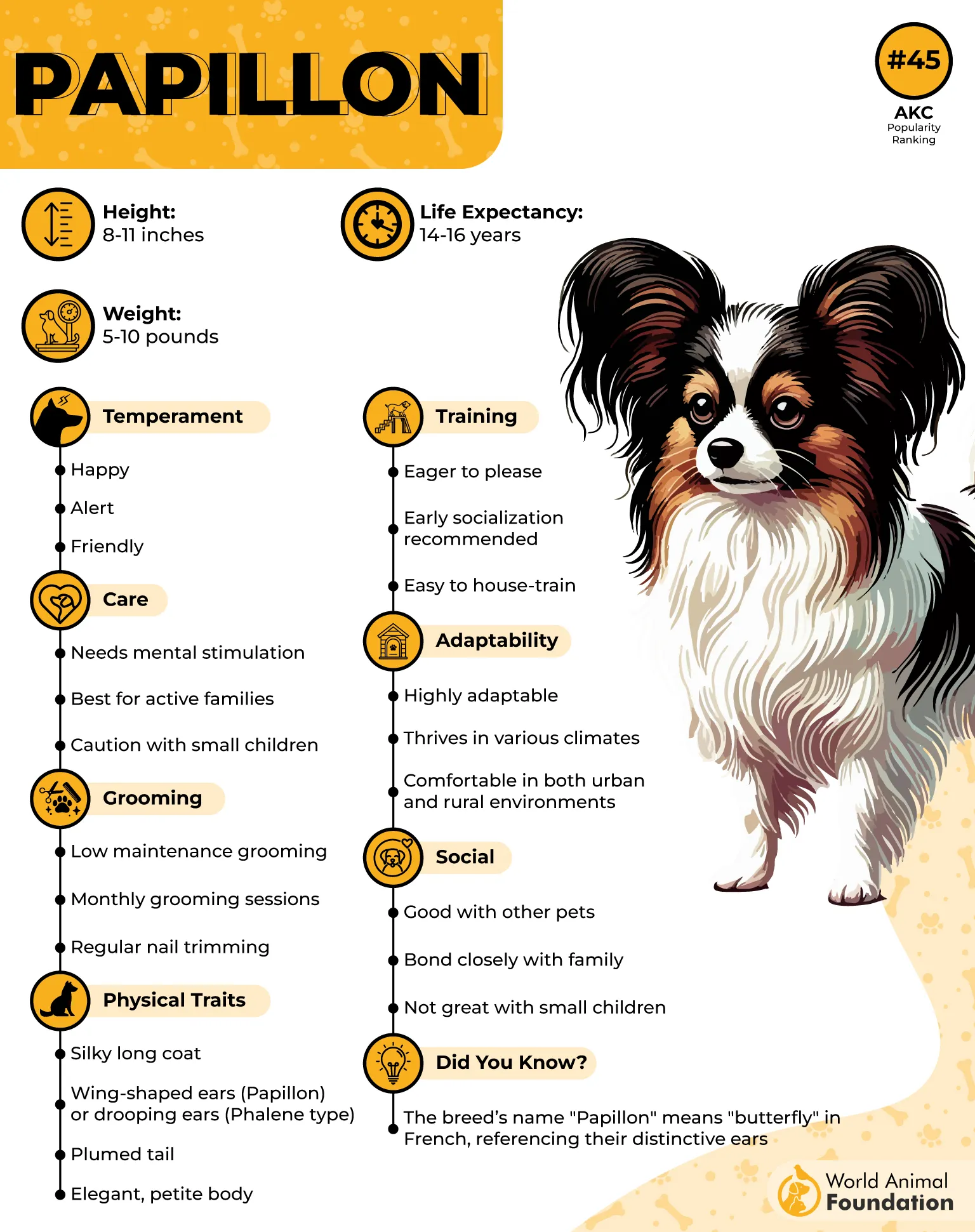
Papillons are particularly fun for homeowners who want a small dog without sacrificing trainability or activity. They are smart, engaged, and can learn far beyond basic “sit and stay,” with Papillons appearing in activities ranging from therapy work to tracking and other dog sports.
They enjoy indoor fetch, outdoor play, walks, and interactive games that let them use both their bodies and brains. A few purposeful activities throughout the day can make far more sense for them than simply opening the back door and hoping entertainment magically happens.
The main homeowner concern is physical safety because these dogs are genuinely small. Compared with other pets, they can get injured by careless jumps, rough play with larger animals, or poorly managed stairs and furniture, so your home may need a little toy-dog proofing.
Tips To Manage Them As First-Time Homeowners
Add stair gates while your Papillon is young if your home has steep steps or open staircases.
Keep puzzle toys and mini training sessions in rotation; their tiny body takes up little space, but that active brain wants a job.
5. Toy Poodle
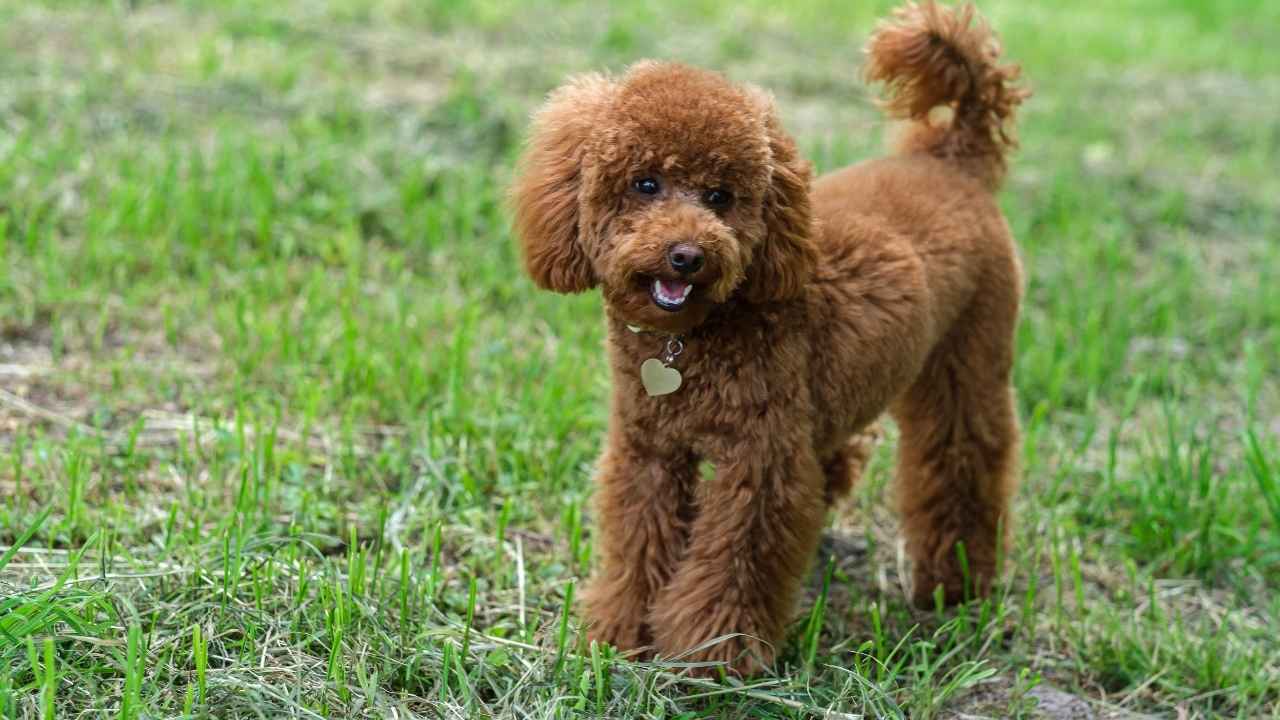
The Toy Poodle is what happens when someone compresses athleticism, intelligence, and fancy curls into a dog. Do not confuse “tiny” with “decorative,” though—there is a very busy brain under that curly haircut.
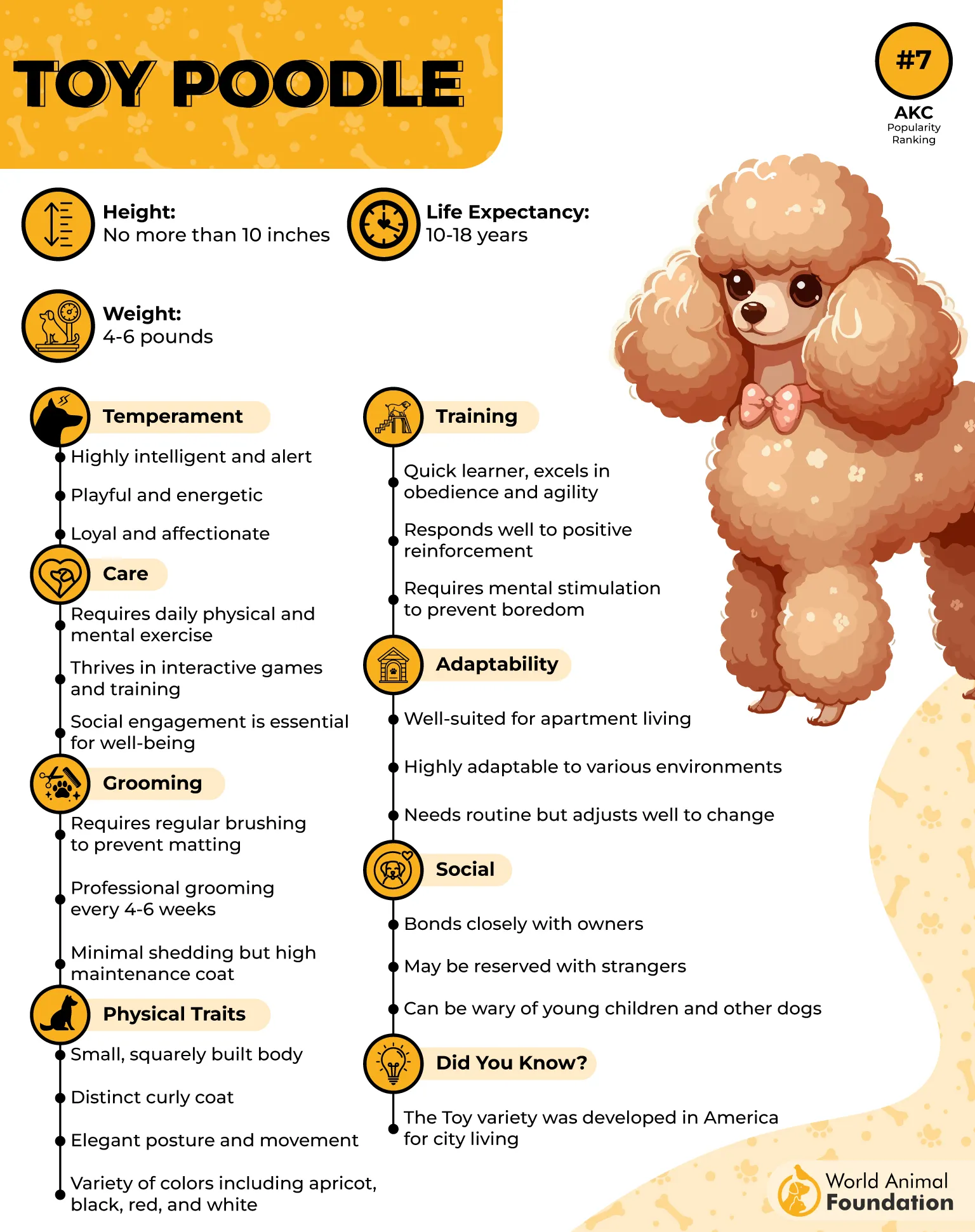
Poodles have a reputation for intelligence for good reason, and these small dogs learn quickly when training stays positive and engaging. Their size makes basic management relatively easy, but their cleverness means household rules should be consistent from day one.
Another major attraction is the relatively non-shedding coat. That can mean far less loose hair collecting along baseboards, under furniture, and on freshly purchased upholstery compared with heavier-shedding breeds.
The trade-off is grooming, and curls don’t shy away from tangles. First-time owners who keep longer coats need frequent, thorough brushing, while many pet Poodles stay in practical shorter trims and visit a professional groomer about every four to six weeks.
Tips To Manage Them As First-Time Homeowners
Create one organized grooming drawer with combs, brushes, ear-care supplies, and dental gear so maintenance never becomes a scavenger hunt.
Use short training games around the home to teach door manners, quiet settling, recall, and appropriate places to play.
6. Havanese
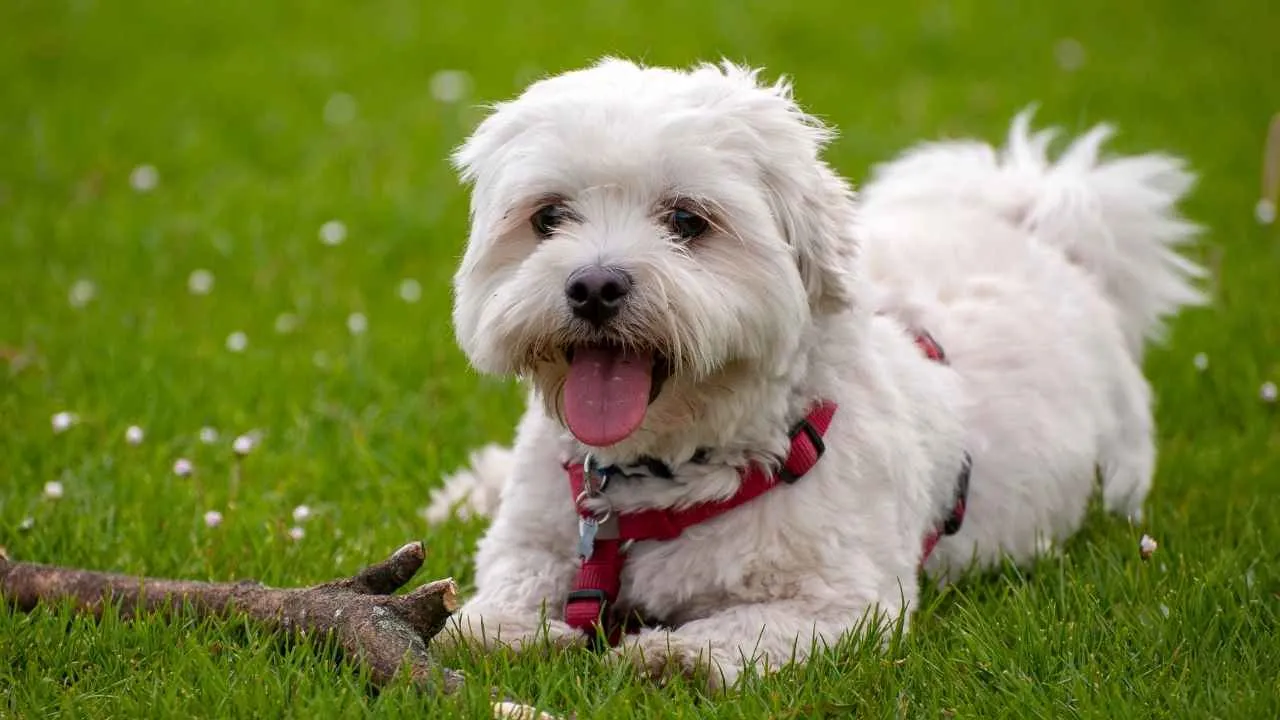
Cuba’s native dog breed, Havanese, is compact enough for many housing styles. PDSA characterizes Havanese as intelligent, outgoing, and funny, which is basically an excellent résumé for the position of tiny household morale officer.
These affectionate dogs are strongly people-oriented, so they tend to thrive when they can actually participate in family life. That can work beautifully for homeowners who work from home, have flexible schedules, or enjoy having a canine shadow follow them from room to room.
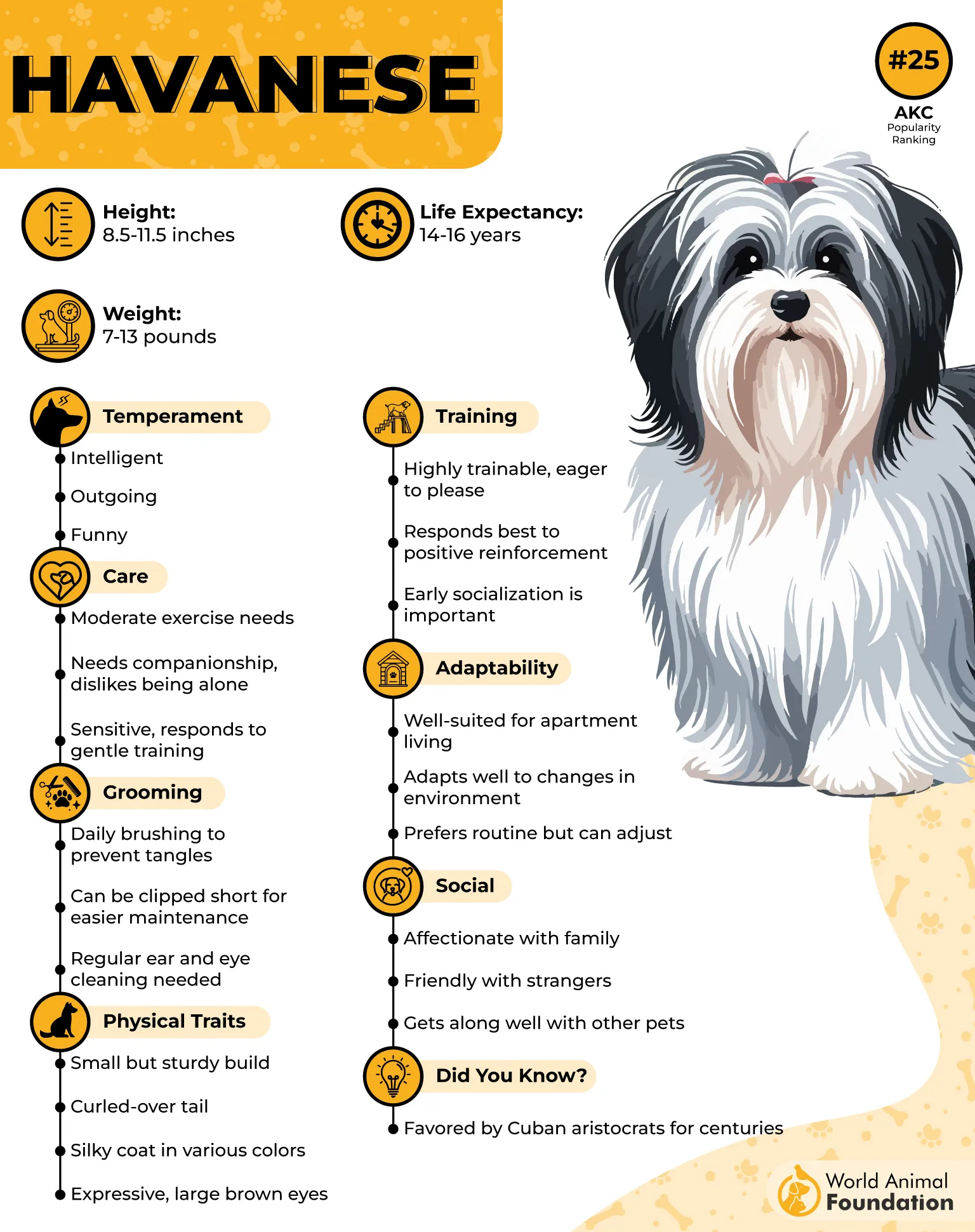
Exercise requirements are moderate rather than extreme. A brisk daily walk, backyard play, and indoor games can provide useful activity, and the breed generally enjoys doing those things with its person.
For a first-time homeowner, one of the Havanese’s biggest strengths is flexibility. The breed suits city or suburban life, provided it gets enough companionship, training, and appropriate activity.
Tips To Manage Them As First-Time Homeowners
Set up a cozy resting station near your everyday workspace so your Havanese can be nearby without needing to occupy your lap during every Zoom call.
Choose a realistic coat length; a shorter pet trim can dramatically simplify life when home maintenance is already eating your weekend.
7. Boston Terrier
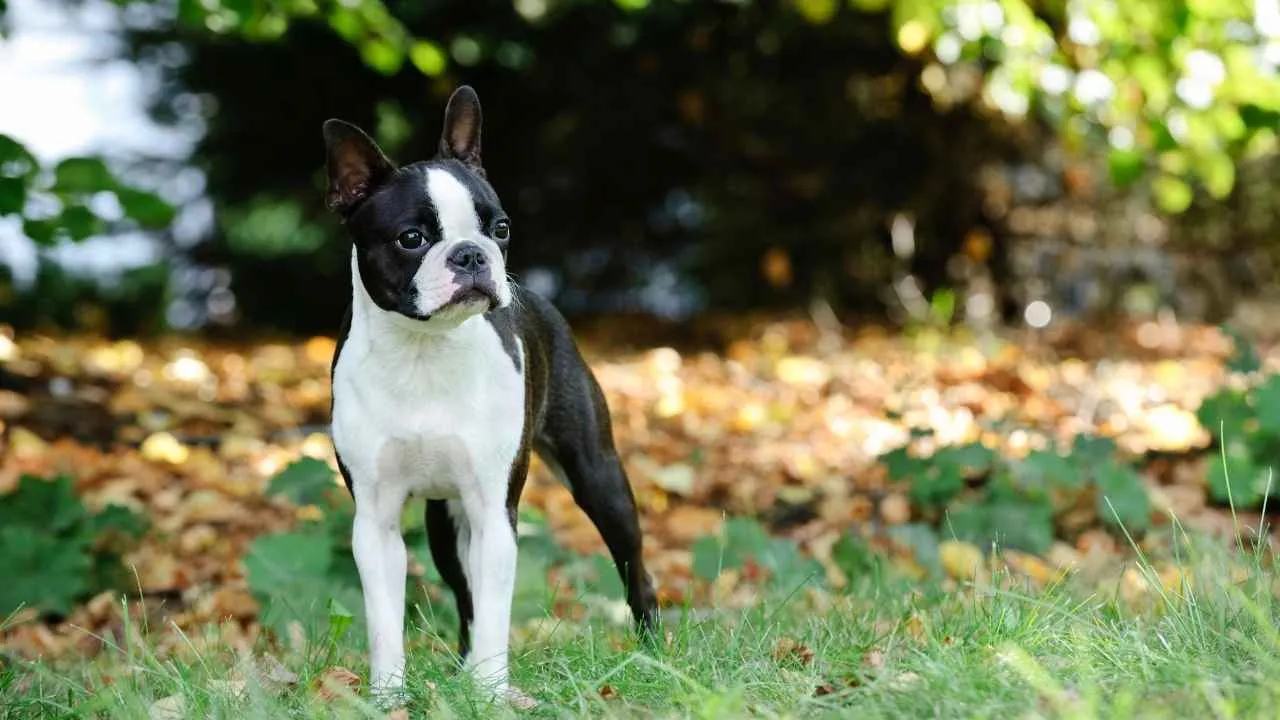
If your first home needs a tiny gentleman in a permanent tuxedo, meet the Boston Terrier. Their neat black, brindle, or seal-and-white markings helped inspire the wonderfully appropriate nickname “The American Gentleman.”
Boston Terriers are often sociable, amusing companions who enjoy being included in household life. For a first-time dog owner, that combination can make teaching house rules feel less like negotiating with a furry chaos lawyer.
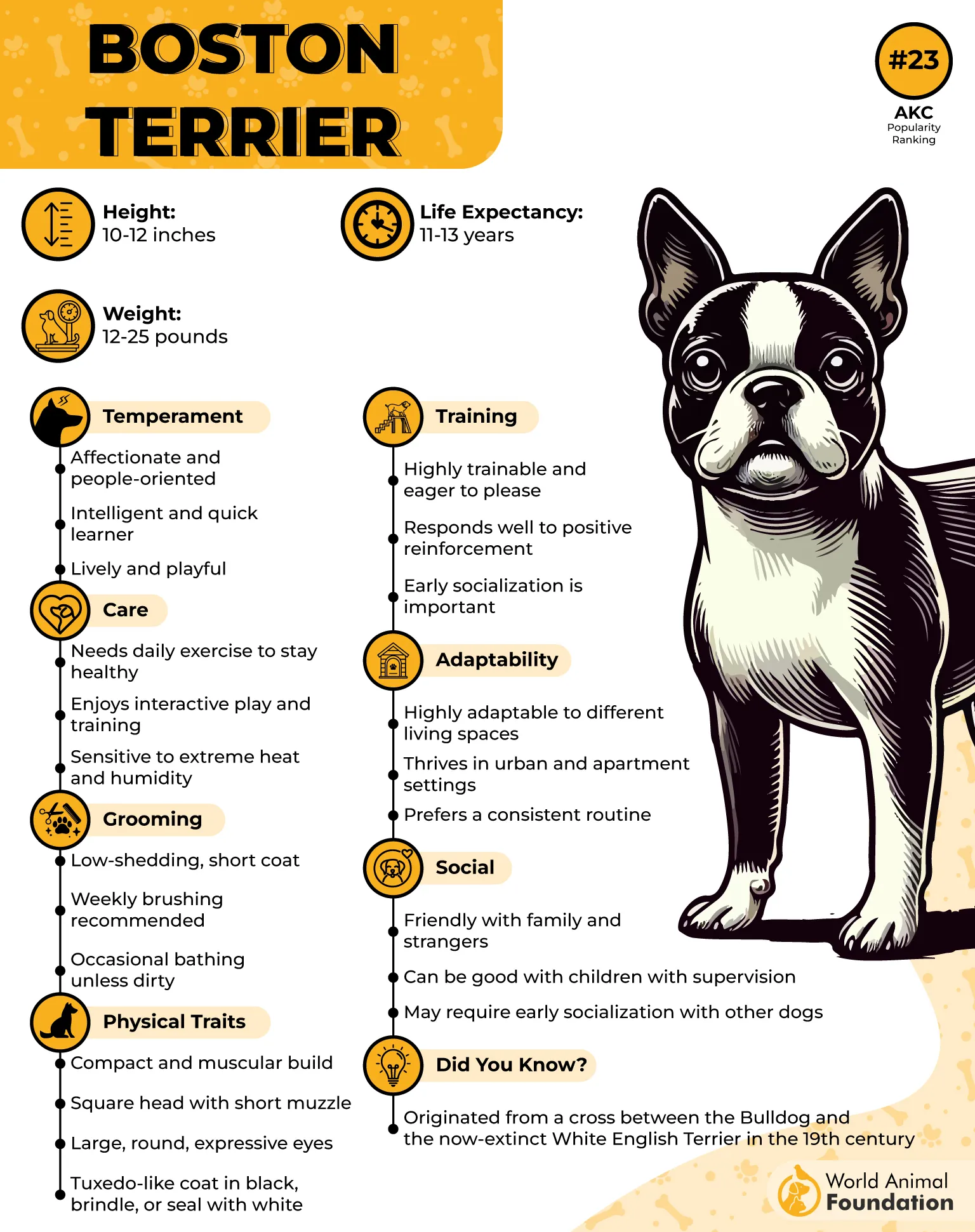
Their grooming routine is refreshingly simple compared with the curly-coated breeds above. A weekly brushing helps remove loose hair from the short, sleek coat, while baths are generally needed only occasionally.
Exercise needs vary between individuals, but a couple of brisk walks plus interactive play can suit many Bostons. Royal Canin notes that simply putting one in the yard doesn’t necessarily count as exercise because some would rather wait at the door for their human to come back.
Tip To Manage Them As First-Time Homeowners
Keep the coolest room of the house comfortably accessible during hot weather and avoid intense outdoor exercise in high heat.
Place toy baskets in the rooms where you actually spend time, since Boston Terriers often prefer interactive play over entertaining themselves outside.
Conclusion
Your first house does not need the biggest backyard on the street to become an amazing dog home. And remember: buying the house is the easy part; convincing your dog that you still own the sofa may be the real challenge. Prepare the space, puppy-proof hazards, start training early, budget for veterinary and grooming care, and give your new roommate enough exercise and attention to thrive.
