




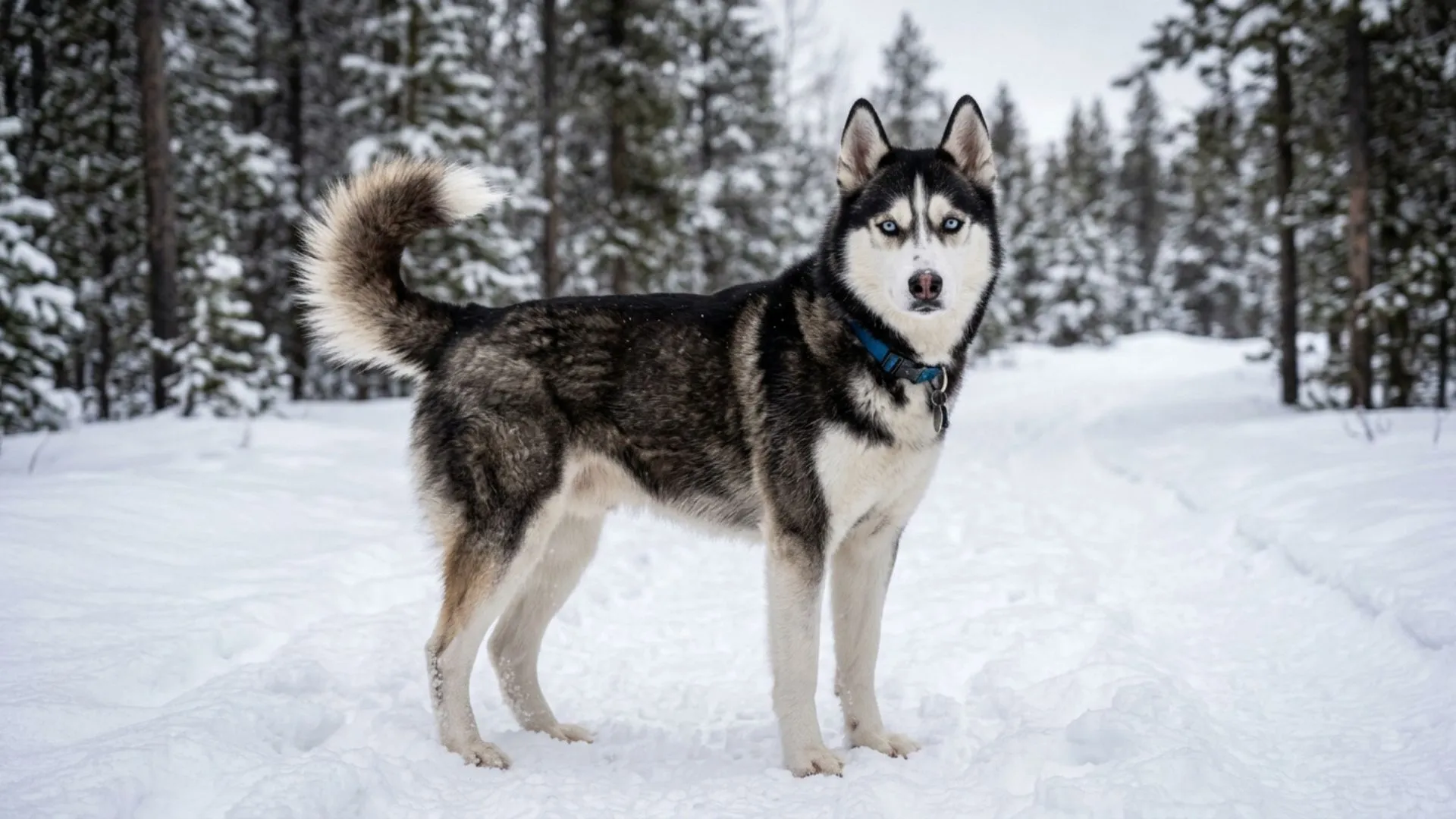
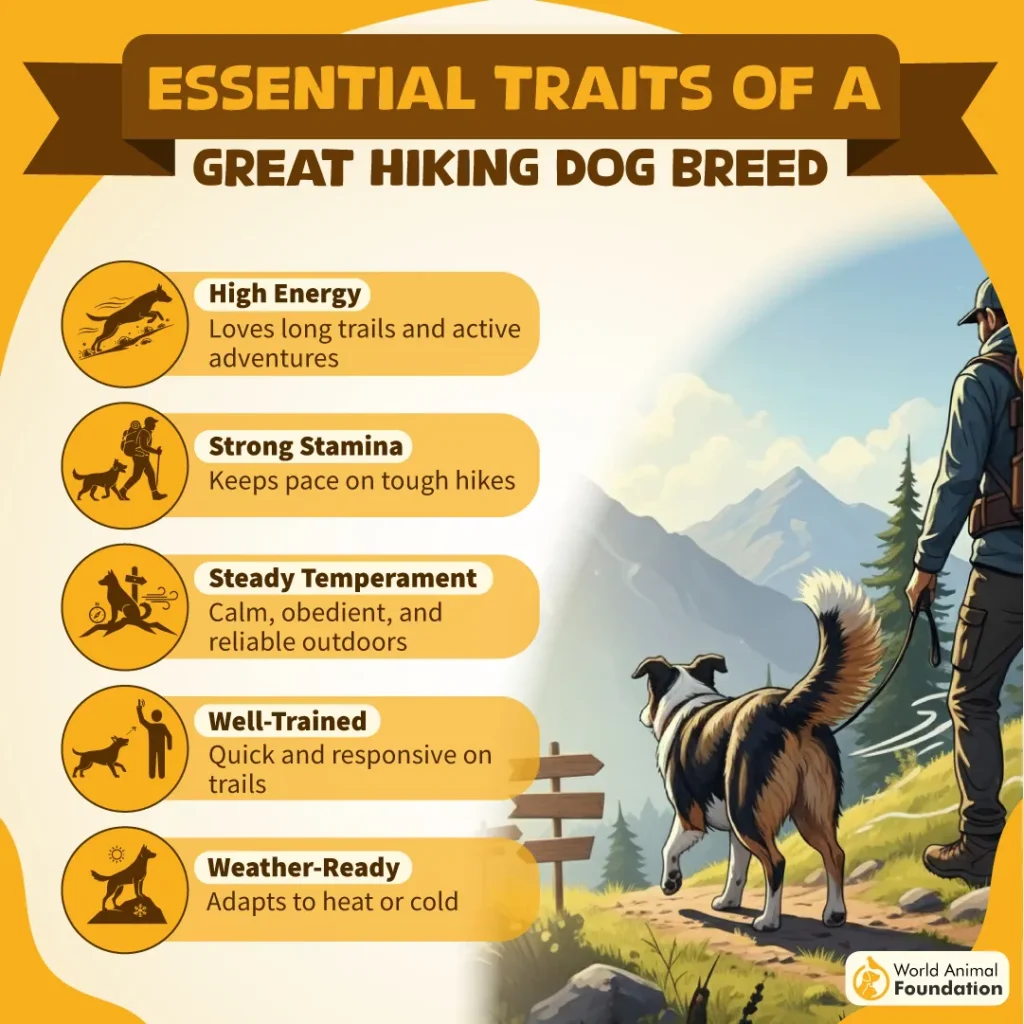
People often assume any energetic dog will automatically perform well during difficult outdoor activities. A dog that runs constantly around the house or stays excited during walks is usually expected to handle hiking trails, rough terrain, or extended outdoor adventures without much trouble.
Reality turns out very different. High energy alone means very little once physical endurance, weather resistance, focus, and recovery come into play. Many active dogs struggle once the conditions become demanding for long periods of time.
The breeds that truly excel outdoors are usually built with a very different combination of traits. They remain steady under pressure, adapt quickly to difficult environments, and maintain their stamina long after others begin slowing down.
Ahead are the breeds that continue performing reliably when outdoor adventures become physically challenging and mentally demanding at the same time.
Key Takeaways
Some dogs are not built for short walks but for terrain that tests strength, focus, and endurance.
Border Collies and Siberian Huskies stand out early, built for nonstop movement with stamina that supports demanding outdoor work and long adventures
Alaskan Malamutes and Rhodesian Ridgebacks bring raw power and endurance, handling heavy tasks and wide open landscapes with steady control.
Keep reading till the end to see which seven breeds turn tough outdoor activity into something they actually thrive on.
Best Dog Breeds for Challenging Outdoor Activities
1. Border Collie
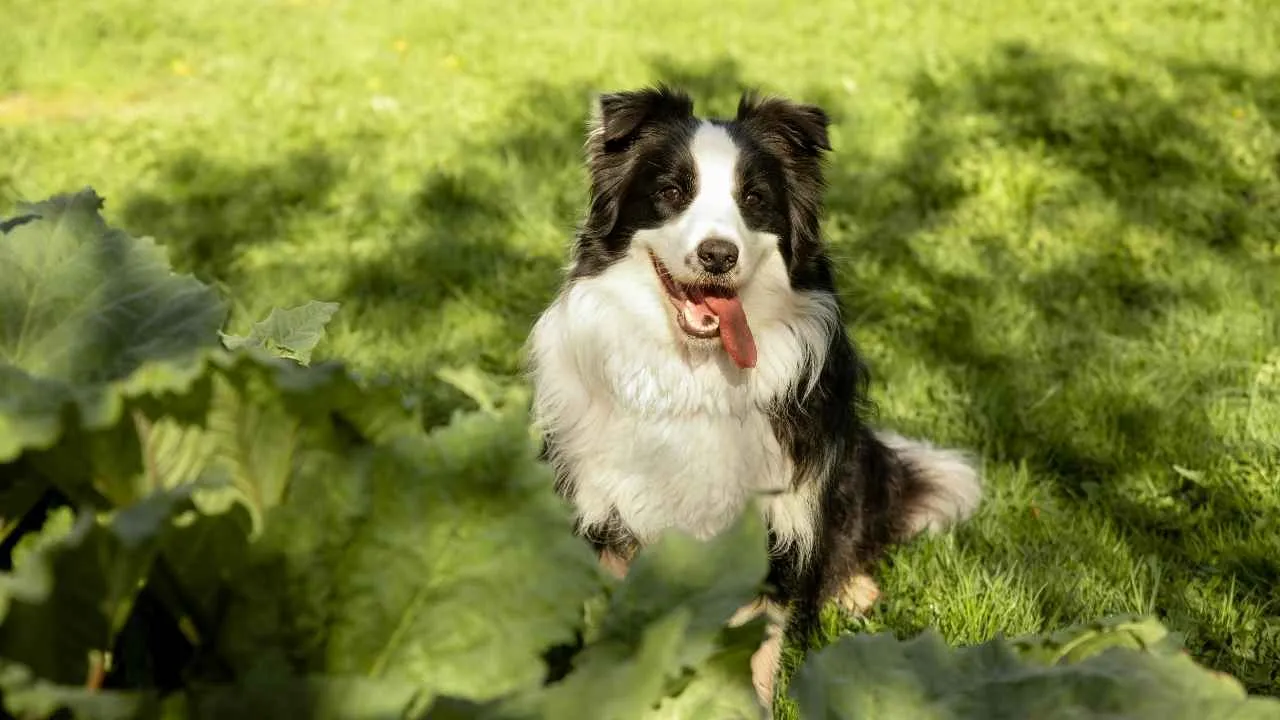
The Border Collie was originally bred in Great Britain as a herding dog built to control livestock across large open spaces.
This origin shaped a breed known for sharp responsiveness and constant engagement with movement. Its working background still reflects in how it approaches active environments today.
Structure and movement built for precision work
This intelligent breed has a nimble, agile frame designed for quick direction changes and sustained activity. Its body supports fast reactions, allowing it to adjust movement instantly during tasks.
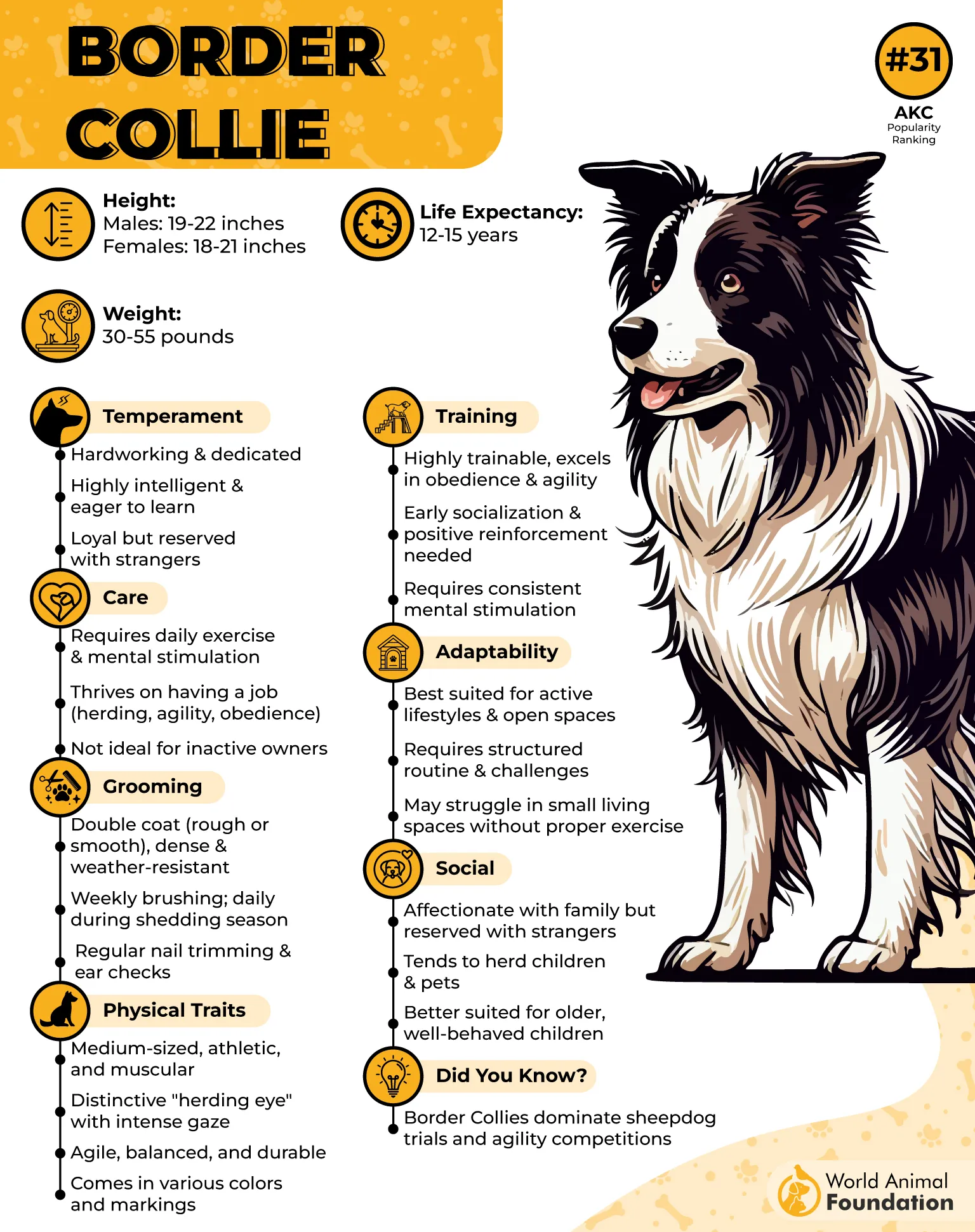
That ability becomes clear through key physical traits:
Agile frame supports rapid turns and direction shifts
Built for sustained movement across long distances
Quick footwork allows precise control during activity
Suitability for challenging outdoor activities
The Border Collie stays most engaged when daily life includes things like hiking, running, agility work, and interactive outdoor play.
Its intelligence supports learning complex tasks, making it adaptable in varied environments. Without purposeful engagement, it tends to redirect energy into unwanted behavior.
2. Siberian Husky
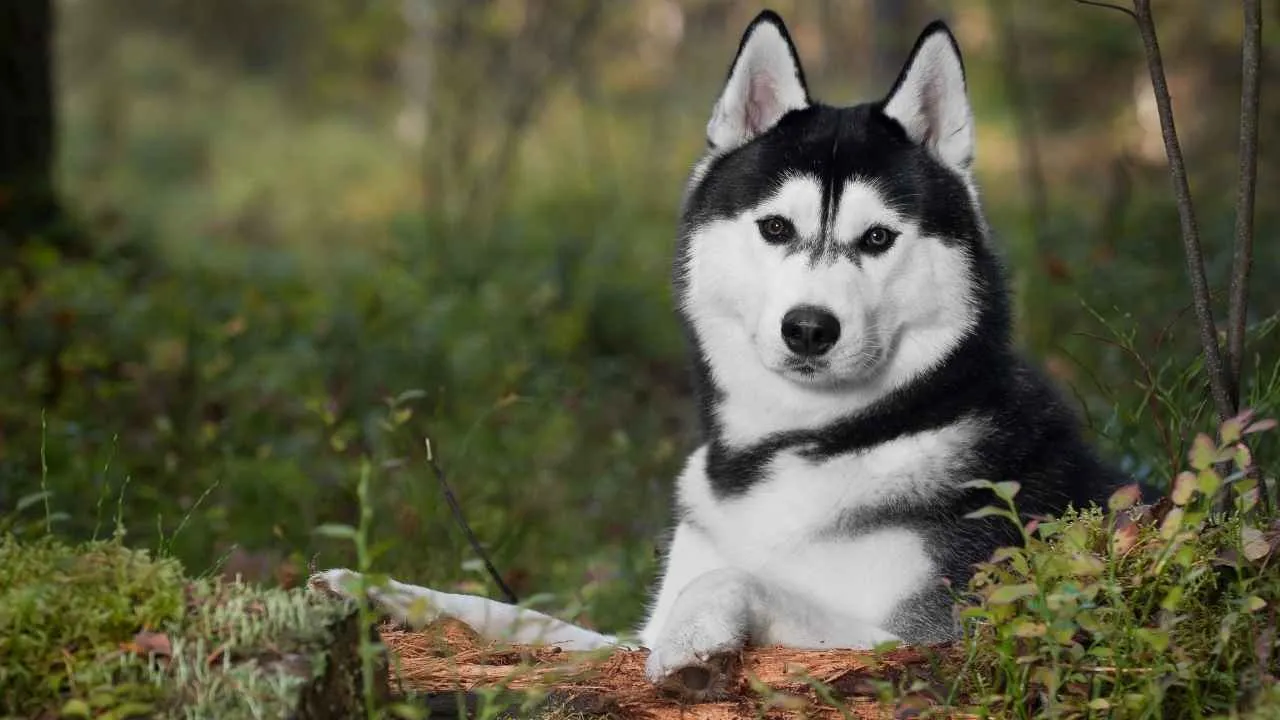
The Siberian Husky developed as a sled dog built for traveling across long frozen distances while working closely in packs.
Its medium-sized frame combines endurance with steady movement instead of excessive bulk. This background still shapes the breed’s strong connection with an active lifestyle today.
Structure and movement designed for endurance
The Huskie moves with a light, efficient gait that allows it to cover distance without wasting energy. Its thick coat supports cold-weather activity, while the compact body keeps movement balanced and quick.
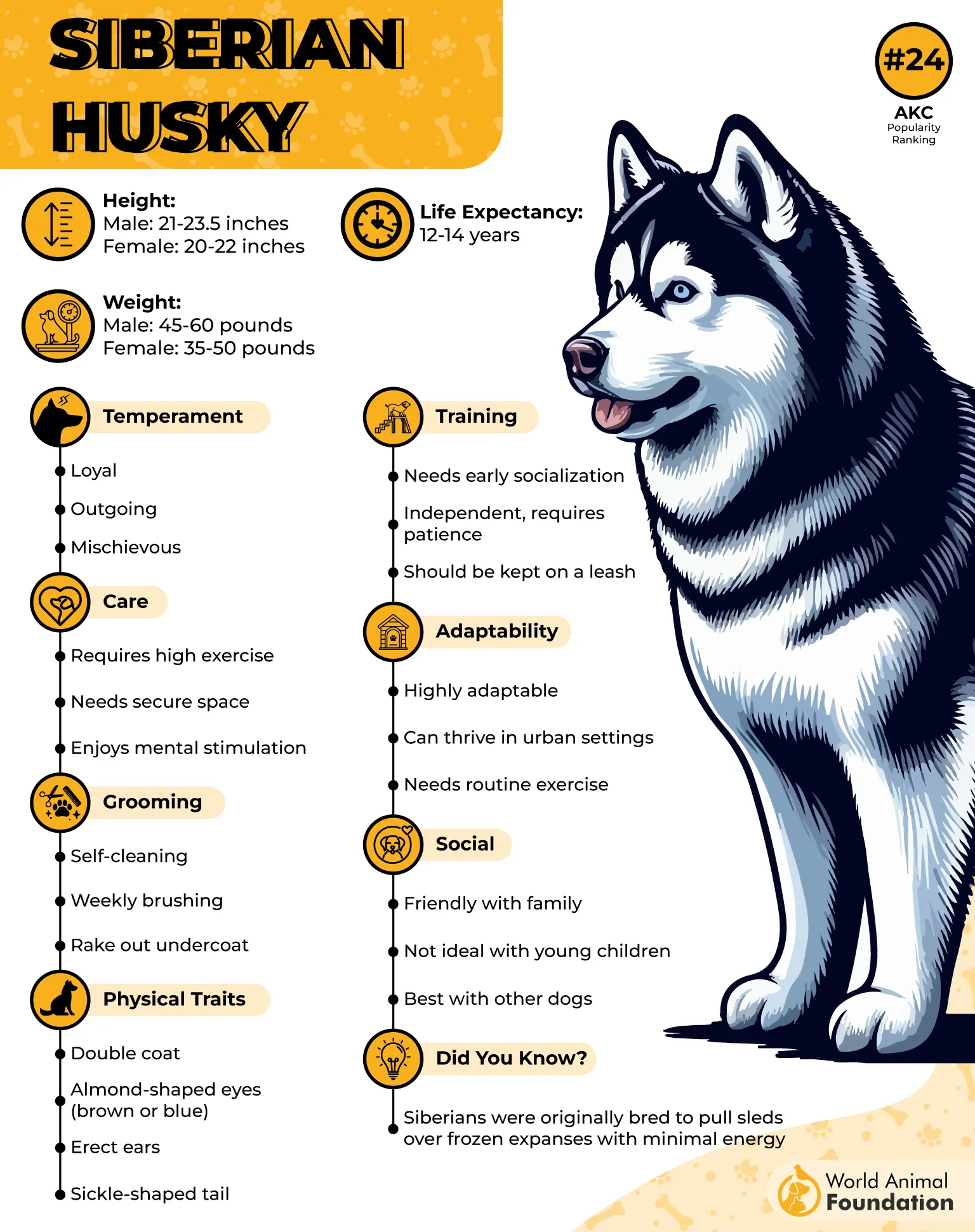
That outdoor ability becomes clearer through a few key traits:
An efficient gait built for distance travel
Thick double coat suited for colder climates
Nimble movement supports quick direction changes
Outdoor behavior and activity style
It stays highly engaged during movement-based activities such as running, sledding, rally, and fetch, as PetMD noted.
Its pack-oriented nature helps it adjust well around other dogs during outdoor adventures. The breed also keeps a naturally clean coat with very little noticeable odor after activity.
3. Alaskan Malamute
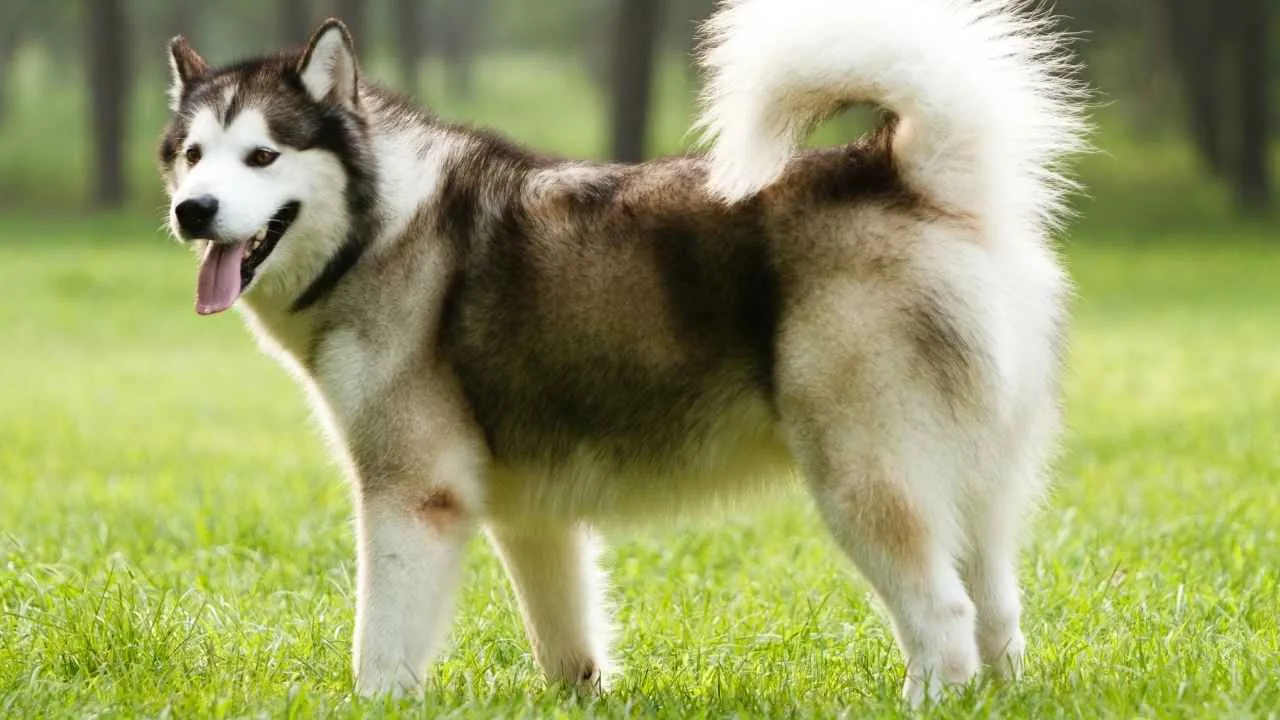
The Alaskan Malamute has roots in hauling weight across tough landscapes and extreme weather conditions, built for real endurance work. Its broad frame, thick coat, and upright stance immediately reflect a dog made for outdoor work instead of short activity bursts.
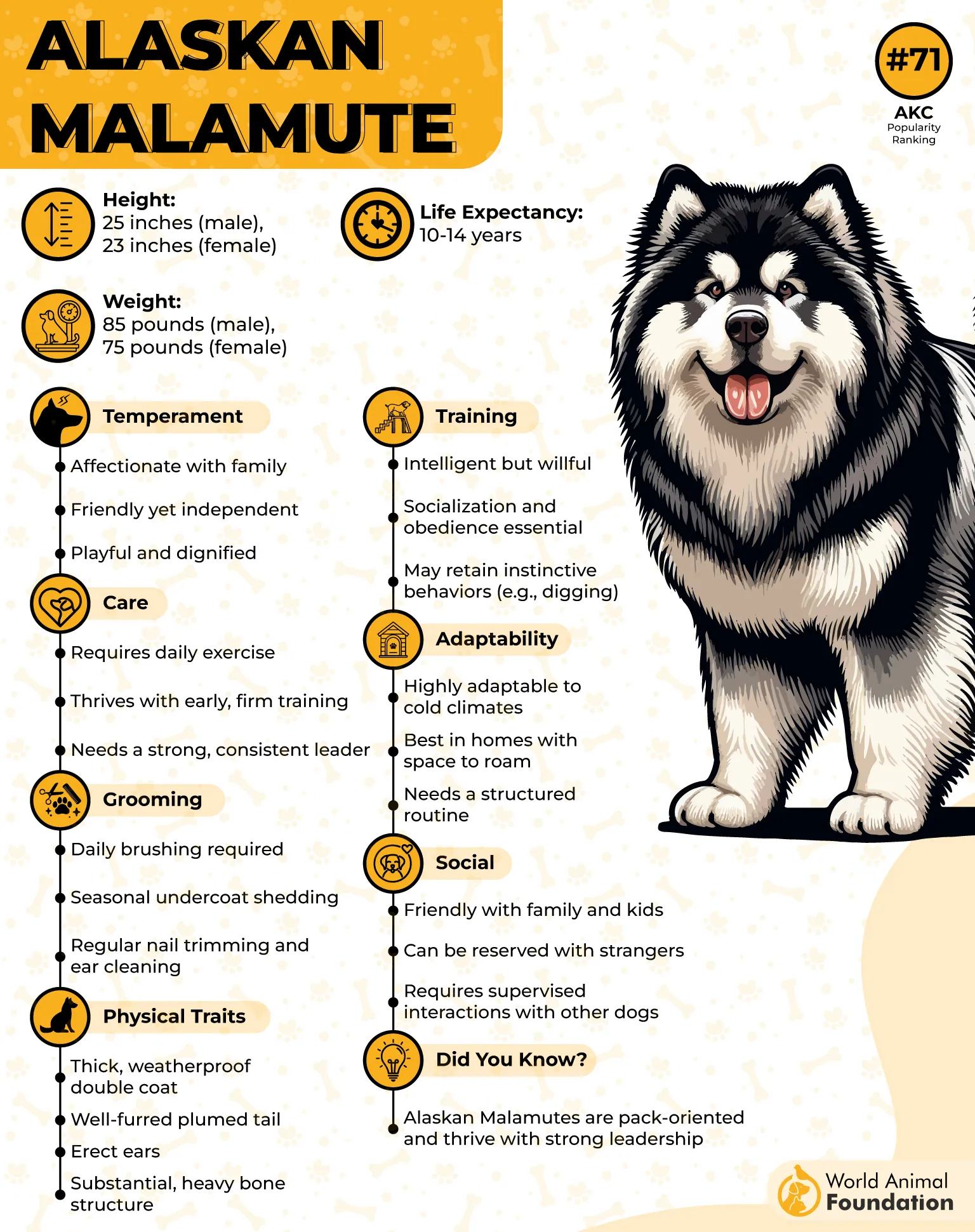
Structure and working ability built for long outdoor sessions
This breed moves with steady power, using strong bone structure and endurance instead of fast racing speed. It stays comfortable in activities like backpacking, sledding, hiking trails, and weight-pulling events that require consistency over time, as per the AKC.
That outdoor capability shows up clearly in daily function:
Thick coat handles colder climates well
Strong frame supports pulling-based activities
Athletic endurance suits extended outdoor movement
Behavior during outdoor living
Malamute enjoys group activity and usually stays more engaged when included in shared routines. Its pack-oriented mindset makes structure and direction important during training and outdoor sessions. Alongside that working side, the breed also keeps a playful personality around familiar people.
4. Rhodesian Ridgeback
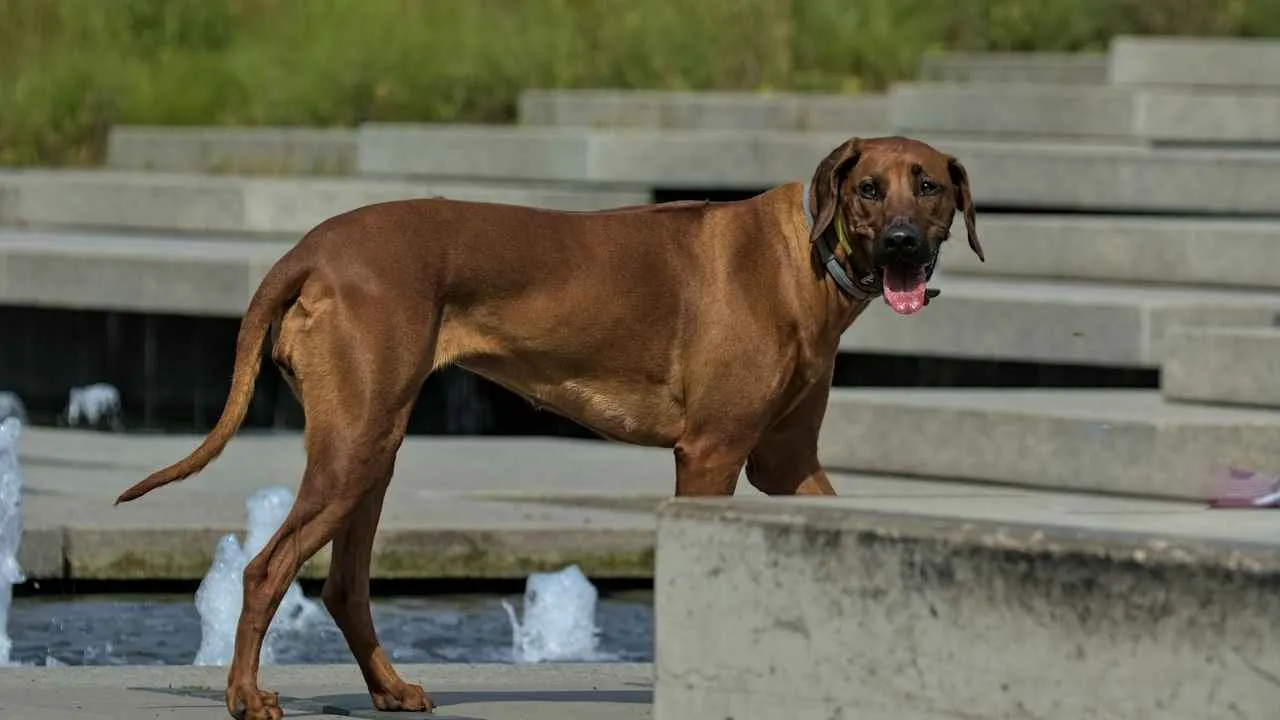
Rhodesian Ridgeback is a muscular and athletic breed developed in Africa for demanding hunting work involving large predators like lions.
It is also known as the African Lion Hound due to its role in tracking and flushing game across open terrain. Its build reflects strength combined with long-distance working ability.
Structure built for endurance and field performance
It has a powerful, balanced frame shaped for stamina-based movement across varied outdoor environments. As a hound, it is recognized for athletic ability that supports long hours of activity and tracking work.
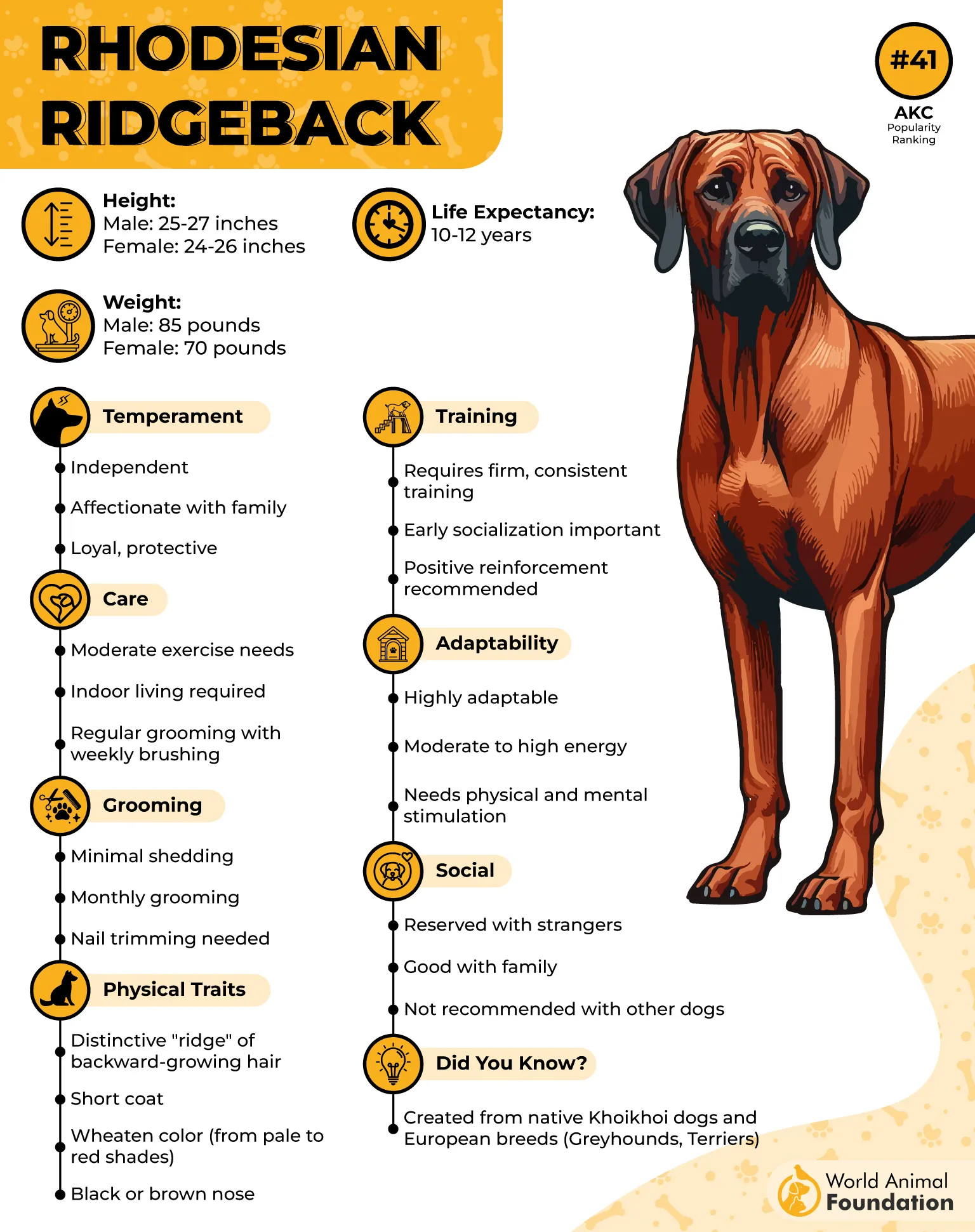
That working foundation reflects in performance-based traits:
Strong muscles support long tracking sessions
An athletic build suits hiking and field movement
High stamina for physical challenges
Real-world activity and suitability
This working breed requires consistent physical activity, including at least 45 minutes of daily exercise, to stay balanced.
Activities like tracking, hiking, running, swimming, agility, and field work match its natural drive. Mental enrichment through puzzles and structured play also helps maintain focus and stability.
5. German Shorthaired Pointer
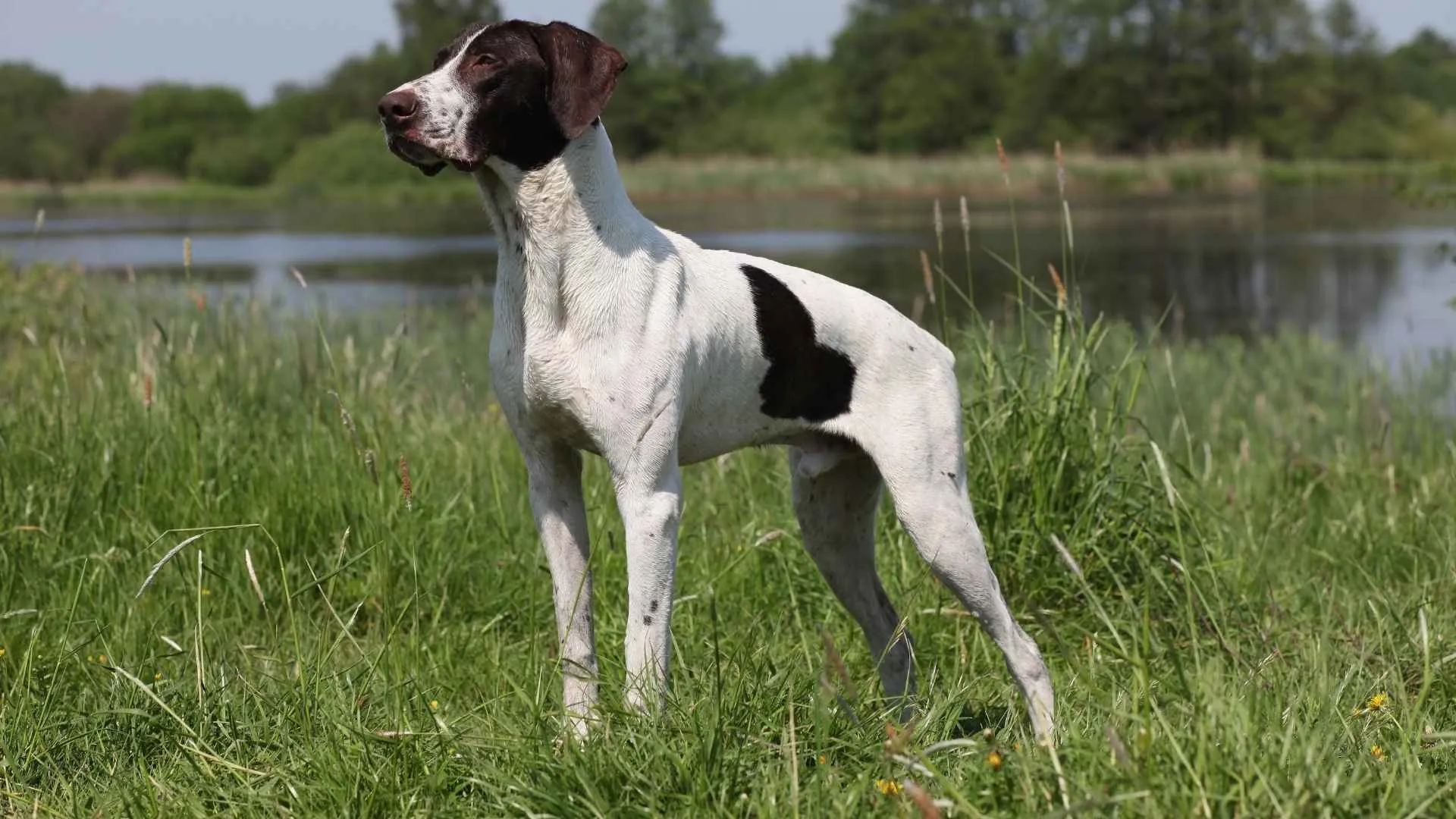
The German Shorthaired Pointer is recognized for speed, agility, and endurance, often described through its sharp athletic build and alert movement style. It originated as a versatile hunting dog for locating and working around game birds in field environments, as mentioned by Purina.
Structure built for speed and field performance
GSP carries a lean, athletic frame designed for fast movement across open terrain. Its body supports continuous running, quick direction changes, and long outdoor sessions without slowing down easily.
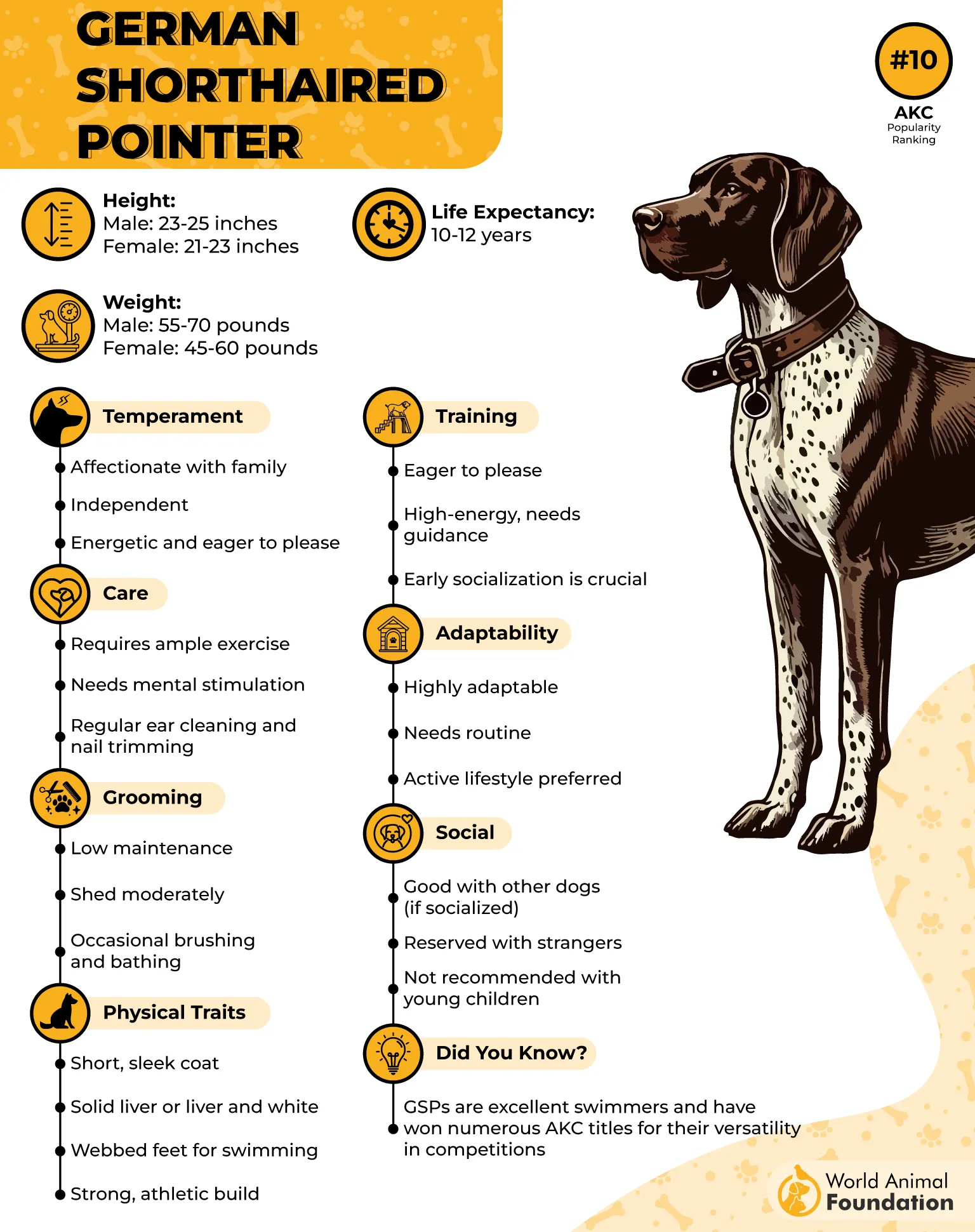
That physical design reflects in practical performance traits:
Built for long-distance speed and endurance
Agile movement supports quick direction shifts
Balanced frame suits multi-activity field work
Outdoor suitability and task range
It fits a wide range of outdoor activities, including hunting, obedience training, agility work, running, fetch sessions, hiking, and swimming.
It responds best to varied routines that combine physical movement and mental engagement. Regular activity keeps its energy aligned with its working drive.
6. Weimaraner
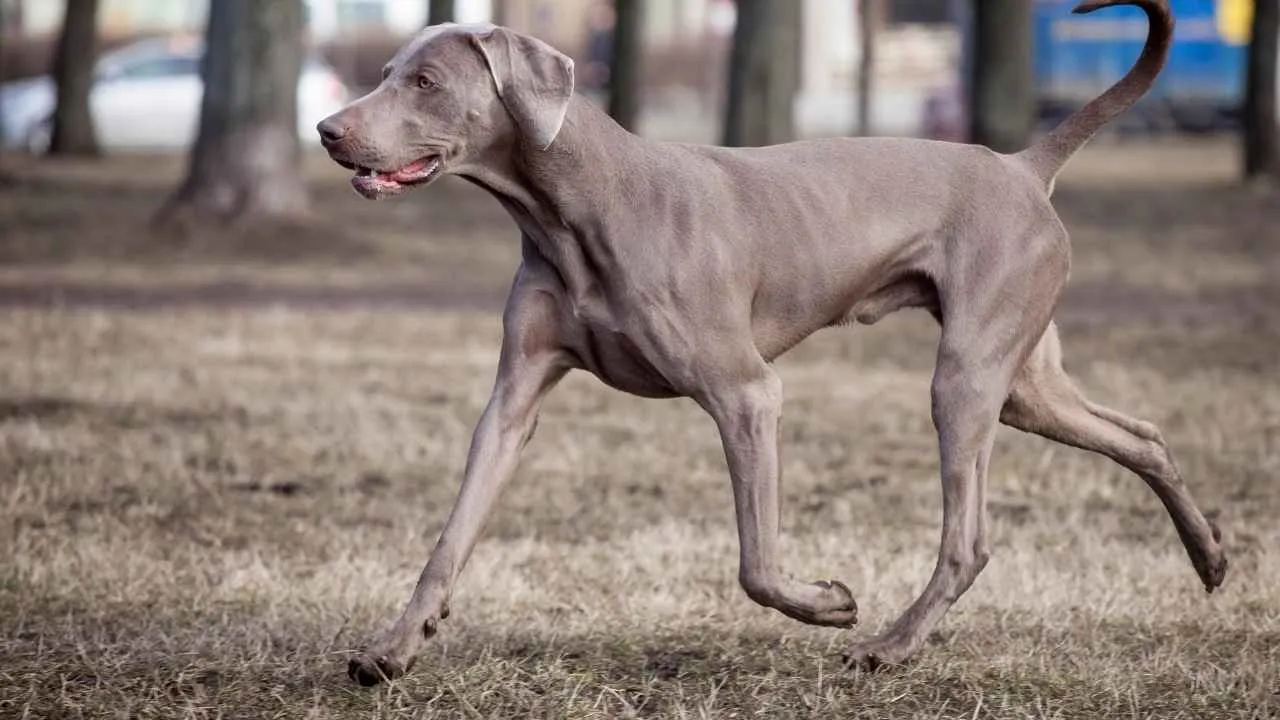
The Weimaraner originated in Germany, and its fast, streamlined build is what led people to call it the “Gray Ghost” in hunting settings.
It was bred for speed, focus, and close coordination with handlers during active field work. Its appearance reflects a smooth balance of agility and control in motion.
Structure built for speed and endurance
This breed has a streamlined body with long legs and a lean frame designed for sustained running and quick direction changes. Its silvery coat and athletic build support visibility and movement across open terrain. This structure makes it naturally suited for continuous outdoor activity.
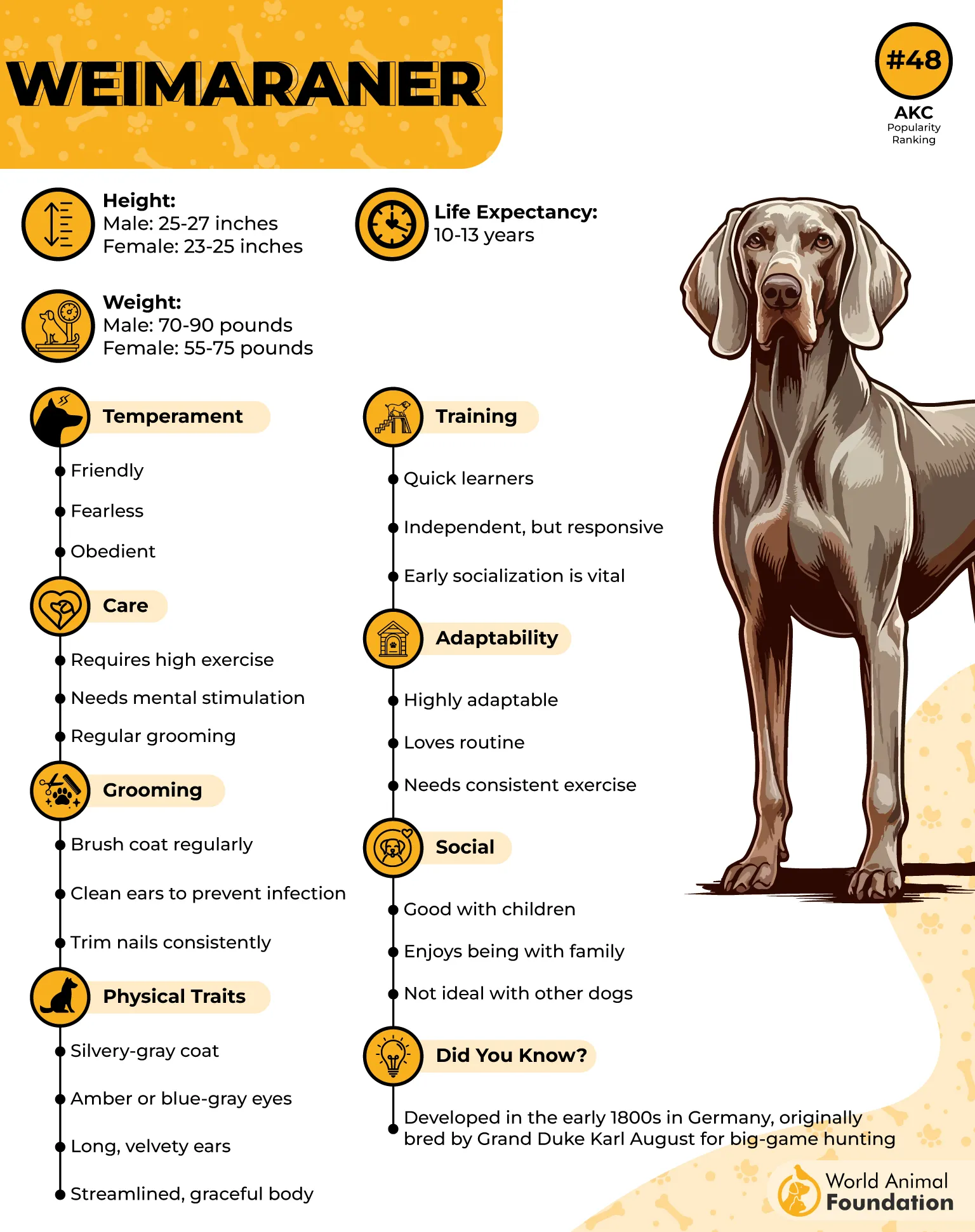
That physical design reflects in practical performance traits:
Long legs support fast running ability
A lean frame allows quick directional shifts
Athletic build supports extended activity sessions
Activity suitability and engagement level
It performs strongly in running, hiking, agility work, and field-style exercises that require constant movement. It enjoys tasks that combine physical effort with mental focus, especially in open outdoor spaces. Regular engagement keeps its energy balanced in daily routines.
7. Vizsla
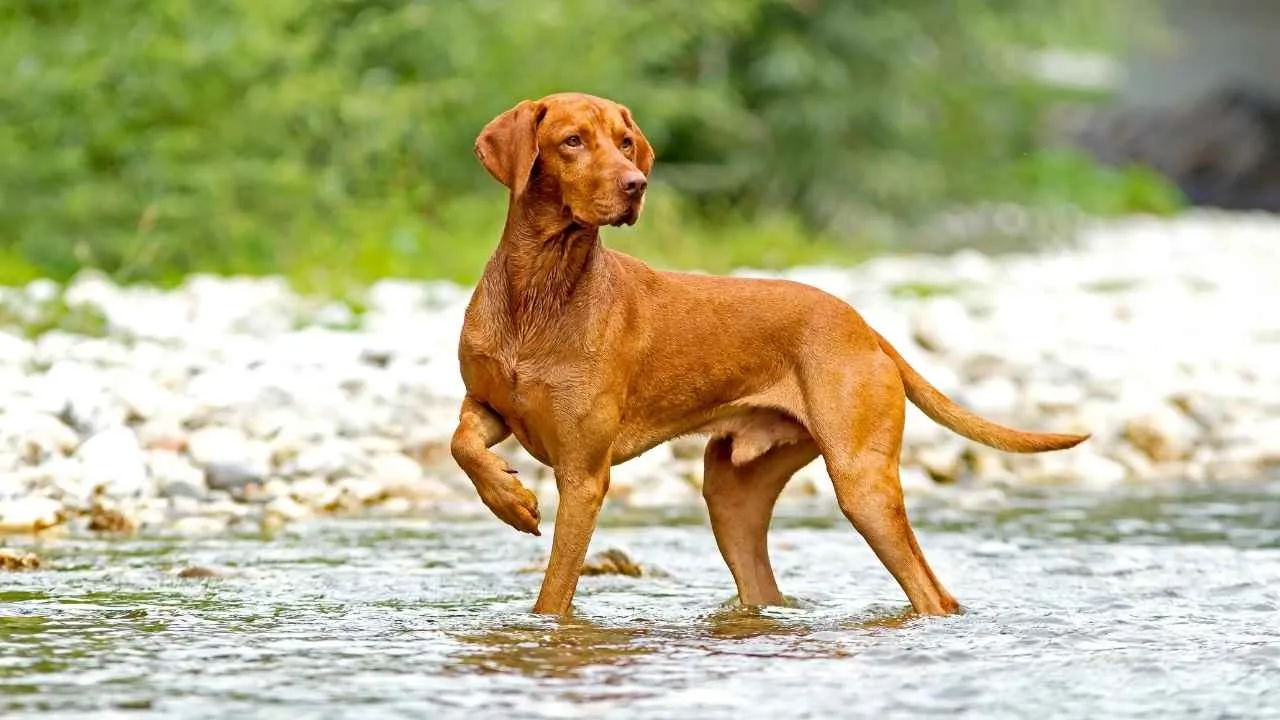
The Vizsla comes from Hungary, where it was developed as a field sporting dog built for long hours of work across open terrain.
Its role centered on staying active, alert, and closely connected to human direction during outdoor tasks. That foundation still shapes how it moves and responds in demanding activity settings.
Structure shaped for speed and endurance
It has a lean, athletic frame designed for continuous movement over long distances without heavy buildup. Its smooth stride and balanced structure support running-based activities like biking, jogging, and field work.
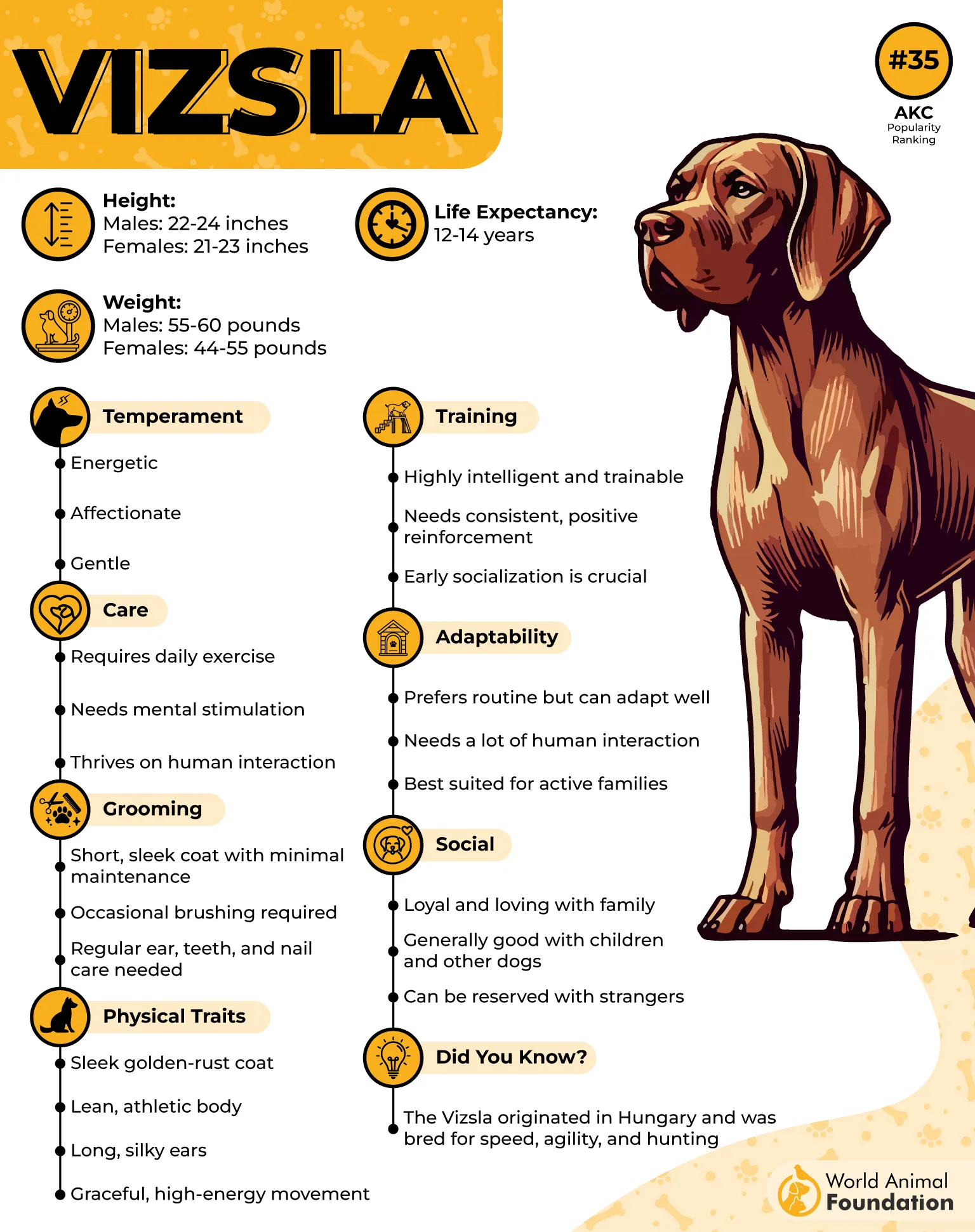
That physical setup shows up in clear performance traits:
Lean frame supports long-distance movement
Smooth gait helps maintain a steady pace
Agile builds suit fast-changing terrain
Outdoor behavior and responsiveness
The Vizsla stays closely tuned to human interaction and reacts quickly to direction during activity. It prefers engagement and structure, often staying mentally active when routines are unclear. Its sensitivity makes it responsive but also dependent on consistent handling.
Conclusion
The difference becomes obvious once conditions start getting harder and the pace refuses to slow down. These dogs keep moving with the same focus and control, even when terrain, weather, and long hours begin testing natural stamina. They are not built only for excitement or short bursts of energy. Their strength comes from consistency that lasts through physically demanding activity for active owners.
Over time, that reliability changes the entire outdoor experience. The trail feels more manageable, the work feels steadier, and the partnership becomes easier to trust. For pet parents who spend serious time outdoors, a great hiking companion matters far more than the simple energy most dogs offer.
