




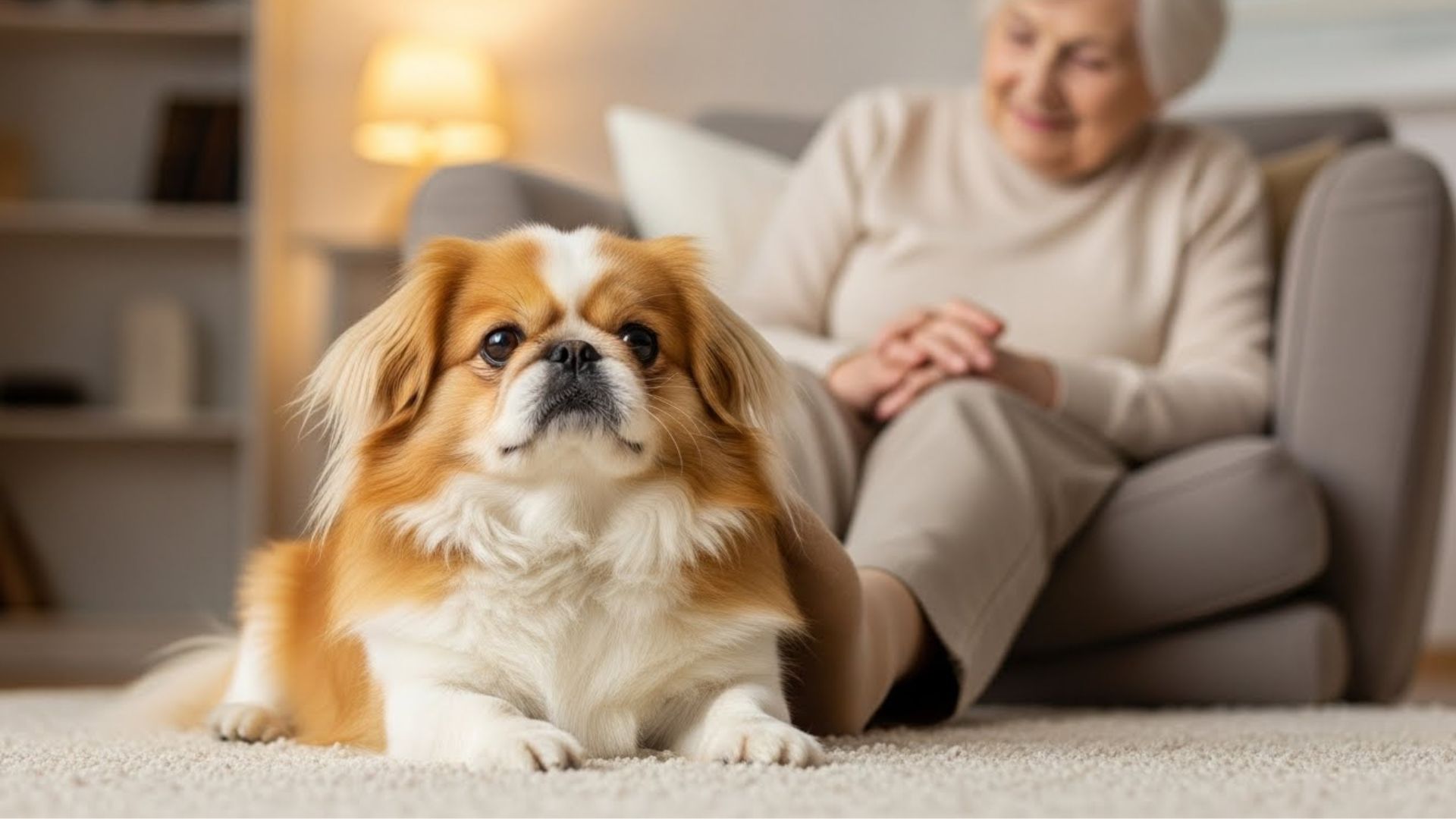
Did you know that simply petting a calm dog can lower your blood pressure and slow your heart rate? For many seniors, the right dog is more than a pet. It is a company, routine, and gentle reason to smile every day.
If you are thinking about getting a dog at this stage of life, you might feel a mix of excitement and worry. Will you have the energy for walks? What if the dog is too loud or too strong? These are real questions, and you are not alone in asking them.
In this blog, we will look at what truly matters for your comfort and serenity. Together, we will explore the kind of dog that fits your pace, your home, and your heart.
Important Fact: AKC highlights science-based benefits of dog ownership, showing that dogs help older adults stay active and lower stress with simple routines like walking and play.
Best Dog Breed Choices for Seniors and Their Peace of Mind
1. Pekingese
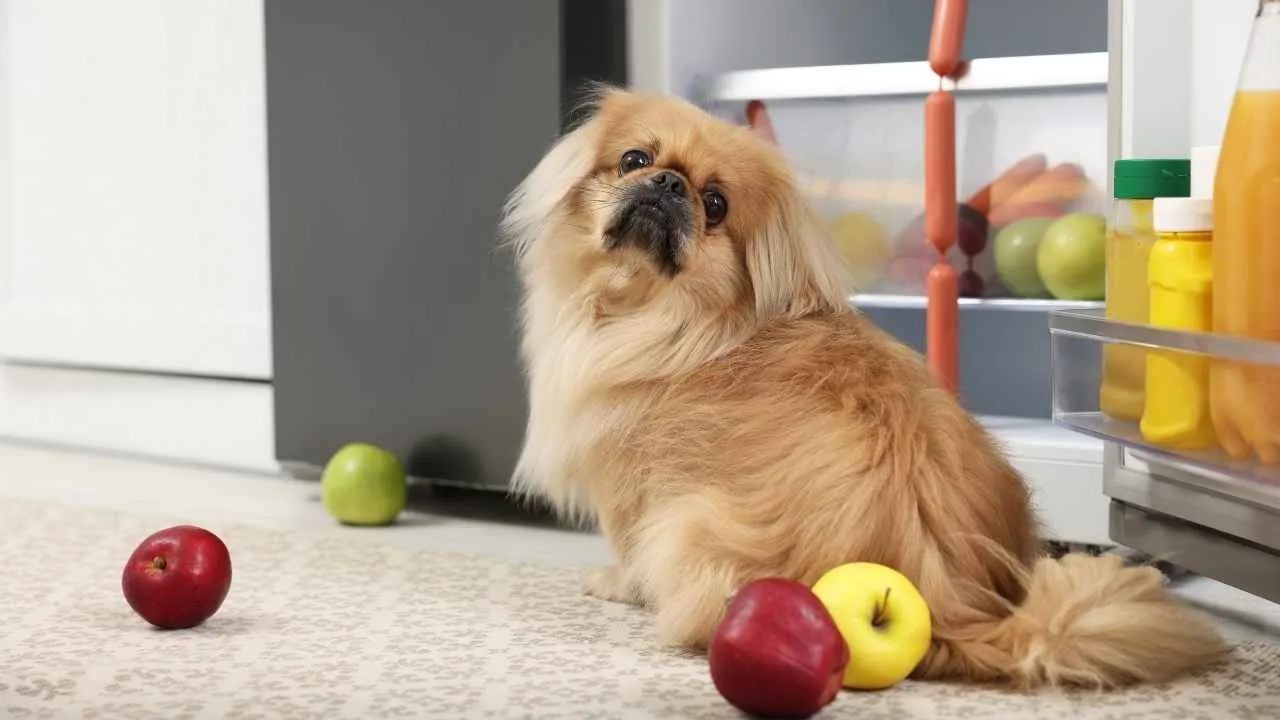
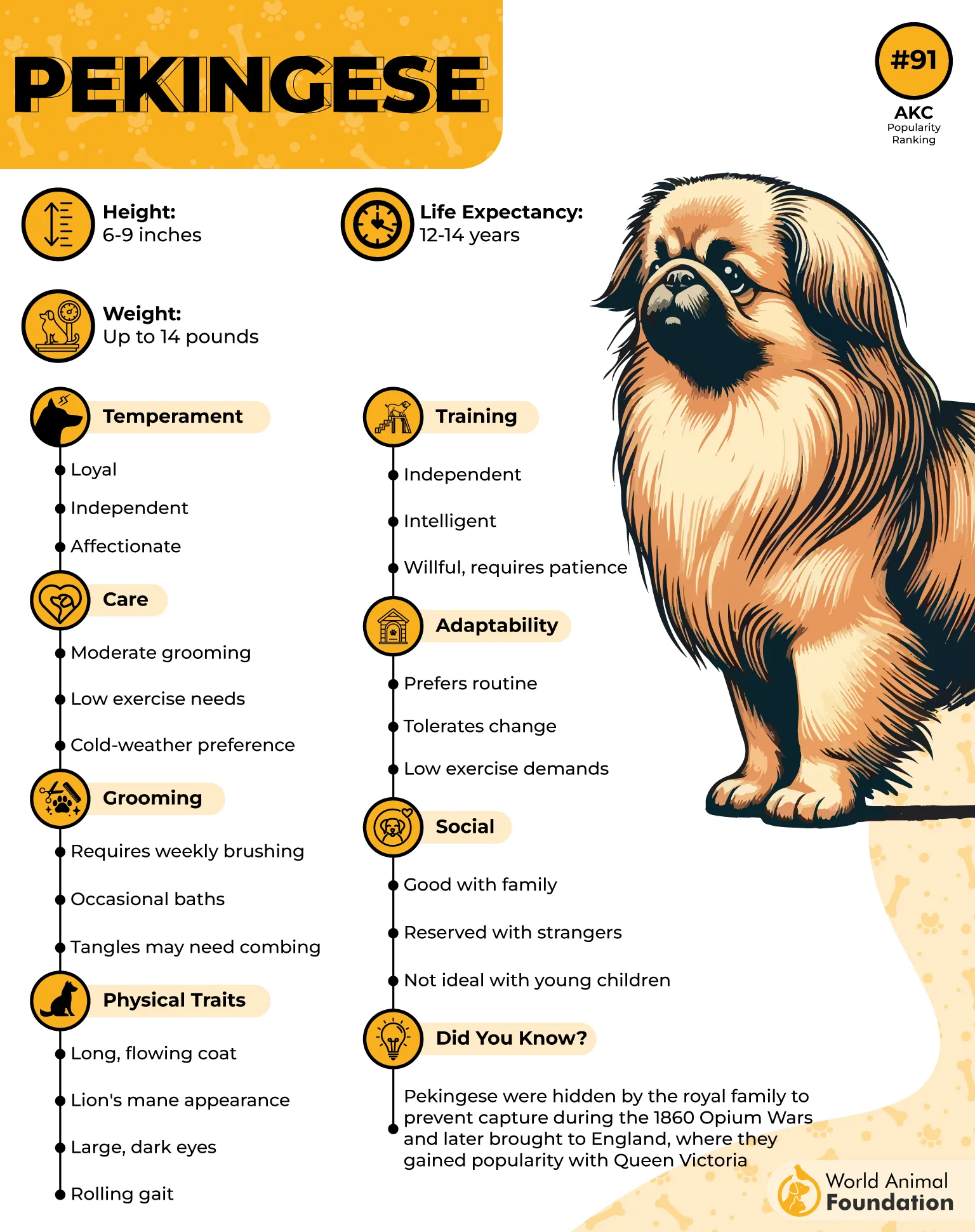
The Pekingese is perfect for older adults who want a tiny, dignified roommate more than a marathon buddy. This little dog was bred for palace life, so it is very happy in calm living spaces and close to soft cushions.
Most Pekingese have a low energy level and love being lap dogs who quietly watch the world with you. Their compact size makes them easy to handle, and that bold little bark can help with calmness when someone knocks.
This type of dog likes a slow, steady routine. It enjoys close companionship but does not need constant games or noise. With kind training and a soft voice, a Pekingese usually responds well and settles into house rules.
That makes it one of the lively dog breeds for seniors who want more cuddles than chaos and enjoy short walks rather than long hikes.
Health-wise, regular veterinary care really matters. This breed can struggle in hot weather and does best as an indoor pet with cool rooms and comfy spots.
Their face and eyes need a little extra care, and good weight control helps their long-term well-being. Treat them kindly, and you get loyal devotion, a soft cuddle, and a very proud little happy tail wag.
Why do seniors like the Pekingese?
Calm companion that suits quiet pets, friendly apartments
Tiny size that is easy to carry and lift onto a chair
Works well for seniors looking for low-energy days and lots of lap time
A watchful nature can help some family members feel safer at night
2. Italian Greyhound
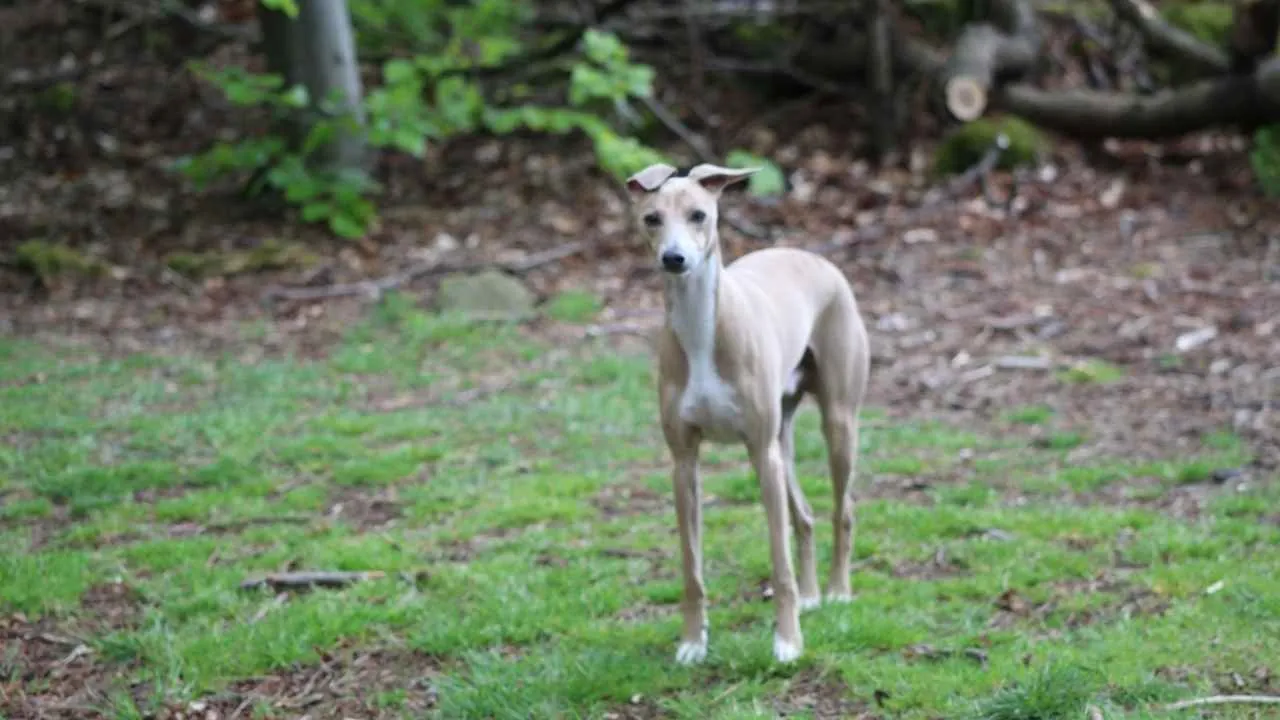
The Italian Greyhound is lovely for older adults who still like to stay active but hate a lot of drama. This elegant dog feels like a mix of tiny athlete and clingy friend.
Many have a playful energy level outdoors, then turn into couch potatoes and perfect lap dogs once you sit down. Their short coat is a bonus for anyone who wants a relatively low-maintenance grooming routine.
Most Italian Greyhounds enjoy daily walks and a few fun zooms, but they do not need huge yards or big dog park adventures. They love human interaction and often follow one person from room to room like a little shadow.
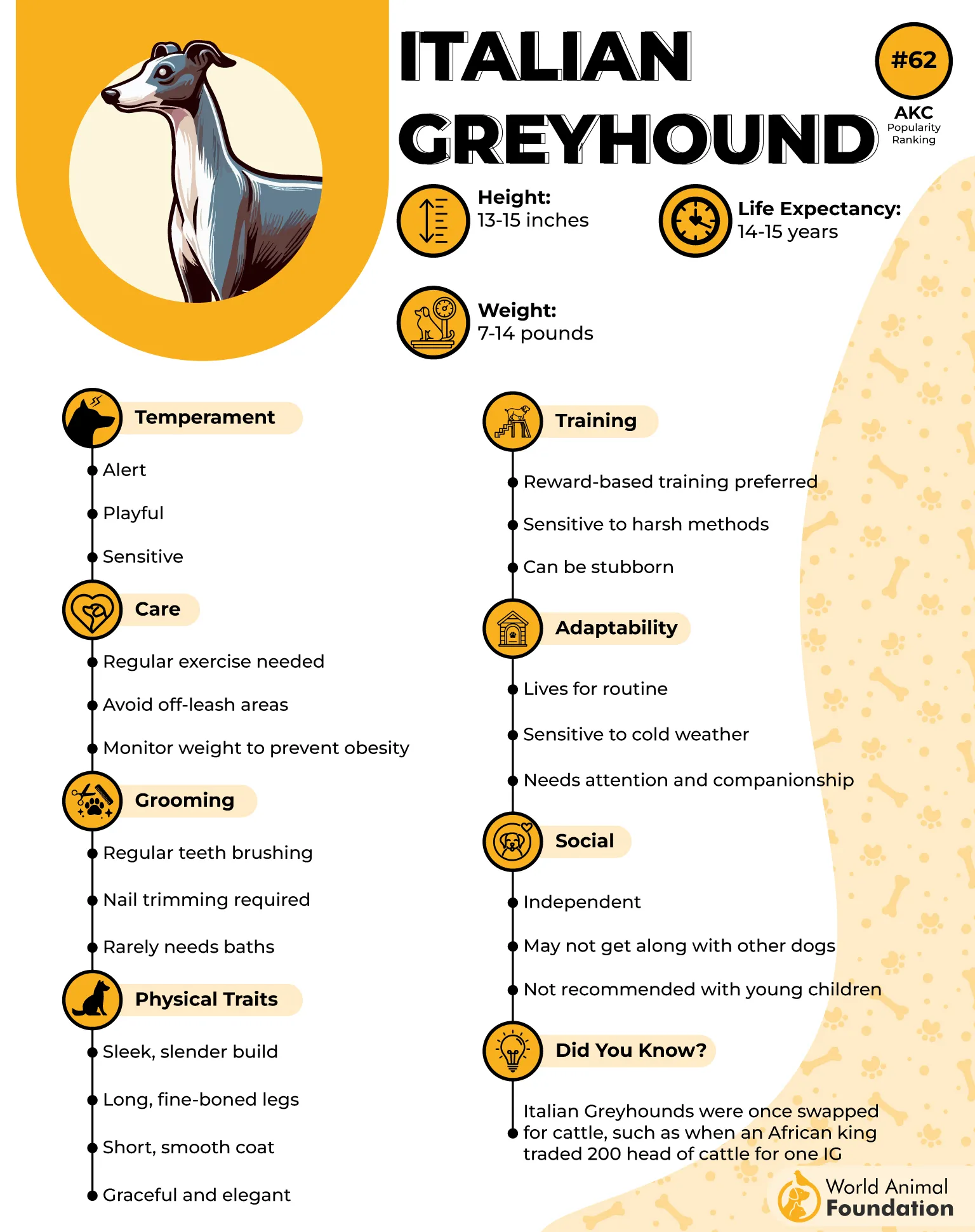
Because they can be sensitive, they respond best to simple training, soft words, and tasty rewards. Sounds crazy, right? A dog that just wants to snuggle and be polite.
Good veterinary care is important, especially for slim legs and teeth. Their exercise needs are real but not extreme, which suits dog breeds for seniors who want to stay active without feeling pushed.
Add a warm sweater, a comfy bed, and kind handling, and this calm nature companion becomes a graceful, calming presence in your golden years.
Why do seniors like the Italian Greyhound?
Short coat and low-maintenance grooming for less fuss
Great for smaller breeds, friendly homes, and gentle daily exercise
Loves close companionship and curling up beside you on the sofa
Works well for older individuals seeking a quiet but playful furry friend
3. Pug
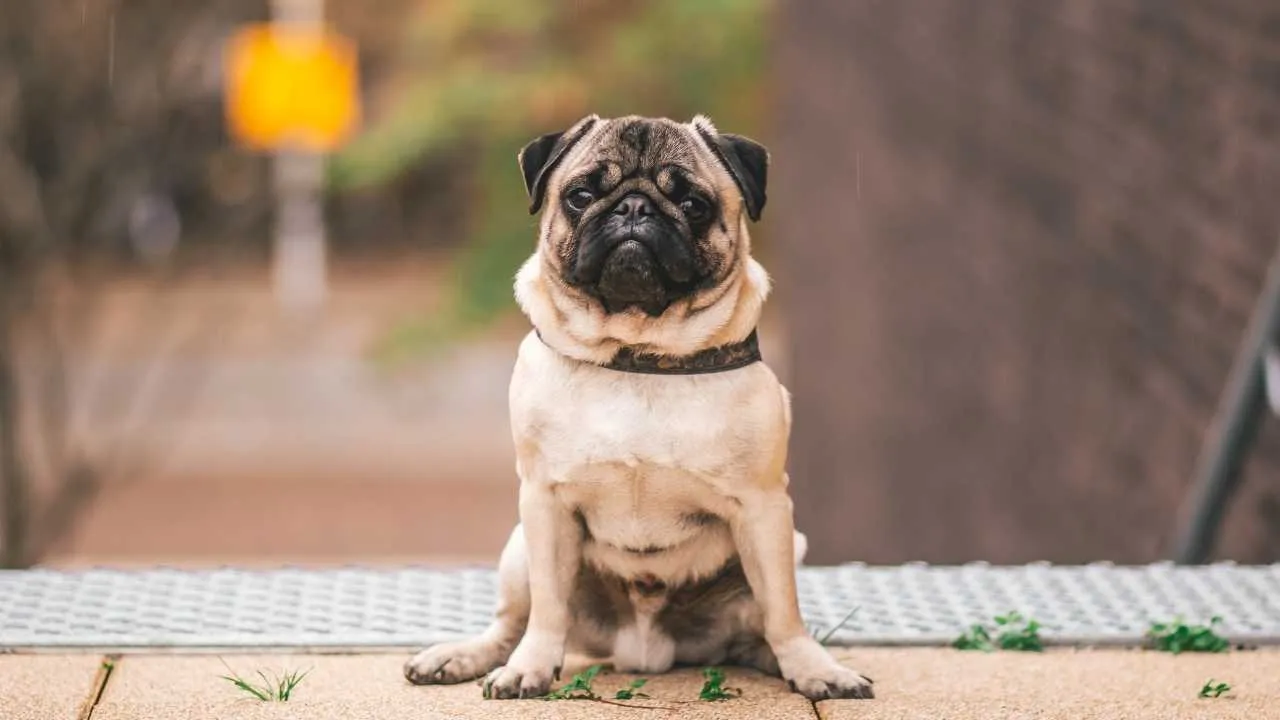
The Pug might be the best dog for seniors who love to laugh and don’t mind a little snoring. This small clown lives for cuddles, snacks, and soft blankets.
Many Pugs are natural lap dogs with a modest energy level who adore short walks and then long naps. They usually fit very well into smaller living spaces and act more like funny family members than pets.
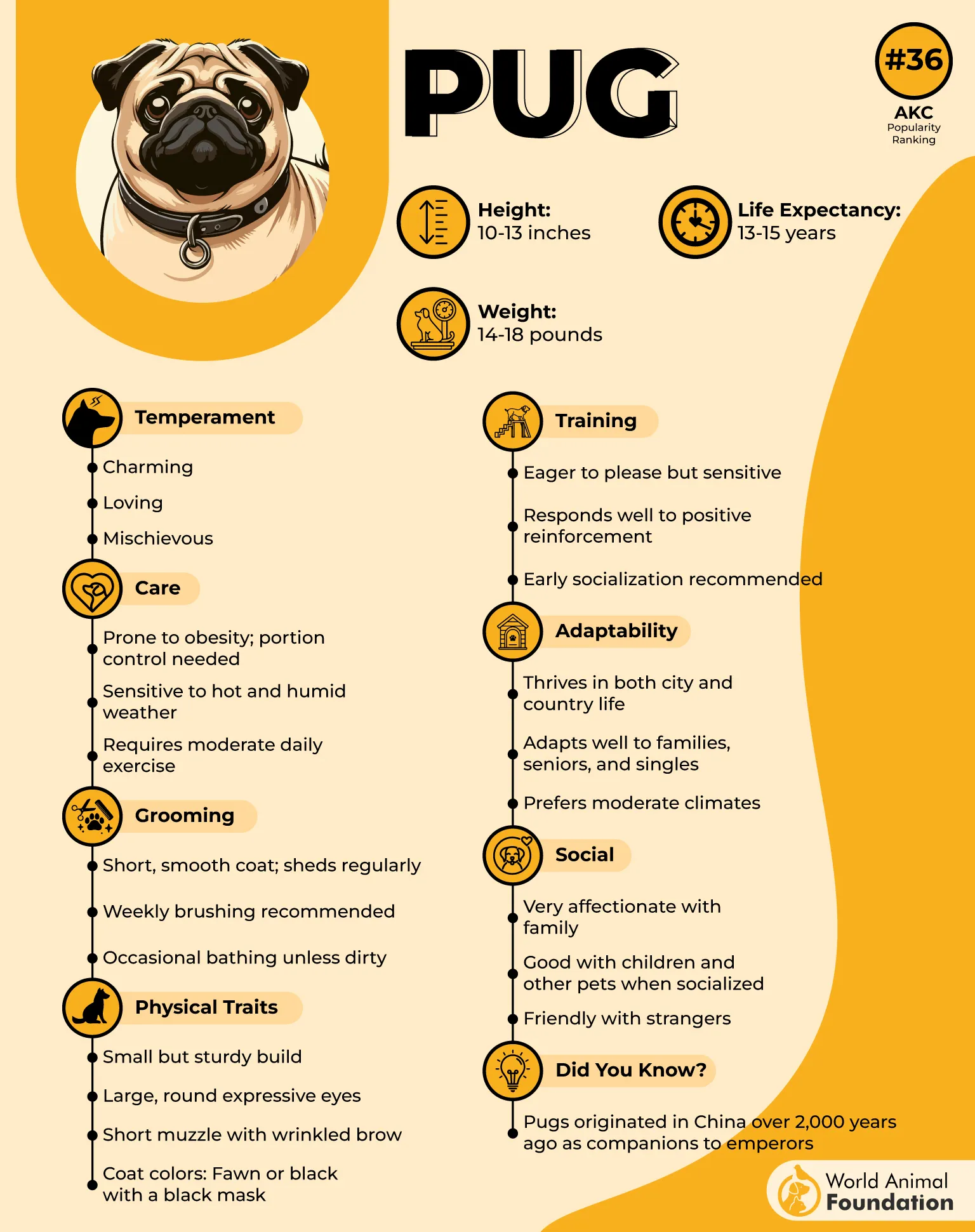
Most Pugs are affectionate dogs who like simple routines. A couple of gentle daily walks and a little play inside usually keep them happy. That rhythm suits dog breeds for seniors who cannot keep up with larger dogs or very active pets.
Their sweet nature can also help older adults feel less alone, and dogs offer companionship that really supports emotional well-being.

Their short coat sheds more than people expect, so regular brushing is important. Good veterinary care is vital too, as this breed can have breathing, skin, and eye issues if not watched. Keeping them lean, cool, and comfortable helps their long-term health.
Care for this great dog breed, and it will stick close, act like your biggest fan, and prove every day why so many people call Pugs the best companions.
Why do seniors like the Pug?
Compact size that suits small dogs, friendly apartments, or units
Relatively low-maintenance exercise needs built around short walks
Very people focused temperament that loves visitors and grandkids
Ideal for many seniors who want gentle fun more than long outdoor adventures
4. Japanese Chin
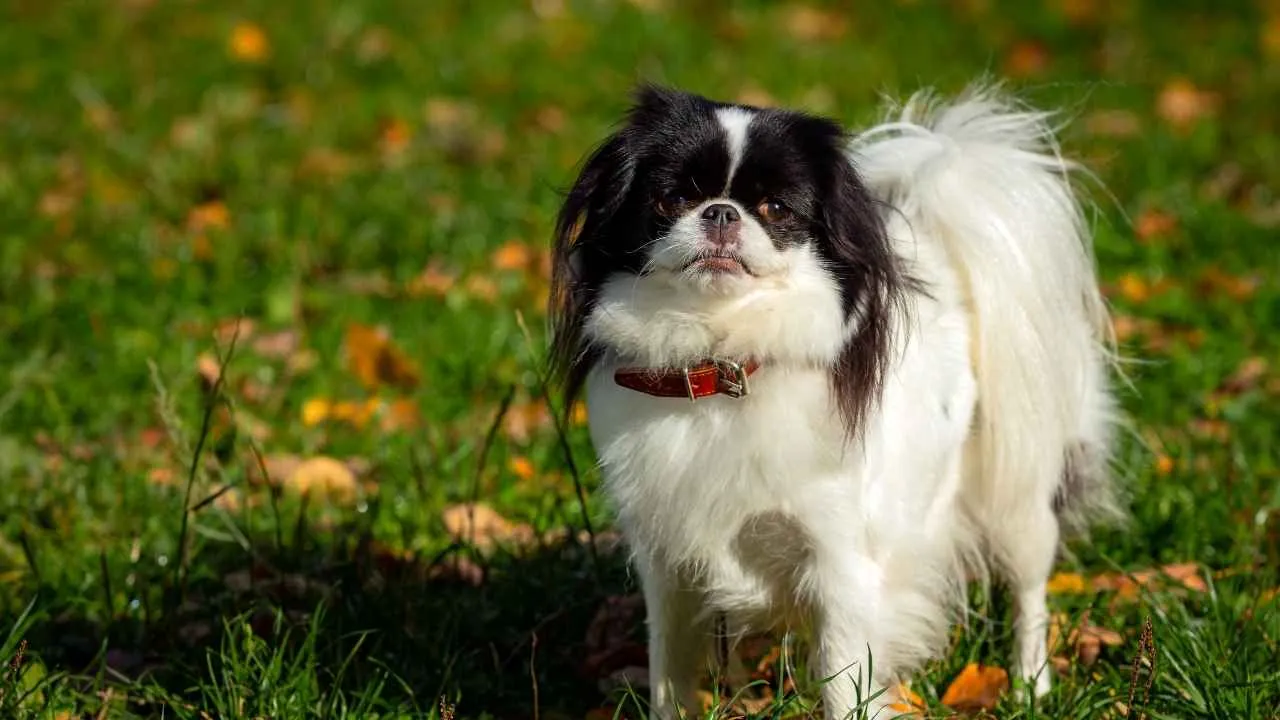
The Japanese Chin is one of the best lap dogs for seniors who like quiet, gentle company. This little dog loves to lounge on the back of a chair, watch you move, then slide into your lap for a nap.
Many are described as graceful and cat-like, with a soft, generally calm presence. They prefer cozy living spaces and home life to noisy outings.
Their energy level is mild. A short daily walk, a few playful steps down the hallway, and they are ready to curl up again. That calm pattern works beautifully for dog breeds for seniors who value slow mornings and peaceful evenings.
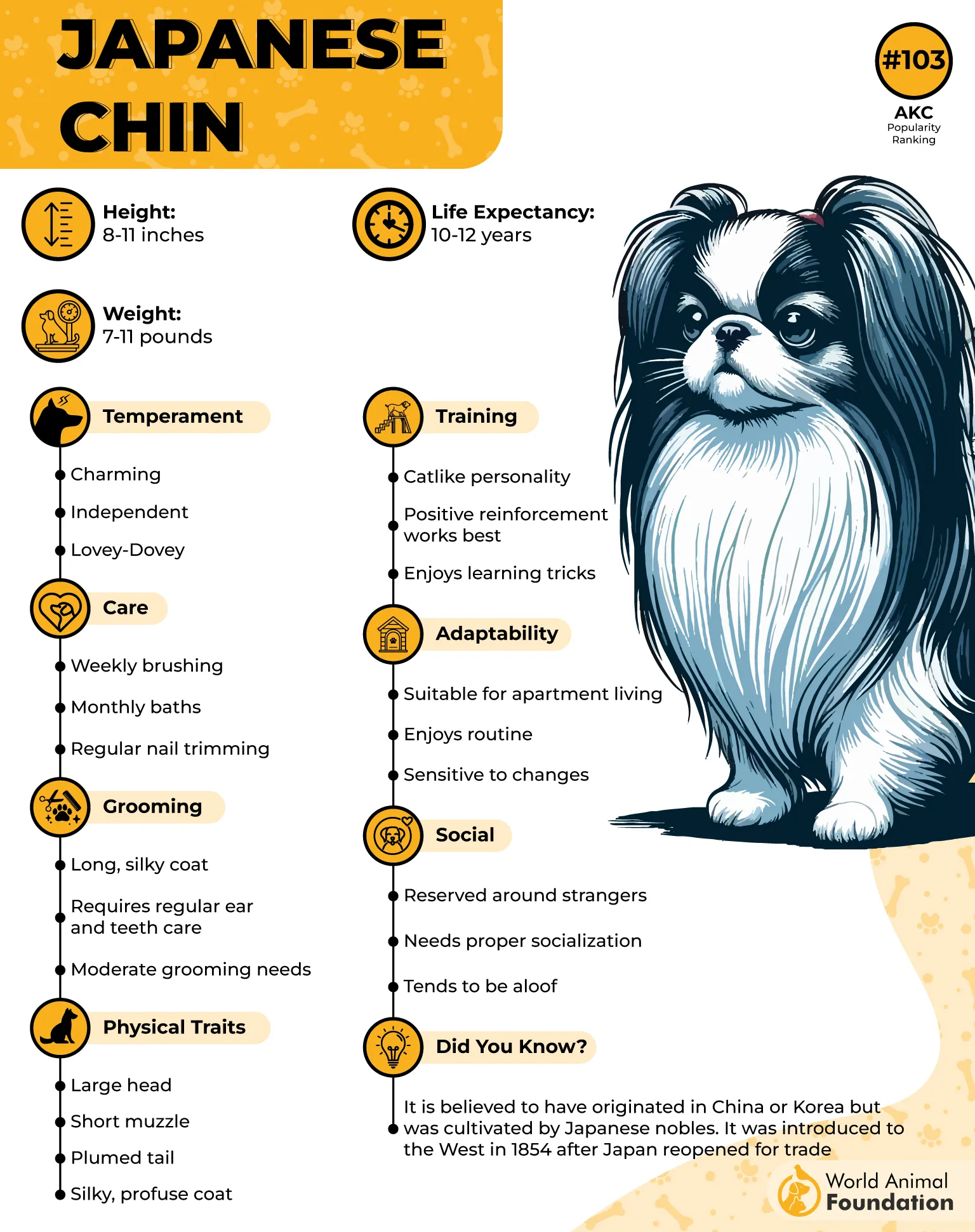
Their silky coats look fancy. With regular brushing, they are not hard to manage and do not usually overwhelm you with dog hair on every surface.
Because the Japanese Chin has a flat face, thoughtful veterinary care is very important, especially for breathing, eyes, and weight. Their small size makes them easy to lift and carry, which is helpful for older adults with limited strength.
In a quiet home, this dog offers close companionship without feeling demanding. With their fluffy coat and soft gaze, they quickly become wonderful companions for anyone who enjoys gentle, indoor days.
Why do seniors like the Japanese Chin?
Single, silky coats that require grooming but are simple to brush
Suit smaller homes where noise and running space are limited
Light, musical bark keeps the home peaceful yet alert
Great choice for elders seeking affectionate dogs that like staying close
5. Shih Tzu
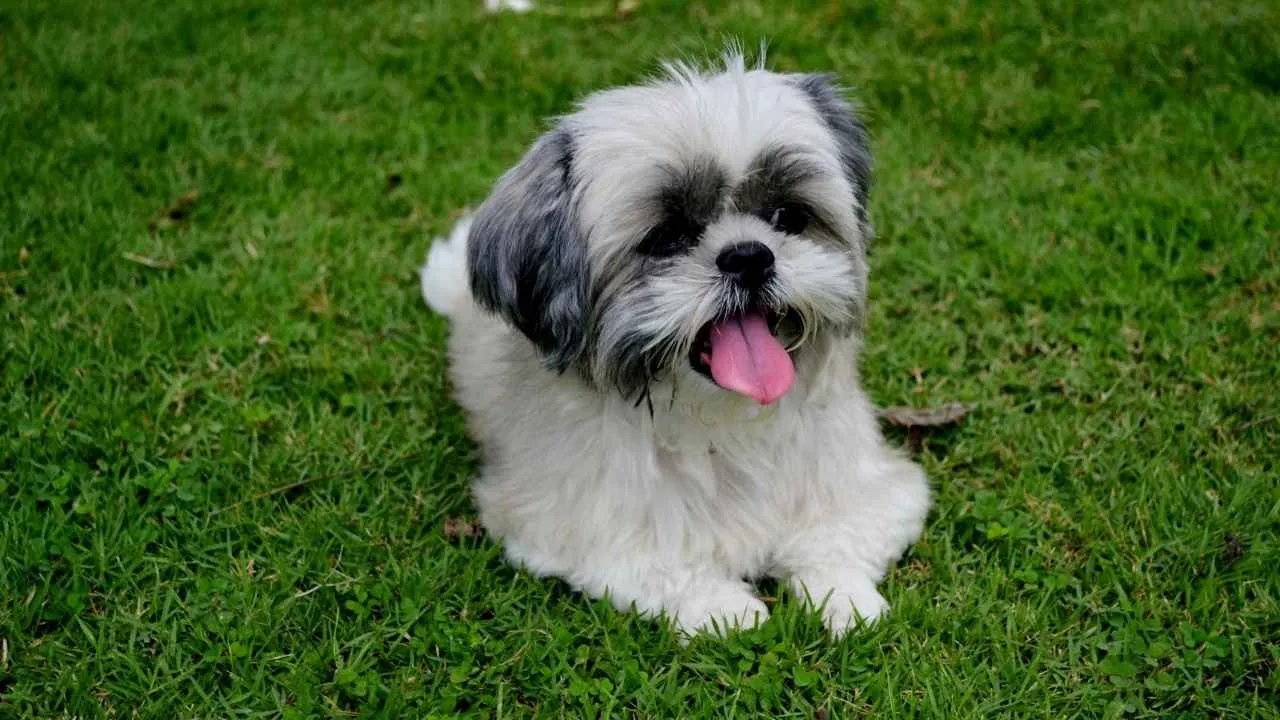
The Shih Tzu is a classic pick among the best dog breeds for seniors who dream of a calm lap partner. This little dog was bred only to sit with people, and you can feel it.
Most Shih Tzu pups love being lap dogs and staying near their person all day, as noted by Pawlicy Advisor. They are especially good for many seniors who want soft eyes and quiet company instead of endless fetch.
Their energy level is usually low to moderate. One play session and a couple of easy daily walks often do the job. After that, they are happy to nap, watch you cook, or simply stretch out beside you.
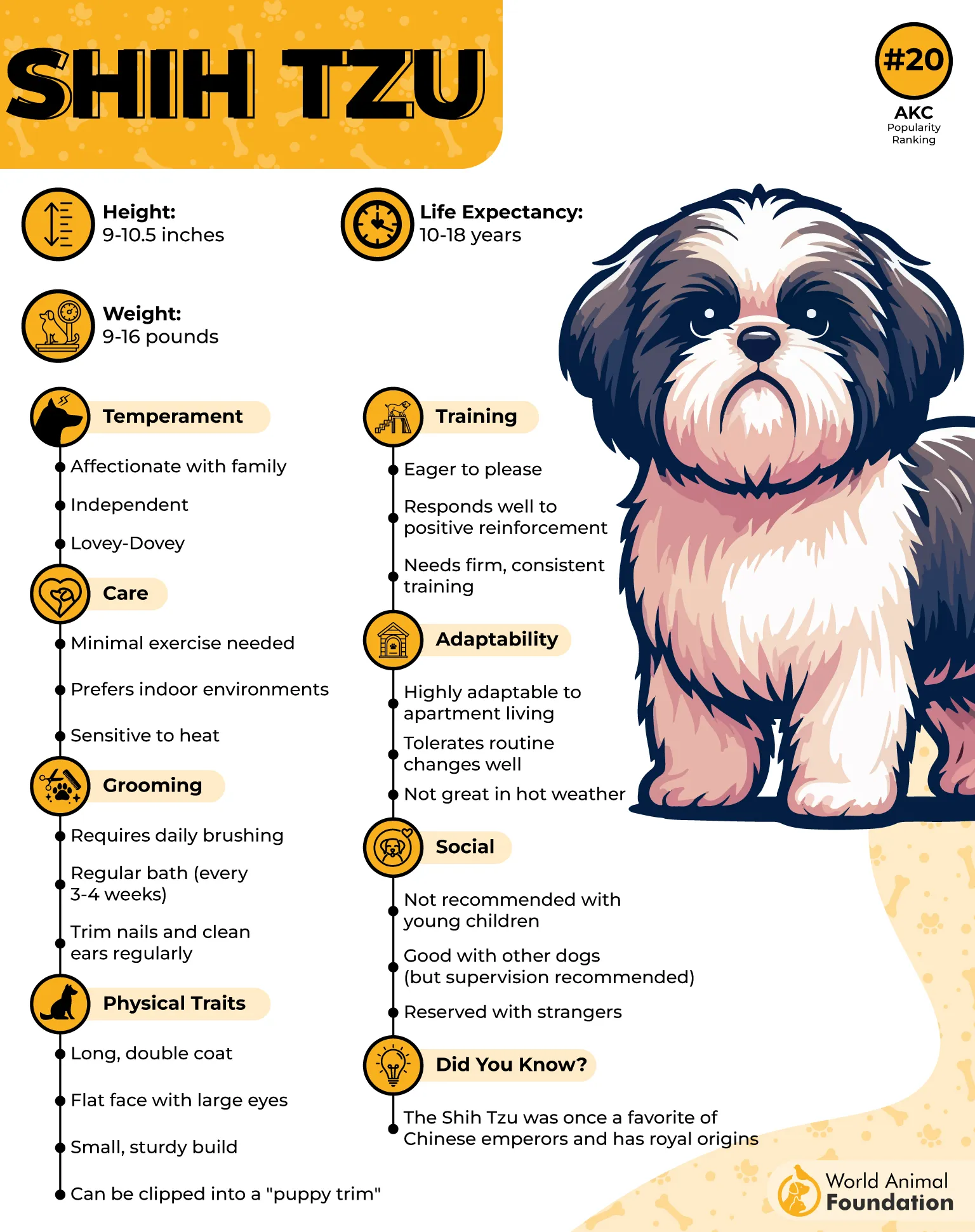
That pattern makes them a perfect dog for older adults who prefer routine and calm over big hikes. They can also be quite easy to train with praise and gentle handling.
The Shih Tzu’s long, fluffy coat does mean regular grooming, so some owners choose shorter clips to reduce grooming requirements. With steady brushing and routine veterinary care, many Shih Tzu live long, comfortable lives as beloved senior dogs in the family.
In return, they give soft affection and a cozy presence that supports day-to-day well-being and helps you stay active in simple ways.
Why do seniors like the Shih Tzu?
True lap dogs that are happy indoors with calm people
Small size that is easy to lift onto a bed or sofa
Flexible coat styles, from long, silky coats to neat, simple trims
A great match for citizens seeking low-energy, low-maintenance indoor pets
6. Cavalier King Charles Spaniel
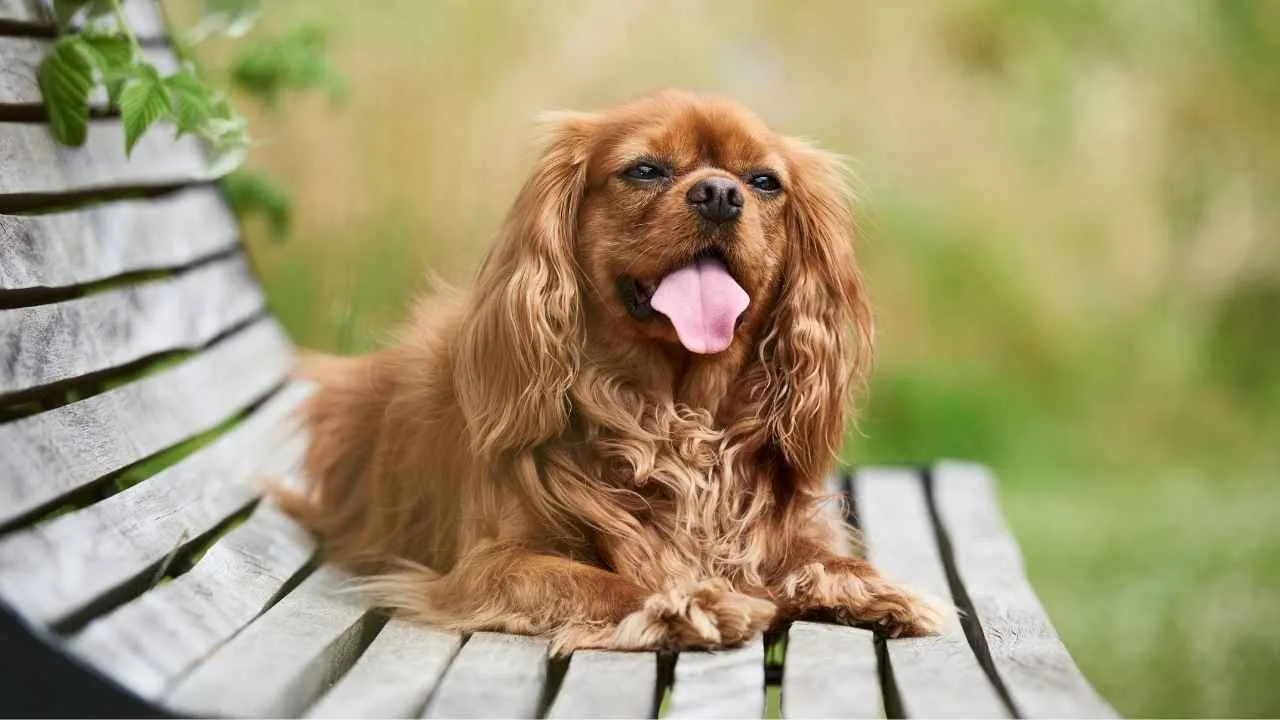
The Cavalier King Charles Spaniel is often named one of the best dog breeds for calm, loving homes. This type of dog spent centuries as a royal lap dog and still loves that job today.
Many Cavaliers melt into your lap, then hop up happily when you pick up the leash. They are famously affectionate dogs who bond deeply with their people and often greet everyone with a happy tail wag.
Their energy level is gentle to moderate. Most enjoy daily exercise in the form of short walks and simple games with toys, but they are just as pleased to cuddle on the couch.
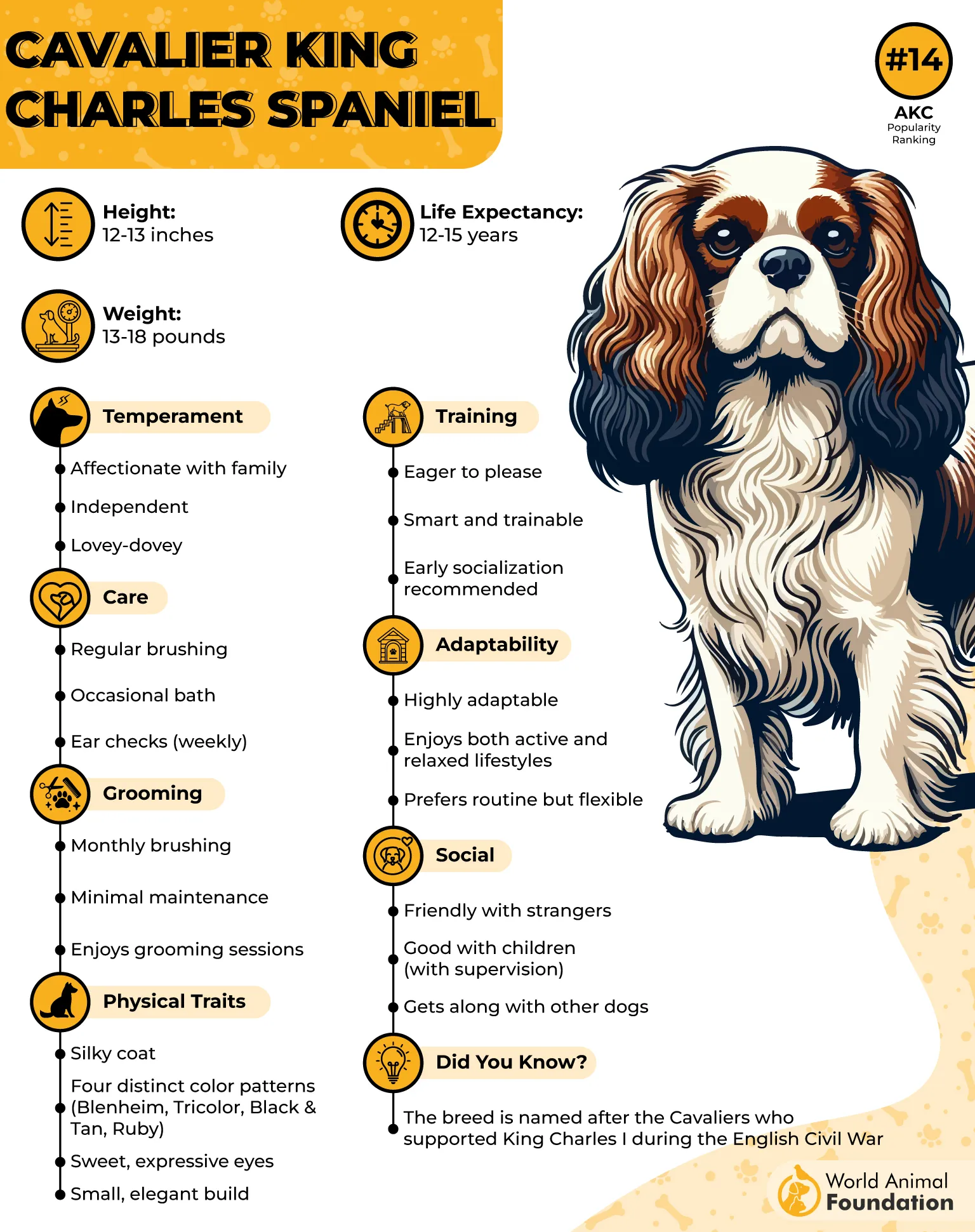
They are usually very easy to coach and eager to please, which makes life smoother for older adults. It is no surprise that PetMD lists the Cavalier King Charles Spaniel as one of the best dog choices for families seeking a soft, trusting friend.
Because this breed can face heart and ear issues, regular veterinary care is especially important. Their feathered, silky coats require grooming but are quite manageable with a steady routine.
For seniors seeking close companionship and a sweet nature, the Cavalier King Charles Spaniel can feel like the perfect lap dog for slow mornings, gentle TV evenings, and relaxed weekends with families.
Why do seniors like the Cavalier King Charles Spaniel?
People-friendly, often great companions for visiting small children
Enjoys daily walks that are steady but not intense
Compact size that still feels sturdy and comforting to hold
Known by the American Kennel Club and many others as one of the calmest toy dog breeds
7. Havanese
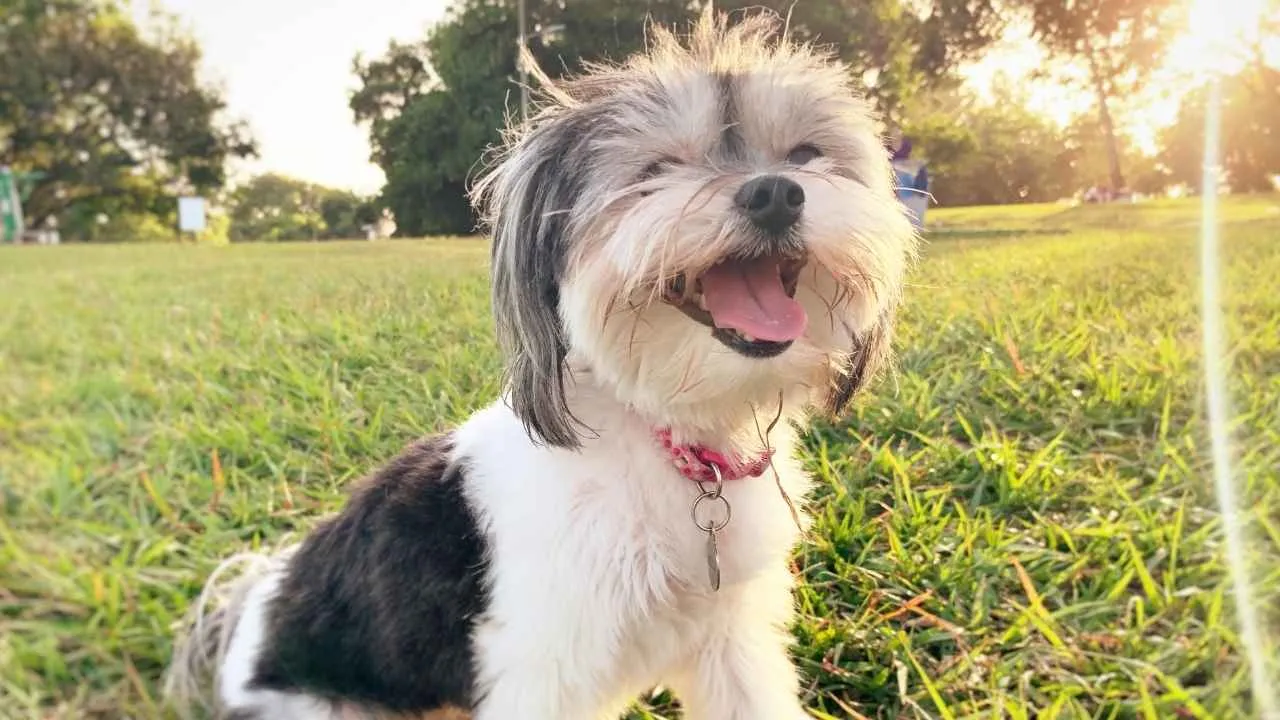
The Havanese is a bright, bouncy little star for seniors who like playful but polite pets. This type of dog was developed purely as a companion and quickly became known as a cheerful house friend.
Many Havanese have a steady, medium energy level. They love being near you, making soft eye contact, and showing off little tricks.
Most Havanese are happy with daily walks and a few fun games in the living room. Then they are ready to snooze at your feet. Their long, silky coats look glamorous, but with regular grooming, they can be kept soft and tidy.
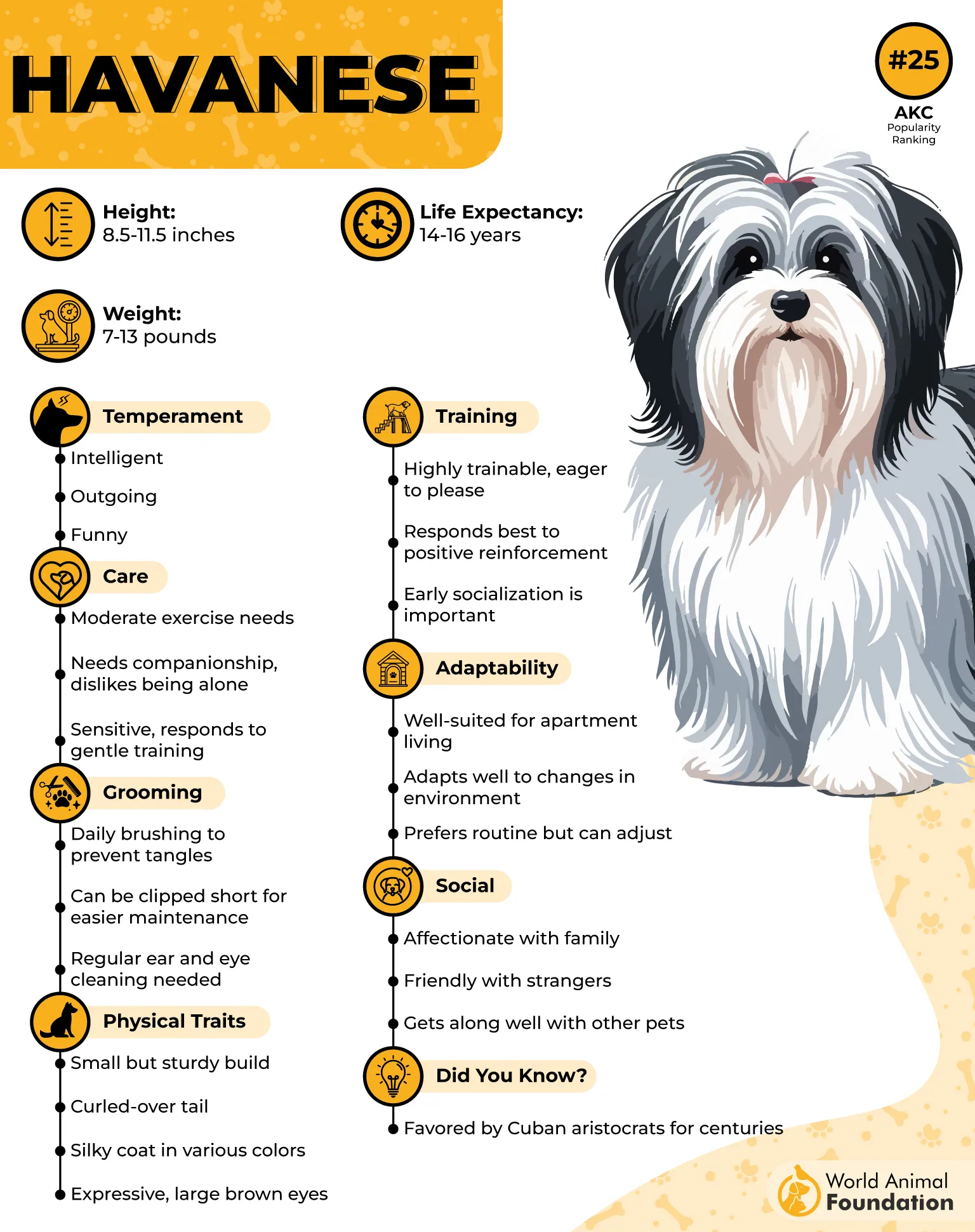
Some Havanese have a more hypoallergenic coat and shed less around the home, which can help older adults who dislike lots of dog hair. Their size also helps in tight living spaces like flats.
As with any breed, they need ongoing veterinary care, including teeth, joints, and weight checks. They thrive on human interaction and can become little Velcro pets, always close and watching you.
For seniors seeking emotional support and close companionship in their later years, the Havanese often feels like a furry friend who simply “gets” you and wants to share every small adventure.
Why do seniors like the Havanese?
Adaptable to many living spaces, from small flats to larger homes
Low to moderate exercise needs paired with playful, social energy
Often easy to train with praise, treats, and gentle training games
Suit older adults who enjoy interactive, affectionate dogs and light grooming
Conclusion
Choosing the right dog is one of those truly rewarding decisions in life. When you look at grooming needs, daily care, and the kind of pets that fit your pace, everything starts to feel clearer.
Many dogs can bring joy, but not every match will feel right. Take your time, think about your habits, and remember that good pet ownership is really about steady love and simple, everyday care.
You might meet a gentle Miniature Schnauzer, a playful Labrador Retriever, or a cuddly French Bulldog and feel an instant click. These dogs, and many other dog breeds, all have their own charm and needs. Some will suit your home better than others, and that is perfectly okay.
The goal is to find the dog that makes both you and your new friend feel safe, relaxed, and happy to share each day.
