




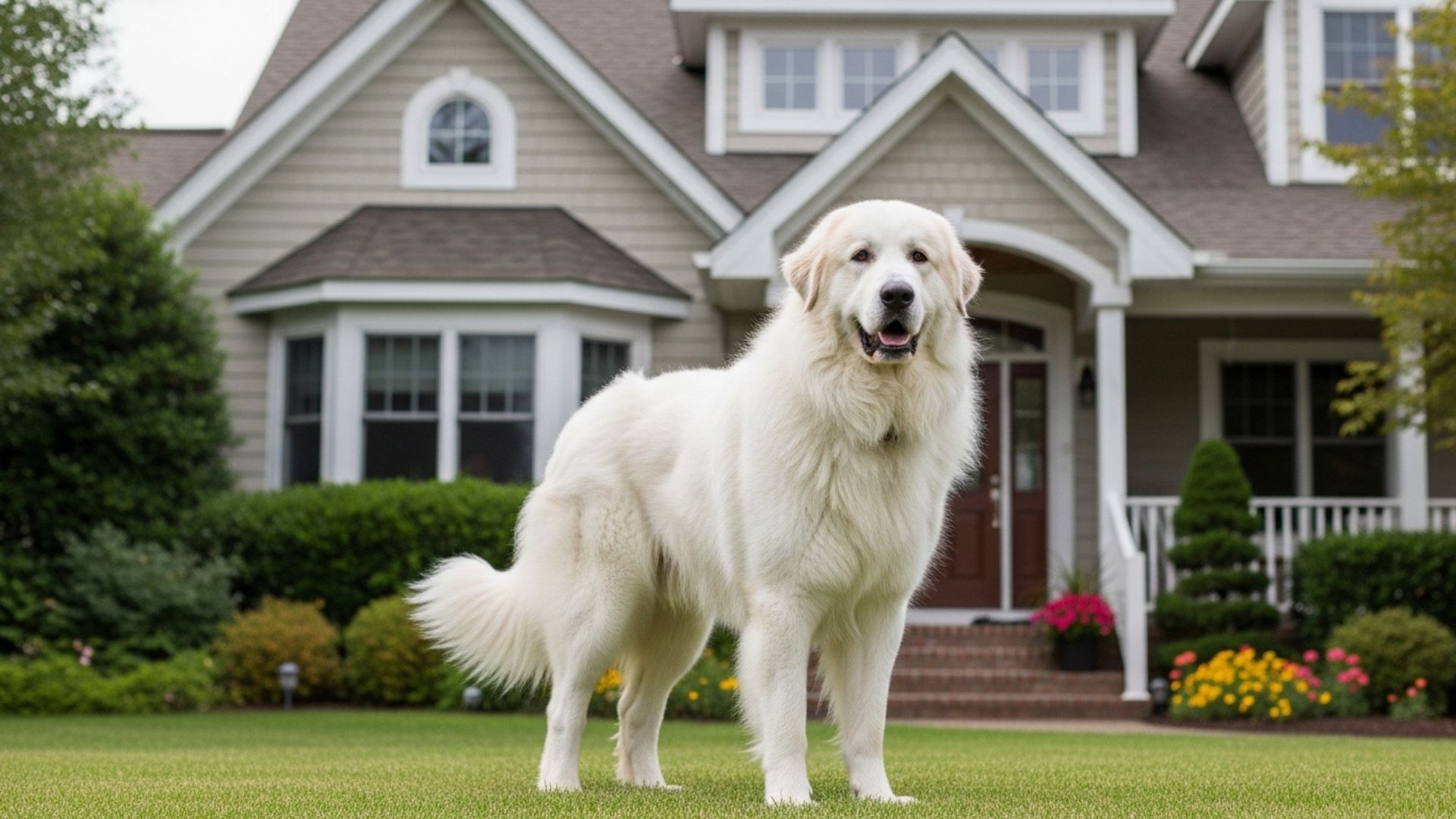
Ever thought about having a furry companion who’s not just a friend, but also a quiet presence that makes your home feel safer? Imagine a loyal partner who seamlessly blends into family life, adding warmth, fun, and a sense of calm while staying alert to everything around them.
A guard dog is trained to protect people or property, alerting or defending against intruders. They are loyal, protective, and territorial, and some can attack if needed. Guard dogs have been used since ancient times for livestock and home protection, and proper training is essential.
This blog highlights calm and protective breeds that are perfect for families, showing how they balance loyalty, gentleness, and natural alertness to create a safe, loving home environment.
Best Calm and Protective Dog Breeds for Families
1. Boerboel
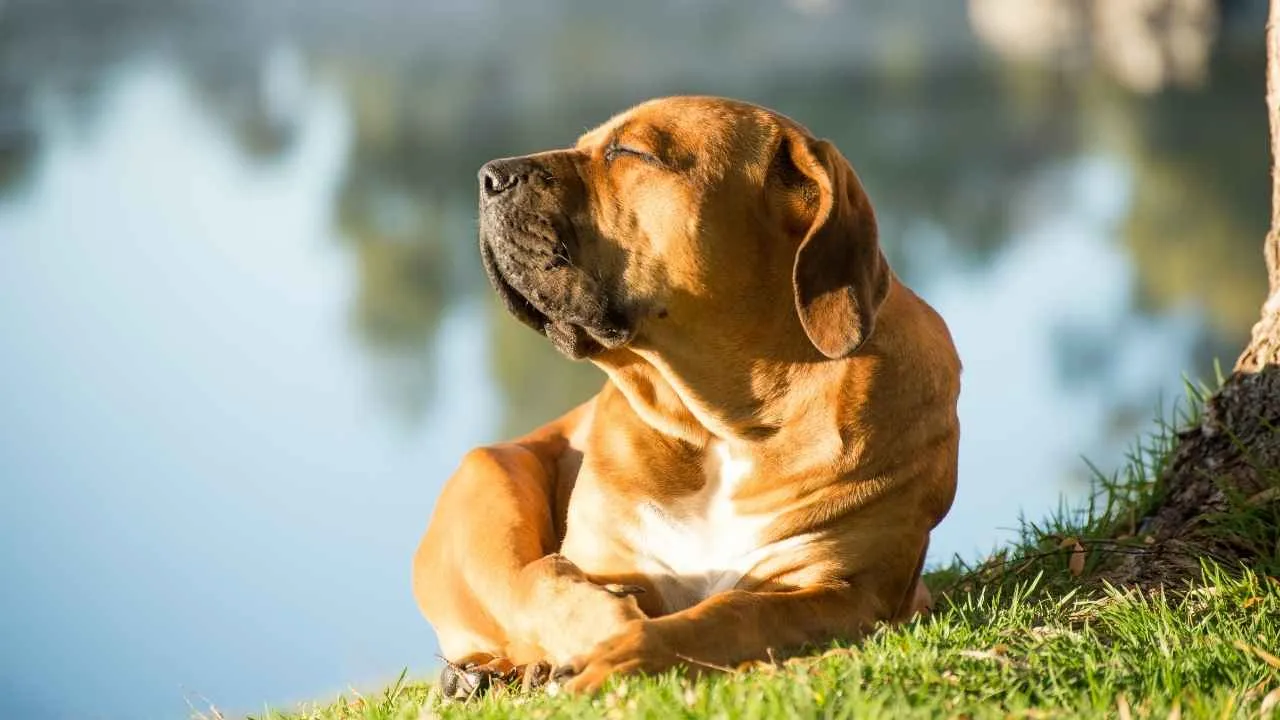
Imagine a 150-pound bestie who genuinely enjoys joining your morning workout or training session. This massive companion remains intensely loyal, focusing its energy on staying active alongside you. Because the Boerboel loves your company, you’ll find a dedicated partner for every adventure.
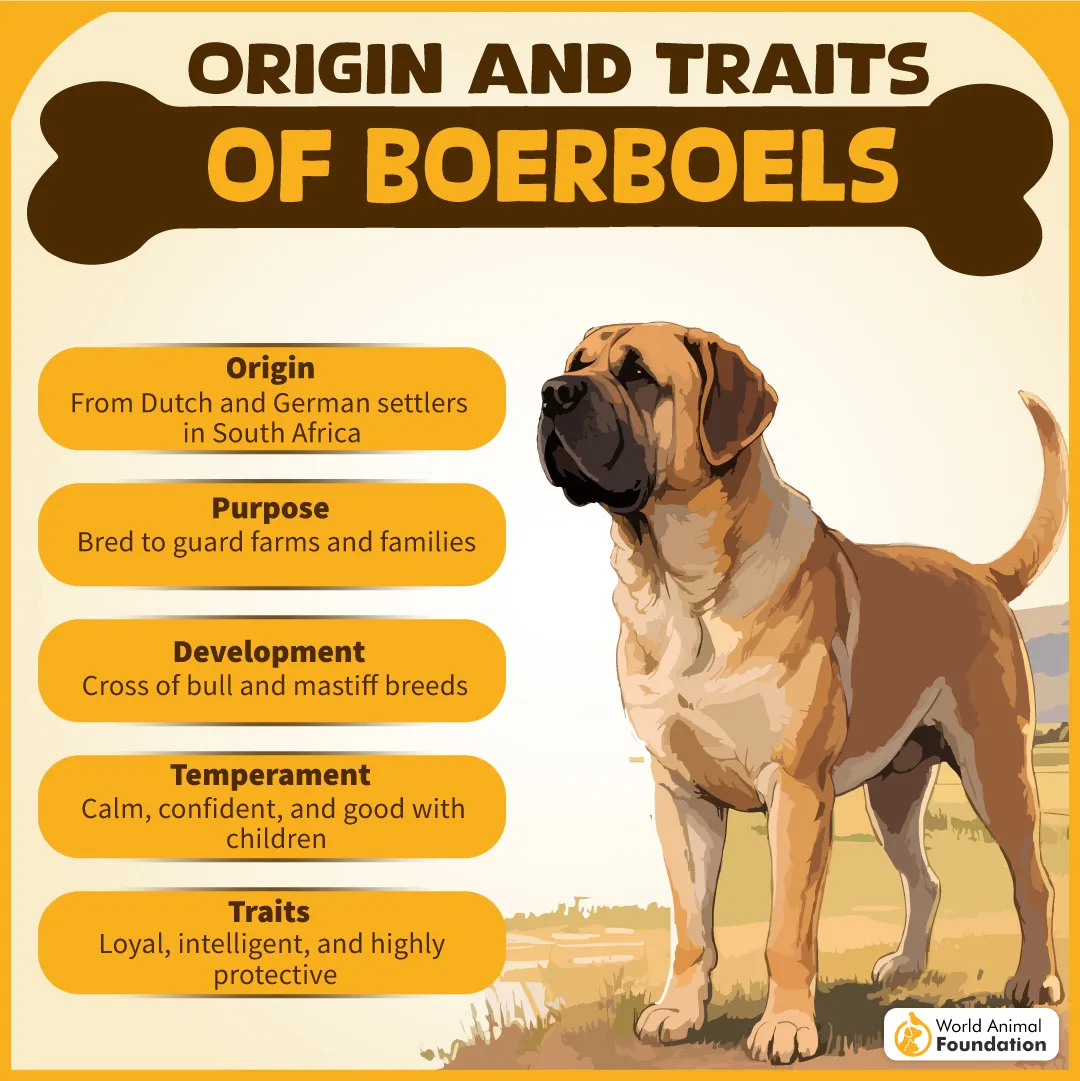
While they possess a dignified and calm demeanor, they are also fierce defenders of their home. This powerful guard dog breed can distinguish between a welcome guest and a potential threat with precision. Moreover, a properly-trained Boerboel is gentle enough to serve as a therapy dog.
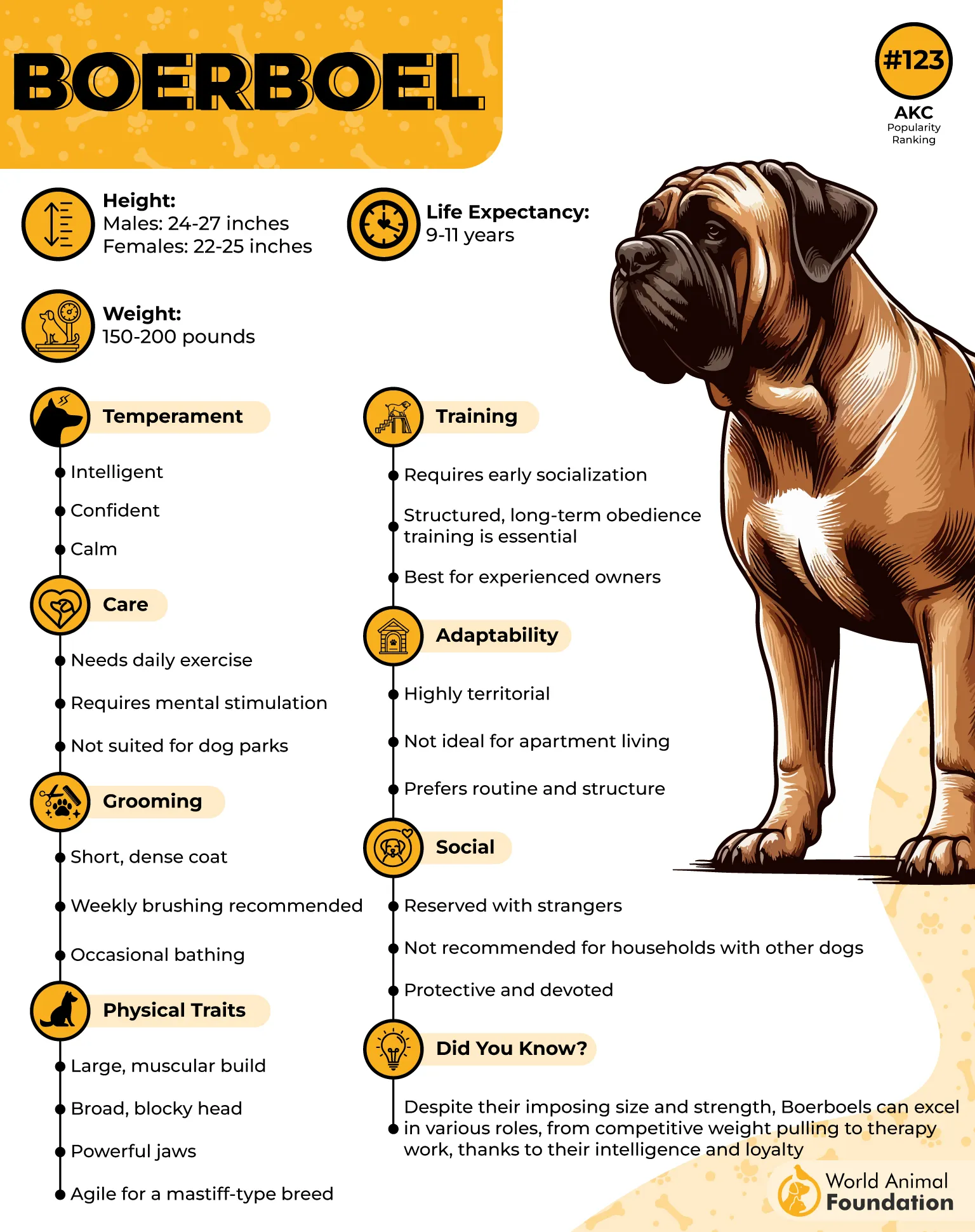
You might notice a bit of a “side eye” when new people first arrive at your house. However, once you provide a proper introduction, the Boerboel quickly welcomes your guests into the inner circle. They truly thrive when they feel like an integral part of family activities.
To keep their intelligent minds sharp, try incorporating puzzle toys alongside vigorous movement. Long hikes or jogging sessions are perfect ways to help a Boerboel burn off steam. Consistency ensures your family dog remains relaxed and well-behaved.
2. Saint Bernard
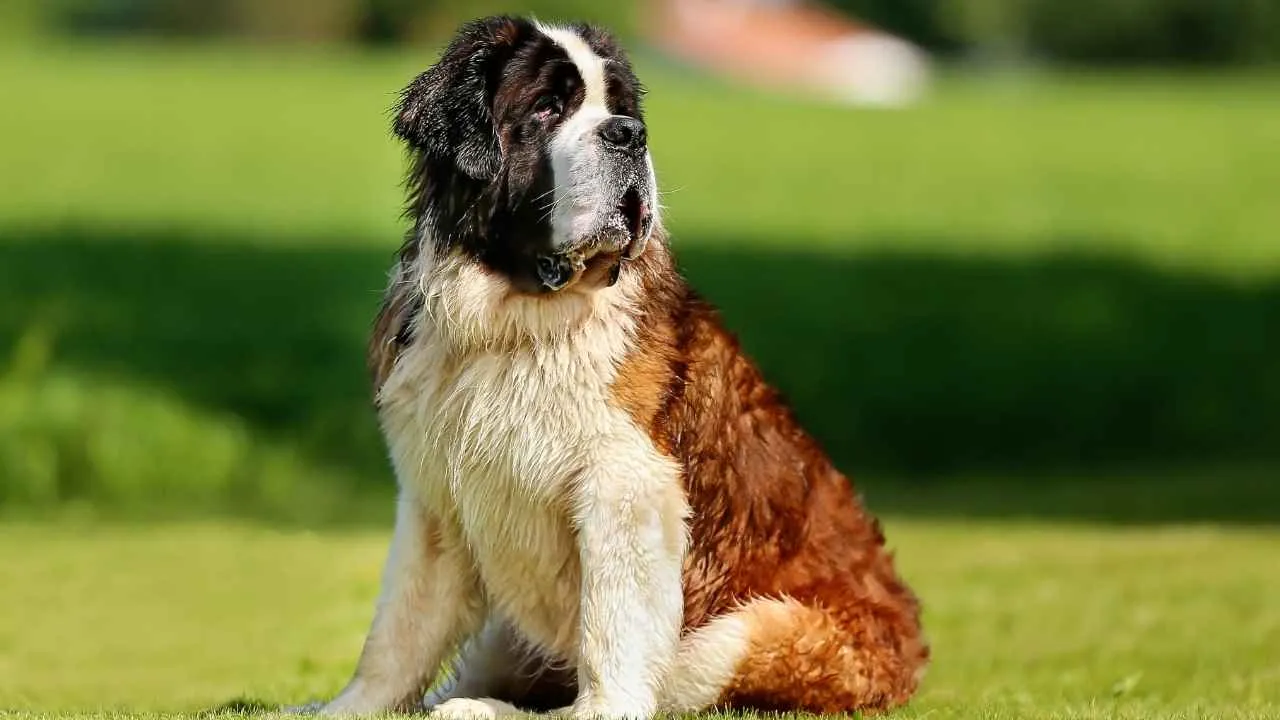
These famous rescuers possess a gentle spirit that balances their immense physical strength. You can count on the Saint Bernard to be an excellent guard dog, especially regarding the safety of small children. Their protective nature ensures they stay vigilant and remain incredibly loving family pets.
Historically, these giants spent their days in the Swiss Alps saving travelers trapped in deep snow. It is comforting to know that a Saint Bernard carries that deep-seated rescue and protection instinct today. You never know when those legendary skills might come in handy during a winter stroll.
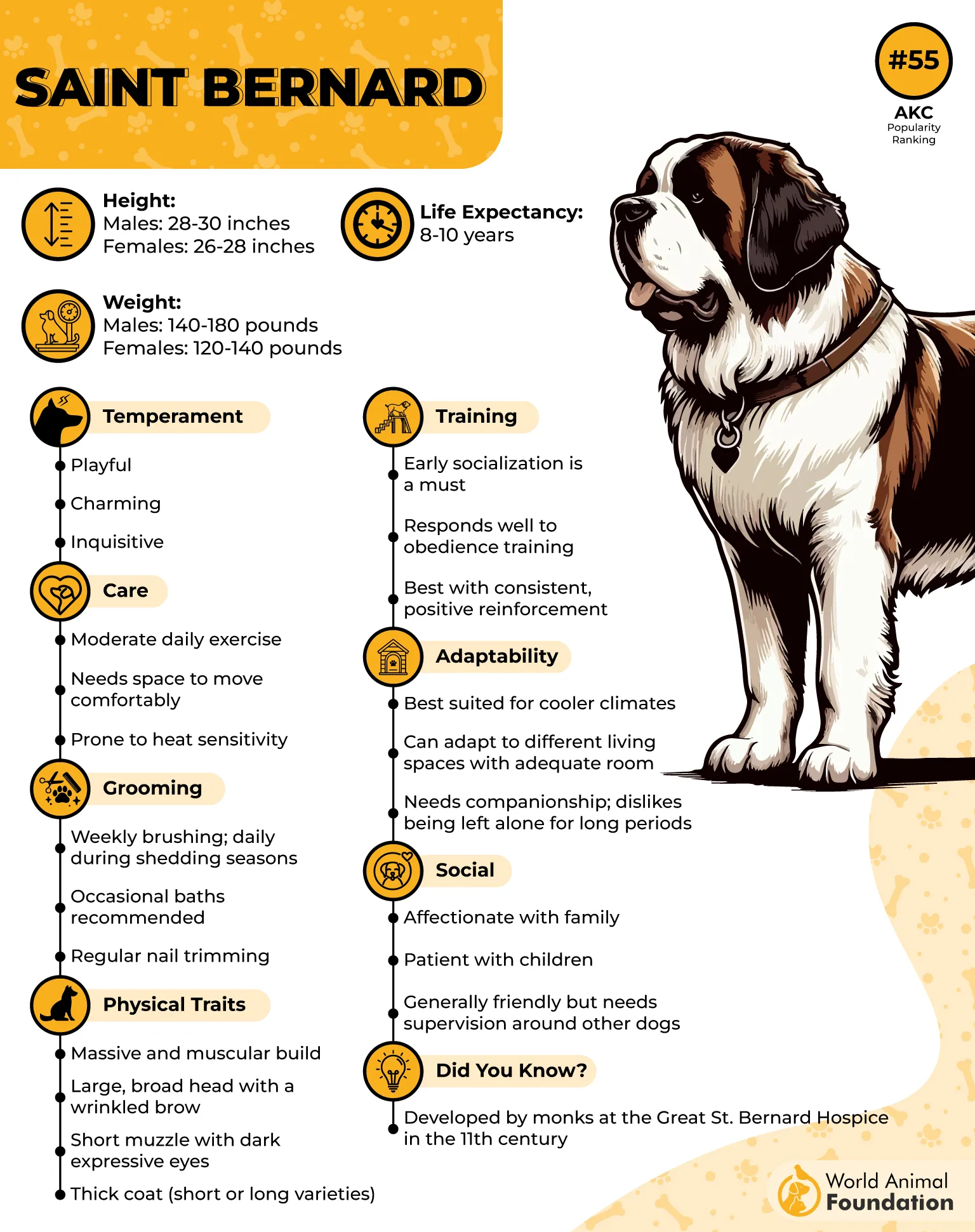
Since they are quick learners, you only need fifteen minutes of daily practice to master basic tasks. This is one of the smartest breeds that respond best to short, simple words during their early training sessions.
Because they are social, these “Bernies” thrive on constant human interaction and family play. Be careful about leaving a Saint Bernard alone, as they can suffer from significant separation anxiety. Staying involved prevents your giant teddy bear from becoming a nightmare.
3. Pekingese
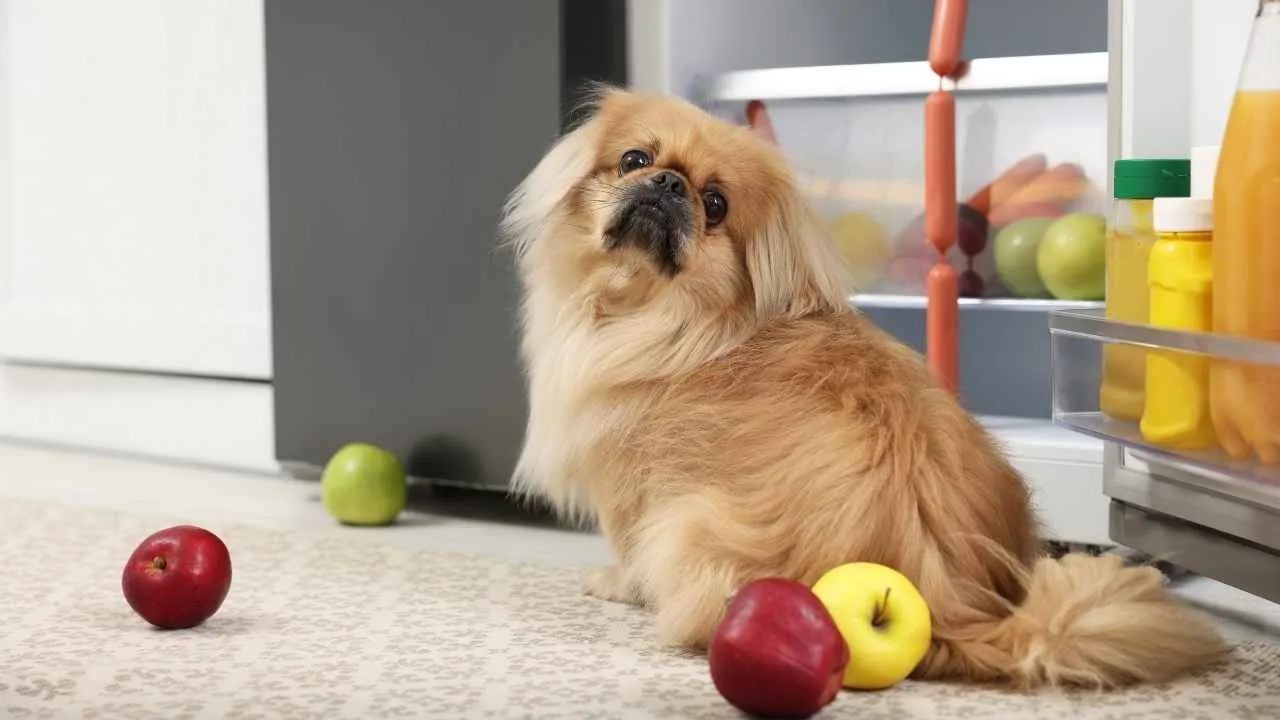
Bred to look like mythical “foo dogs,” these little guard dogs have a regal and historic presence. Don’t let their small stature fool you, as the Pekingese was valued for its bravery in the Imperial City. They carry themselves with an air of importance.
Centuries ago, tiny versions of these dogs would hide inside the flowing sleeves of royal owners. This allowed a Pekingese to act as a hidden security system, surprising any intruder with sharp barks. This unique history explains why they can be a great family guard dog.
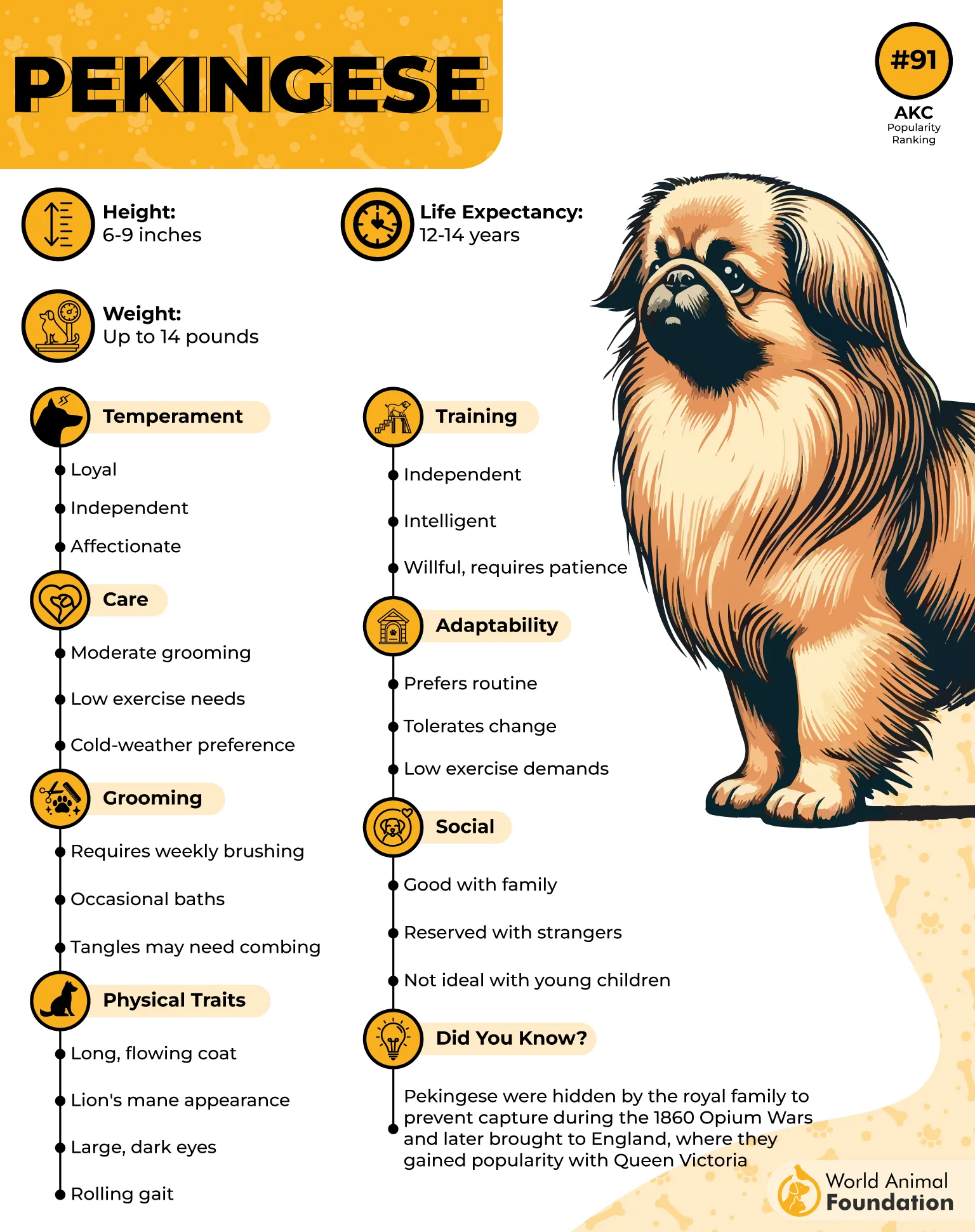
You will find them to be inquisitive pets that stay alert to every tiny movement. When something catches their attention, the eyes of a Pekingese come alive with a fearless and loyal spark. They manage to be observant without showing unnecessary aggression.
Beyond their natural guarding instincts, these pups are affectionate enough to excel in a therapy role. A calm Pekingese loves visiting hospitals where they can enjoy quiet companionship with patients. Just remember to keep them cool, as they are sensitive to heat.
4. Tibetan Spaniel
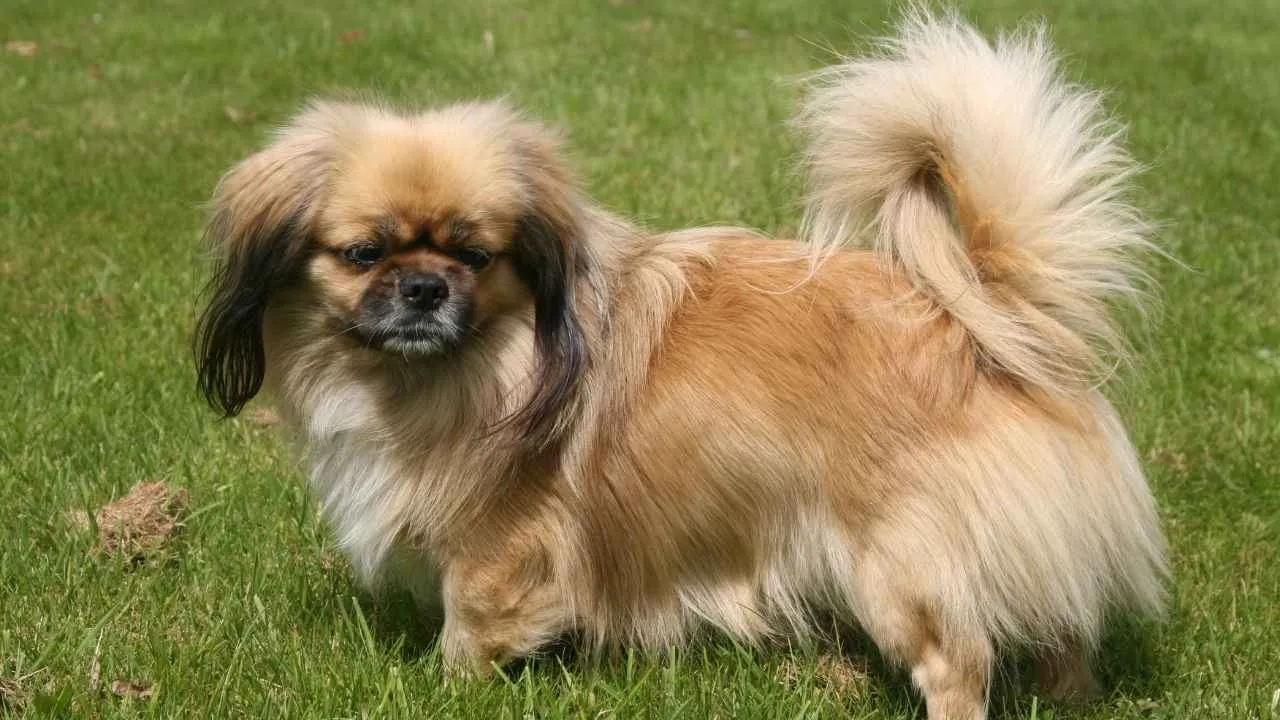
These active companions are completely devoted to their families while remaining reserved around strangers. As a dedicated companion breed, the Tibetan Spaniel truly dislikes being away from its favorite humans.
In their homeland, these dogs served as watchful sentries who would rouse the entire household. While the Tibetan Spaniel is too small to be a physical protective guard dog, its vocal alerts are effective. You will always know when someone is approaching your front door.
Training this intelligent breed is manageable if you approach it with consistency and patience. Occasionally, a Tibetan Spaniel might display a stubborn streak that requires a firm, knowledgeable hand. Their cleverness makes the learning process rewarding.
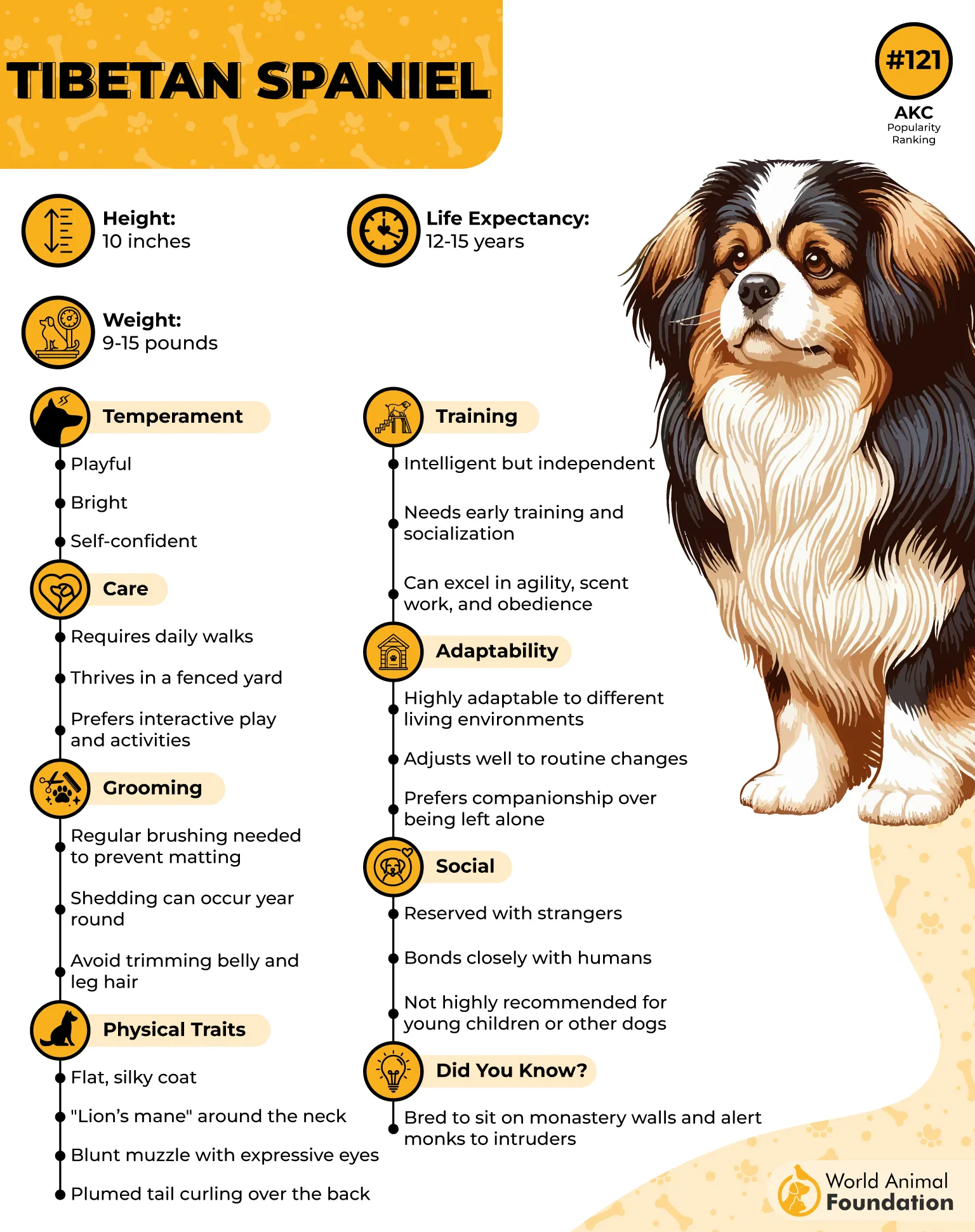
To keep that long, silky coat looking its best, brush it at least twice a week. Regular maintenance helps the Tibetan Spaniel stay free of tangles and keeps their fur shining naturally. Only reach for the shampoo when they are actually dirty to protect their sensitive skin balance.
5. Irish Wolfhound
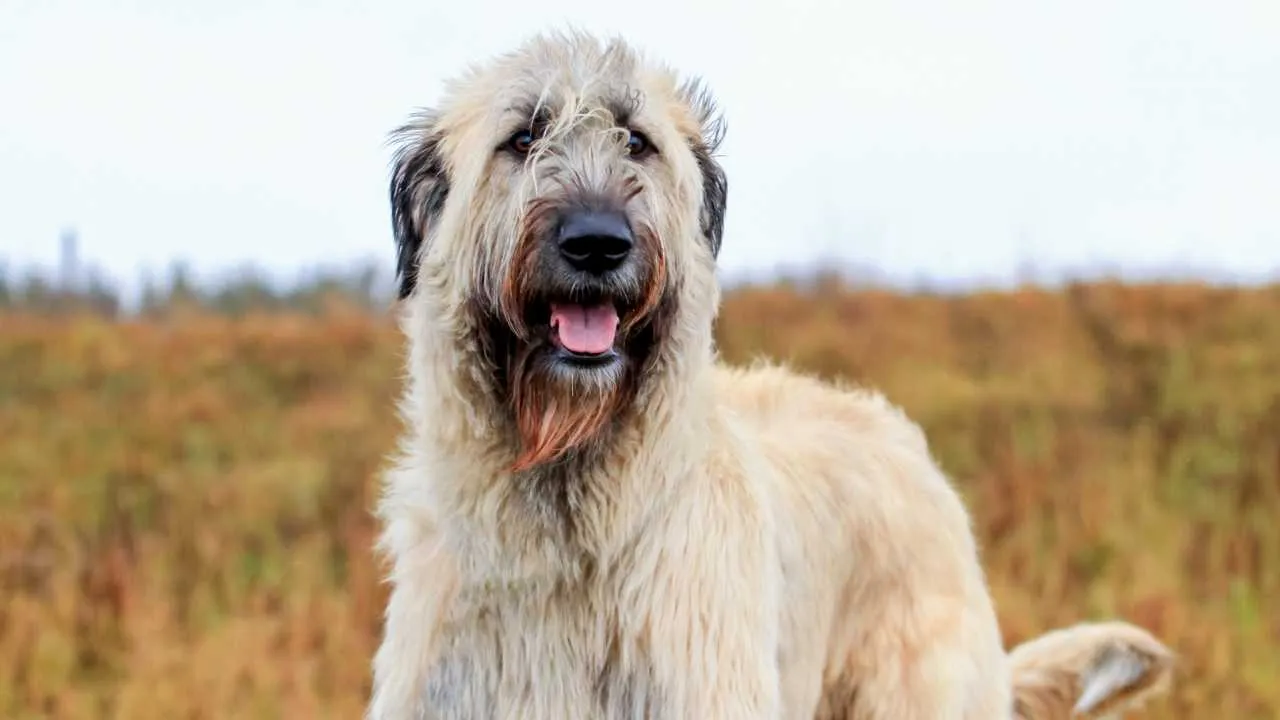
Known as one of the tallest breeds, these gentle giants possess a remarkably serene personality. Even though its stature is imposing, the Irish Wolfhound puts visitors at ease with its quiet energy. They represent a perfect blend of massive size and a peaceful, grounded spirit.
While they aren’t typically great guard dogs, their sheer scale and deep bark serve as a powerful deterrent. An Irish Wolfhound will remain fiercely loyal and step up if it senses a genuine threat. Most of the time, they are content to be a watchful and quiet presence.
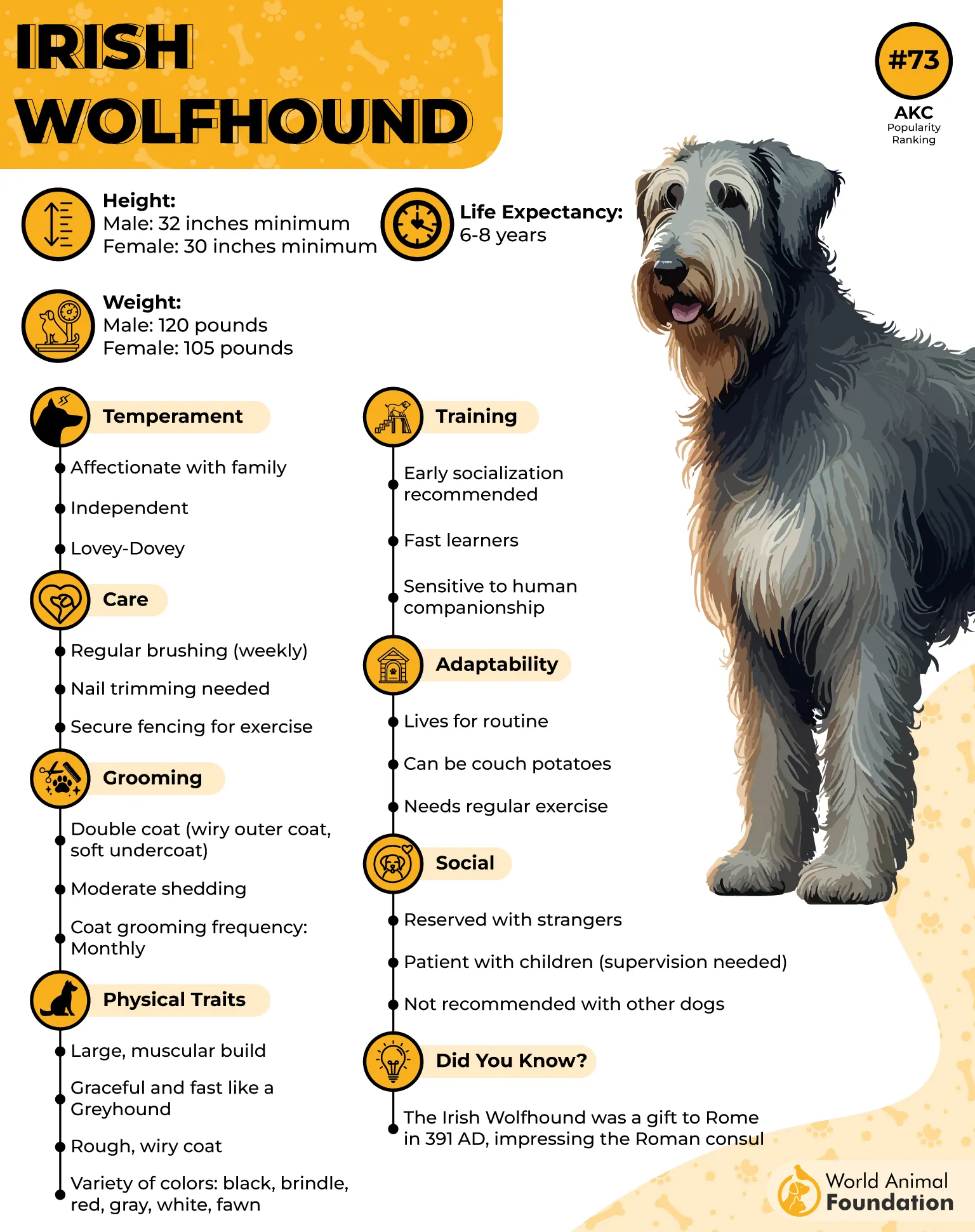
You will find that their patient nature makes them wonderful companions for homes with young children. These large dogs form deep bonds and treat smaller human siblings with incredible tenderness.
Whether you have a large home or a cozy apartment, these dogs adapt well to your environment. A relaxed Irish Wolfhound is often low-maintenance indoors if they get a good daily walk. Their ability to fit into a family life is truly a remarkable trait.
6. Newfoundland
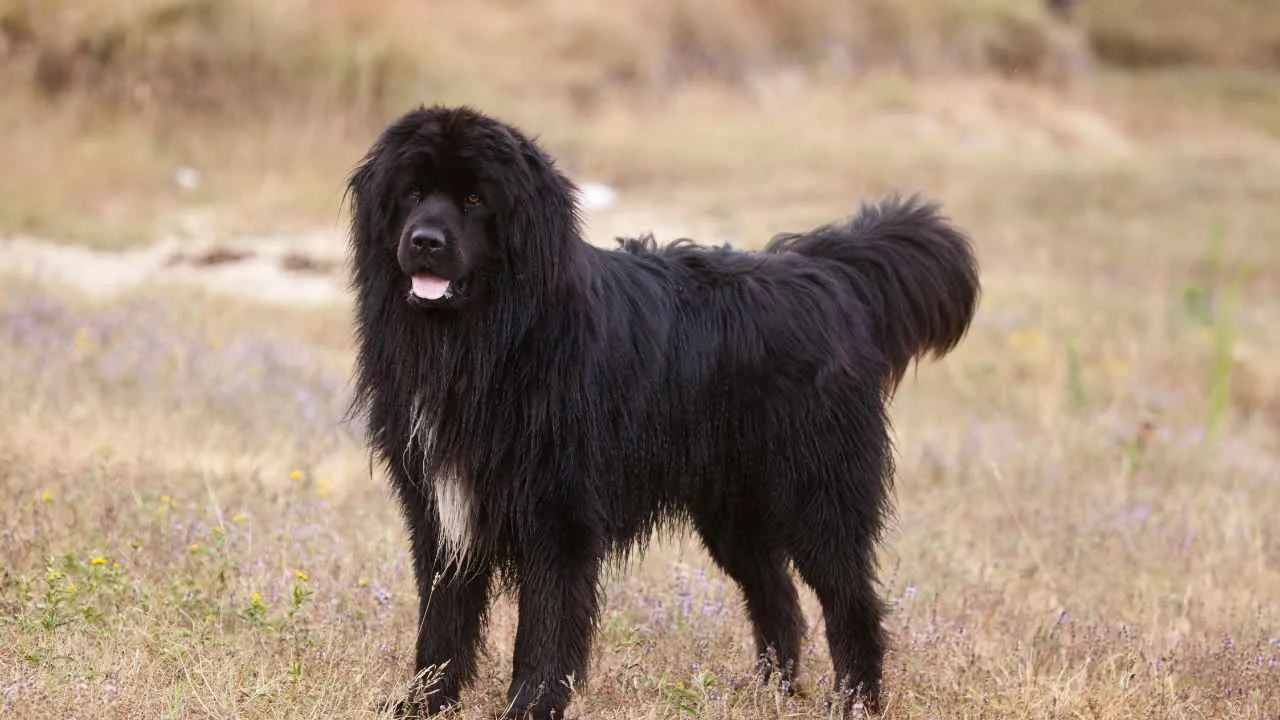
Developed on a rugged island, this working breed likely shares ancestors with the powerful Great Pyrenees. The Newfoundland has a long history of performing difficult tasks, which contributed to its hardy nature.
Most people are surprised by how calm and easygoing these giant dogs remain throughout the day, as mentioned by PetMD. A typical Newfoundland is affectionate with everyone, from strangers to the other household pets. They generally prefer a peaceful environment where they can lounge near their favorite people.
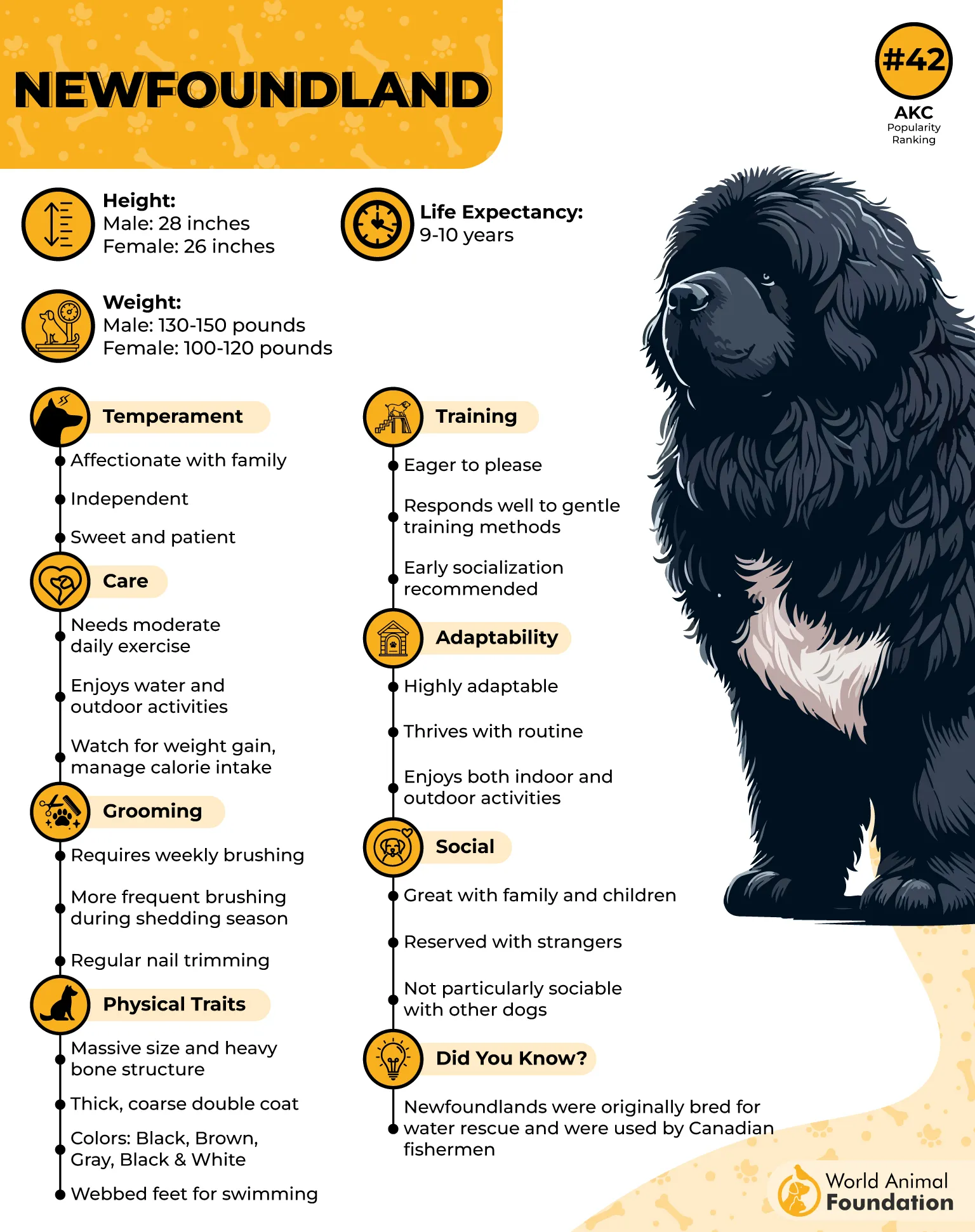
Deep down, they possess an intuitive protective instinct that allows them to sense family distress. This strong guarding instinct ensures that a Newfoundland is always ready to act as the best guard dog if needed. No doubt, their physical power provides a great sense of security.
Crucially, these intelligent dogs are experts at telling the difference between a threat and a guest. This discerning nature allows the Newfoundland to be a safe dog for your family while remaining a vigilant guardian. However, proper training can be beneficial in managing their behavior.
7. Great Pyrenees
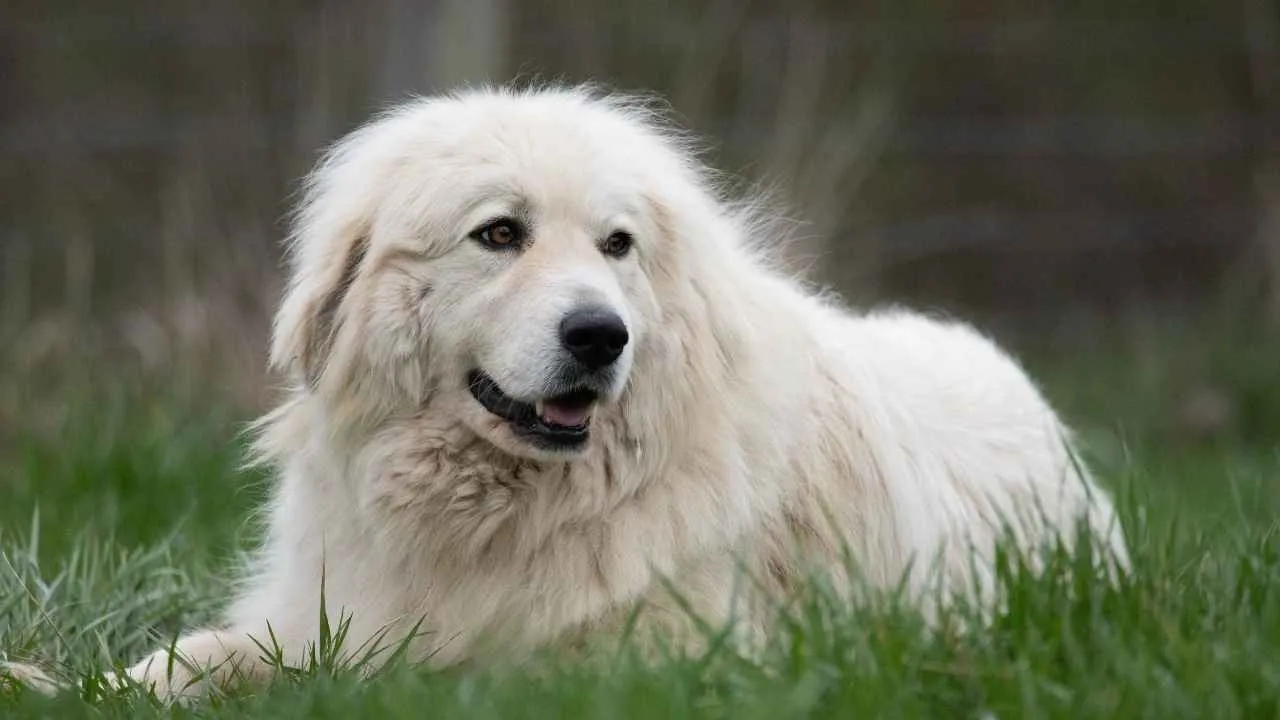
The Great Pyrenees is a majestic giant that was originally bred in the snowy Pyrenees mountains. These kind, gentle dogs are known for their fluffy white coats and very cool demeanor. They bring a sense of peace and steady protection to any family home.
Despite being a gentle giant, this breed possesses very strong territorial instincts to protect its family. A Great Pyrenees acts as a protective dog breed that stays composed while watching over its domain. They are naturally wary of anything that seems out of place.
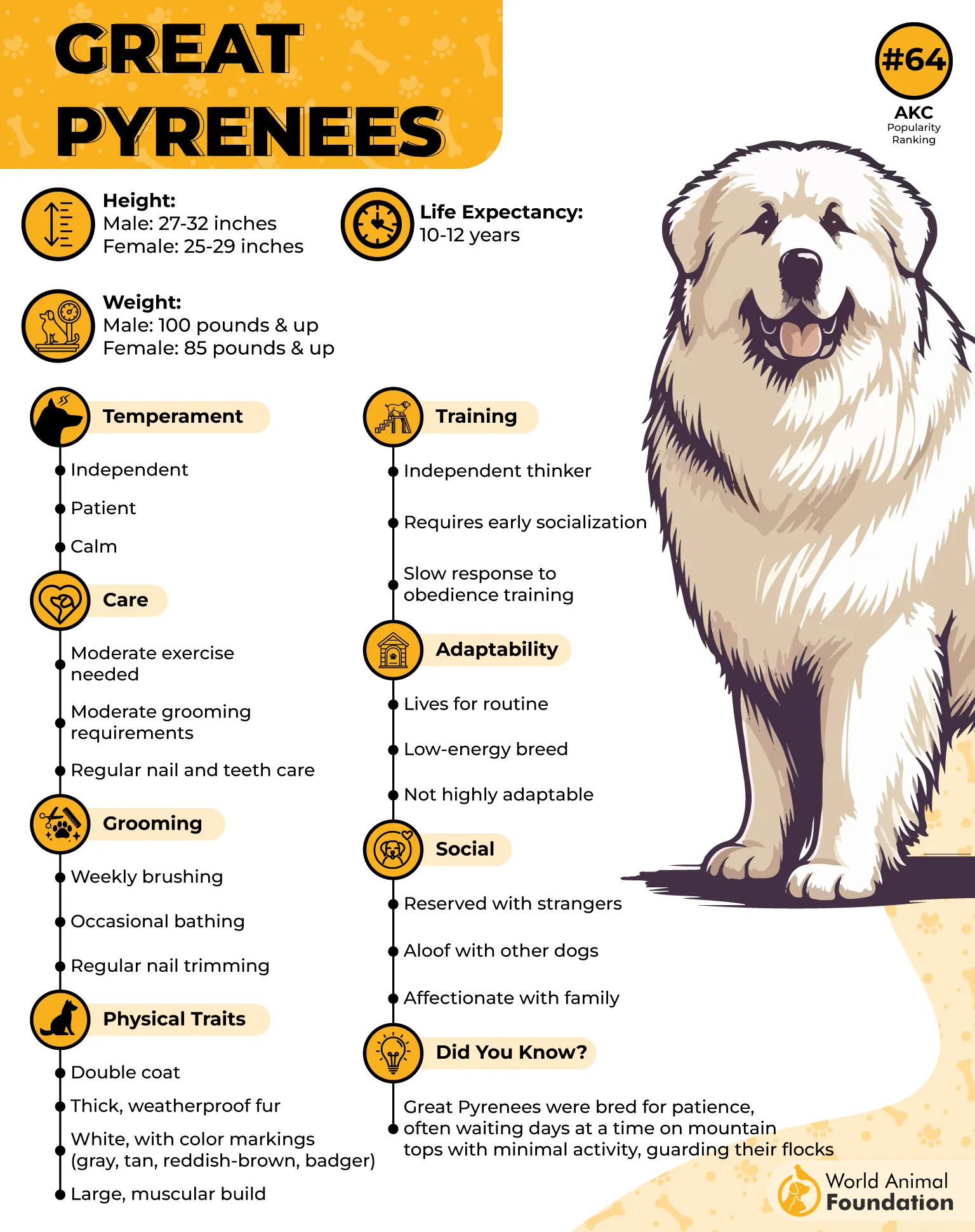
This protection dog requires a leader who can provide positive guidance through proper obedience training. According to the American Kennel Club, proper socialization helps the Great Pyrenees learn how to behave in social settings. Firm leadership let them understand their important role within the family.
Because this furry breed is very sensitive, you should avoid using loud yelling or physical punishment. Firm voices and reward methods are much better ways to handle a wayward Great Pyrenees during training. Patience ensures they remain great family pets and loyal protectors.
Conclusion
Choosing the right guard dog is really about balance. You want a companion who feels calm at home, gentle with kids, and still alert enough to make you feel safe. That quiet confidence matters more than constant intensity.
What stands out is how these companions rely on instinct, loyalty, and emotional awareness rather than aggression. With proper training, social time, and daily engagement, they naturally settle into their role as steady guardians.
At the end of the day, the best choice is one that fits your lifestyle. Give them structure, affection, and trust, and you will gain not just protection, but a deeply devoted family member.
