




Want a protector who stays chill and loves you hard? Meet these breeds.
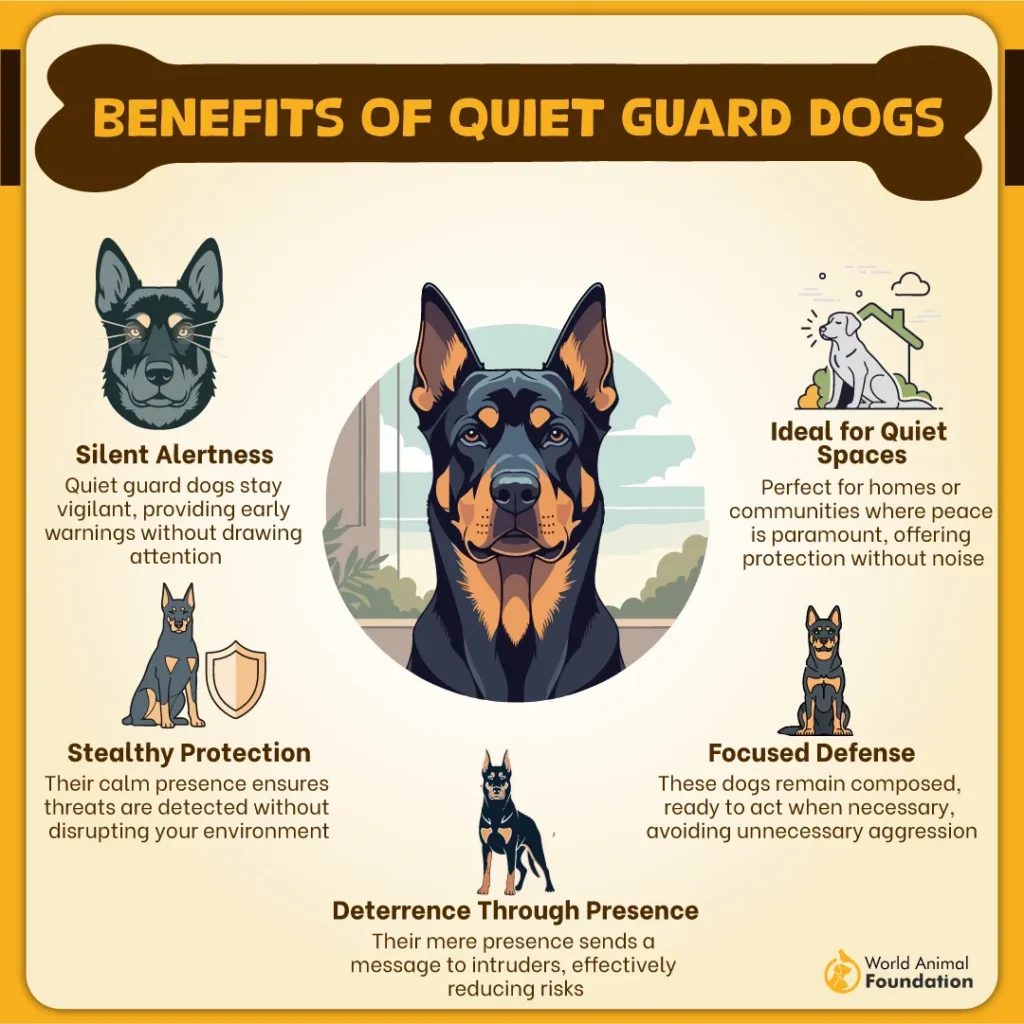
Quiet protection is a real thing, and honestly, it feels amazing. You want a guard dog who notices changes, but does not lose their mind over every sound. You want steady loyalty, a calm head, and a presence that quietly says, “You’re safe here.”
And here’s the best part! Calm does not mean weak. Many calm dog breeds are natural guardians. They stay relaxed, watchful, and grounded. But when something truly feels wrong, they step up without panic or drama.
So what does quiet protection look like in real life? It looks like a dog that watches the door without barking nonstop. A dog who accepts guests after you say it’s okay. A dog who can settle down, even when life gets loud.
Sounds perfect, right? Let’s break it all down.
Best Calm and Loyal Dog Breeds for Quiet Protection
1. Kuvasz
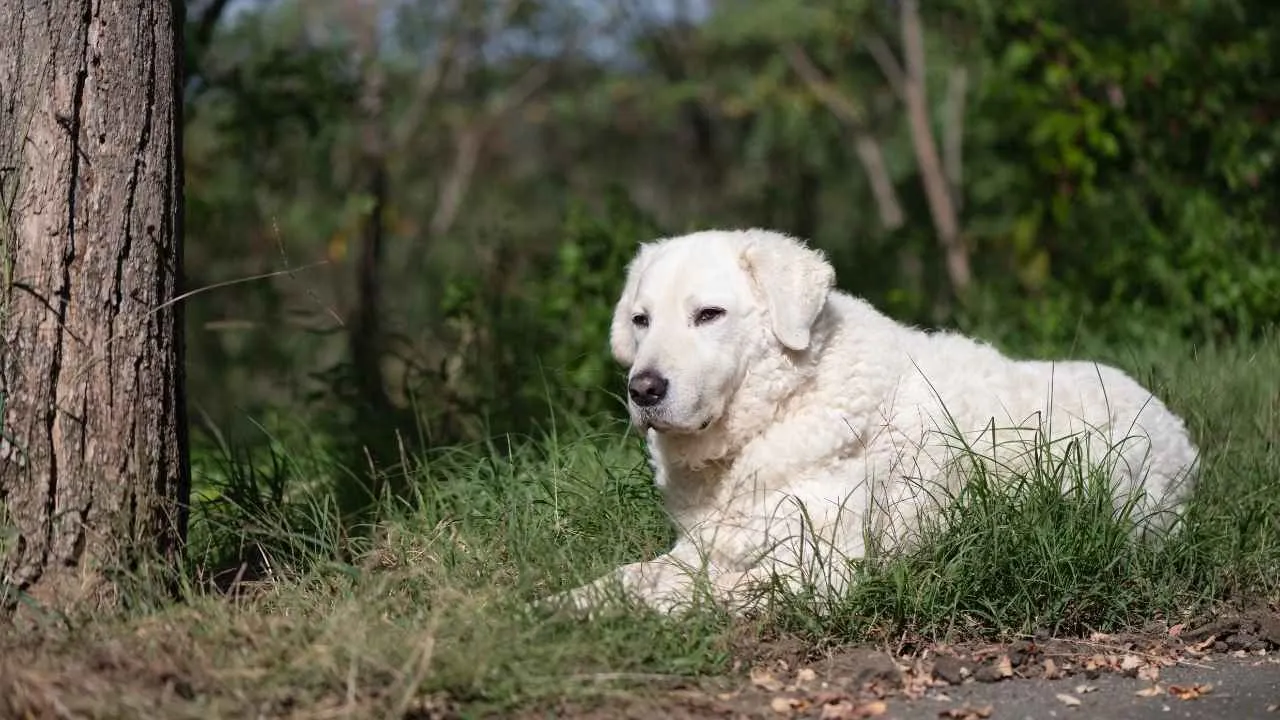
According to Purina, the Kuvasz is the type that does not make fake friends. They bond hard with their family, then take their job seriously. They were used as livestock guardians, so they are wired to watch and decide fast.
They can seem chill at home, then turn alert in one second. They are smart, but also stubborn. That is not “bad,” it just means they do not follow orders like a robot. You earn their respect with calm, firm training.
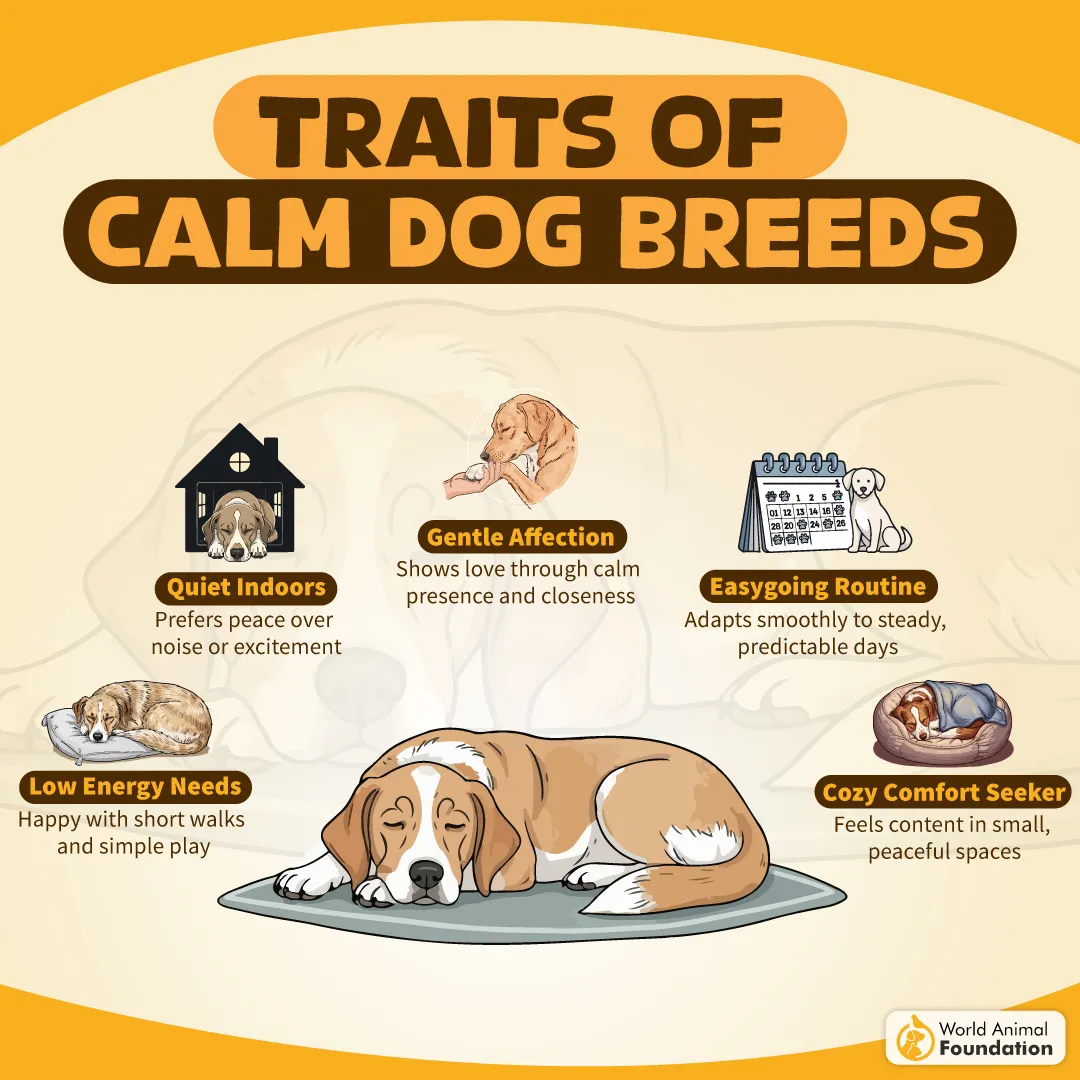
They are often wary of strangers, so early social time is huge. The goal is simple. Teach them what “normal” looks like, so they save their serious face for real problems. When that clicks, you get quiet protection that feels steady, not messy.
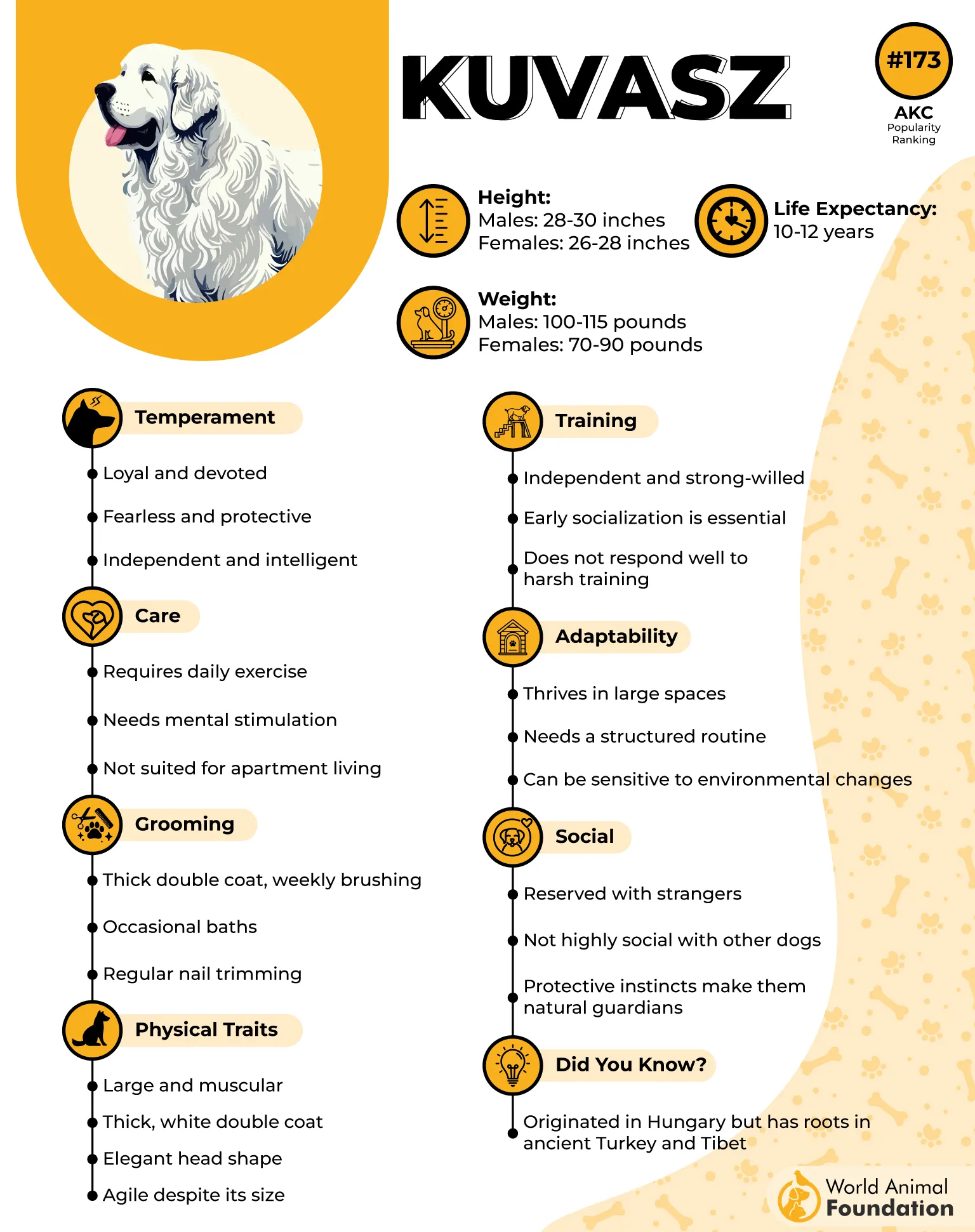
Quiet protection style
They guard with their eyes first, not their mouth.
Best vibe: watchful, loyal, steady
Needs: early social time and clear rules
Home fit: better with confident owners
Fun fact: they have a long guarding history tied to Hungary’s past
2. Saint Bernard
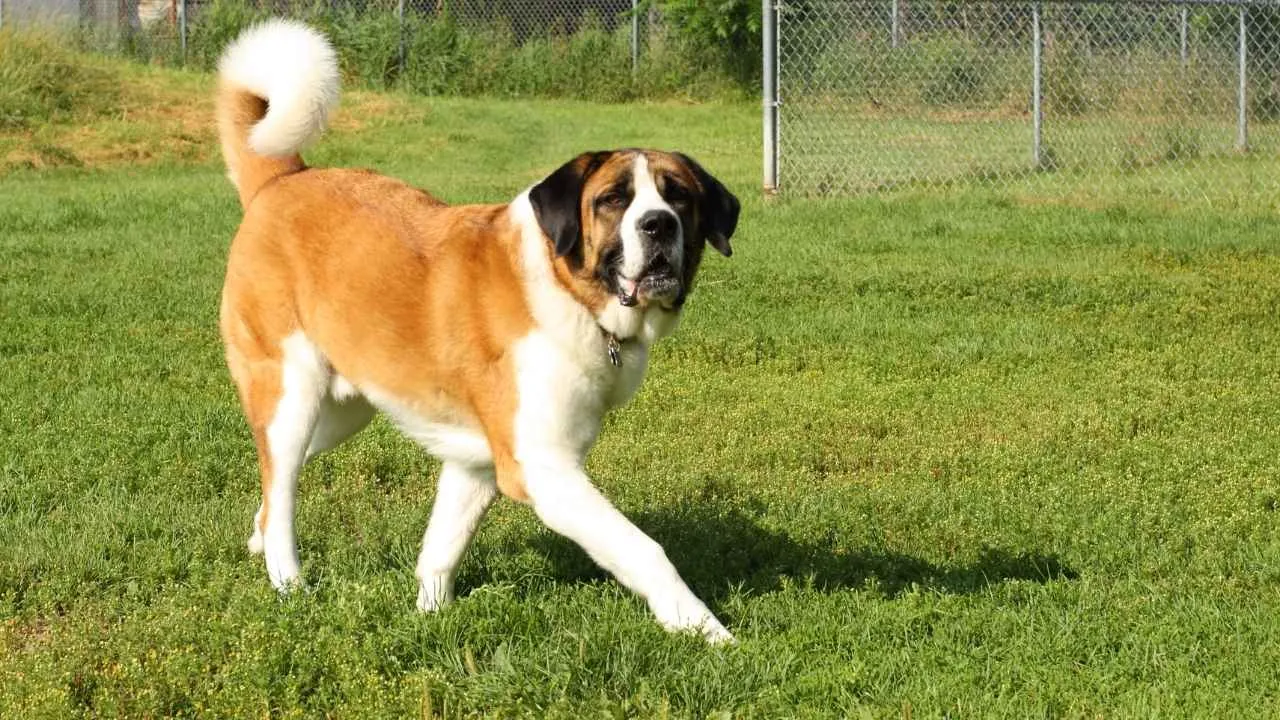
Saint Bernards look like a moving couch, but they are not lazy souls. They are known for a gentle spirit and serious loyalty. They can be loving with family, especially kids, and still give that “don’t try it” presence to strangers.
They are not usually “attack first” dogs. And honestly, good. Most people want a calm protector, not a chaos machine. A Saint Bernard’s size and deep confidence can do a lot of the work without drama.
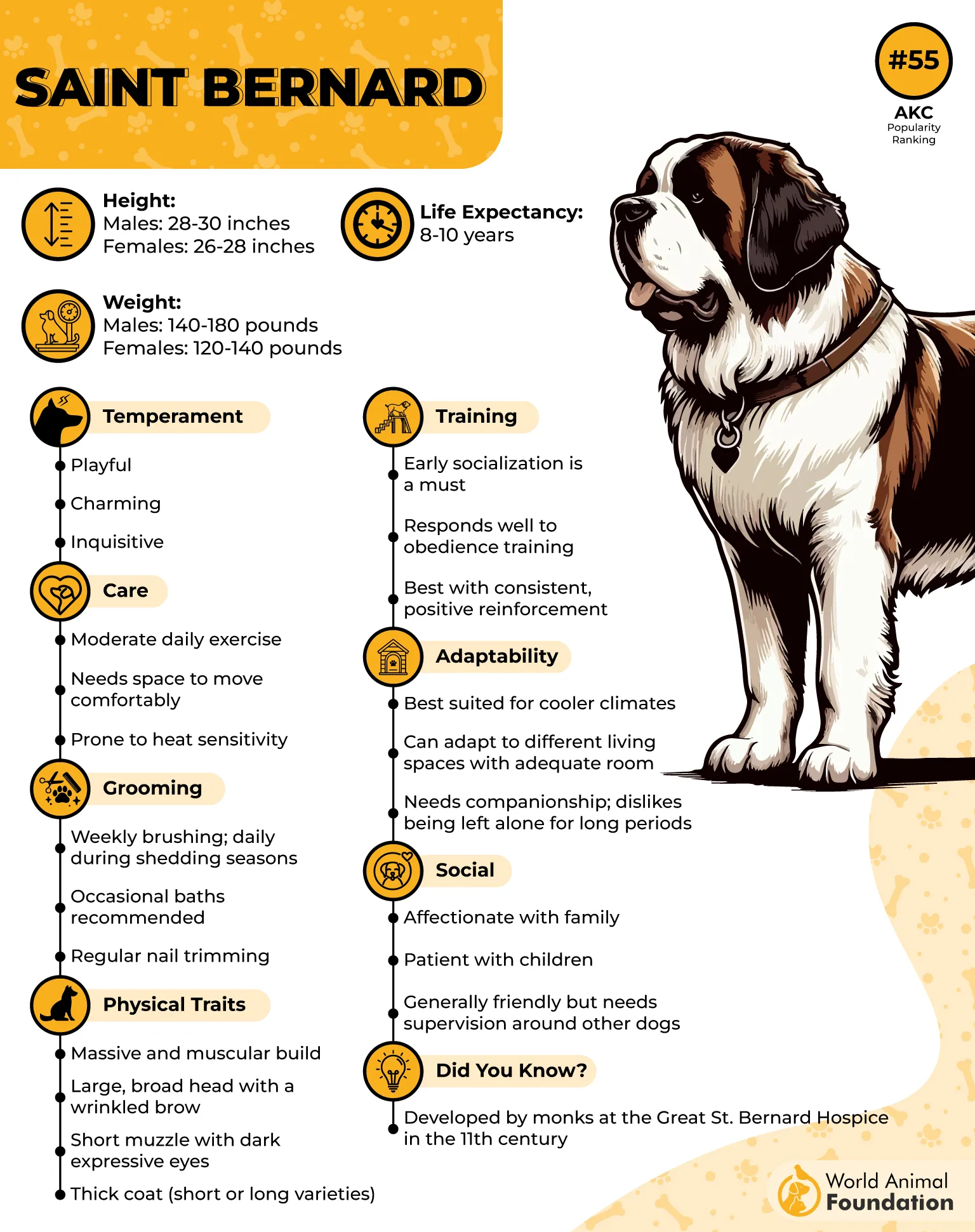
But why bother with that? Because quiet protection is also about feeling safe. This lovable dog breed has a long rescue reputation, and many keep their cool in stressful moments. Just be ready for space needs. Also, yes, drool happens. Consider it love with extra water.
Gentle giant, strong comfort
They feel like a warm wall between you and trouble.
Best vibe: peaceful, patient, family-focused
Protection strength: size, loyalty, steady nerves
Note: needs room to move and rest well
Did you know: they’re linked to Alpine rescue history
3. Great Dane
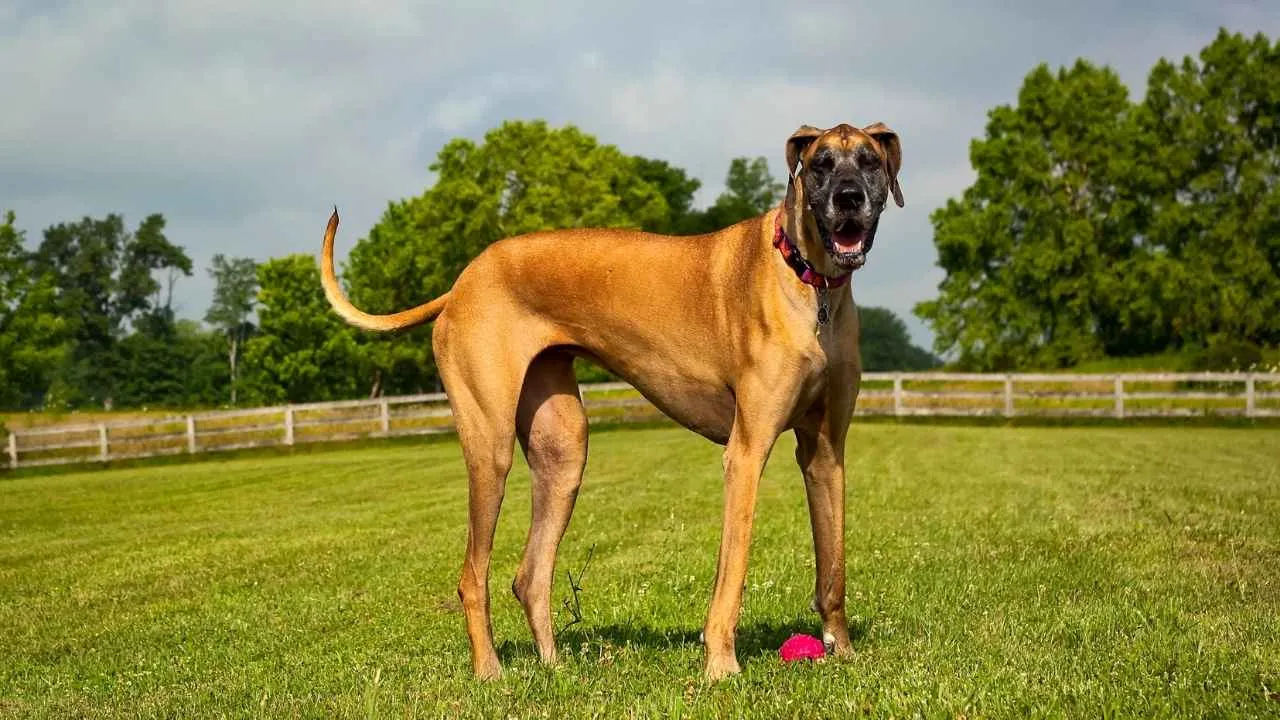
Great Danes are famous for one funny trick. They look intense, then act like sweet, calm goofballs. They can be gentle and quiet, but still make strangers think twice just by standing there.
They also tend to do well with families when trained early. Their size is a big deal, so manners matter. A dog breed this tall does not get to “jump to say hi.” That is not cute. That is a flying moose.
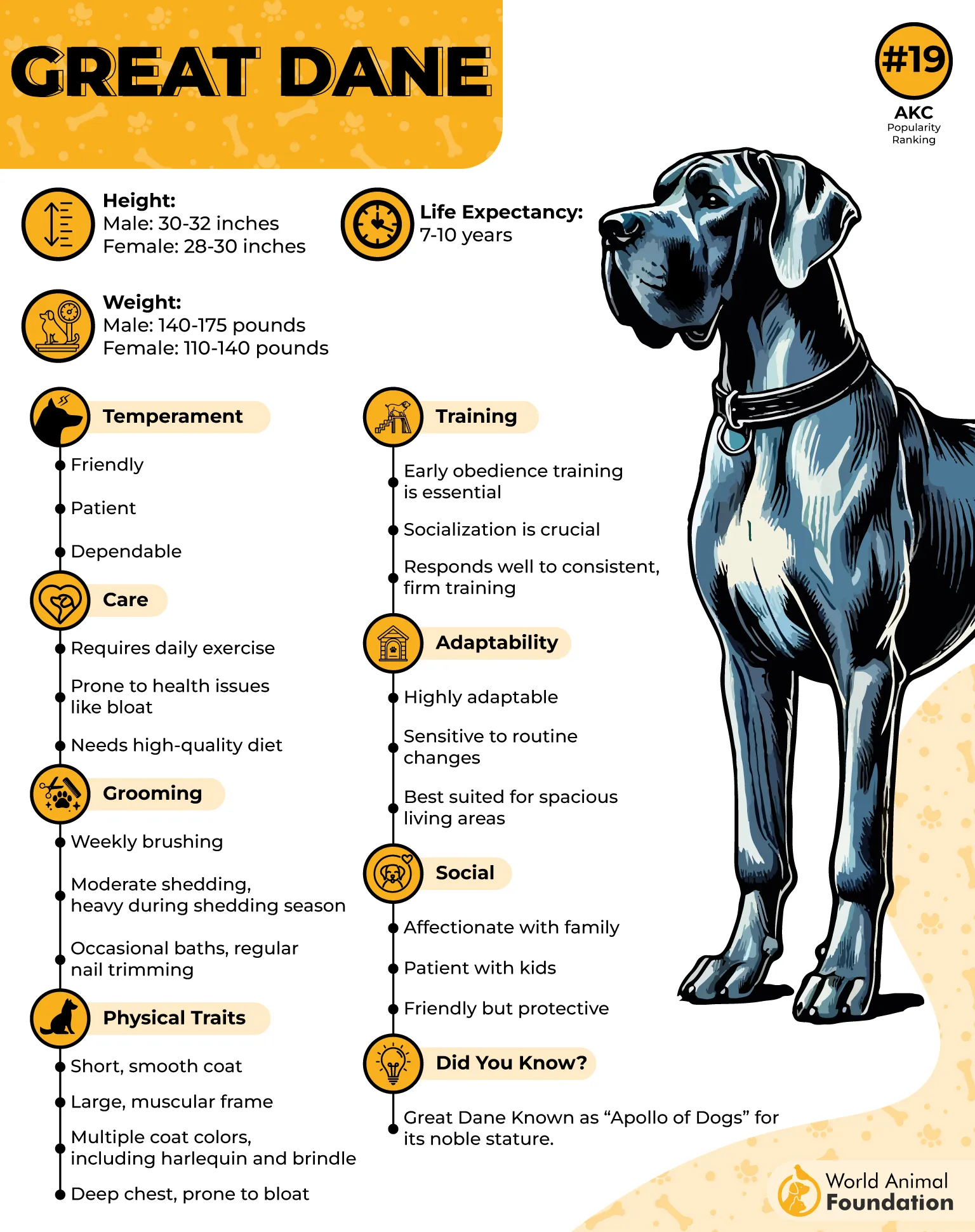
Here’s the good part. Many Great Danes have moderate energy and enjoy long walks without turning your day into a marathon. Their calm nature can make daily life feel easy, and their bark can still mean business when needed.
Big look, calm heart
They protect with presence, not constant noise.
Best vibe: gentle, calm, friendly at home
Needs: early training because size changes everything
Good fit: homes with space to stretch out
Important note: watch for bloat risk signs and vet advice
4. Newfoundland
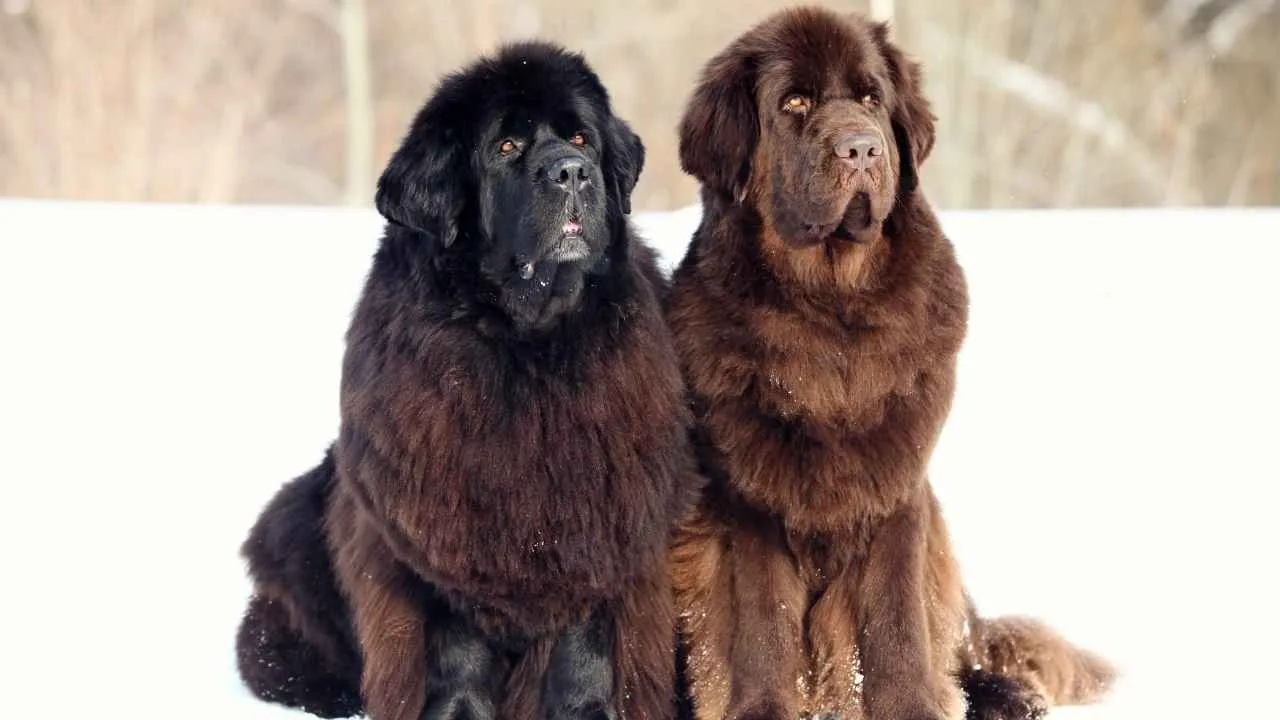
Newfoundlands are often described as gentle giants, and it fits. They can be calm, patient, and sweet with families. According to Orvis, they may bark loudly, but they are not usually aggressive, which is exactly what many quiet homes want.
They were bred for water work and rescue, so they bring strength with a soft mouth and a steady brain. It’s a nice combo. You get an energetic dog that can look intimidating to outsiders, while being a teddy bear to you.
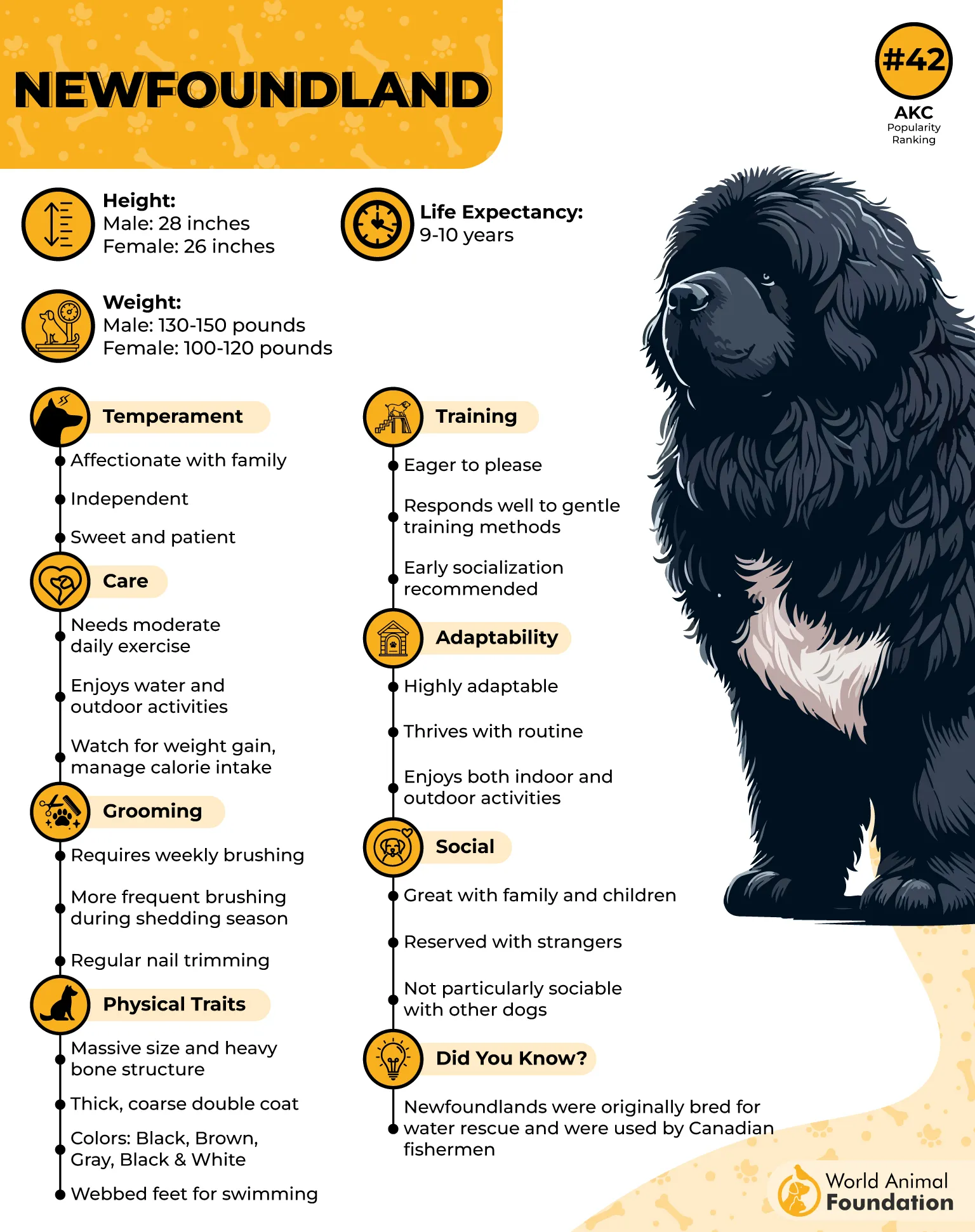
But wait, there’s more! They are known to be trainable, which matters a lot when you have a powerful dog. The main trade-offs are coat care and keeping them active enough to stay healthy without overdoing it.
The calm “lifeguard” vibe
They feel like a calm adult in the room.
Best vibe: patient, gentle, steady
Protection strength: size plus confidence
Needs: brushing and basic routine training
Fun fact: webbed feet and water skills are part of their story
5. Great Pyrenees
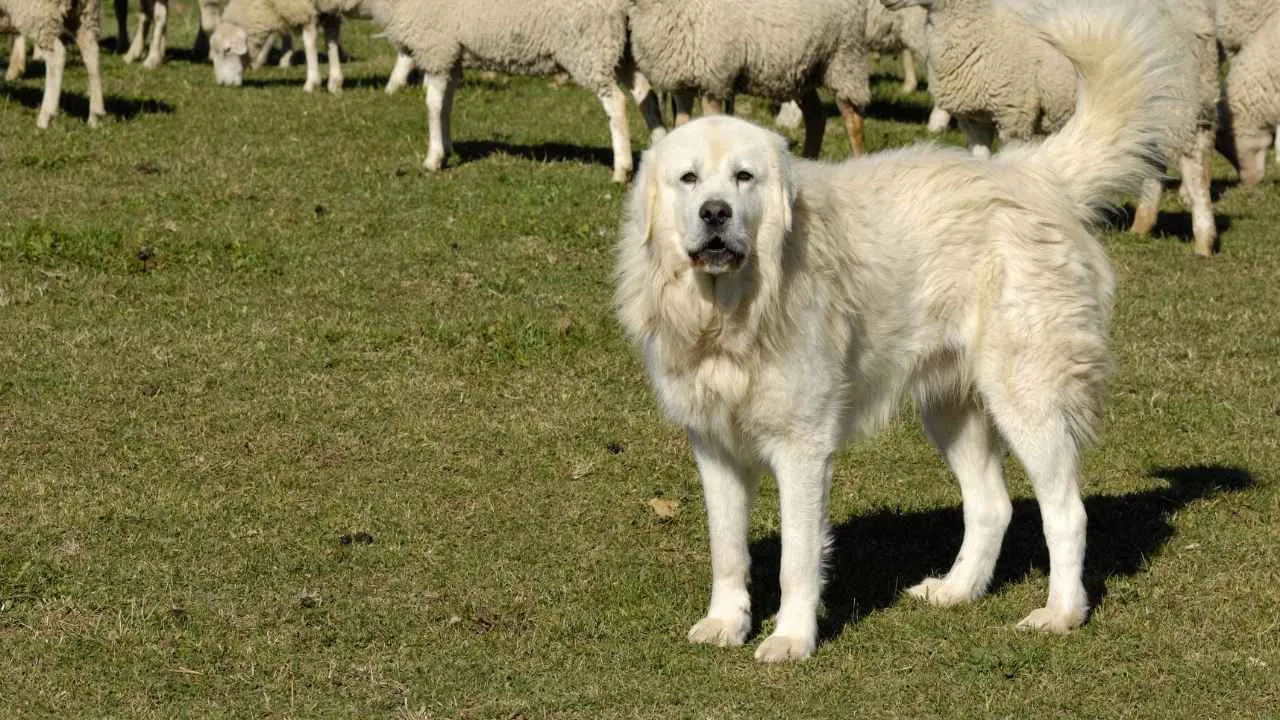
The Great Pyrenees was built for guarding flocks, often in quiet open spaces. That shows today. They tend to be calm, steady, and very loyal, with a strong instinct to protect.
They often look peaceful, like they are half asleep. Sounds crazy, right? Then you hear that deep bark at night and realize they are fully clocked in. They can be gentle with kids, but still take “my home” very seriously.
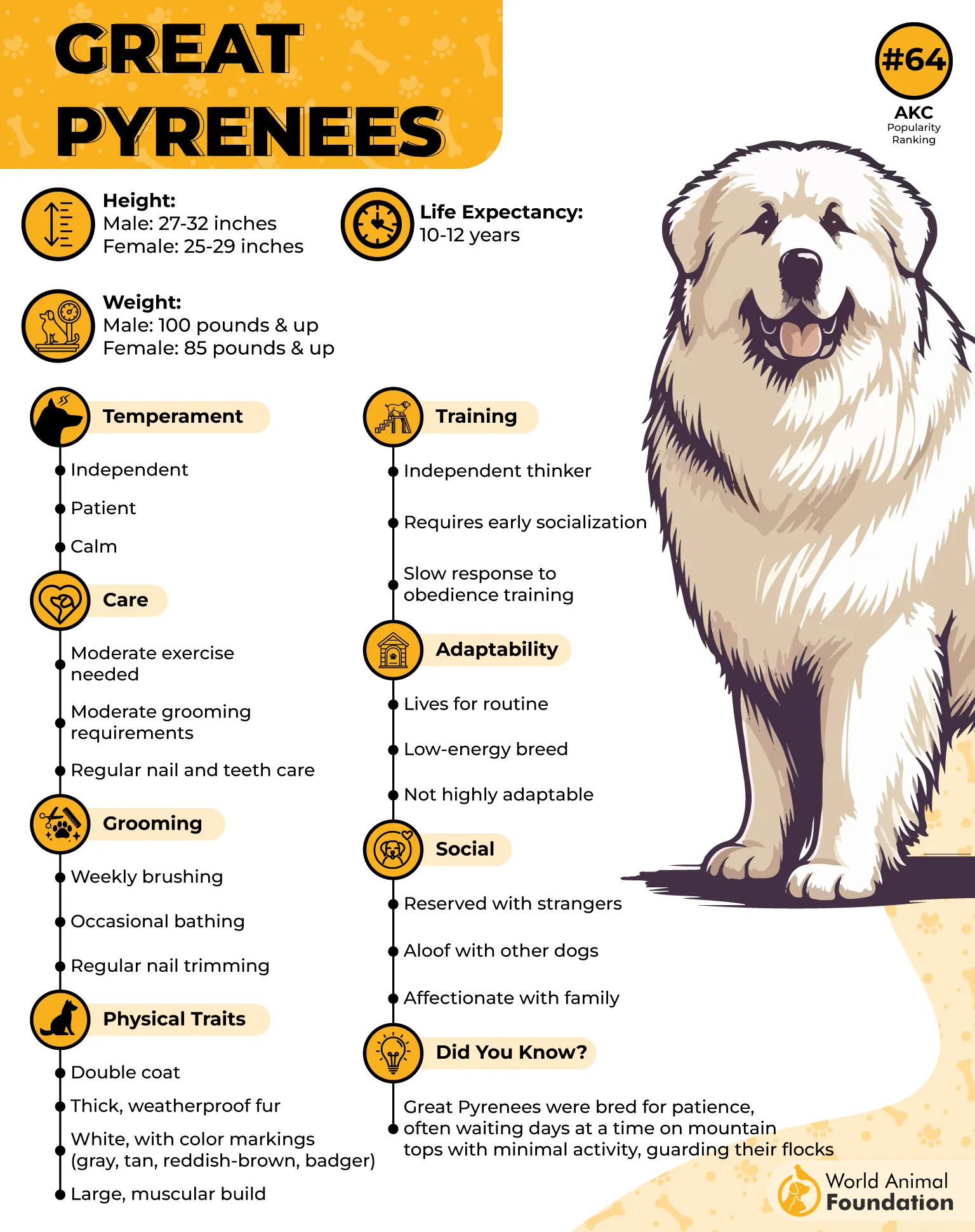
Now, one honest warning. Their guarding brain can make them independent. They like making their own calls. You want consistent rules, a safe yard, and lots of calm social time so they do not treat every new thing like a threat.
Night watch without chaos
They guard like a calm security guard, not a siren.
Best vibe: calm, loyal, gentle at home
Protection strength: deep bark and strong guard instinct
Needs: space, safe fencing, proper training
Important note: social time helps prevent over-guarding
6. Tibetan Mastiff
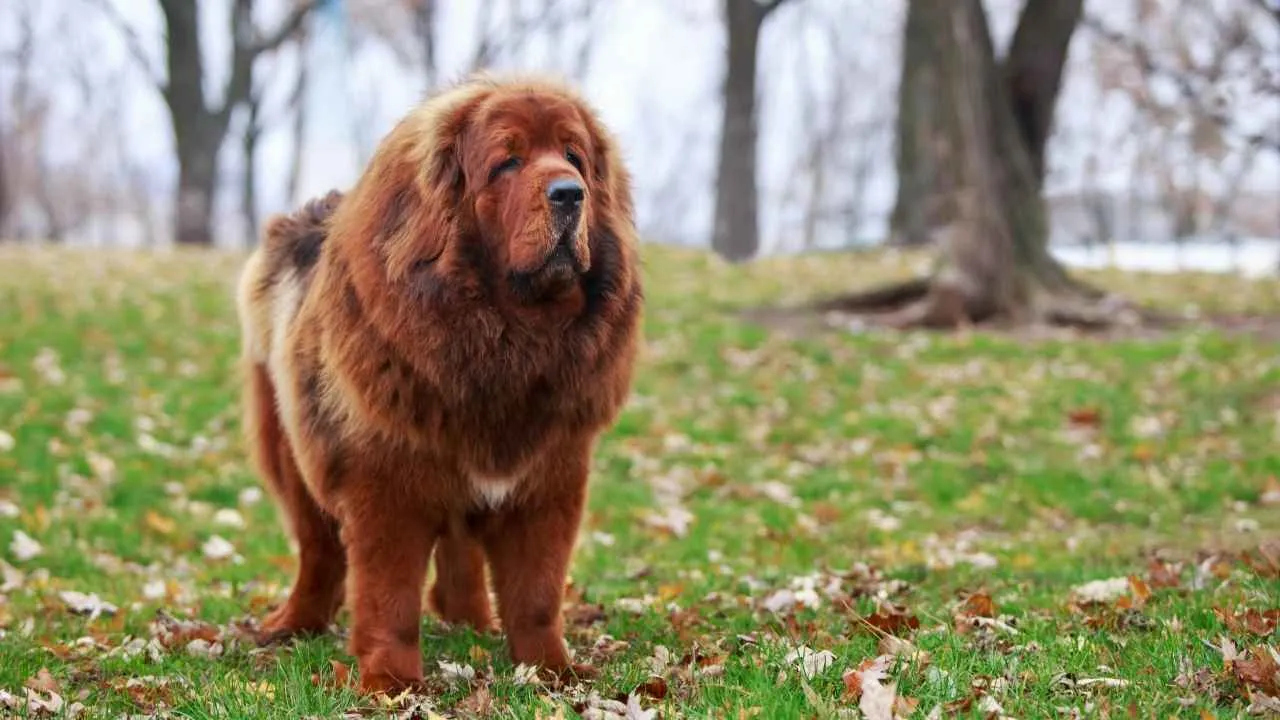
The Tibetan Mastiff is an ancient guardian breed, built for harsh places and serious work. They were used to guard livestock and property, and many are calm, watchful, and deeply protective of their family.
They are not clingy in a needy way. They are more like, “I’m here. I see everything.” They can be gentle with children, but they are also territorial and wary of strangers. Early social time is not optional with this one.
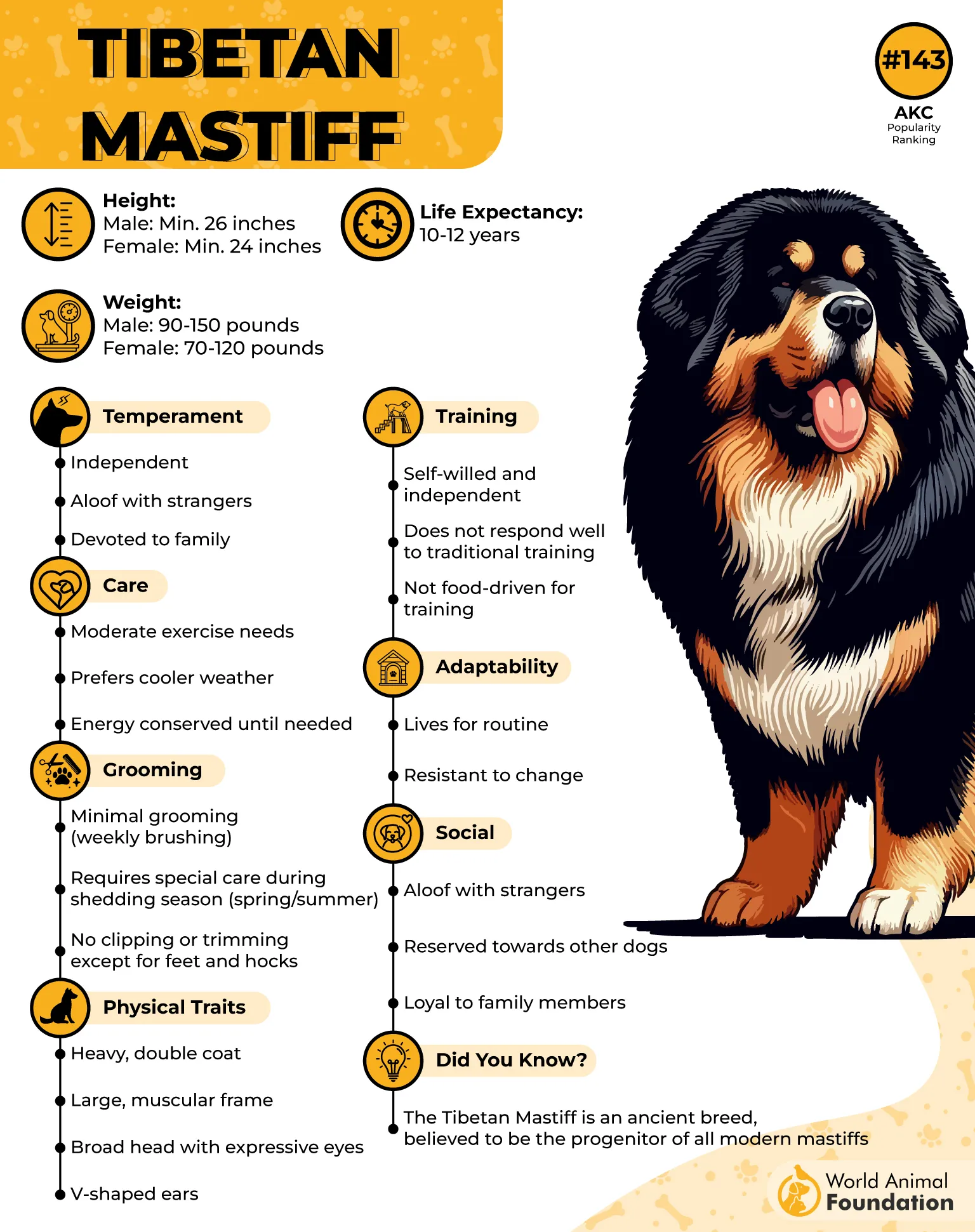
It gets even worse, though, if someone gets one without experience. PetMD notes that a bored, under-trained Tibetan Mastiff can become loud or stubborn. Give them clear structure, regular walks, and brain games. Then you get a powerful protector who does not panic at every sound.
Silent wall, serious guard
They protect with patience, not panic.
Best vibe: calm, independent, loyal
Needs: confident handling and early social time
Coat note: heavy seasonal shedding and regular brushing
Fun fact: they traditionally guarded at night
7. Rhodesian Ridgeback
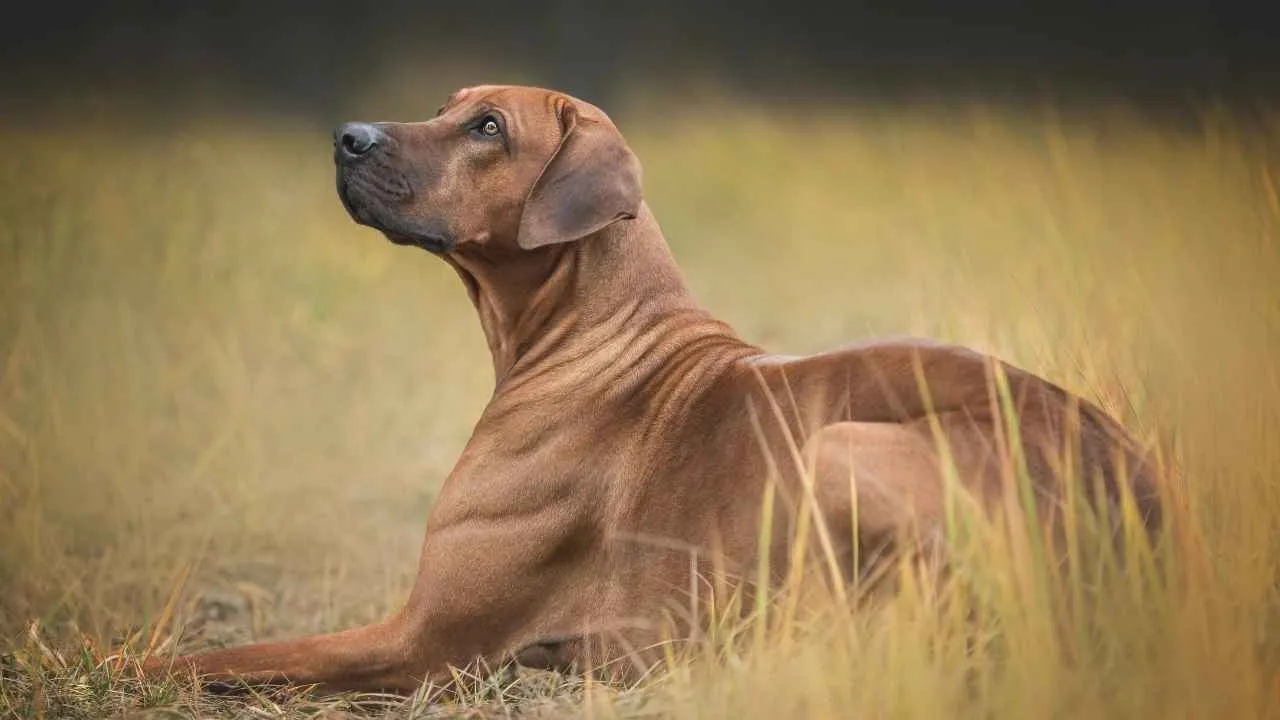
Rhodesian Ridgebacks are athletic, brave, and loyal companions, with a protective streak that can feel very natural. They were originally bred to help hunt lions, which explains the confidence.
They can be calm indoors and are not known for nonstop barking. That makes them a solid pick for people who want quiet protection without a loud house. They often bond closely with their family, then stay a bit aloof with strangers.
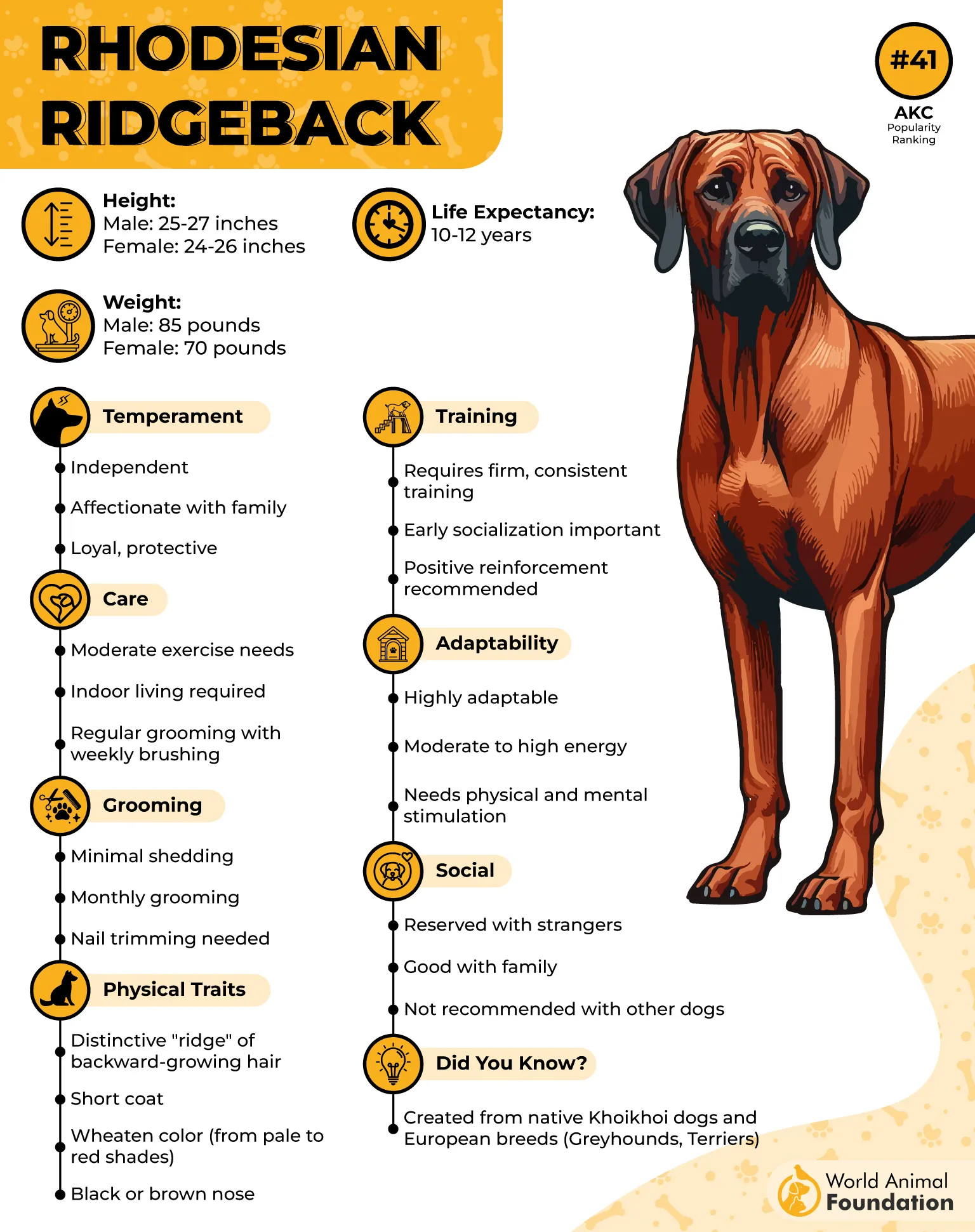
Exactly. This is the “calm guard who still wants adventures” dog. They need space and regular exercise, plus firm, patient training. If you skip that, their independence can turn into stubborn habits. If you do it right, they are steady, loyal, and seriously cool to live with.
Quiet athlete, loyal guard
They look calm, but they are always ready.
Best vibe: confident, loyal, low-drama indoors
Protection strength: alert, brave, steady presence
Needs: daily movement and consistent training
Fun fact: that back ridge is a real breed signature
Conclusion
These many breeds can feel calm at first glance, but they are also excellent protectors when it counts. The best guard dogs are generally quiet, while others are big barkers, and that difference matters. Think about real-life energy levels, not just looks.
A muscular build can add presence, but a steady, even-tempered mind is the true win. If you have active households, you can handle high energy and lots of mental stimulation. If you want calm days, aim for low energy and a softer routine.
Either way, with early socialization, they can be properly socialized, well-behaved, and naturally protective without turning your home into a noisy mess. The best family pet is the one that fits your life and your pets. Some are highly trainable and highly intelligent, while others are strong-willed or an independent breed that likes to make its own calls.
Choose excellent companions who form strong bonds and become true family members.
