




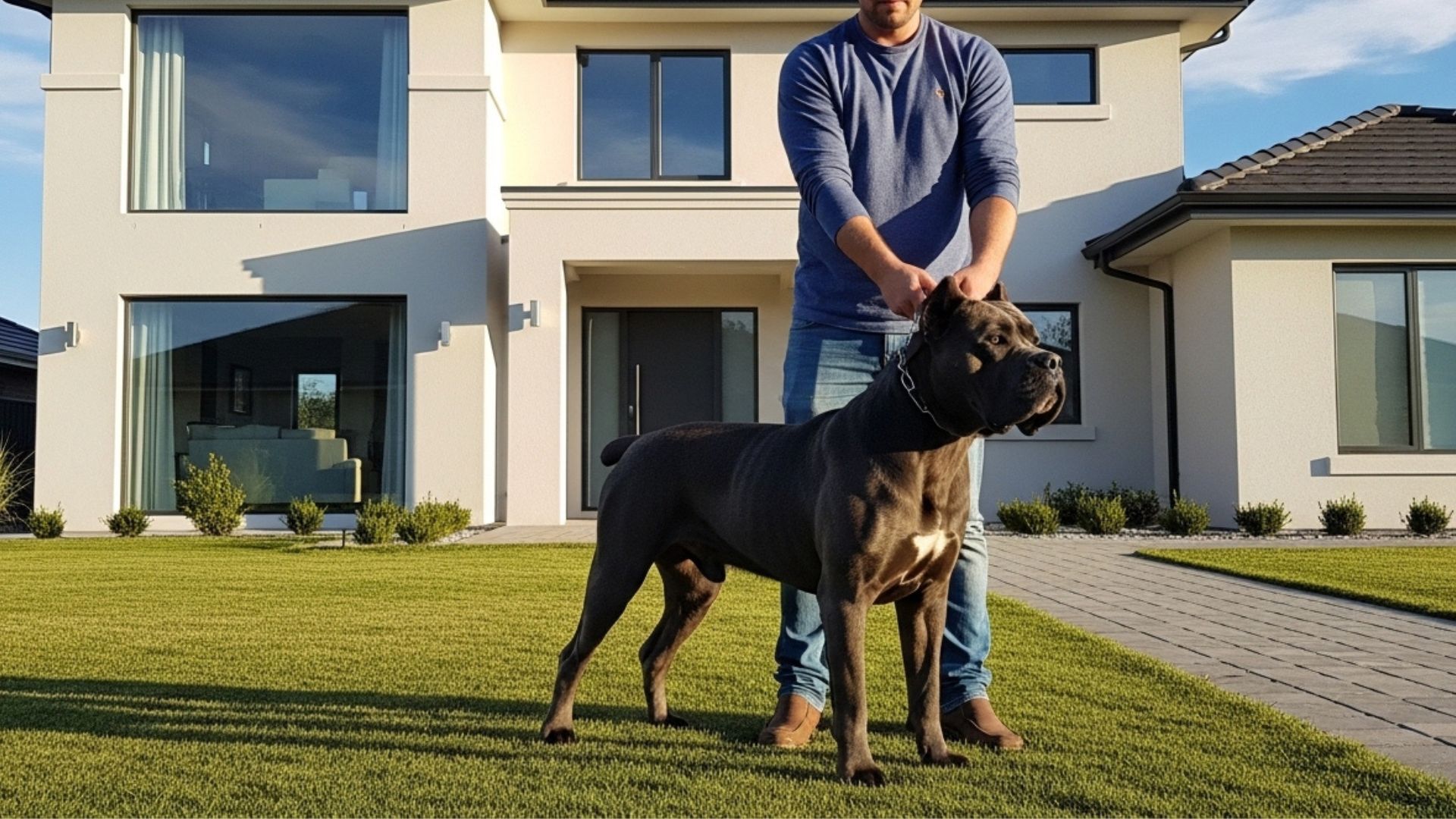
As solo living becomes more common, conversations around safety, mental well-being, and meaningful companionship are changing. Big dog breeds increasingly appear in those conversations for a reason.
For individuals living alone, a large dog offers more than companionship. It offers presence, awareness, and confidence within the home. In a culture that values independence, these dogs complement that lifestyle rather than compete with it.
They provide reassurance during quiet evenings and consistency during busy days. Their size alone changes how a home feels and how others approach it. This shift reflects a growing understanding that solo living does not mean minimal support. It means intentional choices.
This article explores the best big dog breeds for individuals living alone and explains how they fit seamlessly into modern independent lifestyles.
Key Takeaways
Some dogs change the feeling of a home simply by being in it, combining loyalty, awareness, and a steady presence.
Boerboels and Cane Corsos watch over the home with quiet authority, alert to even the smallest movement while staying composed.
Great Danes, Dobermans, and Rottweilers balance strength with loyalty, offering protection and companionship that makes evenings and weekends feel safer and fuller.
Keep reading to discover all seven breeds that turn a solo house into a home that feels alive, secure, and connected.
Best Big Dog Breeds For Individuals Living Alone
1. Boerboel

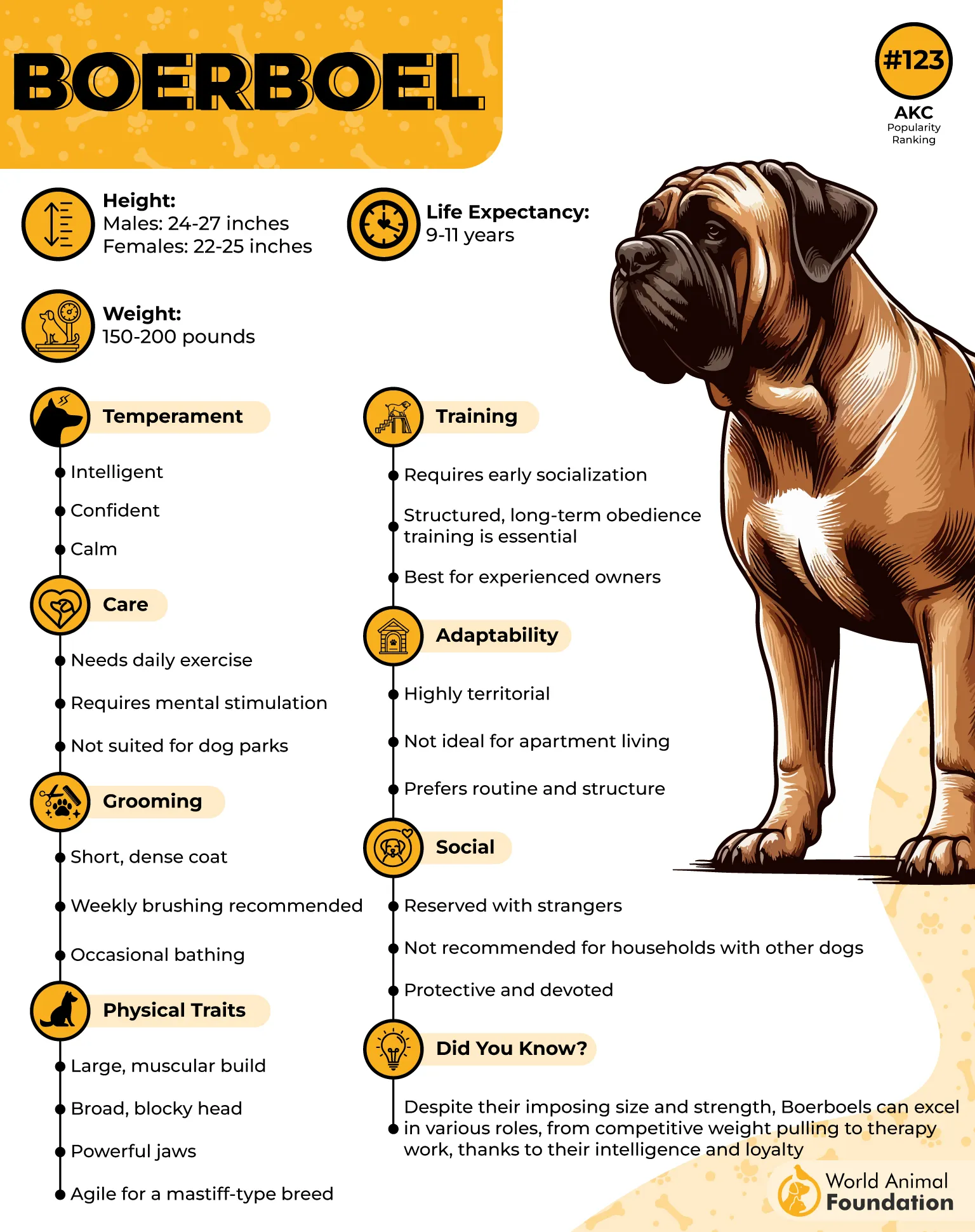
Boerboel is a South African guardian bred to defend remote farms and homesteads from wild animals and intruders. Their large, muscular frame and broad head give them both strength and an imposing presence. Alert posture and focused awareness make them naturally suited to watch over a property.
Protective Instincts
These dogs are fiercely vigilant and respond quickly when they detect potential threats near their home or person. Early training and socialization channel this vigilance into controlled, dependable behavior, as the AKC stated.
Key protective traits include:
Quick threat assessment and situational judgment
Controlled, confident response when challenged
Territorial awareness around entry points and perimeters
Defensive Demeanor
Boerboels show caution toward strangers while remaining composed in familiar surroundings. Their instinct to guard makes them proactive in monitoring activity outside doors or windows. This vigilance ensures a constant, reliable deterrent for someone living alone.
2. Great Dane
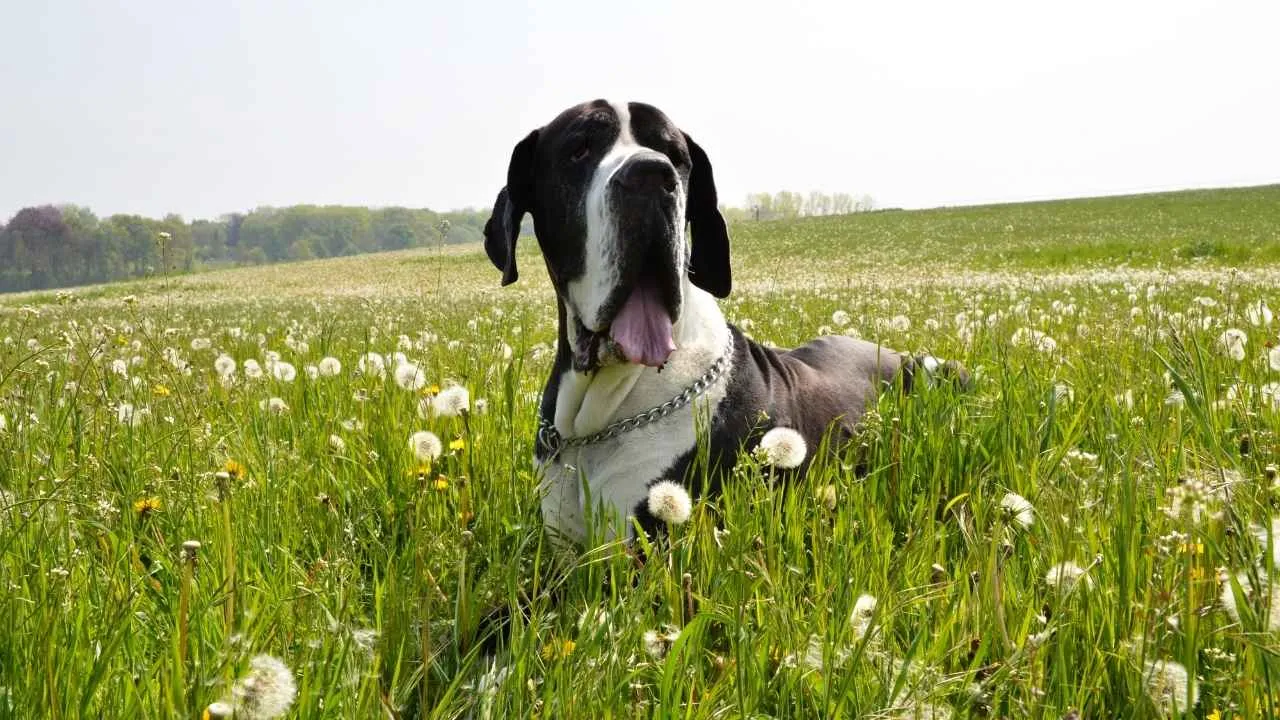
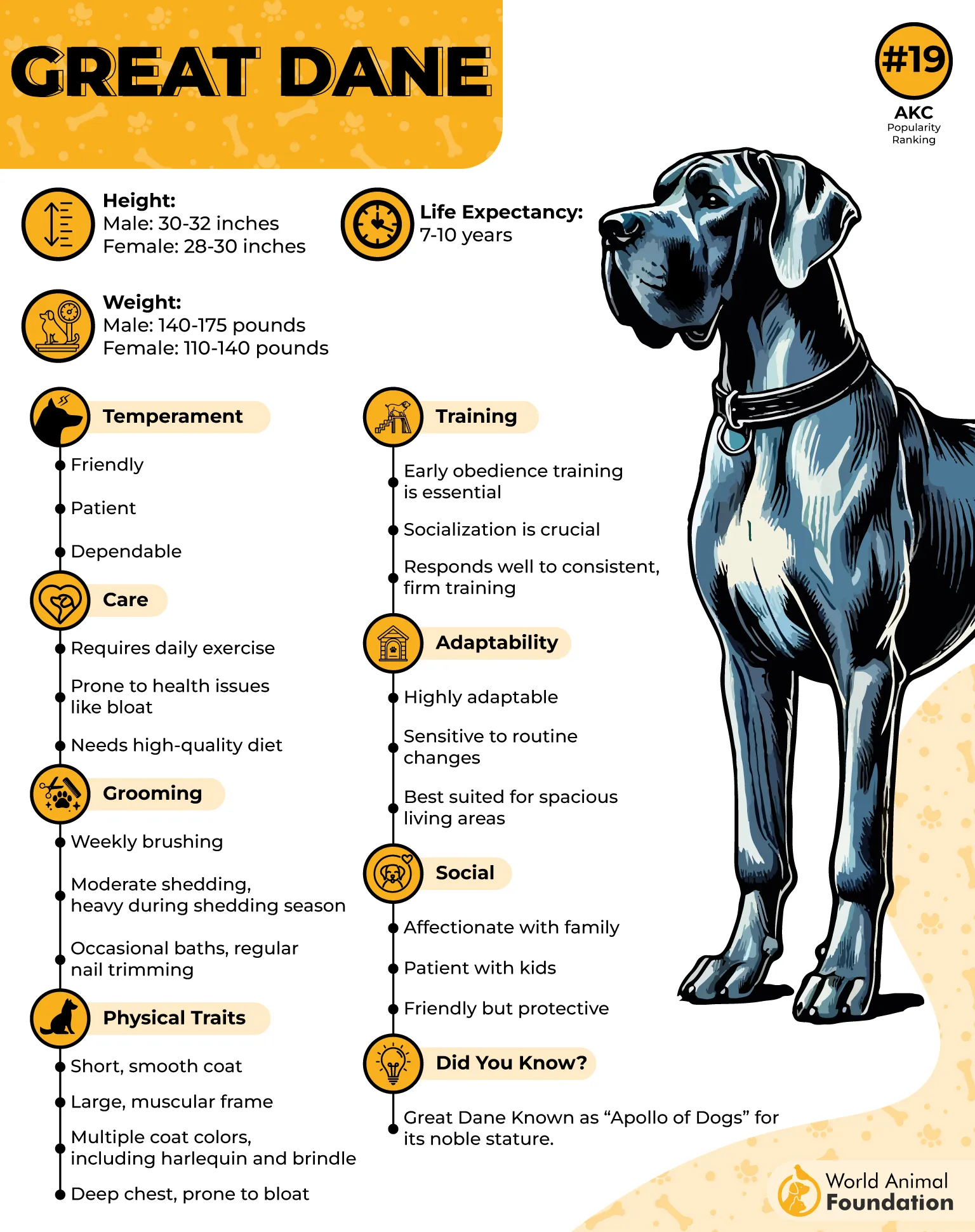
Great Dane was developed in Germany during the 1800s for hunting wild boar and guarding large estates. That origin shaped a dog comfortable moving through open spaces with confidence and restraint. Even indoors, this background shows in how deliberately they occupy their surroundings.
Visual Authority Indoors
This large dog stands among the tallest dog breeds, often towering over visitors without effort or tension, as Britannica claims. That physical presence alone changes how unfamiliar people behave within a home.
This influence comes from specific, observable tendencies:
Strong visual deterrence through height and posture
Calm stance when assessing unfamiliar movement
Natural focus on room entry points
Social Awareness at Home
This giant breed is widely described as people-oriented and attentive to human activity within shared spaces. This sensitivity helps them track changes in routine, sounds, and movement without pacing or agitation. Their need for regular human contact keeps them closely tuned to household rhythms.
3. Doberman Pinscher
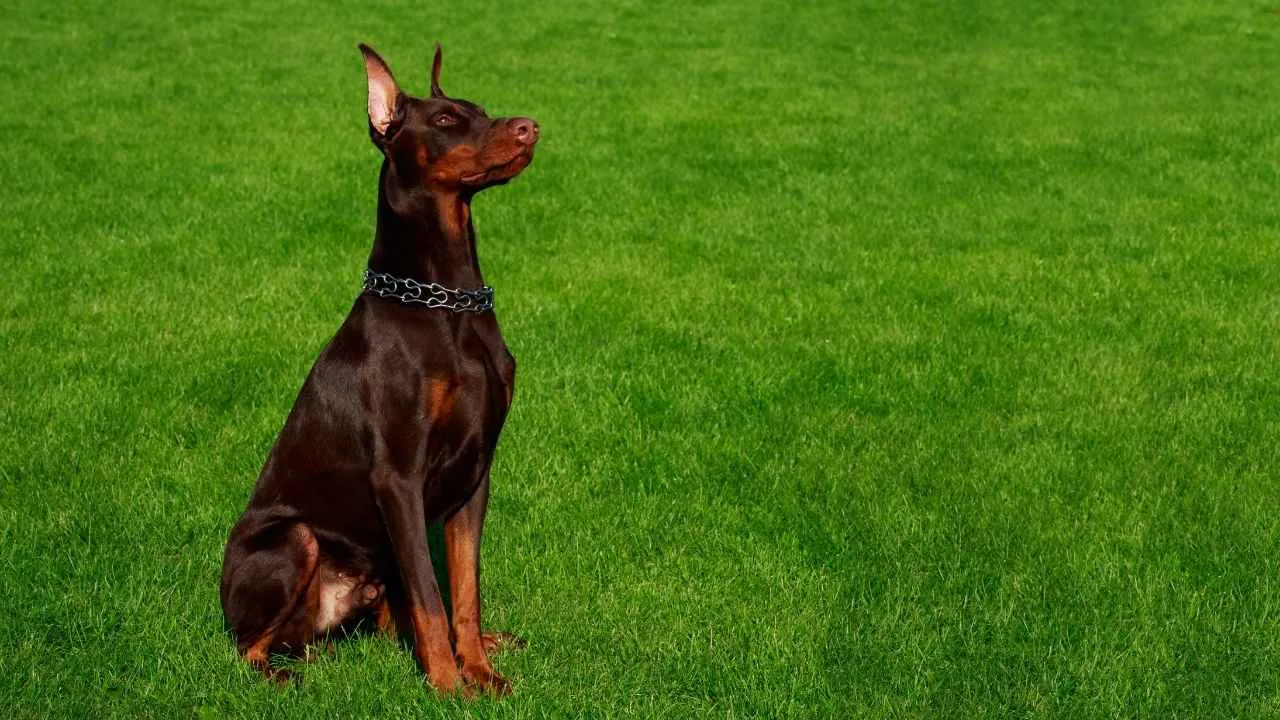
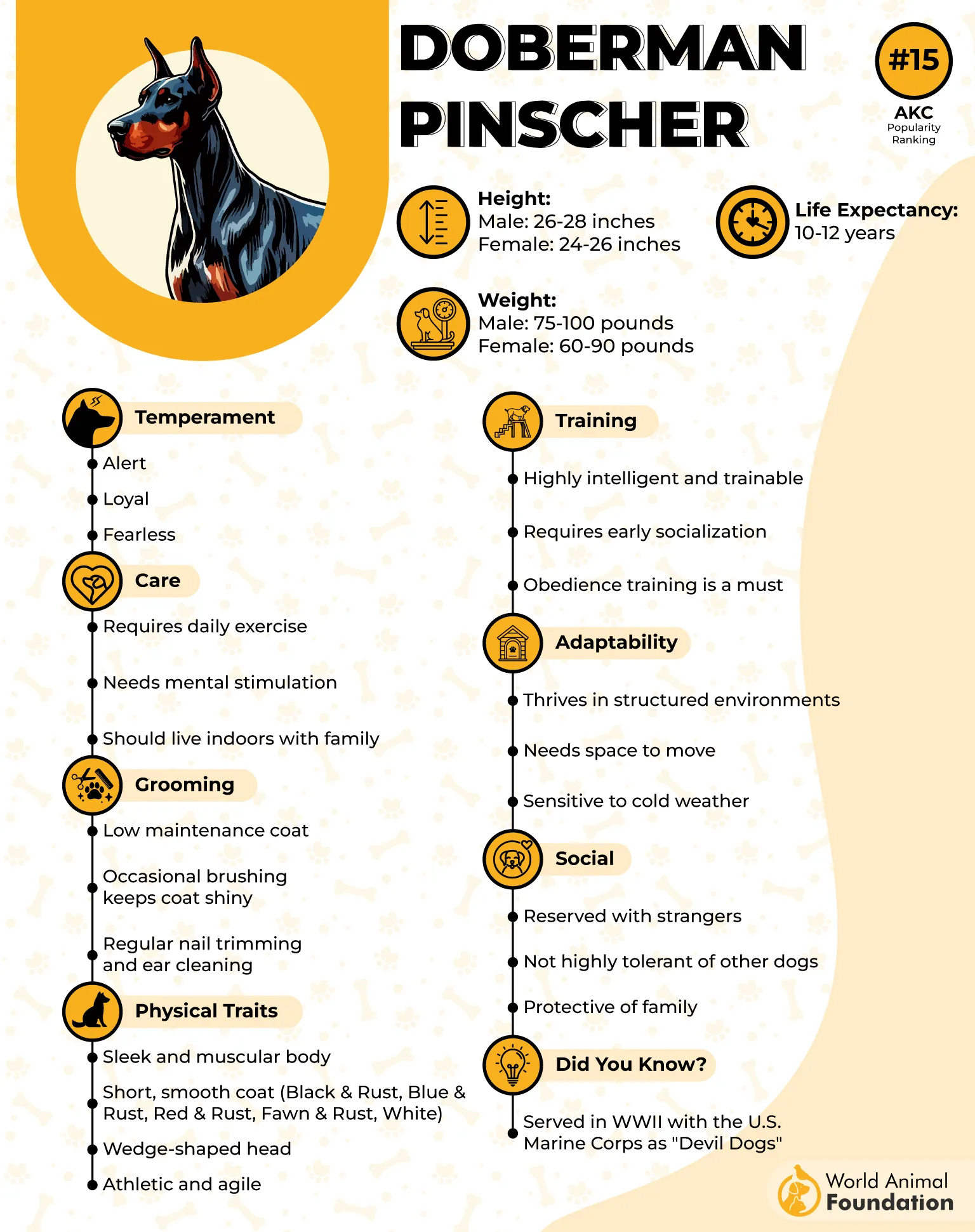
Doberman Pinscher is recognized for a sleek, compact build paired with speed and muscular control. The breed moves with an easy, athletic rhythm that reflects confidence rather than tension. This physical precision supports steady movement through personal living spaces.
Vigilant Awareness
This guard dog is widely regarded as fearless and alert, traits shaped through its long history as a protection dog. Its natural vigilance allows it to remain aware of its surroundings without constant agitation.
This reliability often shows itself through details like these:
Immediate attention to unfamiliar movement
Fast adjustment to routine changes
Strong focus during quiet observation
Deterrence Through Presence
This breed has a posture and expression that discourages intrusion without noise or chaos. A well-conditioned individual on patrol has long been noted to deter intruders through awareness alone. The breed’s confidence is reinforced through structured movement and purposeful activity.
4. Cane Corso
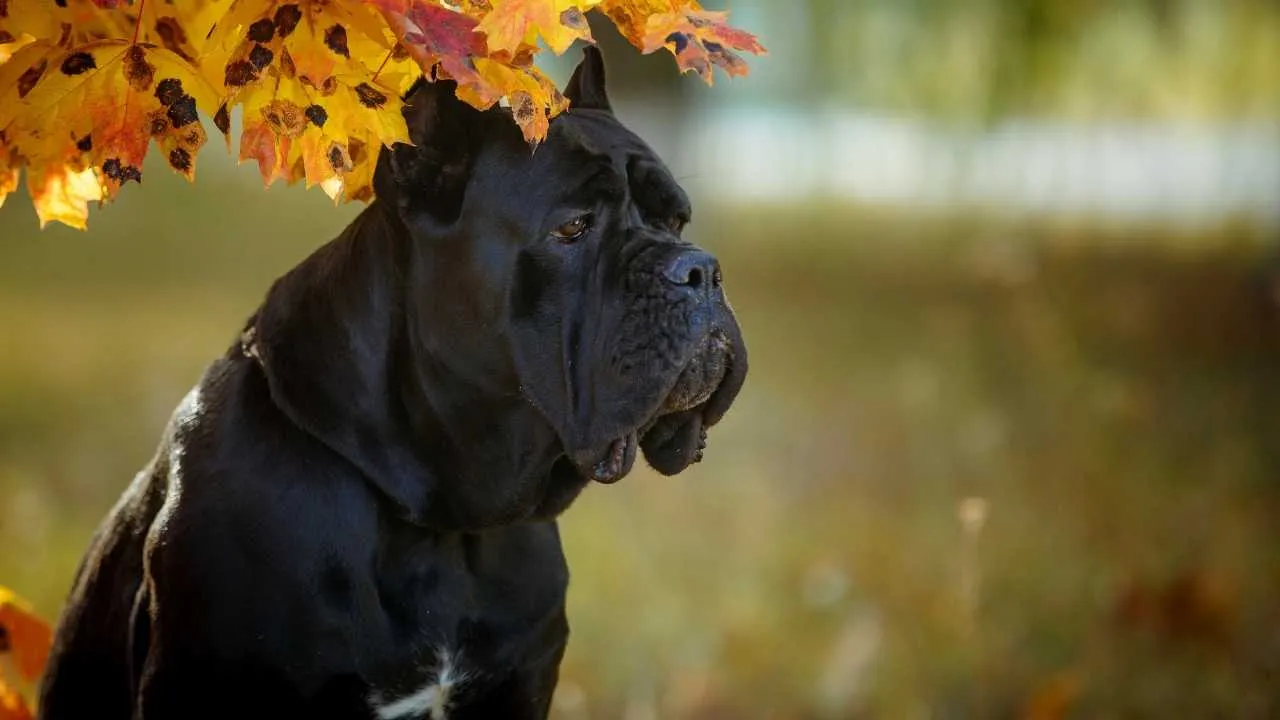
Cane Corso is an imposing Italian Mastiff originally bred for hunting large game and protecting property. Their alertness and strong instincts make them naturally watchful over their home environment. Within familiar surroundings, they balance power with calm attentiveness.
Protective Intelligence
Highly observant and quick to respond, Cane Corso can detect subtle changes in the environment, as per PetMD. They are focused and deliberate, which reinforces their role as a steady companion for solo living.
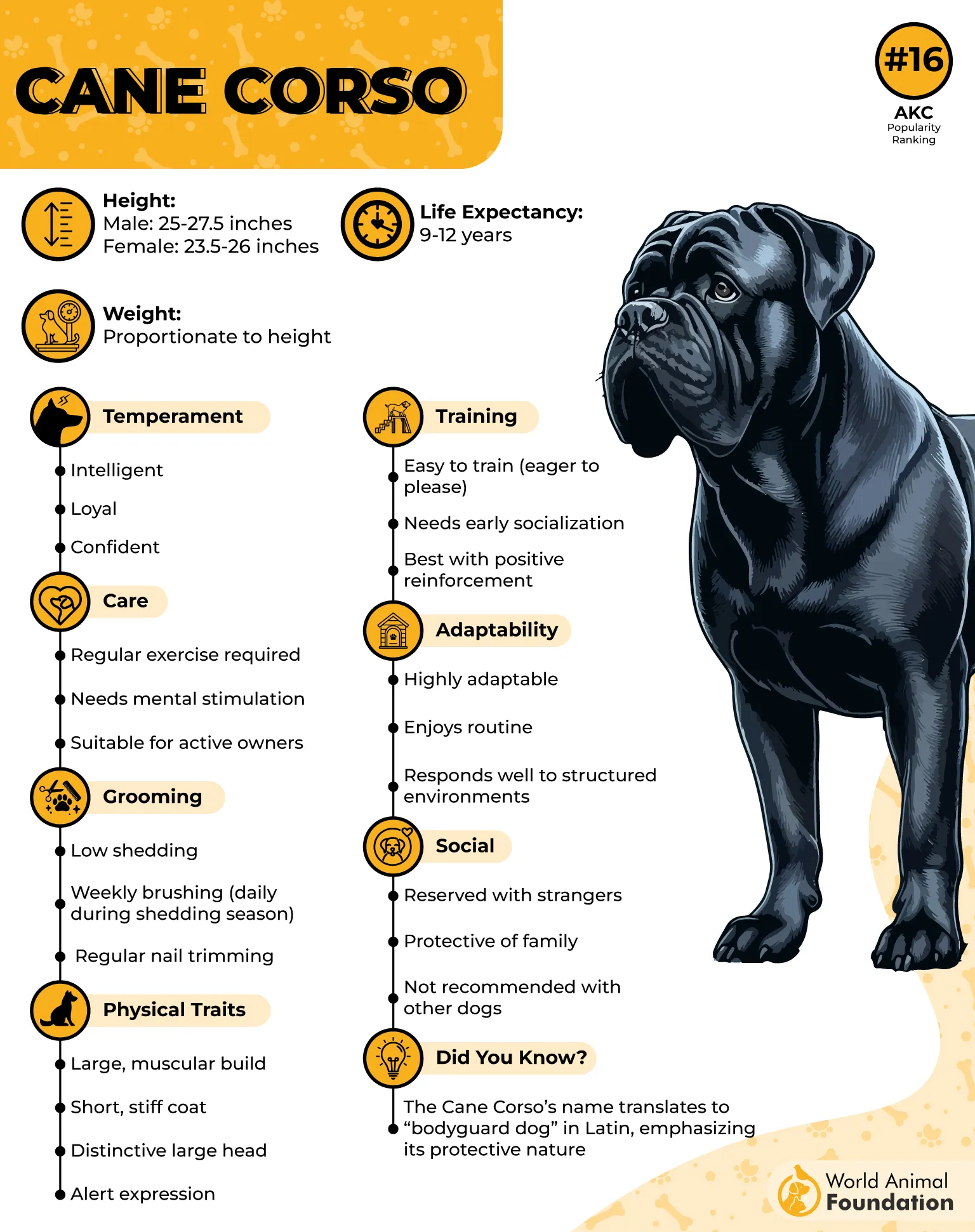
Key qualities for reliability include:
Sharp situational awareness
Controlled reactions to strangers
Focused attention on household boundaries
Strength Channelled with Purpose
Cane Corso possesses muscular frames that support swift, purposeful movement when needed. They learn structured tasks quickly, reflecting their historical roles in hunting and guarding. Engaging them in consistent routines helps maintain steady focus and calm composure.
5. Rottweiler

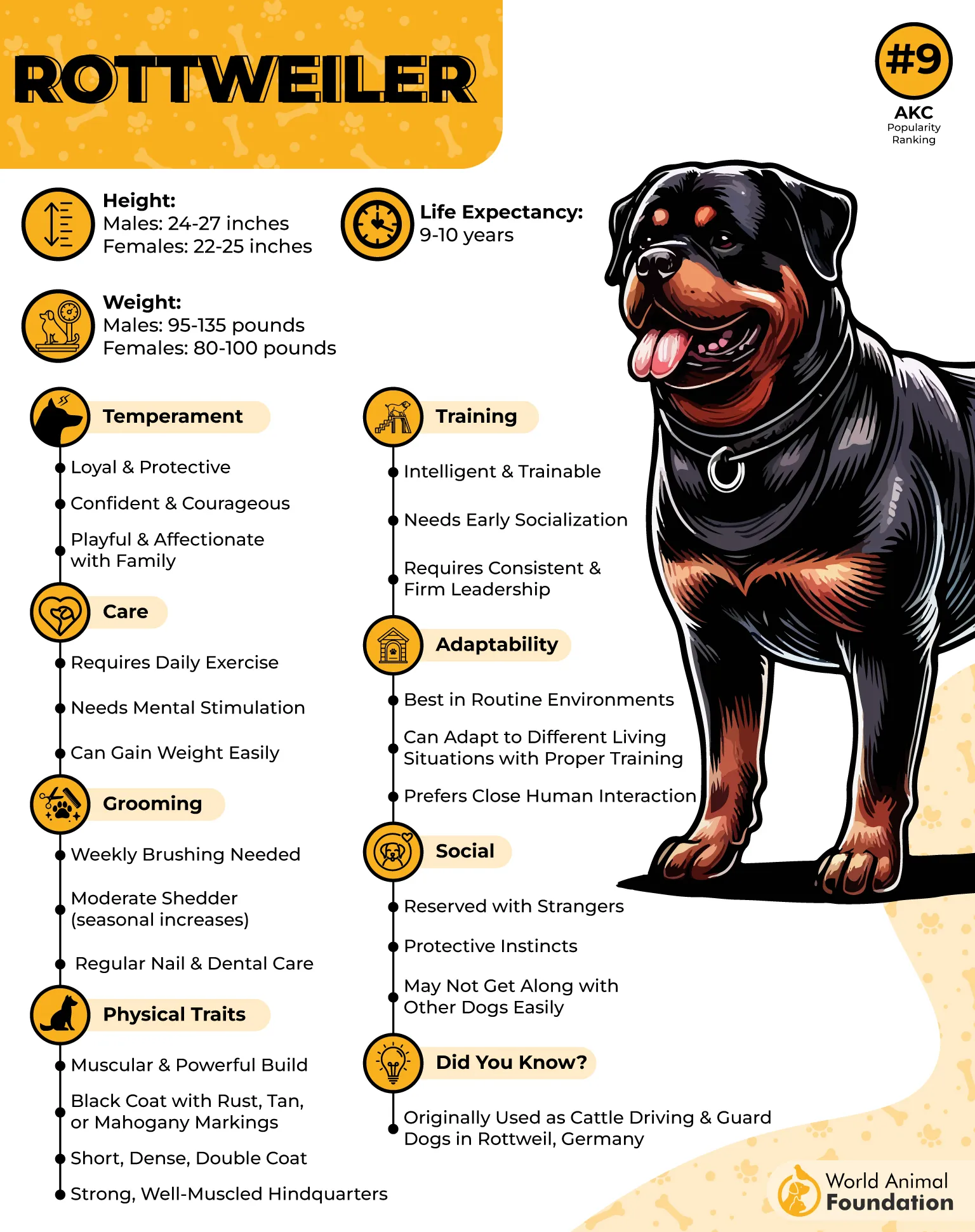
Rottweilers are descended from Roman mastiffs, a lineage that honed their alertness and controlled strength. Their instincts make them naturally aware of movements and changes in their surroundings. That combination of presence and focus helps maintain a sense of security at home.
Focused Instincts
This breed quickly recognizes patterns and routines, giving them a clear sense of their environment. They assess situations with calm precision and respond according to what they perceive.
Traits that highlight their reliability include:
Quick identification of strangers or unusual activity
Composed stance under unexpected circumstances
Strong awareness of household boundaries
Strength in Action
The Rottweiler’s muscular build allows smooth, efficient movement and controlled physical response. Historically used for herding, tracking, and obedience, they adapt easily to structured tasks. Their instincts and purposeful behavior make them attentive and responsive within a home environment.
Note: Rottweilers have a bite force of 328 PSI, reflecting their physical capacity, which is why early guidance and structured socialization are essential for safe, controlled behavior.
6. Giant Schnauzer
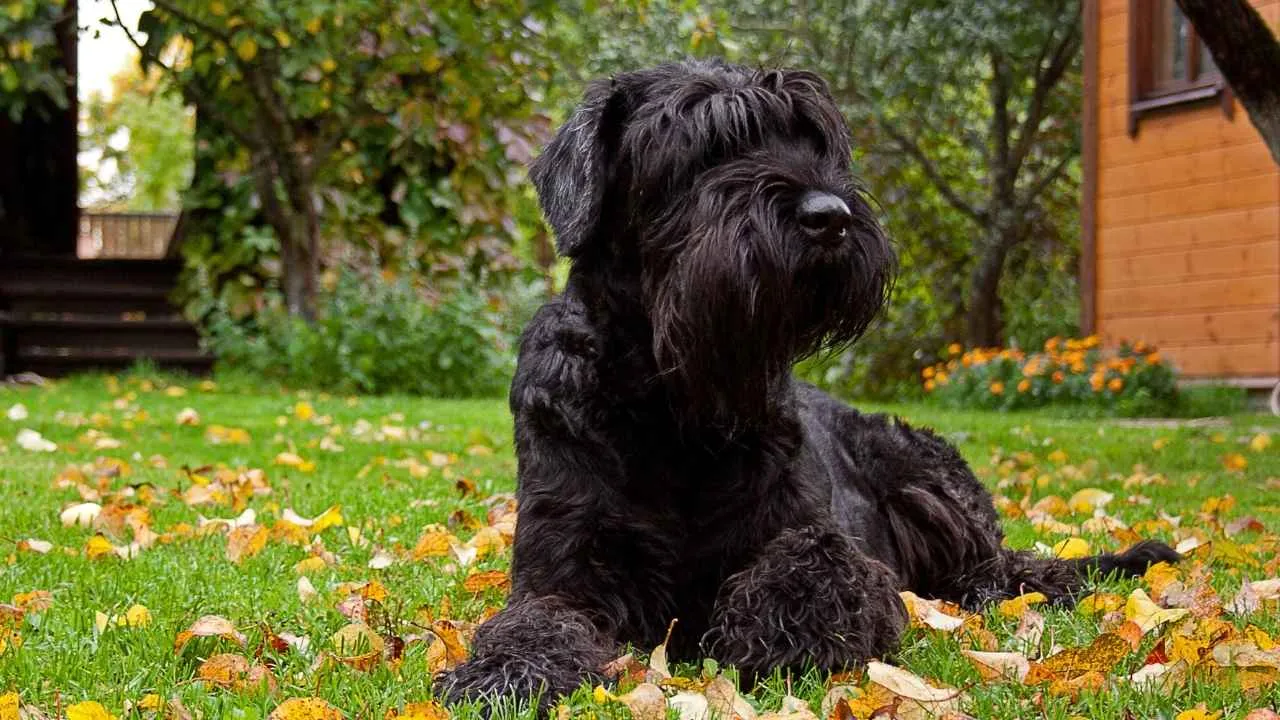
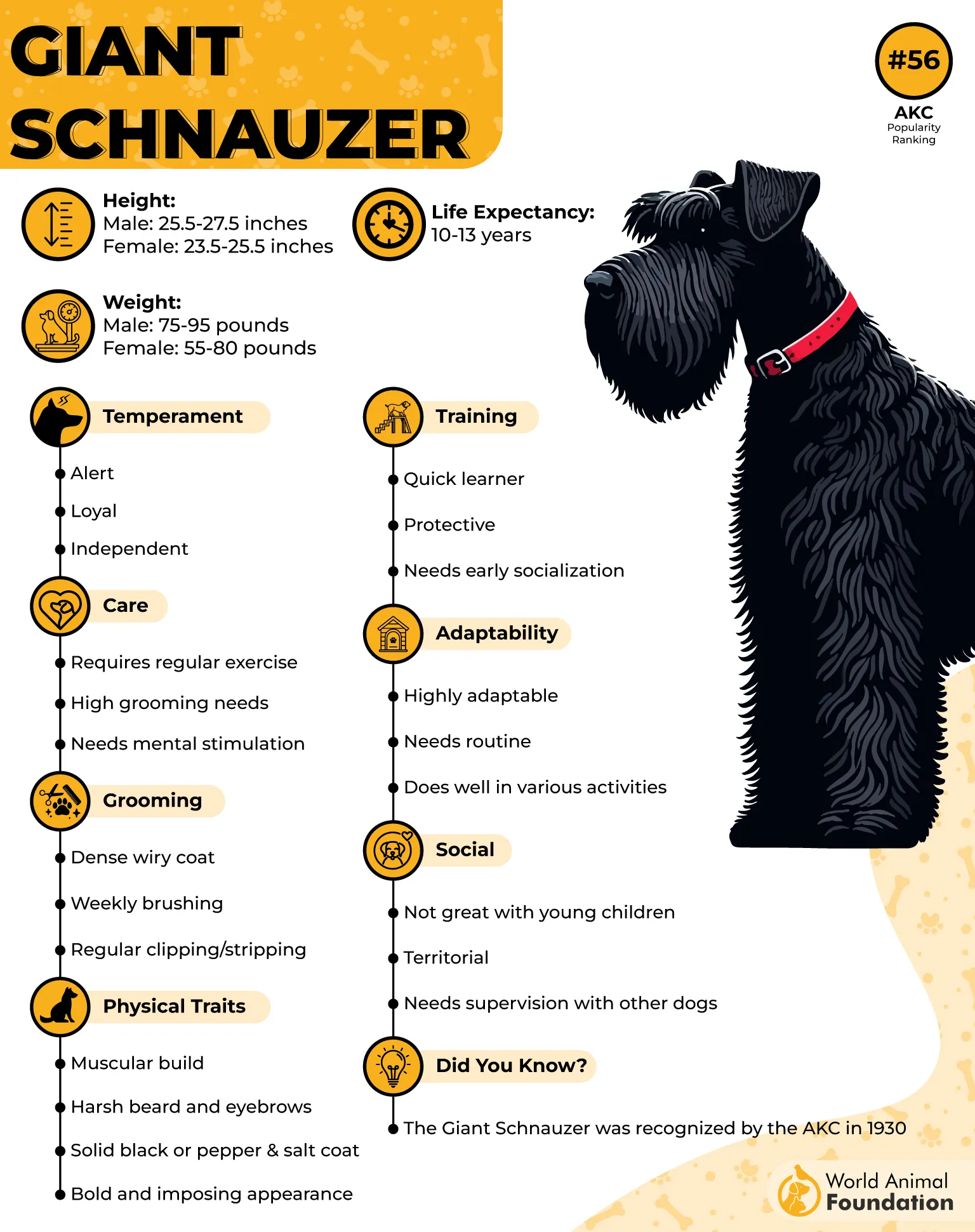
Giant Schnauzers are a larger, more powerful version of the Standard Schnauzer, built with boldness and alert awareness. Their intelligence and loyalty make them highly capable companions in environments where vigilance matters.
Guarding Instincts
Historically bred for protection and herding, Giant Schnauzers remain alert to potential threats and respond decisively when needed. Their natural focus supports consistent awareness in a home setting.
These traits reinforce their reliability:
Loud, clear bark to signal intruders
Strong territorial awareness around the household
Ability to assess unfamiliar visitors quickly
Strength and Agility
This breed combines muscular build with smooth, purposeful movement, allowing efficient response in protective roles. Giants excel in tasks that challenge focus and obedience, channeling energy into controlled activity. They maintain composure while demonstrating readiness and competence.
7. Great Pyrenees
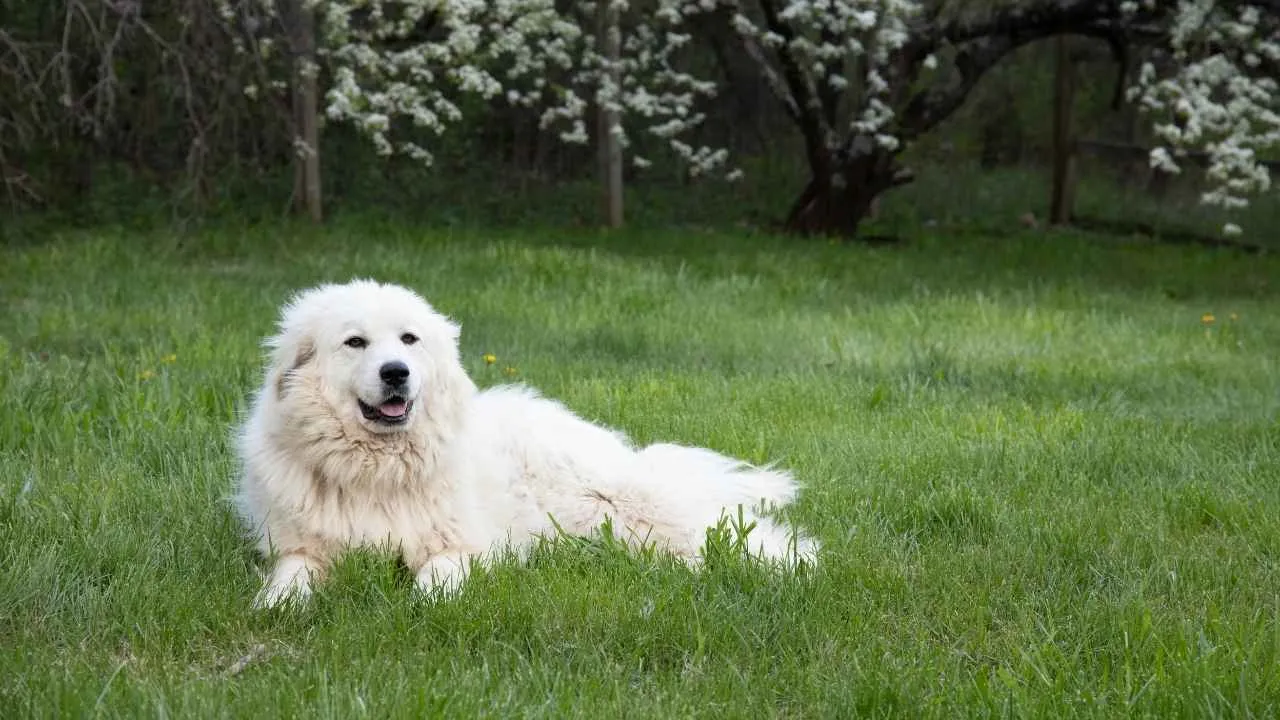
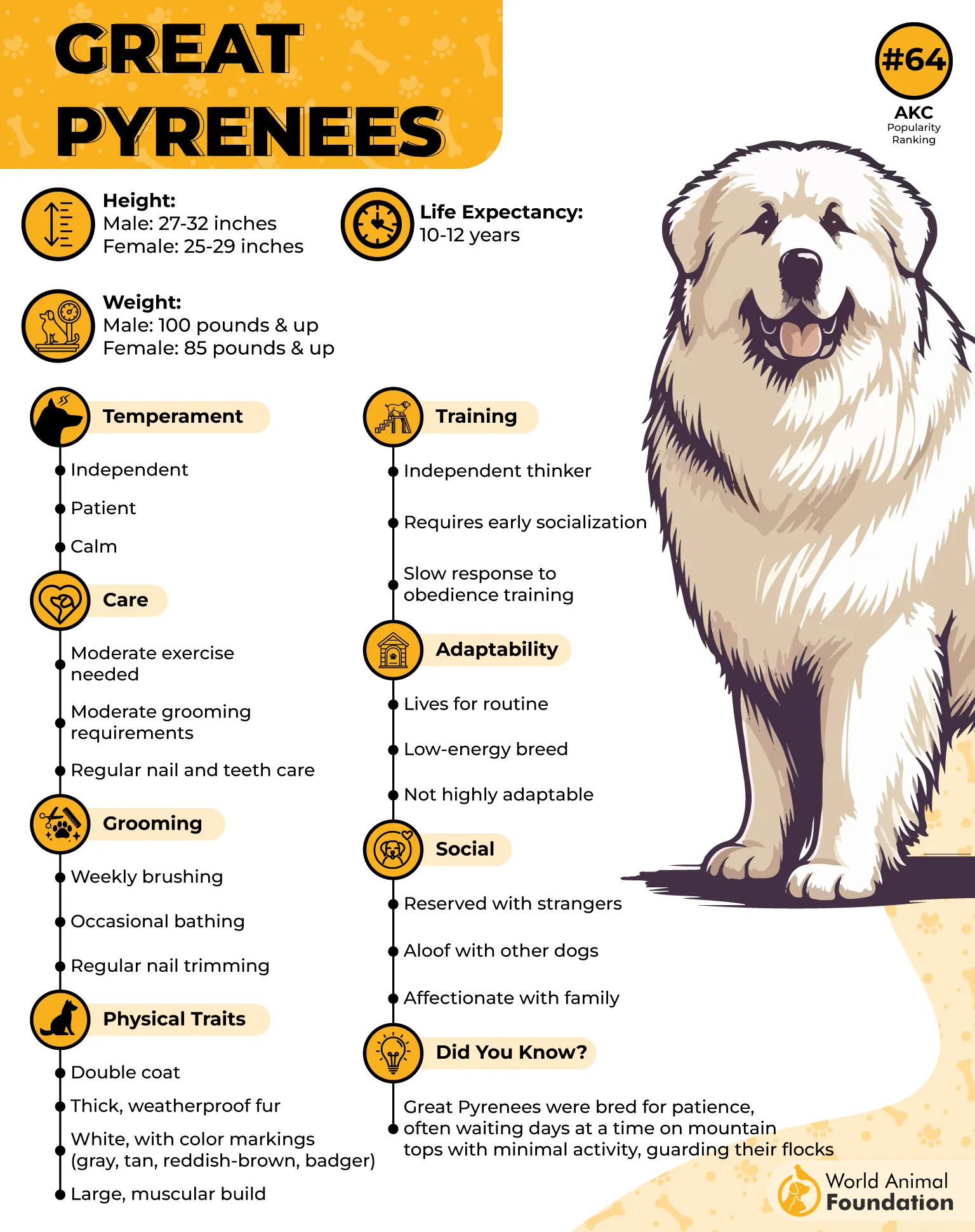
The Great Pyrenees was bred to protect flocks from wolves and other predators in harsh mountain environments. Its massive strength is balanced with a calm, measured presence that reads situations before reacting. That natural patience allows it to maintain focus while monitoring home surroundings quietly.
Poised Guardianship
Pyrs move with grace and energy only when a threat appears, conserving effort otherwise. Their instinctive awareness helps them notice unusual activity without unnecessary agitation.
Traits that reflect this reliability:
Zen-like calm under stress
Rapid, fluid response to intruders
Strategic positioning around the property
Power Controlled by Instinct
The breed’s weatherproof coat and muscular frame allow it to move efficiently across rough terrain or snow. Ancient work as a livestock guardian honed a quiet decisiveness in handling threats. These instincts carry over into home life, offering presence, awareness, and readiness without hyperactivity.
Conclusion
Living alone often calls for a companion who offers presence, awareness, and reliability. Each large breed listed here brings strength balanced with calm focus, making daily life feel more secure and grounded. From guardians shaped by history to watchful companions tuned to routine, these dogs suit independent dog owners who value structure and connection.
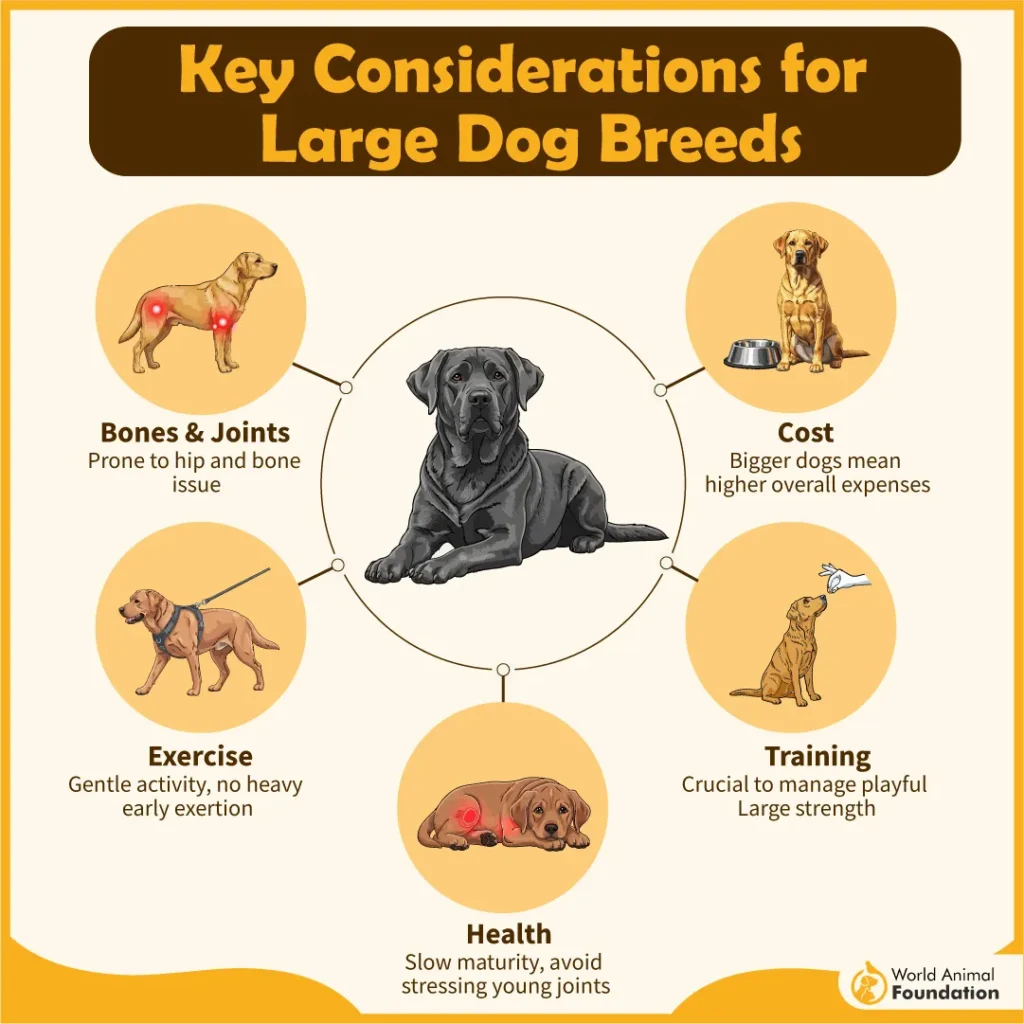
With proper guidance, regular exercise, and thoughtful boundaries around other dogs, the right match becomes the best dog for solo living. Beyond protection, a loyal furry friend supports confidence and mental health, turning quiet spaces into shared territory built on trust, routine, and steady companionship daily.
