





Bringing home a first dog is an exciting milestone, but choosing the right breed can make the experience much easier. Some dogs adapt well to family routines, respond positively to training, and enjoy spending time with their owners without requiring highly specialized care.
However, beginner-friendly does not mean maintenance-free. Every dog needs exercise, socialization, grooming, veterinary attention, and consistent boundaries. Understanding a breed’s temperament and potential challenges helps new owners prepare for a successful relationship.
From affectionate lapdogs to curious little terriers, these ten breeds offer different qualities for people starting their dog-owning journey. Their individual care requirements and personalities can help you identify a companion suited to your household.
Top Beginner-Friendly Dog Breeds for a Happy Home
1. Havanese
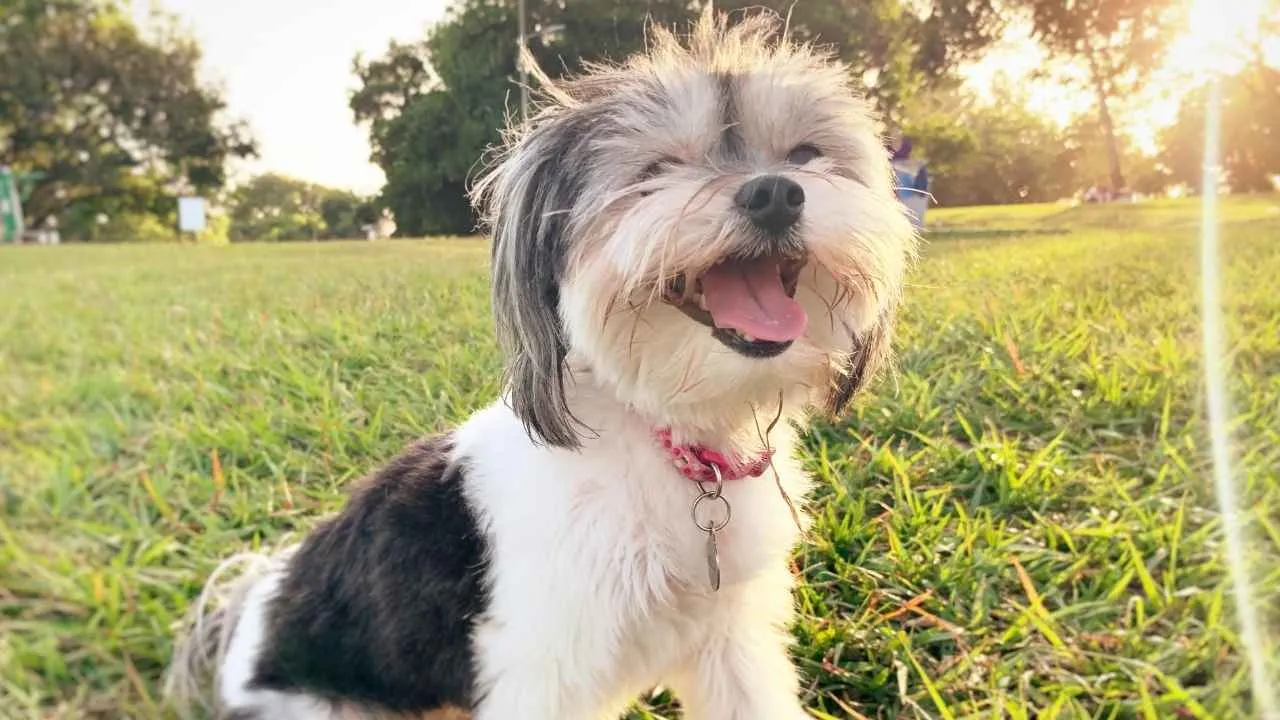
The Havanese originated in Cuba and developed as a companion dog favored by families and social households, as per WebMD. Its ancestry is associated with small companion breeds brought to the Caribbean from Europe. Over generations, the Havanese became known for its affectionate nature and adaptability to indoor living. Its people-oriented temperament makes it an appealing option for first-time owners.
Keeping a Silky Coat and Small Body Healthy
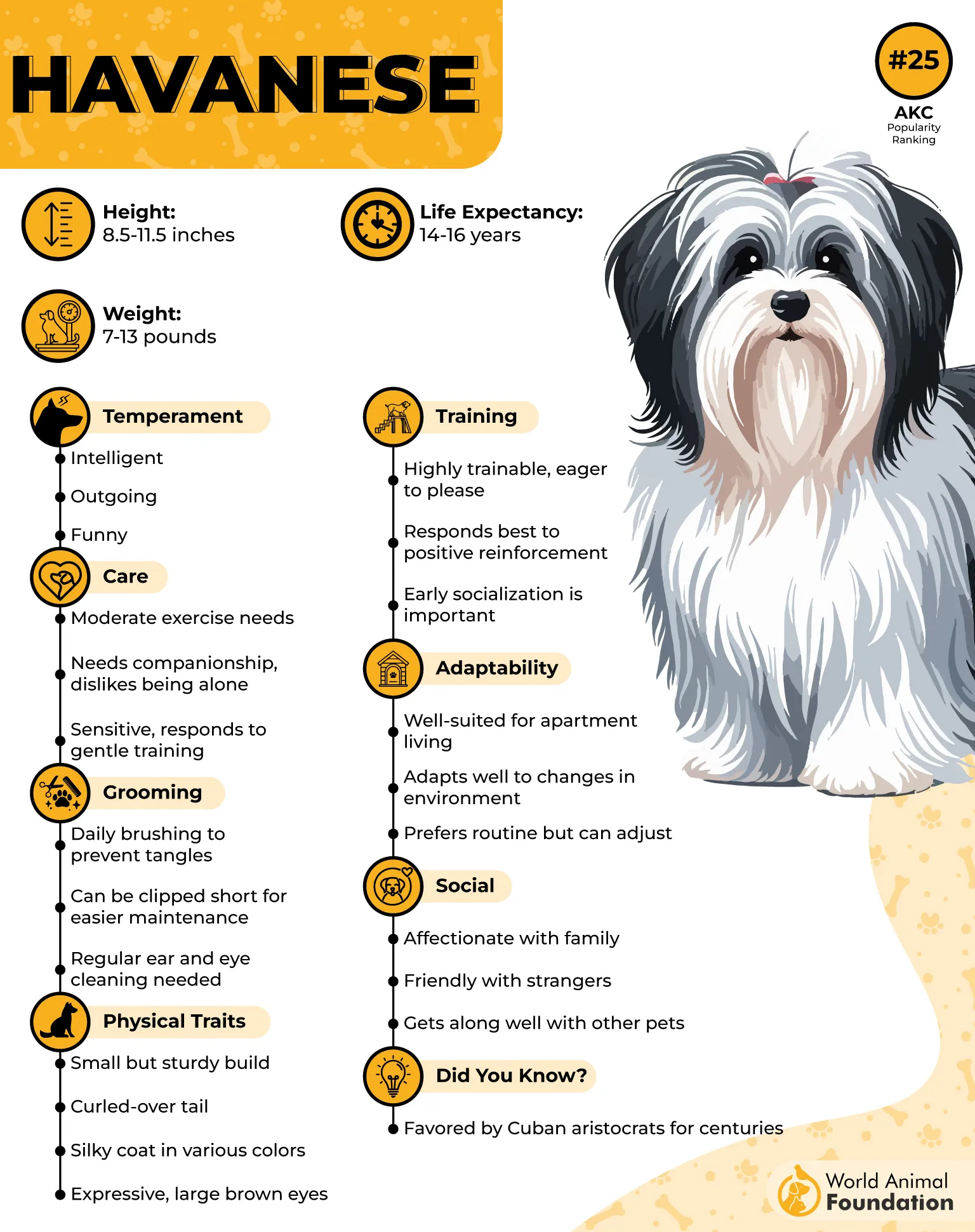
The Havanese has a long, soft coat that needs regular brushing to prevent tangles and mats. Owners who prefer easier maintenance may choose a shorter pet trim. Routine dental care is especially important because small dogs can develop dental problems, while regular veterinary checks help monitor eye, joint, and other health concerns.
A Sociable Companion for First-Time Families
Havanese dogs generally enjoy being involved in household activities and spending time with their owners. Their eagerness to interact can make reward-based training enjoyable for beginners. They still need daily walks, playtime, and gradual practice staying alone, as prolonged isolation may contribute to separation-related distress.
2. Cavalier King Charles Spaniel
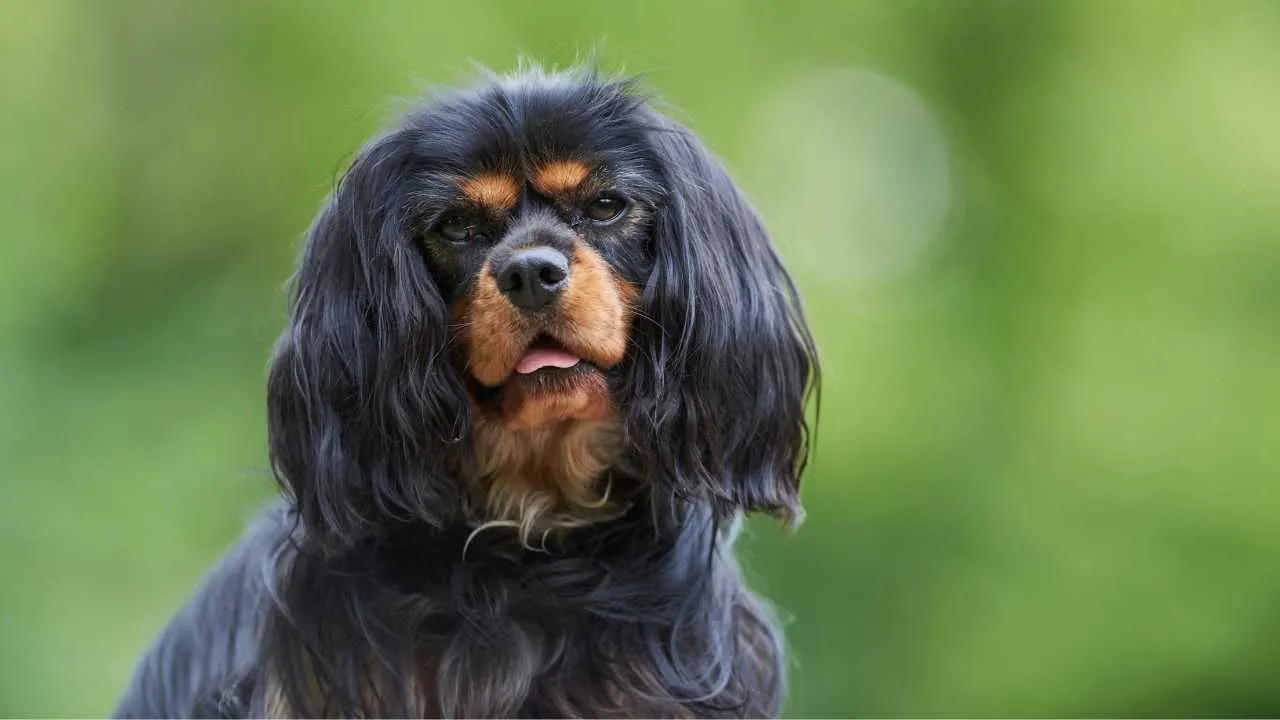
The Cavalier King Charles Spaniel developed in Britain from small spaniels traditionally kept as companion dogs. The breed became closely associated with British royal and aristocratic households, particularly during the reign of King Charles II.
Modern Cavaliers retain the gentle, affectionate character that made them popular dogs. Their willingness to engage with people can suit many first-time households.
Maintaining Feathered Ears and Supporting Heart Health
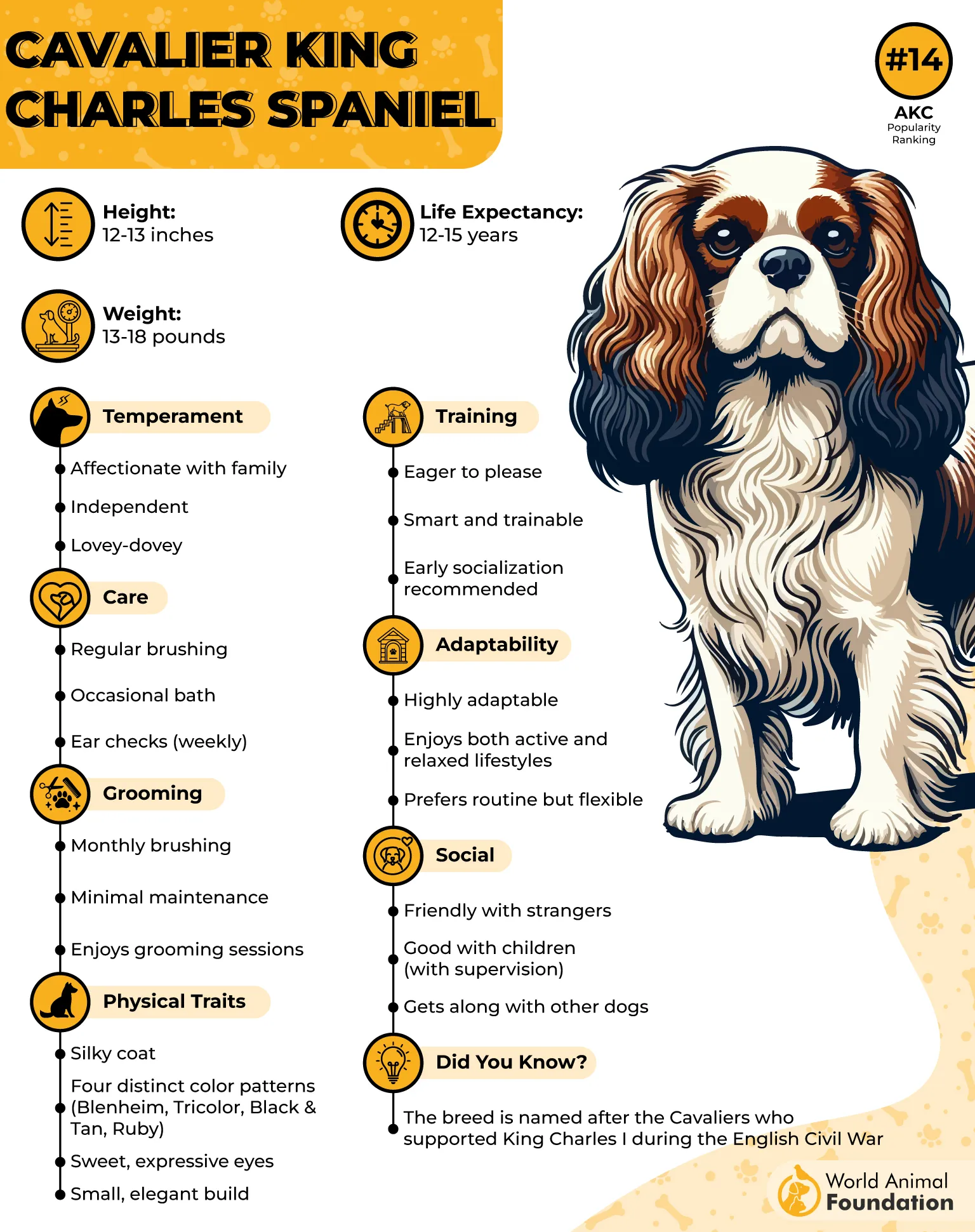
The Cavalier’s silky coat needs regular brushing, especially around its ears, chest, and legs. Its long ears should be checked for dirt and irritation, while routine dental care helps protect oral health. Mitral valve disease, certain neurological conditions, and eye problems are important concerns, so choosing health-tested breeding lines and arranging regular veterinary examinations is essential.
A Gentle Friend Who Loves Human Company
Cavaliers are often eager to cuddle, accompany their owners on walks, and participate in relaxed family activities. Their generally sociable nature can make everyday training approachable for beginners. They still benefit from early socialization, consistent household rules, and moderate exercise suited to their health and age.
3. Pug
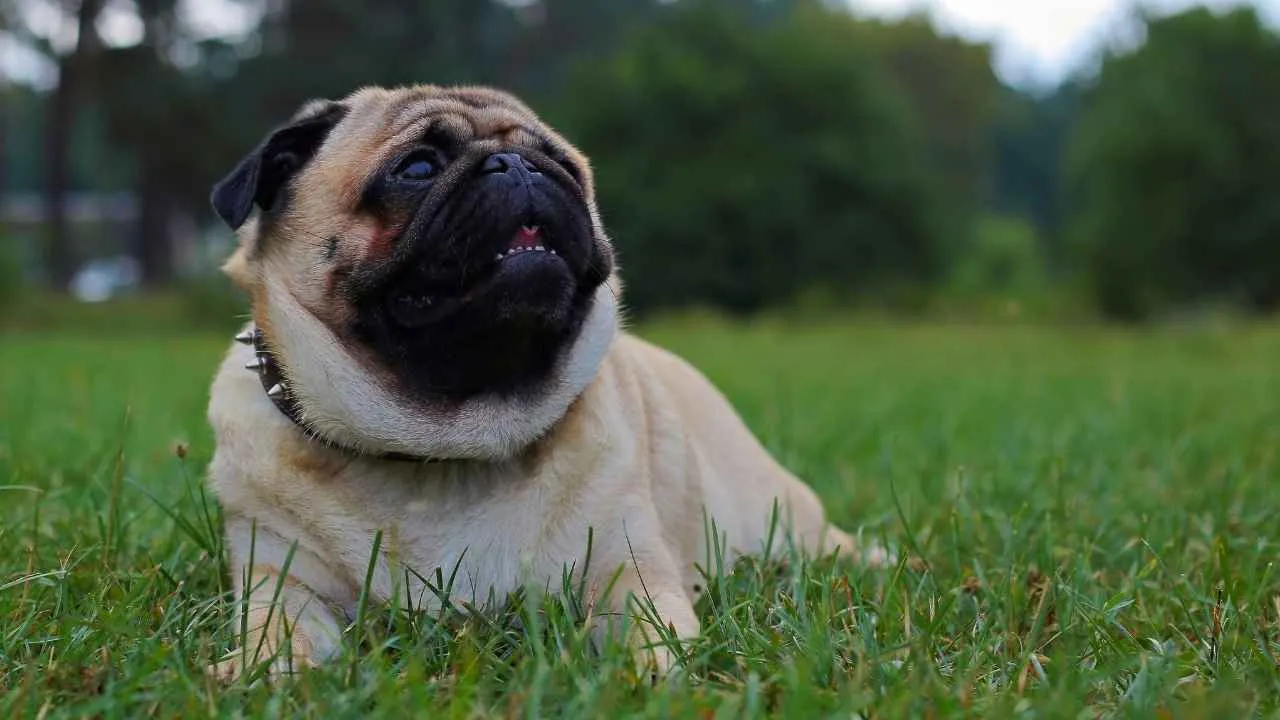
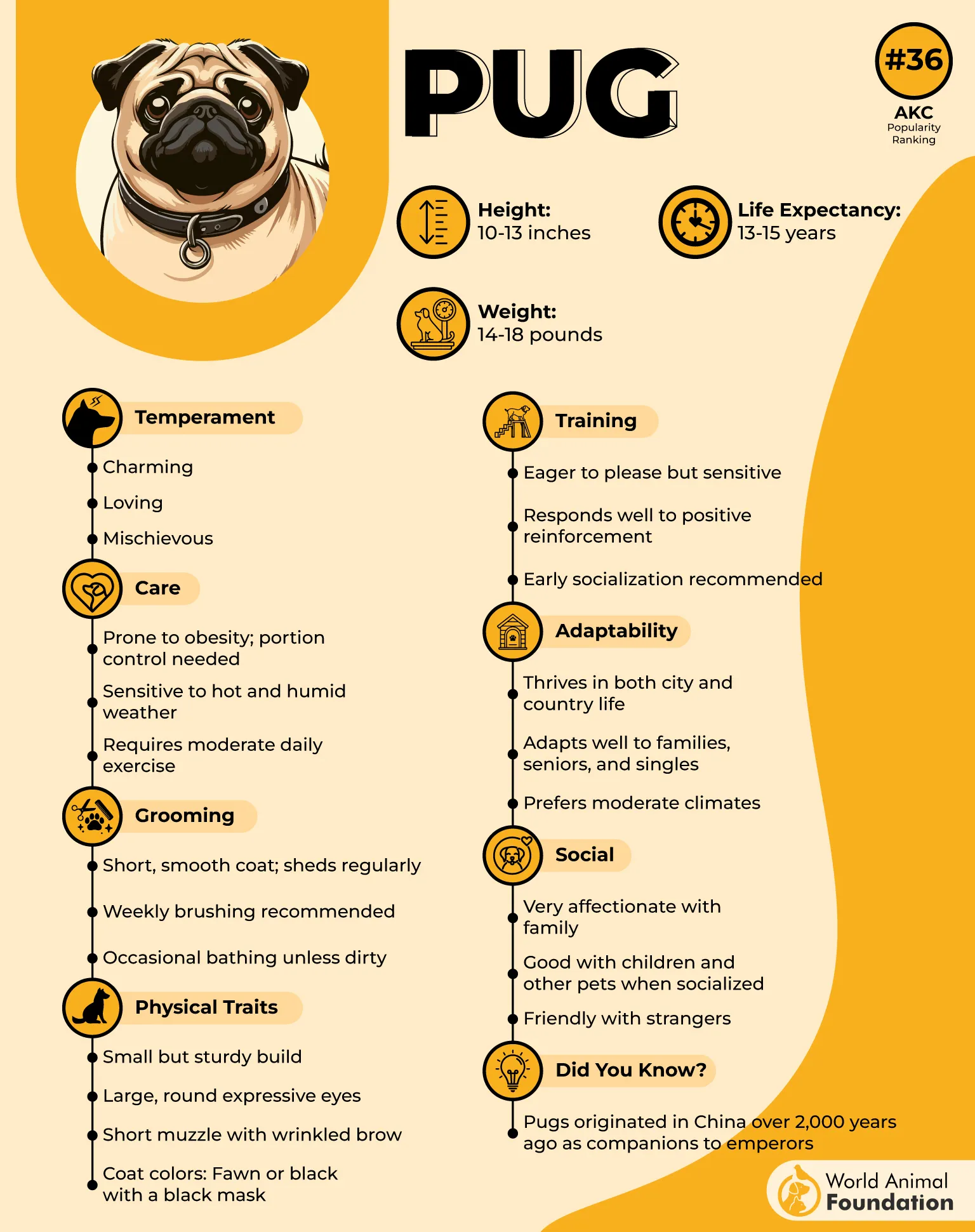
The Pug has a long history as a companion dog in China, where small, short-faced dogs were kept by members of imperial households, as noted by the AKC. The breed later became popular in Europe and developed a reputation for its distinctive wrinkled face and compact body. Their playful, people-focused personalities continue to attract owners seeking an affectionate household pet.
Wrinkle Care and Breathing Considerations
A Pug’s short coat is relatively easy to brush, but its facial folds require gentle, regular cleaning and thorough drying. Dental hygiene and weight management are also important. Because Pugs have shortened muzzles, they can experience breathing difficulties and struggle in hot or humid weather, making careful exercise planning and veterinary guidance essential.
A Comical Housemate With a Playful Side
Pugs often entertain their families through amusing expressions, enthusiastic greetings, and bursts of indoor play. They usually enjoy companionship more than strenuous outdoor adventures. Short walks and gentle games suit many individuals, but owners must watch for heavy panting or breathing difficulties and avoid exercise during hot weather.
4. Australian Terrier
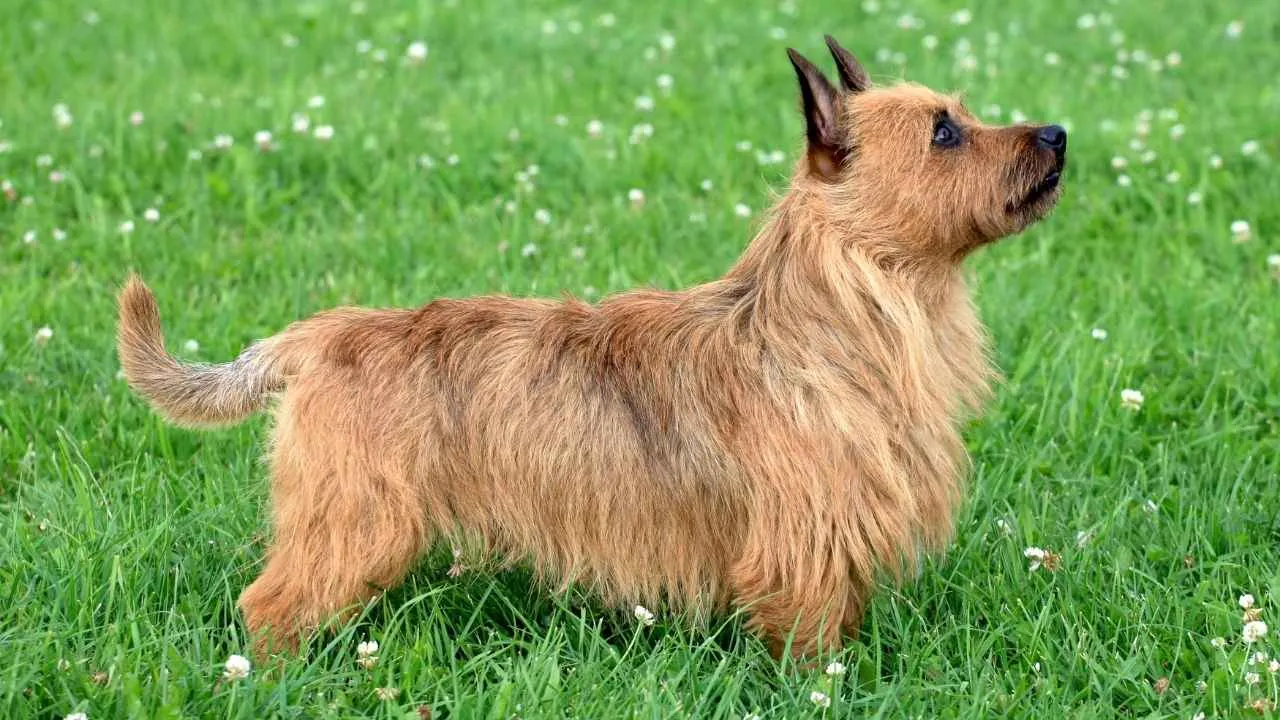
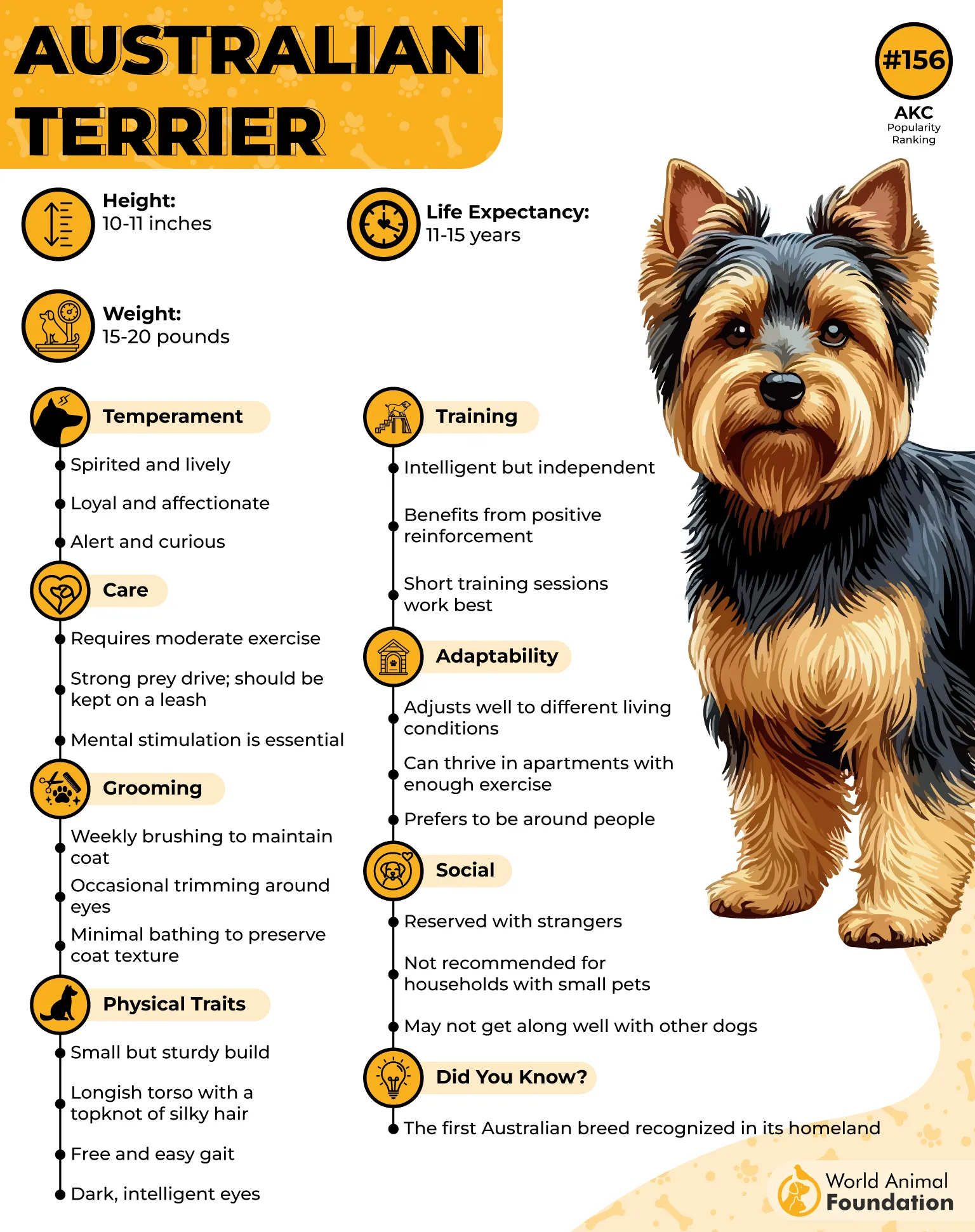
The Australian Terrier was developed in Australia during the 19th century to control rodents and snakes on farms and settlements. Its ancestry includes several British terrier types selected for hardiness and determination. Despite its size, this small breed became valued for its alertness, confidence, and ability to work in challenging conditions. These traits remain evident in its lively modern personality.
Managing a Weather-Resistant Coat and Active Body
The Australian Terrier’s rough coat needs regular brushing and occasional trimming to prevent tangles and remove debris. Its ears, nails, and teeth also require routine care. Potential health concerns vary by individual and breeding line, so regular veterinary examinations and responsible breeder screening are important. Daily activity helps maintain a healthy weight and supports overall well-being.
A Confident Little Dog for Hands-On Owners
Australian Terriers bring curiosity and independence to everyday life. Their intelligence makes training rewarding, although their natural prey drive can create challenges around squirrels and other small animals. Beginners can help them succeed through short reward-based lessons, secure outdoor spaces, and consistent rules that discourage excessive barking or chasing.
5. Brussels Griffon
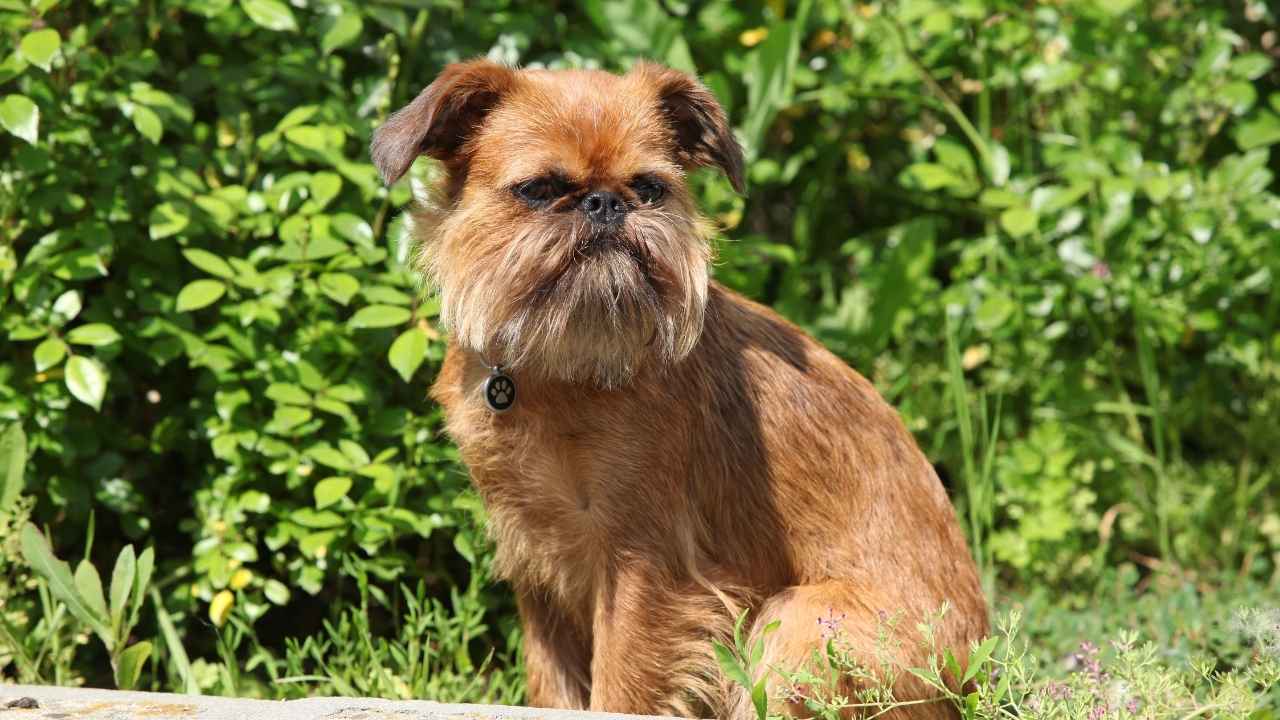
The Brussels Griffon originated in Belgium, where its ancestors worked as small rat-catching dogs around stables. Over time, selective breeding and crosses with other small breeds helped produce its distinctive face and compact frame. The breed eventually became a cherished companion known for its expressive features and strong attachment to people.
Facial Care and Health Checks for a Small Breed
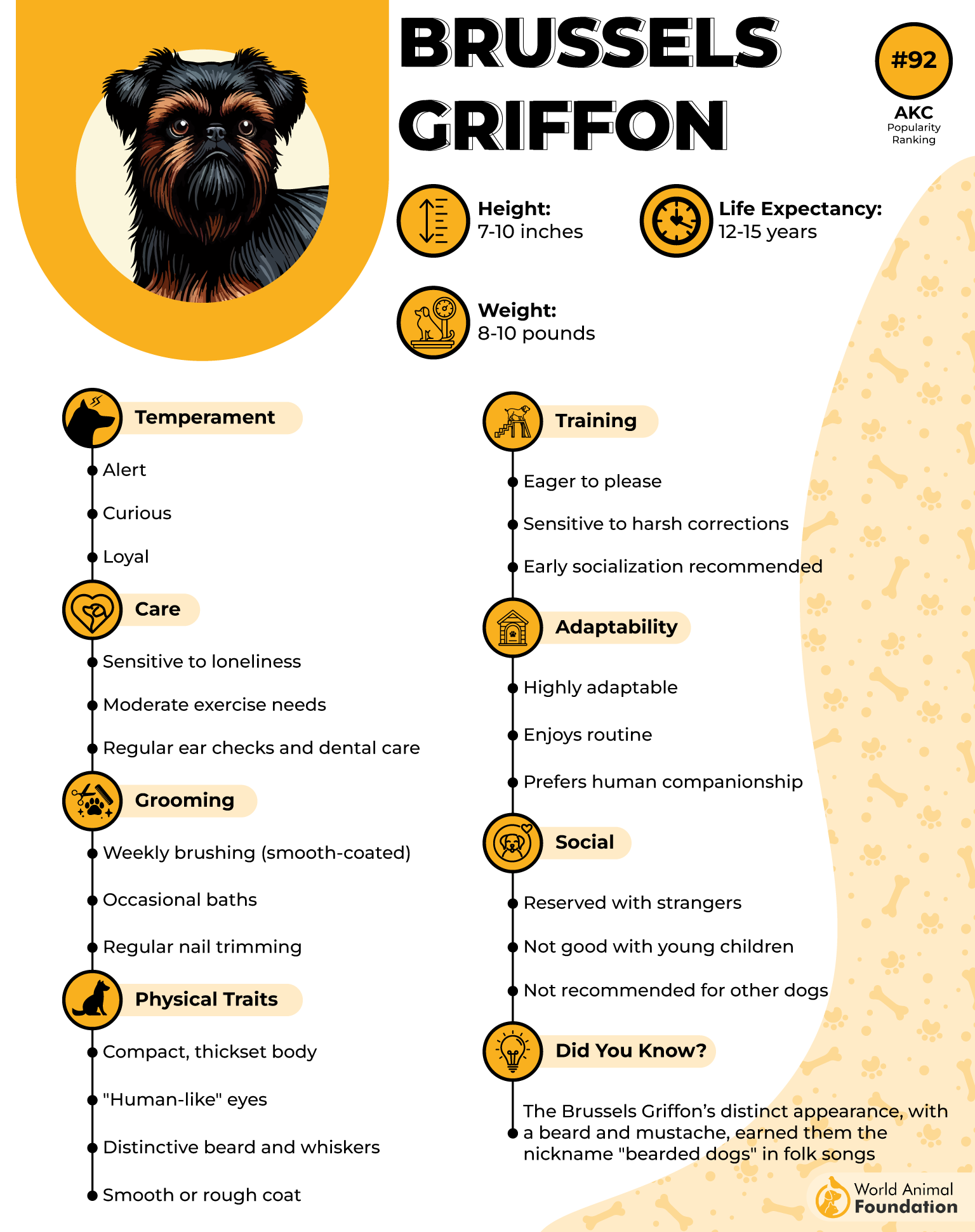
Brussels Griffons may have rough or smooth coats, with grooming requirements depending on the variety. Rough-coated dogs need regular brushing and occasional professional attention, while facial folds and eye areas should be kept clean.
Their short facial structure can contribute to breathing problems, and eye injuries are another concern. Owners should seek veterinary advice about exercise and heat tolerance.
An Expressive Sidekick Who Enjoys Close Company
Brussels Griffons often form strong bonds with their favorite people and enjoy games that involve direct interaction. Their expressive faces and curious reactions make ordinary household routines entertaining. They respond best to gentle training and patient socialization, particularly because some individuals may be sensitive around unfamiliar people or noisy environments.
6. Border Terrier
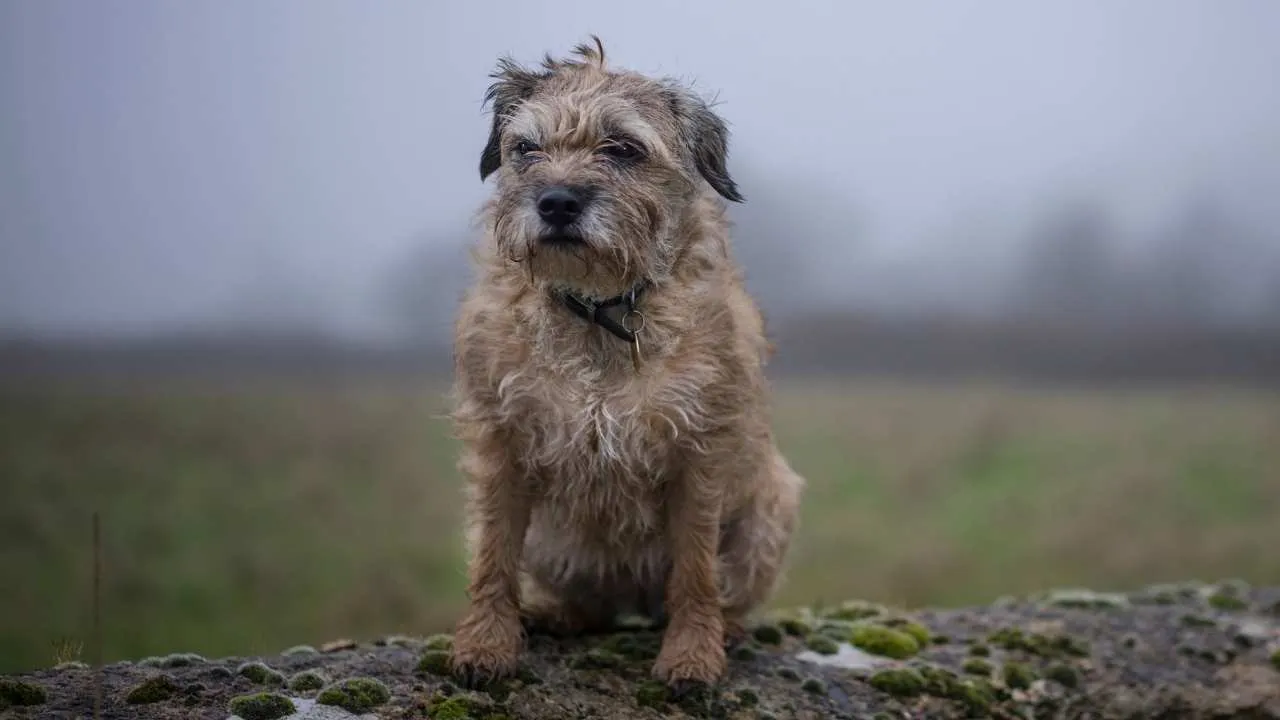
The Border Terrier originated along the border between England and Scotland, where farmers developed working terriers to help control foxes and other pests, as per PetMD. Its relatively long legs and narrow body allowed it to move across rough countryside and follow quarry underground. Breeders valued its stamina, determination, and practical working ability.
Rough-Coat Maintenance and Everyday Health
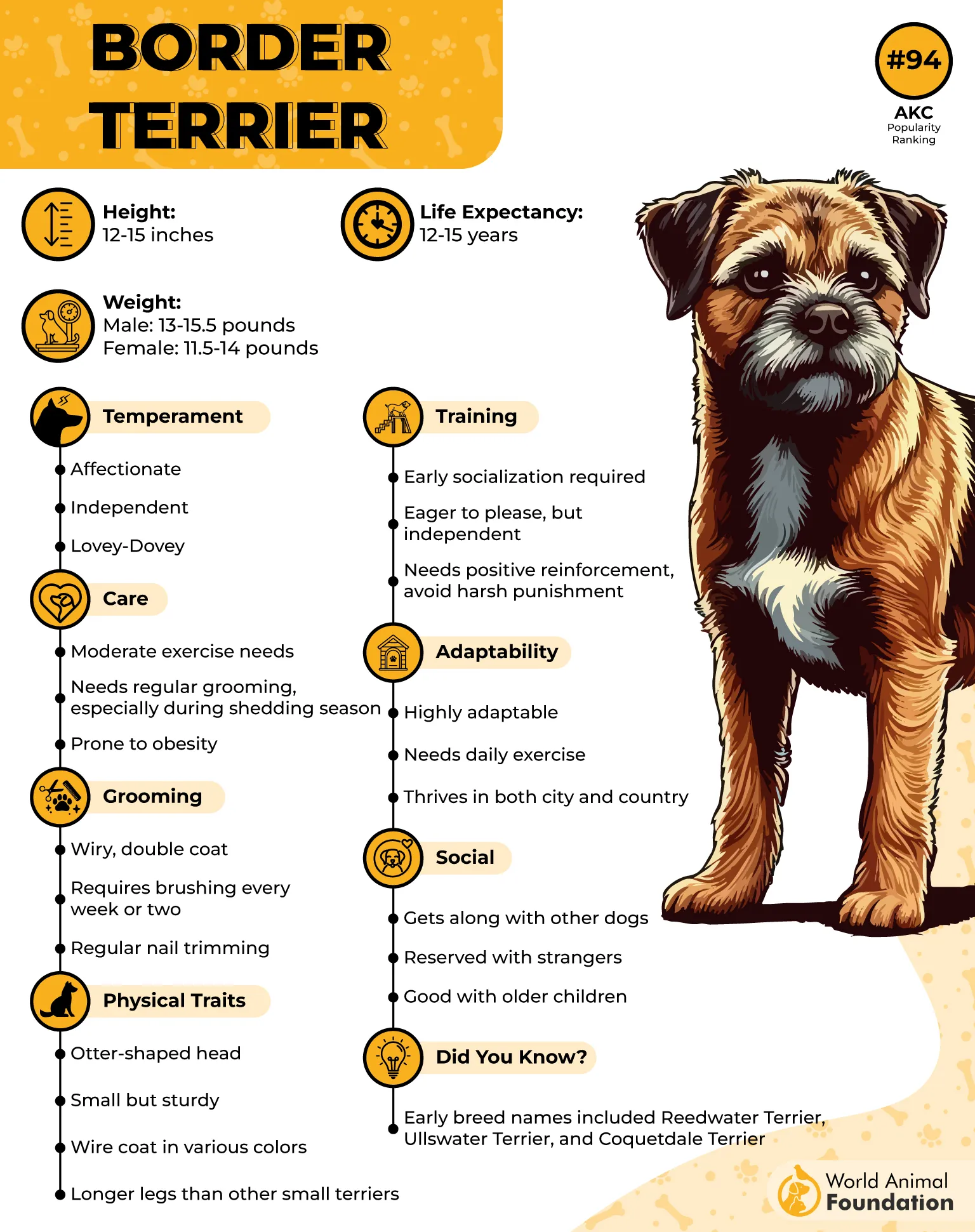
The Border Terrier’s wiry double coat needs regular brushing and periodic hand-stripping to maintain its traditional texture. Routine dental care, nail trimming, and ear checks are also necessary. Some individuals may be affected by inherited conditions, including certain neurological disorders, so health screening is worth discussing with responsible breeders and veterinarians.
A Hardy Companion With a Curious Streak
Border Terriers tend to enjoy exploring gardens, investigating scents, and joining their owners on walks. Their practical working background gives them more stamina than their small size might suggest. First-time owners should provide consistent training and secure outdoor areas because their prey drive may encourage them to chase small animals.
7. Bolognese
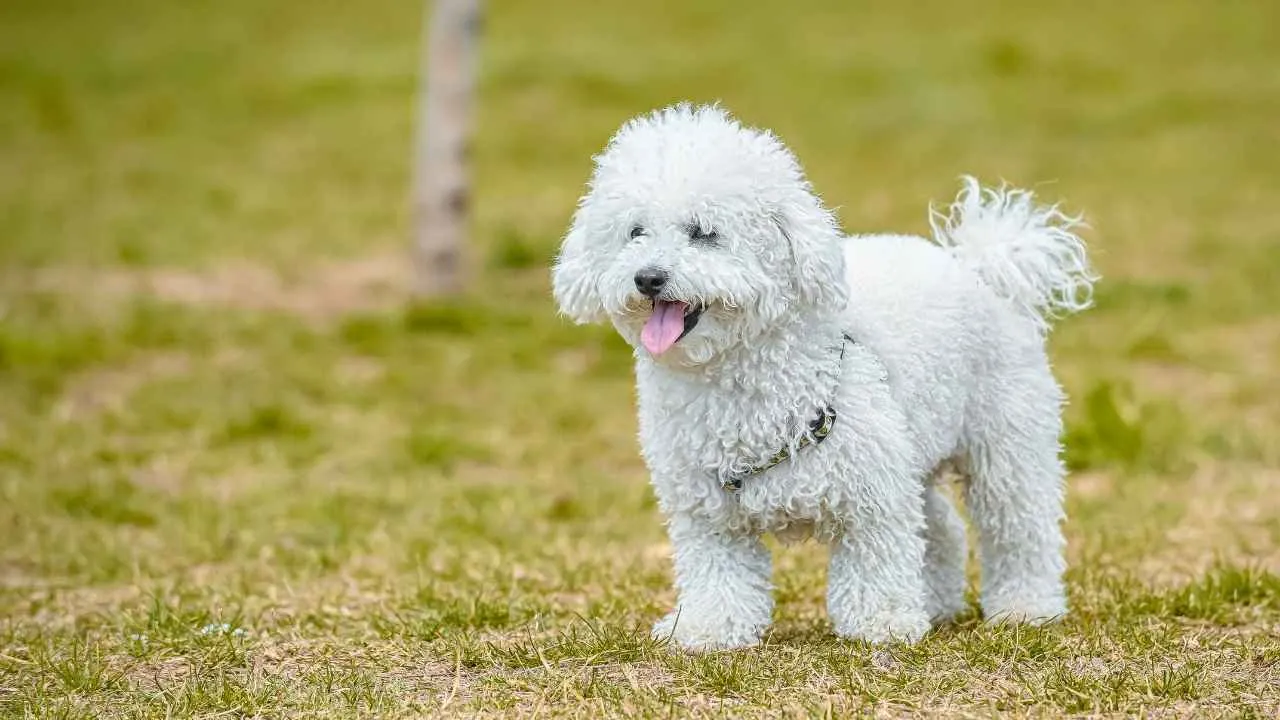
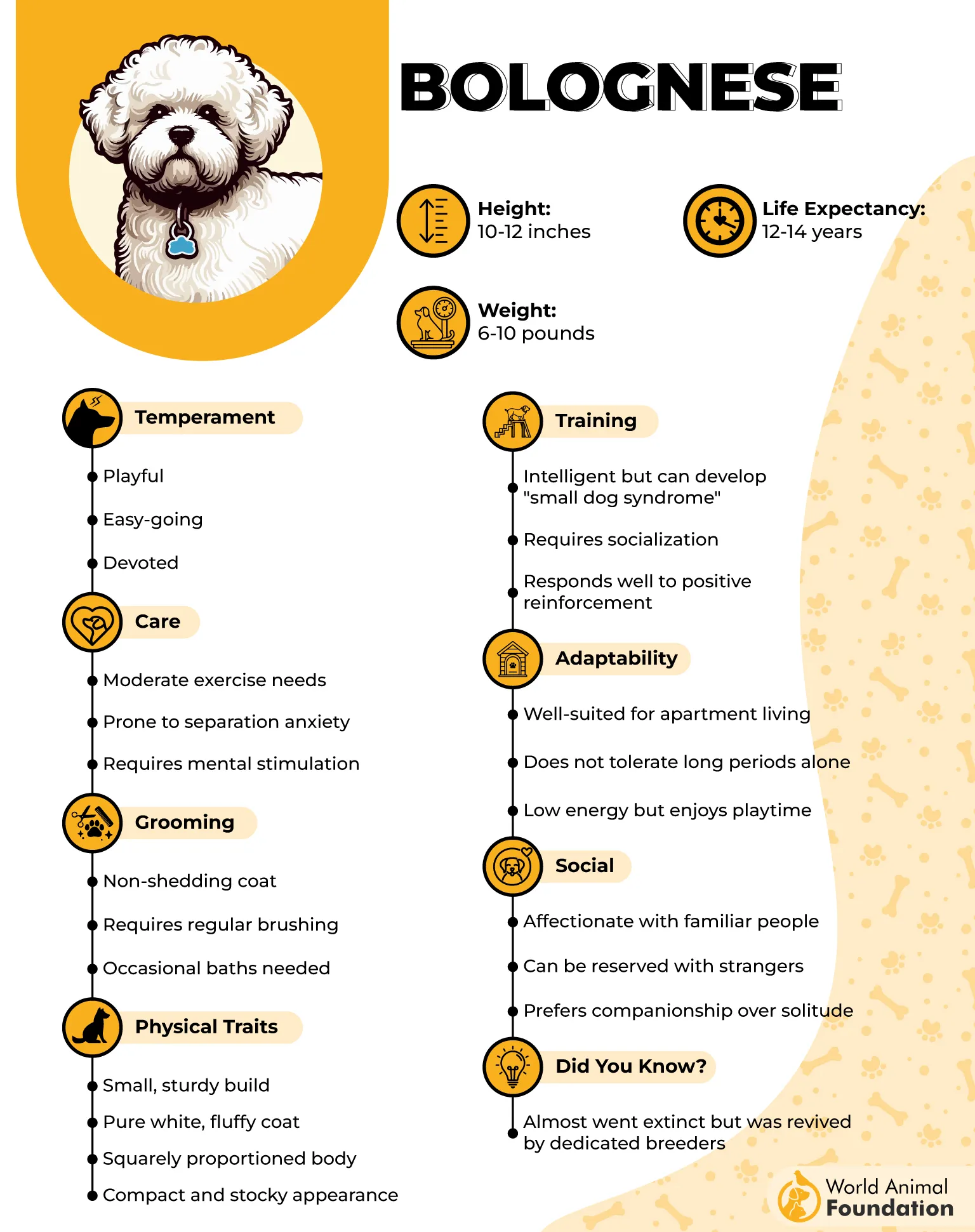
The Bolognese originated in Italy and belongs to the historic group of small white dogs popular among European nobility. The breed became associated with aristocratic households, where its affectionate temperament made it a valued lapdog. Unlike terriers developed for pest control, the Bolognese was primarily bred for companionship.
Caring for a Fluffy White Coat
The Bolognese has a soft, fluffy white coat that needs frequent brushing to prevent mats and tangles. Owners should pay particular attention to the areas around the eyes, ears, and legs. Regular dental cleaning is important for this small breed, and veterinary checkups help monitor eye, joint, and general health concerns as the dog ages.
A Calm Little Companion for Cozy Homes
Bolognese dogs often prefer spending time near their families rather than seeking constant high-energy activity. Their affectionate nature can suit quieter households and owners who enjoy close companionship. They still need daily walks, gentle play, and training that gradually builds confidence when separated from their favorite people.
8. Toy Poodle
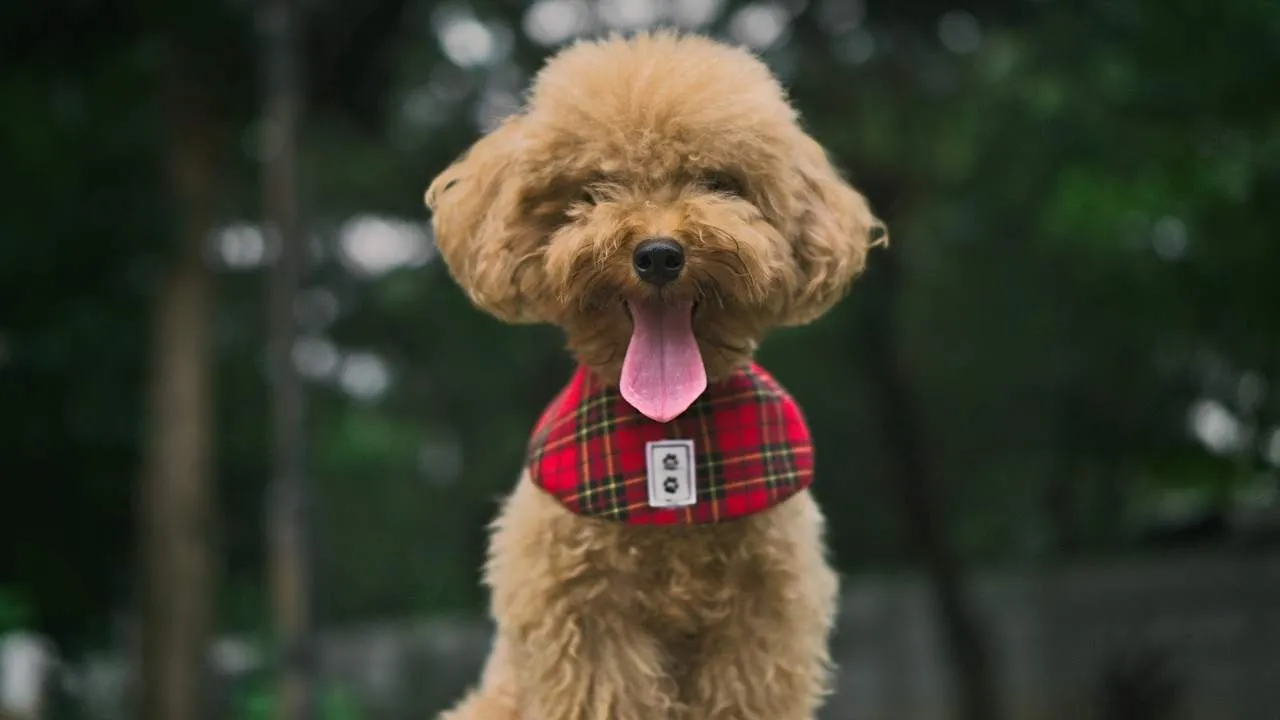
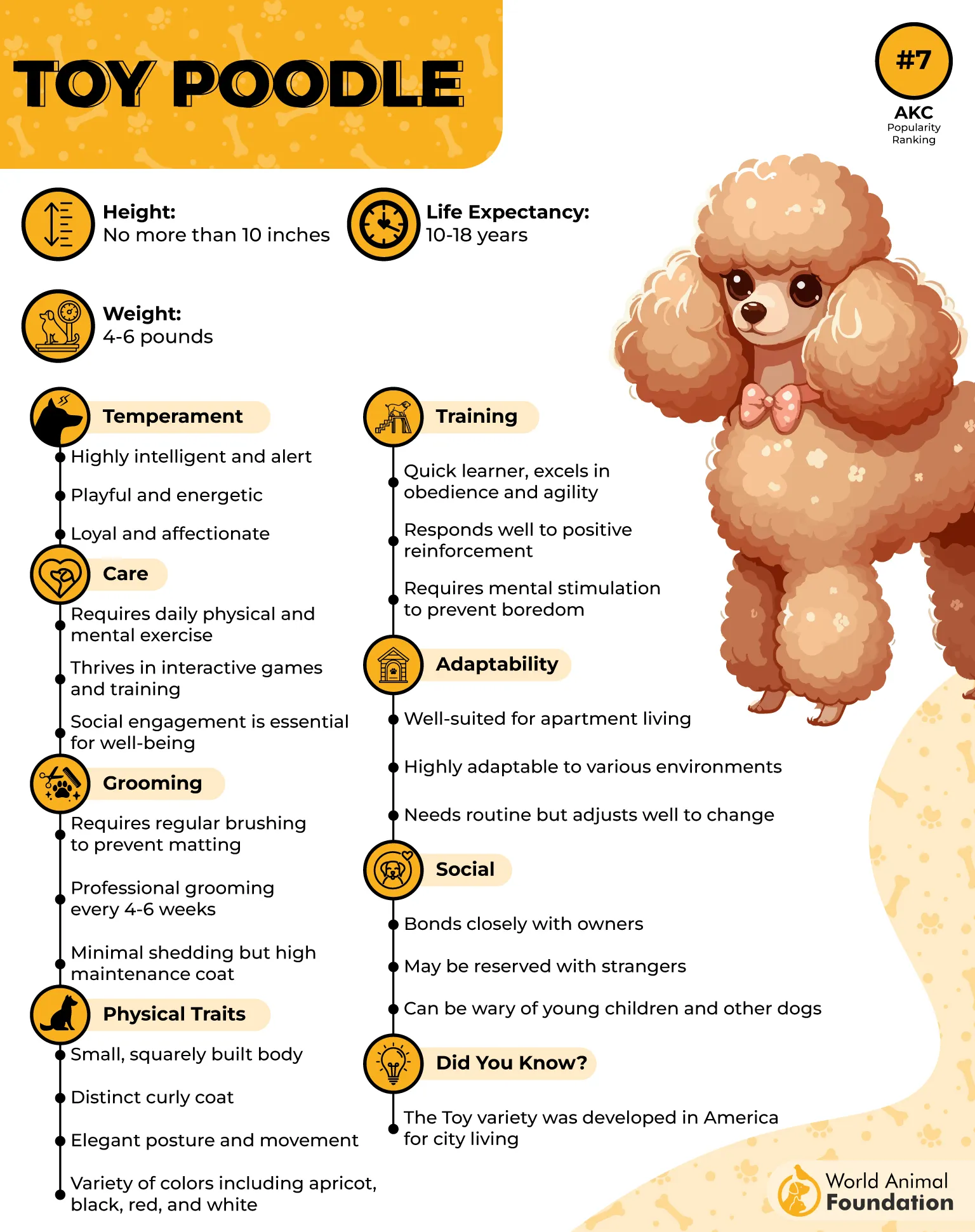
The Toy Poodle belongs to the broader Poodle family, whose ancestors were developed in Europe as capable water dogs. Smaller varieties eventually became popular companions while retaining the intelligence and trainability associated with their larger relatives. The Toy Poodle combines a compact frame with impressive learning abilities.
Curl Care, Dental Hygiene, and Healthy Movement
The Toy Poodle’s curly coat requires frequent brushing and regular professional grooming to prevent mats. Owners should also establish a dental-care routine because small breeds are susceptible to periodontal disease.
Responsible breeders screen for inherited concerns such as certain eye disorders and kneecap problems. Regular veterinary care and age-appropriate exercise help maintain mobility and general health.
A Quick Learner Who Makes Training Enjoyable
Toy Poodles often pick up household routines and new tricks quickly. Their intelligence makes reward-based training, food puzzles, and hide-and-seek useful ways to keep them occupied. Beginners should use short lessons and consistent rules, while providing enough daily exercise to prevent boredom and unwanted behaviors.
9. American Hairless Terrier

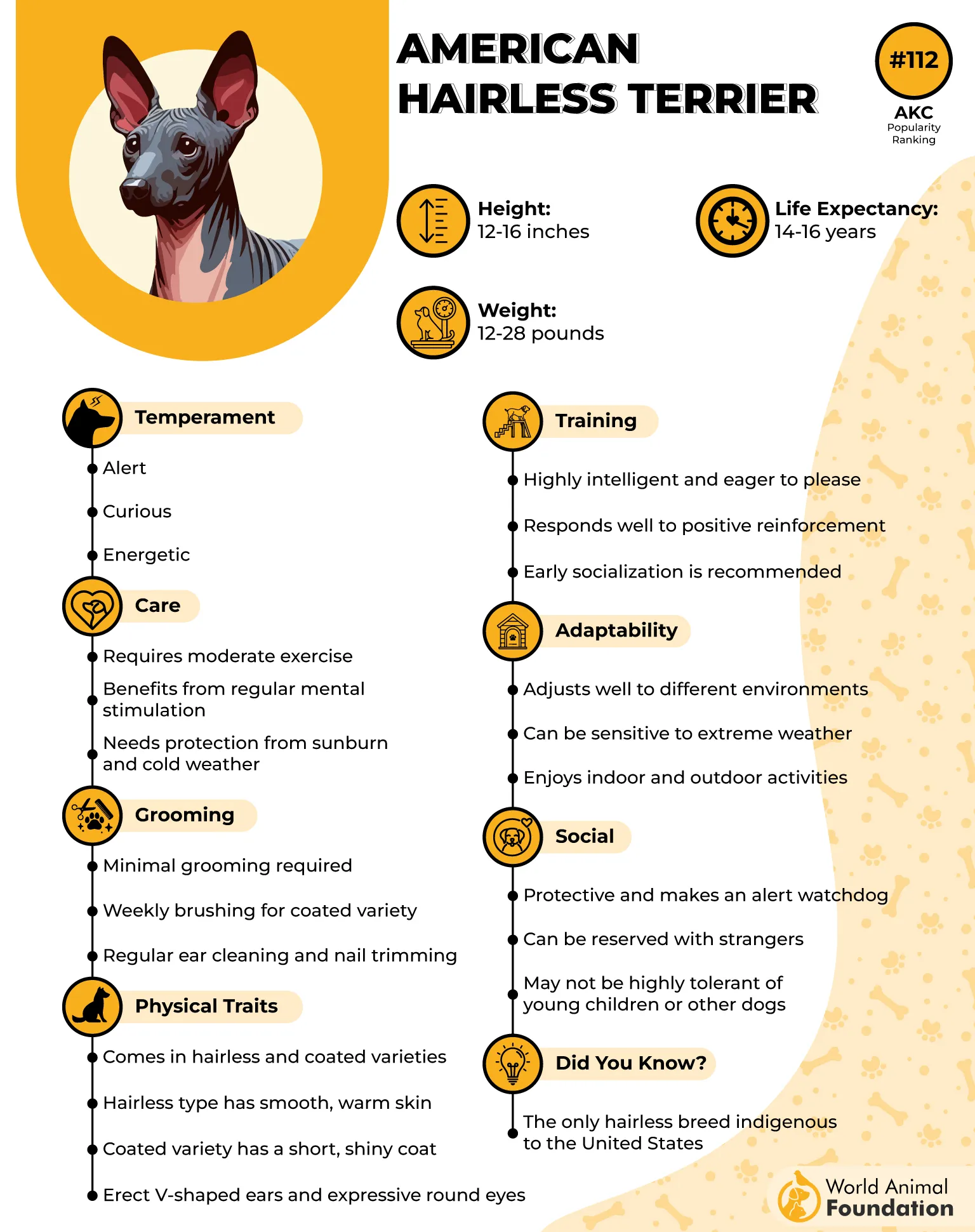
The American Hairless Terrier originated in the United States after a hairless puppy appeared in a litter of Rat Terriers in Louisiana in 1972. Breeders developed the hairless line into a distinct breed, prized by some owners for its lack of a conventional coat.
Despite its unusual appearance, it retains the alertness and curiosity of its terrier ancestry. Its distinctive skin-care requirements make preparation particularly important for new owners.
Protecting Sensitive Skin and Maintaining Wellness
The American Hairless Terrier does not have a protective fur coat, so its skin needs particular attention. Owners should protect it from excessive sun exposure and cold weather, using dog-safe sunscreen or suitable clothing when recommended.
Gentle bathing, moisturizing when advised, and regular skin checks help identify irritation early. Dental care and routine veterinary examinations remain important, as with any breed.
An Alert Little Explorer for Supervised Adventures
American Hairless Terriers are typically curious, playful, and interested in their surroundings. Their energy makes them suitable for short hikes, interactive games, and training sessions when conditions are comfortable. Unlike heavily coated terriers, they need protection from harsh sunlight, cold winds, and rough vegetation. Secure walks and consistent recall practice help channel their inquisitive nature safely.
10. Russian Toy
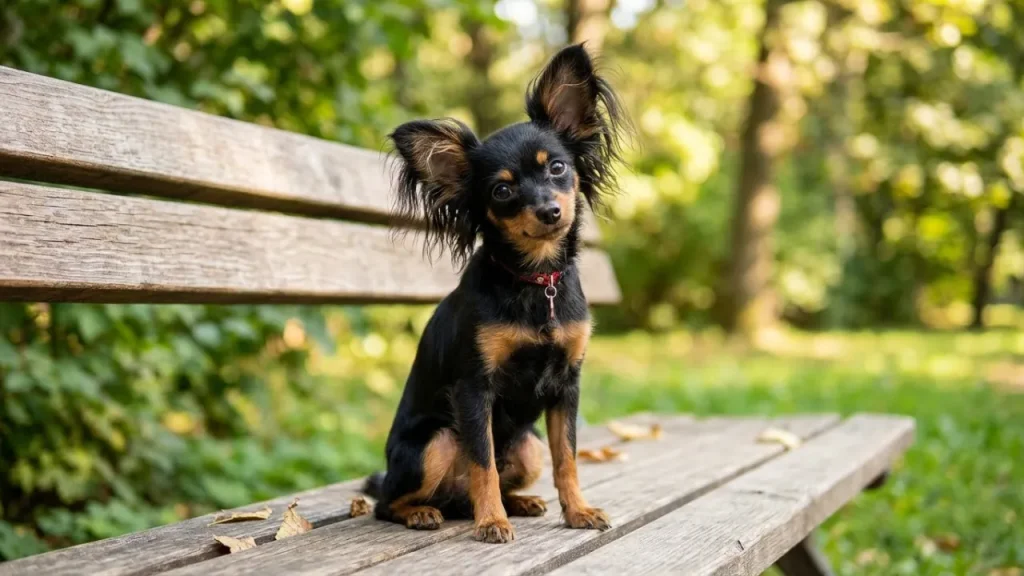
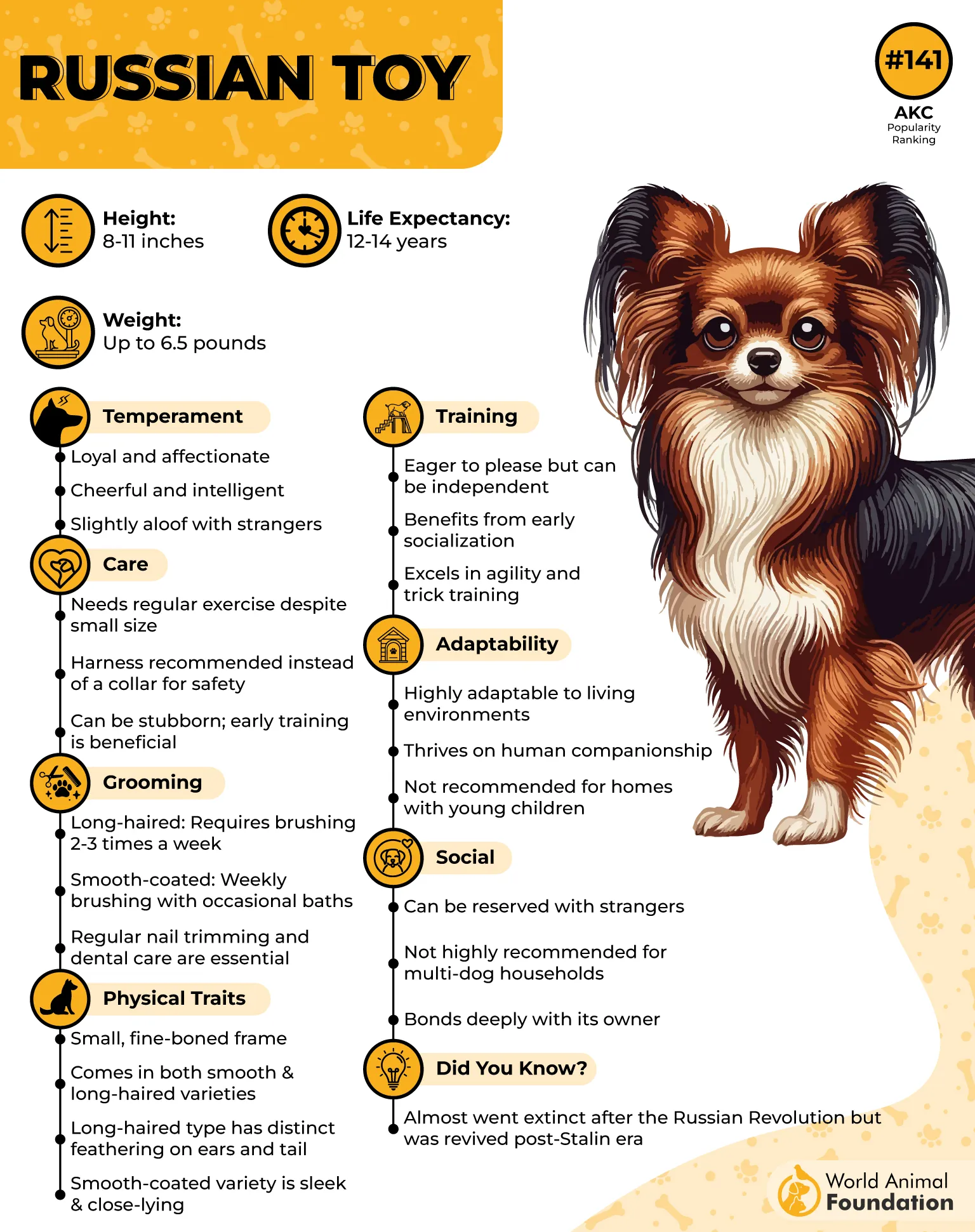
The Russian Toy developed in Russia from small English Toy Terriers that became fashionable companions among members of Russian society. The breed’s population changed during periods of political upheaval, and Russian breeders later worked to preserve and develop it. Both smooth-coated and long-coated varieties emerged, with long-coated dogs displaying distinctive ear feathering.
Delicate-Coat Care and Protection for Tiny Bones
Russian Toys have smooth or long coats, and their grooming needs vary accordingly. Smooth-coated dogs require minimal brushing, while long-coated individuals need extra attention around the ears and feathering. Their tiny frames are vulnerable to injuries from falls and rough handling.
Dental care is also essential, and routine veterinary checks help monitor kneecap problems and other small-breed health concerns.
A Pocket-Sized Companion With Plenty of Spark
Russian Toys often display lively curiosity and enjoy short games with familiar people. Their alertness makes them responsive to new sights and sounds, although some individuals can be reserved around strangers. Beginners should prioritize gentle handling, early socialization, and positive training. Short walks and indoor play are usually more suitable than rough activities with larger dogs.
Conclusion
Havanese, Cavalier King Charles Spaniels, Pugs, Australian Terriers, Brussels Griffons, Border Terriers, Bolognese, Toy Poodles, American Hairless Terriers, and Russian Toys each offer qualities that can suit first-time dog owners. Some thrive on close companionship, while others bring curiosity, intelligence, or a spirited terrier personality to the household.
Before choosing a breed, consider grooming demands, health concerns, exercise requirements, and how much time you can dedicate to training. A low-maintenance coat does not necessarily mean fewer overall care needs, and even an affectionate dog requires consistent boundaries and socialization.
The happiest homes are built on preparation rather than appearance alone. By matching a dog’s individual needs with your lifestyle and providing patient, responsible care, you can build a rewarding relationship with your first canine companion.
