




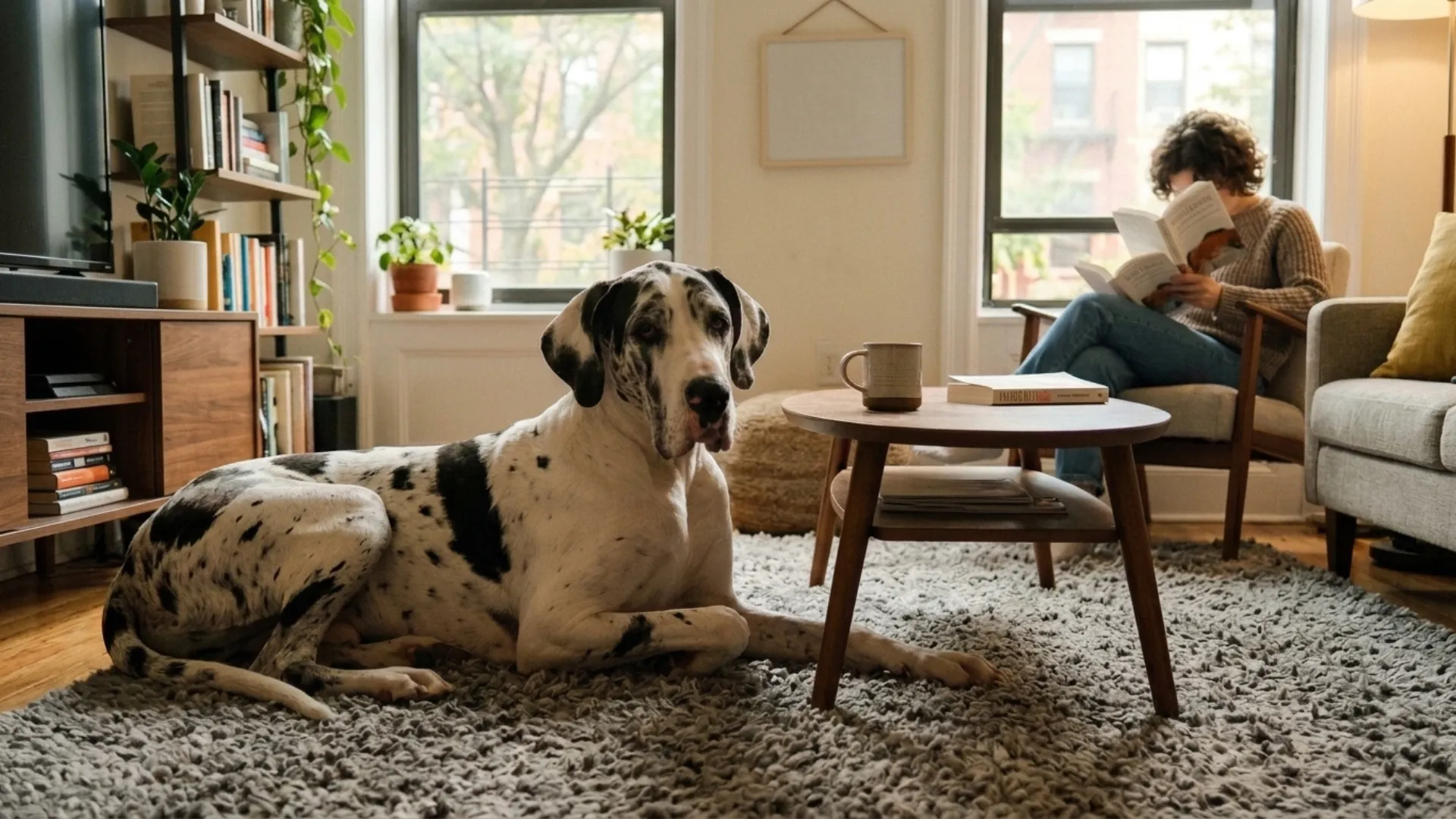
Living on your own doesn’t mean you have to give up the idea of having a loyal four-legged companion. In fact, the right large dog can make solo living feel more secure, enjoyable, and rewarding.
While many people assume big dogs need constant attention, some are naturally more self-sufficient and comfortable spending short periods relaxing on their own instead of following you from room to room.
That doesn’t mean these dogs are distant or unfriendly. Independent dogs still form deep bonds with their owners—they simply show their affection in quieter ways.
They’re often happy to lounge nearby while you work, enjoy their own space after a walk, and settle into a predictable routine without demanding constant interaction. This balanced temperament can make them an excellent fit for people who live alone and have work or social commitments.
In this article, we’ll explore some of the best dog breeds, what makes them a good match for independent owners, and the important care needs to keep in mind.
Key Takeaways
Explore 9 independent giant dog breeds that are ideal for people living alone.
Discover why the Akita, Great Pyrenees, and Great Dane make loyal yet self-sufficient companions.
Compare each breed’s temperament, exercise needs, grooming, and training requirements.
Find the large, confident companion that best fits your home, lifestyle, and daily routine.
Autonomous Large‑Sized Dog Breeds Perfect for Solo Living
1. Great Dane
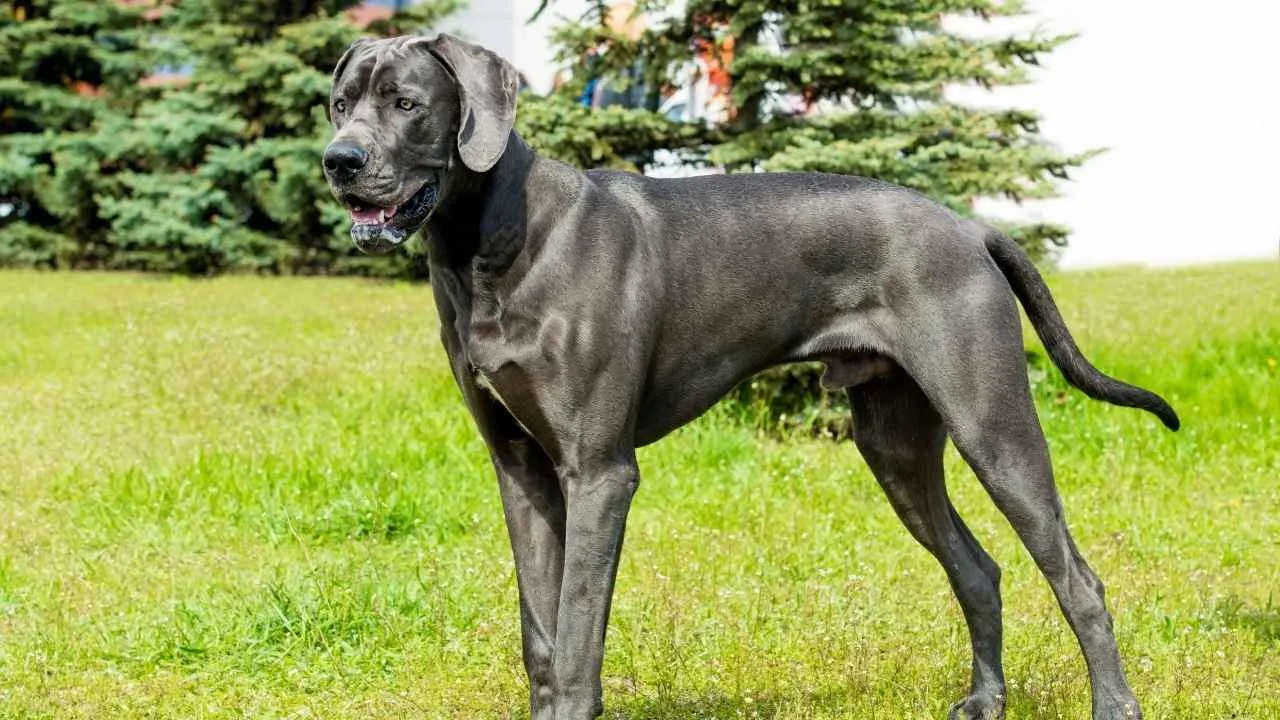
Known as the gentle giants of the dog world, Great Danes combine an impressive size with a calm, affectionate nature. Originally bred in Germany to hunt wild boar and guard large estates, they are now loyal family companions that enjoy a peaceful home life.
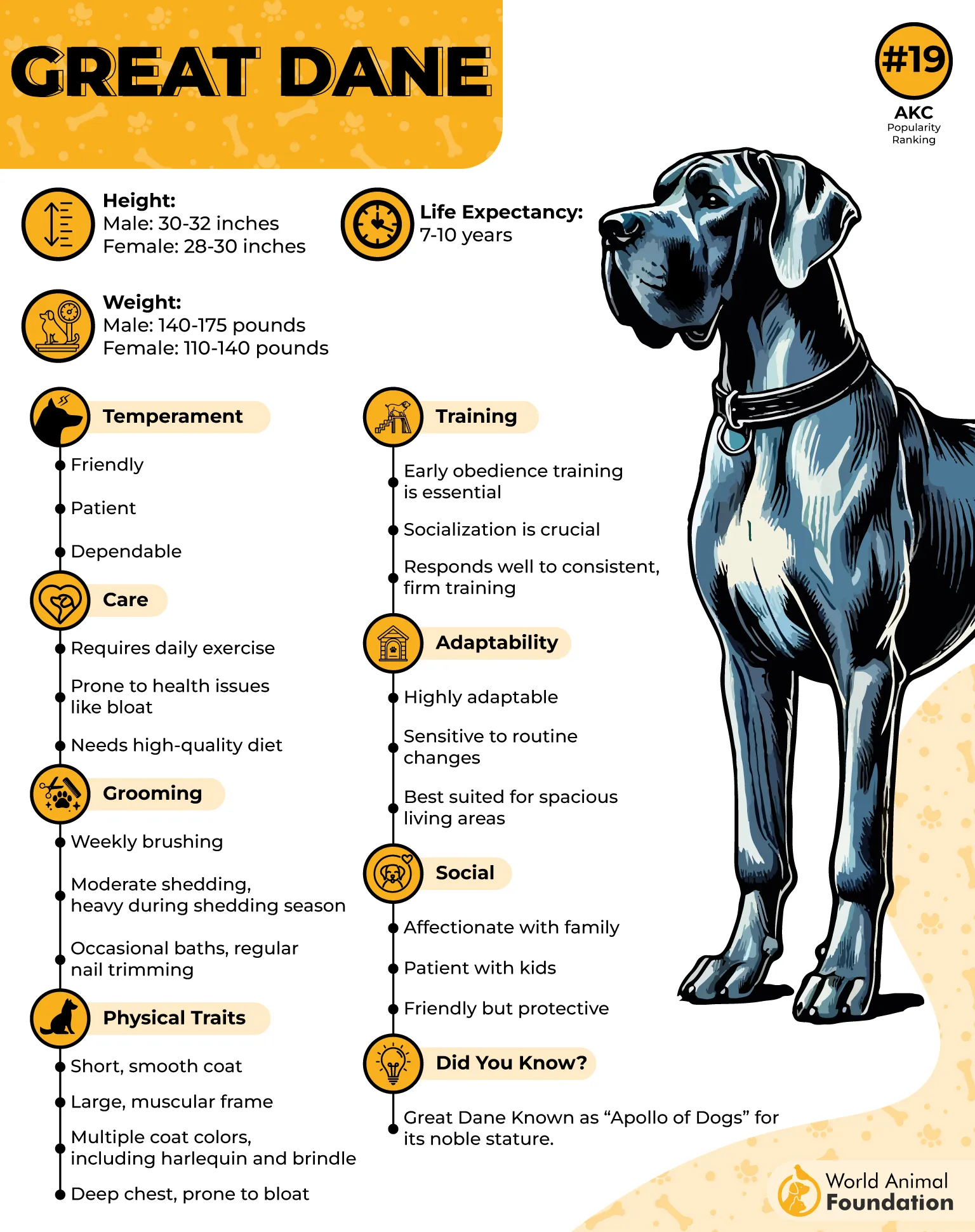
Why They’re Great for Solo Living
Calm and independent when properly trained.
Happy to relax nearby instead of demanding constant attention.
Loyal and naturally protective without being overly aggressive.
Moderate energy levels make them easier to manage than many giant breeds.
Can handle short periods alone once they are comfortable with a routine.
Great Danes are intelligent and generally easy to train, although they can be a little stubborn at times. Early socialization and obedience training are essential because of their giant size.
PDSA says they usually get along well with children and other dogs when raised together, but they may be cautious around unfamiliar dogs. They need daily walks, enough room to stretch out, and regular companionship.
Their short coat is easy to maintain with weekly brushing, but owners should be prepared for drooling, higher food costs, and health concerns like bloat. While they can adapt to apartment living with committed owners, a spacious home is a much better fit.
Their lifespan is relatively short, but their gentle personality and quiet confidence make every year together truly rewarding.
2. Alaskan Malamute
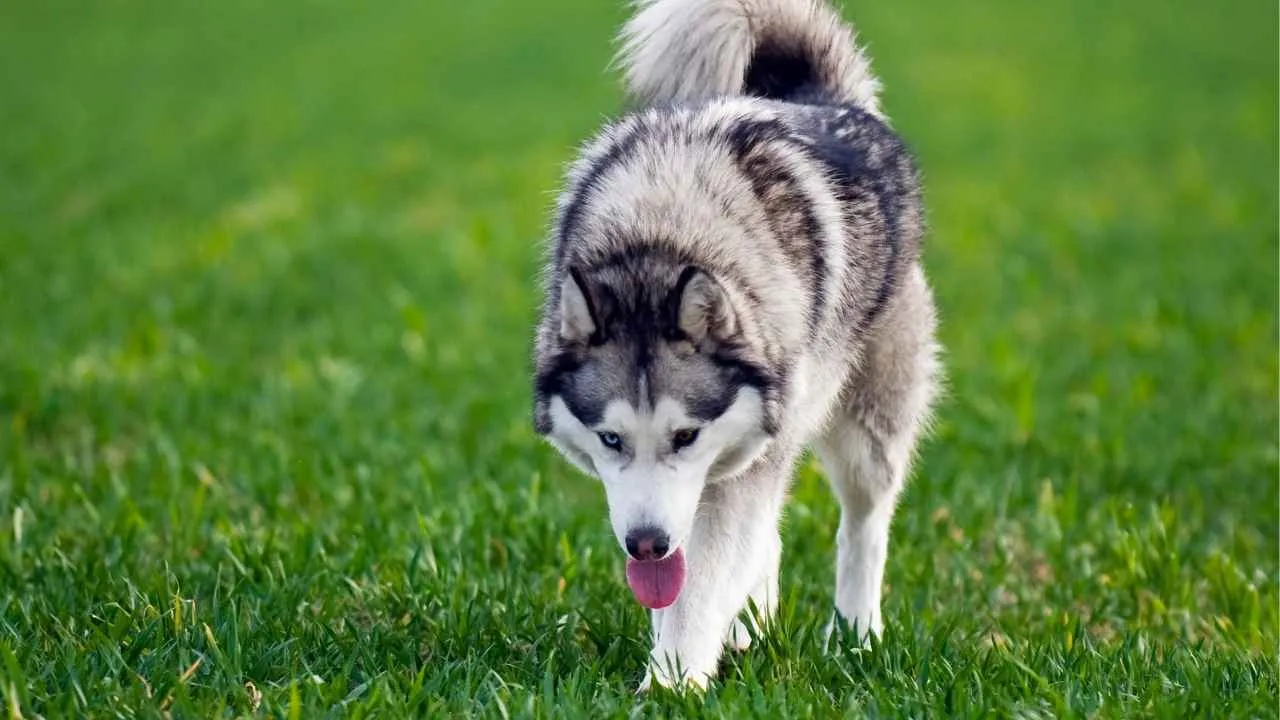
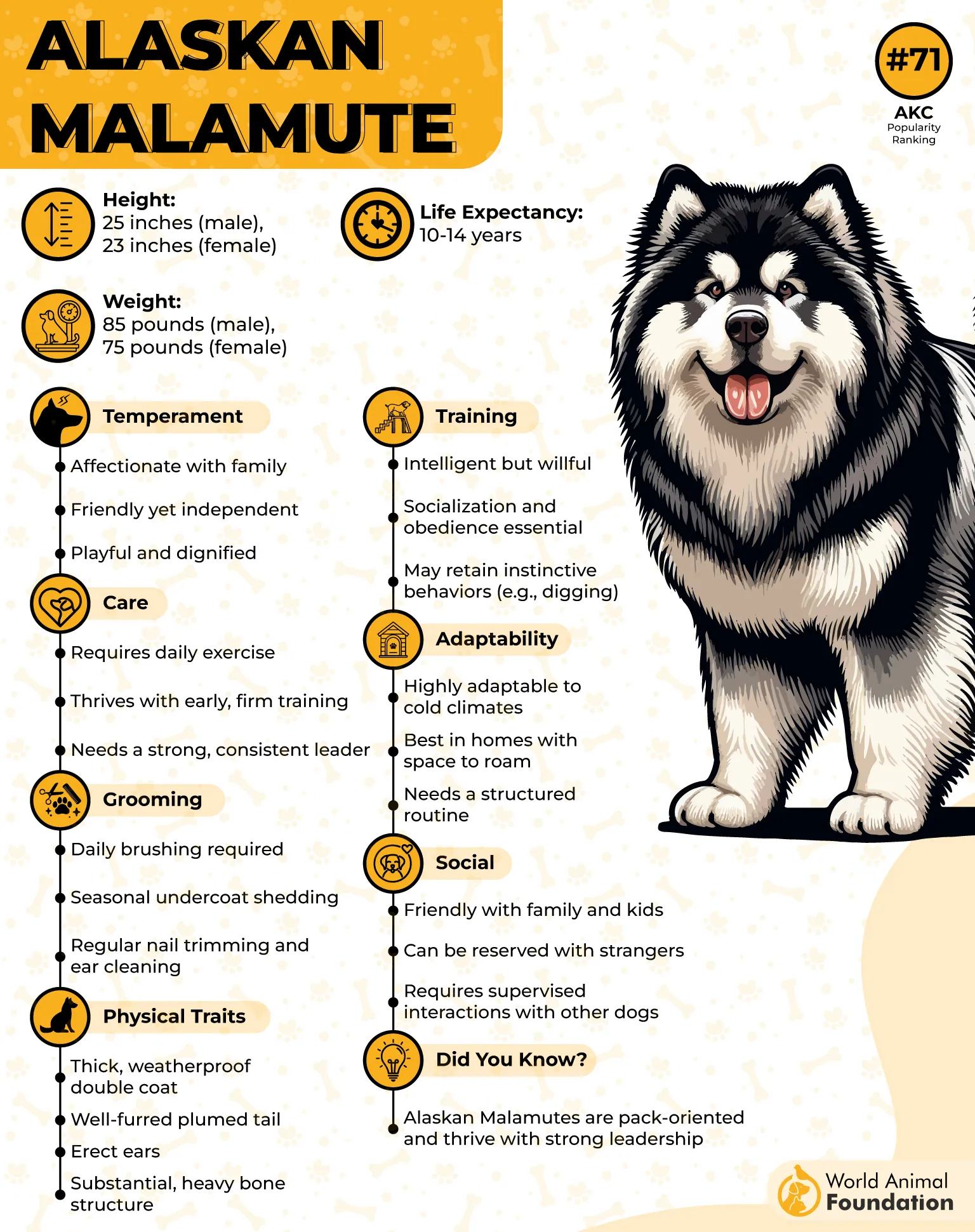
Originally developed by the Mahlemut people of Alaska, Alaskan Malamutes were bred to pull heavy sleds, haul freight, and work in some of the harshest Arctic conditions. Their history created a powerful, intelligent, and resilient breed that loves having a job to do.
Why They’re Great for Solo Living
Confident and capable of entertaining themselves with the right enrichment.
Intelligent problem-solvers that enjoy puzzle toys and training.
Loyal companions that build strong bonds with their owner.
Low-maintenance coat in terms of trimming, but regular brushing is essential.
Thrive with owners who enjoy outdoor adventures and regular exercise.
Alaskan Malamutes are affectionate, social dogs that enjoy being included in family life. They need plenty of physical activity, mental stimulation, and positive reinforcement training to stay happy.
Their independent and sometimes stubborn nature means they may ignore commands if they don’t see a reason to obey. They are known for their signature “woo-woo” vocalizations rather than excessive barking and can become mischievous if bored, often digging or chewing to entertain themselves.
Their thick double coat needs frequent brushing, especially during shedding seasons, and they are best suited to cooler climates.
3. Romanian Carpathian Shepherd
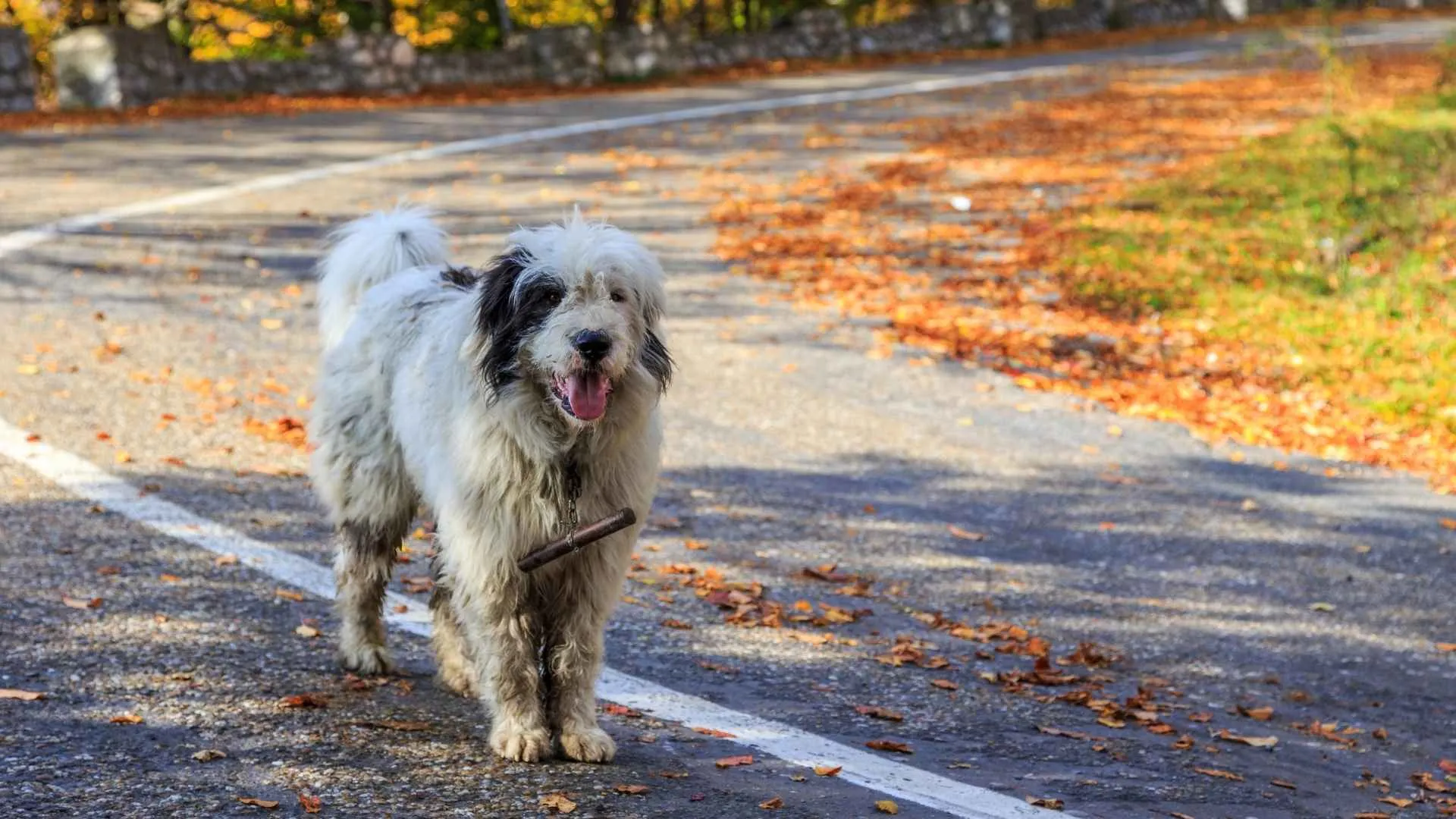
Bred for centuries in Romania’s Carpathian Mountains, Romanian Carpathian Shepherds are fearless livestock guardians with remarkable independence.
These powerful dogs were developed to protect flocks from wolves, bears, and other predators, often making decisions without human guidance. This history has shaped them into confident, intelligent dogs that stay calm until they sense a real threat.
Why They’re Great for Solo Living
Naturally independent and confident decision-makers.
Extremely loyal and devoted to their owner.
Calm, balanced, and quiet when there is no danger.
Highly intelligent and quick to learn through observation.
Protective without being unnecessarily reactive.
Romanian Carpathian Shepherds form deep bonds with their family but usually recognize one person as their primary leader. They respond well to gentle, consistent training and early socialization, though their strong-willed nature means they need an experienced owner.
These dogs thrive when they have a job to do, so brisk walks, nose work, puzzle games, and other mentally stimulating activities are essential if they are not guarding livestock.
Their thick double coat needs routine brushing, and a secure fenced yard is recommended because they naturally like to patrol their territory. With the right guidance, they become dependable, courageous, and devoted companions for active people living on their own.
4. Pyrenean Mastiff
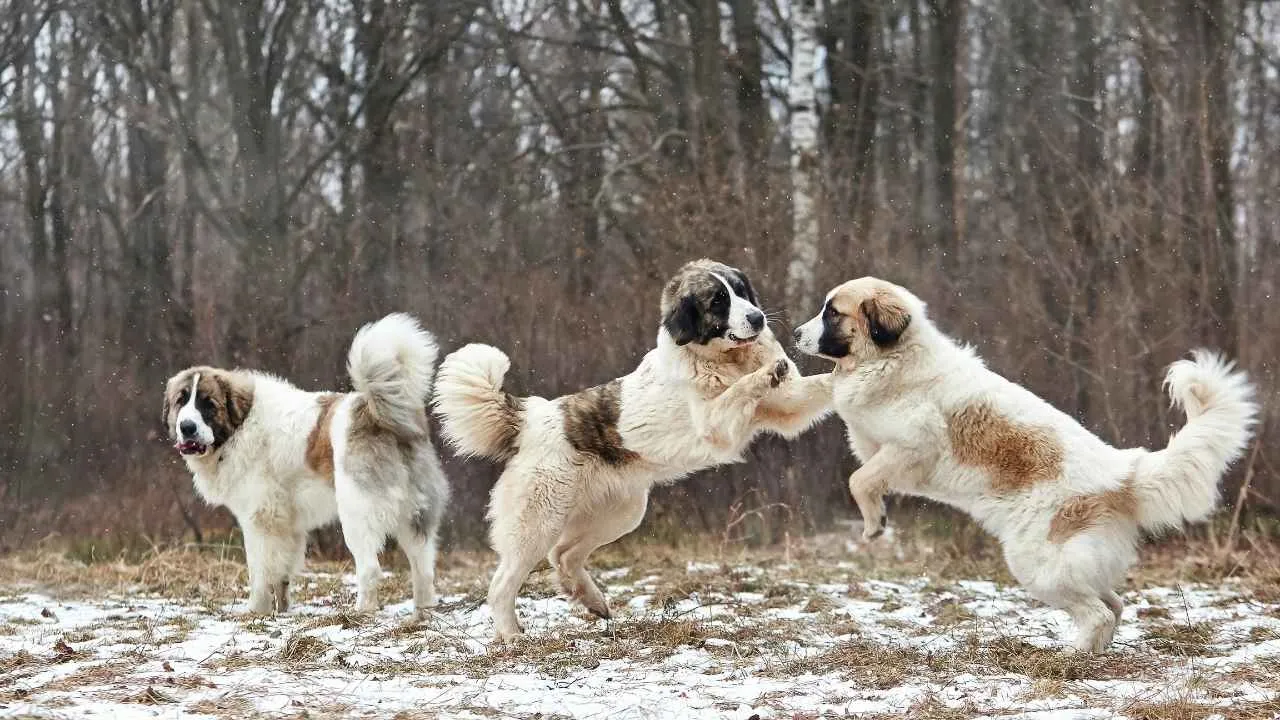
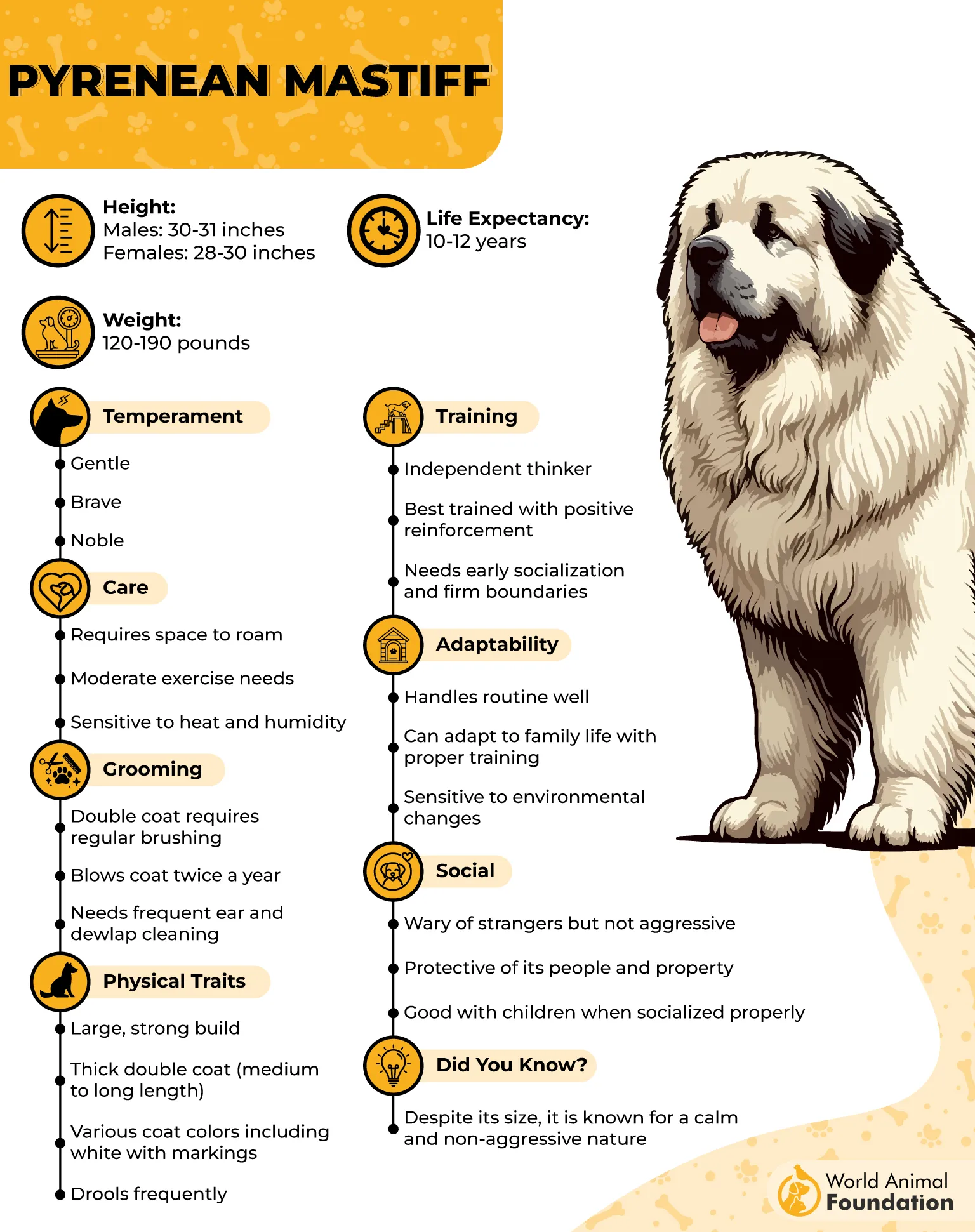
Originally developed in Spain’s Pyrenees Mountains, Pyrenean Mastiffs spent centuries protecting sheep from wolves and bears. Although they are powerful livestock guardians, they are also calm, affectionate, and deeply devoted to their families.
Why They’re Great for Solo Living
Calm, confident, and naturally independent.
Loyal and protective without being overly reactive.
Low exercise needs compared to many giant breeds.
Intelligent and capable of learning a variety of tasks.
Enjoy quiet companionship and strong bonds with their owner.
Pyrenean Mastiffs are gentle giants that thrive when they are included in daily family life. They enjoy having a purpose, whether it’s watching over their home, joining relaxed walks, or learning new skills through positive reinforcement.
While they can be stubborn because of their independent thinking, early training and socialization help them become polite and well-mannered adults. Omlet mentions that they are naturally wary of strangers but affectionate with the people they trust.
Their thick double coat needs brushing every couple of weeks, with more frequent grooming during shedding seasons. Although they can handle short periods alone, they prefer regular interaction and may become bored or anxious if left by themselves for too long.
5. Akita
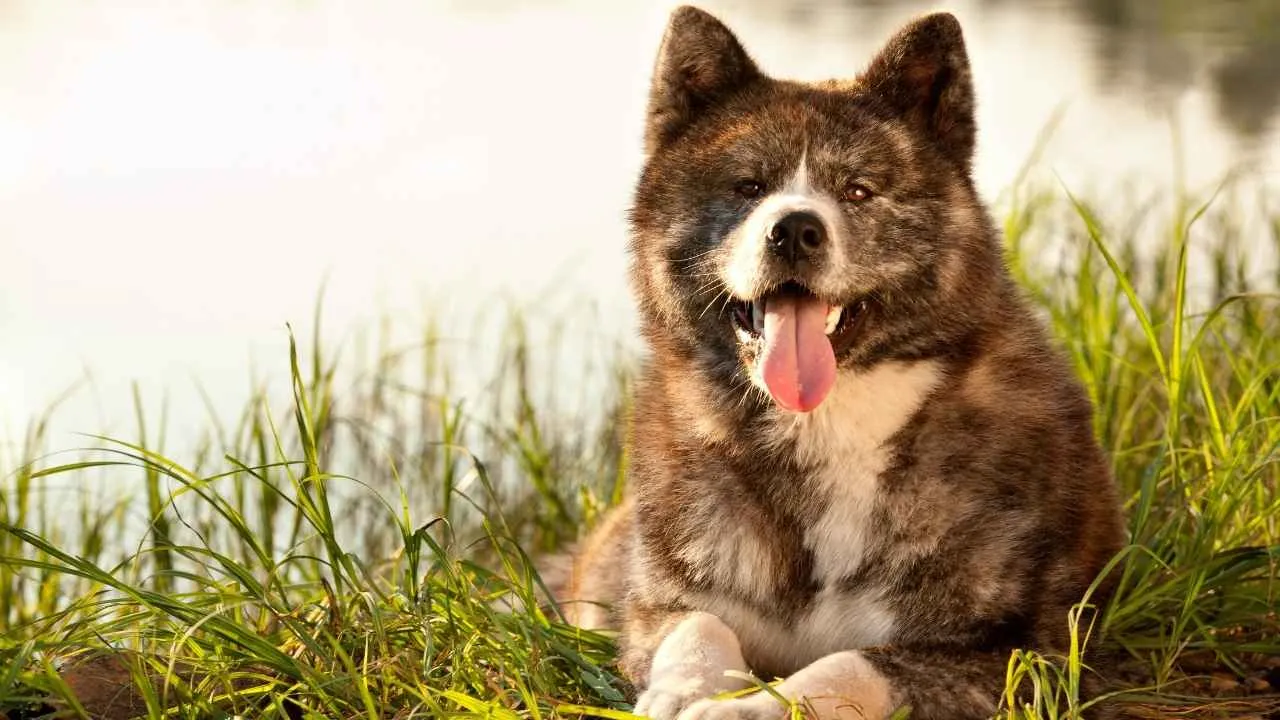
Originally bred in Japan to hunt large game and guard homes, Akitas are known for their quiet confidence, unwavering loyalty, and protective instincts.
They are independent thinkers who prefer meaningful bonds over constant attention, making them an ideal dog for experienced solo owners who appreciate a calm and dignified guard dog.
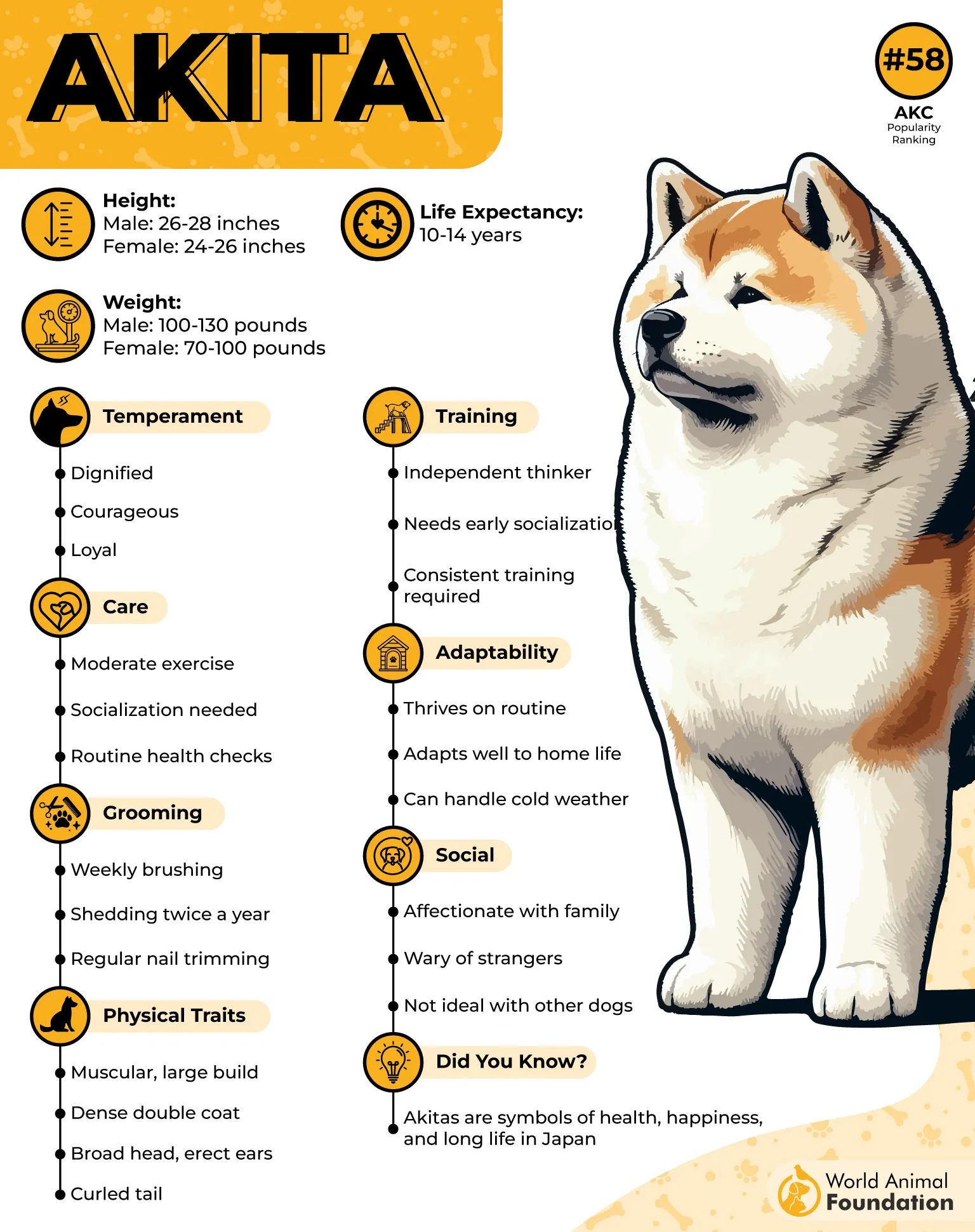
Why They’re Great for Solo Living
Naturally independent and comfortable with quiet time.
Deeply loyal and protective of their owner.
Intelligent and quick to learn with consistent training.
Moderate exercise needs suit active daily routines.
Calm, watchful, and not overly vocal.
Akitas form incredibly strong bonds with their family but are often reserved around strangers and prefer peaceful environments over busy social settings. Their independent personality means they need firm, consistent training and early socialization from puppyhood.
They can also have a strong prey drive and may not always get along with unfamiliar dogs or smaller pets, so they often do best as the only pet in the home. Their thick double coat sheds heavily, especially during seasonal changes, and requires regular brushing.
While they enjoy outdoor activities like long walks, hiking, and puzzle games, they also appreciate relaxing at home with their favorite person.
6. Great Pyrenees
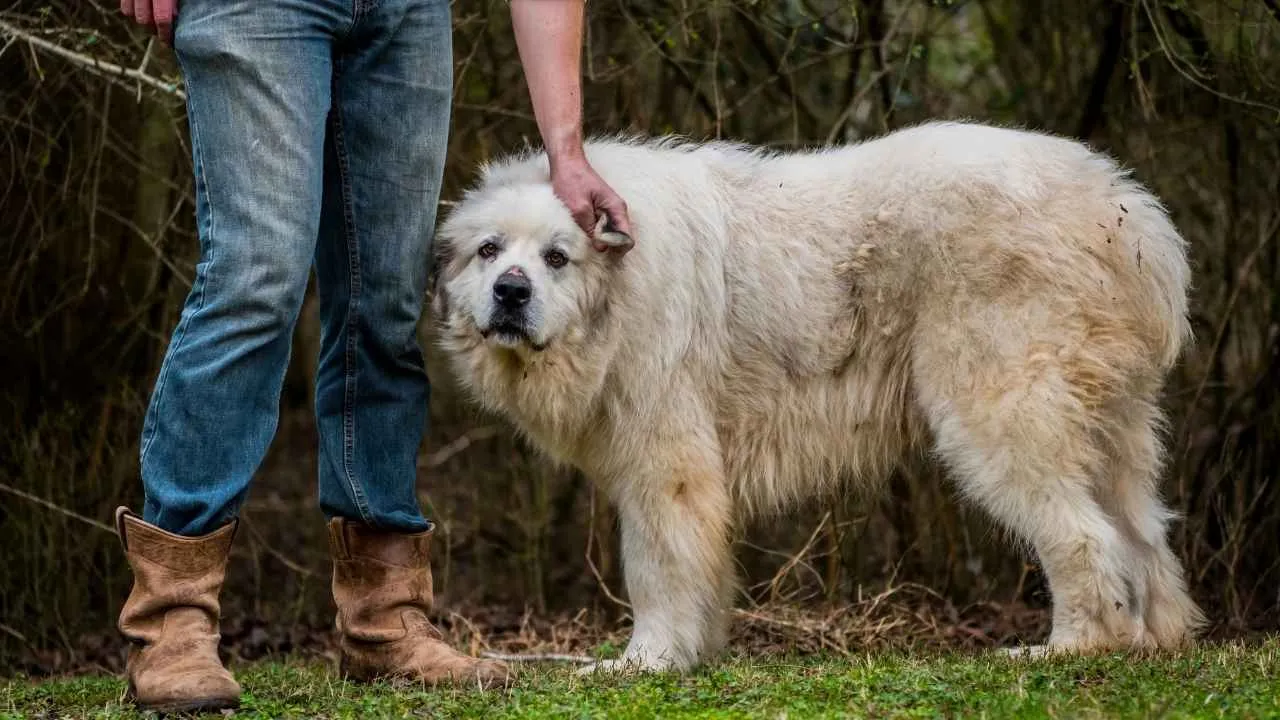
Great Pyrenees guarded sheep in the rugged Pyrenees Mountains between France and Spain, often working alone against wolves and bears. That history shaped them into calm, independent, and dependable guardians.
Today, they remain loyal family companions that are happiest in peaceful homes with plenty of space and an owner who values their quiet confidence.
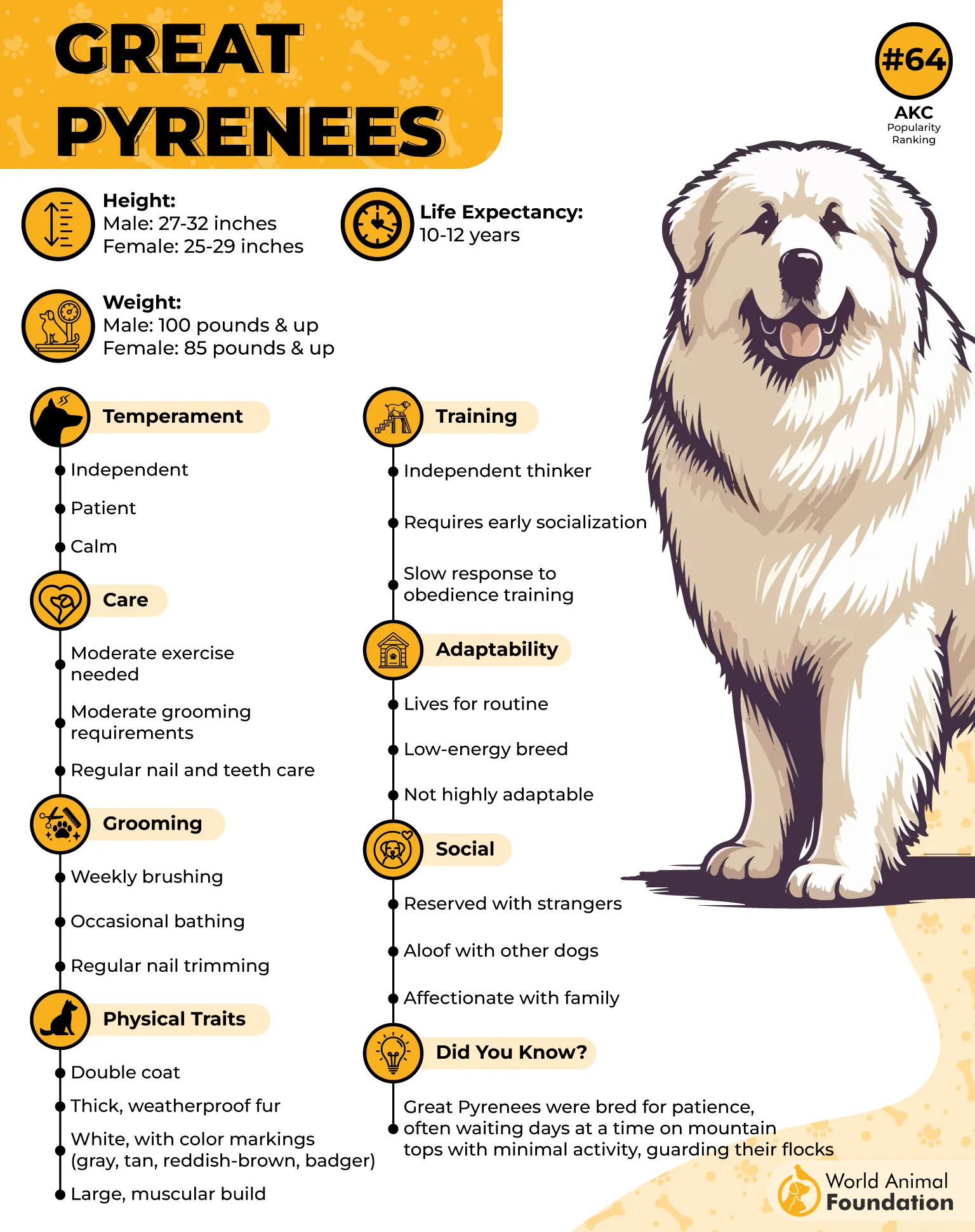
Why They’re Great for Solo Living
Naturally independent and comfortable spending time alone.
Calm, patient, and devoted to their owner.
Strong protective instincts without being overly demanding.
Moderate exercise needs fit a relaxed lifestyle.
Generally get along well with other pets when properly socialized.
Great Pyrenees are gentle giants that form deep bonds with their family members while keeping a watchful eye on everything around them. Their independent mindset can make training challenging, so early socialization and consistent, positive reinforcement are important.
Although they enjoy daily walks and having room to roam, they are not highly energetic dogs and are content relaxing at home after exercise.
Their thick double coat naturally resists dirt but sheds heavily, requiring weekly brushing and extra grooming during seasonal shedding. They are also known for alert barking, especially if they notice anything unusual.
7. Anatolian Shepherd Dog
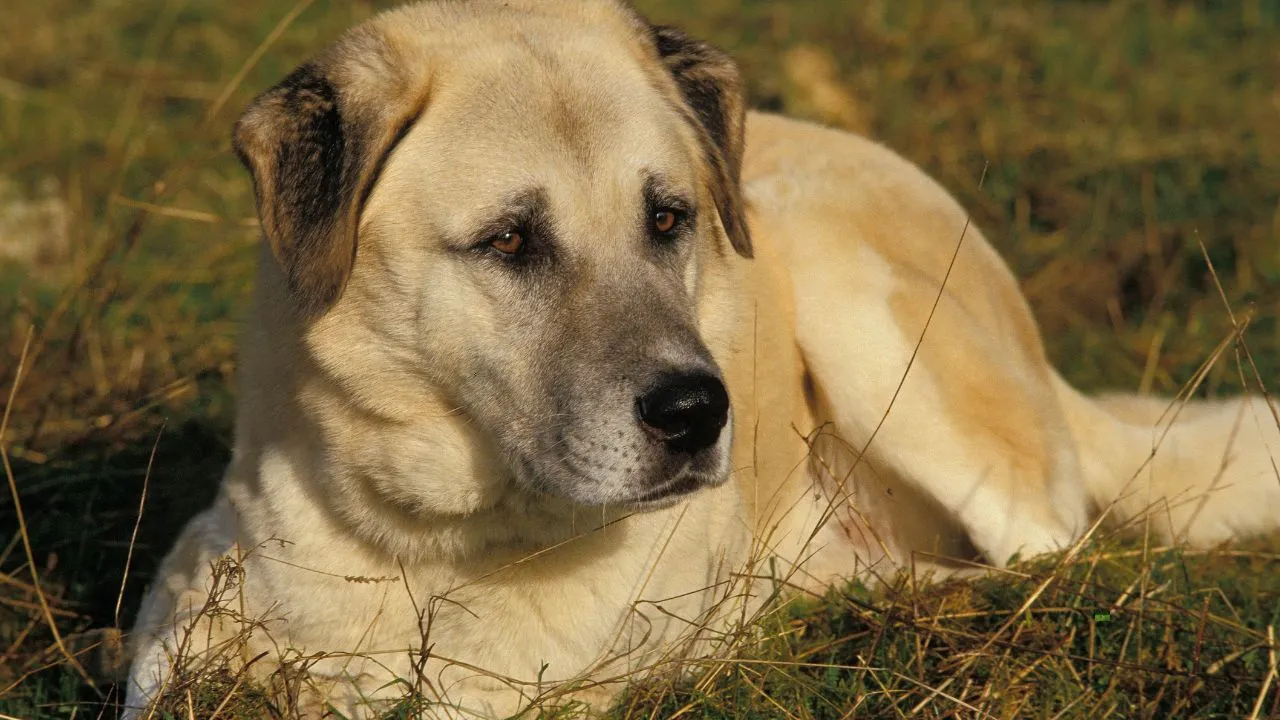
For thousands of years, the Anatolian Shepherd protected livestock across the rugged landscapes of Turkey, making independent decisions while guarding flocks from predators. This ancient working history shaped the breed into a calm, intelligent, and highly self-reliant guardian.
Today, they remain devoted companions for experienced owners who appreciate their independence, loyalty, and strong protective instincts.
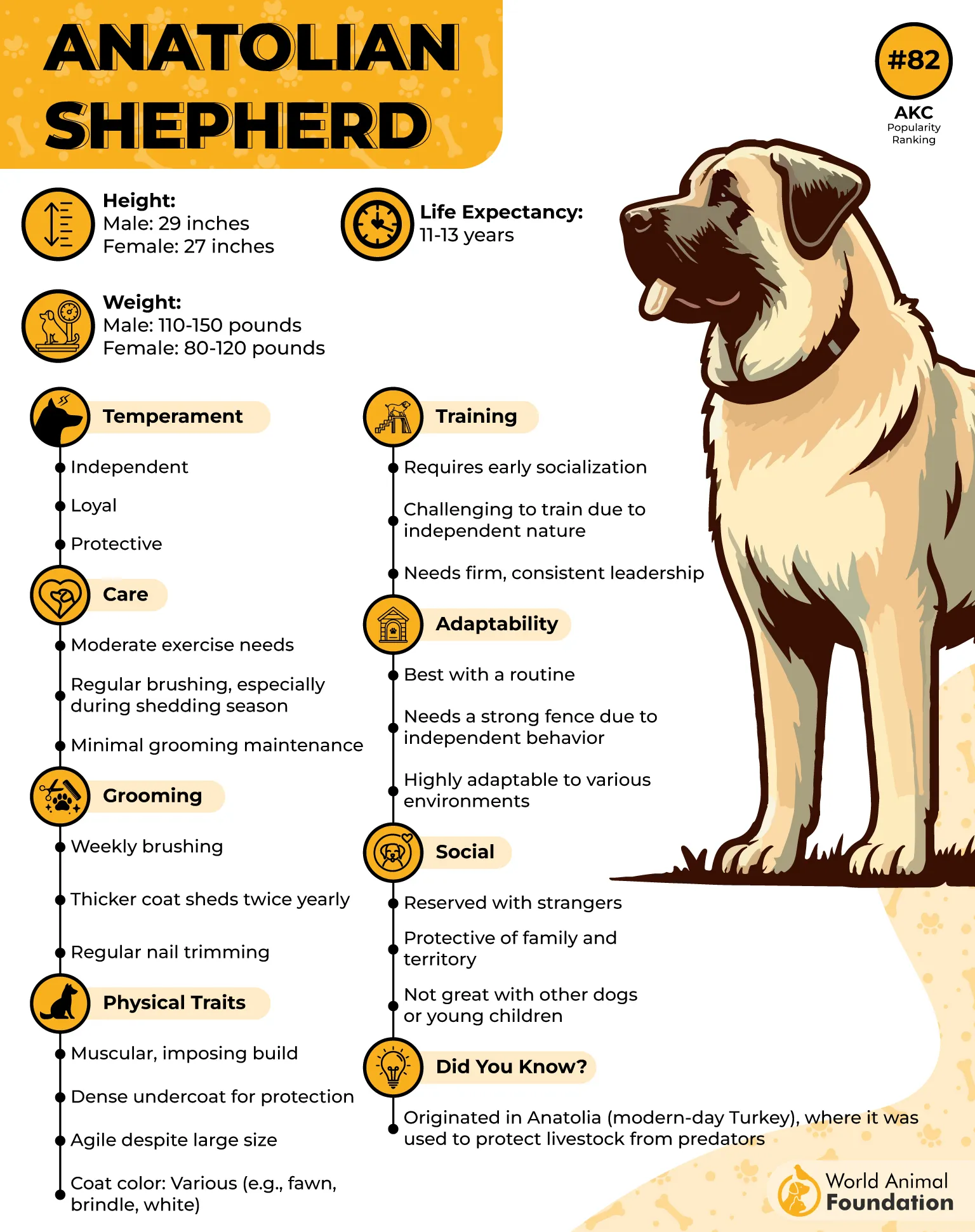
Why They’re Great for Solo Living
Naturally independent and comfortable making decisions on their own.
Deeply loyal and protective of their owner and home.
Calm indoors with moderate daily exercise needs.
Low-maintenance coat despite seasonal shedding.
Thrives with experienced owners who value a confident, self-sufficient dog.
Anatolian Shepherds form strong bonds with their owner but are naturally reserved around strangers. Their independent personality means they require early socialization, patient training, and consistent leadership using positive reinforcement.
While they enjoy daily walks and secure outdoor time, they are not overly energetic and are generally content once their exercise needs are met. Their dense double coat only requires weekly brushing for most of the year, with more frequent grooming during seasonal shedding.
Because they are highly territorial and quick to alert their owner to anything unusual, they are best suited to homes with plenty of space rather than close neighbors.
8. Tibetan Mastiff
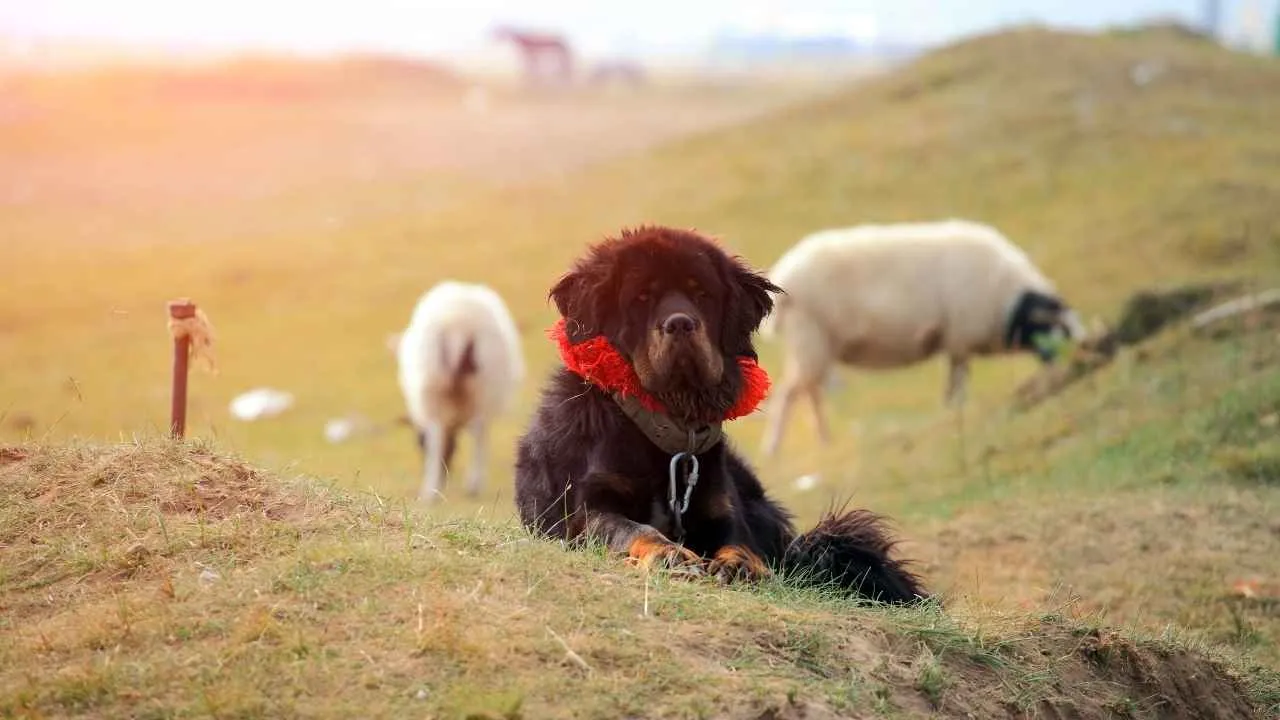
The Tibetan Mastiff guarded villages, monasteries, and livestock across the harsh Himalayan mountains of Tibet. Bred to think independently while protecting people and property, they developed into fearless, self-reliant guardians with unwavering loyalty.
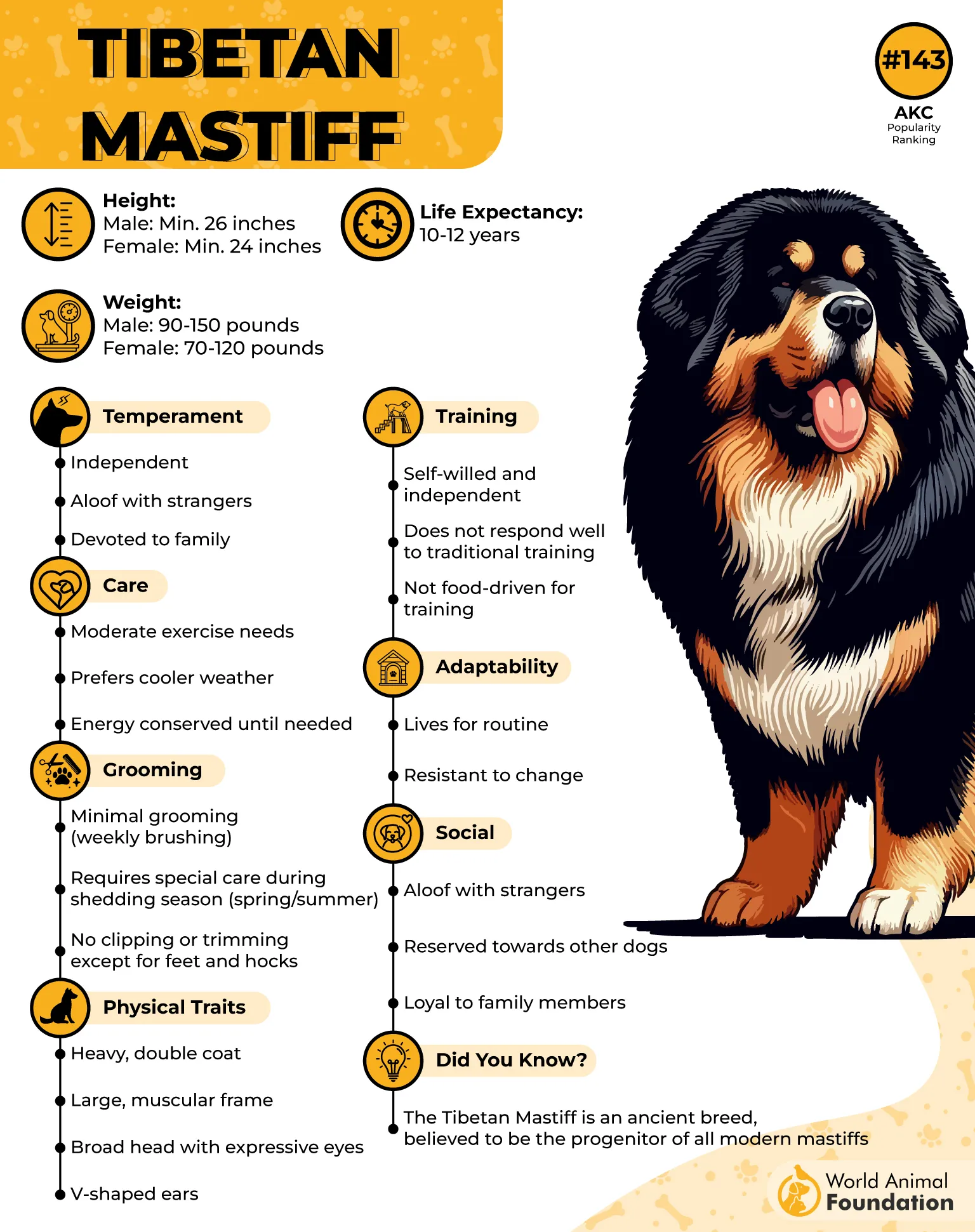
Why They’re Great for Solo Living
Naturally independent and comfortable spending time on their own.
Deeply loyal and protective of their owner and home.
Calm indoors with moderate daily exercise needs.
Quiet unless they sense something unusual.
Thrives with experienced owners who appreciate an intelligent, self-sufficient companion.
Tibetan Mastiffs form strong bonds with their family but are naturally reserved and territorial around strangers, making early socialization essential.
Their intelligence is matched by a stubborn, independent mindset, so training requires patience, consistency, and positive reinforcement rather than harsh methods.
They enjoy moderate daily walks and having a secure yard to patrol but are not built for intense endurance activities. Their dense double coat needs regular brushing, with heavy seasonal shedding once or twice a year, and they are best suited to colder climates.
9. Komondor
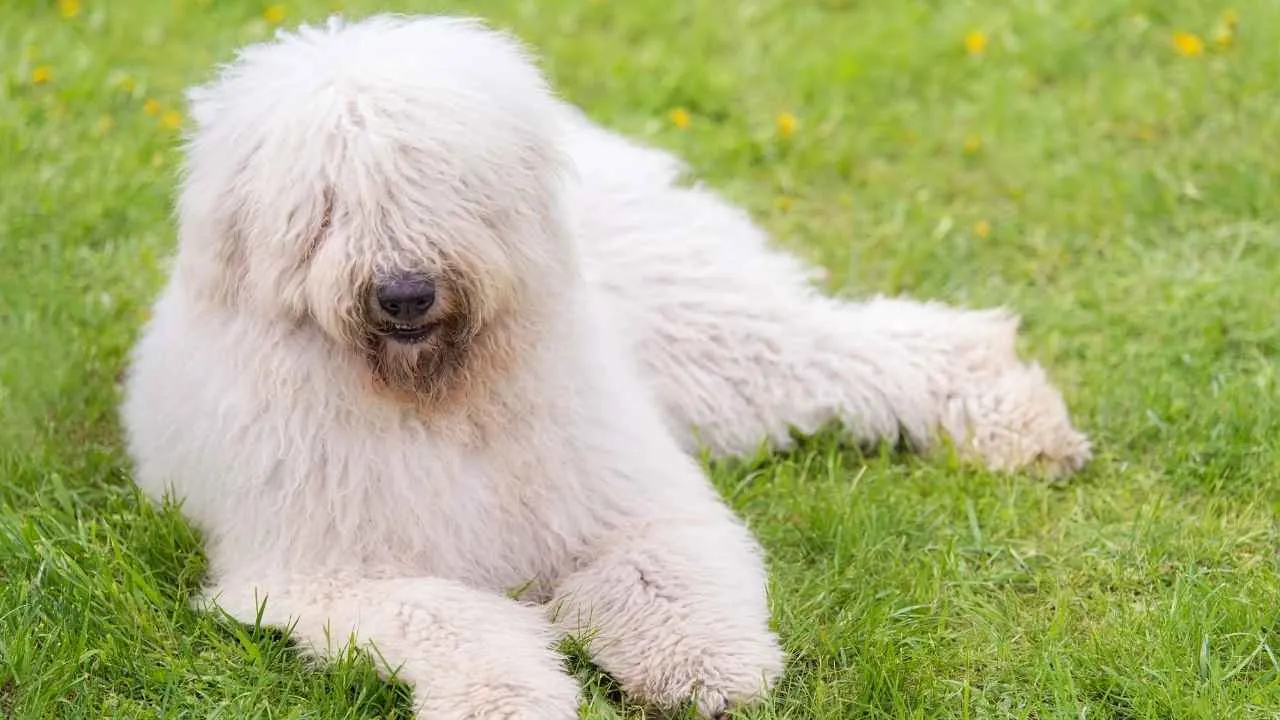
For centuries, the Komondor protected livestock across the Hungarian countryside, using its remarkable corded white coat to blend in with sheep while standing guard against wolves and other predators.
That heritage created a fearless, independent, and highly protective dog that still takes its guardian role seriously today. While deeply devoted to its family, the Komondor is happiest with experienced owners who understand its strong instincts and confident personality.
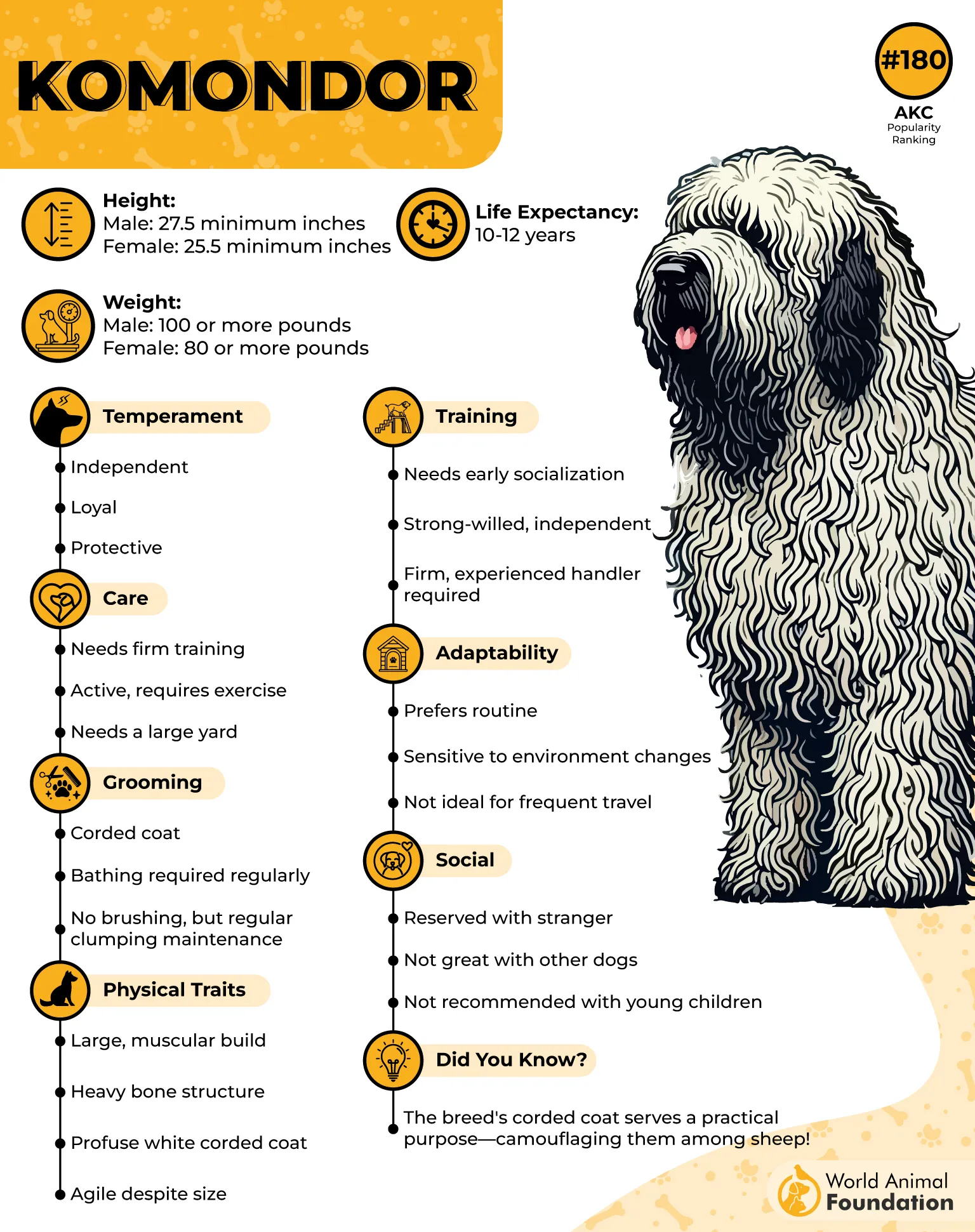
Why They’re Great for Solo Living
Naturally independent and comfortable making decisions on their own.
Forms a deep, loyal bond with their primary owner.
Calm indoors while remaining alert and protective.
Moderate exercise needs suit a relaxed but active lifestyle.
Can be left alone for reasonable periods with proper training and routine.
Komondors are intelligent, dignified dogs that thrive when given a purpose and clear leadership. Their independent nature can make training challenging, so early socialization and consistent, positive reinforcement are essential to help them distinguish genuine threats from everyday situations.
Although they enjoy daily walks and secure outdoor space to patrol, they are not overly energetic and are generally calm around the home. Their famous corded coat requires significant maintenance, with regular separation of cords and thorough drying after bathing to prevent matting and skin problems.
Naturally reserved around strangers and highly protective of their family, the Komondor is best suited to experienced owners, as mentioned by Chewy.
Conclusion
Living alone doesn’t mean you need a dog that’s constantly by your side. Many independent breeds are perfectly happy spending some time on their own while still forming deep, lasting bonds with their owners.
From calm guardians to confident working dogs, each breed offers a unique balance of loyalty, companionship, and self-reliance that can fit a solo lifestyle.
Before bringing one home, take time to consider each breed’s exercise, training, grooming, and space requirements to find the best match for your routine.
With the right dog by your side, they can become a loyal companion who shares your life on their own steady, confident terms.
