




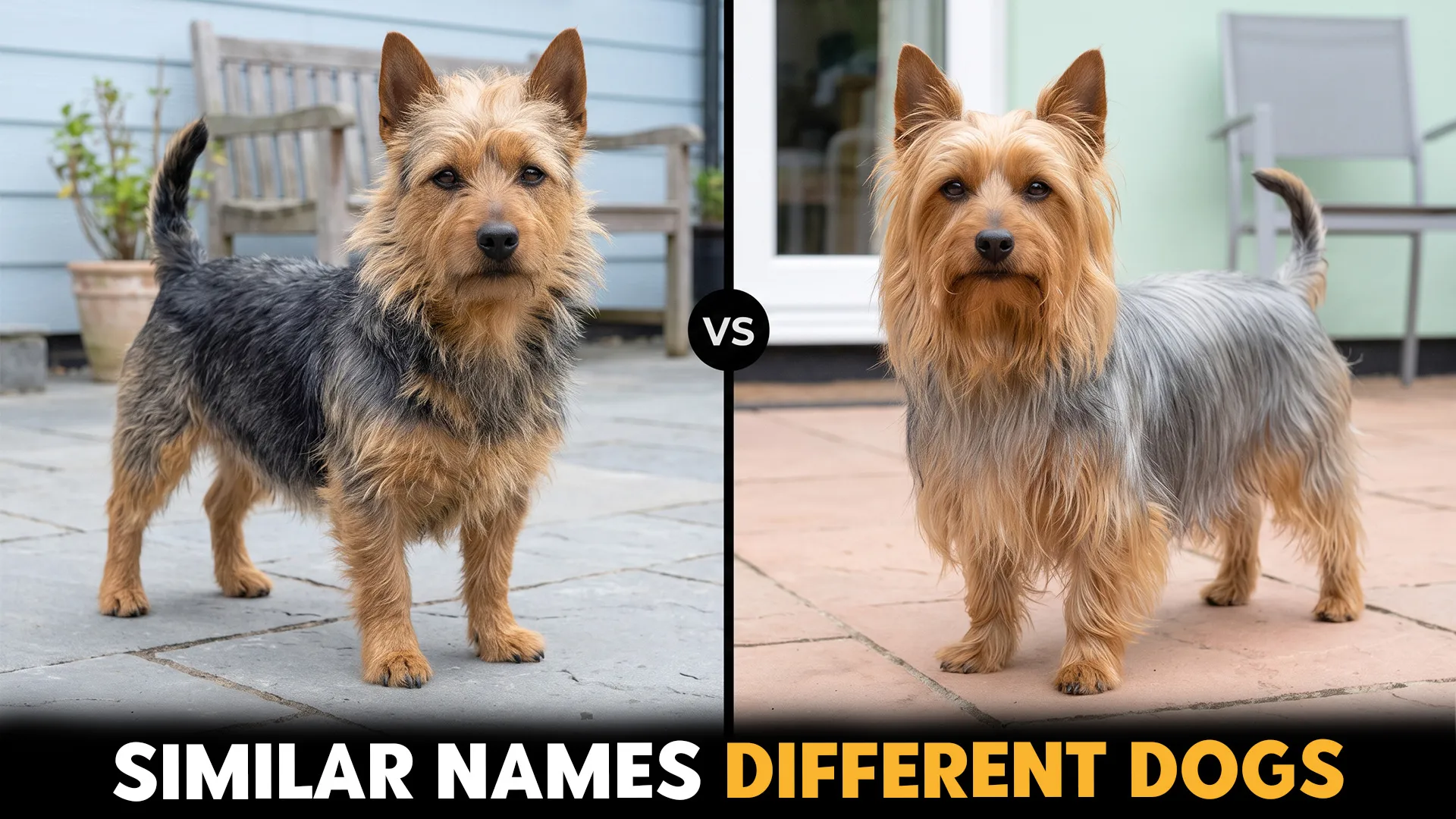
The Australian Terrier and Australian Silky Terrier may share similar names, small frames, and Australian roots, but these spirited little dogs have plenty of differences beneath their coats.
Both carry the confidence, curiosity, and fearless attitude of traditional terriers, yet their histories, appearances, and everyday needs set them apart.
The Australian Terrier was developed as a tough farm companion and vermin hunter, while the Silky Terrier combines that working-dog spirit with a distinctive long, glossy coat.
Their personalities also have their own charms, from the Australian Terrier’s rugged, independent nature to the Silky’s affectionate yet sometimes stubborn character.
Even their grooming routines and exercise requirements can influence which breed suits a household better. So, which one is the right match for your lifestyle? Understanding the key differences between these two Australian breeds can help you make a more informed choice.
Australian Terrier vs. Australian Silky Terrier
Breed Origins & Functional Background
Although both breeds originated in Australia and share a background in vermin hunting, their development followed different paths.
The Australian Terrier emerged in the 19th century from British terrier breeds, including the Cairn, Skye, and Yorkshire Terrier. It was bred to help farmers control rats, snakes, and other unwanted animals, making it a tough and dependable working companion.
It also became the first native Australian breed to receive official recognition. The Australian Silky Terrier, meanwhile, developed in the late 1800s through the crossing of Australian Terriers and Yorkshire Terriers. Breeders sought to combine the Australian Terrier’s sturdy build with the Yorkshire Terrier’s distinctive coat.
Initially known by names such as Sydney Silky, the breed was officially recognised as the Australian Silky Terrier in 1959. Both retain their hunting instincts despite their different histories.
Physical Characteristics & Body Structure
The Australian Terrier and Australian Silky Terrier are both small dogs, but their appearance makes them easy to distinguish.
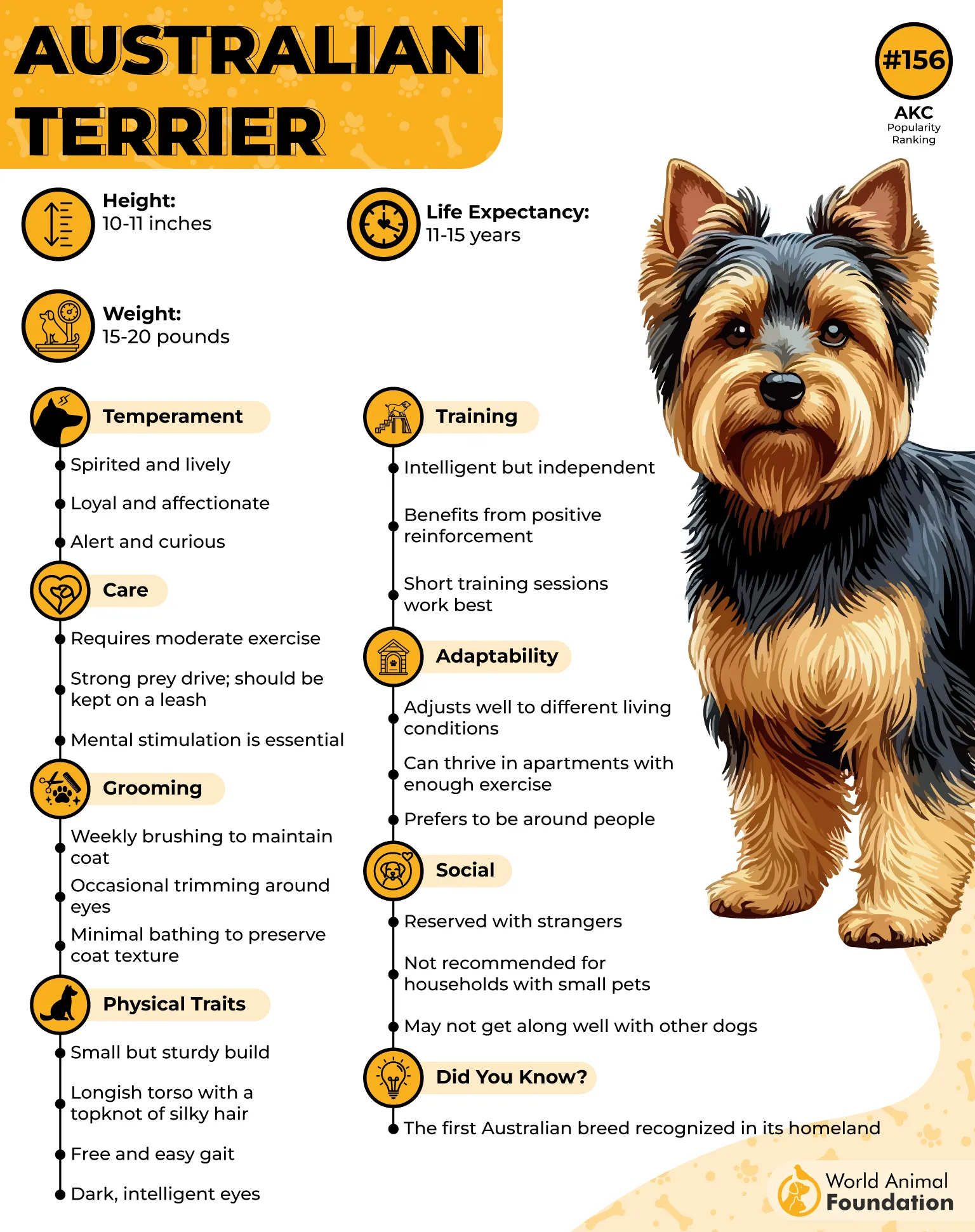
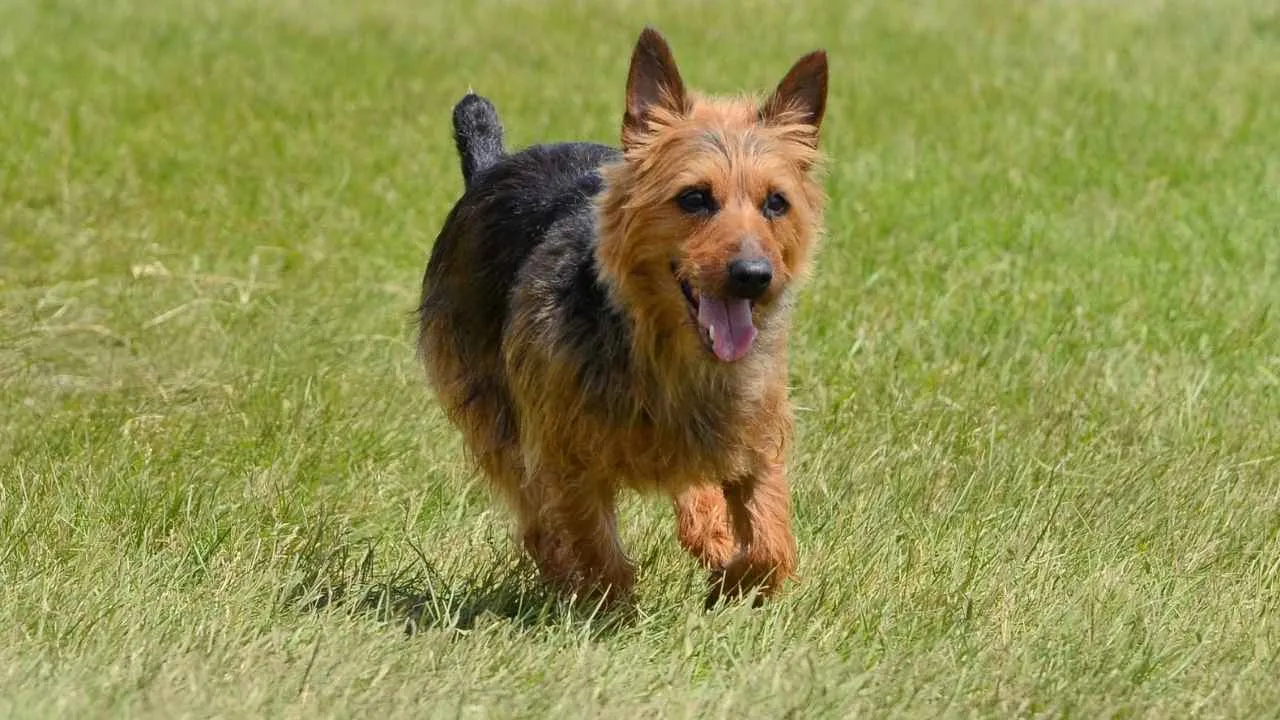
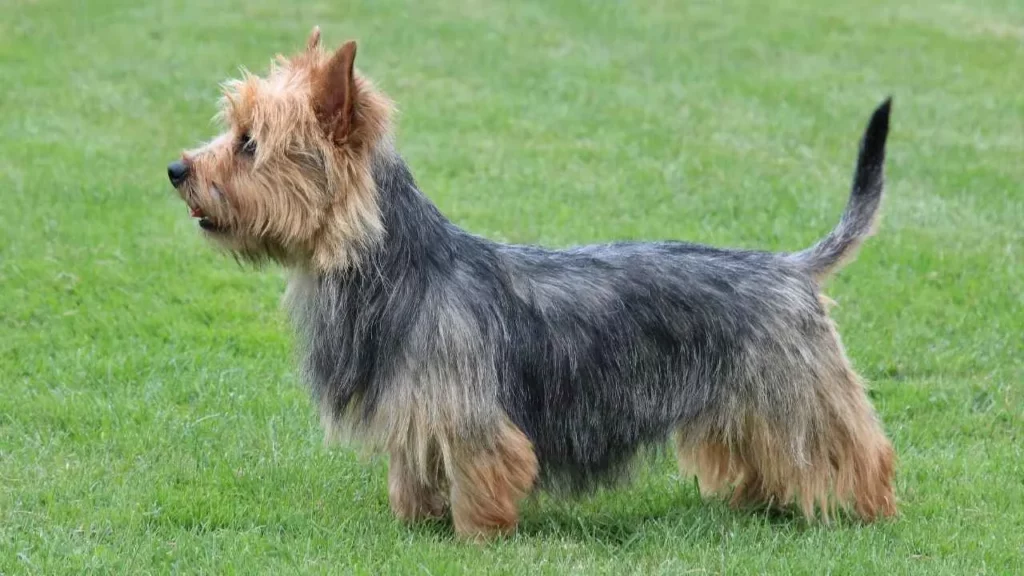
The Australian Terrier has a sturdy, compact, athletic frame, standing around 10-11 inches tall and weighing approximately 15-20 pounds. Its rough, weather-resistant double coat features a harsh, straight outer layer and a soft undercoat. Common colours include blue and tan, sandy, and red.
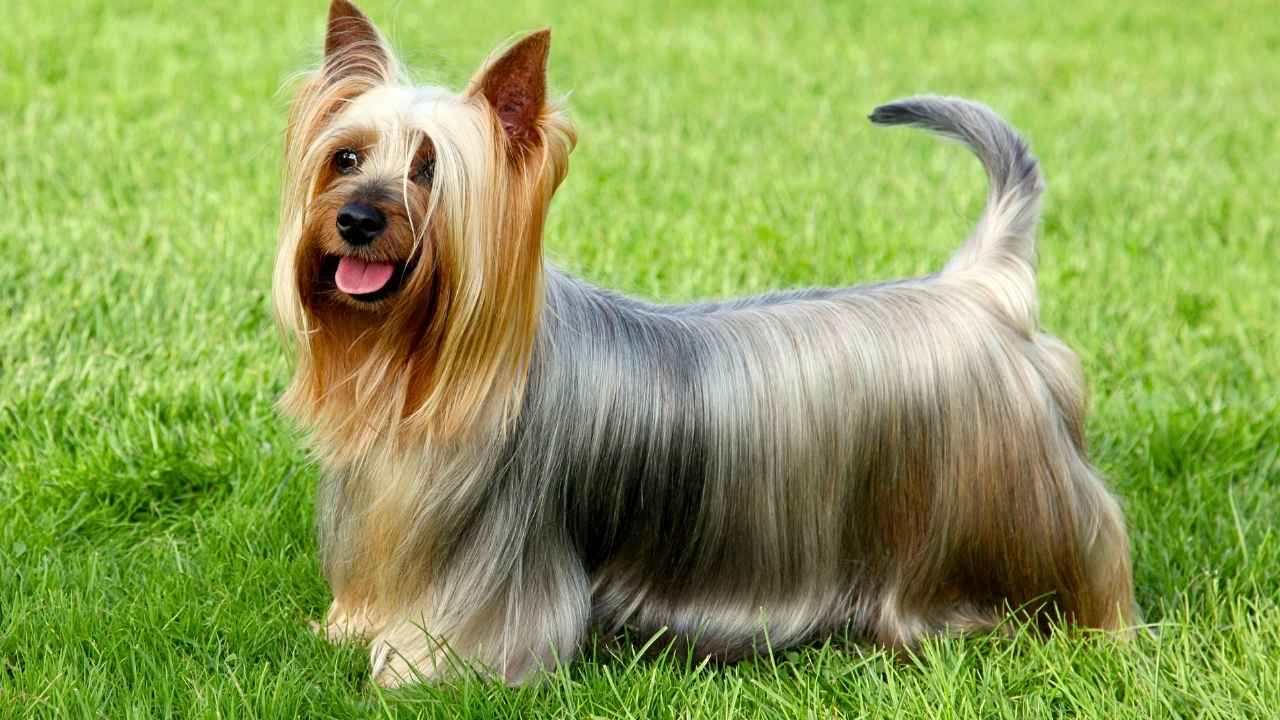
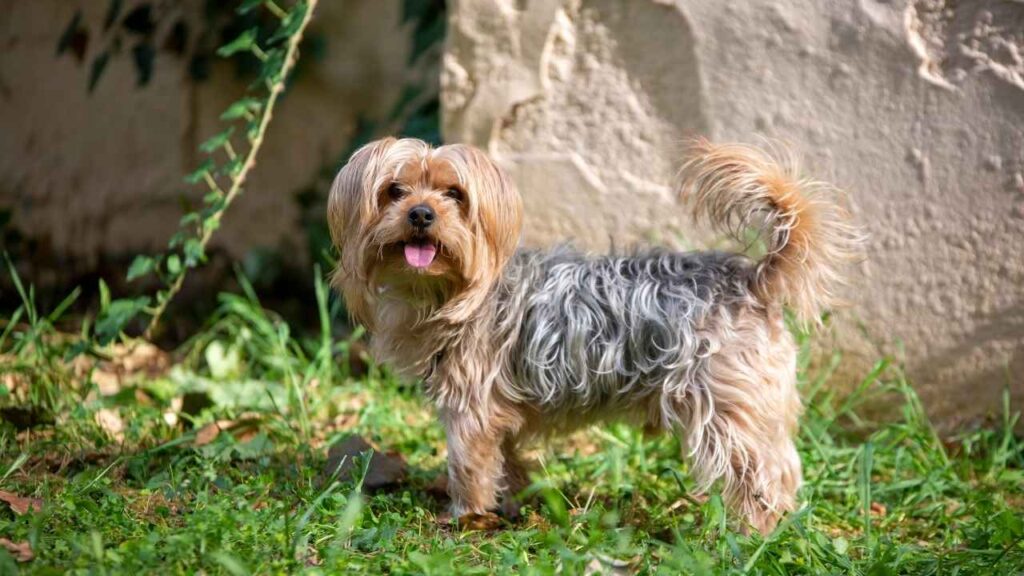
In contrast, the Australian Silky Terrier has a slightly longer-than-tall, refined yet athletic body. It typically stands 9-10 inches tall and weighs around 10 pounds, as per the AKC. Its most noticeable feature is its long, straight, glossy blue-and-tan coat, which falls smoothly along its body and is parted down the back.
While the Australian Terrier has a naturally rugged appearance and relatively simple grooming needs, the Silky Terrier’s flowing coat requires more frequent brushing and regular trimming.
Temperament & Behavioral Profile
Both breeds have the confidence and curiosity typical of terriers, but their personalities show some differences. The Australian Terrier is spirited, affectionate, and self-assured, forming close bonds with its family and enjoying human company, according to PetMD.
It can be a lively companion for children when properly socialised and also makes an alert watchdog. Its working background, however, means it may bark at unfamiliar sounds, dig, or chase smaller animals.
The Australian Silky Terrier is equally bold and playful, despite its toy-dog appearance. It is affectionate with family members but often forms a particularly strong attachment to one person.
Silkies can be friendly with strangers, although they may be less accepting of other dogs and pets without early socialisation. Both breeds are intelligent and respond well to positive reinforcement.
However, their independent terrier instincts mean training should remain consistent, engaging, and enjoyable.
Activity Requirements & Energy Levels
Neither breed is suited to spending the entire day lounging indoors. The Australian Terrier has a lively working-dog background and needs regular exercise and mental stimulation to stay content.
Around 30–45 minutes of daily activity can meet its exercise needs, with walks, interactive games, backyard exploration, and agility providing enjoyable outlets. Its instinct to dig and chase small animals also makes supervised outdoor activities important.
The Australian Silky Terrier may be smaller, but it has high energy levels and enthusiasm. Daily walks, active play, and activities such as agility or Earthdog tests help channel its natural terrier instincts.
Exercise estimates vary across the supplied sources, ranging from 20–40 minutes to around an hour daily. Both breeds can adapt to smaller living spaces when their needs are met, but the Silky’s energy and vocal nature may require additional attention.
Trainability, Intelligence & Learning Ability
Both the Australian Terrier and Australian Silky Terrier are intelligent dogs with lively minds, but their independent terrier personalities mean training needs patience and consistency.
Australian Terriers are quick learners who respond well to praise, treats, and playful training sessions, as explained by Vets Love Pets. Their strong-willed nature can sometimes test an owner’s patience, so early socialisation and clear boundaries are important.
Australian Silky Terriers are equally clever and capable of learning commands, particularly when training feels like an enjoyable activity rather than a strict routine. They respond well to positive reinforcement but may become stubborn when bored or uninterested.
Both breeds benefit from short, engaging sessions that keep their attention. Activities such as obedience, agility, and interactive games offer valuable opportunities to develop their skills while strengthening their bond with their owners.
Coat Maintenance & Grooming Needs
One of the most noticeable differences between these breeds is the amount of grooming their coats require. The Australian Terrier has a harsh, weather-resistant double coat with a soft undercoat, giving it a naturally rugged appearance.
Weekly brushing is generally sufficient to remove loose hair, prevent tangles, and keep the coat tidy. It does not usually require extensive professional grooming. The Australian Silky Terrier, however, needs considerably more attention.
Its long, fine, glossy coat can become tangled without regular care, making brushing at least twice a week important. Some owners prefer daily brushing to keep the hair smooth and manageable.
Regular baths and professional trims also help maintain its appearance and prevent matting. While both breeds need routine nail, ear, and dental care, the Australian Terrier is the easier choice for owners seeking a simpler grooming routine.
Average Lifespan & Longevity
Both breeds can bring many years of companionship to a household, with their average lifespans falling within a similar range. Australian Terriers typically live around 11-15 years, while Australian Silky Terriers generally have a lifespan of approximately 13–15 years.
Their longevity makes either breed a long-term commitment, requiring consistent attention to nutrition, exercise, grooming, and preventive veterinary care. Australian Terriers can be prone to conditions such as patellar luxation and Legg-Calvé-Perthes disease.
Silky Terriers may also develop joint problems, eye conditions, dental disease, and certain skin disorders, according to WebMD. These potential concerns do not mean every dog will experience them, but understanding breed-related risks can help owners provide appropriate care.
Regular veterinary check-ups and attention to changes in behaviour, movement, or overall health can support their wellbeing as they grow older.
Australian Terrier vs. Australian Silky Terrier: Suitability for Family Life vs. Guard Duties
Both breeds can make affectionate family companions, but their individual personalities and needs may suit different households. Australian Terriers are loyal, energetic, and closely attached to their families.
They generally enjoy spending time with children when properly socialised and can adapt to apartment or suburban living with enough exercise and attention. Their alert nature and tendency to bark at unfamiliar sounds also make them useful watchdogs.
Australian Silky Terriers are equally devoted and playful, often developing a particularly strong bond with one family member. They can live happily with children and other pets when introduced and socialised early, although their small size calls for gentle handling.
Silkies are also alert and vocal, making them effective at announcing unfamiliar activity. However, neither breed is suited to protection duties. Both are better appreciated as lively, watchful companions than as guard dogs.
Conclusion
Choosing between the Australian Terrier and the Australian Silky Terrier comes down to understanding what you want in a small, spirited companion. Both breeds are intelligent, affectionate, alert, and full of the fearless energy that makes terriers so distinctive.
However, their differences in appearance, temperament, grooming, and daily activity can make one a better fit for your household. The Australian Terrier may appeal to owners who prefer a rugged, low-maintenance coat and an adaptable farm-bred companion.
Meanwhile, the Australian Silky Terrier suits those who enjoy a more polished appearance and do not mind the extra grooming its long, silky coat requires. Both need regular exercise, early socialisation, and consistent training to bring out their best qualities.
Neither should be chosen by appearance alone. Consider your lifestyle, available time, and expectations before deciding which of these charming Australian breeds is the right match.
