





Choosing between an Australian Shepherd and a Labrador Retriever often comes down to lifestyle, energy levels, and the kind of bond a family wants with the dog.
Both are the most popular dog breeds known for their intelligence and strong loyalty, yet they express these traits in very different ways.
Australian Shepherds are highly driven working dogs, originally bred for herding, which means they thrive in environments where they have a job to do and plenty of mental stimulation.
They tend to form very close attachments to their families and can be sensitive to changes in routine.
Labrador Retrievers, on the other hand, are famously easygoing and social, with a natural eagerness to please that makes them especially adaptable in households with children or first-time dog owners.
While both Labrador Retrievers and Australian Shepherds are affectionate and trainable, their energy expression, attention needs, and interaction styles can influence how well they fit into different family dynamics.
Understanding these contrasts helps families choose a companion that matches daily activity, training commitment, and household personality best over the long term.
Australian Shepherd vs. Labrador Retriever: Family Dog Comparison
Affection with Family & Kids
Australian Shepherds are deeply devoted, intelligent dogs that often form a strong attachment to their families, sometimes earning the nickname “velcro dogs” because they prefer staying close to their chosen person, as noted by Orvis.
They are affectionate and responsive in the home, but their intense energy and herding instincts can show up in daily life, especially around children, where they may try to gently herd by nipping at heels or hands.
With proper training, early socialization, and enough mental and physical activity, they usually become reliable and loving companions.
However, they do best in homes that can give them structure, engagement, and a sense of purpose, as they are always looking for something to do.
Labrador Retrievers are widely known for their gentle, friendly temperament and natural ease around both children and adults.
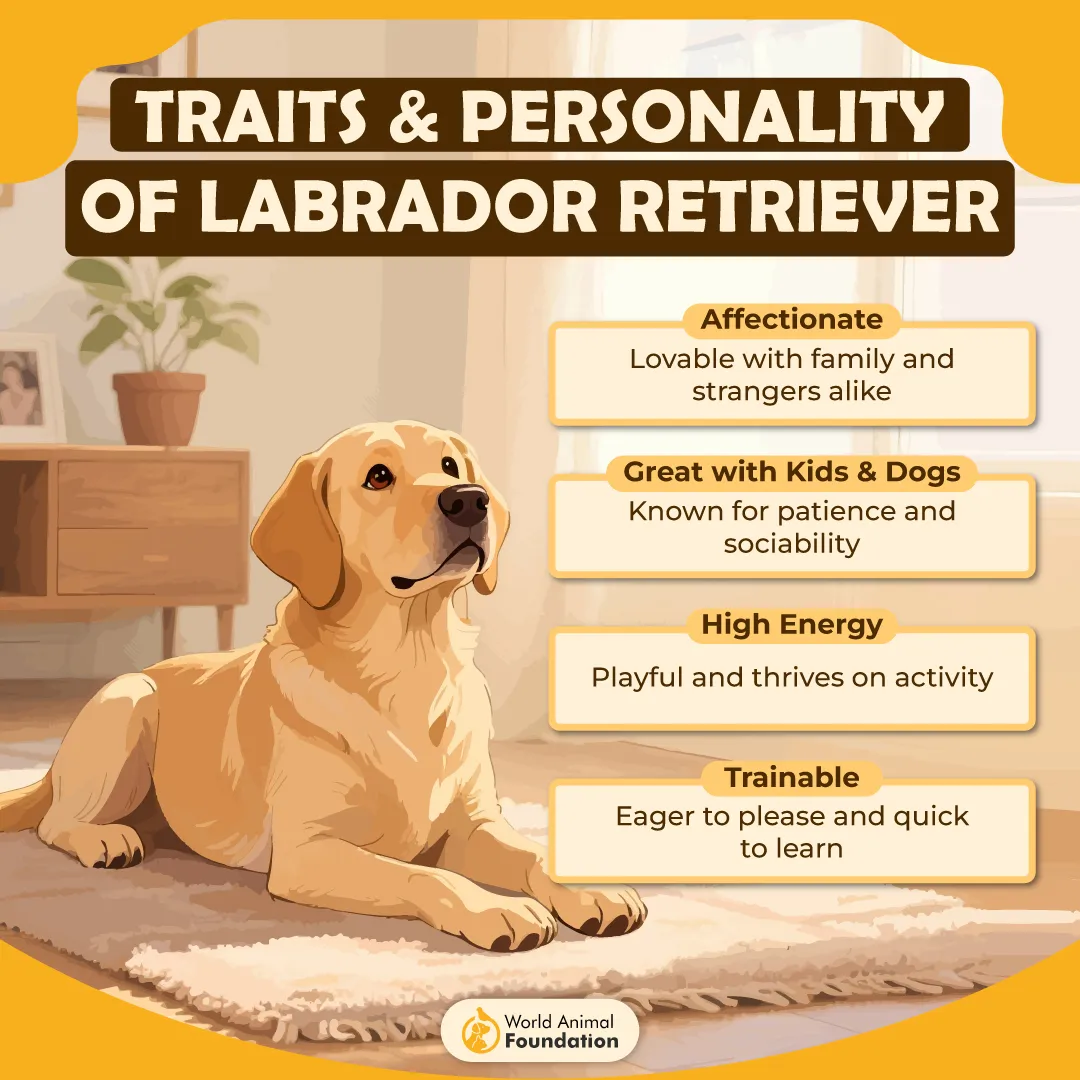
They adapt well to family environments and are generally patient, sociable, and steady in their behavior. Labs are affectionate without being overly demanding and tend to enjoy being part of everyday household life, whether with a single owner or a busy family.
Their calm, people-oriented nature and willingness to interact make them especially dependable companions for homes with kids and other pets.
Exercise & Energy Levels
Australian Shepherds are extremely active, athletic dogs that need regular daily exercise to stay balanced and content.
These herding breeds thrive in environments where they have space to move freely and opportunities for structured activity rather than simple casual walks.
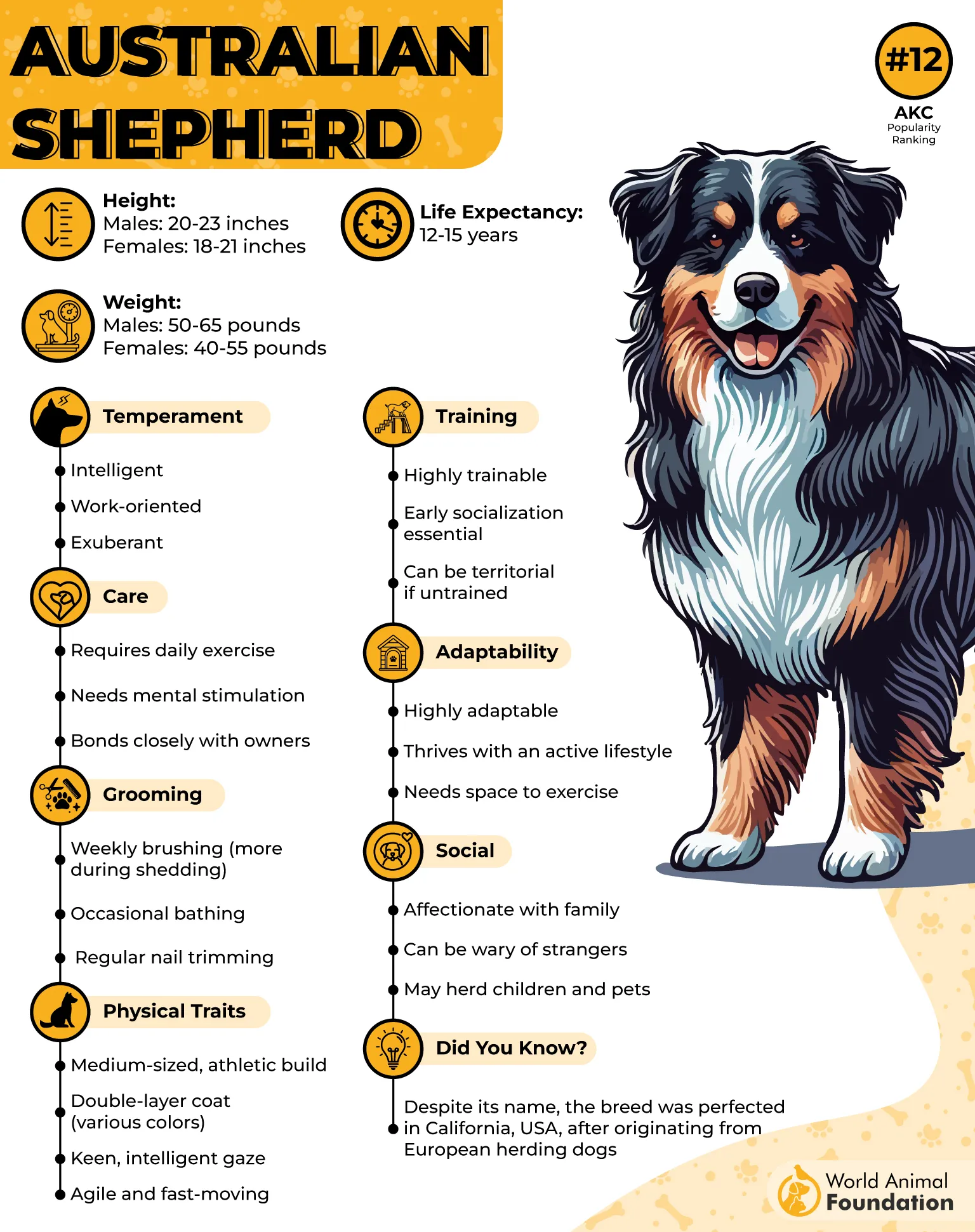
Long outdoor sessions, such as hiking, running, or extended play, are especially suitable for them once they are fully developed. Beyond physical activity, they also require mental engagement, as they are working dog breeds at heart.
Tasks like agility training, agility work, herding activities, or interactive games help channel their energy in a positive direction. Without enough stimulation, they can become restless or create their own “jobs” around the house.
Labrador Retrievers are also highly energetic and require regular exercise to maintain good behavior and overall well-being.
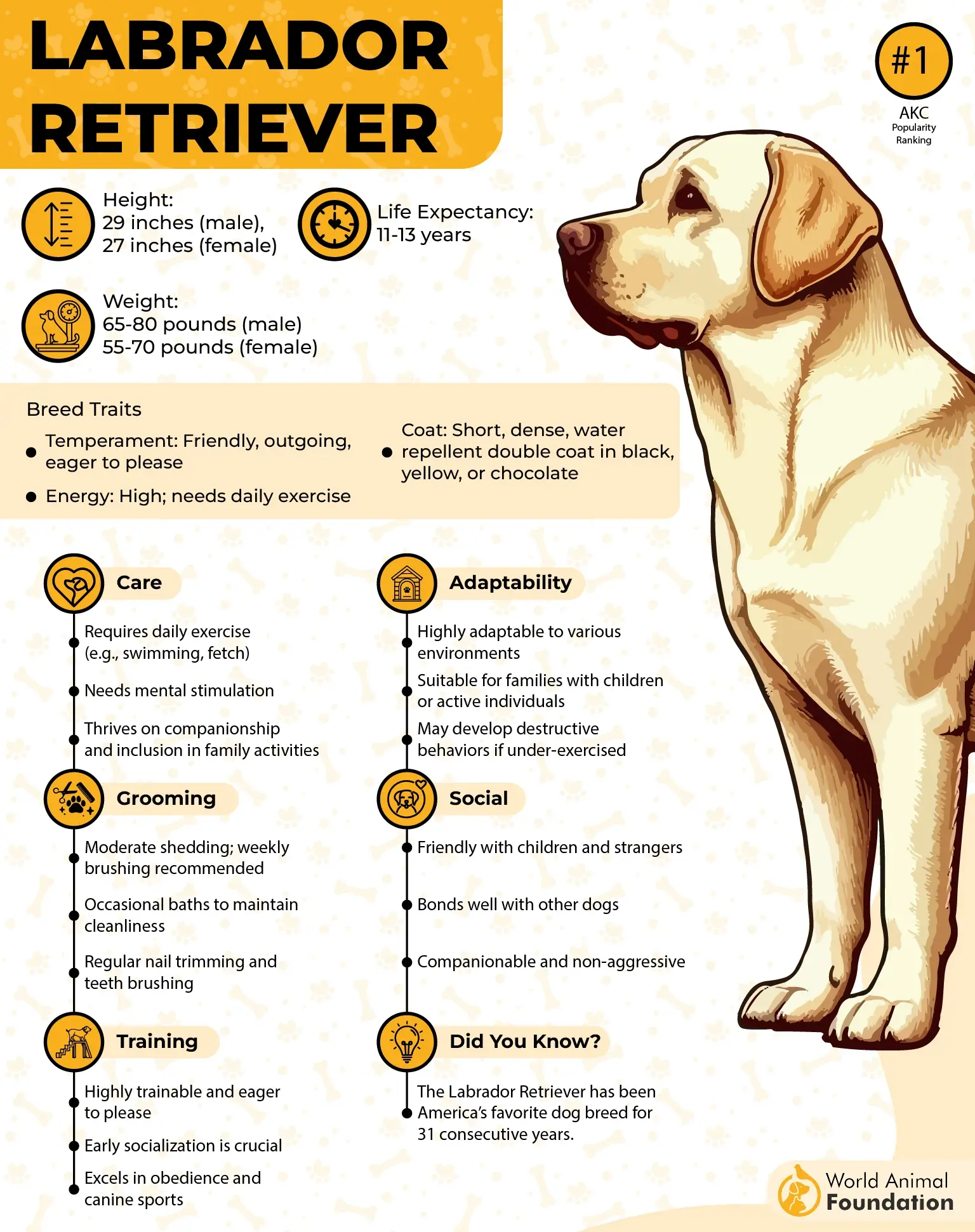
They enjoy active play, swimming, and outdoor activities with their families. If their energy is not properly managed through daily movement and engagement, they may become overly excited or develop unwanted behaviors indoors.
While Labs are enthusiastic about exercise, these high-energy dogs are generally more adaptable to varying activity levels, making them easier to manage in a typical family routine when compared to the more demanding Australian Shepherd.
Training & Intelligence
Australian Shepherds are highly intelligent and quick to learn, but they require early training and consistent guidance to bring out their best behavior, as mentioned by the AKC.
Their strong instincts and intense energy mean they do not respond well to a lack of structure, and without proper direction, they may become frustrated or channel their energy into unwanted behaviors.

Early socialization is especially important, as it helps them become more comfortable with different people, environments, and daily situations.
When well-trained, their loyalty and focus make them exceptionally responsive companions who enjoy advanced obedience work and mentally challenging tasks.
Labrador Retrievers are also very intelligent and are widely recognized for their eagerness to learn and cooperate with people.
Early social exposure and puppy training help them grow into well-mannered adults, especially since they are naturally enthusiastic and physically powerful as young dogs. They benefit from gentle, consistent training and clear routines.
Labs enjoy being involved in family life and typically pick up commands quickly, especially when training is paired with positive reinforcement. Their cooperative nature makes them reliable companions for both basic obedience and more structured activities.
Vocal Behavior & Size Differences
Australian Shepherds are alert, vocal, and highly observant dogs, often quick to respond with barking when they notice unfamiliar sounds, visitors, or anything they perceive as unusual.
This makes them effective watchdogs, but it can also be challenging in busy households if not guided with training.
Their energetic and agile nature, combined with their enthusiasm and tendency to jump when excited, may feel overwhelming for families with small children or for first-time dog owners.
They also form strong attachments and dislike being left alone for long periods, which can sometimes lead to vocal or restless behavior if their needs are not met.
Labs are typically calmer in their vocal behavior, usually barking less and showing a more easygoing response to visitors and household activity.

Their friendly, steady temperament makes them easier to manage in busy family environments, where predictability and calm interaction are valued.
In terms of size and presence, Australian Shepherds tend to feel more agile and lightweight in movement, while Labrador Retrievers have a noticeably sturdier and more solid build that gives them a grounded, powerful presence in the home.
Coat & Grooming
Australian Shepherds have a distinctive double-layer coat that can appear in a variety of patterns, including striking merle variations. Their coat naturally repels water and provides protection in different outdoor conditions, but it does require regular maintenance.
Weekly brushing is usually enough to keep it healthy and tangle-free, though during heavier shedding periods more frequent grooming is needed to manage loose undercoat hair.

Tools like an undercoat rake and a slicker or wire brush are often used to keep shedding under control. Since Aussies are active and love outdoor play, they can easily pick up dirt, but they typically only need occasional bathing unless they get especially dirty.
Labrador Retrievers also have a dense double coat that helps protect them, especially around water.
Their coat comes in a few standard colors and naturally sheds throughout the year, with heavier shedding during seasonal changes. Regular brushing helps manage loose hair and keeps their coat clean and healthy.
Labradors do not require frequent bathing unless they become noticeably dirty. Routine care such as nail trimming and dental hygiene is also important for maintaining their overall well-being.
Health Issues & Lifespan
Australian Shepherds generally live 12–15 years and are considered relatively healthy, but they carry some inherited risks.
Joint issues such as hip and elbow dysplasia can affect mobility over time, especially in active dogs, and eye conditions like progressive retinal atrophy, collie eye anomaly, and hereditary cataracts may gradually impact vision.
Responsible breeding and early health screening are important to reduce these risks, while proper care and activity management support long-term well-being.
Labrador Retrievers have average lifespan of 11–13 years and are also generally healthy but prone to different conditions, as noted by PetMD.

Ear infections are common due to their ear structure and love of swimming, and joint issues like hip and elbow dysplasia can also occur.
Some Labradors may develop inherited conditions such as tricuspid valve dysplasia, exercise-induced collapse, or centronuclear myopathy, though severity varies widely. Regular veterinary care, preventive ear cleaning, and balanced exercise help maintain their quality of life.
Both breeds benefit from preventive care and active lifestyles tailored to their needs. with regular veterinary checkups essential for early detection management.
Protection Instincts
Australian Shepherds are naturally alert and observant dogs with a strong tendency to stay aware of their surroundings.
They often act as early warning companions, quickly responding to unfamiliar sounds, movement, or visitors with barking. This behavior reflects their herding background, where attentiveness and quick reactions were essential.
While they may appear protective, their instincts are generally limited to alerting rather than confronting, and they usually settle once they recognize there is no real threat.
Their loyalty to their family can sometimes make them slightly wary of strangers, but proper socialization helps them remain balanced and approachable.
Labrador Retrievers, in contrast, are known for their friendly and trusting nature rather than guarding instincts. They are typically welcoming toward new people and animals, showing little inclination toward protective or territorial behavior.
Labs are valued for their steady temperament, strong family bonds, and dependable companionship rather than watchdog abilities. They are more likely to greet visitors than warn against them, making them highly social household dogs.
Overall, Australian Shepherds lean toward alertness and watchful behavior, while Labrador Retrievers emphasize friendliness and openness, creating very different approaches to family protection and interaction.
Conclusion
Both Australian Shepherds and Labrador Retrievers make wonderful family companions, but they suit very different households.
Aussies thrive in active, structured environments where their intelligence, energy, and working instincts are consistently engaged, making them ideal for experienced owners.
Labradors, with their easygoing temperament and social nature, fit seamlessly into most family settings and are especially well-suited for homes with children or first-time dog owners.
Ultimately, the choice depends on whether a family prefers a highly driven, task-oriented companion or a relaxed, affectionate, and adaptable household dog.
