




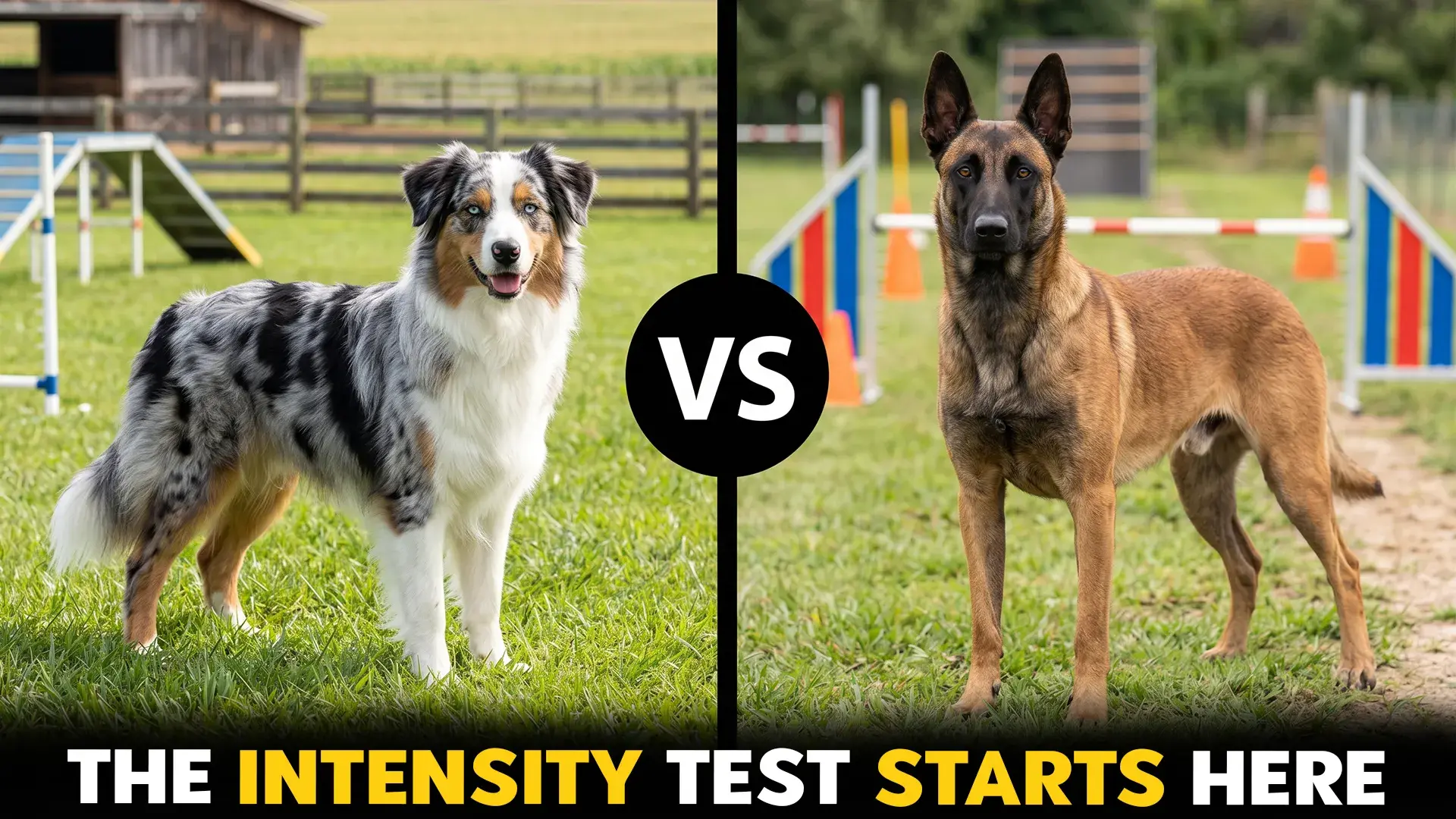
Before we compare the Australian Shepherd vs. the Belgian Malinois, let us answer the big question.
Which dog is MORE intense?
The Belgian Malinois.
And honestly… it is not even a close competition.
Now, does that make the Australian Shepherd lazy?
Absolutely NOT.
An Aussie can run circles around many other dogs, solve problems faster than you expect, and spend all day working livestock without complaining. But the Belgian Malinois operates on a different level. It is the kind of working dog that seems personally offended by free time.
One breed wants a job. The other wants three jobs, overtime, and a promotion.
So if you are trying to decide between these incredible shepherds, this is what you need to know before bringing one home.
Australian Shepherd vs. Belgian Malinois: Which Dog Is More Intense?
Think your Aussie is a high-energy handful? Wait until you meet the Malinois, a dog that treats gravity like a minor suggestion and needs a full-time job just to sleep at night. Let’s break down which of these two brilliant breeds is the ultimate definition of “intense.”
Origins, History & Purpose
Where a dog comes from tells you everything about what they were wired to do.
The Australian Shepherd, despite the name, was developed in the American West during the 1800s.
Ranchers needed a dog that could manage livestock across massive open terrain, make fast independent decisions, and keep going all day without slowing down.
The Aussie was that dog.
Smart, agile, tireless, and always watching the herd.
The Belgian Malinois is one of four Belgian Shepherd varieties, originally bred in Belgium in the late 1800s.
They started as herding dogs, too, but their mix of drive, focus, and physical ability made them the obvious choice for police and military work.
Today, Malinois dogs are used by law enforcement and military units all over the world. Search and rescue teams rely on them heavily.
So, basically, they are herding dogs, military dogs, police dogs, search and rescue dogs, and WHATNOT?
Both breeds were created to work. Neither was created to lounge around waiting for the weekend.
Size & Overall Build Differences
These two breeds are similar in size, but they give off completely different energy every time you see them.
Australian Shepherds are medium-sized dogs.
Males typically weigh between 50 and 65 pounds. Their thick, sometimes merle-patterned coats make them look bigger than they actually are.
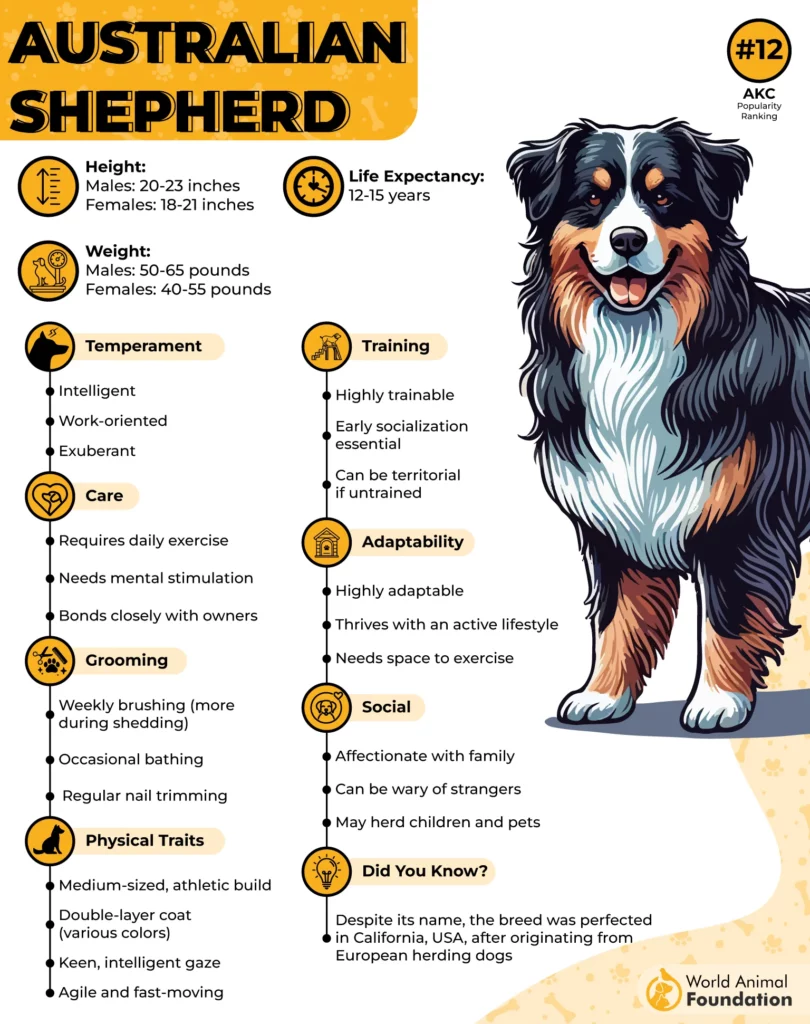
They move with smooth, quick agility, built for sharp directional changes when herding livestock.
Belgian Malinois are lean, muscular dogs, built like they are always about to sprint somewhere urgent. Males usually weigh between 60 and 80 pounds. They have a short coat, deep chest, and an explosive frame. Even standing still, a Belgian Malinois looks switched on.
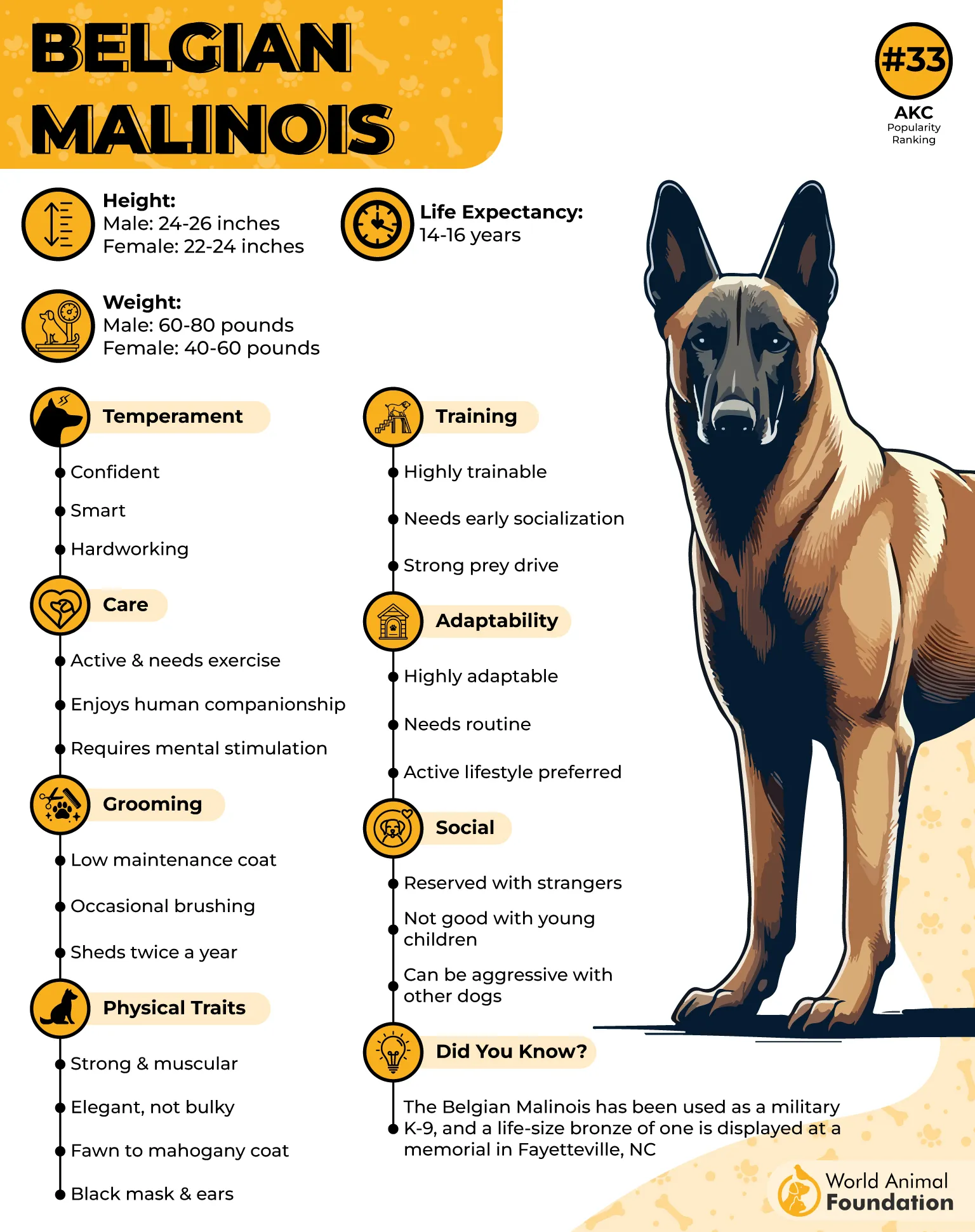
Both are working dogs.
But the Malinois wears that intensity on the outside, even at rest.
Coat Types & Grooming Maintenance
Australian Shepherds have a medium-to-long double coat that sheds heavily and needs consistent grooming, says the American Kennel Club.
During shedding seasons, daily brushing is NOT optional.
The fur gets everywhere, on your couch, in your coffee, and somehow always on your work shirt right before an important meeting. Regular grooming sessions, occasional trims, regular baths, and detangling are just part of the deal.
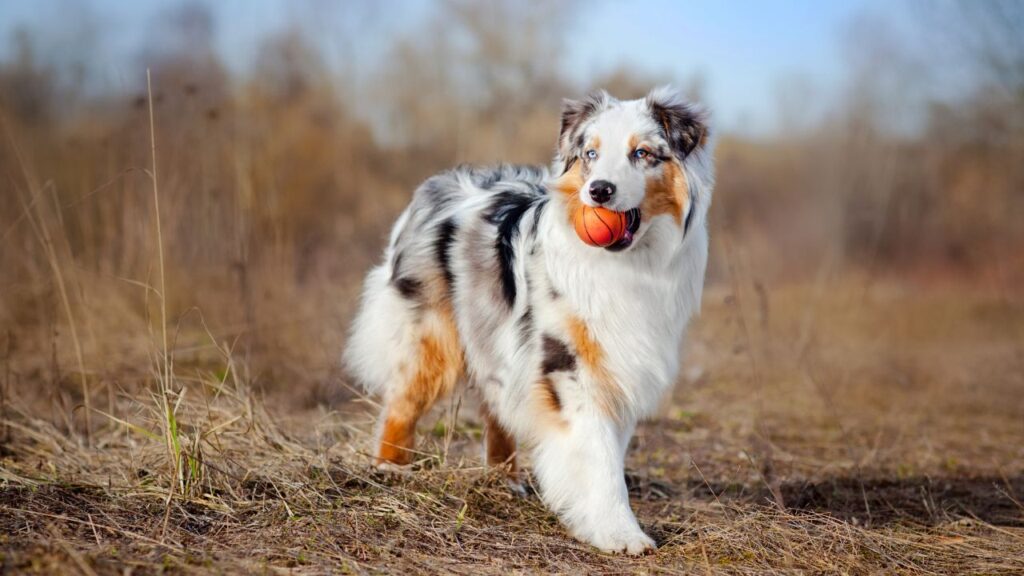
Belgian Malinois have a short, dense, double coat with a woolly undercoat. They do shed, but the shorter fur makes grooming way less demanding.
According to Purina, weekly brushing and occasional baths keep everything in good shape.
If grooming commitment is a dealbreaker for you, the Malinois is the easier pick. No contest.
Temperament, Personality & Behavioral Traits
Australian Shepherds are energetic, affectionate, and deeply loyal to their people.
They bond closely with family and throw themselves into almost everything with enthusiasm.
But they are herding dogs at heart.
That instinct does not disappear in a suburban backyard. Aussies will try to herd children, other dogs, and yes… sometimes, the cat.
Belgian Malinois are a completely different level of intensity.
Alert, confident, and always switched on. The Malinois bonds deeply with their handler or family, but that loyalty comes with a strong protective instinct and a constant need to assess everything around them.
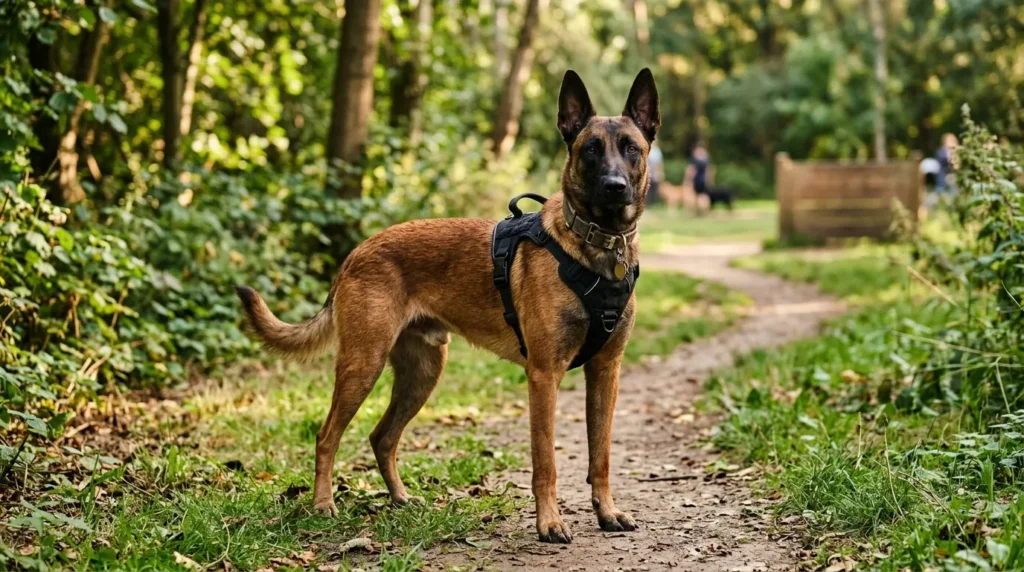
Without proper socialization and an experienced owner, a Malinois can become difficult to manage around strangers, other dogs, or unpredictable environments.
Not aggressive by nature.
But fast to react, hard to redirect, and always watching.
Personally, a Malinois is not something you casually pick off a list of cute breeds. You commit to a Malinois. It is a lifestyle decision.
Intelligence, Trainability & Learning Ability
Both breeds are smart. That part is not even up for debate.
Australian Shepherds are eager, responsive, and love learning.
They thrive in obedience work, agility competitions, and trick training, according to Britannica.
Because they are sensitive dogs, positive reinforcement works well with Aussies. Harsh corrections tend to backfire.
Push too hard, and they shut down instead of pushing through.
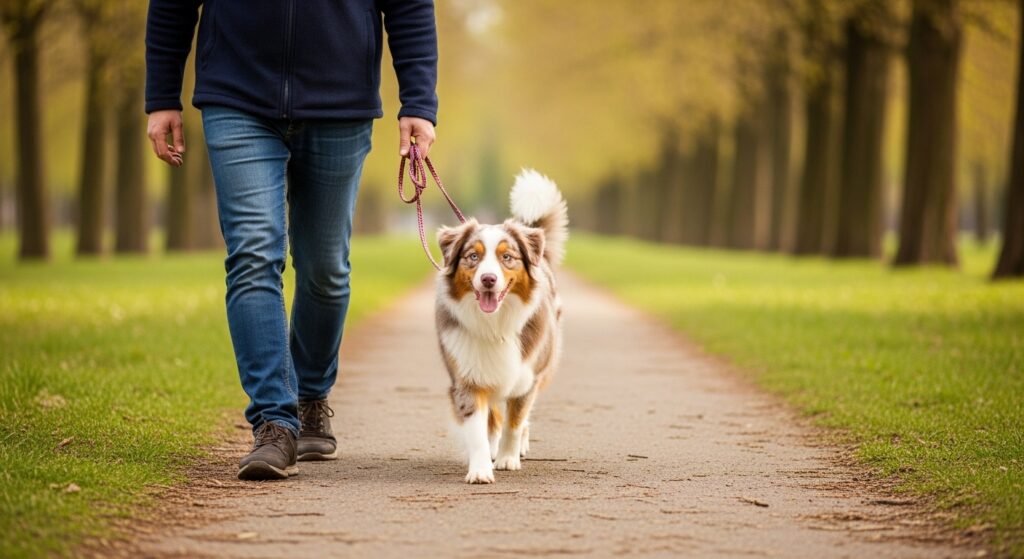
Belgian Malinois are also highly intelligent dogs. But their drive takes training to a different place.
These dogs are used in elite search-and-rescue operations, military tasks, and high-level detection work for a reason.
They learn fast, hold commands under real pressure, and keep working when other breeds have already checked out mentally.
But that same drive makes them hard to handle without experience. A bored or under-stimulated Malinois will create its own tasks.
For advanced obedience and agility as a family pet, the Aussie is a manageable partner.
For demanding professional working roles, the Malinois is in a category of its own.
Energy Levels, Activity Needs & Work Drive
Please do NOT underestimate any of these breeds.
High-energy Australian Shepherds need serious daily exercise and mental stimulation, says Orvis. Long walks, fetch, agility work, and herding activities… all of them keep them balanced and happy.
Skip the exercise, and an Aussie will develop anxiety, destructive habits, and obsessive behaviors.
Belgian Malinois needs even more. These dogs were imported for police and military service because their work drive is almost unmatched by any other breed. One long walk is not enough. Not even close to enough.
Owners who successfully manage a Malinois say it feels like a part-time job.
Professional Working Roles & Herding Instincts
Both breeds contribute to working dog roles. BIG TIME.
But in different ways.
Australian Shepherds shine in herding competitions, agility, sport, search-and-rescue support, therapy work, and service dog roles.
Their connection to livestock makes them versatile across multiple disciplines.
Mals dominate protection work, military service, police K9 units, detection roles, and guard dog roles at the highest levels. They are very helpful in agency work because of their drive, endurance, and ability to perform under extreme pressure.
The dog world would not function the same without either of them.
Lifestyle Suitability & Adaptability
The Australian Shepherd is intense but manageable for active and committed owners. Families with children, other dogs, and even cats can make it work with proper training and early socialization.
Aussies adapt reasonably well to different living situations as long as their exercise and mental needs are met.
The Belgian Malinois is not for first-time owners. It is not for casual owners. The breed needs someone experienced, structured, and fully committed every single day.
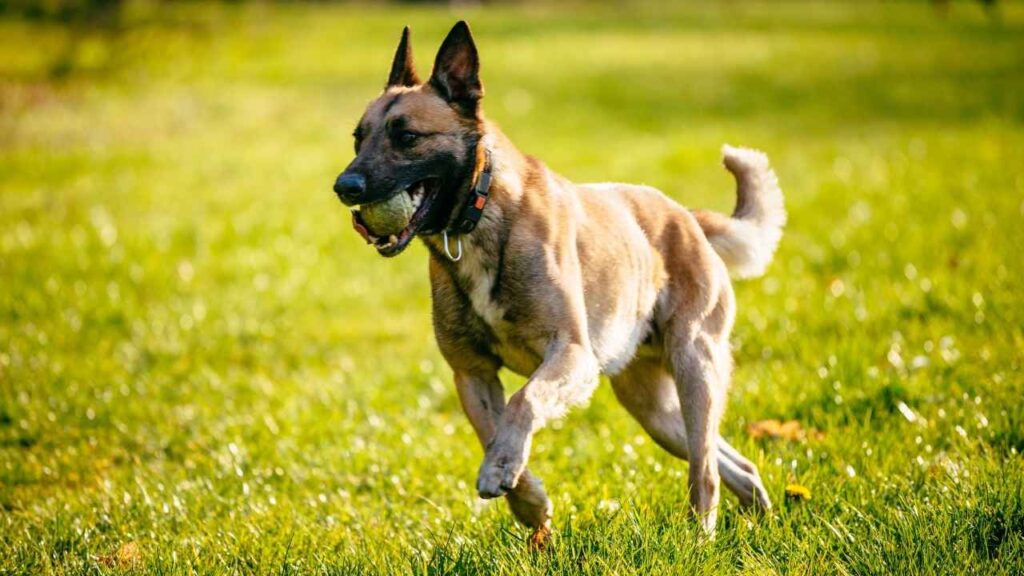
If your life includes serious outdoor activity, dedicated family time, and the energy to match a working dog, the Malinois can be an extraordinary partner.
If you want a smart, loyal, highly active family dog that is challenging, but still manageable for a dedicated owner, the Australian Shepherd is a better fit for most people.
Conclusion
Both breeds are intense. Just differently.
The Aussie brings fire, loyalty, and working dog energy wrapped in an affectionate and sensitive package.
The Malinois brings all of that, plus a drive level that most people are not prepared for.
The right dog is not the coolest-looking one. It is not the one your favorite athlete posted about.
It is the dog that matches your real life, future, and energy level.
Be honest about all three, take a moment, and then choose.
