




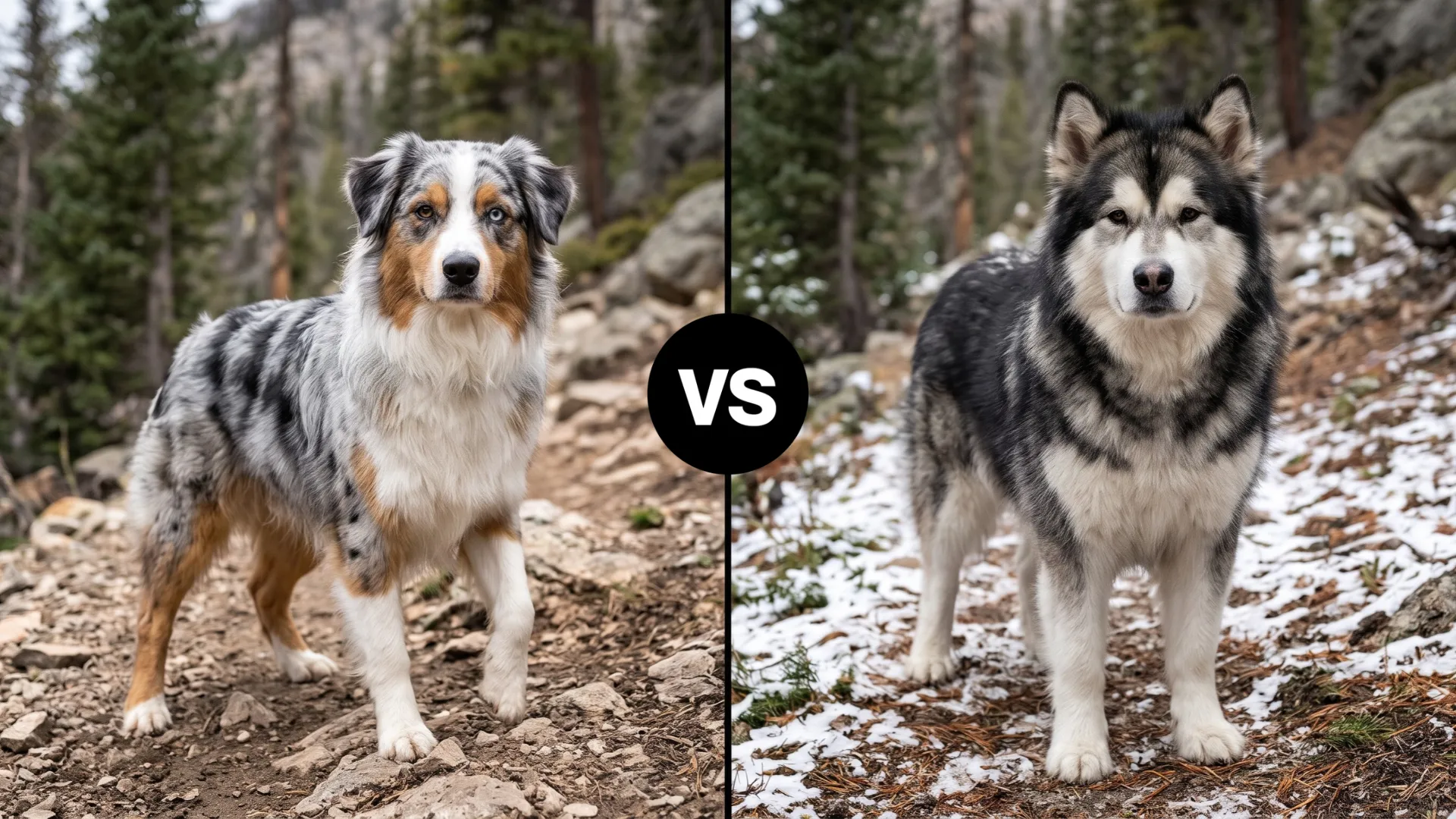
Can you choose between a clever herder and a powerful sled dog? Both breeds are smart, active, and full of surprises! Yet their origin and history tell two very different stories.
The Australian Shepherd developed in the United States to herd livestock on farms and ranches. The Alaskan Malamute, meanwhile, helped Inuit people haul heavy loads across snowy lands. Each breed has special traits that make it stand out.
Aussies are quick thinkers who enjoy learning tasks and working closely with people. Malamutes are strong, independent dogs with a deep love for outdoor adventures. However, both need time, care, and plenty of daily activity.
So, which breed suits your home and lifestyle? Let’s compare their size, personality, exercise needs, training, vocal habits, coat care, and health. This guide will help you understand their differences and choose the companion that fits your daily routine.
Did You Know?
Aussies became popular at rodeos and horse shows, where their herding skills impressed crowds. Their charm and talent also earned them roles in movies and TV shows.
A Malamute named Indiana inspired George Lucas while creating Chewbacca for Star Wars. His family dog helped inspire the famous Wookiee character.
Australian Shepherd Dog vs. Alaskan Malamute: Key Traits Compared
Size & Build Differences
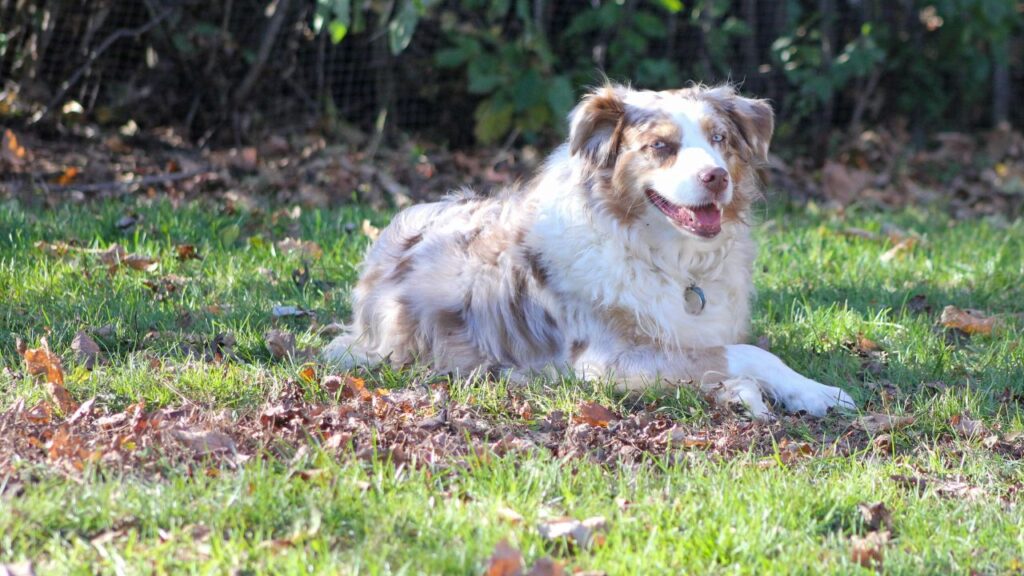
The Australian Shepherd is a medium-sized dog breed with a lean, athletic build. Its balanced body helps it move quickly and turn with ease. A strong head, alert ears, and focused eyes give this dog a keen look.
According to the American Kennel Club, Aussies are rugged ranch dogs linked to cowboy life. Their average size suits active homes, but their energy needs plenty of space to move. Males are typically heavier than females, though individual dogs may vary.
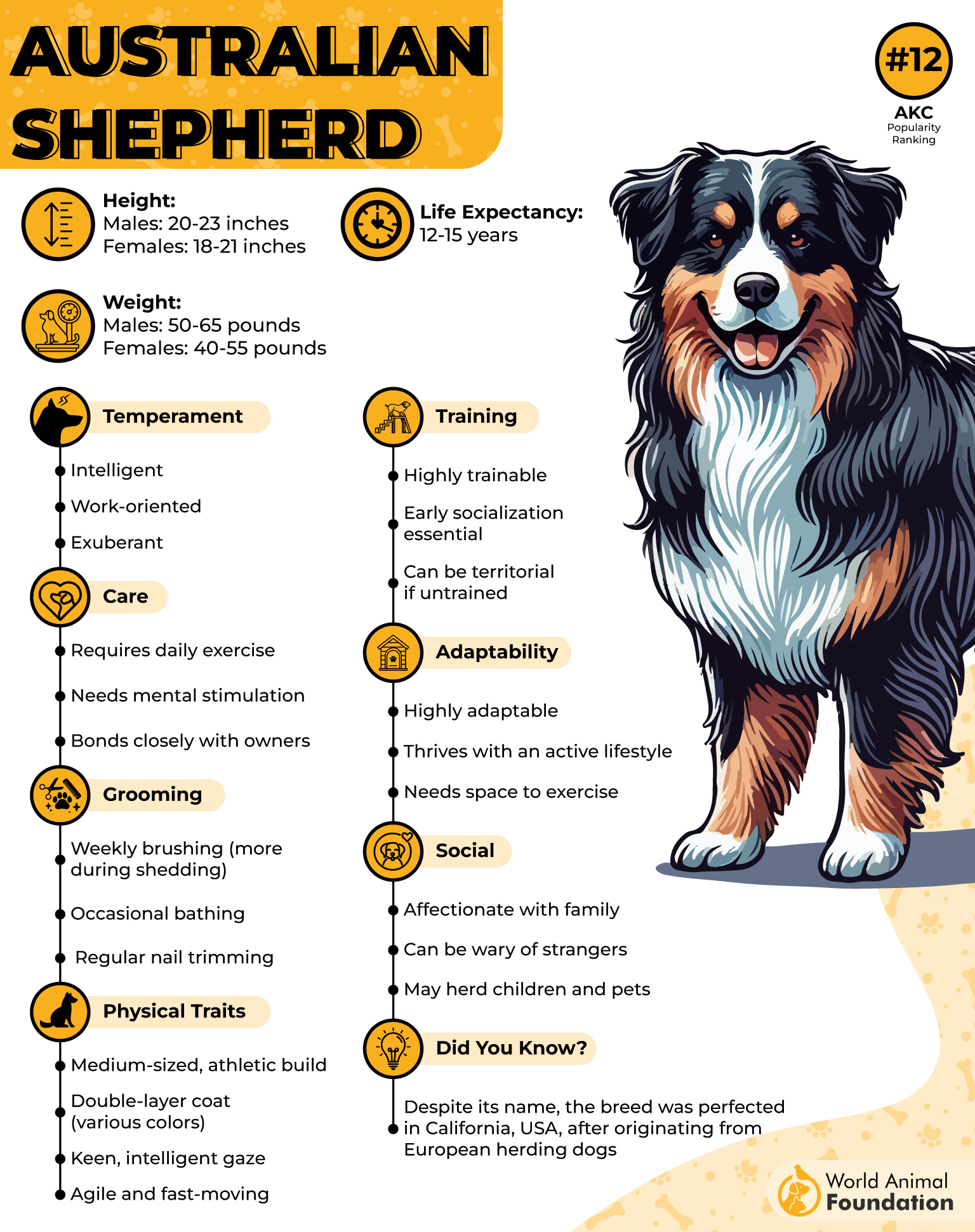
Height: Males: 20–23 inches; females: 18–21 inches.
Weight: Males: 50–65 pounds; females: 40–55 pounds.
The Alaskan Malamute is a large-sized dog breed built for strength. Its broad chest, sturdy bones, thick coat, and large head give it a powerful frame. Upright ears and a strong body add to its bold look.
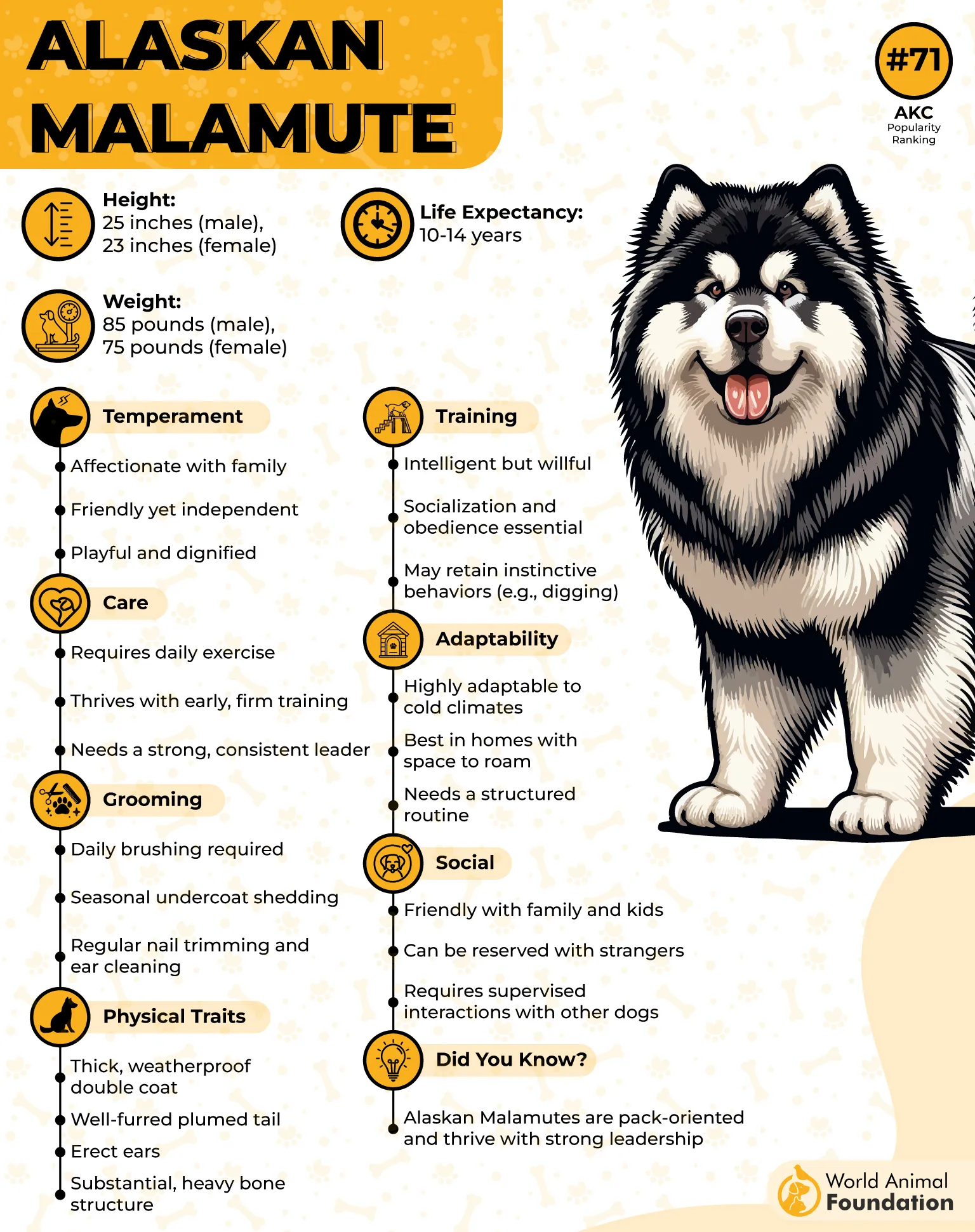
Its size can make handling, travel, and daily care more demanding. A sturdy lead and well-fitted harness help owners manage this powerful dog safely. Males are typically larger than females, but each dog’s weight can vary.
Height: Males: about 25 inches; females: about 23 inches.
Weight: Males: around 85 pounds; females: around 75 pounds.
Temperament & Personality
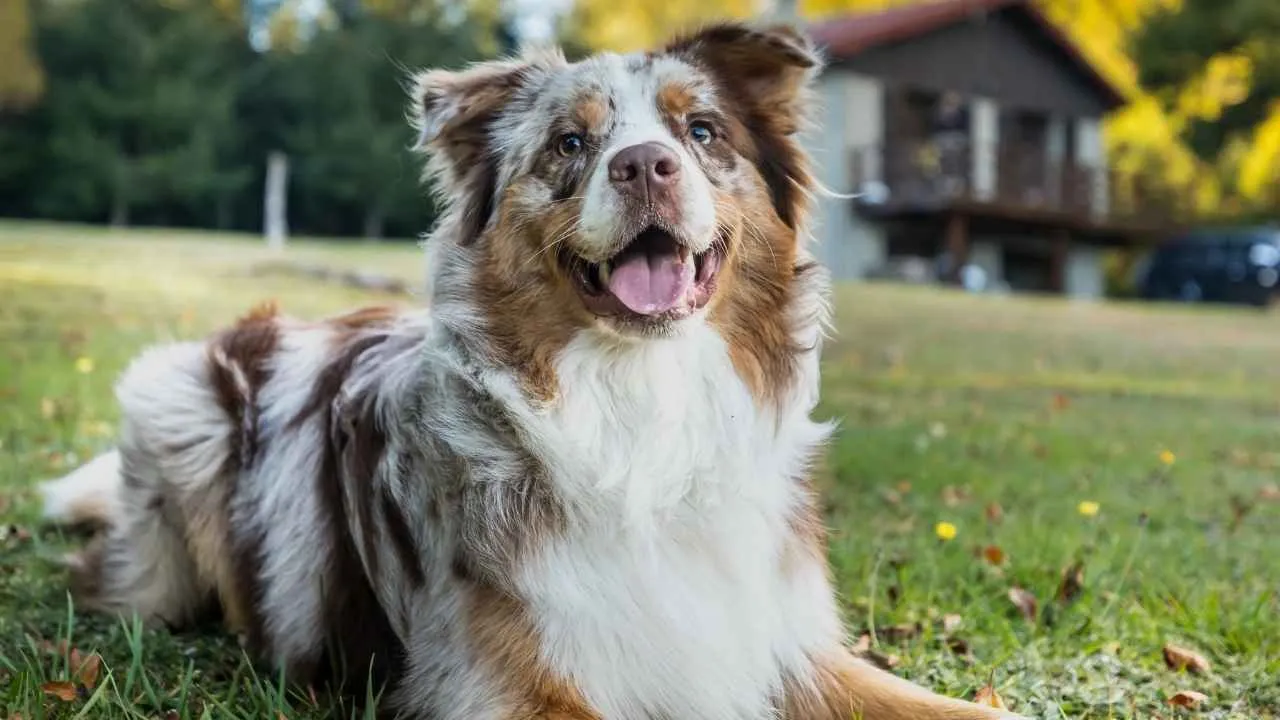
The Australian Shepherd has a loyal, people-oriented nature and loves having a job. This clever herding dog stays alert and watches its family closely. It may try to guide children or other pets by following their movements. Early training helps teach good manners and safe play.
Aussies enjoy spending time with their favorite person, but they also need clear rules. Start socializing your puppy early so it learns to meet people and other dogs calmly. With patience, this breed can become a devoted family companion.
According to PDSA, Alaskan Malamutes attract owners with their looks and unique temperament. People often compare them with the Siberian Husky, but Malamutes are larger and were bred to pull sledges. They can be affectionate and friendly, yet they also value independence.
Their stubborn side may make training a challenge, especially for first-time owners. Malamutes have a strong prey drive, so they may chase smaller animals.
Some can also struggle around dogs of the same sex. Early socialization, firm boundaries, and supervised time with children help build safer habits. Active homes suit them best.
Exercise & Energy Levels
According to Purina, Australian Shepherds are extremely active and need plenty of exercise. Their high activity levels make them great partners for long walks, hikes, and runs. These smart dogs also shine in obedience, herding, agility, and dock diving.
Their history as working dogs explains their stamina and love for outdoor fun. The average Aussie needs both physical activity and mental challenges each day. Without enough to do, it may start barking, chewing, or digging.
A large yard can offer extra room to play, but it cannot replace walks or training. These characteristics make Aussies best suited to an active lifestyle.
Alaskan Malamutes usually need around 1.5–2 hours of exercise daily. Their history centres on pulling heavy loads over short distances, while the Siberian Husky was bred for running long distances. This difference helps explain their working styles.
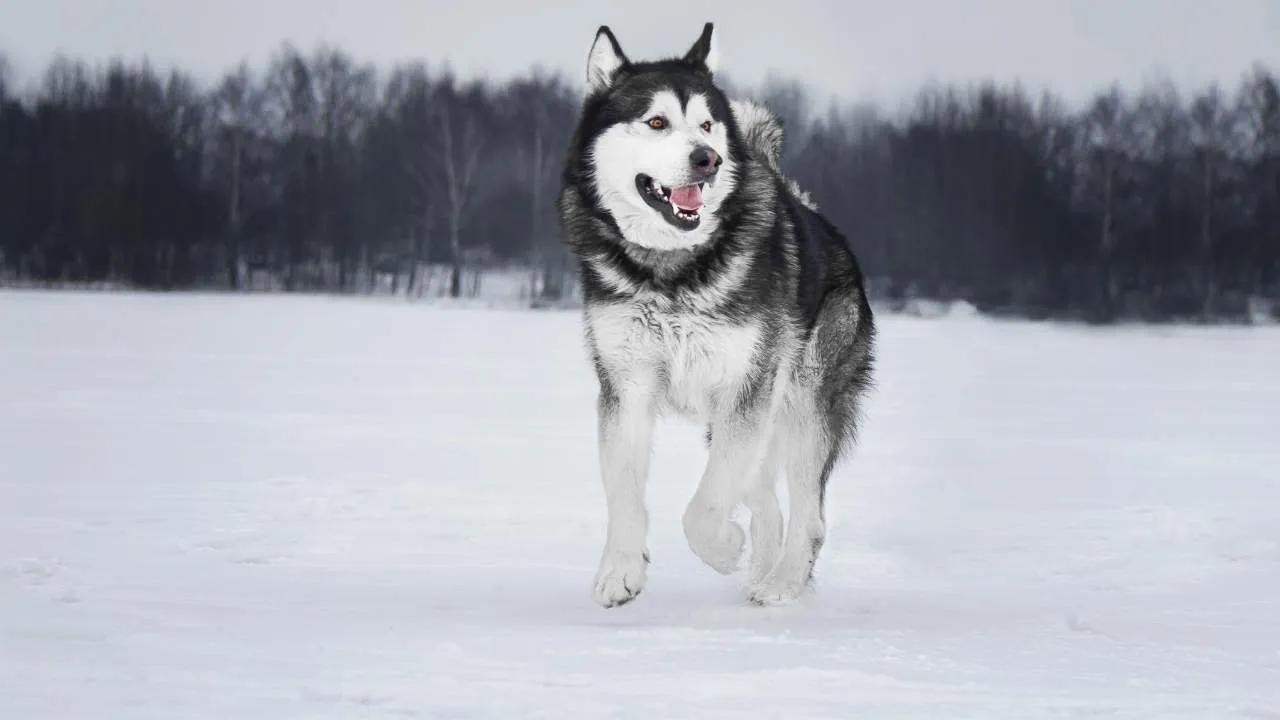
Malamutes enjoy hiking, brisk walks, scent games, and supervised pulling sports. However, owners should adjust each activity to their dog’s age, health, and fitness.
Warm weather also calls for extra care. Without enough exercise, a Malamute may become restless or turn to digging. Both breeds need daily movement to stay happy and healthy.
Training & Intelligence
Australian Shepherds are highly intelligent dogs that love to learn. Their people-oriented nature makes them eager to work with their owners. These intelligent dogs often learn commands quickly and enjoy obedience trials, agility, and other dog sports. Start training your puppy early with short, fun sessions.
Use positive reinforcement, praise, treats, and toys to reward good behavior. Since Aussies have a high activity level, they need mental tasks as well as outdoor exercise. Early leash training, recall practice, and socialization help them become confident companions.
According to Hill’s Pet, the Alaskan Malamute is strong-willed, highly intelligent, and sometimes stubborn. Unlike Australian Shepherds, Malamutes are independent thinkers and may not obey every command right away.
The Siberian Husky shares some similarities with this breed, but training needs can still vary between individual dogs. Understanding these differences helps owners set fair expectations. Keep lessons brief, clear, and rewarding.
Positive reinforcement works better than harsh methods, which can damage trust. Offer treats, toys, and praise to keep your dog interested. Both breeds are intelligent, but patience and consistency help turn that intelligence into good habits.
Vocal Behavior
Australian Shepherds and Alaskan Malamutes have different ways of making themselves heard. Aussies may bark to alert their owners or react to sudden movement. Their enthusiasm can make them noisy, especially when something catches their attention.
Malamutes are known for howling, “talking,” and making expressive sounds instead of barking constantly. If you prefer a quiet dog breed, consider how each dog’s vocal habits fit your home. Both breeds can become louder when excited, bored, frightened, or lacking activity.
Reward calm moments and teach a reliable quiet cue. Enough exercise, interactive toys, and mental challenges can reduce boredom-related noise. Training helps manage their sound levels, but neither breed will stay quiet all the time.
Coat & Grooming
The Australian Shepherd has a medium-length, double-coated fur layer that helps protect it in changing weather. Its coat patterns include black, red, blue merle, and red merle, sometimes with white or tan markings.
Its fluffy tail adds to its attractive appearance. Brushing several times a week helps remove loose fur and prevent tangles. Owners should also check the ears, paws, and skin during grooming.
Alaskan Malamutes have a dense undercoat and a coarse topcoat built for cold climates. Britannica notes that their thick fur needs daily brushing, especially during shedding. White sable and other coat colors add to their striking appearance.

Compared with the Aussie, a Malamute needs more attention during seasonal shedding and may overheat in warm weather. Bathing every six to eight weeks and trimming nails every three to four weeks can support coat health.
Neither breed suits someone seeking a low-maintenance dog breed, as both need consistent grooming. Avoid shaving their double coats without veterinary advice.
Health Issues & Lifespan
Australian Shepherds can live long, active lives with proper care. A healthy lifestyle, balanced food, and suitable weight help protect their joints and overall health.
Common Health Concerns
Hip and elbow joint problems
Eye conditions, including cataracts
Hypothyroidism, which may cause weight gain and low energy
Lifespan
Australian Shepherds typically live 12–15 years. Responsible breeders and routine vet visits support long-term health.
Malamute is a strong breed and prone to certain inherited conditions. Its large frame puts stress on the joints, so owners should watch its weight and discuss health screening with breeders. Knowing the breed’s origin and risks helps owners make informed choices.
Common Health Concerns
Hip dysplasia, affecting the joints
Cataracts and inherited polyneuropathy
Hypothyroidism
Gastric torsion, or bloat, a life-threatening emergency
Bloat warning: Watch for a swollen abdomen, restlessness, or repeated attempts to vomit without success. Seek urgent veterinary care if these signs appear.
Lifespan
Alaskan Malamutes usually live 10–14 years. Both breeds need regular checkups and careful health monitoring to support their survival and well-being.
Conclusion
The Australian Shepherd and Alaskan Malamute puppies offer different traits for active homes. The people-oriented Aussie is a loyal herding dog that enjoys training and working with its favorite person. The Malamute brings strength, an independent temperament, and a proud history as a sled dog.
Consider each breed’s activity level and care needs. Thankfully, you can prepare for either dog by learning what daily life involves. Think about your home, budget, schedule, and ability to provide exercise, grooming, and attention.
Windy trails and outdoor adventures may appeal to both, but neither suits every household. Before choosing a puppy, meet adult dogs and speak with reputable breeders or rescue groups.
Use good judgment and caution to find a welcoming companion whose needs fit your life.
