




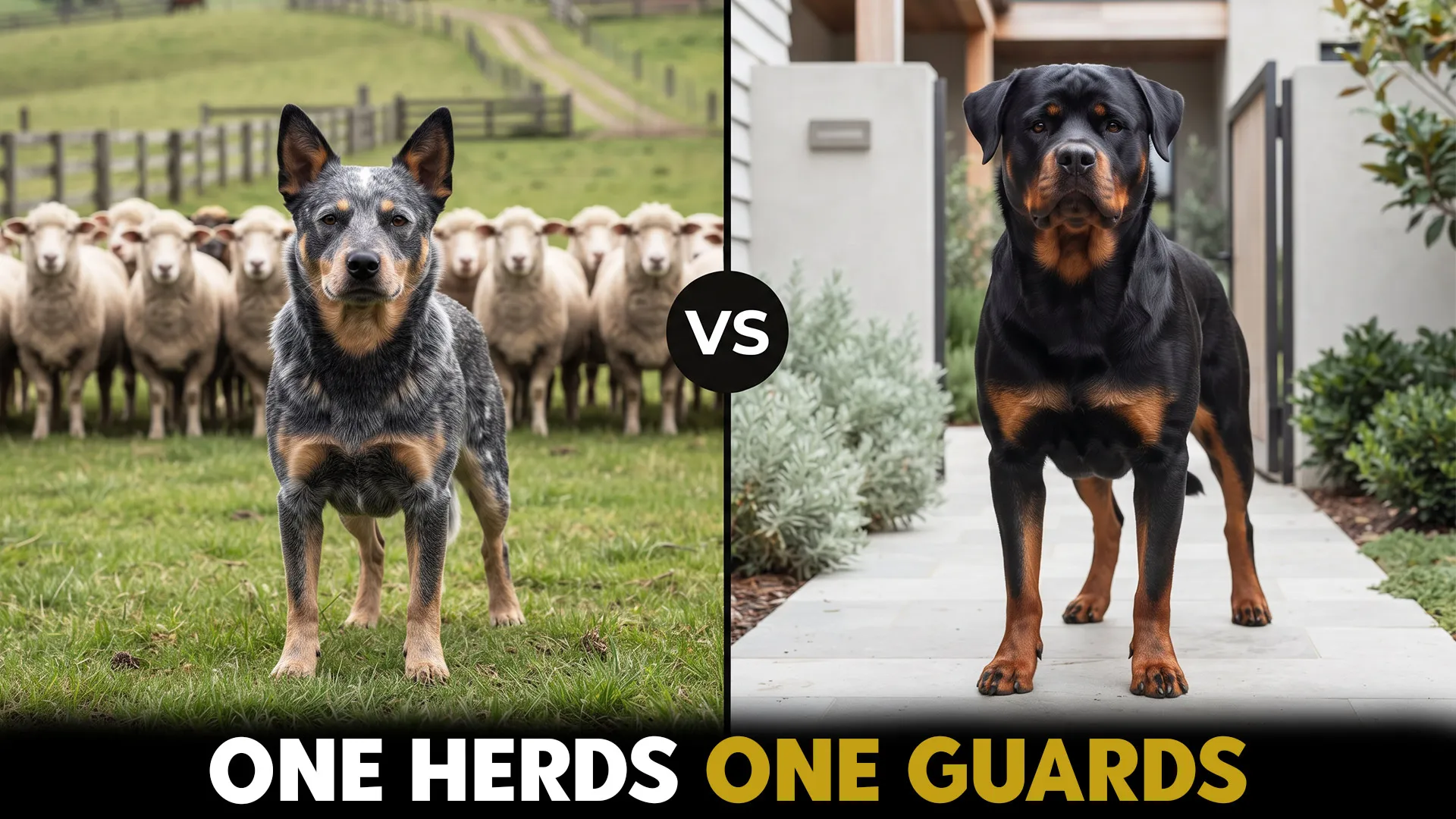
Selecting between two working dogs can shape everyday life in very different ways. One brings a strong herding instinct, sharp intelligence, and a need for regular mental and physical work.
The other carries a long working history, strong protective instincts, and a natural awareness of its surroundings. Both can be loyal, trainable, active companions, but they may respond differently to training, strangers, other animals, and household routines.
Their original jobs help explain much of that difference. One was bred to control cattle in demanding conditions, while the other was developed for livestock driving, guarding, and other forms of work. That background still influences how each dog uses its energy and reacts to the world.
Comparing these two breeds means looking at temperament, training, exercise, grooming, health, and daily behavior. The differences become easier to spot when you know where to look.
Australian Cattle Dog vs. Rottweiler: Key Differences Explained
The Australian Cattle Dog and Rottweiler are both strong, intelligent breeds, but they differ greatly in size, temperament, energy, and working style. Let’s compare their key differences to help you understand which breed may be a better fit for your lifestyle.
Breed Origins & Functional Background
Australian Cattle Dogs, aka Blue Heelers, were shaped during the 19th century as Australian ranchers needed capable dogs for expanding cattle operations across the grasslands. English dogs were bred with native Australian dingoes, producing working dogs better equipped for the country’s harsh climate.
The breed later gained official recognition in the United States, with the American Kennel Club accepting it for registration in May 1980. It entered the Working Group that year before moving to the Herding Group in 1983, as mentioned by ACDCA.
Rottweilers have an uncertain early history, though their ancestry is linked to mastiff-type dogs and ancient Roman drover dogs. They later became closely associated with the German town of Rottweil, where they worked with cattle and were sometimes used as police dogs.
Their working reputation helped bring them back into wider use during the early 20th century, particularly in police work. The American Kennel Club recognized the breed in 1931, and its popularity has continued to grow in the United States.
Physical Characteristics & Body Structure
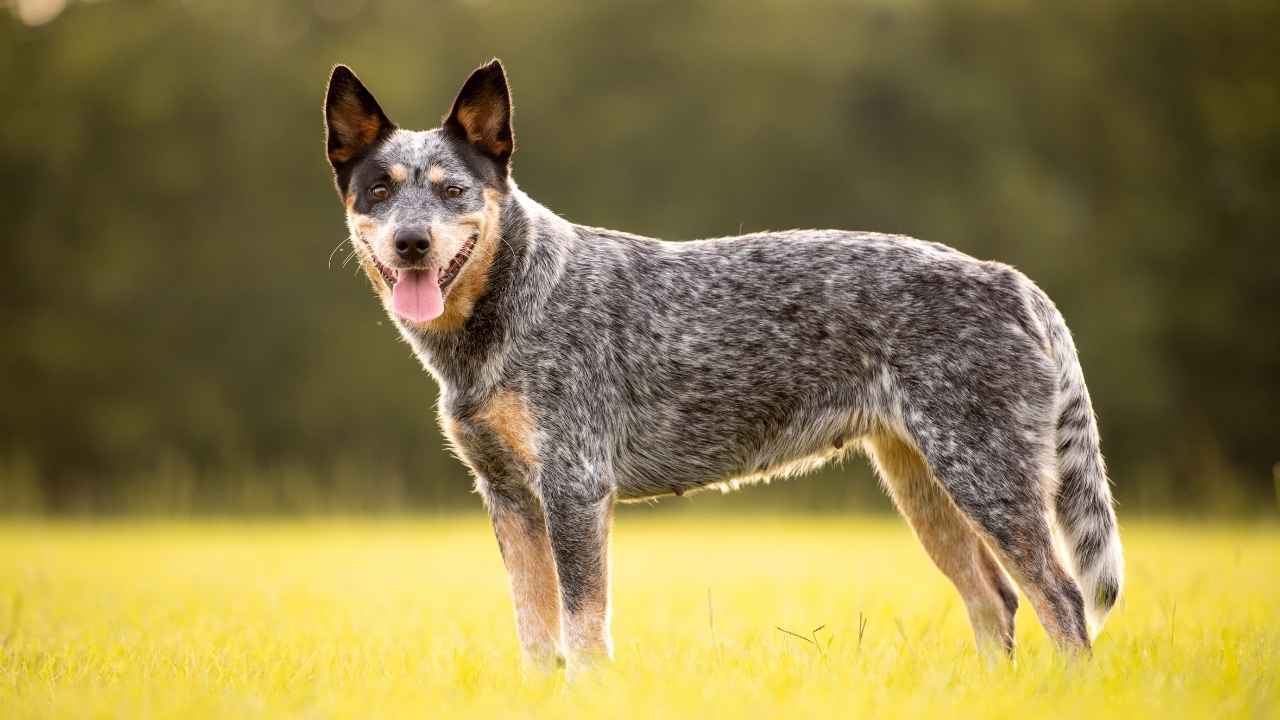
Australian Cattle Dogs have a compact, balanced frame, with males standing 18 to 20 inches and females 17 to 19 inches tall. They typically weigh 35 to 50 pounds and are slightly longer than tall, with strong legs, a deep chest, and muscular thighs built for quick movement.
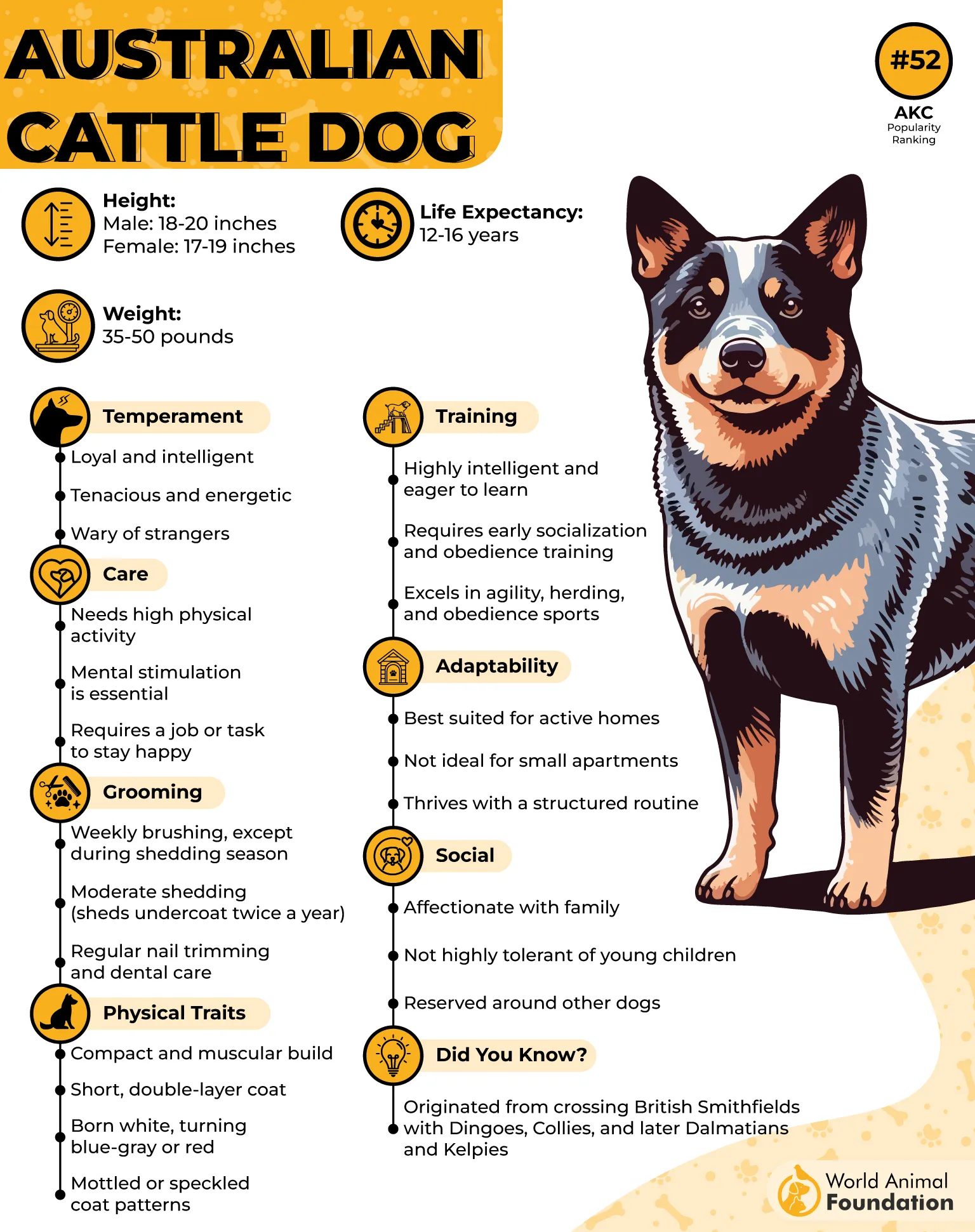
Males tend to have a broader head, heavier bones, and more substantial chest and shoulders, while females are usually lighter and more refined. Their broad skull, powerful muzzle, level back, and athletic proportions give them a streamlined working appearance.
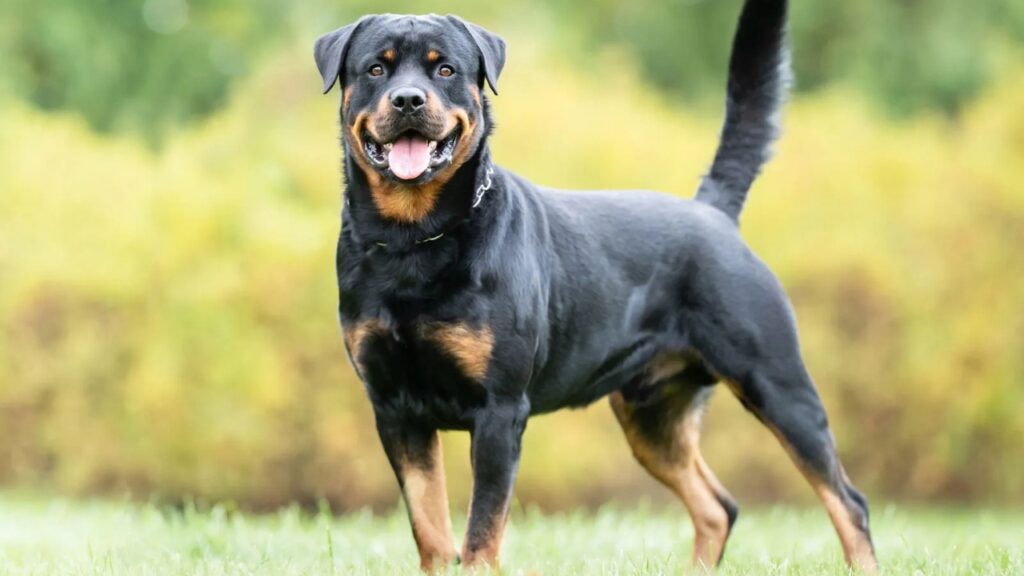
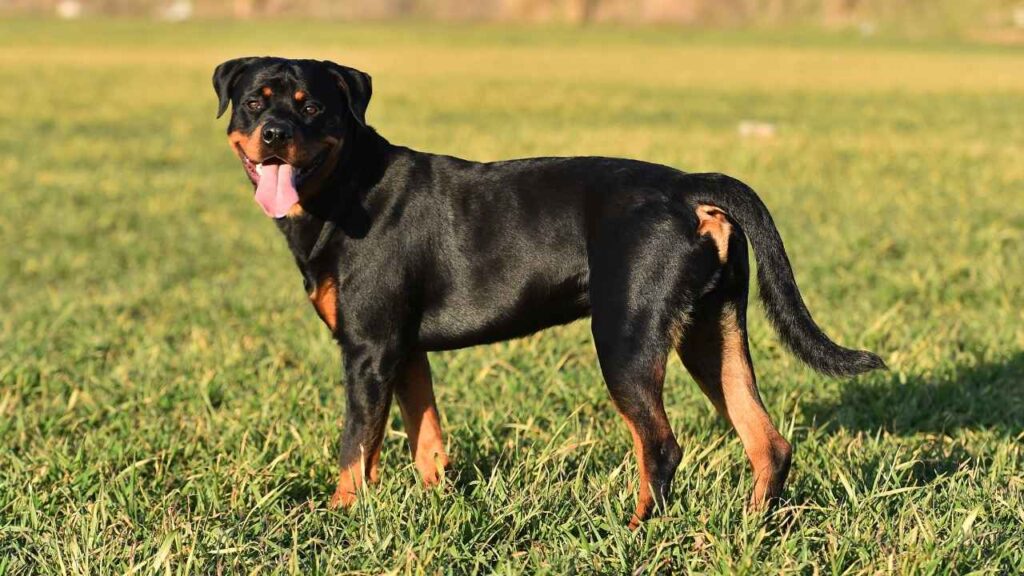
Rottweilers are considerably larger, with males reaching 24 to 27 inches and females 22 to 25 inches. Males generally weigh 95 to 135 pounds, while females range from 80 to 100 pounds, giving the breed a much more substantial physical presence, as per the AKC.
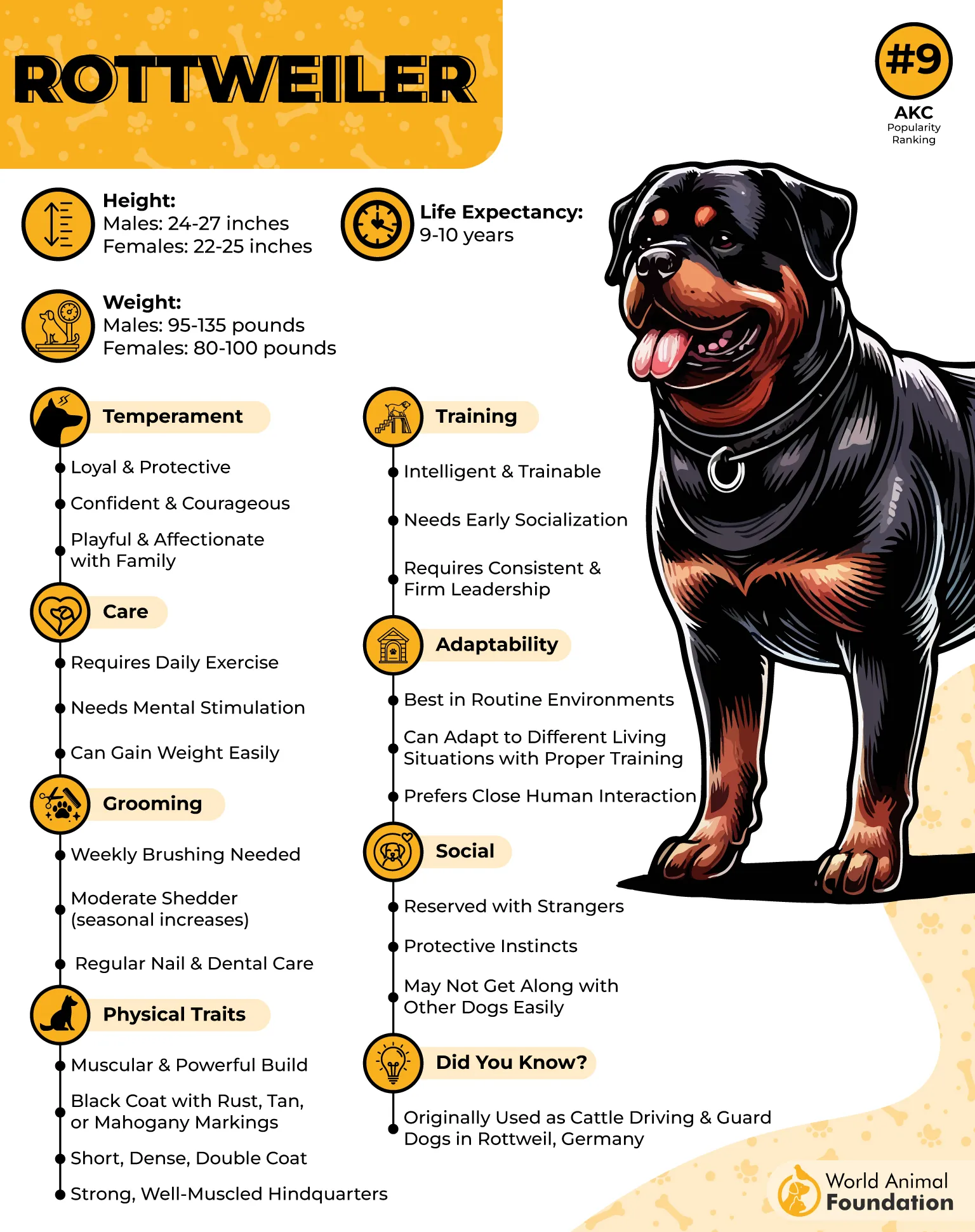
Their slightly longer-than-tall frame features heavy bone, a deep chest, broad skull, powerful jaw, and thickly muscled hindquarters. The strong back and well-sprung ribs complete a stocky structure designed around strength and driving power.
Temperament & Behavioral Profile
Australian Cattle Dogs are independent, intelligent, and closely attached to their people. They can be wary of strangers initially and may use barking or heel-nipping to control situations, especially around young children. Older children who understand active dogs are generally a better match.
Early socialization can also help them accept other dogs and pets as part of their household. Without it, their instinct to control and herd other animals may create tension, while their strong attachment to their family makes companionship especially important.
Rottweilers are often calm, dependable, and deeply affectionate with their families. They can be reserved around unfamiliar people without being timid, preferring to observe from a distance. Their protective instincts may also appear when they sense conflict or believe someone in the family needs attention.
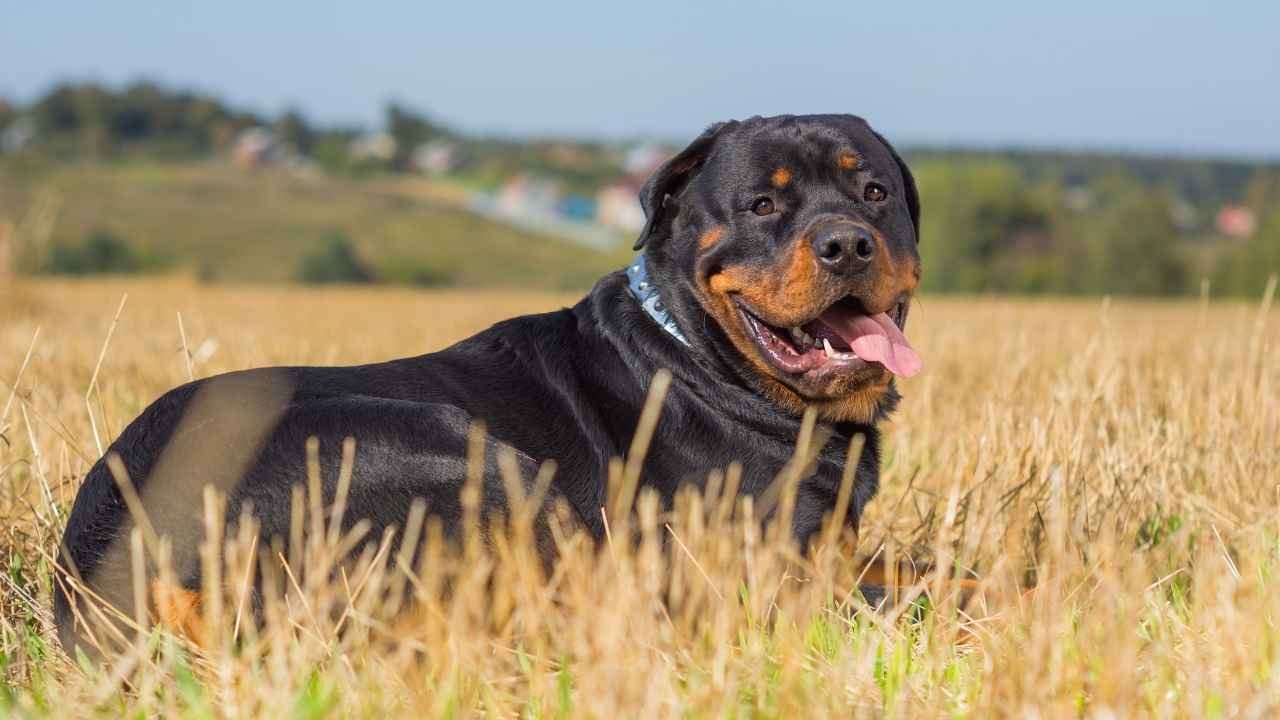
With proper socialization, this energetic breed can live well with children, dogs, cats, and other pets, although individual dogs may have different boundaries, as Orvis noted. Their large size can also make ordinary affection surprisingly physical, as some Rottweilers may lean against people or try to stay very close.
Activity Requirements & Energy Levels
Australian Cattle Dogs need substantial daily movement, with around 1 to 2 hours of exercise often needed to keep up with their naturally active lifestyle. Running, hiking, herding, long walks, and energetic backyard games can all help use that physical energy.
Their athletic build also makes them excellent running companions, with the breed capable of reaching around 30 mph at full sprint. For an ACD, a quick game of fetch rarely compares with a day filled with longer outdoor activities and plenty of movement.
Rottweilers also need regular physical activity, generally around 1 to 3 hours each day. Swimming, walking, trotting, hiking, and games such as fetch can give them the movement their muscular bodies need, while simply spending time in the backyard is unlikely to provide enough activity.
Their size and athletic build make varied outings especially useful for keeping them fit. Longer walks, outdoor adventures, and regular trips to places where they can move freely can give this high-energy breed more opportunities to stay physically active throughout the day.
Trainability, Intelligence & Learning Ability
Australian Cattle Dogs rank among the smartest breeds and can pick up basic cues from an early age. Their sharp mind also comes with an independent side, so learning may sometimes take patience even when they clearly understand what is being asked.
Once basic skills are familiar, they are capable of mastering increasingly complex cues and tasks. Consistency and patience help bring out that learning ability, especially when lessons progress beyond simple commands and give them something new to figure out.
Rottweilers are intelligent, highly trainable dogs that tend to learn new skills quickly and often enjoy working closely with people. Their willingness to please can make communication easier, although an occasional stubborn streak means they may not respond the same way every time.
They can progress from basic cues such as sit and stay to more advanced skills and specialized tasks. Clear communication and consistent expectations help them understand what is required, allowing their intelligence and cooperative nature to work together.
Coat Maintenance & Grooming Needs
Australian Cattle Dogs have a smooth double coat that offers protection from outdoor conditions without leaving much odor or oily residue. A quick weekly brushing is generally enough, while baths can be kept occasional, usually every couple of months or whenever the coat gets particularly dirty.
Their undercoat sheds heavily twice a year, so brushing should increase to every few days during those periods. Regular nail trims, ear cleaning, and dental care several times a week also help keep their routine grooming needs under control.

Rottweilers have a straight, coarse, medium-length outer coat that lies flat, with an undercoat around the neck and thighs. Brushing once or twice a week helps remove loose hair and maintain the coat, while bathing every 4 to 8 weeks or when dirty is generally sufficient.
Shedding becomes heavier during spring and fall, making more frequent brushing useful during those periods. They do not need haircuts, but regular attention to the ears, nails, skin, and teeth keeps their overall grooming routine in good shape.
Average Lifespan & Longevity
Australian Cattle Dogs typically live around 12 to 16 years. Responsible breeding includes screening for conditions such as deafness, progressive retinal atrophy, and hip dysplasia, while regular ear checks and dental care can help maintain their overall health.
Recommended health screening includes hip and elbow evaluations, an ophthalmologist evaluation, BAER testing, and DNA tests for primary lens luxation and progressive retinal atrophy. These checks can help identify inherited concerns before they affect future generations.
Rottweilers generally have a lifespan of around 9 to 10 years. Responsible breeders screen potential breeding dogs for hip dysplasia, eye conditions, and heart problems, while cancer is also recognized as a health concern within the breed.
Recommended testing includes hip and elbow evaluations, a cardiac exam, an ophthalmologist evaluation, and DNA testing for juvenile laryngeal paralysis and polyneuropathy. Regular veterinary care remains important throughout their shorter expected lifespan.
Australian Cattle Dog vs. Rottweiler: Suitability for Family Life vs. Guard Duties
Australian Cattle Dogs can make engaging family companions when their household appreciates their alert, people-focused nature. They tend to stay closely involved with what is happening around them and can be affectionate with the people they know, making them a good match for families that enjoy an interactive dog.
Their herding instincts can sometimes influence how they behave around children, so supervision is sensible, particularly with younger kids. A well-socialized dog can become a loyal household companion while still keeping a watchful eye on its surroundings.
Rottweilers can suit families looking for a dog with a calm, confident presence around the home. They often form strong bonds with their household and can be affectionate with familiar people, while their imposing appearance alone may make strangers more cautious.
Their size and protective nature require responsible ownership, especially in homes with children or frequent visitors. Clear household boundaries and early social exposure can help them become dependable family dogs without making everyday interactions unnecessarily difficult.
Conclusion
Comparing these two working dogs shows how different backgrounds can shape everyday life. One brings intense herding instincts, high activity needs, and a sharp independent mind, while the other combines greater physical strength with protective instincts and a calmer approach to unfamiliar people.
Both need regular exercise, training, socialization, and clear household boundaries. Their size also affects handling, living space, and the type of activities they can enjoy safely. Families should consider children, other pets, visitors, experience, and daily schedules before deciding. The right match depends on which temperament, energy level, and working traits fit your household best.
