




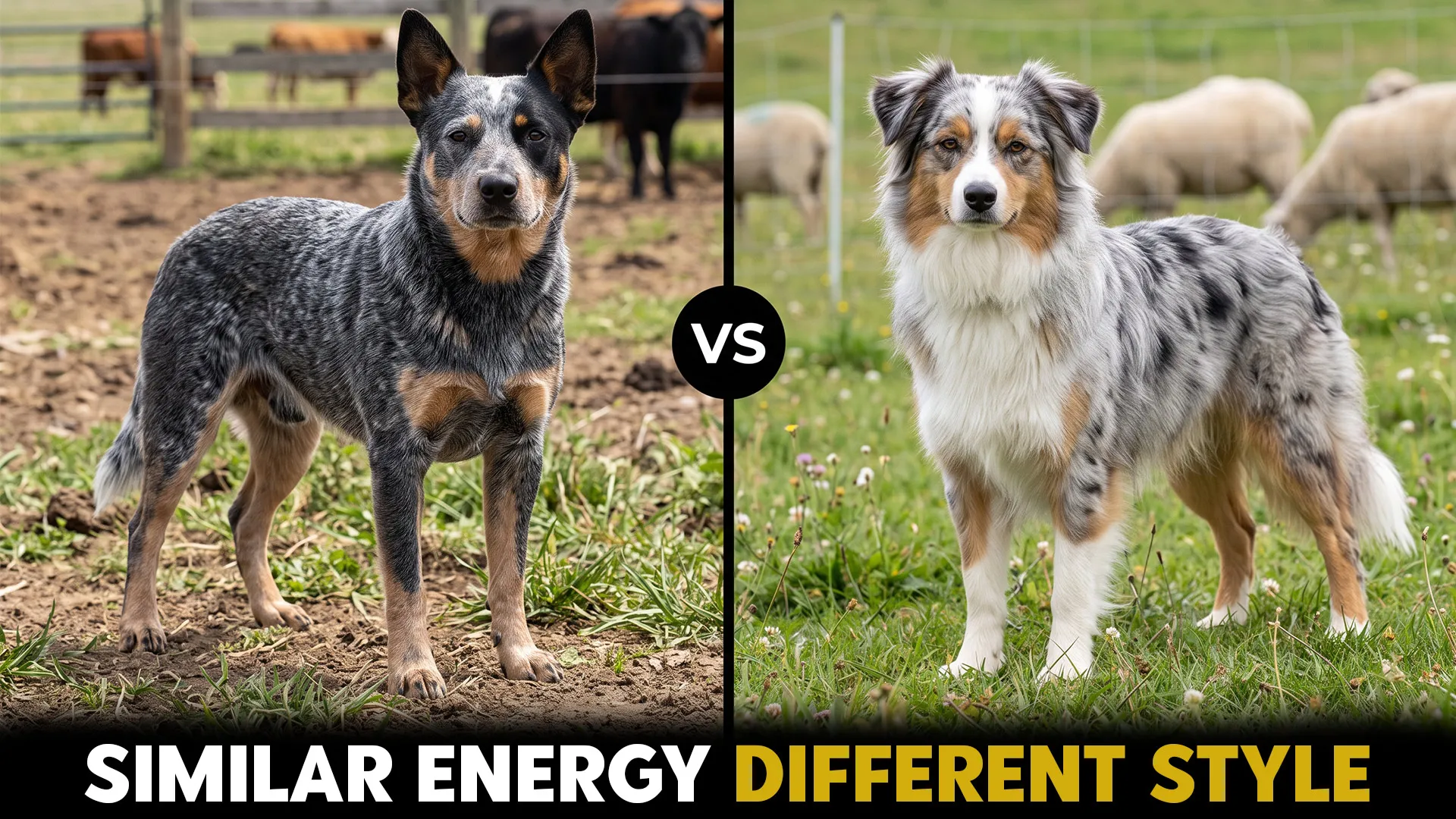
At first glance, the Australian Cattle Dog and Miniature American Shepherd may seem like two versions of the same energetic herding companion. Look closer, though, and their differences in size, development, working background, and personality make this pairing far more interesting.
The Australian Cattle Dog was shaped in Australia to move cattle across demanding terrain, developing remarkable endurance, alertness, and devotion. The Miniature American Shepherd, meanwhile, emerged in the United States from smaller Australian Shepherds and became a distinct breed with its own standard.
Both dogs are intelligent, athletic, and happiest with an involved owner. Understanding what sets them apart can help you decide which herding breed better matches your home, training commitment, and everyday lifestyle.
Australian Cattle Dog vs. Miniature American Shepherd: What Sets Them Apart
Origins
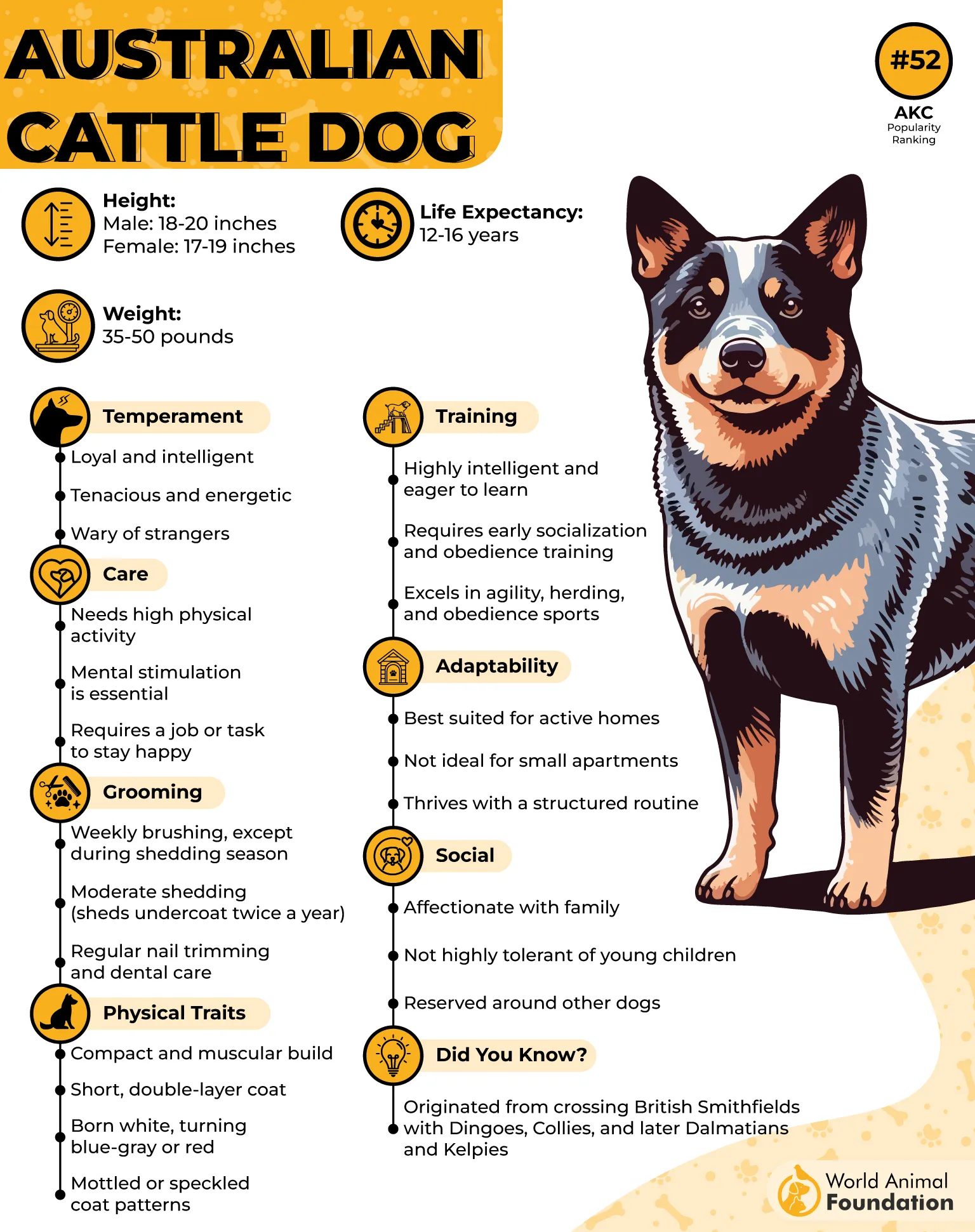
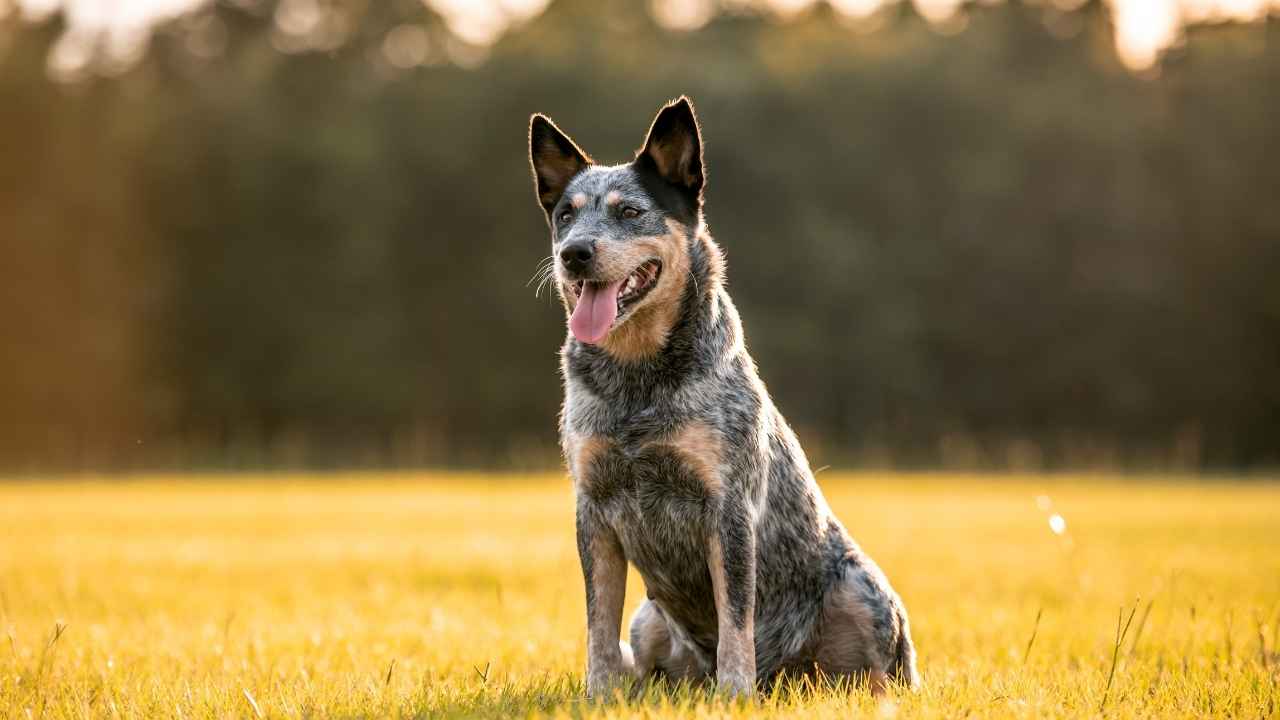
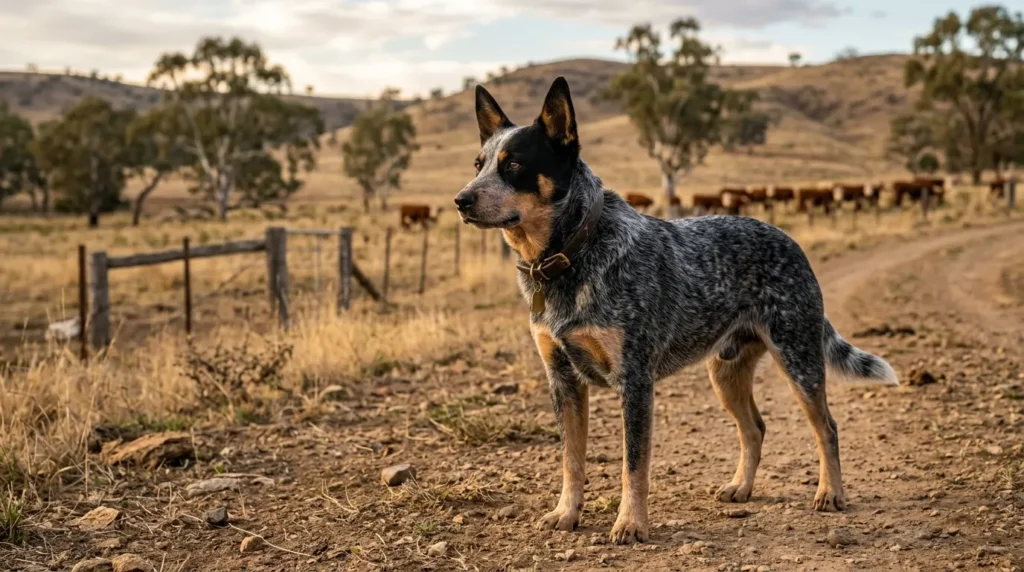
The Australian Cattle Dog emerged in nineteenth-century Australia, where cattlemen needed a resilient herder capable of handling heat, rugged terrain, and long distances. Early breeders combined imported British herding dogs with the Dingo to develop tougher working heelers. According to Orvis, Cattle Dogs have a muscular, compact build.
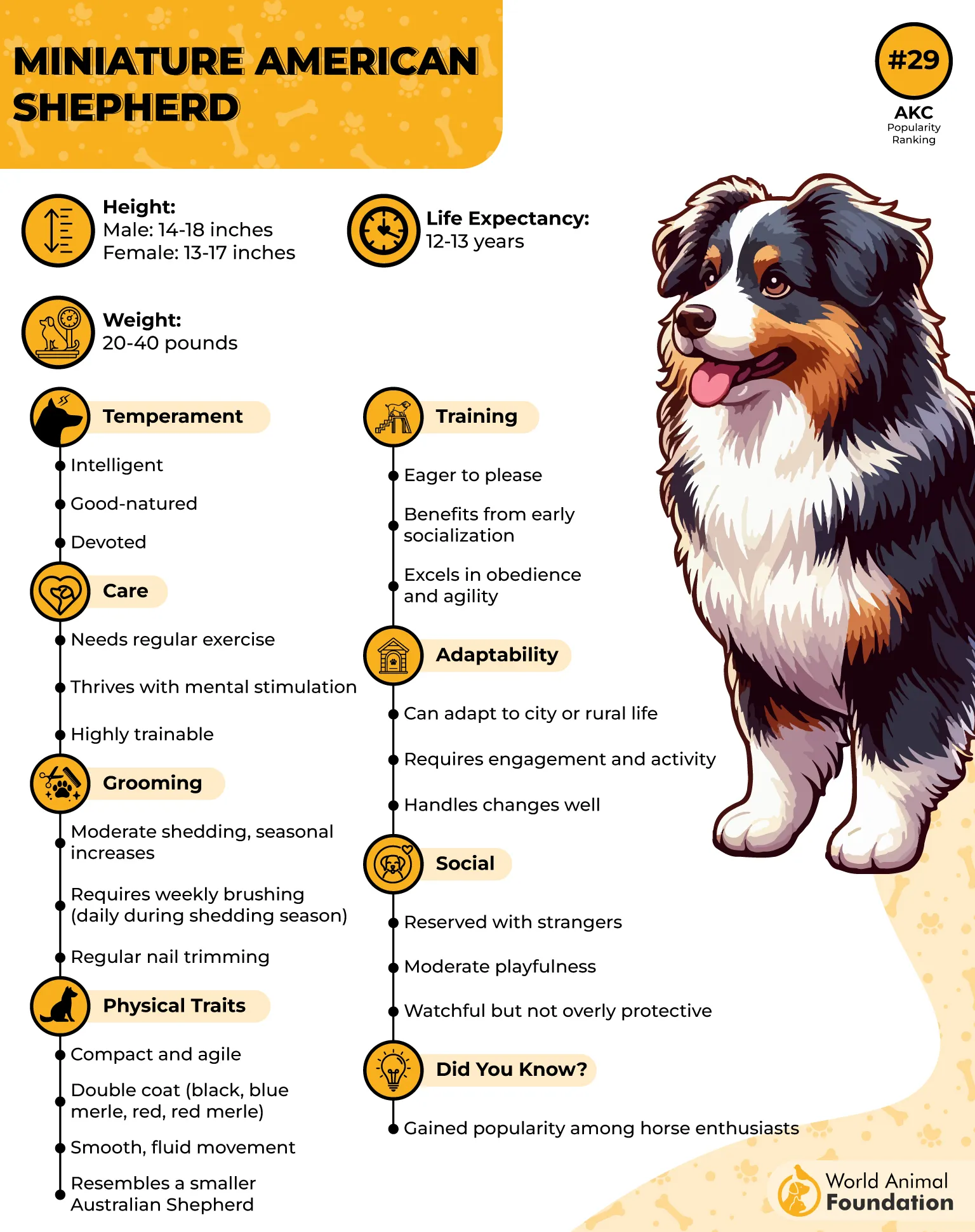
The Miniature American Shepherd has a more recent American origin, developing in California during the late 1960s. Breeders selected smaller Australian Shepherds to create an enduring herding dog suited to sheep, goats, ranching, and equestrian lifestyles.
Their histories reflect different goals: the Australian Cattle Dog was shaped by demanding cattle work across Australia’s harsh landscape, while the Miniature American Shepherd was developed around a smaller, versatile ranch companion. The latter later gained recognition under its current name.
Calm Nature
The Australian Cattle Dog can be surprisingly composed at home, especially when its considerable energy has a proper outlet. After structured exercise and meaningful activity, it often settles comfortably with its family.
The Miniature American Shepherd is affectionate, devoted, and generally good-natured with those it knows. Its eagerness to please and strong bond with family can contribute to a pleasant household companion.
Neither breed is naturally suited to a completely inactive routine, though. The Australian Cattle Dog may become demanding or destructive without enough stimulation, while the Miniature American Shepherd also needs regular engagement to remain content.
Temperament & Personality
The Australian Cattle Dog is intensely focused, loyal, and hardworking, often forming a particularly strong bond with its family. It tends to prefer interactive activities such as training, fetching, or walks over constant cuddling.
The Miniature American Shepherd is similarly intelligent, responsive, and devoted, but often brings a more adaptable and people-focused temperament. It can be reserved with unfamiliar people, typically observing first rather than immediately seeking attention. According to PetMD, Miniature American Shepherds are happiest when their minds are engaged in stimulating challenges.
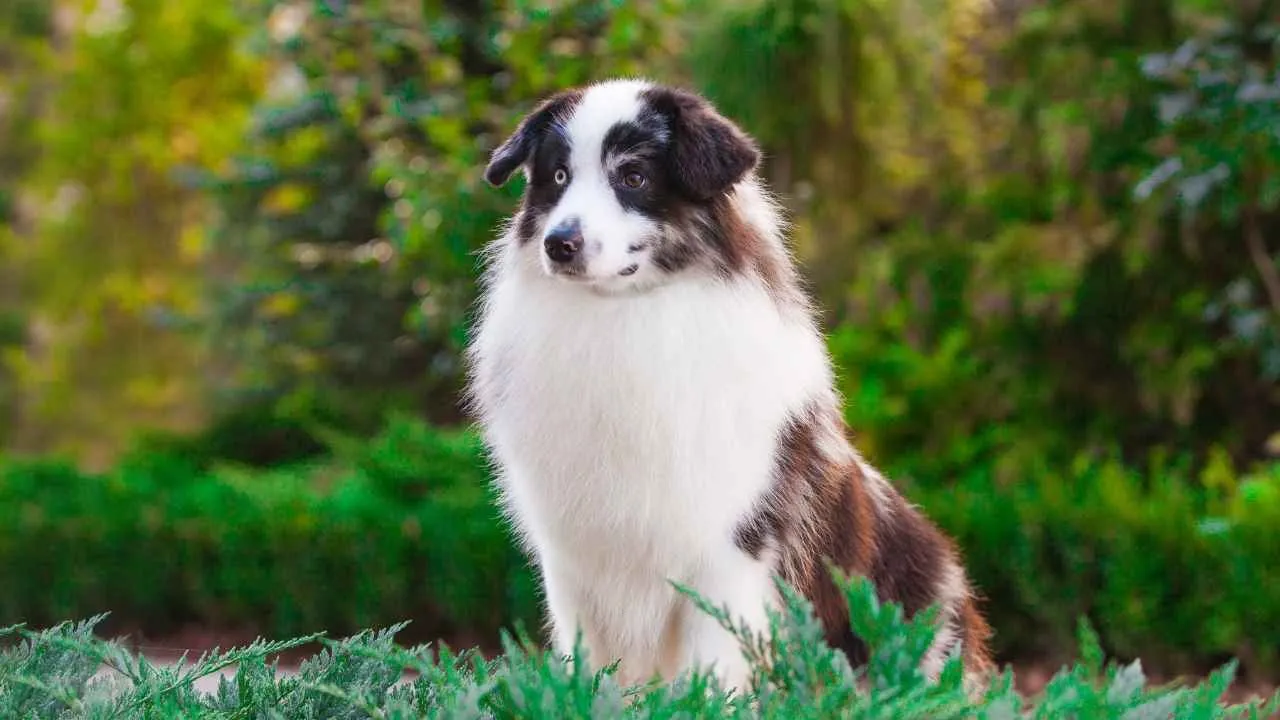
Both breeds have herding instincts that can influence their behavior around children and other pets. The Australian Cattle Dog may try to control fast-moving children, while the Miniature American Shepherd can be highly alert to movement and sounds, making early socialization and consistent training valuable.
Grooming
The Australian Cattle Dog has a short double coat that is fairly easy to maintain, but expect moderate shedding throughout the year. Its undercoat comes out more heavily during seasonal changes, sometimes in noticeable clumps.
A firm bristle brush or grooming glove used once or twice weekly can help collect loose hair and keep the coat looking neat. During heavier shedding periods, brushing every few days or daily can make a noticeable difference around the home.
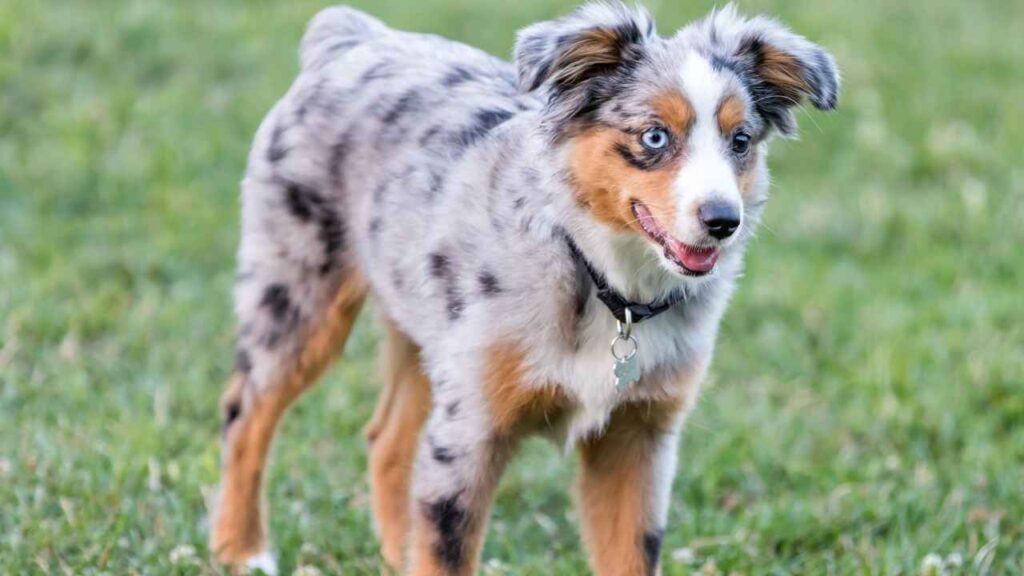
The Miniature American Shepherd also sheds moderately year-round, with heavier periods during seasonal transitions. Its medium-length, straight-to-wavy double coat benefits from weekly brushing, while more frequent grooming during spring and autumn helps control loose hair and prevent matting.
Training & Intelligence
The Australian Cattle Dog is exceptionally intelligent, independent, and eager for purposeful work, but its strong-minded nature calls for clear, consistent training. Positive reinforcement and short, varied sessions help channel its drive without creating resistance.
The Miniature American Shepherd is similarly quick to learn, often making training feel rewarding for both new and experienced owners. Early socialization, recall practice, leash skills, and calm behavior should be introduced alongside obedience and engaging mental games.
Both breeds need more than repetitive drills to stay satisfied. The Australian Cattle Dog may excel at herding, agility, and obedience, while the Miniature American Shepherd can enjoy rally, tracking, nosework, tricks, and herding activities.
Socialization
Socialization is especially important for the Australian Cattle Dog, whose natural caution around unfamiliar people and situations can make early exposure essential. Introducing puppies to friendly dogs, calm people, children, household sounds, and different environments helps build confidence. According to Purina, Cattle Dogs are chatty and vocal dogs.
Miniature American Shepherds are often playful and comfortable with other dogs when introduced properly, though their herding instincts may lead them to chase, nip, or direct other pets and running children. Positive experiences from an early age can help manage these tendencies.
For both breeds, socialization should continue beyond puppyhood rather than stopping after the first few weeks. Consistent training and gradual exposure to new places, animals, and people can encourage appropriate behavior while reducing shyness, suspicion, or overprotectiveness.
Health & Lifespan
The Australian Cattle Dog is generally a robust breed, often living around 12 to 16 years with appropriate nutrition, exercise, and veterinary care. Still, hereditary deafness, hip and elbow dysplasia, and certain eye conditions can occur.
The Miniature American Shepherd typically has a lifespan of about 12 to 13 years. Potential concerns include hip dysplasia, patellar luxation, progressive retinal atrophy, epilepsy, degenerative myelopathy, and sensitivity to some medications caused by the MDR1 gene mutation.
Responsible breeding plays an important role in reducing these risks. Health screening may include hip, elbow, eye, and hearing evaluations, along with DNA testing for relevant inherited conditions.
For either breed, maintaining a healthy weight, providing age-appropriate activity, and scheduling regular veterinary checkups can support long-term well-being. Owners should also watch for subtle changes in movement, vision, hearing, or behavior.
Conclusion
The Australian Cattle Dog and Miniature American Shepherd are both generally healthy, active breeds, but each comes with specific health considerations worth understanding before choosing. Both benefit from responsible breeding, proper nutrition, regular veterinary care, and a healthy lifestyle.
Australian Cattle Dogs can live for around twelve to fifteen years and may face concerns such as hereditary deafness, hip and elbow dysplasia, and progressive retinal atrophy. Regular screening can help identify potential problems early.
Miniature American Shepherds typically live around twelve to thirteen years and may be susceptible to hip dysplasia, eye disorders, epilepsy, degenerative myelopathy, and MDR1 drug sensitivity. Recommended genetic and health testing can help reduce breeding-related risks.
Whichever breed you choose, preventive care and attention to subtle changes in health can support a longer, more active life.
