




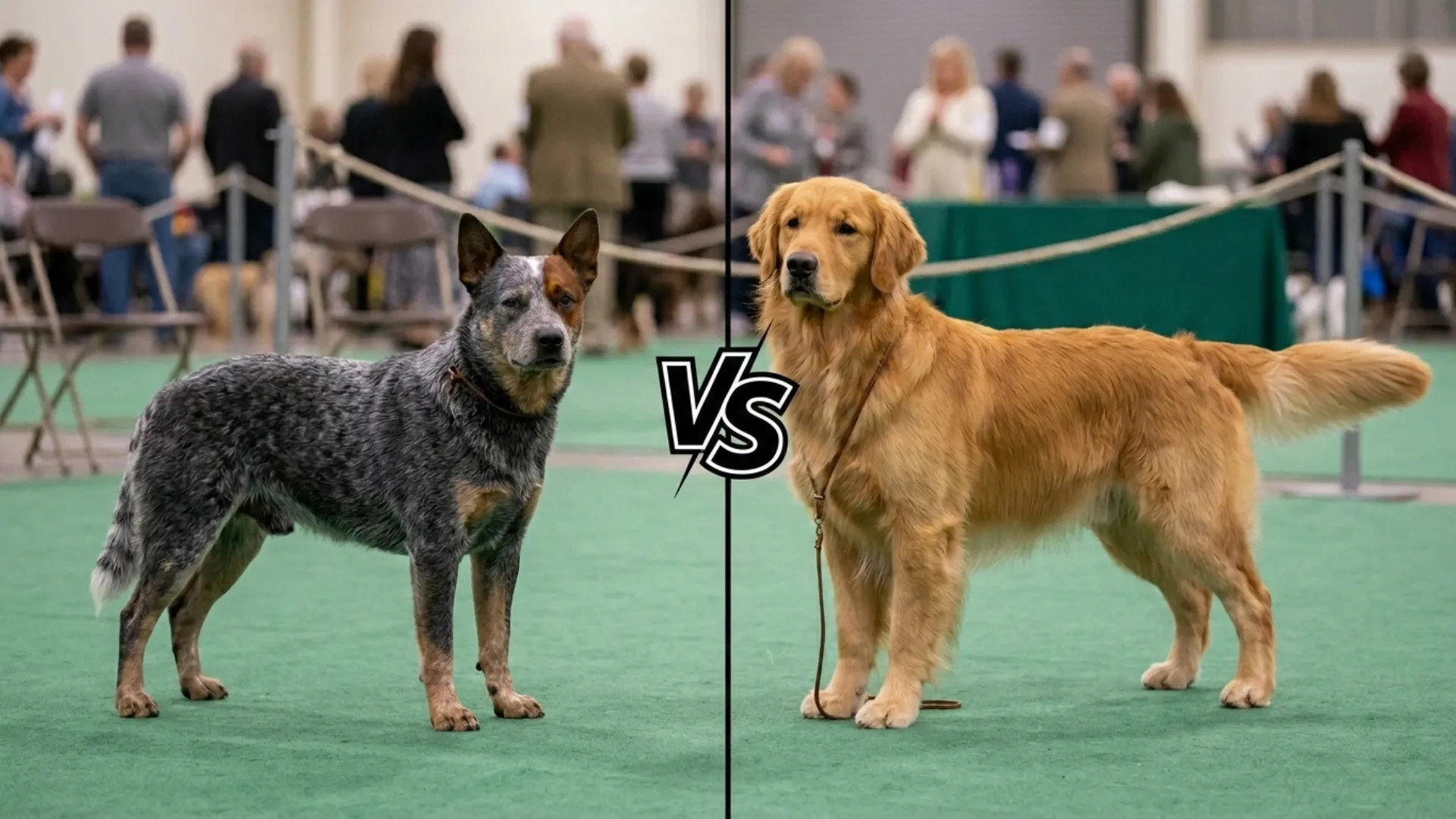
At first glance, both dogs seem like excellent family companions, which explains why so many people struggle to choose between them. One carries a reputation for loyalty and nonstop energy, while the other is widely known for its gentle personality and social nature.
The confusion usually begins once people start looking deeper. Suddenly, the differences become far more significant than expected. Daily exercise, mental stimulation, trainability, independence, shedding, and even emotional attachment can completely change what living with each dog actually feels like.
What works perfectly for one household may become frustrating in another, even when both dogs are considered intelligent and affectionate. This is where many future owners make the mistake of focusing only on popularity instead of long-term compatibility. The better choice often depends less on the dog itself and more on the lifestyle waiting for it at home.
Up ahead, this article breaks down the real differences that shape everyday life with both breeds.
Key Takeaways
Two dogs, one built for nonstop work and the other known for calm companionship, often leave people stuck between energy and ease.
Australian Cattle Dogs bring sharp focus and intense loyalty, while Golden Retrievers stay open, social, and naturally easy to live with.
Their differences show up quickly in daily life, from training needs to how they handle strangers and quiet home routines.
By the end, the real question becomes less about popularity and more about which kind of daily life actually feels right for you.
Australian Cattle Dog vs. Golden Retriever: Which Dog Fits You Better
Deciding between the high-drive, fiercely loyal Australian Cattle Dog and the famously gentle, social Golden Retriever comes down to matching a pup to your daily routine.
This direct breakdown compares their contrasting exercise demands, grooming needs, and core temperaments to help you confidently choose the ideal companion for your lifestyle.
Size and Strength
Australian Cattle Dog Build
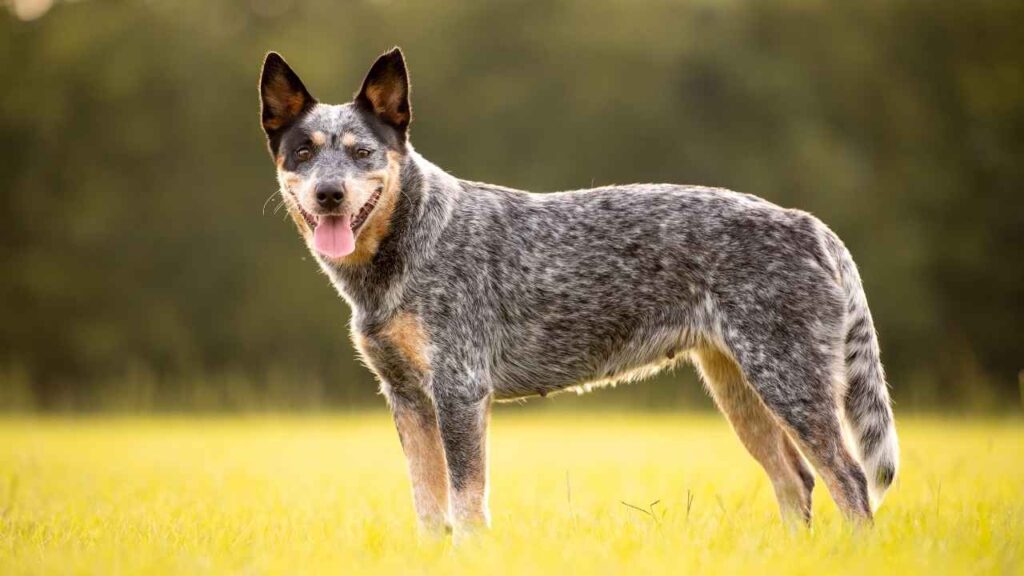
Australian Cattle Dogs stay fairly compact in size, usually standing between 17 and 20 inches tall and weighing around 35 to 50 pounds. That smaller frame hides a dense, muscular structure shaped for quick direction changes, endurance work, and constant movement across rough ground.
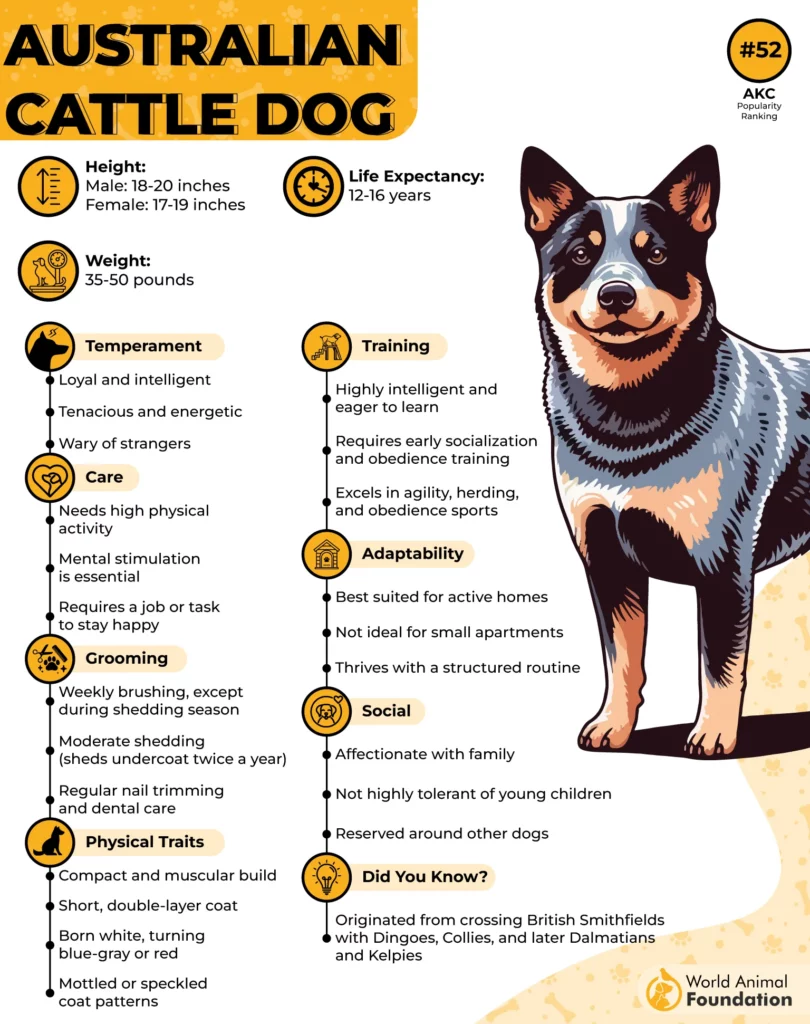
The breed’s connection to the Australian Dingo still shows through its tough physical makeup and alert body control. Everything about the ACD feels tightly built and efficient, from the hard-muscled frame to the fast, agile movement used during demanding herding tasks.
Golden Retriever Presence
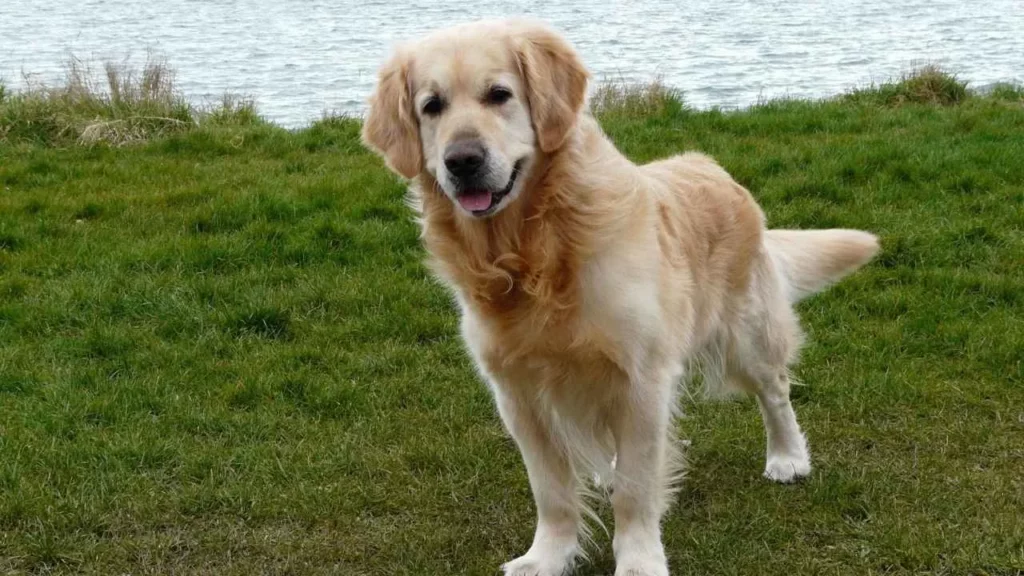
Golden Retrievers stand noticeably taller, with males reaching around 23 to 24 inches and weighing between 65 and 75 pounds. Their broader frame, strong chest, and balanced structure create the solid appearance people instantly recognize in the breed, as the AKC noted.
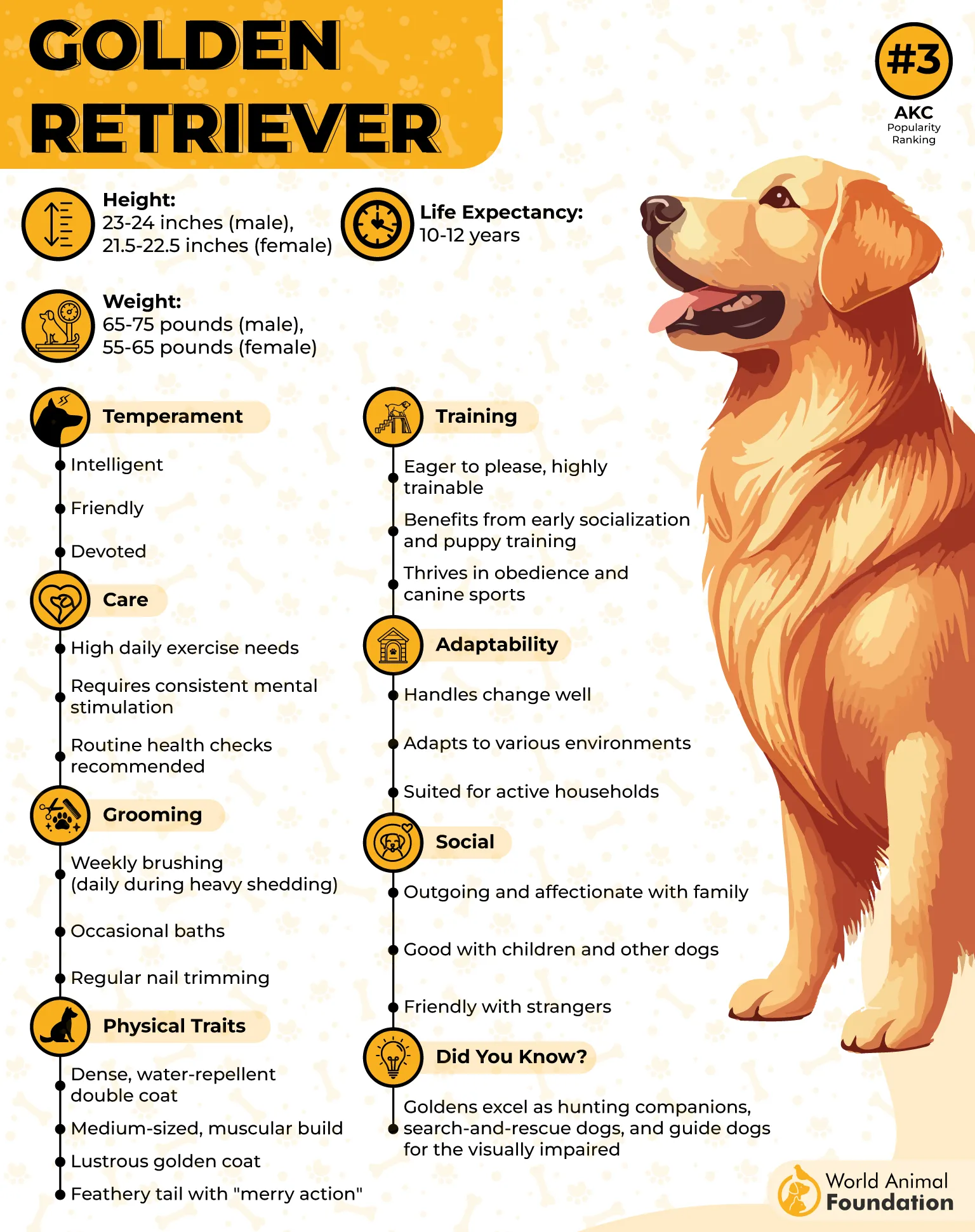
That sturdy build moves with a smooth and powerful gait instead of rushed or reactive motion. The dense golden coat and naturally relaxed body language also give the breed a softer visual impression despite its strong and muscular size.
Temperament and personality
Australian Cattle Dog Mindset
Australian Cattle Dogs usually form an intense attachment to one person and prefer staying closely involved in that person’s daily routine. Their alert personality keeps them observant around strangers, and they often take time before becoming openly comfortable with unfamiliar people.
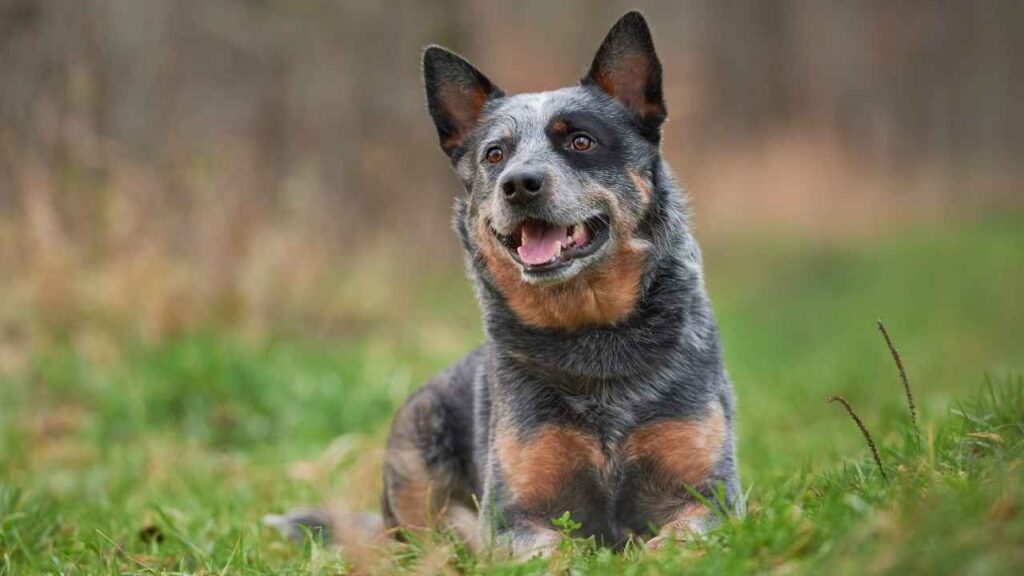
That strong working instinct also shapes behavior inside the home. Without enough activity or purpose, the breed may start herding children, following movement constantly, or reacting sharply when feeling cornered or overly restricted in chaotic situations, as PetMD describes.
Golden Retriever Nature
Golden Retrievers approach people with a much softer and more openly social attitude from the beginning. They usually enjoy attention from family members, visitors, children, and even other pets without showing much hesitation or guarded behavior.
Affection plays a huge role in the breed’s personality, which is why Goldens often stay physically close and actively seek interaction throughout the day. Their playful nature also feels more relaxed and emotionally easygoing, especially in busy family environments.
Health and Lifespan
Australian Cattle Dog Longevity
Australian Cattle Dogs often stay active well into later years, with a lifespan that commonly ranges from 12 to 16 years. Their strong working build contributes to that durability, though responsible breeders still screen carefully for inherited issues linked to hearing, vision, and joint health.
Health testing for the breed commonly includes hip and elbow evaluations, BAER testing for deafness, eye examinations, and DNA screening for conditions such as PRA and Primary Lens Luxation. Regular ear cleaning and consistent dental care also play an important role in long-term maintenance.
Golden Retriever Health Outlook
Golden Retrievers usually live around 10 to 12 years and require closer monitoring for several large-breed health concerns as they age. Responsible breeding programs often focus heavily on reducing the risk of joint conditions, heart disease, and inherited eye disorders.
Recommended testing commonly includes hip and elbow evaluations, cardiac exams, ophthalmologist screenings, and DNA testing for NCL5. Their dense ears also need weekly attention since trapped moisture can increase the chance of irritation or infection over time.
Training and exercise
Australian Cattle Dog Training Style
Australian Cattle Dogs usually need structured activity built into daily life rather than occasional exercise sessions. Simple walks and backyard play rarely satisfy the breed for long because the ACD was shaped to stay mentally engaged while handling demanding herding work.
Training often works best when the dog has a clear task to focus on, especially in activities like agility, obedience, or herding sports, as WebMD notes. Without regular direction and involvement, this highly intelligent breed can quickly turn boredom into destructive habits around the home.
Golden Retriever Learning Approach
Golden Retrievers also need regular exercise, but their training style tends to feel more cooperative and easygoing during everyday routines. Long walks, runs, canine sports, hunting trips, and tracking activities usually provide enough structure to keep them mentally and physically balanced.
Goldens respond especially well to early socialization and obedience work because they naturally enjoy interacting with people and following guidance. Their strong desire to please often makes the training process smoother for first-time owners compared to more independent working breeds.
Grooming Needs
Australian Cattle Dog Coat Care
ACDs have a short, weather-resistant double coat that was built for outdoor work rather than decoration. It stays relatively clean on its own, which means basic care usually stays light with simple brushing once a week to remove loose hair and keep the coat in shape.
Shedding becomes more noticeable during seasonal coat changes, when the underlayer loosens and needs a bit more attention. During those periods, a firmer brushing routine helps clear out dead hair, while routine nail care keeps the overall maintenance balanced without much effort.
Golden Retriever Coat Care
Golden Retrievers have a dense, water-resistant double coat that naturally sheds throughout the year, with heavier coat loss during seasonal shedding phases. Their longer feathered hair tends to trap loose strands, which is why regular brushing becomes part of their upkeep routine.
A slicker brush helps manage the loose undercoat before it spreads around the home, especially during peak shedding times when daily grooming becomes more practical. Bathing can assist in loosening dead hair, but the coat needs to be fully dry before brushing to keep it effective and comfortable.
Energy Level
Australian Cattle Dog Energy Drive
Australian Cattle Dogs stay switched on for most of the day, showing a level of intensity that rarely drops even in familiar surroundings. Their working background keeps them mentally alert and physically restless, especially when there is nothing structured to focus on.
That constant drive often shows up in how quickly they react to movement, sounds, or changes in their environment. Even in a home setting, they tend to stay ready for action rather than slipping into long periods of stillness.
Golden Retriever Energy Pattern
Golden Retrievers begin life with a sharp burst of puppy energy that feels constant and playful, especially during their early months. As they move through the teenage stage, around 8 to 18 months, that energy can feel more uneven and expressive before gradually leveling out.
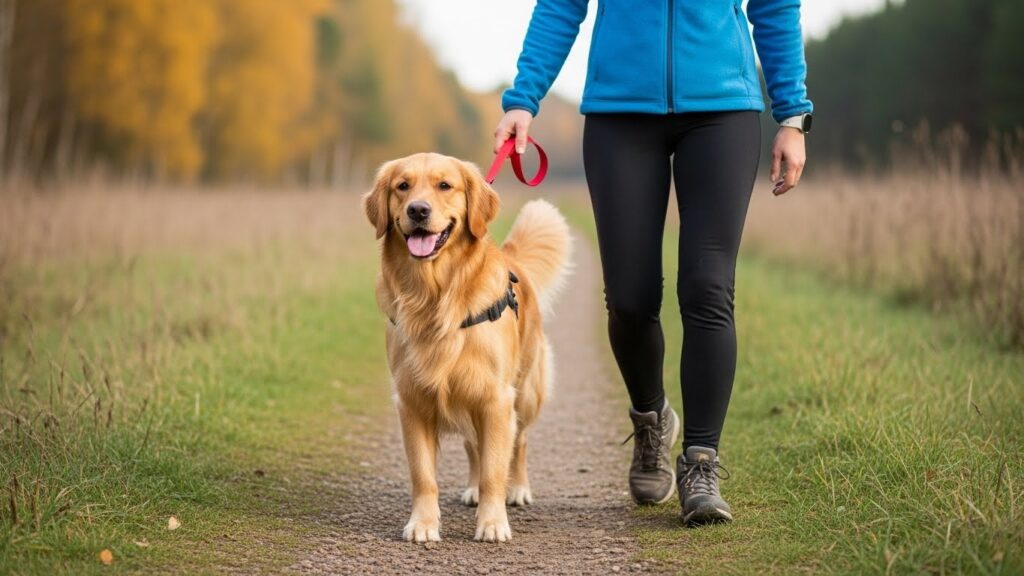
By adulthood, usually around three to four years, their pace becomes more balanced and predictable, though they still keep a playful streak that shows up throughout their life. Even in older age, they often maintain a light, social energy rather than the intense drive seen in working breeds.
Natural Guard Instincts
Australian Cattle Dog Guard Instincts
Australian Cattle Dogs show a naturally alert and protective nature shaped by their demanding work with livestock in the harsh Australian outback. Their instincts lean toward watching over their environment closely, staying territorial, and forming a strong sense of loyalty toward their people.
That same intensity makes them quick to notice movement or change around them, which is useful in working settings but can feel strong in everyday environments if not guided properly. Early social exposure and steady structure help keep their protective reactions balanced and controlled.
Golden Retriever Guard Behavior
Golden Retrievers sit on the opposite end when it comes to guarding instincts, showing a generally open and friendly response toward unfamiliar people. Their temperament is naturally welcoming, which makes them less suited for traditional protection roles that rely on territorial behavior.
Even without a strong guarding drive, they still stay aware of their surroundings and often respond to unusual sounds or activity with a deep bark. Their loyalty is expressed more through companionship and presence than protective intensity, making them feel approachable in most situations.
Conclusion
Some people realize very quickly that intelligence and affection alone do not decide whether a dog truly fits their home. Daily rhythm matters more. One companion thrives when life stays active and constantly moving, while the other settles naturally into homes built around social interaction, flexibility, and emotional warmth, even among high-energy dog breeds.
Neither personality is wrong because both were shaped for different purposes long before modern family life existed. The better match usually becomes obvious once routines, patience, and expectations enter the picture. In the end, the right choice feels less like managing a dog and more like sharing life with one naturally.
