




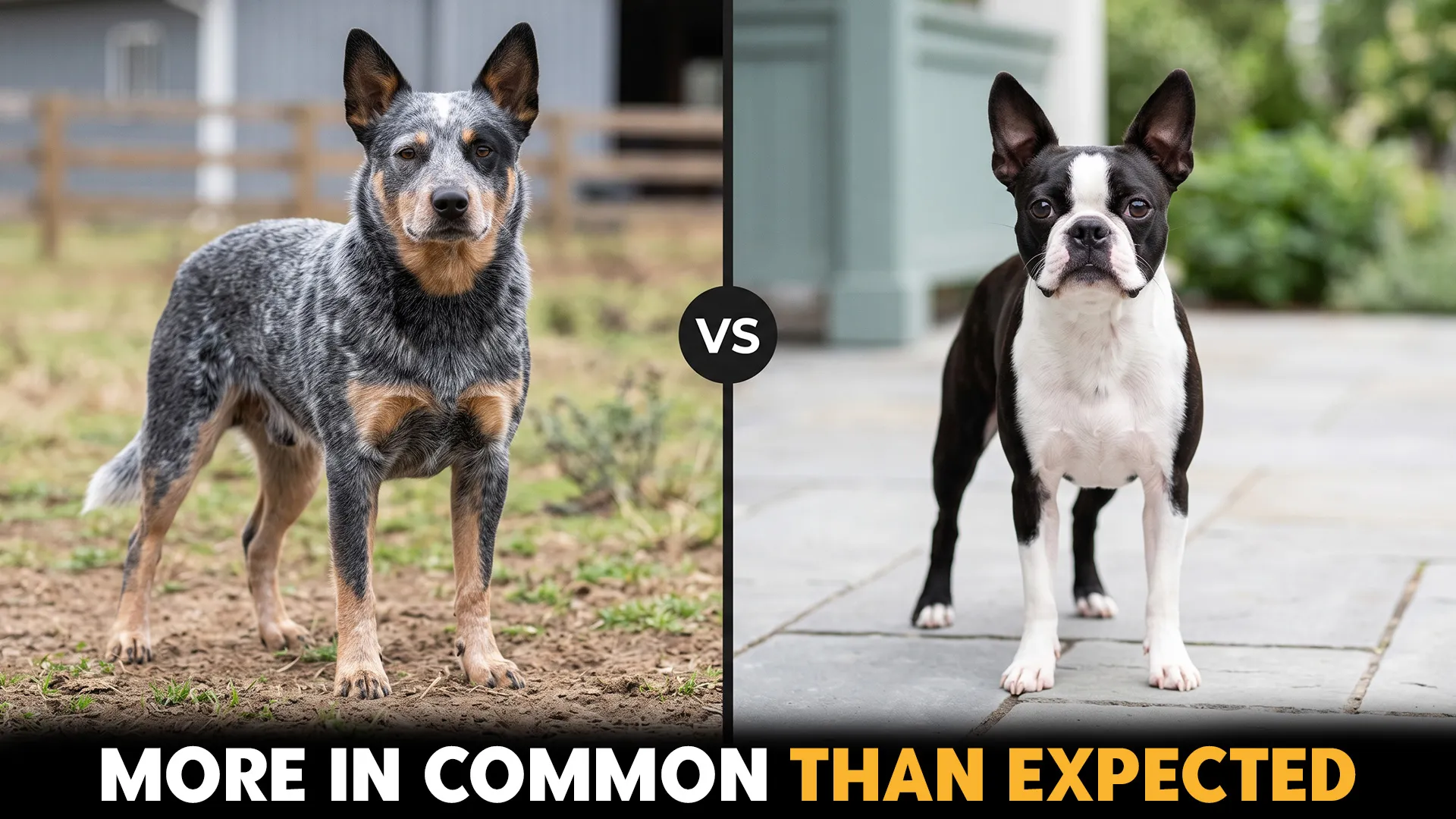
A smaller dog may seem like the easier choice, especially if you live in a modest home or prefer shorter walks. However, size alone gives an incomplete picture of what daily dog ownership involves.
Comparing the Australian Cattle Dog with the Boston Terrier makes that clear. The Australian Cattle Dog is a muscular herding breed developed in Australia for moving cattle over long distances and difficult ground. It generally needs regular physical activity, consistent training, and tasks that engage its quick mind.
The Boston Terrier, bred in the United States, is considerably more compact and has a short, smooth coat that requires relatively little grooming. Its exercise needs and heat tolerance still deserve careful consideration because its short muzzle can make breathing and cooling down more difficult. Both breeds have qualities that appeal to different households.
In this comparison, we examine their real-life requirements, temperaments, health concerns, and care needs to help you make a well-informed decision.
Key Takeaways
One dog can spend hours running trails, while the other may be happy with a walk and some playful time at home. That is where the Australian Cattle Dog and Boston Terrier begin to differ.
Australian Cattle Dogs were developed to move cattle across Australia’s tough terrain, which explains their stamina, sharp minds, and need for challenging daily activities.
Boston Terriers bring a more compact build and an affectionate, mischievous personality, although their short muzzles require extra attention during exercise and warm weather.
From their surprising vocal habits to their very different grooming routines, there is plenty more to weigh up before choosing your companion.
Australian Cattle Dog vs. Boston Terrier: Surprising Similarities Explained
1. Size & Build Differences
Muscular Proportions for an Active Life
Australian Cattle Dogs combine moderate height with a solid, athletic frame. Males typically stand about 19 inches tall and weigh around 43 pounds, while females average roughly 18 inches and 40 pounds, with normal variation between individual dogs.
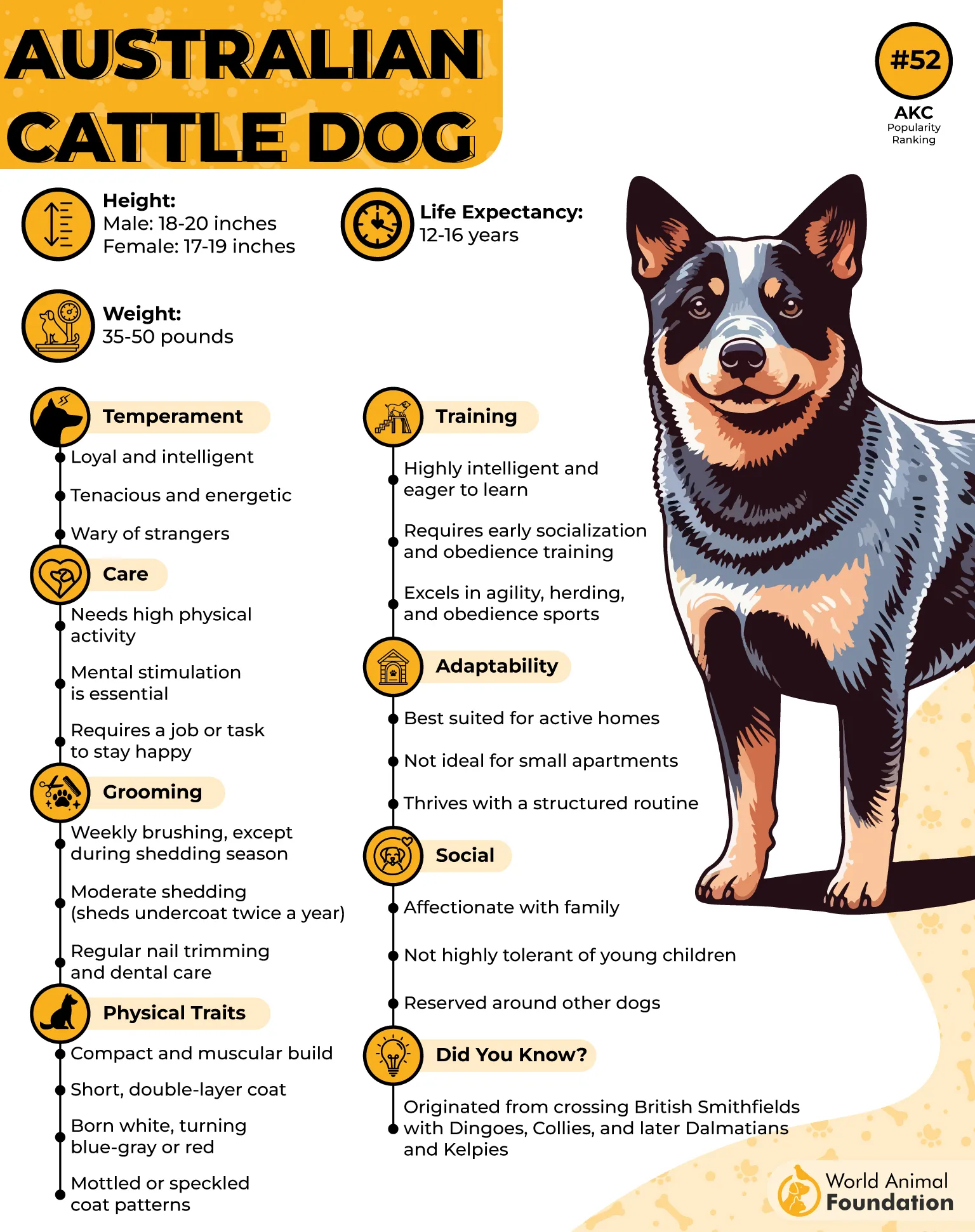
Their strong forequarters and muscular hindquarters contribute to a capable working build. Upright triangular ears and dark, oval-shaped eyes create an attentive expression, while their overall proportions favor endurance and mobility rather than a heavy appearance.
Small Body, Broad Features
Boston Terriers have a compact build, with males averaging about 16 inches tall and 20 pounds, while females average around 15 inches and 16 pounds. Their shorter stature and lighter weight make them considerably smaller than Australian Cattle Dogs.
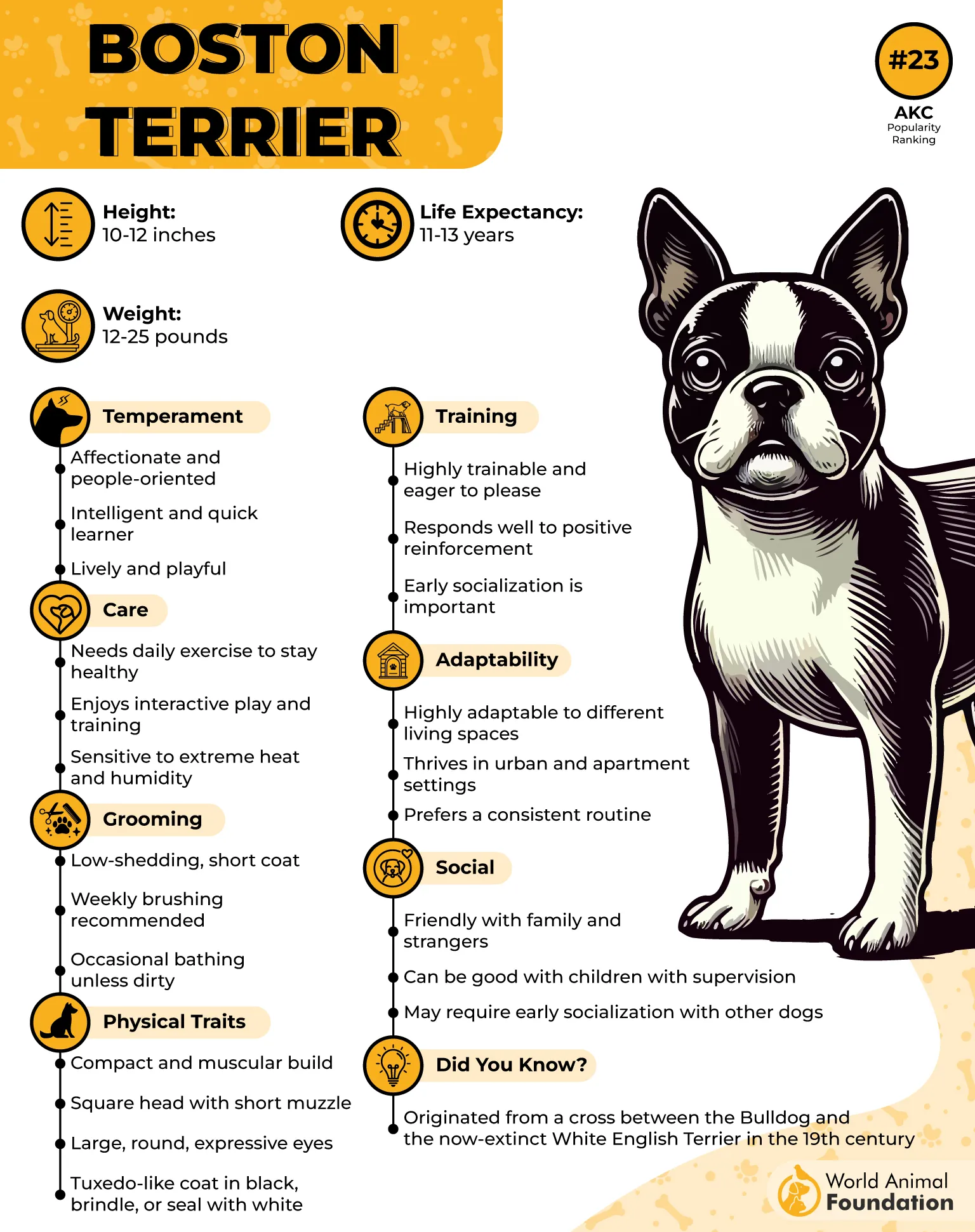
A deep chest, square outline, and sturdy bone give the body a solid appearance for its size. The broad skull, flattened muzzle, and prominent round eyes are defining features, creating a facial profile quite different from the Cattle Dog’s more elongated head.
2. Temperament & Personality
Big Drive and a Strong-Willed Nature
Australian Cattle Dogs approach daily life with energy, confidence, and a desire to stay busy. They can make decisions independently while working, but that same quality means they need firm, consistent training and plenty of mental and physical activity to prevent boredom-related behavior, as noted by the AKC.
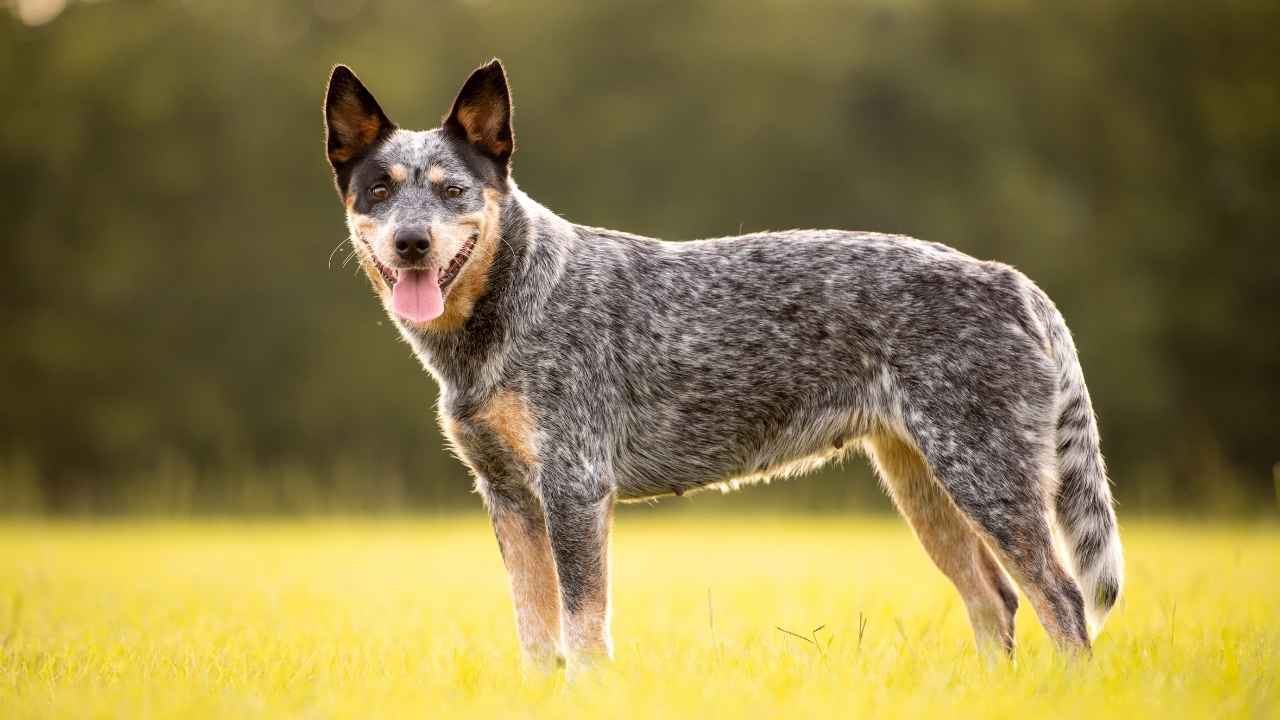
Their instinct to control movement can affect interactions with children and other pets, particularly if they try to nip at heels or direct other animals. They generally suit experienced households with older children, while early socialization helps them learn which pets belong in their family circle.
Friendly Company With a Cheeky Side
Boston Terriers tend to enjoy being around people and often mix their affectionate nature with amusing, mischievous behavior. They are intelligent and usually eager to please, although they can test boundaries when something more interesting catches their attention.
They are often gentle around children and can share a home successfully with other dogs and cats. Some may bark at unfamiliar dogs without showing aggression, and early, positive introductions can help them develop better manners around other animals, as mentioned by Orvis.
3. Exercise & Energy Levels
A Workout Partner Who Wants More
Australian Cattle Dogs are happiest with an active routine that goes well beyond a quick walk around the block. Aim for up to two hours of exercise each day through hiking, running, repeated fetch sessions, or challenging outdoor games that keep their athletic bodies moving.
Their need for activity also extends to problem-solving and scent work. Tracking classes, nose work, and interactive toys help prevent boredom, while their ability to sprint at speeds of up to 30 mph makes them a natural match for people who enjoy running.
Everyday Exercise With Smart Breaks
Boston Terriers enjoy being included in daily activities and need more than a brief trip outside. Around an hour of walking and play may be enough for many, with puzzle toys and interactive games adding variety without pushing them into excessive exertion.
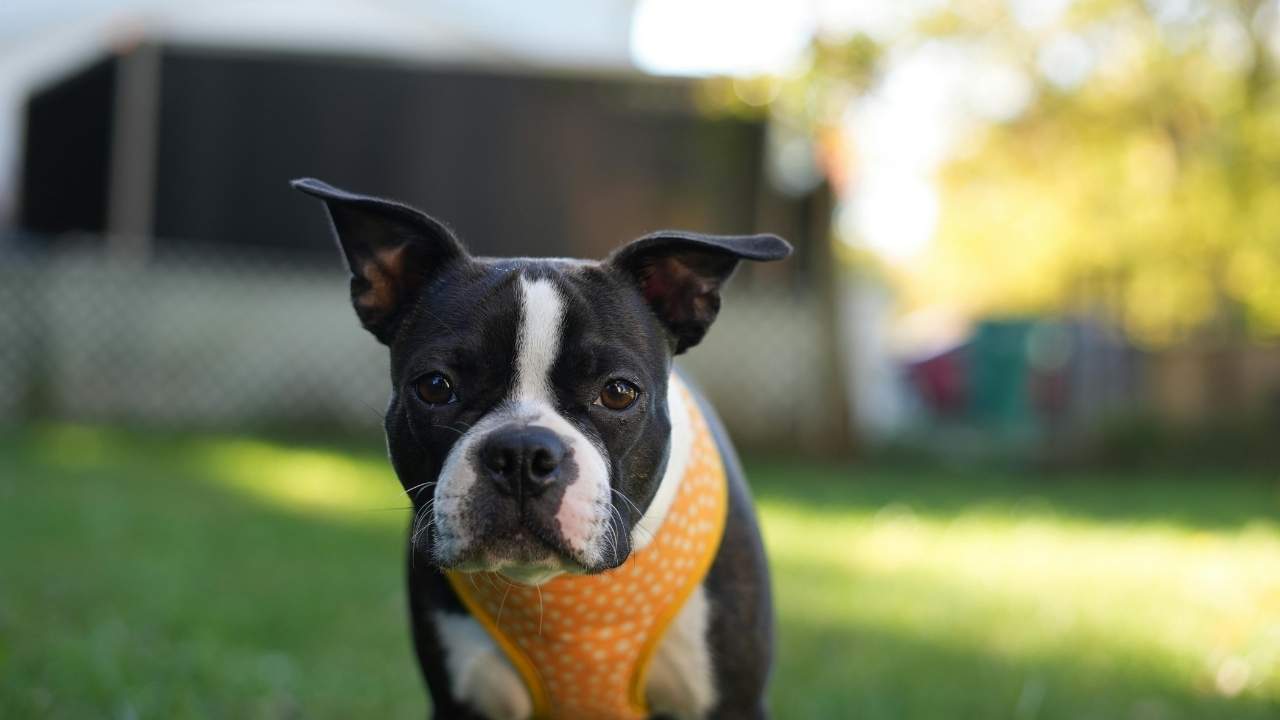
You can also make exercise more engaging through obedience training, agility, or flyball. Since their short muzzle can affect breathing during vigorous play, especially in heat and humidity, choose cooler times for outdoor activity and let your dog rest whenever needed.
4. Training & Intelligence
Turning Intelligence Into Action
Australian Cattle Dogs need patient, confident guidance and consistent positive reinforcement to learn reliably. Start with basic cues around eight weeks old, then build toward leash manners, recall, and more advanced skills. Puppy classes can also introduce them to new people and dogs while supporting early socialization.
Once the basics are in place, agility, flyball, and dock diving can challenge their minds and bodies. Their independent streak may require extra patience when learning unfamiliar skills, so keep sessions consistent and reward progress with treats, praise, or toys.
Making Learning a Shared Game
Britannica notes that Boston Terriers enjoy learning tricks and earning rewards, making training an enjoyable way to connect with them. Positive reinforcement works well for teaching everyday manners and cues such as sit, down, shake, and leave it, especially when lessons include treats, praise, and favorite toys.
Their curious, people-loving nature can make them enthusiastic participants in training sessions. Start while they are puppies when possible, and keep rewarding good behavior if you bring home an adult dog. Short, enjoyable lessons can help channel their excitement into useful manners.
5. Vocal Behavior
A Whole Vocabulary of Barks and Grumbles
Australian Cattle Dogs use sharp barks to alert their owners, get attention, or encourage movement during herding activities. They may also produce high-pitched yips when excited or frustrated, especially while waiting for a toy or watching something move quickly.
Some develop a playful grumbling habit during petting or handling, although a stiff, low rumble can signal discomfort. Whining and whimpering may also appear when they feel bored, want attention, or need more mental stimulation.
Snorts, Grunts, and Playful Outbursts
Boston Terriers are known for their expressive sounds, including snorts, grunts, and soft whines. Their short muzzles contribute to their characteristic snuffling noises, which may become more noticeable during excitement or activity.
Play can bring out dramatic growls and snarls that sound more serious than the interaction actually is. They may also give a brief warning bark when someone approaches the door or use persistent whining and vocal gestures to ask for food, walks, or attention.
6. Coat & Grooming
Seasonal Coat Blows
Australian Cattle Dogs have a double coat that sheds in seasonal bursts rather than at a steady rate all year. Weekly brushing with a bristle or slicker brush helps maintain its shine, while brushing twice a week with a rake during coat-blowing season helps remove loose undercoat.
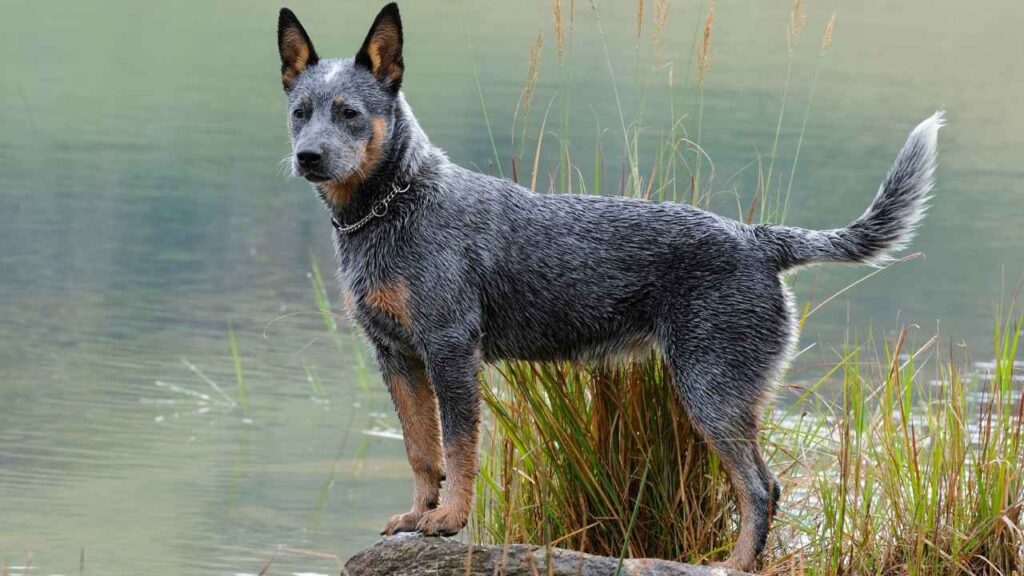
A monthly bath is usually enough unless outdoor adventures leave the coat muddy or particularly dirty. The main extra effort comes during seasonal shedding, when loose fur gathers more heavily around the home, and the coat needs more frequent brushing and attention.
Short Hair, Less Upkeep
Boston Terriers have a fine, short, glossy coat that generally produces little doggy odor. They shed lightly throughout the year, with a slight increase in spring and fall, so a weekly brush with a soft-bristle brush or grooming glove is usually sufficient.
Bathing about once a month helps keep the coat clean, although an especially messy outing may call for an earlier wash. Their short coat makes routine grooming straightforward, with no need for the extra undercoat removal that seasonal shedding demands.
7. Health Issues & Lifespan
Staying Healthy From Ears to Eyes
Australian Cattle Dogs need routine health checks for hearing, vision, and joint problems. Responsible breeders screen for deafness, progressive retinal atrophy (PRA), and hip dysplasia, while recommended testing also covers elbows and primary lens luxation.
At home, check their ears regularly for wax buildup or trapped debris, and brush their teeth consistently to maintain good oral hygiene. Hip and elbow evaluations, eye examinations, BAER hearing tests, and relevant DNA tests help identify potential health concerns early.
Protecting Those Prominent Eyes
Boston Terriers need particular attention to their large, prominent eyes, which can be vulnerable to irritation and injury. Check them daily for redness, and ask your veterinarian about safely flushing away dust or debris when needed.

Breeders should screen for cataracts, corneal ulcers, glaucoma, deafness, and kneecap problems known as patellar luxation. Their short muzzles can also make breathing more difficult in hot or humid weather, so keep them cool and avoid strenuous activity in excessive heat. Recommended tests include patella evaluation, eye examination, and BAER hearing testing.
Conclusion
Selecting between two very different dogs becomes easier when you look beyond their appearance. Size affects handling and living space, while energy levels influence how much time you spend walking, playing, and training. Temperament can also shape interactions with children, unfamiliar dogs, and other household pets.
Health deserves equal attention, especially when a breed has specific risks that require regular checks or changes to its exercise routine. Consider your daily schedule, experience, grooming preferences, and ability to provide consistent care. The right companion should fit your lifestyle while receiving enough attention, activity, and guidance to remain healthy and well-behaved.
