




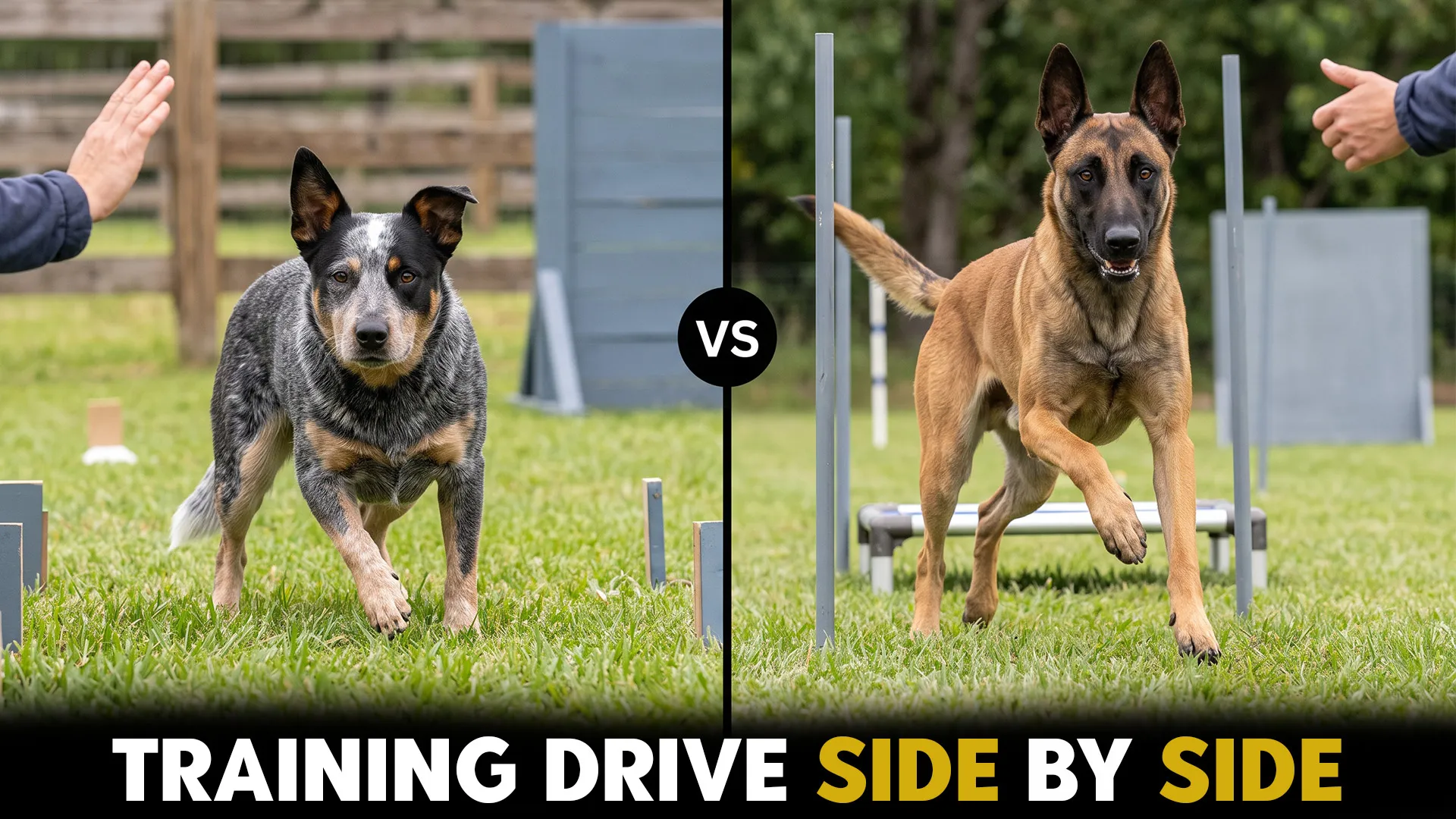
One wrong assumption can make this decision harder: that two highly intelligent working dogs will require the same kind of owner. They do not.
The Australian cattle worker was bred for stamina, control, and persistence while handling livestock, including cattle that could challenge a dog physically. The Belgian working dog was shaped for responsive shepherding and demanding jobs where agility, alertness, and rapid communication with a handler matter.
Both are energetic and capable, but their working styles can create different household experiences. One may test boundaries and make independent decisions, while the other may remain intensely tuned to its person. Exercise is only part of the picture. Training quality, structure, socialization, outlets for instincts, and the owner’s confidence all matter.
If you are weighing these two breeds, the details below will help you see where they overlap, where they differ, and which type of lifestyle suits each one best.
Key Takeaways
Two powerful working breeds can share the same intelligence and still bring very different energy into a home.
Australian Cattle Dogs have the stamina to work for hours and the independence to decide what needs doing, while Belgian Malinois thrive on close teamwork.
Their training styles reveal even more, with both needing structure and mental work to keep their sharp minds busy.
Australian Cattle Dog vs. Belgian Malinois: Energy and Training Comparison
1. Origins & Purpose
Shaped by Tough Cattle Country
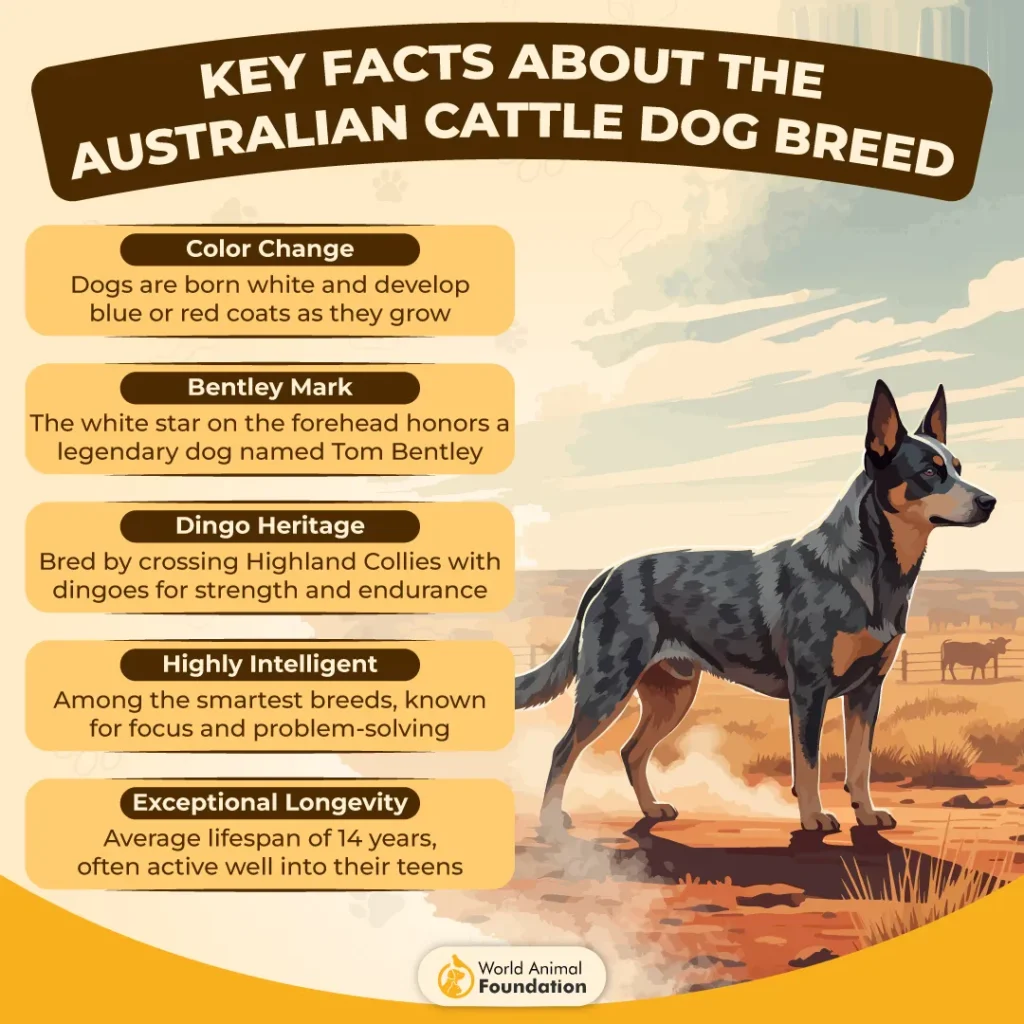
Australian Cattle Dogs originated during the 19th century as ranchers needed reliable dogs for Australia’s growing cattle industry. Dogs brought from England were bred with Australian dingoes, helping create a strong working dog capable of handling the country’s demanding climate.
Years of selective breeding and cross-breeding helped shape the cattle dog recognized today, with each stage adding useful working traits. The American Kennel Club registered the breed in May 1980, placing it in the Working Group before transferring it to the Herding Group in 1983.
A Working Legacy That Expanded
Belgian Malinois belong to the Belgian Shepherd family alongside the Tervuren, Groenendael, and Laekenois. Their history reaches back to the 1800s, when breeders in the Mechelen area sought a capable herder and protector with a strong drive to work.
The breed later found a much wider purpose in the United States and beyond. Police departments, military units, and search-and-rescue teams came to value their abilities, while drug and explosive detection became important parts of their working roles.
2. Size & Physical Build
Compact and Built for Endurance
Australian Cattle Dogs have a medium-sized, powerful build, with males typically measuring 18 to 20 inches and females 17 to 19 inches at the shoulder. They usually weigh between 35 and 50 pounds, giving them a compact frame that balances strength, agility, and endurance.
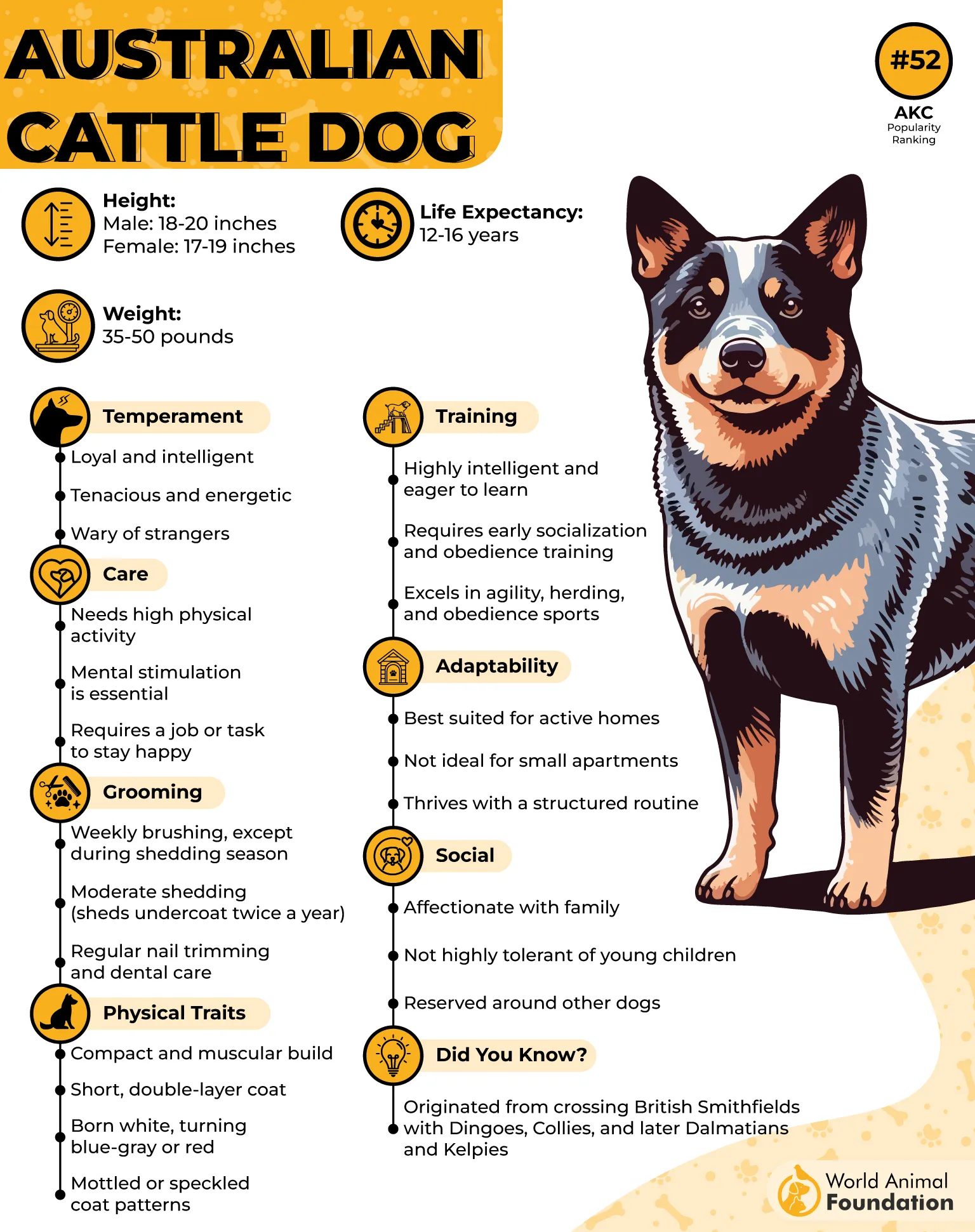
Males generally have heavier bones, a broader skull and chest, and more noticeable muscle through the neck and shoulders. Females are often slightly lighter and more refined, with a streamlined outline while keeping the same sturdy working proportions.
Taller, Leaner, and More Athletic
Belgian Malinois have a noticeably taller frame, with males standing 24 to 26 inches and females 22 to 24 inches. Males typically weigh 60 to 80 pounds, while females range from 40 to 60 pounds, creating a larger overall size difference between the sexes.
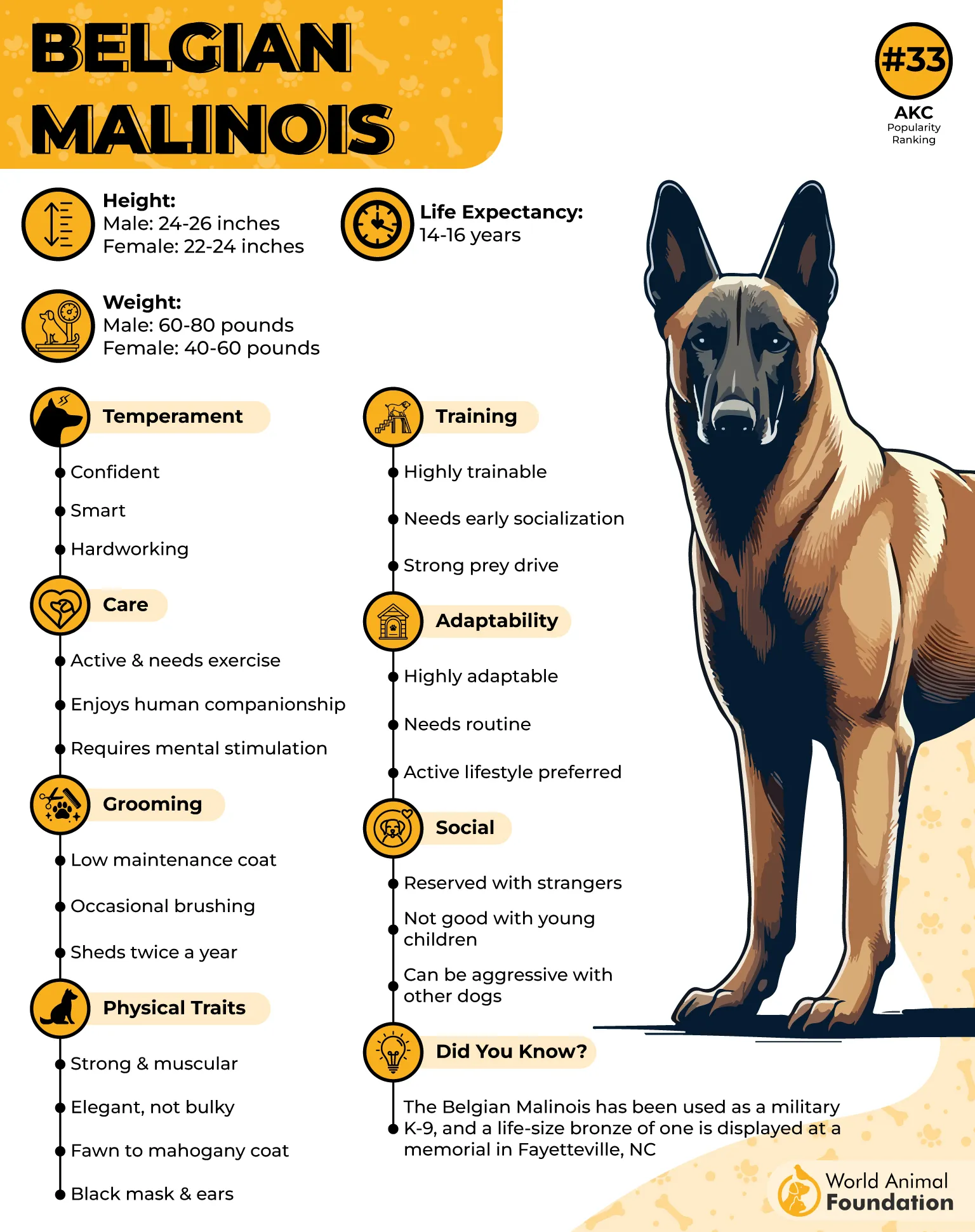
Males tend to have a thicker neck, broader chest, and heavier head, while females usually have lighter bone and a more refined appearance. Their lean, efficient build supports quick acceleration, tight turns, jumping, and demanding working tasks.
3. Temperament & Personality
Australian Cattle Dog Mindset and Behavior
Australian Cattle Dogs are sharp, fast-reacting, and naturally inclined to control movement around them. Their habit of using their mouth to move animals or people can become difficult at home, so early socialization and training for a softer mouth are especially important.
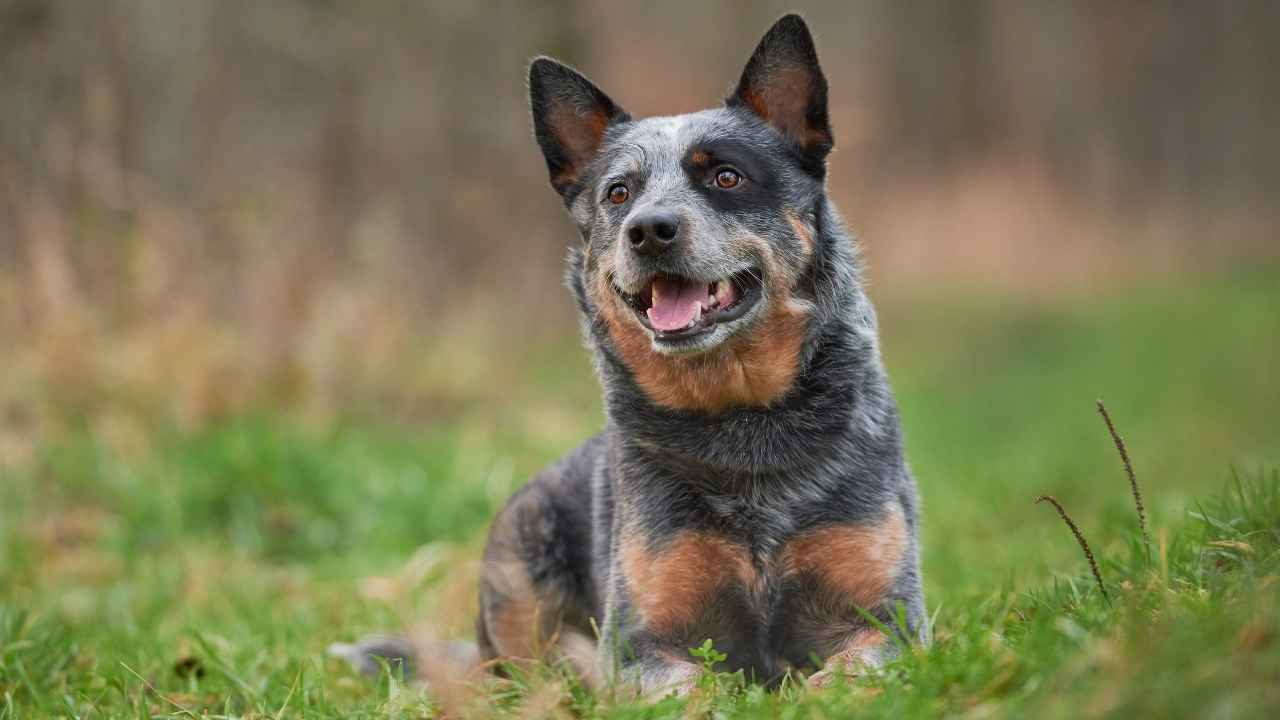
Their independent streak makes them clever problem solvers with plenty of opinions of their own, as Greencross Vets reported. They bond closely with their people and can be affectionate once they trust you, while strangers may initially meet a watchful dog ready to bark and alert.
That herding instinct also shapes how they interact with children and pets. They may try to keep people together and moving at their preferred pace, while cats can trigger their urge to chase; older children who participate in training are generally easier for them to manage.
Belgian Malinois Drive and Social Nature
Belgian Malinois bring intense focus, confidence, and an eagerness to respond to their person. Their intelligence and strength have made them valuable in police, military, and search-and-rescue work, where quick responses and sustained effort matter.
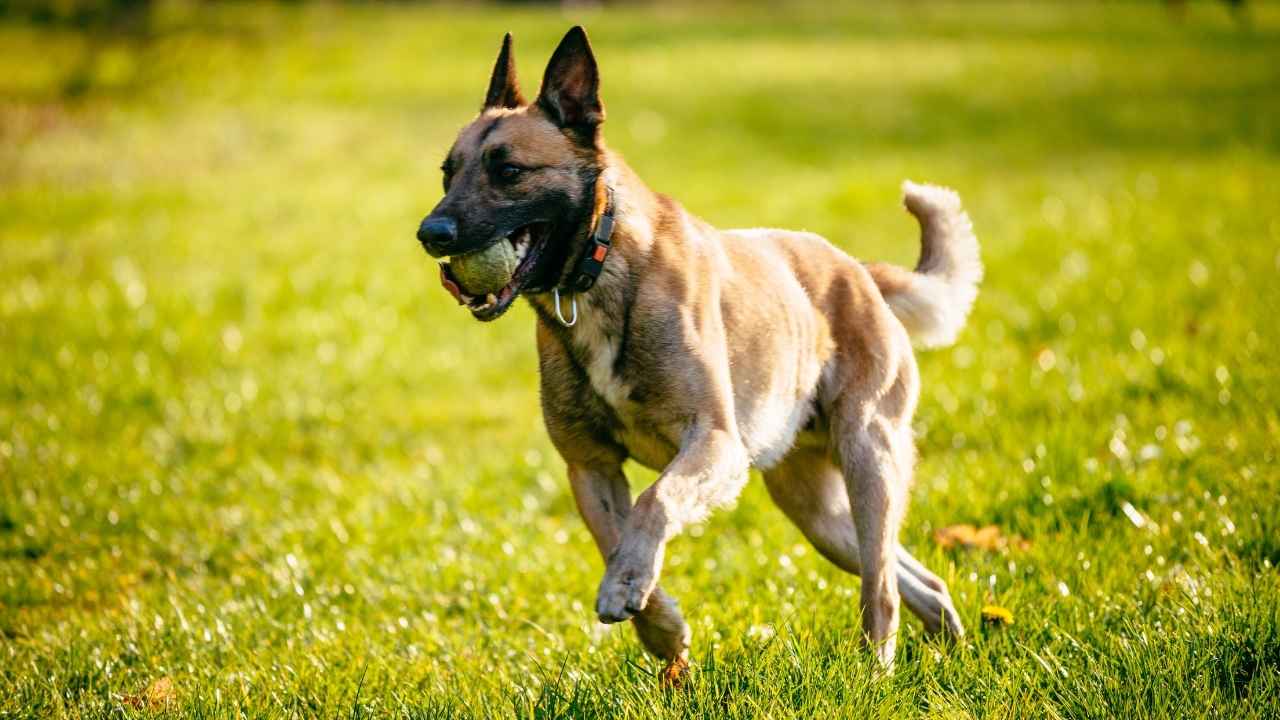
At home, that same alert nature needs careful direction. They can be loving and patient with familiar children, yet their herding instincts may lead them to control unruly kids, while sudden movements, unfamiliar people, or strange animals can put them on high alert.
Their strong prey drive deserves particular attention around cats and other small pets, as mentioned in Orvis. They can live well with dogs they meet through early socialization, though some may become domineering or reactive around unfamiliar dogs.
4. Exercise & Energy Levels
Needs Plenty of Mental Stimulation
The American Kennel Club notes that the Australian Cattle Dog has the stamina of a working partner and needs a daily routine that matches it. Adults require more than two hours of exercise, and activities such as running, hiking, agility, or demanding farm work can give that energy somewhere productive to go.
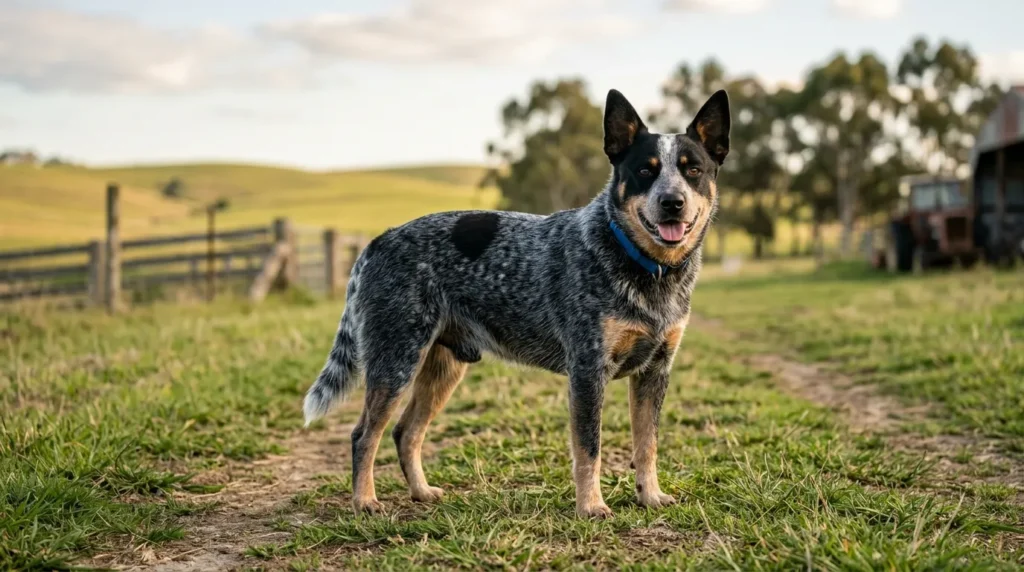
A busy body still needs a busy mind with this breed. Obedience practice, frisbee, fetch, nature walks, brain puzzles, and treat searches can keep its sharp intelligence occupied and give that working mind something useful to do when there is no herd to manage.
Needs More Than Walks
The Belgian Malinois expects plenty of action and close involvement with its person, with 90 to 120 minutes of vigorous exercise recommended each day. It can make an excellent running, hiking, or biking partner when those activities become part of its routine.
The breed also shines when exercise comes with a task to solve. Tracking, scent work, agility, obedience, and herding give its intelligence a direction, while long periods without enough activity can show up as chewing, digging, barking, anxiety, or reactivity.
5. Training & Intelligence
Channeling a High-Drive Mind
Australian Cattle Dogs learn quickly and need training to remain part of their daily routine. Starting around 8 weeks with positive reinforcement can help channel their intelligence, while obedience, herding, or agility gives that working drive somewhere useful to go.
Their strong attachment to their people can make training a great bonding activity when handled consistently. Without enough direction or engagement, that same energy can turn into chewing, digging, or even attempts to herd the children.
Training That Runs on Motivation
Belgian Malinois can learn an impressive range of tasks, but motivation matters enormously with this breed. They tend to think through what you ask, so food, toys, or another reward that genuinely interests the dog can make training far more effective.
Reward-based methods such as clicker training can work especially well, while clear boundaries still matter. A Malinois may respond very differently from another individual, so adjusting the reward and training approach to the particular dog is an important part of getting reliable results.
6. Guarding Instincts
Always Watching the Perimeter
Australian Cattle Dogs have a strong instinct to protect their herd, family, and home. They naturally keep an eye on their surroundings and may alert their people when something feels wrong, with their response becoming more forceful when they perceive an immediate threat.
That protective nature makes socialization a key part of raising them. Without proper guidance, they may become overly suspicious of unfamiliar people or show aggression toward other dogs and strangers.
Protection With Purpose
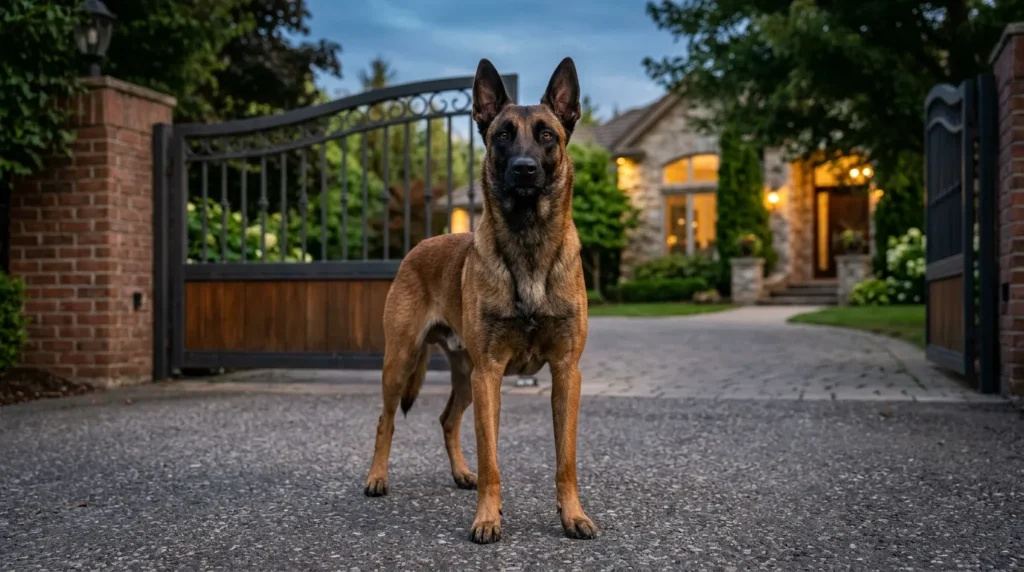
Belgian Malinois are naturally territorial and take their surroundings seriously. Their protective nature, combined with their strong work ethic and close bond with their handlers, helps explain why they are often chosen for demanding police and military roles.
Their sharp intelligence also gives them an advantage in specialized training. They can learn complex tasks quickly and are capable of working alongside people in roles that require focus, control, and dependable responses.
Conclusion
Both dogs bring intelligence, stamina, confidence, and strong working instincts, but those qualities do not automatically make them easy household companions. The important question is how their natural drive fits your daily routine, especially for first-time dog owners.
Consider the time available for vigorous exercise, focused training, socialization, and training sessions that give their instincts a useful outlet.
Their protective behavior also deserves thoughtful handling around visitors, children, and other animals. A realistic look at your experience, schedule, space, and commitment, along with consistent training, can make the choice clearer.
The better fit is the dog whose energy and working style you can consistently guide fully throughout everyday life.
