




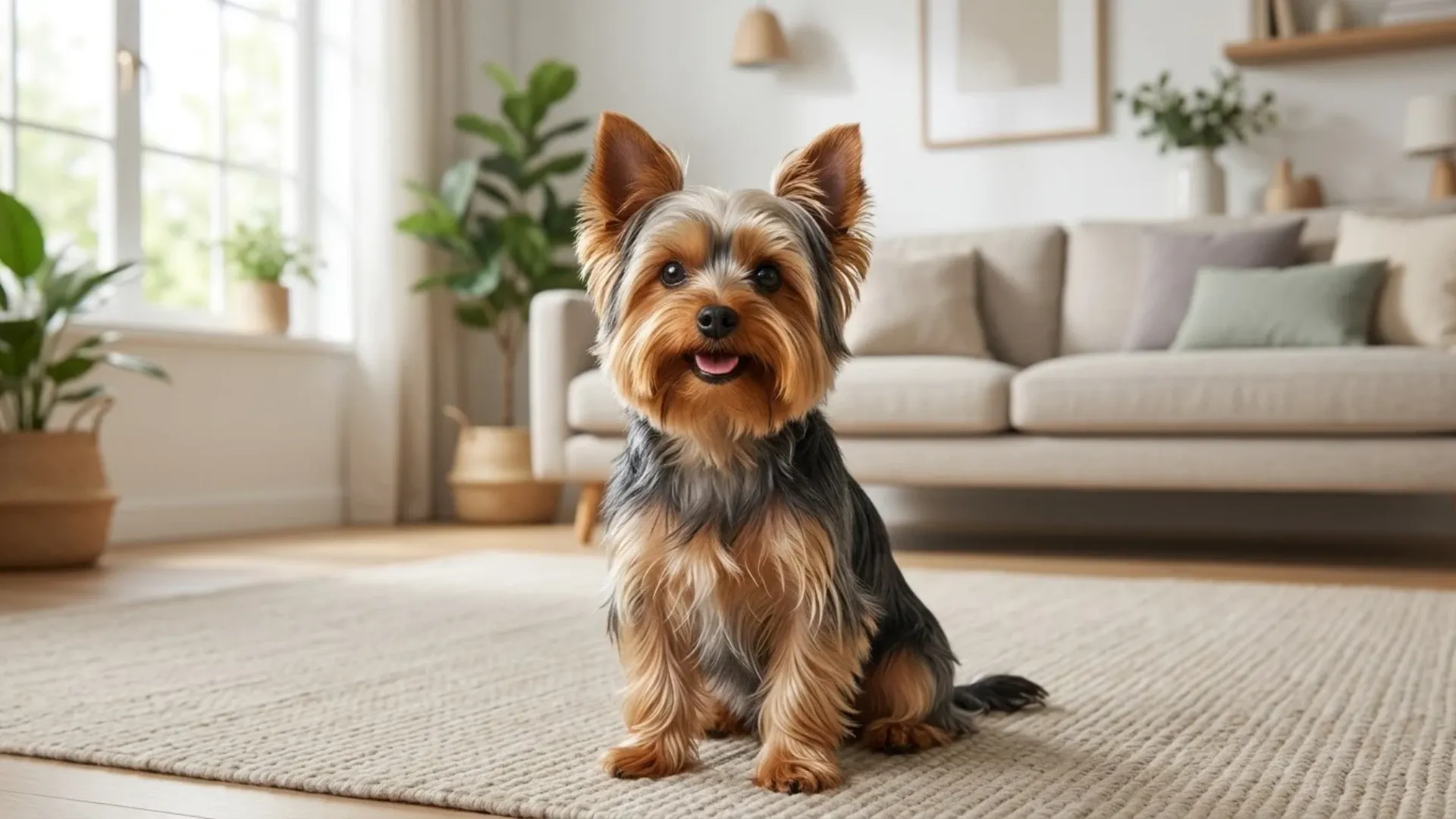
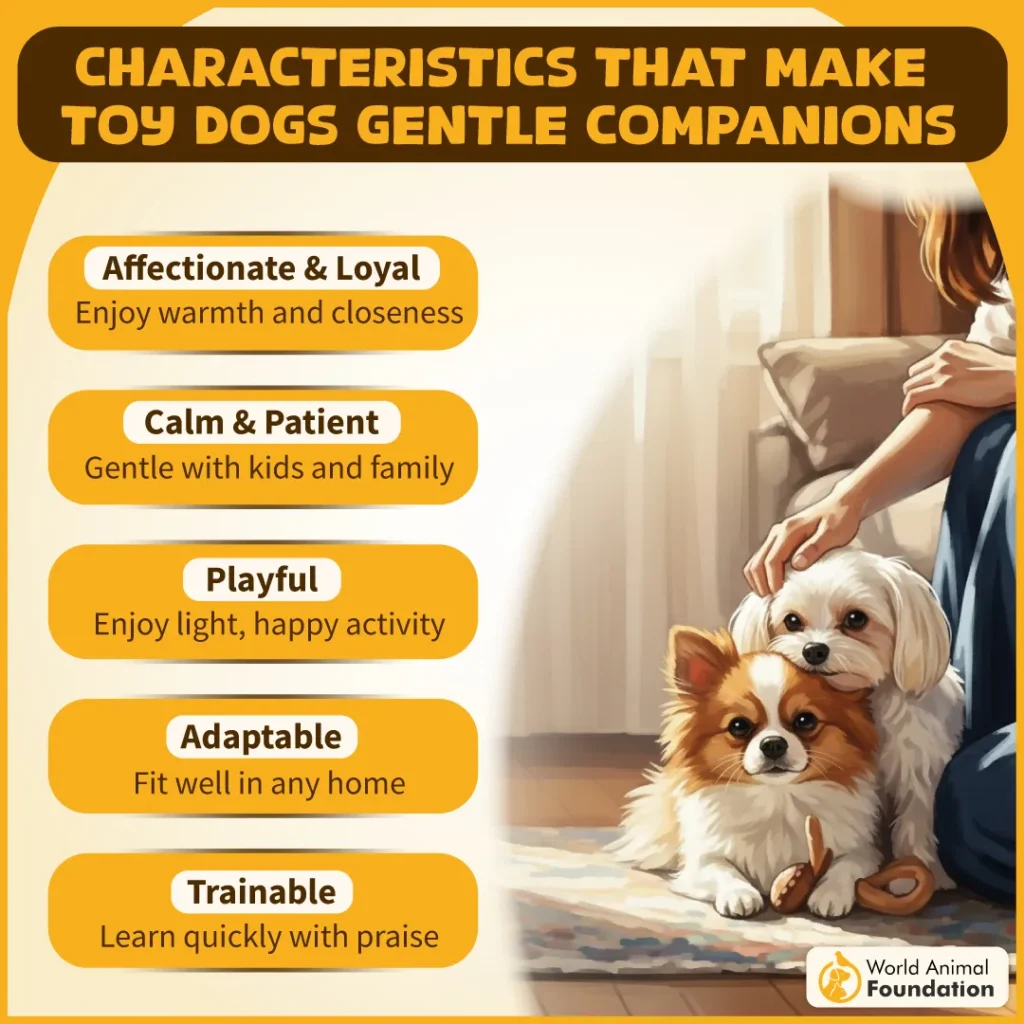
A tiny dog can change the feel of a home more than its size would suggest. People often picture toy breeds as easy lap companions, and many do enjoy close contact with their families.
Yet these dogs can also be energetic, vocal, curious, and surprisingly determined. Their small frames may make them convenient for apartments and travel, but they still need suitable exercise, training, grooming, and veterinary care. Some toy breeds were developed specifically for companionship, while others have working or hunting roots that can still influence their behavior today.
That makes personality just as important as appearance when choosing a small dog. A cheerful companion that enjoys games may suit one household, while a calmer dog that prefers quiet company may suit another. Size can open the door to many possibilities, but temperament decides how everyday life feels once your new companion finally walks through your front door today.
For anyone hoping to brighten daily life with a toy companion, the following breed can make all the difference too.
Key Takeaways
There is a lot more going on behind those tiny faces than cuddles and lap time. Some of these dogs have working roots, strong instincts, and plenty of energy to burn.
Toy Poodles once worked around water, while Yorkshire Terriers were valued for keeping rats under control in busy mills.
The Papillon brings another fascinating detail, with its butterfly-like ears becoming fashionable centuries after its ancestors appeared beside European royalty.
The surprises continue with the Havanese, Pomeranian, Silky Terrier, and Chihuahua, each bringing something different to this little-dog lineup.
Amazing Toy Dog Breeds to Brighten Your Life
1. Toy Poodle
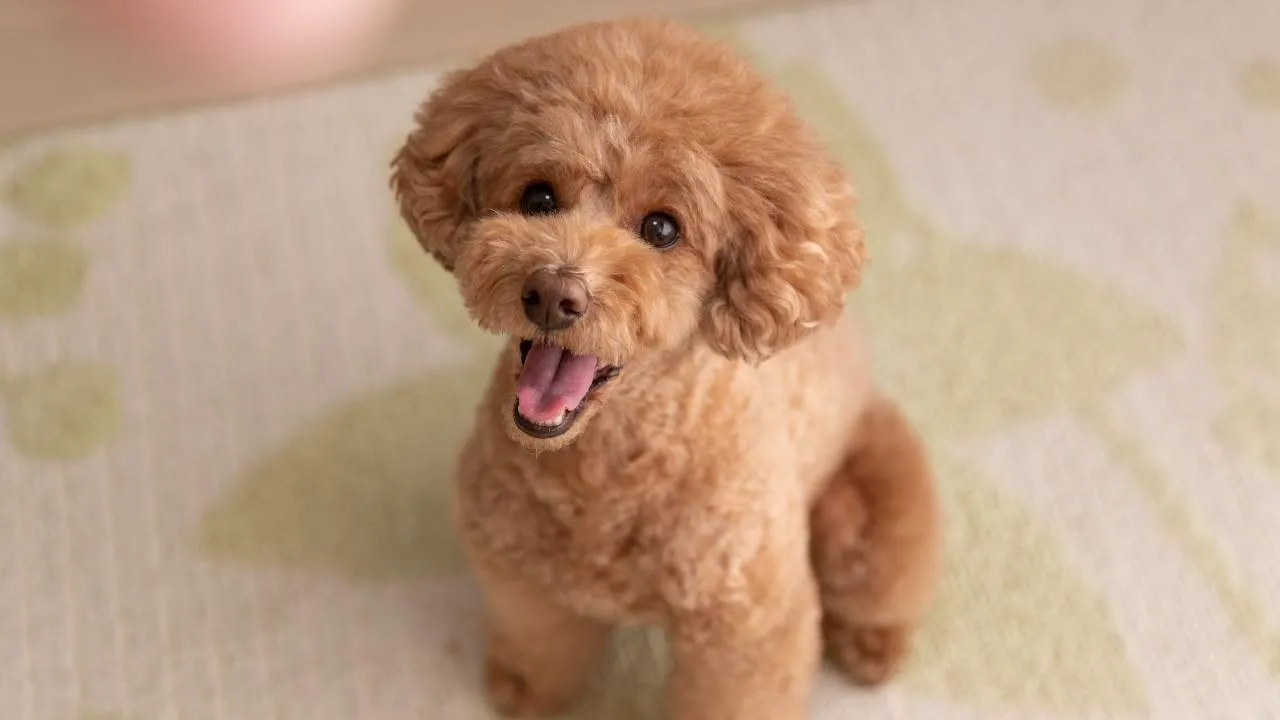
Toy Poodle has roots in the curly-coated dogs that traveled with herders into Europe, with Germany playing an important role in shaping the breed familiar today.
Its ancestors worked as waterfowl hunters, while later Poodles also served as military, guide, and circus dogs before becoming favored in France.
Tiny Frame, Real Energy
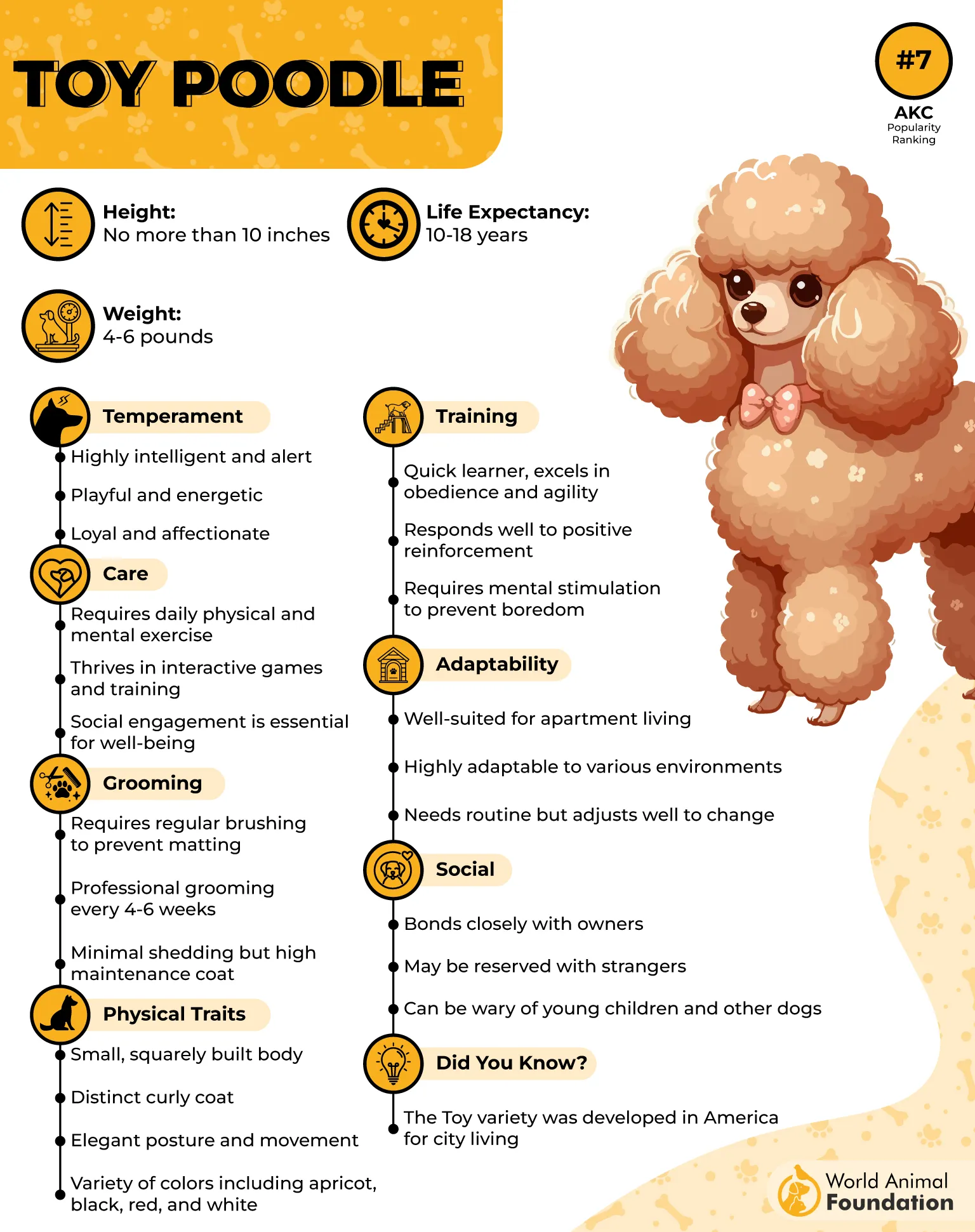
This toy breed measures under 10 inches, yet it can pack plenty of activity into that small stature. Around an hour of daily exercise can come through indoor fetch, neighborhood walks, trick training, or agility rather than demanding outdoor adventures.
These details from its working lineage are worth knowing:
Curly coat helped insulate dogs in cold water
Poodles were used to guide people with disabilities
The breed became France’s national dog
Small Body, Careful Handling
Toy Poodle can be affectionate and eager for attention, but its 4- to 6-pound frame requires careful supervision during play, as noted by Orvis. A tumble or rough encounter with a larger breed can cause serious injury, while children should also interact gently and under supervision.
2. Yorkshire Terrier
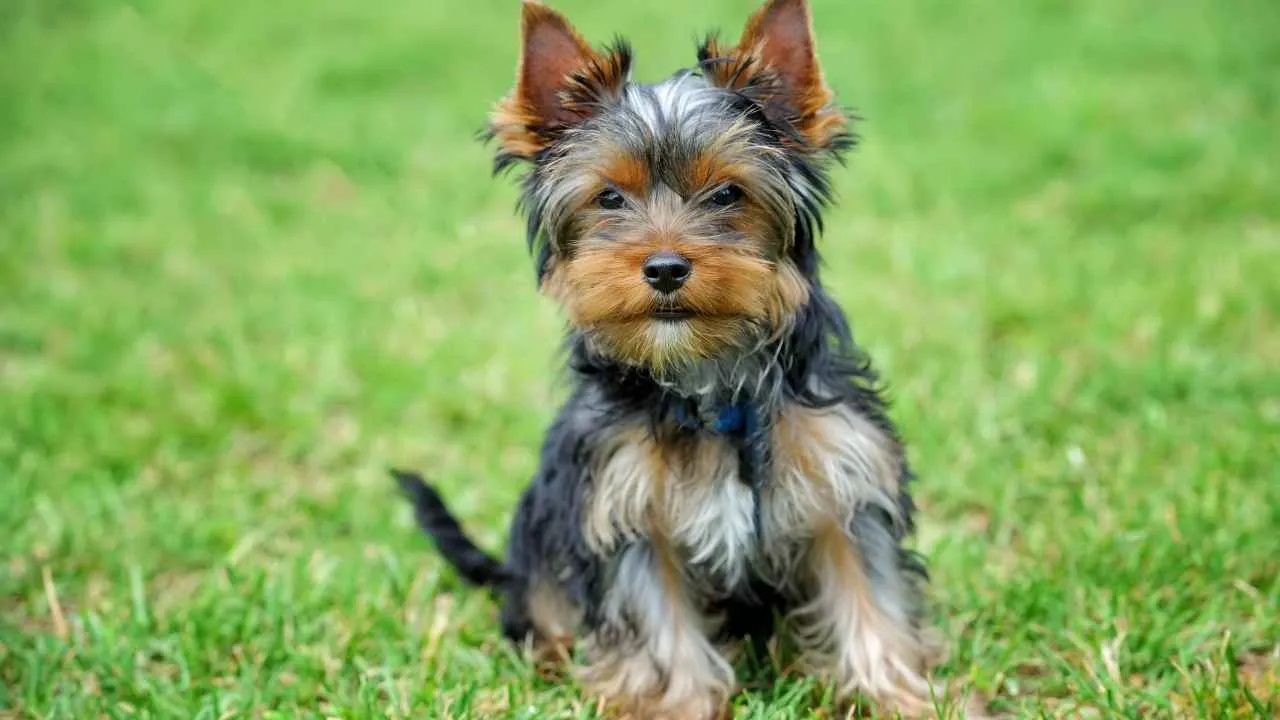
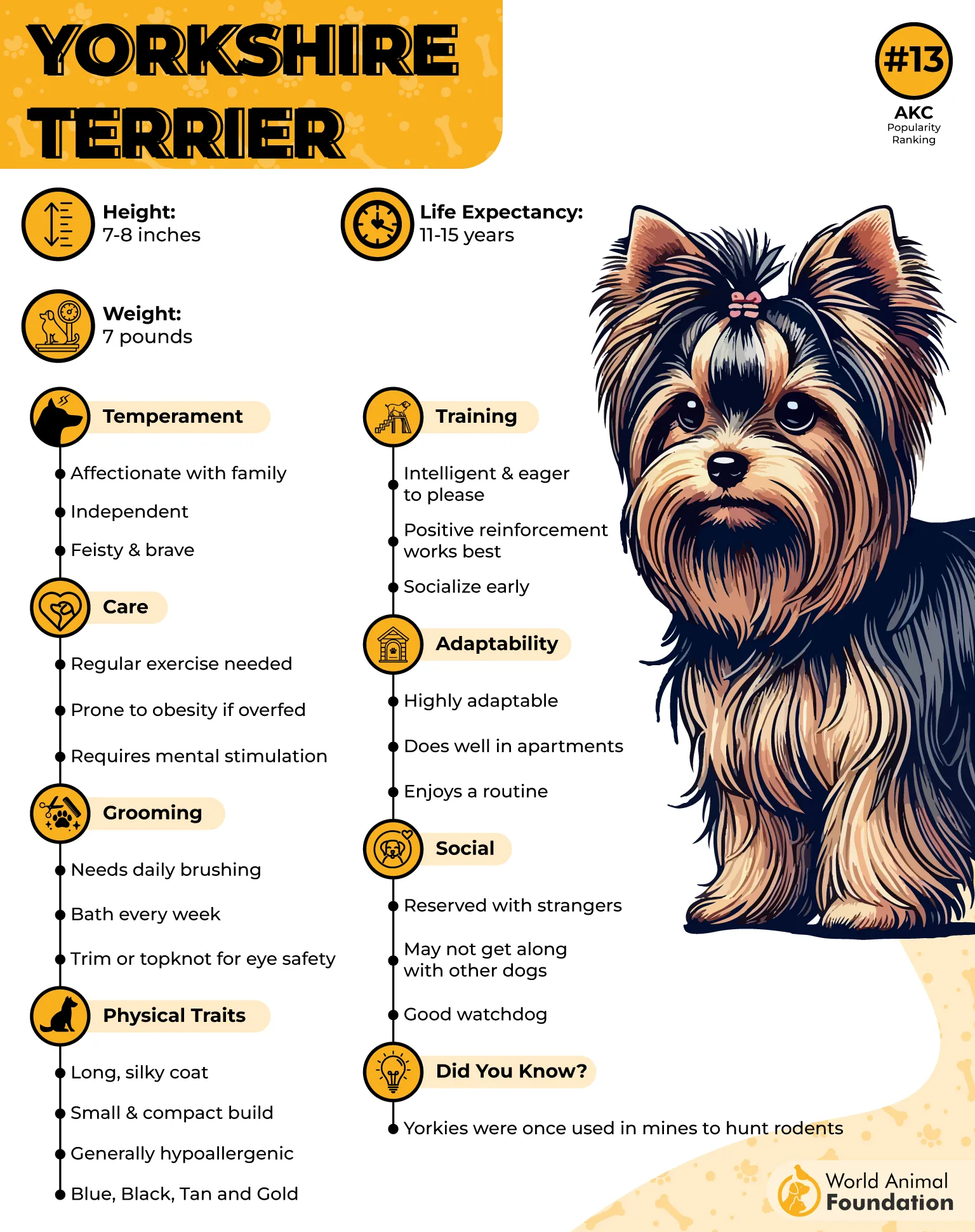
Yorkshire Terrier took shape in Yorkshire during the mid-19th century after Scottish workers brought small terriers into the region’s cotton mills. They were used to control rats, and Waterside, Paisley, and Skye Terriers are believed to have contributed to the breed’s development.
Small Space, Big Agenda
This companion dog needs surprisingly little room for daily activity, and two 15-minute walks can provide a solid part of its exercise routine. Indoors, a living-room game of fetch can add movement without requiring a large yard or dedicated outdoor area.
The breed’s athletic nature calls for these activities:
Puzzle toys provide mental challenges
Scent work gives walks extra purpose
Agility can suit athletic Yorkies
Plenty of Personality
Yorkies are smart, lively, and eager to please, so early training and socialization can begin around 7 or 8 weeks of age. Their independent streak can appear alongside affection, with these little dogs ready for play and equally happy settling beside their favorite person afterward, as per the American Kennel Club (AKC).
3. Papillon
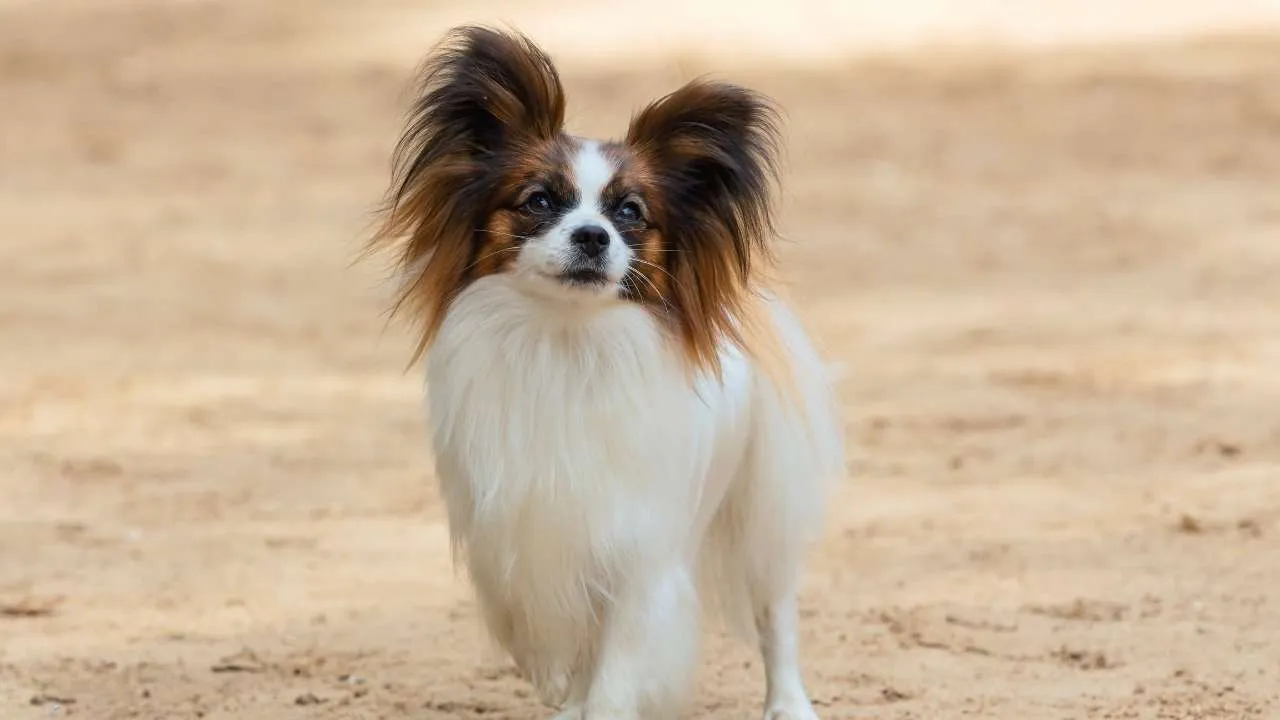
Papillon descends from European Toy Spaniels that appeared in paintings of European royal courts as early as the 16th century, where these small companions were often shown beside their owners.
Titian, one of the best-known painters of that era, included these tiny spaniels in several works beginning around 1500, as reported by Hills Pet.
Butterfly Ears
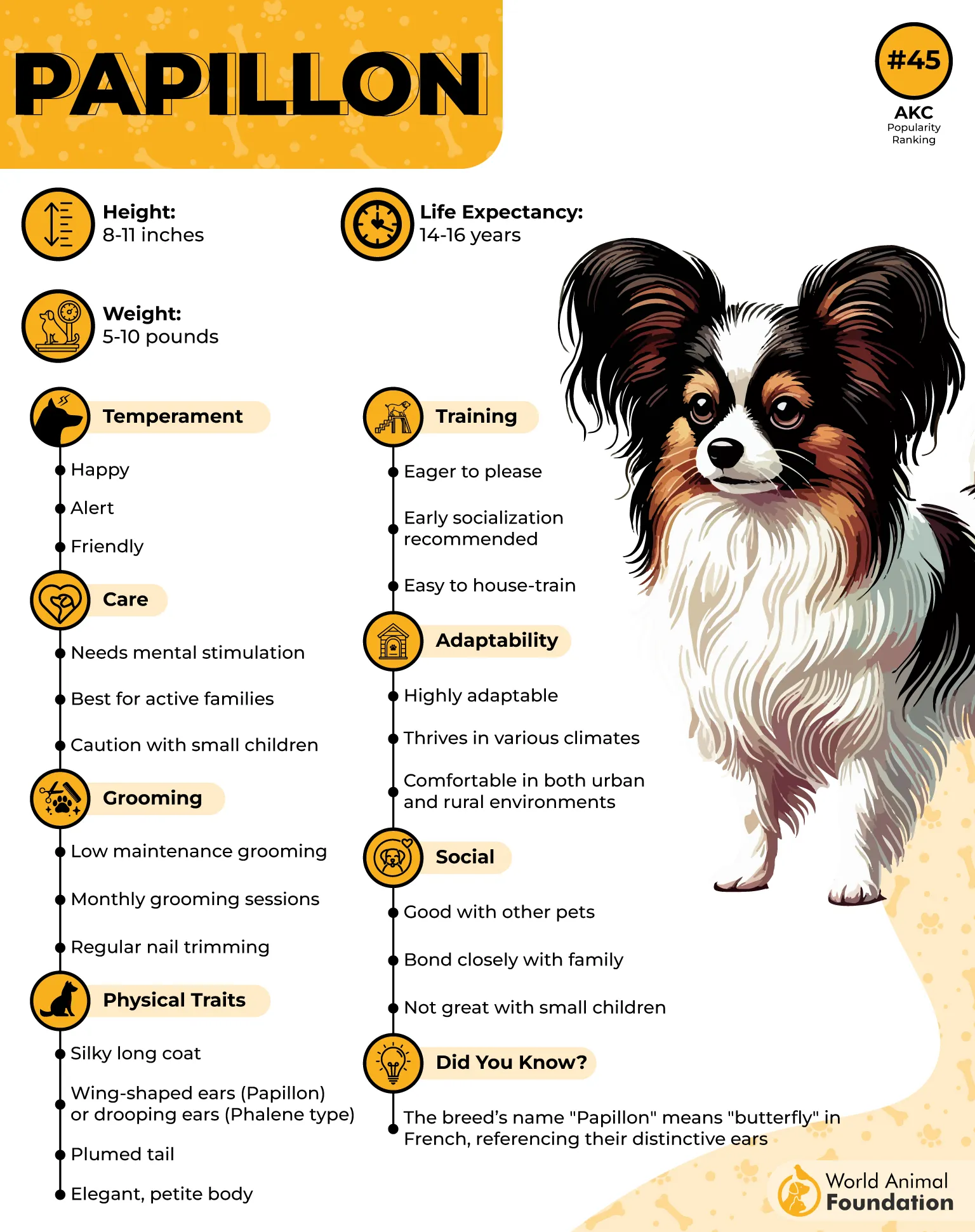
Papillon’s upright, butterfly-shaped ears became fashionable toward the end of the 19th century, giving the breed the distinctive feature behind its name. Its small frame also makes indoor play and short neighborhood walks practical for homes without much room.
There are plenty of simple ways to keep it busy:
About 30 to 45 minutes of daily exercise
Puzzle toys can provide mental engagement
Fetch can be played indoors
Big Personality
This popular breed is confident, outgoing, and often comfortable around people, dogs, and cats. Early socialization is important because puppies can become overly dependent on their families when they have limited opportunities to experience unfamiliar people and settings.
4. Havanese
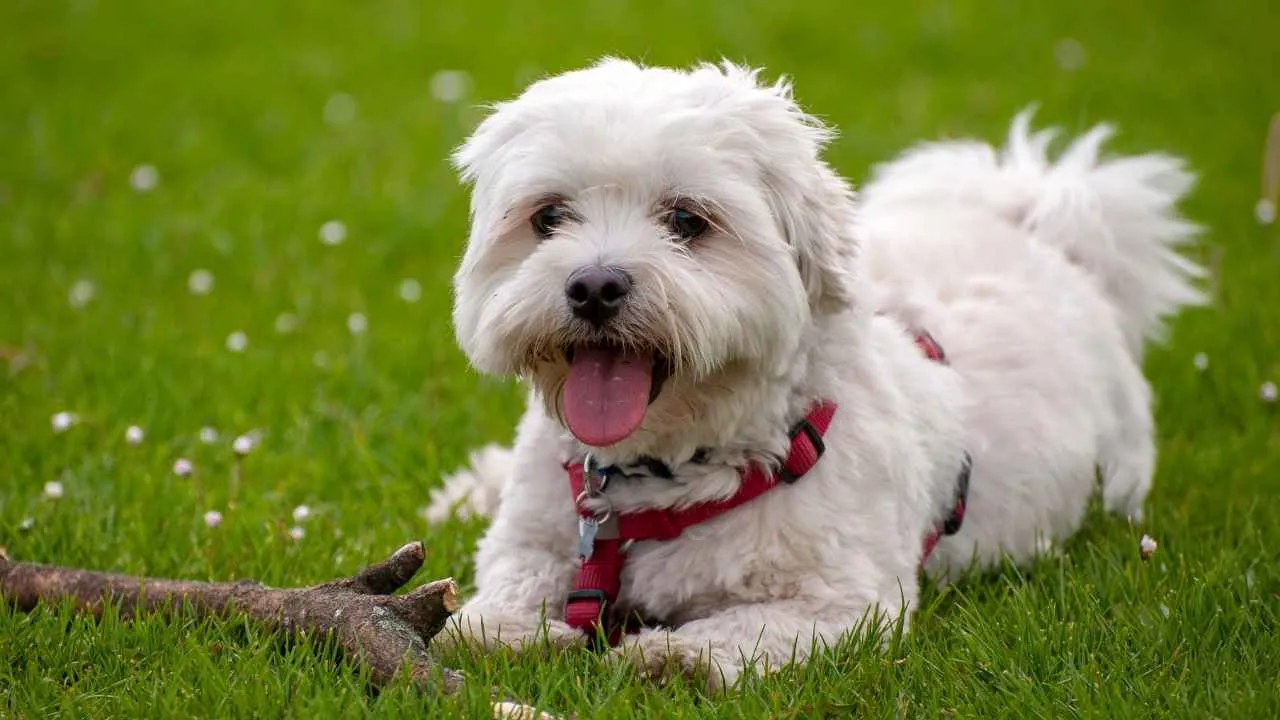
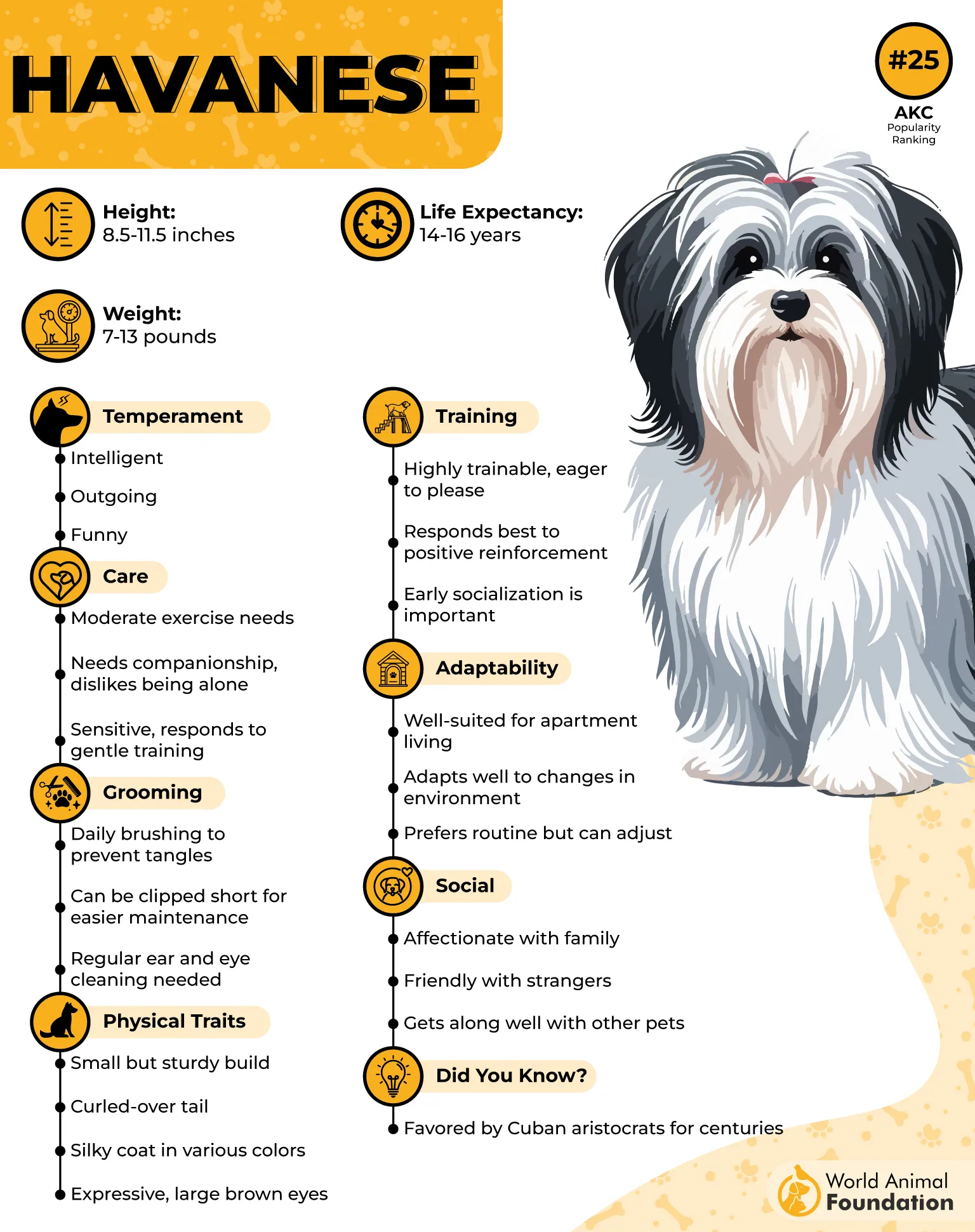
Havanese descends from ancient Bichon breeds, with its ancestors reaching Cuba during the 1600s alongside Spanish and Italian settlers. It began as a cherished companion for wealthy sugar families before taking on roles that included watching homes and helping with poultry.
Small Home, Big Personality
Havanese lives easily in an apartment because it cares far more about being near its favorite person than having a large amount of room. Around 30 minutes of daily exercise, such as neighborhood walks and games of fetch, can give this lively little dog a useful outlet.
Their small frame leaves plenty of room for play:
Enjoys agility and flyball
Interactive toys encourage problem-solving
Nose work gives its mind a task
Quick to Learn
This playful dog is bright and eager to please, so basic cues often come together quickly during training. Its playful side can appear as a favorite toy dropped at your feet, while insufficient activity may lead to furniture chewing or other self-made entertainment.
5. Pomeranian
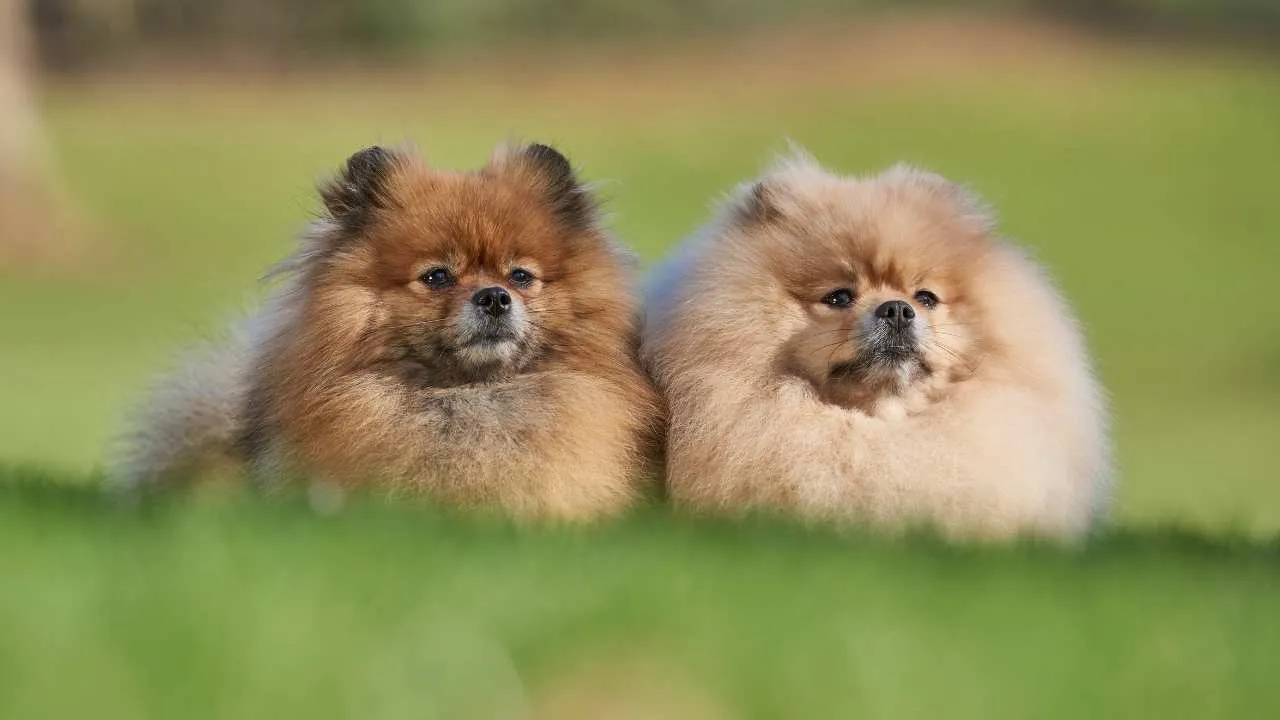
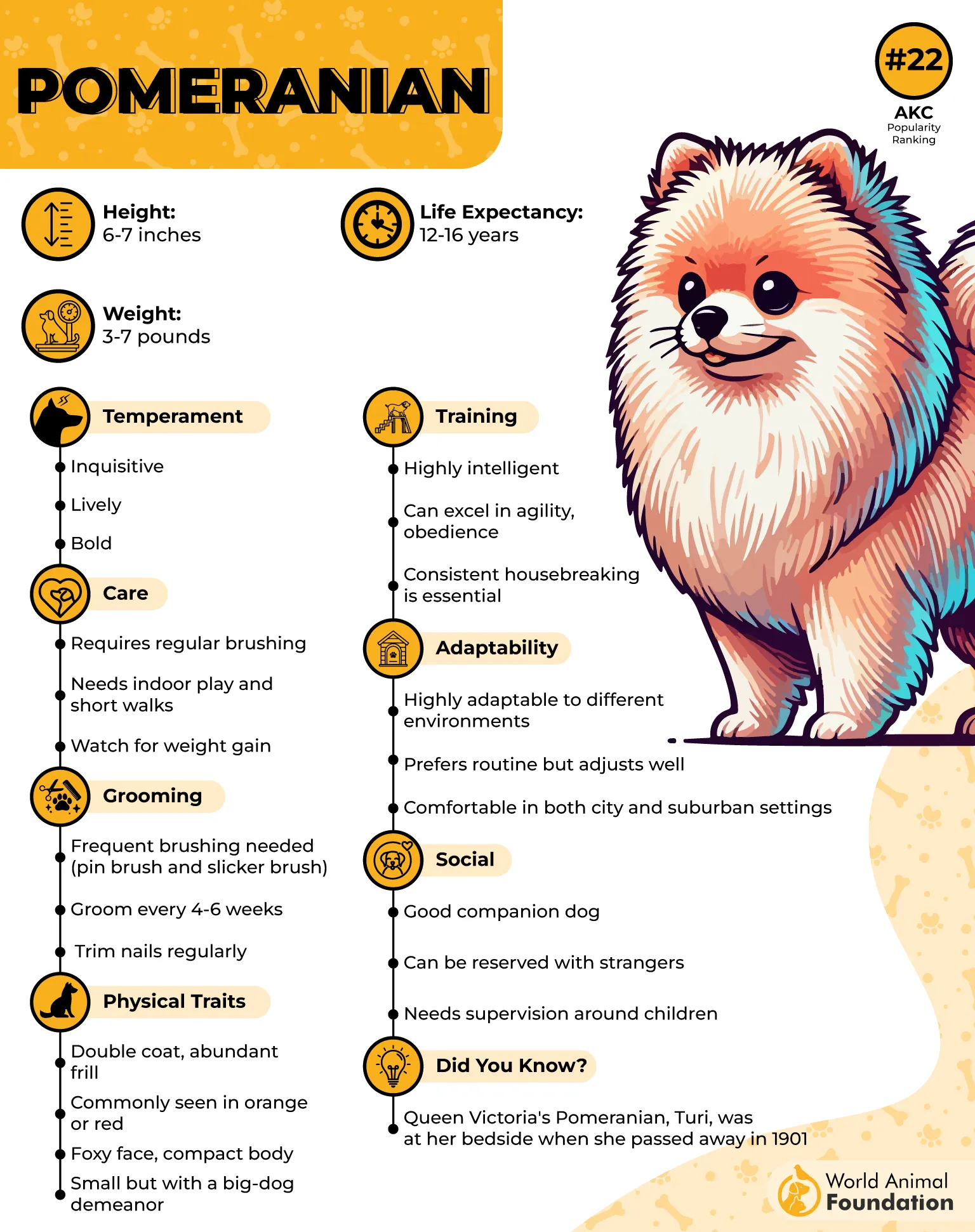
Pomeranian has roots in Arctic working dogs, with its name linked to Pomerania, the Baltic Sea region. Early Pomeranians were much larger working animals used for guarding homes, pulling sledges, and protecting livestock before selective breeding changed their size.
Small, Yet Active
Poms fit lively indoor routines well and can get useful exercise from two 20-minute walks each day. Their small frame also calls for extra care outdoors, especially around open spaces where gaps in fencing or larger dogs can create safety concerns.
Their size makes some outdoor risks more important:
Double coat can contribute to overheating in high temperatures
Short legs can struggle to keep pace on longer outings
Hawks and owls can pose a risk in open areas
Clever and Vocal
This lap dog is highly intelligent and can learn new tricks quickly, while obedience training gives that sharp mind something productive to work on. Their alert nature can also lead to barking at hallway sounds, so positive, consistent training is useful for quieter household routines.
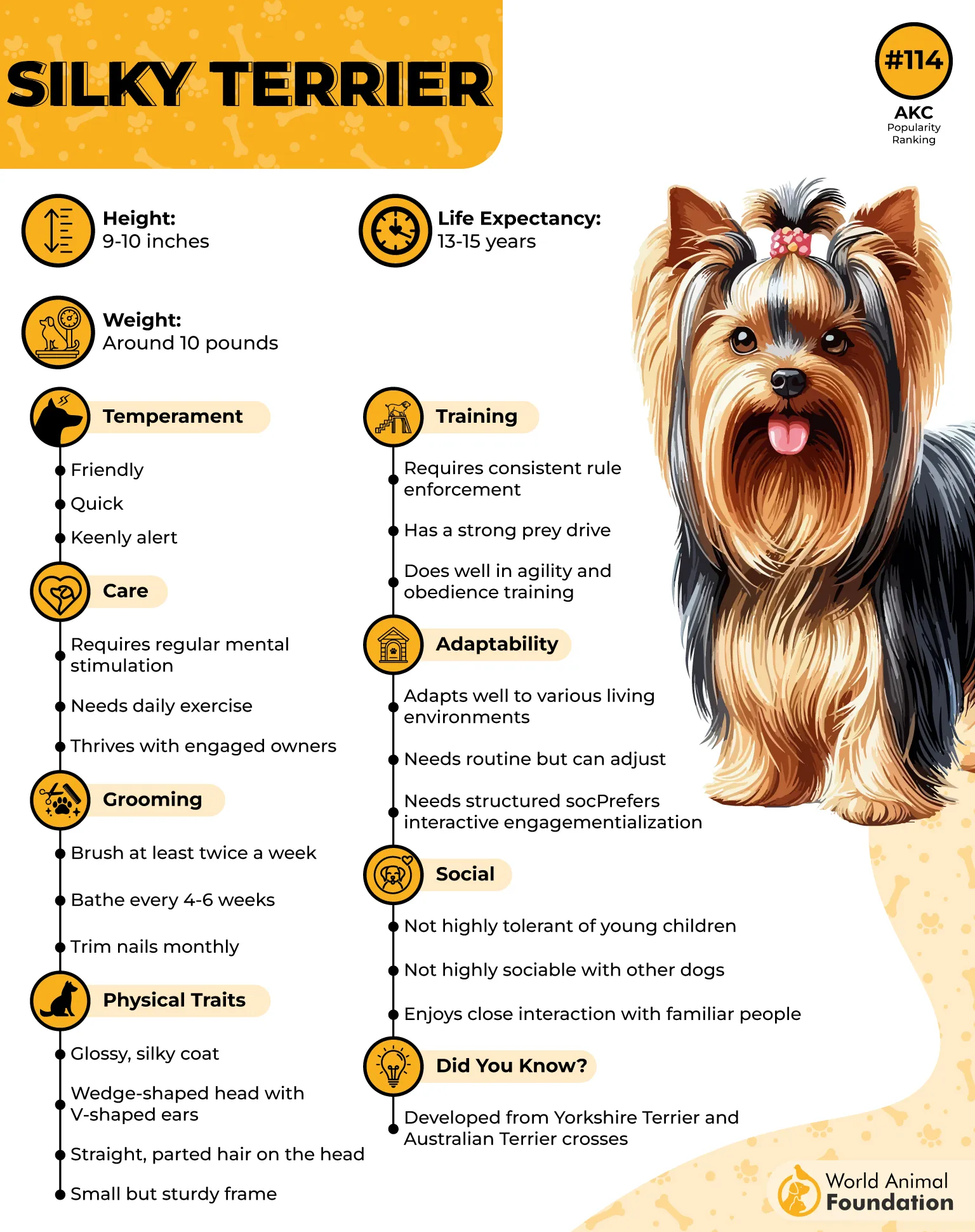
6. Silky Terrier
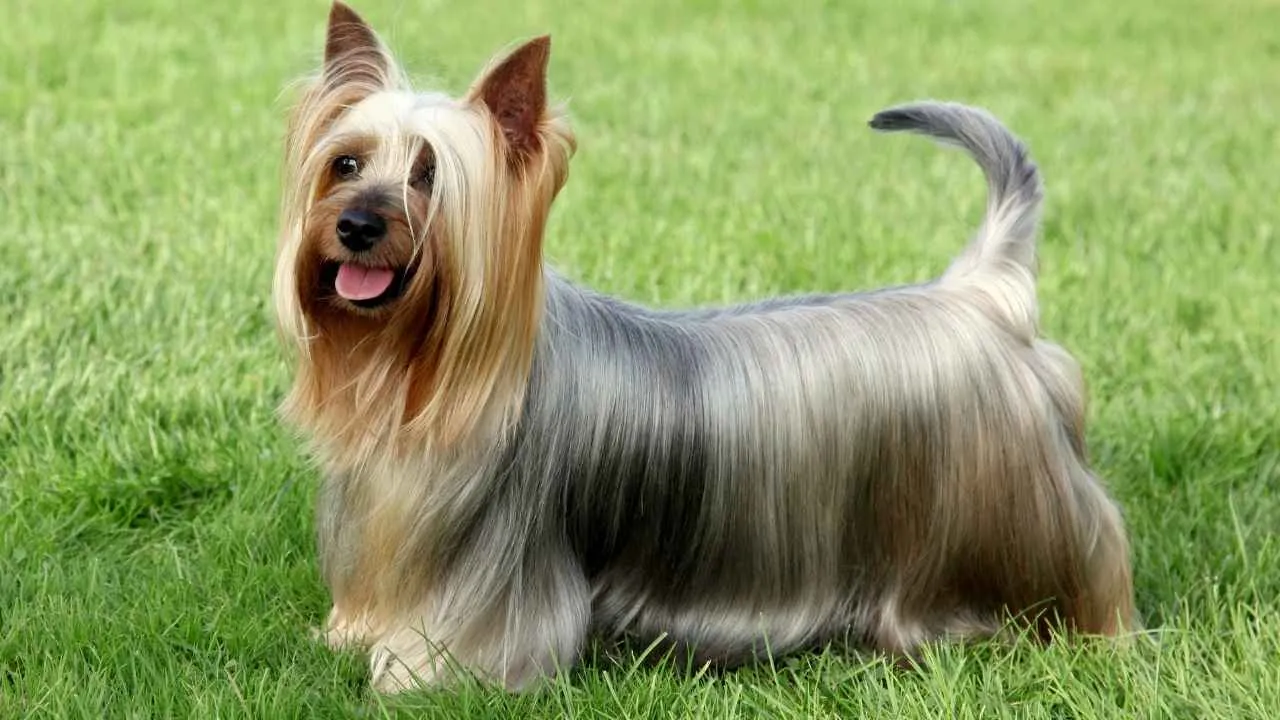
Silky Terrier was originally bred in the 1890s in Australia through crosses between imported Yorkshire Terriers and native Blue and Tan Australian Terriers.
A Small Dog With a Busy Mind
This pint-sized pup packs plenty of activity into a petite frame and can need one to two hours of exercise each day. Apartment life can suit this breed when daily activity includes play, sniffing, or dog sports rather than only a quick bathroom break.
Its active side can be managed without much space:
Interactive toys can challenge their intelligence
Agility gives them a structured outlet
Sniffing during walks engages their hunting instincts
Terrier Attitude
Silky Terrier has the bold, feisty temperament associated with terriers and may happily perform tricks when treats are involved. Their intelligence makes training worthwhile, while proper socialization helps them interact appropriately with children and other dogs.
7. Chihuahua
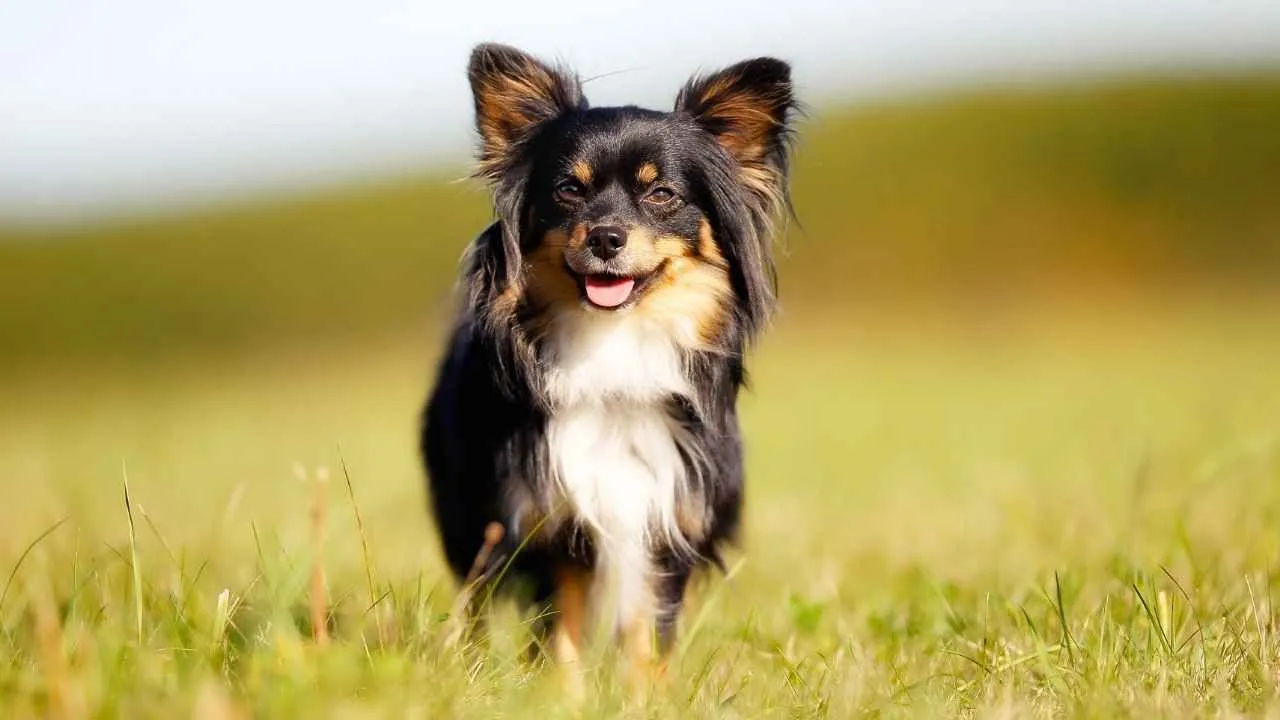
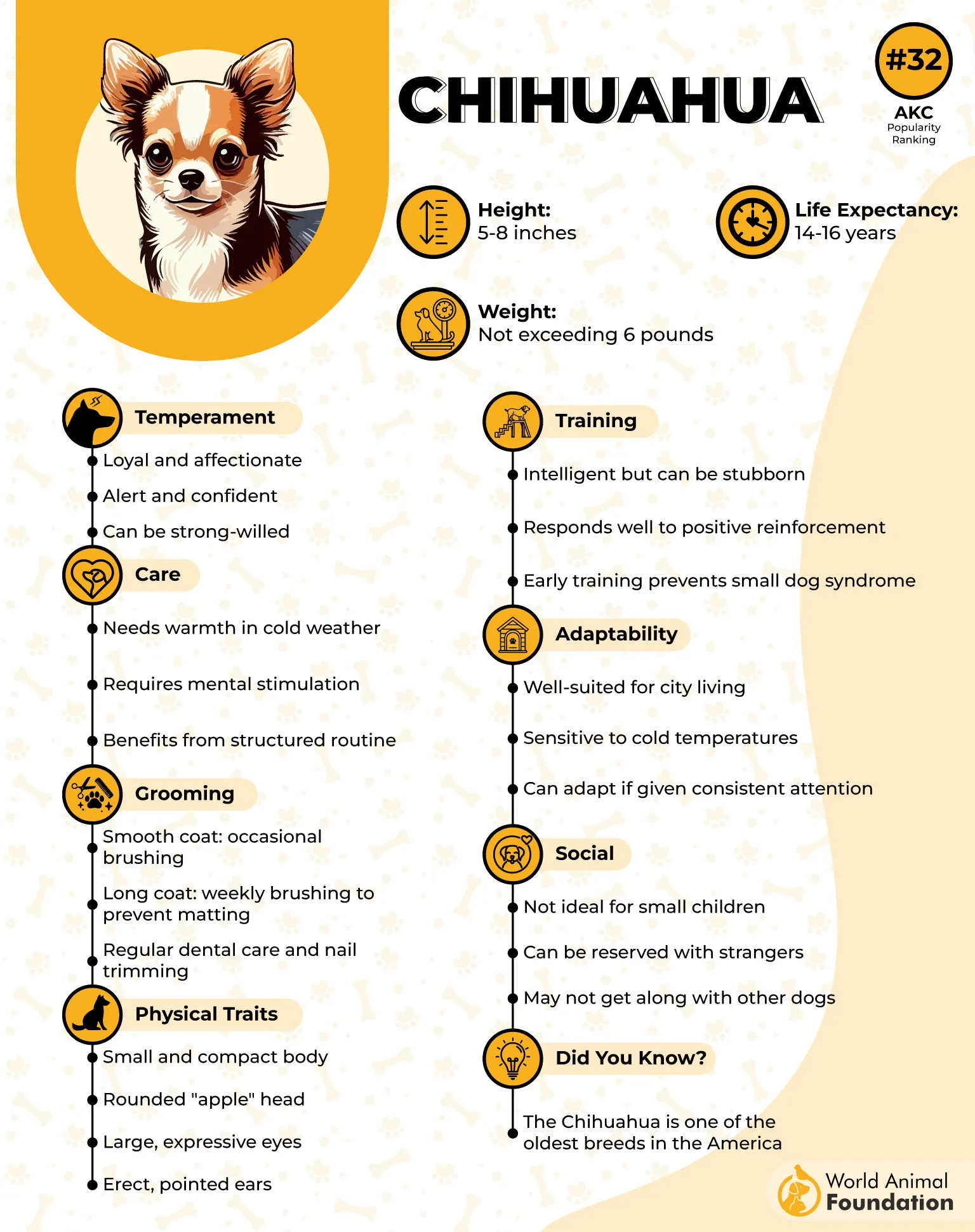
Chihuahua is one of the world’s most recognizable toy breeds, yet its early story still has several competing theories. The most common account links it to the Techichi, a companion dog associated with the Toltec civilization, while the breed’s name connects to Chihuahua, Mexico.
Tiny Dog, Real Activity
These excellent companions can keep pace with active homes, as their tiny frame still needs chances to explore, investigate their surroundings, enjoy games, and move freely on their own four feet.
Daily sprints around the block or backyard can provide activity, while long-distance running is too strenuous for such a small frame.
Its small size makes it quite manageable:
Interactive toys can occupy the mind
Short outdoor bursts suit its size
Urban living can work well for the breed
A Loud Little Alarm
Chihuahuas can become vocal when unfamiliar people or situations make them feel threatened, which makes early socialization especially useful. Gradual introductions to new people, places, and other pets can help reduce alarm barking and build calmer responses.
Conclusion
Life with a toy dog can be full of quick games, affectionate moments, curious habits, and plenty of personality. Their small bodies can make them convenient companions, but their needs should never be overlooked. Regular movement, training, mental activity, grooming, and gentle handling all remain part of responsible care, especially for dogs in the toy group.
Some may be comfortable in compact homes, while others need more activity and attention than their size suggests. Owners should also consider noise, time alone, children, and larger pets before choosing a companion. An Instagram-ready dog may look appealing, but dogs love attention, and a loving nature can make them great pets when their care fits your routine.
