




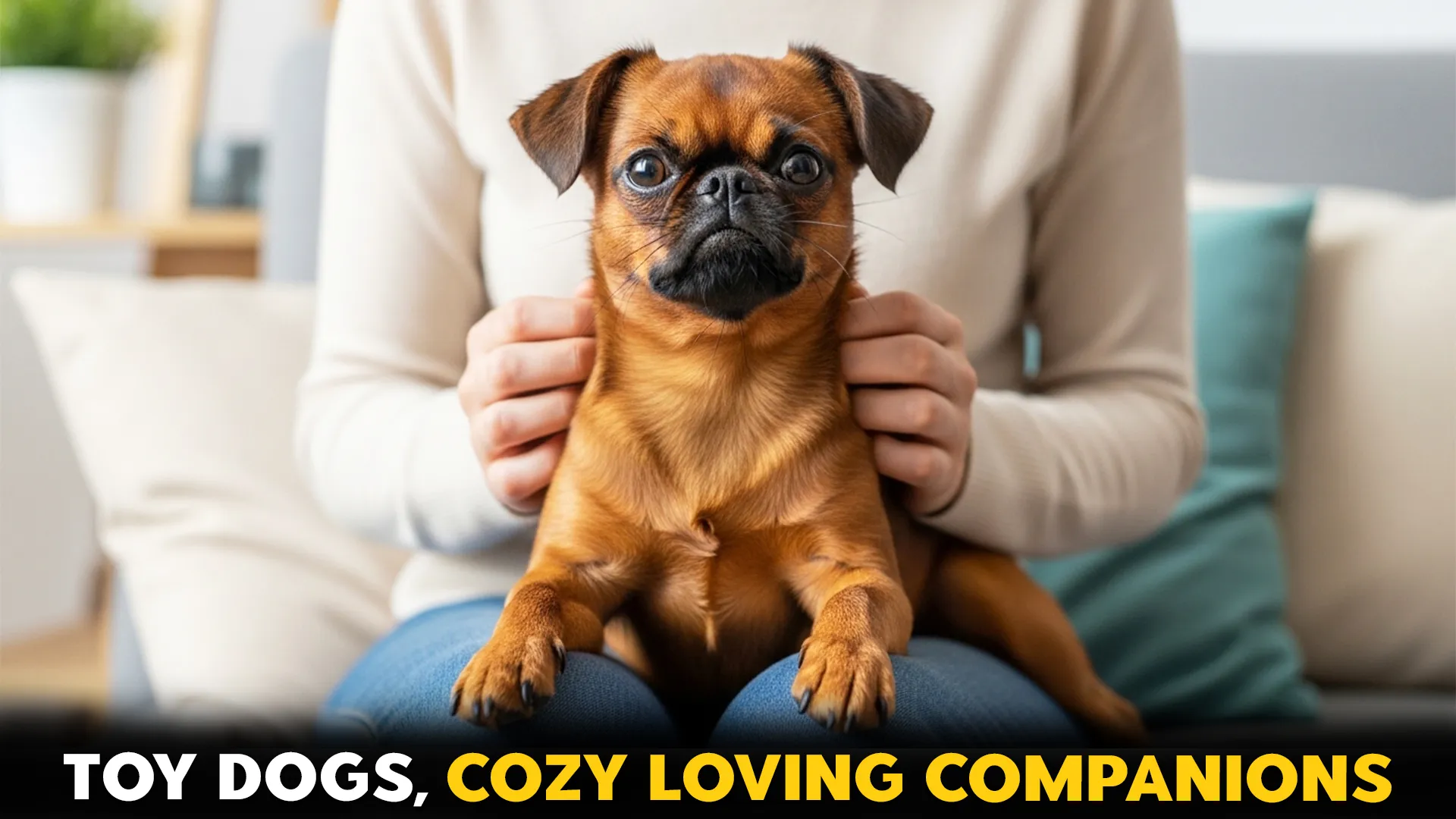
Most people think a dog will either add joy or create extra work, but that outcome depends on one detail that often gets overlooked. It is not just about size or appearance, and it is not always obvious in the beginning.
Some dogs quietly adapt to your routine, your space, and even your energy without demanding much in return. Others expect far more than you planned for. This difference becomes clear only after the dog becomes part of your everyday life.
Toy dog breeds tend to fall into a category that surprises many first-time owners. They offer companionship without overwhelming your space or schedule, but not all of them do it in the same way. There are small distinctions that shape the entire experience.
As you read ahead, you will discover toy dog breeds that are known for bringing comfort, balance, and a sense of ease into daily living.
Key Takeaways
There is a small detail most people miss when choosing a dog, and it often decides whether your home feels relaxed or constantly busy.
Brussels Griffon tends to stay close like a shadow, while Shih Tzu settles into soft corners and becomes part of your everyday rhythm.
Yorkshire Terrier and Pomeranian bring a spark of personality, yet still find their way back to your side when the day slows down.
As you go further, you begin to notice which of these tiny companions truly fit into a peaceful home without asking for more than you can give.
Amazing Toy Dog Breeds for Cozy Companionship
1. Brussels Griffon
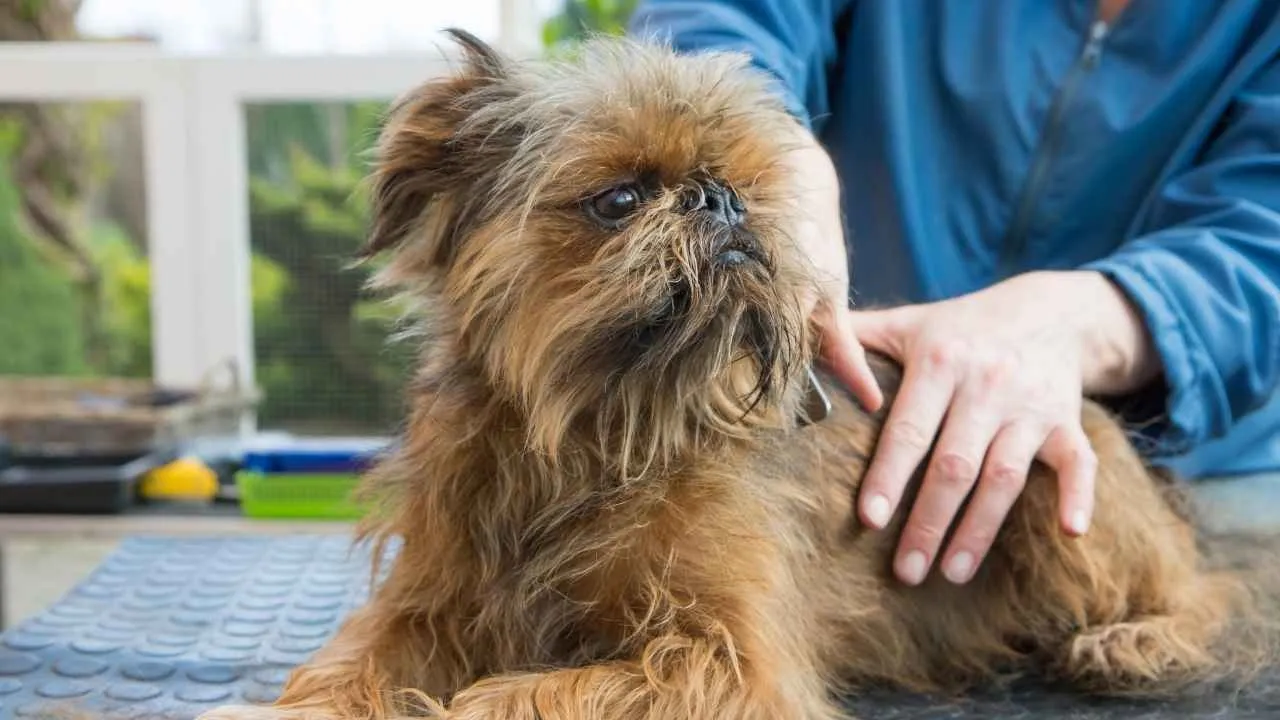
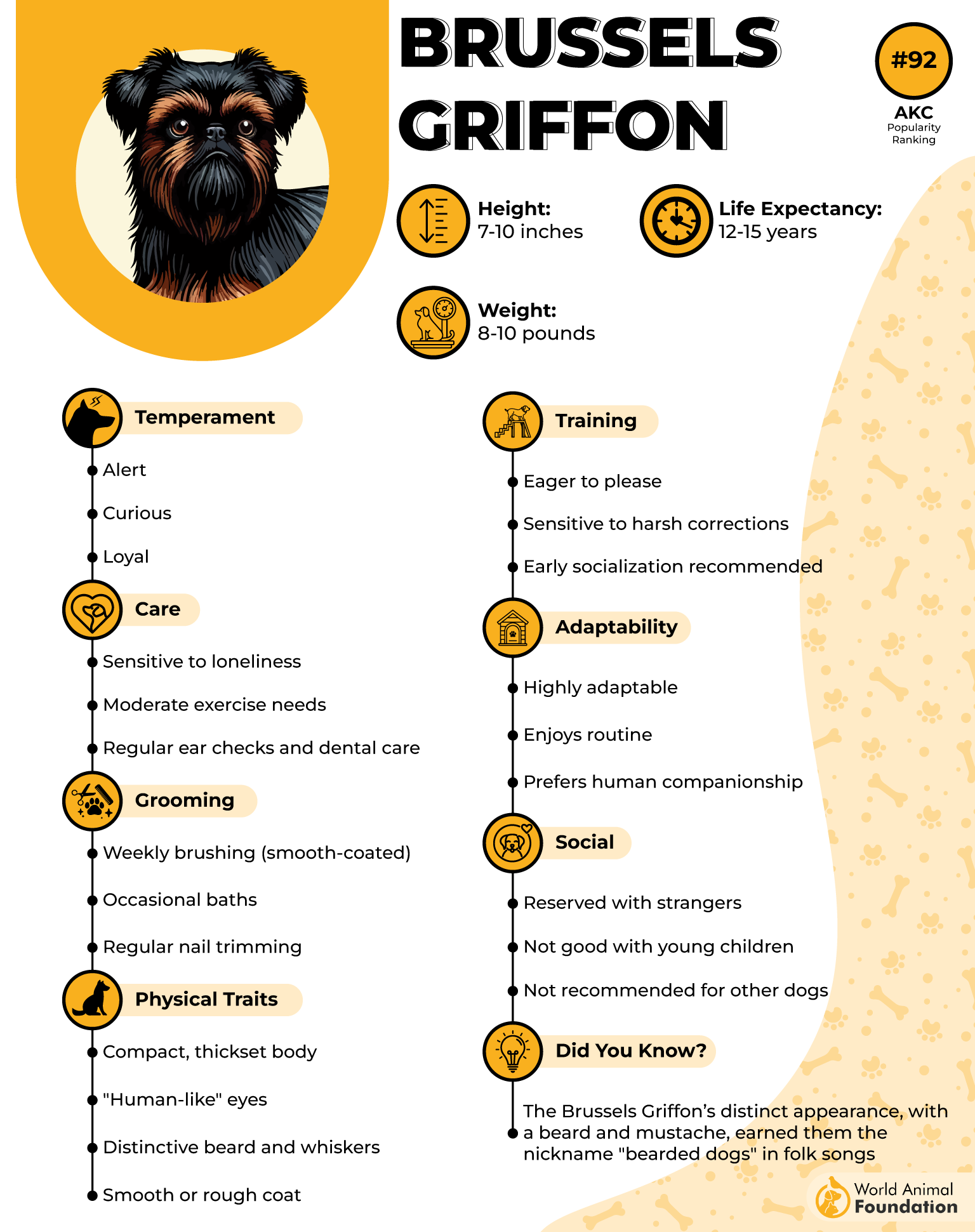
The Brussels Griffon comes from Belgium, linked to a small rodent-catching dog known as the Smousje, later shaped through crosses with Affenpinscher-type dogs. This background connects a lively personality with alert awareness of surroundings. Its small size holds a surprisingly bold presence.
Attachment style inside the home
This small dog breed forms a close bond with one person, often staying nearby and following them from room to room. It prefers physical closeness, settling beside you on the sofa or finding its way onto your bed.
This attachment shows in everyday habits:
Follows one person consistently indoors
Seeks contact during rest time
Stays involved in daily household activity
Social behavior and an alert nature
They show confidence in familiar settings, interacting comfortably with people, other pets, and known environments when introduced early, as Omlet stated.
Its alertness often appears through barking at new arrivals or changes near the home. This awareness keeps it engaged with its surroundings.
2. Shih Tzu
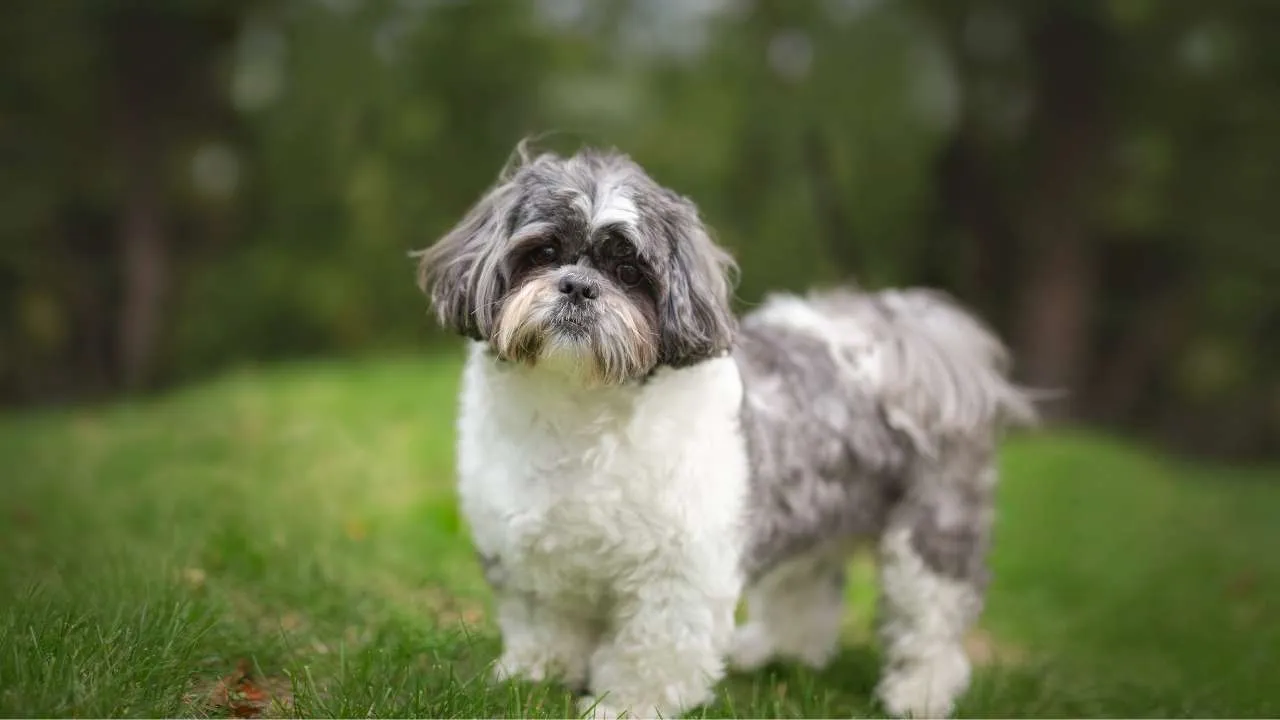
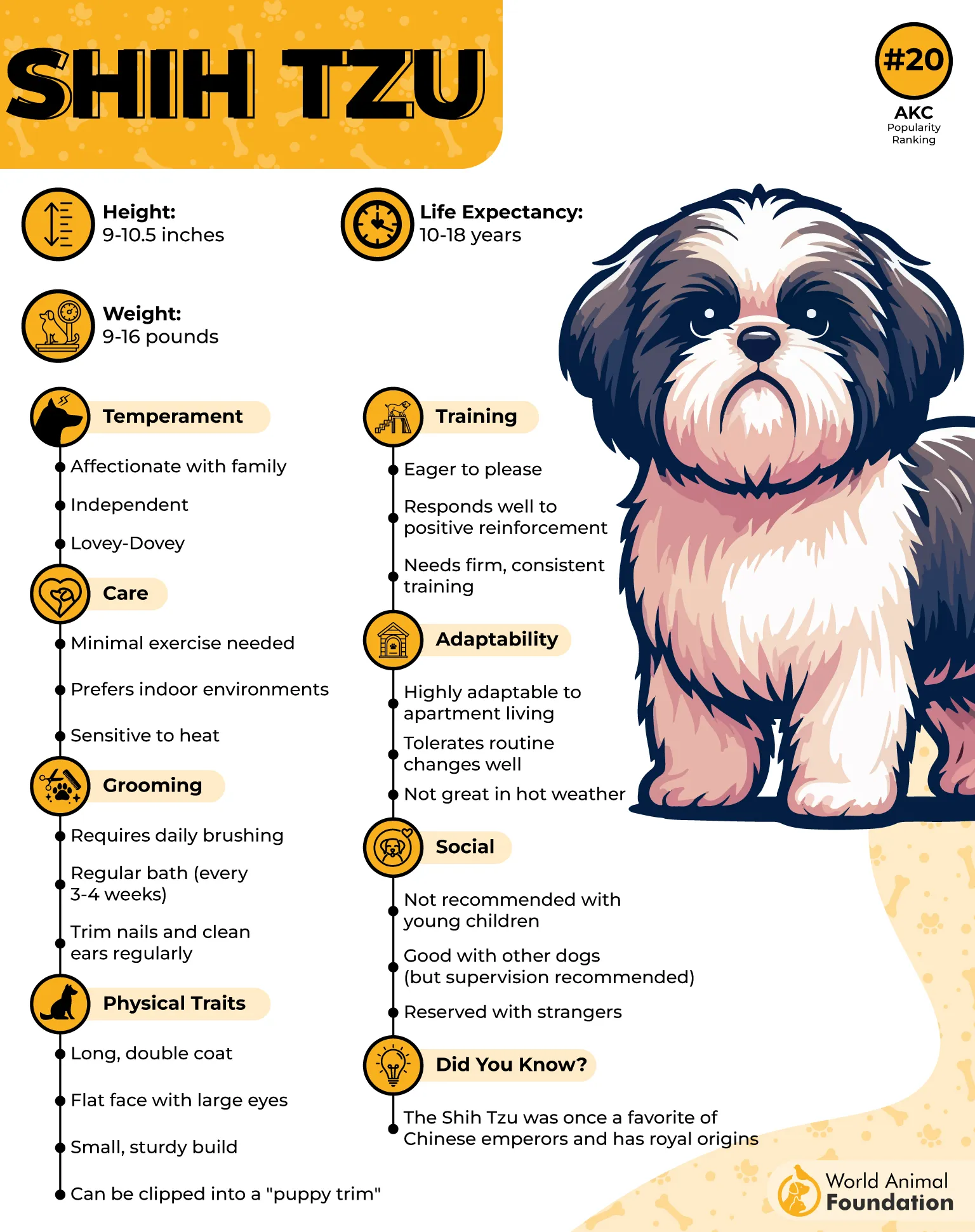
Shih Tzu holds a long association with Chinese culture, where it was linked to Buddhist symbolism and referred to as the Lion dog. Its early connection with Tibetan breeding adds to a lineage shaped around close human presence. This past reflects a dog placed within companionship rather than work roles.
Social behavior is shaped around closeness
As a companion dog, they stay closely connected to people, often choosing soft resting spots near them throughout the day. Its interaction style remains open across pets, strangers, and familiar faces, keeping social spaces relaxed.
That pattern becomes clear in daily habits:
Seeks soft places like beds and cushions
Greets new people with visible excitement
Stays comfortable around other dogs.
Living rhythm in smaller spaces
Shih Tzu adjusts easily to compact homes, where its low activity needs align with short walks and extended rest periods, as PetMD noted. It prefers moderate conditions and may struggle when temperatures rise. Its routine often alternates between brief activity and long periods of rest.
3. Yorkshire Terrier
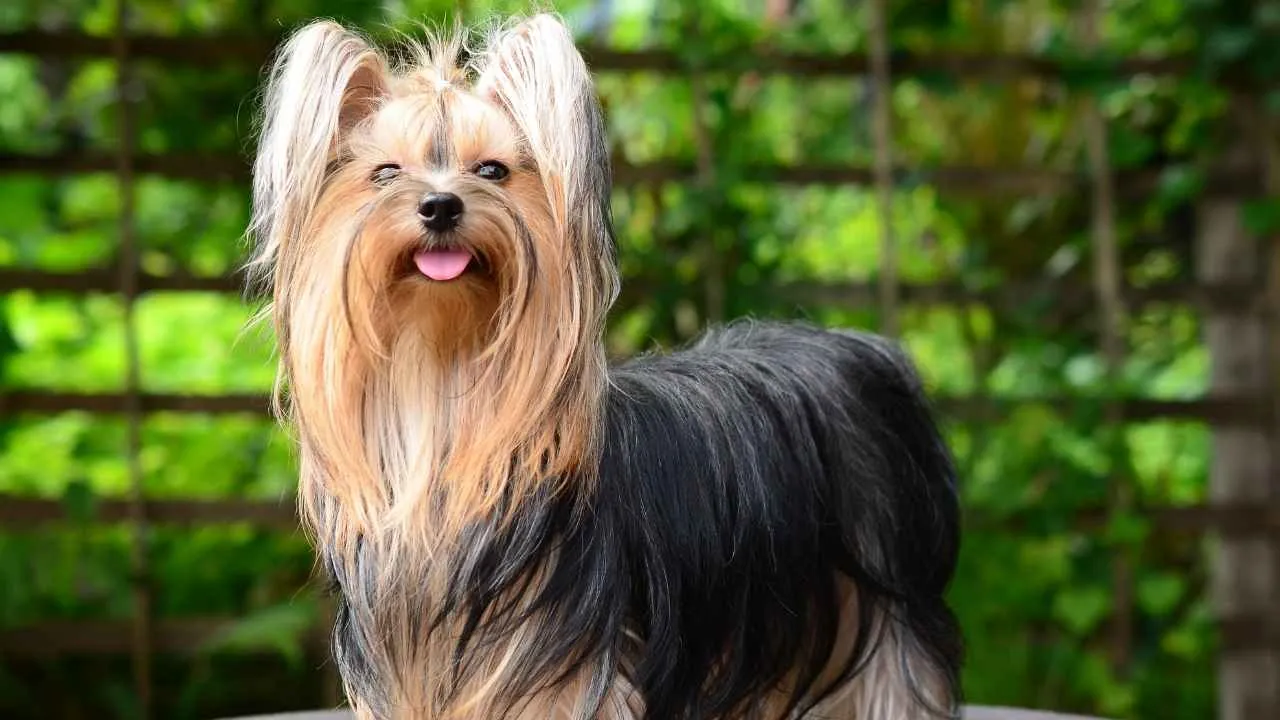
The Yorkshire Terrier began as a small but determined ratter, used by Scottish weavers to control rodents in textile mills. That early role shaped a dog with quick reactions and sharp awareness in tight spaces. Its current role indoors still reflects that alert and lively nature.
Energetic personality in a small frame
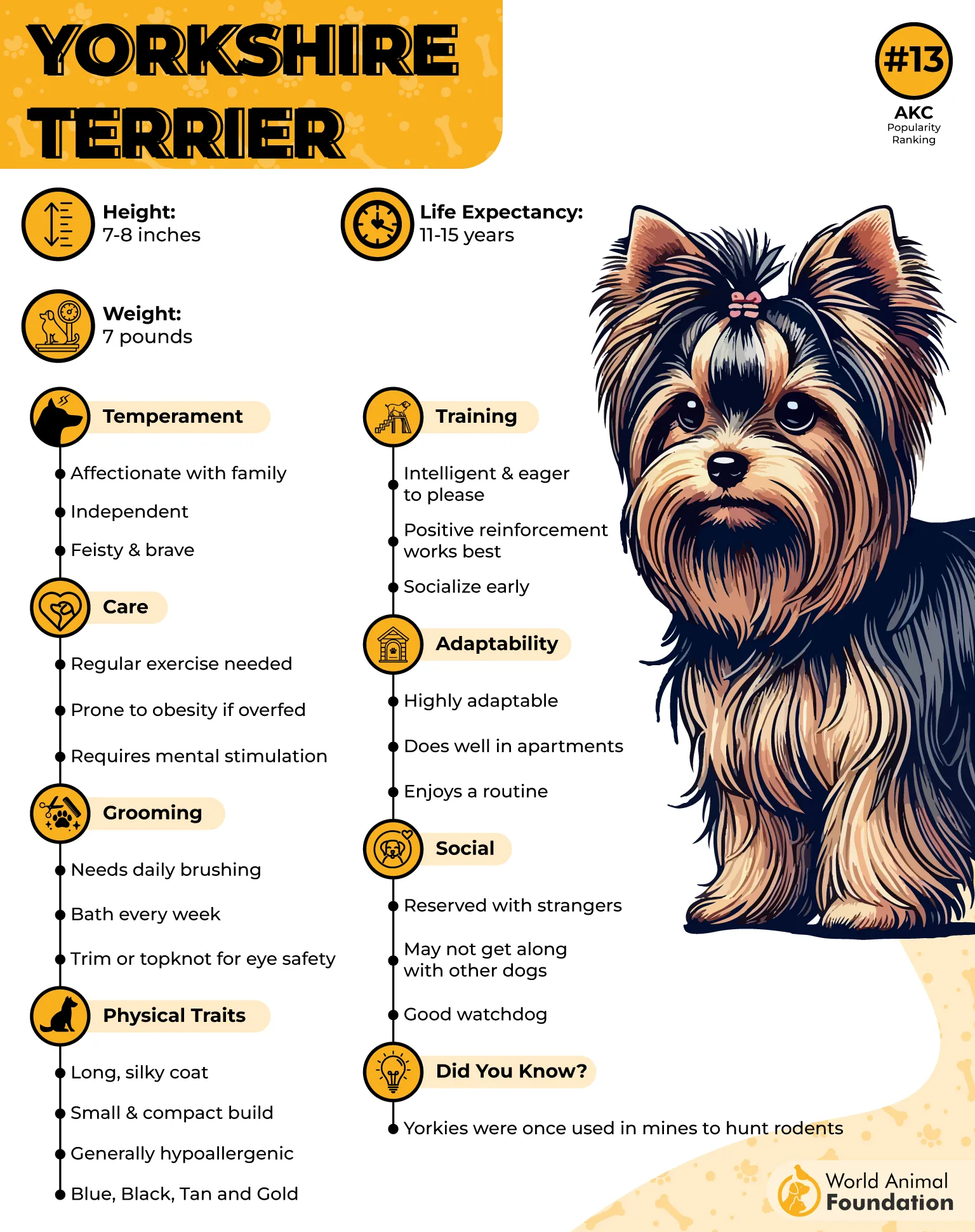
This great lap dog shows a mix of affection and boldness, often staying playful while maintaining a slightly bossy streak. Its energy stays active throughout the day, even in smaller living spaces.
That personality shows up in everyday habits:
Seeks interaction through play and movement
Reacts quickly to surrounding activity
Engages with people through attention-seeking behavior
Indoor life and daily rhythm
Yorksies adjust easily between apartment living and larger homes, as long as they receive short bursts of activity and interaction, as the AKC claims. A couple of brief walks combined with indoor play keep the routine balanced. Its size allows it to stay active without requiring large open spaces.
4. Pomeranian
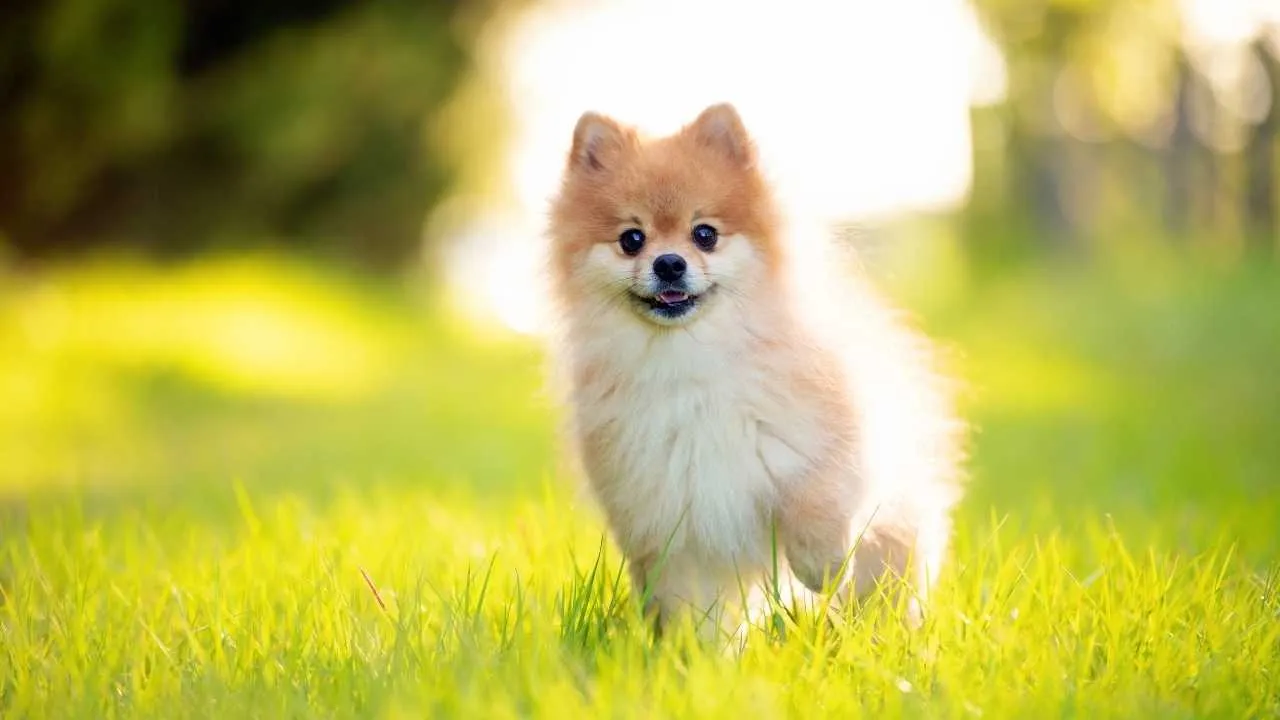
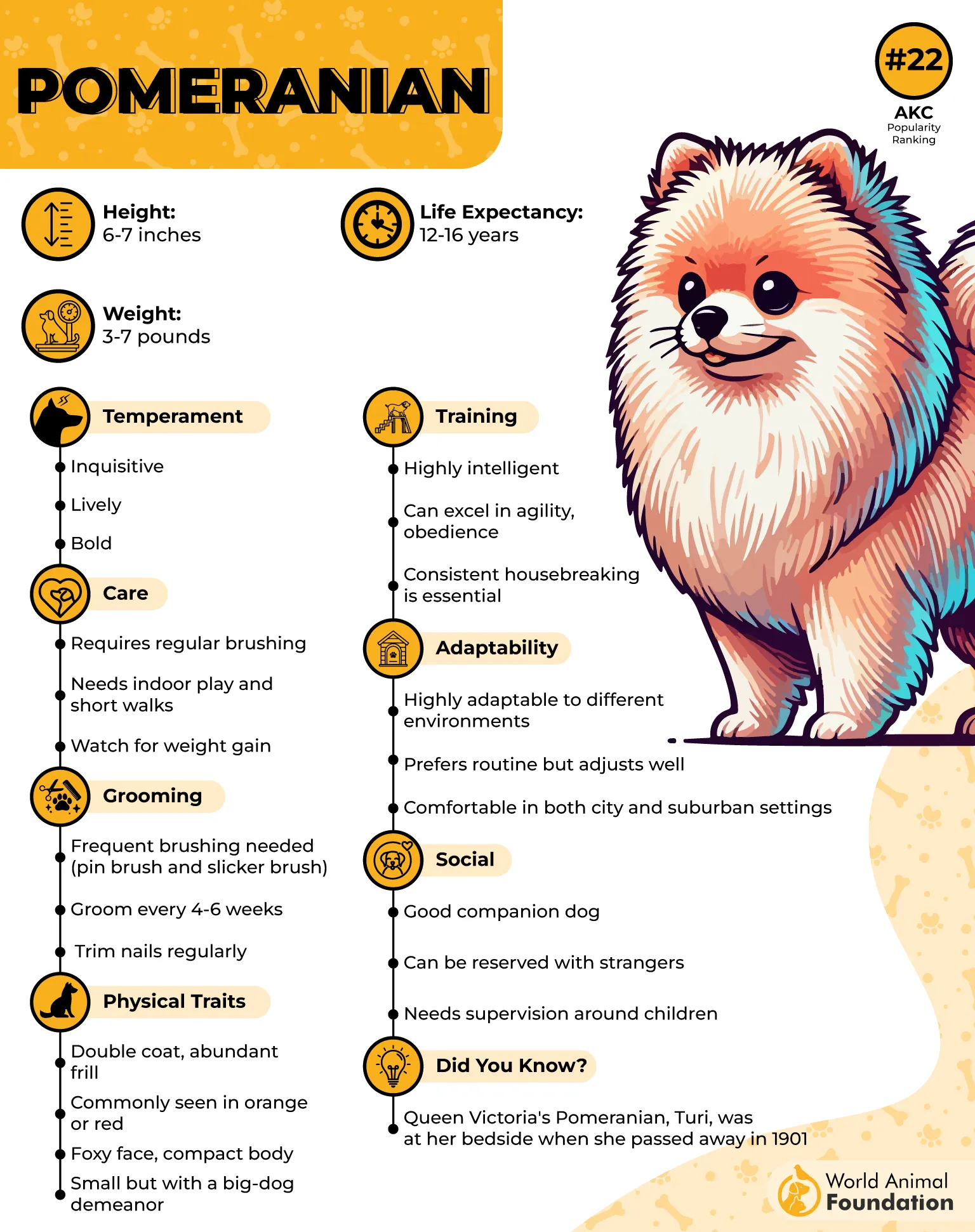
The Pomeranian originates from larger Spitz sled dog lines, reduced in size but not in attitude or presence. Its bold and spirited nature shows in how it interacts, often behaving with the confidence of a much bigger dog. This personality becomes the center of its companionship style.
Attention-driven interaction style
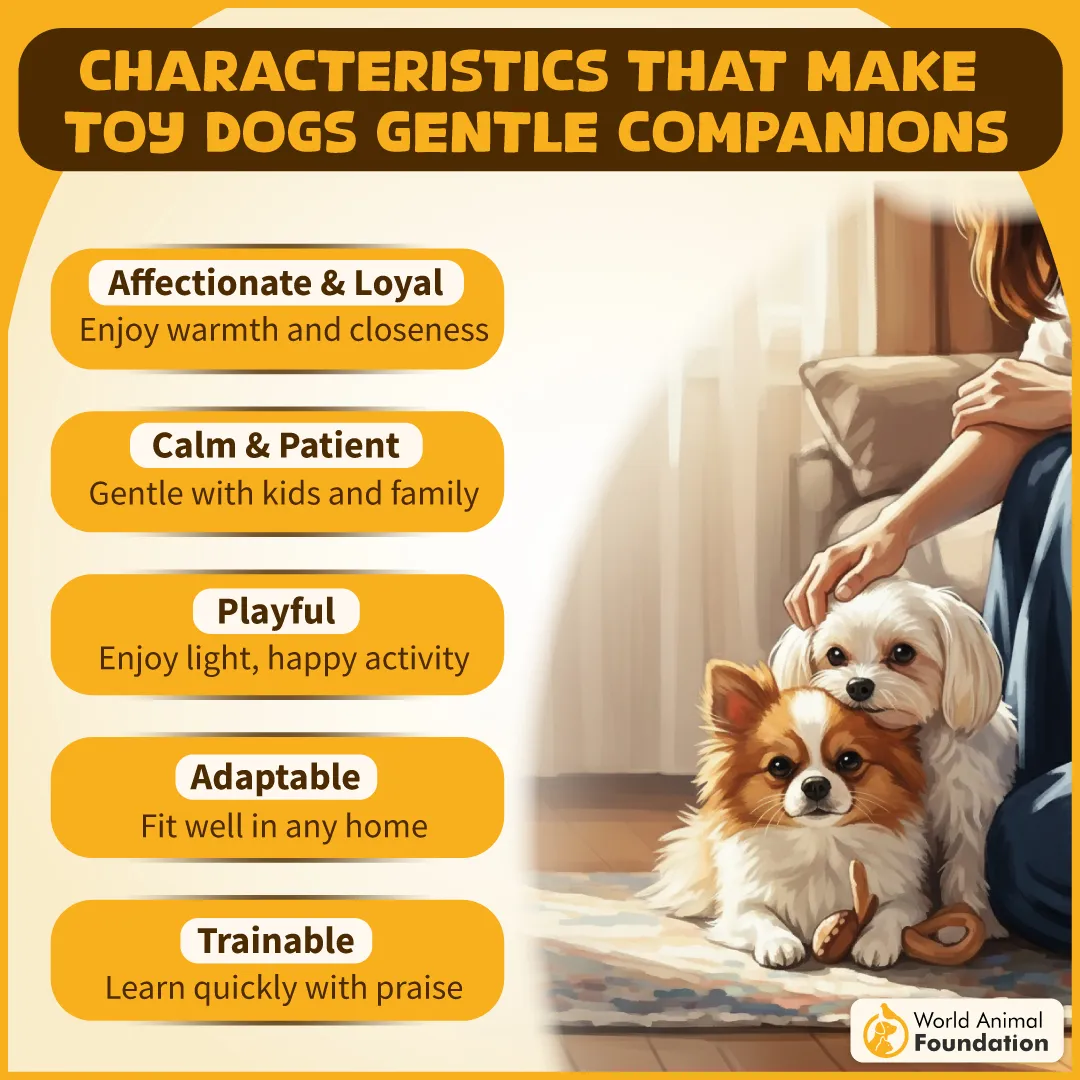
This toy breed stays engaged through attention, often seeking interaction and responding quickly to social cues around it. Its comfort around other pets and people adds to its ease in shared living spaces.
That behavior shows through small daily patterns:
Seeks attention during active moments
Engages easily with other household pets
Responds quickly to interaction and presence
Intelligence with independent habits
Poms have a strong learning ability, often enjoying training and mentally engaging tasks. At the same time, it prefers moving on its own rather than being constantly held, reflecting a sense of independence. Its activity level stays manageable within indoor spaces and short walks.
5. Havanese
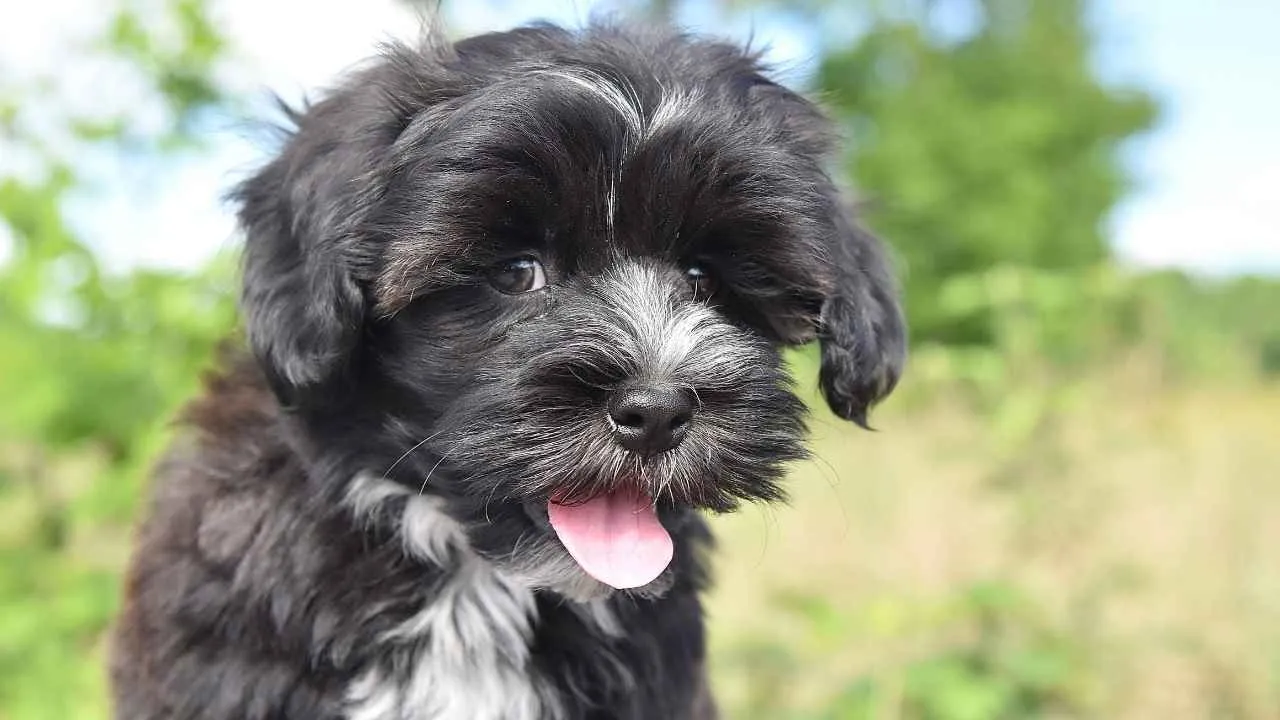
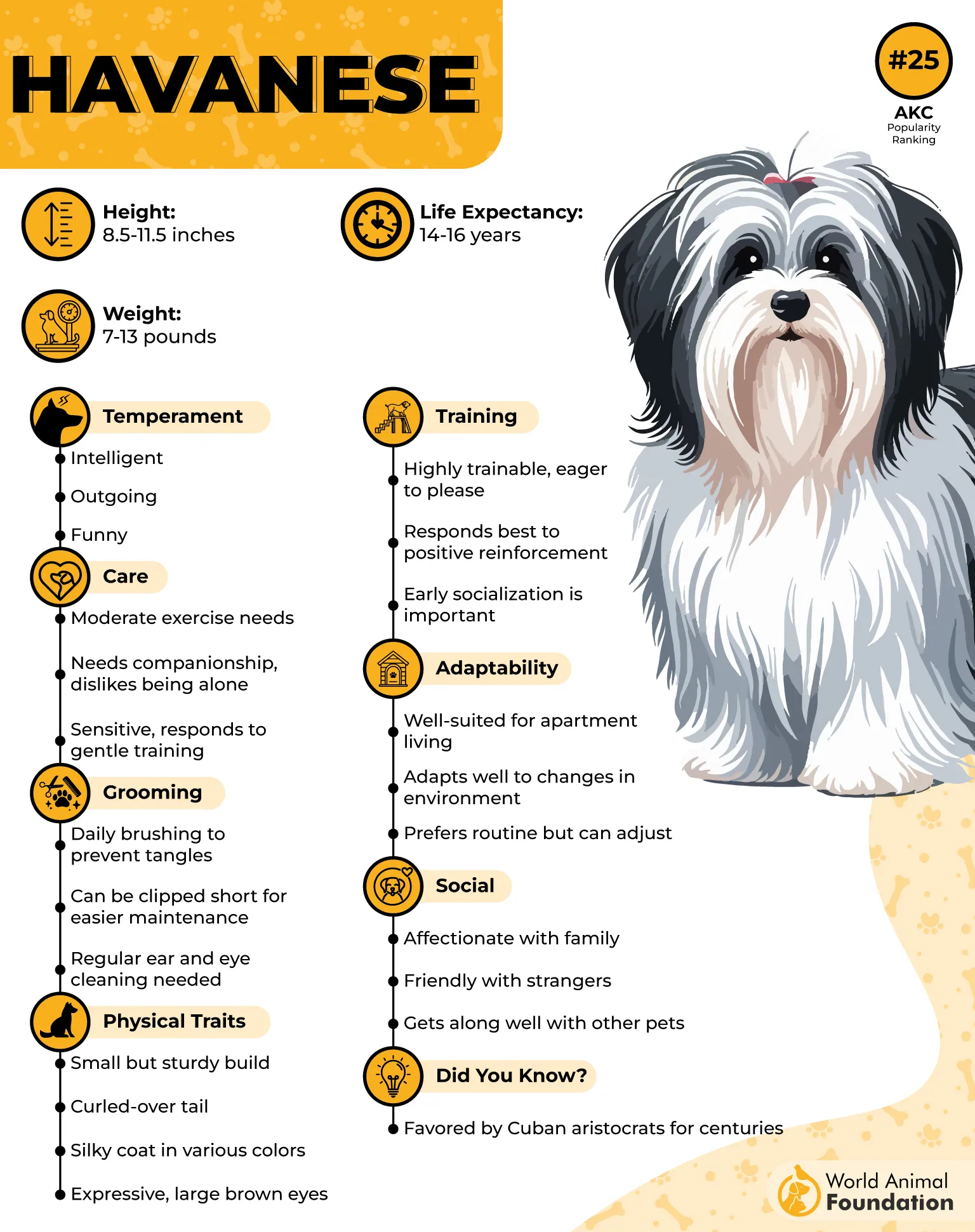
Havanese builds its identity around constant human connection, often staying physically near throughout the day. Its affectionate nature shows in how quickly it bonds and keeps returning to a familiar presence. This closeness becomes a defining part of its daily behavior.
Interaction style and daily rhythm
This small breed stays active in short bursts, combining play with brief walks rather than long, demanding routines. Its energetic and spirited personality keeps interactions lively without becoming overwhelming indoors.
That rhythm appears in small, consistent habits:
Engages in short play sessions throughout the day
Follows people from room to room
Responds quickly during training activities
Living comfortably in smaller spaces
This little breed adapts well to apartment living when barking habits are managed early through training. Its activity needs to stay moderate, making short walks and indoor play enough for daily balance. This allows it to settle comfortably in compact environments.
6. Pug
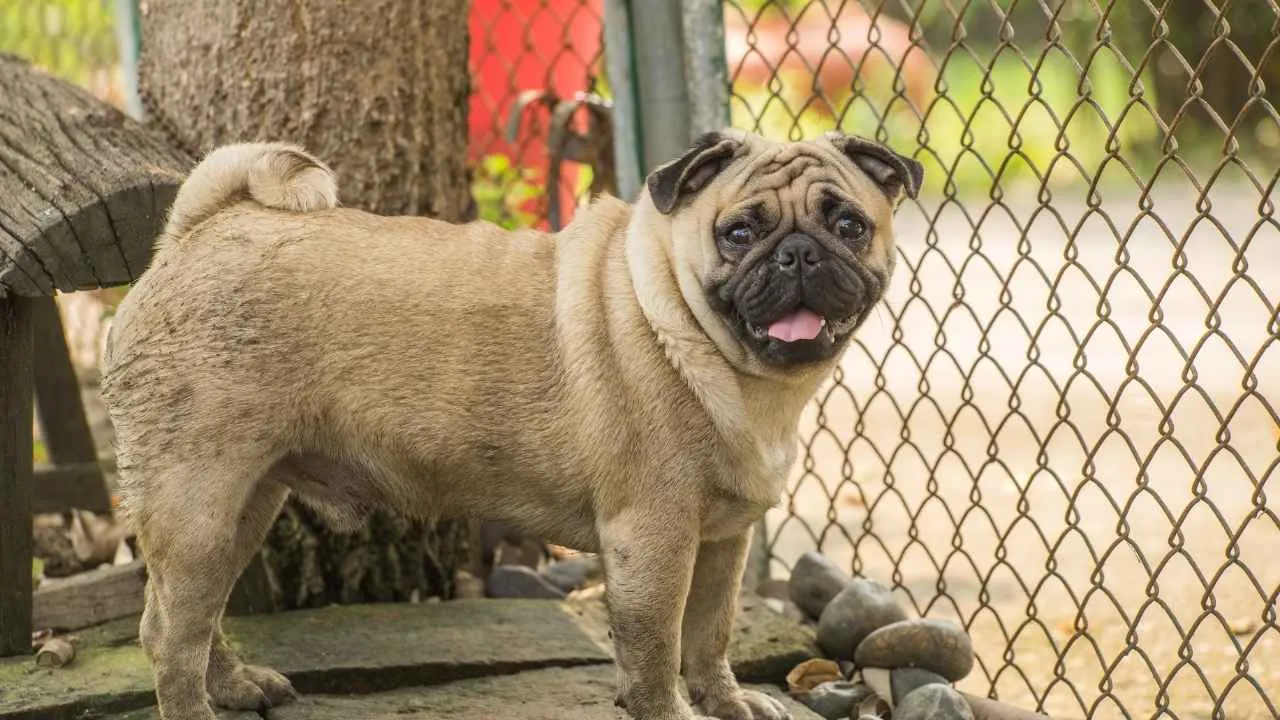
Pugs come from ancient China, where they lived closely with royal households and remained valued across different regions over time. This history shaped a dog that stays connected to people rather than independent spaces. Its presence is built around being part of everyday home life.
Interaction that seeks inclusion
They are often involved in daily routines, often following activity and responding quickly to attention and interaction. Its eagerness to engage reflects a temperament that prefers shared space over distance.
This behavior becomes clear in simple ways:
Follows household movement from room to room
Responds quickly to voices and gestures
Seeks physical closeness during rest
Temperament built on affection
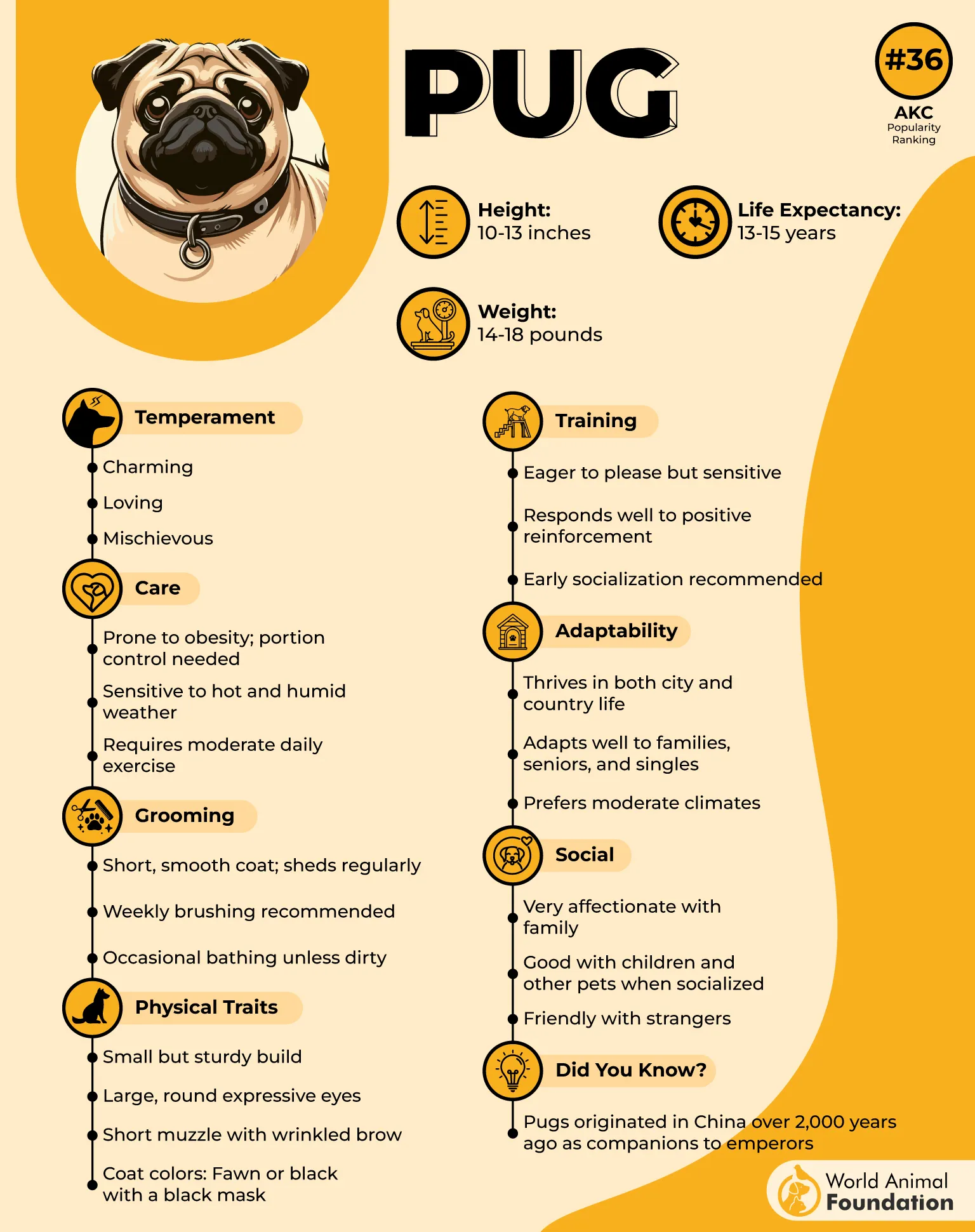
As one of the best small dog breeds, they show a friendly and easygoing nature, interacting comfortably with children and remaining open in social settings, making them best suited for first-time dog owners as well.
Its excitement appears quickly during engagement, often expressed through attention-seeking behavior. This emotional responsiveness keeps it closely tied to human interaction.
7. Poodle
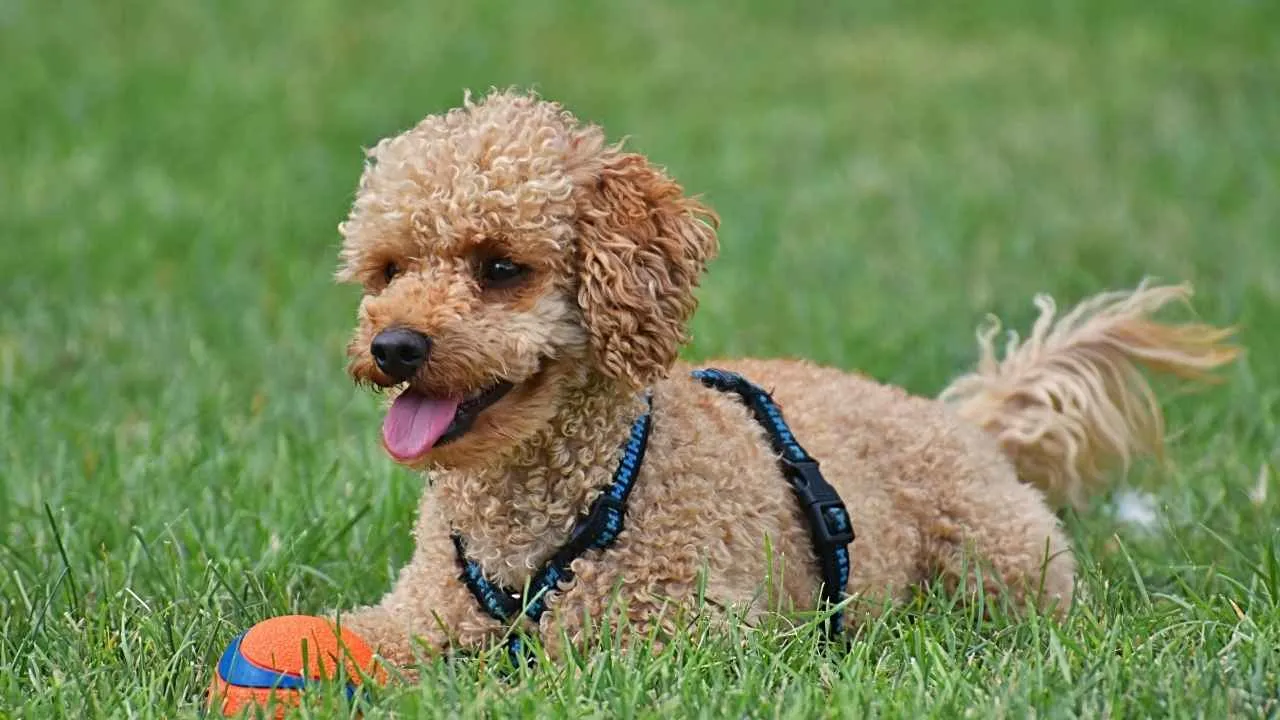
Poodle presents an elegant outline with a square, smoothly muscled frame beneath its dense, curly coat. Its appearance often suggests formality, yet the structure reflects an active and capable build. This combination links visual refinement with physical ability across all three sizes.
Activity-driven mindset
All the Poodle’s variations, including Miniature Poodles and Toy Poodles, engage through movement and tasks, showing interest in varied activities rather than remaining idle. Its intelligence connects closely with action, responding best when given something to focus on.
This is how this breed engages in daily activity
Adapts quickly to structured training tasks
Participates actively in different activities
Maintains focus when mentally engaged
Coat function and daily practicality
Poodle’s hypoallergenic coat, often styled in different clips, follows the natural outline of its body rather than hiding it. The low-allergen quality adds a practical element to its presence in shared spaces. Grooming choices often reflect lifestyle rather than just appearance.
Conclusion
Selecting the best lap dog is less about size and more about how it fits into your daily rhythm. The breeds shared here show how small differences in behavior can shape the entire experience at home.
Some stay close and quiet, including the calmest small dog types, while others bring light energy without overwhelming your space. What matters is how naturally they settle into your routine.
When that balance is right, companionship feels easy and consistent. These dogs do not demand more than you can give, unlike many large breeds or those built for dog sports, yet still offer presence and connection.
Over time, they become part of your everyday comfort, adding warmth without changing the pace of your life.
