




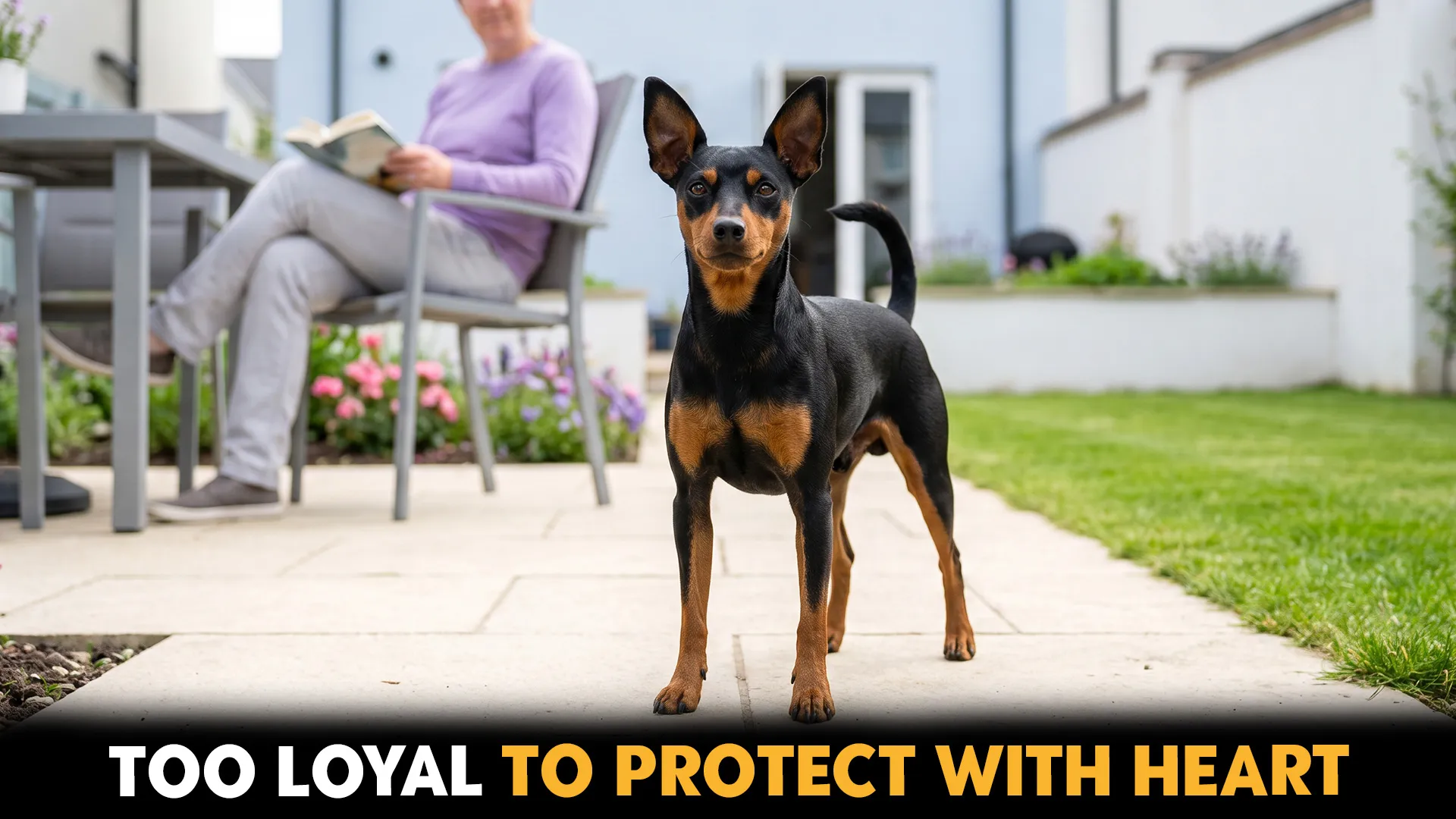
A survey of over 2,000 veterinary professionals set out to name the best watchdogs around, expecting large guard breeds to win easily. Adorable little dogs kept showing up instead.
According to Vetstreet, the vets ranked several small breeds among the most alert, protective pets out there, proving guarding instinct has nothing to do with size.
Most people assume real protection only comes from large dogs, but that is not the full story. These small guard dogs make wonderful family pets while carrying genuine protective instincts, inherited from very different pasts.
Some were bred to sound the alarm, others to stand their ground, and a few simply refuse to leave their favorite person’s side. The type of guarding instinct a little dog carries changes how it actually protects a home.
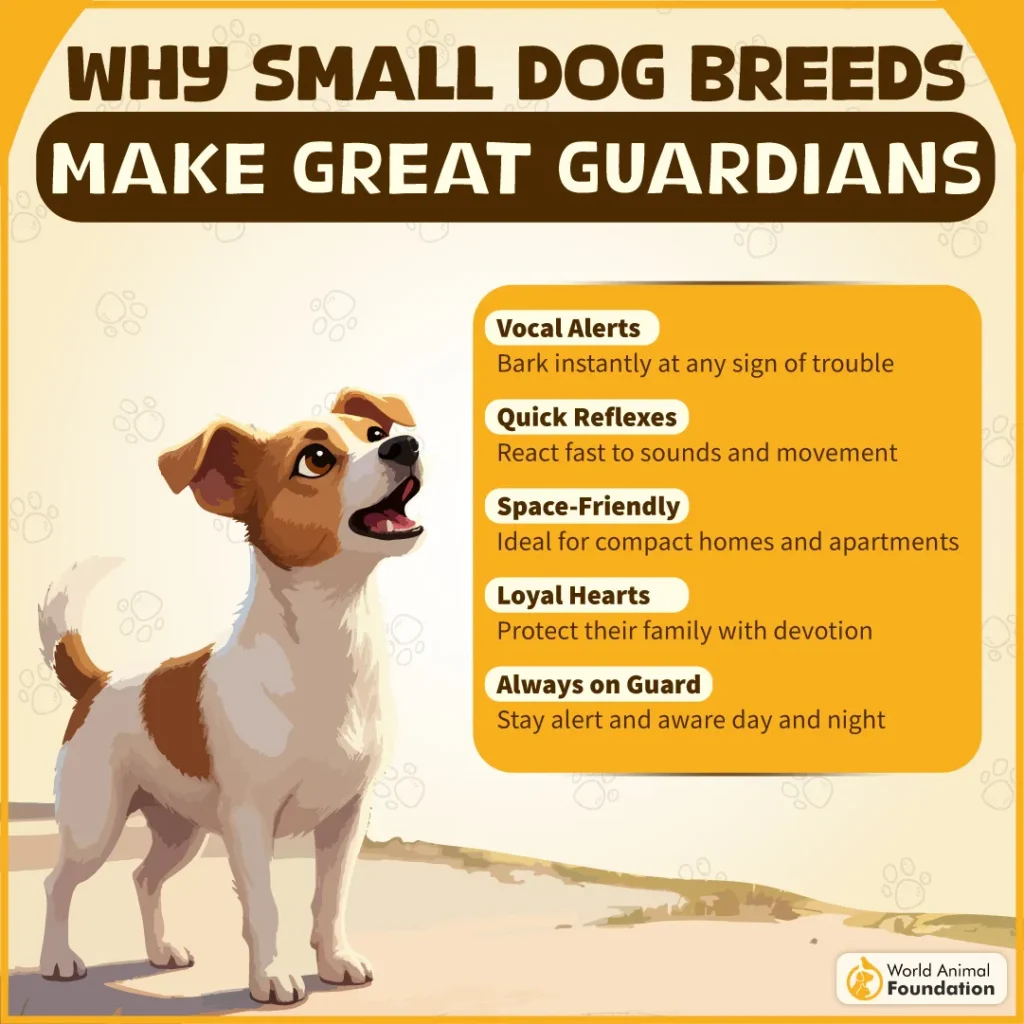
Ready to meet the small breeds with real guarding abilities? Keep reading to find the dog built to be your home’s most unexpected protector.
Amazing Small Dog Breeds With Guarding Prowess
1. Chihuahua
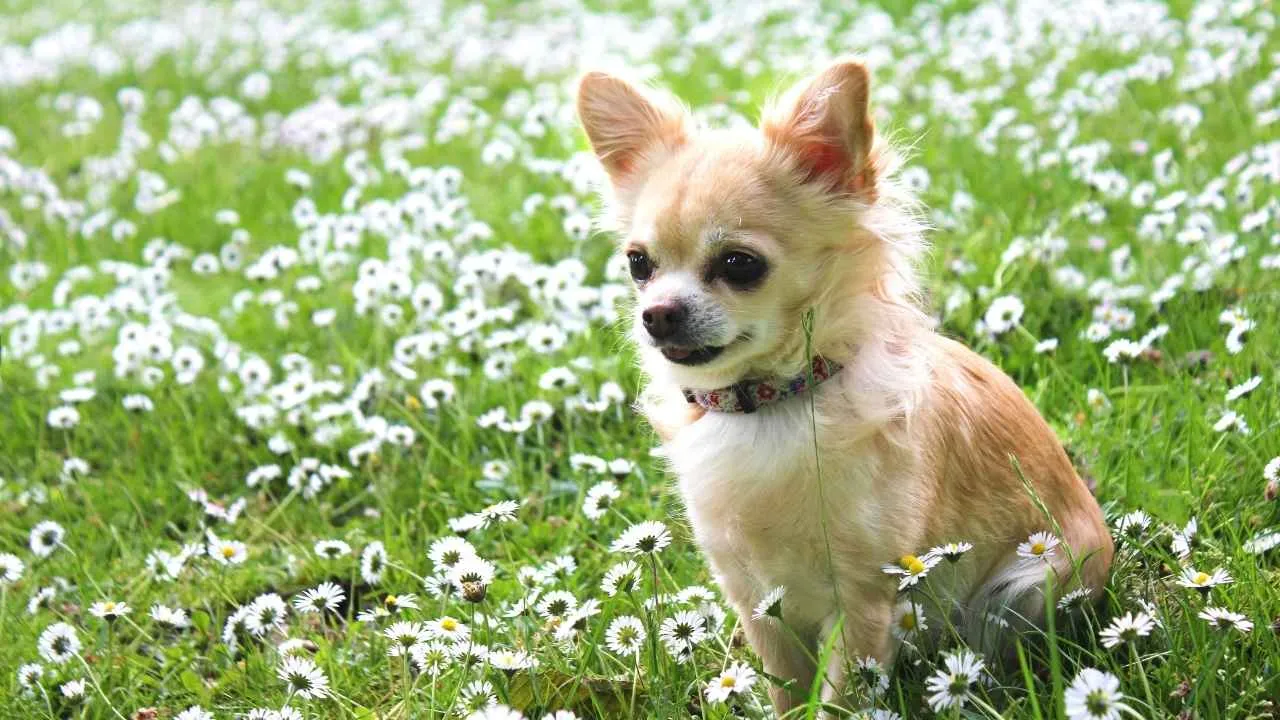
Centuries ago in Mexico, a small companion dog called the Techichi stayed close to its family rather than guarding territory. The Chihuahua inherited that same close bond. Its guarding instinct still grows straight out of that attachment today.
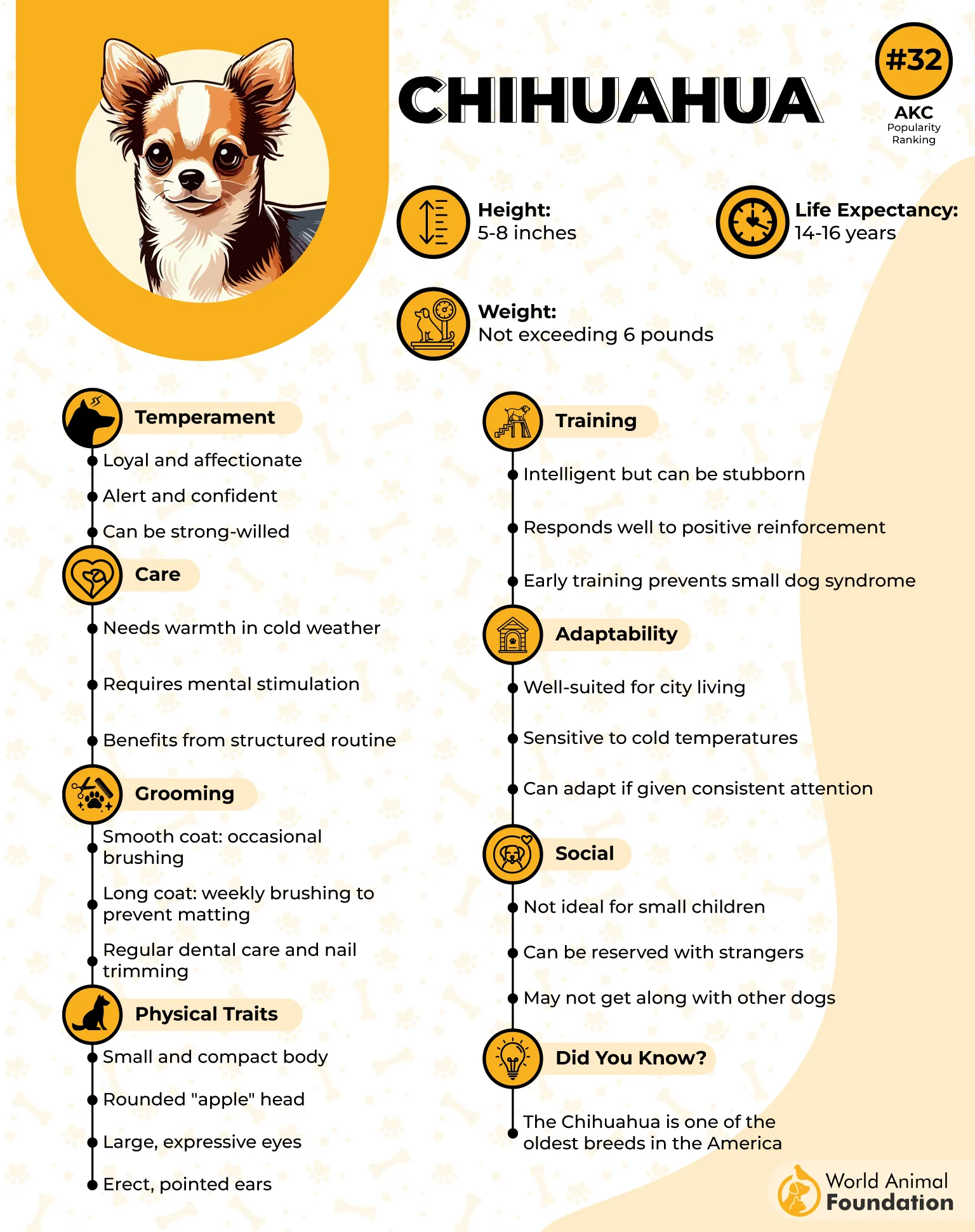
This breed is a classic bonded guardian. Its guarding style is not about the house; it is about 1 person. Wherever that person goes, its focus follows.
Guarding behavior: It saves a sharp bark for anyone who gets too close to its chosen person, acting as a pint-sized alarm.
Temperament: Loving with family, often wary with strangers, so early training keeps watchfulness from becoming controlling behavior.
A single owner or couple gets the most from this little dog, since its loyalty was built for 1 person. Officially capped under 6 pounds by the AKC, it suits apartments easily. It will guard its person, not the whole house.
2. Miniature Pinscher
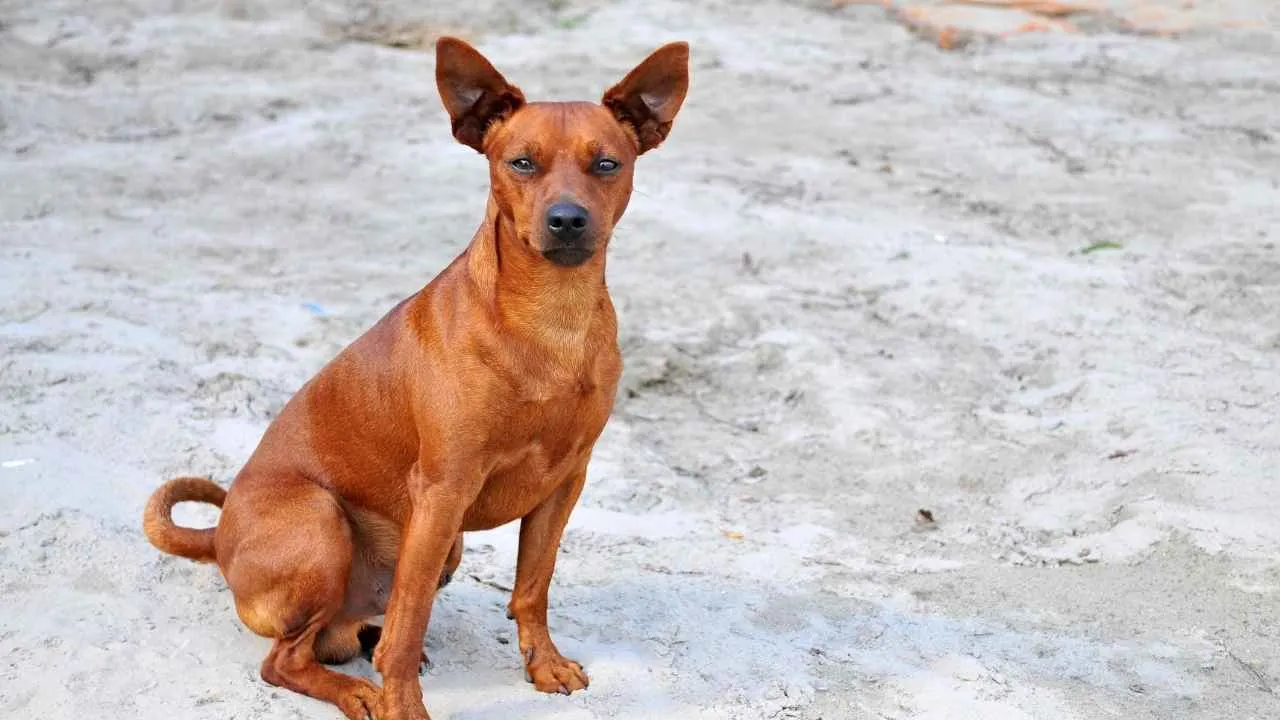
Centuries ago on German farms, a small, fearless dog patrolled stables and barns for rats. That job shaped the Miniature Pinscher long before anyone called it the King of Toys. As an older German breed, it actually predates the Doberman.
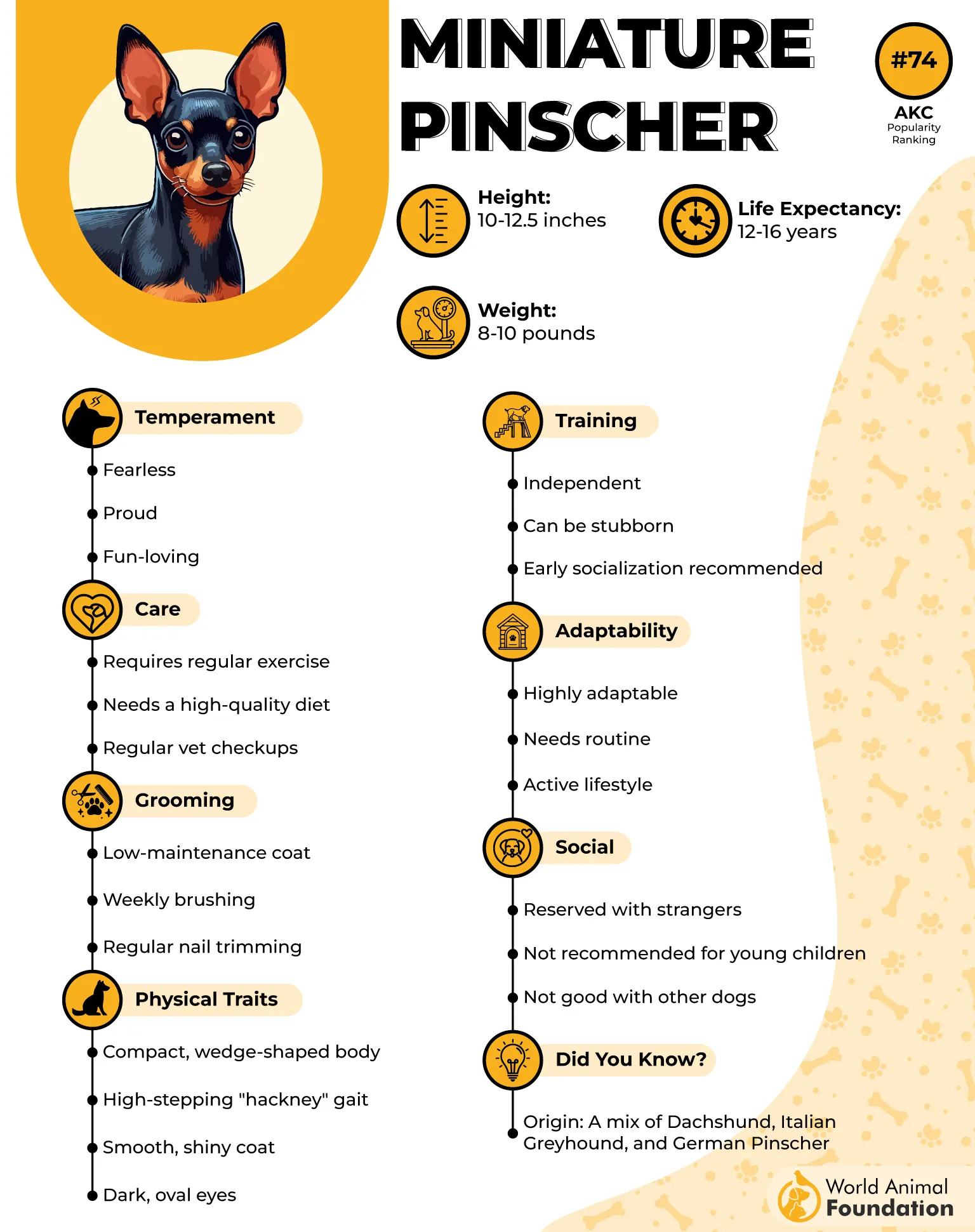
This is a true tradesman breed. Its guarding instinct grew out of vermin hunting, not formal watch duty. Fearlessness, not size, was always the point.
Guarding behavior: It stands its ground against dogs many times its own size rather than backing down.
Temperament: Playful at home, but it can show an aggressive attitude toward unfamiliar dogs without early training and good manners.
An active single owner or family suits this breed well, since its energy needs daily outlets. Apartments work fine with enough exercise. People often mistake it for a Miniature Doberman, though the attitude came first.
3. Dachshund
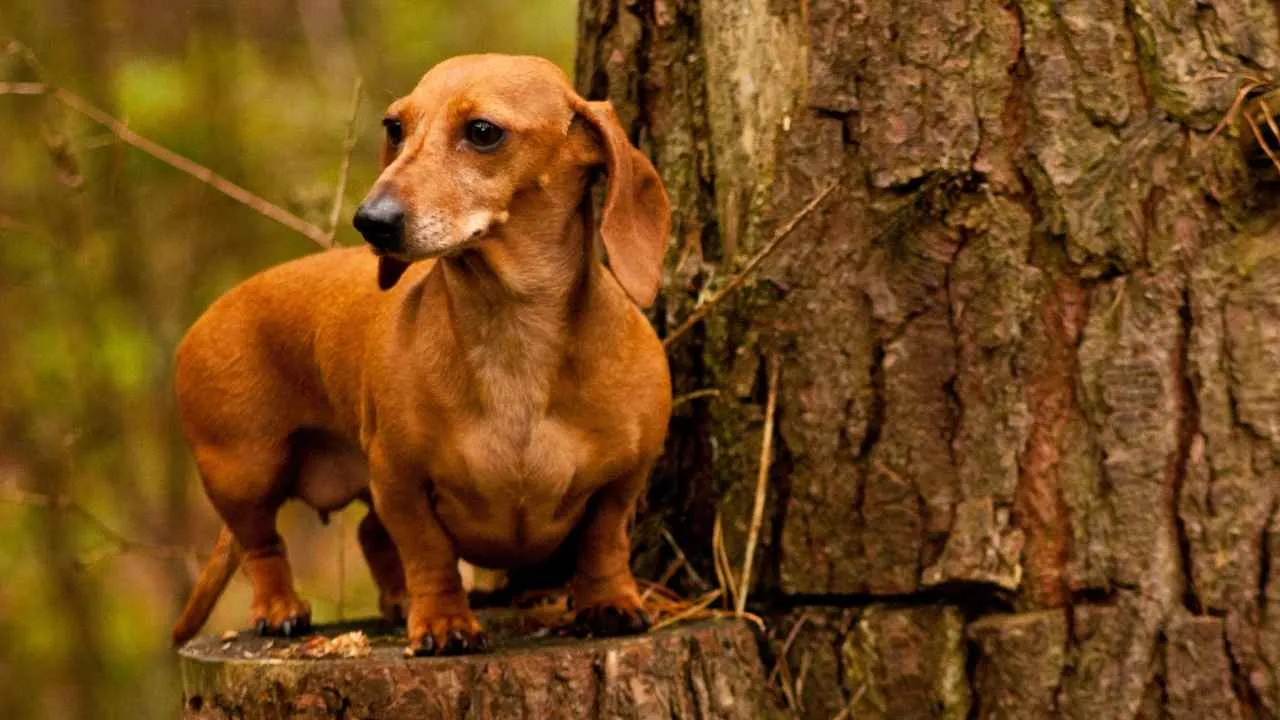
Centuries ago in Germany, a low-slung dog was bred to chase badgers straight into their burrows. That same digging, chasing nerve still lives inside every Dachshund. Guarding, for this breed, grew out of hunting, not watchfulness alone.
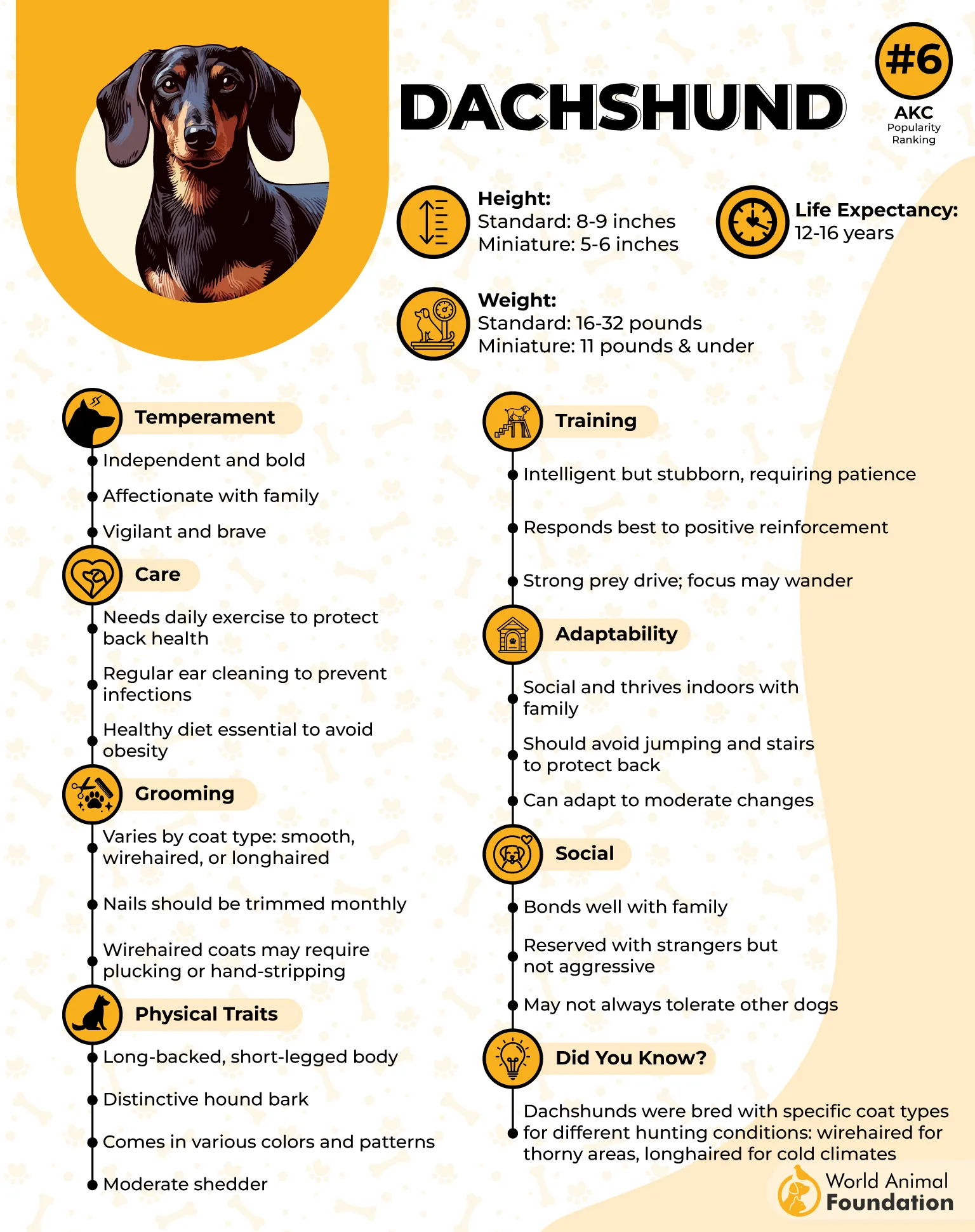
The Dachshund fits squarely into the Tradesman category. Its guarding instinct is really old hunting courage, repurposed for home life. Bravery came first; strategy came second.
Guarding behavior: It barks at the slightest sounds near the door and will confront animals far bigger than itself.
Temperament: Loyal with family, yet stubborn with strangers, so early training curbs an aggressive attitude before it becomes a habit.
A family home or single owner both work well here, as long as someone channels that digging boldness into structured play. According to PDSA, short legs never slowed down this breed’s confidence.
4. Pomeranian
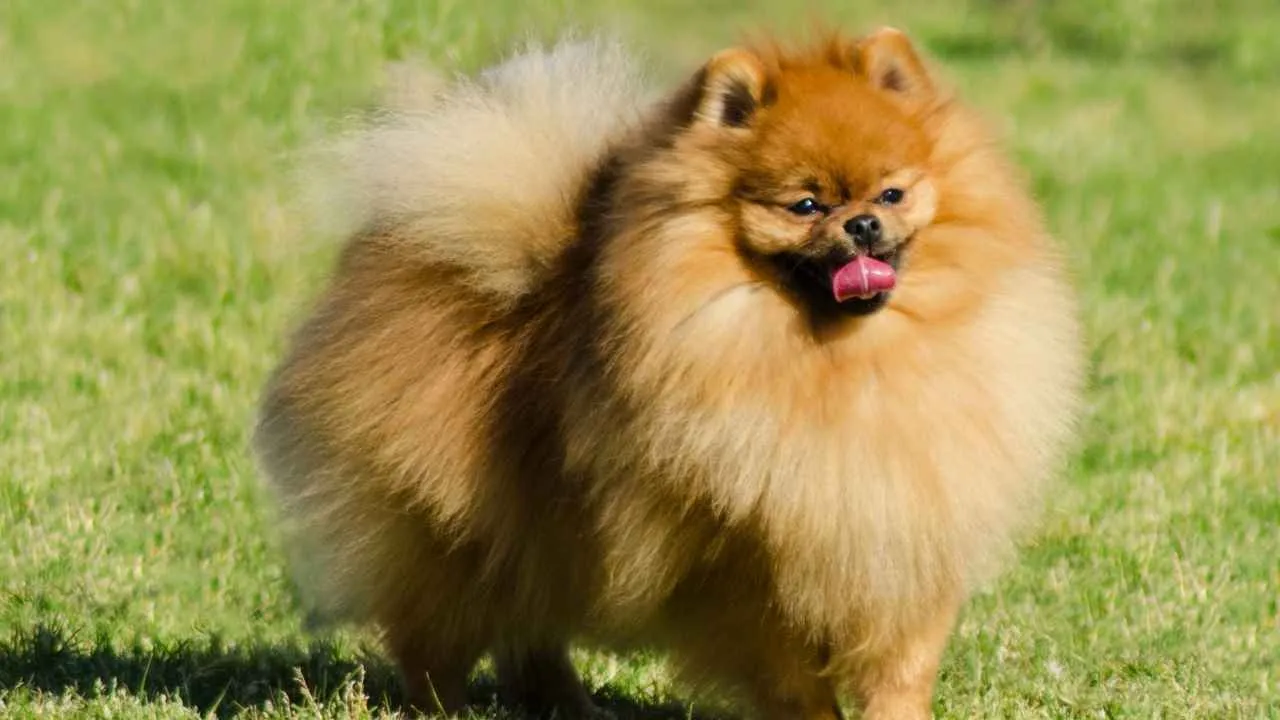
Before becoming a lap-sized companion, the Pomeranian descended from large Spitz breeds, sled dogs, and herding dogs working in cold northern climates. Those bigger cousins pulled sleds and watched over herds. Bred down in size, this breed kept the alertness.
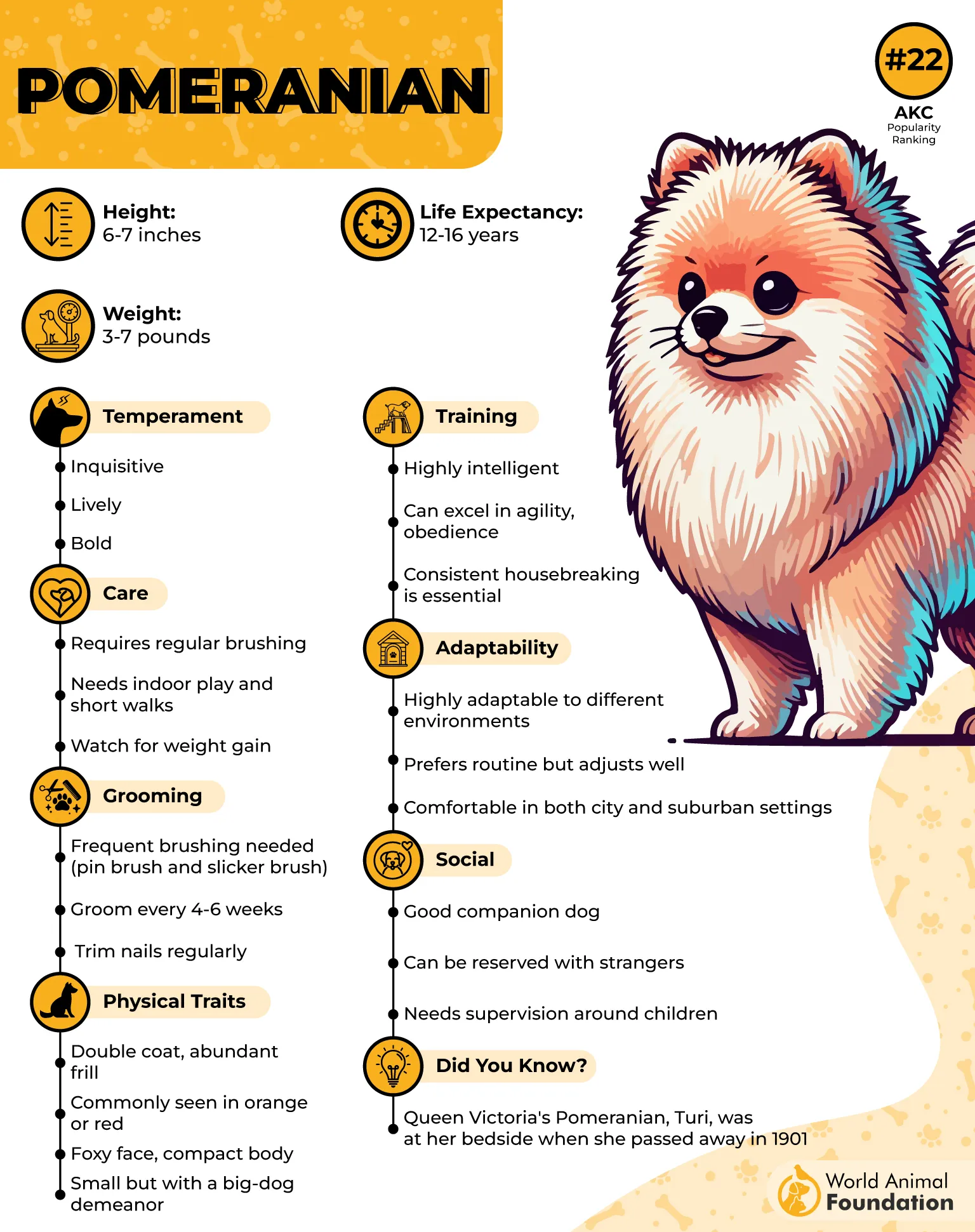
This breed fits the bonded guardian mold. Its watchfulness is tied to its person first, and only loosely to the house. Attachment drives the behavior more than training.
Guarding behavior: It is highly alert to new sounds or visitors, puffing up its flowing coat while sounding off first.
Temperament: Sweet and clingy with chosen family, though genuinely wary of strangers until given calm, patient introductions.
Families and single owners both enjoy this little dog, since guarding comes bundled with constant companionship. It adapts well indoors, beating big dogs on space needs. A Cane Corso this is not, but an attentive alarm it is.
5. Lhasa Apso
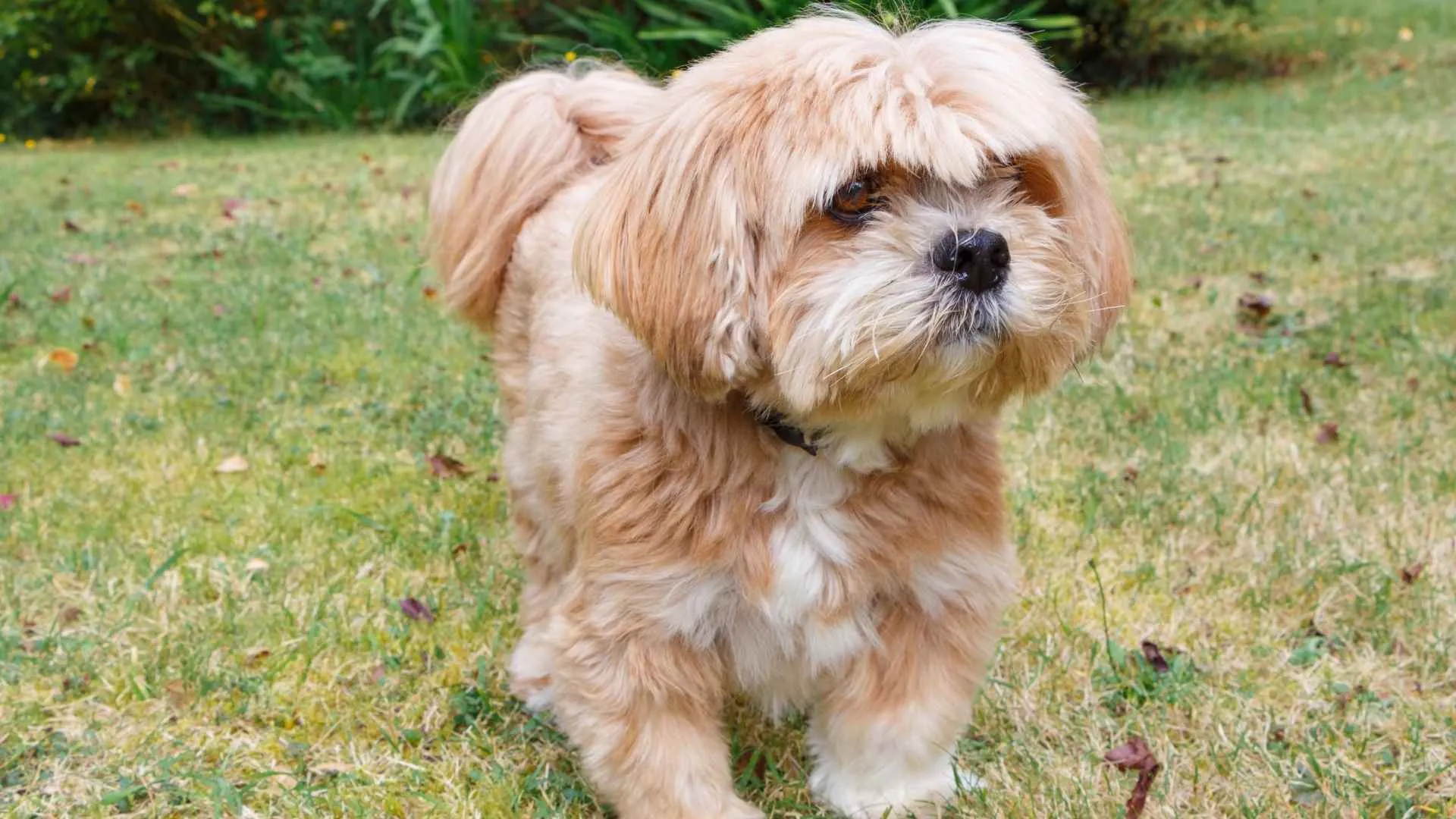
High in Tibetan monasteries, this breed once sat by doors, trained to raise the alarm the instant a stranger approached. Larger mastiffs handled the actual confrontation outside. The Lhasa Apso’s whole job was to watch, listen, and announce.
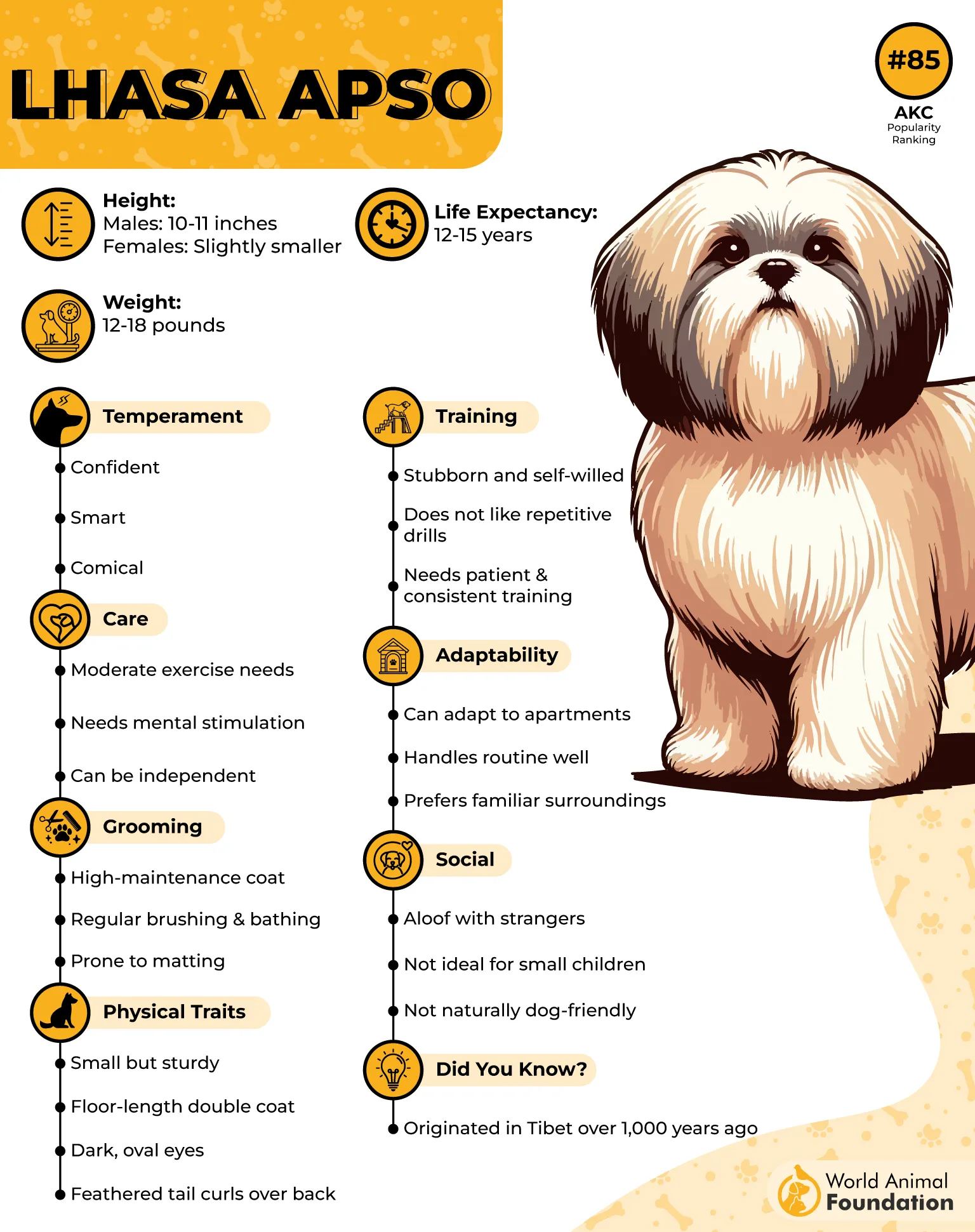
This is a textbook sentinel breed. Its guarding instinct was built on purpose, not inherited by accident from other work. Alerting, not fighting, was always the assignment.
Guarding behavior: It serves as a reliable indoor sentinel, barking the moment it senses an unfamiliar presence nearby.
Temperament: Affectionate at home but naturally reserved with outsiders, and that independent streak means training takes patience.
This breed fits calm households, including ones with older children, where its watchfulness is appreciated rather than silenced. According to VCA, its long monastery history still shows in how seriously it takes the job.
6. Yorkshire Terrier
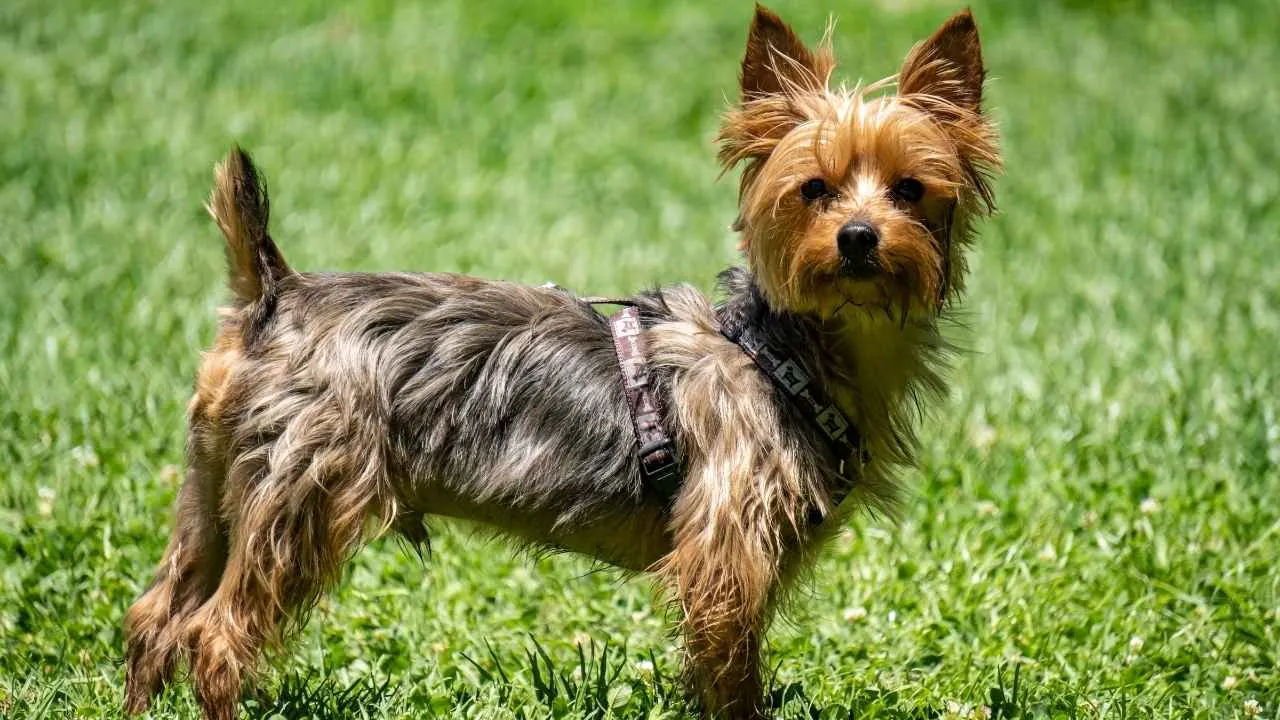
In 19th-century Yorkshire mill towns, a scrappy terrier earned its keep catching rats among the looms. Speed and nerve mattered more than size on that factory floor. The Yorkshire Terrier’s guarding instinct traces straight back to that job.
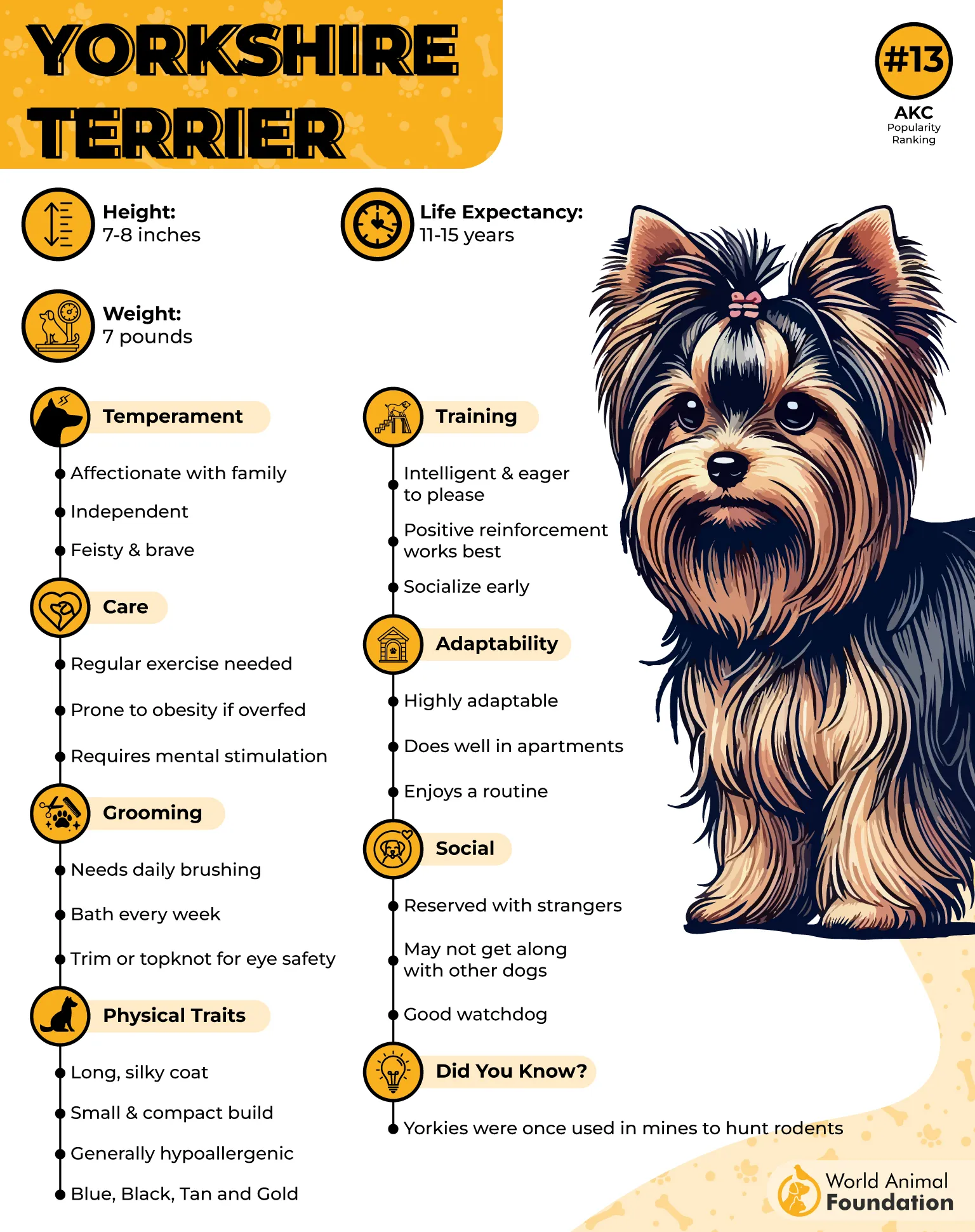
This breed belongs in the Tradesman bucket. Its boldness was shaped by vermin work long before it became a fashionable lapdog. The job came first; glamour came later.
Guarding behavior: It reacts fast to movement near the home, often announcing visitors before a doorbell even rings.
Temperament: Affectionate and quick to learn with family, but it can turn yappy with strangers if nuisance barking goes unaddressed.
Apartment dwellers and families both do well here, since its guarding style is loud rather than physical. It proves excellent watchdogs do not need to be big dogs. Mill town grit still lives under that silky coat.
7. Tibetan Spaniel
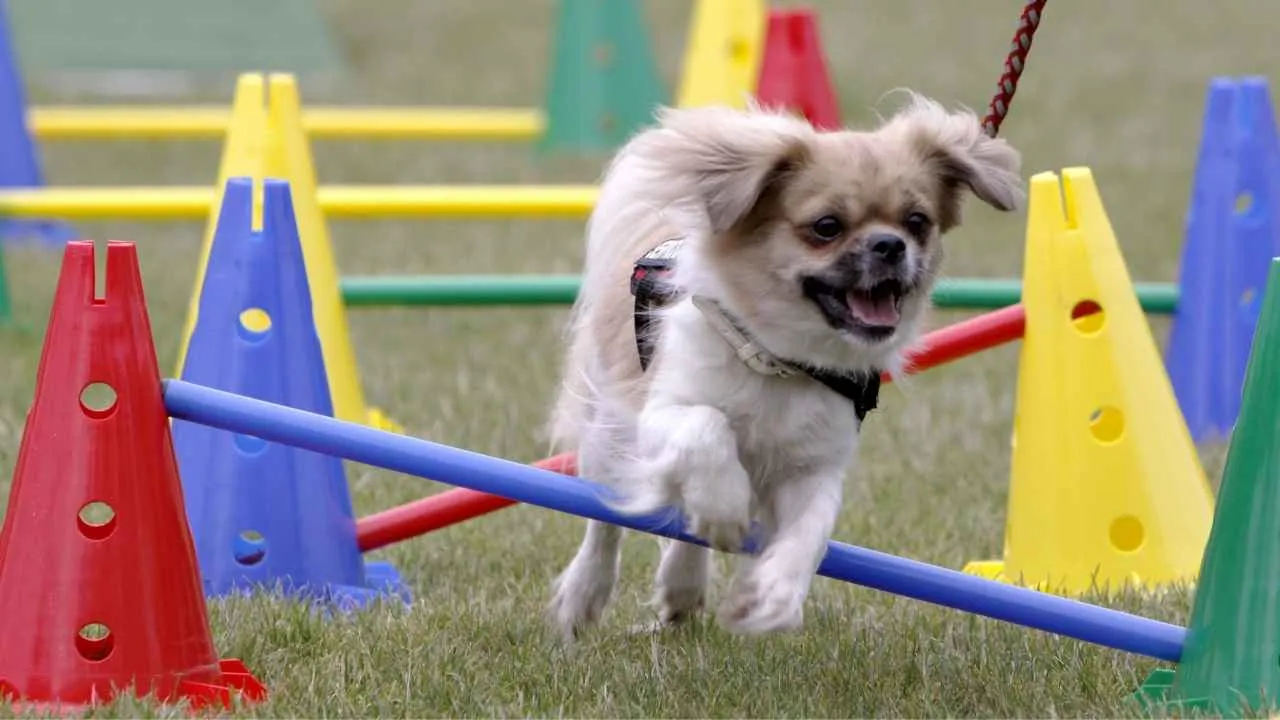
Much like its monastery neighbors, the Tibetan Spaniel once perched on walls in Tibet, watching roads for anyone approaching. It alerted monks and larger guard dogs before visitors reached the gate. Guarding meant eyes and ears first.
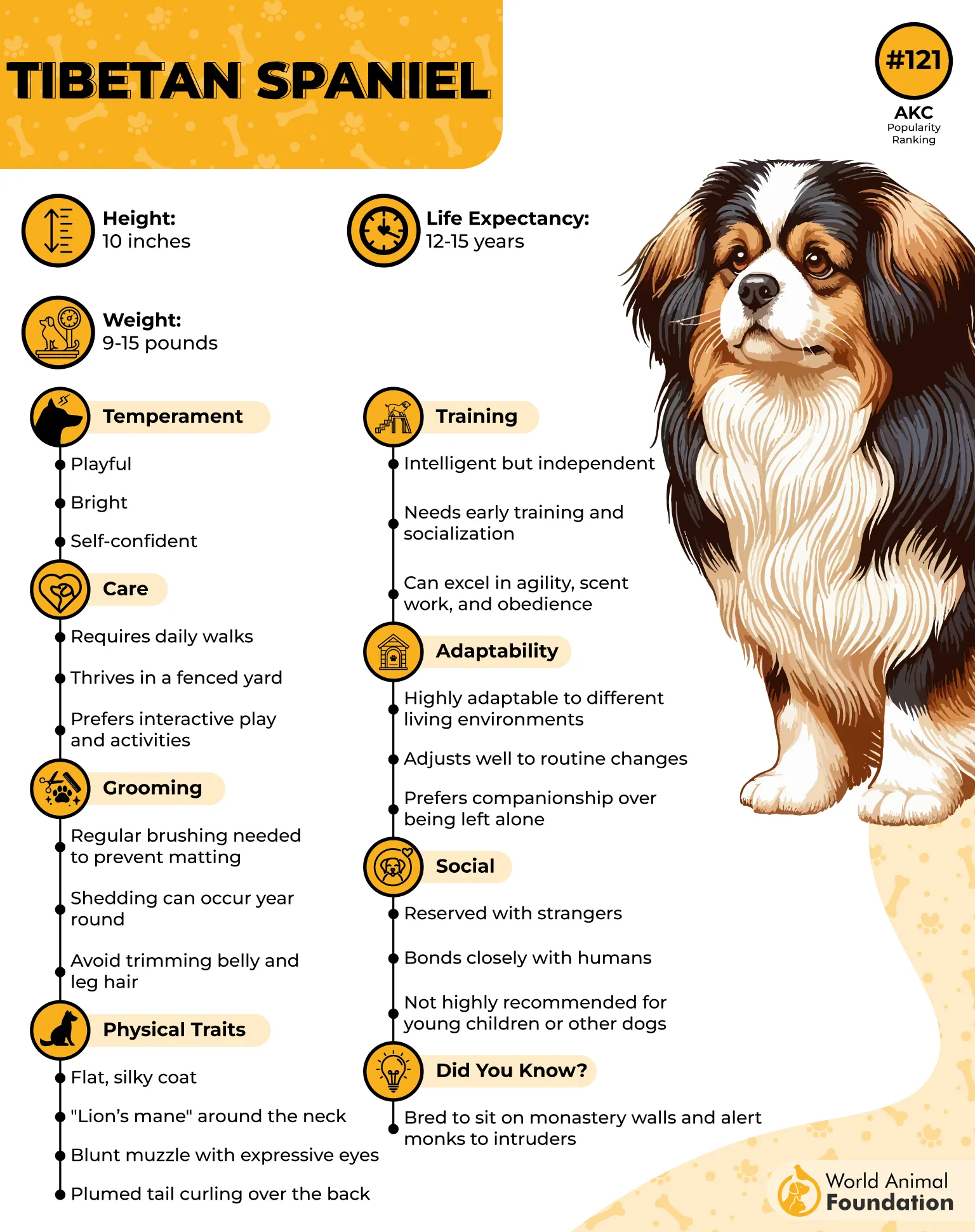
This is another clear sentinel breed. Its role was built around early warning, not physical defense. Watching came naturally; confronting did not.
Guarding behavior: It stays highly alert to outside activity and vocalizes at the slightest sign of something unfamiliar.
Temperament: Gentle with family, yet it keeps a natural wariness toward strangers that softens only with patient socializing.
A quiet household suits this breed well, including one with older children who respect its need for calm. According to Britannica, its monastery background explains why it still watches so closely today. Some call them ancient lookouts in a modern lapdog’s body.
8. Miniature Schnauzer
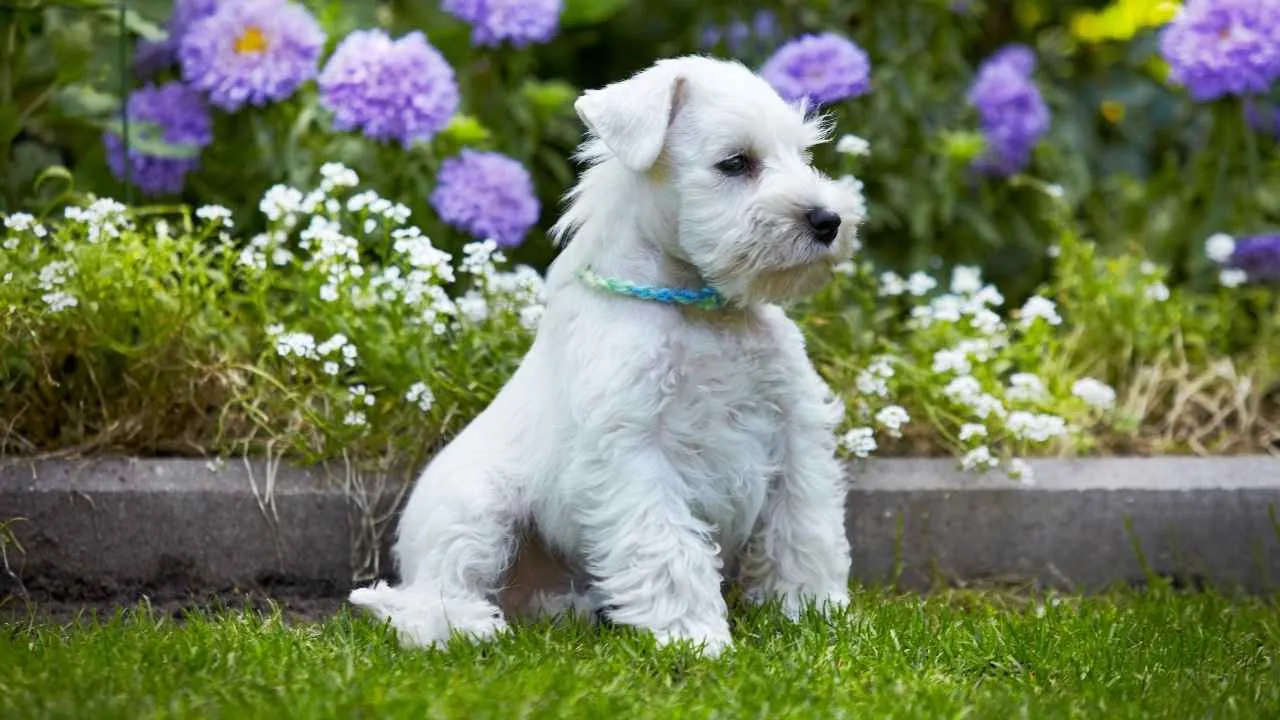
On German farms, the larger Standard Schnauzer handled rats and intruders, and breeders eventually scaled that same working dog down. The result kept the nerve and lost the bulk. The Miniature Schnauzer’s guarding instinct comes straight from that farmyard job.
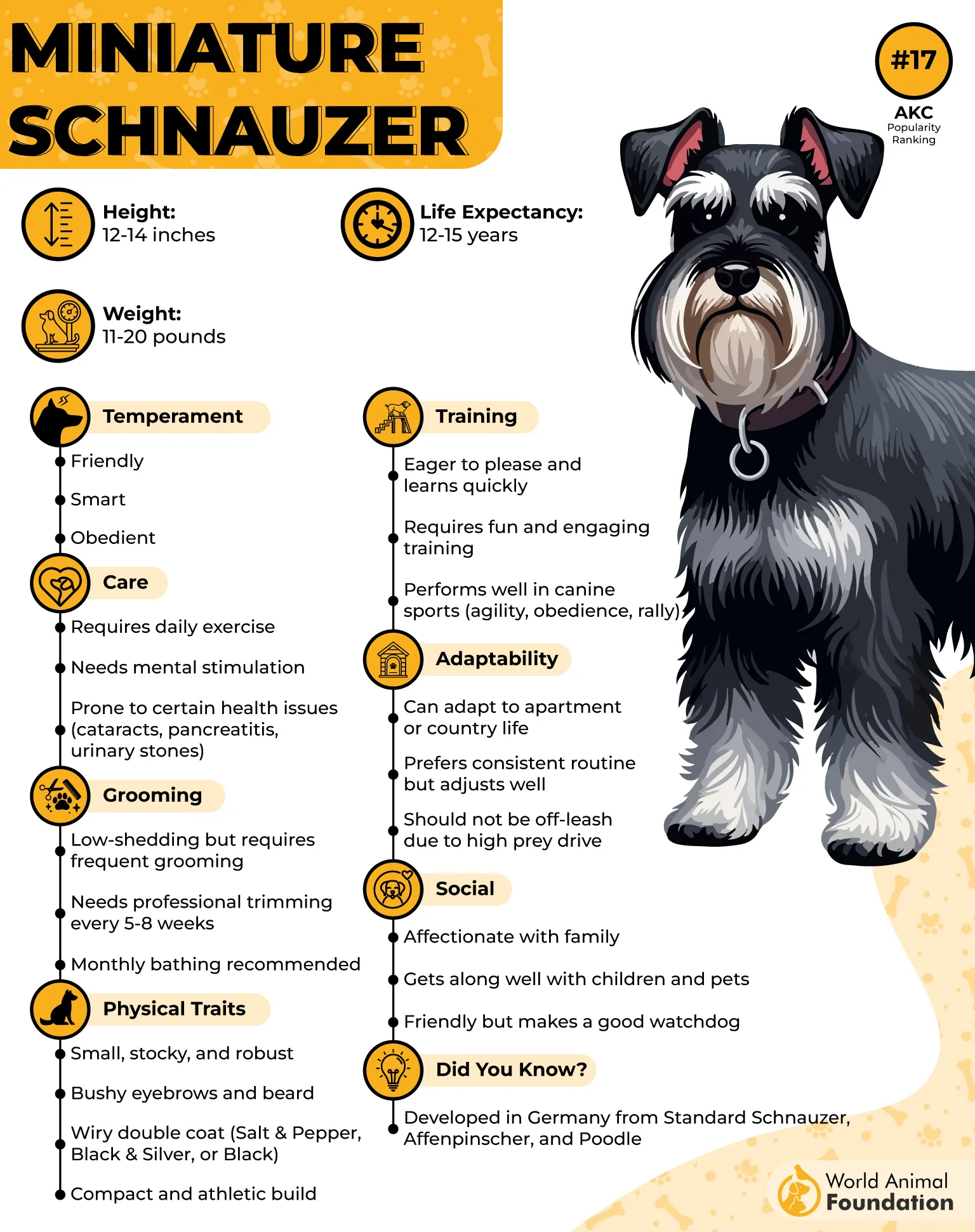
This breed is firmly a tradesman. Its alertness grew out of practical pest control work, not formal sentry duty. Usefulness came before charm.
Guarding behavior: It watches its own territory closely and barks with real purpose whenever something seems out of place.
Temperament: Friendly and highly adaptable with family, though it needs structured training to channel watchfulness into good manners.
Families and single owners both find this breed easy to live with, since guarding instinct pairs with genuine trainability. It fits homes with other pets once properly introduced. Small, sturdy, and sharp-eyed, it never stopped being a farm dog at heart.
9. Scottish Terrier
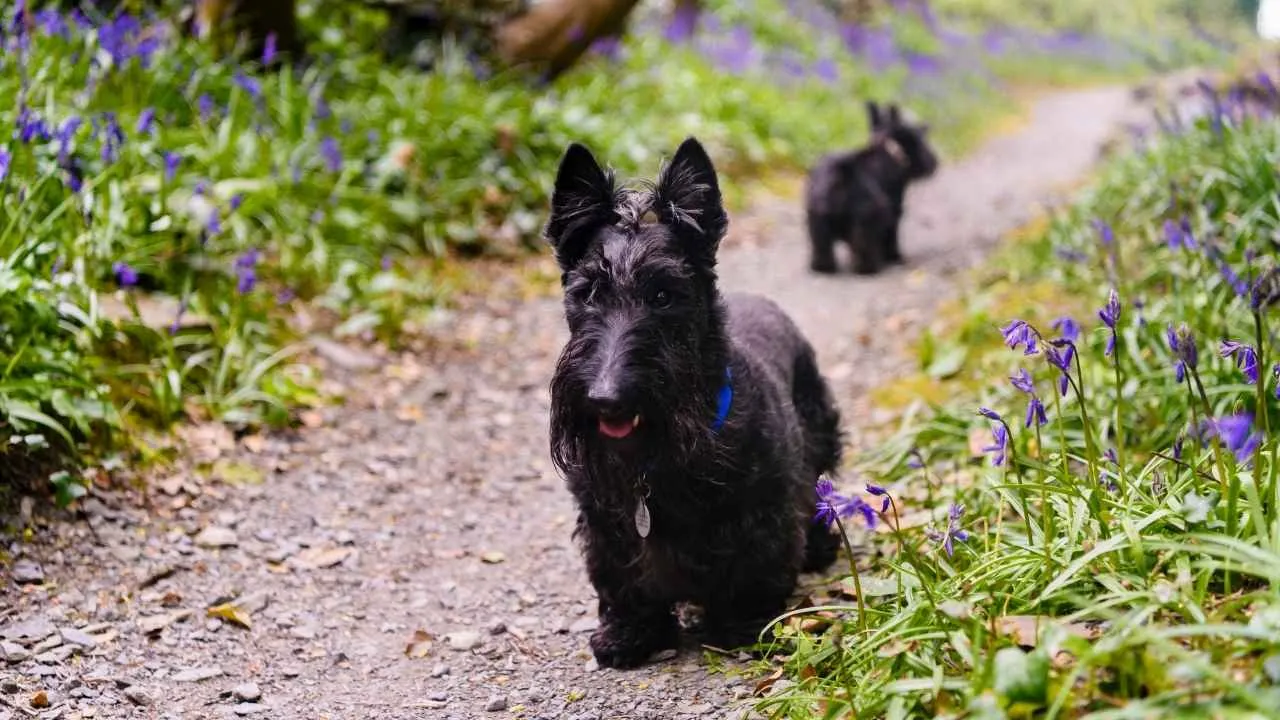
In the rocky Scottish highlands, this breed once hunted foxes, badgers, and rats through tight burrows bigger dogs could not reach. That rugged, independent work built real nerve. The Scottish Terrier’s guarding streak comes directly from that fearless hunting past.
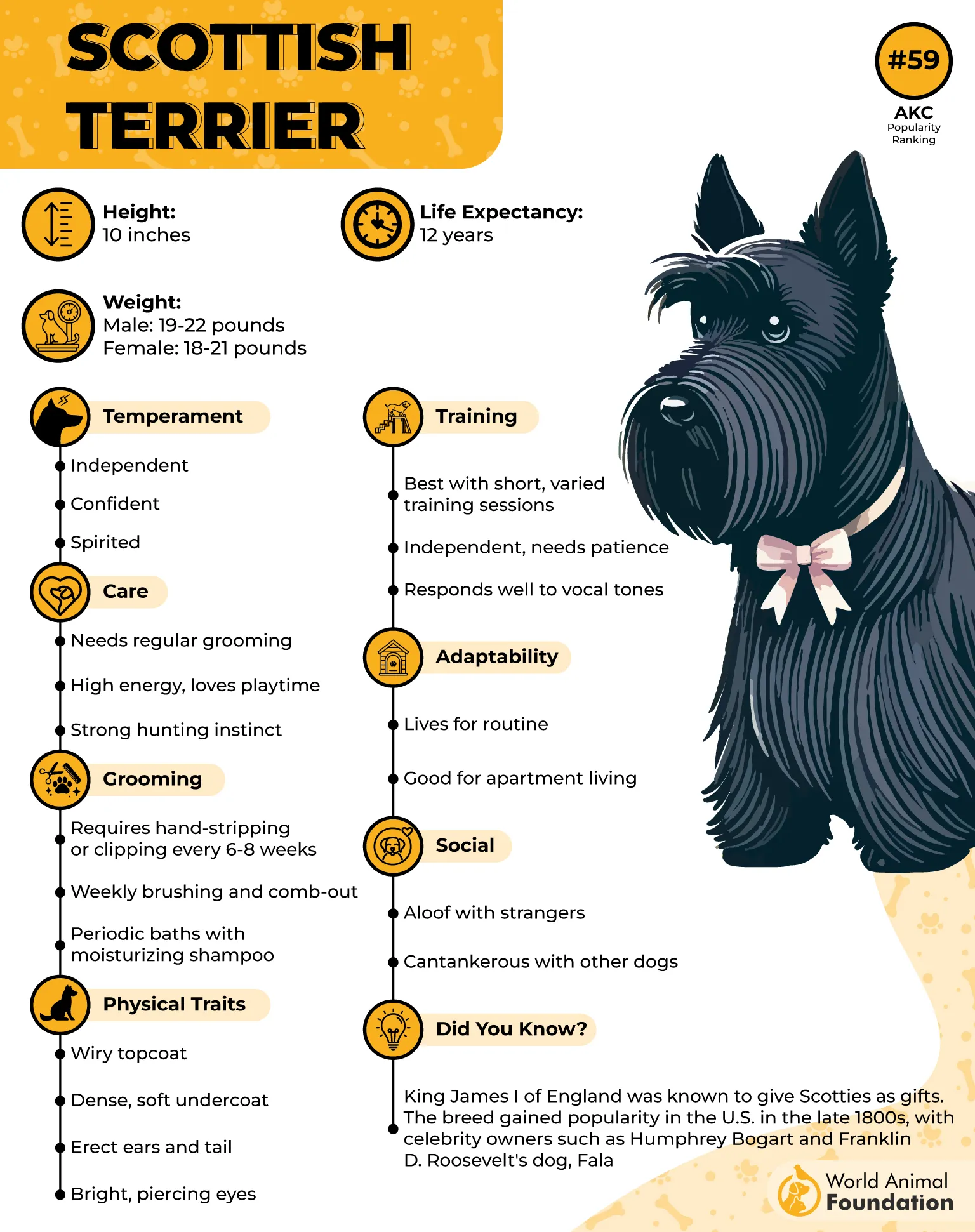
This breed sits in the tradesman category too. Its protective edge was forged by hunting work, not formal guard training. Grit came first, obedience came second.
Guarding behavior: It fiercely protects its own home, standing firm rather than backing away from anyone unfamiliar.
Temperament: Loyal and dignified with family, but its rebellious nature means training needs patience and consistency.
A single owner or calm family suits this breed best, matching its independent streak with steady leadership. According to PetMD, its strong willed personality is as much a part of the breed as its wiry coat. This is a small dog that genuinely does not know it is small.
Conclusion
Turns out size was never the real measure of guarding ability; the breed’s original job always was. From monastery sentinels to fearless little tradesmen, these small breeds pack a strong protective instinct that rivals their larger counterparts, proving a doggo-sized package can still bring real protection.
So skip the search for one single “best” guard dog among these small guard dogs, and instead pick the origin that fits your home: a sentinel, a tradesman, or a loyal little shadow who never leaves your side.
Tell us in the comments which protective little dog fits your lifestyle best.
