




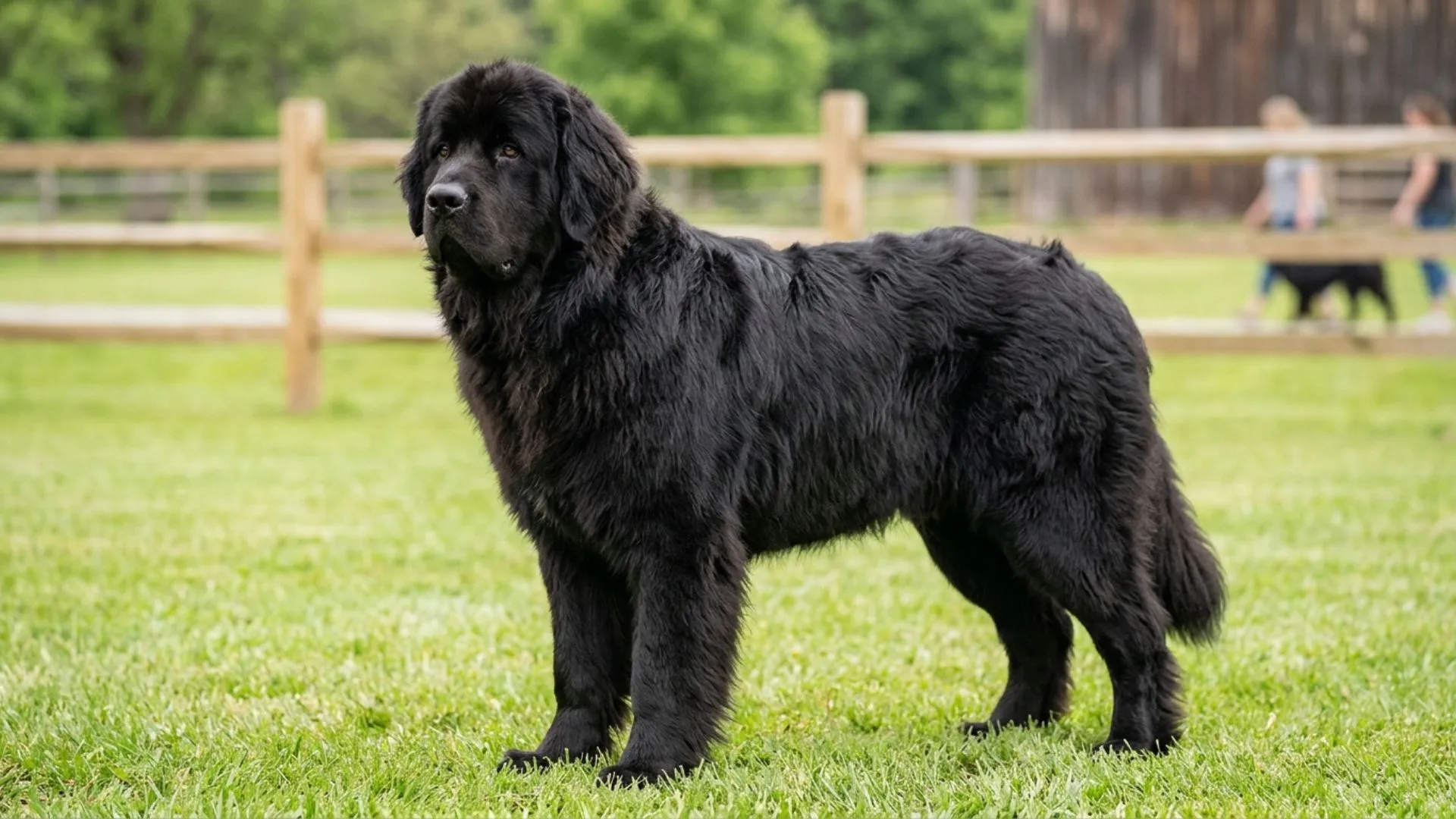
Giant dog breeds are truly amazing companions with a powerful presence that’s hard to miss. The moment they walk into a space, their size, calm confidence, and gentle nature naturally draw attention. But beyond their impressive appearance, what makes them special is the deep loyalty and strong emotional bond they build with their families.
Originally, these large breeds were developed for important working roles such as guarding livestock, protecting homes, and supporting humans in demanding environments.
Many of these giant breeds are also considered rare today because they are not commonly found in every region or are less popular compared to well-known large dog breeds.
Over time, they have also become beloved family companions, adapting well to modern homes when given enough space, care, and attention. Living with a giant breed also means understanding their unique needs, including regular exercise, training, and proper daily care.
In this guide, we’ll explore some of the most impressive rare giant dog breeds and what makes each of them a remarkable companion.
Fun Fact: Some of the tallest dog breeds can stand taller than a human child when they rise on their hind legs. Despite their massive size, many of them are surprisingly gentle with their families, combining strength with a calm, affectionate nature.
Amazing Rare Giant Dog Breeds: A Complete Guide
1. Irish Wolfhound
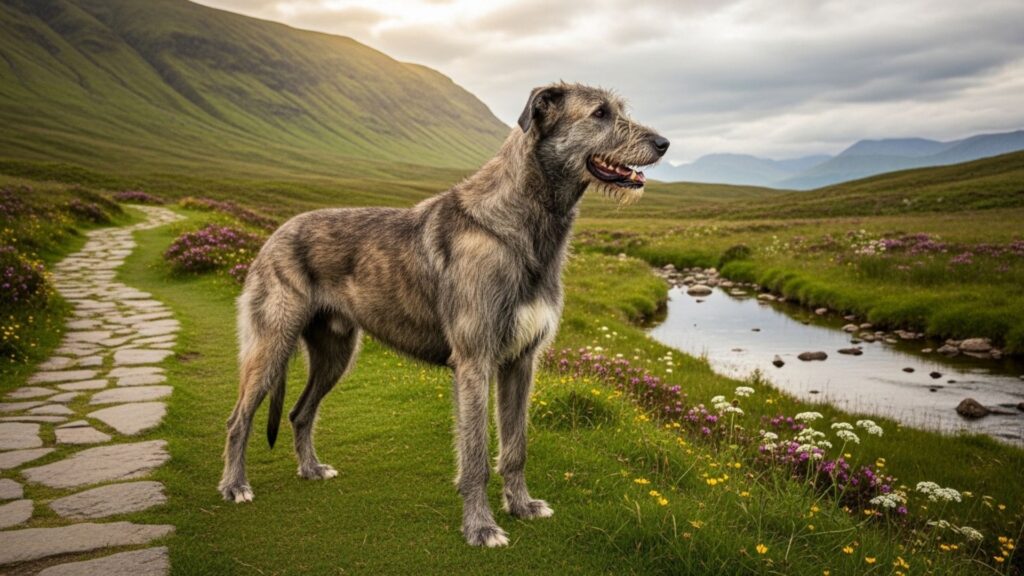
The Irish Wolfhound is one of the tallest dog breeds in the world, yet it is rarely seen in everyday homes, which adds to its sense of rarity. Despite its massive size, its Greyhound-like build allows it to remain surprisingly athletic and agile. Its rough, wiry coat gives it a rugged, historic appearance that reflects its ancient heritage.
Originally bred for hunting wolves and other large game, the Irish Wolfhound has evolved into a calm and gentle companion. It forms deep emotional bonds with its family and is often seen more as a quiet, loyal presence than a traditional guard dog.
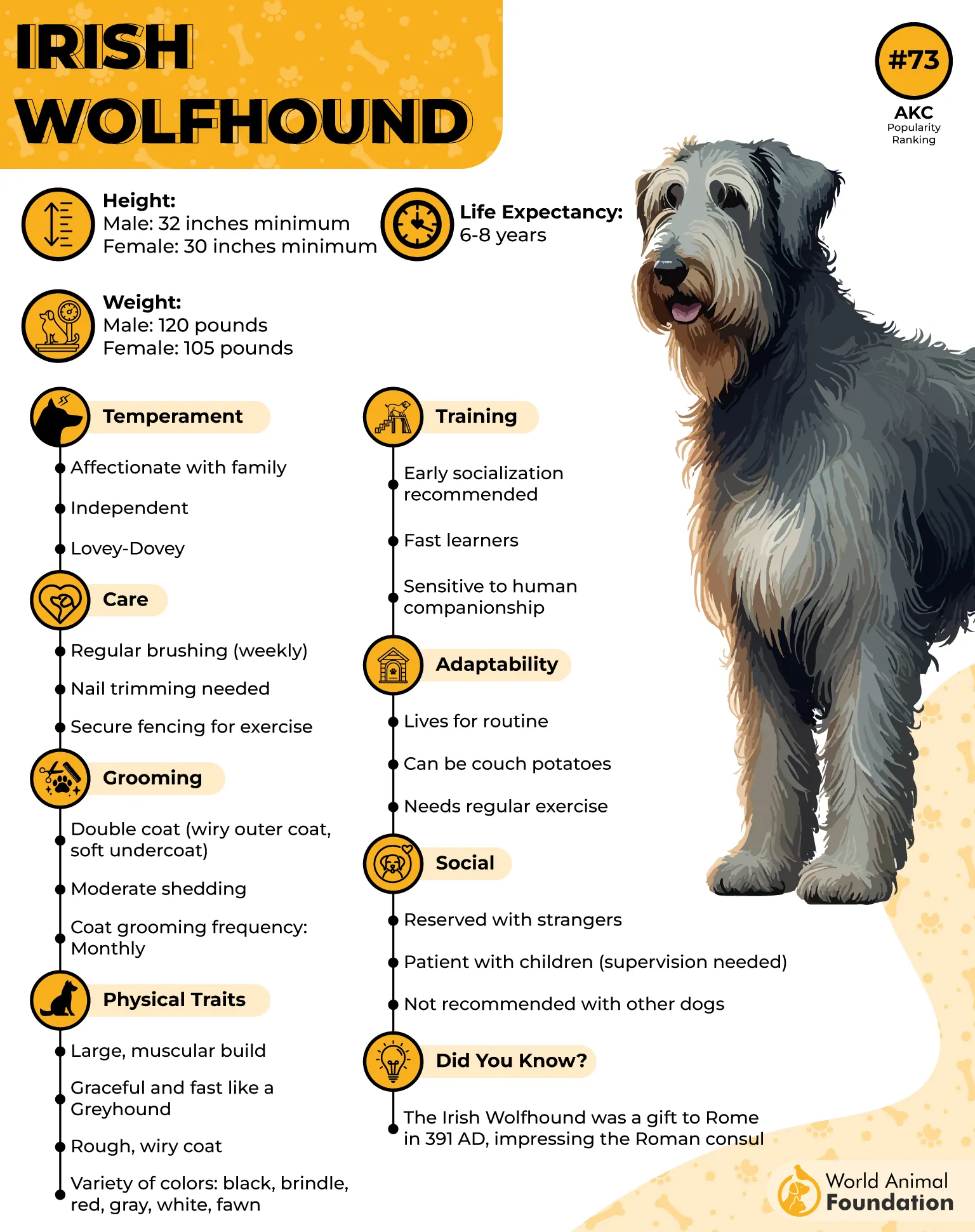
This giant breed requires plenty of space to move comfortably and needs regular, moderate exercise to stay healthy. Daily activity helps maintain a healthy weight and supports joint function. According to the American Kennel Club, the Irish Wolfhound thrives in homes where it has both adequate indoor space and strong human companionship.
🎧 Dogcast
Episode 37 — Why Dogs Stay Close without Touching
If you don’t hear sound, tap the button above to enable audio.
2. Tibetan Mastiff
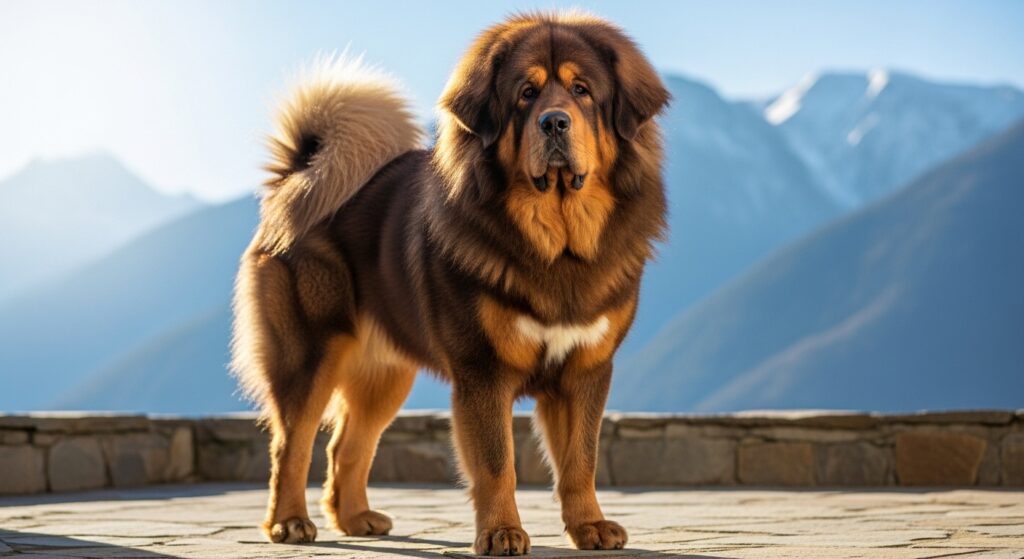
The Tibetan Mastiff is a rare giant breed outside its native Himalayan regions, largely because of its strong personality and specialized care requirements. Its thick double coat protects it from extreme weather, giving it a powerful and majestic appearance. While calm and composed in nature, the breed is highly independent and strong-willed.
It is deeply loyal to its family but naturally wary of strangers. This strong protective instinct has made it one of the most respected guardian breeds worldwide. However, its independent temperament requires an experienced owner who can provide consistent training and clear guidance.
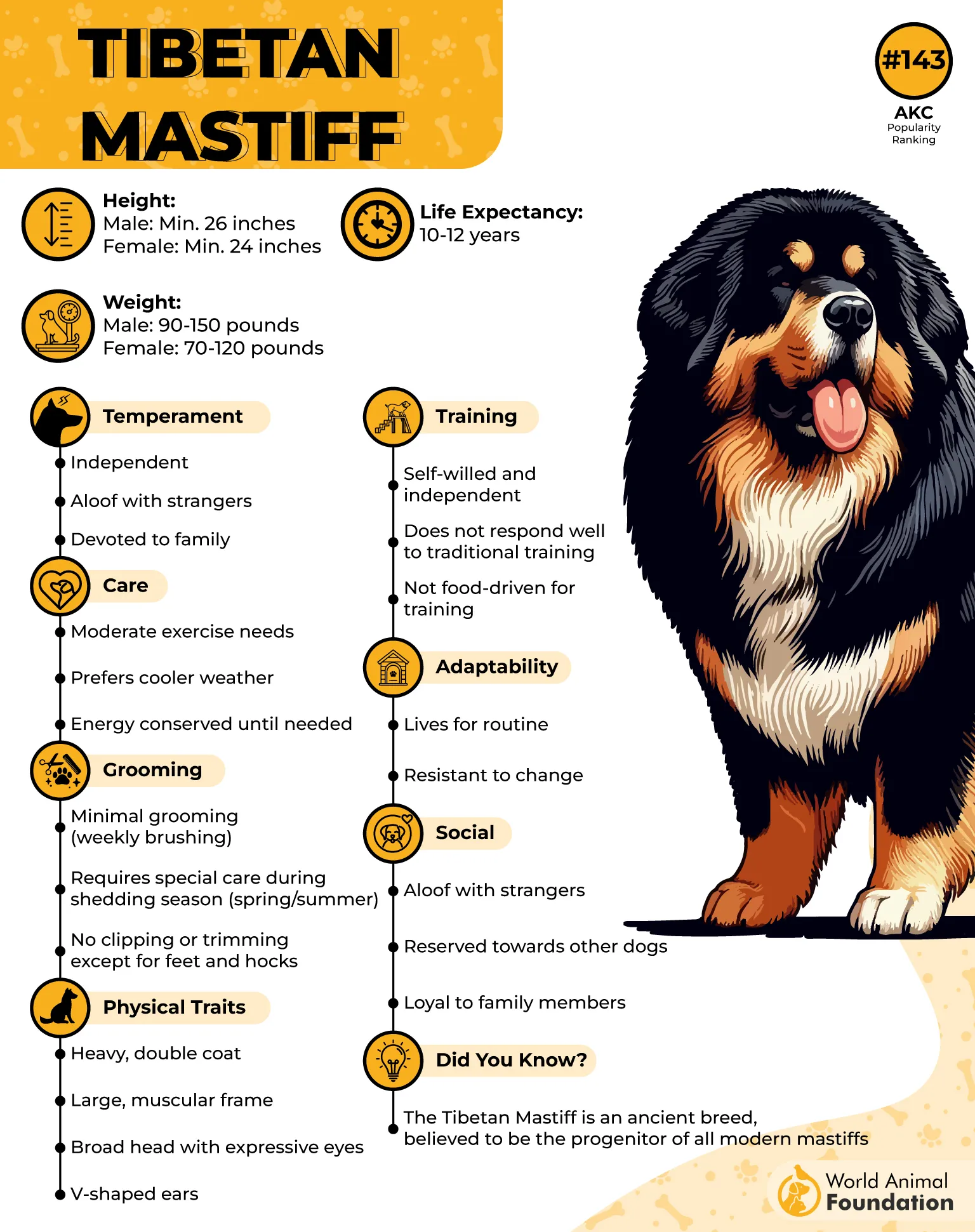
Early socialization is essential for developing balanced behavior and basic social skills. The breed also needs mental stimulation along with structured daily activities to stay well-adjusted. According to PDSA, owners must remain patient yet firm to manage the breed’s confident and assertive nature effectively.
3. Leonberger
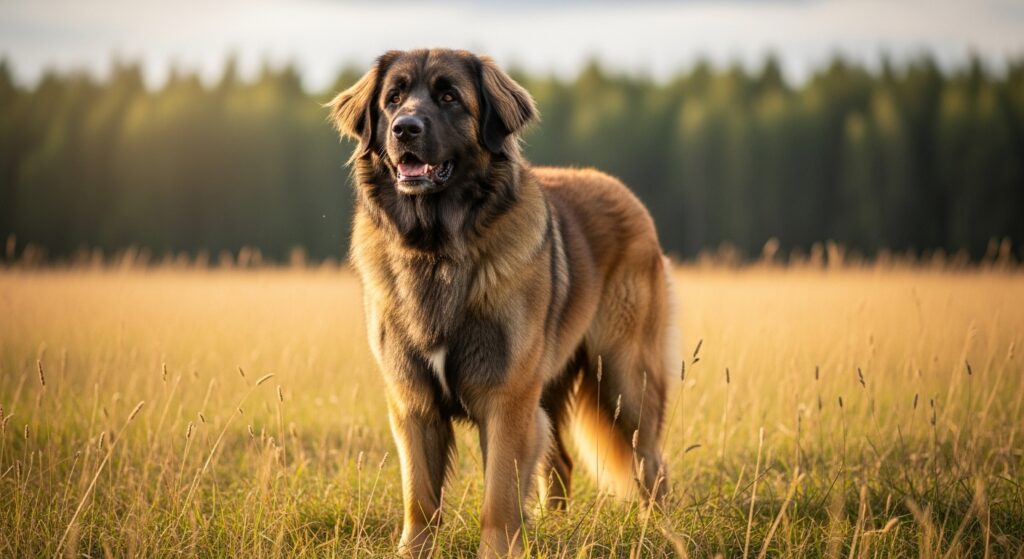
The Leonberger is a giant breed admired for its lion-like appearance and calm, well-mannered personality. With its thick, luxurious coat and expressive nature, it has a strong and striking presence while still showing a gentle temperament.
This breed thrives on human companionship and does not do well when left alone for long periods. Unlike many traditional guardian dogs, it is known for being friendly and affectionate, especially with children when properly socialized. Its playful and social nature makes it an excellent fit for active families who enjoy spending time with their pets.
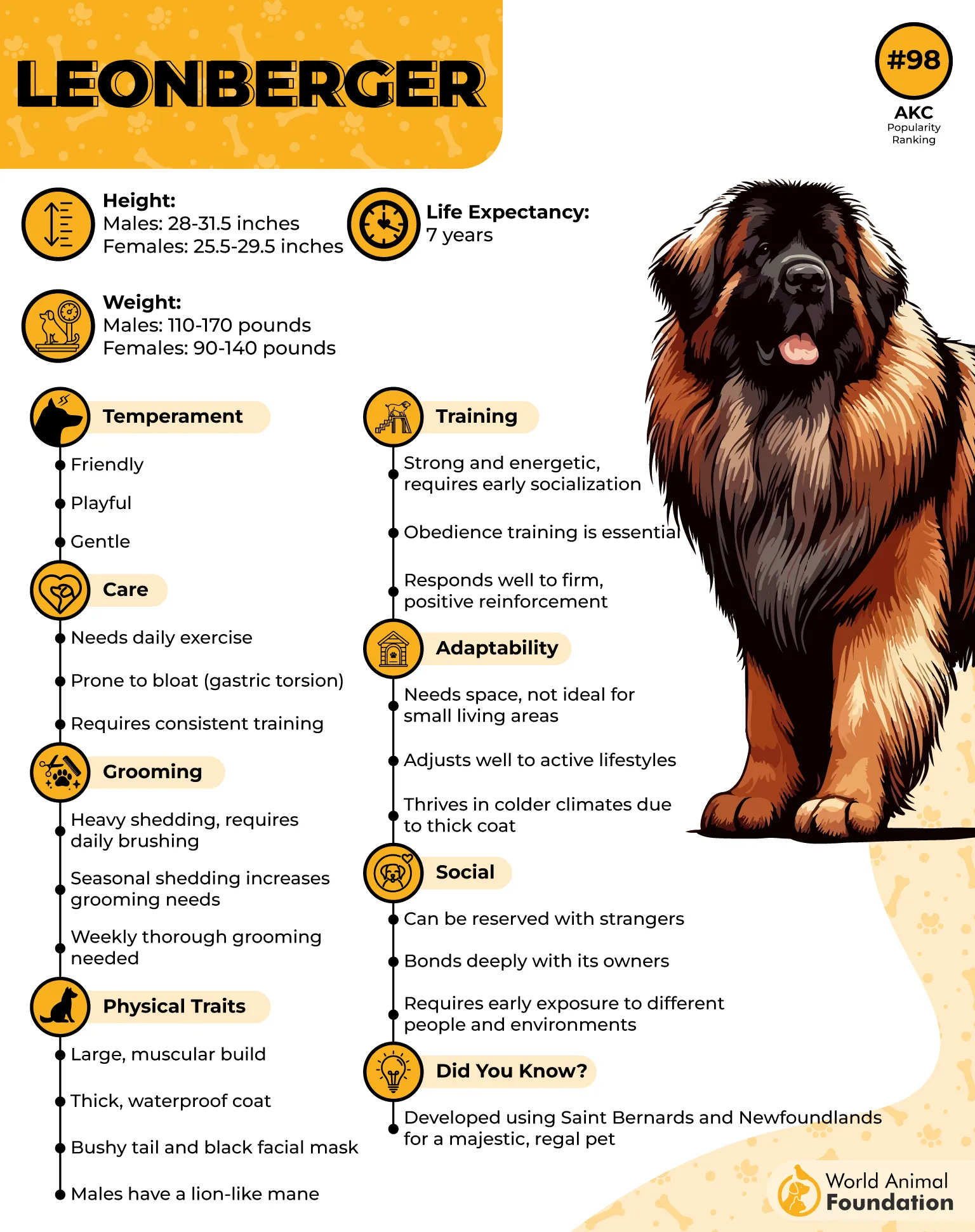
The Leonberger requires regular grooming due to its dense coat. Activities like swimming and outdoor exercise are especially beneficial for maintaining physical health. According to Hill’s Pet Nutrition, giant breeds like the Leonberger do best with structured daily routines and a balanced diet to support long-term health and well-being.
4. Kangal
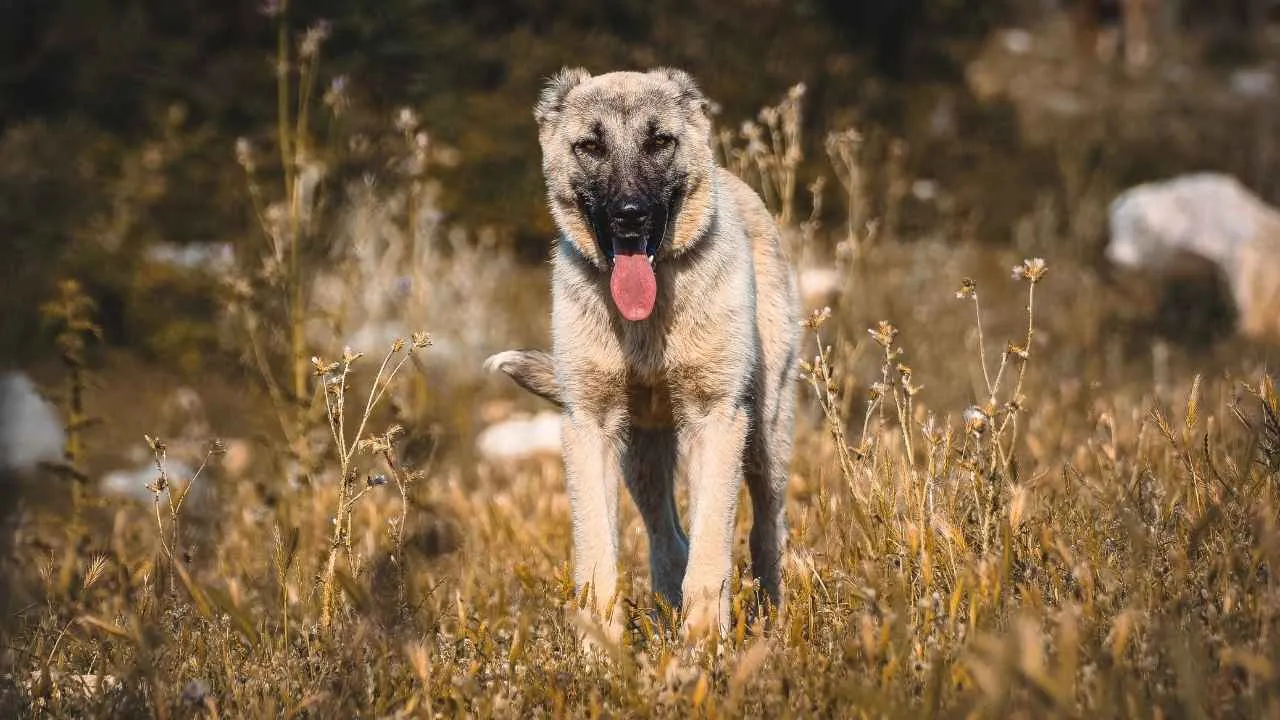
The Turkish Kangal Dog is one of the strongest breeds used for protecting livestock. It showcases its power through a muscular build and a confident, steady stance. This breed has a natural protective instinct, making it a highly reliable guardian in rural and agricultural settings.
Despite its strength, the Kangal is known for its calm and gentle nature. It carefully observes its surroundings and only reacts when necessary. This controlled behavior sets it apart from more aggressive large breeds, as it prefers to act with purpose rather than impulse.
Early training and socialization are essential to develop balanced behavior. This breed needs space and a clear sense of purpose in its daily life. A stable environment helps maintain its calm temperament, especially given its protective instincts. Consistent routines also support emotional control and responsible behavior.
5. Akbash Dog
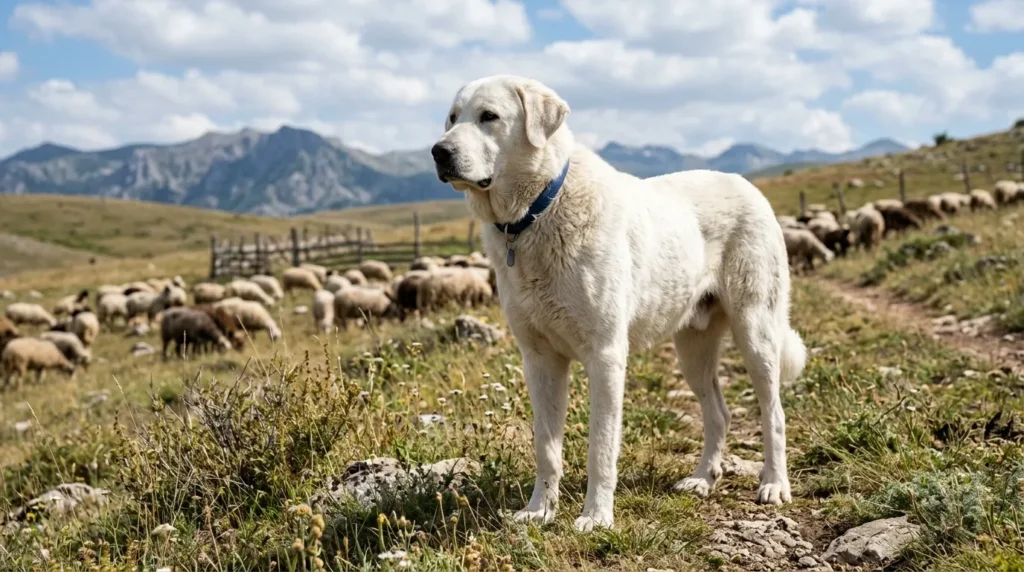
The Akbash Dog originated in Turkey and is known for its distinctive white coat, which helps it blend in while guarding livestock. This big dog breed was developed for alertness and independence, allowing it to detect and respond to potential threats effectively.
The Akbash forms strong bonds with its family but tends to be cautious around strangers. It often uses barking as an early warning system, making it a reliable watchdog as well as a livestock guardian.
Training can be challenging due to the breed’s independent nature, so consistency and patience are key. Regular grooming is necessary, as the Akbash sheds heavily throughout the year. Like many large breeds, it requires proper weight management since excess weight can lead to joint problems. A balanced diet and regular exercise help maintain overall health and mobility.
6. Tosa Inu
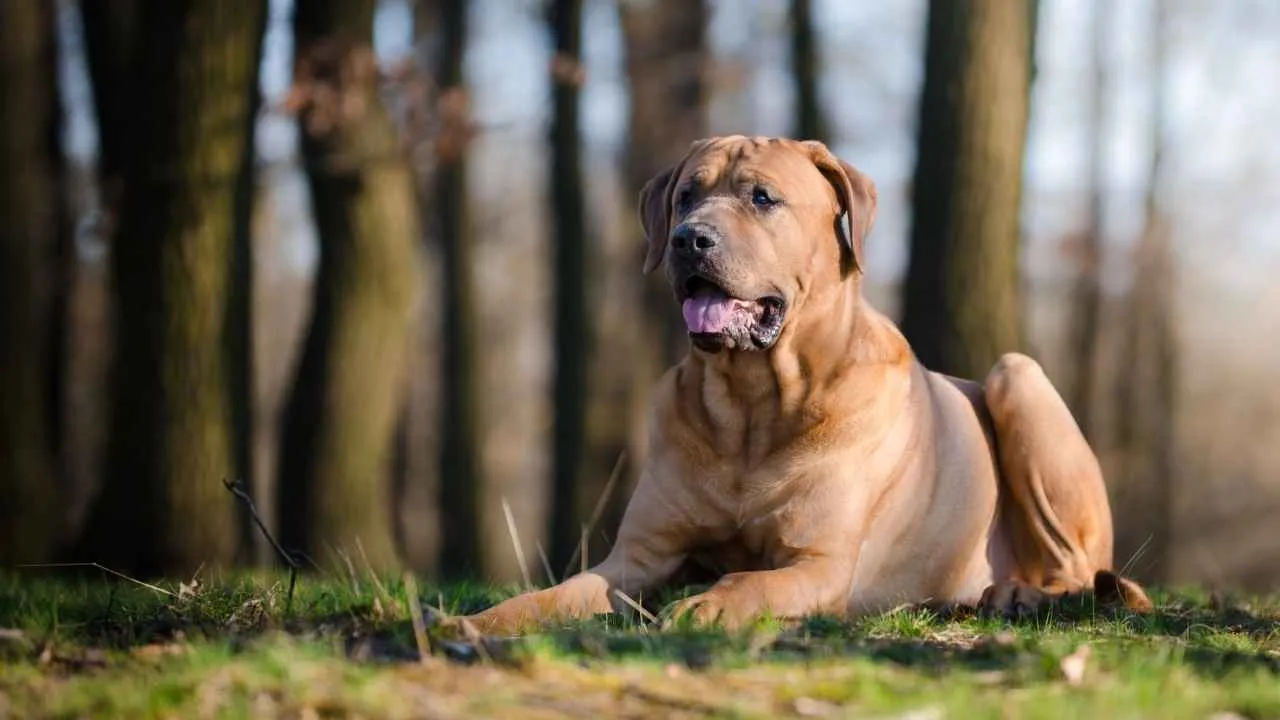
The Tosa Inu is a rare giant breed that originated in Japan and is not widely available in many countries, adding to its exclusivity. This mastiff-type dog is known for its calm, quiet, and composed nature. It was traditionally raised in controlled settings, which is why it thrives in structured and disciplined environments.
The Tosa Inu shows affection toward family members but keeps a distance from people whom it does not know. The dog needs special care and mointoring because its protective nature requires careful supervision around other dogs.
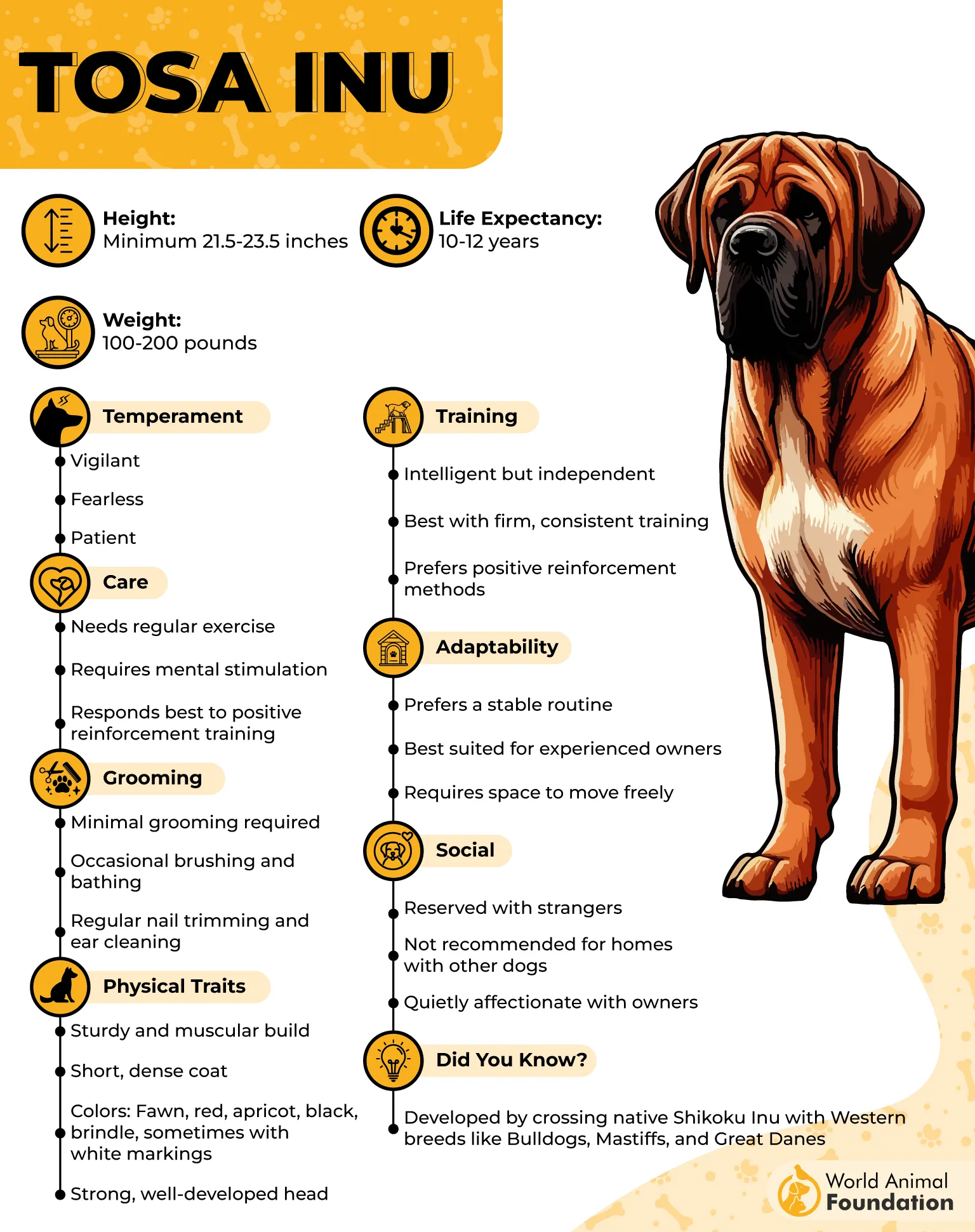
This powerful and courageous breed needs consistent training with clear rules and boundaries from an early age. Controlled physical activity helps maintain overall health and stability. Responsible ownership is essential, as the Tosa Inu is strong-willed and requires proper guidance, discipline, and ongoing supervision.
7. Central Asian Shepherd Dog

The Central Asian Shepherd Dog is an ancient breed developed to guard livestock across vast regions. This powerful giant is known for its fearless and confident nature, making it highly effective at protecting its territory and family from intruders.
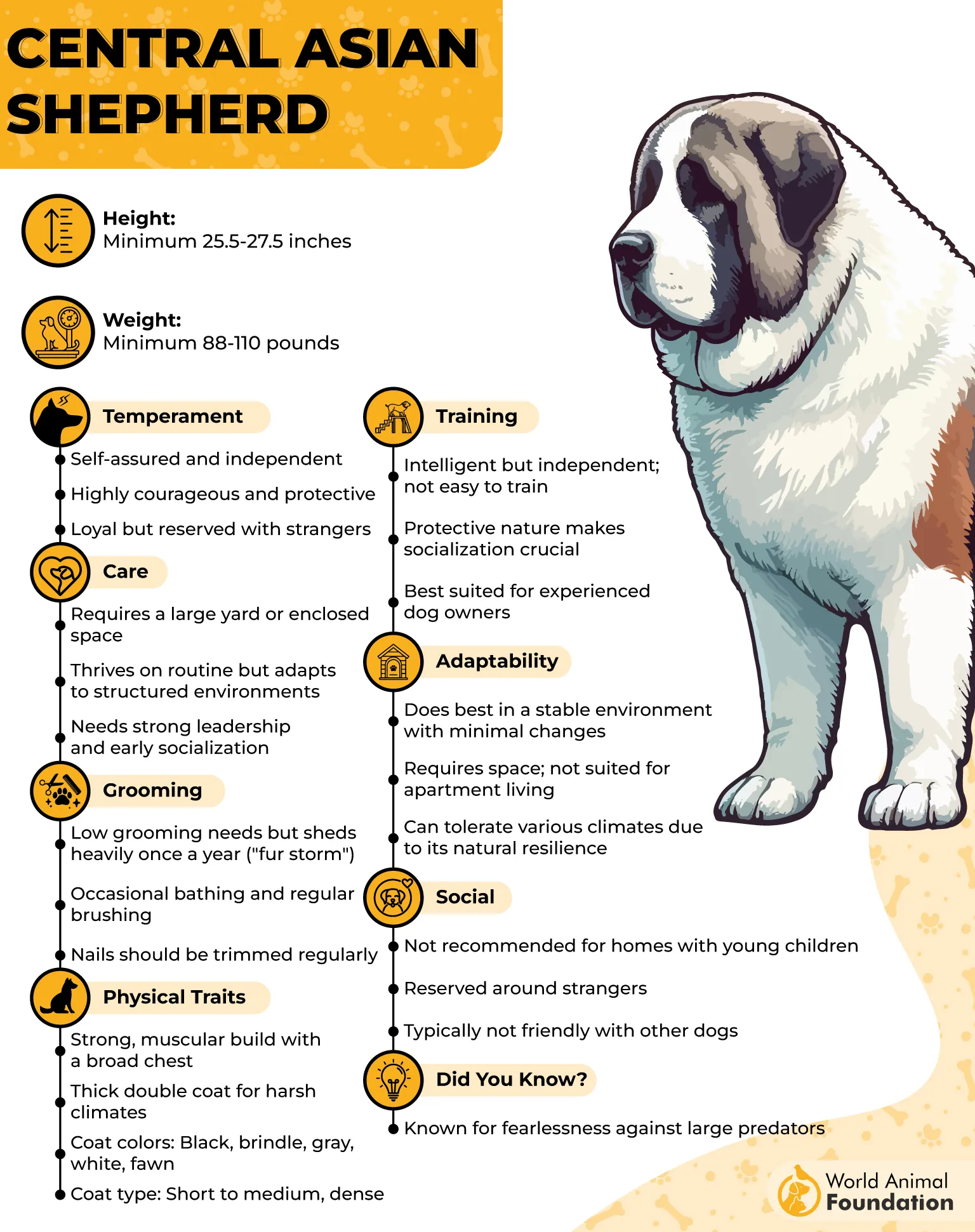
This breed requires an experienced handler who understands strong-willed behavior. It thrives in open spaces where it can perform its natural guarding duties. Consistent training is essential to maintain control and ensure balanced behavior.

Secure fencing and early training are crucial for safety. The athletic dogs also need mental stimulation and a consistent daily routine to stay well-adjusted. Regular social interaction helps develop stable behavior, while a structured environment supports emotional balance and prevents unwanted habits.
8. Spanish Mastiff
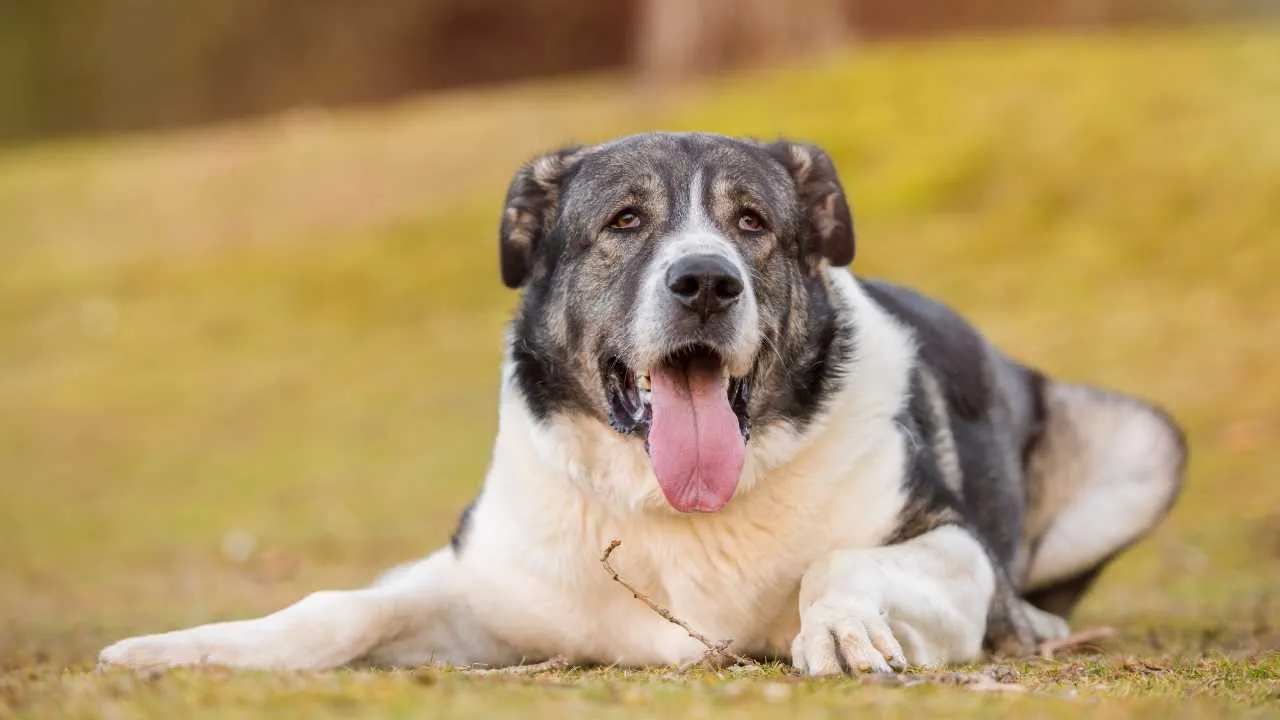
The Spanish Mastiff is considered a rare breed outside its native Spain, where it is more commonly found and widely used as a livestock guardian. This giant breed is known for its intelligence and protective nature, combined with a calm and noble demeanor.
Despite its large size, the Spanish Mastiff has a steady and reliable temperament. It carefully observes its surroundings and acts only when necessary, making it a trustworthy companion in both rural and home environments. Its composed nature allows it to respond thoughtfully rather than with unnecessary aggression.
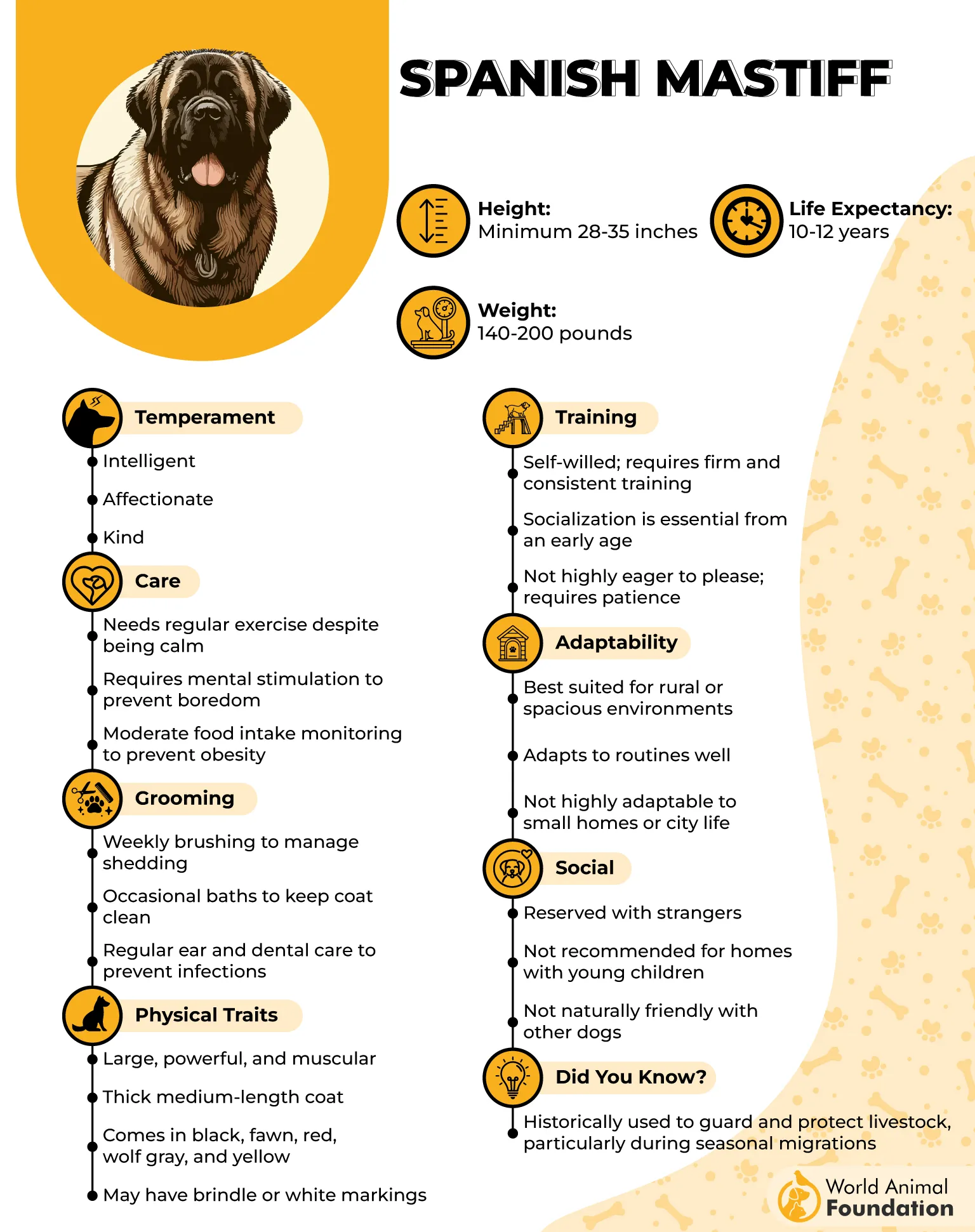
This breed benefits from training with experienced handlers who can provide structure and consistency. Moderate daily exercise helps maintain overall health. According to Royal Canin, proper nutrition and regular veterinary care are essential for preventing health issues in giant breeds.
9. Dogue de Boedeaux
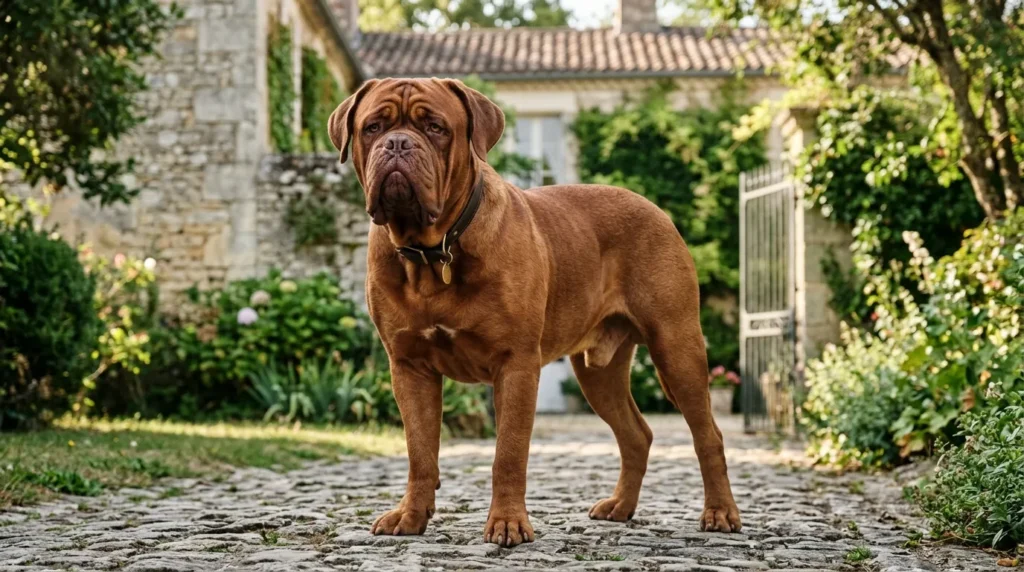
The Dogue de Bordeaux, also known as the French Mastiff, is one of the most recognizable large dog breeds. Its powerful build and distinctive facial features create a striking appearance that combines strength with a gentle, affectionate nature. It is considered a relatively rare breed, especially outside of Europe.
This breed forms deep bonds with its family, making it an extremely loyal and devoted companion. While naturally protective, it prefers to stay close to its loved ones rather than display unnecessary aggression.
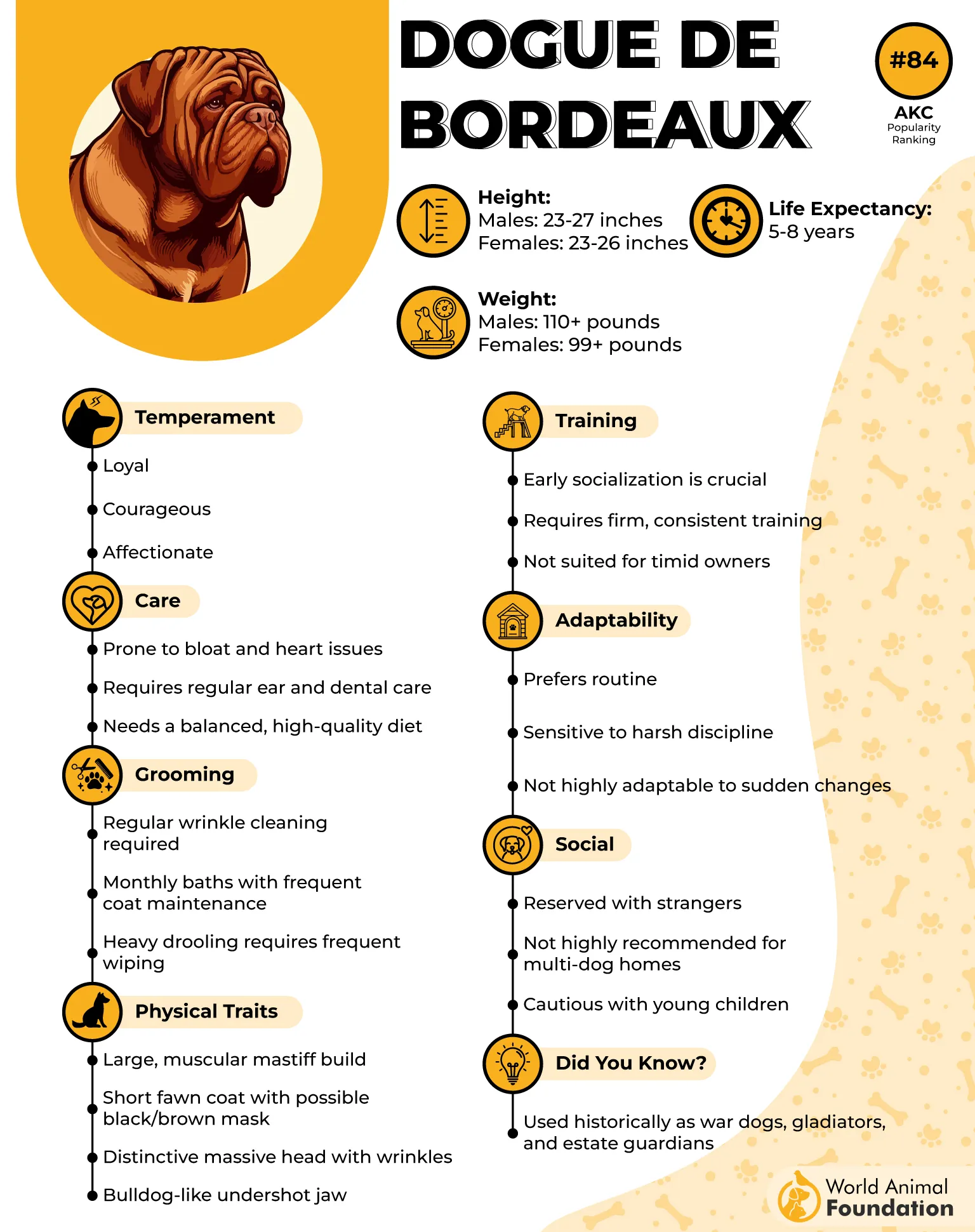
The Dogue de Bordeaux requires moderate daily exercise and regular grooming to stay healthy. It is also known for excessive drooling, which owners should be prepared to manage.
10. Caucasian Shepherd Dog
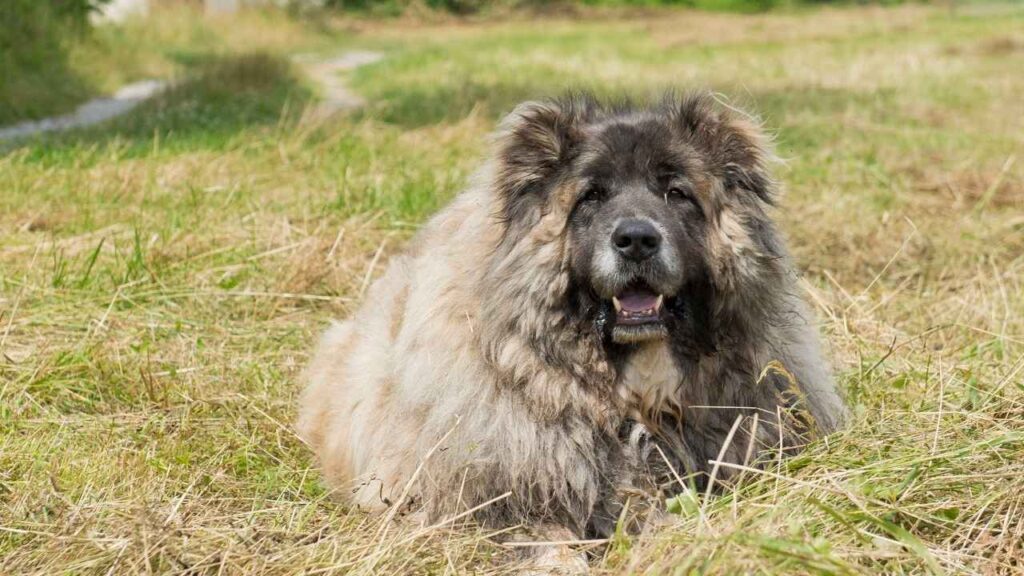
The Caucasian Shepherd Dog is one of the largest dog breeds in the world and is rare outside its native regions, making it a unique and powerful guardian breed. It was originally bred to protect livestock in harsh and hostile environments, giving it exceptional strength and resilience.
This breed is calm and gentle with its family but remains highly alert to potential threats. Without proper guidance, its strong protective instincts can become difficult to manage, which is why early training is essential.
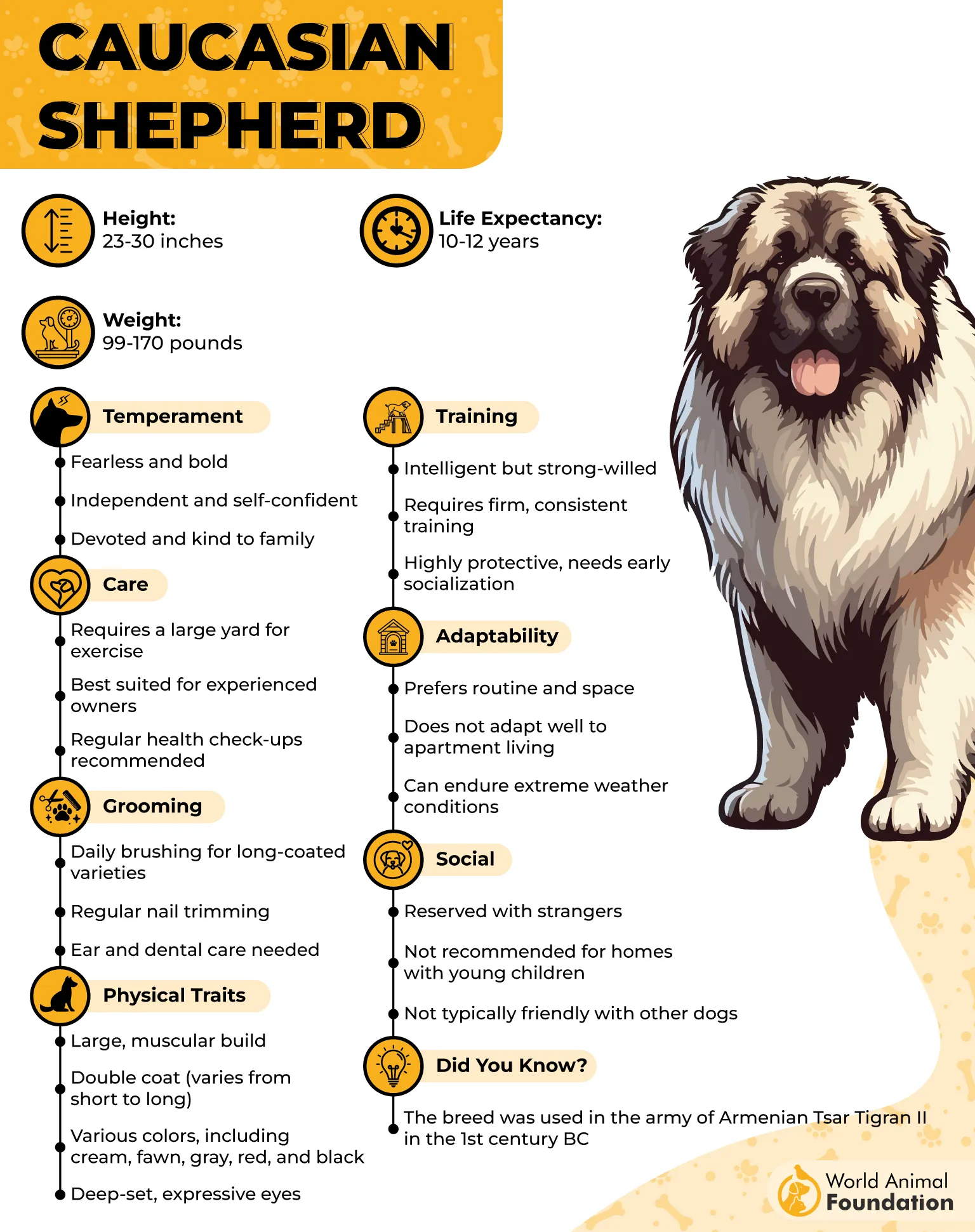
This breed is best suited for experienced owners who can provide structured routines and clear leadership. It needs regular exercise and close supervision to stay healthy and well-balanced. Proper care and management are essential for giant breeds to maintain long-term physical and mental well-being.
Conclusion
Rare big dog breeds, found only in limited numbers around the world, often attract attention because of their extraordinary size and unique presence. These dogs are especially appealing to pet owners looking for something distinctive and special.
Choosing a large breed requires careful consideration of three key factors: available living space, training needs, and the owner’s daily lifestyle. Giant dogs thrive in environments where they receive consistent attention, structured activities, and proper medical care.
With the right training and responsible ownership, they can grow into loyal companions that form strong, lasting bonds with their families.
Can You Master These Rare Giant Dog Breeds? 🐾
Which giant breed is described as one of the tallest dog breeds in the world?
The Tibetan Mastiff was developed to protect livestock in which harsh environment?
Which breed is admired for its lion-like appearance and friendly, balanced temperament?
Which Turkish giant dog breed is known as one of the strongest livestock protectors?
Which rare giant breed from Japan is described as a calm, mastiff-type dog?
The Dogue de Bordeaux is also known by what other name?
