




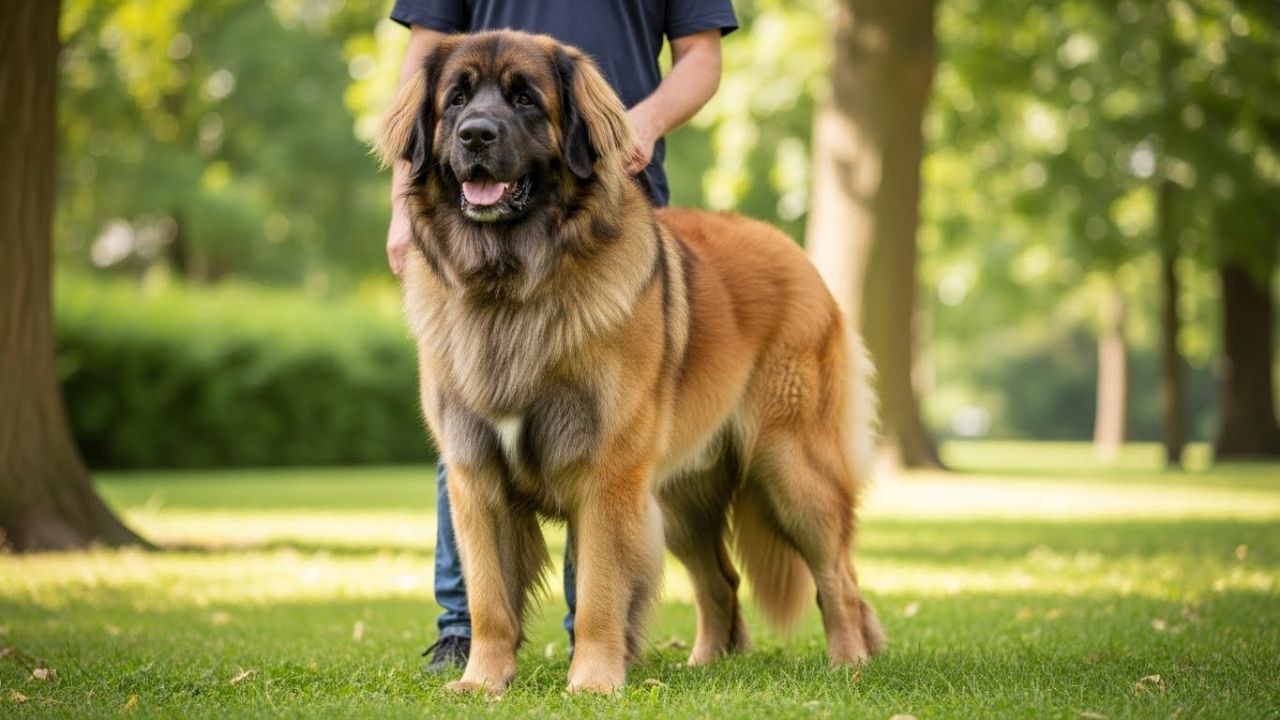
Some big dogs don’t just enter a room; they transform it. Towering frames, thunderous paws, and soulful eyes inspire awe long before a single bark is heard.
Massive size often leads to big misconceptions. Many assume enormous dogs are intimidating, stubborn, or difficult, when their personalities frequently tell a very different story.
Behind those imposing silhouettes are gentle hearts, patient temperaments, and surprising emotional intelligence. These dogs balance strength with sensitivity in ways that consistently catch owners off guard.
But what actually makes a dog truly massive? Height, weight, and overall presence work together, shaped by centuries of selective breeding for guarding livestock, rescue, hunting, and labor.
In this guide, we explore what life with a giant dog is really like, looking beyond size to understand purpose, personality, and companionship at an unforgettable scale. From history to home life, curiosity leads the way, and questions grow larger than expectations for many readers.
Amazing Dog Breeds with Truly Massive Size
1. Great Dane
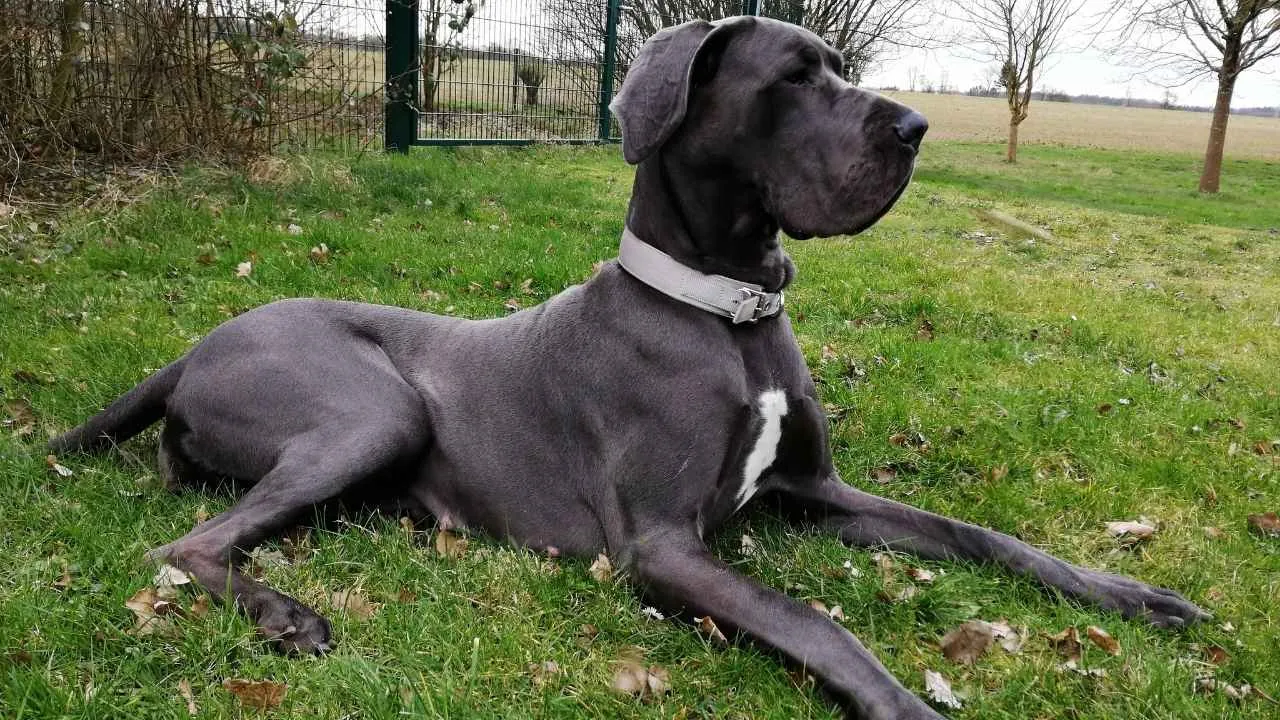
Bred from ancient mastiff-type dogs and refined by European nobility, the Great Dane was developed to hunt wild boar and guard estates. When one enters a room, height commands attention first, followed closely by an elegant, almost sculptural build that feels more aristocratic than intimidating.
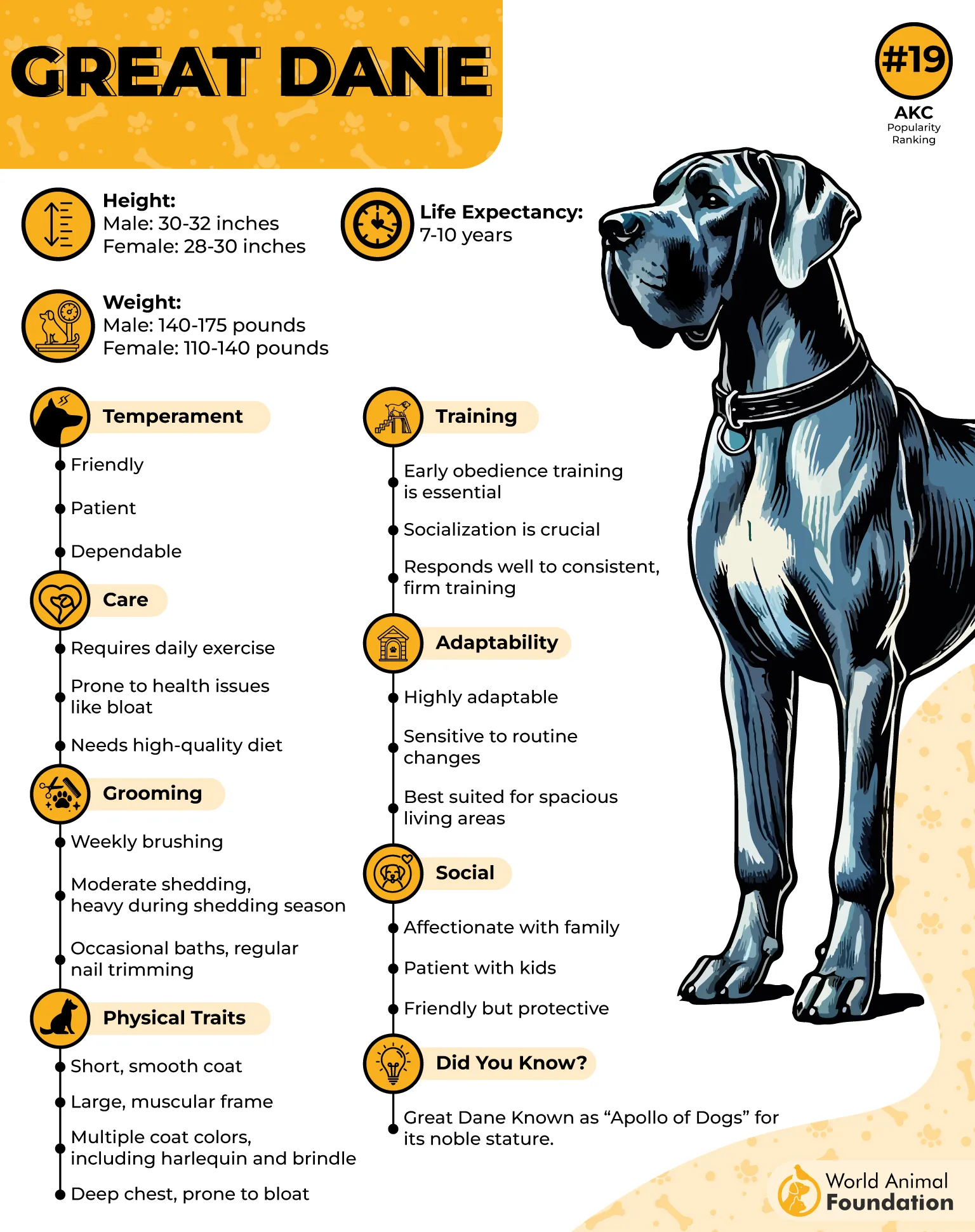
Temperament surprises most first-time observers. This giant dog breed is famously affectionate, people-focused, and emotionally attuned, often leaning into humans with unshakable trust rather than suspicion. Protection comes more from presence than aggression.
Training a Dog Who Doesn’t Know Their Own Size
Early leash training is essential to manage strength and reach
Positive reinforcement works best with their sensitive nature
Consistency prevents accidental chaos from enthusiasm
Care, Feeding, and Growing Pains
Large-breed diets support joint and bone development
Rapid growth requires controlled exercise
Comfortable bedding protects elbows and hips
AKC claims that at home, Great Danes behave like oversized lap dogs, favoring couches and close contact. Many display a comical lack of spatial awareness and a deep need for companionship, following owners from room to room.
This breed suits homes ready for scale, structure, and emotional closeness. Space, time, and commitment transform this towering figure into one of the most devoted gentle giants you’ll love living with.
2. Leonberger
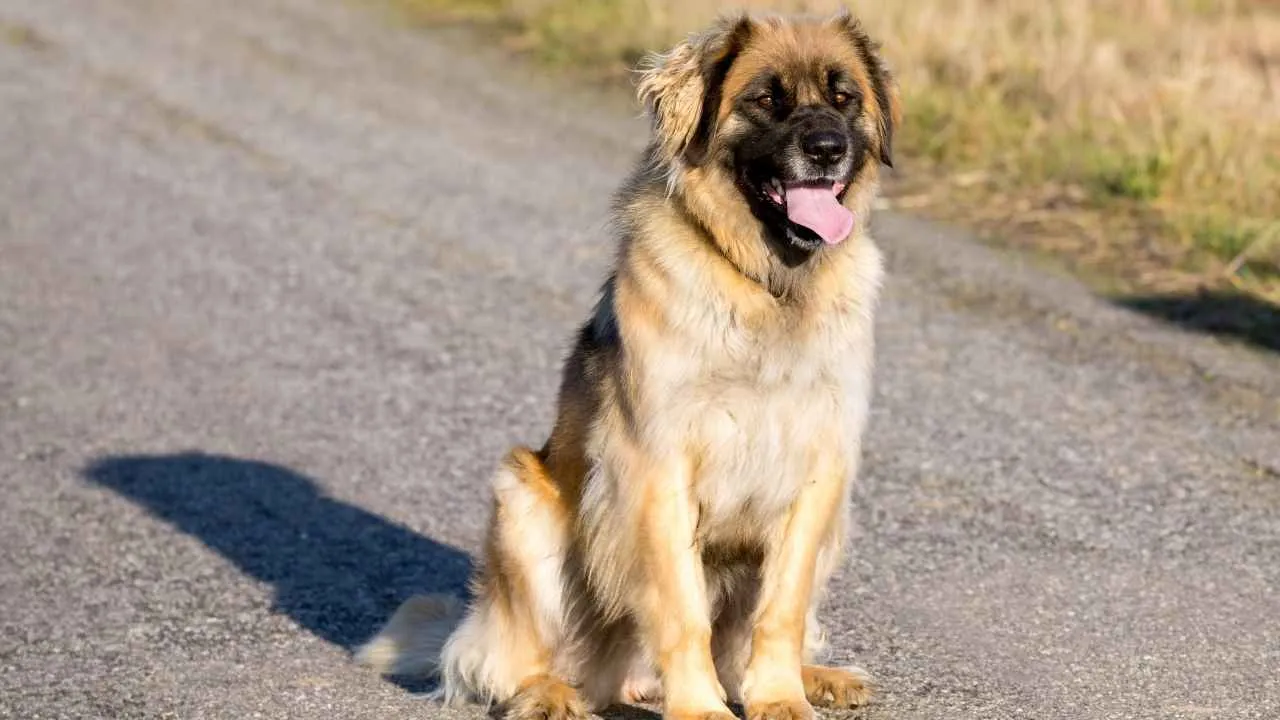
Designed in 19th-century Germany to resemble a lion, the Leonberger was bred as a working companion for estates and farms. First impressions combine sheer mass with flowing coat and calm confidence, creating an unmistakably regal silhouette.
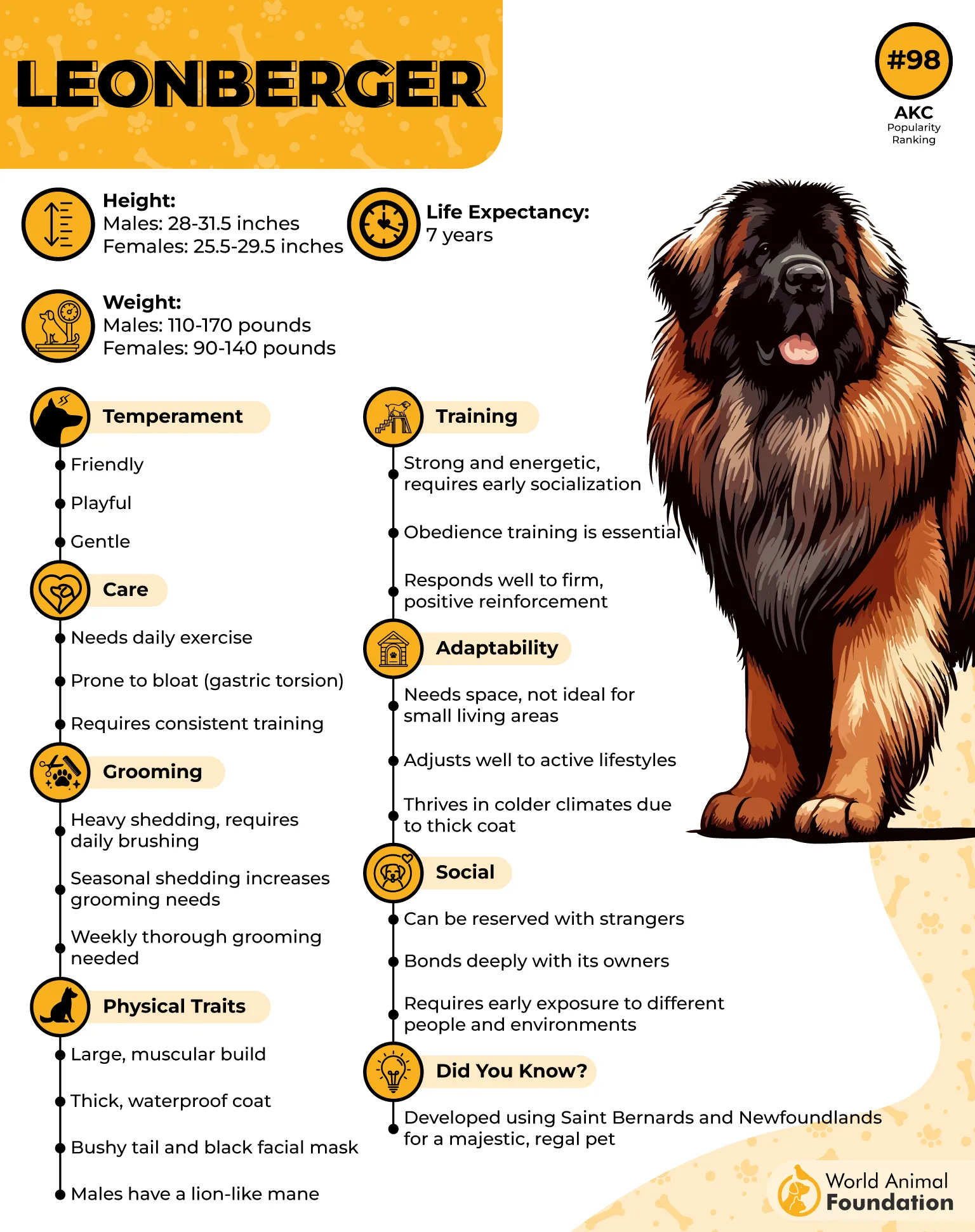
PetMD notes that temperament leans steady and thoughtful rather than reactive. This massive dog breed balances guardian instincts with patience, showing remarkable tolerance and emotional control in family environments.
Training a Dog Who Doesn’t Know Their Own Size
Responds well to calm, firm guidance
Thrives with structured routines
Learns best through repetition and trust-building
Care, Feeding, and Growing Pains
Heavy coat demands regular grooming
Balanced nutrition supports muscle and joints
Slow maturity requires long-term planning
Leonbergers adapt well to active households and often show a natural affinity for water. Many owners notice an intuitive awareness of family dynamics, stepping in quietly during moments of stress.
This breed fits experienced owners who value steadiness over flash. Commitment to grooming, training, and engagement unlocks one of the most emotionally grounded giant dog companions available.
3. Great Pyrenees
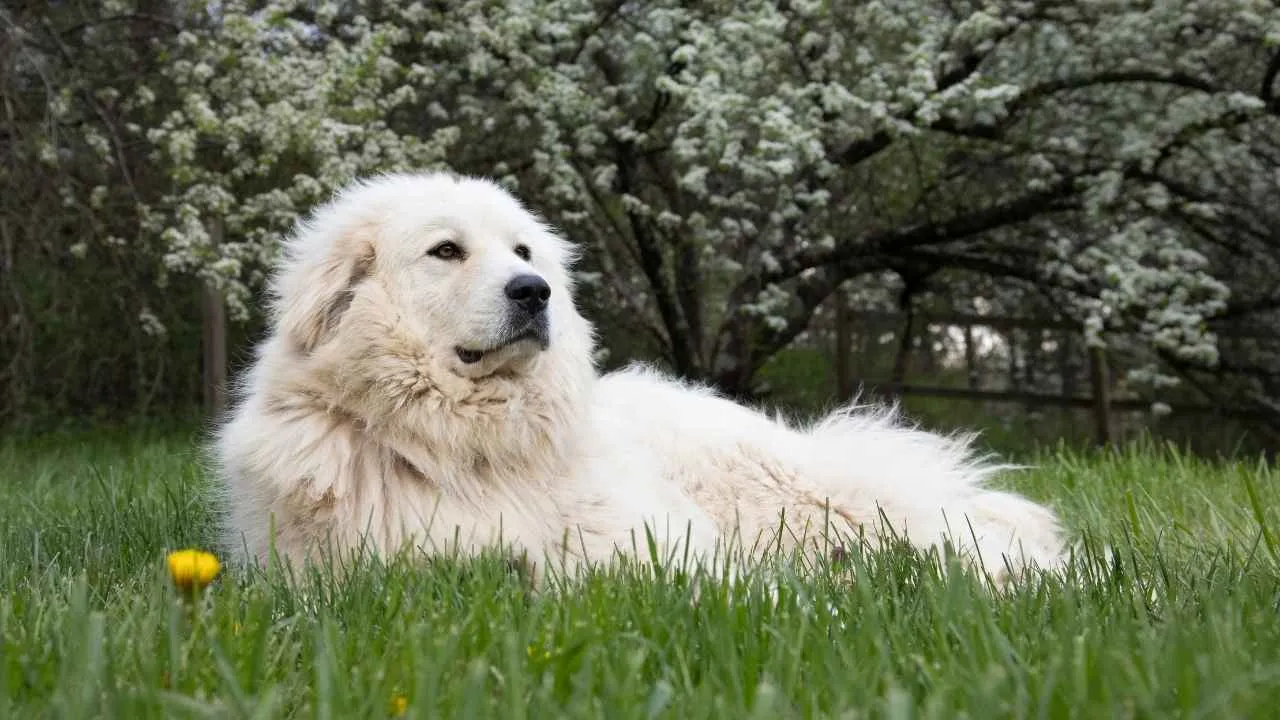
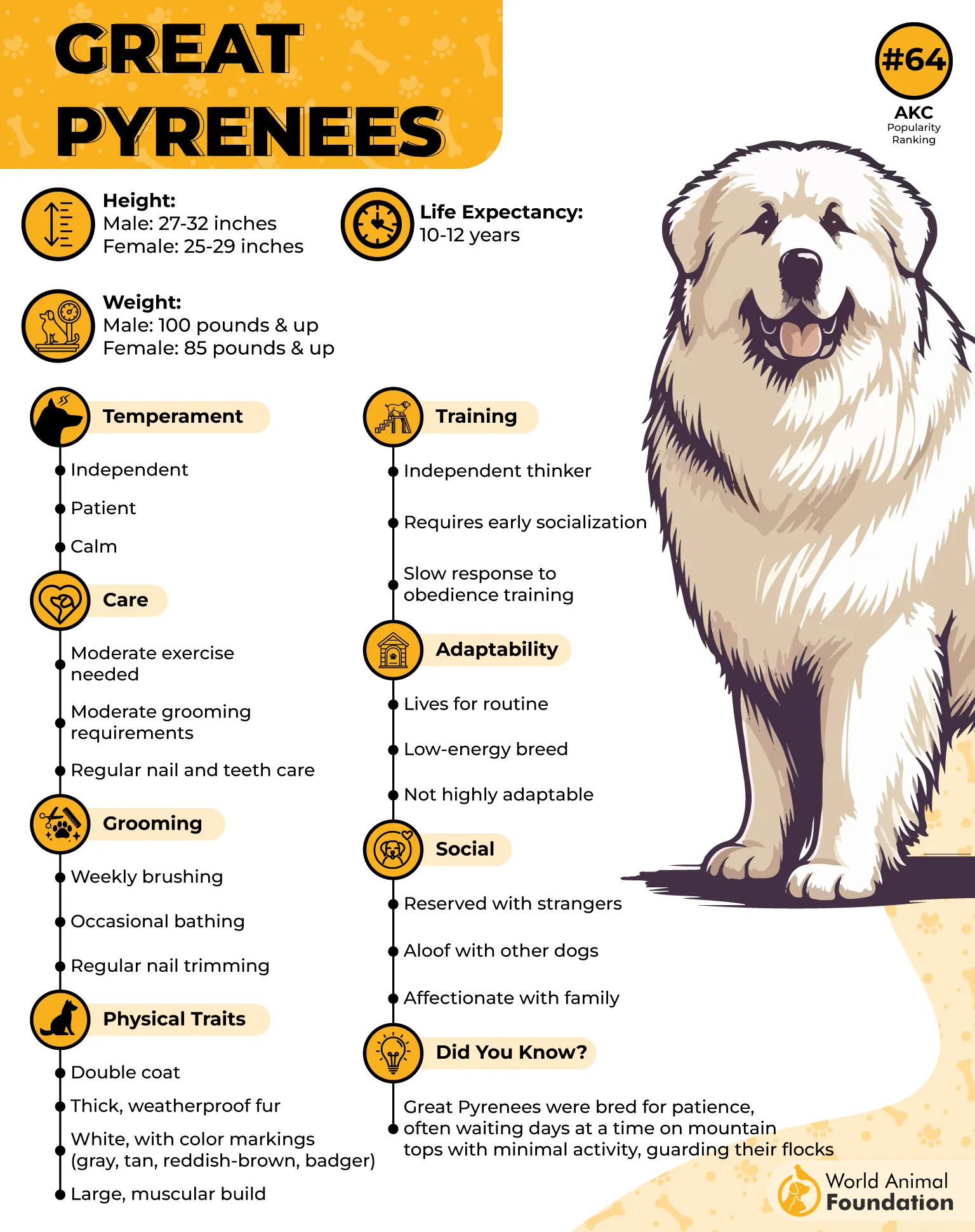
Developed to guard livestock in mountainous terrain, the Great Pyrenees was shaped by independence and endurance. Their towering white form conveys quiet authority, standing watchful rather than demanding attention.
Temperament reflects centuries of autonomous decision-making. This giant dog breed is calm, deeply loyal, and naturally protective, assessing situations with patience before acting.
Training a Dog Who Doesn’t Know Their Own Size
Requires respect-based training approaches
Independent thinking calls for patience
Early boundaries prevent stubborn habits
Care, Feeding, and Growing Pains
Thick double coat needs seasonal maintenance
Joint care is critical during growth
Moderate exercise supports long-term health
At home, Great Pyrenees dogs are serene and observant, often choosing vantage points over constant interaction. Nighttime alertness and quiet vigilance surprise many first-time owners.
This breed suits calm households comfortable with independence. Owners who appreciate thoughtful guardianship over obedience discover a powerful bond rooted in trust and mutual respect, notes WebMD.
4. Bernese Mountain Dog
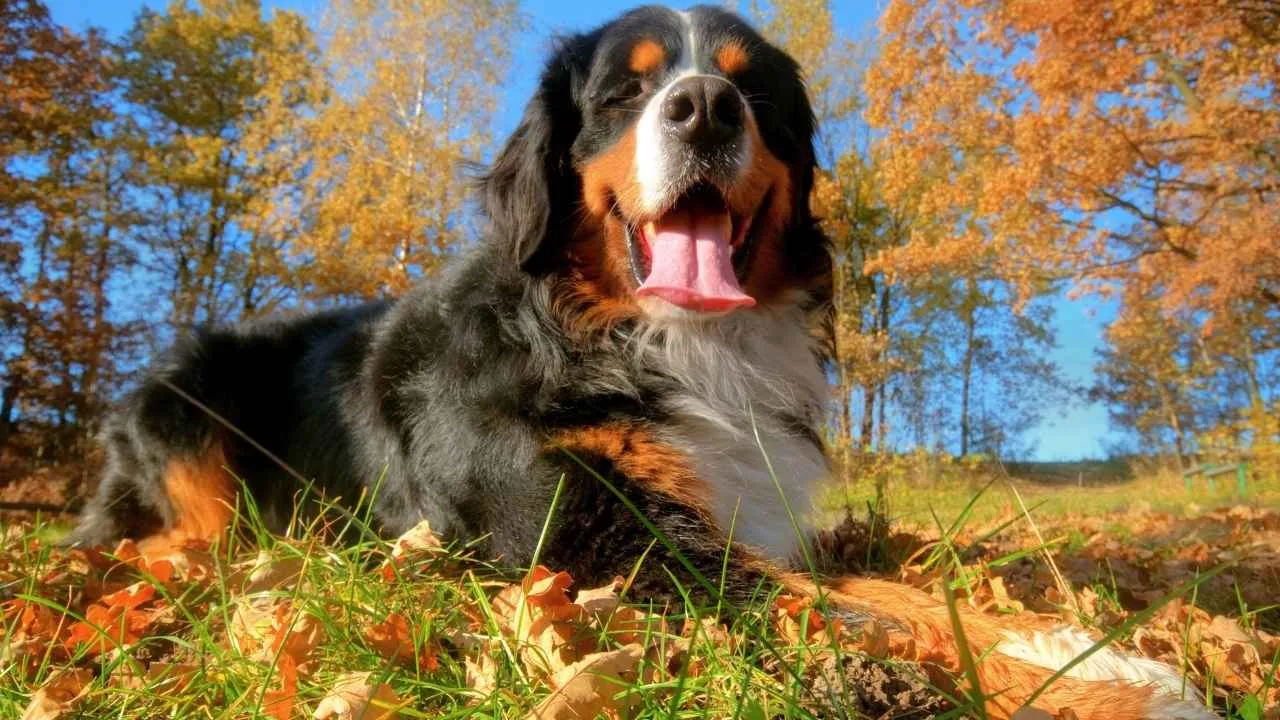
Originating in the Swiss Alps, the Bernese Mountain Dog was bred to pull carts and assist farmers. Their broad frame and striking tricolor coat create a warm, approachable presence rather than an imposing one.
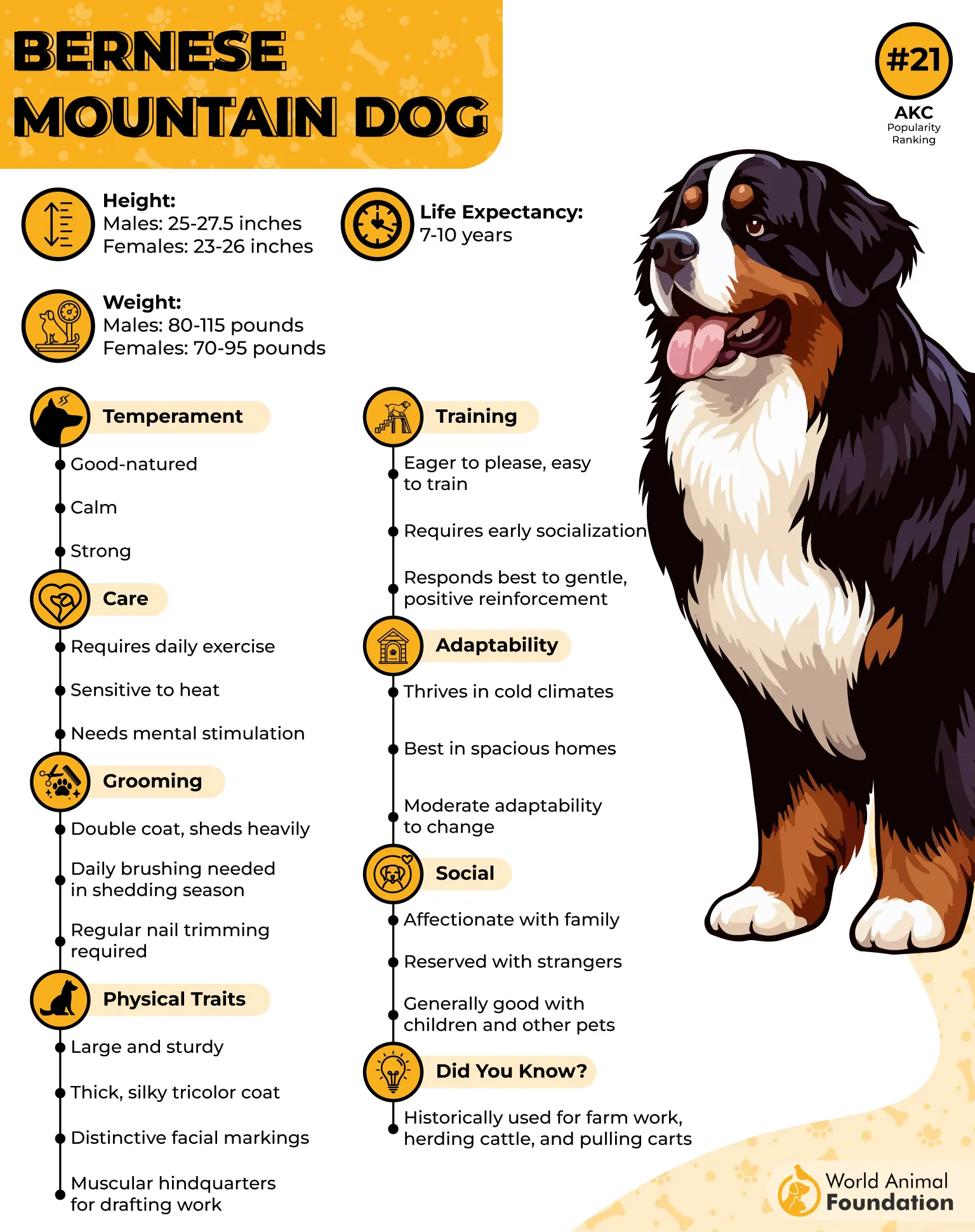
Temperament centers on affection and cooperation. This massive dog breed thrives on human connection, showing eagerness to please and deep sensitivity to household moods.
Training a Dog Who Doesn’t Know Their Own Size
Learns quickly with encouragement
Socialization builds confidence
Gentle correction maintains trust
Care, Feeding, and Growing Pains
Cool climates suit their heavy coat
Controlled activity protects joints
Regular grooming prevents matting
Bernese Mountain Dogs flourish in family settings and often shadow their favorite people. Unexpected clumsiness and expressive faces add charm to daily life.
This breed suits owners seeking emotional closeness and teamwork. Space, time, and affection allow this gentle giant to thrive as both worker and companion.
5. Irish Wolfhound
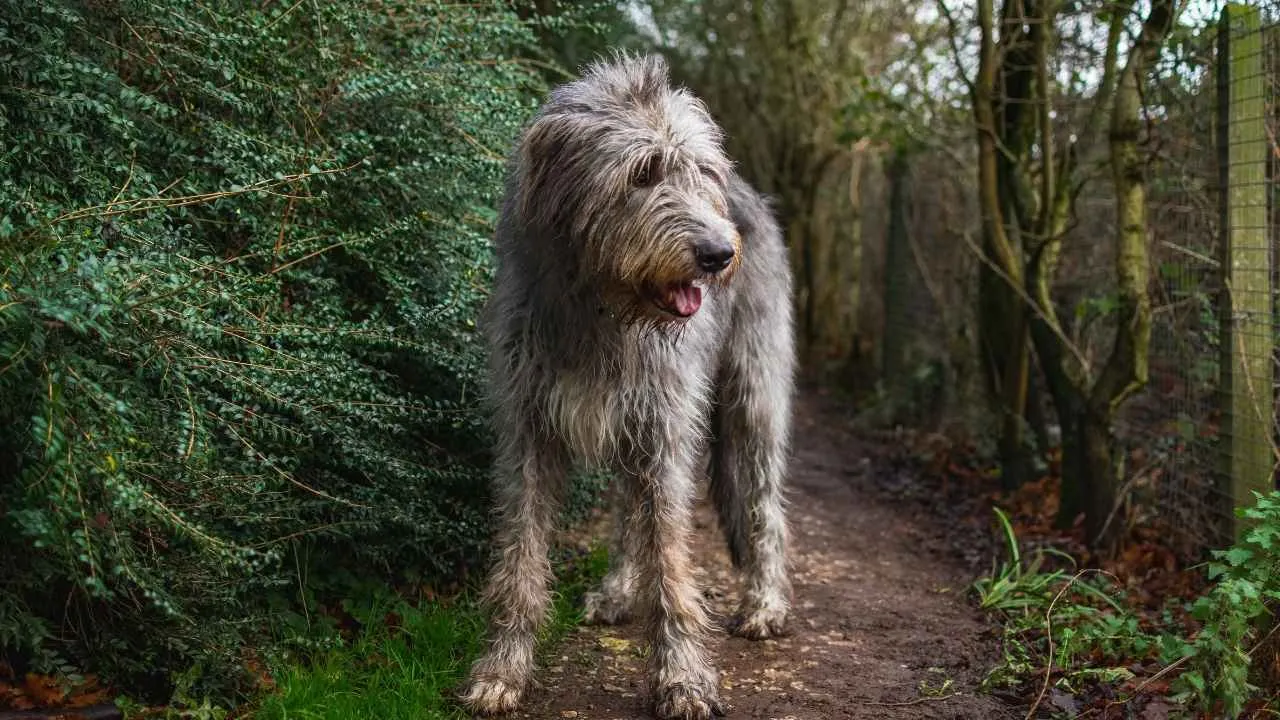
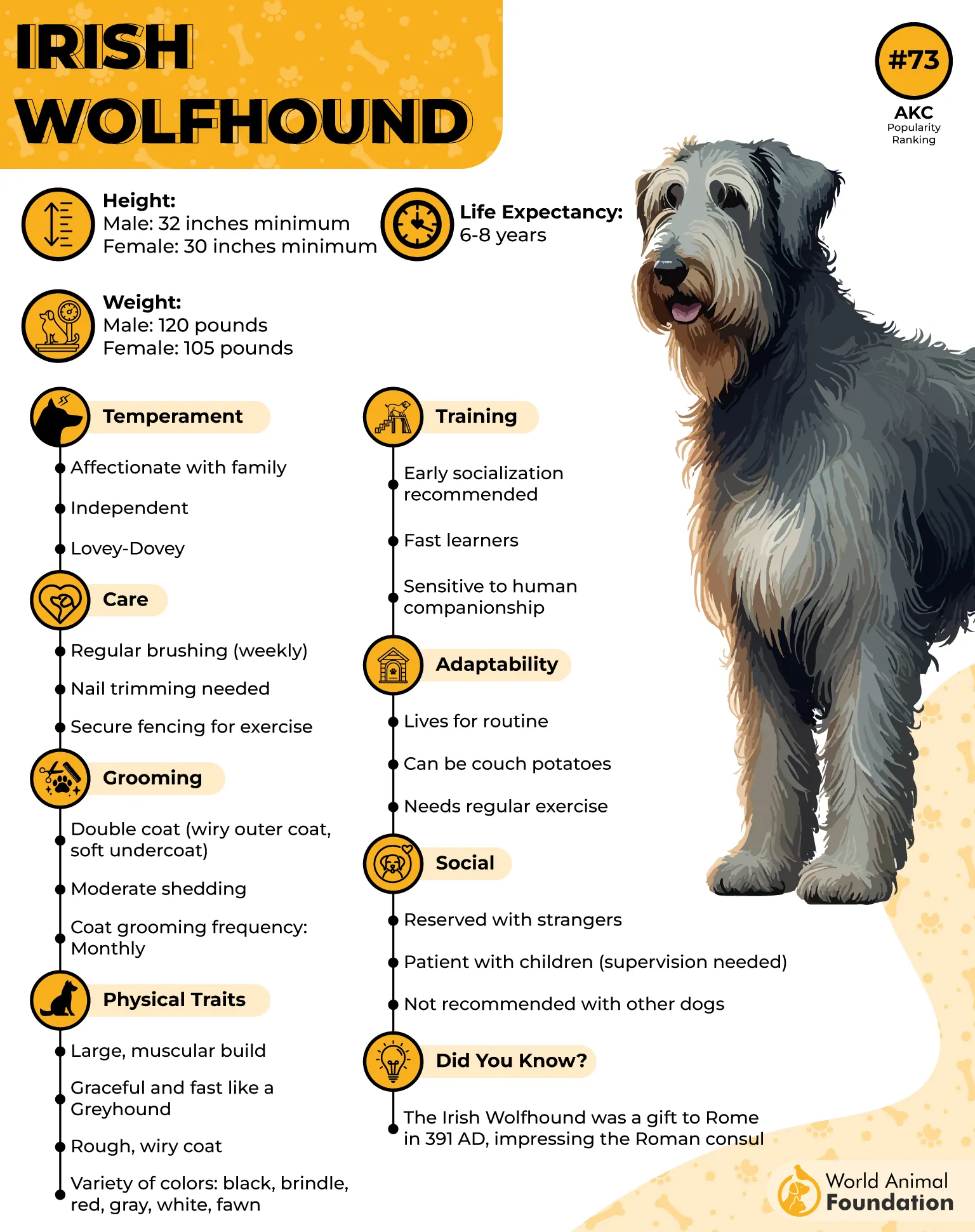
Bred for hunting wolves and large game, the Irish Wolfhound stands among the tallest dog breeds in the world. Their long limbs and calm stride create a presence that feels ancient and dignified.
Temperament leans quiet and contemplative. This giant dog breed values peace and connection, preferring calm environments over chaos.
Training a Dog Who Doesn’t Know Their Own Size
Short, focused sessions work best
Gentle handling builds cooperation
Early manners prevent accidental knocks
Care, Feeding, and Growing Pains
Joint health requires attentive nutrition
Moderate exercise suits their frame
Soft bedding supports long limbs
At home, Irish Wolfhounds are surprisingly unobtrusive, often resting quietly nearby. Many display a poetic calm that contrasts sharply with their size.
This breed fits owners who appreciate serenity and space. Commitment to health monitoring and gentle companionship rewards families with a deeply soulful, gentle giant.
6. Mastiff
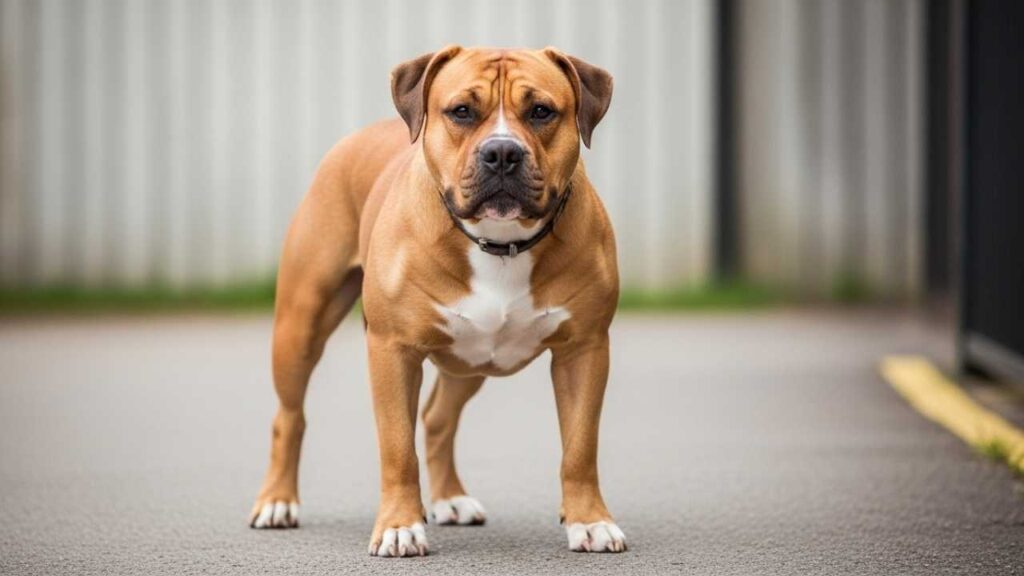
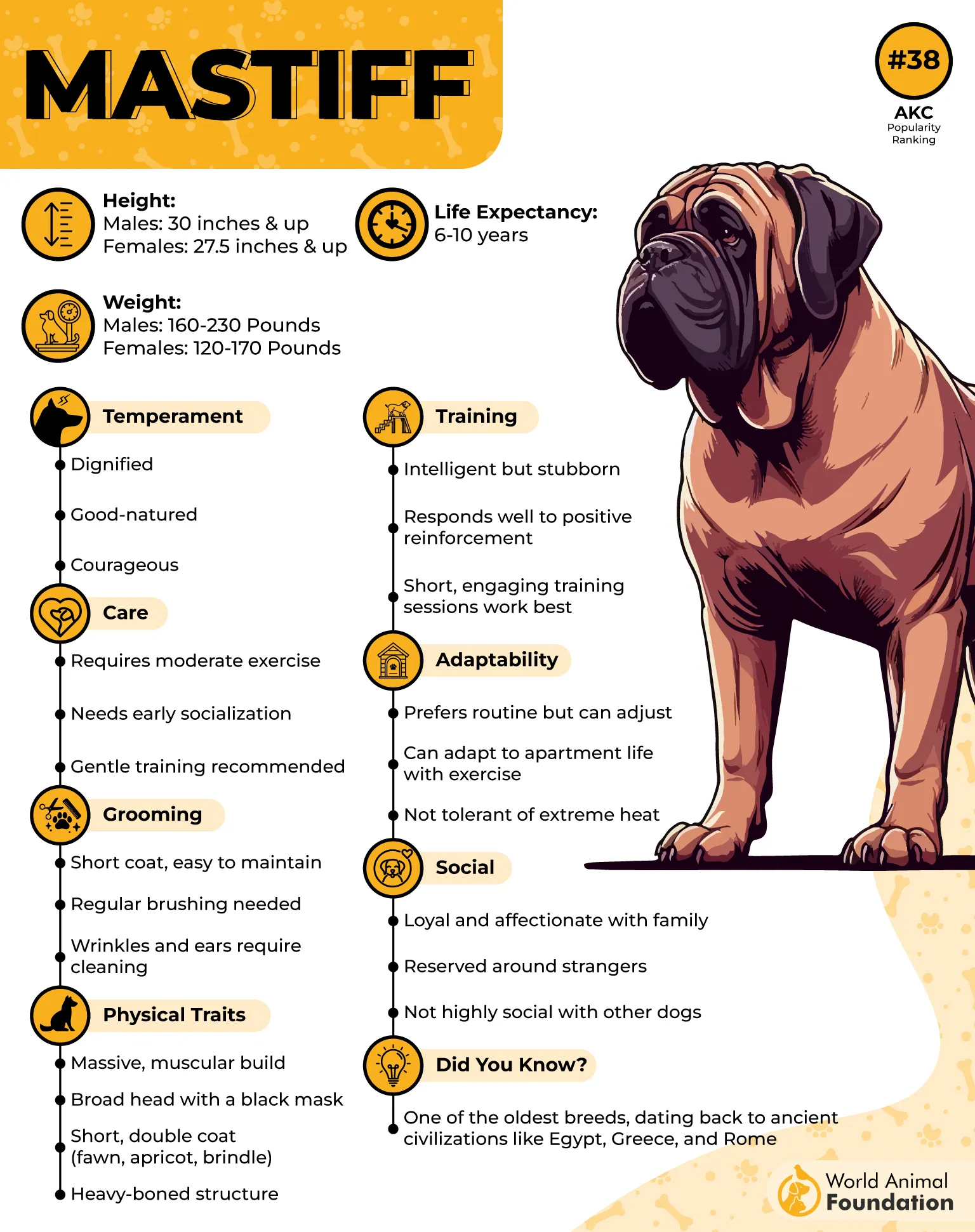
Descended from ancient war and guard dogs, the Mastiff was bred for strength and deterrence. Their massive head and powerful body make an unforgettable first impression rooted in authority.
Temperament remains steady and deeply loyal. This giant dog breed bonds intensely with family, offering protection through presence and devotion rather than constant vigilance.
Training a Dog Who Doesn’t Know Their Own Size
Firm boundaries establish respect
Early training prevents dominance issues
Calm leadership earns trust
Care, Feeding, and Growing Pains
Portion control prevents excessive weight gain
Joint supplements support longevity
Minimal grooming suits busy households
Mastiffs prefer calm home environments and proximity to loved ones. Many exhibit surprising gentleness with children and a strong sense of emotional responsibility.
This breed suits owners confident in leadership and structure. Space, patience, and commitment shape a formidable yet deeply affectionate companion.
7. Saint Bernard
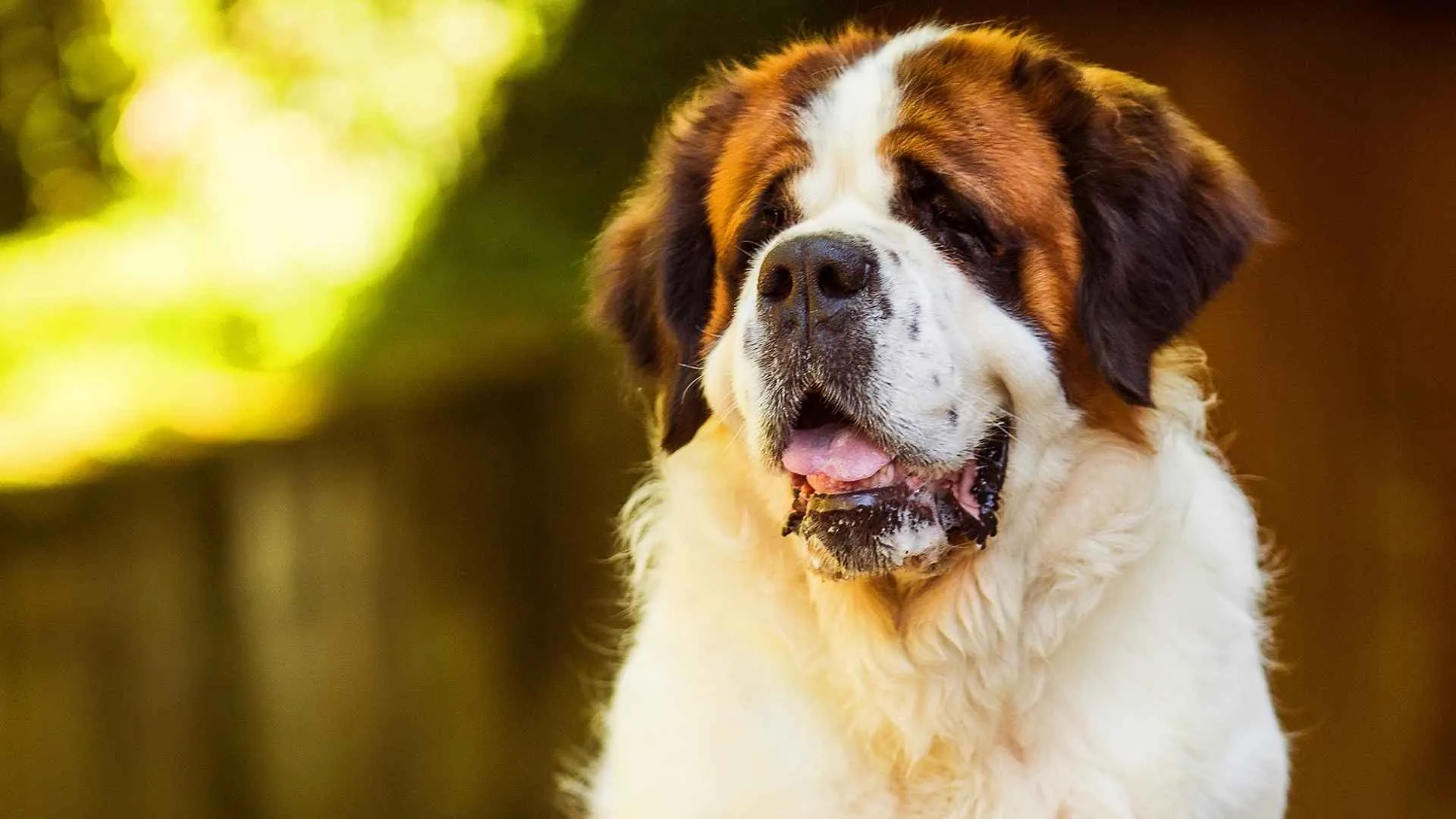
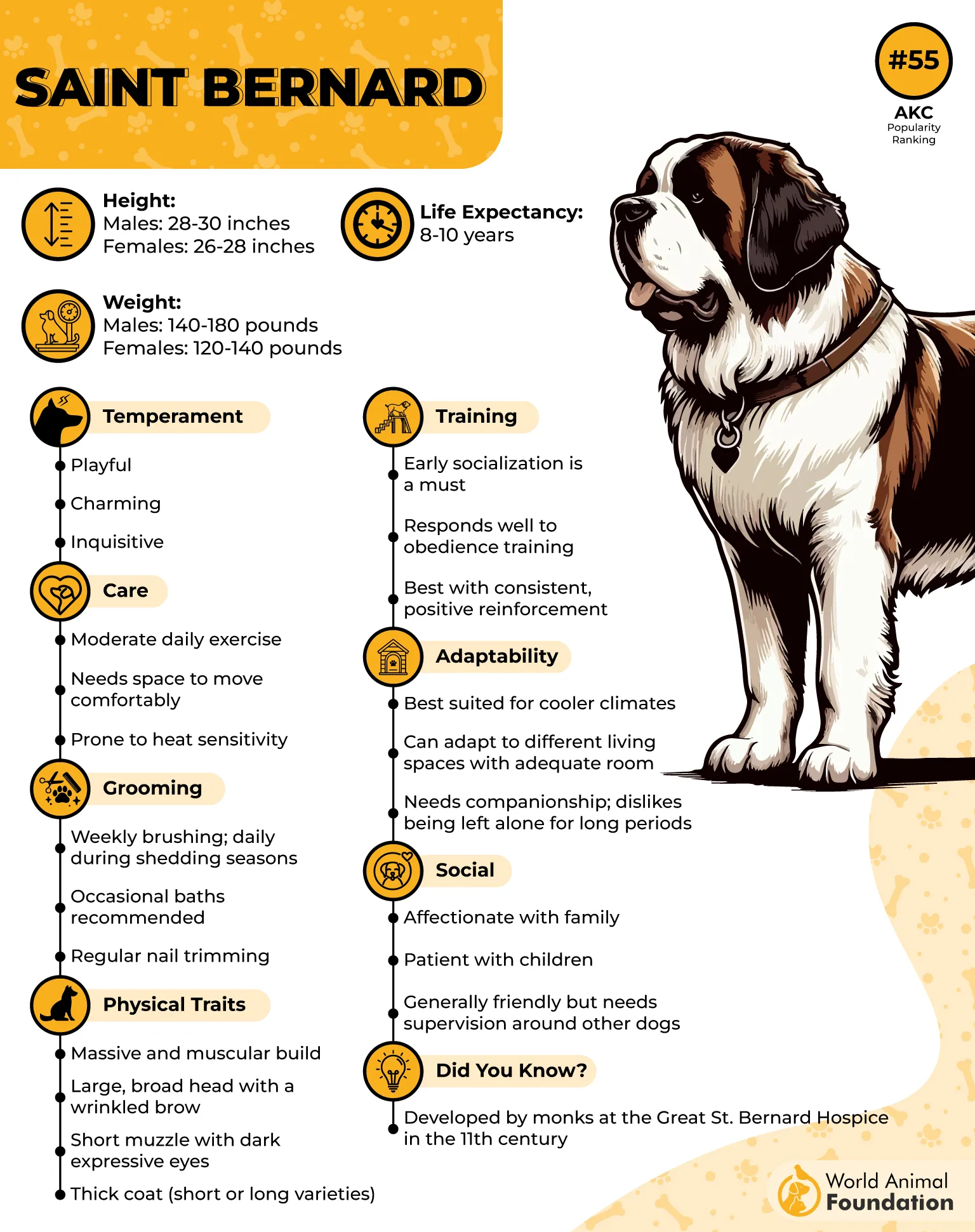
Bred for alpine rescue, the Saint Bernard was designed for endurance and strength in harsh conditions. Their massive chest, expressive eyes, and deliberate movement create instant recognition.
Temperament reflects kindness and patience. This giant dog breed is famously tolerant, forming strong bonds through quiet reliability and warmth.
Training a Dog Who Doesn’t Know Their Own Size
Responds well to calm instruction
Early obedience prevents pulling
Praise-based methods encourage cooperation
Care, Feeding, and Growing Pains
Drool management becomes routine
Cold weather suits their build
Joint care supports heavy frames
At home, Saint Bernards move slowly and thoughtfully, often positioning themselves near family members. Many display an intuitive comfort-giving instinct.
This breed suits households ready for scale and care. Owners who value gentleness and stability find lifelong devotion in one of the most iconic gentle giants you’ll love.
Conclusion
These large dog breeds and giant breeds were originally bred as working dogs, bred to guard, protect livestock, or serve alongside humans, and today many are excellent family pets with a calm, gentle nature and affectionate nature when given proper training and early socialization.
Their size adds to their presence, not their difficulty, making them great companions for experienced dog owners.
Beyond the breeds covered here, majestic options like the Anatolian Shepherd Dog, Tibetan Mastiff, Cane Corso, French Mastiff, Neapolitan Mastiff, English Mastiff, Scottish Deerhound, Black Russian Terrier, and German Shepherd are also recognized by the American Kennel Club (AKC).
Explore further to find the big dog breed that fits your family life, other pets, and lifestyle.
