




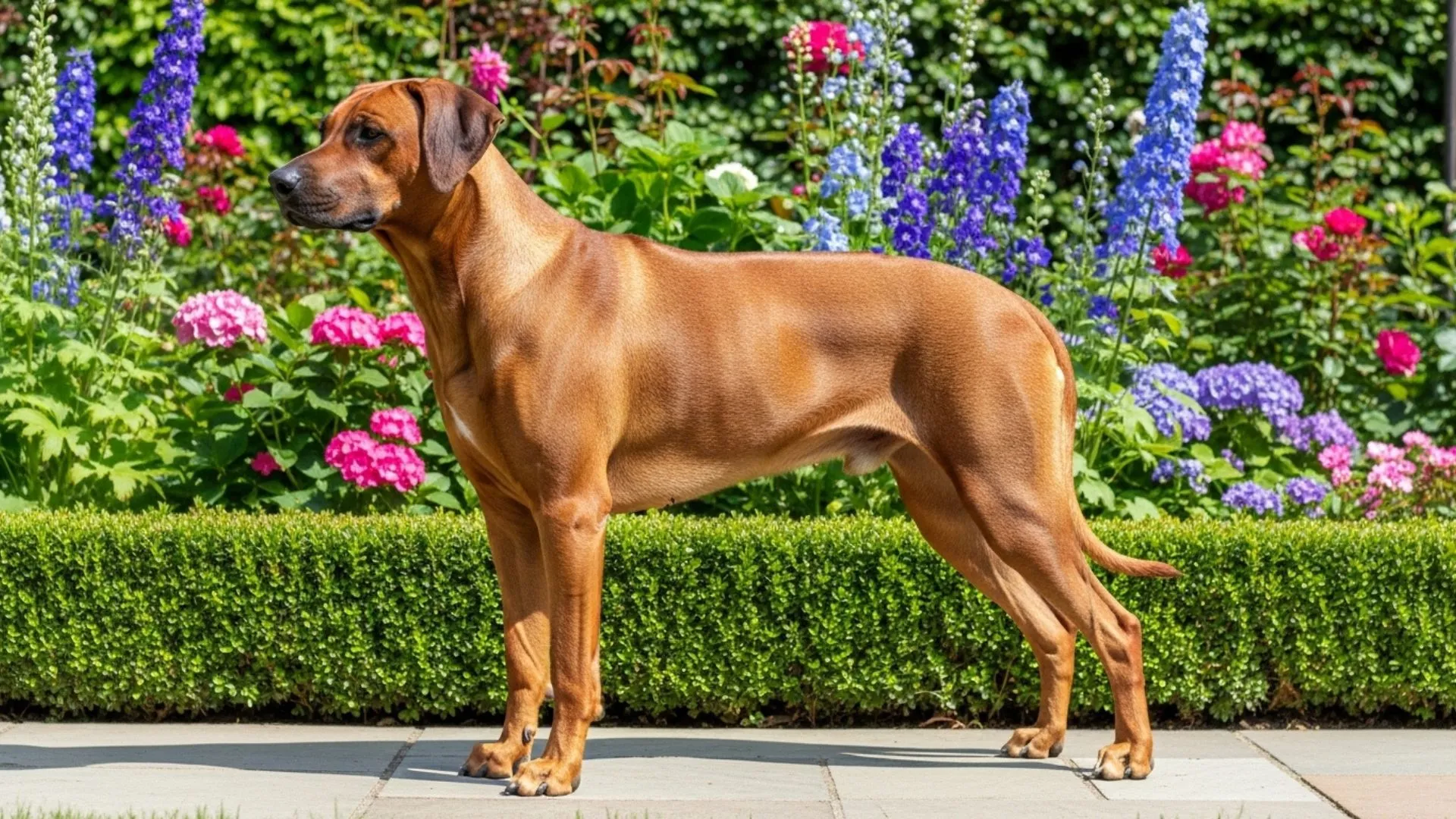
Ever wonder why some dogs suddenly switch from calm companions to focused hunters the moment something moves in the yard?
That intense stare, the low crouch, and the lightning-fast chase are all signs of a powerful instinct known as prey drive.
It’s an ancient survival behavior passed down from our wild ancestors, shaping how dogs react to fast-moving stimuli like birds, rabbits, or even toys.
While it may surprise modern pet owners, this drive is deeply rooted in the natural working abilities of many dog breeds and is often what makes games like fetch, tug-of-war, and tracking so exciting for them.
Across different types of dogs, this instinct shows up in various forms—some are bred to flush out game, others to chase, corner, or retrieve with precision.
From energetic herders and tireless trackers to swift runners and determined chasers, these dogs display remarkable focus and intensity.
Exploring amazing dog breeds with a high prey drive reveals how instinct, early training, and purpose come together to create some of the most driven and dynamic companions in the canine world.
Amazing Dog Breeds With a High Prey Drive
1. Greyhound
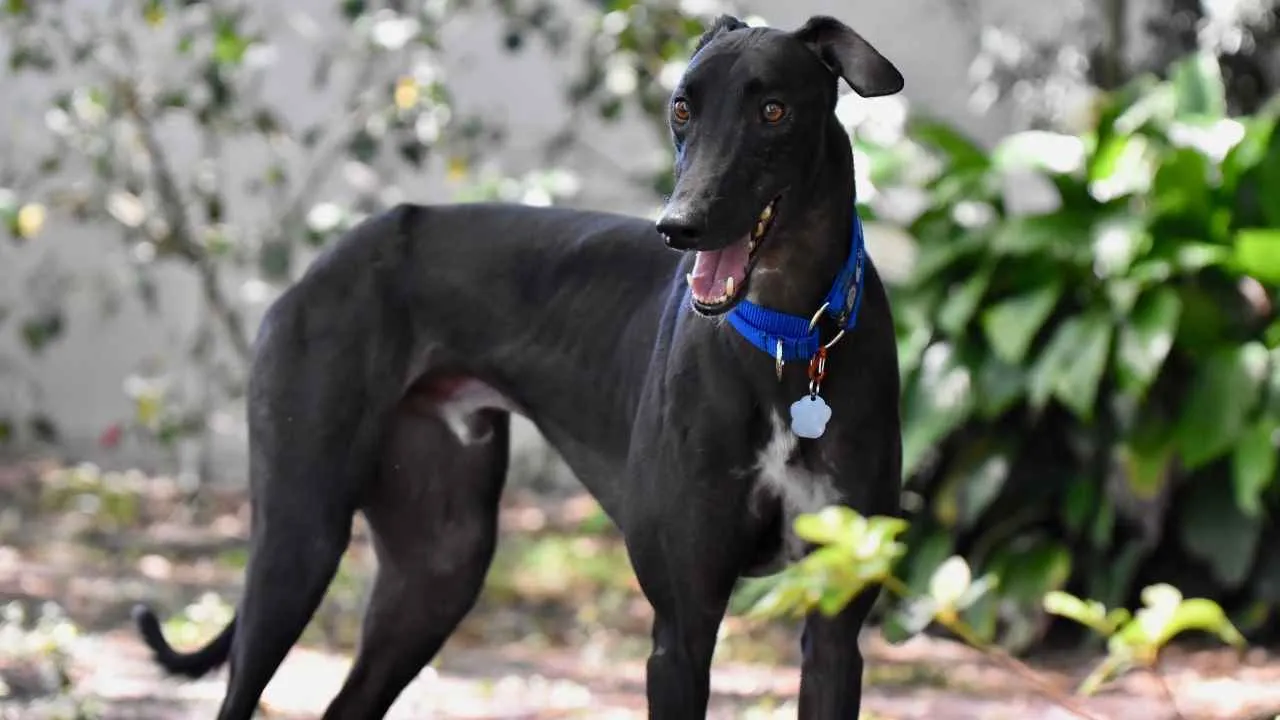
The Greyhound is a swift, sight-hunting sighthound developed for speed and precision, known as a high prey drive dog and for having remarkable athletic ability, as noted by PetMD.
Bred to chase moving targets by sight rather than scent, they have an instinctive response to small, fast-moving animals, making them highly focused during outdoor activity.
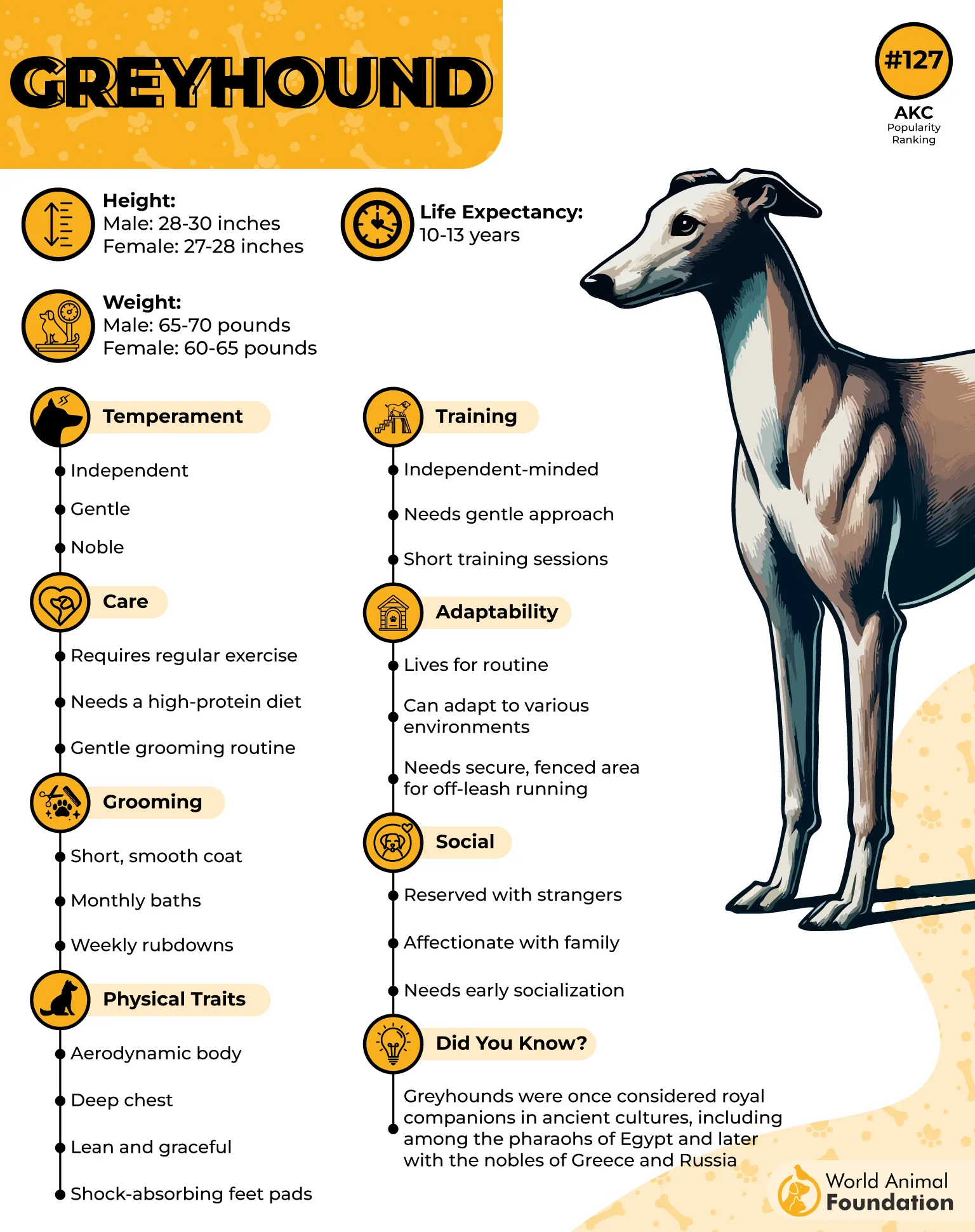
This natural hunting drive means Greyhounds are best managed on a leash during walks unless they are in secure, enclosed areas, as sudden movement can trigger a rapid chase instinct.
They are generally not recommended for homes with small pets such as rabbits or cats, although early socialization can sometimes help manage their reactions.
Despite their intense chasing instinct, Greyhounds are gentle, calm, and affectionate companions at home. They are not overly vocal and tend to be quiet, often communicating through soft whines or subtle expressions.
Although they enjoy short bursts of speed, they do not require excessive exercise, preferring routine walks and occasional sprint opportunities. When their physical needs are met, they are relaxed indoors and rarely display destructive behaviors.
Their combination of explosive speed, controlled energy, and calm temperament makes them a fascinating example of breeds shaped by a high prey drive and refined hunting purpose.
2. Afghan Hound
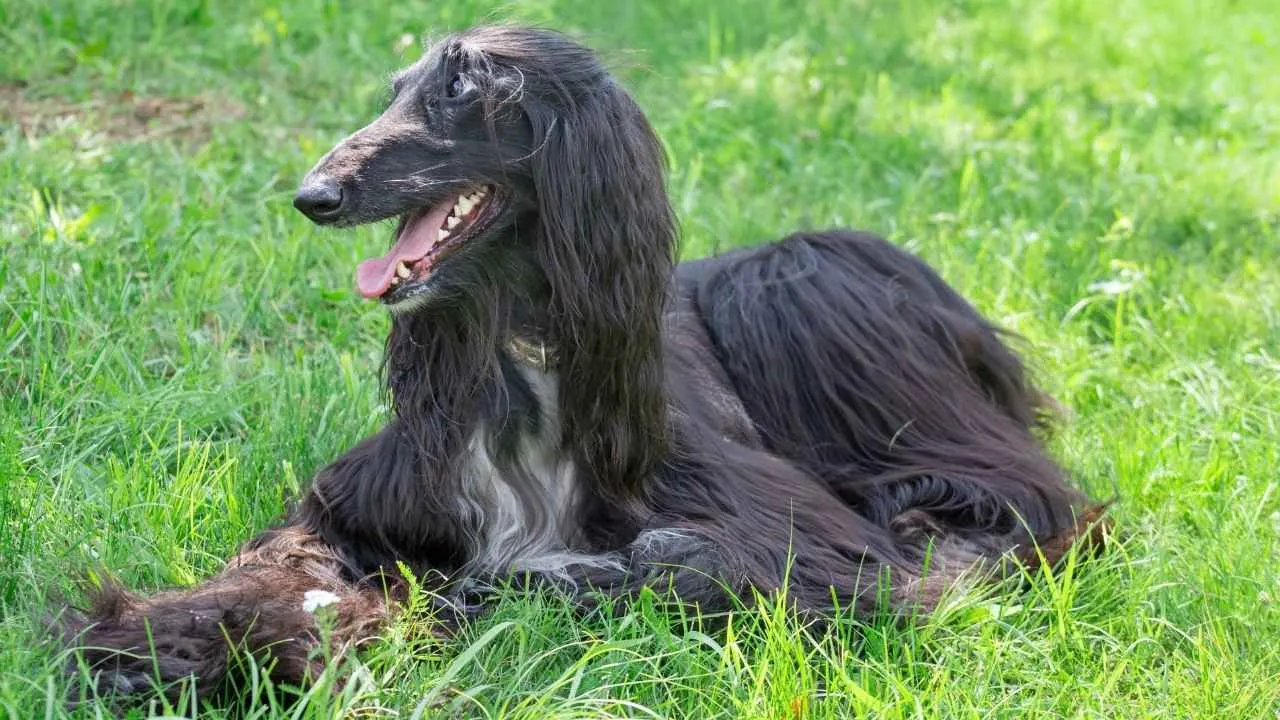
The Afghan Hound is a striking sighthound known for its speed, independence, and exceptionally strong prey drive, shaped by centuries of hunting in rugged terrain.
It is built for rapid acceleration and agile turning, making it highly responsive to movement and fast visual triggers in open environments.
Daily walks alone are not sufficient; this breed thrives on long runs, secure fenced spaces, and extended active play to maintain both mental and physical balance.
Afghan Hounds are often considered challenging to train, as they combine sharp intelligence with a strong independent streak that resists repetitive commands.
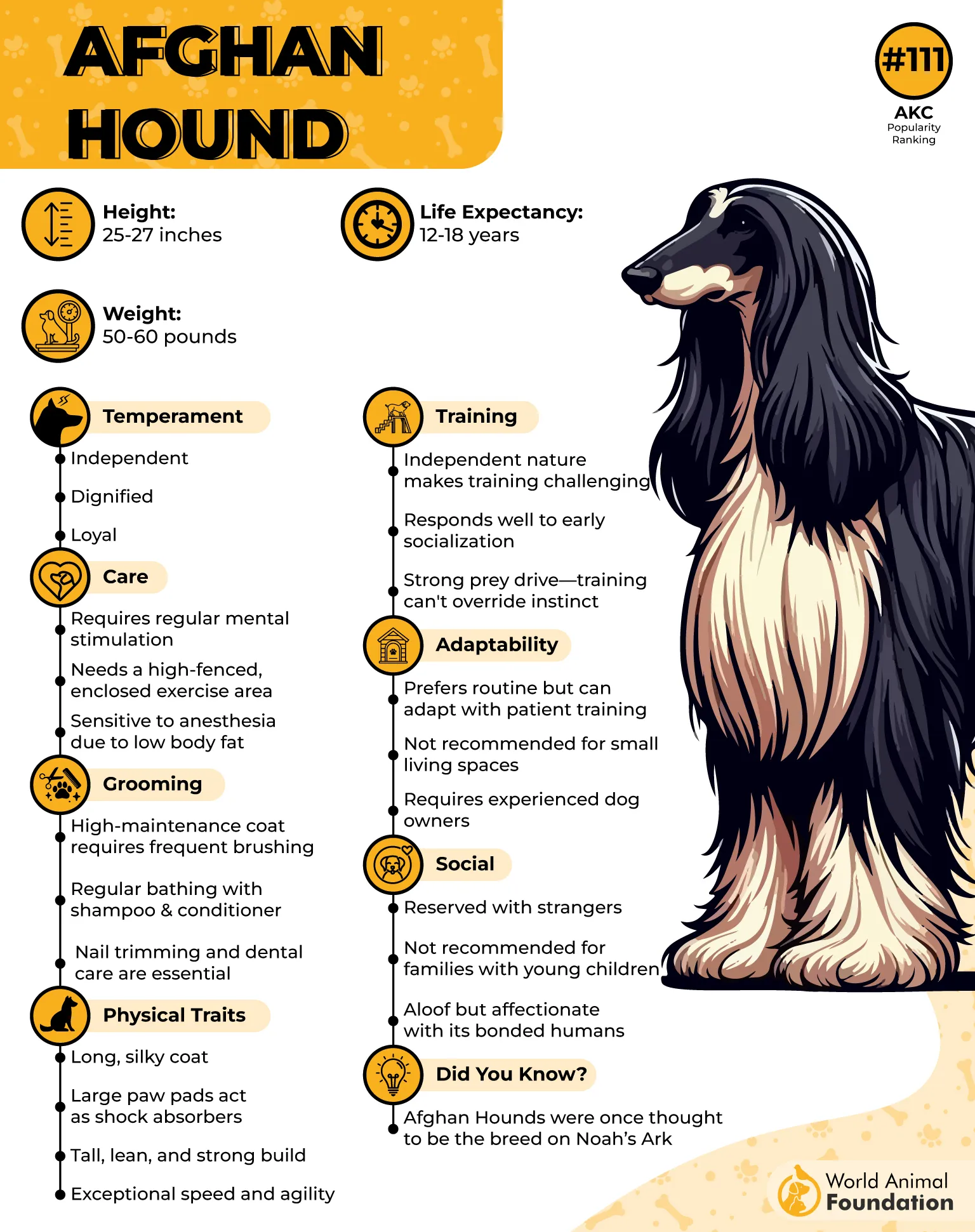
However, experienced owners value their intelligence and sensitivity when using consistent, firm but fair training methods. Their prey drive remains instinctive and cannot be fully suppressed, making off-leash activity unsafe in open areas.
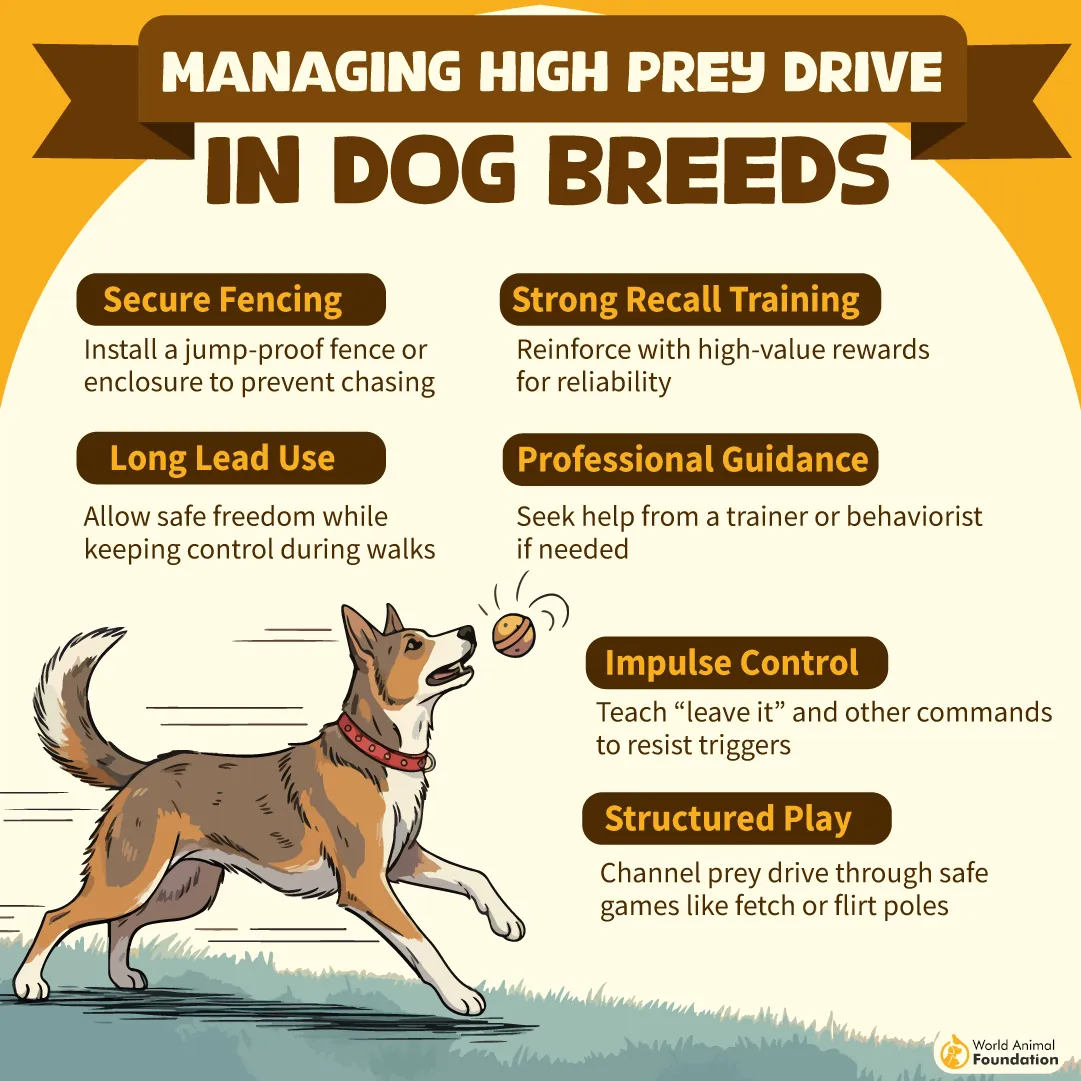
They may also struggle in homes with small animals due to their chase instinct, requiring careful management and secure environments.
Despite these traits, they are graceful and loyal companions when their needs are properly met. They excel in speed-based activities and open-field running.
3. Saluki
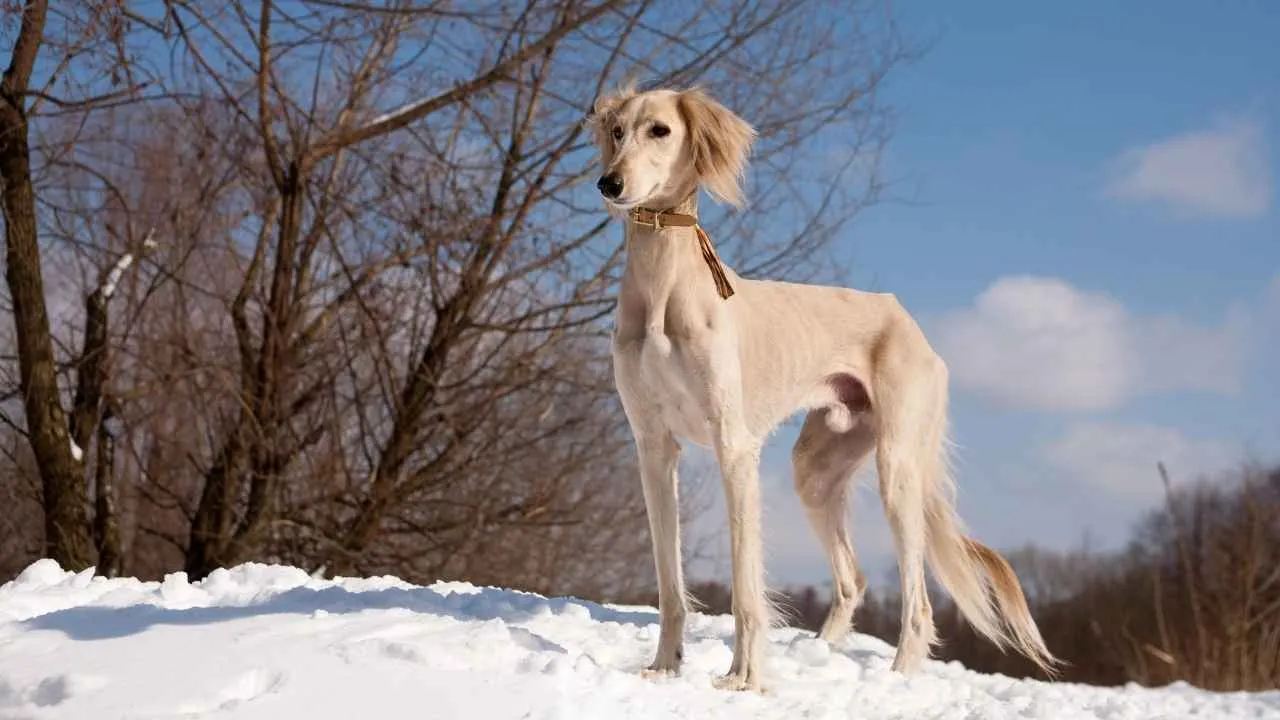
The Saluki is an elegant sighthound, one of the most powerful dogs with a high prey drive, bred for speed, endurance, and independent hunting across open desert landscapes, as mentioned by Omlet.
Known for its graceful yet athletic build, it is capable of explosive acceleration when it spots fast-moving prey, making its chase instinct extremely strong and difficult to override.
This instinct means secure leashes or enclosed areas are essential, as recall can become unreliable once they lock onto movement.
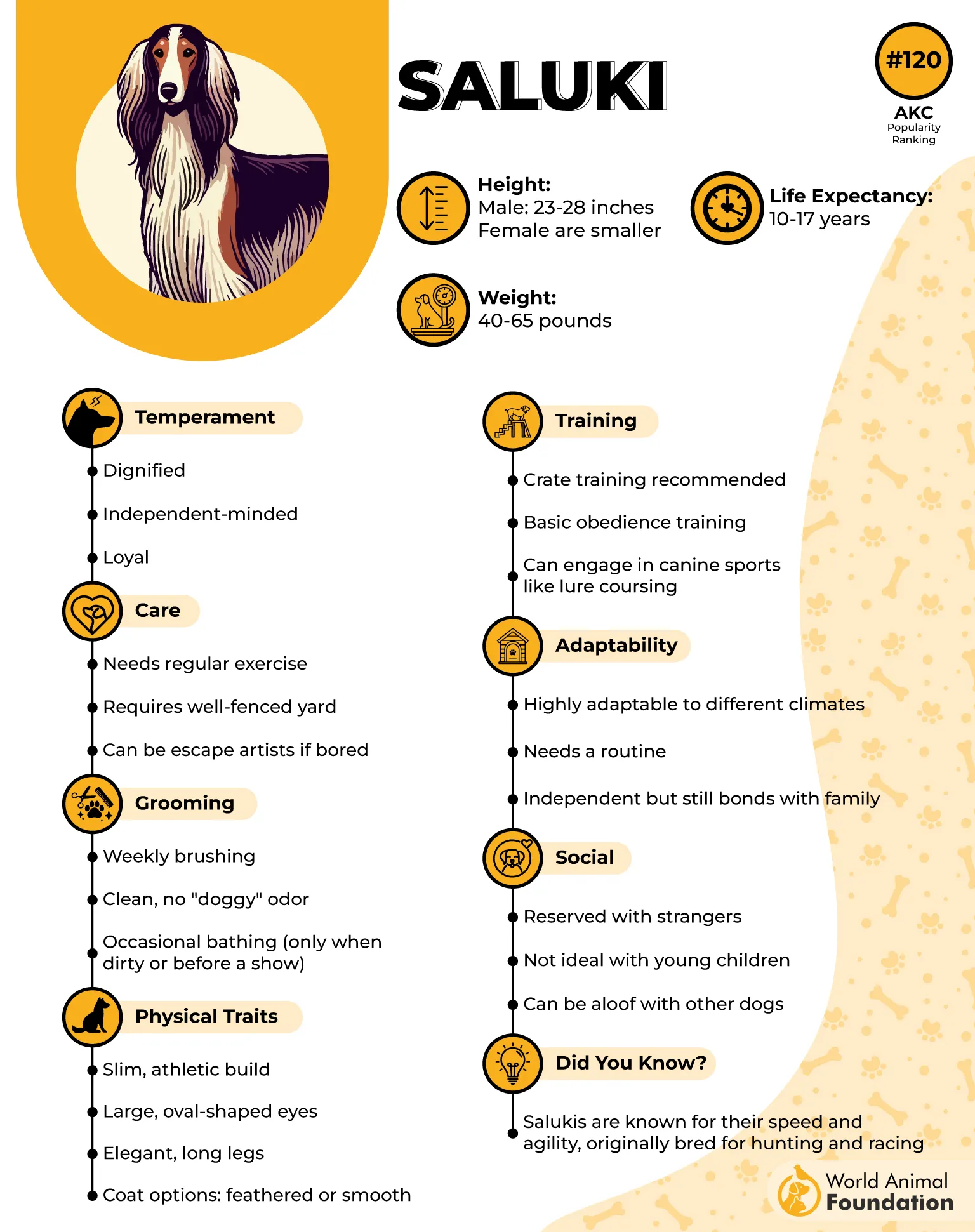
Despite this intense drive, Salukis are gentle, affectionate, and deeply loyal within their families, often forming a particularly strong bond with one person.
They prefer calm surroundings and may withdraw when faced with noise or chaos, showing a sensitive and reserved nature, especially with strangers.
Early and ongoing socialization helps them adjust better to different environments, though their independent mindset remains.
Training works best through patience, positive reinforcement, and short, engaging sessions, as they respond poorly to harsh methods. While they may coexist with familiar dogs, small animals can trigger a dog’s instinct to chase.
At home, they are quiet, clean, and affectionate companions, thriving when given space to run and opportunities for controlled sprinting or lure-based activities that satisfy their natural drive.
4. Pharaoh Hound
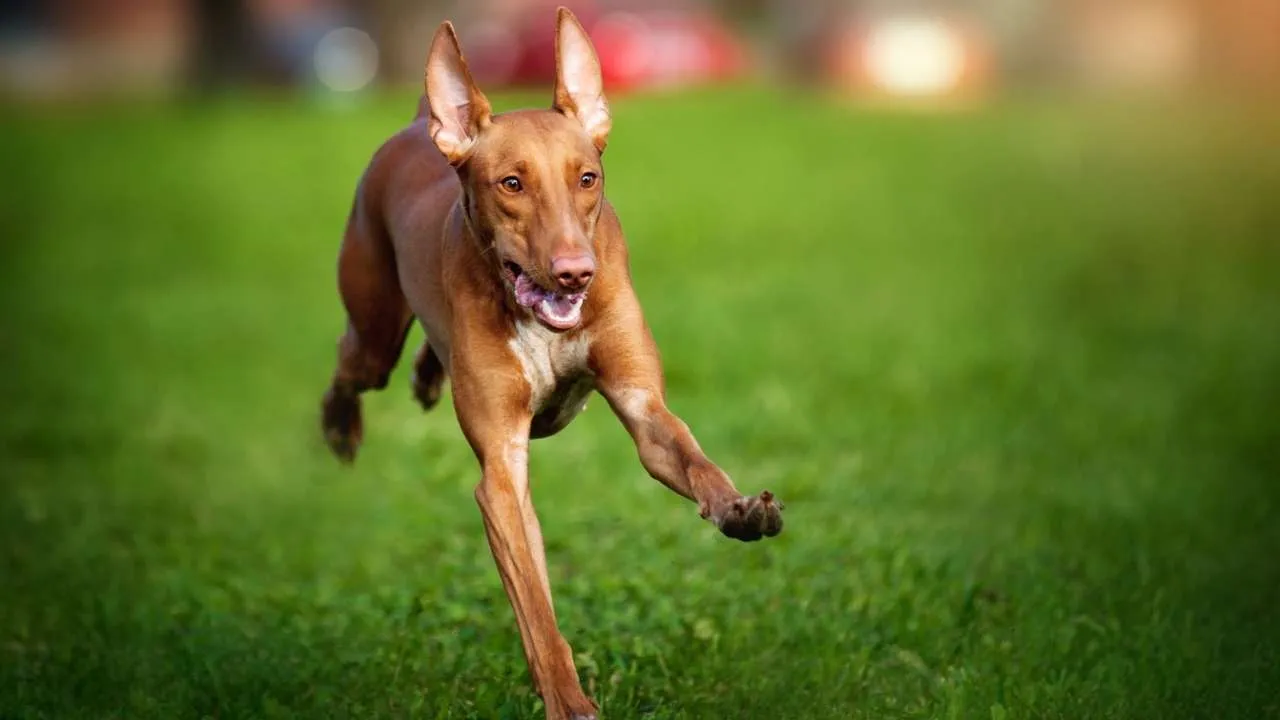
The Pharaoh Hound is a sleek and athletic sighthound developed for hunting by sight, giving it an exceptionally strong prey drive and sharp responsiveness to movement.
Built for speed and precision, it reacts instantly to small, fast-moving animals, making secure fencing or leash control essential whenever it is outdoors.
A tall, sturdy fence is often recommended to prevent sudden chases triggered by instinct. This high prey drive breed is highly alert and energetic, thriving in active households that can provide regular exercise, open space, and mental engagement.
While they are affectionate and social with their family, they can be sensitive to chaotic environments and benefit from structure and routine.
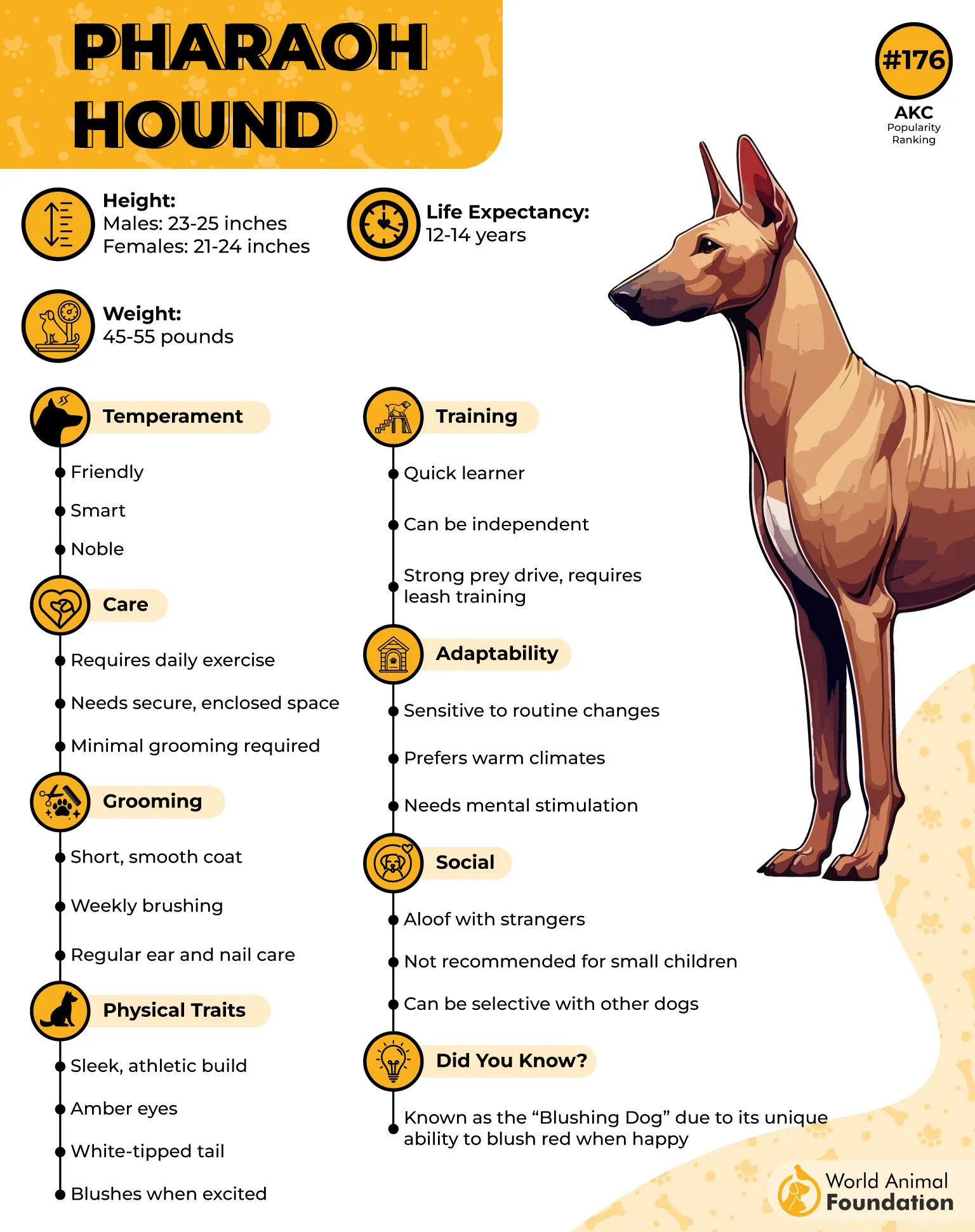
Pharaoh Hounds generally get along well with children and other dogs when properly socialized, but their strong chase instinct can make coexistence with small pets challenging, requiring careful introductions and supervision.
Unlike many heavy-coated breeds, they have minimal grooming needs and are known for being relatively low-maintenance in care. They may also be vocal, especially during play or excitement, expressing their emotions openly.
Overall, this breed combines elegance, speed, and a powerful instinct to chase, making it a striking example of dogs with a high prey drive.
5. Whippet
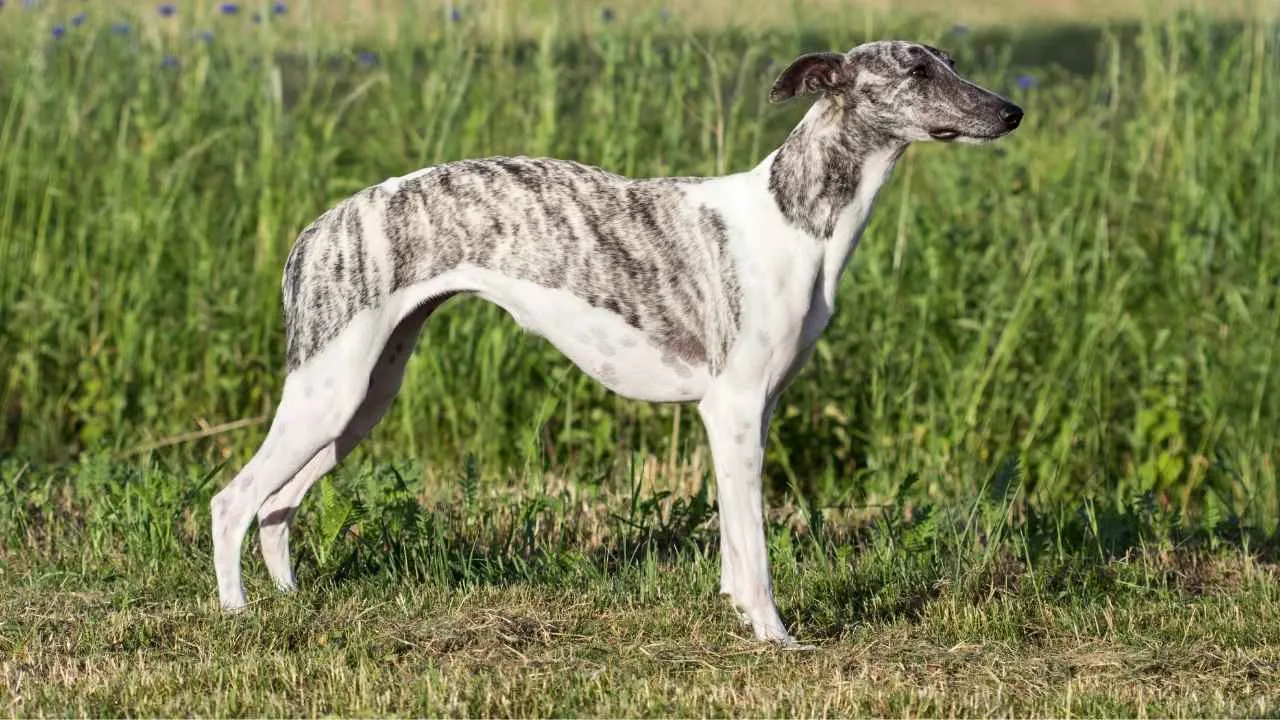
The Whippet is a sleek and lightning-fast sighthound known for its strong prey drive and instinctive urge to chase anything that moves quickly, as mentioned by PDSA.
Bred for speed and agility, it thrives on daily exercise, ideally combining short walks with longer outings and opportunities for controlled running in secure, enclosed areas.
Because of its powerful chase instinct, it should always be kept on a leash in open spaces, as sudden movement can trigger rapid pursuit behavior.
Whippets are generally sociable with other dogs when properly socialized from a young age, but their thin skin and delicate build mean rough play should be avoided to prevent injury.
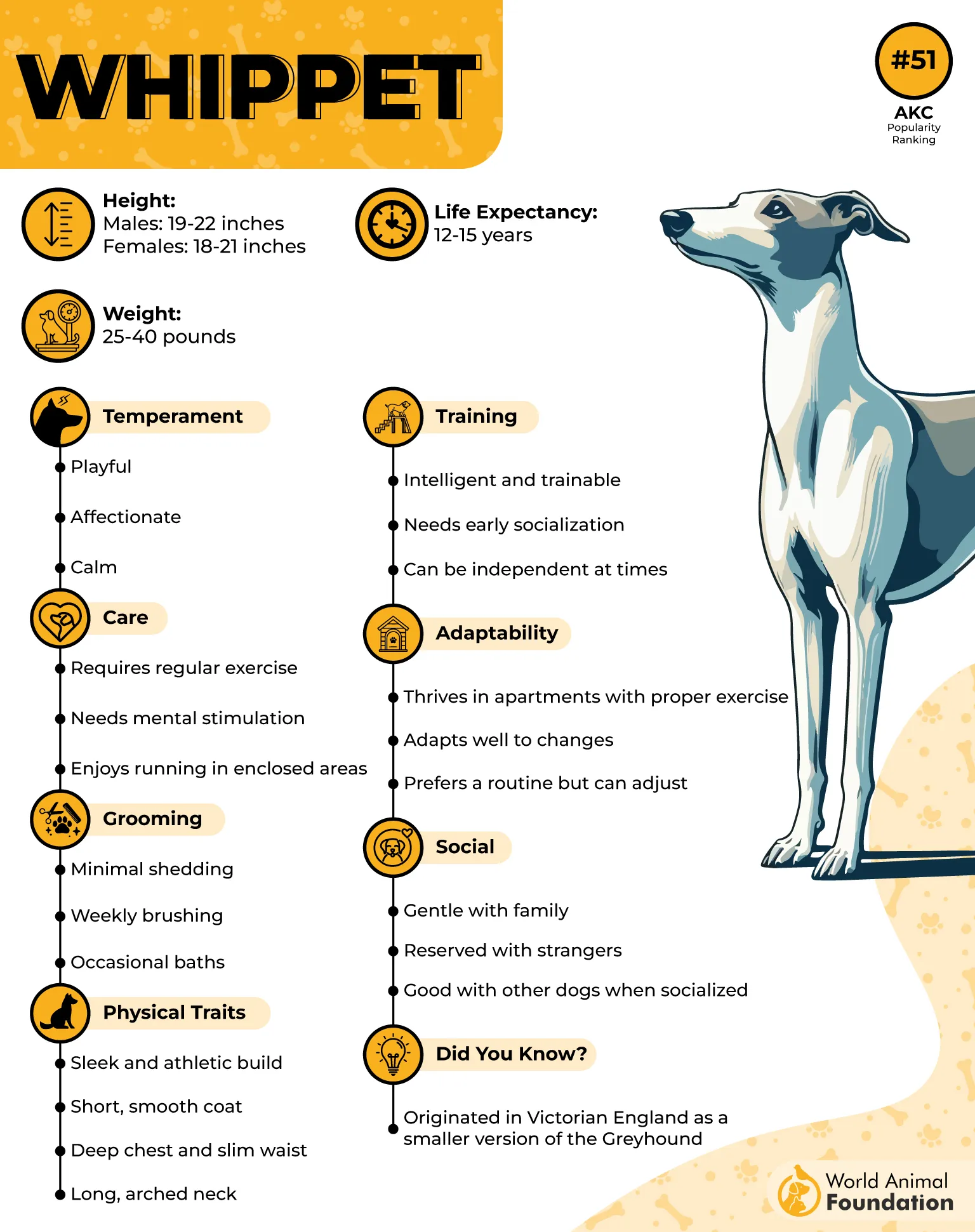
While they are gentle, affectionate, and calm at home, their hunting instinct remains strong, making them unreliable around small pets such as rabbits or rodents.
Some individuals may coexist peacefully with cats they are raised with, but supervision is always necessary.
Despite their athletic ability outdoors, Whippets are famously relaxed indoors, often enjoying quiet rest and comfort. Their combination of explosive speed, sensitive temperament, and high prey drive makes them a classic example of a refined yet instinct-driven sighthound.
6. Jack Russell Terrier
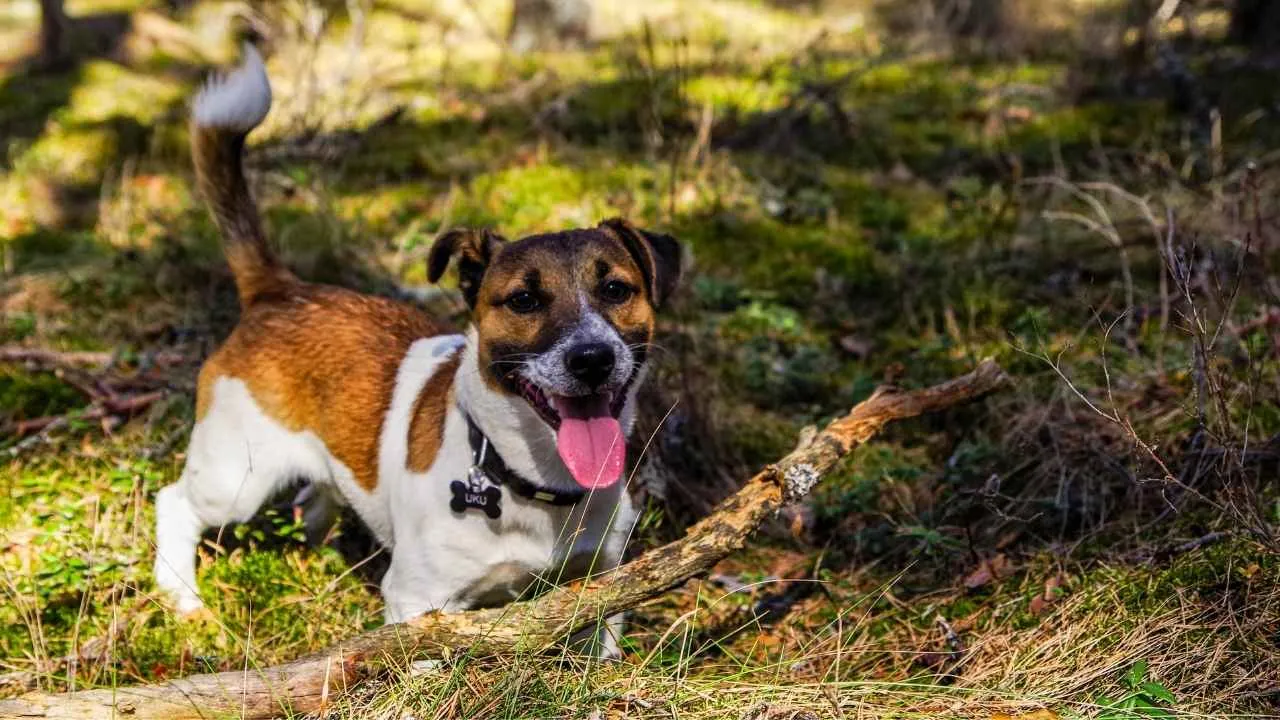
The Jack Russell Terrier is a small but intensely driven hunting breed known for its exceptionally high prey drive and fearless, energetic personality.
Originally developed for fox hunting, they are built for speed, agility, and relentless focus, often showing a strong instinct to chase anything that moves quickly.
Despite its compact size, it has the mindset of a determined working terrier and requires careful management in open spaces, as its chase instinct can trigger sudden and fast pursuit behavior.
A secure leash is essential during walks, and enclosed areas are best for off-lead exercise.
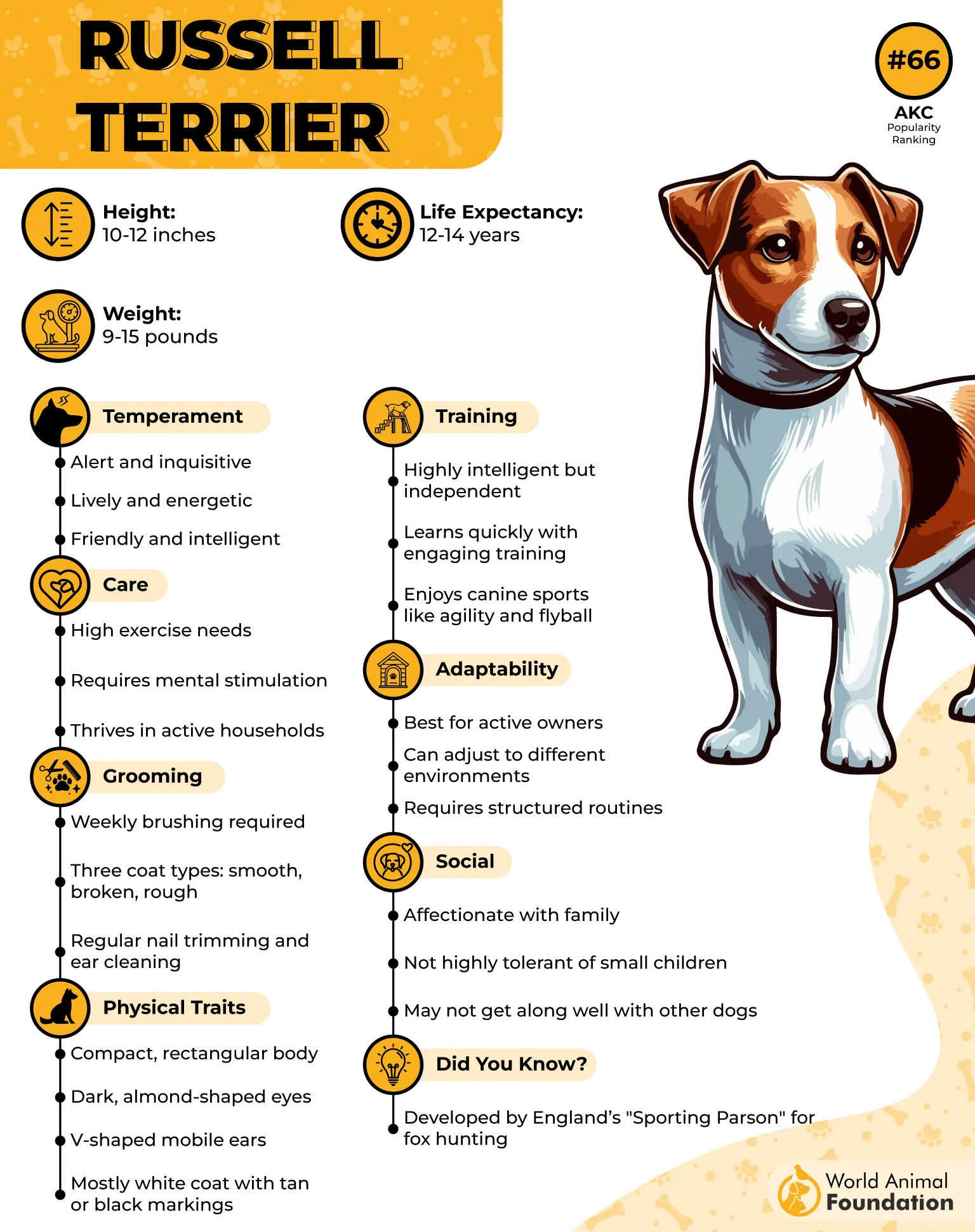
Jack Russells thrive when given structured activities that challenge both their body and mind, excelling in canine sports such as agility and flyball, where their quick reactions and enthusiasm shine.
However, their strong prey drive makes them unsuitable for homes with small pets like rodents or rabbits, as their instinct remains highly responsive.
With proper training and socialization, they can be affectionate, intelligent, and highly engaging companions, but they demand consistency, stimulation, and an active lifestyle to stay balanced and well-behaved.
7. Rhodesian Ridgeback
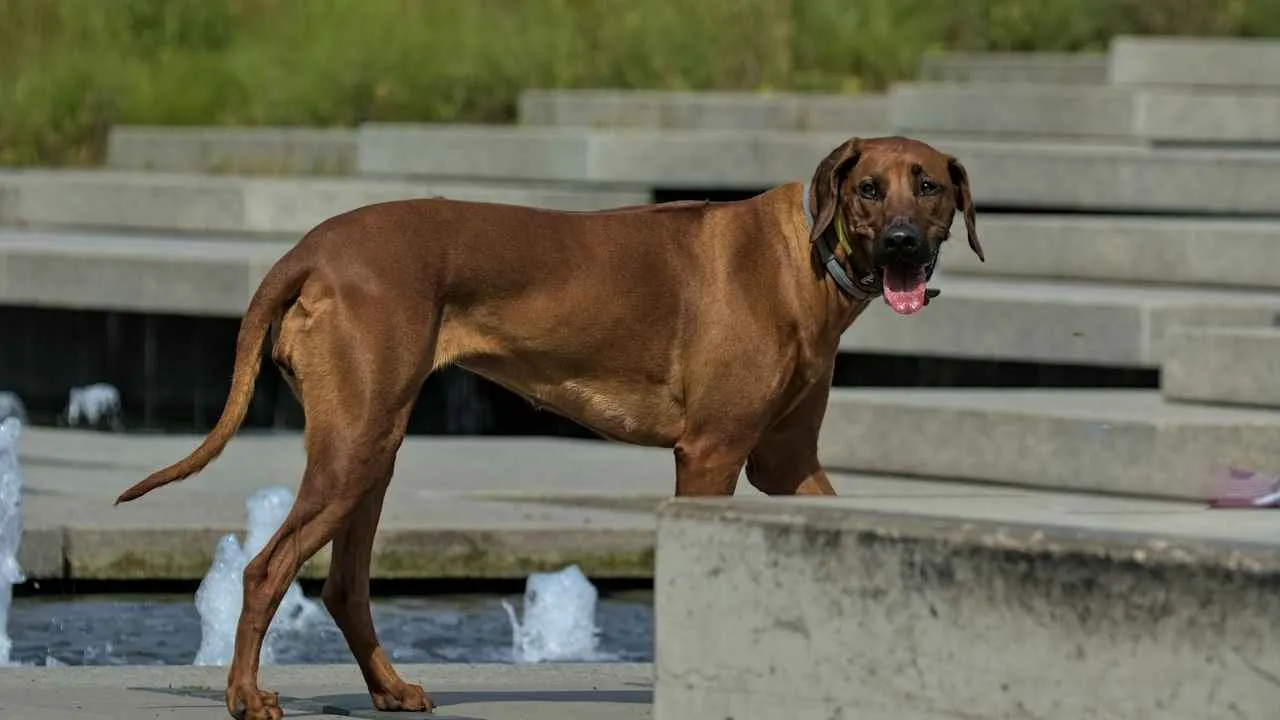
The Rhodesian Ridgeback is a powerful, athletic hunting breed originally developed in southern Africa, recognized by the distinctive ridge of backward-growing hair along its back.
Bred for endurance, strength, and tracking ability, it was historically used to follow and hold large game at bay, which explains its natural strong prey drive.
This instinct remains prominent today, making the breed highly responsive to fast movement and requiring secure, enclosed areas whenever off-leash activity is considered.
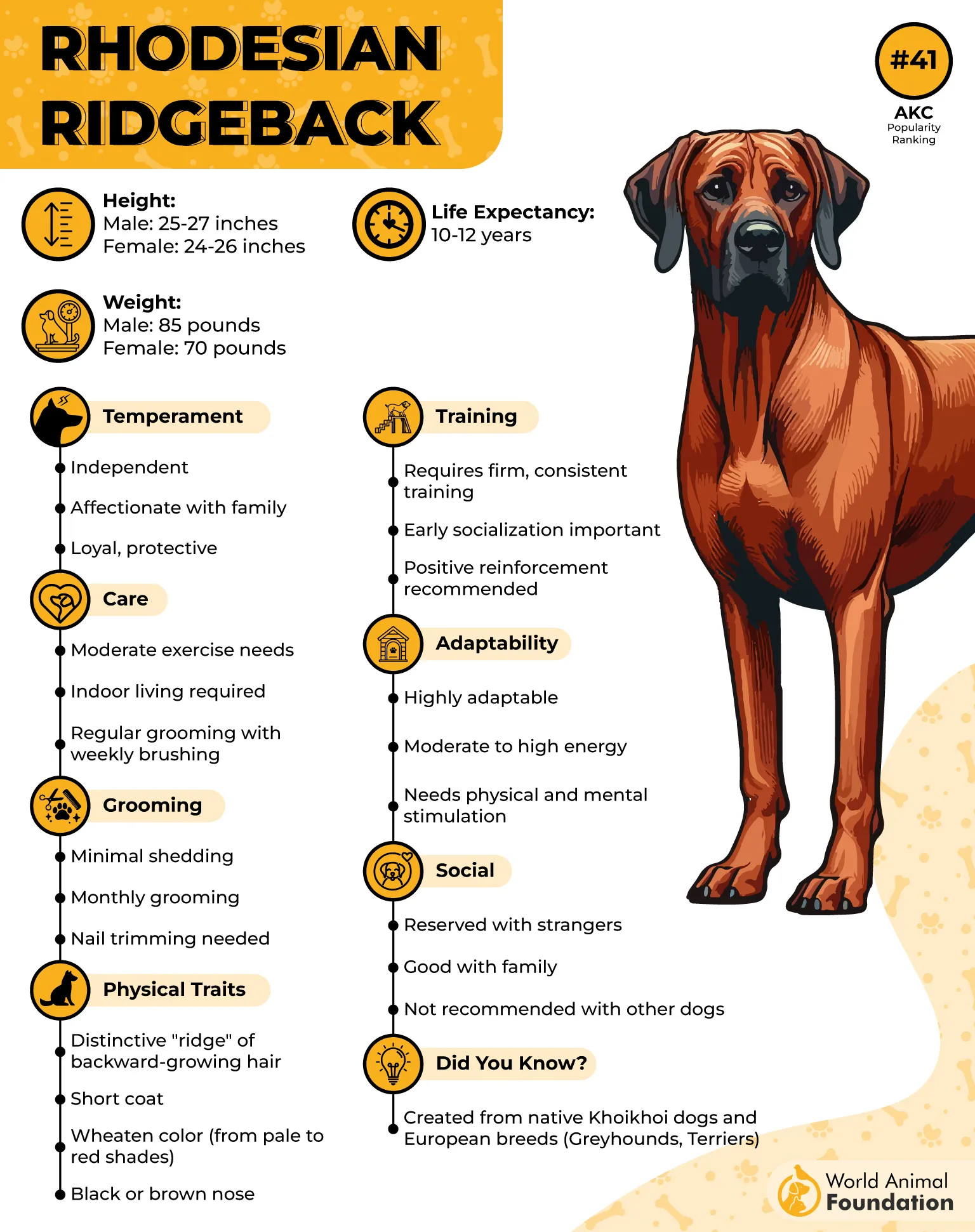
Ridgebacks are intelligent, independent, and sometimes strong-willed, often preferring to make decisions on their own, which can make training a challenge without consistency and patience.
Early socialization and positive reinforcement are essential to help shape a balanced temperament and reliable behavior.
Despite their independent nature, they are deeply loyal and form strong bonds with their families, often acting as calm and devoted household companions when their exercise needs are met.
They thrive in active homes that can provide structure, leadership, and regular physical activity. Due to their powerful instincts, they are best suited for experienced owners who understand working breeds and can manage both their intelligence and natural chase drive effectively.
Conclusion
Dogs with a high prey drive are shaped by powerful instincts that make them alert, energetic, and intensely responsive to movement.
This natural chasing behavior reflects their historical roles in hunting, tracking, and working alongside humans in demanding environments.
While this can present challenges in everyday management, especially around small animals, it also highlights their intelligence, focus, and athletic ability.
With proper training, secure environments, and consistent mental and physical stimulation, these dogs can become loyal and highly engaging companions. Understanding their instincts is key to building a balanced, safe, and rewarding relationship with them.
