




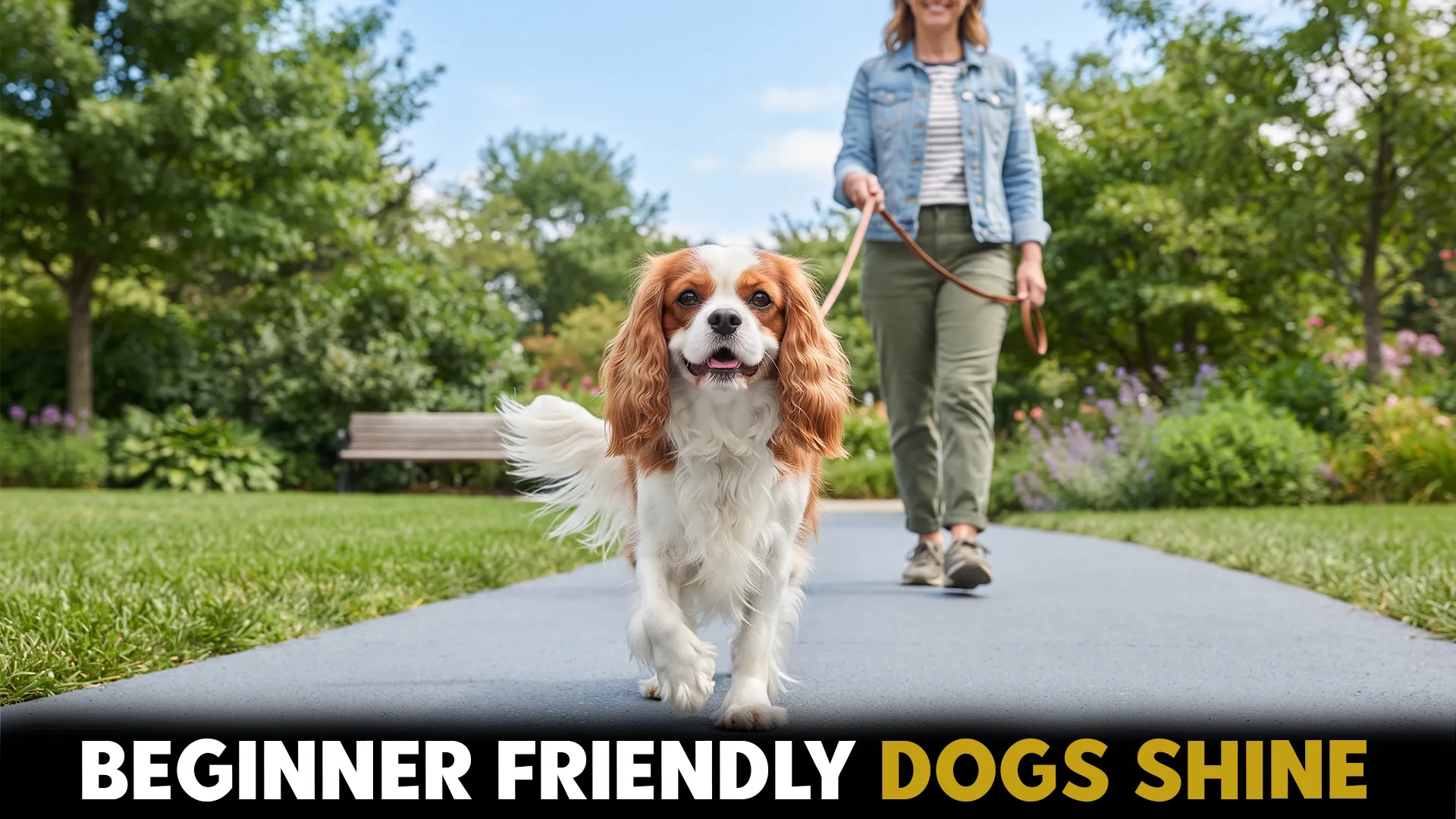
Every dog needs food, care, training, exercise, social contact, and a safe place to live, while individual breeds can differ greatly in their typical energy, grooming needs, working instincts, and responsiveness to training. That matters when you are learning the basics yourself and figuring out what your dog will need each day.
Getting your first dog is often treated like a simple choice between a cute face and a favorite breed. Real life makes the decision more practical.
A dog bred for demanding work may need a very different routine from one that was primarily kept as a companion. Puppies also require extensive supervision and house training, which can be a major commitment for new owners. Adult dogs can have different needs and may already understand household routines.
The following breeds offer a useful starting point for comparing what new owners can realistically expect.
Key Takeaways
There is a lot more to choosing your first dog than finding a breed with a friendly face and a manageable size.
French Bulldogs can suit smaller homes, while Dachshunds bring a strong hunting instinct that can make everyday training more interesting.
Beagles follow their noses with serious determination, then the Pug changes the pace with its playful personality and love of company.
Further down the list, the differences get even more surprising, especially when a 43-mph Greyhound enters the picture.
Amazing Dog Breeds to Consider When You’re New
1. French Bulldog
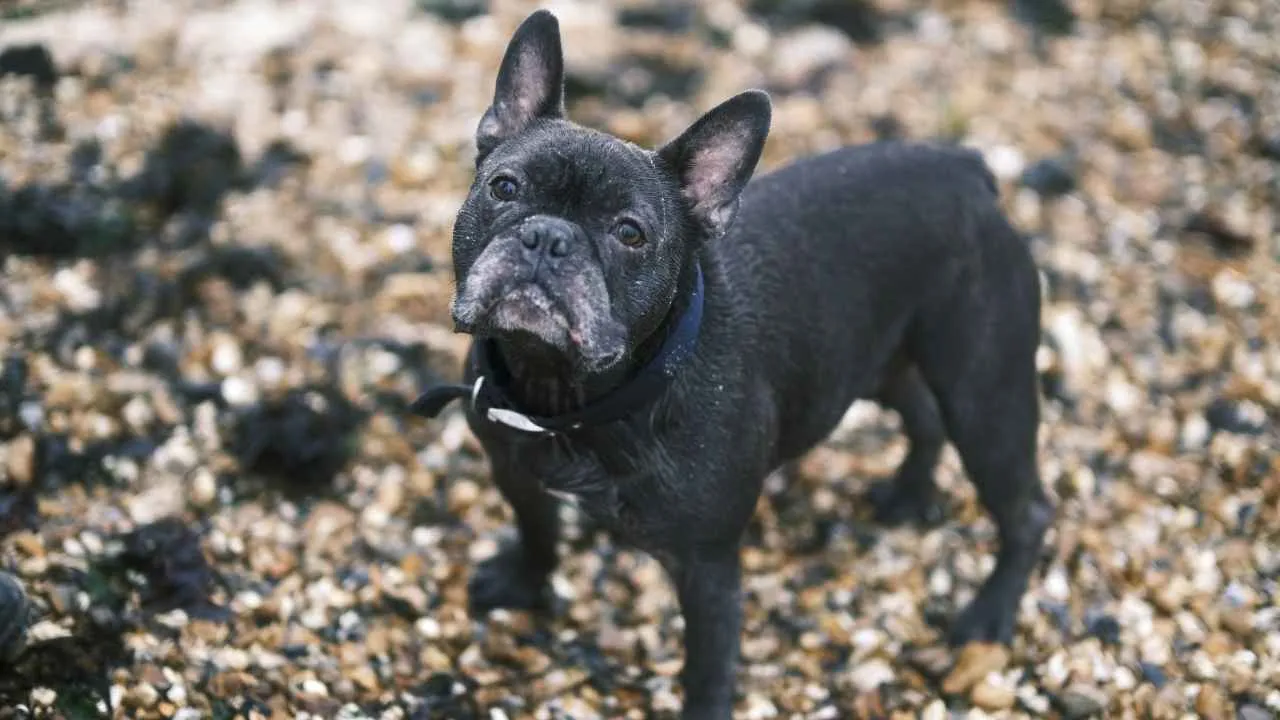
French Bulldog began with the Toy Bulldog, a smaller version of the British Bulldog that was popular among lace-makers in Nottingham. When lace workers relocated to France during the Industrial Revolution, their dogs went with them, where other breeds may have influenced the Frenchie we know today.
Made for Smaller Homes
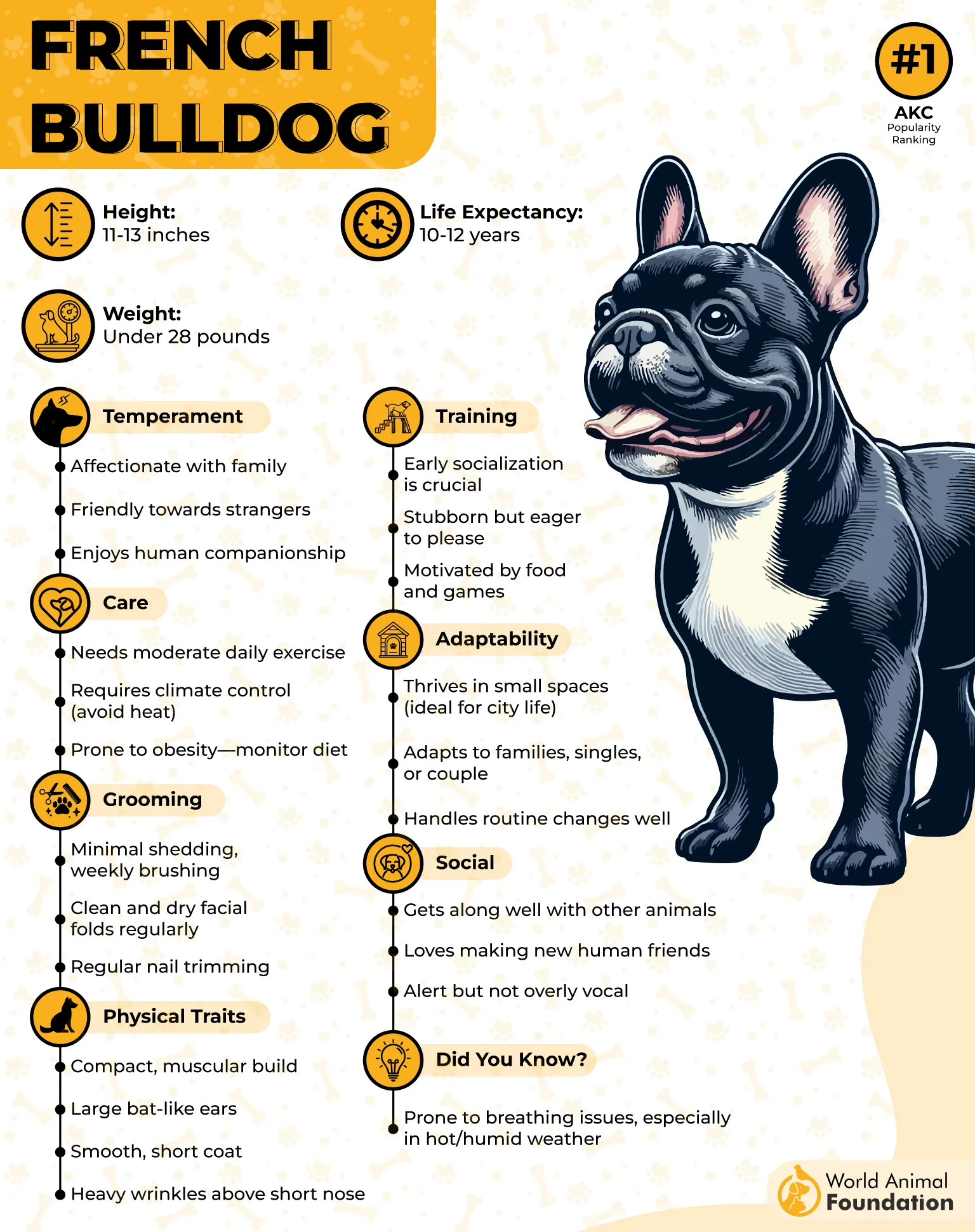
This best dog breed can make good use of a smaller home, especially when its activity is spread throughout the day. A short walk here, some playful movement there, and regular interaction with first-time dog owners can give it enough to do without lengthy outings.
Its manageable activity needs come with a relaxed side:
Usually quiet rather than frequent barkers
Enjoys long naps between play sessions
Curious about its surroundings
Social by Nature
French Bulldogs generally enjoy people and can get along with children, cats, and other dogs when introductions are handled properly, as Petplan describes. Their flat face can make breathing harder during exertion, so activity should be kept moderate, and mental games such as puzzles or scent work can add variety.
2. Dachshund
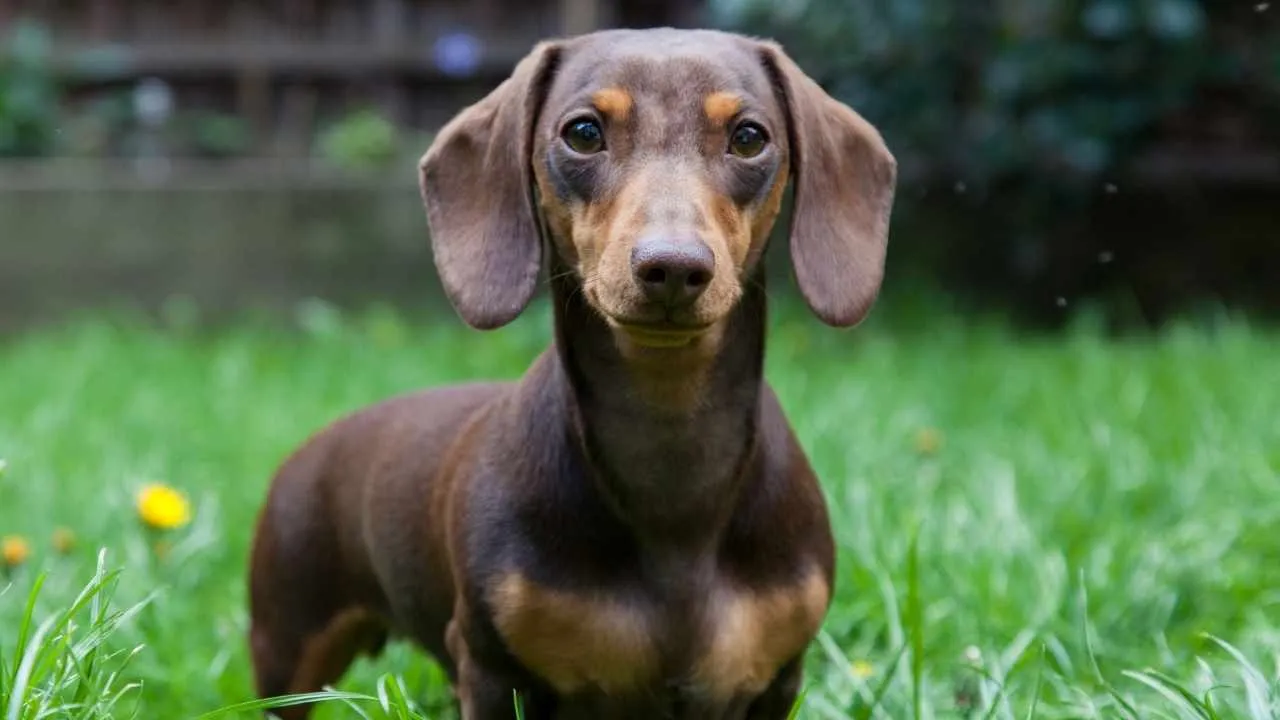
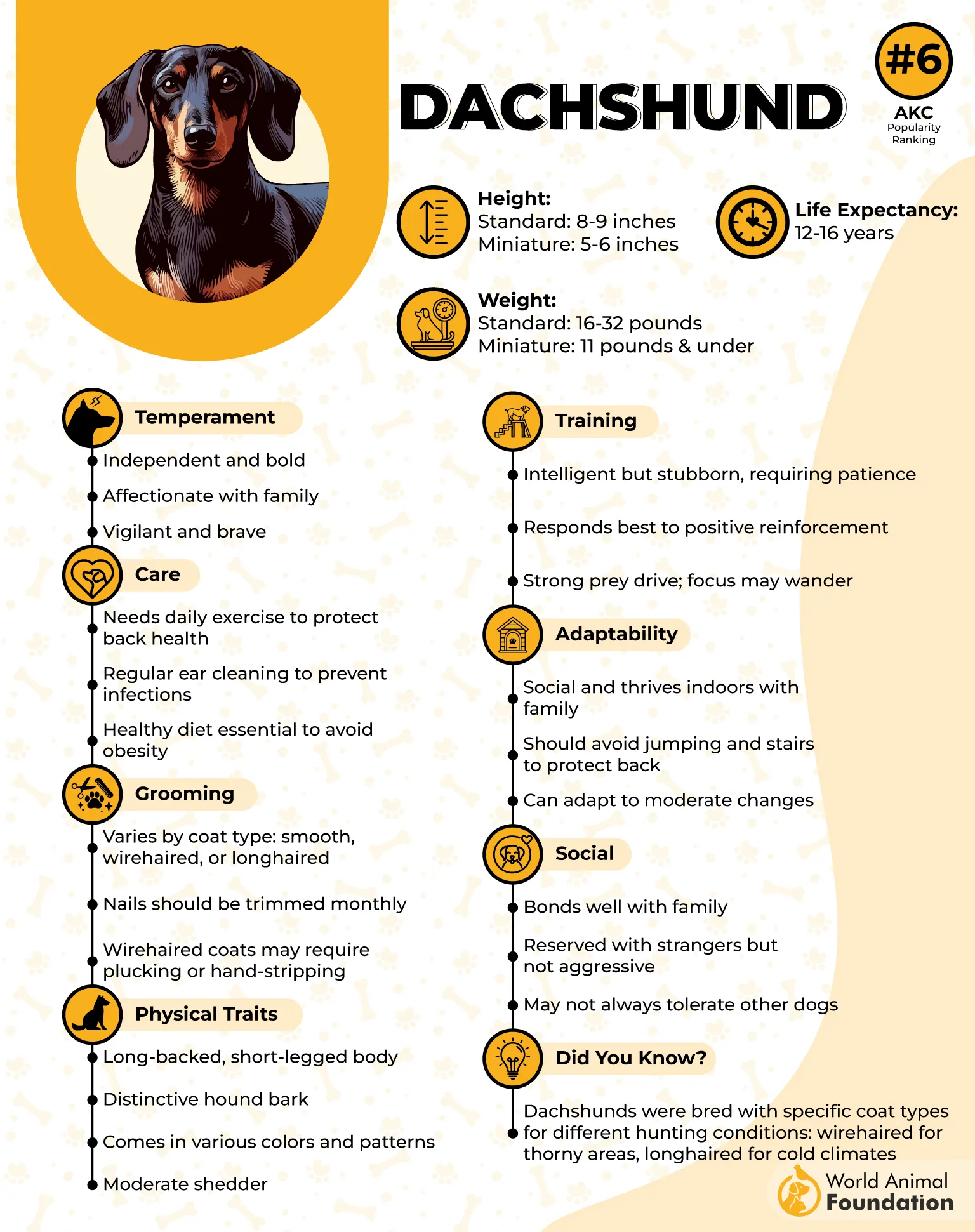
Dachshund originated in Germany as a specialized badger hunter, with roots reaching back to the 15th century and recognized breeding taking shape in the 17th century. Its name translates to “badger dog,” a direct reference to the work these small hunters were bred to perform.
Coat Care Varies
Their grooming depends on coat type, with short-haired dogs needing occasional brushing while long-haired and wire-haired varieties can require several sessions each week. Their low bodies also pick up leaves and burrs easily, so checking the belly after outdoor time is useful.
Some other essential care traits are listed here:
Daily walks of about 30 minutes
Jumping can aggravate back problems
Early training and socialization matter
A Nose With Plans
Dachshunds have a powerful nose and a busy mind that can turn an unattended pizza or hidden treat into a personal investigation around the house.
Scent games, treat hide-and-seek, and snuffle mats give that curiosity a safer outlet while keeping training engaging, rewarding, and mentally stimulating.
3. Beagle
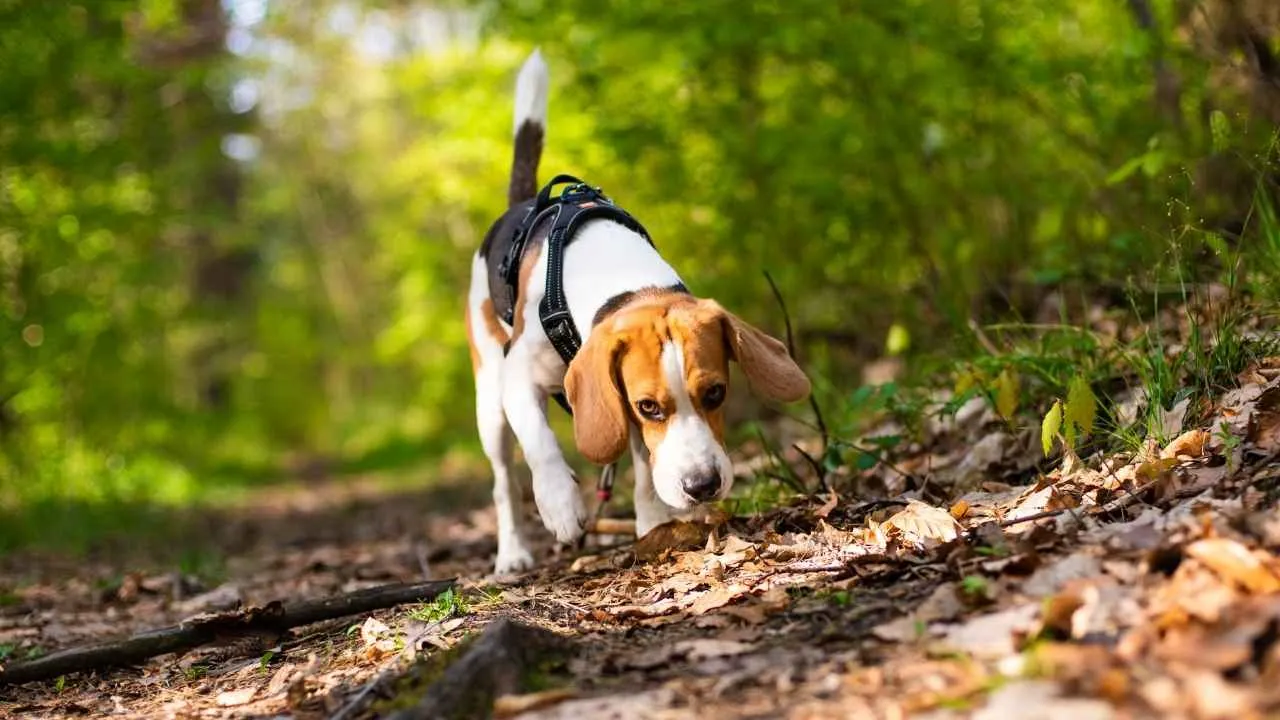
Beagle may have one of the oldest breed histories, with small pack-hounds used to hunt rabbits and hares in England before 55 B.C. By the 1500s, English gentlemen commonly kept different-sized hounds for deer and hare hunting, with the modern Beagle descending from the smaller type.
Made for Foot Hunts
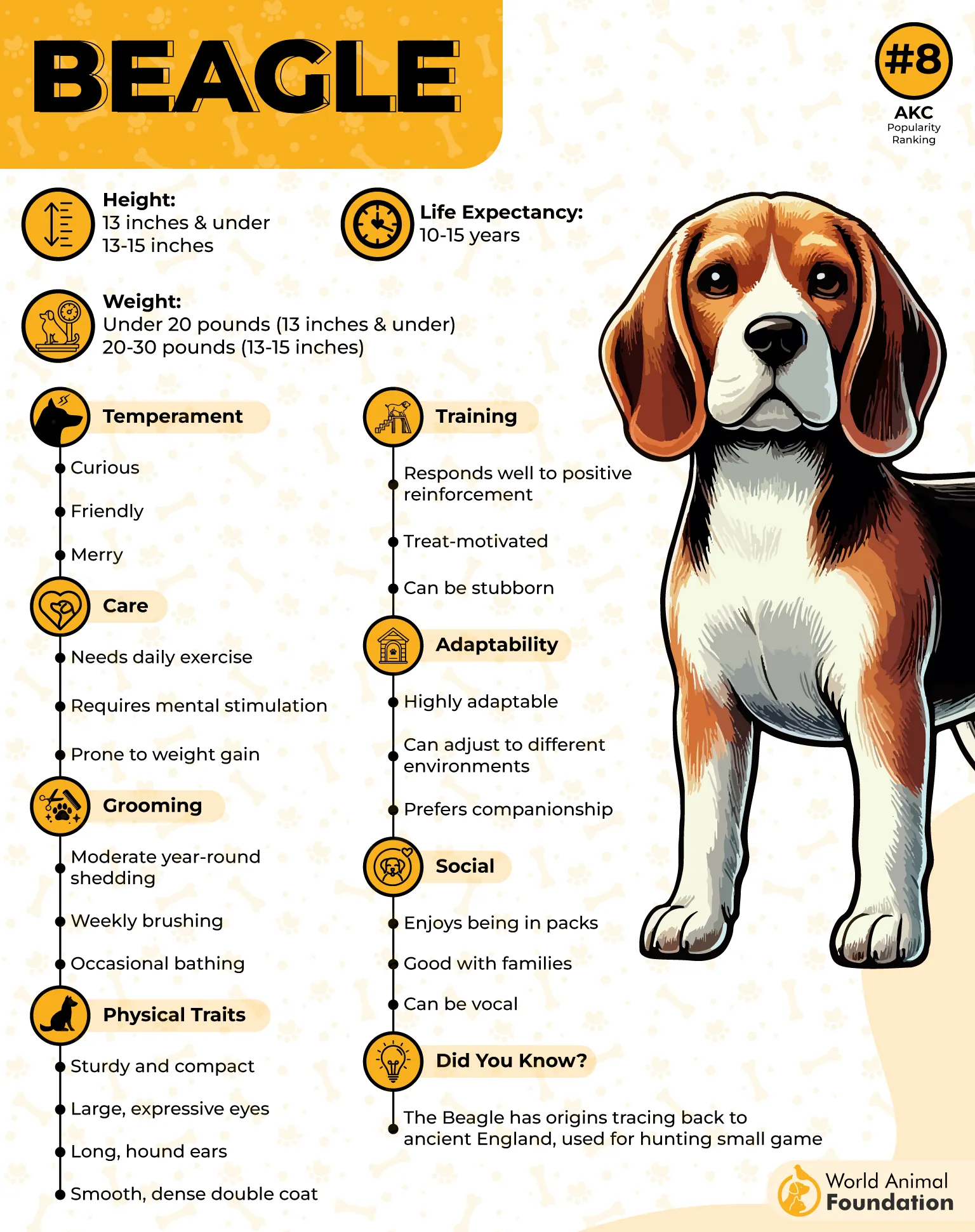
Beagle was especially useful to hunters who traveled on foot because it could track quarry without a horse. Its smooth, dense double coat becomes heavier during winter, while spring brings a noticeable shedding season that calls for regular brushing.

Here’s what the breed’s grooming considerations include:
Weekly brushing helps remove loose hair
Moderate shedding continues year-round
Frequent bathing is generally unnecessary
A Nose With Opinions
Beagle is intelligent, affectionate, and gentle with family, yet its independent streak can make training interesting when an enticing scent takes priority. That strong hunting instinct can also turn a running cat into an irresistible chase, even when other pets are familiar companions.
4. Pug
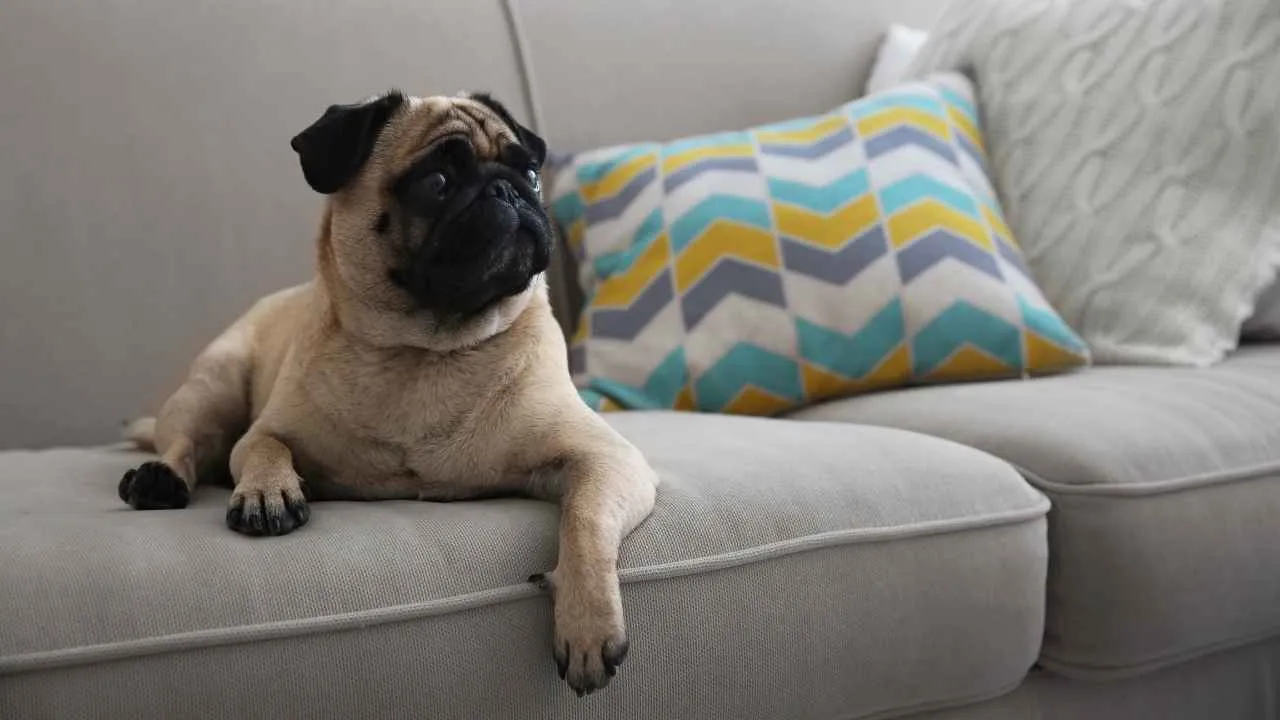
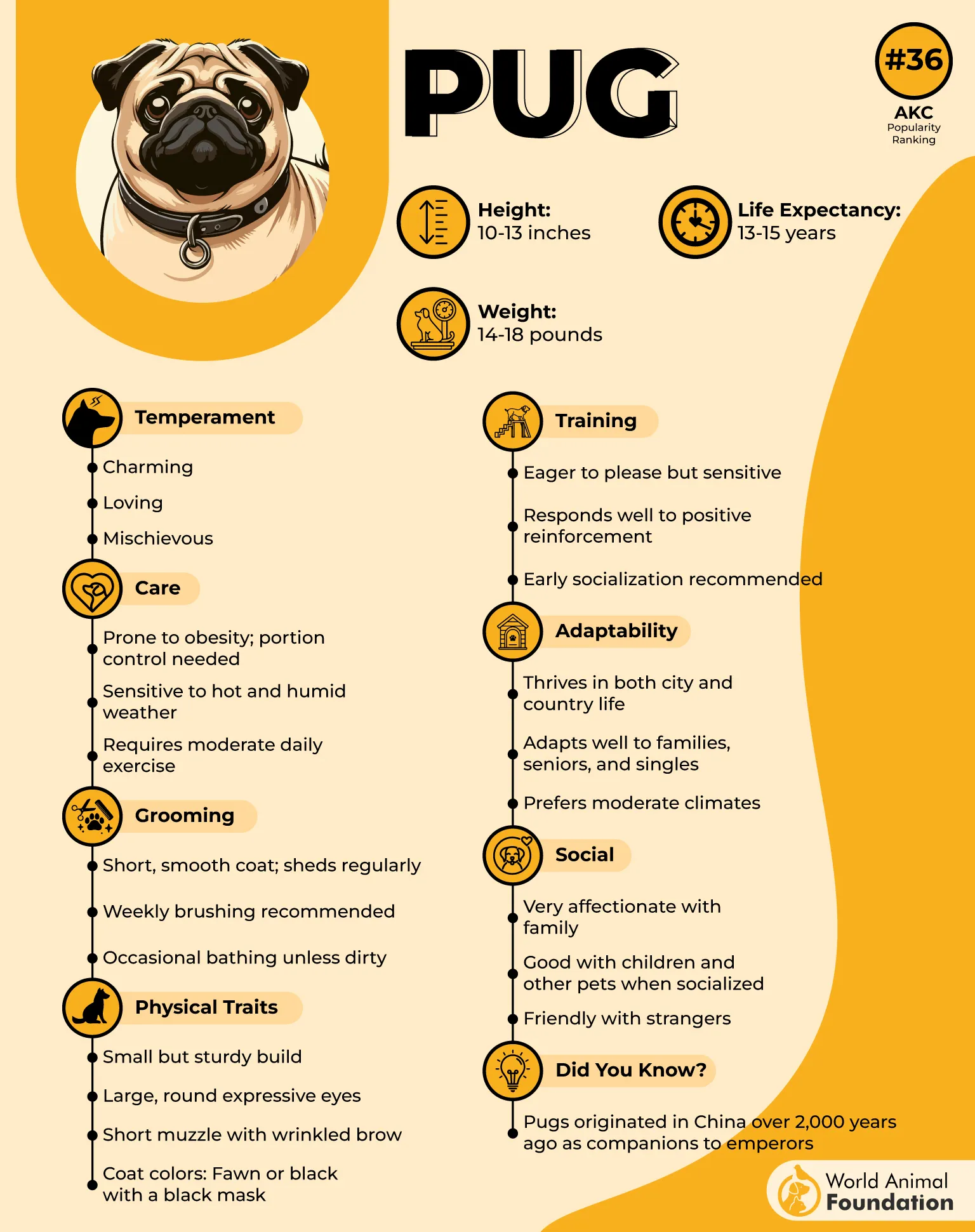
The Pug was originally bred in China during the Han Dynasty, between 206 BC and 200 AD, with evidence of similar dogs also found in ancient Tibet and Japan. Chinese emperors prized these compact companions enough to give them luxurious surroundings and even soldier protection.
Small-Space Personality
Pugs were bred for companionship and bring plenty of character into a compact home, with their playful, goofy behavior earning them the nickname “clown of the canines.” Their low-key pace also suits indoor life, with less than an hour of daily exercise generally enough.
This is what makes this low-maintenance breed distinctive:
Known by the motto “multum in parvo”
Typical speed reaches 5 to 10 mph
Often makes more snorts than barks
People Matter
As one of the easiest dog breeds, they enjoy being included in everyday activities, from relaxing on the sofa to taking a short walk or curling up in bed. They can become unhappy when left alone for long periods, while their friendly nature often works well with children, babies, and other pets.
5. Chihuahua
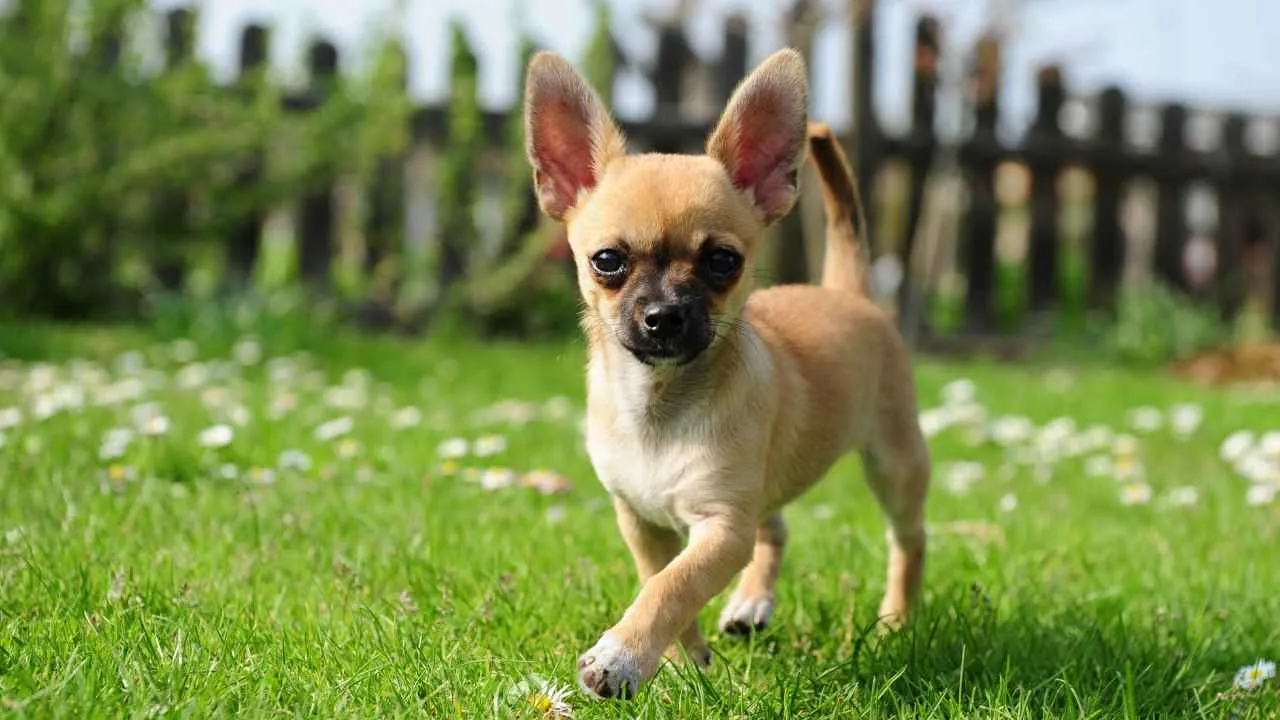
Chihuahua has an uncertain origin, with theories linking the breed to China or to Central and South America. In 1850, several small dogs were found in Chihuahua, Mexico, and later brought into the United States, where the breed gradually gained recognition as a companion.
Small, Yet Curious
Chihuahua suits first-time owners who want a tiny companion without treating it like a decorative accessory. Daily sniffing, outdoor exploration, play, and short bursts of activity give this little dog opportunities to use its senses and behave like a dog.
These daily life characteristics are easy to overlook:
Daily backyard sprints are suitable
Long-distance running is discouraged
Interactive toys encourage independent activity
Grooming Depends on the Coat
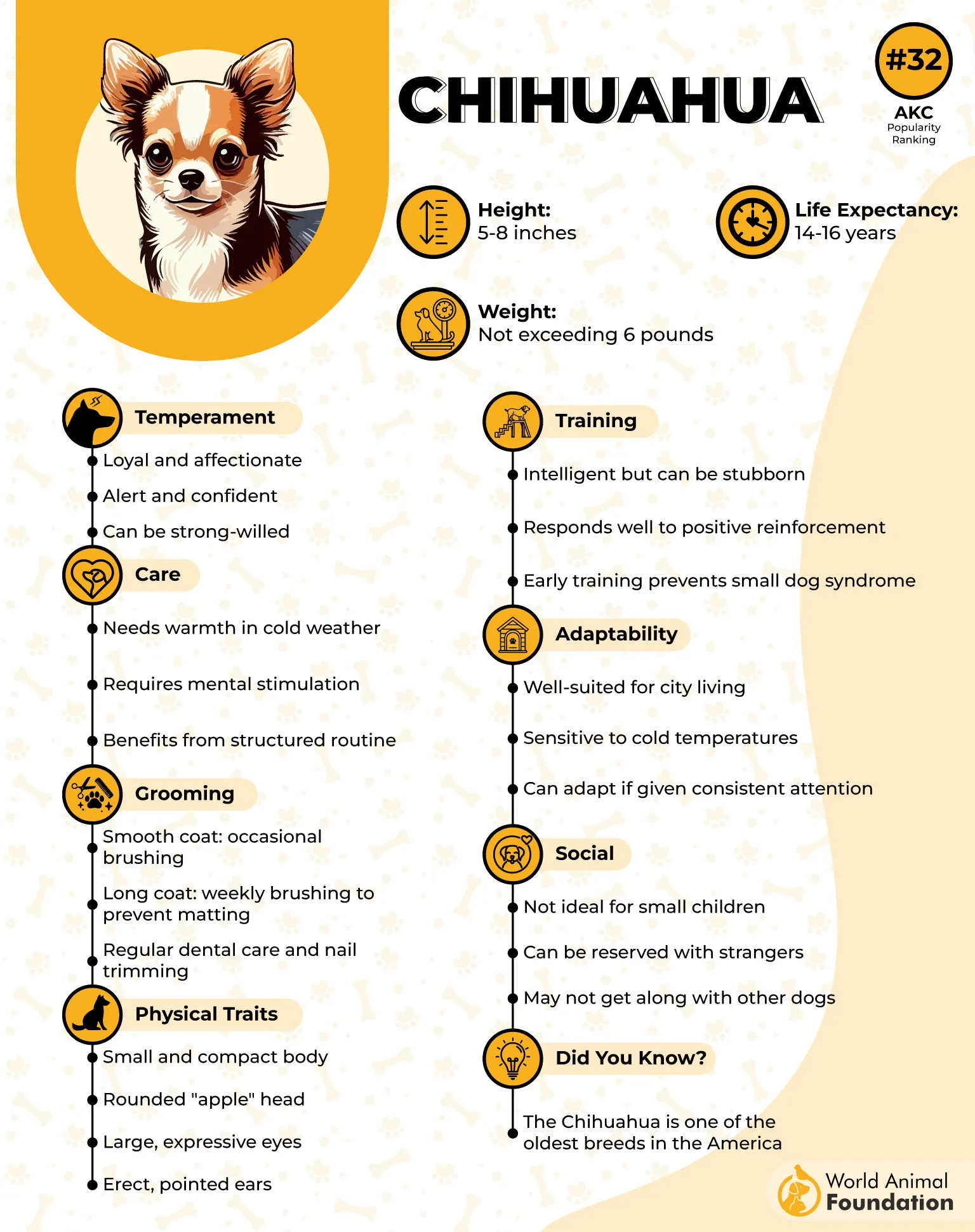
Chihuahua grooming is fairly manageable, although long-haired varieties need more brushing and regular trimming around the legs and tail.
Short-haired dogs generally need weekly brushing, while long-haired Chihuahuas benefit from brushing three times a week and should not have their coat shaved in warm weather.
6. Shih Tzu
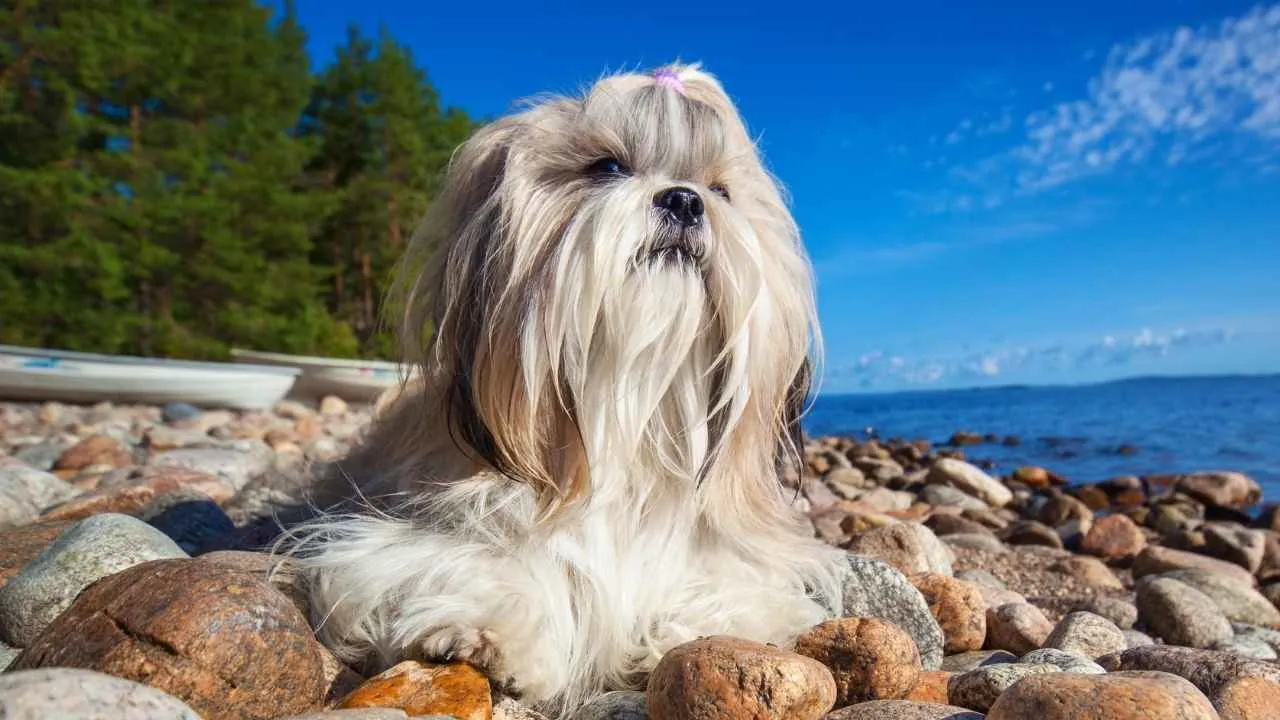
Shih Tzu has roots in China, where it was closely linked with Buddhism and called the Lion Dog. It was likely first bred in Tibet, while one theory connects its ancestry to a Pekingese and Lhasa Apso cross before the smaller, wider-skulled type gained separate recognition.
Easygoing by Nature
First-time pet parents can enjoy Shih Tzu’s affectionate nature without having to plan long daily outings just to keep this little companion active.
Two or three 20-minute walks can provide enough activity, while indoor games add variety without asking too much from their short legs.
Its exercise needs are simple, but other factors matter too:
Sensitive to hot weather because of its flat face
Can become noisy or destructive when bored
Gentle play suits children who understand dog manners
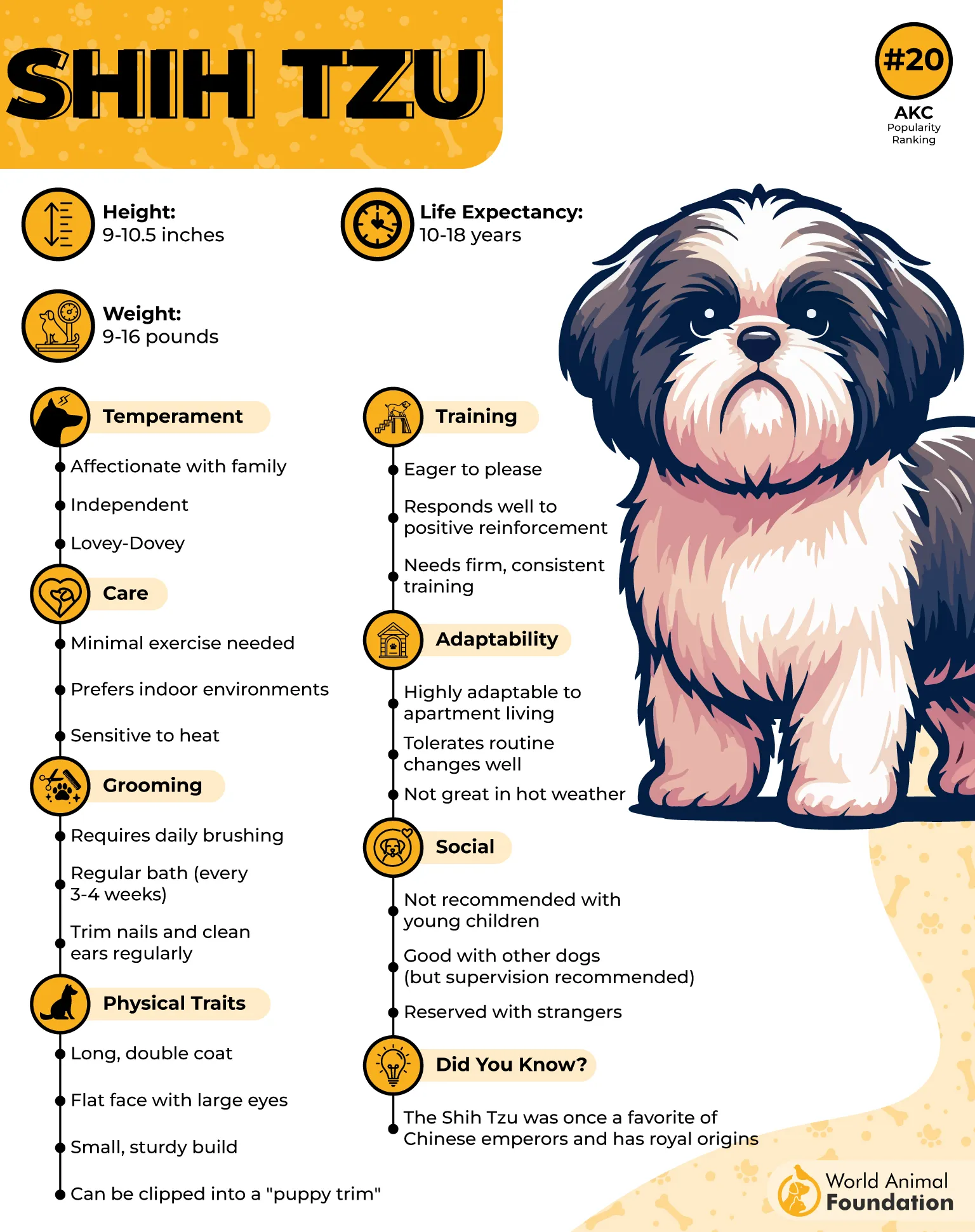
That Famous Coat
This intelligent dog needs regular grooming to manage its long, layered hair, with daily brushing recommended even when the coat is clipped short.
A pin brush helps reach through the layers, while a fine-tooth comb handles the mustache and topknot; bathing every three weeks also helps keep the coat and skin healthy.
7. Greyhound
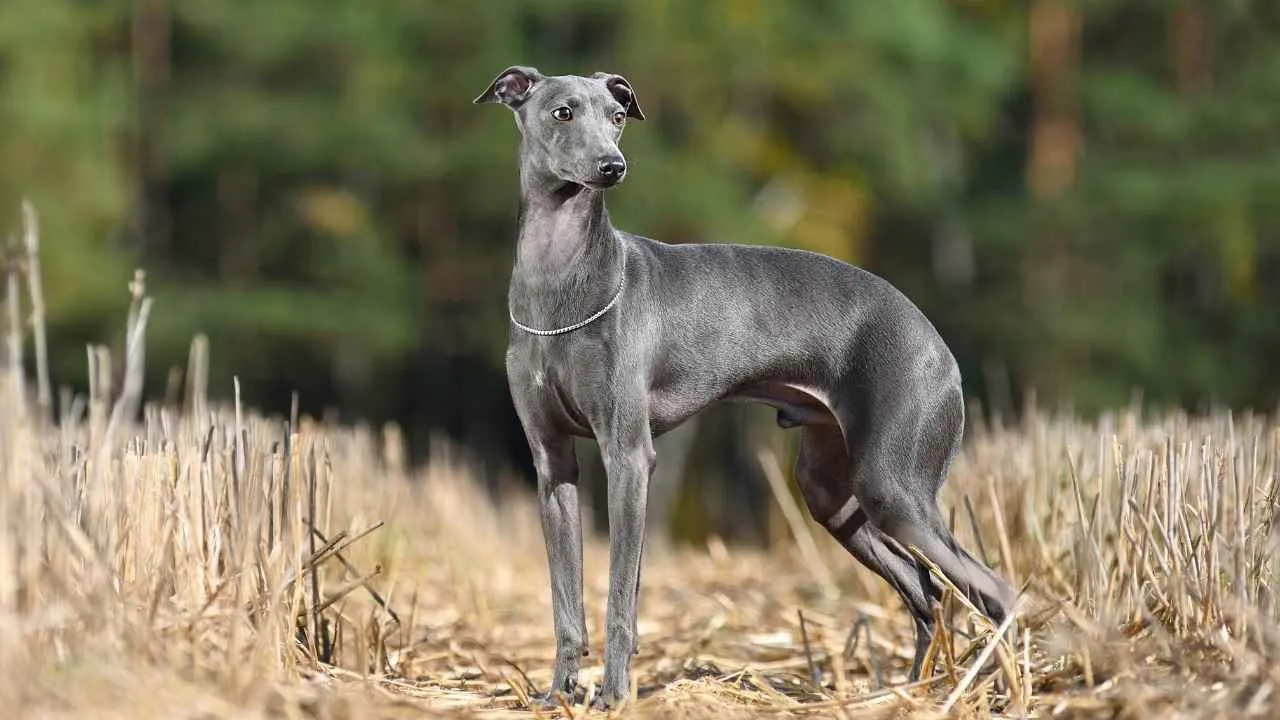
Greyhound is an ancient European sighthound bred to spot and pursue game using its vision rather than scent. Its long legs, slim frame, and flexible spine helped it reach remarkable speeds across open ground, with some capable of hitting 43 miles per hour during a fast chase.
Speed in Short Bursts
For a new dog owner, a Greyhound’s exercise needs are easier to understand when viewed through its natural rhythm. Around 30 minutes of activity twice a day can provide an outlet, with a fenced area giving this fast-moving breed room for a proper sprint.
These details make those outings more interesting:
Strong instinct to chase squirrels
Enjoys agility and flyball games
Interactive toys provide mental challenges
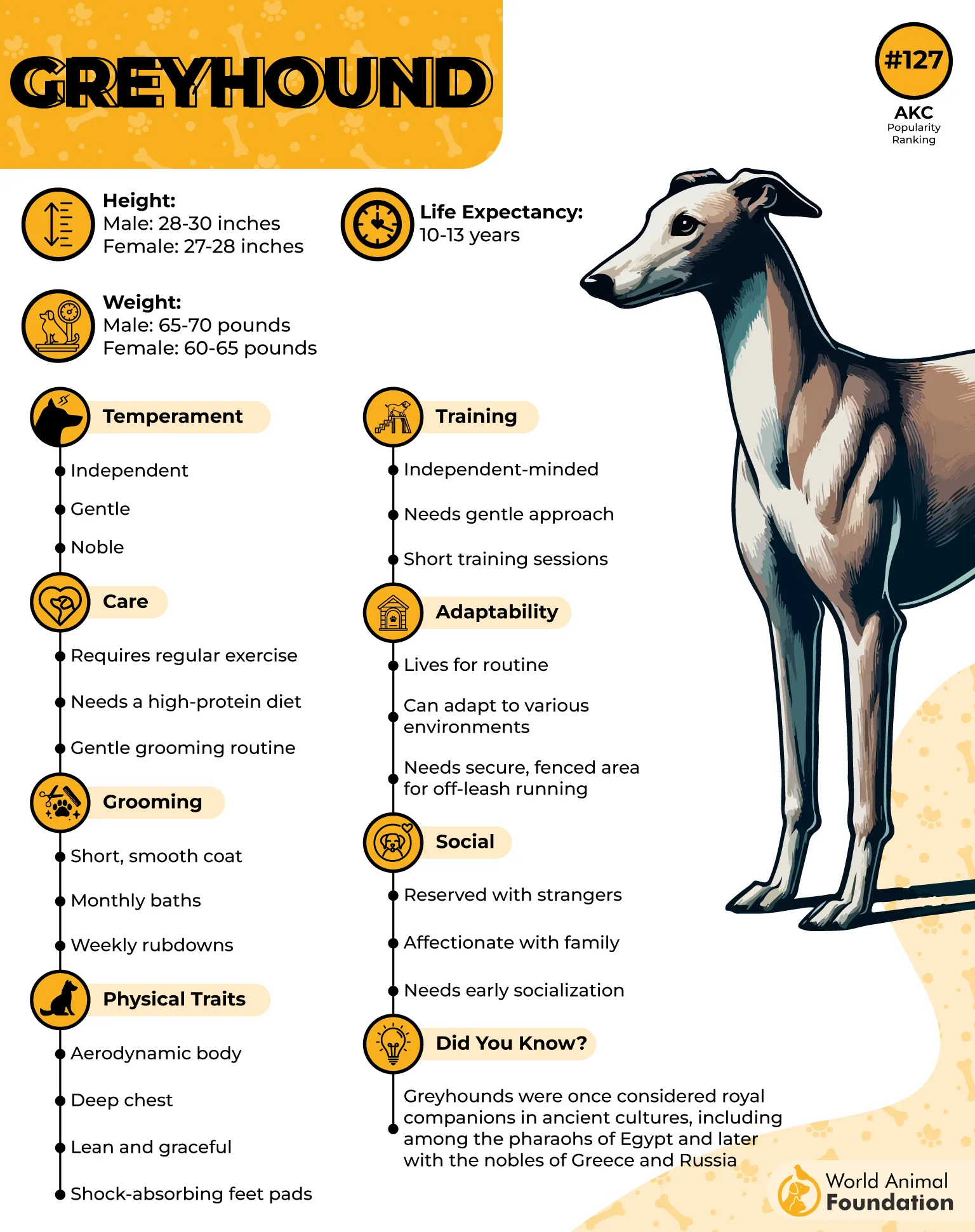
Less Grooming Needs
This large dog breed has a short coat that needs only a few minutes of brushing with a curry brush or grooming glove each day to remove loose hair, as reported by the AKC. Baths are usually needed about every two months, with pet wipes useful for keeping the coat clean and fresh between full washes.
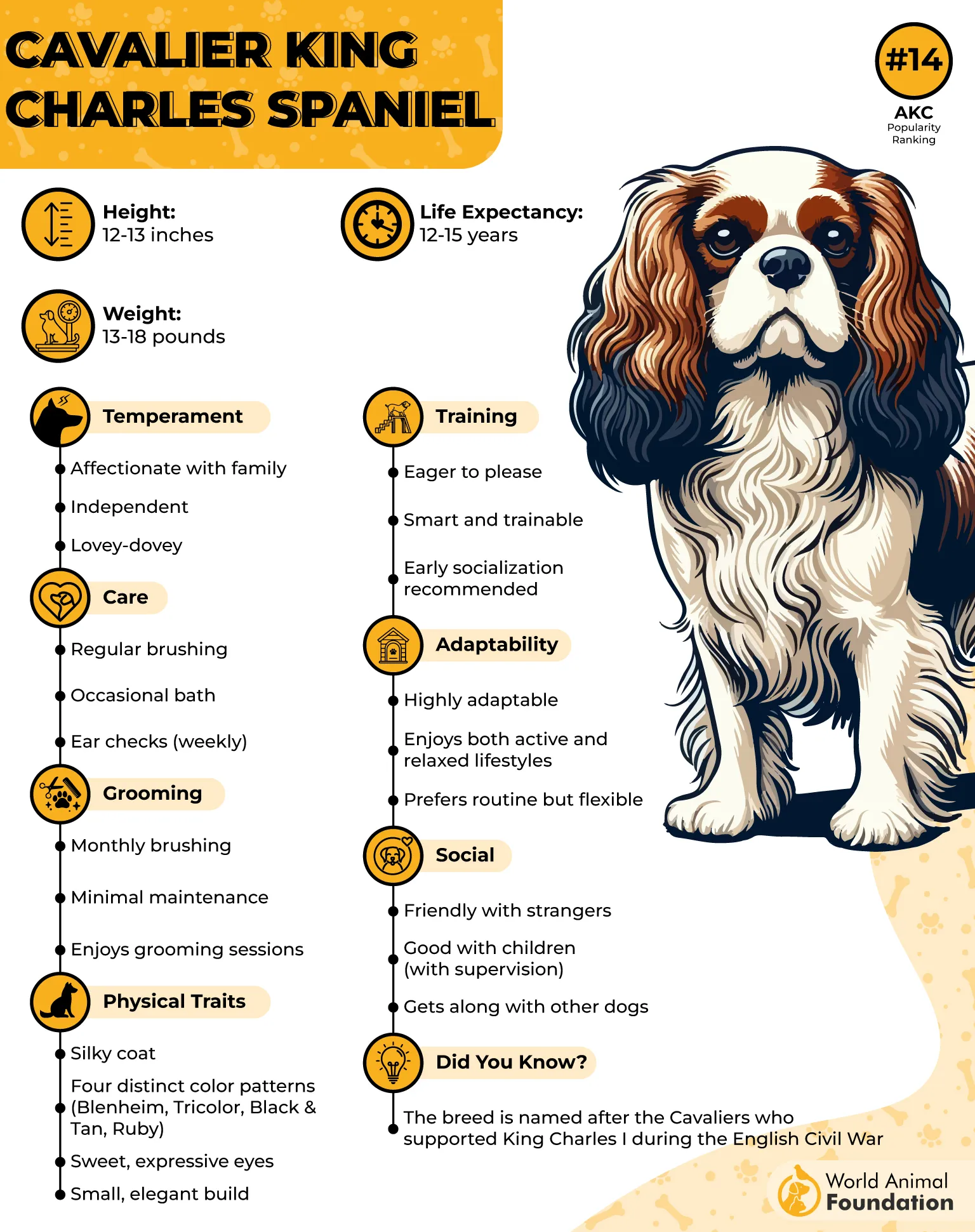
8. Cavalier King Charles Spaniel
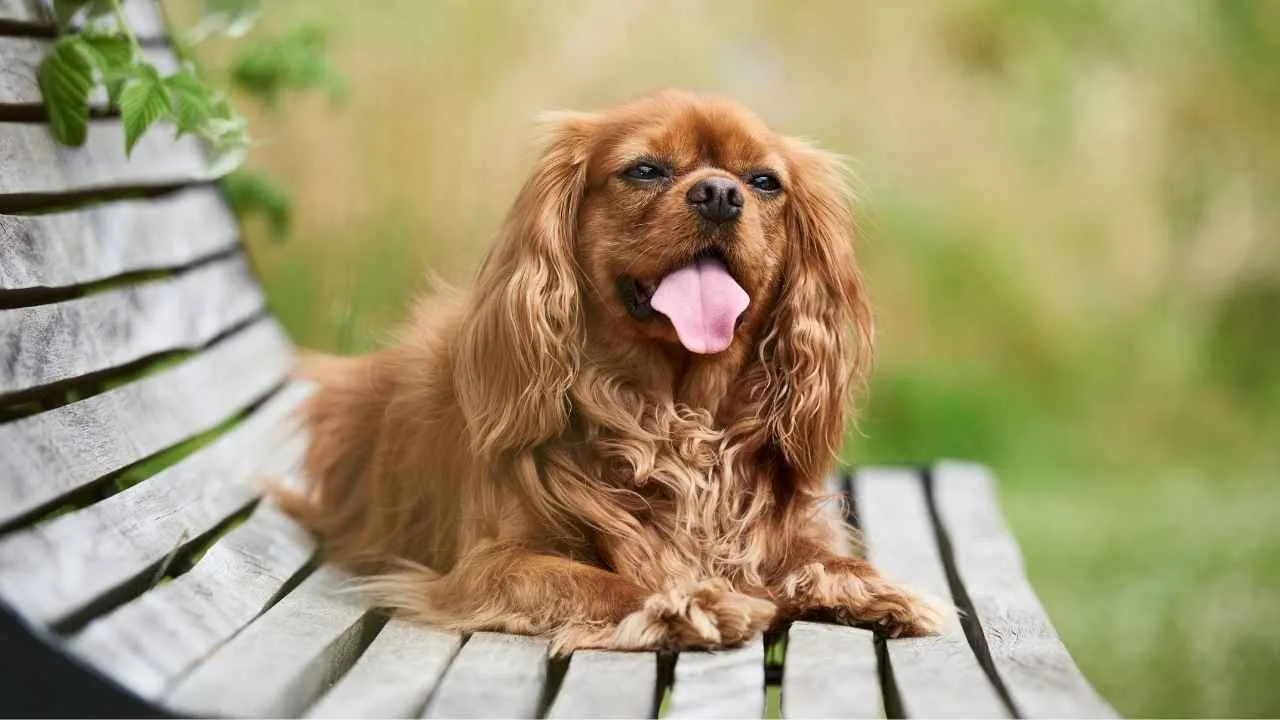
Cavalier King Charles Spaniel traces its early roots to Tudor-era England, where these little dogs served as lap companions and even warmed their owners’ feet. By the 1700s, King Charles II’s strong interest in the breed helped give it the name King Charles Spaniel.
Easygoing Energy
A first-time pet owner can keep up with this small breed’s routine without having to plan the entire day around exercise and care. Two 20- to 30-minute walks, regular play, and basic training can provide the activity this breed needs without demanding intense workouts.
A few practical details are worth knowing:
Enjoys relaxed outdoor walks
Often prefers slower-paced activities
Can feel uneasy around larger dogs
Social by Nature
Cavalier King Charles Spaniel is naturally outgoing and enjoys meeting unfamiliar people, while its friendly nature also extends to other animals, including cats. Its intelligence adds another layer to daily life, making interactive toys, scent work, flyball, and agility useful ways to keep its mind occupied.
9. Boston Terrier
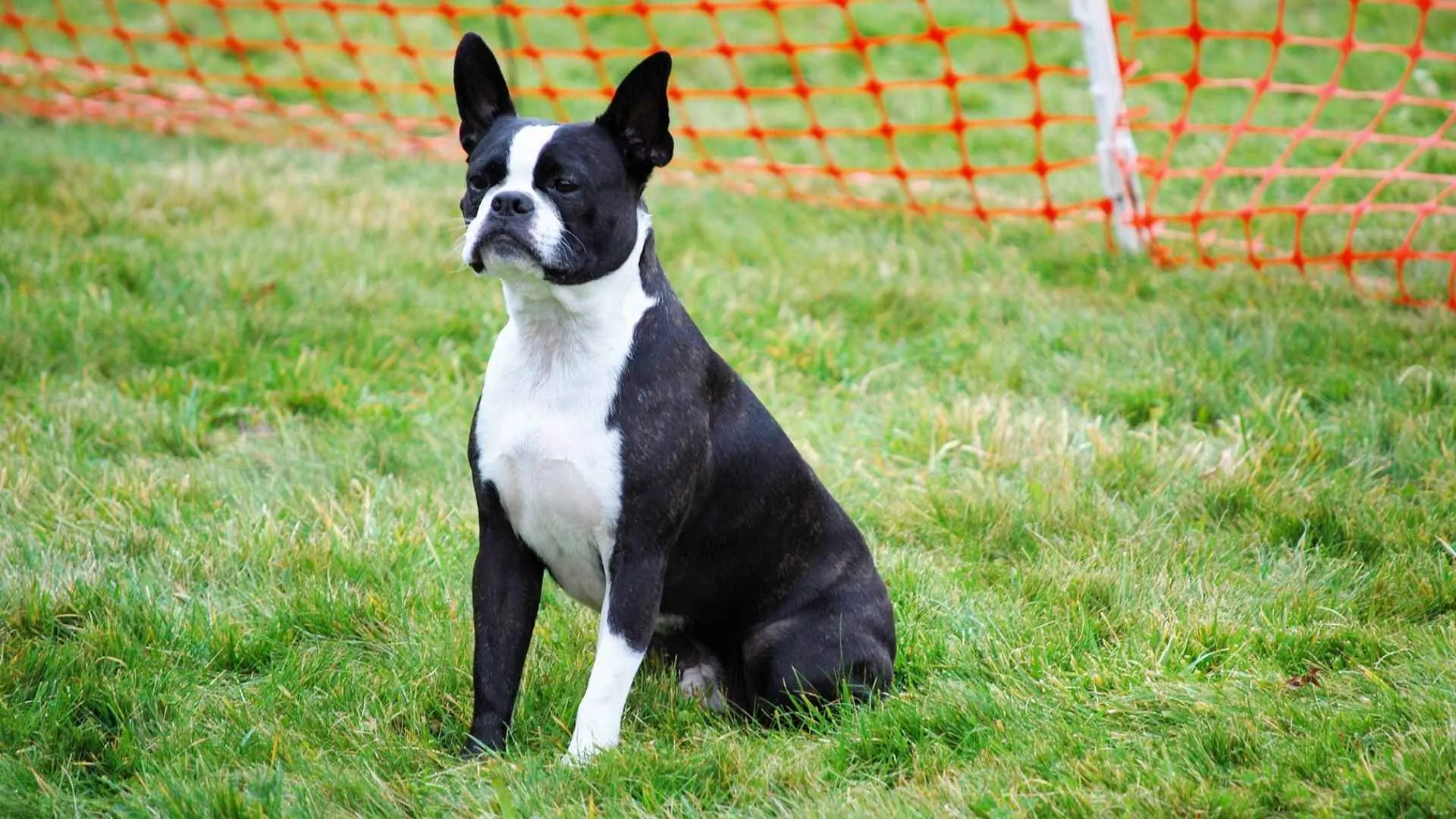
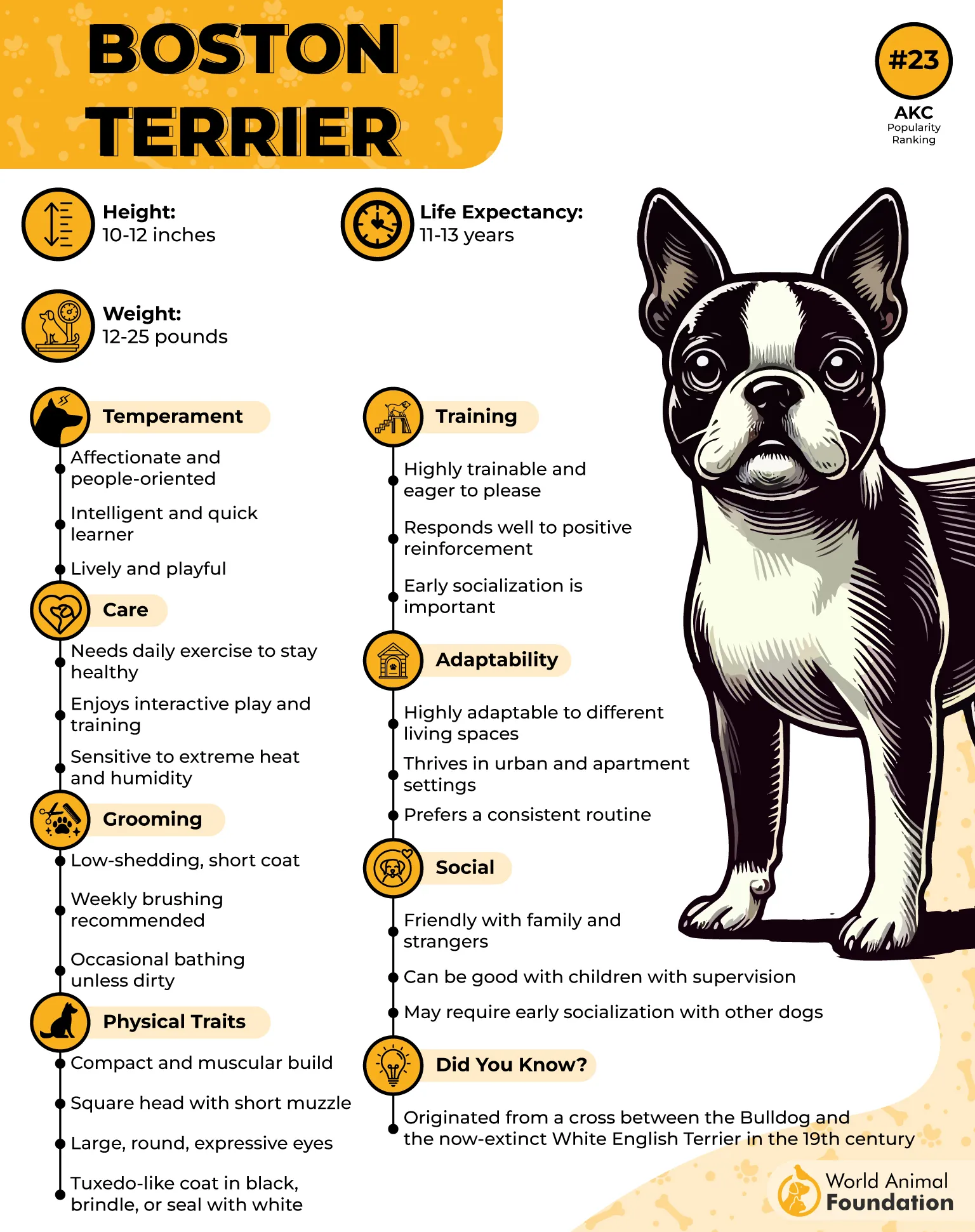
Boston Terrier began in America in the late 1800s through a pairing of a Bull and Terrier type dog with a French Bulldog. The American Kennel Club recognized the breed in 1893, making it one of the few breeds originating in the United States and giving it an early place in the country’s dog-breed history.
Small Body, Big Personality
Boston Terrier brings a lively, people-focused nature to everyday life, with enough curiosity to make training enjoyable for a first-time dog parent. Its moderate energy fits well with about an hour of walking and play, plus simple brain games such as puzzle toys.
These characteristics give this little companion plenty of character:
Enjoys play sessions followed by naps
May struggle with intense activity in hot weather
Needs weekly brushing and monthly baths
A Dog That Wants Company
Boston Terrier enjoys human attention and can struggle when left alone for long stretches, so daily interaction matters. Early socialization is especially useful because an excitable Boston can overwhelm shy dogs, while a well-socialized one can enjoy life around cats, children, and other dogs.
10. Basset Hound
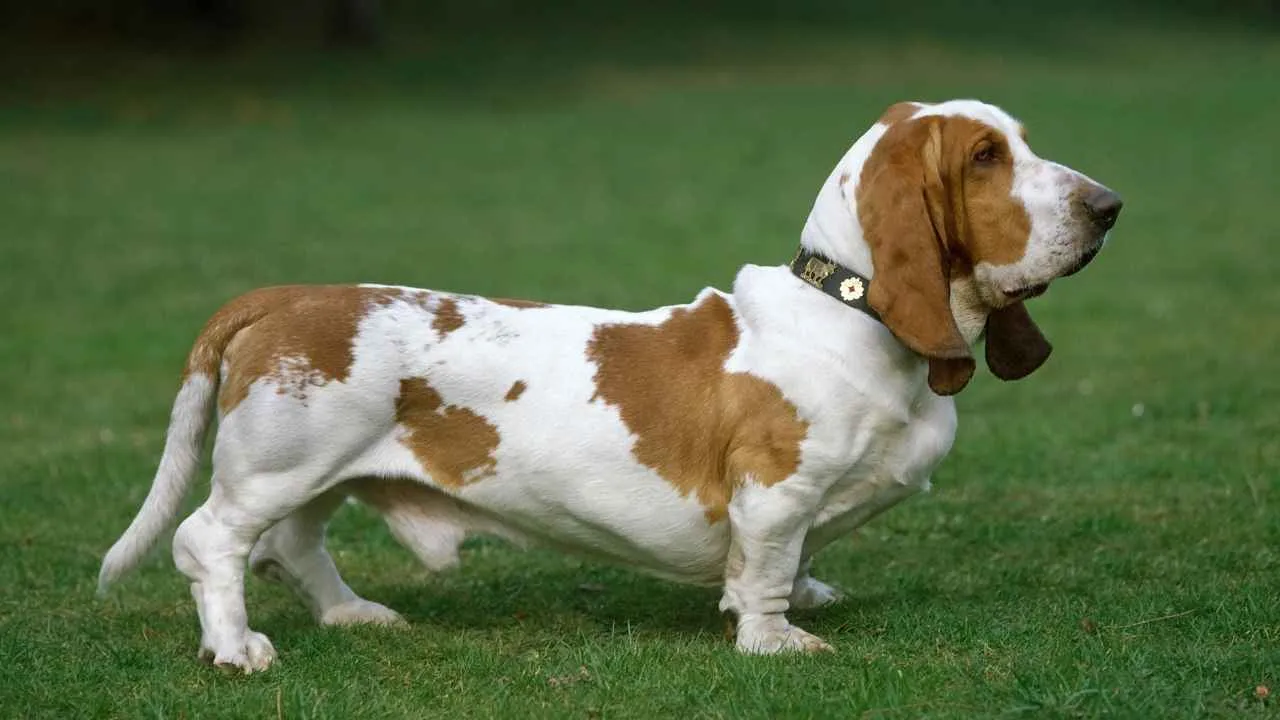
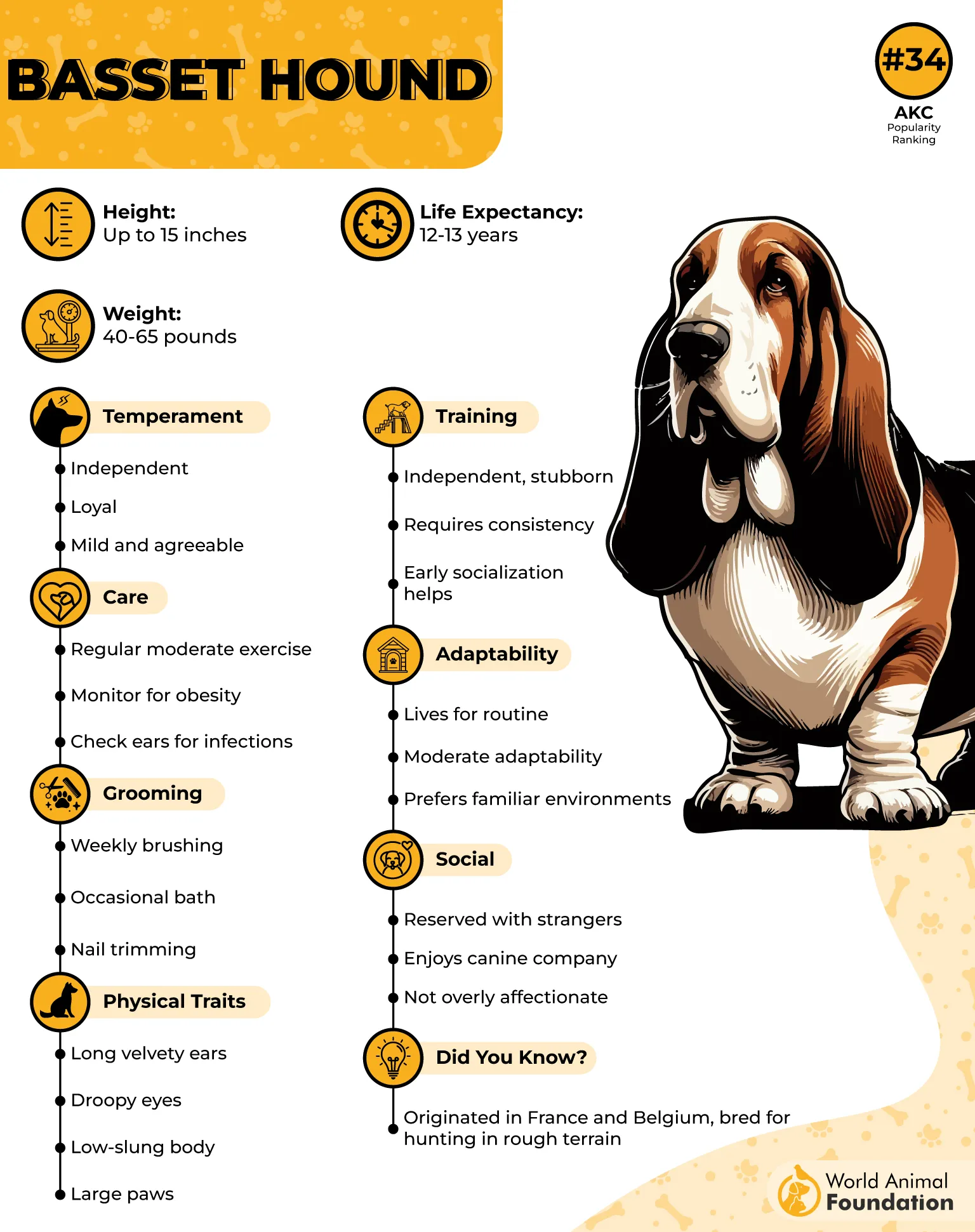
Basset Hound originated in France, where its low build suited hunting rabbits and hares through scent across dense, challenging terrain. The name comes from the French word bas, meaning low or dwarf, while later crossings with Bloodhounds increased the breed’s size and added to its distinctive appearance.
Easy Pace, Sharp Nose
A slow-paced walk is more its style, with Basset Hounds generally needing a moderate amount of daily exercise to stay active, as noted by the AKC. Its long back and short legs make running and strenuous outings poor choices, so gentle neighborhood walks are more suitable.
Its outdoor habits are shaped by more than exercise:
Food theft can be a serious temptation
Secure areas are important during outdoor time
Scent work provides useful mental activity
Quietly Affectionate
Basset Hound has a calm, good-natured personality and generally gets along with children, pets, family members, and guests. This medium-sized dog also has little awareness of its actual dimensions when it decides a human lap is the ideal place for an oversized cuddle.
Conclusion
Your first dog should fit the life you already have, not force you into a routine that becomes difficult to maintain.
When comparing dog breeds for first-time owners, consider that some companions need little exercise and enjoy quiet time, while others bring stronger hunting instincts, grooming demands, or a greater need for company. Training, socialization, veterinary care, and daily attention remain important regardless of size.
New owners should also think about time alone, children, other pets, living space, and activity levels before making a choice. A suitable match can make those lessons easier to handle while giving you plenty of chances to enjoy walks, play, training, and companionship together.
