




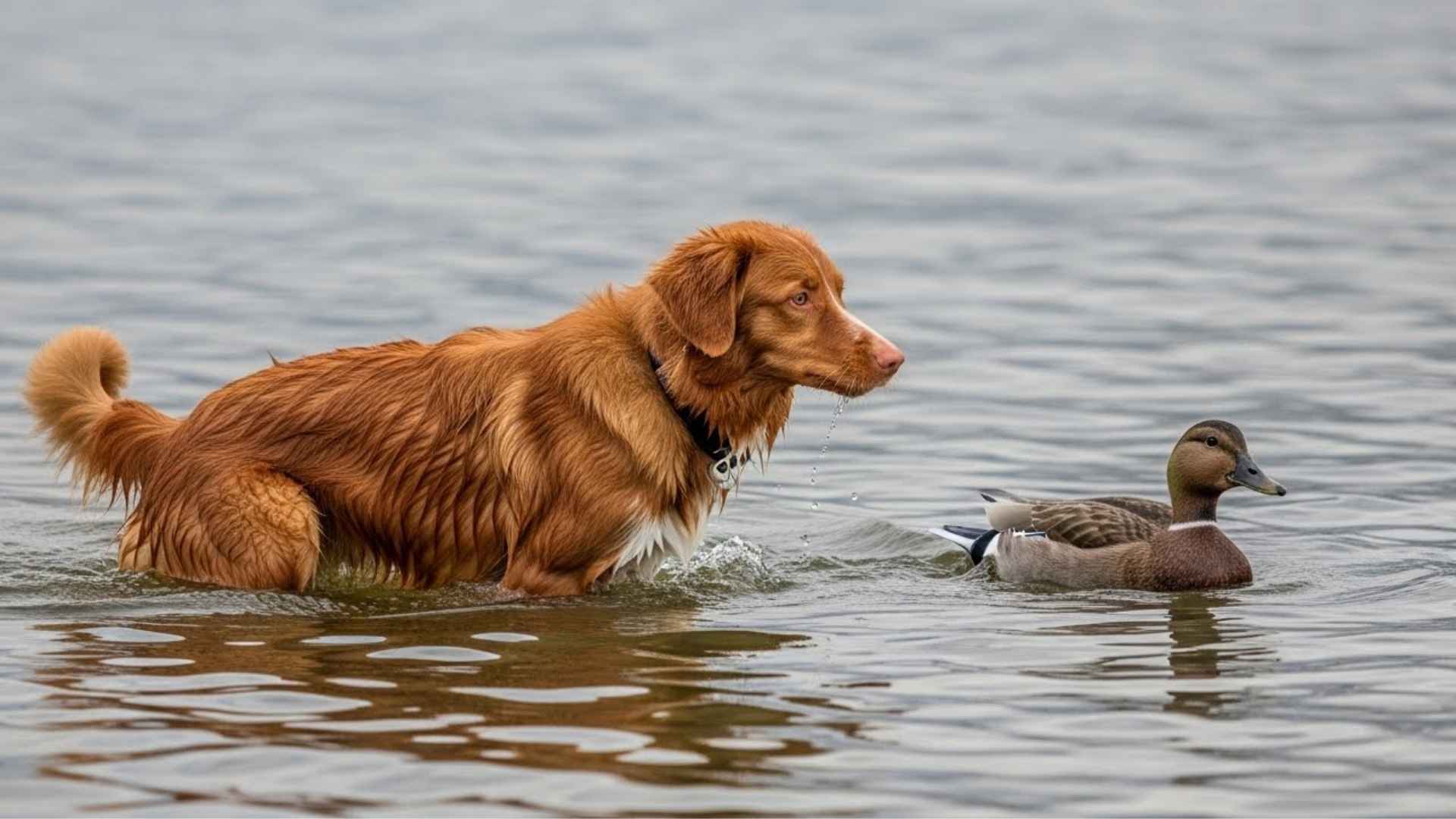
From chilly marsh mornings to muddy shorelines, waterfowl hunting is a team sport—and the right dog can be your most dependable partner. The best duck-retrieving companions combine steady obedience with sharp focus, so they can stay calm in the blind and spring into action the moment a bird goes down.
Not every hunting dog is built for water work, though. Ducks demand a special set of skills: a love of swimming, the stamina to push through reeds and currents, and the kind of intelligence that makes training stick. Many of these dogs also come equipped with water-resistant coats, helping them stay comfortable when conditions turn cold and wet.
In this guide, we’ll explore amazing dog breeds that excel at waterfowl hunting and what makes them stand out in the field. If you’re searching for a new duck dog—or simply curious about the traits that create a top-tier retriever—these picks will give you a strong place to start.
Amazing Dog Breeds That Excel at Waterfowl Hunting
1. American Water Spaniel
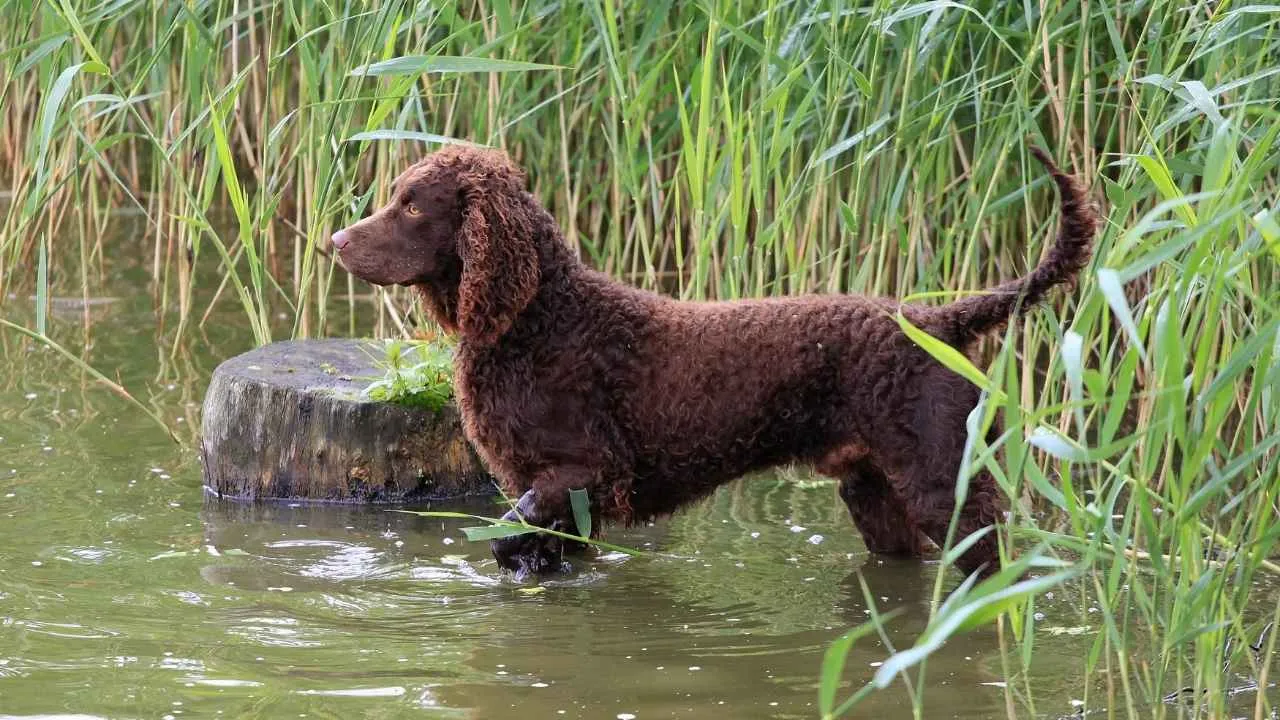
The American Water Spaniel (once nicknamed the American Brown Spaniel) is a compact, curly-coated hunter from Wisconsin with expressive eyes and a water-resistant jacket built for the marsh.
The AKC states that the American Water Spaniel, originating from the lake regions of the upper Midwest, is a cheerful, outdoorsy athlete that enjoys hunting and swimming.
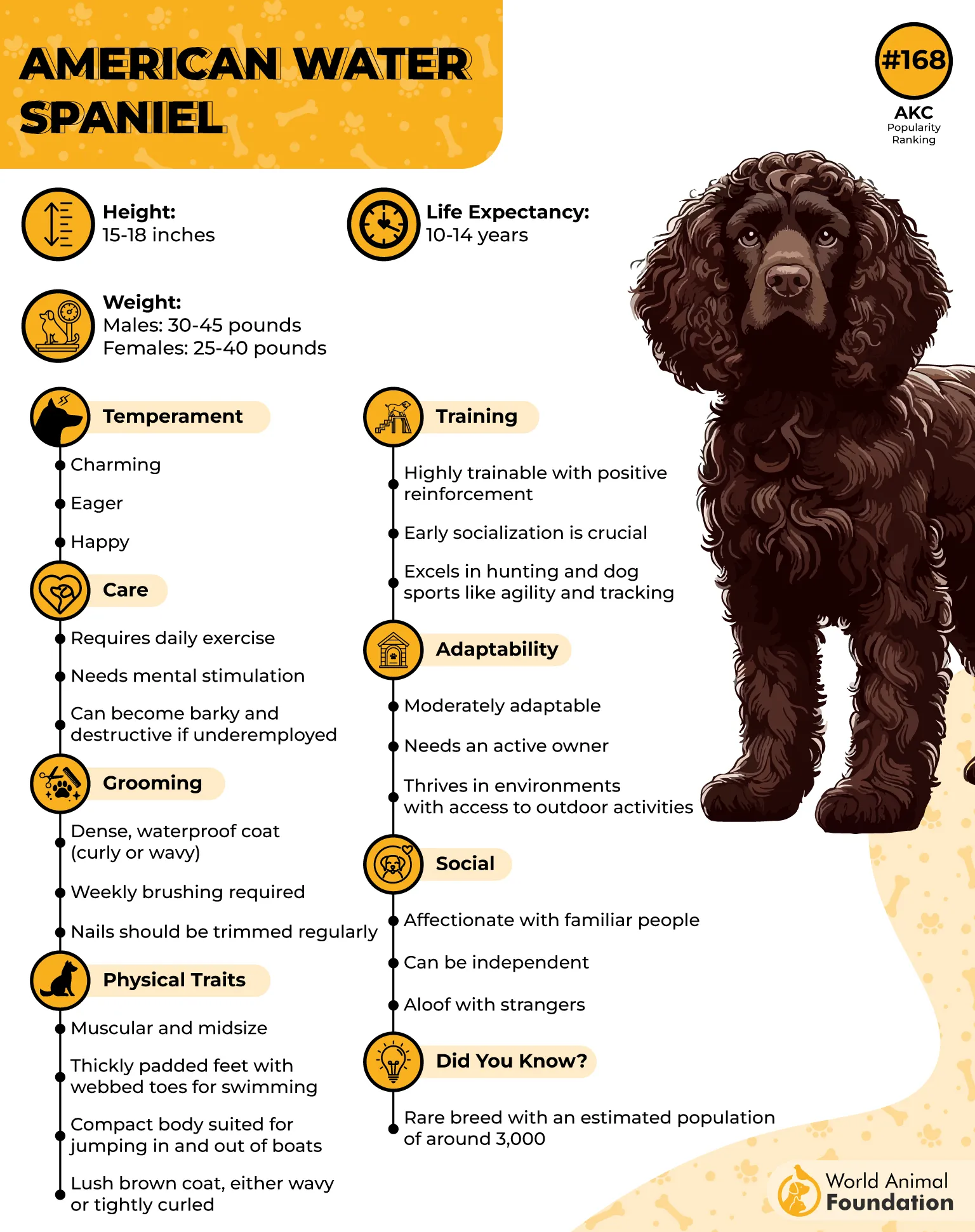
What makes them shine for waterfowl is their natural retrieve and “do-it-all” attitude—equally capable on land or in the water. They’re eager to please, quick to learn, and tend to work with the kind of focus you want when birds are dropping fast, and the shoreline is thick with cover.
Because they’re intelligent and high-energy, they do best with owners who can provide consistent practice, outdoor time, and clear boundaries. Give them structure, and they’ll happily switch from steady hunting partner to gentle, loyal family companion at home.
Fact: The American Water Spaniel is Wisconsin’s state dog and was officially designated in 1985.
2. Nova Scotia Duck Tolling Retriever
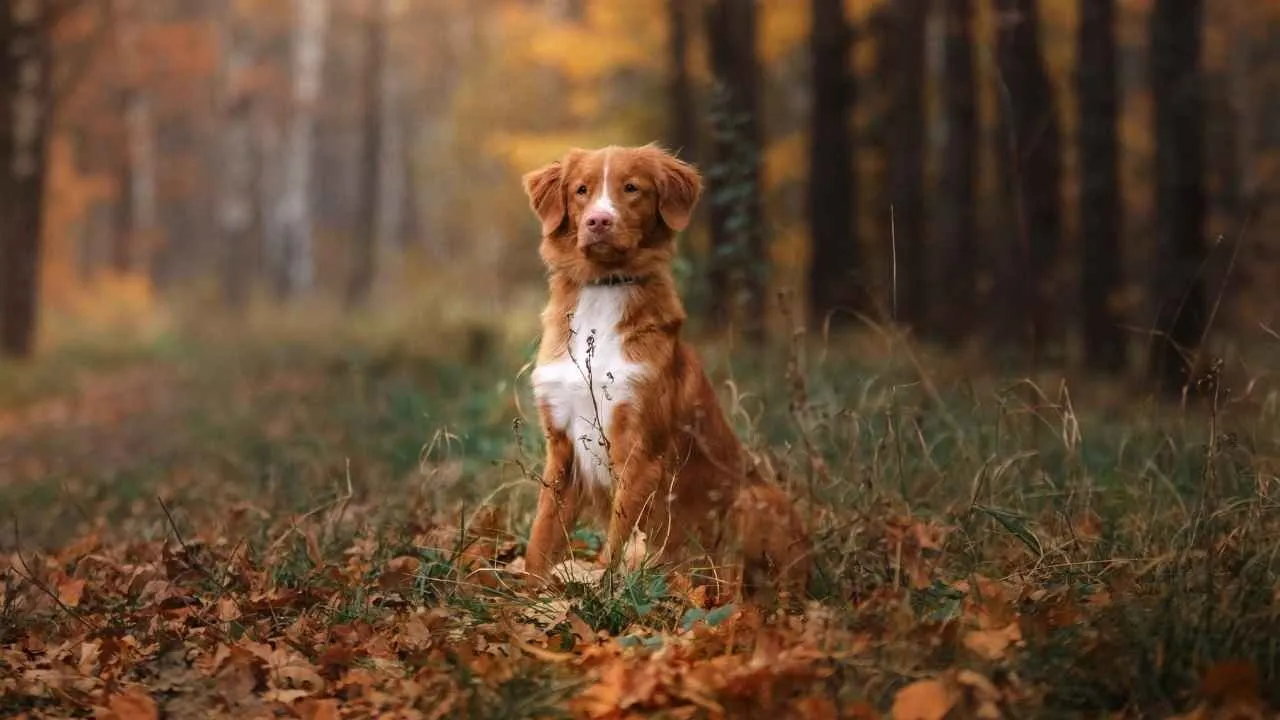
Often called the Toller, the Nova Scotia Duck Tolling Retriever is the smallest of the retriever breeds, prized for a bright mind, fox-red looks, and a job tailor-made for the marsh. With an alert expression and a playful spark, this compact retriever fits active families in both large and small homes.
PetMD states that, despite its long name, the Nova Scotia Duck Tolling Retriever is the smallest retriever recognized by the American Kennel Club and is considered a relatively new breed.
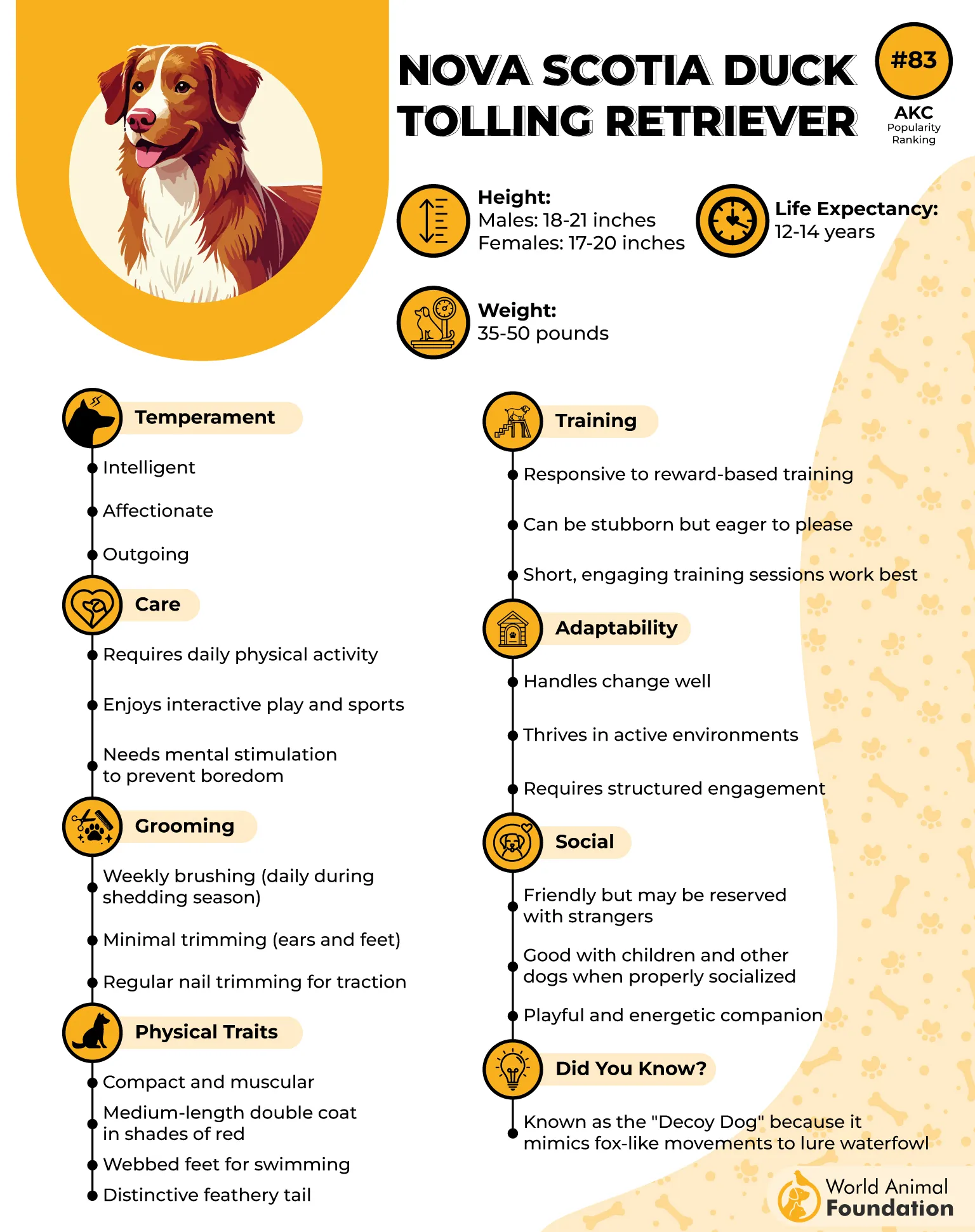
For waterfowl hunting, the Toller brings the full package: a keen nose, strong drive, and natural retrieving talent. Their athletic build helps them power through shoreline cover and water, then deliver birds cleanly when it counts.
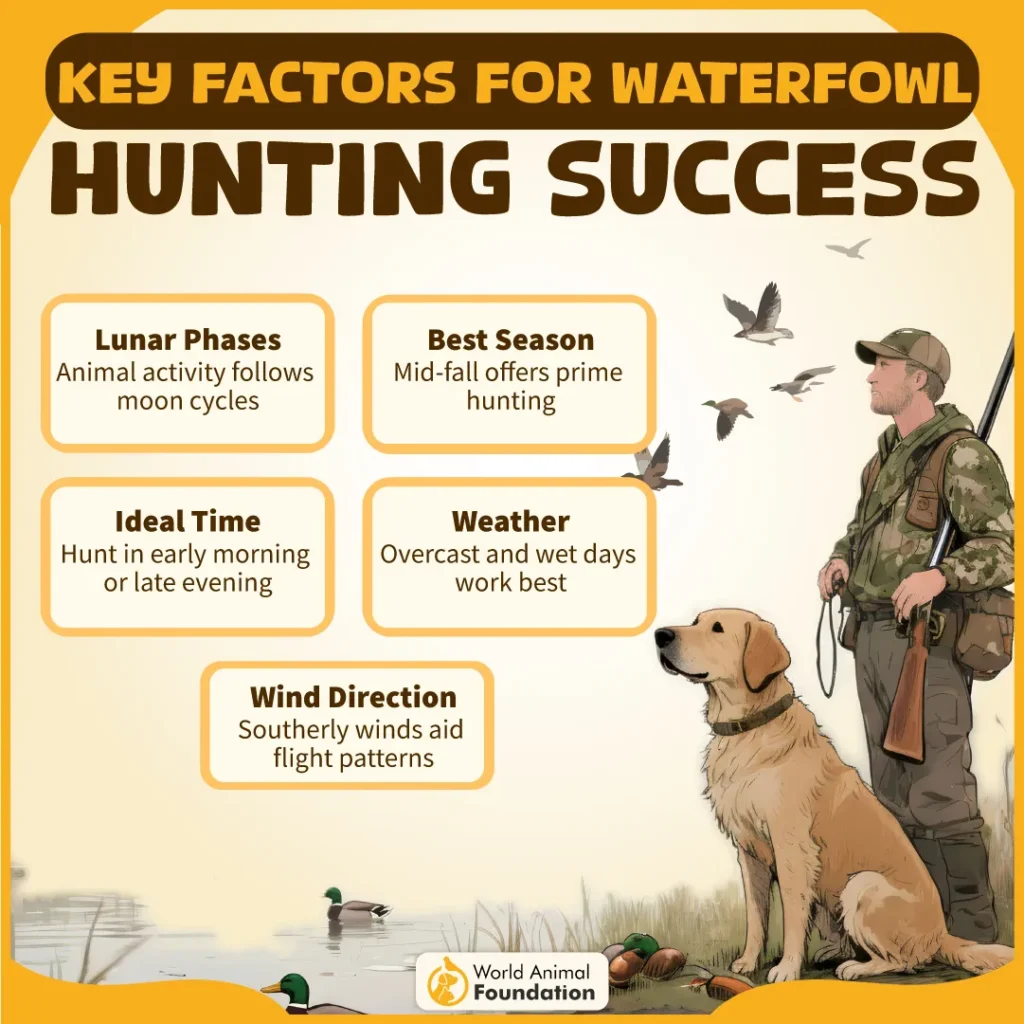
What truly sets them apart is “tolling”—their bouncing, high-energy movement along the bank can lure curious ducks closer, giving hunters a better opportunity before the retrieve even begins. That combination of marking ability and purposeful motion is rare in the duck-hunting world.
To shape all that intensity into reliability, start obedience early (around 8 weeks), keep lessons short, and stay consistent with positive reinforcement.
3. Boykin Spaniel
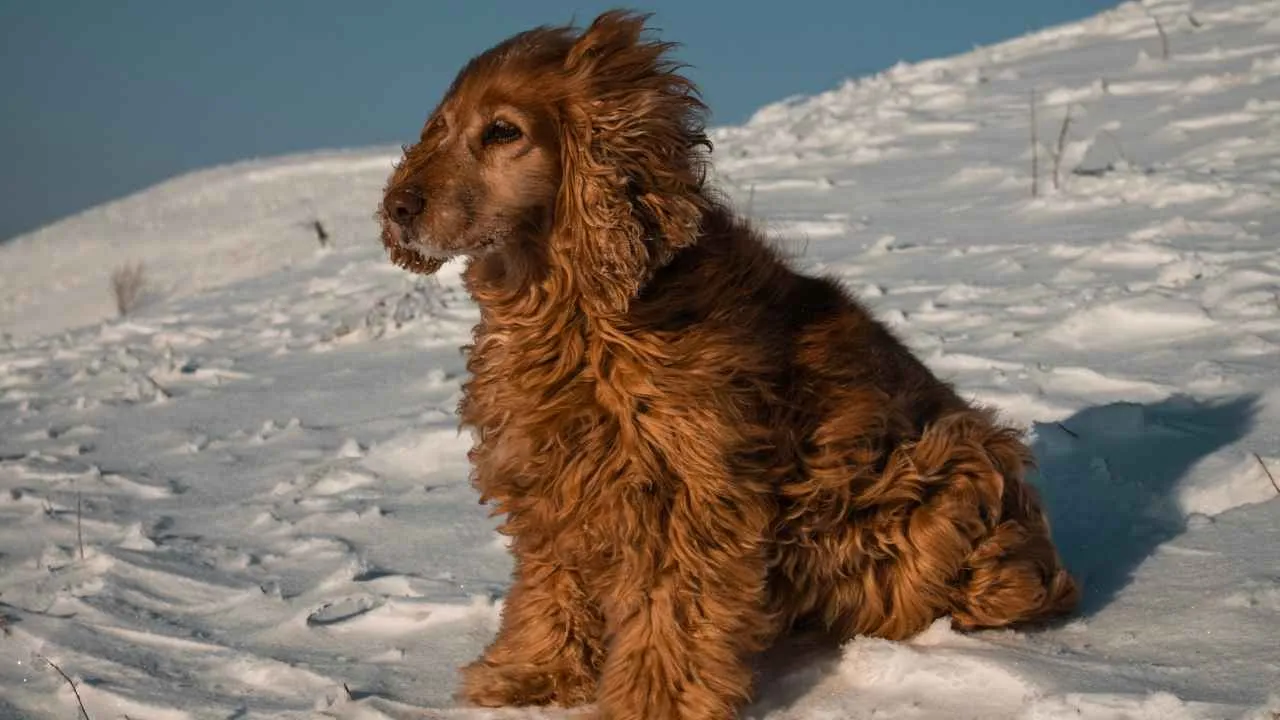
The Boykin Spaniel—often nicknamed the “Little Brown Dog”—is a South Carolina original bred by hunters who needed a tough, compact retriever for marshes, swamps, and small boats.
That smaller build is a real advantage when you’re working tight blinds or cramped layouts, yet this spaniel still brings serious drive to the field. WebMD notes that Boykin Spaniels are playful dogs and are especially known for their endurance.
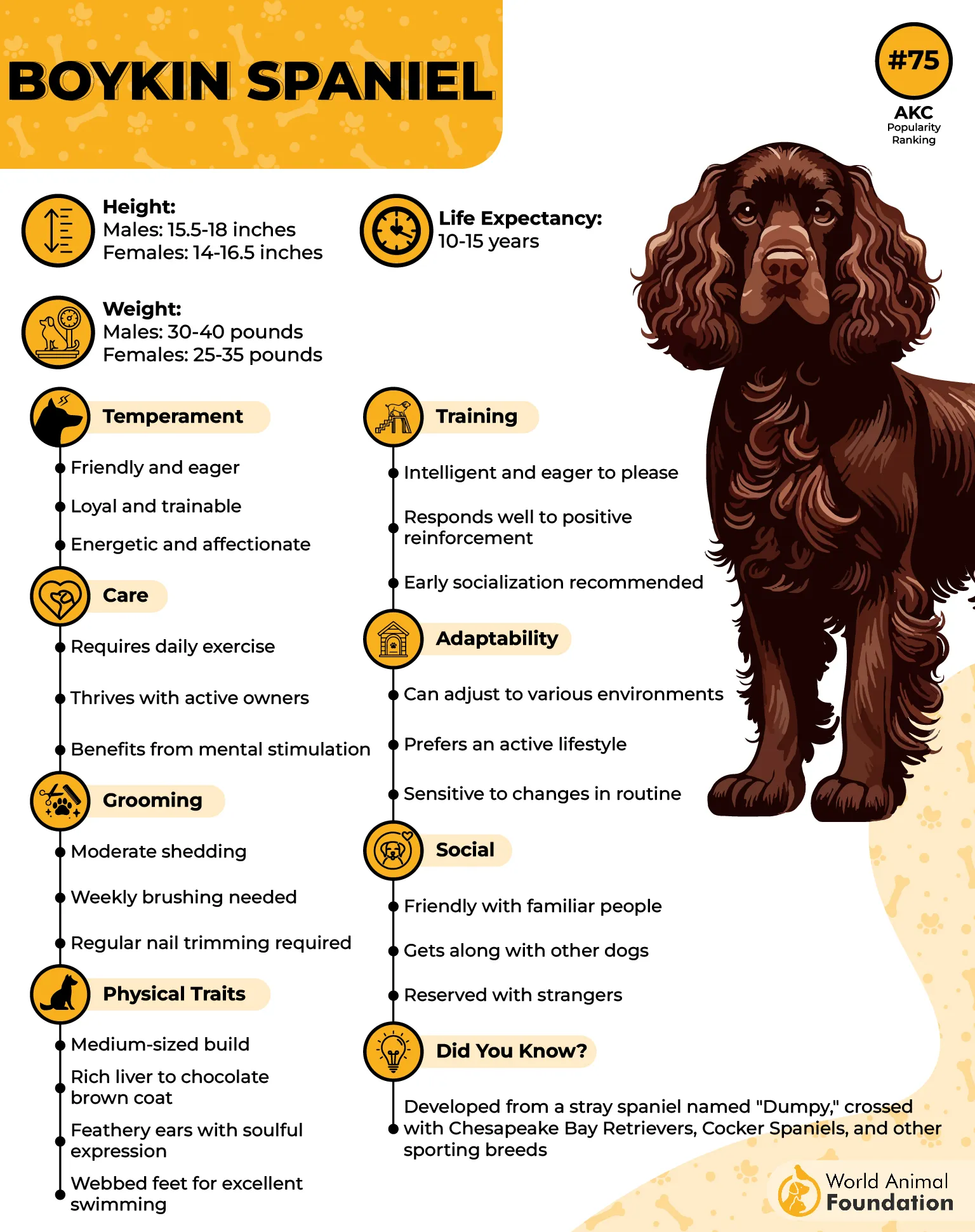
For waterfowl hunting, Boykins shine as enthusiastic, agile workers who don’t hesitate to hit the water. They’re versatile enough to handle changing cover and shoreline obstacles, and their happy attitude helps them stay eager through long days and repeated retrieves.
If you’re eyeing “cold water specialist” potential, the key is pairing their love of water with smart conditioning: steady obedience, a reliable recall, and gradual exposure to chilly conditions so they stay confident and safe. Their energy also means they do best with regular exercise between hunts.
Fact: The American Kennel Club rates the Boykin Spaniel 5 out of 5 for behavior with children.
4. Irish Water Spaniel
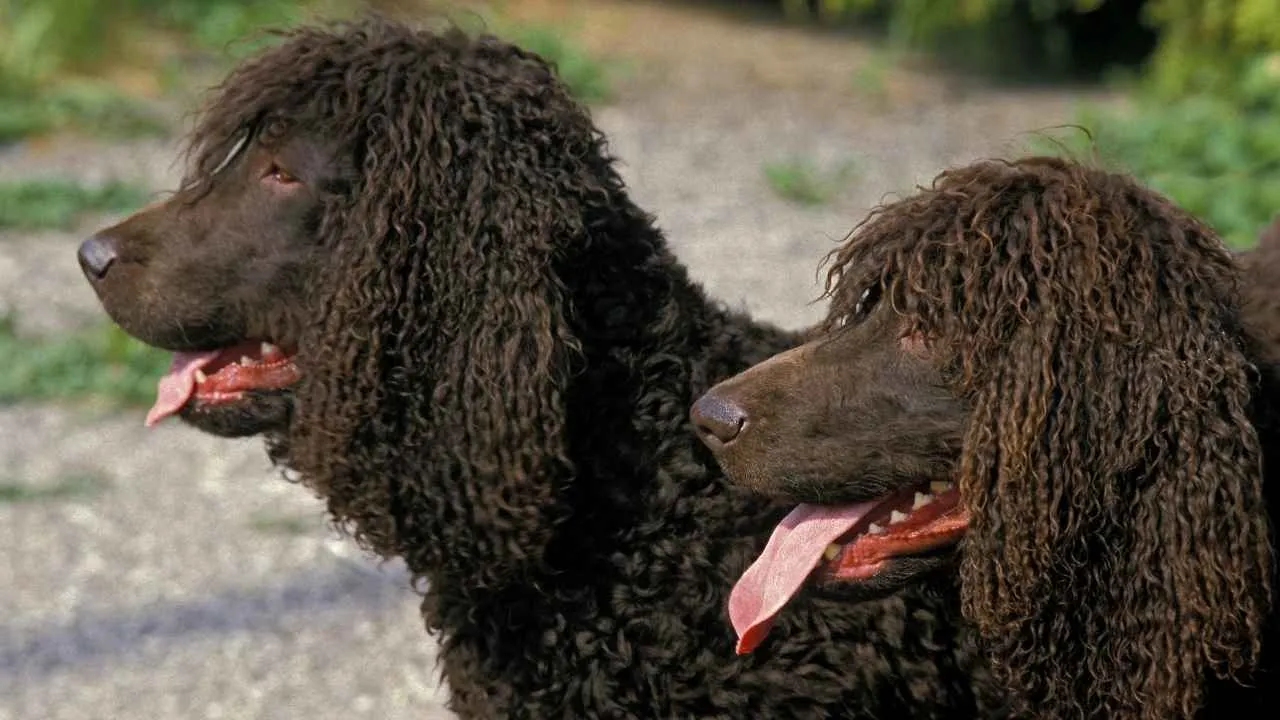
Often called the IWS, the Irish Water Spaniel stands out with its tight curls and athletic build—made for marsh work and muddy retrieves. This is one of the oldest spaniel types, typically seen in rich brown shades like liver or chocolate.
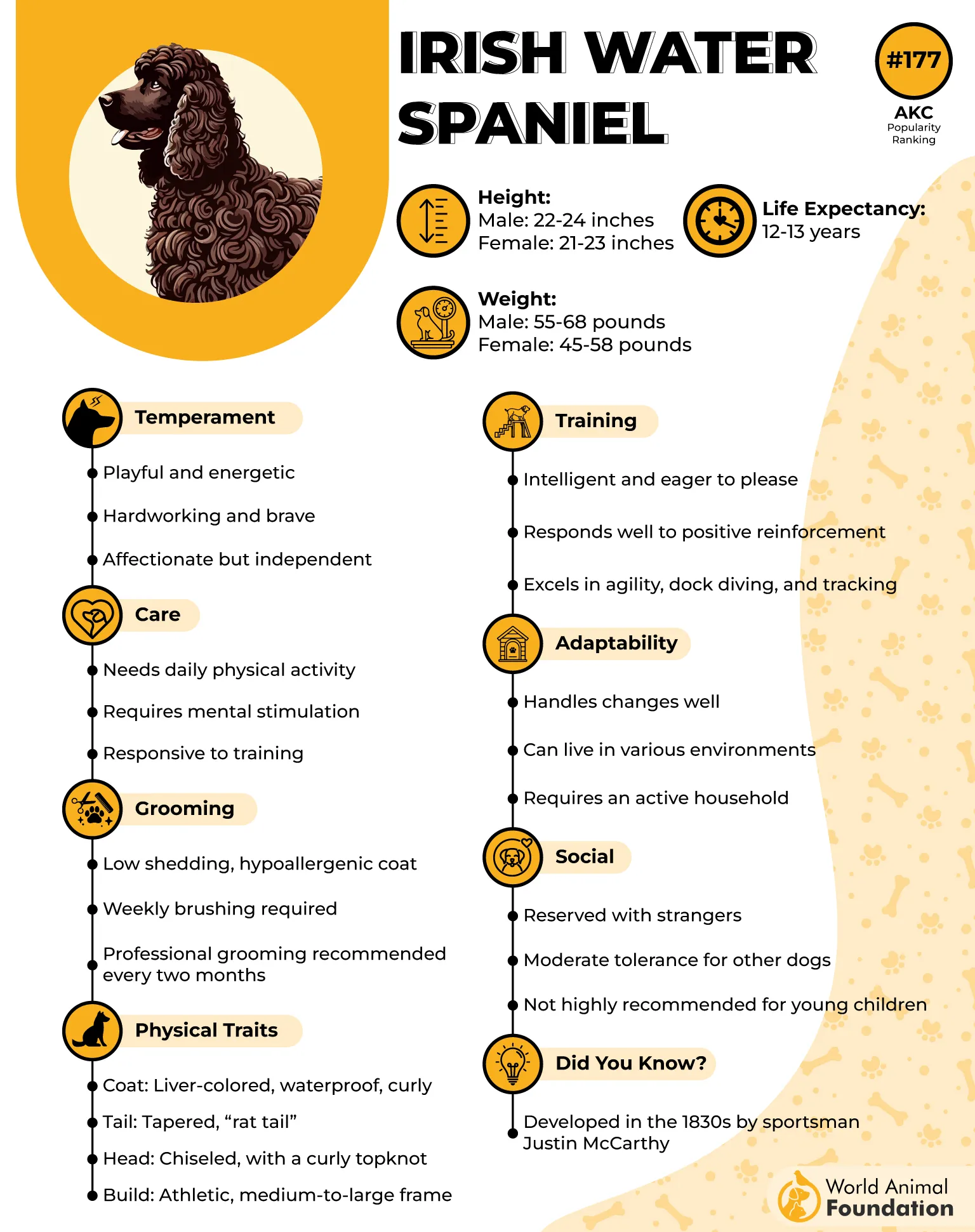
It brings real drive: high energy, a “let’s do it again” attitude, and a brain that responds well to clear cues. That natural eagerness to cooperate helps in steady sit-stays, clean delivery, and reliable retrieves when the action gets busy.
At home, the same dog can be surprisingly laid-back—especially once its exercise needs are met—making it a solid option for active families. It’s usually gentle with respectful kids and can live alongside other dogs, while staying alert enough to sound off with a deep bark if something feels off.
For an underrated duck dog, upkeep matters: keep ears, teeth, and nails in shape, and stay on top of coat care so the ringlets don’t mat.
5. English Springer Spaniel
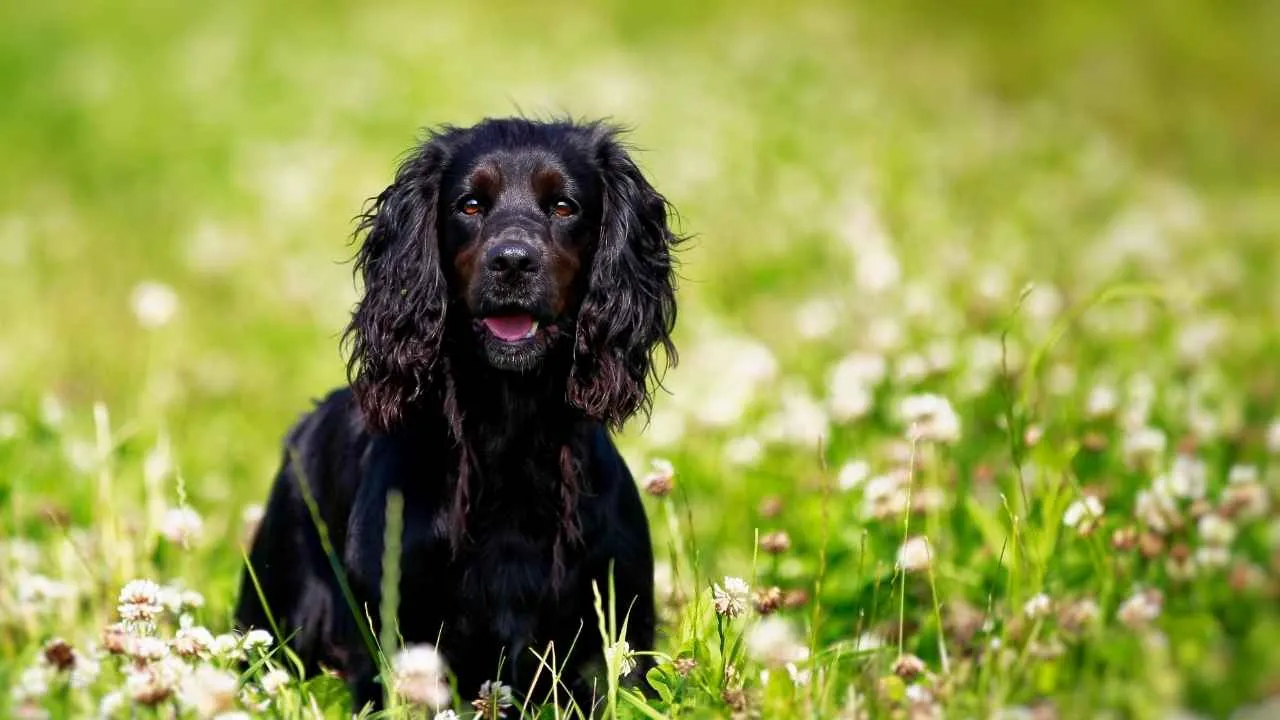
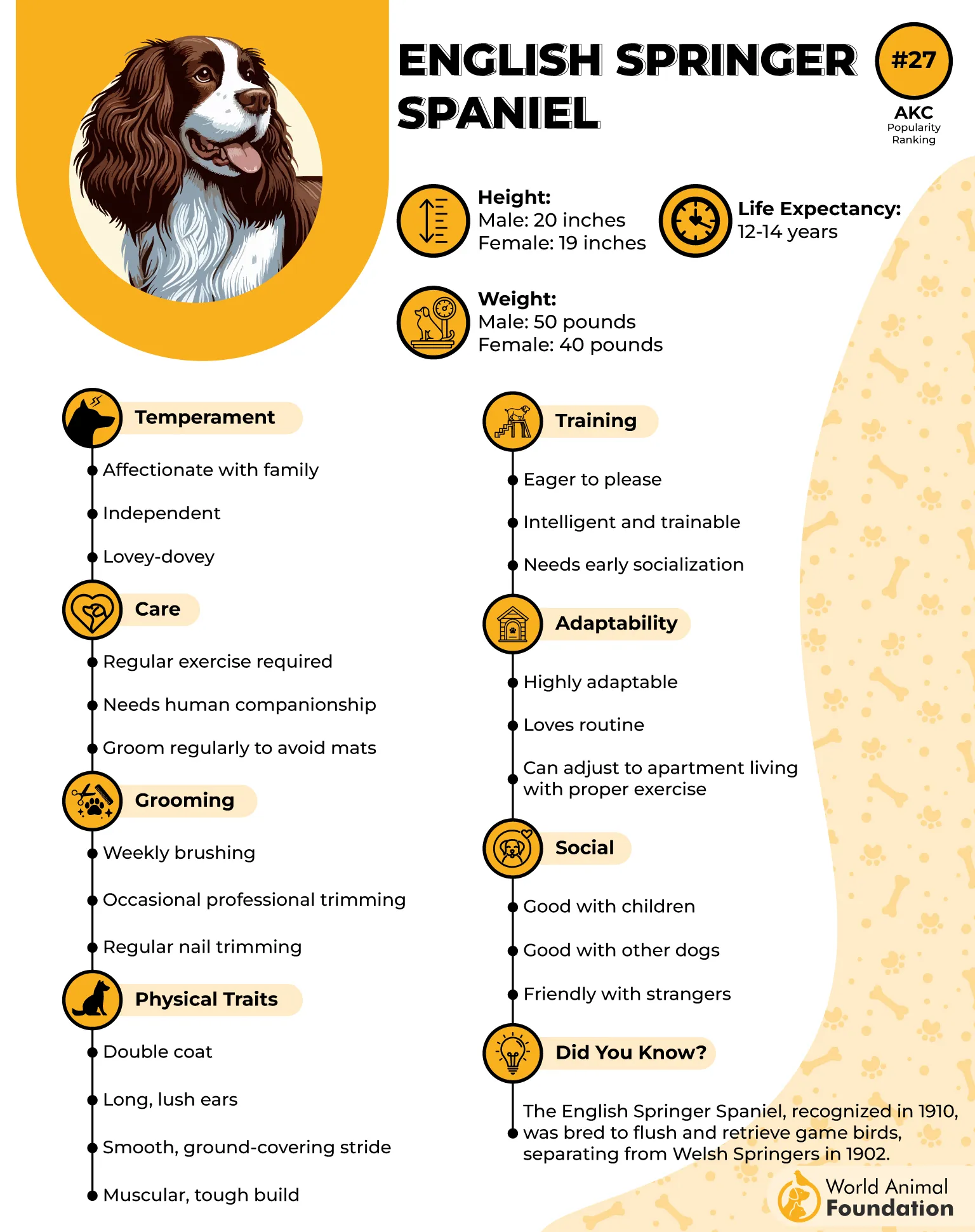
Often called the Springer, the English Springer Spaniel is a classic gun dog with a happy, bright-eyed look and a ready-to-work attitude.
It was developed to “spring” birds from cover, and it’s closely related to the Cocker Spaniel—once considered the same breed, with size being a key difference.
For waterfowl hunters, that flush-and-retrieve talent translates beautifully: the Springer uses its nose to locate birds, pushes them into flight, then tracks and brings back downed game. Thick brush and messy cover don’t tend to intimidate this determined worker, which is exactly what marsh hunts demand.
A reliable water retrieve starts with structure. Keep lessons upbeat and short, lean on positive reinforcement (treats, praise, play), and repeat commands consistently so the dog understands what “fetch,” “hold,” and “deliver” mean in every setting.
Because they’re energetic and smart, they do best with daily mental stimulation and early socialization—and their double coat needs regular brushing.
Fact: English Springer Spaniels were bred specifically to “flush” (or “spring”) game birds into the air.
6. Portuguese Water Dog
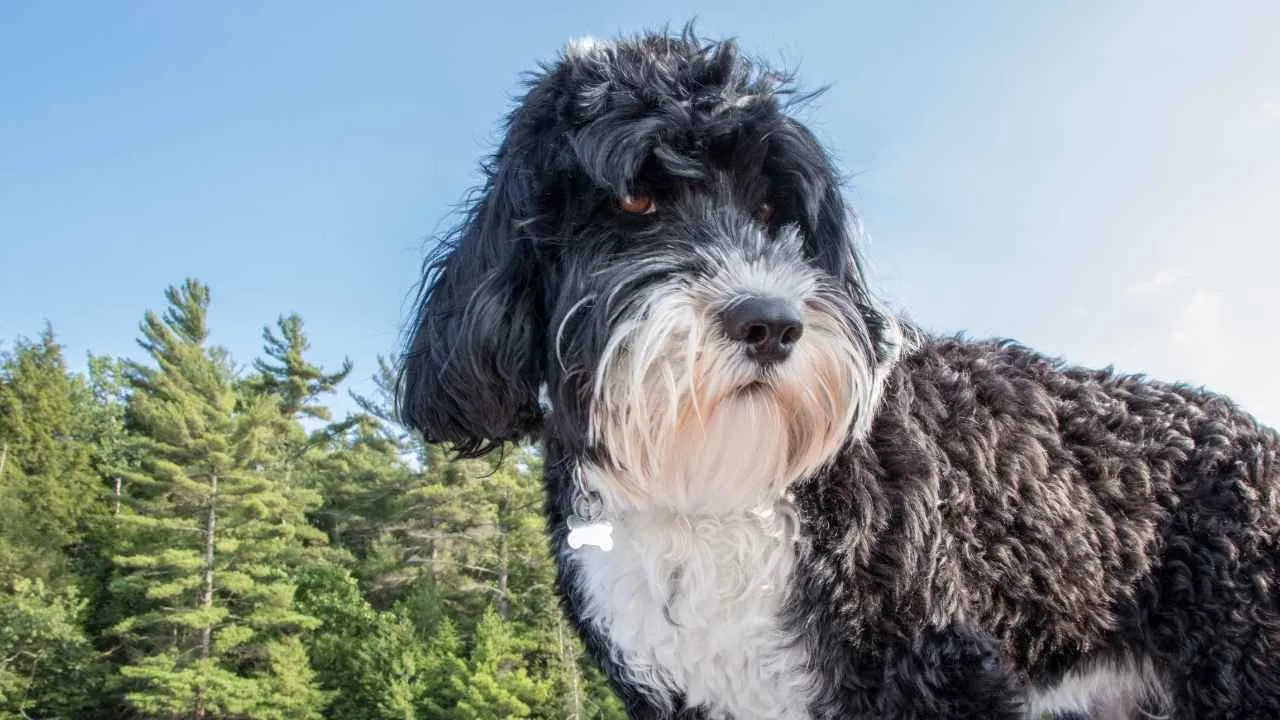
The Portuguese Water Dog—often called the PWD or “Portie”—is a rare, athletic breed shaped by life on Portugal’s coastline, especially the Algarve. Built strong with a dense curly or wavy coat, this swimmer was made to work in and around water, not just look good doing it.
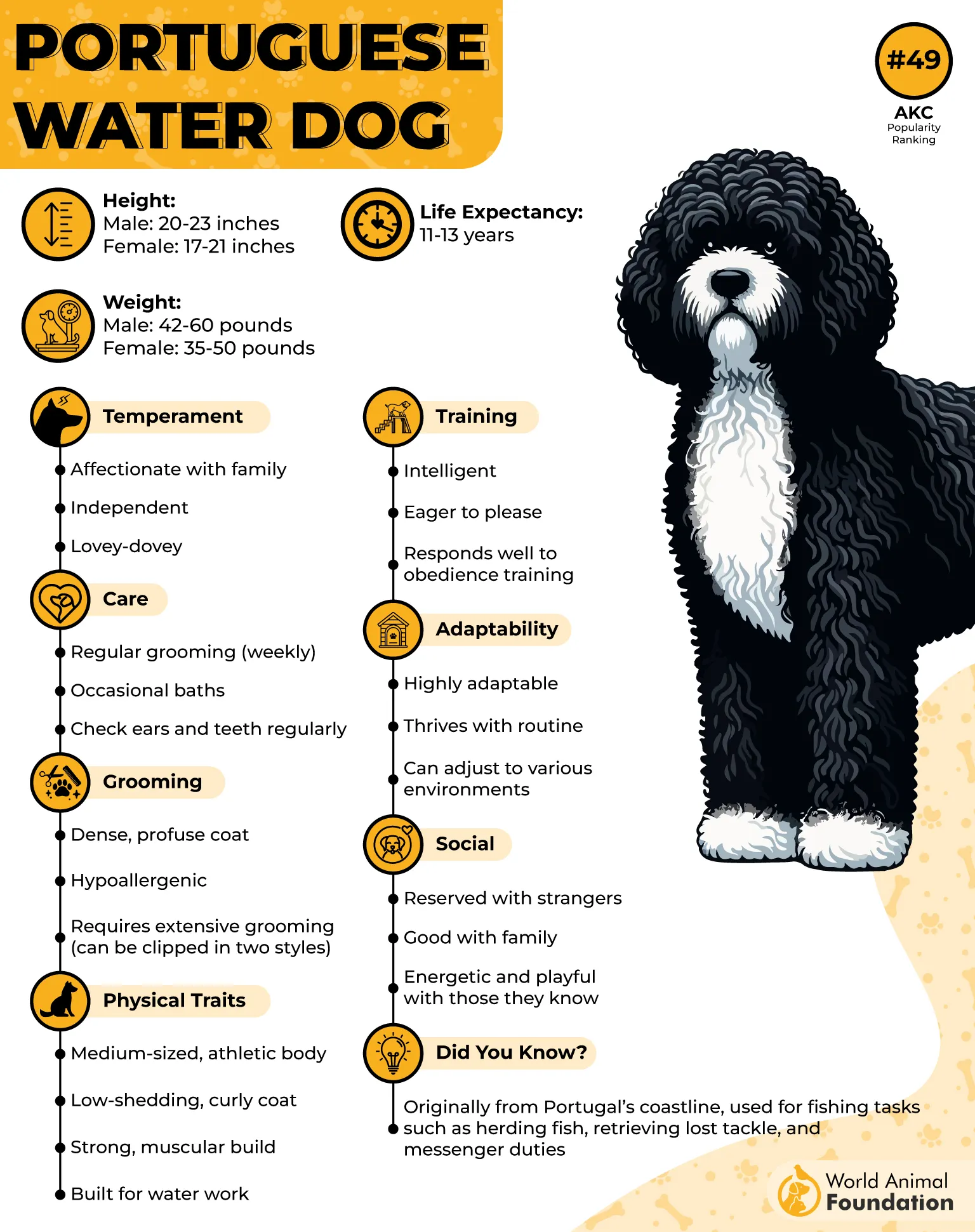
Unlike many hunting dogs, Porties weren’t first bred to chase birds—they were marine helpers that herded fish into nets and retrieved gear from the sea. That same bold, water-loving drive translates beautifully to waterfowl work when you channel it with consistent training and clear routines.
For water hunts, gear matters: a well-fitted floatation vest, reflective collar, and a safe retrieving bumper help protect an enthusiastic dog that will gladly plunge in again and again. Because they’re so smart, add mental “jobs” between retrieves—short drills, scent games, and calm “place” practice in the blind.
Fact: Portuguese Water Dogs were once so essential to fishermen that they even acted as couriers between ships and shore.
7. Chesapeake Bay Retriever
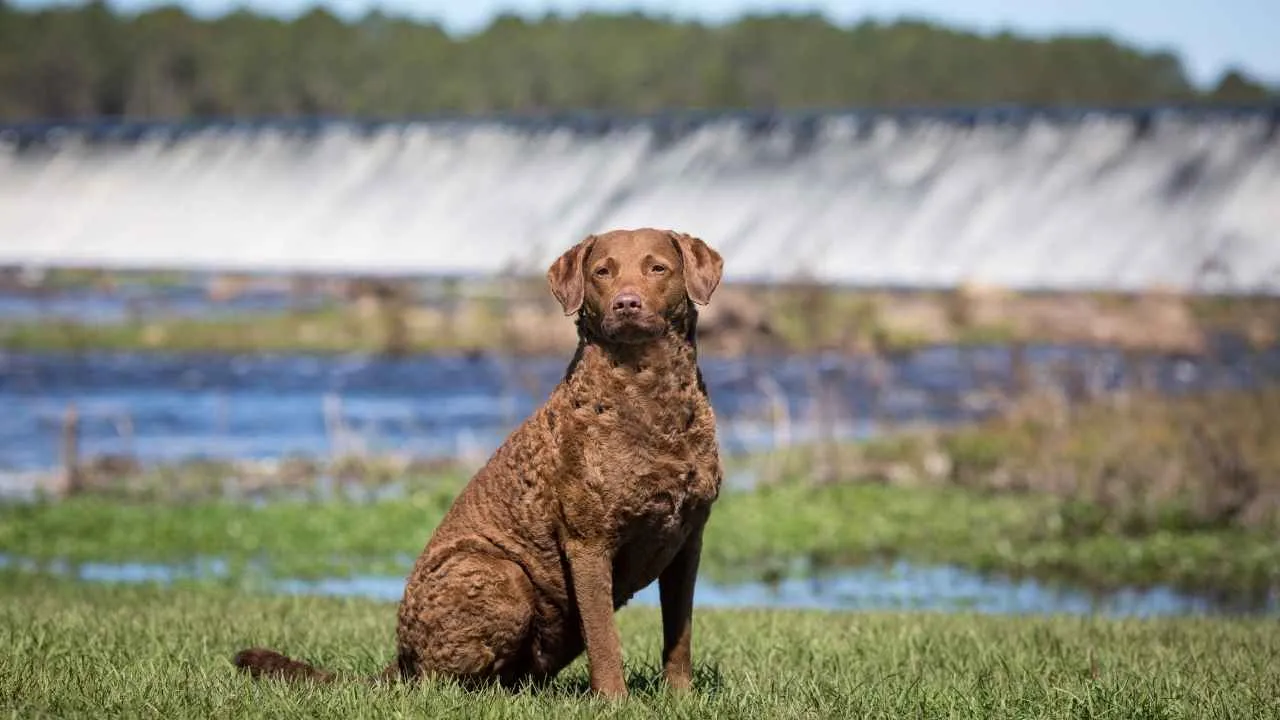
Often called the Chessie, the Chesapeake Bay Retriever is a powerful, big-hearted water dog built for demanding hunts. With a broad chest, sturdy frame, and a signature wavy double coat, this retriever looks as tough as it works, and its brown-to-deadgrass colors help it blend into marshy cover.
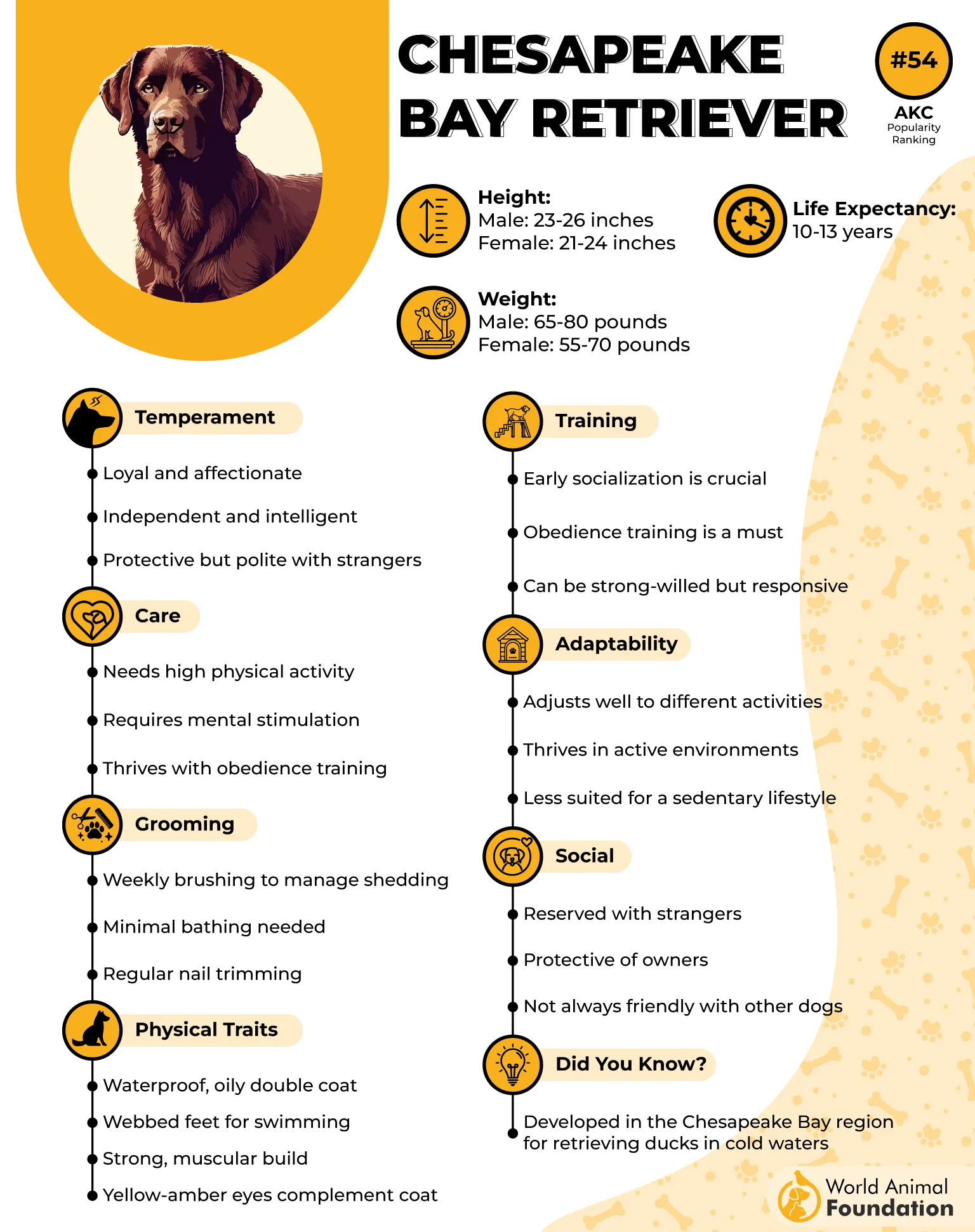
The Chessie shines where conditions get ugly—cold winds, rough water, and thick reeds. Its dense, water-resistant coat helps it stay effective in icy retrieves, while its strong tail works like a rudder when swimming after downed birds.
This is also a thinking retriever, not a robot. Chesapeake Bay Retrievers are intelligent, protective, and naturally devoted, which can be a huge plus when you want a steady partner near your blind and gear. They do best with early boundaries, consistent obedience work, and regular outlets like swimming and retrieving drills.
Conclusion
A great duck hunting dog can make all the difference on a cold hunting trip, and the Chesapeake Bay Retriever shows why top waterfowl hunting dogs are built for the marsh.
With a thick, water-resistant coat, strength, and brains, these waterfowl dogs are born to keep retrieving ducks and waterfowl in harsh conditions—while still being loyal, protective family dogs at home.
Beyond Chessies, many hunting breeds with natural hunting instincts shine in both waterfowl and upland hunting, from the Labrador retriever and golden retriever to other retriever breeds like the flat-coated retriever or a pup with a distinctive curly coat.
Add bird dogs such as German shorthaired pointers and German wirehaired pointers that can flush birds, flush upland birds, and even retrieve upland birds. With proper training, these energetic dogs become a versatile hunting dog, a steady hunting companion, and wonderful family pets—even an official state dog in some places.
