




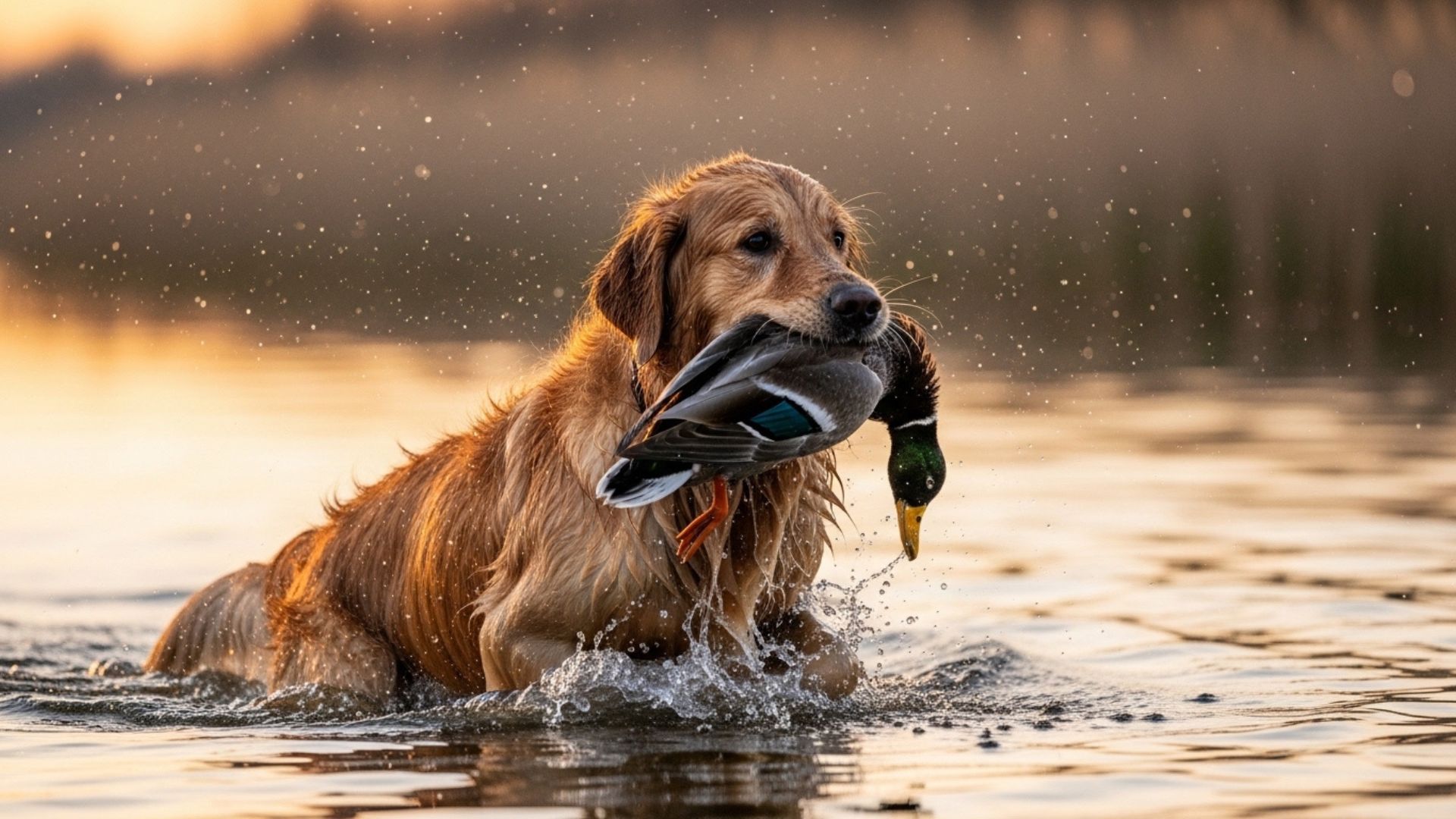
What really makes a great duck dog? Is it size, strength, or something deeper that only shows once the dog hits cold water and thick cover?
Waterfowl hunting dogs are not just born lucky. They are the result of centuries of trial, error, and careful breeding aimed at one goal: finding and retrieving birds when conditions are at their toughest. That history still shapes the dogs hunters rely on today.
Read on to discover the amazing dog breeds built for waterfowl hunting. You will learn where retrievers came from, why certain traits matter in the marsh, and how performance in real hunting scenarios helps separate great dogs from good ones.
Whether you hunt ducks every season or are choosing your first retriever, understanding these breeds can help you find a dog that excels in the field and fits your life at home.
Amazing Dog Breeds Specializing in Waterfowl
1. Chesapeake Bay Retriever
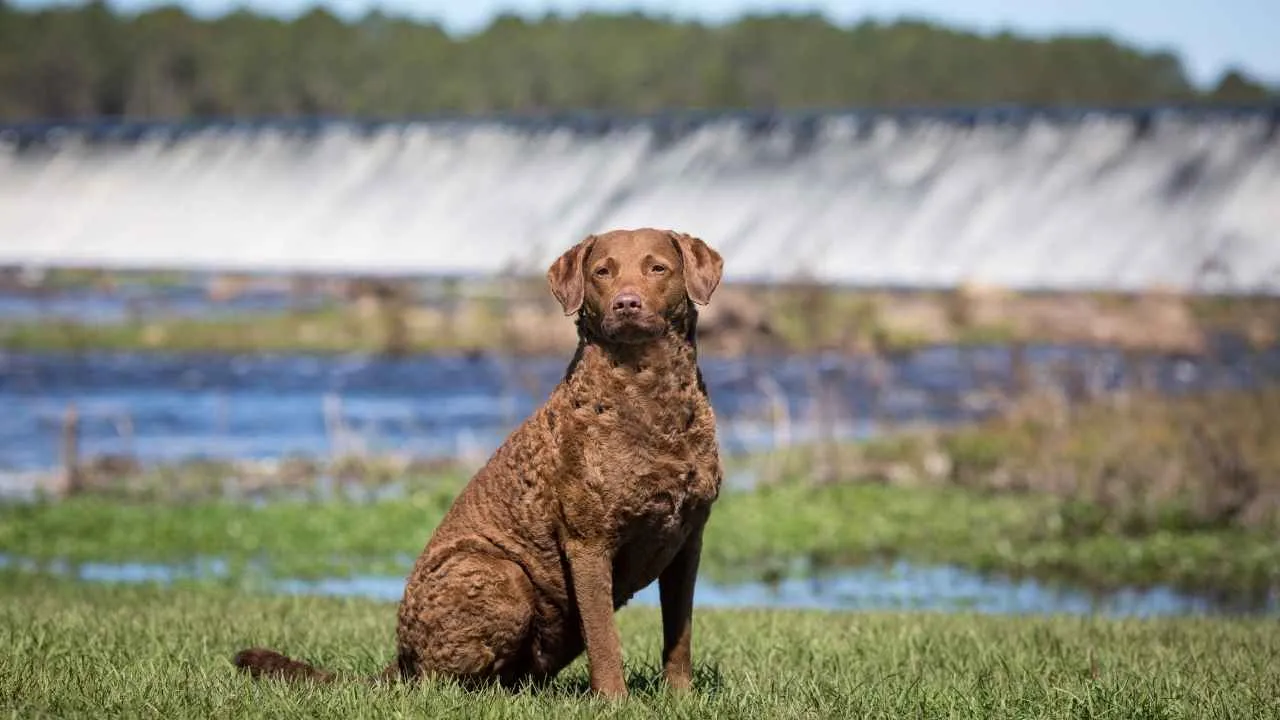
Few dogs look as if they were built to challenge cold water head-on, but the Chesapeake Bay Retriever does exactly that. Developed along the rough, icy waters of the Chesapeake Bay, this breed earned its reputation by working in freezing temperatures, strong tides, and heavy winds when other dogs quit. Its thick, oily double coat and powerful frame are designed for endurance, not comfort.
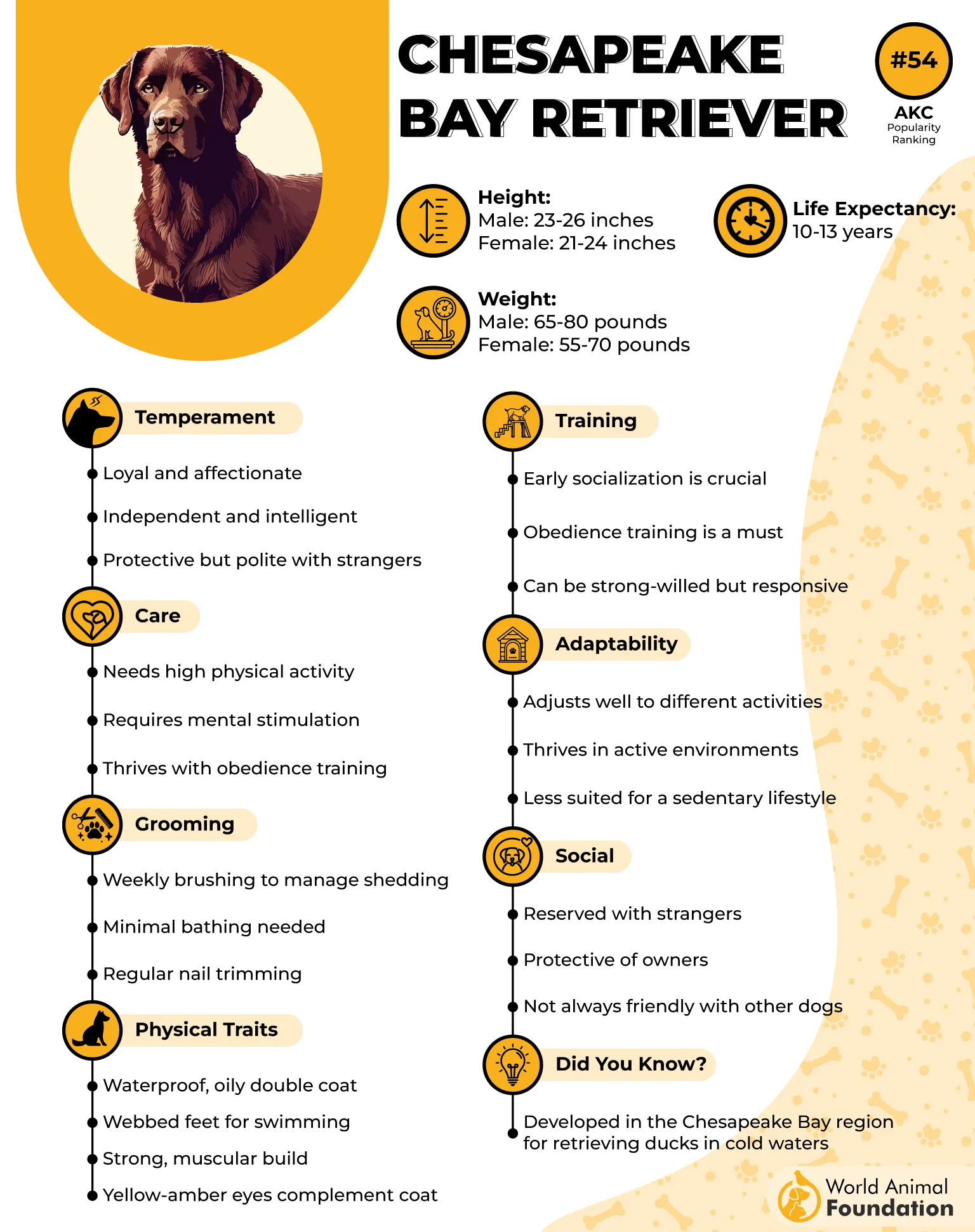
Chessies are known for their intense focus and independent streak. They take pride in their work and often retrieve with determination that feels personal rather than obedient. This can make them challenging for first-time handlers, but experienced owners value their grit and reliability.
At home, Chesapeake Bay Retrievers tend to be loyal, serious, and naturally watchful. They are not overly social with strangers, which gives them a quiet protective instinct without unnecessary noise. For hunters or active families who appreciate a tough, devoted dog with strong boundaries, the Chessie stands apart.
2. Nova Scotia Duck Tolling Retriever
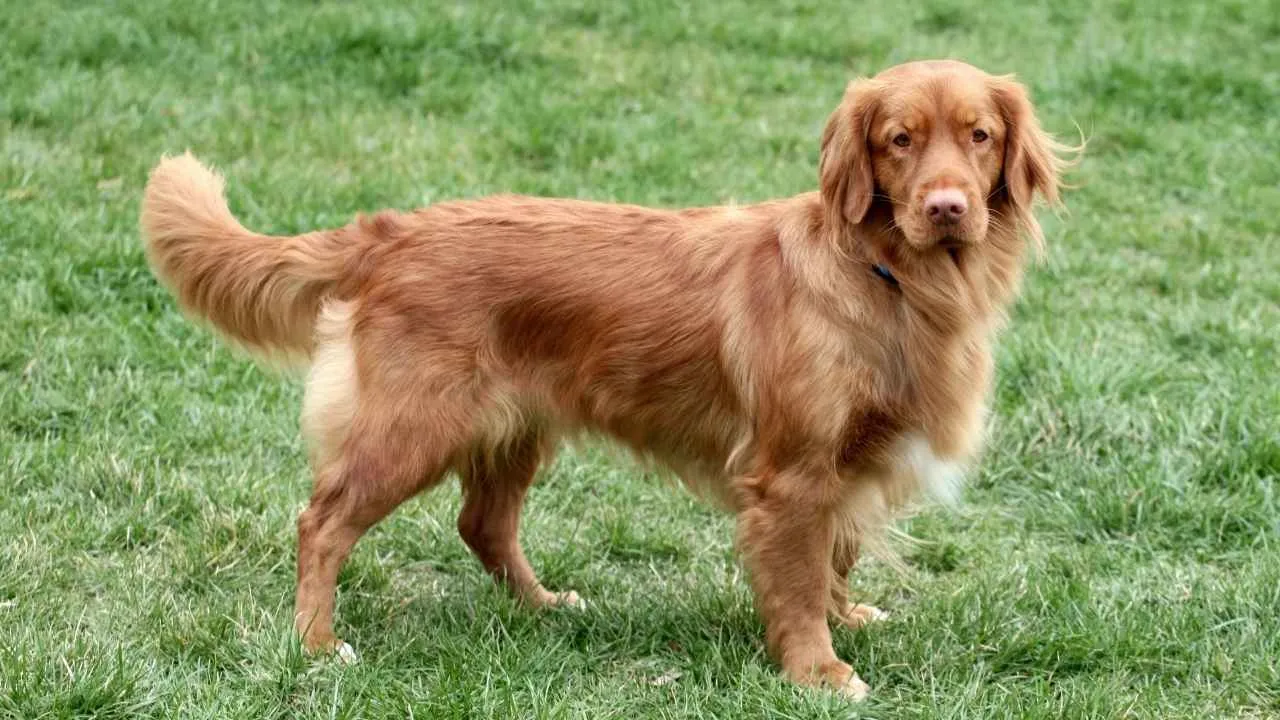
How many dogs can say their job starts by playing along the shoreline? The Nova Scotia Duck Tolling Retriever was bred for a clever hunting technique that uses movement and curiosity rather than force. By darting and dancing near the water, the dog draws ducks closer before the retrieval begins.
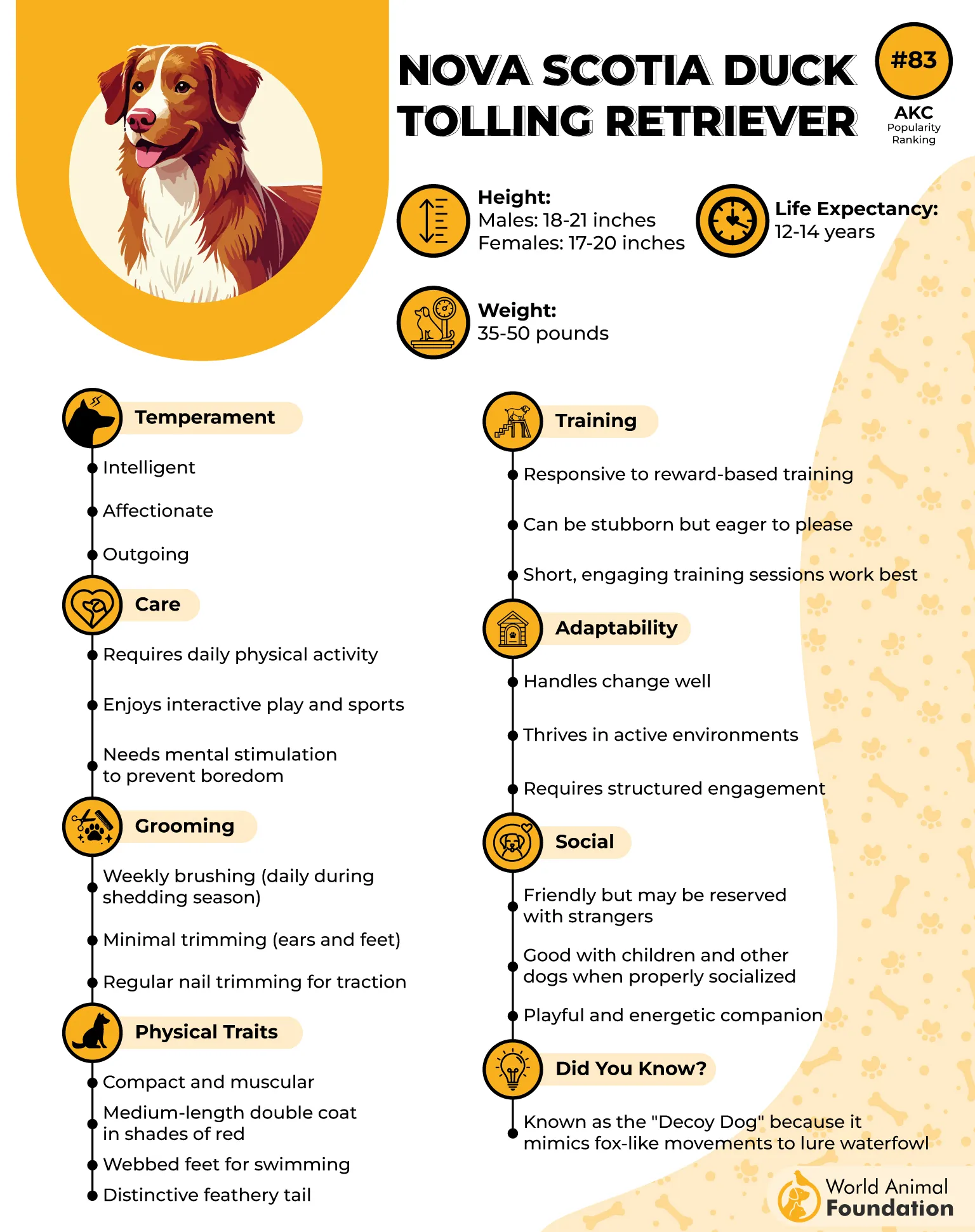
The Toller is the smallest retriever breed among other retriever breeds, as recognized by the AKC, yet built to work hard. They are alert, intelligent, and happiest when mentally engaged. Training works best with encouragement and variety, as heavy pressure quickly dulls their enthusiasm.
In the home, Tollers are observant and responsive. They tend to notice changes in routine, unfamiliar sounds, and new people quickly. While not aggressive, they often alert their owners with sharp awareness.
Their size, intelligence, and lively personality make them ideal for active households that want a capable waterfowl dog with a built-in early warning system.
3. American Water Spaniel
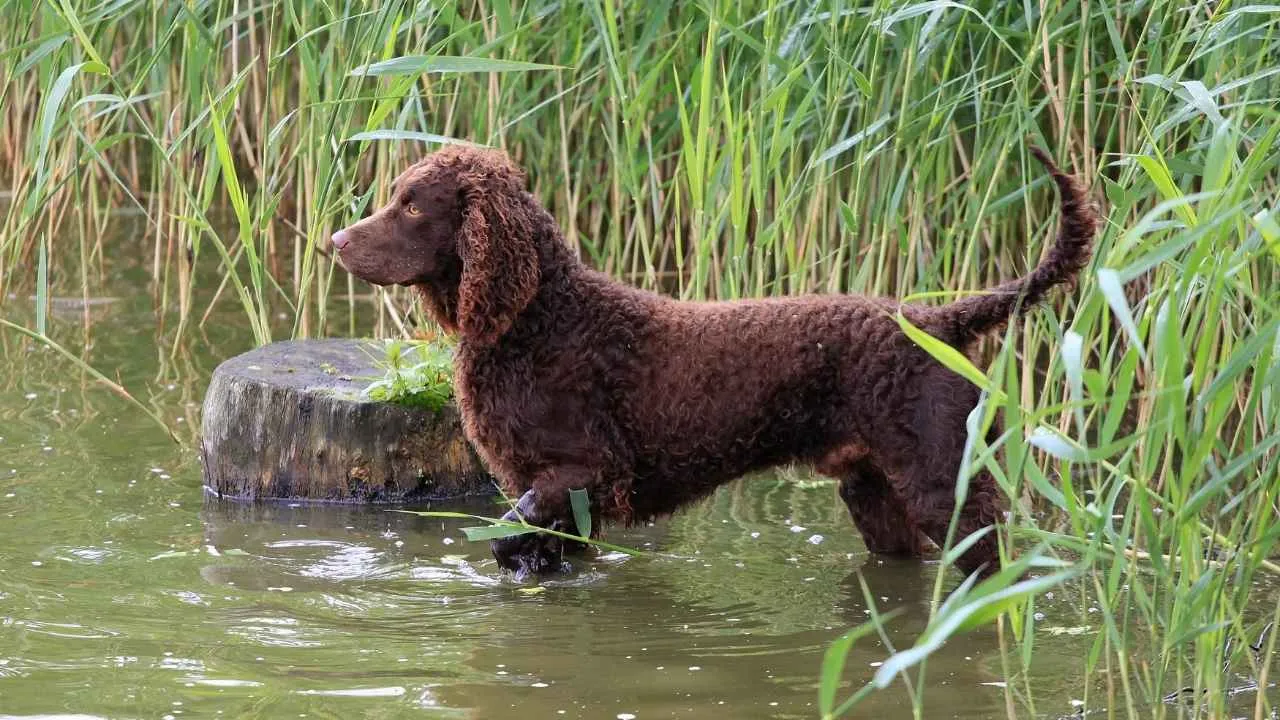
The American Water Spaniel is often described as the do-everything dog of the marsh, and that reputation is well earned. Britannica notes it was bred to retrieve on land or leap from a boat into water to retrieve birds.
Developed in the Great Lakes region, this breed was designed for hunters who needed one dog that could retrieve from cold water, flush birds in cover, and fit easily into small boats.
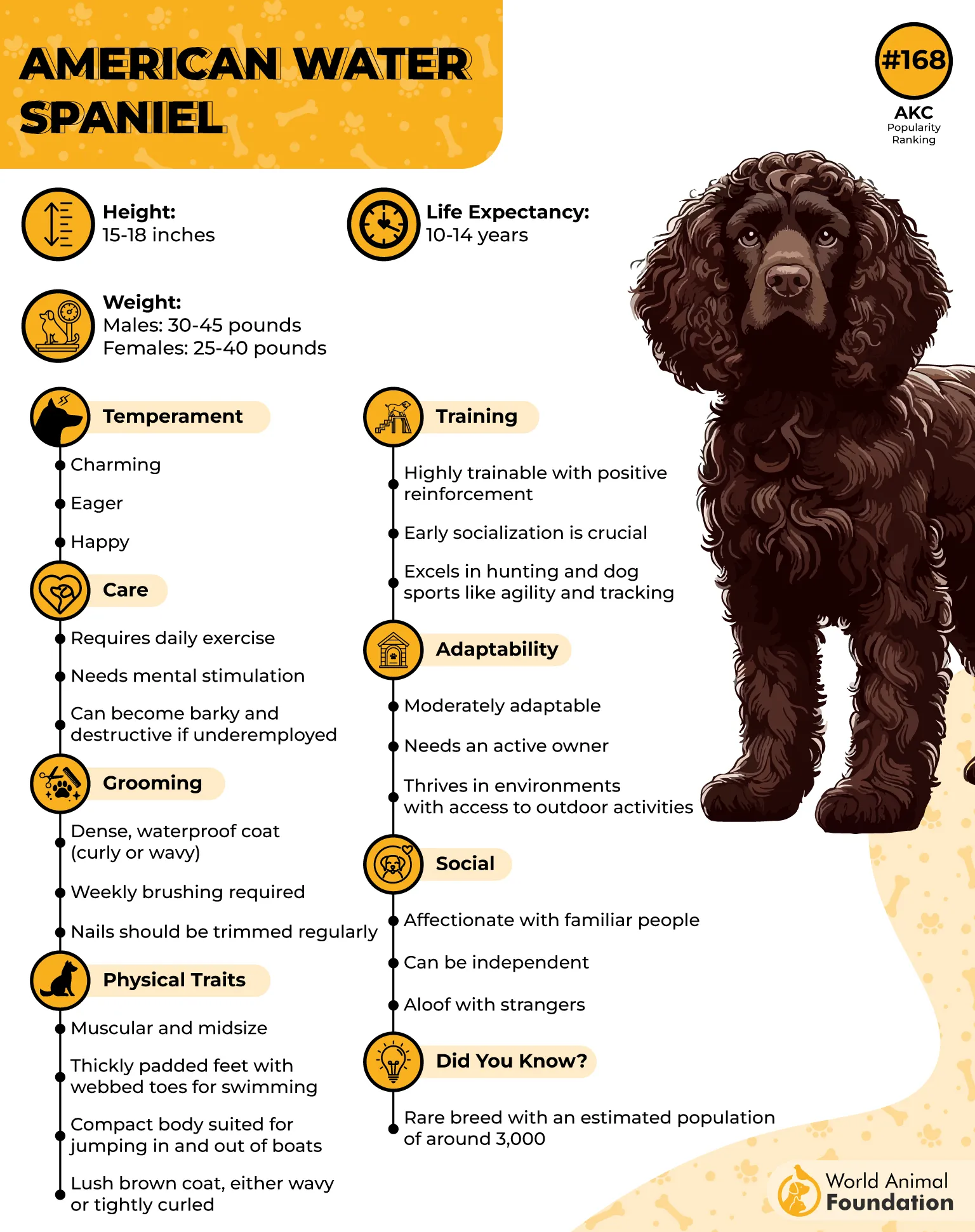
Its compact size makes a big difference in real hunting situations. Entering and exiting canoes, layout boats, and tight blinds is easier with a lighter dog that still brings strength and stamina. This webbed-feet breed swims confidently even in rough conditions with its curly, waterproof coat.
American Water Spaniels are highly intelligent and emotionally perceptive. They respond best to calm, patient training and shorter sessions. At home, they are loyal and naturally protective, often keeping a close eye on their people. For beginners and experienced hunters alike, this breed offers versatility, awareness, and steady companionship.
4. Irish Water Spaniel
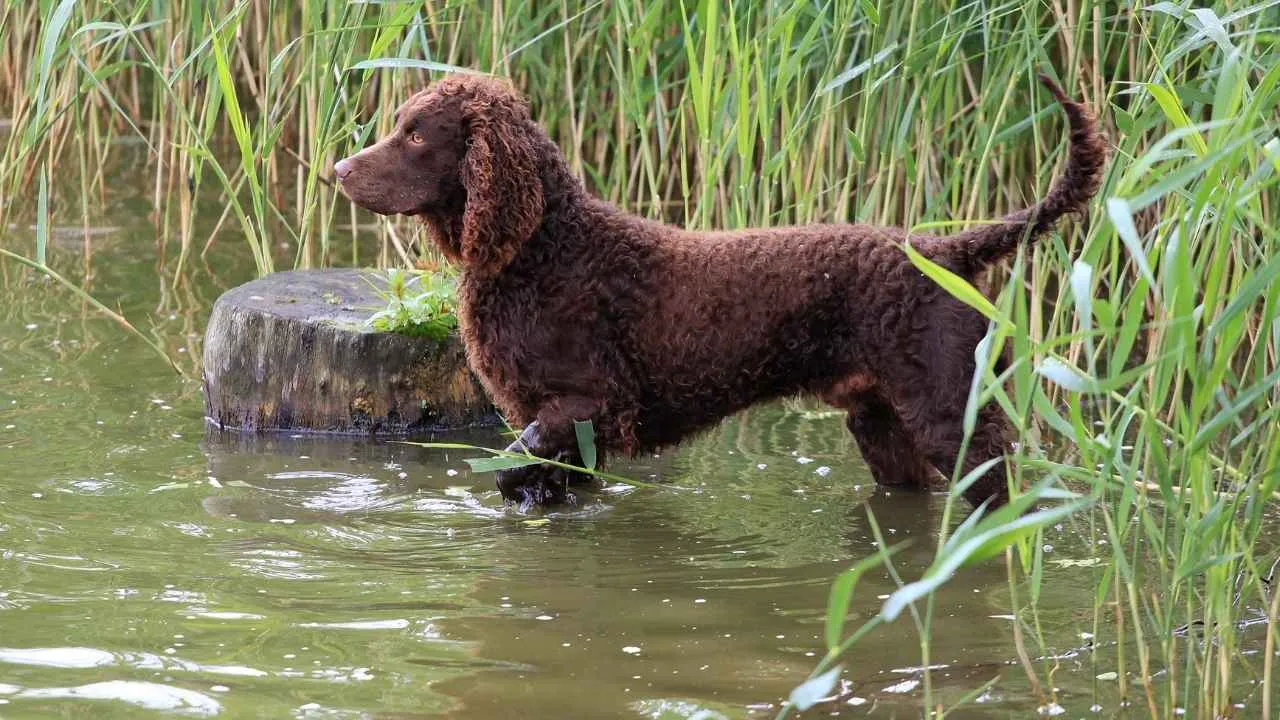
If personality mattered as much as performance, the Irish Water Spaniel would still stand out. Developed in Ireland in the 1830s, this breed was designed to retrieve game from cold lakes and marshes where endurance and intelligence were essential.
Its curly liver-colored coat and signature topknot are impossible to miss, but those features serve a purpose beyond appearance. Royal Canin notes the Irish Water Spaniel is the tallest of all spaniels with a tight curled coat and distinctive “rat tail.”
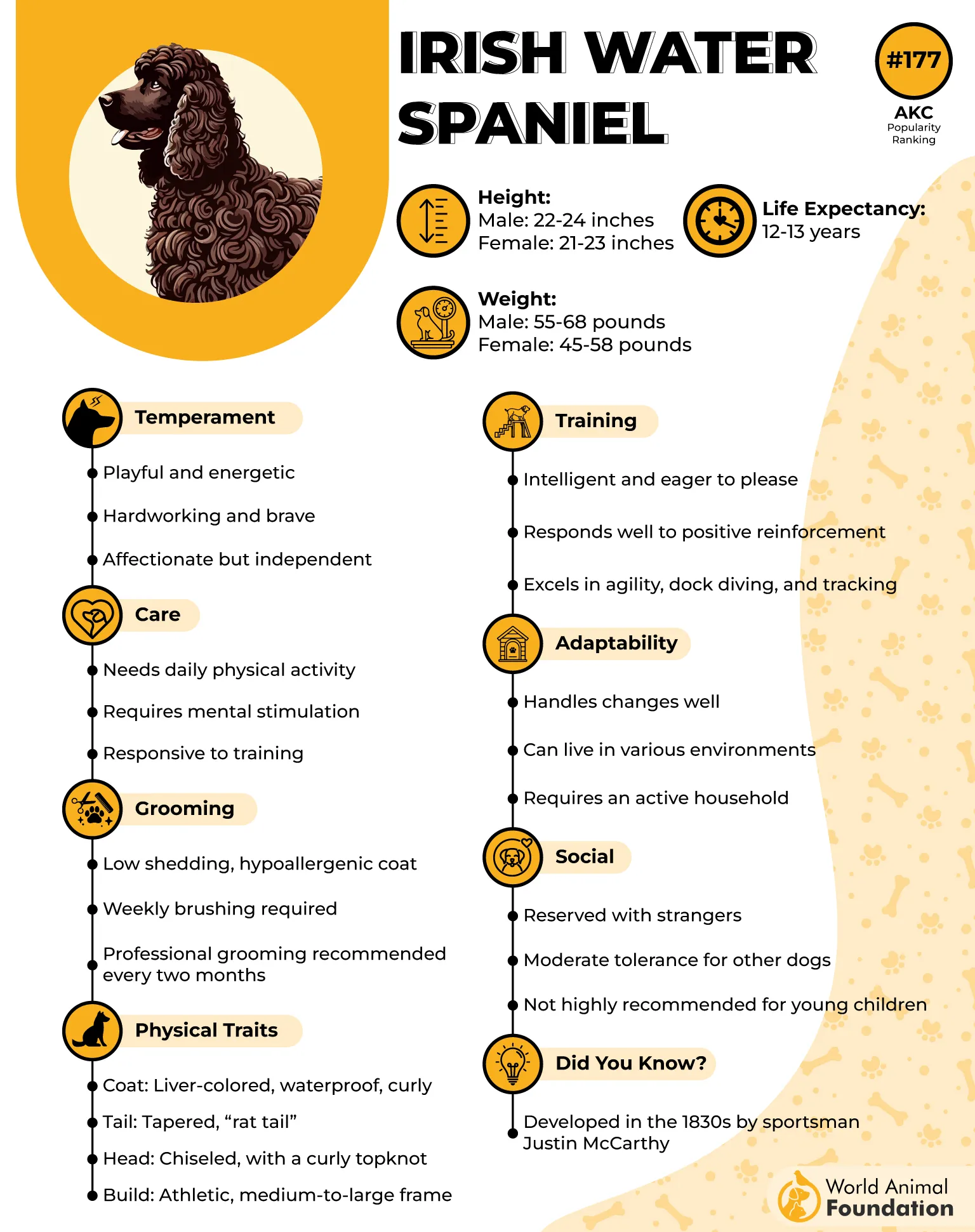
Irish Water Spaniels are energetic, curious, and emotionally connected to their people. They enjoy having a role, whether that means retrieving birds, learning new skills, or staying involved in family routines. Mental stimulation is just as important as physical exercise for this breed.
At home, they are naturally alert and aware of their surroundings. They tend to notice unfamiliar sounds or visitors quickly without being overly reactive. This makes them a strong choice for active owners who want a capable water dog with loyalty and presence.
5. Boykin Spaniel
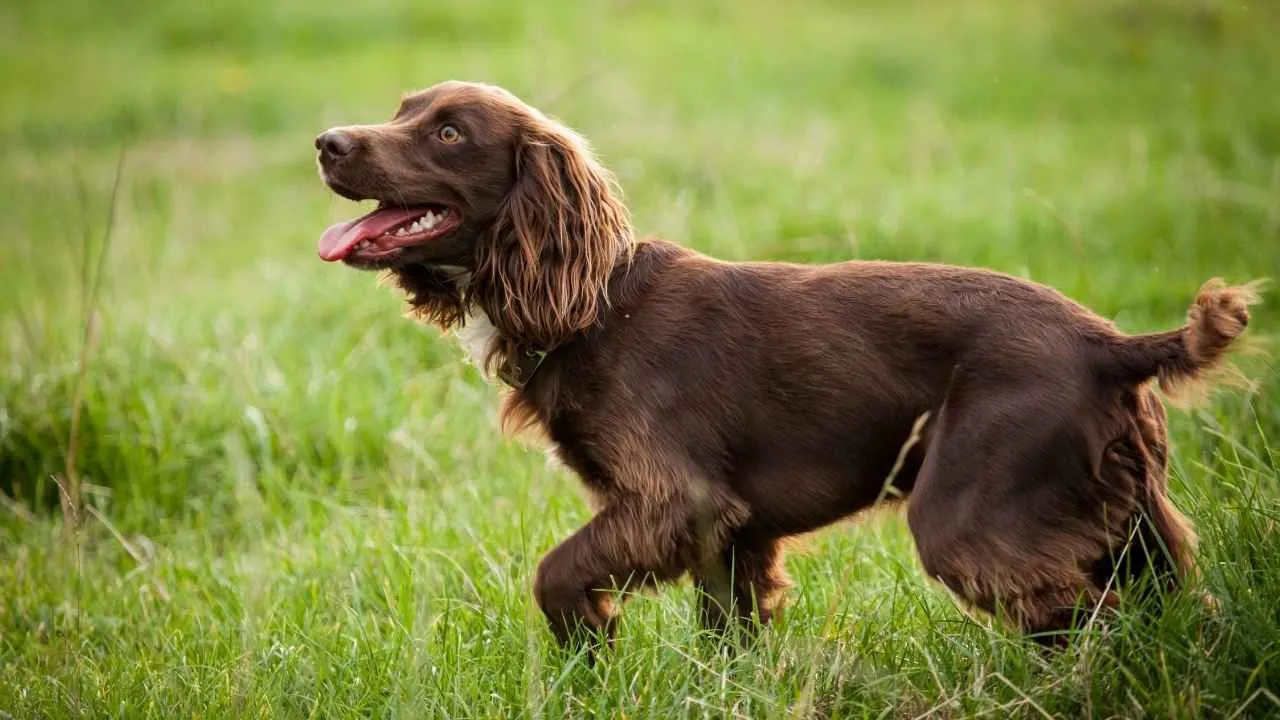
The Boykin Spaniel proves that size has little to do with determination. Developed along South Carolina’s Wateree River, this breed was built for retrieving waterfowl from small boats where space was limited, but performance still mattered. Weighing under 40 pounds, Boykins bring big drive in a compact frame.
They are affectionate, people-oriented dogs that thrive in busy households. Boykins responds quickly to positive reinforcement training, especially when sessions are upbeat and consistent. Daily activity is essential, as their energy and enthusiasm are always close to the surface.
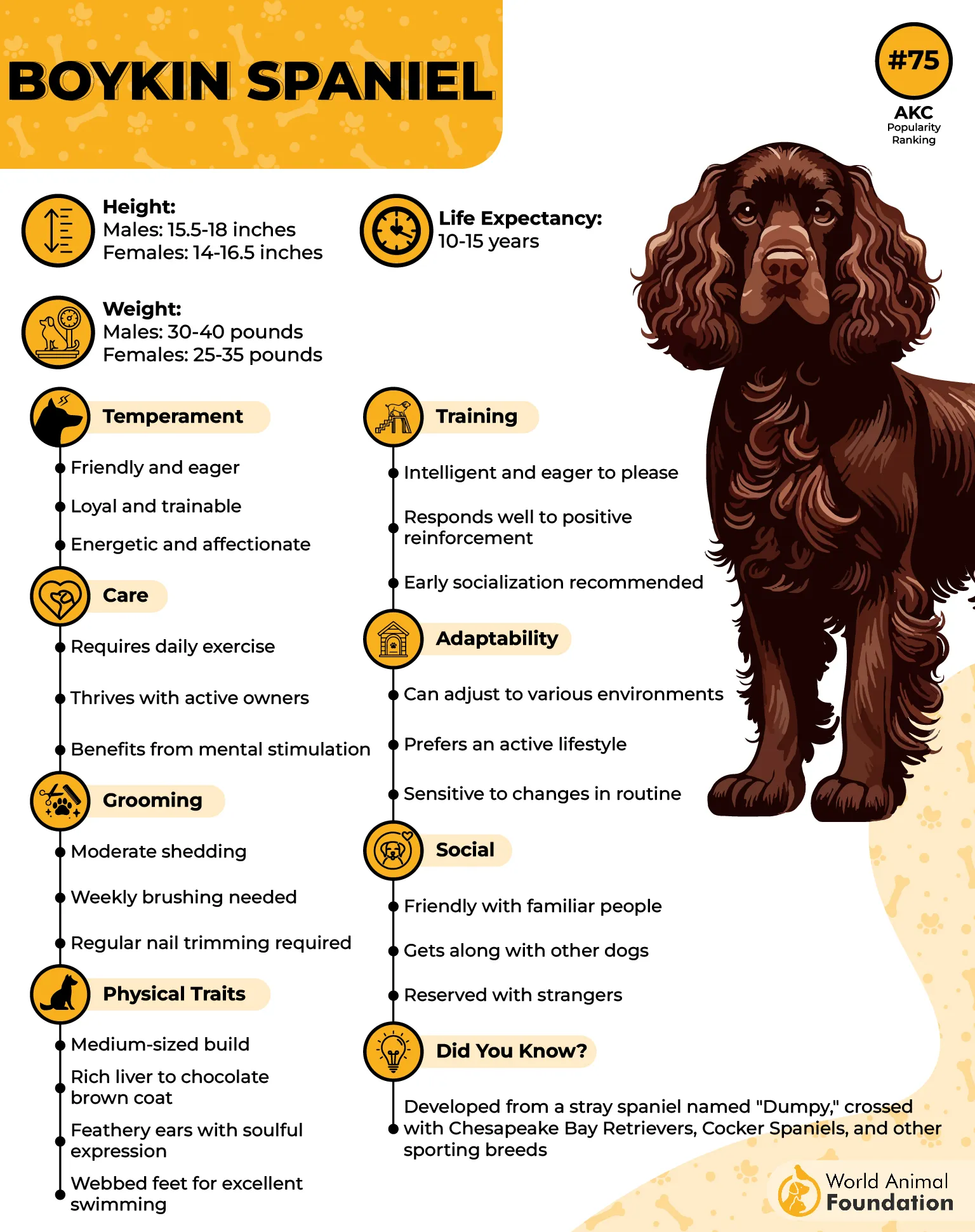
In the home, Boykins are attentive and engaged with their environment. They often notice changes in routine or unfamiliar movement and respond with alert curiosity. Friendly but focused, they balance warmth with awareness. This makes them a great fit for families who want a smaller retriever that is active, adaptable, and closely tuned to home life.
6. Labrador Retriever
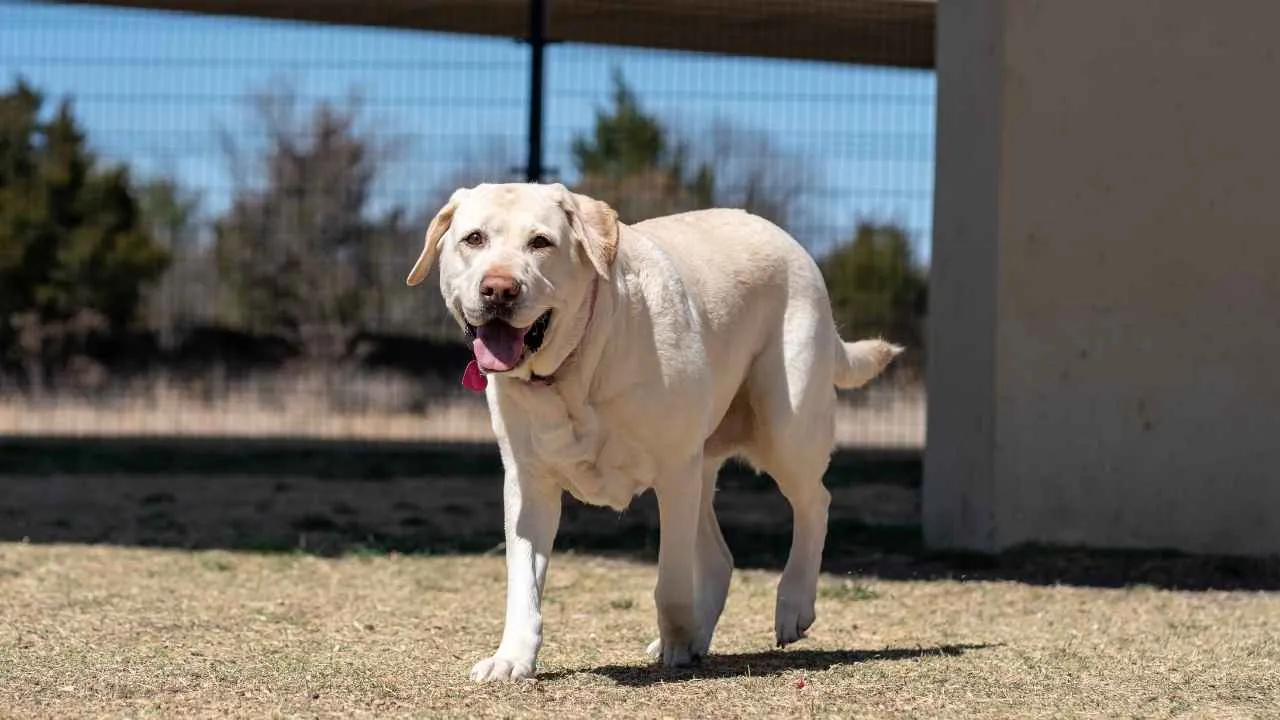
Few breeds have earned their reputation as thoroughly as the Labrador Retriever. Originally bred for long days of retrieving in cold water, Labs combine athletic ability with an easygoing temperament that suits both hunters and families. Their popularity reflects how reliably they perform across many roles.
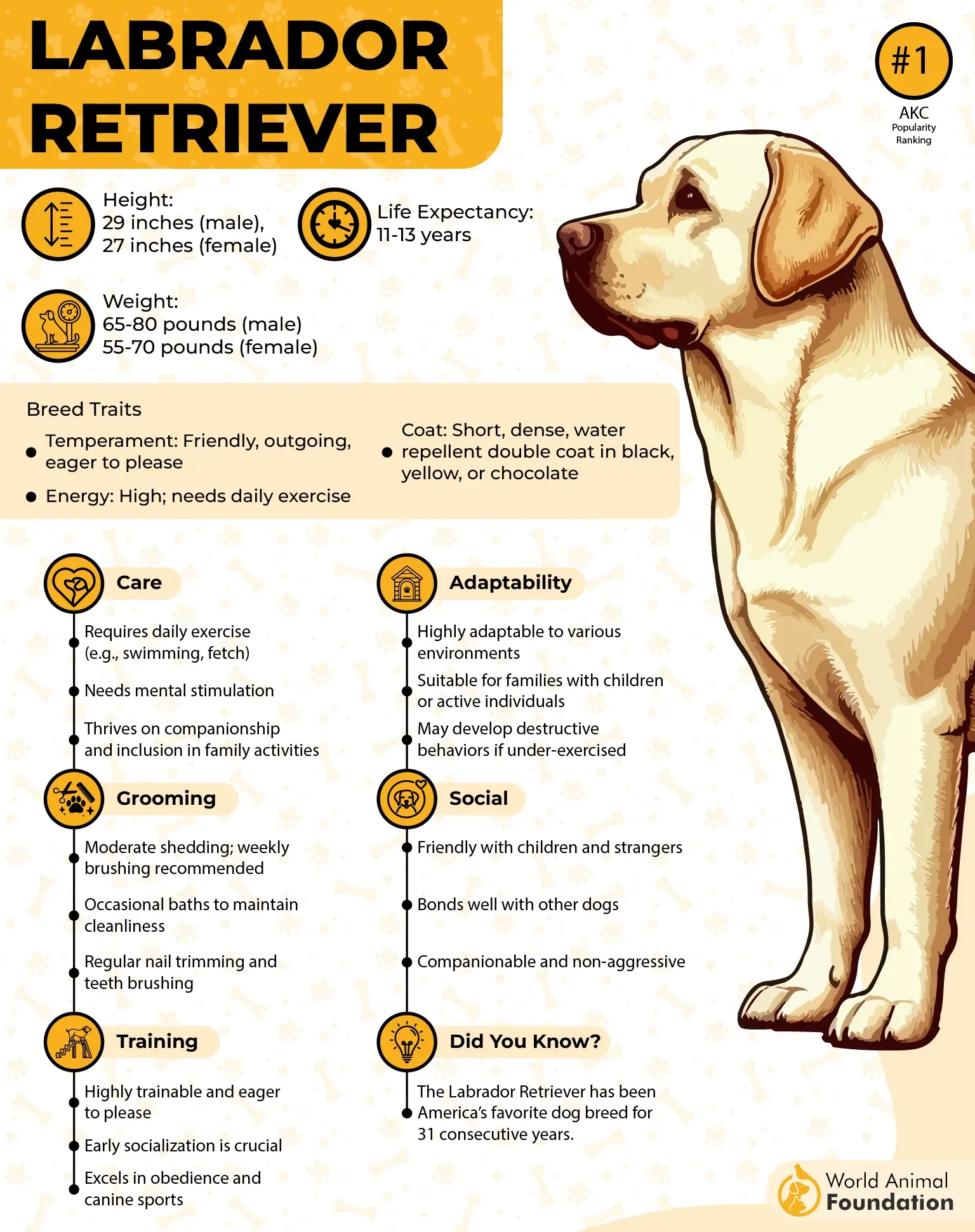
Labradors are eager learners who respond well to structure and repetition. They love to work, whether swimming, retrieving, or training in the yard. Regular exercise is important, as their enthusiasm for food and comfort can outpace their activity if not managed.
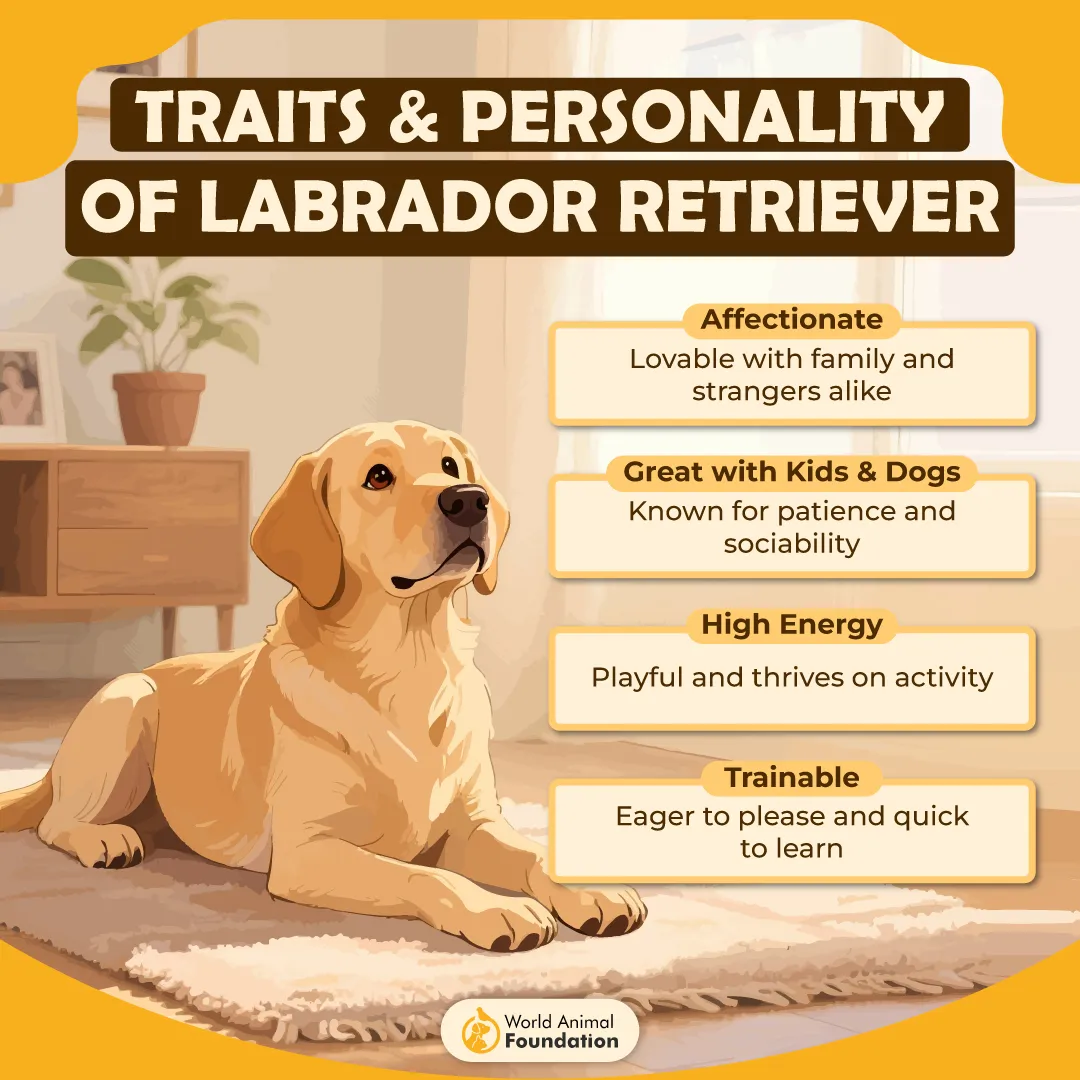
At home, Labs are calm yet observant. They tend to notice unfamiliar sounds or visitors without excessive guarding behavior. This balance of friendliness, awareness, and adaptability makes Labradors an excellent choice for first-time retriever owners and experienced hunters alike.
7. Curly-Coated Retriever
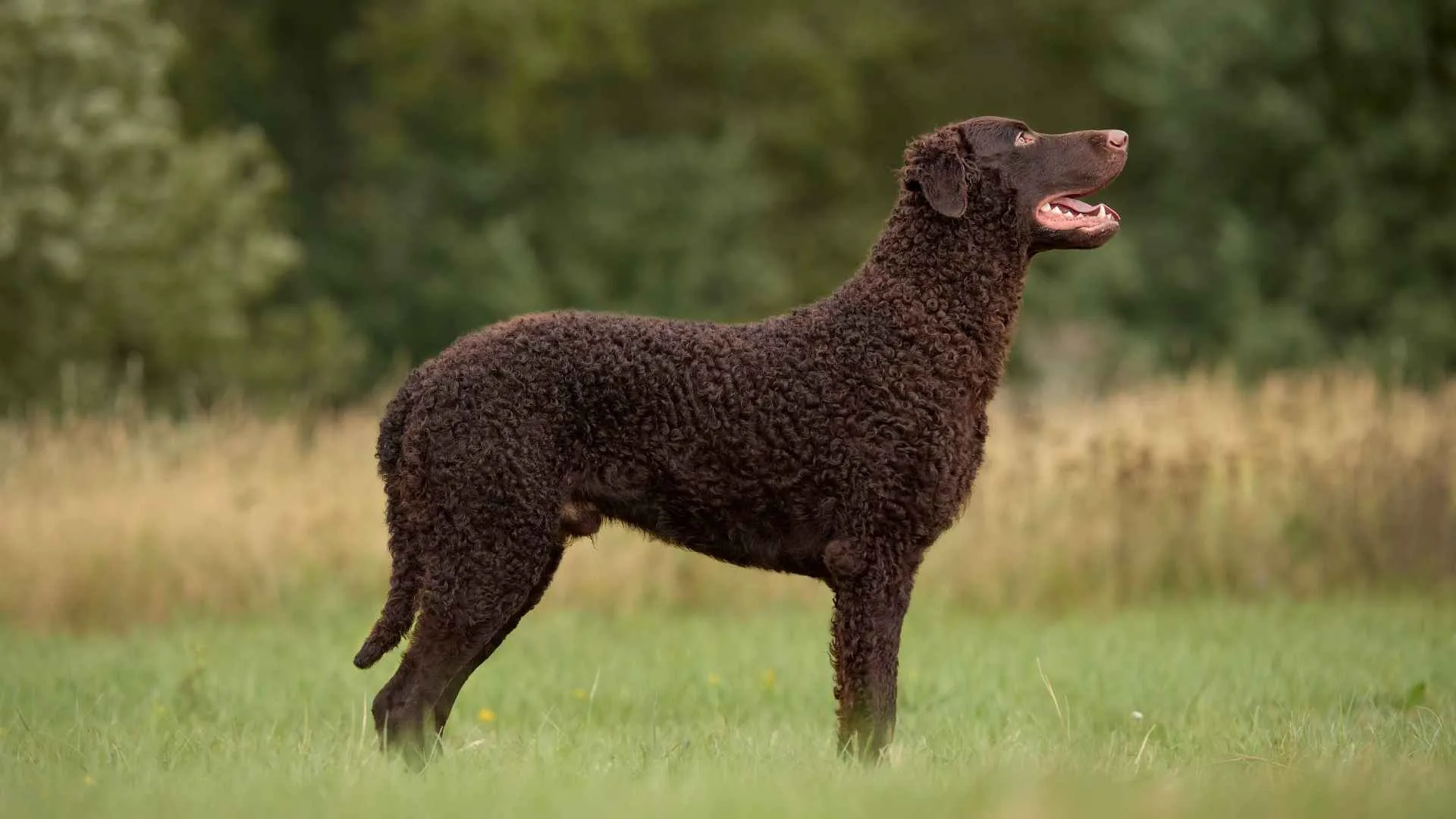
Confidence is the Curly-Coated Retriever’s defining trait. One of the oldest retriever breeds, it was developed in England to work demanding water and land retrieves in harsh conditions. Its dense curls protect against cold water while giving the breed a bold, unmistakable look.
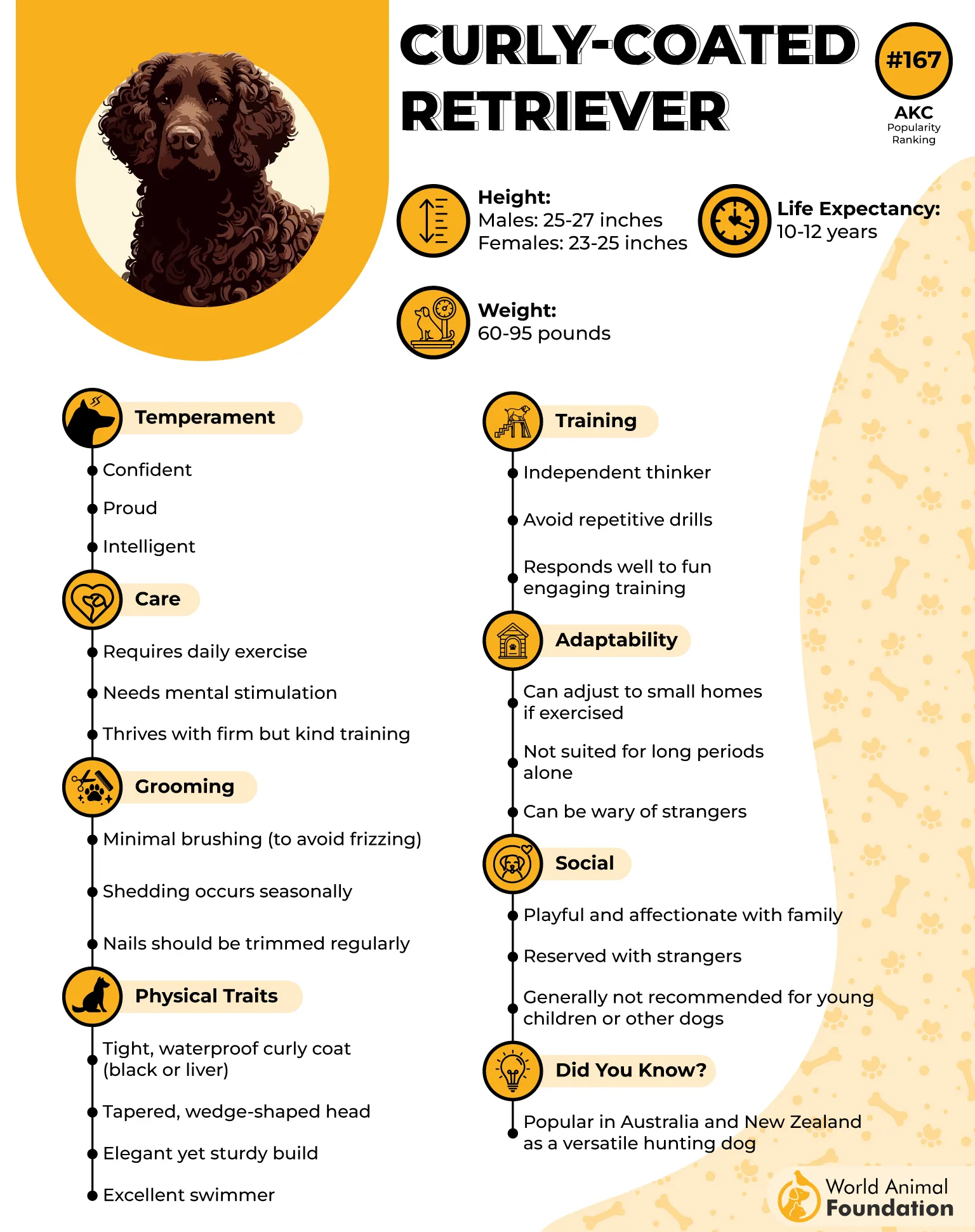
Curly-Coated Retrievers are intelligent and independent. They learn quickly but prefer thoughtful, consistent training rather than repetitive drills. Their strength and stamina allow them to retrieve for long periods, even late in the season.
In the home, Curlies are calm, reserved, and quietly loyal. They often observe strangers before engaging, which gives them a natural watchful quality without excessive barking. They bond closely with their family and value routine. This breed suits experienced owners who appreciate a steady, confident dog that combines working ability with composed home behavior.
8. Flat-Coated Retriever
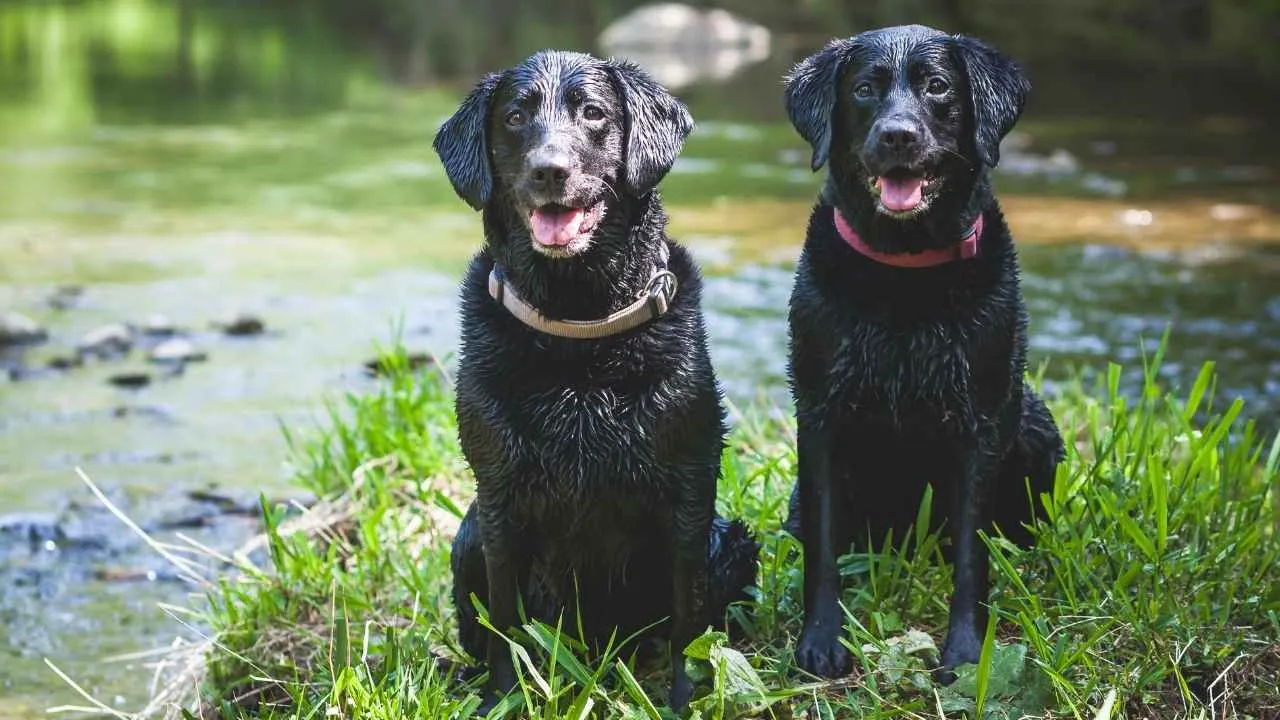
Some dogs mature slowly, and Flat-Coated Retrievers proudly embrace that trait. Often described as forever young, this breed brings enthusiasm and joy to both hunting and family life. Developed in Britain for retrieving game, Flat-Coats are graceful swimmers with excellent marking ability.
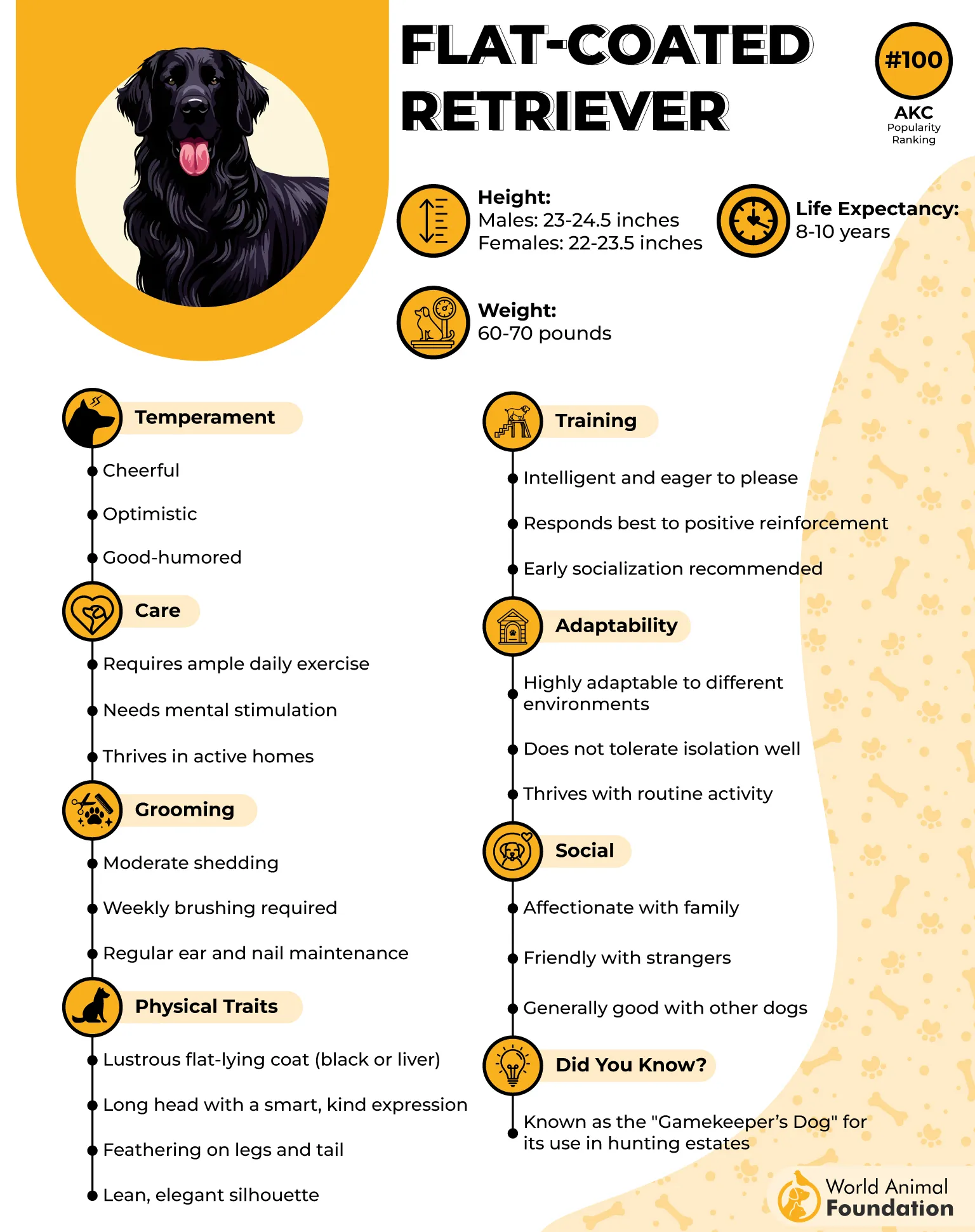
They thrive on interaction and are happiest when included in daily activities. Training is most effective when it feels playful and engaging, as Flat-Coats respond strongly to encouragement. Their energy level requires regular outlets through work or exercise. They work hard even in the heat, so use these practical tips for keeping dogs cool in summer.
At home, Flat-Coated Retrievers are friendly but attentive. They tend to notice new people or changes quickly, often greeting situations with curiosity rather than caution. Their social nature makes them ideal for families with time to invest, while their awareness adds a layer of attentiveness that keeps them connected to their surroundings.
9. Golden Retriever
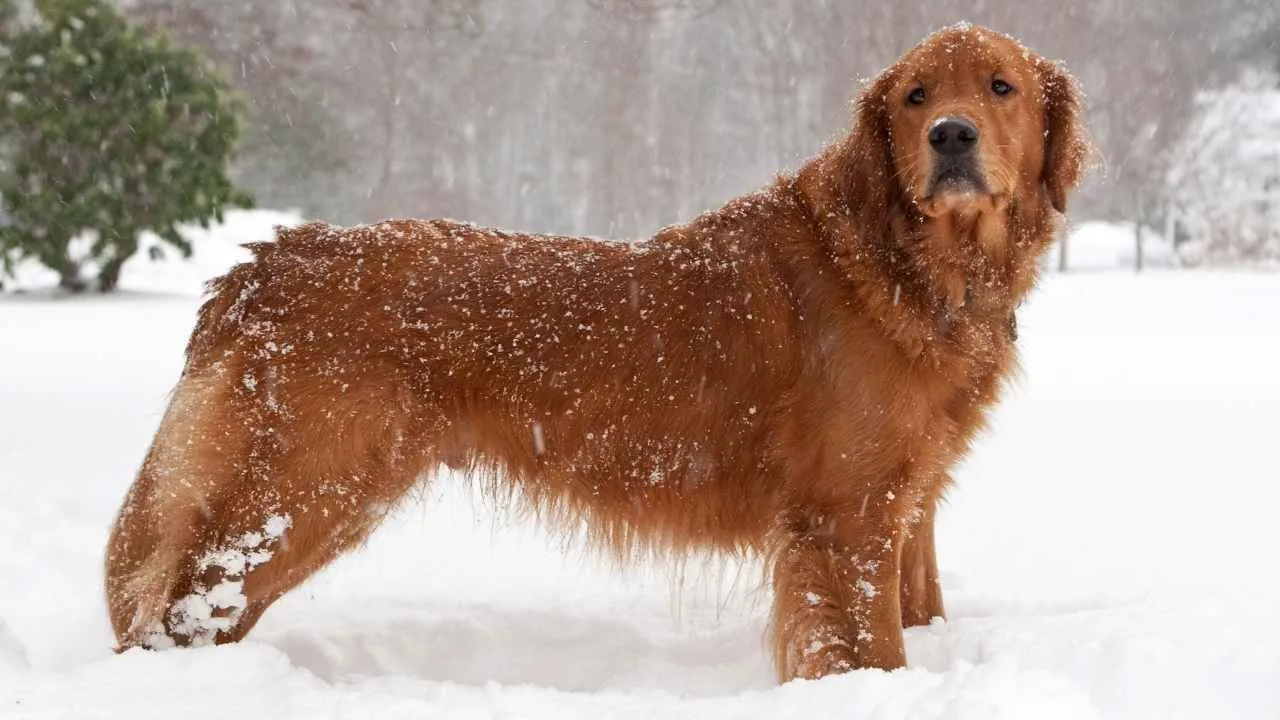
Golden Retrievers may be known for their gentle nature, but their roots lie firmly in the hunting field. Developed in the Scottish Highlands, they were bred to retrieve birds from cold water and dense cover with reliability and care. Field-bred Goldens still carry those instincts today.
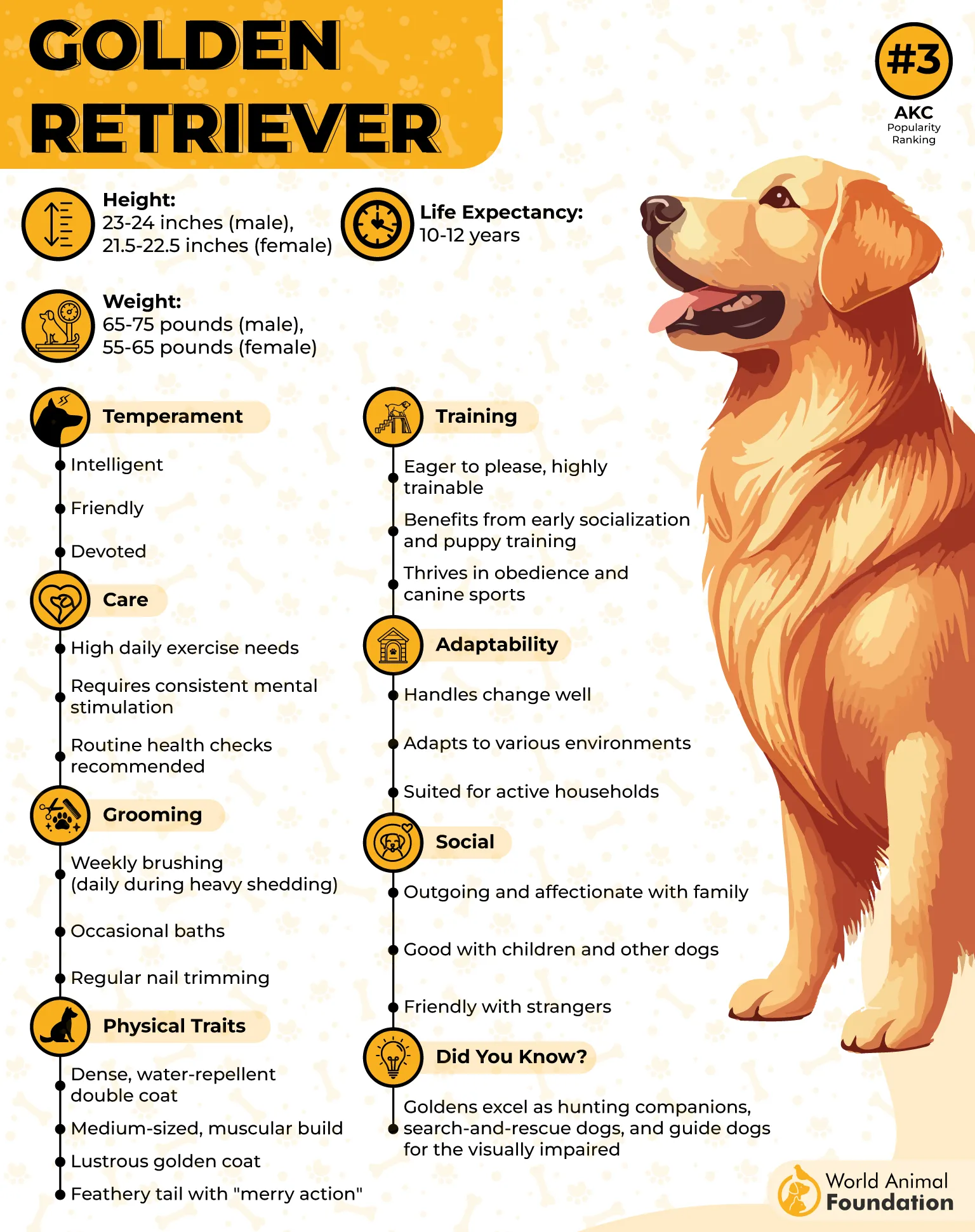
They are intelligent, cooperative, and highly trainable, making them especially appealing to beginner handlers. Goldens enjoy structure, daily activity, and purposeful work. Swimming and retrieving tap directly into their natural strengths.
At home, Golden Retrievers are calm, perceptive, and deeply family-oriented. They tend to be aware of unfamiliar activity while remaining approachable and steady. This blend of friendliness and attentiveness makes them excellent companions for families who want a capable waterfowl dog that transitions easily into a warm, dependable household presence.
Conclusion
Choosing the right waterfowl dog is about more than picking the most popular breed or the biggest name. It comes down to how a dog fits your hunting style, your experience level, and your life at home. Some versatile hunting dog breeds thrive in harsh, late-season conditions, while others shine in small boats, tighter spaces, or mixed hunting and family roles.
The dogs covered in this article were shaped by generations of careful breeding and real-world hunting demands. Their differences in size, temperament, training style, and energy level matter. Understanding those traits helps you avoid frustration and build a stronger partnership from the start.
Whether you hunt every season or are planning your first retriever, the right match will make time in the field more productive and time at home more rewarding. When a dog’s natural instincts align with your expectations, both of you get more out of the experience.
