




A busy schedule can make dog ownership feel like one more responsibility on an already crowded to-do list. Between work, errands, and family commitments, finding hours for intensive grooming or exercise may seem impossible. Yet, some dogs fit more naturally into fast-paced routines.
Low-maintenance dog breeds can offer a better balance, with manageable grooming, moderate activity needs, and easygoing personalities. Instead of spending every spare moment on upkeep, owners can focus on meaningful time together—whether that means a short walk, a relaxed evening, or simply enjoying their dog’s company.
The key is choosing a breed whose needs match your lifestyle rather than searching for a completely effortless pet.
FACT: No dog is maintenance-free; every breed still needs proper nutrition, training, exercise, affection, and veterinary care.
Amazing Dog Breeds Requiring Little Upkeep
1. French Bulldog
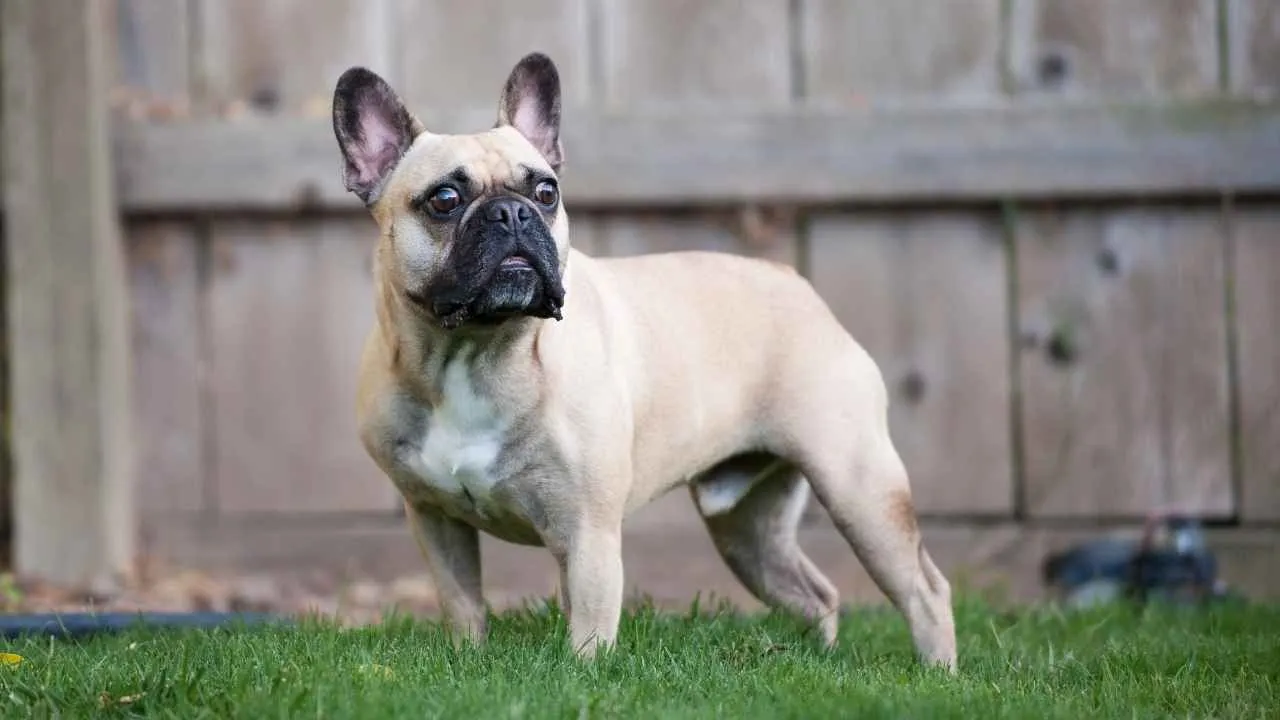
With their compact build and short, fine coat, French Bulldogs fit comfortably into relaxed indoor routines. Their fur is unlikely to mat, so a quick brushing session is usually enough to keep it tidy without demanding extensive grooming.
They also tend to manage well with modest daily activity. Around an hour of exercise spread throughout the day can be suitable, with brief walks preferable to strenuous outings. Their flat faces can make breathing harder, particularly during intense activity or warm weather.
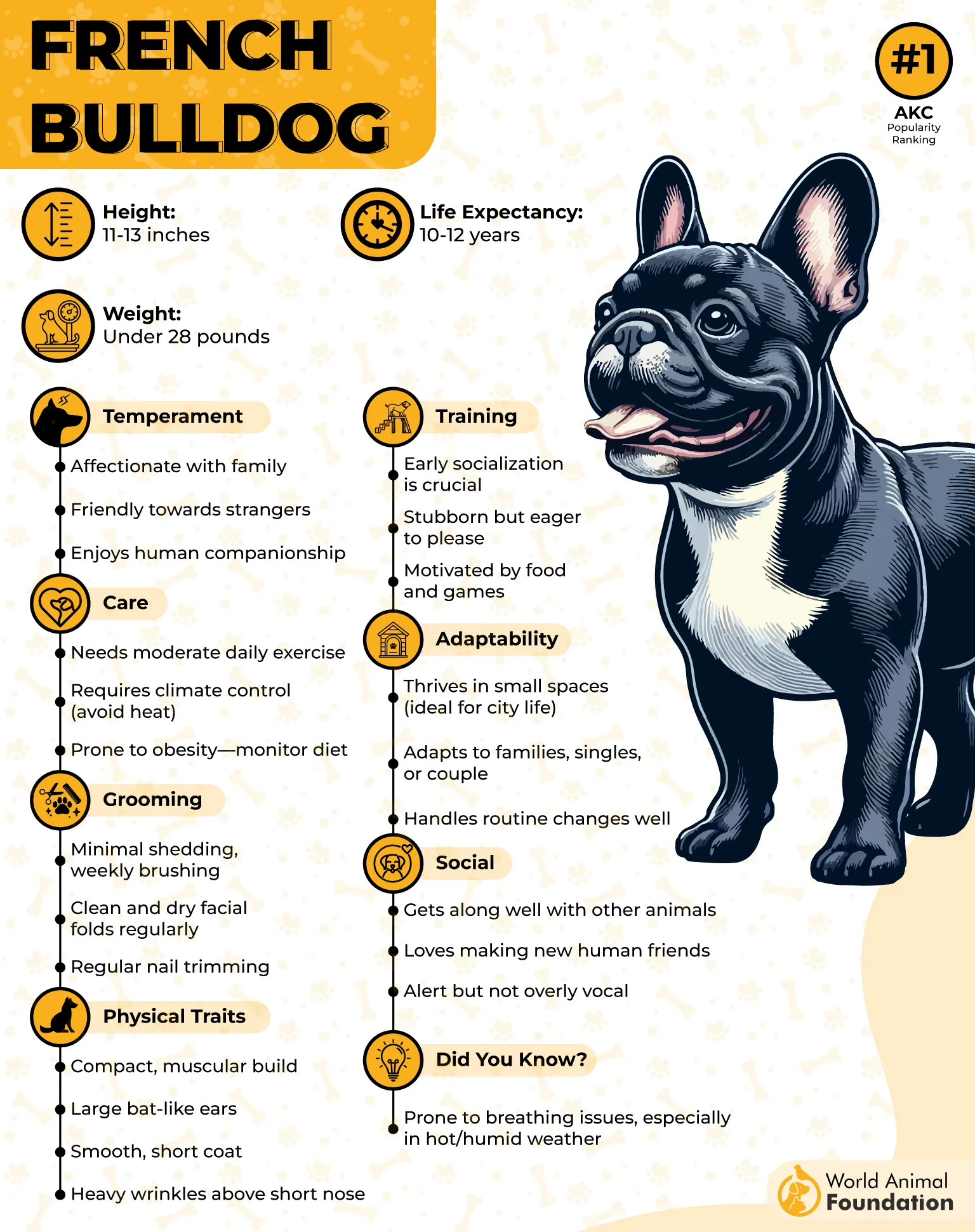
At home, Frenchies bring an appealing combination of affection and easygoing charm. They can happily play with a favorite toy before settling beside you on the sofa, making them enjoyable companions for quieter households.
Despite their easy-care appearance, there is an important consideration: their short-muzzled anatomy can increase the risk of breathing problems, including brachycephalic syndrome. Their grooming may be simple, but responsible care still includes watching their comfort, especially in heat.
2. Chihuahua
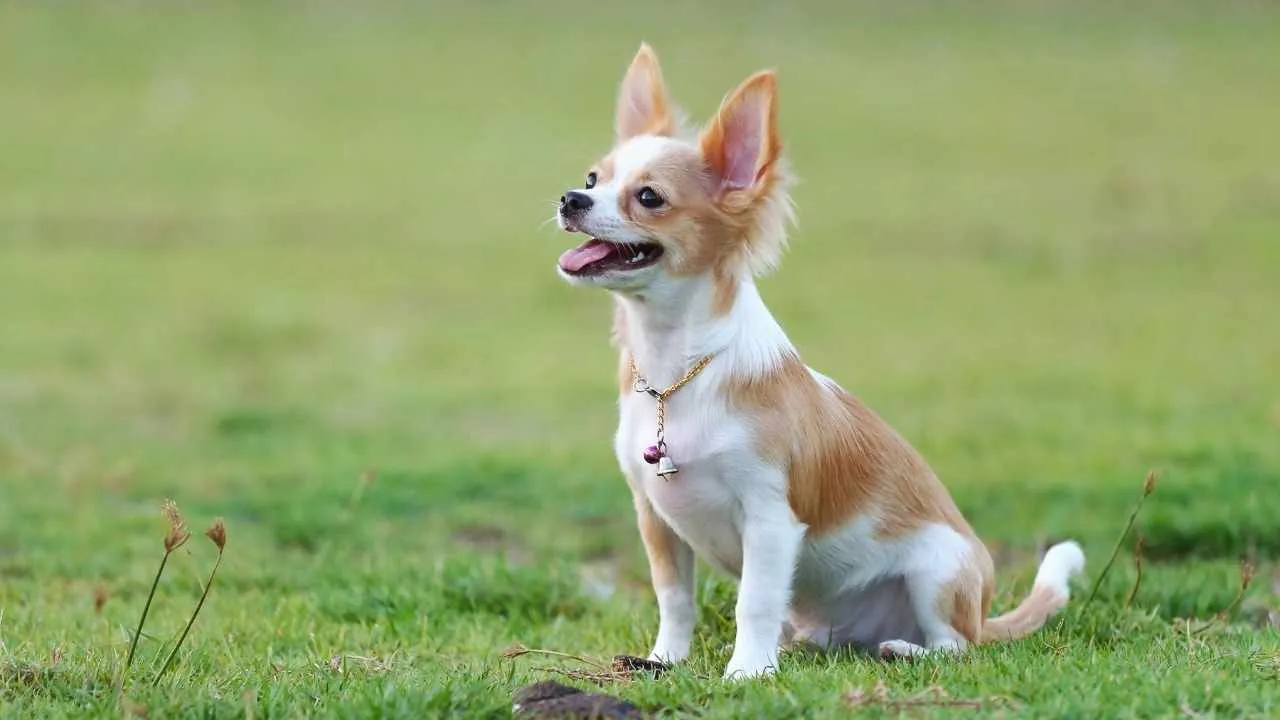
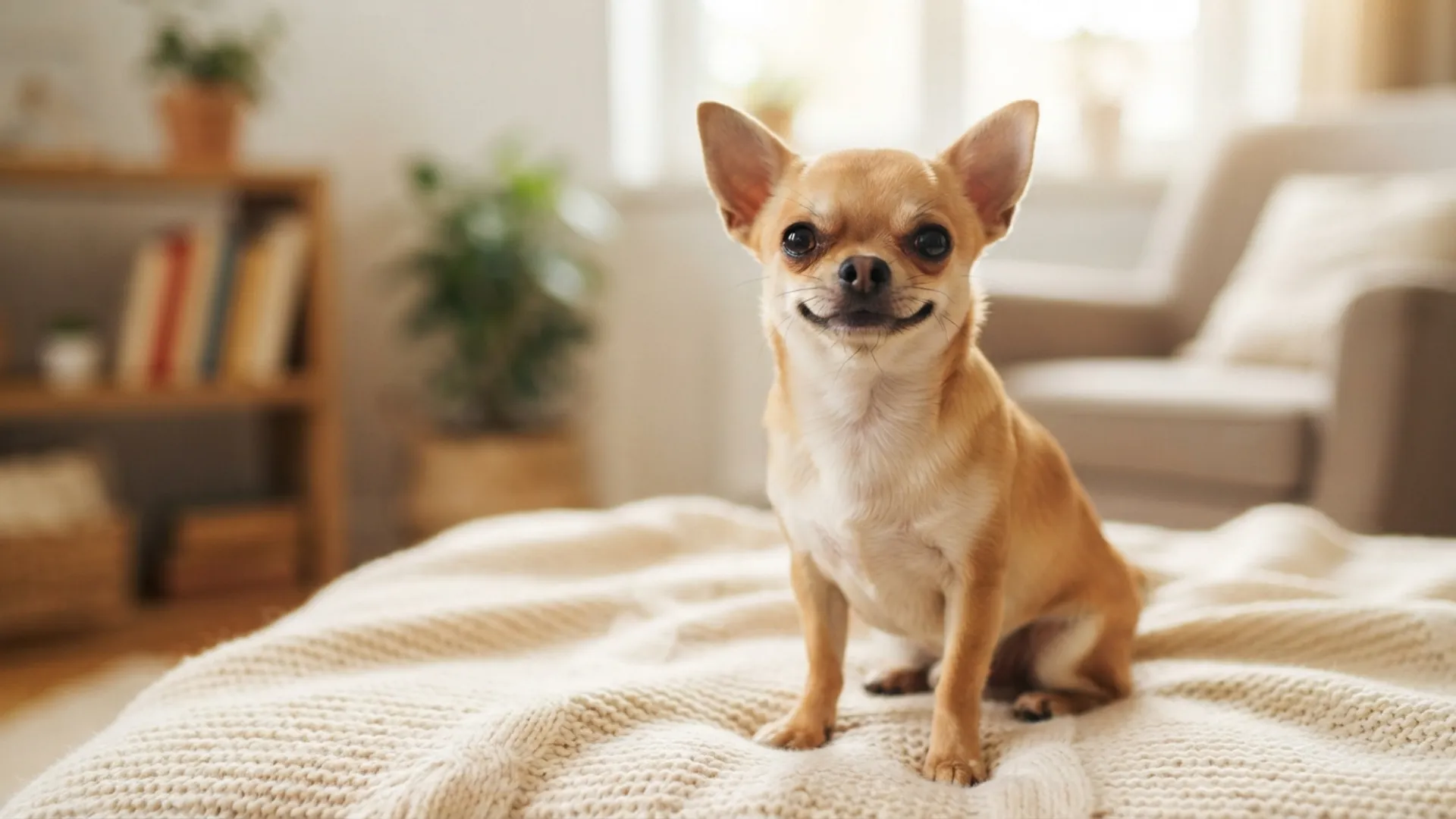
Chihuahuas are tiny companions whose compact size makes everyday care surprisingly manageable. Their short coats need little grooming, while their small appetites can make feeding more economical than for larger breeds. Their petite build also makes it easy to provide a comfortable bed, carrier, and travel setup.
Despite their size, these dogs are lively and enjoy staying involved with their people. Around twenty to thirty minutes of daily activity, divided between short walks, play, or training, can help keep them content and channel their energy positively.
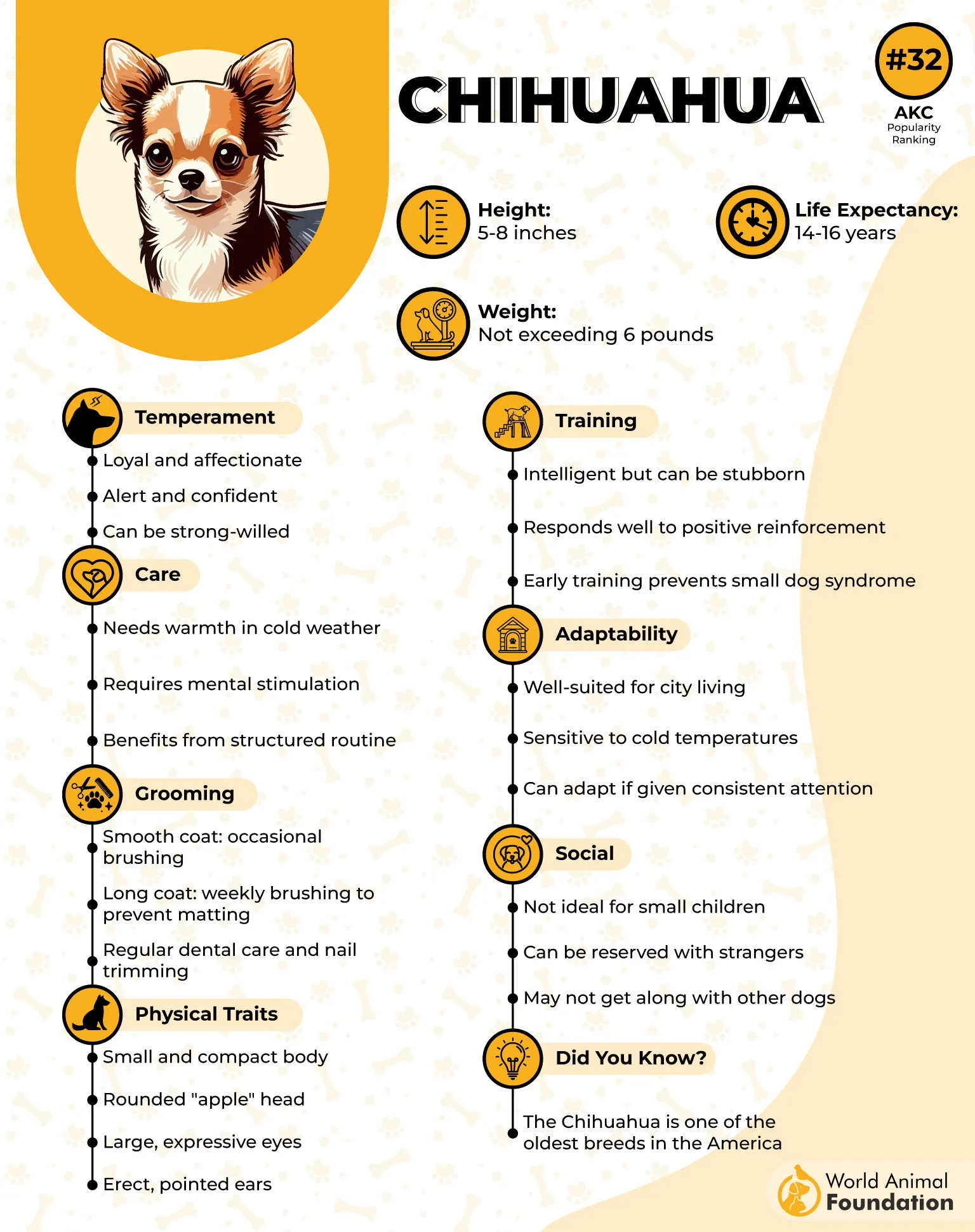
Their affectionate nature makes them wonderful lap companions, but gentle handling is essential because they can be physically delicate. Early socialization and training can also help prevent overly wary or reactive behavior.
One area that deserves particular attention is dental care. Small dogs can be prone to oral health problems and may require regular professional cleanings depending on their individual needs.
3. Pug
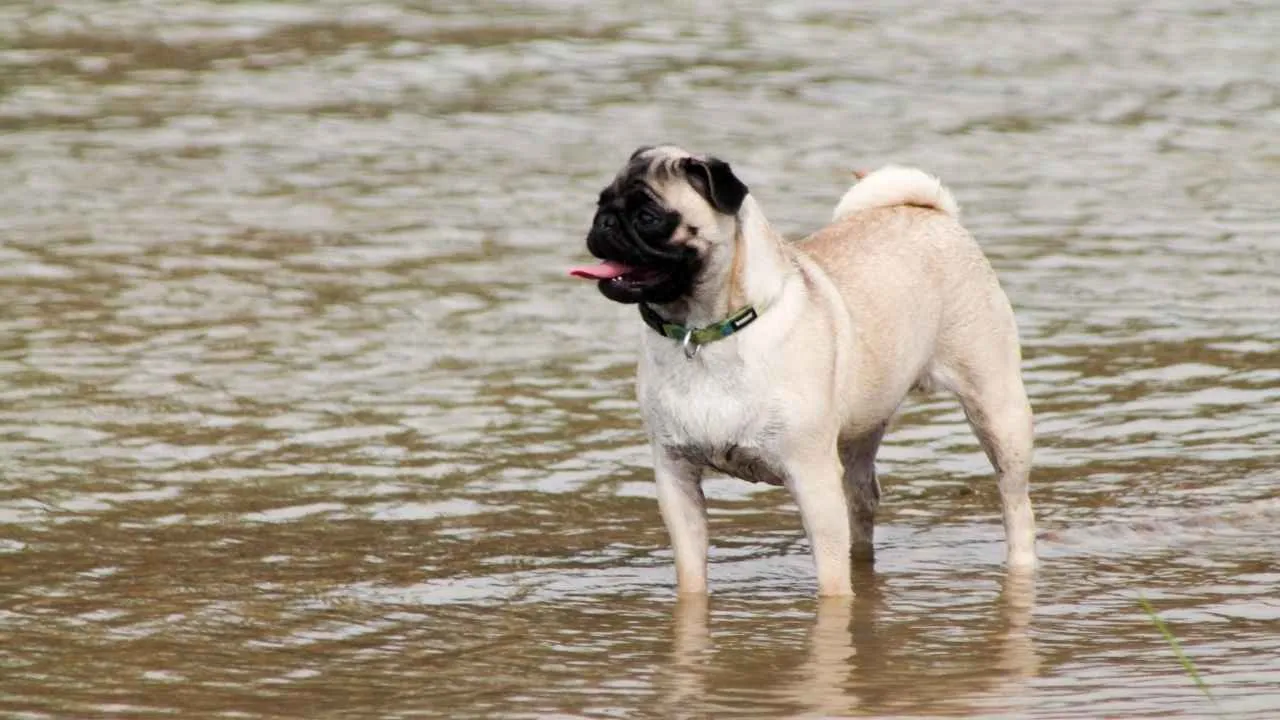
Pugs are delightful homebodies, especially when rainy weather makes outdoor adventures less appealing. Their moderate exercise needs can usually be met with indoor play or around half an hour of walking.
According to Purina, their short, smooth coat requires minimal routine care. Their adorable facial wrinkles need weekly cleaning. Regular brushing can also help manage shedding and keep their coat looking neat.
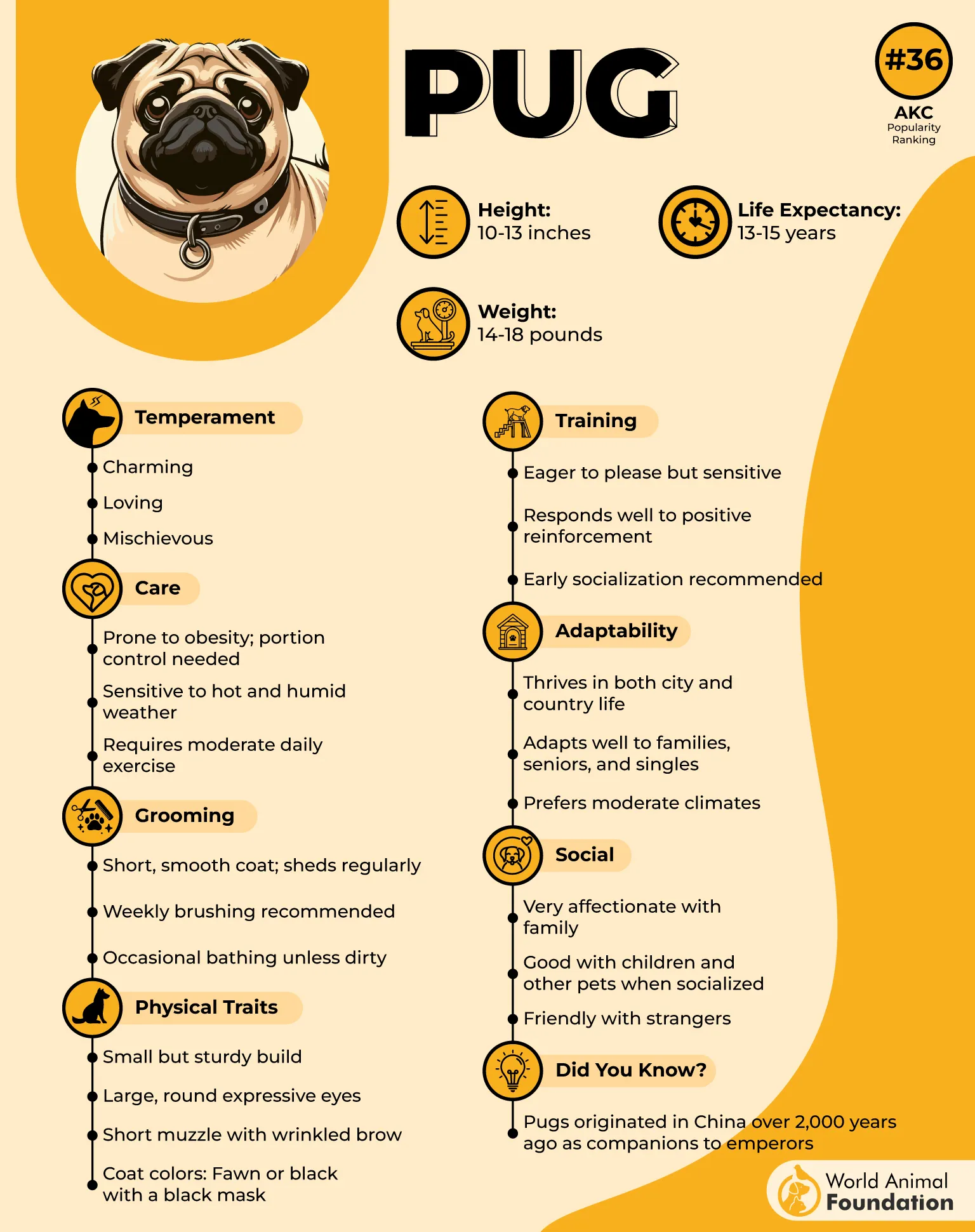
With their comical expressions and mischievous streak, Pugs bring plenty of entertainment to the household. They are affectionate, sociable, adaptable companions that generally enjoy being around people.
Their small stature makes them convenient for cozy homes, but their short muzzles mean they can struggle with heat and breathing. So, while the coat is refreshingly uncomplicated, their overall care deserves thoughtful attention.
4. Whippet
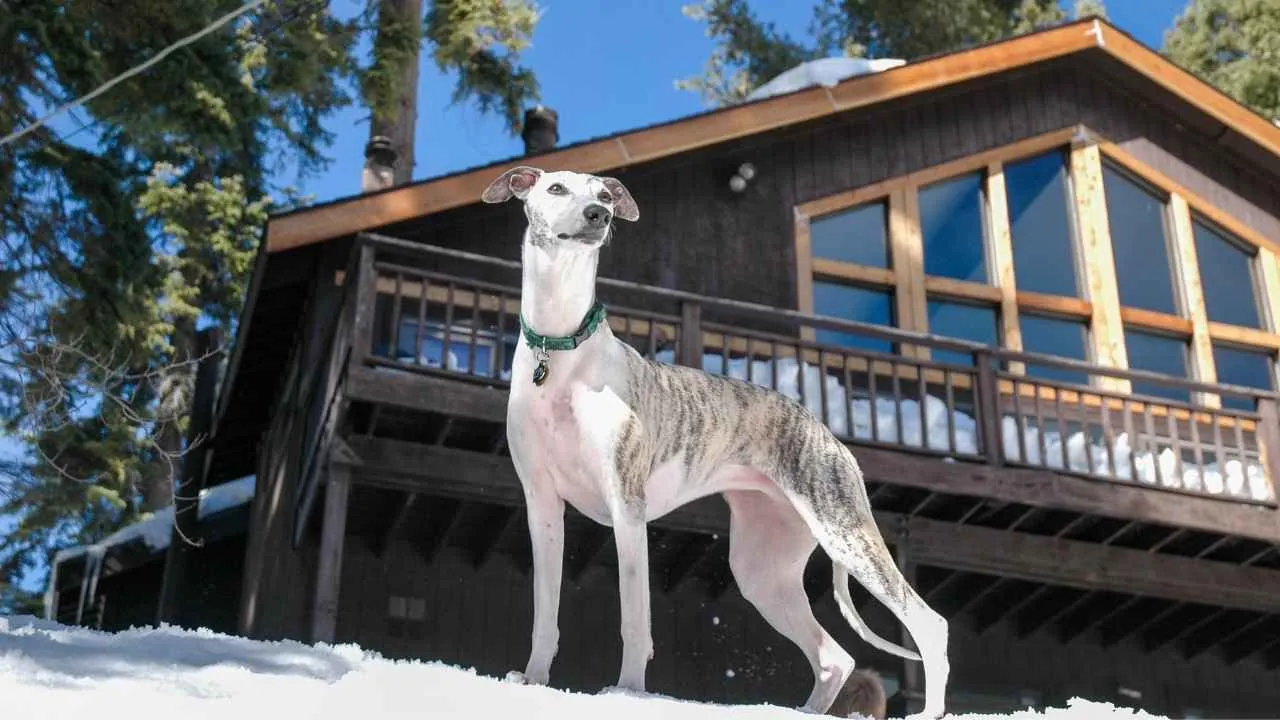
Whippets stand out as sleek, graceful dogs that combine an athletic build with remarkably simple coat care. Their short, smooth fur needs little attention, with weekly brushing generally enough to keep it looking polished.
Despite their reputation as speedy sprinters, Whippets can be surprisingly relaxed indoors. Once they receive regular walks and safe opportunities to exercise, they are happy to spend much of their time resting and enjoying a peaceful home environment.
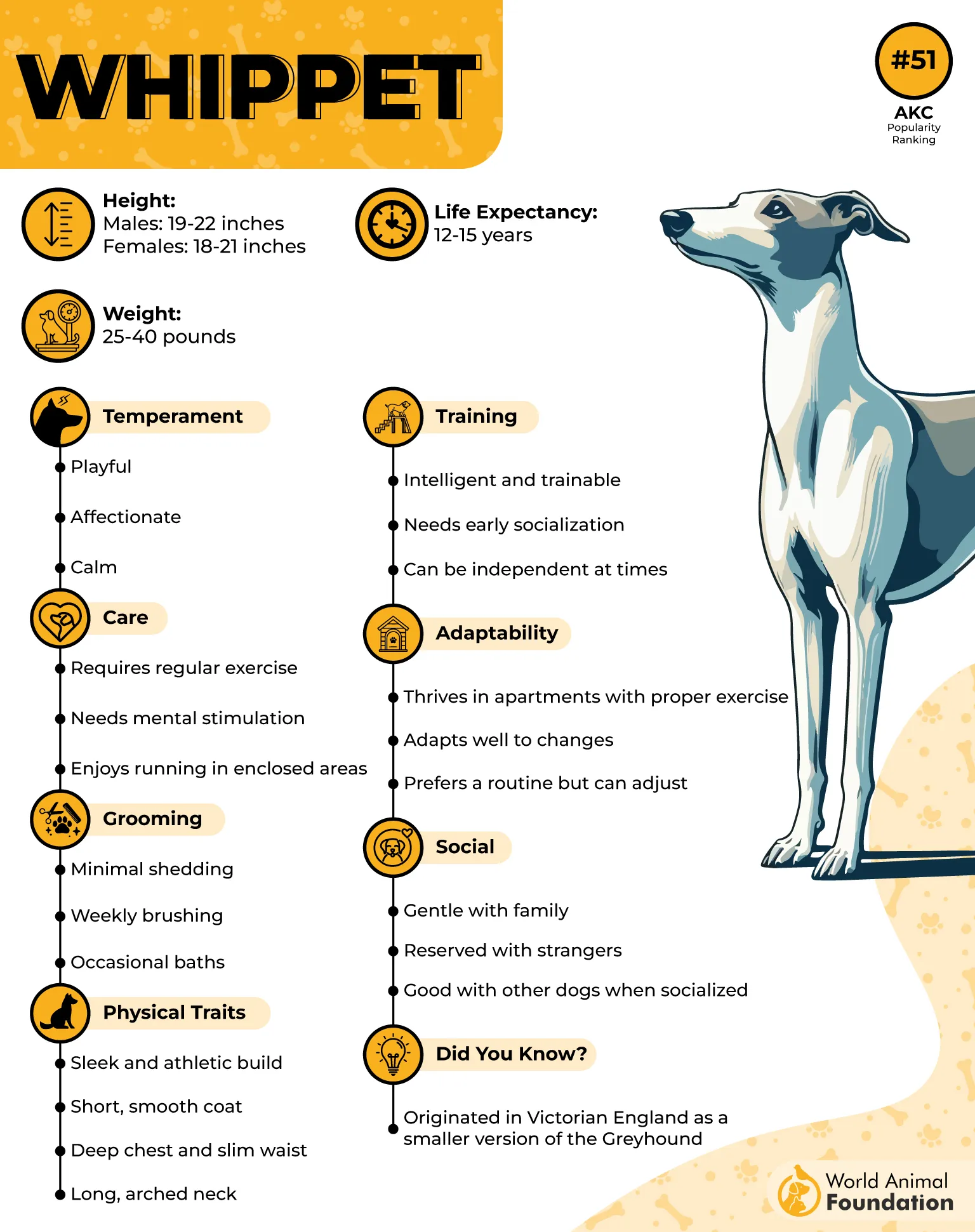
Their affectionate, intelligent, and naturally quiet personality adds to their appeal for owners seeking a refined companion. They do not bark excessively and can adapt well to smaller living spaces when their exercise needs are met.
Their thin coat and low body fat mean they can feel the cold easily, so a warm coat may be useful in chilly weather. Securely fenced areas are also important because their strong prey drive can send them chasing after small animals.
5. Miniature Pinscher
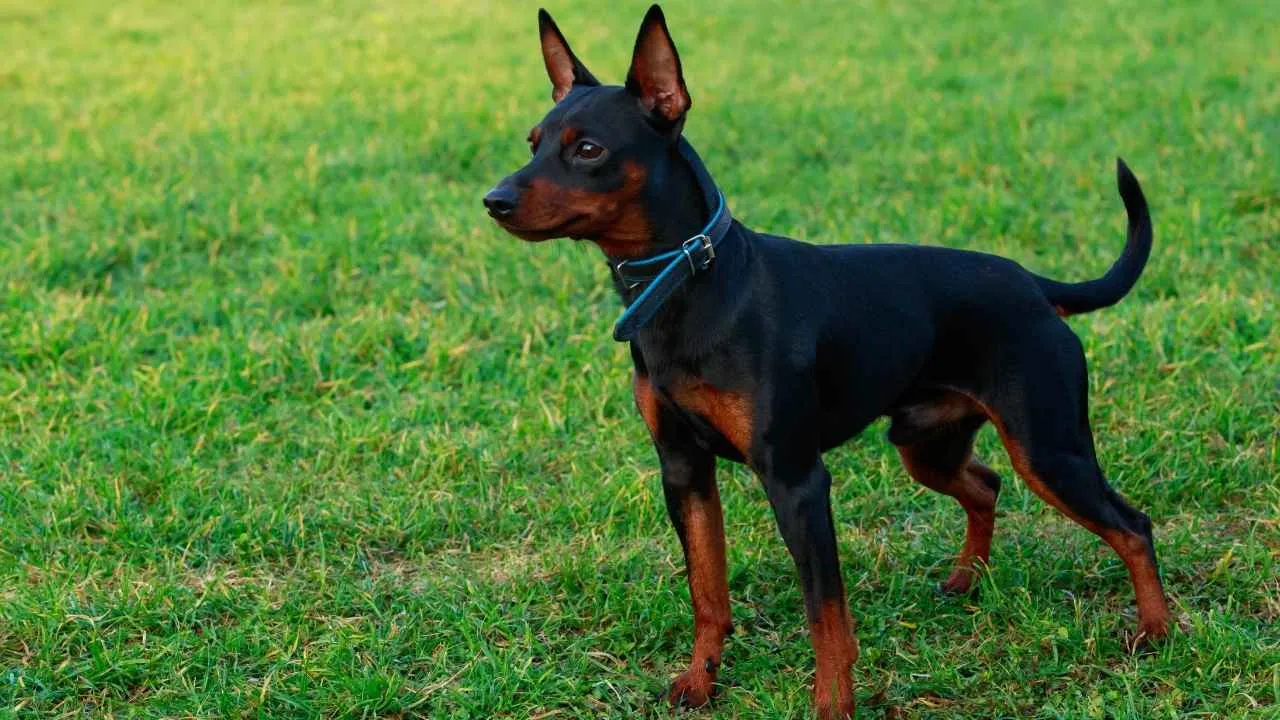
With its sleek, short coat, the Miniature Pinscher is a tiny dynamo that keeps grooming wonderfully simple. A quick weekly brushing with a soft brush or grooming glove helps remove loose hair and maintain its natural shine.
Baths are rarely a major chore for this breed. A gentle wipe with a warm, damp cloth can often keep its coat fresh, while routine nail trimming, ear cleaning, and dental care round out its basic upkeep. According to Hill’s Pet, the tail is typically docked, while the ears may be either cropped or left natural.
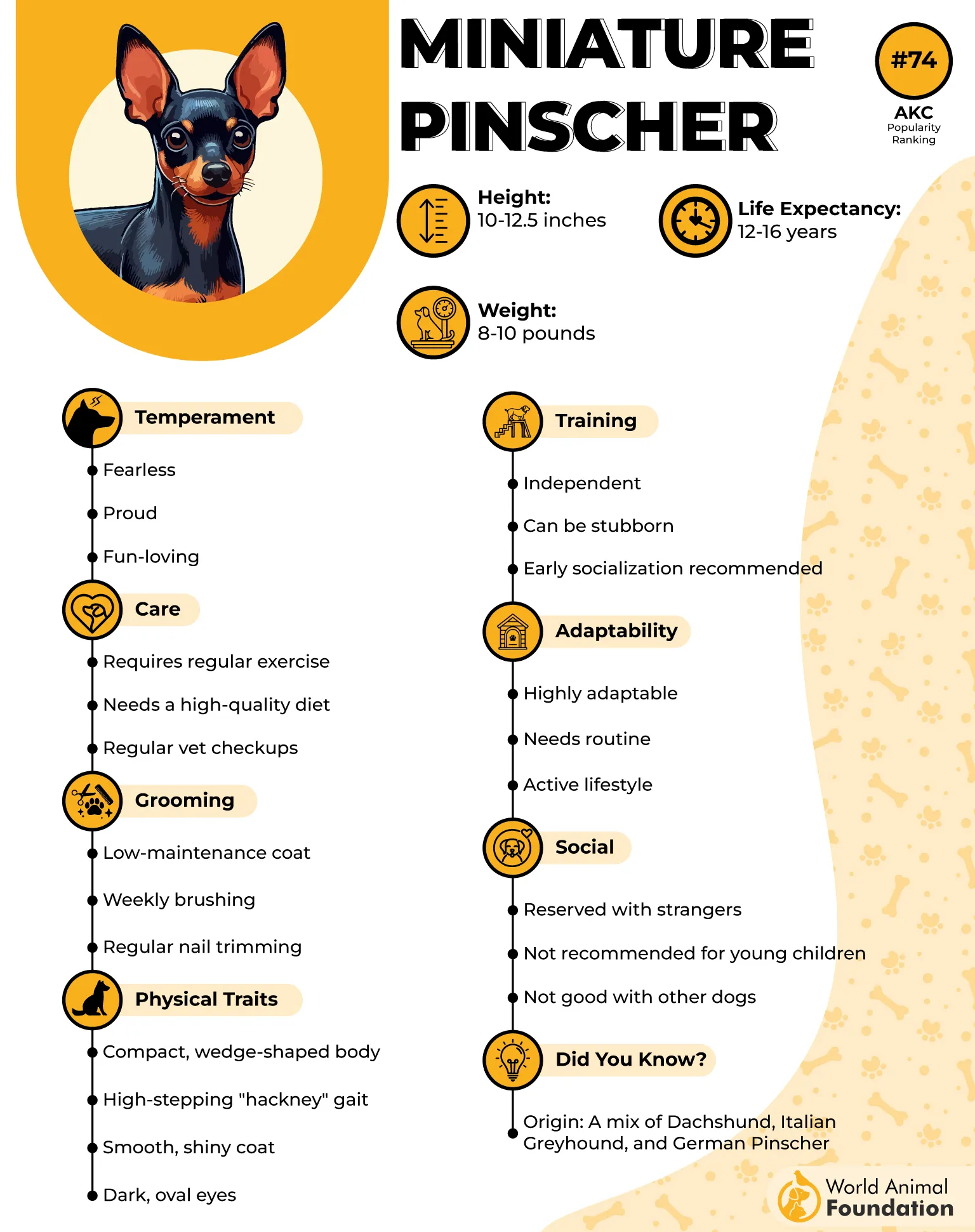
Don’t let its petite frame fool you, though. The Min Pin is energetic, curious, and always ready for action, needing around 45 to 60 minutes of exercise each day through walks, games, and other activities.
Its bold, alert nature can also make it an enthusiastic watchdog. Consistent training, early socialization, and secure boundaries are important for keeping this spirited little dog well-behaved.
6. Boston Terrier
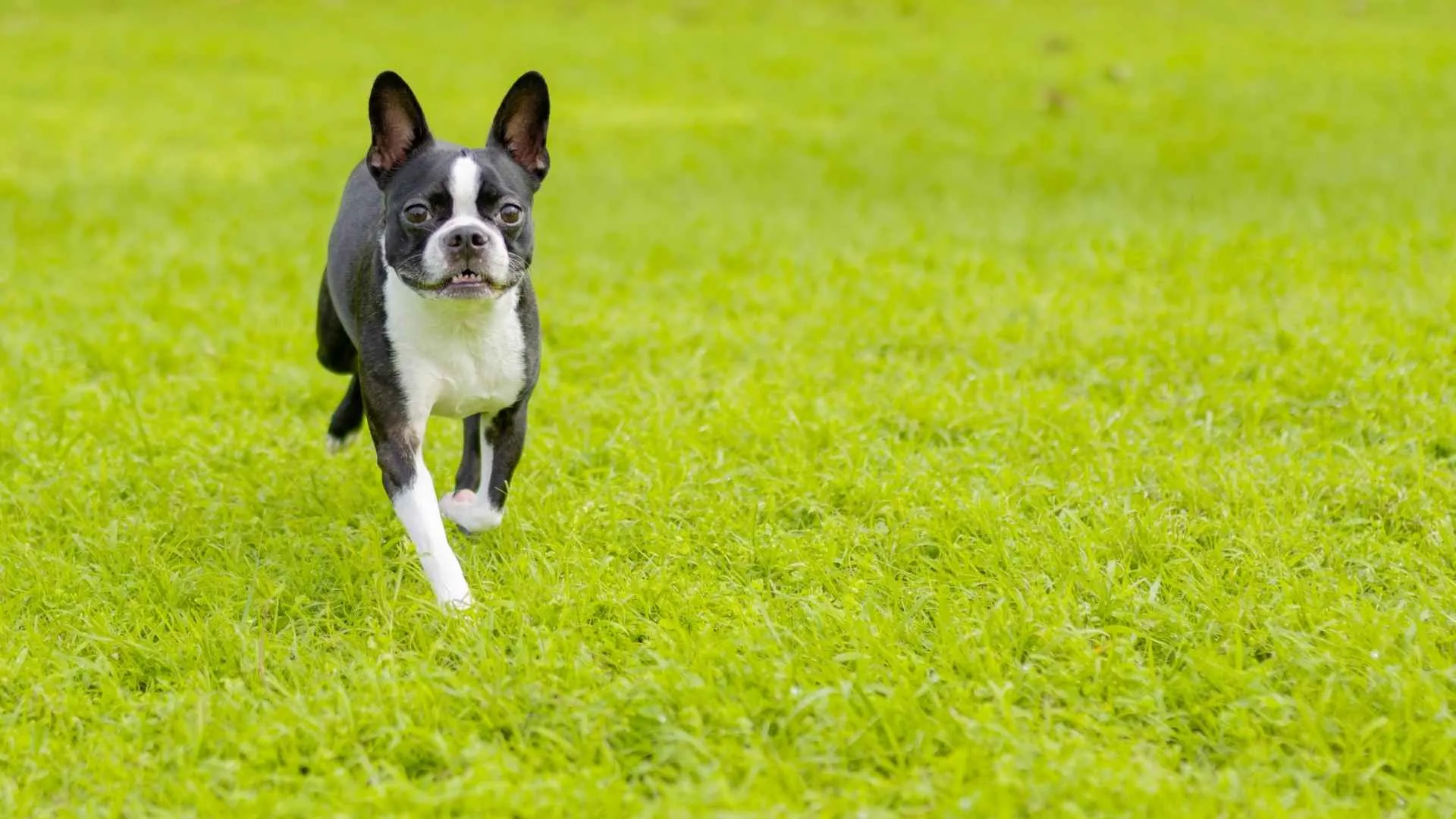
Boston Terriers are neat little city companions, combining a compact build with a sleek, short coat that needs minimal grooming. Their tidy appearance also makes everyday care and indoor living relatively simple.
Known for their friendly and affectionate nature, these dogs enjoy being around their families and are generally eager to please. Their adaptable temperament can make them suitable for apartment dwellers and first-time dog owners alike. According to Royal Canin, Boston Terriers are lively and highly intelligent dogs.
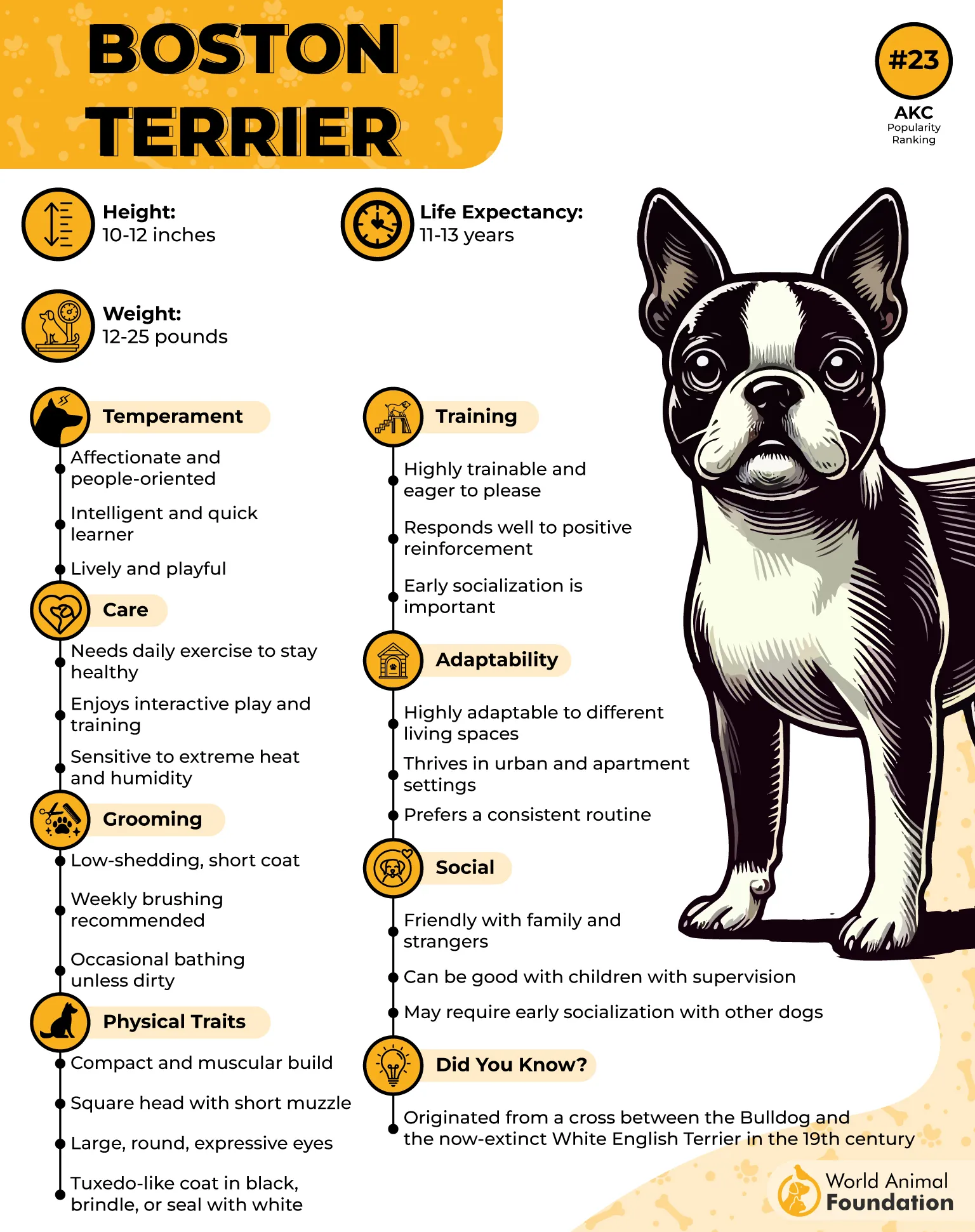
Rather than requiring long periods of strenuous exercise, Boston Terriers can stay content with regular walks, play sessions, and interaction with their people. Their playful personality also makes them engaging companions for family life.
However, their short muzzle means owners need to be especially careful during hot or humid weather, as they can have difficulty regulating their body temperature. Responsible owners should consider these health needs alongside the breed’s otherwise straightforward grooming routine.
7. Greyhound
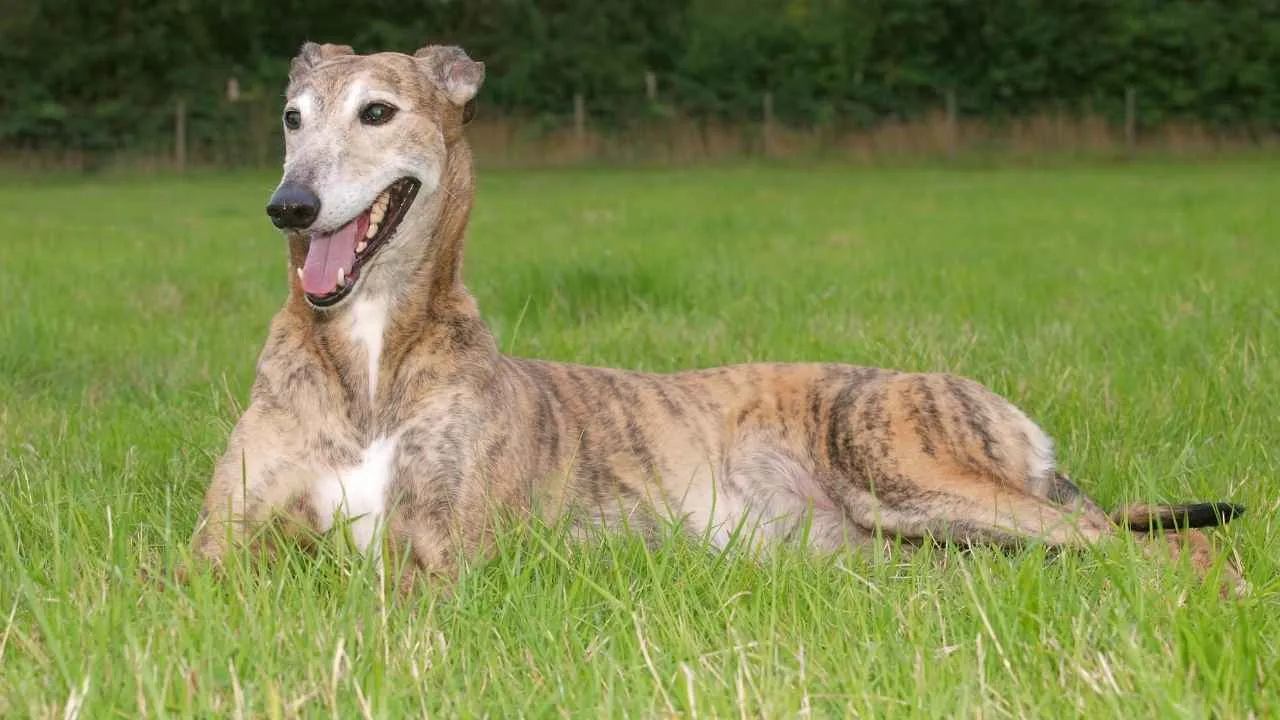
Despite their reputation for speed, Greyhounds are remarkably relaxed dogs once indoors. They enjoy brief periods of activity rather than prolonged exercise, making them surprisingly easy to accommodate in a home setting.
Their sleek, ultra-short coat is another advantage for owners seeking simple care. Occasional bathing and a quick weekly wipe-down are generally enough to keep their coat clean, while their low-shedding nature helps reduce household mess.
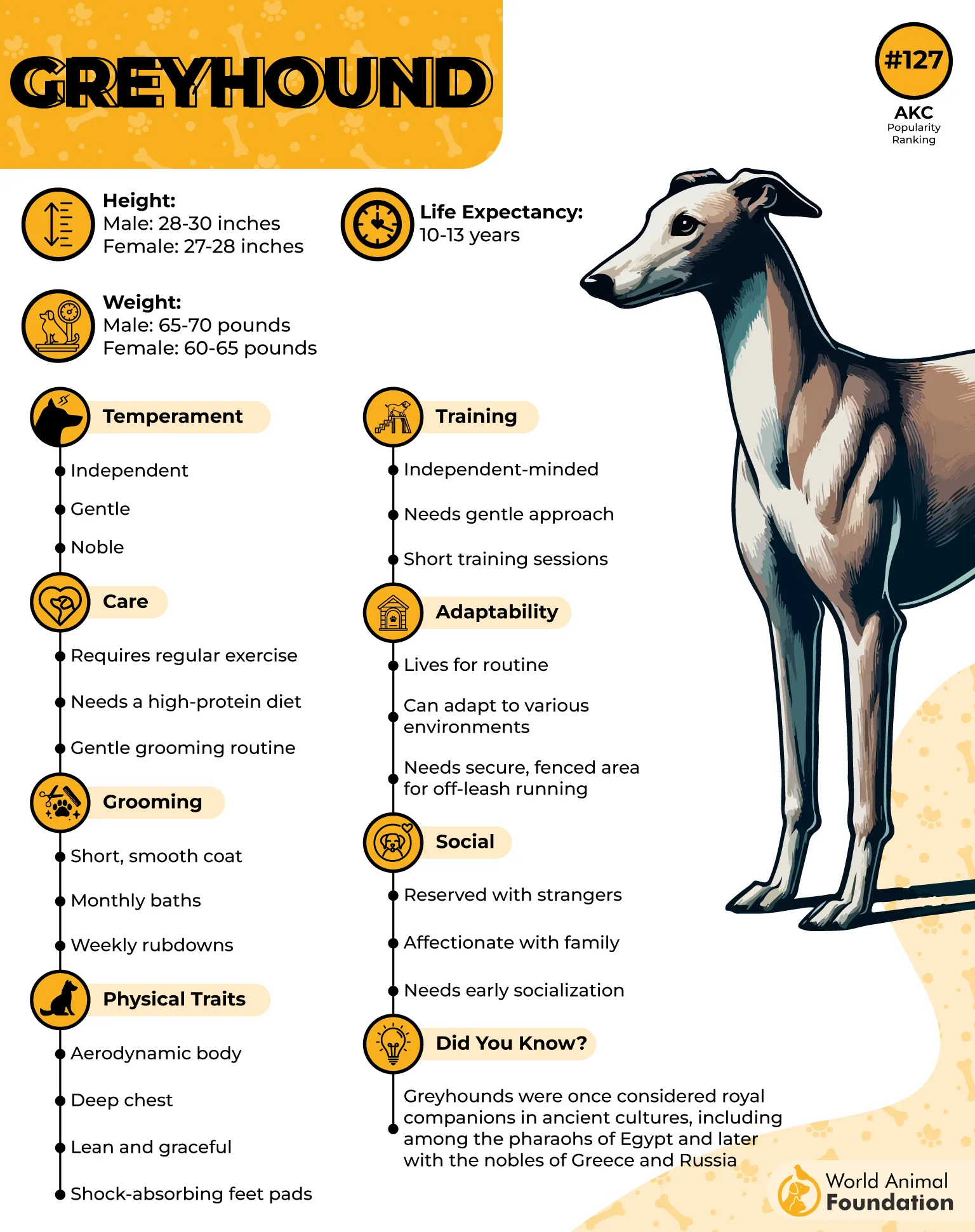
Greyhounds are gentle, sensitive, and affectionate companions. They tend to thrive in peaceful households where they can enjoy their own space without needing constant attention from their owners.
Although they are a large breed, their grooming routine is refreshingly uncomplicated. With modest exercise needs, a naturally calm temperament, and minimal coat upkeep, Greyhounds can be an appealing choice for owners who prefer a larger dog without demanding daily grooming.
Conclusion
Choosing a dog that requires little upkeep can make companionship easier without sacrificing affection, personality, or charm. The breeds discussed offer a range of temperaments and lifestyles to suit different households.
From calm companions to playful personalities, each breed brings its own advantages while keeping everyday care manageable. Their grooming, exercise, and general needs can vary, so understanding those differences is important.
A low-maintenance dog still needs proper nutrition, regular veterinary care, exercise, attention, and a safe environment. Simpler upkeep does not mean fewer responsibilities or less love.
Ultimately, the best choice depends on your home, routine, and ability to meet a dog’s individual needs. With the right match, welcoming a low-maintenance breed can lead to a rewarding and lasting companionship.
