




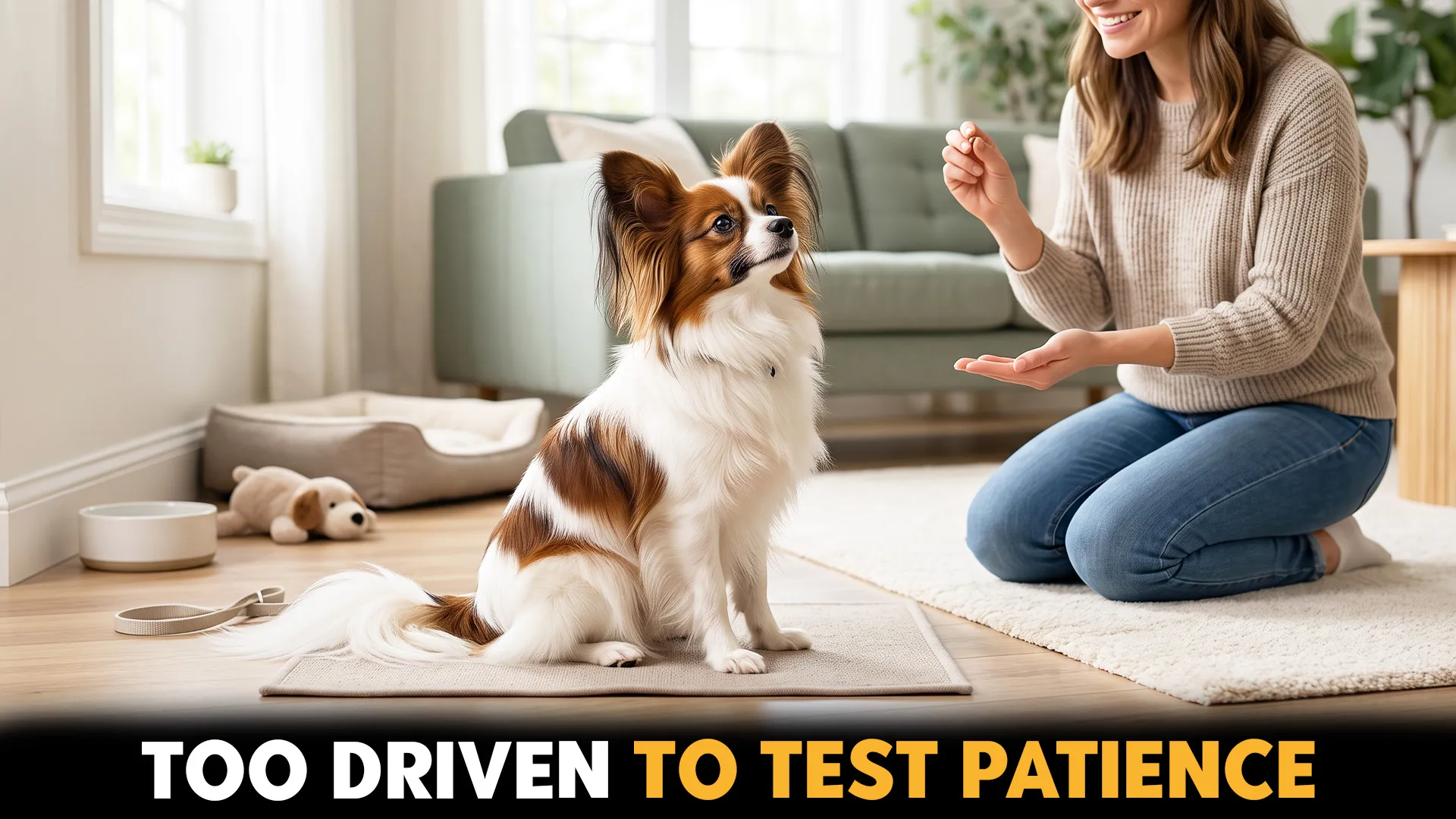
There is a practical reason experienced dog owners spend time discussing temperament, energy, and trainability before talking about appearance. Those qualities shape the moments that fill a dog’s life, from the morning walk to the evening routine.
For someone owning a dog for the first time, that daily rhythm matters enormously. A breed that responds well to training can make basic commands easier to establish. A dog with manageable exercise needs can fit more comfortably into a typical household schedule.
Grooming requirements can also affect how much time and money an owner needs to set aside each week or month for regular care. None of these traits remove the responsibility of pet ownership, but they can influence how approachable the overall learning process feels for a new owner.
The following breeds bring together qualities that beginners often find useful in real homes in daily life.
Key Takeaways
Your first dog does not have to turn every part of the day into a learning curve, especially when its temperament and routineare easier to manage.
Golden Retrievers are highly trainable, and their history as working dogs helps explain why they enjoy having a task to follow.
King Charles Spaniels and Bichon Frises bring plenty of companionship without demanding intense daily exercise,making them easier to include in different living environments.
From the tiny Toy Poodle and energetic Papillon to the companion-focused Pug and Shih Tzu, the list has a few more beginner-friendly traits to uncover when choosing a first pet.
Amazing Dog Breeds for Inexperienced Pet Owners
1. Golden Retriever
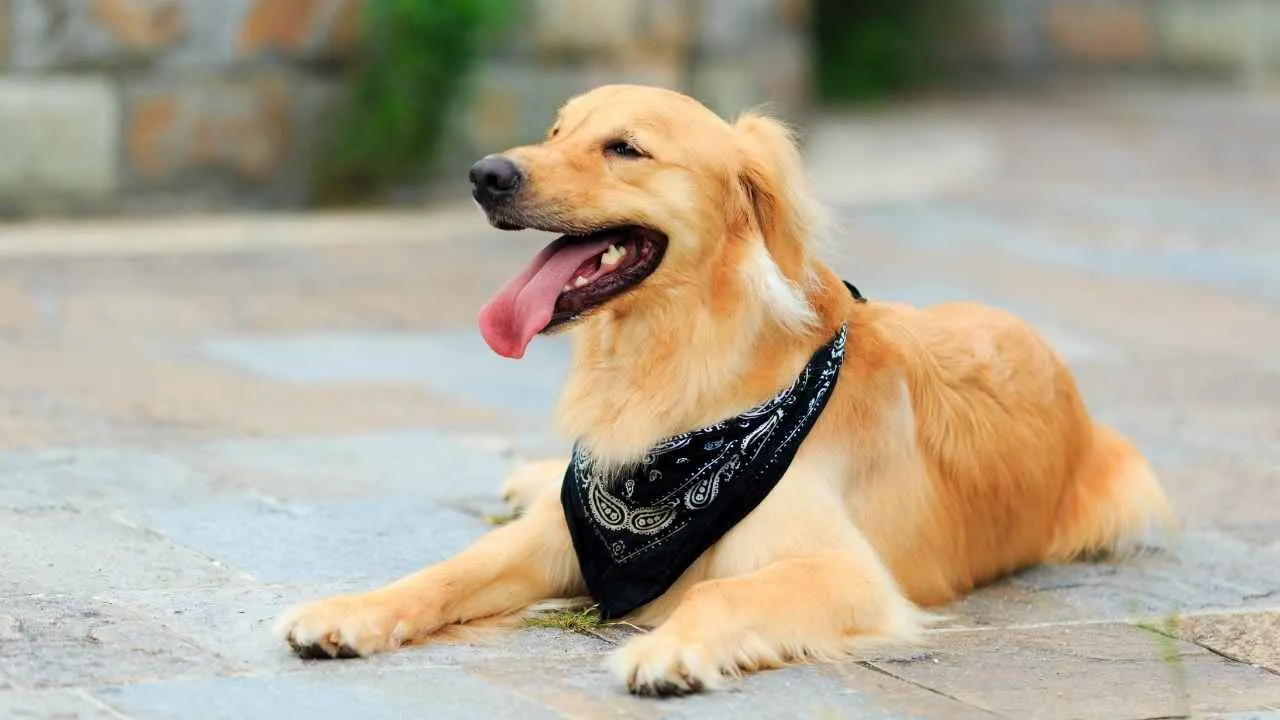
Golden Retriever originated in Scotland during the mid-1800s, where it was bred to retrieve birds for hunters across land and water. The breed later appeared at a British dog show in 1908 before gaining popularity in the United States as both a hunting companion and household dog.
Easy to Teach
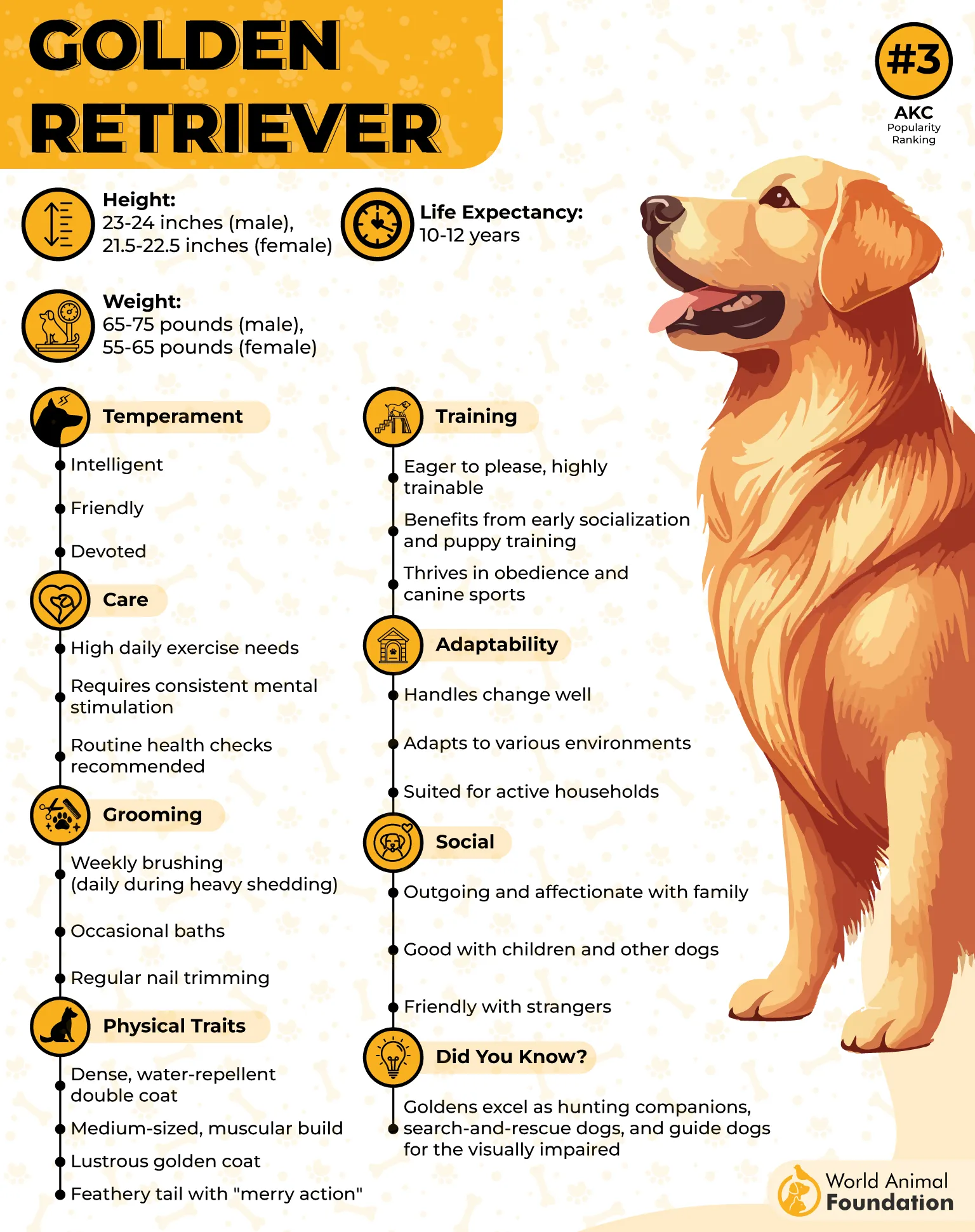
For first-time owners, this intelligent dog offers a useful advantage in training because it learns quickly and genuinely enjoys working with people. Its soft retrieval instinct also means it can pick up objects gently, a skill that once helped hunters collect birds without damaging them.
The following working abilities add more context:
Guide dog work for people with disabilities
Therapy work in different settings
Search-and-rescue assignments
Social by Nature
Golden Retrievers tend to welcome people enthusiastically and enjoy busy outings, making regular trips to parks, neighborhood walks, and other social settings especially appealing, as per the AKC. Its friendly nature can also suit families with young children when introductions and interactions are handled appropriately.
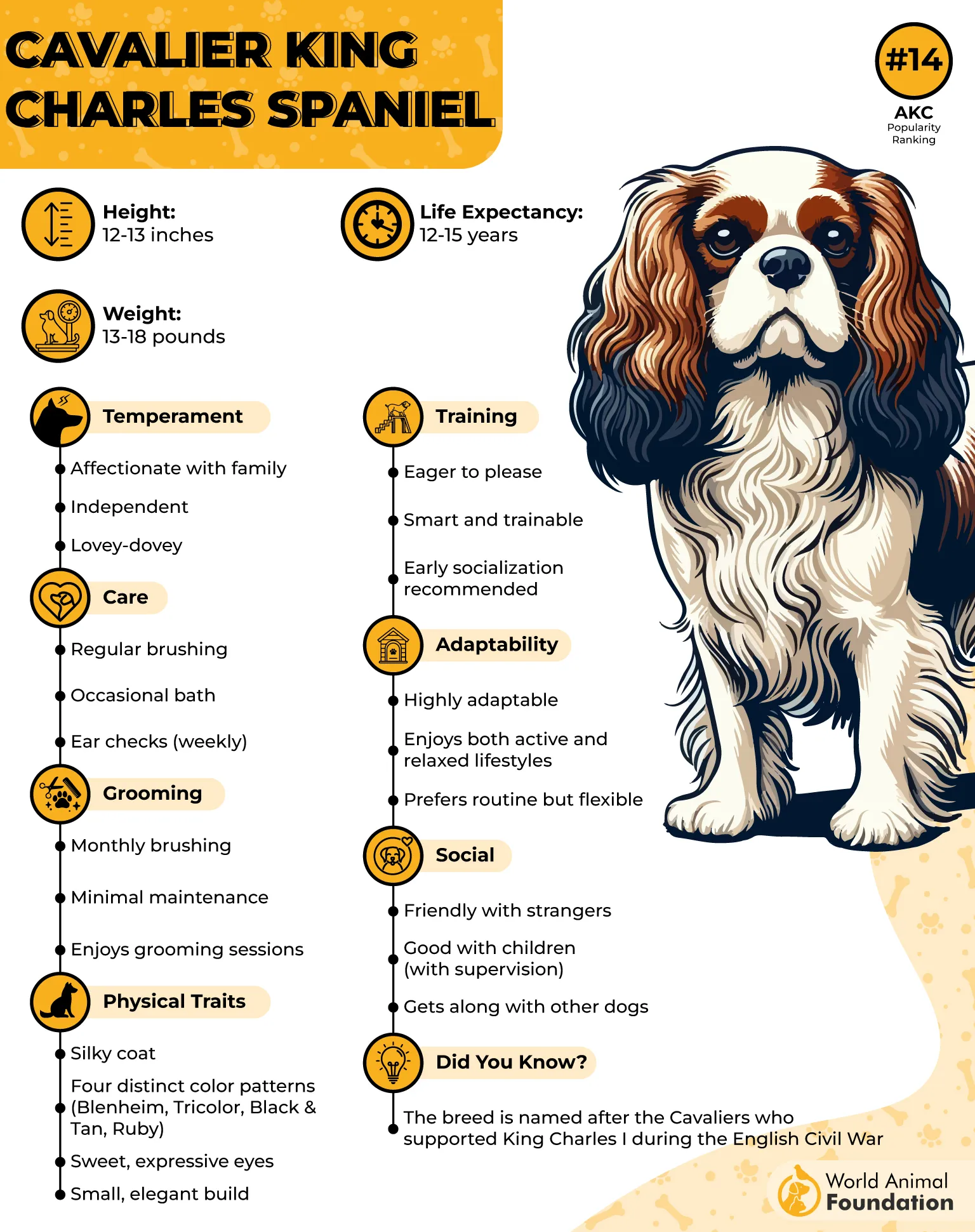
2. Cavalier King Charles Spaniel
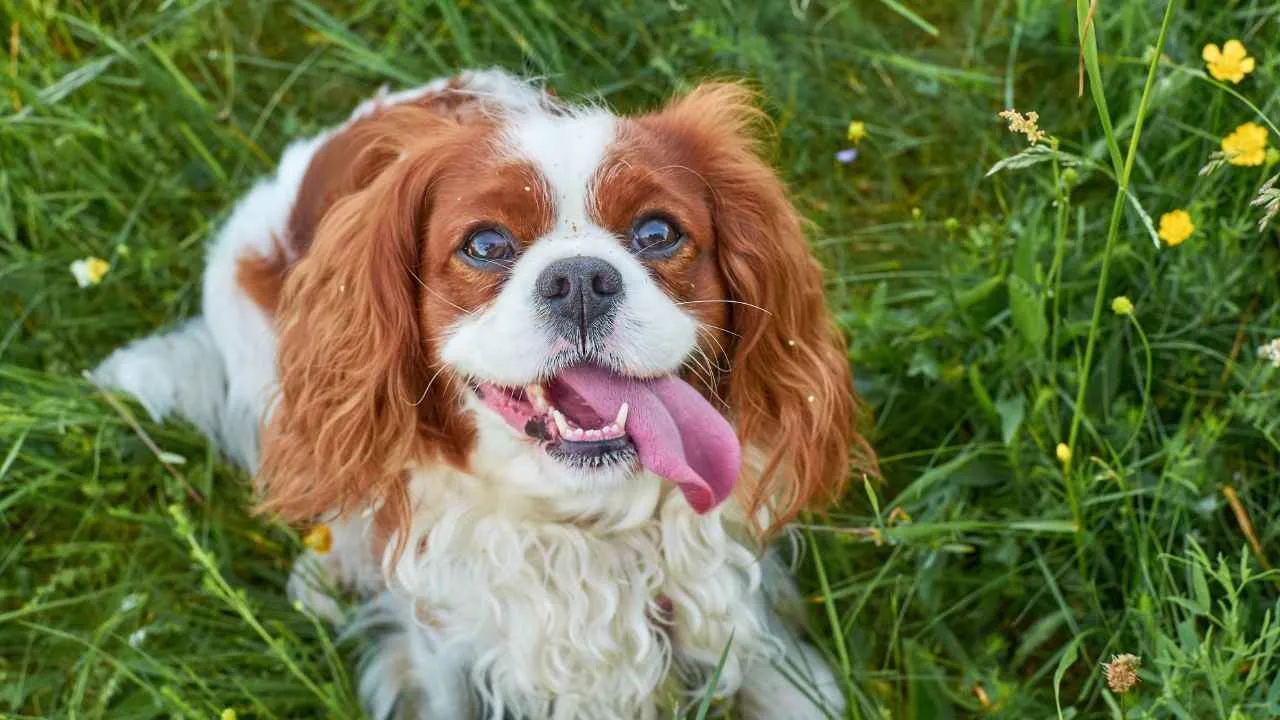
Cavalier King Charles Spaniel descends from the small toy spaniels pictured across Northern European paintings from the 16th through 18th centuries.
These little dogs once warmed laps in chilly castles and on cold carriage rides, with one royal prescription even calling for a spaniel to serve as a “comforte dog”, as Hill’s Pet claims.
Easygoing at Home
Life with this easy dog breed does not require an especially demanding exercise routine, which can work well for inexperienced households.
Daily walks and potty breaks cover the basics, while some playful time outdoors gives it extra movement without calling for serious athletic training.
This adaptable companion has a few other strengths too:
Enjoys leisurely walks with plenty of sniffing
Bathing only needs to be done once a week
Can be shy around larger dog breeds
Social by Nature
Cavalier King Charles Spaniel tends to greet unfamiliar people with enthusiasm and can also get along well with cats and other animals. Its cheerful temperament makes regular social interaction especially rewarding, while smaller dog areas can feel less intimidating around much larger playmates.
3. Bichon Frise
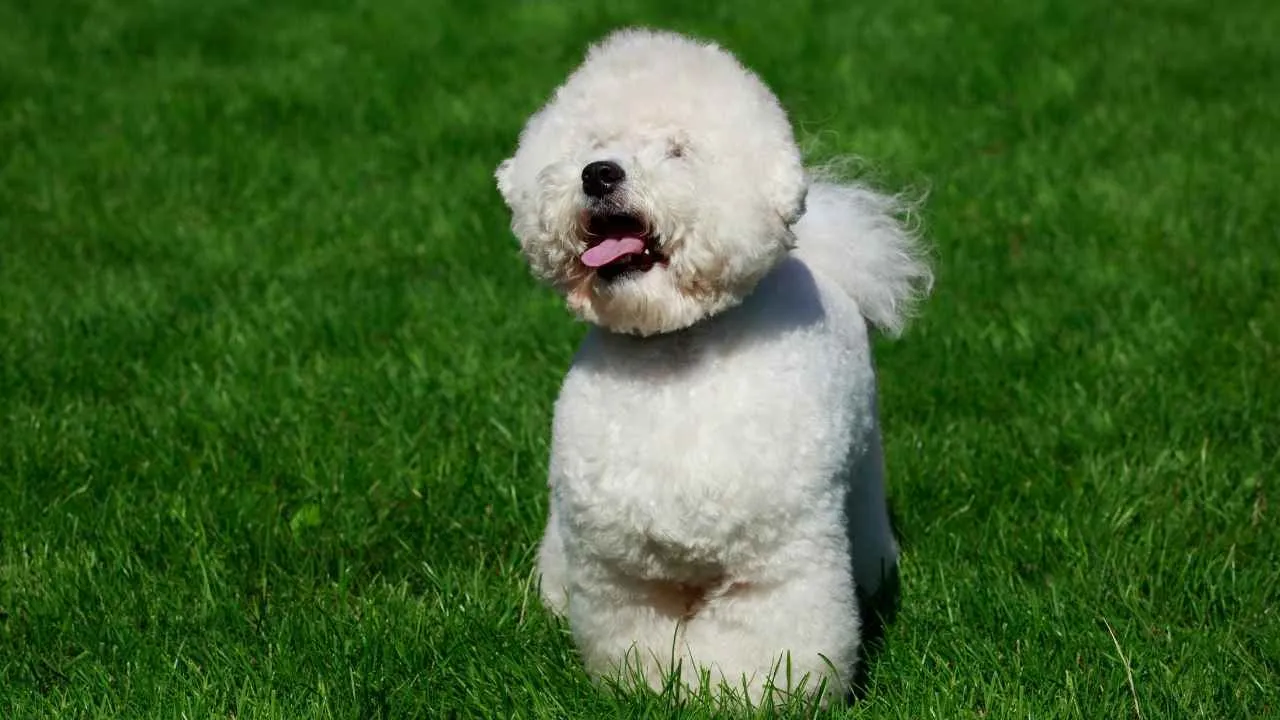
Bichon Frise began in the Mediterranean through the pairing of larger water dogs with small white dogs, creating the Barbichon group from which several familiar varieties emerged.
The Tenerife type later became closely linked with the Bichon Frise, while sailors helped bring these dogs to Italy, where they gained popularity among wealthy households.
Easy to Include
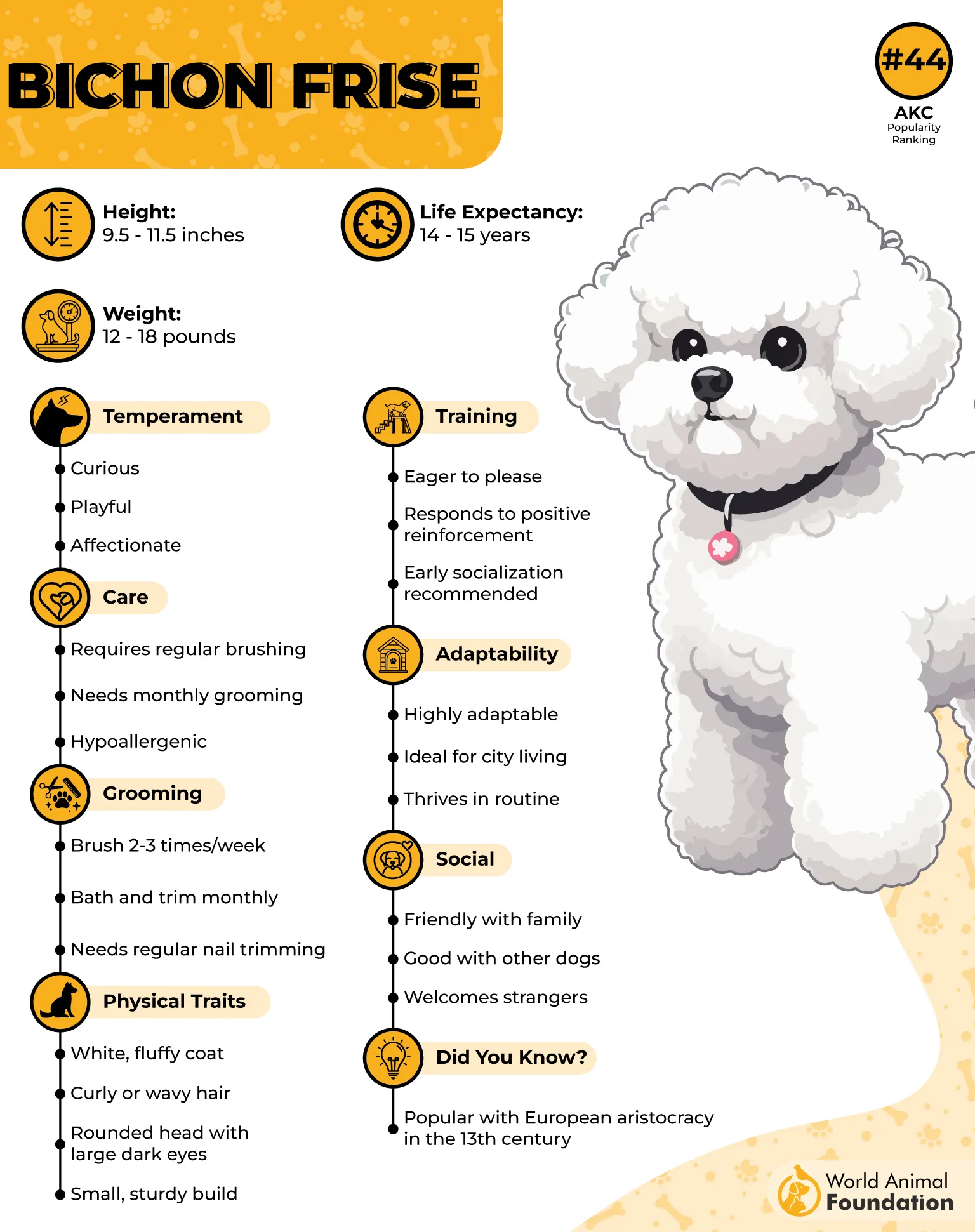
Bichon Frise requires moderate daily exercise, with short walks usually enough to keep it active and comfortable. It also likes accompanying its family on ordinary outings, including shopping trips and car rides, especially when it can stay close to them.
Beyond daily activity, its coat needs proper planning:
Bathe every 1–2 weeks and brush before bathing
Use cold air when drying after a bath
Schedule monthly grooming for regular haircuts
People-Oriented
This small breed has plenty of emotional intelligence and can interact well with different kinds of people when socialized and trained from an early age. Its playful nature can also make it a gentle companion for respectful children, including supervised backyard play, as PDSA outlines.
4. Toy Poodle
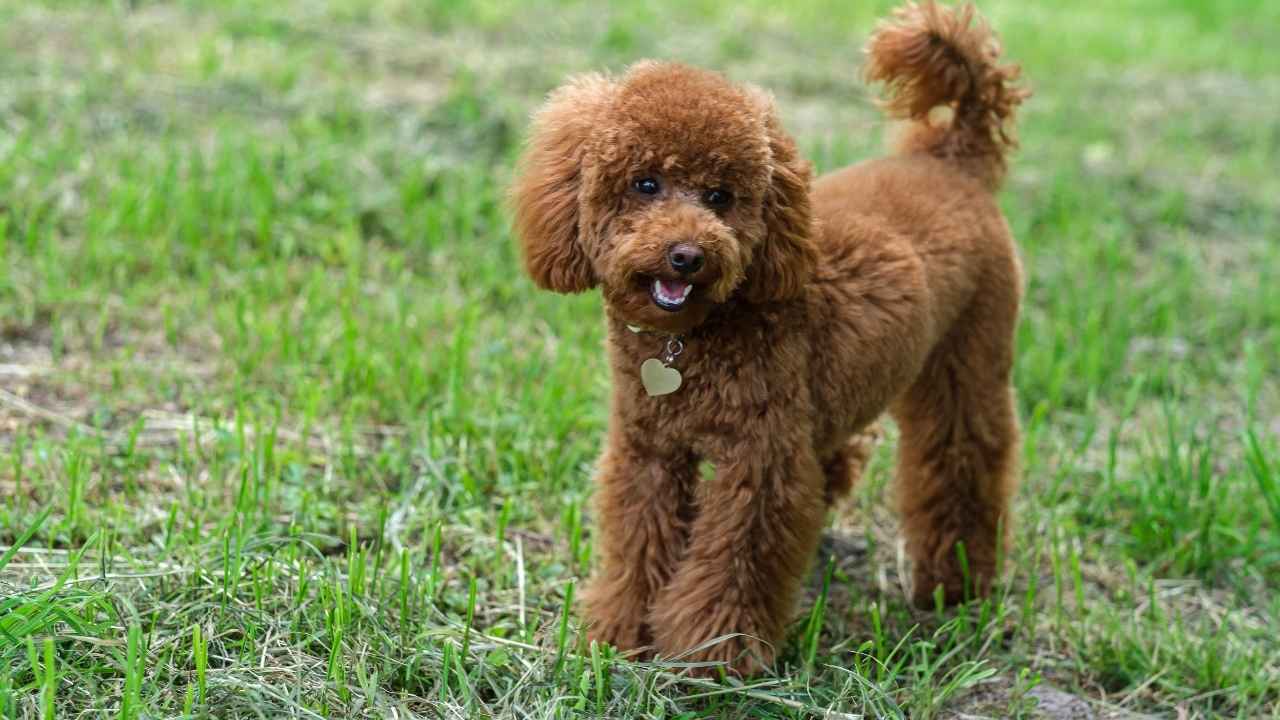
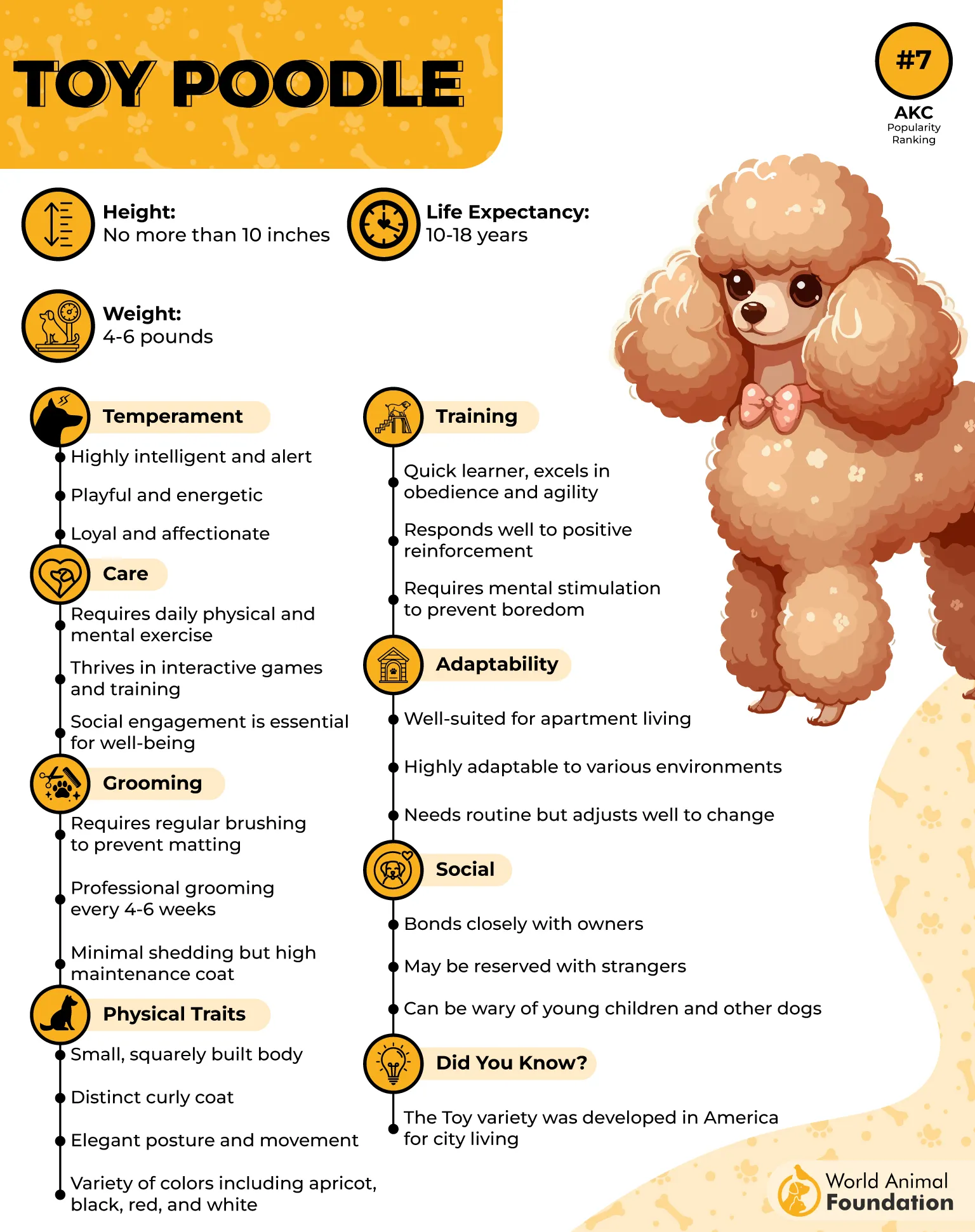
Toy Poodle has roots linked to curly-coated dogs that traveled into Europe with herders, with Germany playing an important role in shaping the breed recognized today. Poodles later became popular in France, where smaller dogs were selectively bred until the Toy variety emerged.
Small in Size, Easy to Exercise
This first dog is less than 10 inches tall, yet its energy can be managed with activities that fit easily into a home. Short walks, indoor fetch, trick training, and simple games can give this little dog useful daily outlets without demanding long outdoor adventures.
Its tiny size is valuable in several ways:
Usually weighs only 4–6 pounds
Low-shedding curly coat
Can be clipped in a short trim for easy coat care
A Busy Little Brain
There is much more to toy poodles than their fancy coats. Beneath all that grooming is an eager, athletic, and exceptionally clever dog with plenty of versatility.
However, when human interaction is limited, boredom can lead to mischief or destructive behavior around the house, especially when it has little else to do.
5. Papillon
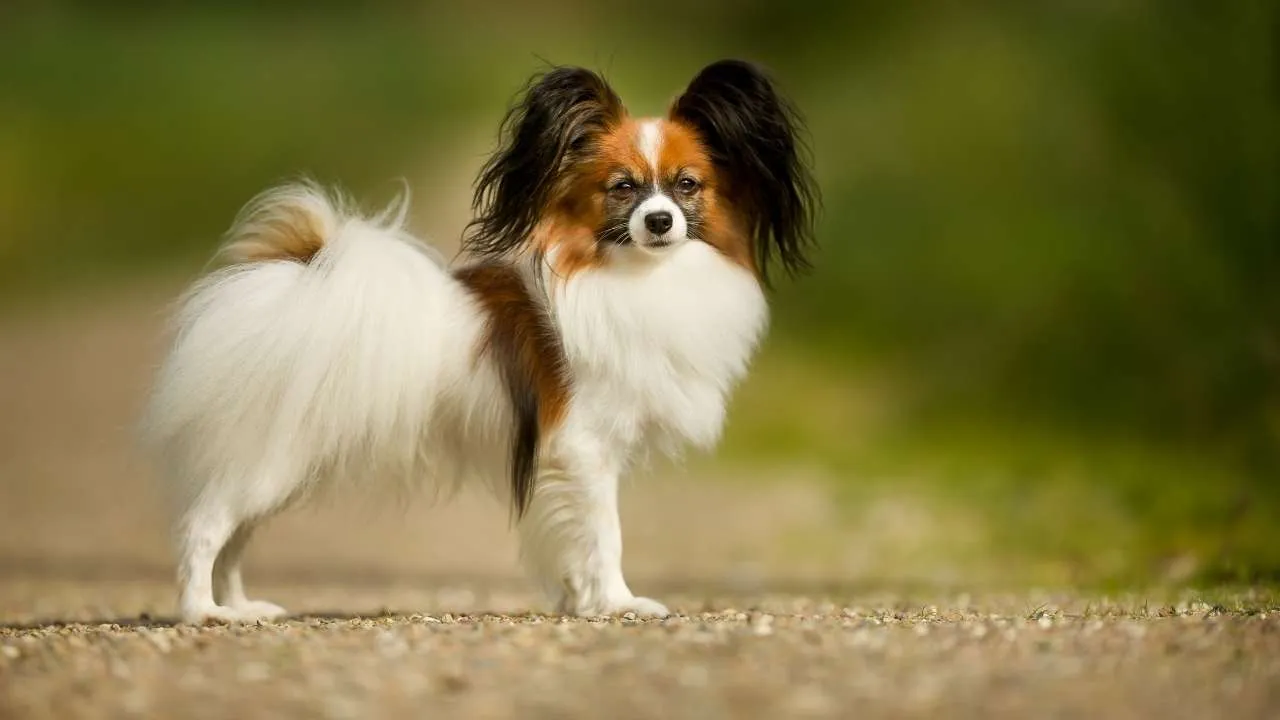
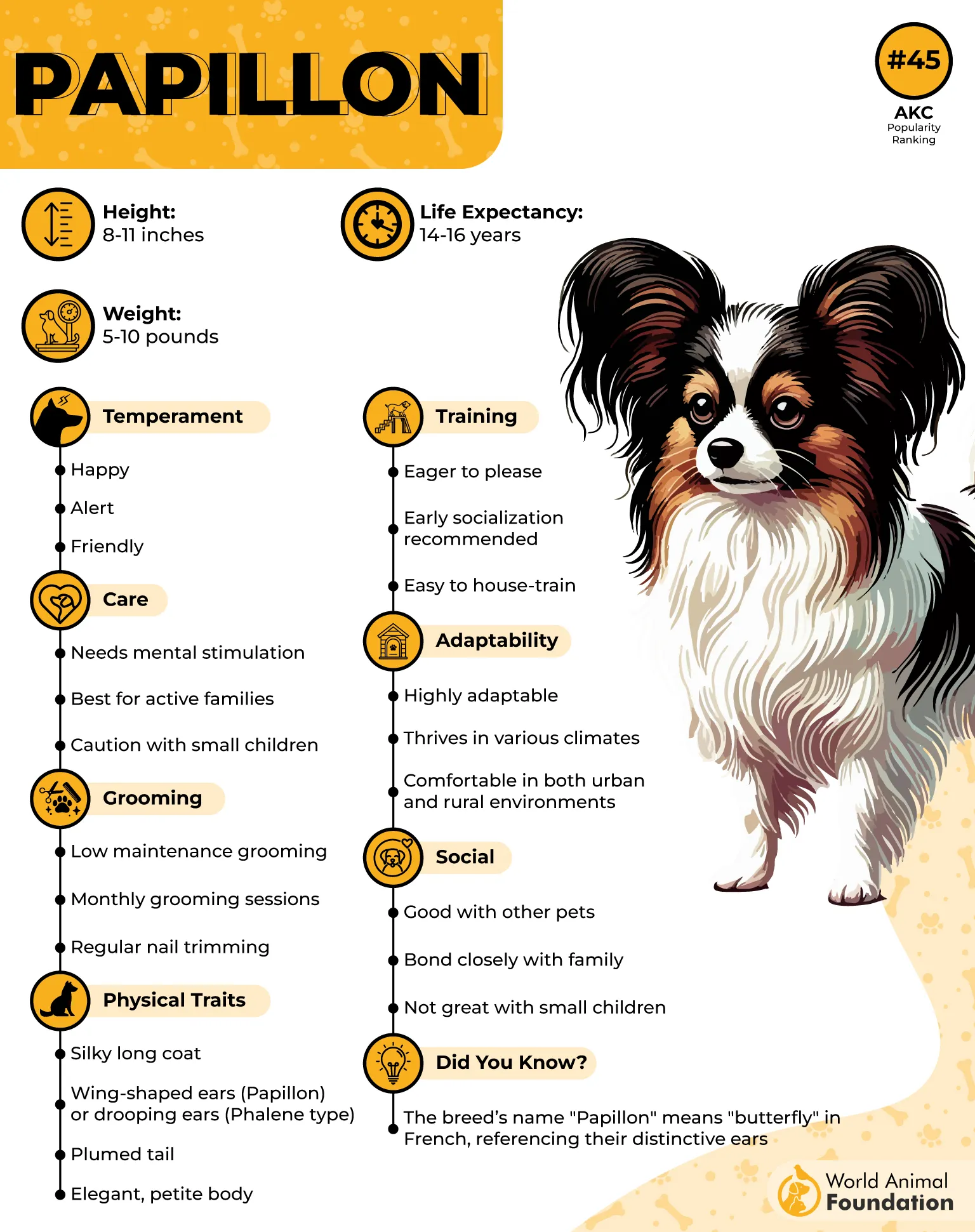
Papillon was bred from European Toy Spaniels that appeared in royal court paintings as early as the 16th century, including works by Titian around 1500. For centuries, these tiny spaniels were part of European court life, while their modern butterfly-like ears became fashionable much later.
Small, Yet Adventurous
Papillon brings plenty of liveliness to everyday life without the nervous or overly reactive behavior sometimes associated with highly energetic small dogs.
Around 30–45 minutes of daily activity, paired with neighborhood walks and play sessions, can help channel that energy, as Chewy claims.
Their exercise needs come with these coat considerations:
No undercoat means less loose hair and shedding
Grooming needs still include brushing a week
A slicker brush is recommended to keep coat tangle-free
A Serious Learner
Papillon’s alertness, intelligence, and strong desire to please have made it successful in obedience competitions, while tracking, agility, and therapy work also suit its abilities. Its eagerness to learn gives first-time handlers several ways to turn training into an engaging daily activity.
6. Pug
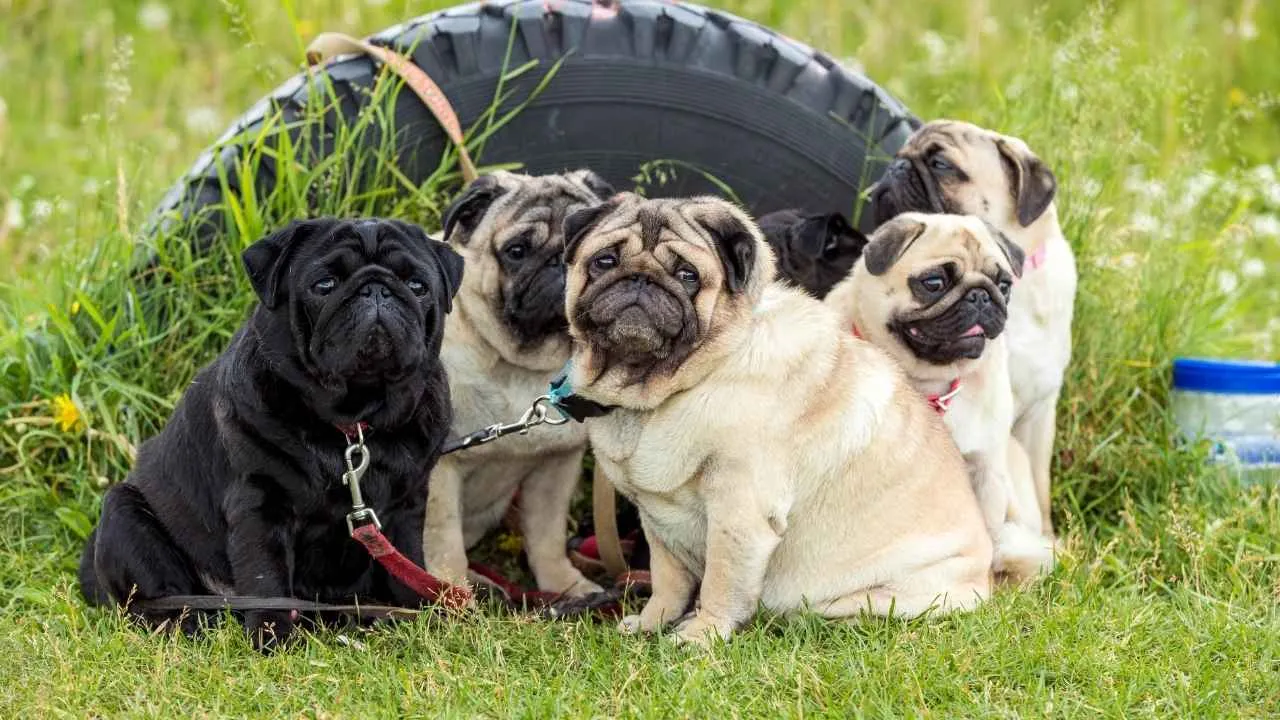
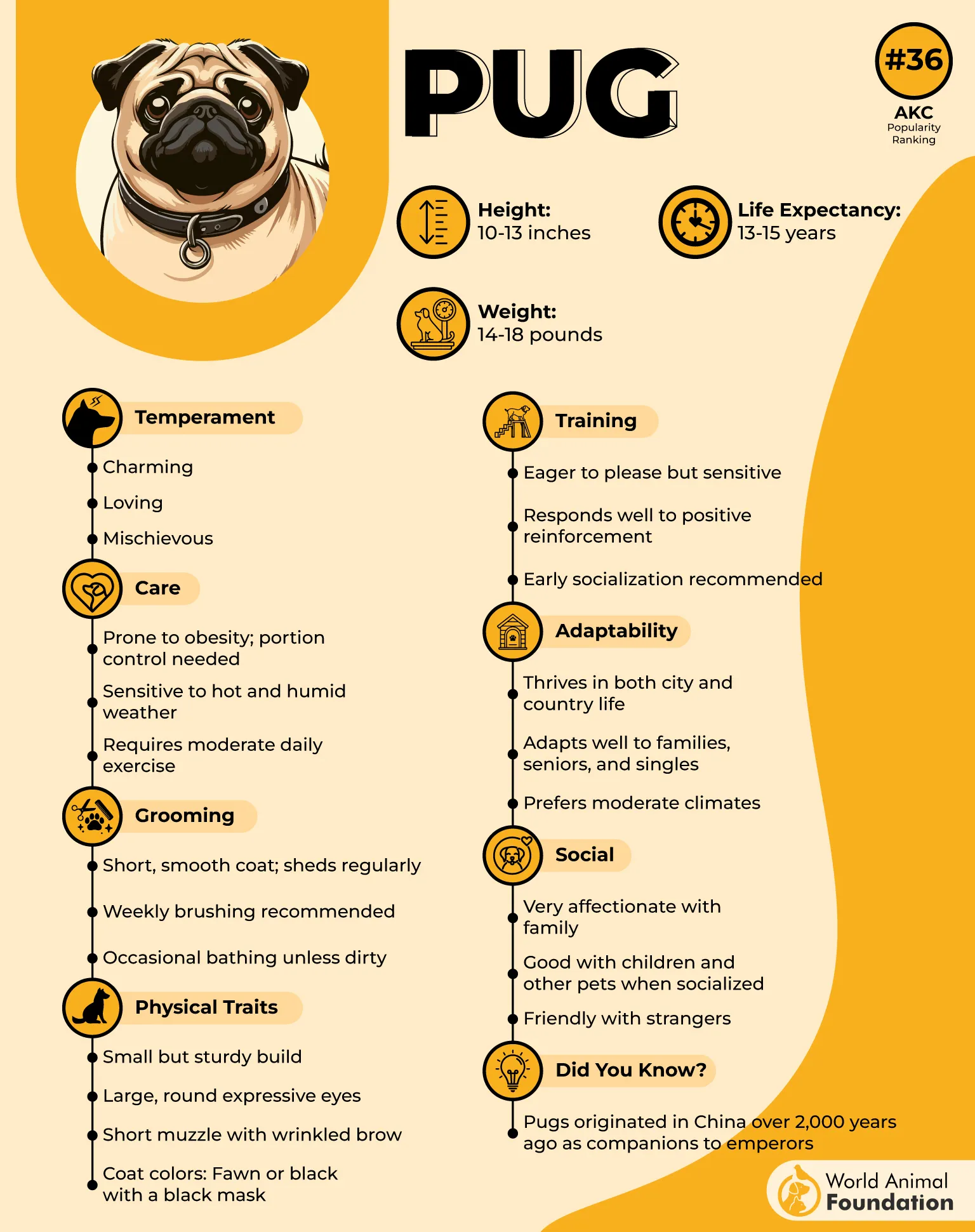
The pug was developed in China during the Han Dynasty, from around 206 BC to 200 AD, with evidence of similar dogs also appearing in ancient Tibet and Japan. Chinese emperors prized these compact companions, keeping them in royal households and assigning soldiers to guard them.
Small Home, Big Character
A pug does not need much room or a packed exercise schedule to get through the day comfortably. A quick walk and some indoor play can keep it moving, while its occasional barking is generally easier to live with than a dog that yaps throughout the day.
These characteristics make life with one rather distinctive:
Weekly brushing to remove loose hair
Use a bristle brush, grooming mitt, or hound glove
Bathe only when the short coat gets dirty or smelly
People Matter
This best dog breed was used specifically for companionship and tends to want a role in whatever its family is doing, from watching a movie to relaxing on the sofa. Long periods alone can leave this low-maintenance dog unhappy, so regular human interaction matters greatly.
7. Shih Tzu
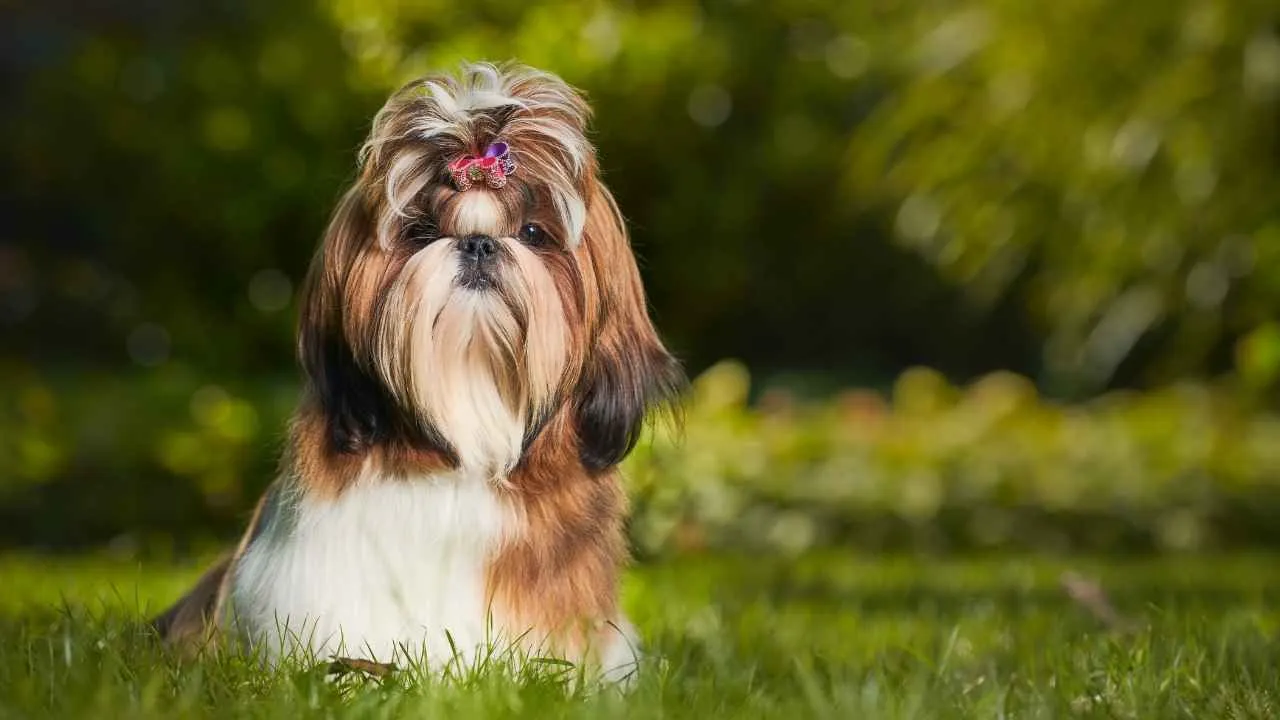
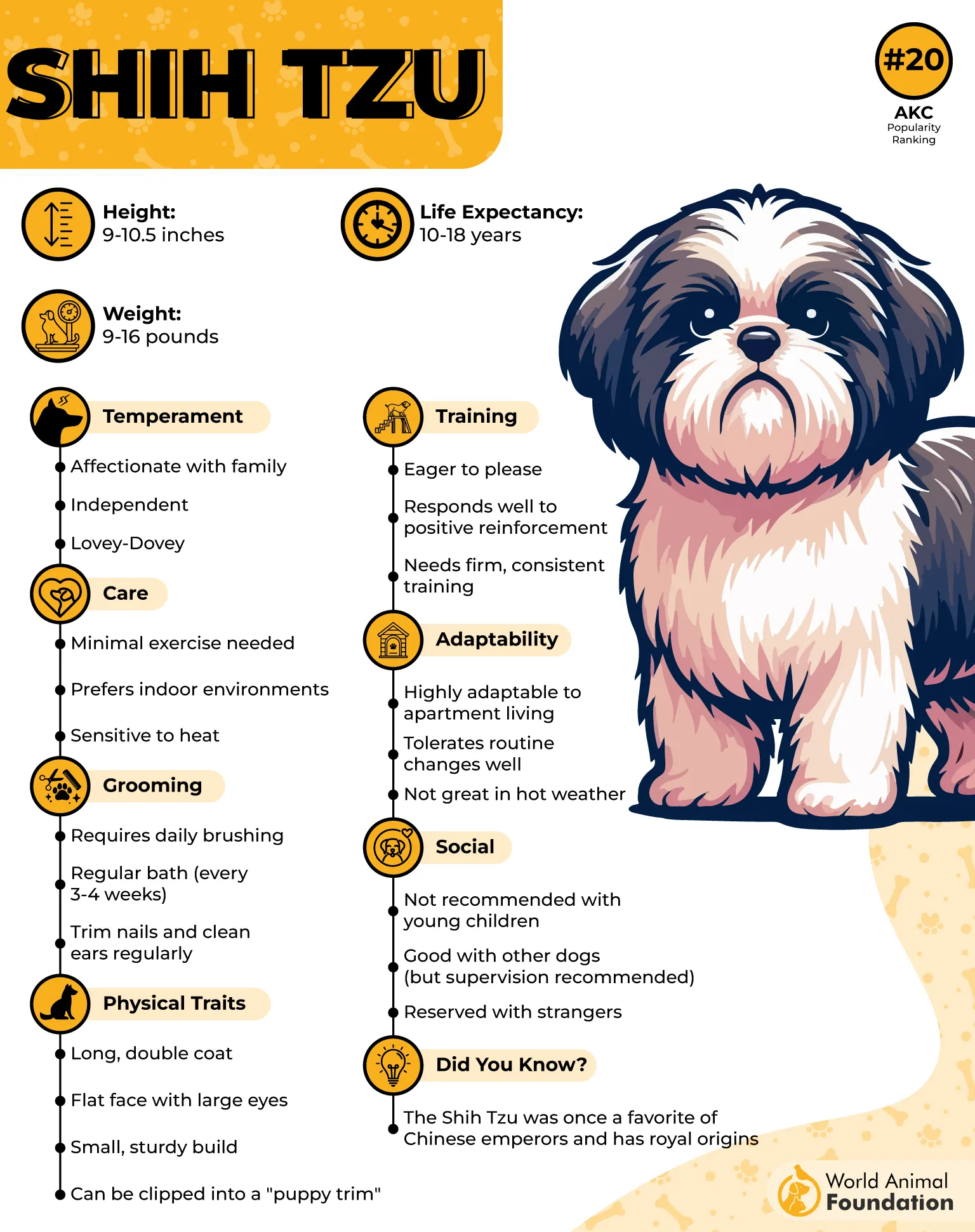
Shih Tzu can be traced to Tibet around the 7th century, where it may have been the smallest type of Lhasa dog at the time. Gifts to Chinese emperors later played a role in shaping the breed, with Pekingese crosses often suggested as part of its early development.
Easy on the Exercise
There is no need to plan long exercise sessions around Shih Tzu, making its daily routine easier for owners who are still learning the basics of dog care.
Two or three 20-minute walks can provide enough physical activity, while indoor games such as hide-and-seek add variety without pushing their short legs too far.
Its petite build also affects how it stays active:
Short legs can limit longer walks
Heavy panting can signal exhaustion
Changing walking routes adds variety
Social and Alert
Shih Tzu often gets along with older children and other pets when introductions are handled properly, while rough play can make this small dog mouthy. It also reacts quickly when someone arrives, making the mailperson or a visitor an event worth announcing.
Conclusion
A first dog can feel much easier when its daily needs fit naturally into the household routine. Manageable exercise, willingness to learn, a calm demeanor, and simple ways to stay engaged can help first-time dog owners build confidence through everyday care. Still, even an easy companion needs regular training, socialization, grooming, veterinary visits, and daily attention.
First-time pet owners should think about time alone, children, other dogs, available space, and how much mental stimulation they can provide each day. The right breed can make those early lessons less overwhelming while giving a new owner plenty of chances to enjoy walks, play, proper exercise, consistent training, and its affectionate nature together.
