




Most people assume any active dog can handle an outdoor lifestyle, but that is not always how it plays out in reality.
At first, everything seems fine. The excitement is there, the energy feels right, and early outings go smoothly. Then slowly, small gaps begin to show. The pace does not hold, the focus drifts, and longer trips start to feel like a challenge instead of something enjoyable.
It raises a question that many overlook in the beginning. What actually makes a dog suitable for consistent outdoor activity? It is not just about energy or size. There are deeper traits that shape how well a dog adapts to movement, changing environments, and extended time outside.
In the sections ahead, you will come across dogs that naturally carry these qualities and are far better suited for an active outdoor life.
Key Takeaways
Weekend plans feel different when your dog matches your pace, ready for hikes, long walks, or just hours outdoors without slowing down.
Labrador Retrievers bring endless energy to water and field play, while German Shepherds stay locked in with a focus that turns every activity into a purpose.
Siberian Huskies and Border Collies carry movement in their nature, always looking for space to run, track, and stay engaged.
As you go further, you start to notice which breeds are truly built for a life that rarely stays indoors.
Amazing Dog Breeds for a Life of Outdoor Pursuits
1. Labrador Retriever
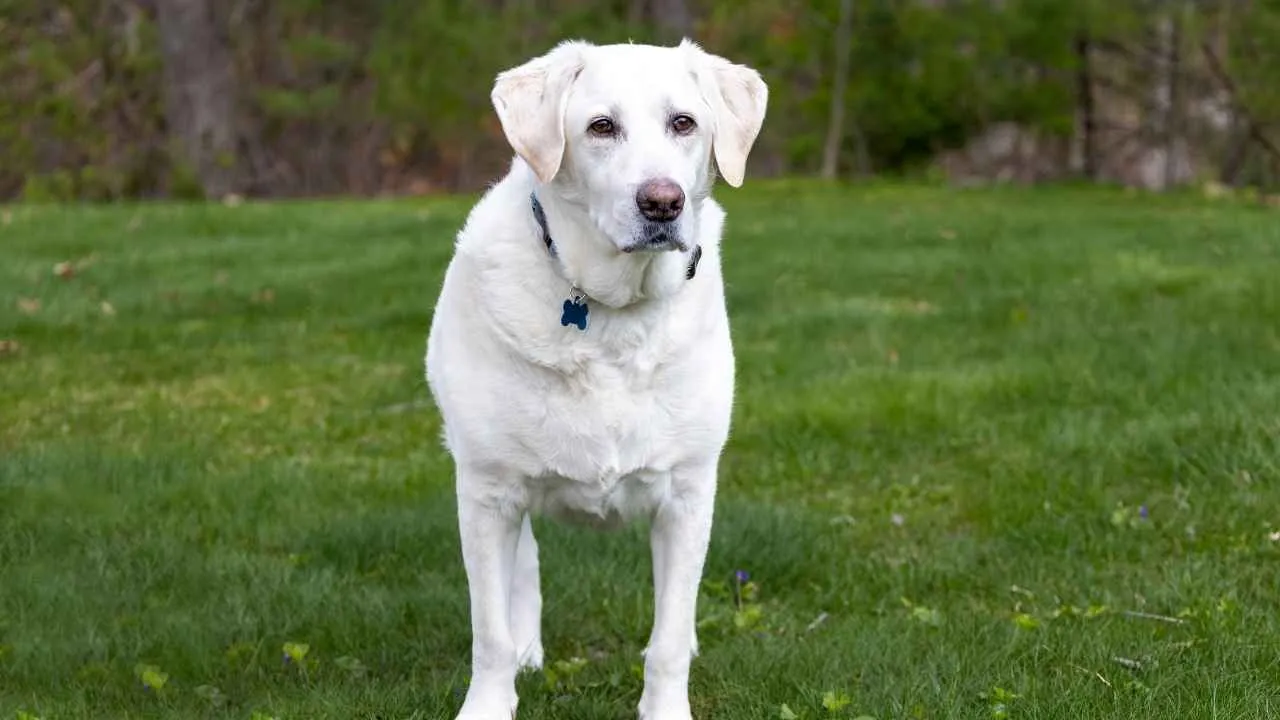
Labrador Retriever shows its energy through the thick, tapering “otter tail” that rarely stays still, often reflecting eagerness before any activity begins.
Its wide head and expressive eyes reinforce a naturally open and engaging presence. This combination reflects a dog built around interaction and movement.
Activity wired into behavior
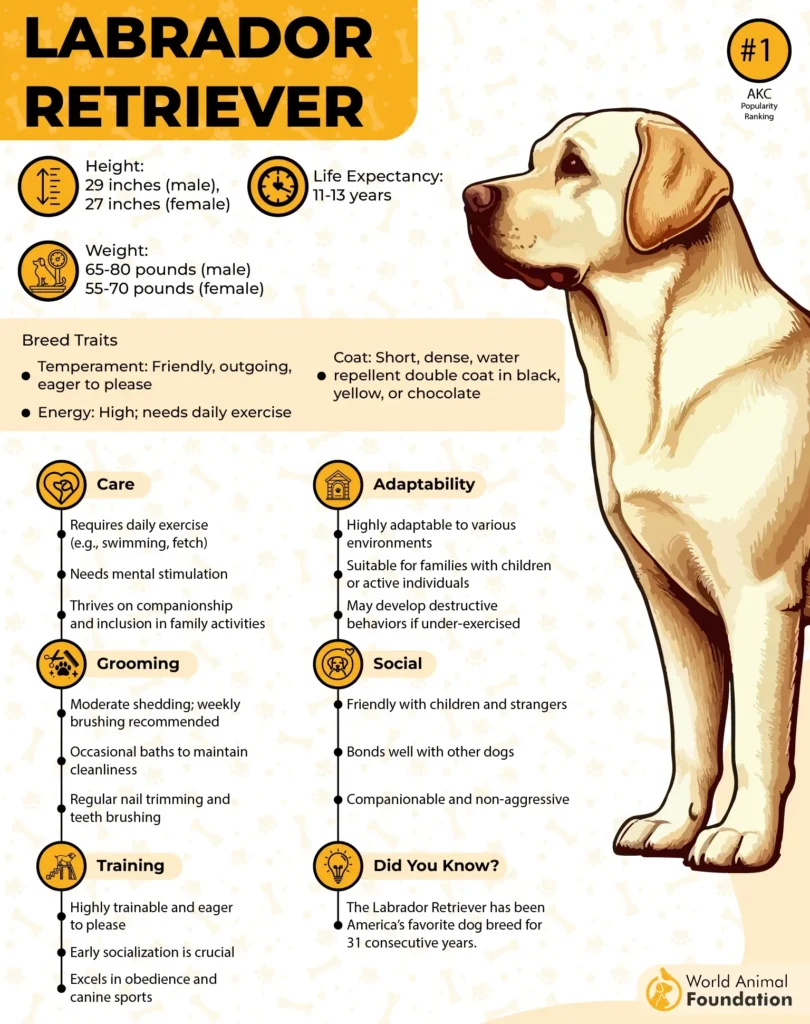
Labs connect strongly with outdoor routines, especially those involving water and retrieval-based tasks, as WebMD noted. Its enthusiasm shows through repeated engagement rather than brief bursts of interest.
That pattern becomes clear through favored actions:
Retrieves objects over long sessions
Swims with ease and persistence
Engages in field-based activities
Energy that demands release
Labrador Retriever holds a high level of stored energy that builds quickly without regular physical outlets. When this energy has no direction, it often shifts into restless or destructive behavior indoors. Structured outdoor activity keeps this drive aligned with purpose.
2. German Shepherd
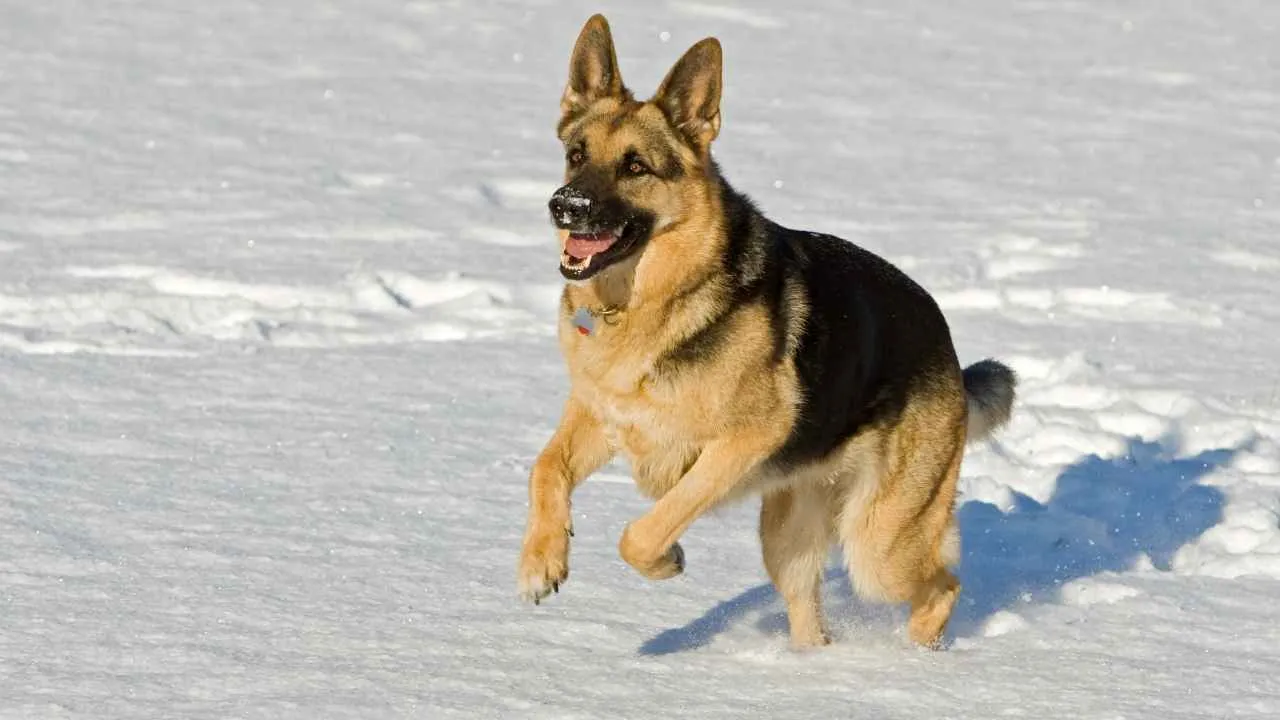
German Shepherds are recognized for a balanced mix of agility, strength, and sharp intelligence that shapes how they handle demanding environments. Its alert posture and focused expression reflect constant situational reading rather than passive presence.
Structured drive shaped through purpose
They work best when their energy is directed into defined roles, especially those involving tracking, agility tasks, or guided training routines. It’s herding history that influences a strong need for responsibility-based activity and clear instruction.
That pattern appears in practical forms:
Tracks scent-based trails with steady focus
Engages in agility-based movement tasks
Responds to structured command sequences

Field adaptability through controlled energy
This outdoor enthusiast channels high activity levels into tasks such as hiking or search-style work, where sustained effort becomes purposeful rather than scattered, as PetMD stated.
Its stamina aligns with environments that demand both attention and endurance. This balance reflects a working rhythm built around task continuity.
3. Siberian Husky
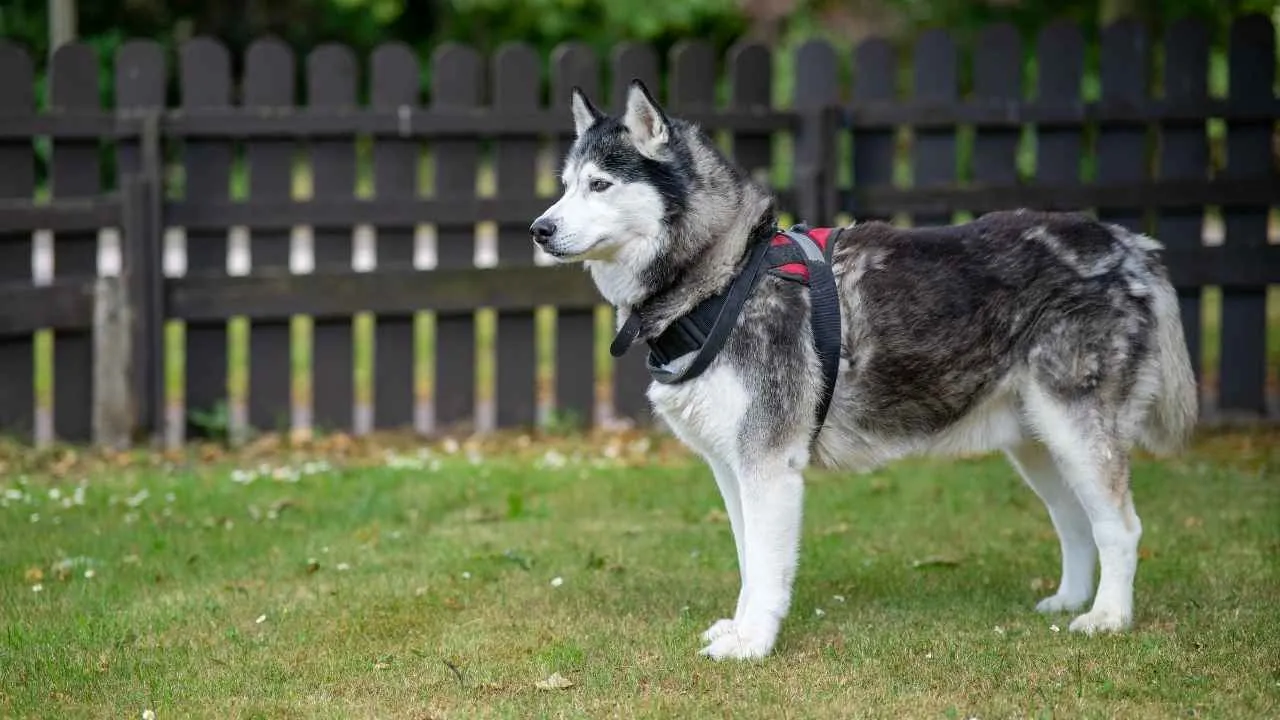
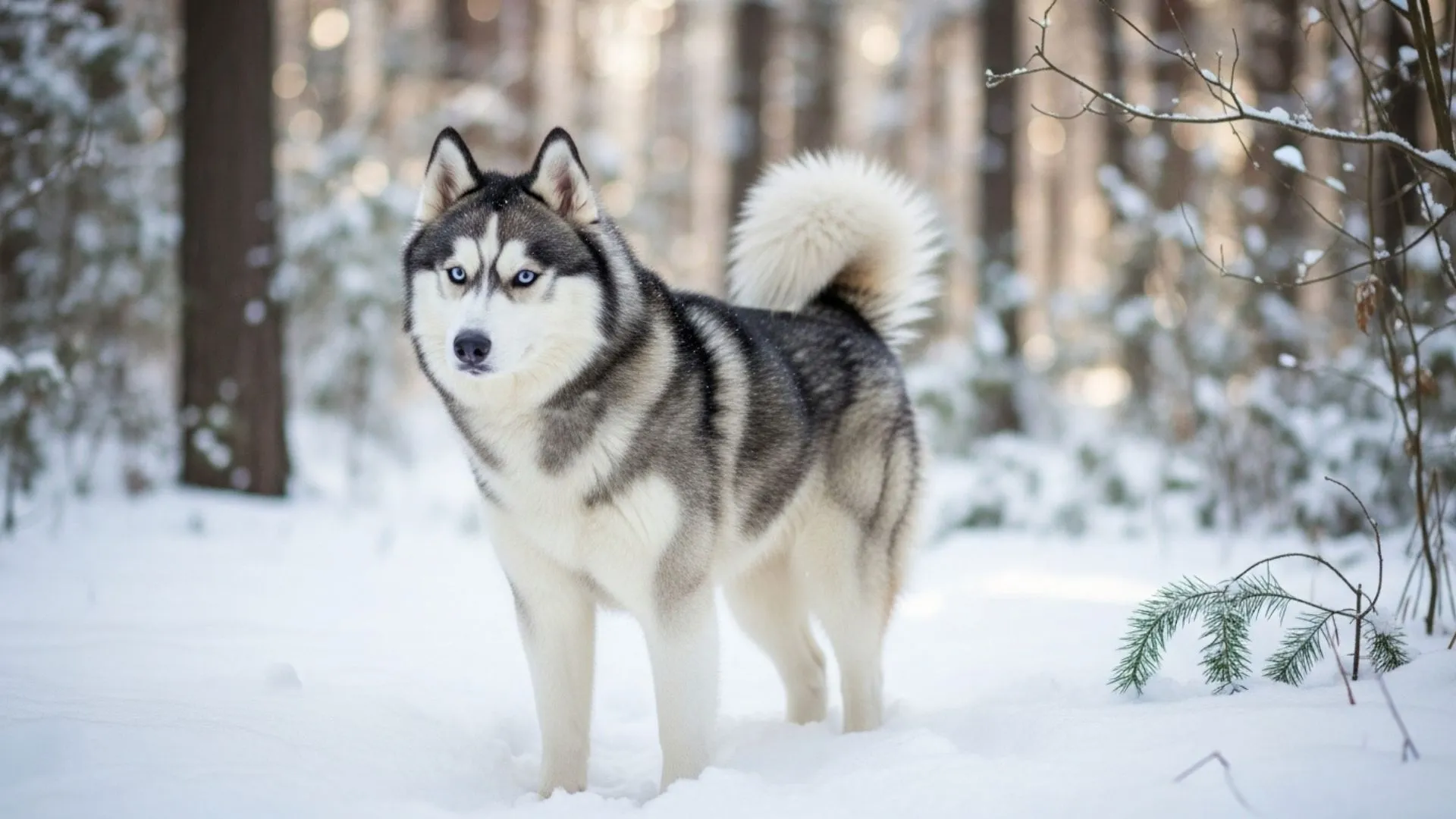
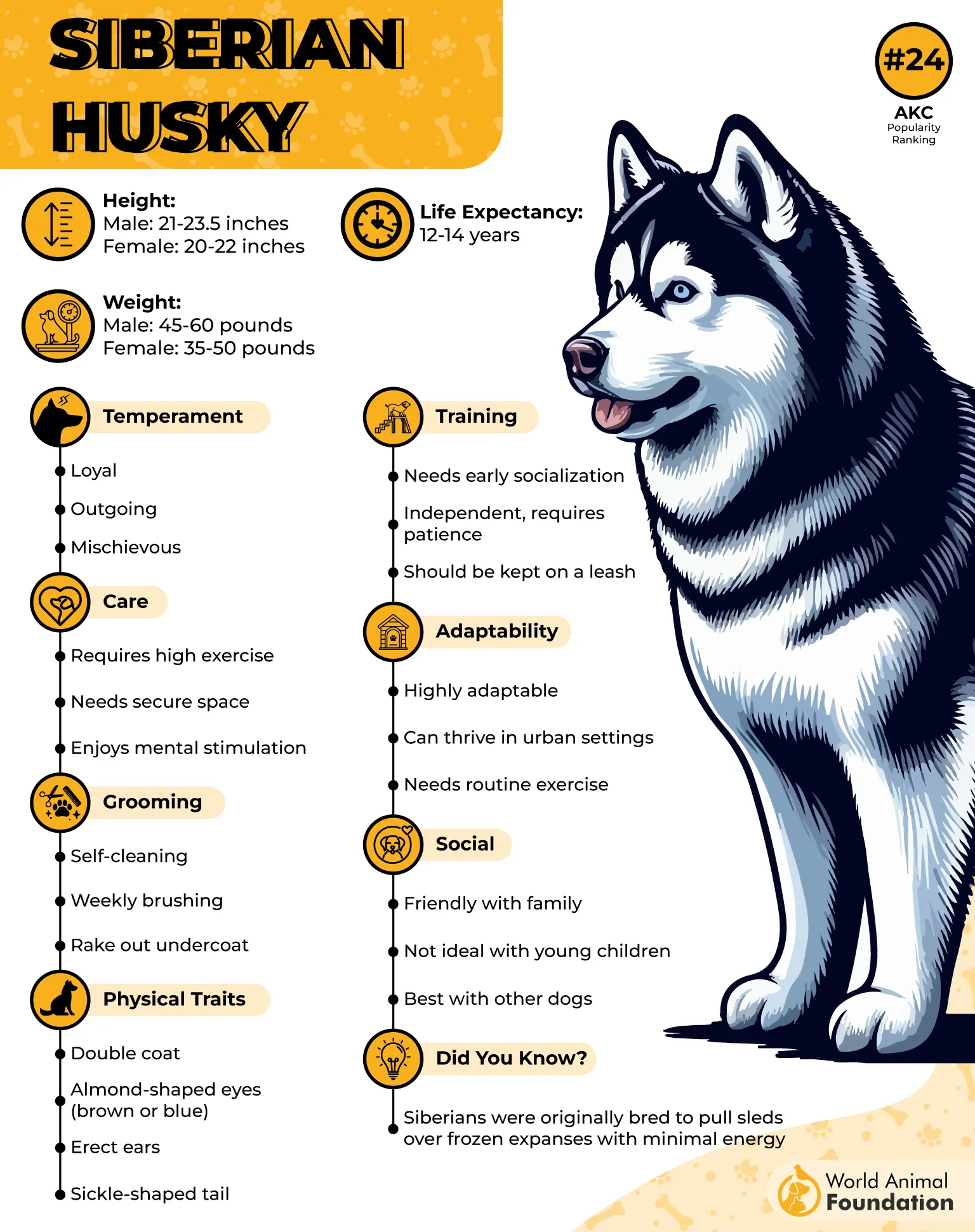
Siberian Husky operates with a steady, efficient gait shaped for covering long stretches across cold weather. Its compact frame and thick coat reflect a design meant for sustained effort rather than short bursts. Working in packs shaped a rhythm that depends on coordination and consistency.
Energy tied to purpose
It stays engaged when given structured activity, often seeking tasks that match its working background. Its active nature connects closely with routines that involve motion, direction, and shared effort.
That pattern becomes clearer in activity choices:
Participates in sledding and running tasks
Engages in agility and rally-based work
Responds well to coordinated exercises
Movement driven by instinct
This adventurous dog breed shows a strong tendency to run whenever the opportunity appears, reflecting its original role in pulling loads across open spaces.
This instinct requires controlled environments, such as harness use or enclosed areas. Without boundaries, the drive to cover ground becomes immediate.
4. Bernese Mountain Dog
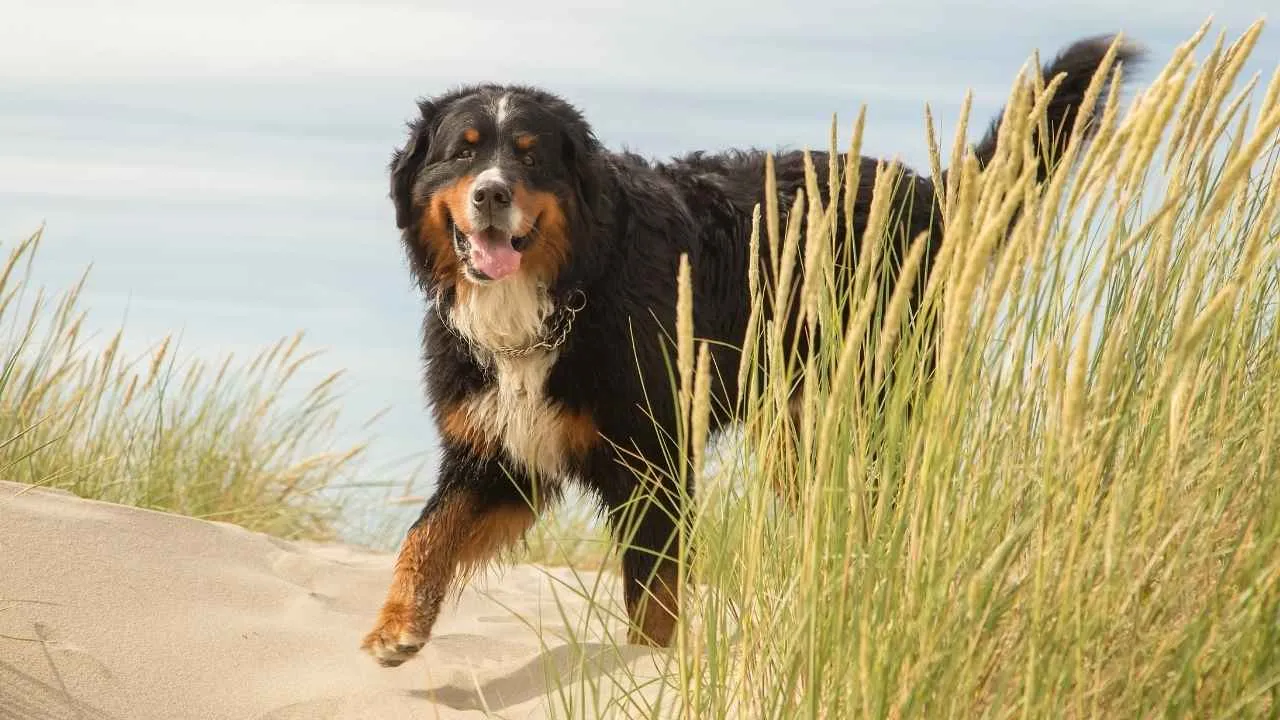
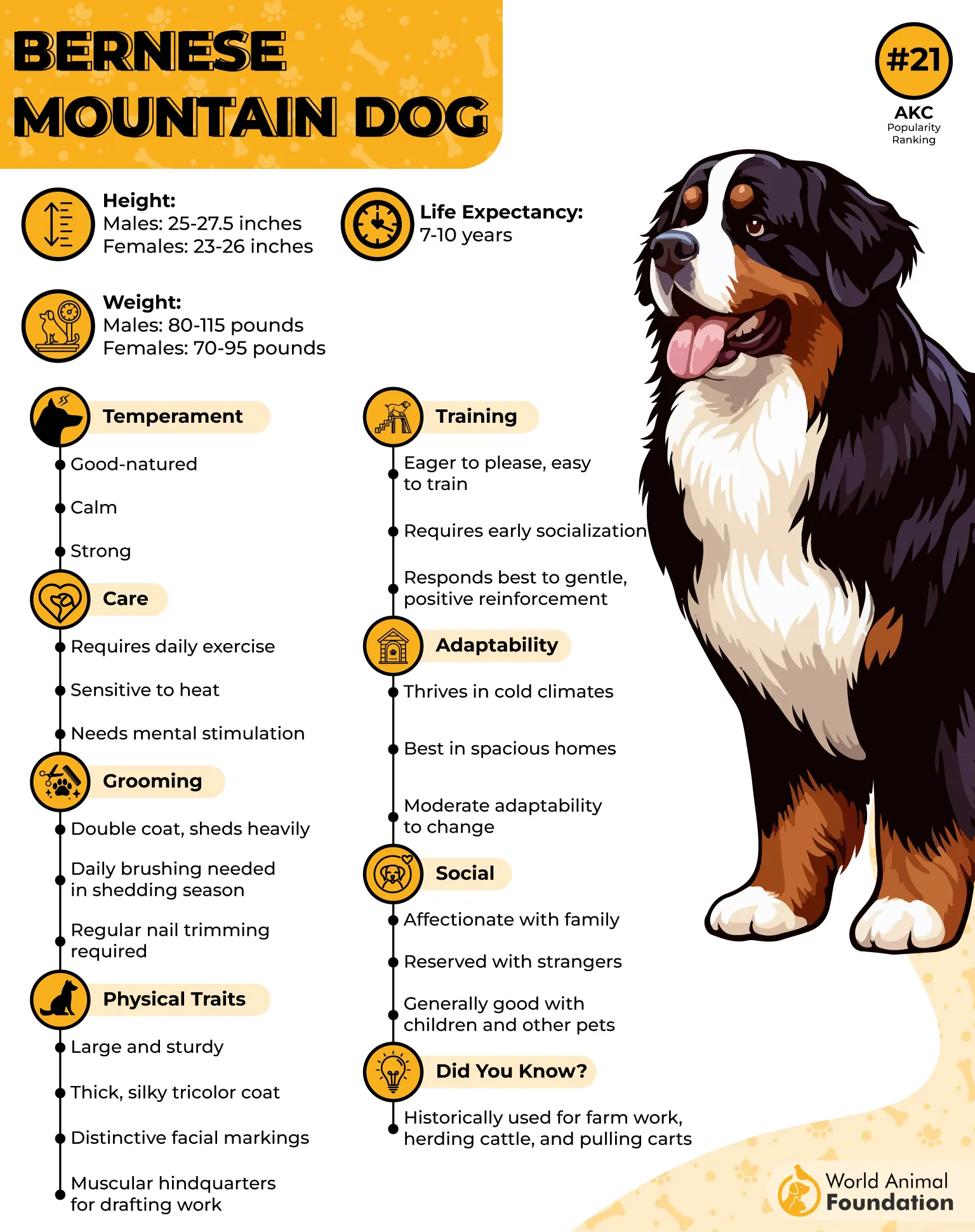
The Bernese Mountain Dog, originally bred in Swiss alpine regions, displays strength through its large and powerful build. Its thick coat supports life in cold climates, where outdoor work remained constant across seasons. This background highlights its endurance in outdoor environments.
A work style that blends strength and cooperation
This active dog approaches activity with a steady rhythm, combining physical effort with a strong willingness to stay engaged with pet parents. As per the AKC, tasks like pulling and drafting reflect a dog that works alongside rather than independently.
That working nature appears through:
Pulling carts and light loads with control
Participating in herding and tracking tasks
Engaging in dog sports and structured outdoor activities
Outdoor rhythm with steady pacing
This mountain dog fits into routines that include long walks, hikes, and extended time outside without constant intensity. Its activity level stays moderate, allowing it to keep pace without becoming restless or overly demanding. Outdoor settings align naturally with their working background.
5. Border Collie
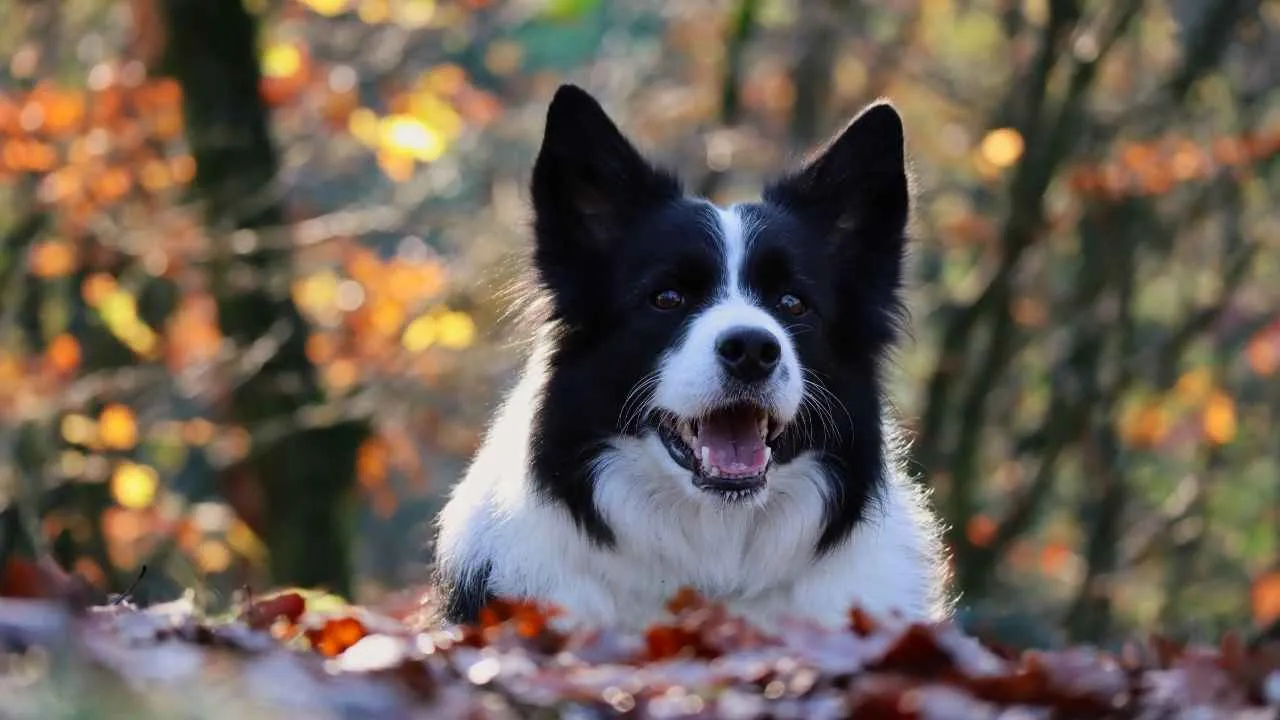
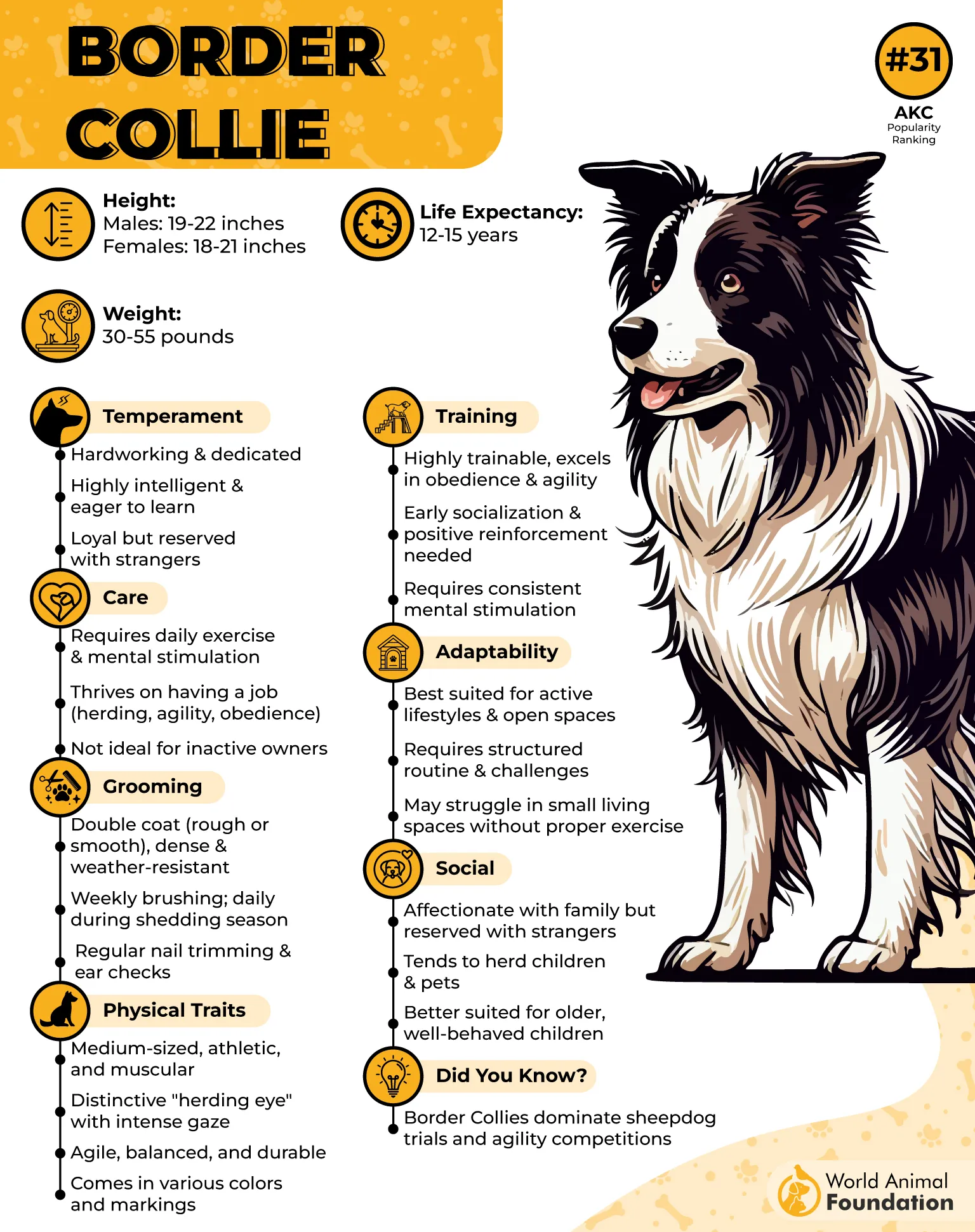
Border Collie operates through quick, sharp body control shaped by its role in herding livestock across open land. The nimble frame of this herding dog supports fast directional changes rather than straight-line speed. This precision allows it to manage movement around animals with exact timing.
Intelligence tied to action
This energetic dog processes tasks with a high level of awareness, often linking movement with purpose during outdoor activities. Its mental sharpness stays closely connected to physical engagement rather than passive behavior.
This connection becomes clear in how it engages:
Responds instantly during obedience tasks
Tracks motion during herding work
Adjusts quickly in agility settings
An activity that demands involvement
They stay engaged through tasks like hiking, running, and structured games such as Frisbee or flyball. Its energy remains directed when given specific activities rather than unstructured time. Without this outlet, it may redirect focus toward digging or chewing behaviors.
6. Rhodesian Ridgeback
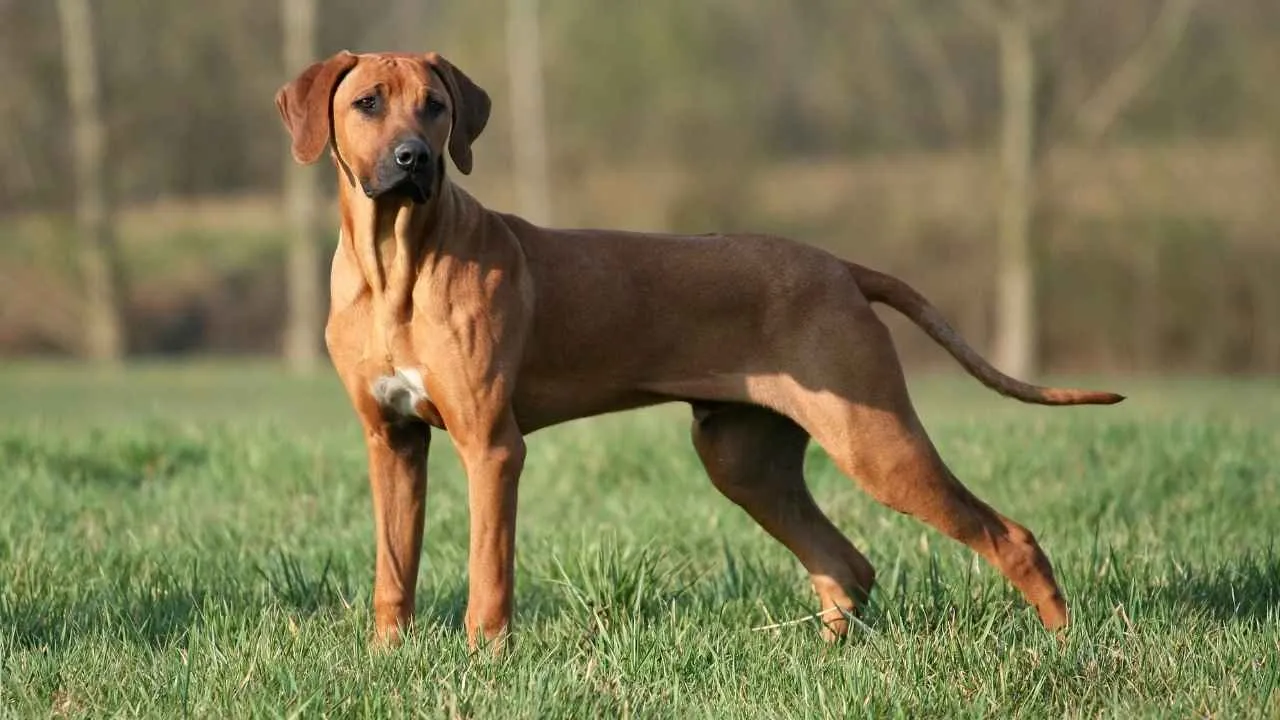
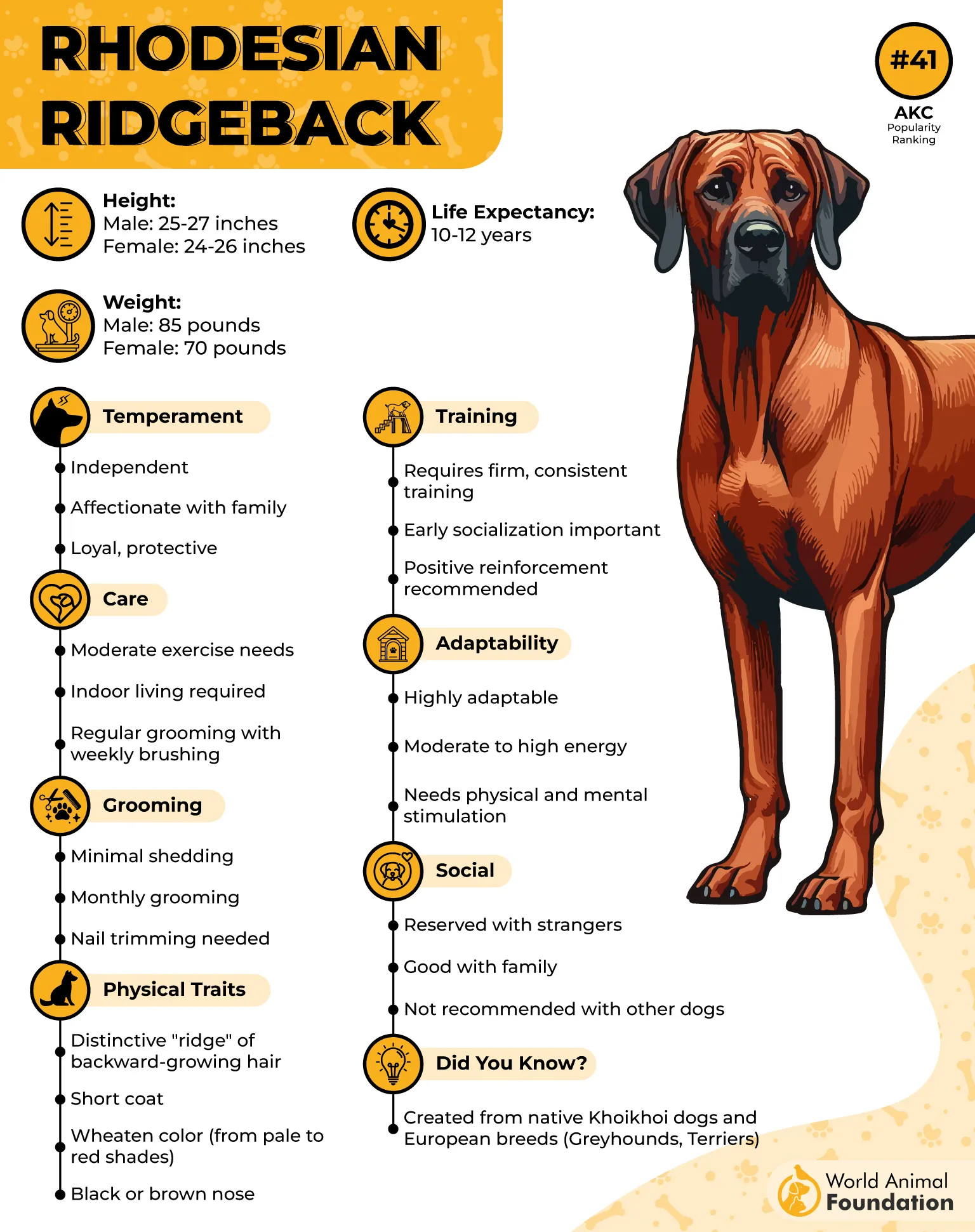
Rhodesian Ridgeback is immediately recognized by the distinct line of hair along its back growing in the opposite direction. This feature reflects a breed shaped for function, supported by a muscular and athletic frame. Its identity is closely tied to physical capability rather than appearance alone.
Hunting instinct and field response
This hunting dog works through tracking and flushing large game, including predators like lions, relying on endurance and controlled pursuit. Its role as a hound connects closely with sustained focus in open terrain.
That working style appears in specific activities:
Engages in tracking and field trials
Performs in lure coursing and hunting events
Responds well in agility and obedience tasks
Energy built for a long effort
They show stamina through proper mental and physical stimulation, handling tasks like long hikes, jogging, and swimming without quick fatigue.
Its daily routine requires consistent physical output along with mental engagement. This pattern reflects a breed shaped for long-duration outdoor work.
7. Australian Cattle Dog
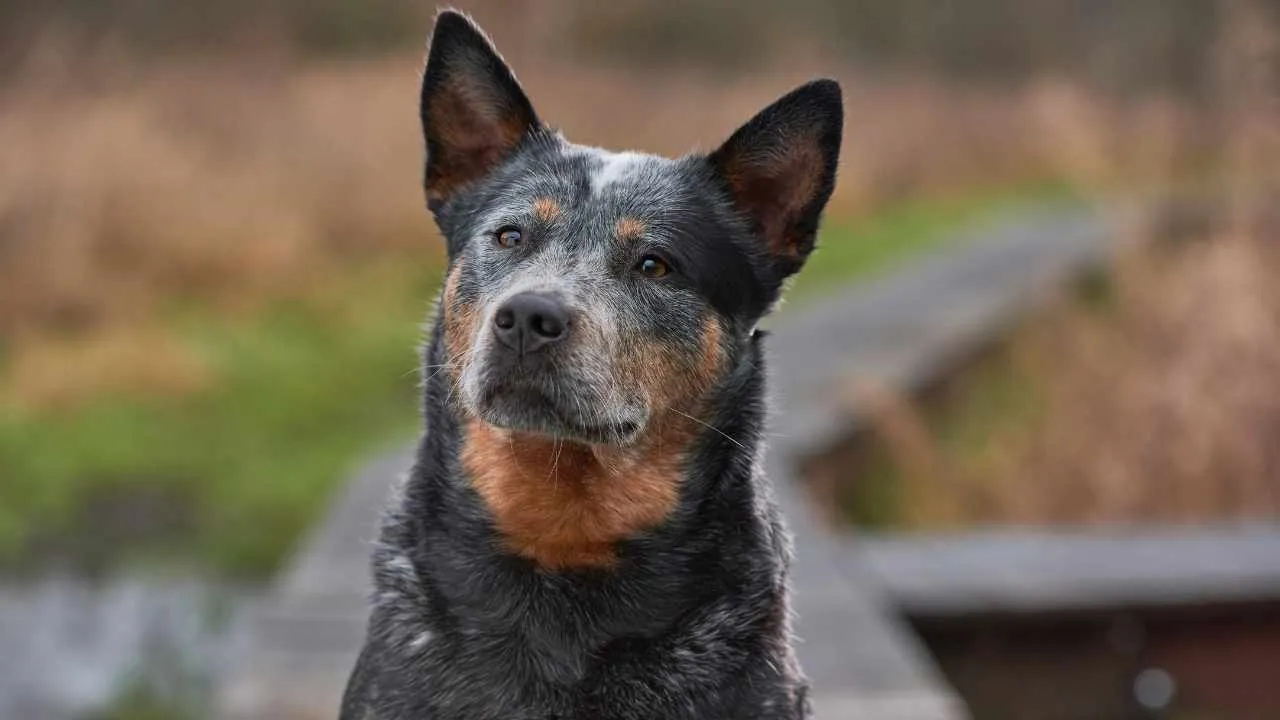
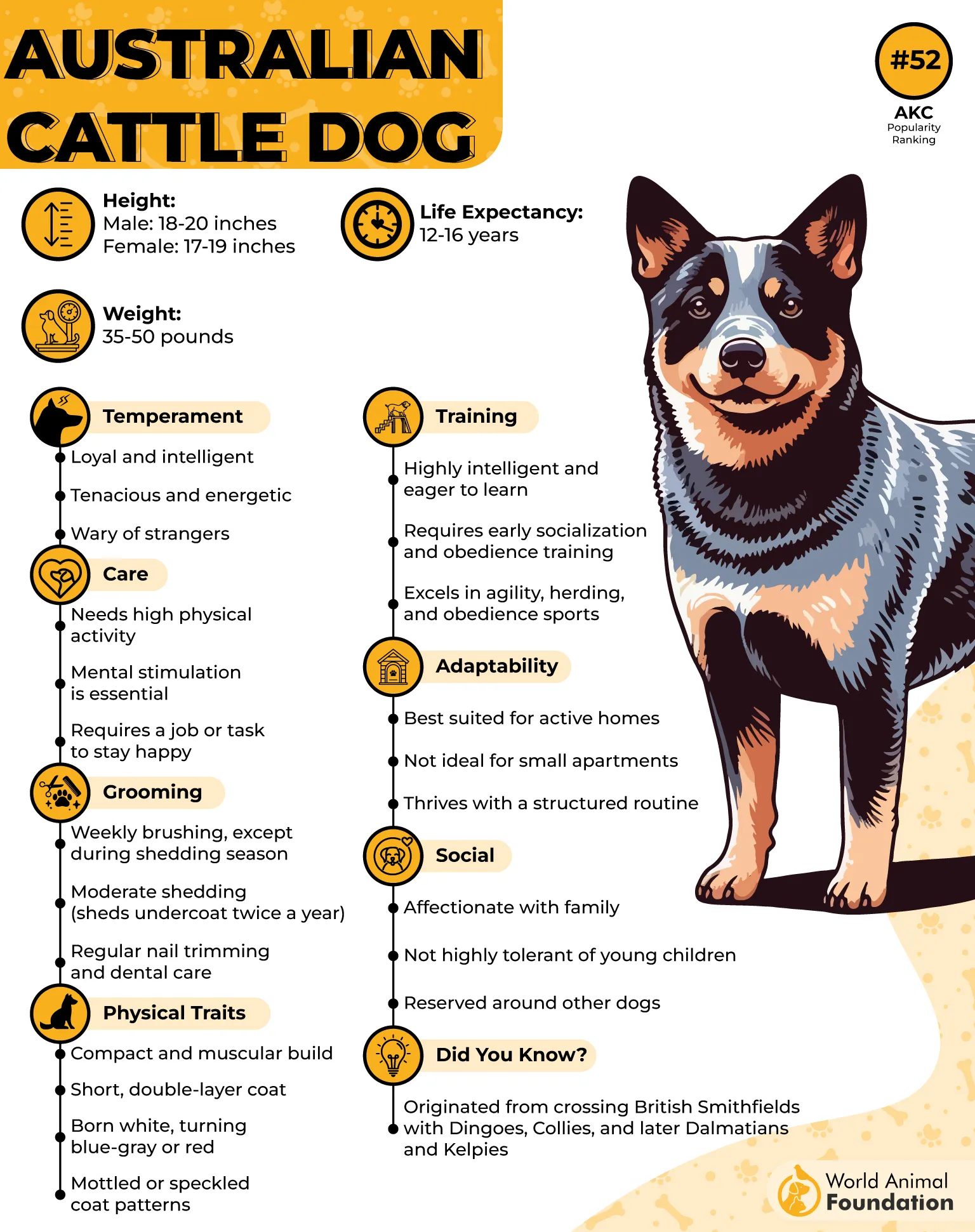
Australian Cattle Dog reflects its dingo-linked heritage through a compact, muscular build designed for long hours of physical effort. Its structure supports sustained stamina rather than short bursts, aligning closely with demanding outdoor routines.
Activity driven by constant engagement
This cattle dog operates with a relentless work rhythm, showing little pause once engaged in physical or task-based activity. Its intelligence channels into structured movement, especially when given defined roles or challenges.
That intensity shows clearly through:
Handles extended running or jogging sessions
Engages fully in agility and herding tasks
Responds actively in canine sports like fetch and frisbee play
Living space and movement expectations
They require open environments where extended activity fits naturally into daily life. Smaller indoor settings limit their ability to express their full working pattern. Its routine depends on the space that allows uninterrupted physical engagement.
Conclusion
It becomes clear somewhere in the middle of a long walk or a quiet trail. Some dogs slow down, others match the pace of active owners as if nothing has changed. The above great outdoor dogs discussed here fall into that second group, where movement feels natural rather than managed, fitting easily into an active lifestyle.
That difference does not show all at once. It builds over time, through repeated outings and changing environments.
The right dog does not hesitate when the routine stretches beyond the usual. It adjusts without resistance, turning into one of those great outdoor companions that stay consistent.
What starts as effort slowly becomes steady, shaping an outdoor journey where the great outdoors no longer feels like an activity, but simply part of how life moves forward with loyal companions.
