




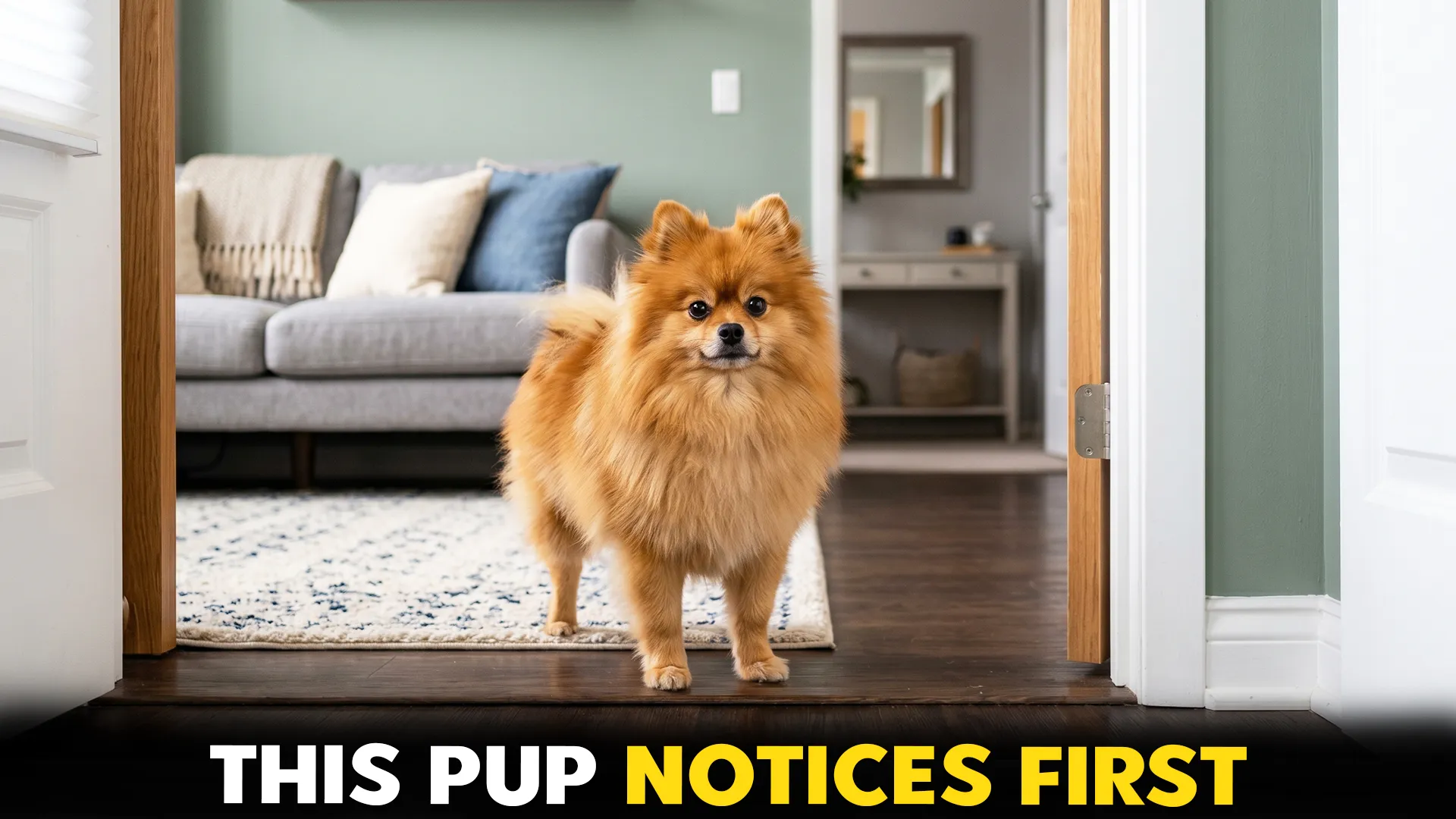
Apartment living does not mean you have to live without a guardian. You just need the right one, four legs, sharp ears, and zero fear of a stranger at the door.
Small dogs often get a bad rap. People assume they are just lap decorations. But here is the truth: some of the most alert, vocal, and street-smart dogs in the world come in compact packages.
Several small dogs consistently rank among the best watchdogs. These dogs are really a support if you are a woman living alone. A small dog is handy and most of the time low maintenance, another add-on for solo living people.
So, if you are on a hunt for your next furry roommate who will double as your personal security system, keep reading.
Top Alert Dog Breeds Ideal for Small Apartment Guardians
1. Chihuahua
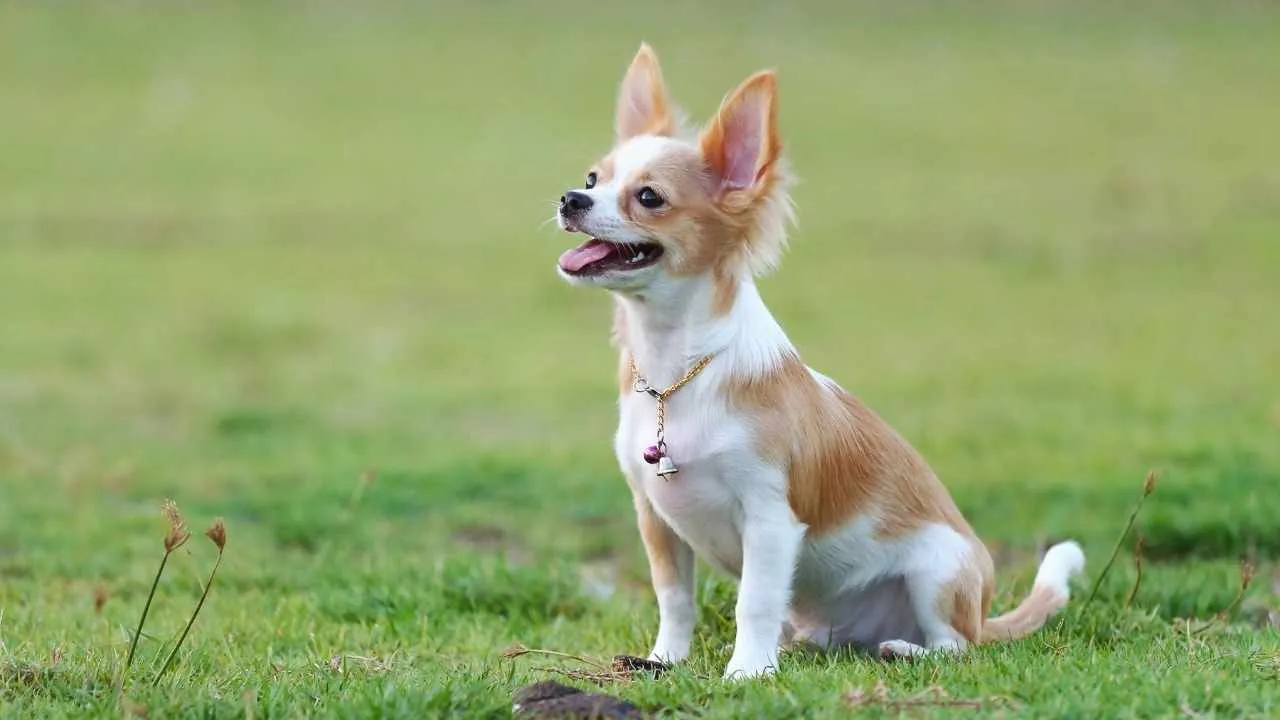
Originally bred in Mexico, the Chihuahua is the smallest dog breed in the world (weighing around 2.2-6 pounds and standing 6-9 inches). The pre-Columbian indigenous American dog has a small genetic contribution to the breed. It is mostly kept as a companion dog, according to Wikipedia.
This apartment dog can hear low-decibel hallway footsteps because of the long, bony outer ear structure. It has a specialized lyranx due to which it produces a high-frequency bark. It naturally patrols the apartment because of its long stride without getting tired.
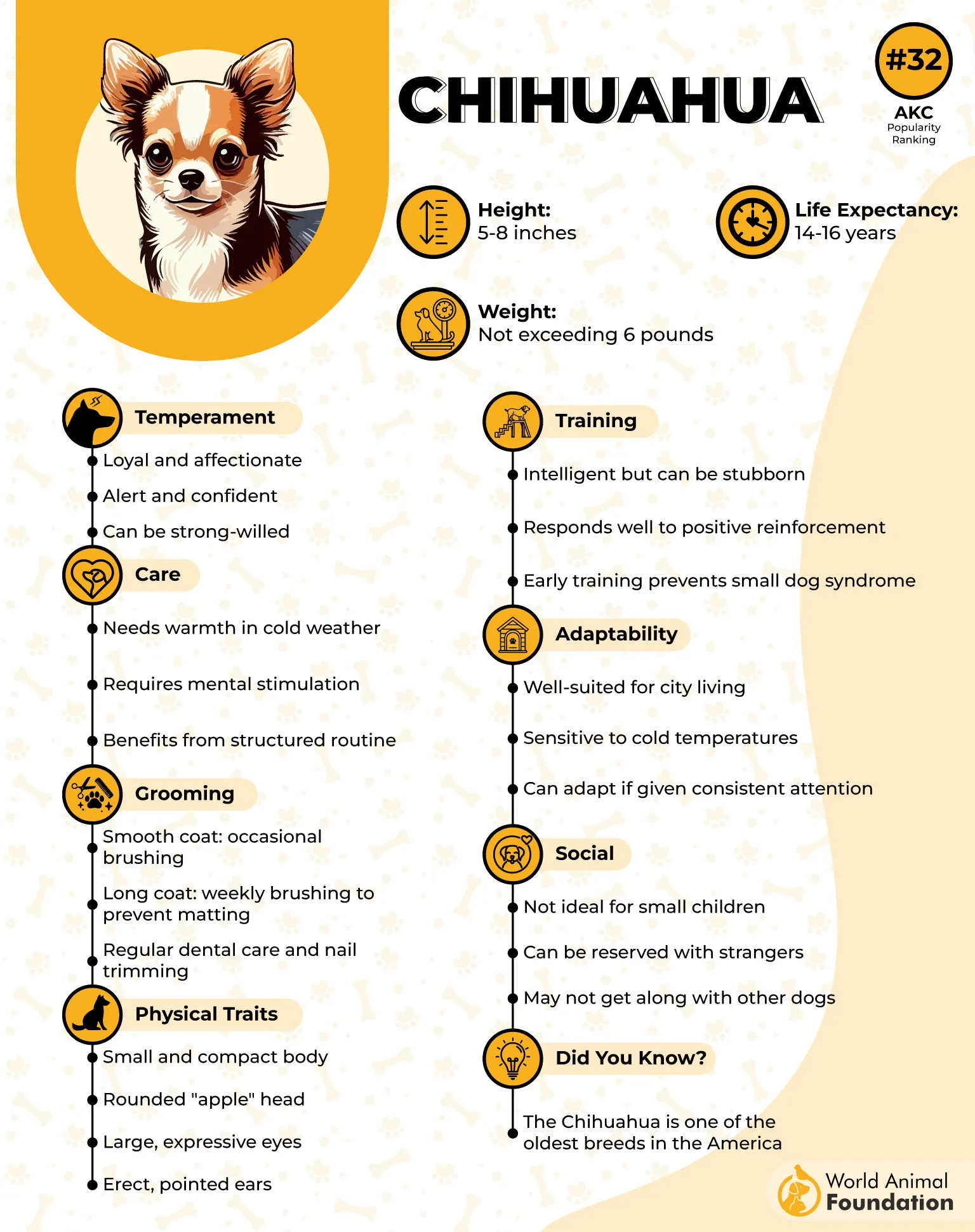
These naturally alert guard dogs form strong bonds with their owners and love to follow them from room to room. The breed has minimal exercise needs (20 minutes): short walks and indoor play sessions. Weekly brushing and monthly baths are recommended.
2. Pomeranian
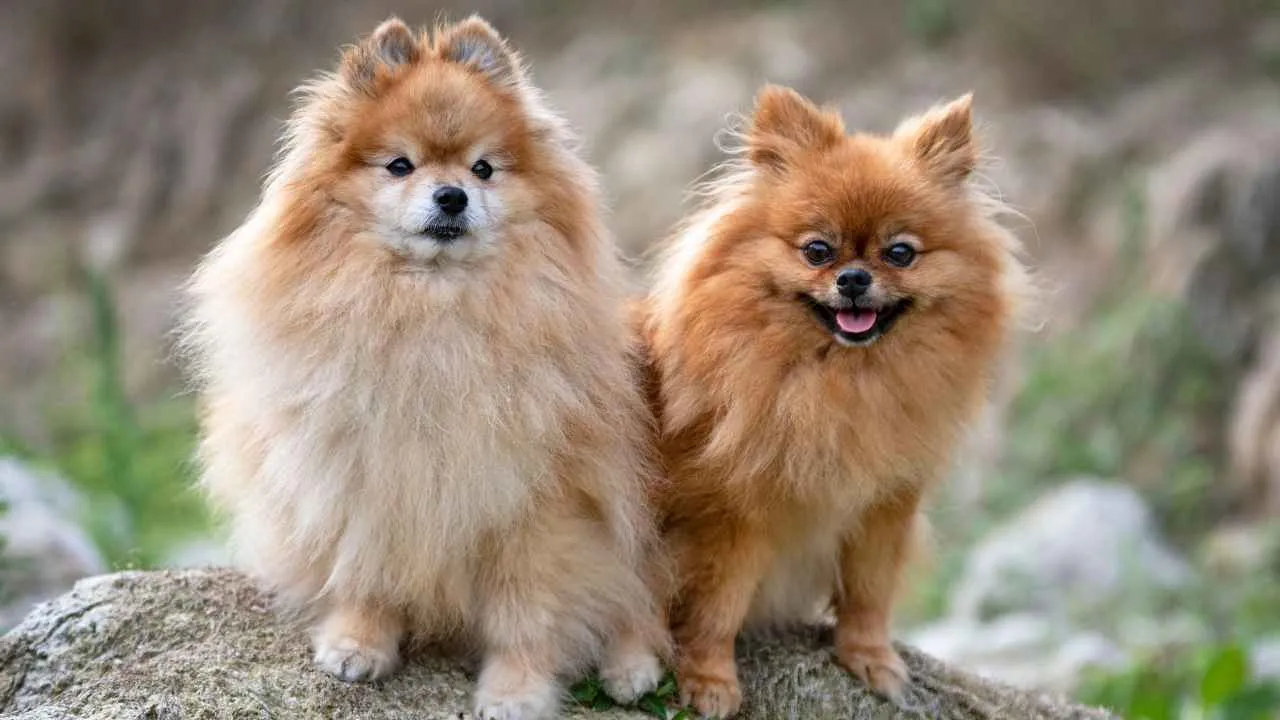
Named after the Pomerania region in North-East Germany and North-West Poland. This has been the lap warmer of the royal families since the 18th century. Owned by Queen Victoria once, the Pomeranian weighs around 3-7 pounds and is 8-14 inches tall.
Their ears are large and erect, acting like high directional acoustic dishes. The complex nervous system of this small dog is wired to respond to faint environmental stimuli. It has a small thorax that produces a piercing bark to alert the owner without disturbing the neighbors.
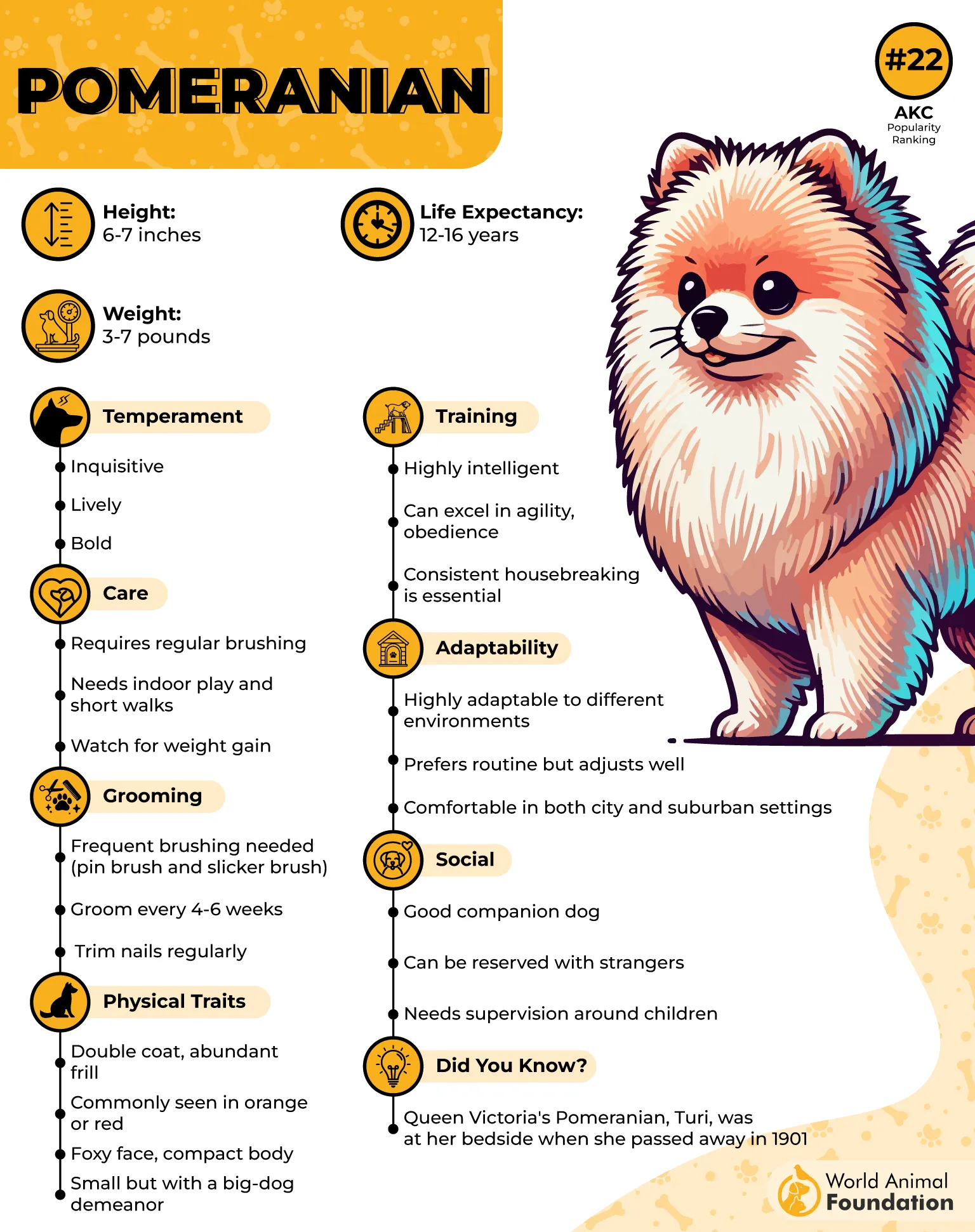
This best guard dog claims a position in a house and often treats its family members as property. Whoever tends to invade the ‘property,’ it tends to protect them by excessive barking and positioning itself between the owner and the intruder. The Pomeranian needs regular exercise for 30-60 minutes and frequent brushing (3-4 times a week).
3. Dachshund
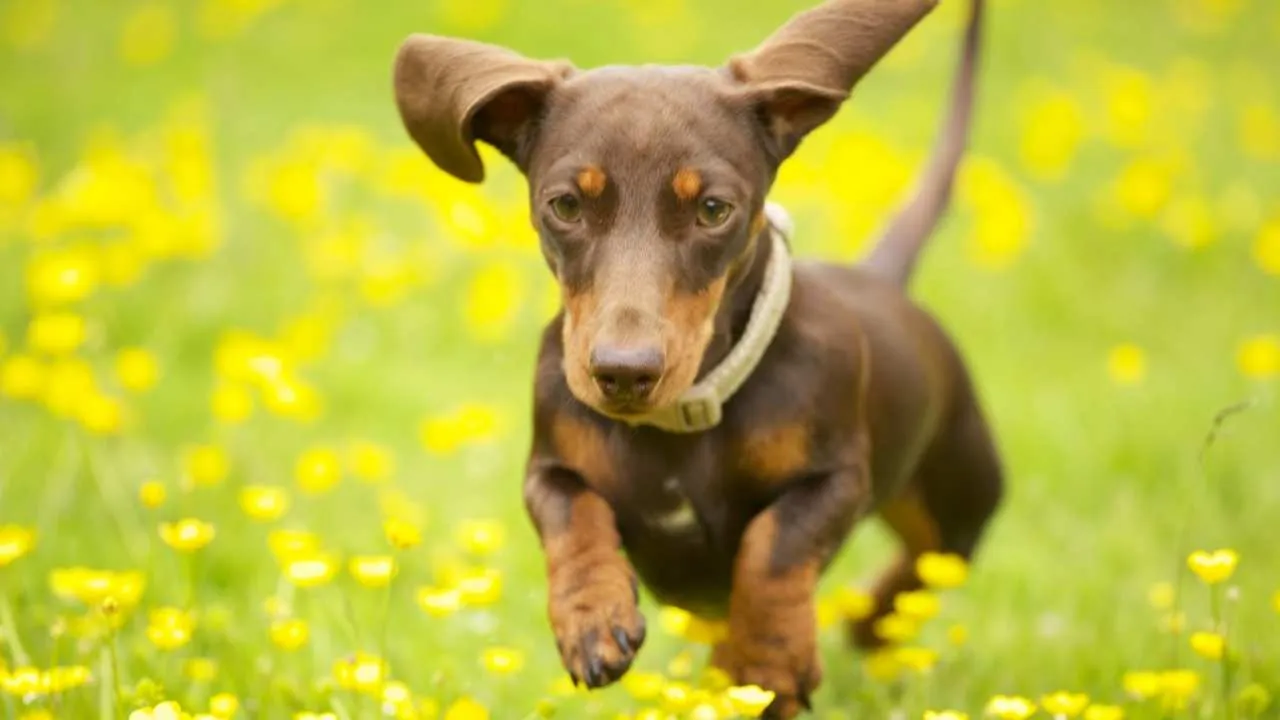
Also known as a ‘weiner/hot dog,’ the Dachshund was originally developed in Germany in the 18th century. The name comes from two German words, ‘dash’ (badger) and ‘hund’ (dog), because the breed was developed to hunt badgers, as per PetMD. This protection dog weighs 11-32 pounds and stands 5-9 inches.
This small breed has a barrel-shaped ribcage that houses large lungs. This helps it produce a loud and resonant bark. It has an elongated muzzle, and much of its brain is dedicated to processing scents. The sausage-shaped body (low centre of gravity) and short legs keep them closer to the ground, making it a space-efficient apartment watchdog.
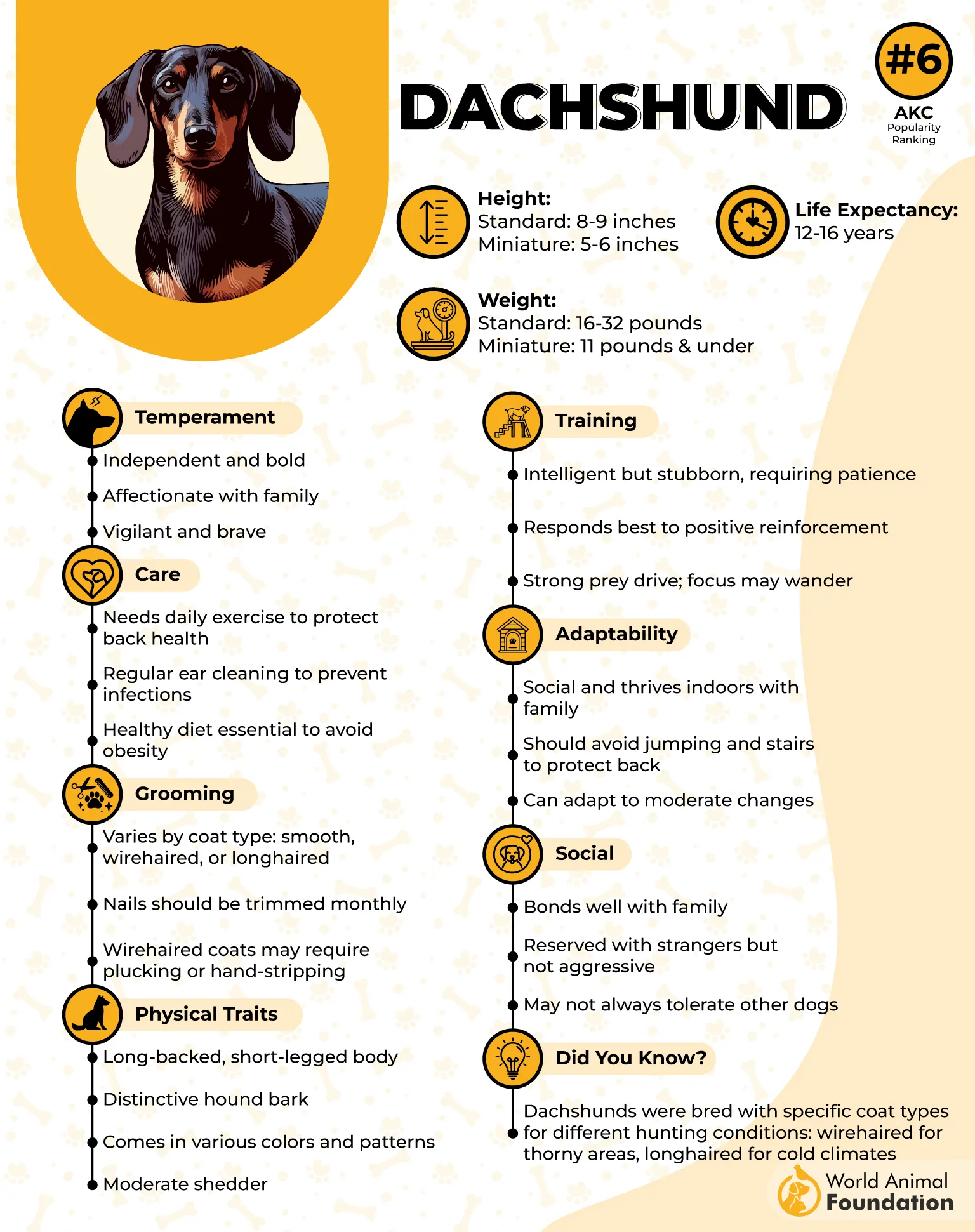
It has a calm temperament indoors and snaps and growls if it senses its favorite person or object is in danger. Proper training sessions and early socialization are non-negotiable since they can become overly aggressive. It needs low-to-moderate exercise: daily walks, scent work, and indoor play, but avoid jumping and stair climbing.
4. Lhasa Apso
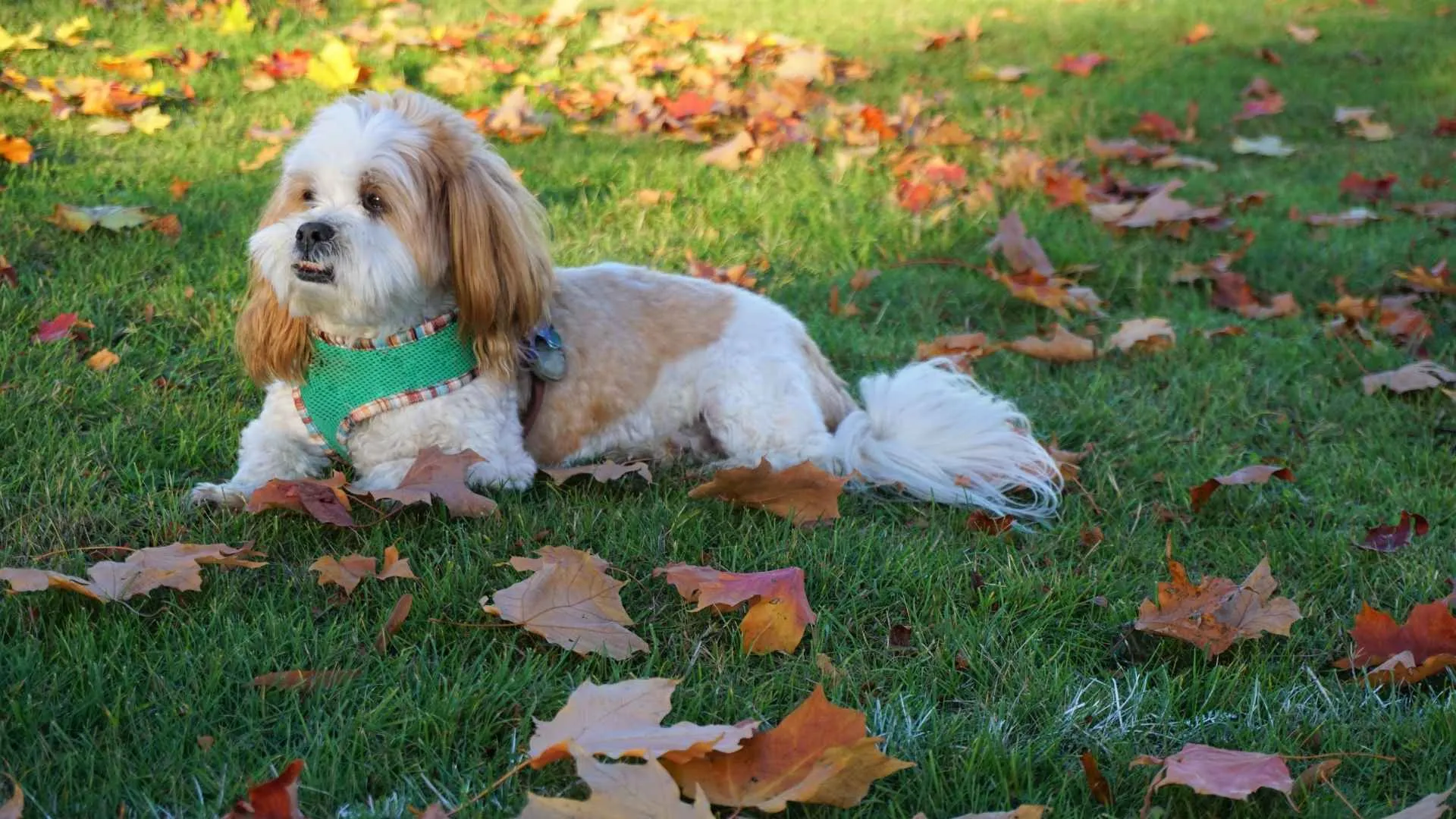
Originating in Tibet, the high-energy dog was bred as a guard dog to protect Buddhist monasteries and alert the monks of intruders. ‘Lhasa’ is the capital of Tibet, and ‘Apso’ means ‘bearded’ in English. The traces of the breed were found 800 B.C., says Omlet UK. This deeply devoted breed weighs around 12-18 pounds and stands 9-11 inches tall.
The feathered drop ears act as acoustic funnels. Since the breed is brachycephalic (has a flat face and narrow airways), it tends to make funny sounds while sleeping. The moderately bent stifles of the hind legs provide a quick spring mechanism. Despite having a small stature, it is fearless and has a natural suspicion of strangers, making it perfect for home security.
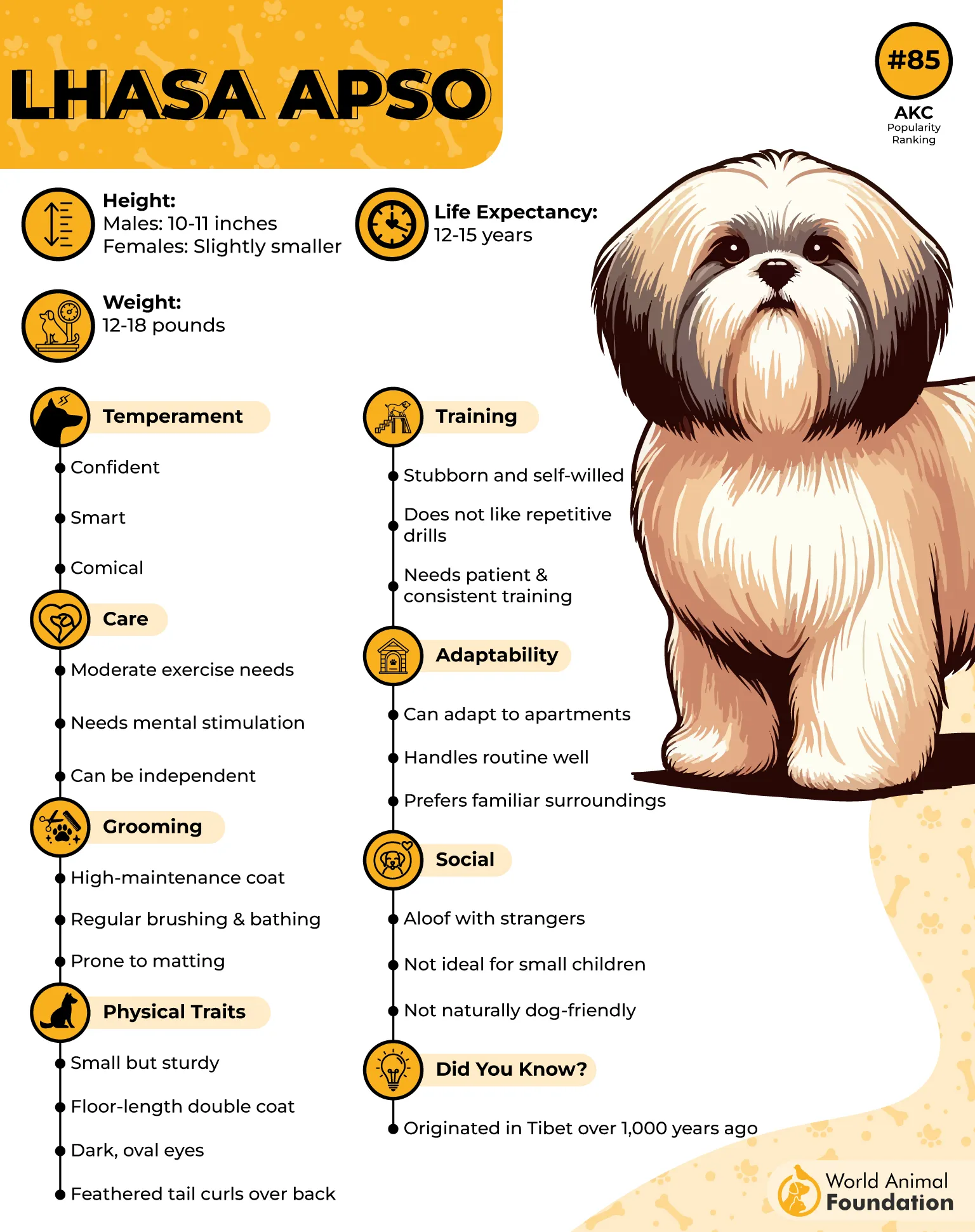
The breed requires 30-60 minutes of daily physical and mental needs: brisk walks, interactive toys, fetching, scent work, etc. It has moderate energy levels and is not a couch potato. This excellent companion needs regular brushing (2-3 times a week), and take it to the professional vet after 6-8 weeks.
5. Yorkshire Terrier
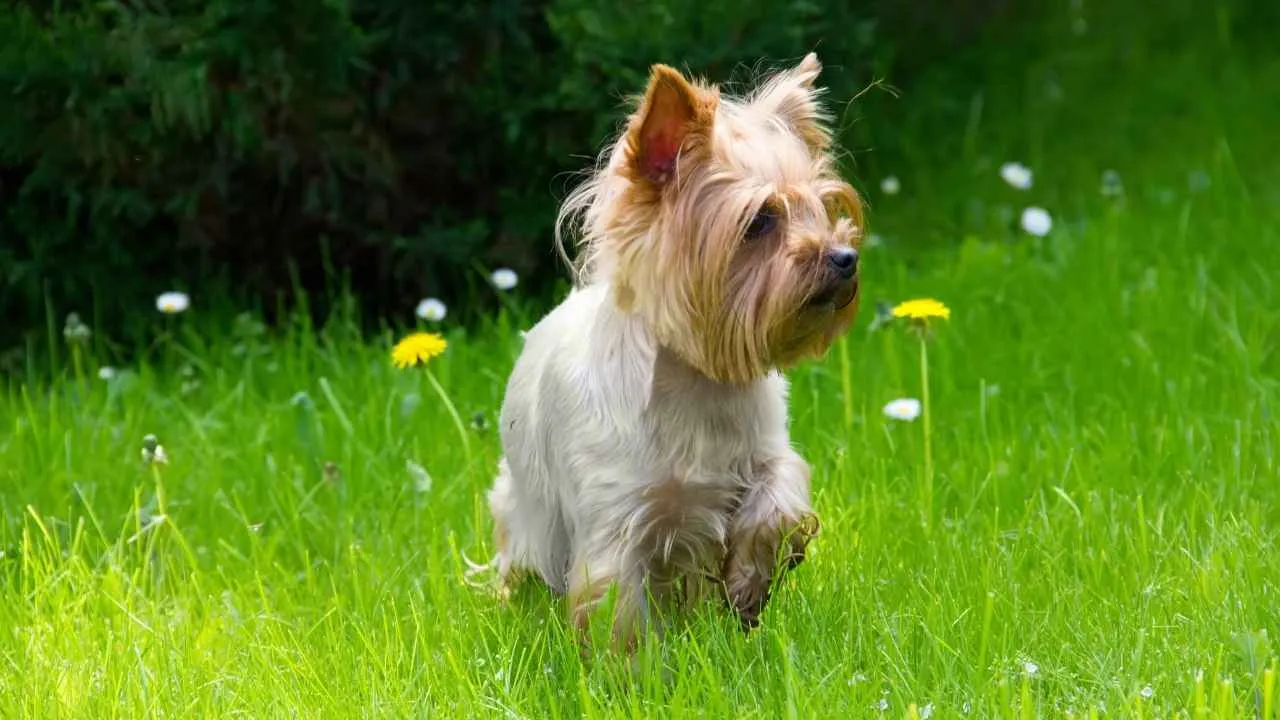
Originating in England, the primary purpose of the Yorkshire Terrier was to hunt rats and rodents in the cotton and woolen mills. Later, the breed was used as a lap dog for the royal ladies and then found its way to the urban settings, where it was used as a companion and a watchdog for small spaces.
The breed weighs not more than 7 pounds and stands 7-9 inches tall. Because of the low center of gravity, the breed can easily spin, rotate, and jump with high agility. The heightened sympathetic tone and highly intelligent instincts make it respond quickly to the unfamiliar sounds and a real threat.
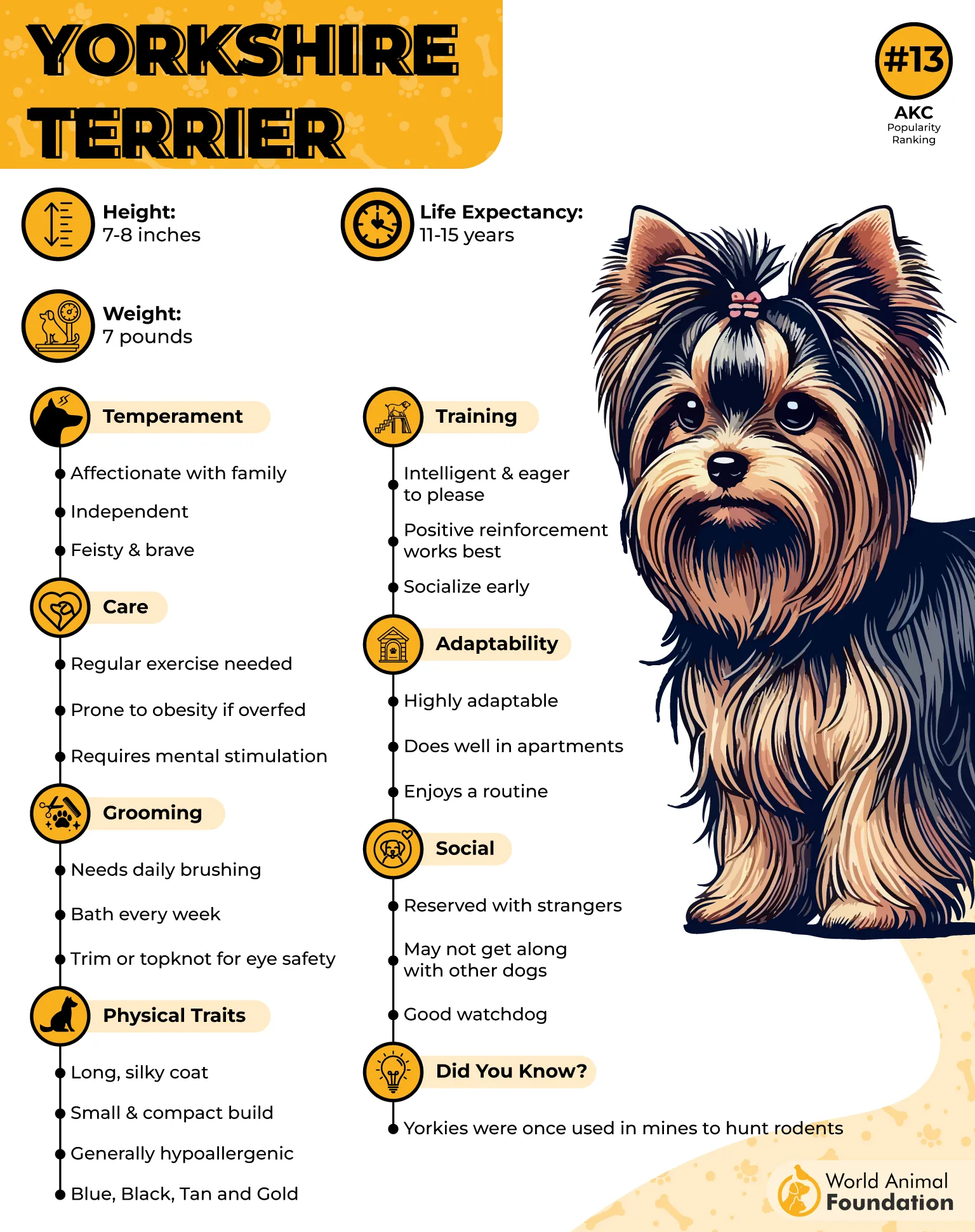
This excellent watchdog has strong loyalty towards one person. It tends to confront much larger breeds despite its small size. It burns off its daily calories in 30 minutes of daily physical activity and mental stimulation: brisk walks, fetching, puzzle toys, leash training, etc. Weekly brushing is required to prevent matting, and bathe the Yorkie after 2-3 weeks.
6. Miniature Schnauzer
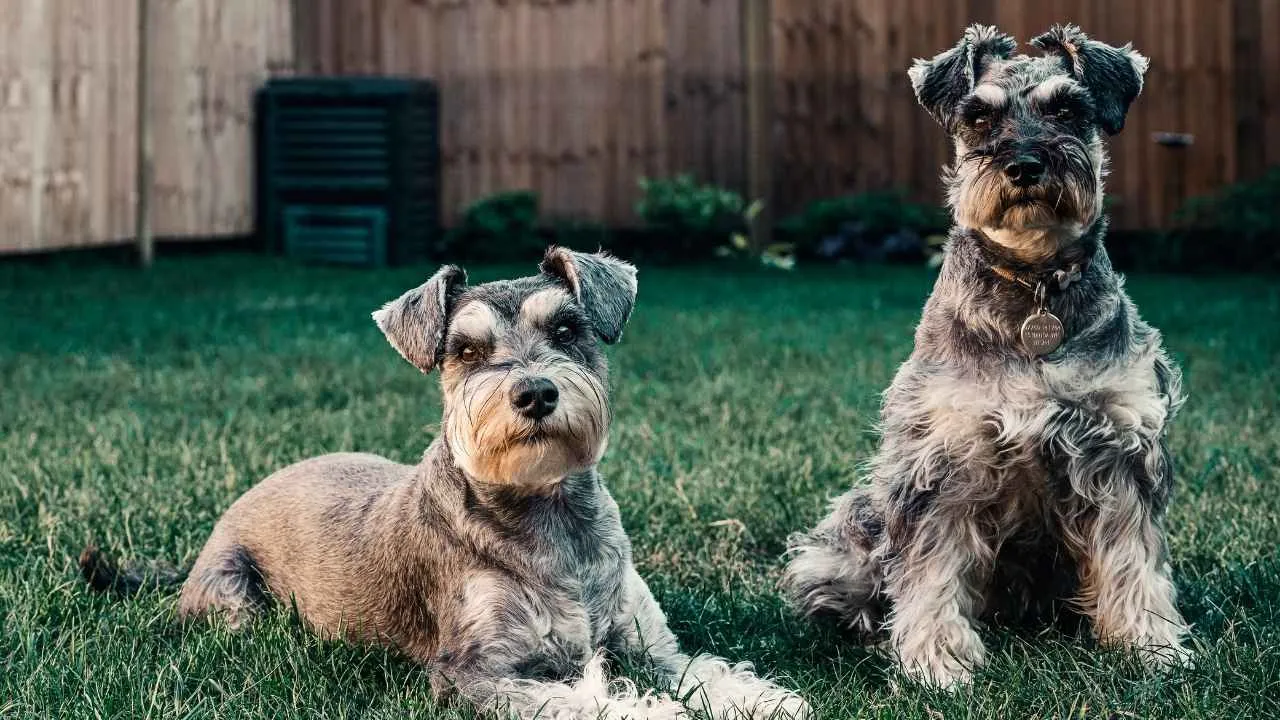
Bred in Germany in the late 19th century, this high-spirited small pet is a cross of Poodle, Miniature Pinscher, and Affenpinscher. The German word ‘schnauz’ in the name means ‘walrus moustache,’ because of the outgrown hair, giving a moustache look. It weighs 11-20 pounds and stands 12-14 inches tall.
The oval eyes provide a wide field of peripheral vision, making it easier to spot movement through windows and doors, triggering watchful instincts. The high cognitive capability of the Miniature Schnauzer allows it to access unfamiliar situations accurately. The strong forequarters and high bone density allow it to navigate hallways and elevators without creating disturbance.
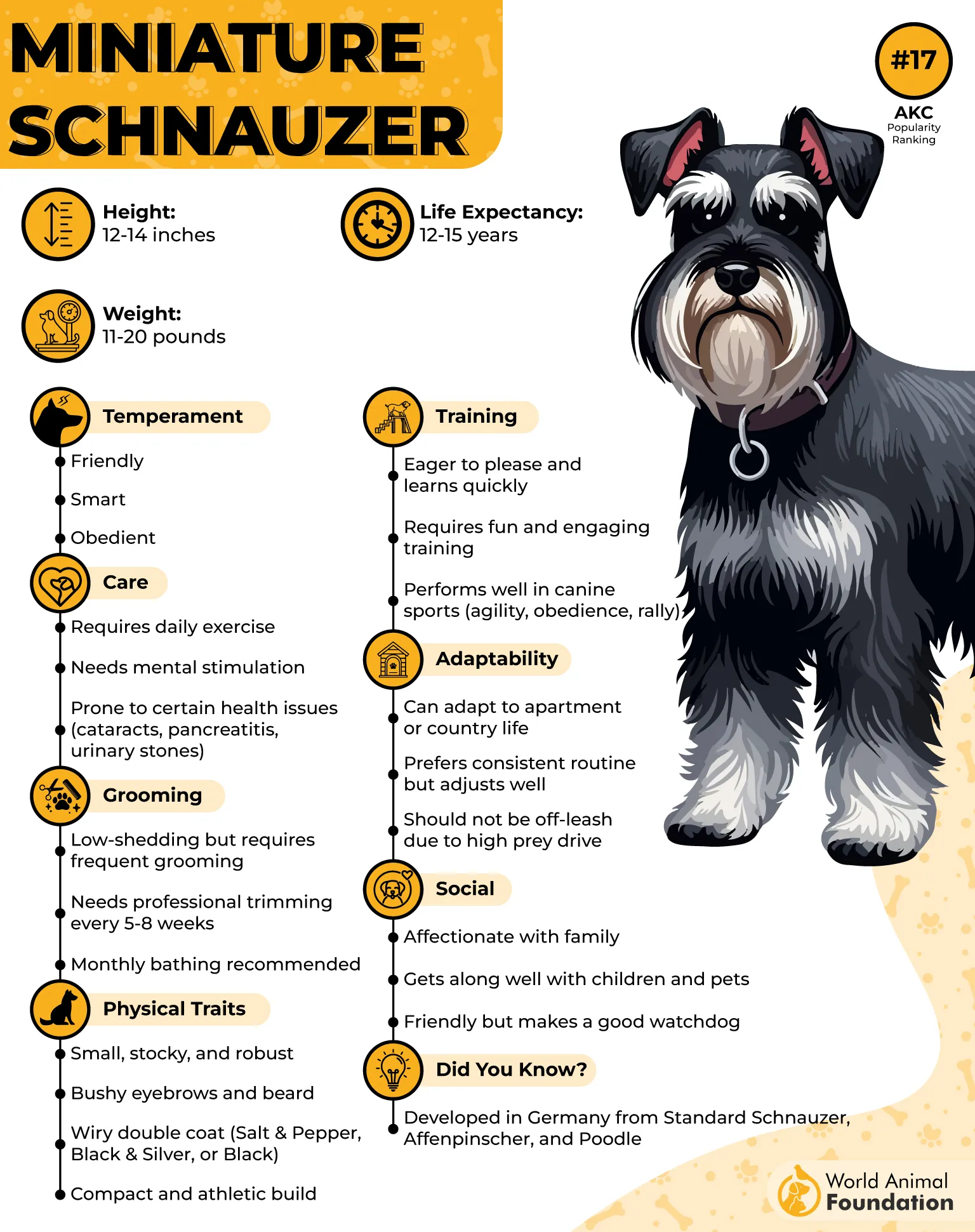
Their advanced tracking sense can differentiate between known and unknown incoming scents. This activates its alert system, and it barks and positions itself between the intruder and the owner. It needs 30-60 minutes of daily exercise. Since the breed is hypoallergenic, weekly brushing is enough. However, it needs professional clipping after 6-8 weeks.
7. Miniature Pinscher
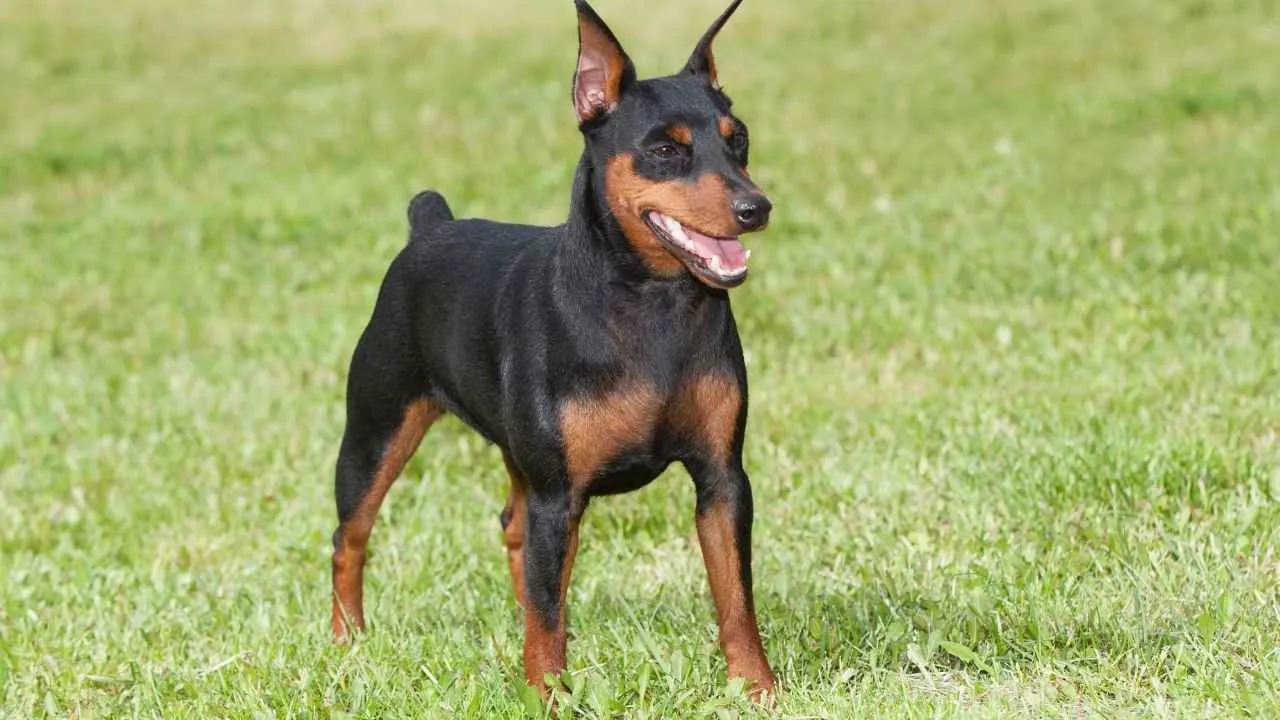
This is the smallest dog among all three pinscher breeds (Dobermann, German, and miniature), with a weight of up to 8-10 pounds and a height of around 10-12.5 inches. Originating as a ratting terrier type, the Miniature Pinscher is well-known because of the dog shows and as a companion dog for smaller living spaces.
This best dog breed has a lean frame, concentrated muscle fibres, and an advanced nervous system. All these important factors assembled in a compact body assist in making precise decisions and quickly switching from resting mode to the protective mode. The ‘hackney gait’ makes the trot fast and efficient (19 mph).
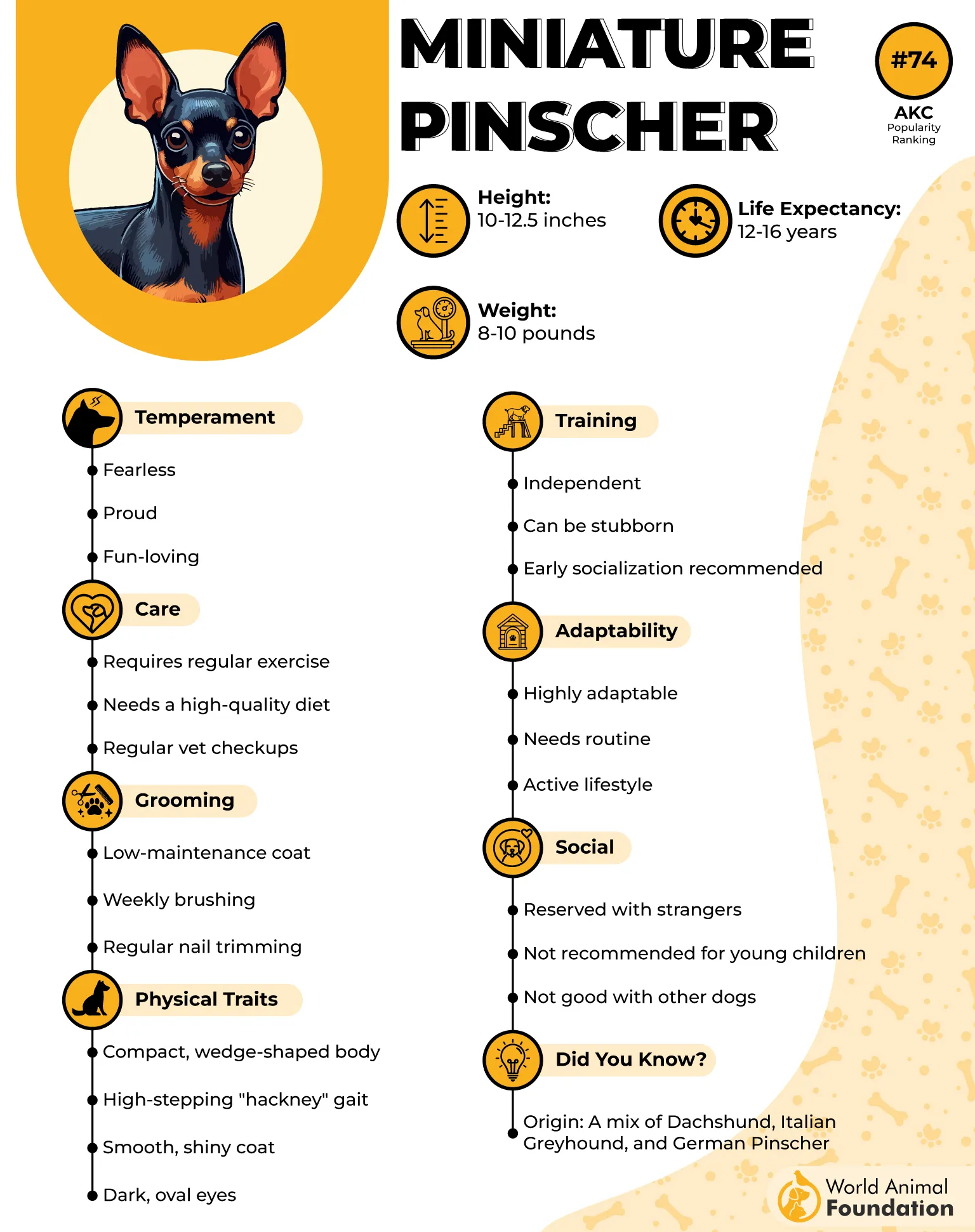
The breed has a high metabolic rate and high energy levels. This small dog has territorial instincts and a strong attachment to the owner. It requires 30-60 minutes of daily exercise. Low shedding leads to low dander production; thus, only weekly brushing is needed using a soft-bristle brush.
Conclusion
Small apartments do not need big dogs to feel safe. They need the right dog, one that is sharp, loyal, vocal at the right moments, and compact enough not to require a second bedroom. Every breed on this list brings something unique to the table. The Lhasa Apso’s ancient instinct. The Mini Schnauzer’s calculated calm. The Mini Pin’s regal boldness.
Apartment living and effective home guardianship are not mutually exclusive. Pick a breed that matches your lifestyle and energy, invest time in training, and you will gain a companion that is equal parts friend and protector. That is not a bad deal for something that fits on your lap.
