




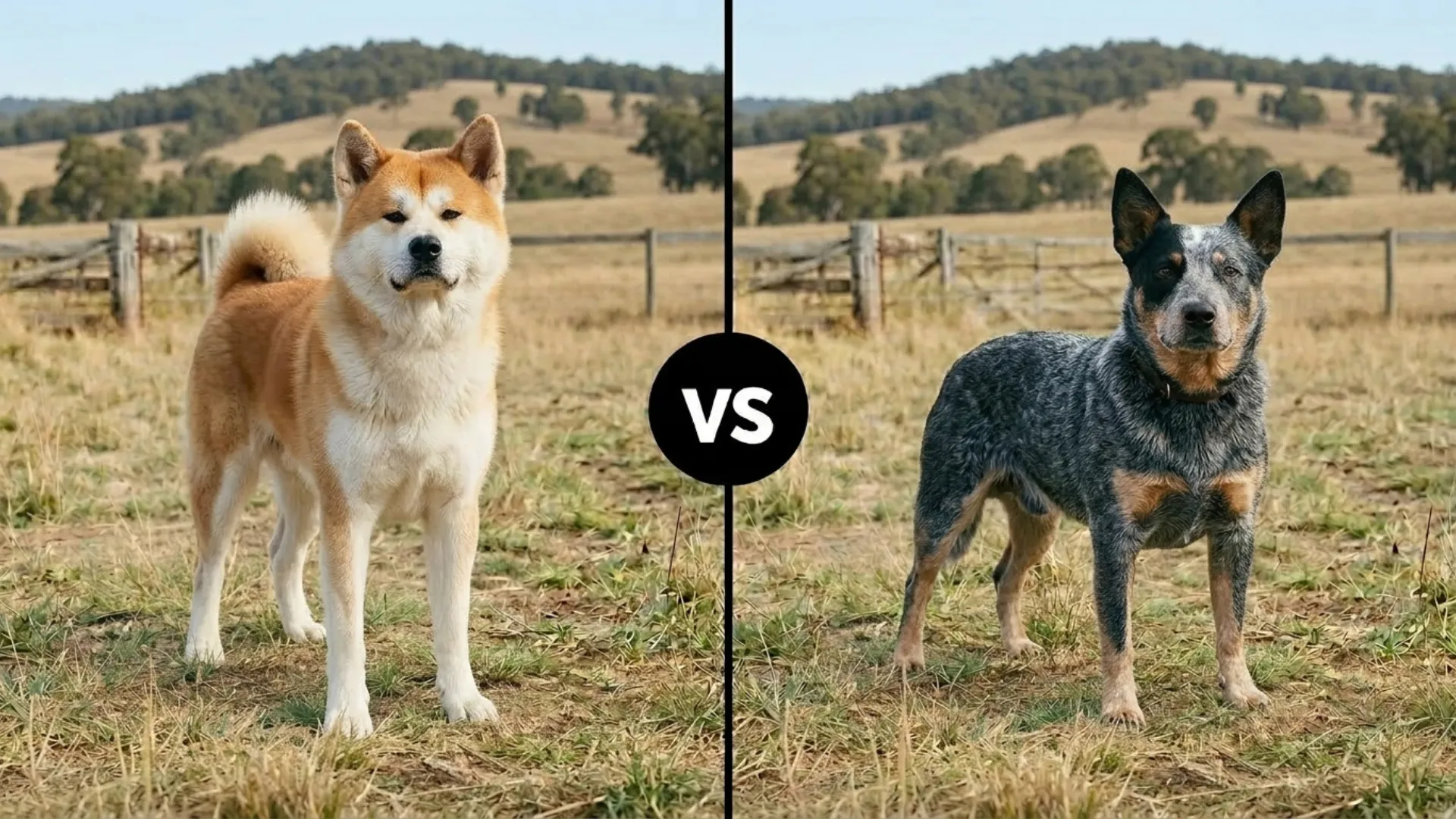
The Akita and Australian Cattle Dog are both powerful, intelligent working breeds, but they were developed for very different purposes and lifestyles. One originated in the rugged landscapes of Japan as a fearless hunting and guardian dog, while the other was bred in the demanding Australian Outback to herd cattle across harsh terrain.
Although both breeds are admired for their loyalty and toughness, their personalities, energy levels, and handling requirements can vary greatly.
Australian Cattle Dogs are compact, fast-moving, and highly energetic dogs known for their stamina, sharp instincts, and remarkable work ethic. Akitas, on the other hand, are larger, calmer, and more reserved, carrying themselves with dignity and confidence.
Choosing between these breeds depends on your lifestyle, activity level, and experience as a dog owner. Understanding their unique histories, temperaments, grooming needs, and behavioral traits can help you decide which loyal companion is the better fit for your home and routine.
Akita vs. Australian Cattle Dog: Must-Know Differences
Understanding the fundamental differences in their prey drive, territorial instincts, and intense exercise needs is crucial for any prospective owner. This breakdown compares their contrasting temperaments, training requirements, and social traits to help you determine which of these powerful, driven breeds aligns with your lifestyle.
Size and Strength
The Akita, sometimes called the American Akita or Japanese Akita Inu, is a powerful working breed admired for its endurance and commanding presence. According to the AKC, Akita dogs are muscular, double-coated companions of ancient Japanese origin known for their dignity, courage, and loyalty.
In contrast, the Australian Cattle Dog, also known as the Blue Heeler or Red Heeler, is a compact herding breed with a lean but athletic body built for nonstop movement and agility.
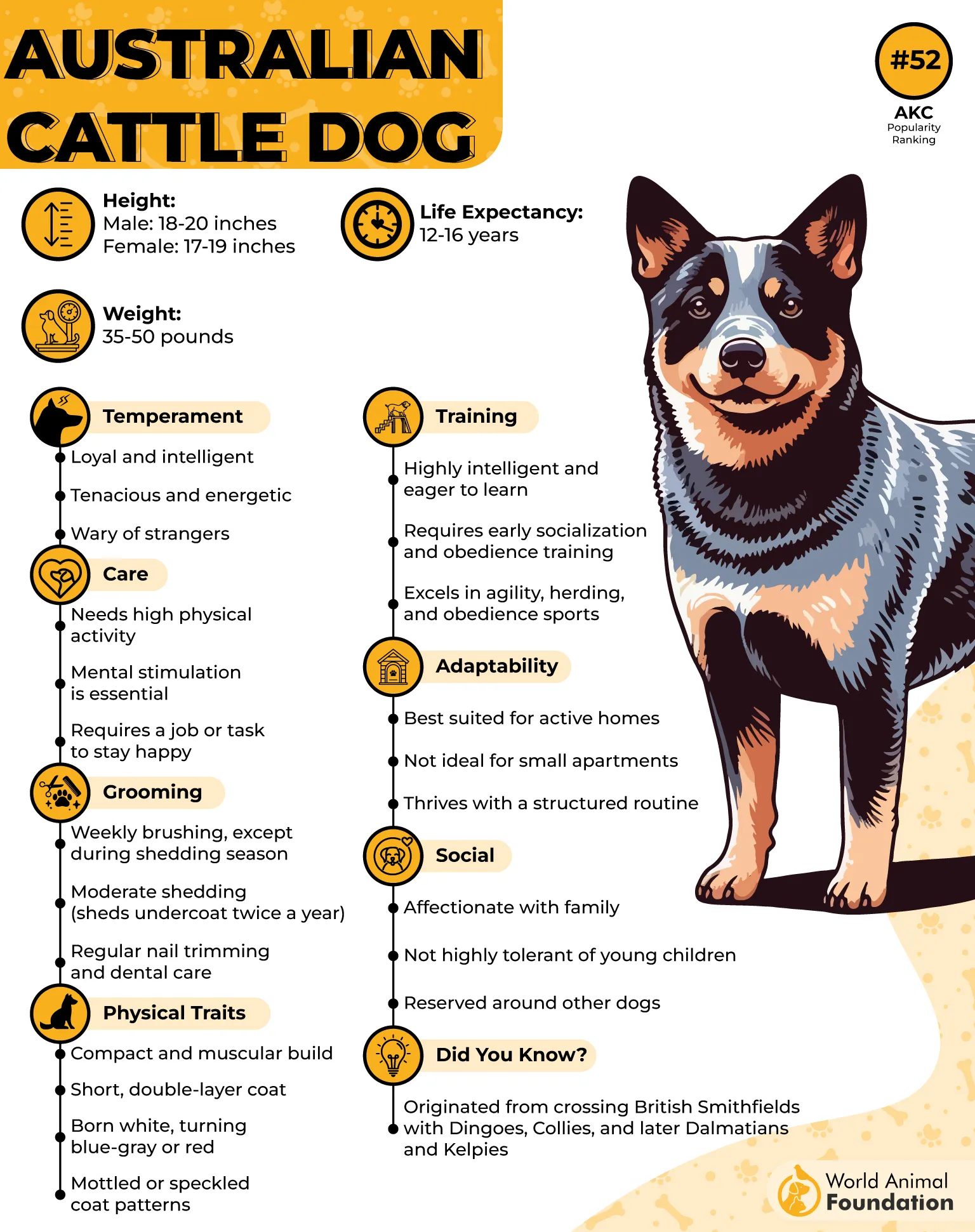
Akitas are noticeably larger and stronger, often developed for guarding and protection work rather than group tasks. Their broad chest, heavy build, and territorial personality give them an imposing appearance, while their loyalty and alert nature make them dependable watchdogs around the home.
Australian Cattle Dogs are highly energetic dogs. Their sturdy frame supports quick movements, long work hours, and the famous heel-nipping behavior used while herding livestock across rough terrain.
While Akitas rely on raw strength and stamina, Australian Cattle Dogs excel through speed, intelligence, and tireless activity.
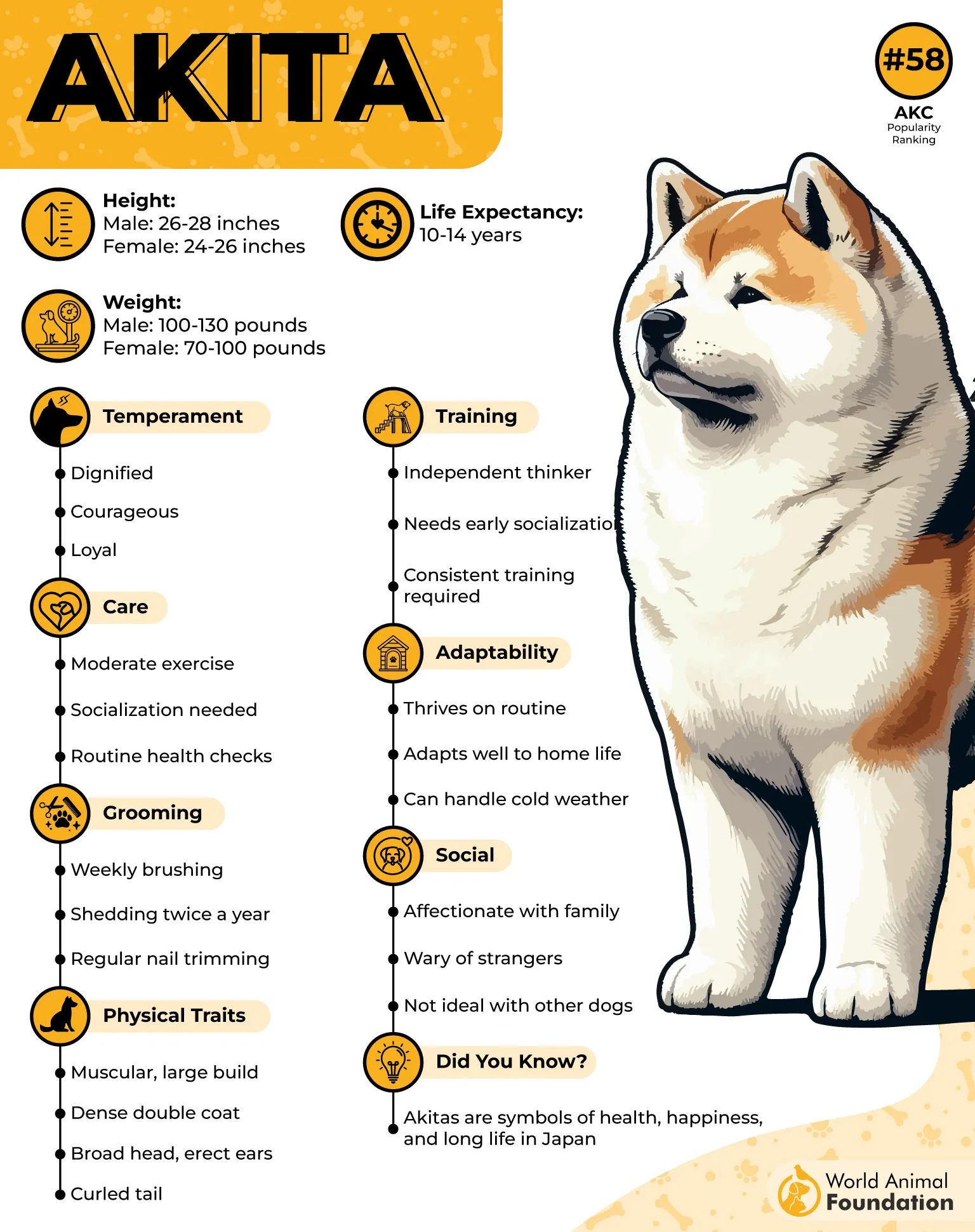
Fact: An Australian Cattle Dog named Bluey holds the Guinness World Record for the longest-lived dog, reaching 29 years of age.
Temperament and personality
The Akita is a calm yet powerful companion known for loyalty, dignity, and protective instincts. According to PetMD, Akita dogs are proud and confident companions that thrive best with experienced owners.
Meanwhile, the Australian Cattle Dog is an energetic working breed admired for intelligence, independence, and nonstop enthusiasm for activity.
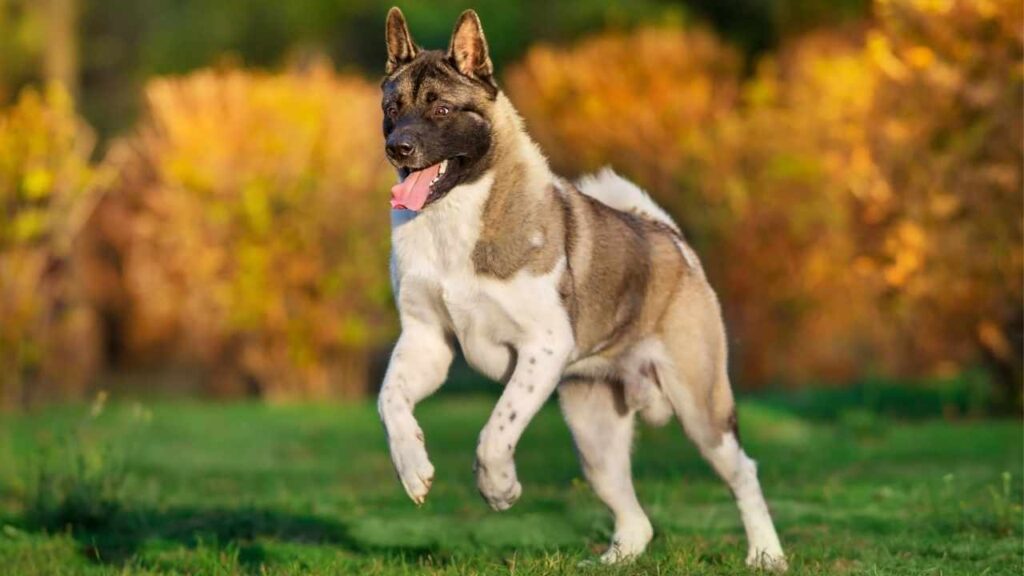
Akitas usually form deep bonds with their families and enjoy spending time close to their favorite people. Although affectionate at home, they tend to remain cautious around strangers and can become territorial without proper socialization and consistent guidance from an experienced owner.
Australian Cattle Dogs are highly driven and mentally sharp dogs that thrive when given jobs, challenges, and daily exercise. Their strong herding instincts often lead them to chase, nip, or control movement, making early obedience training extremely important, especially around children and unfamiliar animals.
While Akitas are quieter and more reserved, Australian Cattle Dogs are outgoing problem-solvers with fearless personalities and intense loyalty toward their owners. Both breeds require dedicated training, mental stimulation, and confident handling to develop into balanced companions.
Fact: Australian Cattle Dogs are often called the “rugby players of the dog world” because of their toughness, bravery, and high pain tolerance.
Health and Lifespan
The Akita is admired for its loyalty, courage, and strong protective instincts. According to Britannica, Australian Cattle Dogs are active, sturdy, medium-sized companions known for their upright ears and hardworking nature.
The Australian Cattle Dog was developed for demanding herding work and is recognized for remarkable stamina, resilience, and long-lasting vitality.
Akitas generally require careful monitoring for conditions linked to large breeds. Common concerns include hip dysplasia, thyroid disorders, eye conditions, weight gain, and the risk of bloat. Their thick double coat also sheds heavily during seasonal changes and benefits from regular brushing.
Australian Cattle Dogs often enjoy slightly longer lifespans with proper nutrition and exercise. Although their coat needs only occasional grooming, the breed can experience hip and elbow dysplasia, progressive retinal atrophy, deafness, heart issues, and patellar luxation if not responsibly bred.
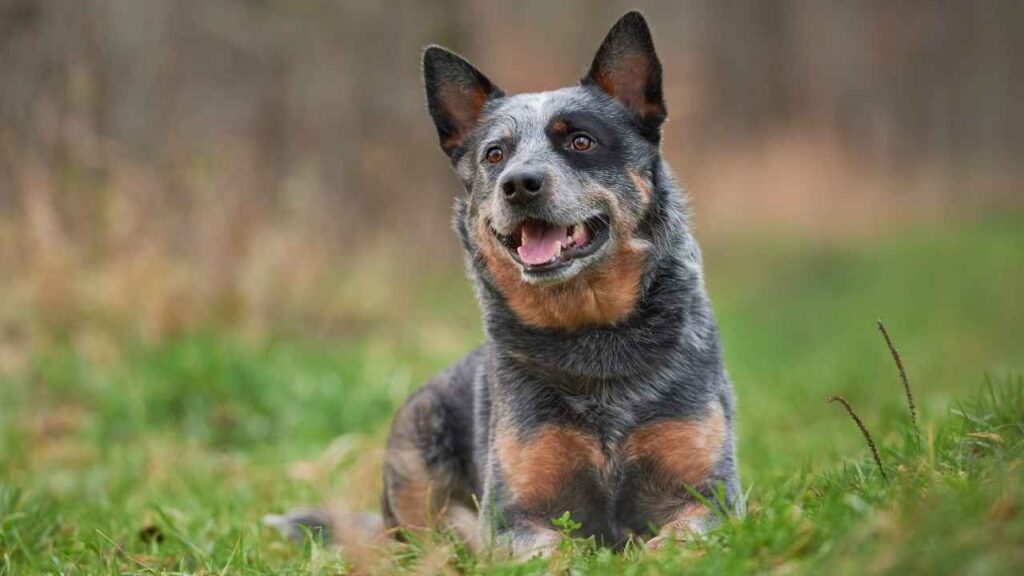
While Akitas need controlled weight management and steady health screenings, Australian Cattle Dogs thrive best with active lifestyles, lean diets, and mentally stimulating work. Both breeds benefit greatly from responsible breeding practices and consistent veterinary care throughout life.
Fact: In Japan, the Akita is traditionally viewed as a symbol of health, happiness, and long life.
Training and exercise
Training and exercise needs reveal one of the biggest differences between the Akita and the Australian Cattle Dog. While both breeds are intelligent and loyal, the Australian Cattle Dog thrives on nonstop activity and constant mental challenges, whereas the Akita prefers a calmer routine with moderate daily exercise.
Australian Cattle Dogs are energetic working companions that need regular jobs, advanced training, and active lifestyles to remain happy and well-behaved. Herding games, agility work, obedience exercises, and outdoor adventures help prevent boredom, which can otherwise lead to stubborn or destructive behavior.
Akitas, on the other hand, are more independent and reserved despite their intelligence. They benefit greatly from early obedience training and extensive socialization because of their natural guarding instincts and cautious attitude toward strangers and unfamiliar dogs.
Both breeds respond best to patient and positive training methods, but the Australian Cattle Dog is generally more eager for constant activity and structured tasks. Akitas enjoy exercise and companionship too, though they are usually calmer indoors and more selective in social interactions.
Fact: Australian Cattle Dogs were bred to work tirelessly with livestock, while Akitas were originally developed in Japan as loyal guardians and hunting companions.
Grooming Needs
The Akita Inu carries a thick double coat designed for harsh weather and outdoor activity. The Australian Cattle Dog has a shorter but highly durable coat developed to handle rough Australian terrain and demanding herding work.
Akitas require more intensive grooming because of their dense undercoat and heavy seasonal shedding. During spring and autumn, daily brushing is often necessary to remove loose fur and reduce shedding around the home, while regular ear cleaning, nail trimming, and dental care help maintain overall health.
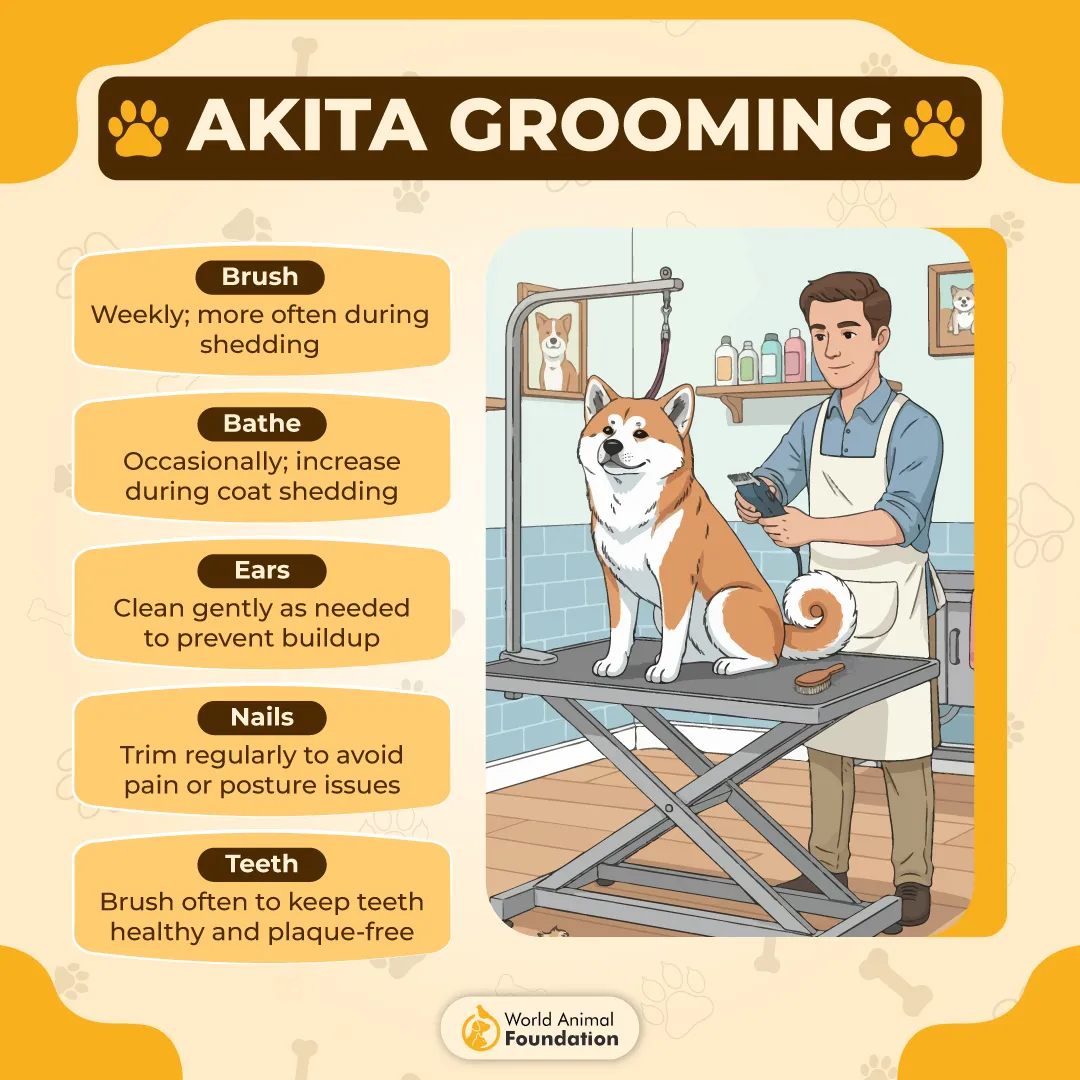
Australian Cattle Dogs have a more practical, low-maintenance coat that naturally resists dirt, water, and scratches. Although their fur appears short, they still shed regularly, especially during seasonal coat changes, when daily brushing helps control loose hair and keeps the coat looking healthy.
Both breeds benefit from occasional bathing, usually every 6 to 8 weeks or when especially dirty. However, Akitas generally demand more grooming time due to their thicker coat, while Australian Cattle Dogs are easier to maintain for active owners who prefer simpler care routines.
Fact: Australian Cattle Dogs were specifically bred with weather-resistant coats to withstand the harsh conditions of the Australian outback.
Energy Level
The Akita Inu combines strength, confidence, and moderate energy with a calm but alert personality. The Australian Cattle Dog was specifically developed for nonstop cattle work and remains one of the most energetic and driven herding breeds today.
Akitas enjoy regular activity such as long walks, hikes, play sessions, and mentally stimulating tasks. Although active and intelligent, they are generally calmer indoors and often prefer spending time close to their families while carefully observing their surroundings.
Australian Cattle Dogs operate at a much higher energy level and thrive when constantly challenged both physically and mentally. These rugged dogs excel in agility, obedience, dock diving, tracking, disc catching, and herding sports, making them ideal companions for highly active owners who enjoy outdoor activities
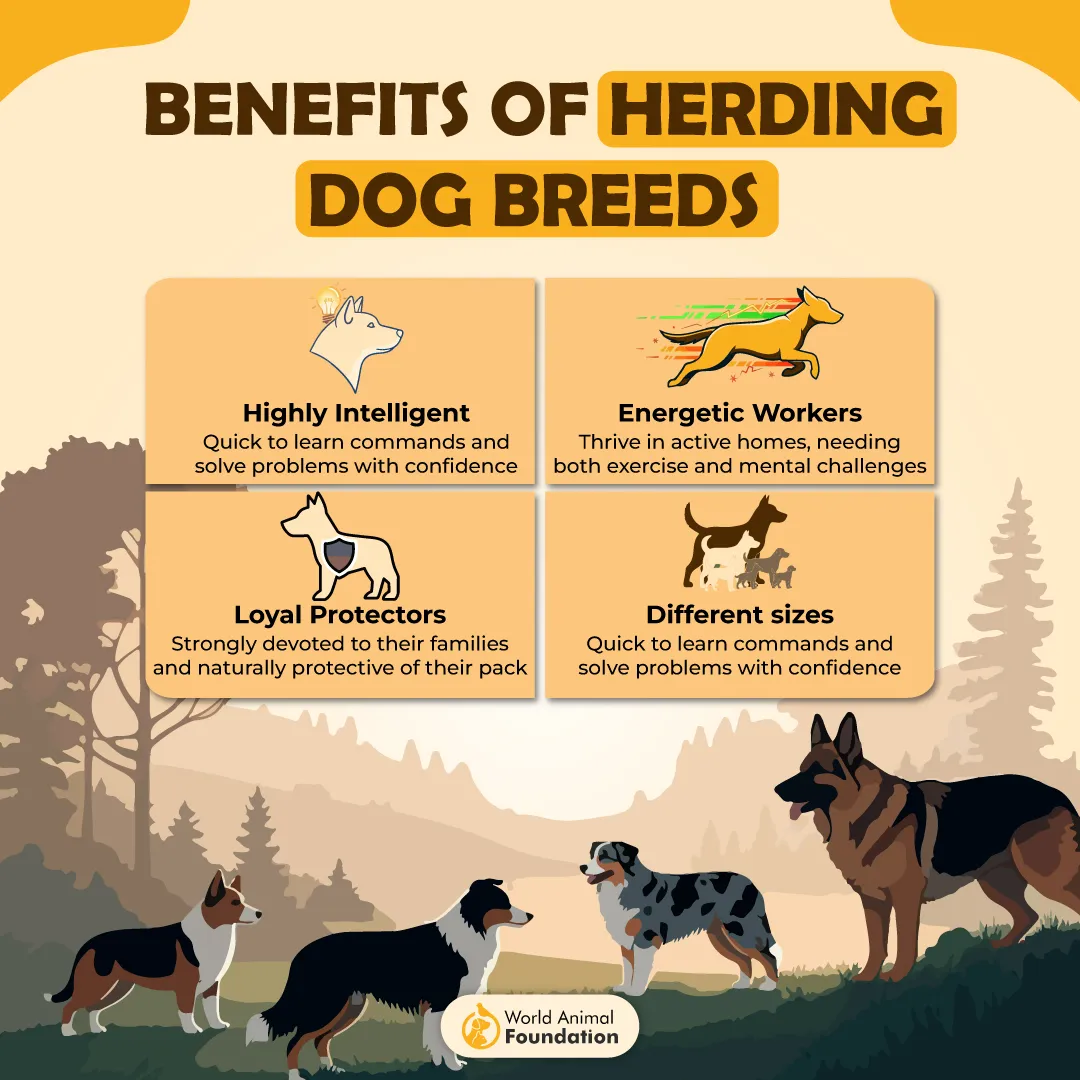
While Akitas balance exercise with quiet companionship, Australian Cattle Dogs demand near-constant engagement to avoid boredom and destructive behavior. Their intense work ethic, sharp intelligence, and endless stamina make them better suited for experienced owners able to provide structure, training, and purposeful activity every day.
Fact: An Australian Cattle Dog named Skidboot became famous for learning unusual tricks, including taking out the garbage.
Natural Guard Instincts
The Akita Inu is famous for courage, loyalty, and strong territorial instincts. The Australian Cattle Dog was originally developed to manage livestock in harsh environments and naturally combines alertness with fearless protective behavior.
Akitas are naturally reserved around strangers and deeply devoted to their families. Their imposing size, muscular build, erect ears, and quiet confidence give them a commanding presence, while their instinct to guard the home makes them highly dependable watchdogs when properly trained and socialized.
Australian Cattle Dogs approach protection differently, relying more on intelligence, quick reactions, and strong attachment to their owners. Bred to control stubborn cattle, they are naturally observant and courageous, often stepping into protective roles around family members and property without hesitation.
While Akitas usually guard through calm intimidation and territorial awareness, Australian Cattle Dogs rely on sharp instincts, speed, and relentless focus. Both breeds require experienced handling because their natural protective tendencies can become overly defensive if boundaries, training, and early socialization are neglected.
Fact: Australian Cattle Dogs were originally bred to herd livestock by nipping at the heels of cattle, a trait inherited from dingo ancestry.
Conclusion
Both breeds bring remarkable qualities, but their personalities and lifestyles suit very different types of owners. One offers calm strength, deep loyalty, and natural guarding instincts, while the other shines through endless energy, intelligence, and hardworking determination.
Their differences become especially clear in training style, grooming routines, exercise needs, and social behavior. One prefers a quieter, more independent role beside their family, while the other thrives on constant activity, challenges, and close involvement in daily tasks.
Health, coat care, and energy levels also play a major role when comparing these impressive companions. From heavy seasonal shedding to demanding physical exercise, each breed requires dedicated care and consistent attention to remain healthy and balanced.
Whether someone prefers a dignified protector or a lively herding companion, both breeds stand out for their devotion, courage, and unforgettable presence. Choosing between them depends largely on lifestyle, experience, and the type of bond an owner hopes to build.
