




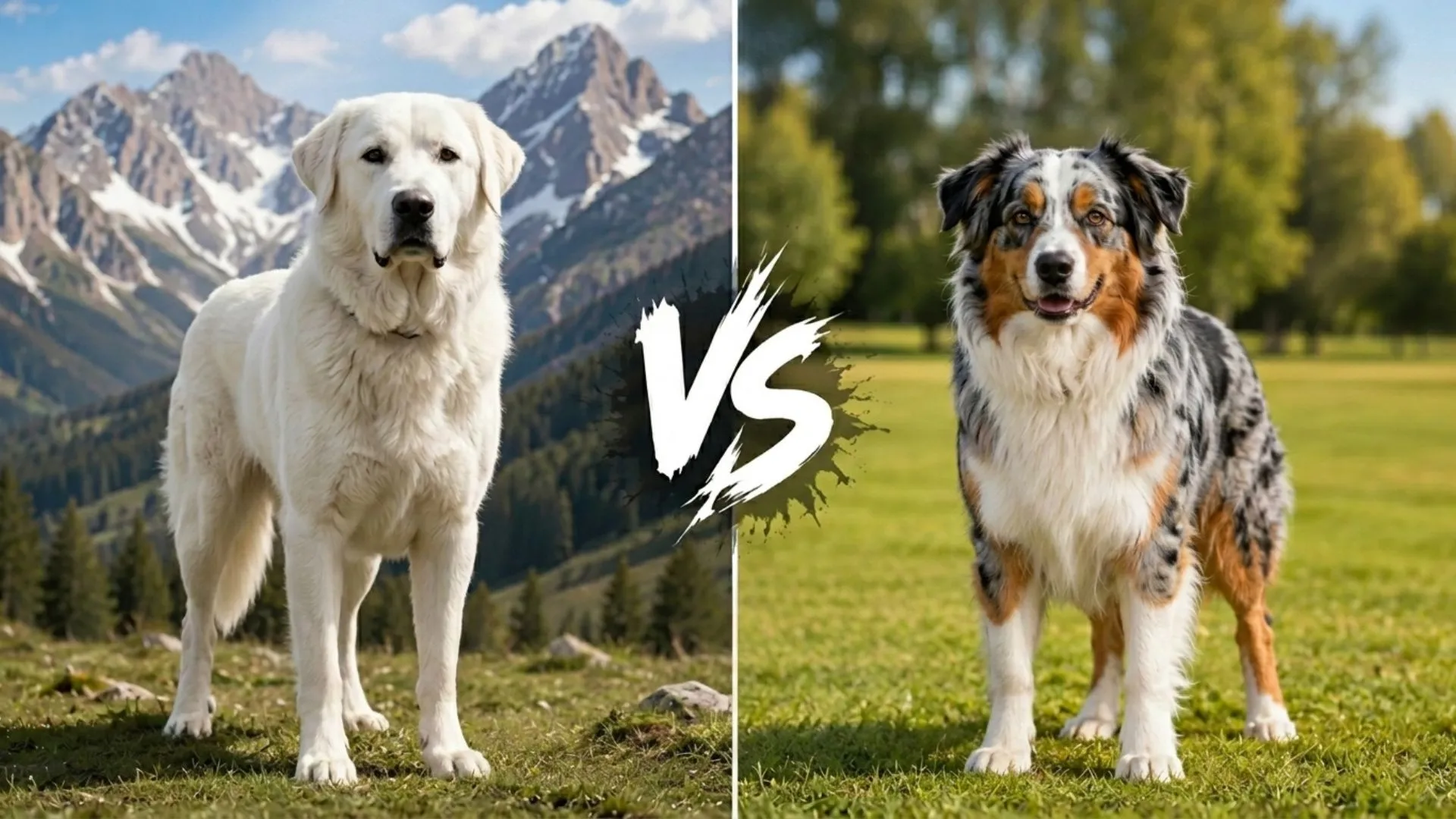
The Akbash Dog and the Miniature American Shepherd may seem like completely different breeds at first glance, yet both are admired for their intelligence, loyalty, and strong working instincts.
One was developed in Turkey as a fearless livestock guardian to protect flocks from predators. At the same time, the other emerged as a compact herding dog known for agility, trainability, and close cooperation with humans. Comparing these breeds reveals how different canine roles shape temperament, behavior, and lifestyle needs.
Although both dogs are hardworking and devoted, they approach the world in very different ways.
The Akbash is calm, independent, and naturally protective, thriving in wide open spaces where it can watch over livestock or property. In contrast, the Miniature American Shepherd is energetic, highly social, and eager to stay mentally engaged through training, play, and activity. Their unique personalities make each breed appealing to different types of owners and living environments.
Choosing between these breeds depends on your experience, lifestyle, and expectations for a companion. Factors such as exercise needs, trainability, family compatibility, and living space all play an important role.
In this guide, we’ll explore nine key differences and similarities between the Akbash Dog and the Miniature American Shepherd to help you decide which breed fits you best.
Akbash Dog vs. Miniature American Shepherd: Performance & Personality Insights
Origins & Purpose
The Akbash Dog is an ancient livestock guardian breed that originated in Turkey thousands of years ago. According to Spure Space, this breed closely resembles the more widely recognized Great Pyrenees in appearance.
This powerful guardian was developed to blend in with sheep and quietly protect flocks from predators such as wolves across the plains and mountains of western Turkey.
Unlike herding breeds, the Akbash prefers calmly watching over territory and scanning for danger from a distance. Its ancestry likely includes both mastiff and sighthound influences, giving the breed a unique mix of strength, speed, and independence that made it highly effective as a flock protector.
The Miniature American Shepherd was developed in the United States from smaller Australian Shepherds. Breeders wanted a more compact herding dog that still carried the intelligence, agility, and strong work ethic of the standard Australian Shepherd.
The breed became especially popular among horse owners and active families because of its manageable size and energetic personality. The Miniature American Shepherd earned full American Kennel Club recognition in the Herding Group in 2015.
Size & Build
The Akbash and Miniature American Shepherd differ greatly in size and structure, reflecting their original working purposes. The Akbash is a tall, lean breed, while the Miniature American Shepherd is a compact herding breed.
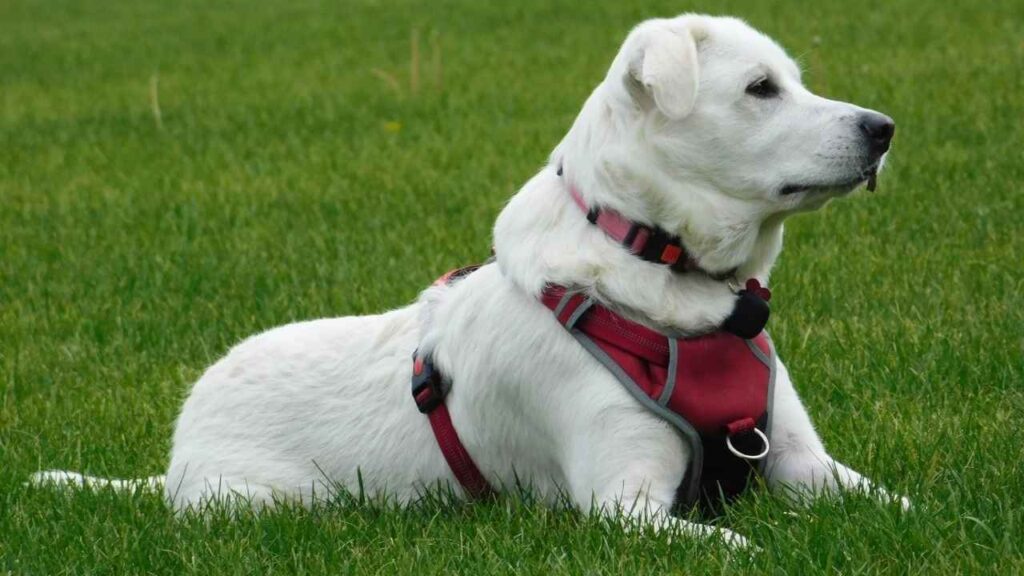
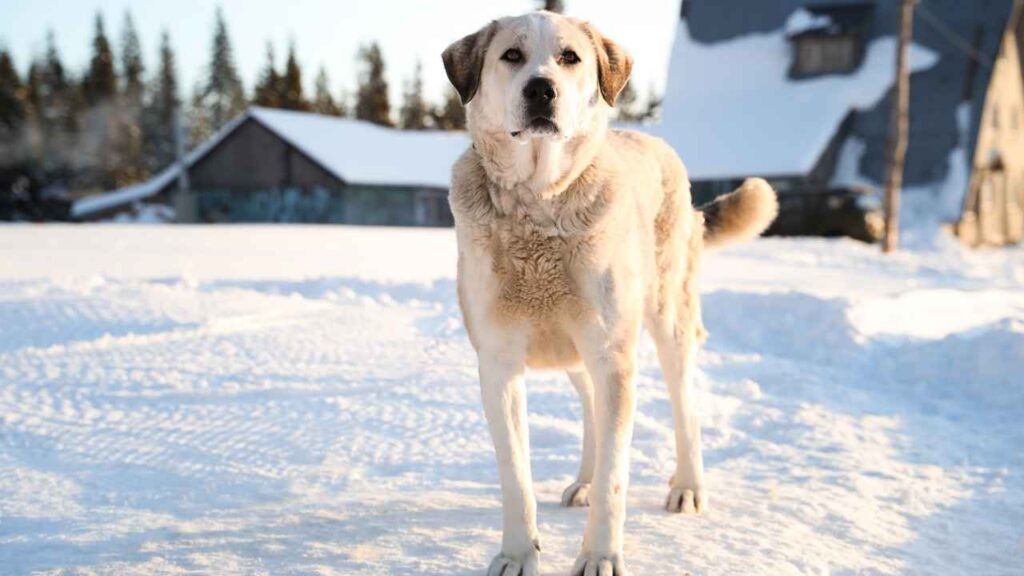
According to Hills Pet, Akbash dogs are typically white with occasional biscuit-colored markings, a coloration traditionally favored so shepherds could easily distinguish them from dark-colored predators.
The Akbash carries a large and watchful frame that helps it patrol property and guard livestock confidently. Its shaggy coat, feathered fur, and athletic body give it a slightly leaner appearance than similar guardian breeds like the Great Pyrenees.
In contrast, the Miniature American Shepherd combines agility with a smaller but sturdy build. Even with its reduced size, this breed remains energetic, highly intelligent, and physically capable, especially in active homes or dog sports that require speed and responsiveness.
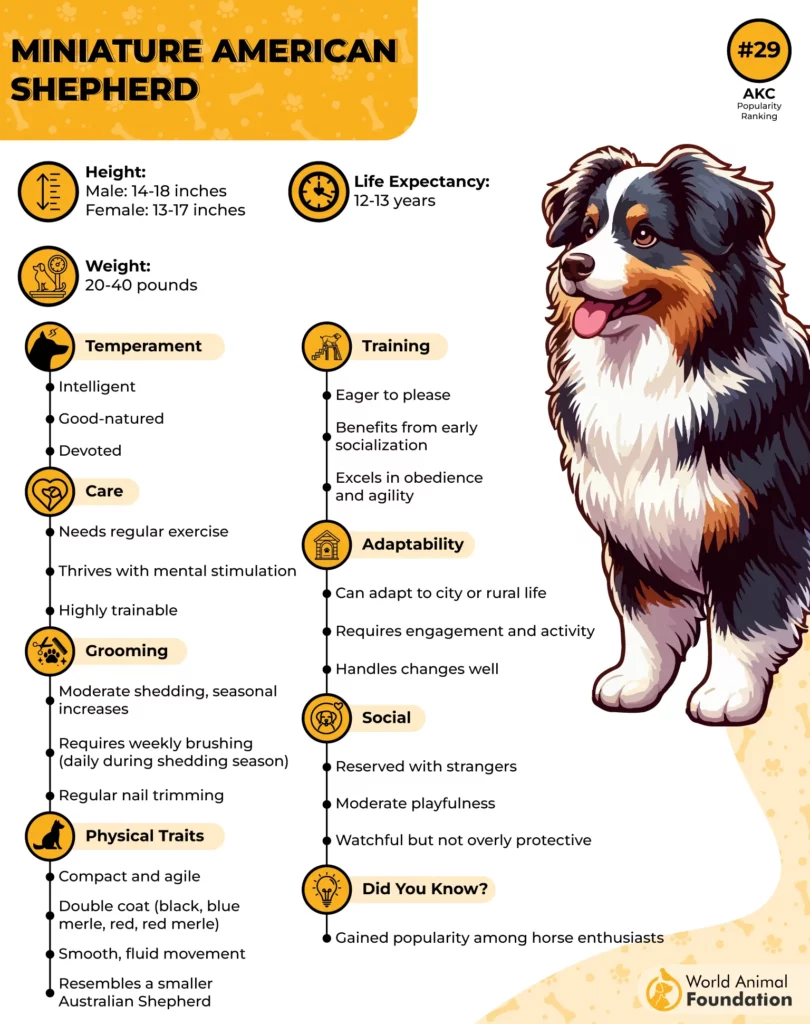
Both breeds were designed for demanding work, but their builds support very different lifestyles. The Akbash favors endurance and protection, while the Miniature American Shepherd thrives on movement, training, and close involvement with family activities.
Pricing & Availability
The Akbash Dog and Miniature American Shepherd differ greatly in availability and breeding focus, reflecting their unique working backgrounds and personalities. Akbash Dogs are commonly raised for livestock protection, while Miniature American Shepherds are more often bred as companion and herding dogs.
Akbash breeders usually place strong emphasis on working ability and early livestock exposure. Puppies may begin training with animals like goats, sheep, cows, and chickens at a young age, preparing them for guardian responsibilities before joining their new homes.
Miniature American Shepherd breeders often focus on health testing, temperament, and maintaining strong bloodlines. Because many breeders produce only a limited number of litters each year, finding an available puppy may require patience and reservations.
Both breeds are commonly sold through selective breeding programs that prioritize quality over quantity. Health screenings, DNA testing, and orthopedic evaluations are frequently included to help maintain healthy bloodlines and stable temperaments.
Temperament & Personality
The Akbash and Miniature American Shepherd, in some references, have very different personalities despite both being working breeds.
According to PetMD, Miniature American Shepherd dogs make excellent family companions because of their affectionate nature, intelligence, and friendly temperament around children and other pets.
The Akbash is calm, independent, and naturally protective, while the Miniature American Shepherd is energetic, affectionate, and eager to stay involved with family life.
Akbash dogs were developed as livestock guardians in Turkey, which explains their cautious nature around strangers and strong instinct to protect territory and loved ones. They often prefer making decisions on their own and may bark loudly when they sense unusual activity or possible danger nearby.
The Miniature American Shepherd thrives on companionship, interaction, and mental stimulation. This breed usually enjoys being around children, other pets, and familiar people when properly socialized from an early age. Their alertness and intelligence also make them excellent watchdogs without being overly aggressive.
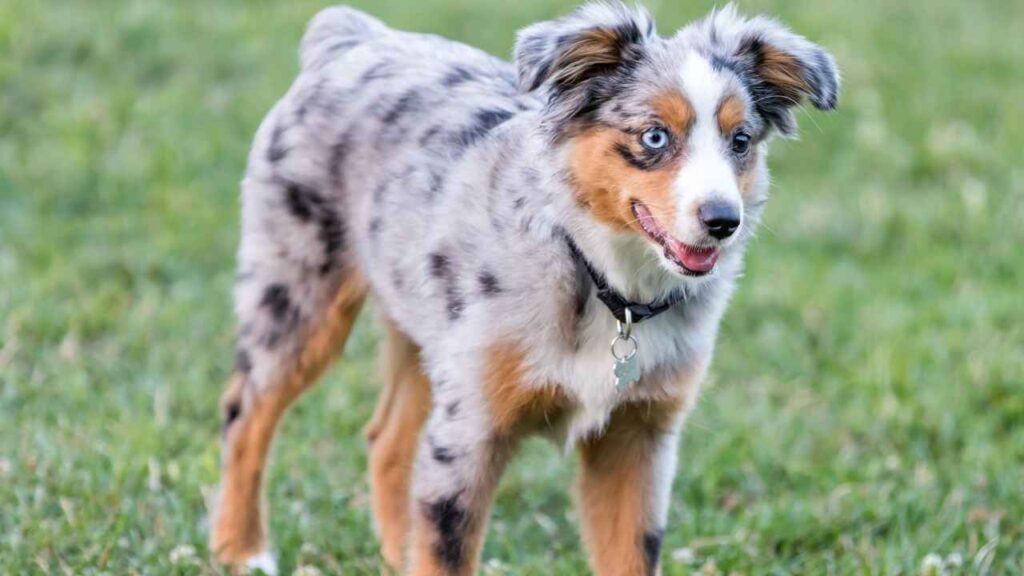
While the Akbash may suit experienced owners wanting a dependable guardian, the Miniature American Shepherd is often a better fit for active households seeking a playful and trainable companion.
Exercise Needs & Energy Level
The Akbash Dog and Miniature American Shepherd have very different activity styles despite both being hardworking breeds.
Akbash dogs usually have a calmer energy level and prefer steady activity over nonstop movement. Daily walks, hiking, and light jogging help keep them healthy, though they are often content watching their surroundings from a quiet spot instead of constantly running around.
The Miniature American Shepherd has much higher energy and needs frequent physical exercise along with mental stimulation. Indoor fetch games, obstacle courses, puzzle toys, treadmill walks, and hide-and-seek activities help this intelligent breed stay entertained and prevent boredom-related behavior.
Both breeds benefit from structured routines, but the Miniature American Shepherd typically demands more active engagement throughout the day.
Trainability & Obedience
The Akbash and Miniature American Shepherd show very different approaches when it comes to trainability and obedience. The Akbash has an independent personality, while the Miniature American Shepherd is a highly responsive herding breed known for eagerness and quick learning.
Akbash dogs can understand commands well, but their stubborn and self-reliant temperament may make training more challenging for inexperienced owners. Early socialization, consistency, and positive reinforcement with praise or treats are especially important to help manage their territorial instincts around strangers and unfamiliar dogs.
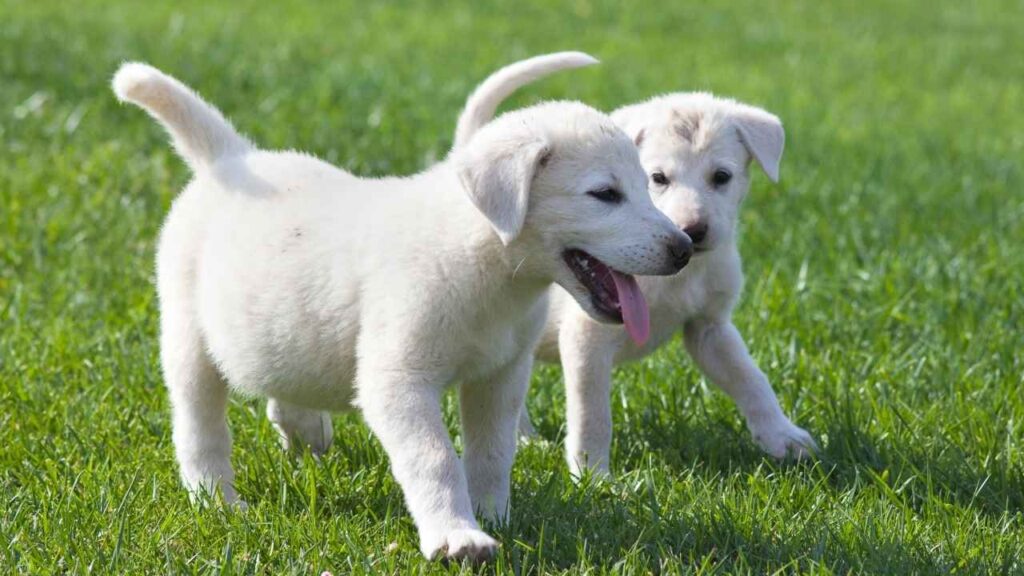
The Miniature American Shepherd usually learns commands quickly and enjoys mentally stimulating activities such as obedience work, agility, and puzzle games. Their biddable nature often makes training smoother, though they still require structure and regular engagement to prevent boredom-related behaviors like excessive barking.
Both breeds benefit from early training and socialization, but their motivations differ greatly. The Akbash tends to think independently, while the Miniature American Shepherd thrives on teamwork and interaction with its owner.
Grooming Needs & Shedding
The Akbash Dog has a thick protective coat that needs regular maintenance to stay healthy and clean. Weekly brushing helps remove loose fur and keeps feathered areas from developing painful tangles or mats, especially around the legs and tail.
During spring and fall shedding seasons, Akbash dogs often lose much more fur than usual, making daily brushing helpful for keeping loose hair under control. Monthly baths, routine nail trimming, weekly ear checks, and daily dental care are also important parts of their grooming routine.
The Miniature American Shepherd also has moderate grooming needs but tends to be slightly easier to manage overall. Their medium-length coat sheds regularly and benefits from brushing several times a week to reduce loose hair and maintain a tidy appearance.
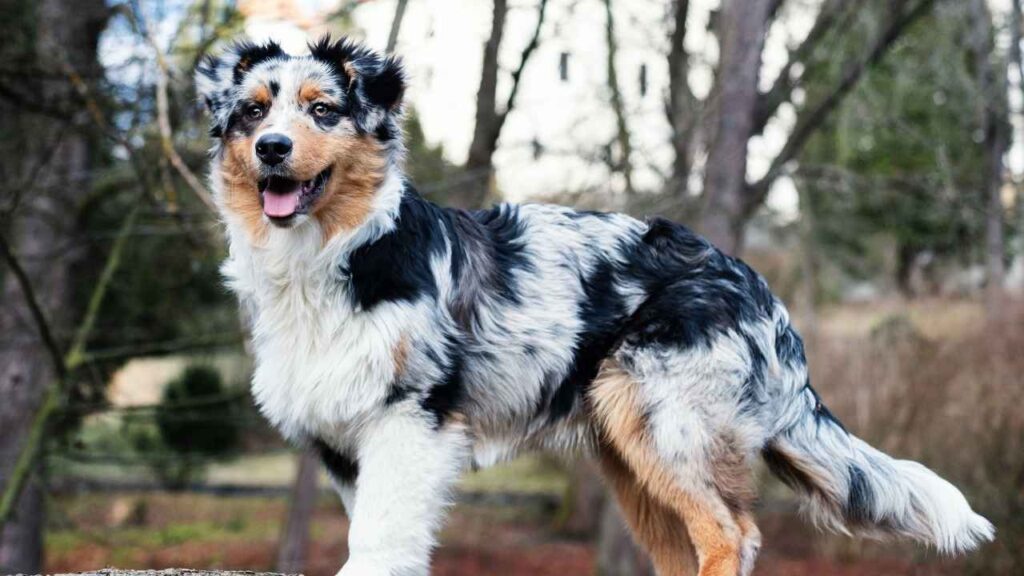
Beyond coat care, this intelligent herding breed thrives with training and mental stimulation. Puzzle games, obedience work, and early socialization help prevent boredom and unwanted behaviors like excessive barking or wandering.
Guarding Instincts & Alertness
The Akbash Dog is known for its calm confidence and natural protective instincts. In comparison, the Miniature American Shepherd is a compact working breed valued for intelligence, alertness, and strong herding awareness.
Akbash Dogs were developed to guard sheep and livestock rather than herd them. Their white coat helped them blend into flocks while quietly watching for predators. These dogs stay calm and observant, often lying silently while scanning their surroundings for unusual movement or danger.
The Miniature American Shepherd approaches protection differently. Instead of relying on size and intimidation, this energetic breed uses quick reactions, vocal alerts, and strong awareness of its environment. They are often reserved with strangers and naturally act as dependable watchdogs around the home.
While the Akbash tends to be territorial and highly independent, the Miniature American Shepherd is more people-focused and adaptable to active households. Both breeds show loyalty toward family, though the Akbash matures slowly and can take several years to fully develop mentally and physically.
Health & Lifespan
The Akbash Dog and Miniature American Shepherd differ noticeably in health concerns and average lifespan, making long-term care an important part of this comparison. While both breeds can live healthy lives, responsible breeding and regular veterinary care play a major role in their overall well-being.
The Akbash is generally sturdy but can be vulnerable to several inherited conditions, including hip dysplasia, cruciate ligament injuries, hypothyroidism, epilepsy, kidney disease, and dangerous stomach bloat. Some may also develop heart disease, lymphoma, or osteosarcoma, which is why genetic testing and health screening are strongly recommended.
Miniature American Shepherds usually enjoy a slightly longer lifespan and are considered fairly healthy overall. However, the breed can still face issues such as luxating patella, glaucoma, progressive retinal atrophy, retinal dysplasia, pediatric cataracts, drug sensitivity, and certain heart conditions.
Choosing a breeder who performs OFA, PennHIP, and genetic health testing helps reduce the risk of inherited disorders in both breeds.
Conclusion
The Akbash Dog and Miniature American Shepherd each bring unique strengths, personalities, and working abilities to the table. One stands out for calm guarding instincts and protective loyalty, while the other shines through intelligence, energy, and eagerness to stay involved with family activities.
Their personalities also differ in everyday life. The Akbash tends to be independent, watchful, and naturally cautious around unfamiliar situations, whereas the Miniature American Shepherd is playful, social, and highly responsive to training and interaction.
Health, exercise, and lifestyle needs are also important when comparing these breeds. Both require responsible breeding, proper socialization, mental stimulation, and consistent care to remain healthy, confident, and well-adjusted companions.
Choosing between these breeds depends largely on your home environment, activity level, and what qualities matter most to you in a canine companion. With proper guidance and attention, either breed can become a loyal and rewarding member of the family.
