




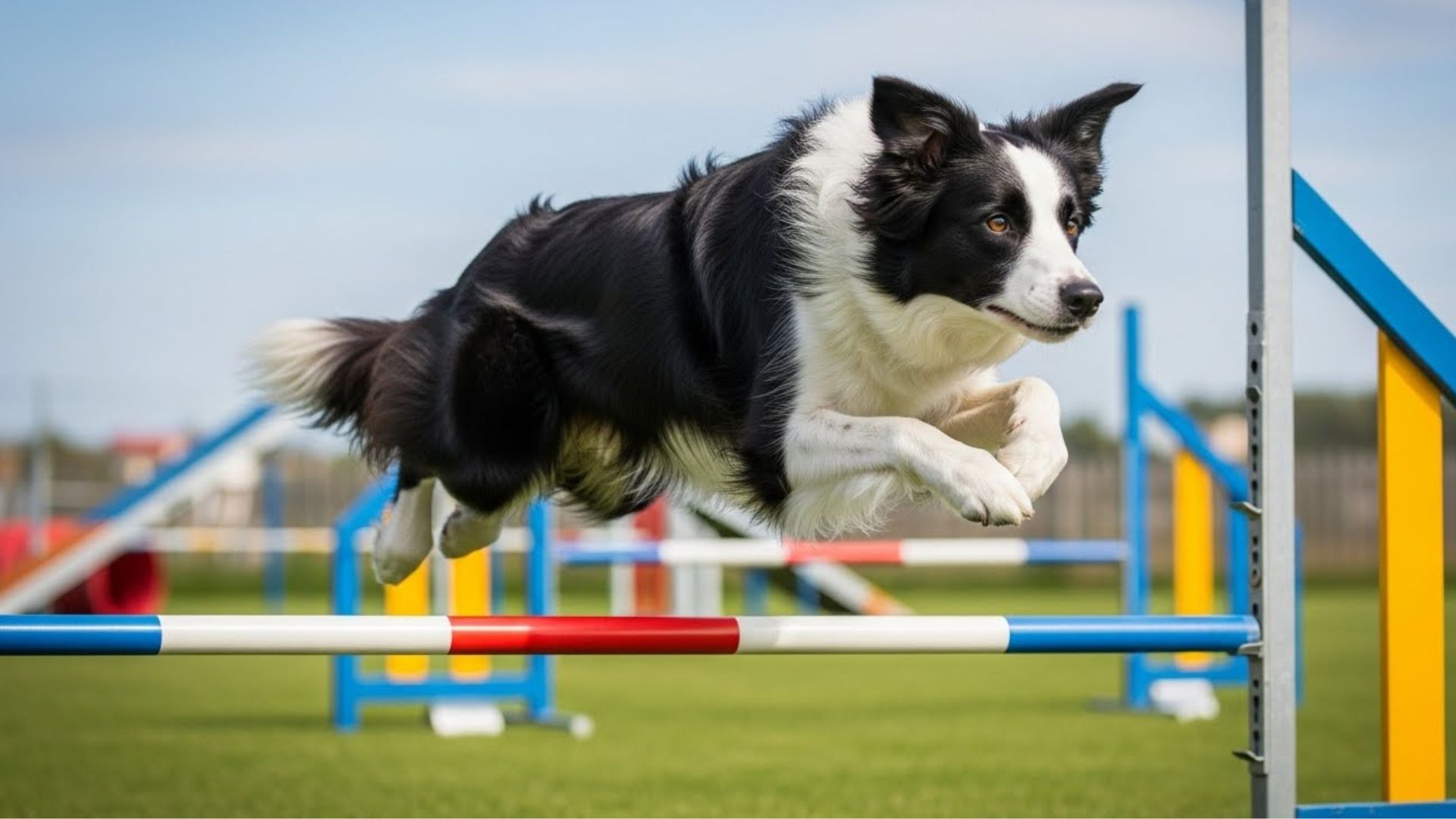
Picture this: you and your dog take the start line. The whistle blows. Your pup zooms through tunnels, jumps over bars, weaves through poles, and squeaks through an obstacle course like a tiny furry rocket.
This is dog agility — fast, fun, and full of energy!
According to PetMD, agility training is like a CrossFit® workout for dogs, making their body strong and minds sharp while having a blast with you.
And that’s not all.
Agility helps you and your dog build a deeper bond and gives both of you a healthy dose of movement and play.
Here’s what you’ll learn in this guide:
What makes dog agility so exciting
Why some pups naturally love this challenge
How agility training helps your dog stay strong and happy
Agility is more than a sport. It’s a way for active dogs to shine and for families to share joyful moments. So let’s explore the top agility dog breeds that bring speed, smarts, and pure joy to the ring!
Top Agility-Focused Dog Breeds You Need to Know
1. Border Collie
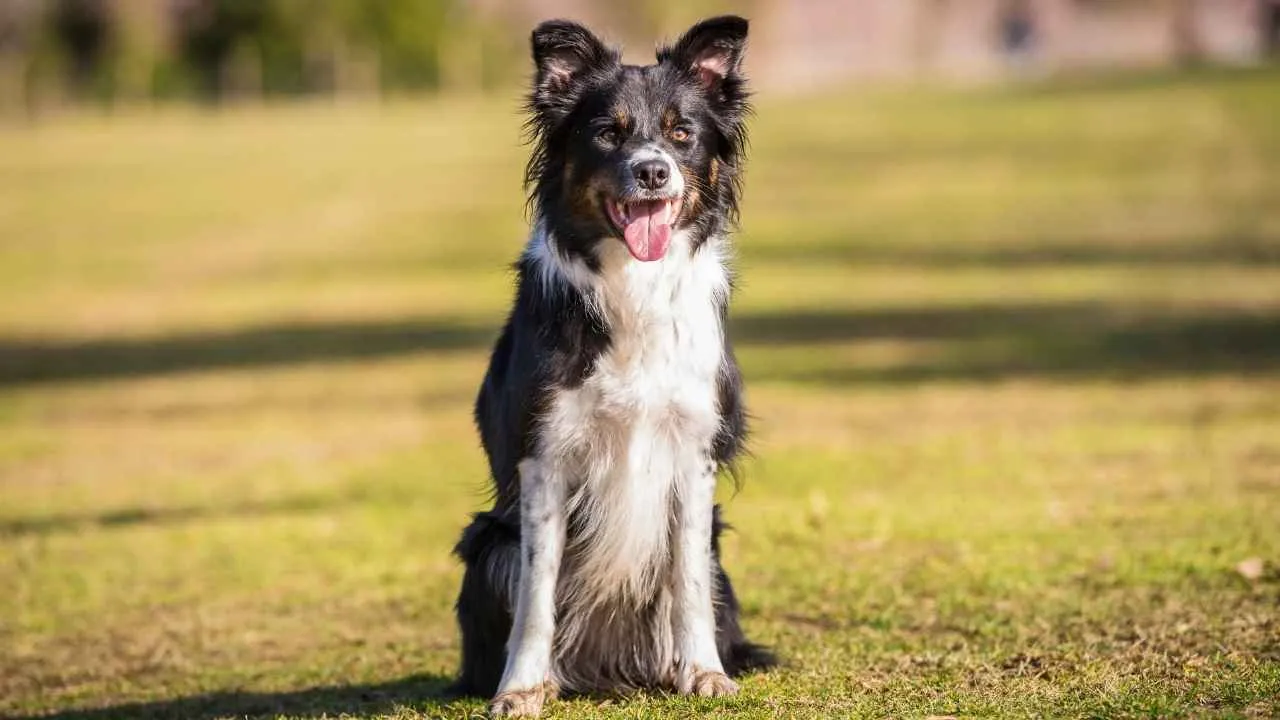
Yes, the Einstein of the dog world proudly takes number one on our list.
When people talk about smart agility dogs, this breed always leads. The Border Collie is famous for lightning-fast thinking and focus. That sharp mind helps them read obstacles in seconds. On agility courses, quick decisions matter more than raw speed. This is where true problem-solving shines.
Border Collies were originally bred to control livestock using intelligence rather than force — not just strength. Their history in working fields still shapes how they move over obstacles like tunnels, jumps, and weave poles.
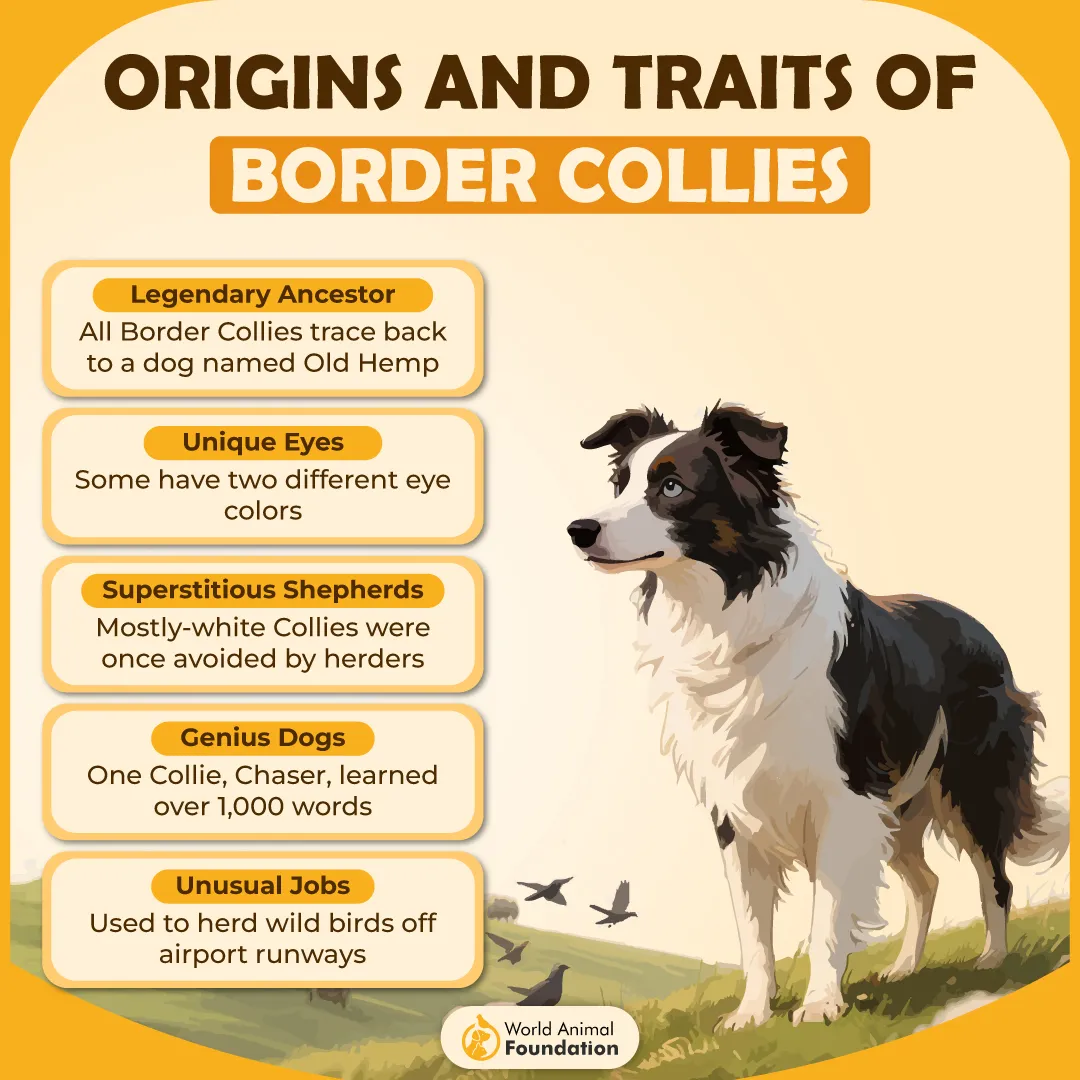
As Wikipedia explains, Border Collies developed a strong working bond with humans while herding sheep, which makes them eager to listen and work as a team in sports like agility. That natural desire to cooperate gives them a special edge during agility training and competitions.
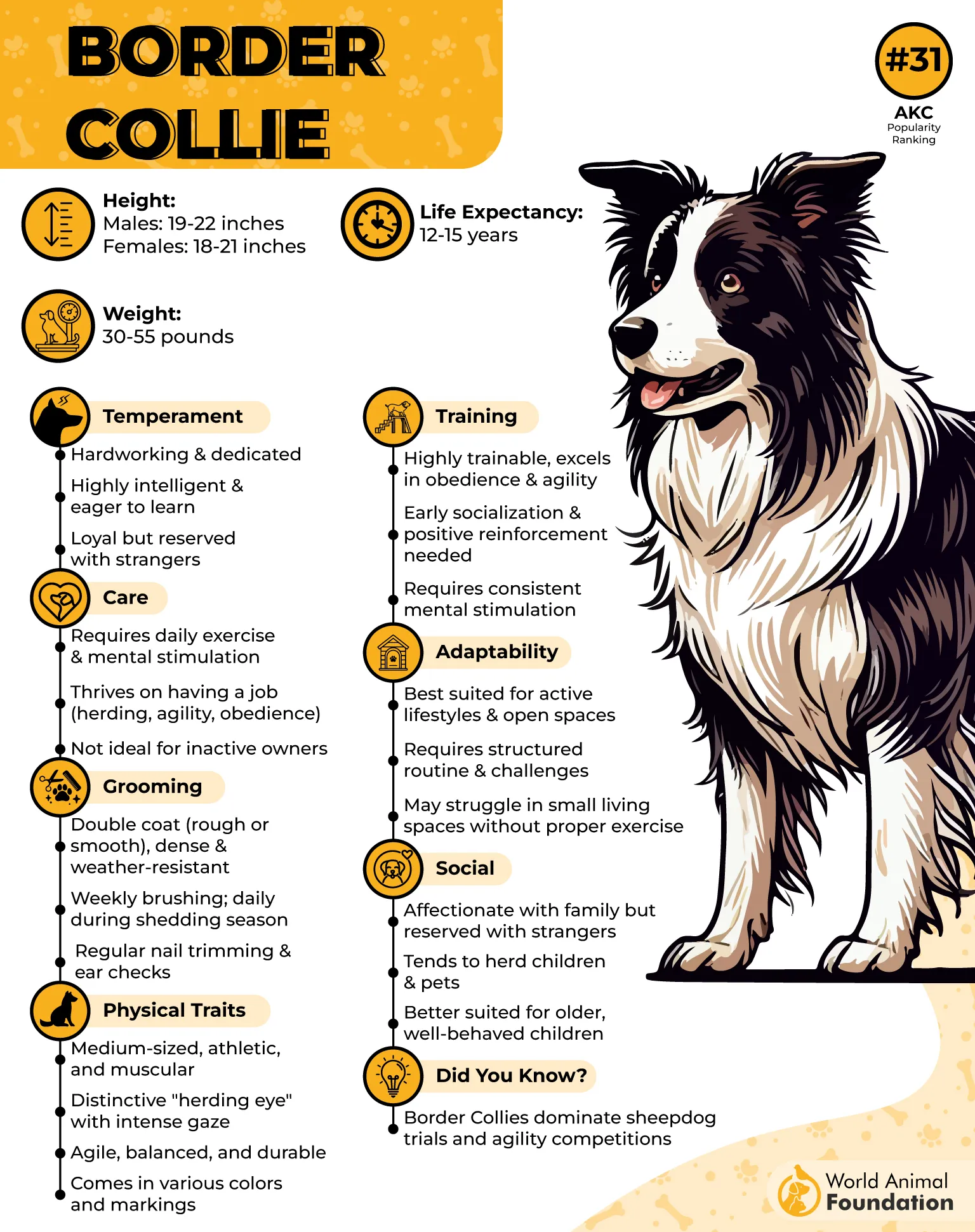
Because of this mix of brains and drive, many Border Collies become true agility champions. They are not just fast. They are thoughtful, focused, and precise.
Extra traits that set them apart:
Amazing stamina for long workout days
Intense focus that helps handlers communicate
Smooth runs in busy agility competitions
Fast learning with repeated cues
This is why the Border Collie remains one of the most athletic dog breeds for families and serious competitors alike.
2. Jack Russell Terrier
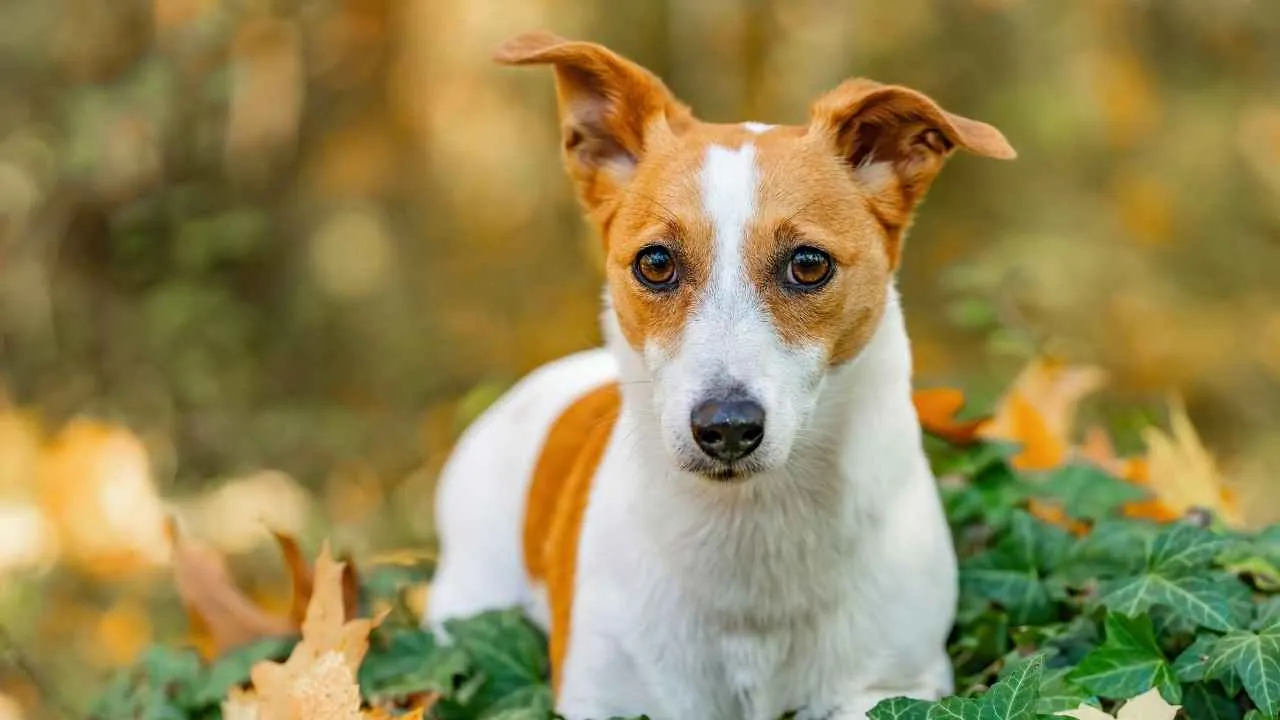
Meet the tiny powerhouse of the agility world!
These little dogs prove that size doesn’t matter when it comes to speed and spirit. Jack Russell Terriers are bold, fast, and full of energy — the perfect combo for exciting runs in tight, twisty agility courses.
According to PDSA, Jack Russells are lively, confident dogs who love to run and chase — always ready for action in active homes. They are clever and loyal, which makes training fun and rewarding.
Because they were originally bred for fox hunting, Jack Russells developed a compact, muscular build that helps them squeeze through tight spaces and turn sharply with ease. Their small frame doesn’t slow them down — in fact, it helps them dart, weave, and leap with surprising power.
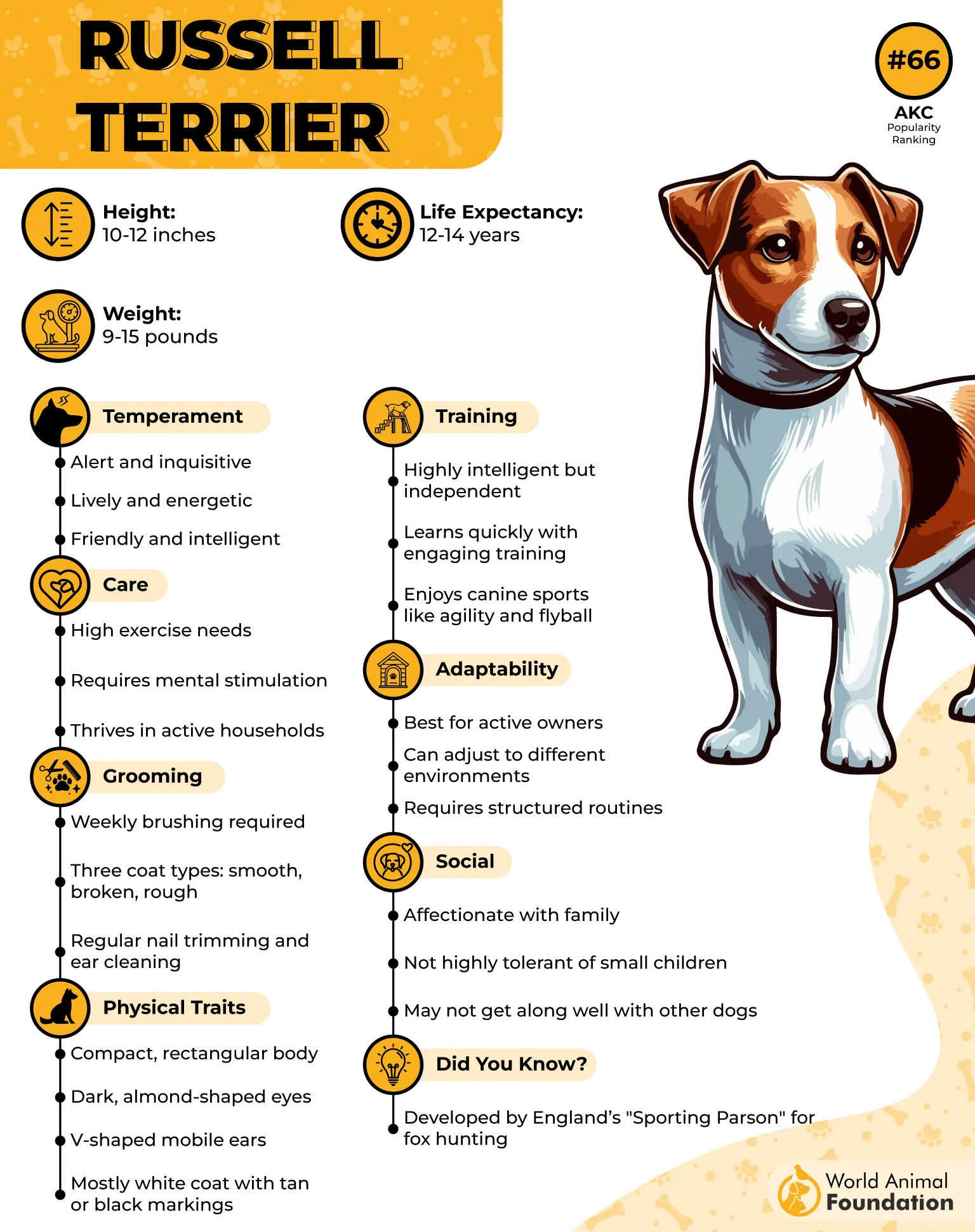
Despite their small size, these puppies have a strong jumping ability that often surprises first-time handlers. A dynamic connection between dog and handler is one of the best parts of agility with a Jack Russell.
These pups thrive on interactive training and respond well to confident, upbeat guidance that keeps the pace fun and fast. Their high energy level means sessions are never boring — and their spirited attitude makes every sharp turn feel exciting rather than challenging.
Why Jack Russells shine in agility:
Compact and agile, perfect for tight courses
Quick reactions during fast obstacles
Surprisingly powerful jump for their size
High energy keeps training fun and engaging
Strong bond with handlers boosts teamwork
Jack Russells may be small, but they bring big fun to the agility ring!
3. German Shepherd
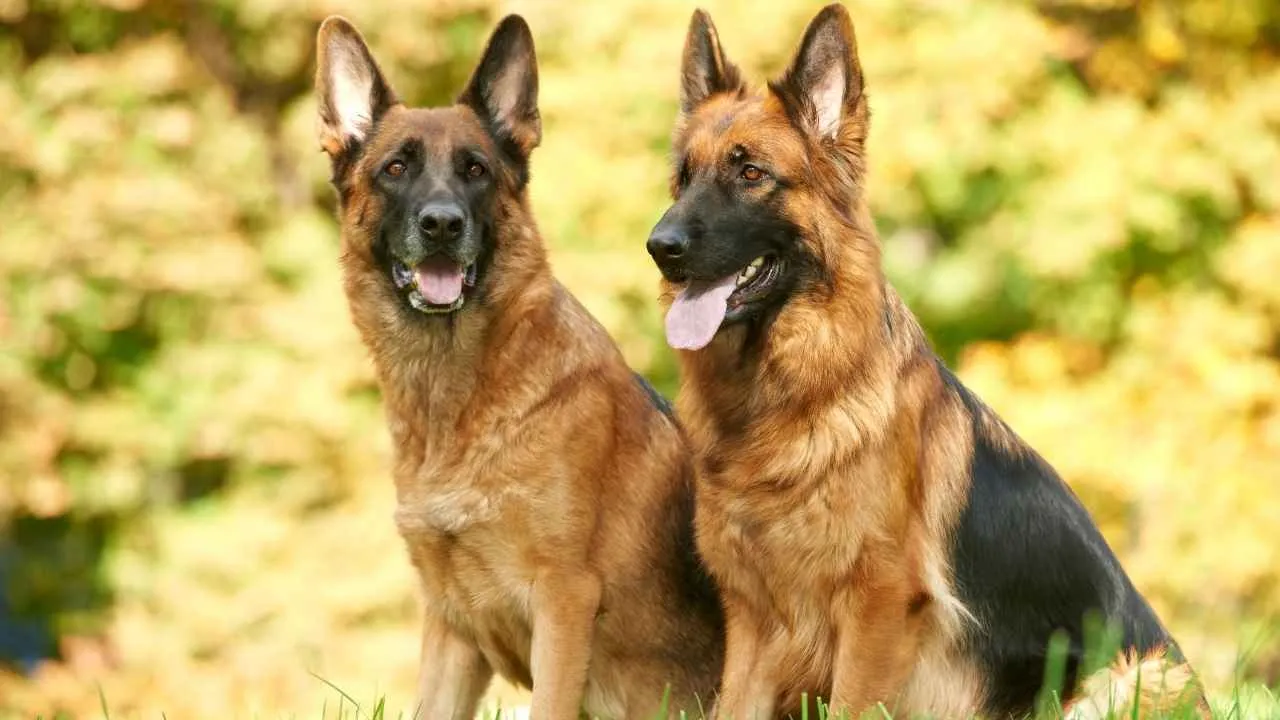
The German Shepherd stands out in agility because of its strong physical structure, high obedience, and disciplined mindset. This breed has a powerful and balanced frame that supports natural athleticism, allowing smooth movement, controlled landings, and steady pacing across agility obstacles.
German Shepherds respond extremely well to structured training routines, which makes them dependable during agility work where timing and accuracy are critical.
Their excellent obedience helps handlers guide them through complex courses with confidence, especially when precise commands are required under pressure. With proper training, German Shepherds develop into reliable agility dogs that maintain focus throughout long training sessions.
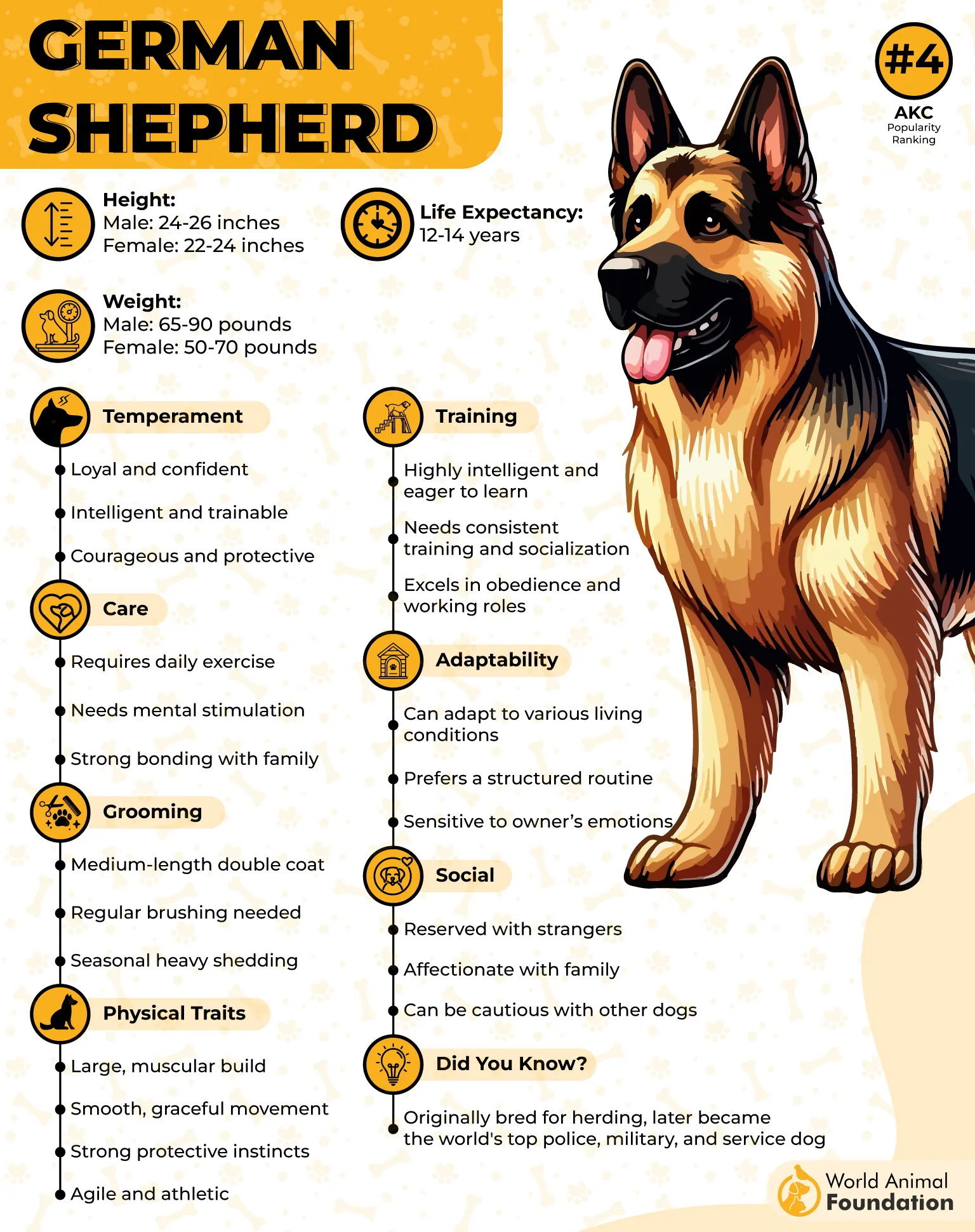
Their mental discipline allows them to repeat patterns without losing concentration, which is especially important during extended practice or competitive runs. German Shepherds also perform well in environments shared with other dogs.
They remain composed and focused during competitions, even when distractions are present. Their disciplined nature and responsiveness to training make them well-suited for organized canine sports settings.
Key strengths of German Shepherds in agility:
Strong frame that supports athletic movement
High obedience during structured training
Sustained mental focus in long sessions
Calm and controlled behavior around other pets
4. Australian Shepherd
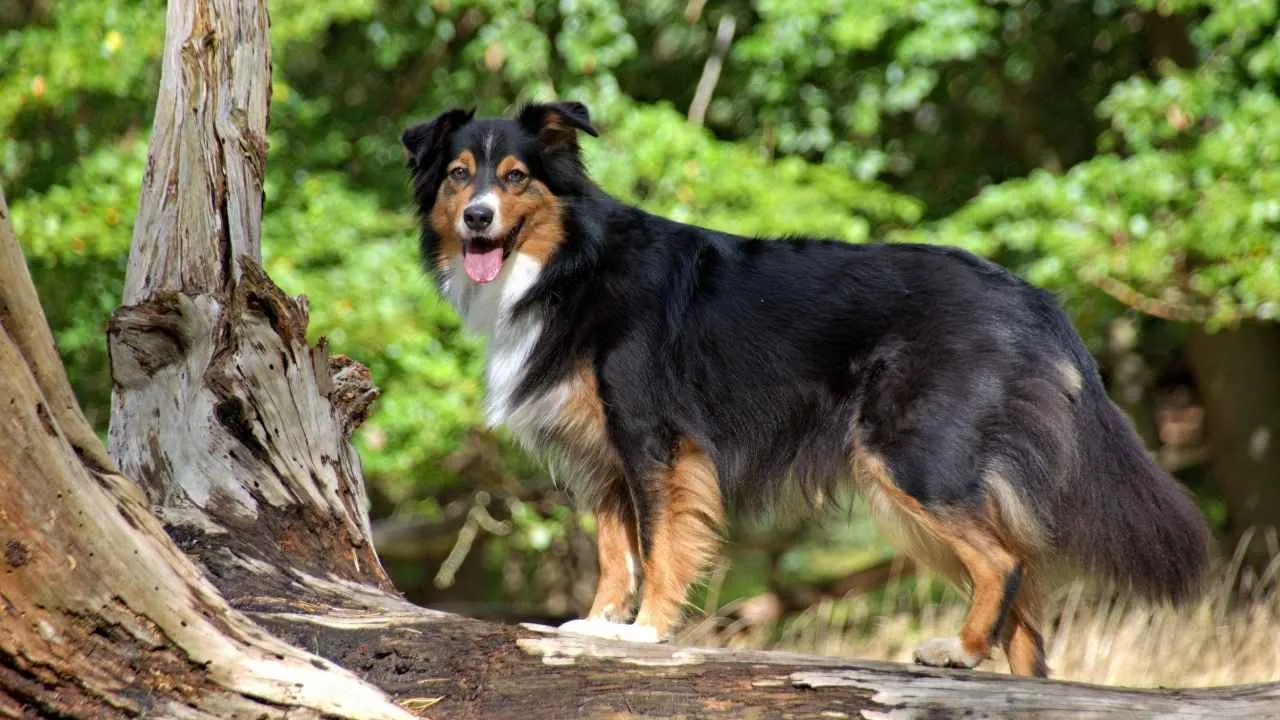
The Australian Shepherd is widely respected for its strong work ethic and impressive stamina. Among herding breeds, this dog is known for endurance rather than short bursts of speed. That endurance allows the breed to stay focused and physically capable during demanding agility activities.
The Australian Shepherd was developed as a hardworking herding dog with the ability to stay active for long periods without tiring easily. This natural endurance carries over into agility training, where the breed can handle long routines and repeated drills without losing energy or focus.
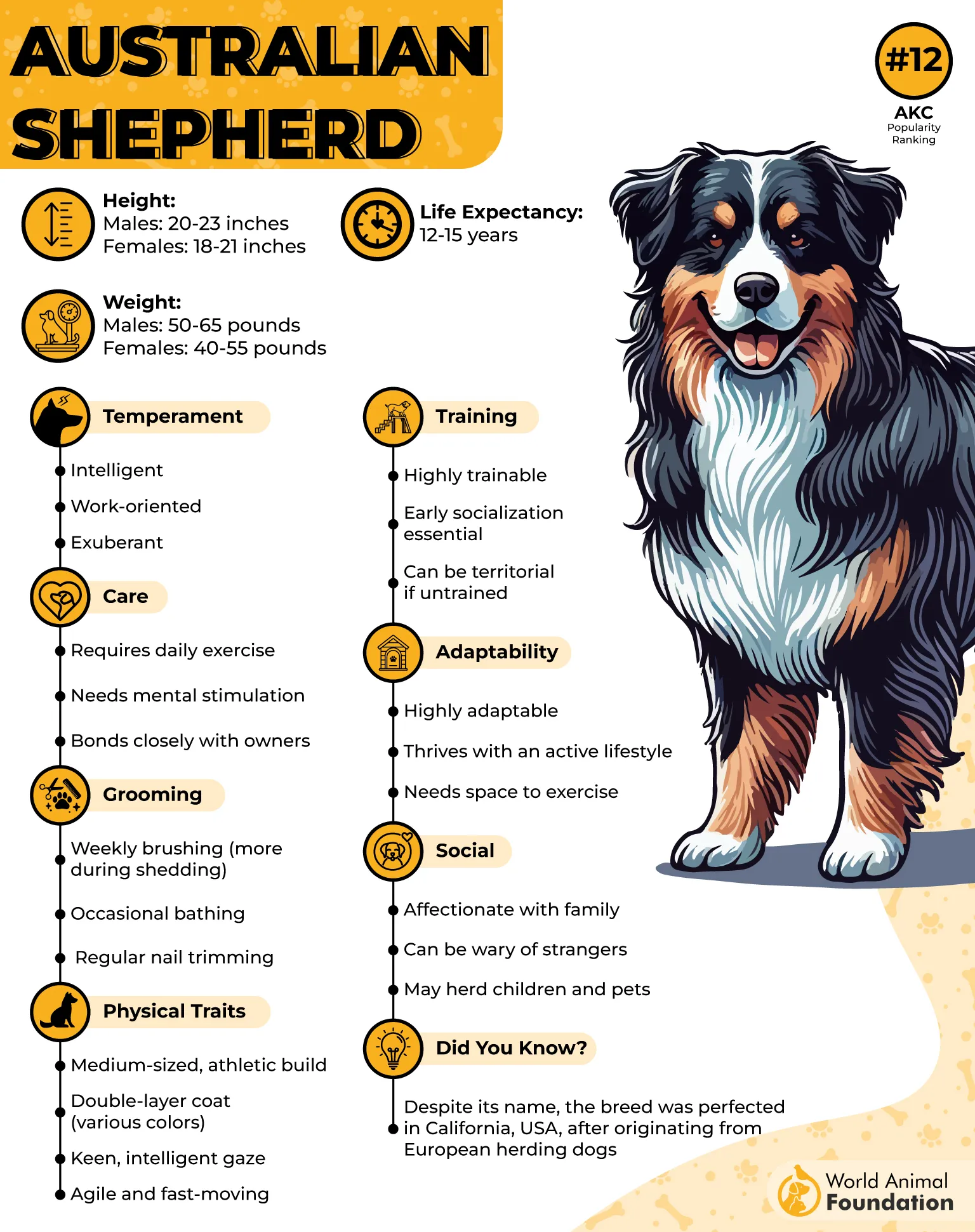
Australian Shepherds also thrive in structured agility classes. Their willingness to work and stay engaged helps them perform consistently across multiple exercises. High stamina supports repeated runs on the course, which is especially valuable during competitions or extended practice sessions.
Because of this energy and endurance, these Shepherds are a great match for families with an active lifestyle. They fit best in homes where regular activity, movement, and training are part of everyday life.
Why Australian Shepherds excel in agility work:
Strong endurance compared to many other breeds
Ability to handle long agility training routines
Consistent performance across repeated runs
Natural fit for active, movement-focused families
5. Whippet
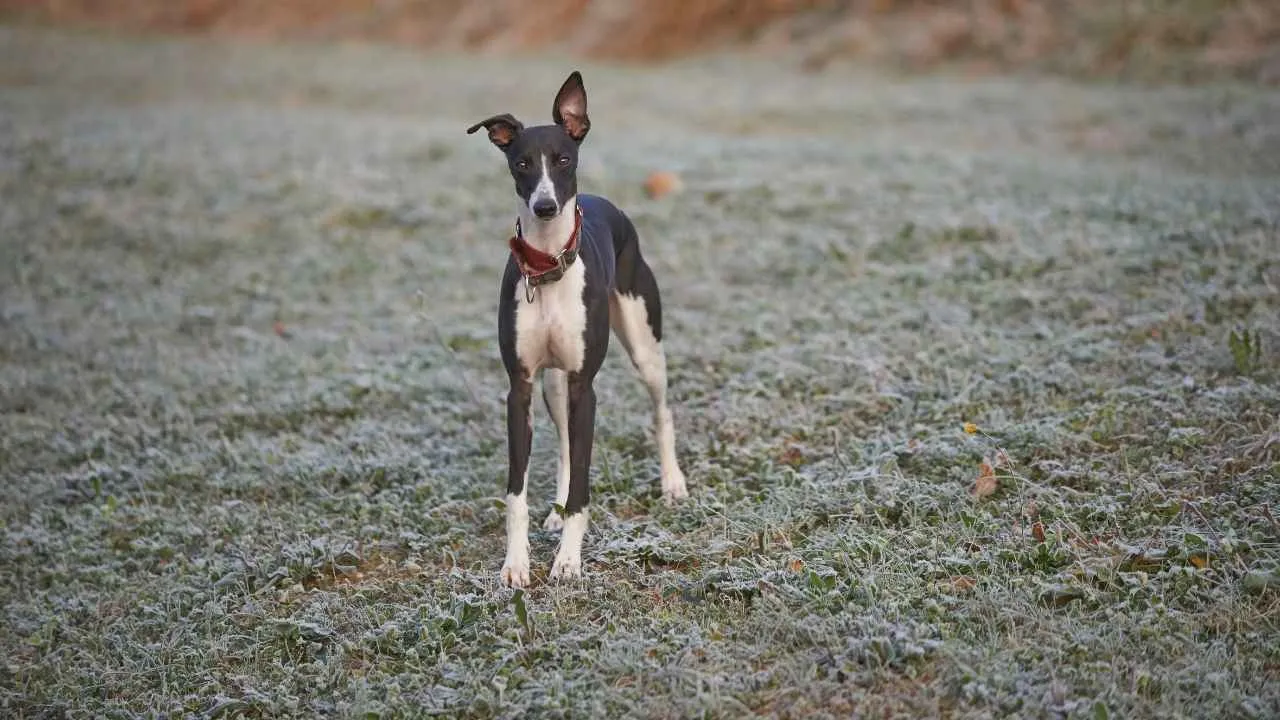
The Whippet is all about speed paired with control. This breed is built for fast movement and clean, efficient lines, which makes it stand out on agility courses. Its slim body and flexible spine allow it to accelerate quickly while staying balanced through every obstacle.
Whippets move smoothly through the agility ring obstacles because their bodies are designed for precision as much as speed. Natural balance helps them stay steady on weave poles, even when moving at a rapid pace.
Unlike some fast dogs that rush, Whippets maintain calm focus, which allows them to stay accurate despite their quick pace.
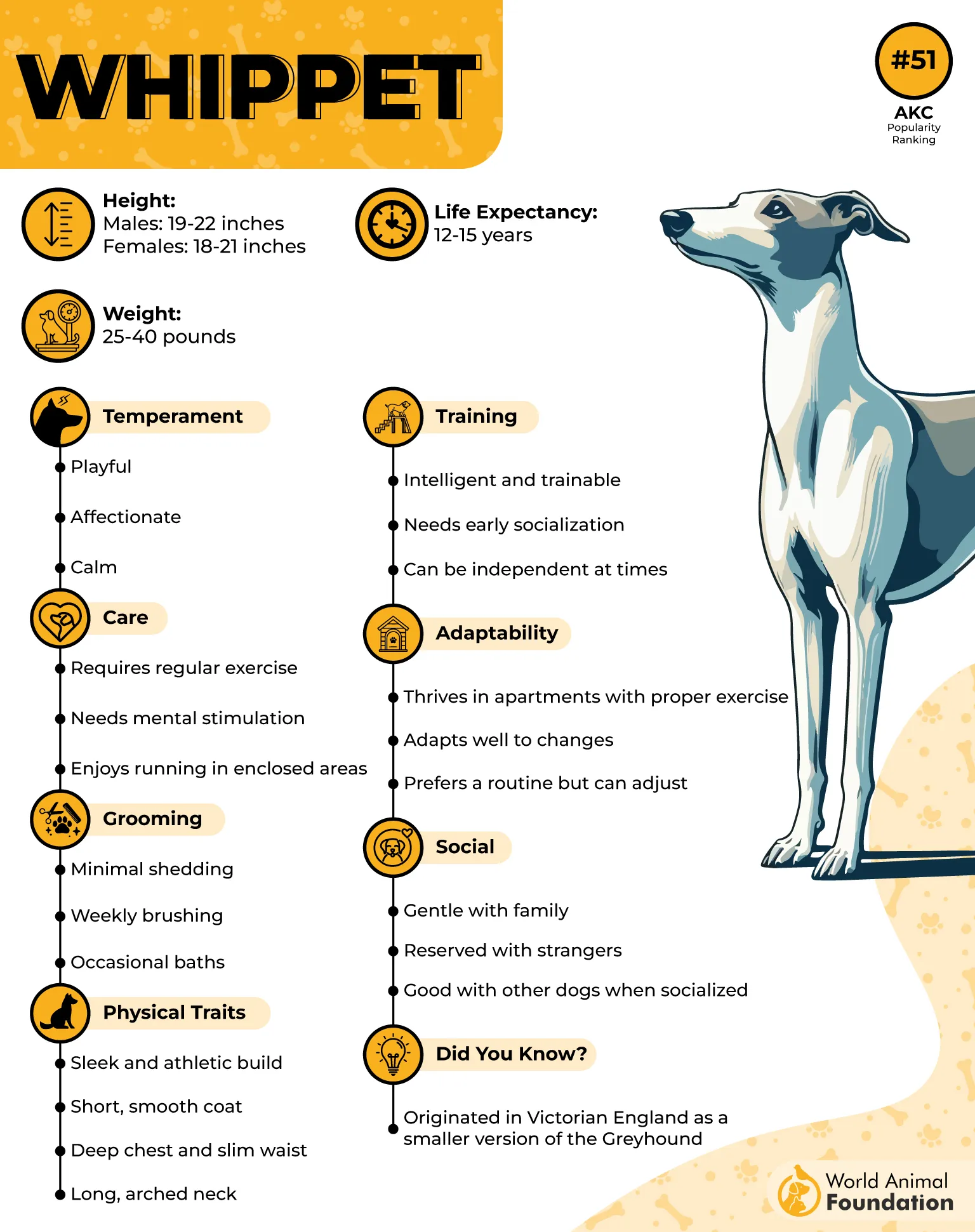
Whippets are known for combining speed with grace, which makes them well-suited for activities that require both quick movement and body control. This blend turns them into a quiet but most athletic dog breed that performs efficiently rather than loudly or impulsively.
Why Whippets perform well in agility:
Built for fast, fluid movement
Smooth control through agility obstacles
Natural balance supports clean weaving
Calm focus even at high speeds
Did You Know?
Whippets are often called the fastest dogs of their size. They can reach speeds close to 35 miles per hour, which explains why this breed excels in sports that reward quick acceleration and sharp control. This natural speed, combined with their ability to stay composed, gives them a unique advantage in agility events where precision matters just as much as pace.
6. Shetland Sheepdog
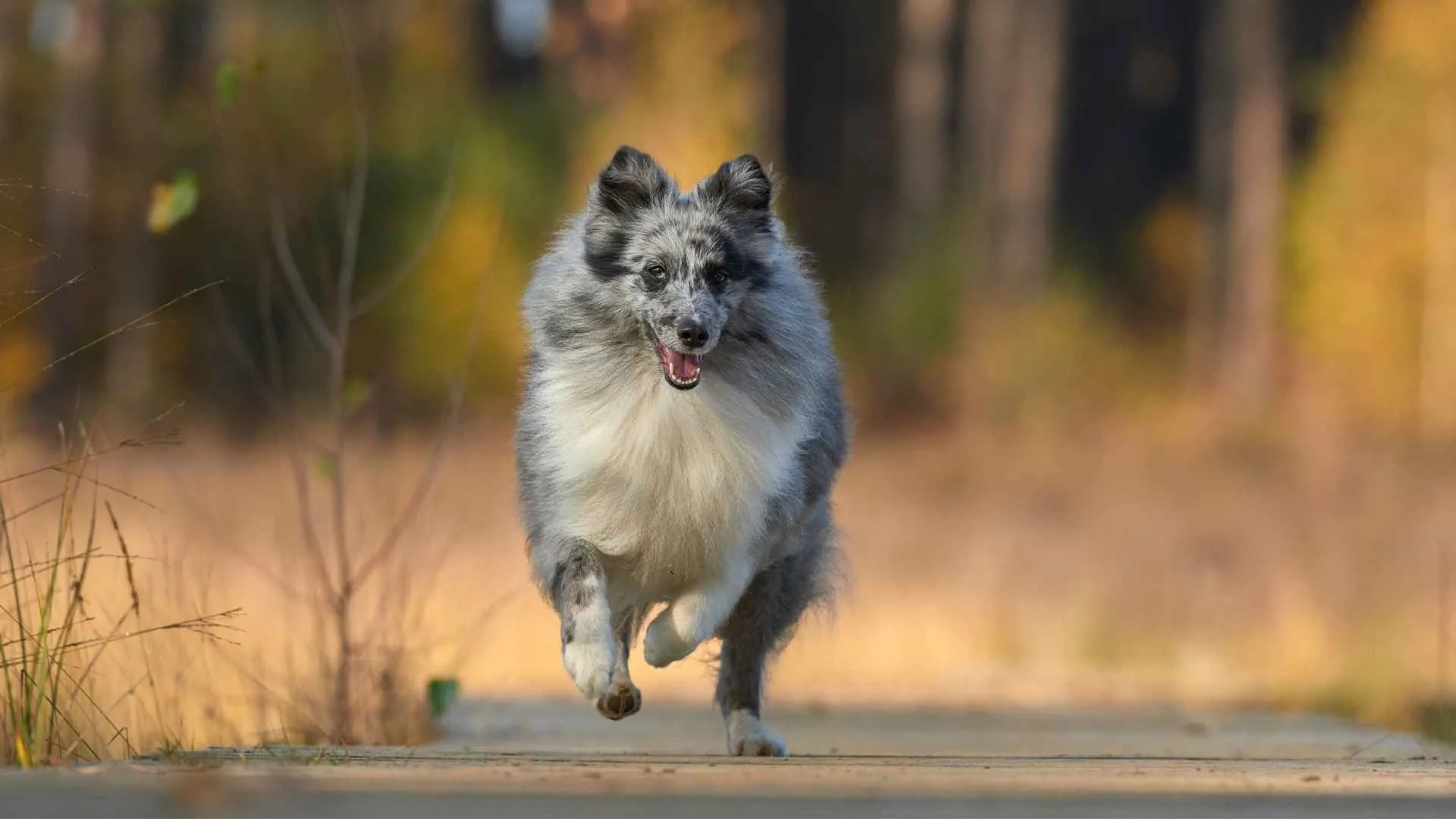
The Shetland Sheepdog, often called the Sheltie, is celebrated for its precision and responsiveness. This breed is known for sharp responses to handler cues, making it easy to guide through complex agility patterns.
Their attentiveness allows them to stay engaged and react quickly to changing course directions, which is essential for competitive agility. Shelties have a strong, keen ability to read their handlers, picking up subtle signals that many dogs might miss.
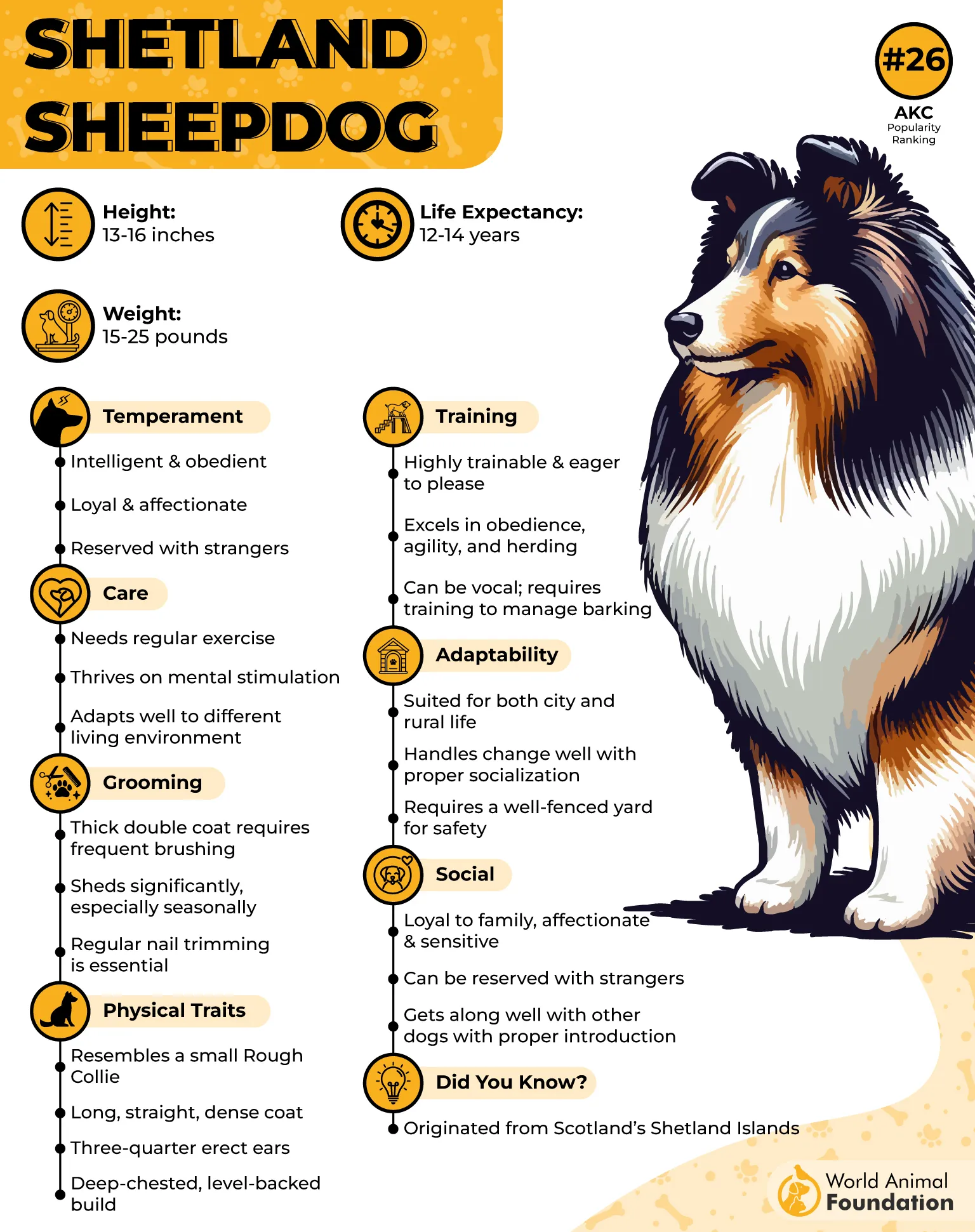
This ability helps them follow intricate patterns accurately and consistently during training sessions and competitions. These dogs are reliable, fast learners who quickly master new obstacles and routines.
Their intelligence and adaptability make them popular among owners who compete in agility, as well as those looking for an excellent agility dog that performs well with minimal guidance.
Why Shelties excel in agility:
Sharp responses to handler cues
Accurate following of complex agility patterns
Strong ability to read subtle signals
Fast learners who adapt quickly
Popular choice for competitive agility training
7. Belgian Malinois
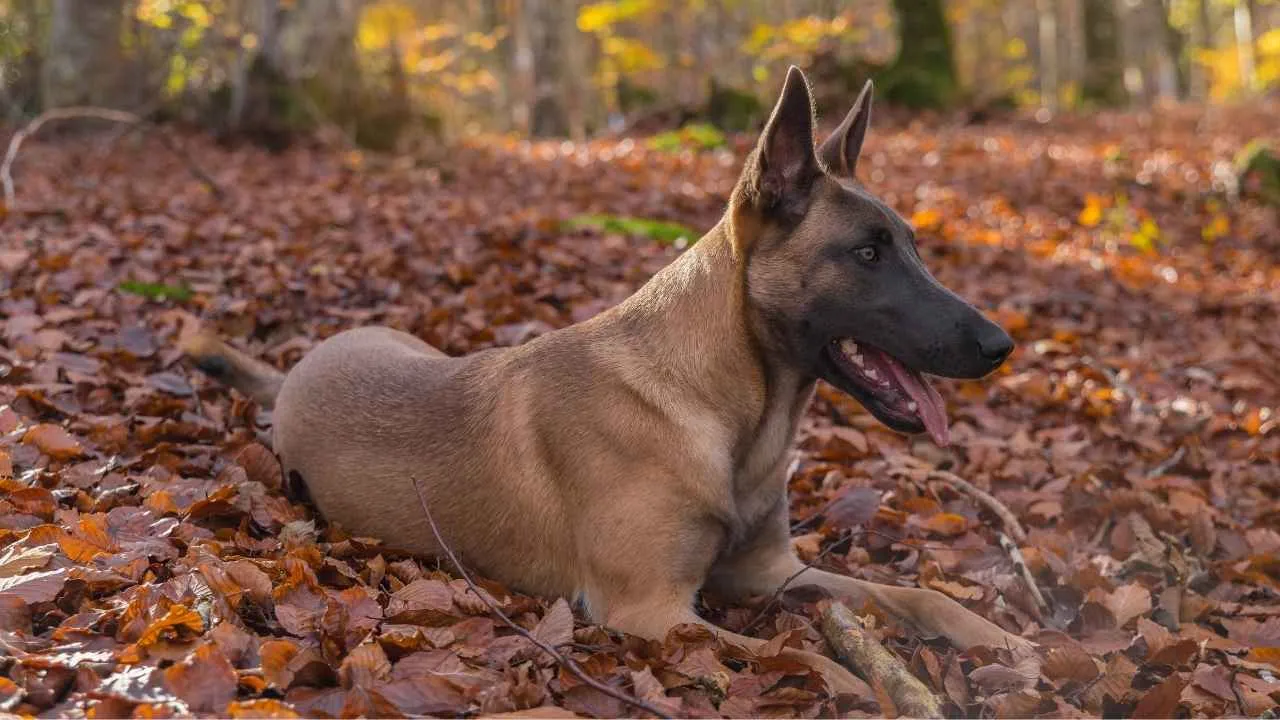
The Belgian Malinois is a powerhouse of drive and intensity, making it one of the most focused canine athletes. This breed thrives when given challenging tasks and demands a pet parent who can match its boundless energy and commitment.
Their natural drive pushes them to excel on every obstacle, from tunnels to jumps, with remarkable consistency. Belgian Malinois perform best in advanced agility settings because they combine mental focus with physical precision.
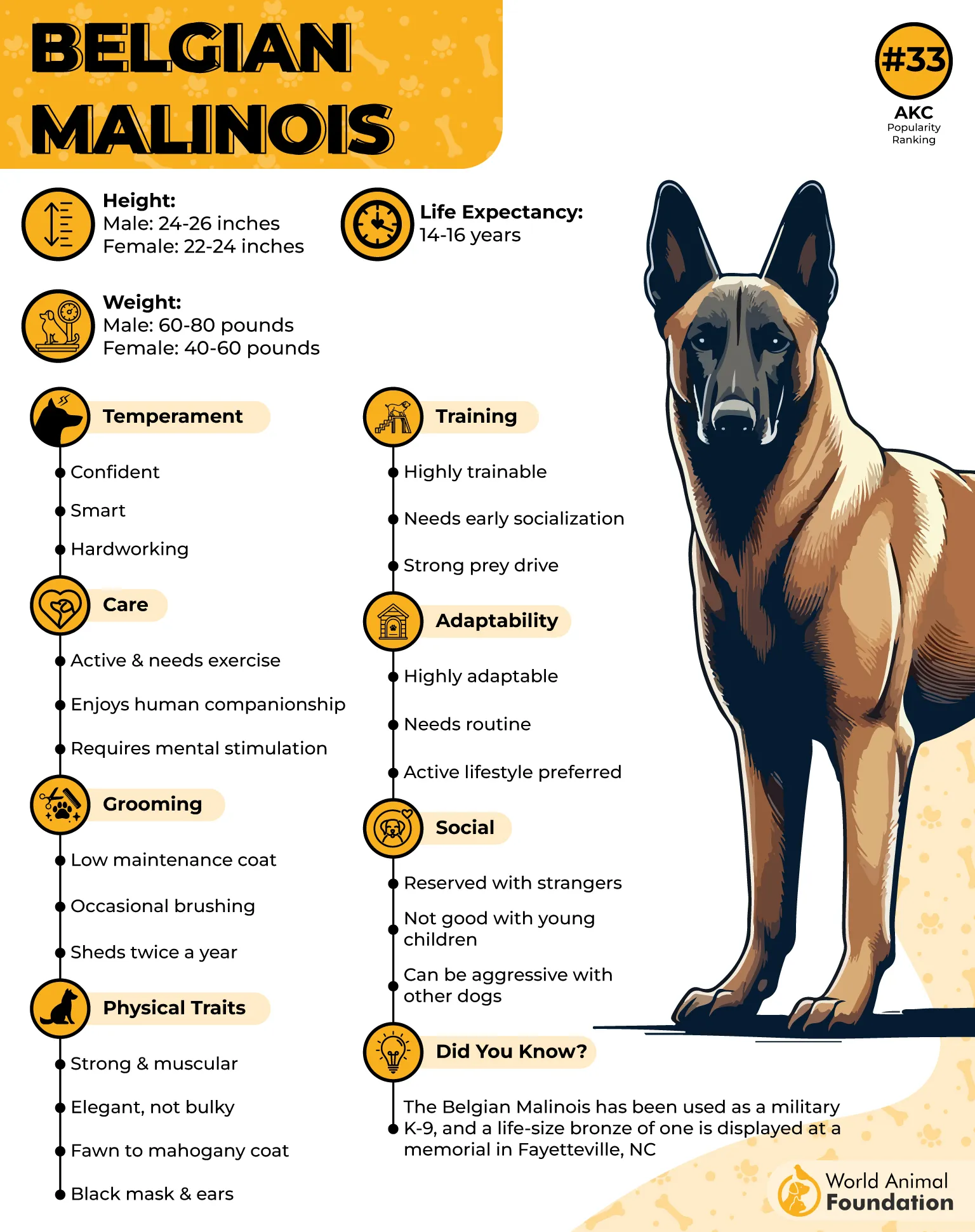
Structured training plans bring out their potential, ensuring they remain engaged and confident during complex routines. These dogs require handlers who are consistent and attentive, as their intensity can sometimes be overwhelming without proper guidance.
When trained appropriately, however, they dominate high-level agility competitions and enjoy the challenge of repeated runs and intricate courses.
Why Belgian Malinois excel in agility:
Extremely high drive keeps them motivated
Exceptional focus during long or complex routines
Respond well to structured, consistent training
Thrive in advanced courses
This dog excels in competitive, high-intensity environments
8. Papillon
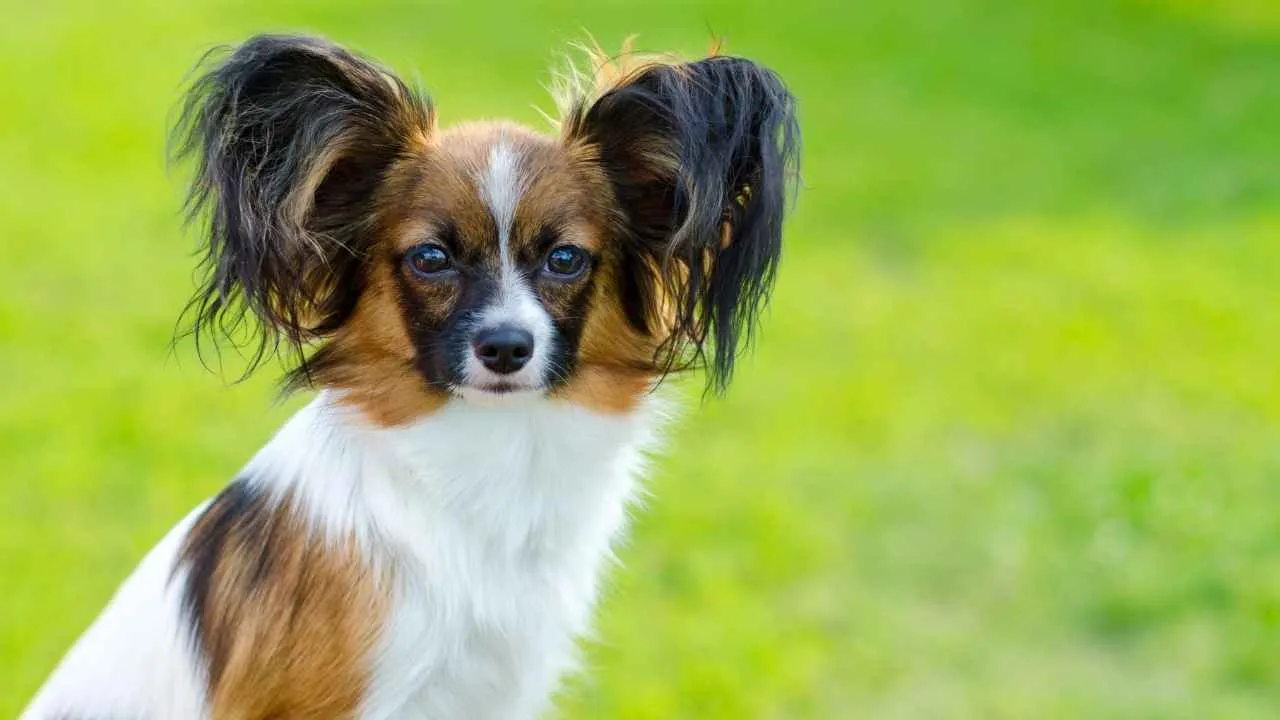
Don’t let its tiny size fool you — the Papillon is all about small frame, big performance. Despite being one of the smallest dogs in agility, this athletic breed surprises pet parents with its remarkable speed, nimbleness, and energy.
Their compact build allows quick movements and effortless navigation through even the tightest obstacles on the course. Papillons have a natural enthusiasm that makes them eager participants in agility training.
They enjoy interactive exercises, responding with excitement to new challenges and keeping the energy high during sessions. Their light, graceful movements help them switch obstacles rapidly while maintaining accuracy.
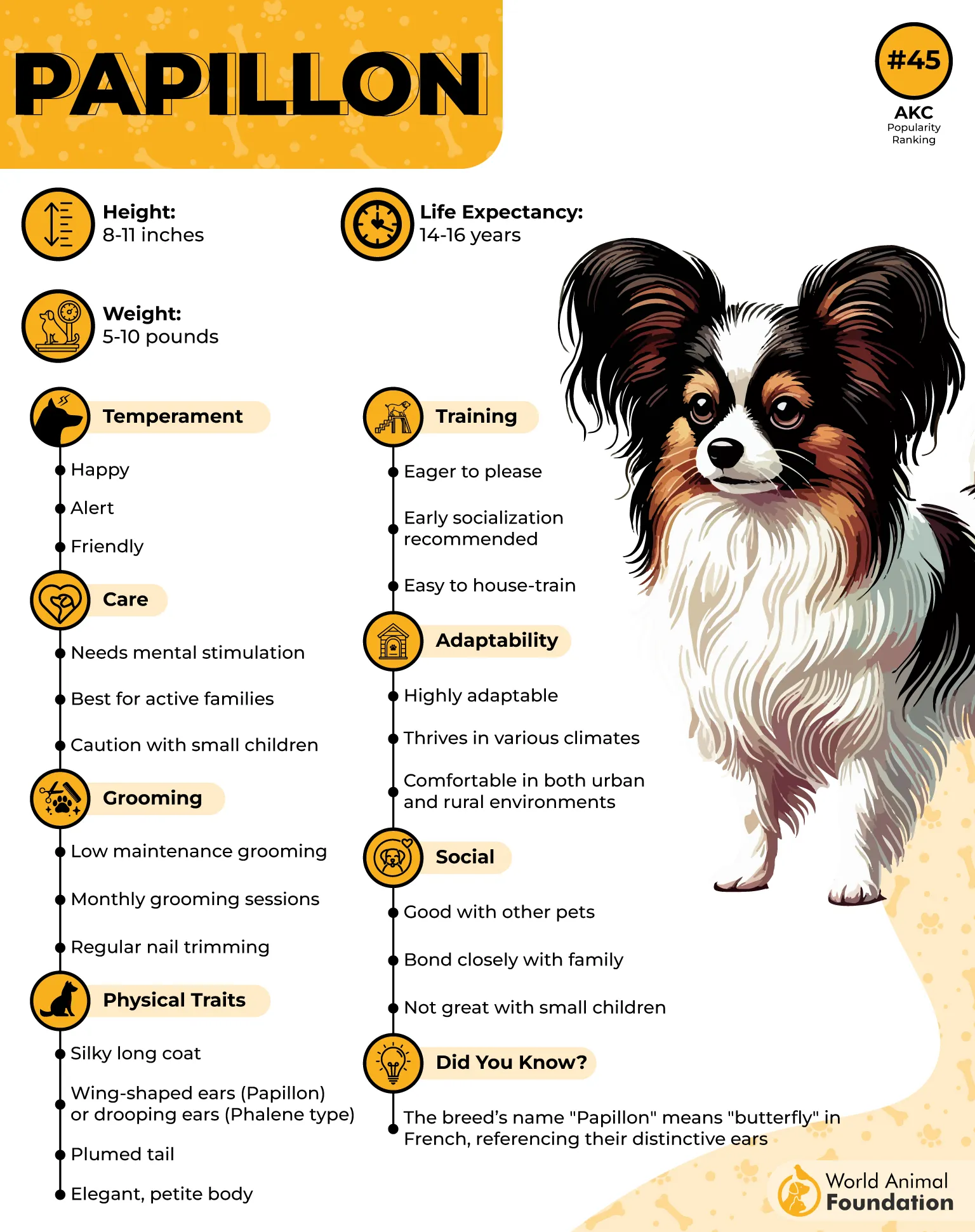
This ability allows handlers to set up complex courses, knowing their Papillon can keep pace without losing precision. Beyond performance, these dogs form a strong bond with human companions, bringing joy not only in competitions but also during everyday training and play.
Why Papillons excel in agility:
Tiny but agile, handling obstacles with ease
High enthusiasm keeps them engaged in training
Quick, light movements allow fast course navigation
A strong connection with handlers enhances teamwork
Brings joy to every agility session
Did You Know?
Papillons are considered one of the most spirited small dogs in agility. Their surprising speed and focus often catch first-time observers off guard, proving that size is no barrier to excellence in the agility ring.
9. Poodle
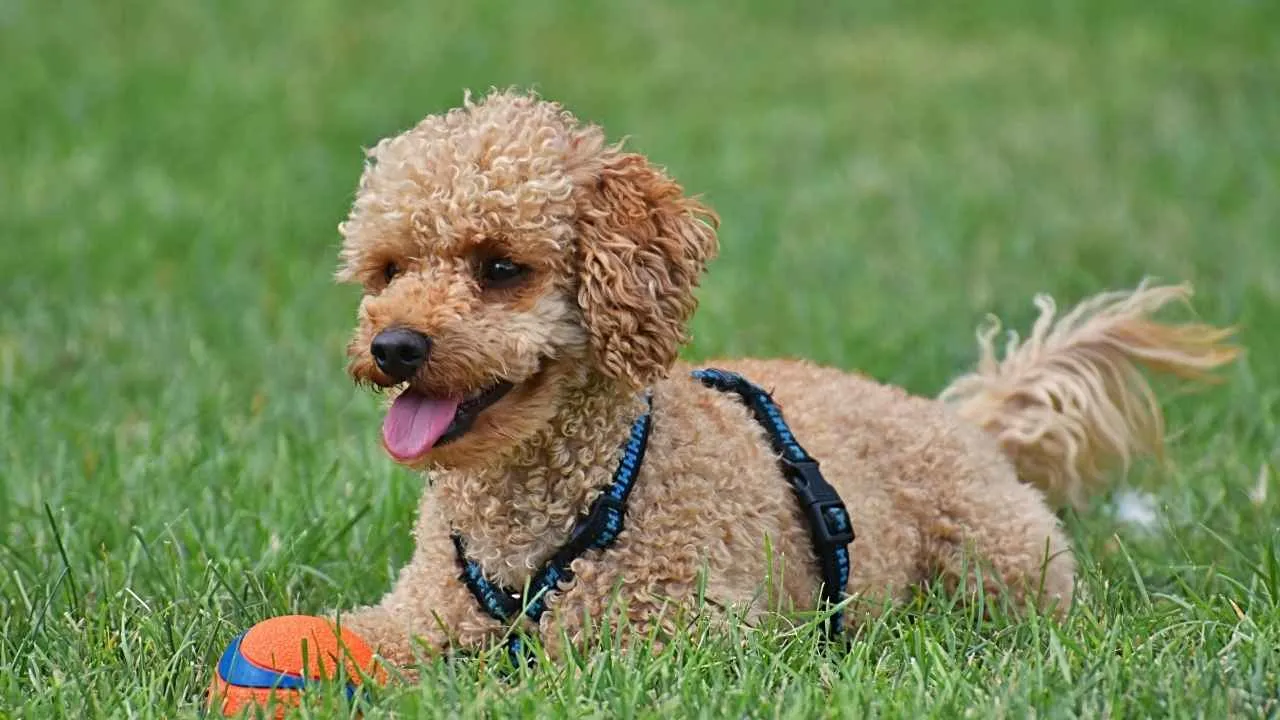
The Poodle is one of the most versatile and adaptable breeds in the agility world. Its combination of intelligence, athleticism, and responsiveness allows it to excel in a wide variety of dog sports, not just agility.
Whether navigating jumps, tunnels, or weave poles, Poodles adjust quickly to changing course layouts, making them reliable competitors and excellent partners for handlers. Poodles are known for their high trainability and ability to follow complex commands with precision.
This adaptability makes them ideal for handlers who enjoy introducing new challenges or switching routines in agility training. Their keen intelligence allows them to stay focused and respond rapidly, even during fast-paced or unexpected sequences.
This sharpness, combined with athletic movement, makes them highly effective in competitions. Beyond their agility prowess, Poodles are also affectionate furry companions, thriving both in the home and on the field.
Why Poodles excel in agility:
Highly versatile across different dog sports
Smart and responsive to training commands
Quickly adapt to changing course layouts
Athletic movement supports fast, accurate performance
Strong companion for home and competition environments
Conclusion
The most athletic dog breeds you need to know show that size doesn’t matter — it’s all about drive, intelligence, and teamwork.
Whether you prefer the lightning-fast Whippet, the clever Border Collie, or the enthusiastic Papillon, there’s an agility dog breed for every family.
Which breed matches your energy level?
Which one excites you most about agility training?
These dogs aren’t just athletes — they’re great companions who bring joy, focus, and fun into everyday life. With proper training and bonding, you and your dog can enjoy agility courses, sharpened skills, and endless playful moments together.
Are you ready to meet your next athletic dog and explore the thrilling world of dog sports?
The adventure starts with picking the breed that fits your pace, personality, and passion for agility.
