




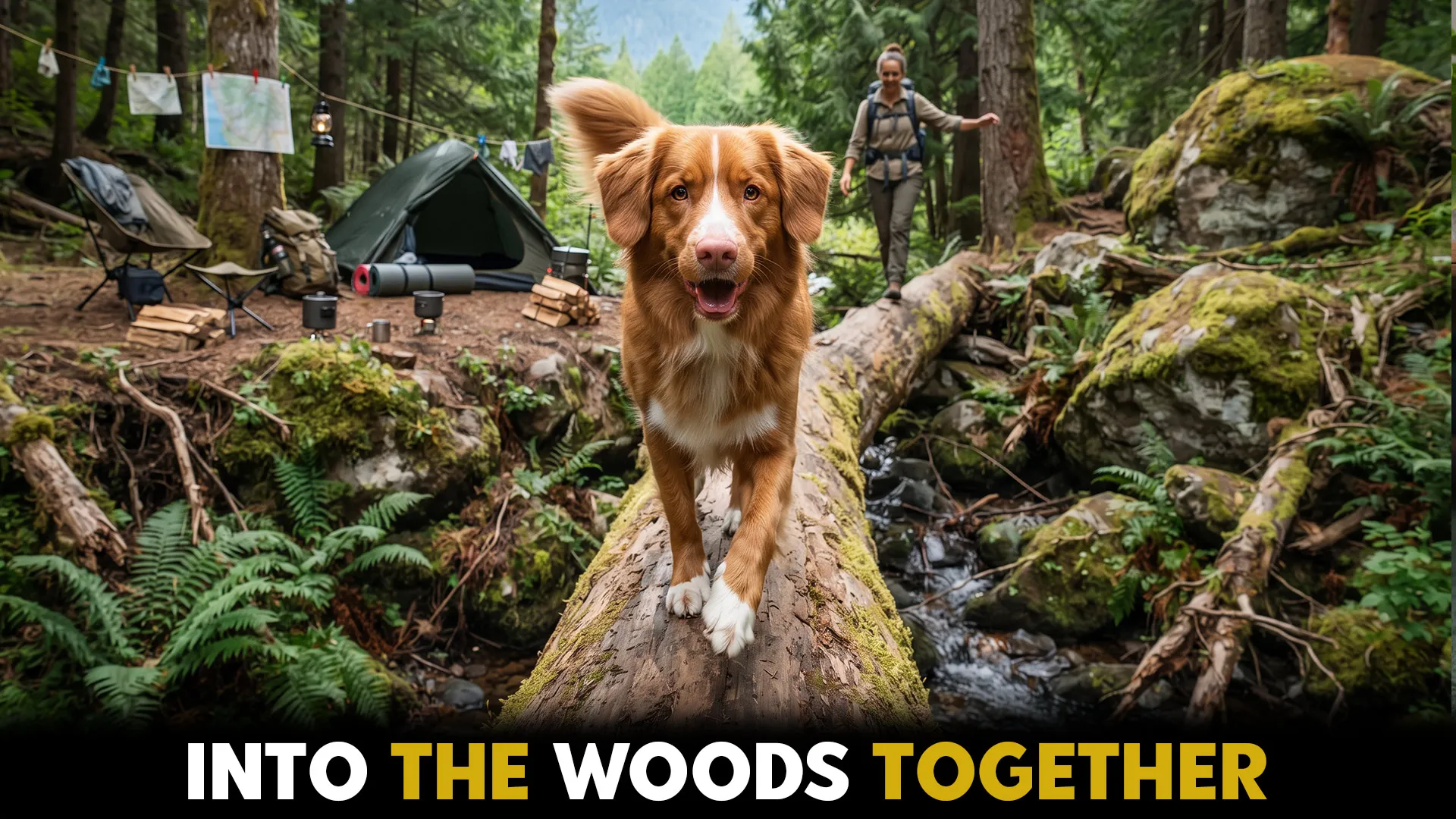
A forest camping trip feels different when you’ve got a four-legged friend along for the ride; it’s not just you taking in the woods anymore. There are quiet trails to explore, fresh scents drifting through the trees, and open clearings that practically beg to be sniffed out.
If you’re an active owner, sharing those moments with a dog can make the whole experience even more enjoyable, and honestly, a bit easier too, even on the tougher days.
That said, not every dog is cut out for long hikes or rough terrain. Some need plenty of running room, while others are perfectly happy sticking close to the family at a slower pace. The right outdoor companion really comes down to matching your dog’s energy with your pace, the weather, the terrain, and how your household typically spends its days.
Adventure-loving breeds bring all kinds of strengths to camping, from serious endurance and strong swimming skills to a genuine love of wandering through nature.
Fun Fact: Many outdoor breeds were originally bred to work long hours. Retrievers were built to carry game, hounds were made for covering long distances, and working dogs were expected to stay sharp and steady even in tough conditions.
Adventure-Driven Dog Breeds for Forest Camping Trips
1. Nova Scotia Duck Tolling Retriever

The Nova Scotia Duck Tolling Retriever might not be the biggest retriever out there, but don’t let its medium-sized frame fool you; this dog has energy to spare. Its thick, water-repellent coat with a soft undercoat, along with webbed feet, makes it right at home near water. Coat colors range from light orange to deep red, often finished off with a white-tipped tail.
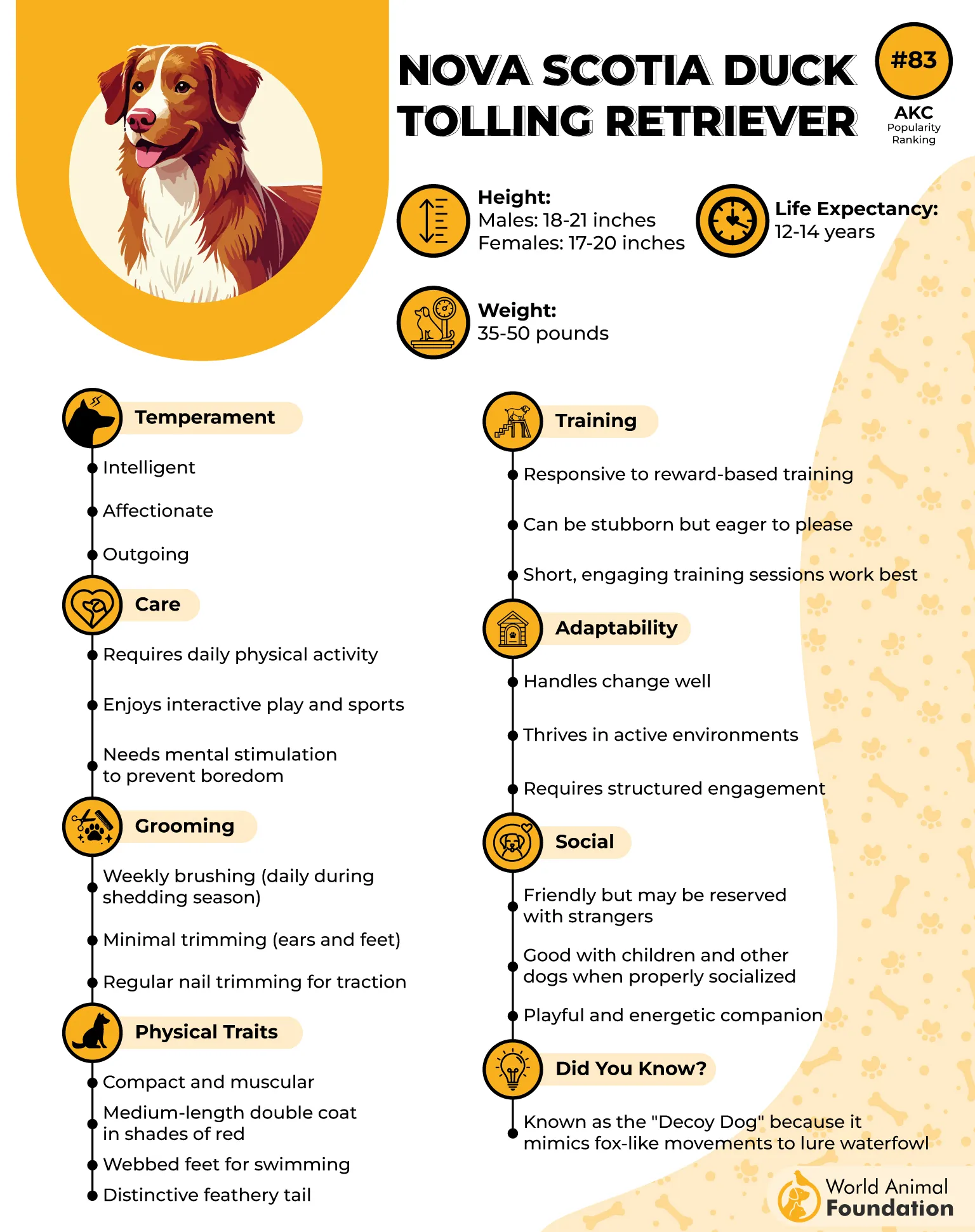
On forest camping trips, this active companion is in its element: hiking, playing retrieving games, and splashing around for a safe swim. Tollers genuinely thrive when they have a job to do, and they can keep going through long stretches of activity without losing their spark. A day filled with trails, open space, and family time suits this lively temperament perfectly.
Nova Scotia Duck Tolling Retrievers are bright, alert, playful, and always eager to learn. Training can easily become part of the adventure itself, whether that’s through obedience games, retrieving practice, or agility sessions.
Purina describes the Toller as a hardworking, active retriever built to stay engaged throughout the day, which explains why so many outdoor-loving families are drawn to the breed.
2. Dalmatian
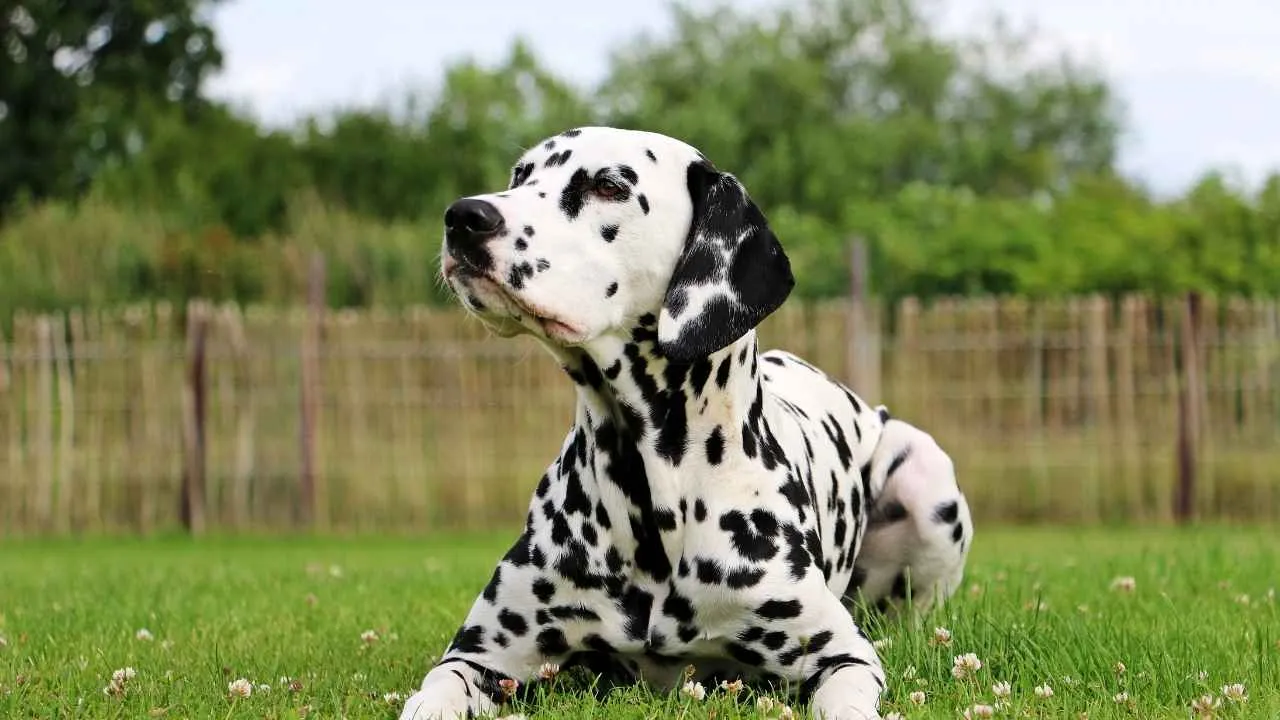
The Dalmatian brings a completely different kind of energy to a camping trip. Those iconic black or liver-colored spots make it instantly recognizable, while the strong, athletic frame hints at just how much stamina lies beneath that eye-catching coat.
Historically, Dalmatians ran alongside horse-drawn carriages, helping protect both horses and passengers along the way. That history is exactly why they built up such serious endurance. Today, a healthy adult Dalmatian still thrives on long walks, hikes, runs, and active games, especially with a family that likes to stay on the move.
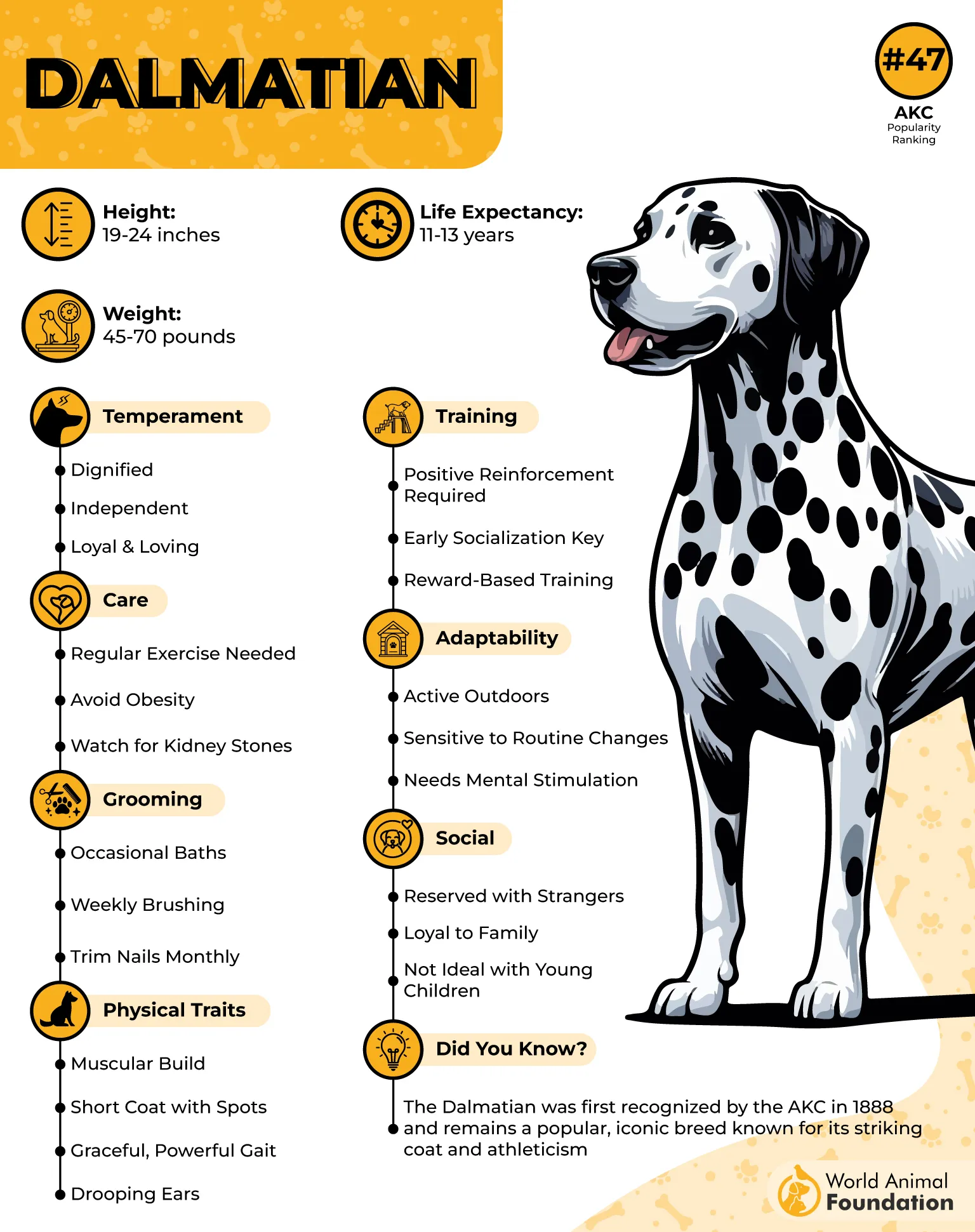
Dalmatians tend to be loyal and affectionate with familiar faces but can be a bit more reserved around strangers. That’s why early socialization really pays off, especially in busy camping areas or spaces shared with other dogs and people.
AKC notes that Dalmatians need plenty of physical activity and mental stimulation, making them a great fit for active households with time for daily exercise.
3. Portuguese Water Dog
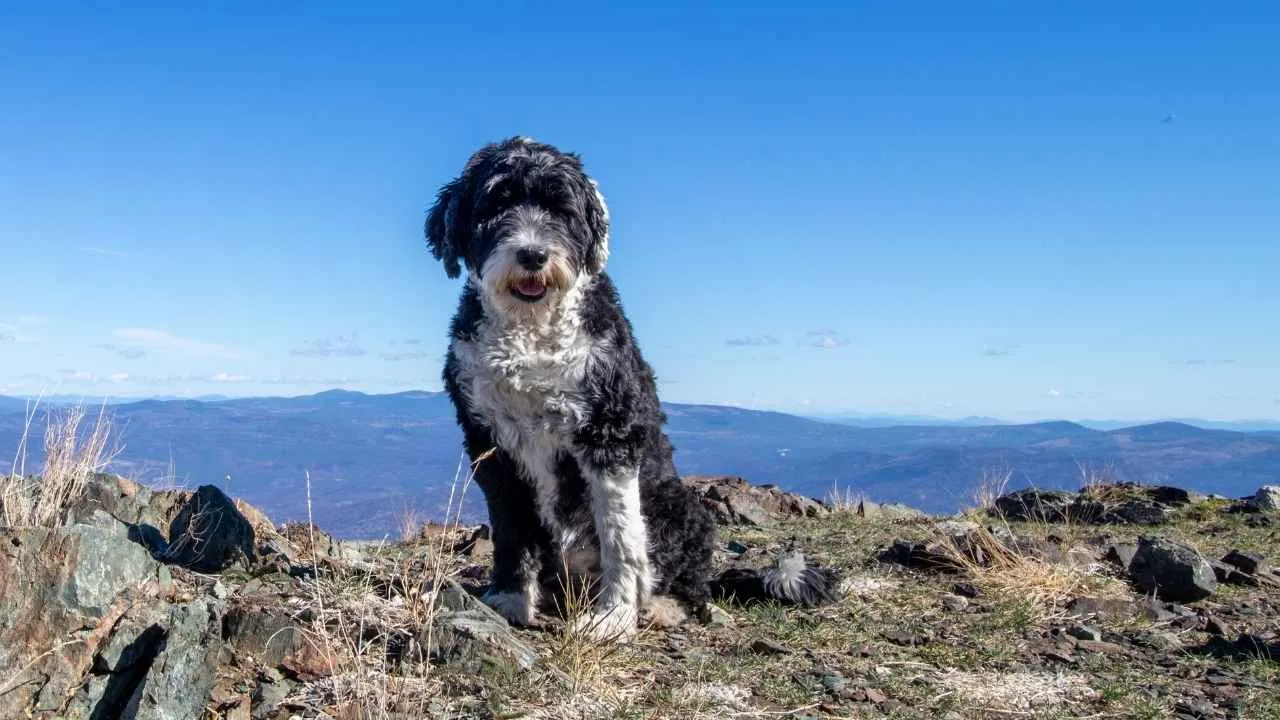
The Portuguese Water Dog feels almost tailor-made for adventures near the water. This clever, athletic breed was originally bred to work alongside Portuguese fishermen, helping out with fishing boats, nets, and everything in between.
That history still shows today in how eager these dogs are to learn and how much they love being right in the middle of the action rather than just watching from the sidelines.
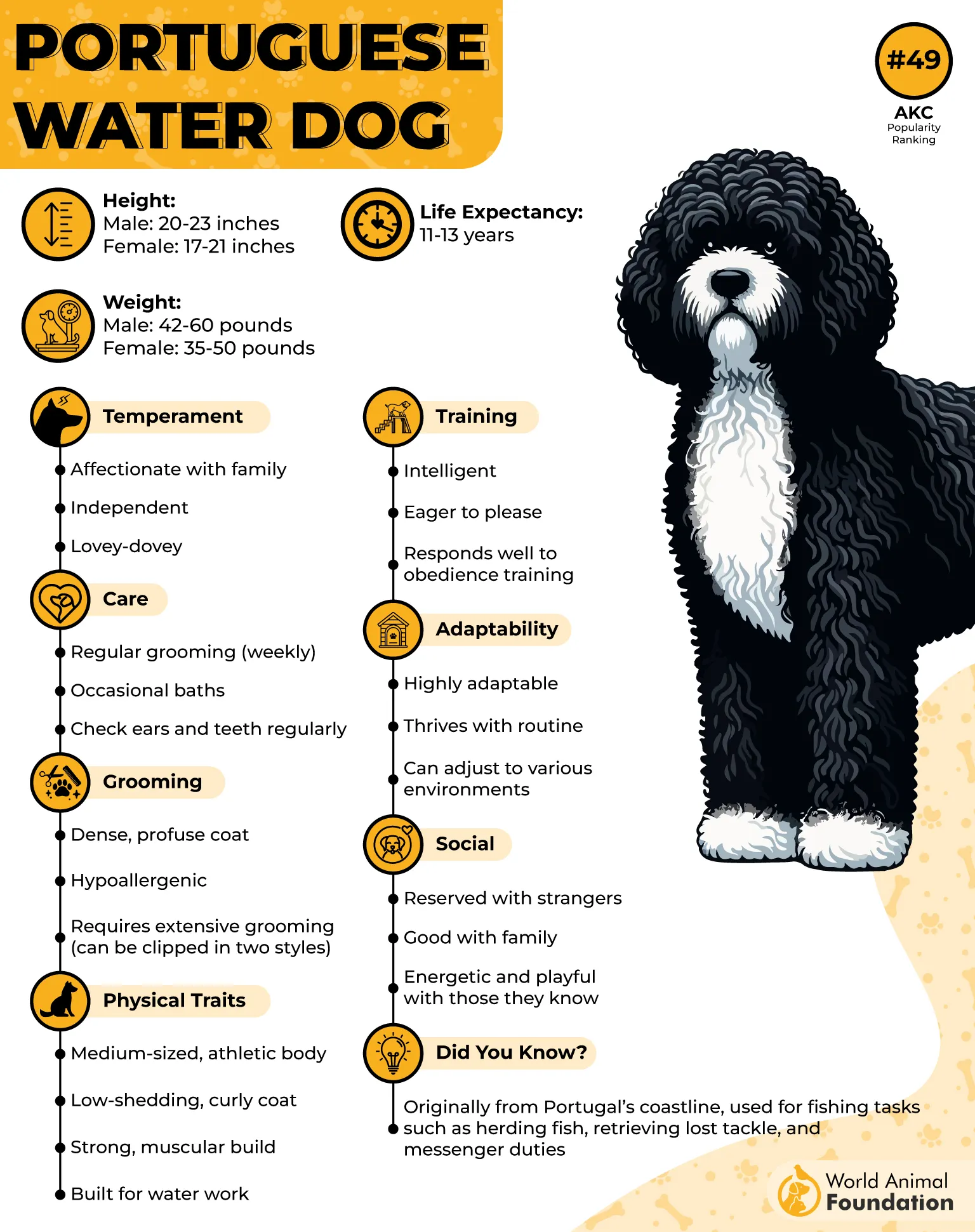
On a camping trip, there’s no shortage of ways to keep this companion happy and busy: hiking, quick jogs, retrieving games, swimming, and even small training challenges can all fit naturally into the day. Their curly or wavy coat also tends to shed less than many other coat types, though regular grooming is still a must to keep it healthy.
Portuguese Water Dogs genuinely thrive when they have a job to do. Learning a new trick, searching for a toy, or practicing a handy command can turn even quiet downtime into something fun and engaging. PetMD sums up the breed well: spirited, athletic, and intelligent; a great match for active households that enjoy hiking, walking, jogging, and swimming.
4. Chesapeake Bay Retriever
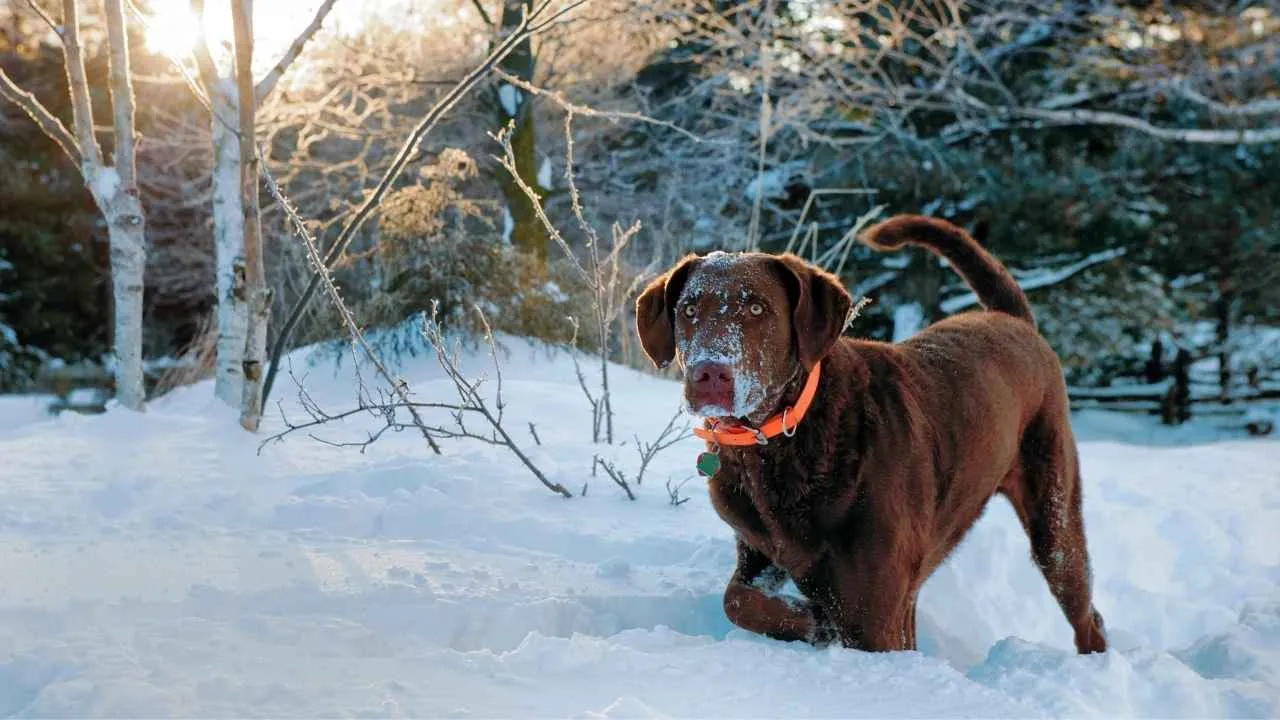
The Chesapeake Bay Retriever carries a sturdy, no-nonsense personality that fits right into outdoor life. This breed was developed as a working retriever with deep ties to water, hunting, and retrieving work, and that history still shows in its solid build and genuine love for swimming and fetching.
Forest trails offer another great outlet, too. Long walks, open spaces, and simple games where the dog gets to search for or carry something can keep this retriever engaged, even during the more routine parts of a camping trip.
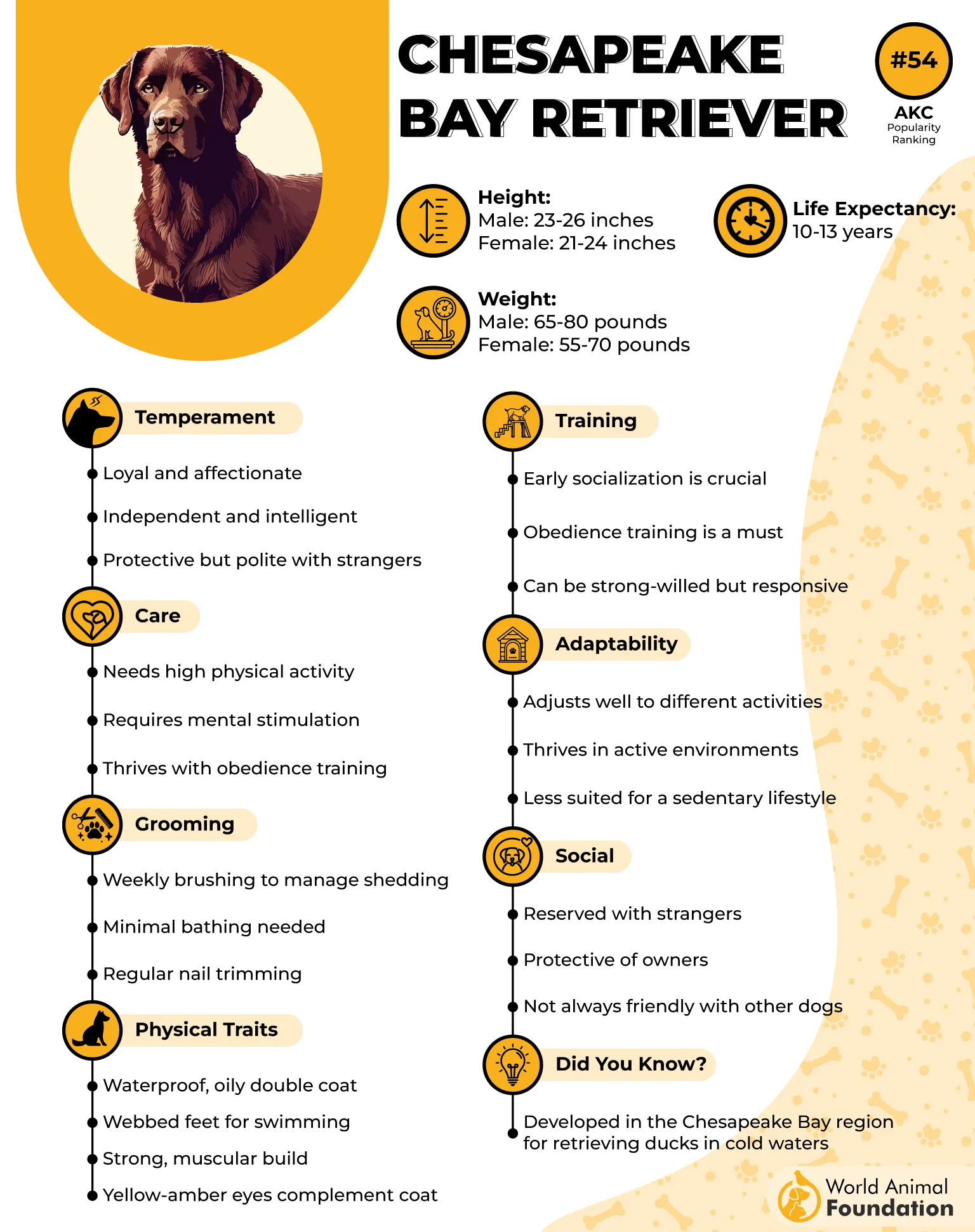
Chesapeake Bay Retrievers can be friendly, though they’re not always as openly social as some other retriever breeds. Their intelligence tends to make training easier, but there’s often a stubborn streak in there too, so consistency really matters.
Hill’s Pet notes that Chesapeake Bay Retrievers need plenty of exercise and tend to do especially well with swimming, retrieving, and hunting-type activities.
5. Labrador Retriever
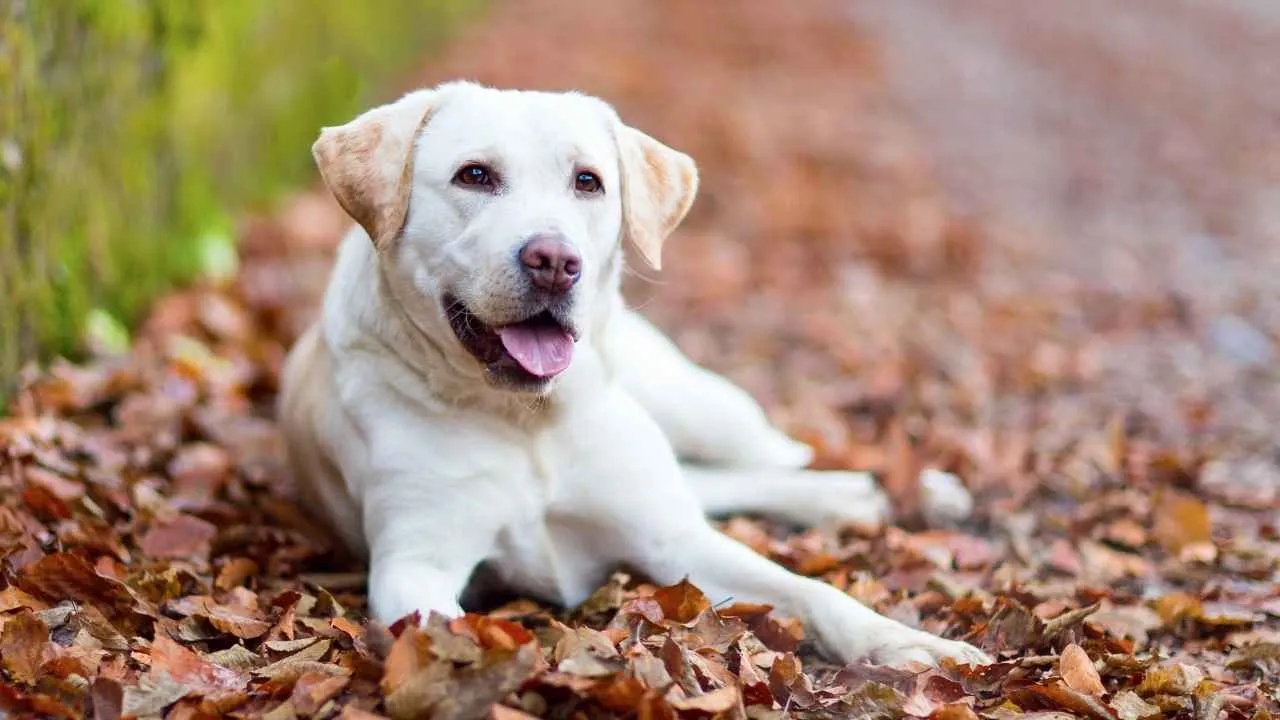
The Labrador Retriever is easy to picture right alongside a backpack on a hiking trail or curled up near a campsite. Originally bred as a gundog, this affectionate breed developed a strong retrieving instinct and a natural tendency to work closely alongside people.
That built-in enthusiasm makes outdoor activities feel more like play than work. A Labrador might light up for long walks, retrieving games, swimming, sniffing out new trails, or simply exploring unfamiliar surroundings.=
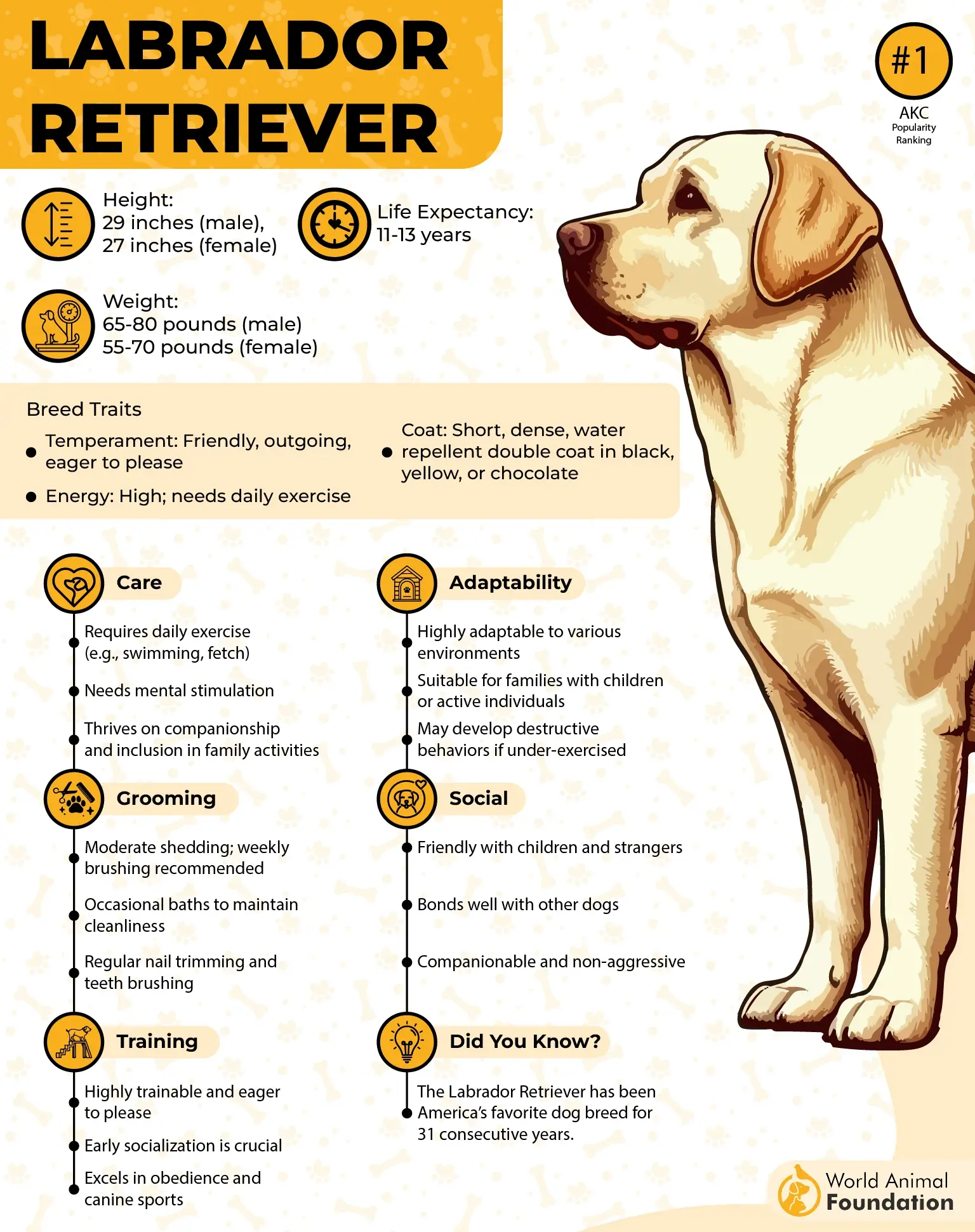
And for families who want a companion that can also settle down calmly by the tent afterward, this breed tends to have a nicely even temperament overall.
Labradors are devoted, affectionate, and eager to please. Training built around positive rewards tends to turn lessons into something genuinely fun, and adding retrieval tasks gives their brain a solid workout too.
PDSA notes that Labradors need plenty of daily exercise along with mental stimulation: think walking, running, retrieving, playing, sniffing, and swimming.
6. Weimaraner
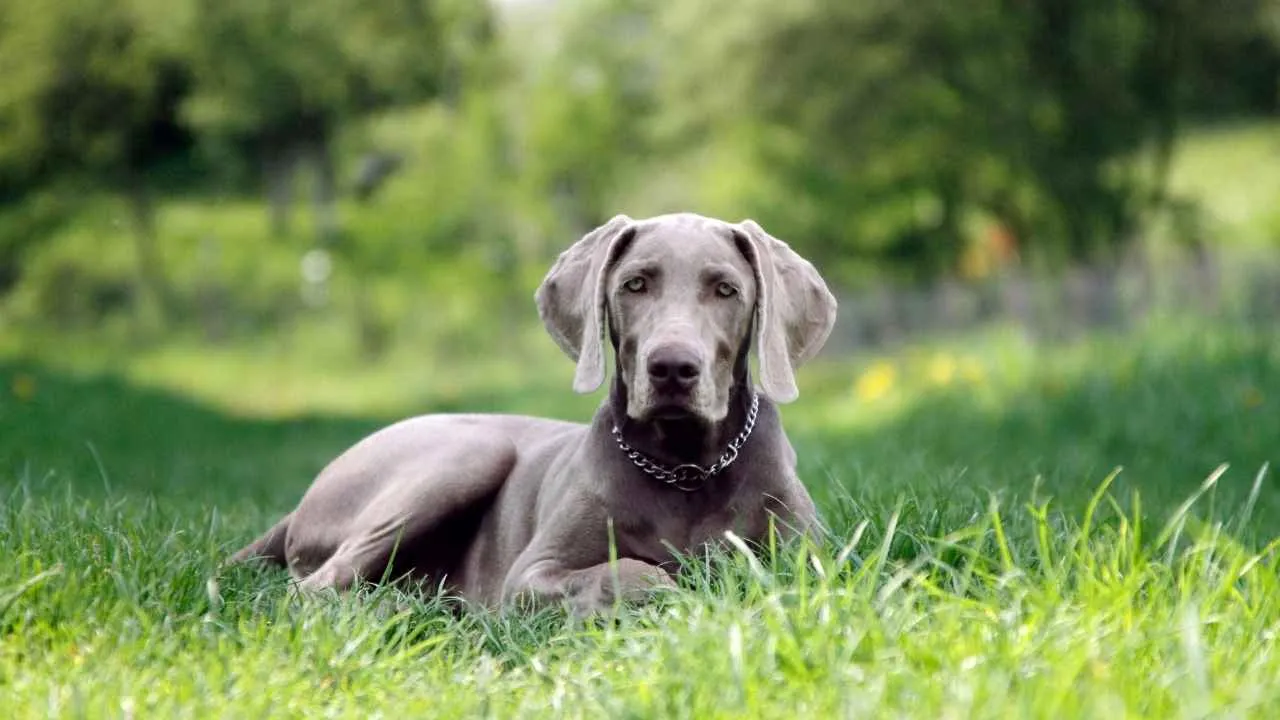
The Weimaraner brings speed and endurance into the mix. That sleek gray coat gives this German breed a striking presence, and its athletic build hints at a history shaped by hunting and long, active workdays. In short, it’s the perfect companion for someone who’d rather spend the weekend moving than sitting still.
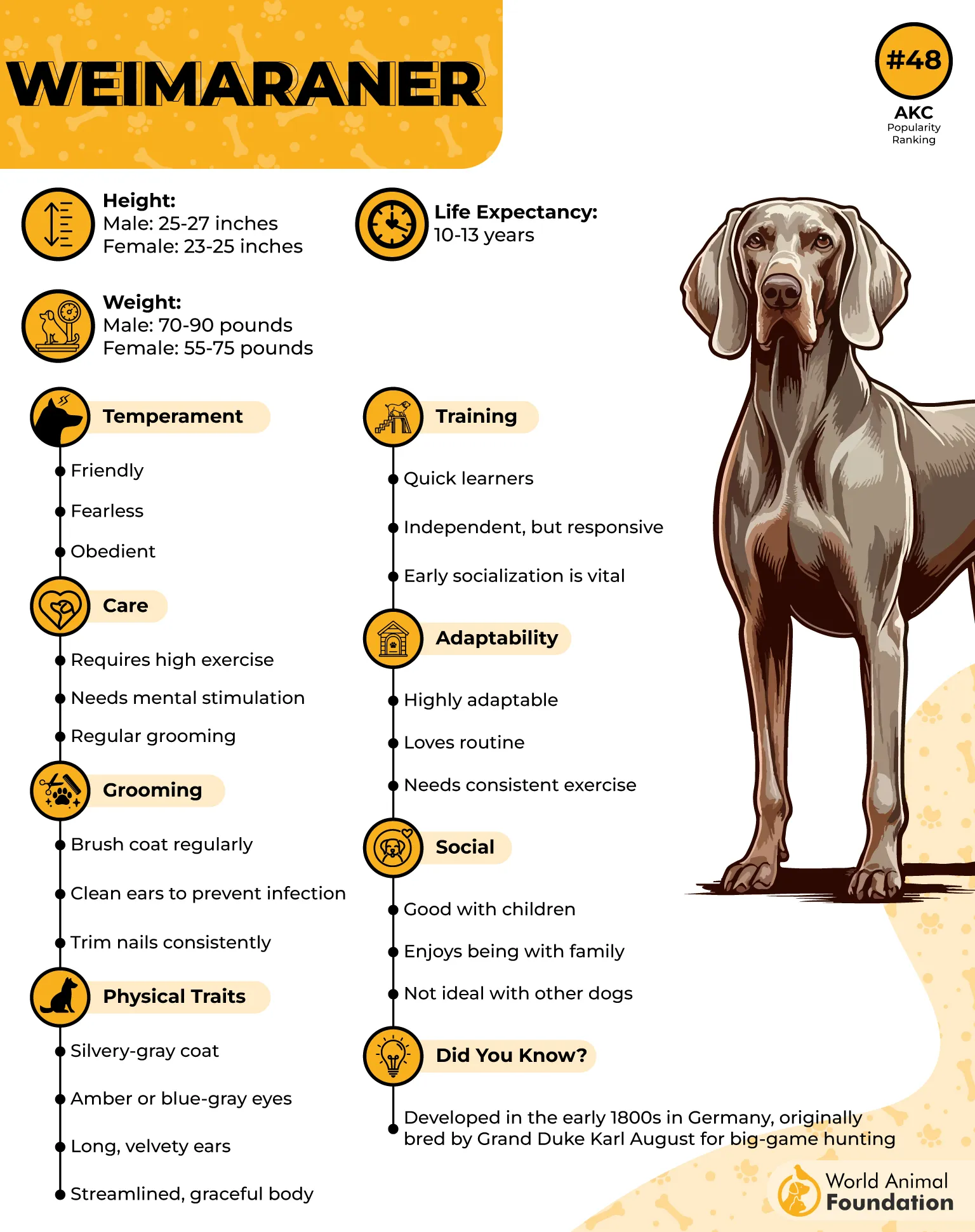
Long hikes tend to be a great outlet for this breed, especially when the trail keeps changing and there are plenty of new smells to explore along the way. Weimaraners also tend to enjoy running, swimming, retrieving, and agility work. They generally stay most motivated when outdoor time combines both physical activity and a bit of mental challenge.
Weimaraners are typically friendly, smart, alert, and deeply bonded to family life. That close connection is part of what makes camping trips feel special, since this breed genuinely loves spending quality time with familiar faces. Training should stay consistent, especially in busy, unfamiliar environments packed with new sights, smells, and nonstop energy.
7. Rhodesian Ridgeback
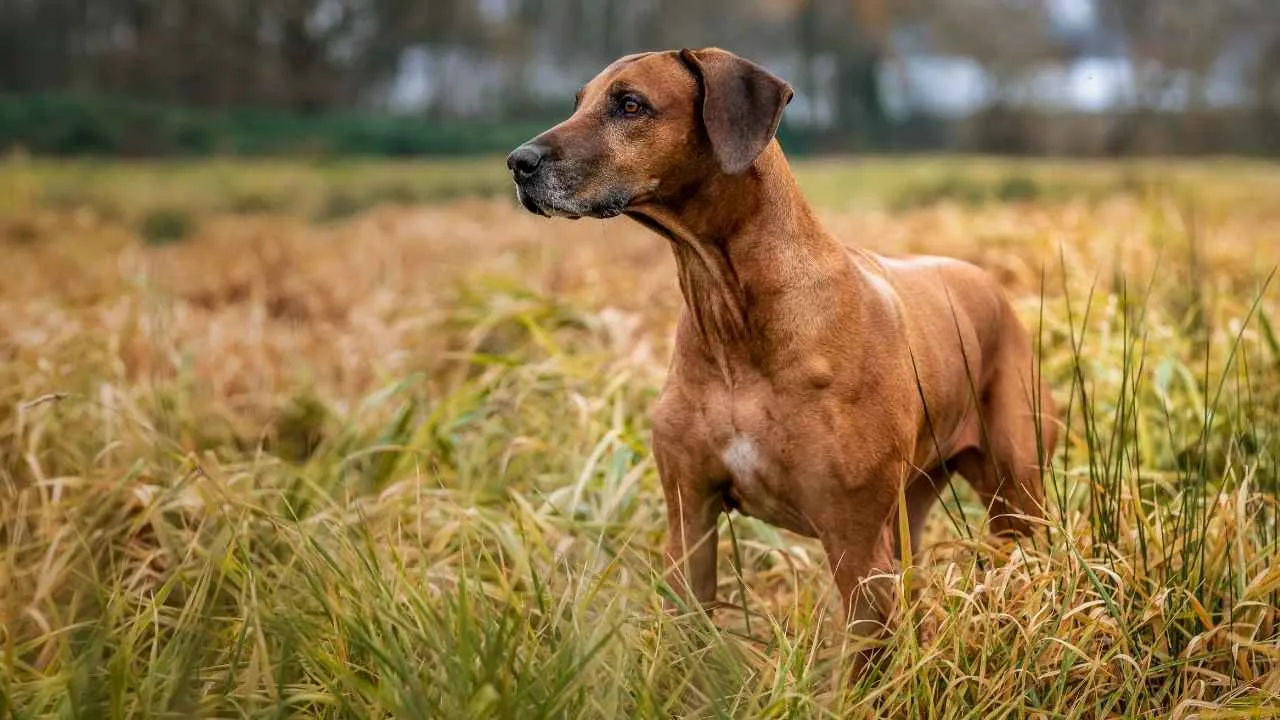
The Rhodesian Ridgeback brings a mix of strength, self-assurance, and stamina to any day outdoors. This large breed sports a short coat along with its signature ridge of hair running along the back, and its athletic body reflects a history rooted in southern Africa, where it was originally shaped for tough work and big-game hunting.
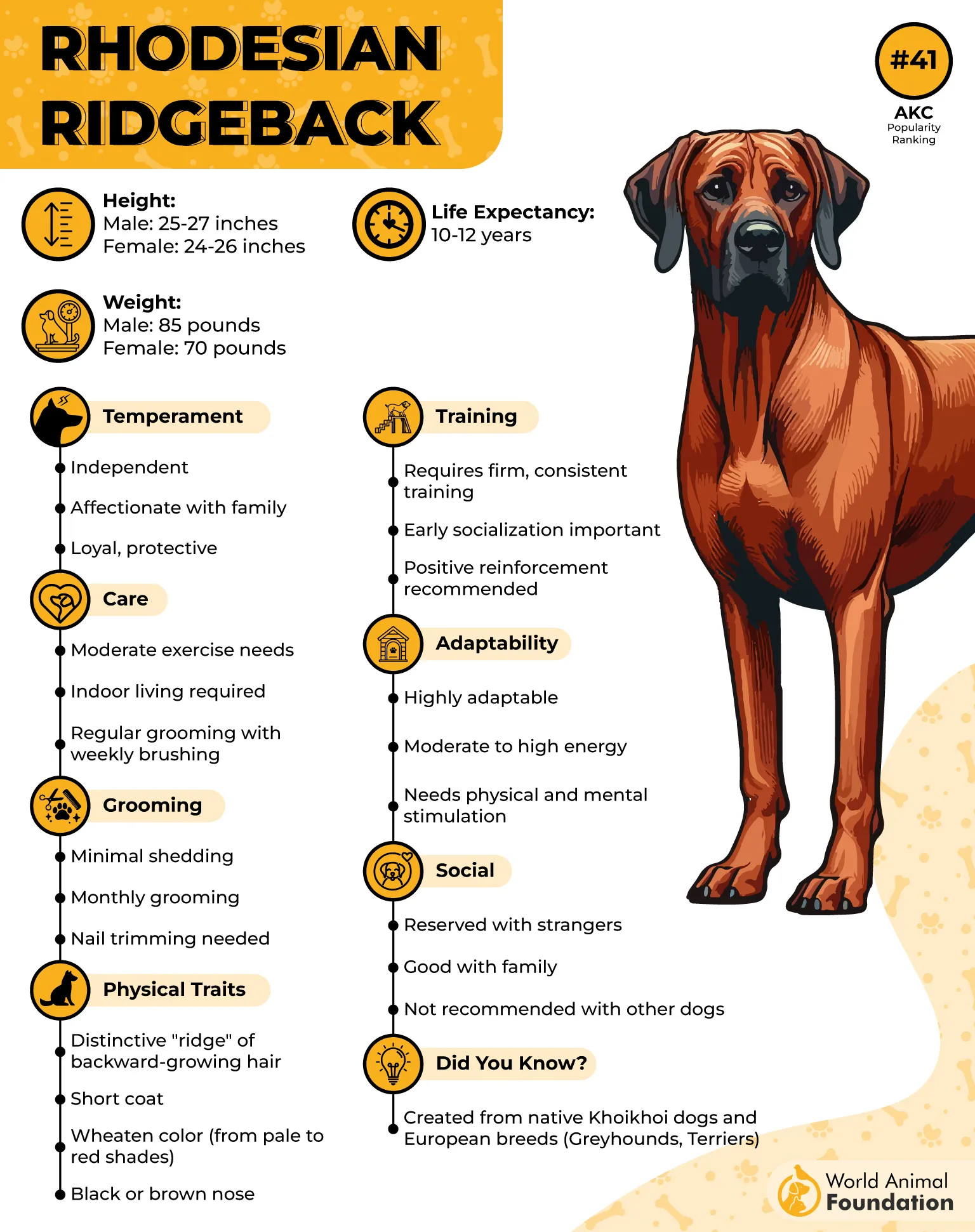
These days, a healthy Ridgeback can handle brisk walks and long stretches of outdoor time with ease. Forest paths with open spaces, gentle inclines, and shifting terrain tend to offer just the right amount of challenge. It doesn’t need constant excitement, but a steady, active routine matters for both body and mind, not just one or the other.
Rhodesian Ridgebacks often form strong bonds with family members and can be surprisingly affectionate at home. Around strangers or other animals, though, they tend to show a more watchful, reserved side. Early socialization paired with solid training goes a long way toward encouraging calm, dependable behavior.
Conclusion
A great camping companion should really match your lifestyle, energy level, and love for outdoor adventure. Each of these breeds brings something a little different to the table, whether that’s a natural fondness for water and trail walking, serious endurance, or just enough playful energy to keep you moving all day.
With solid training, plenty of rest, and a bit of smart planning, forest camping can turn into a truly memorable experience for both you and your companion. And sometimes, the best part isn’t even the hike itself; it’s just sitting by the tent after a long day on the trail, no rush, surrounded by nature and good company.
