




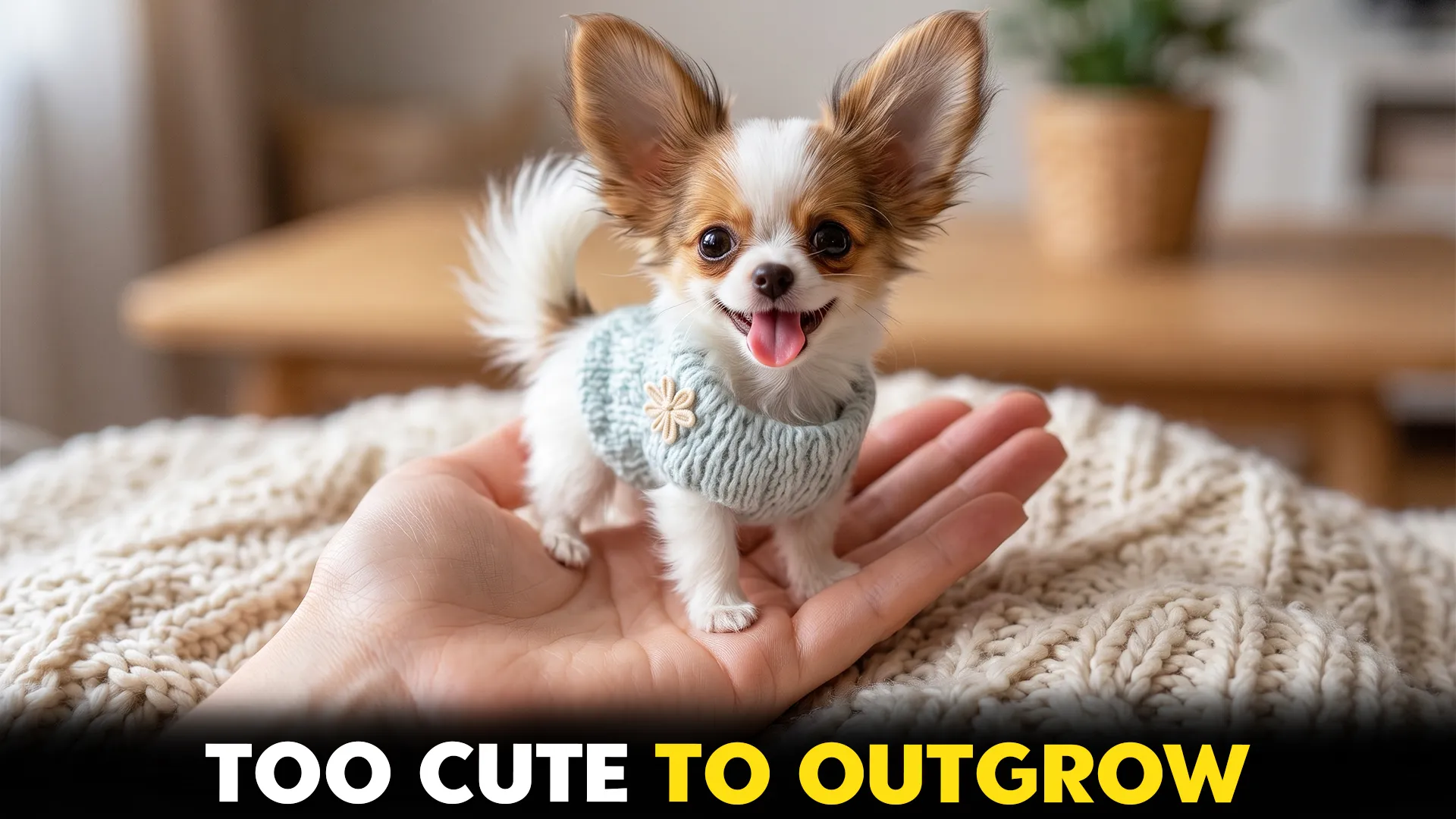
There is something almost magical about a dog that never quite grows out of its puppy-like wonder. While most canine companions quickly trade their soft, compact frames for full adult stature, permanently petite breeds remain suspended in that delicate, pocket-sized stage for a lifetime.
Yet, their appeal goes far deeper than mere aesthetics. In an era where living spaces are evolving, and daily routines demand versatility, these miniature companions prove that extraordinary charisma, sharp intelligence, and unwavering loyalty do not require a large physical footprint.
From velvet-coated toy dogs to spirited lap companions with bold personalities, permanently petite breeds offer all the warmth of a full-sized partner in a manageable, timeless frame. Discover the most adorable small dog breeds that stay wonderfully tiny forever, delivering massive devotion in the smallest possible package.
Adorable Small Dog Breeds – Permanently Petite
1. Maltese
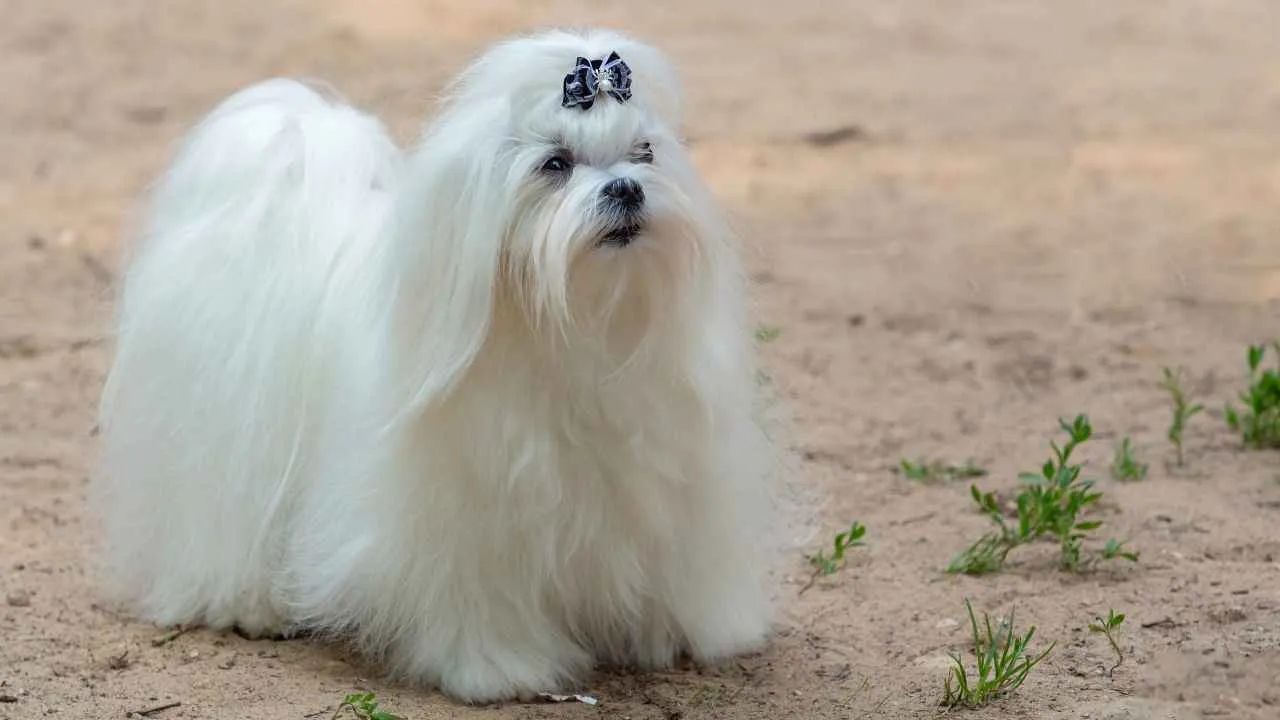
There’s really no match for the Maltese when it comes to sheer beauty, and it’s easy to see why people call them cotton candy, marshmallows, or walking clouds. That gorgeous white coat has a lot to do with it. But beyond looks, they’re gentle, affectionate, and deeply people-oriented.
These small dogs stand just 7-9 inches tall and were bred purely to be companions. In fact, they were so beloved that the ancient Greeks built tombs for their Maltese dogs, according to AKC. Today, they still need daily walks and indoor playtime to stay mentally stimulated.
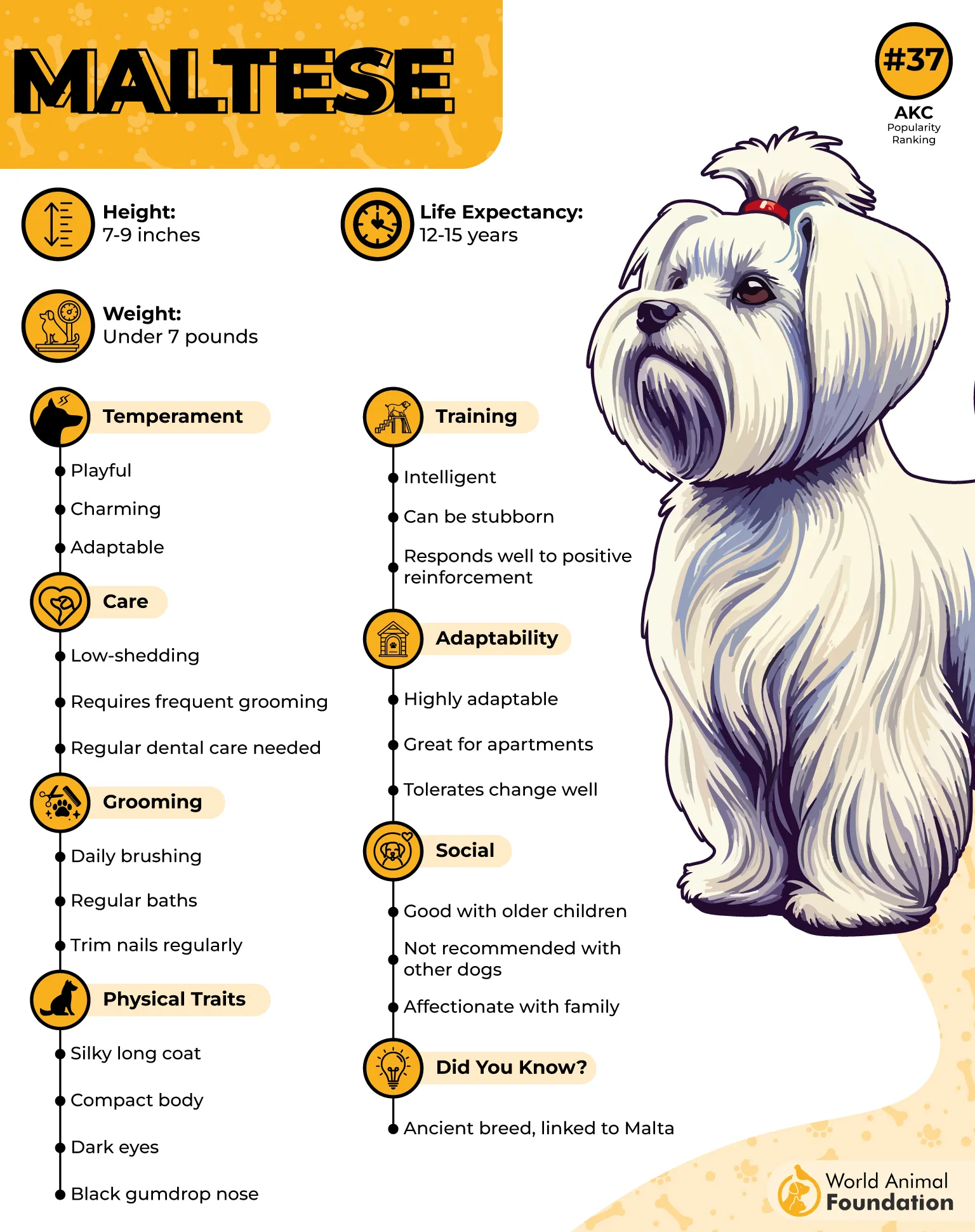
Maltese are highly intelligent and trainable, picking up commands with ease. Their long, silky coat barely sheds, making them a great choice for people with allergies, though it does need daily brushing to stay tangle-free.
Because of their tiny, delicate frames, Maltese are prone to injuries, dental disease, and luxating patellas. Daily teeth brushing and careful supervision go a long way in keeping them healthy.
2. Pomeranian
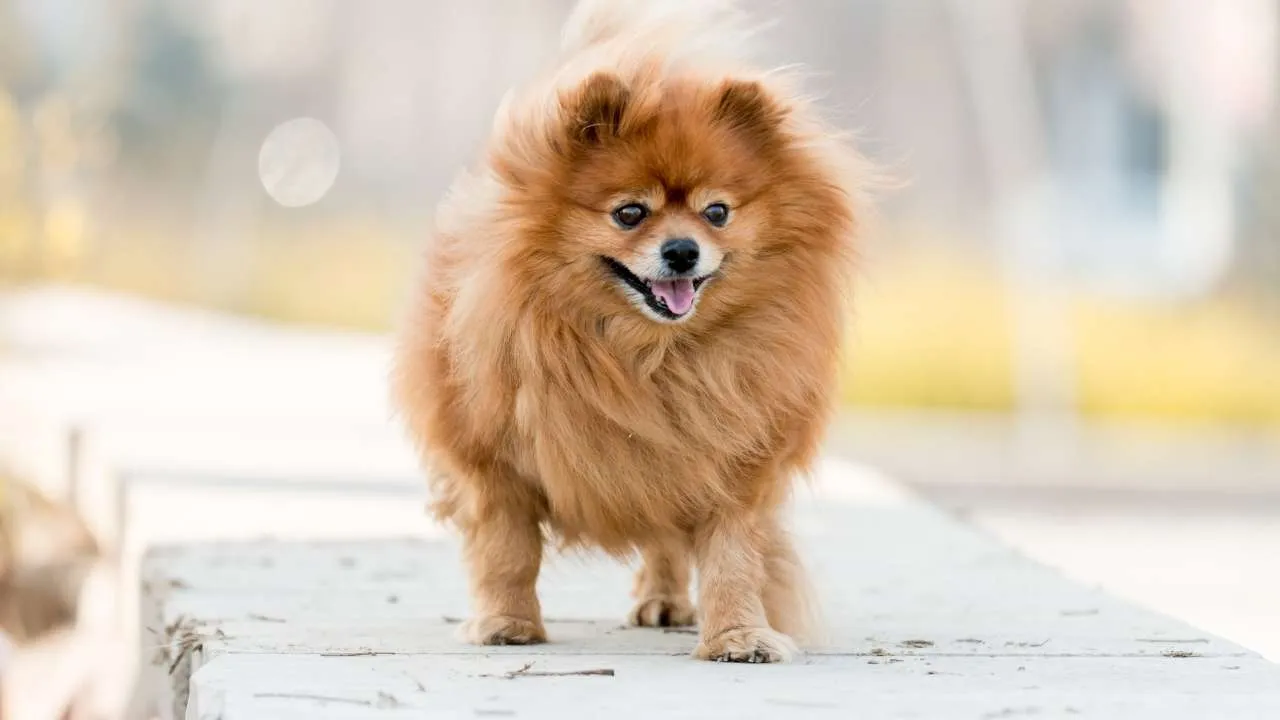
Pomeranians are lively, bold, affectionate, and surprisingly intelligent little dogs with a personality far bigger than their size. They were bred down from larger Arctic sled-pulling dogs to become companions and watchdogs. Highly social by nature, Poms never miss a chance to make you laugh.
Their exercise needs are low to moderate, usually just short daily walks paired with some indoor play to burn off energy. They’re fairly easy to train too, though they can show a stubborn, independent streak now and then, so staying consistent, firm, and focused on early socialization really pays off.
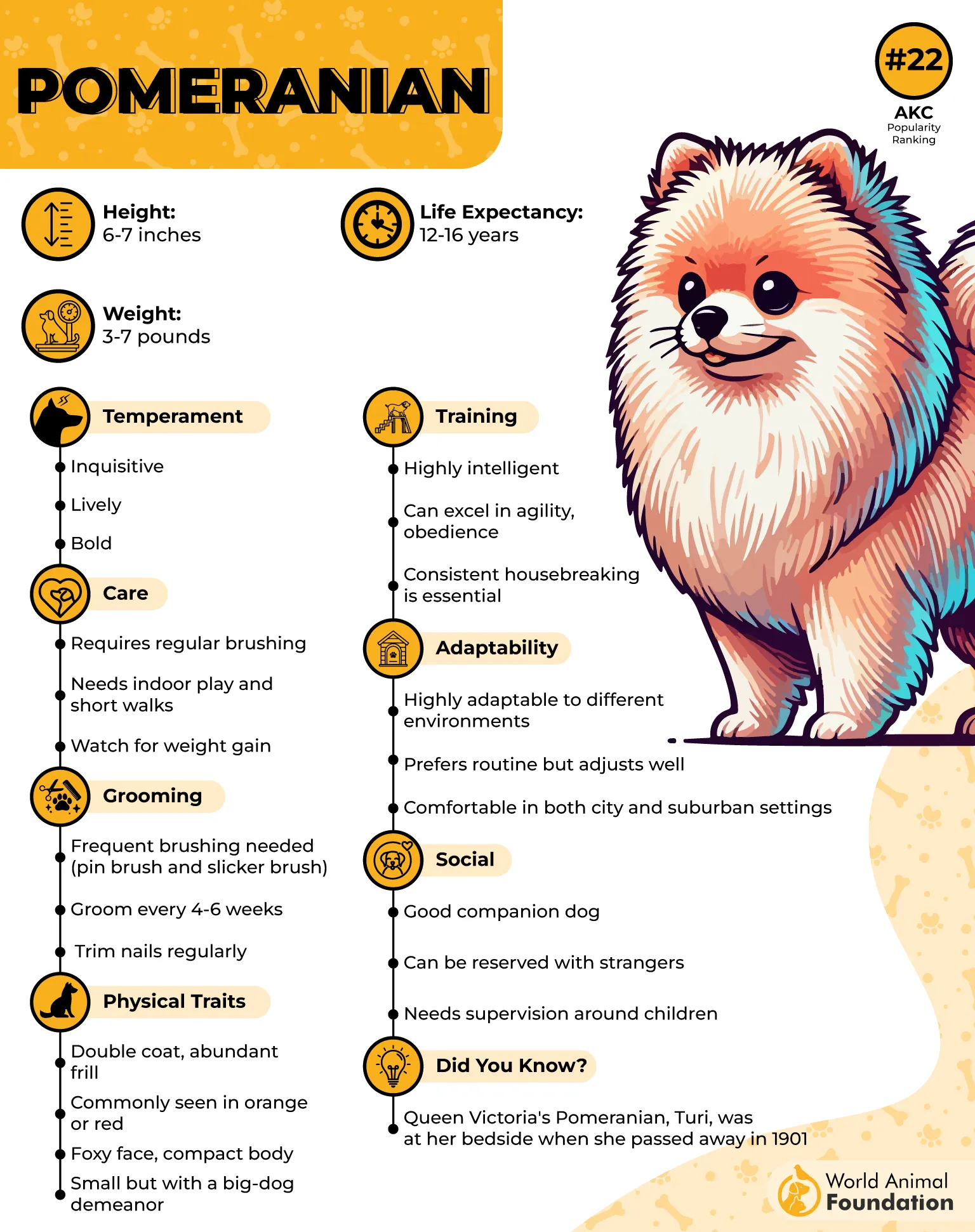
Pomeranians have plush, fluffy coats that look like powder puffs and shed moderately year-round, needing regular brushing about 3-4 times a week to keep loose fur under control.
Many users on Quora note that Pomeranians aren’t always the best match for families with very young children, since an accidental rough handling could hurt the tiny dog and cause it to snap or bite in response.
3. Chihuahua
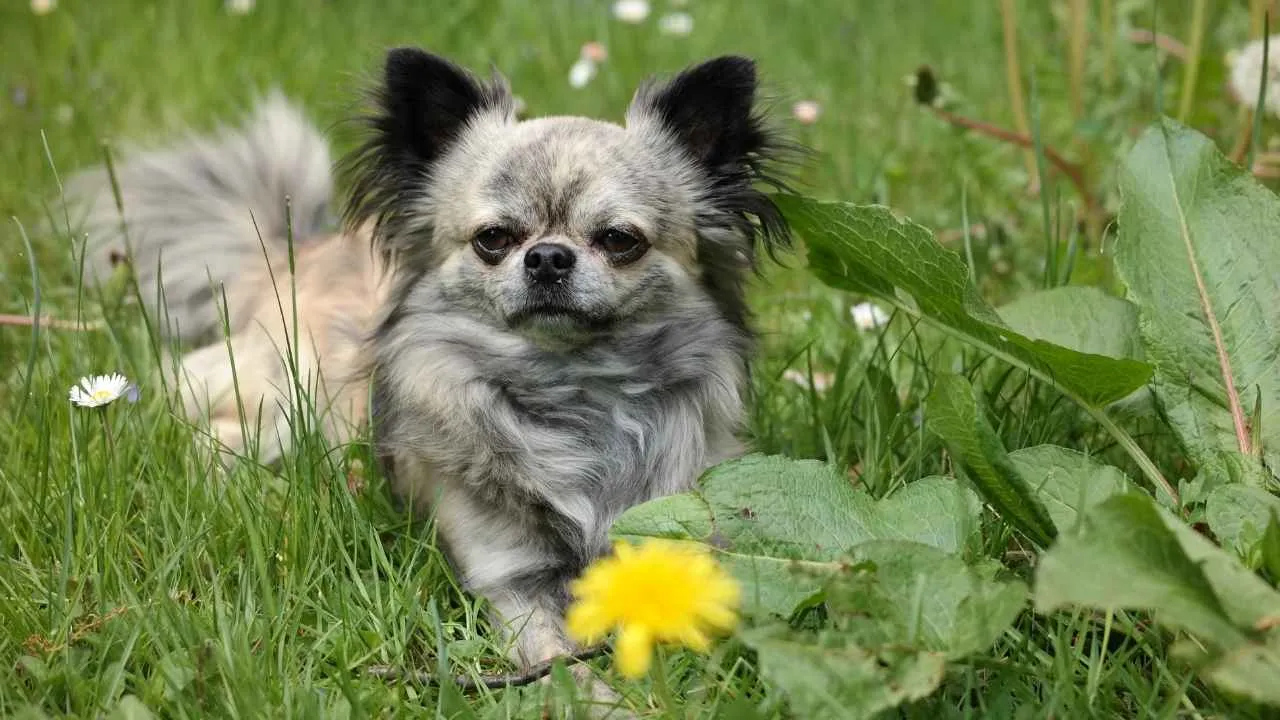
Chihuahuas are spirited, fiercely loyal, bold little companions known for their distinctive apple or deer head shape. They carry a big dog personality in a tiny frame and can come across as feisty or protective if not properly socialized, though at their core, they’re deeply affectionate.
Loyal, playful, and energetic, Chihuahuas often seem to forget just how small they actually are. Their personalities can range from bold and curious to shy and timid, but across the board, they tend to be bright and loving with their families.
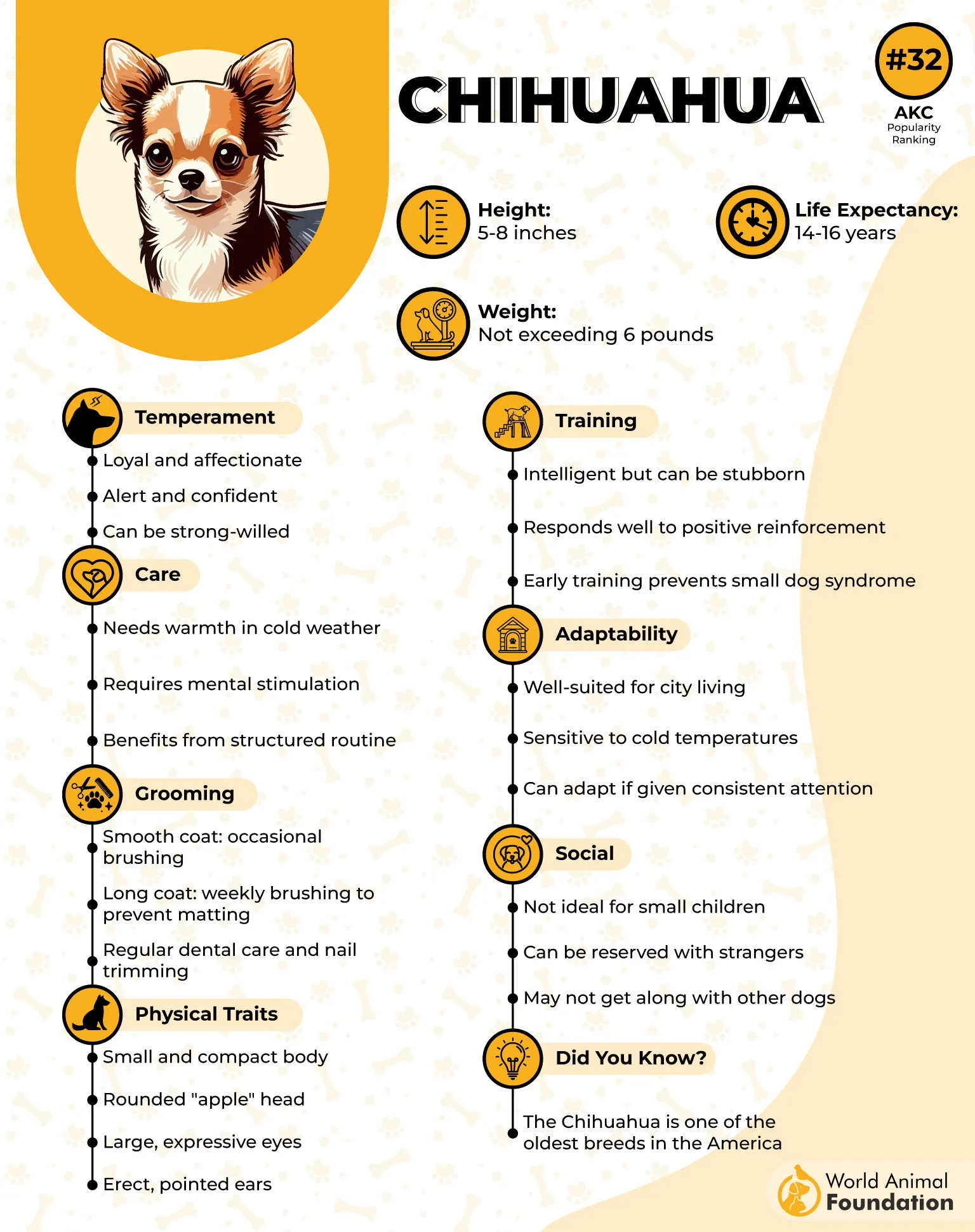
According to the Chihuahua Club of America, the breed is known for its saucy expression. While they’re certainly energetic, their exercise needs stay moderate, just enough regular activity to keep them fit and prevent weight gain.
Chihuahuas are highly intelligent but can be stubborn and independent, so training works best when it’s firm and consistent. They come in both smooth and long-haired coat varieties, and shedding levels vary between the two, though regular brushing is recommended either way.
4. Toy Poodle
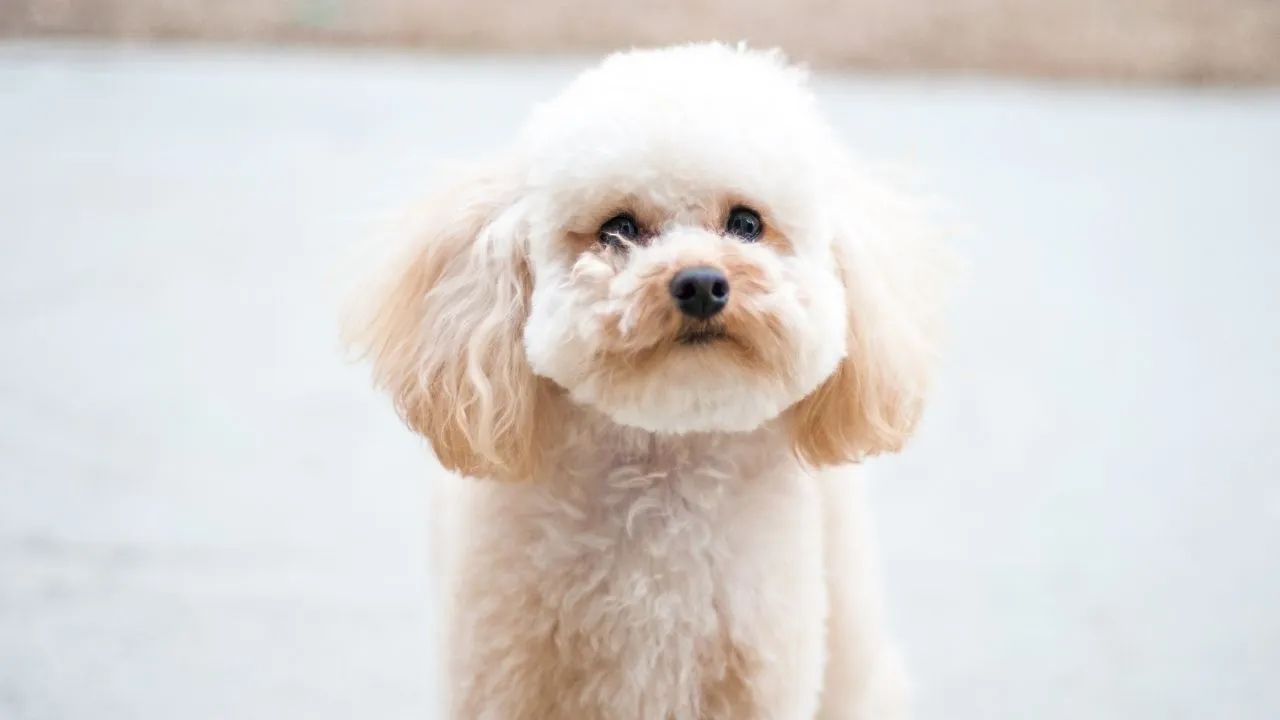
Toy Poodles are famous for their curly coat and alert, active personality. Weighing just 4 to 6 pounds, these energetic little companions do great in apartments and travel easily, though they do need daily attention and regular grooming to avoid separation anxiety and coat matting.
They’re among the smartest dog breeds out there, often learning new commands in just five repetitions and obeying correctly around 95% of the time. This tiny breed was actually downsized in France and Germany from larger poodle lines.
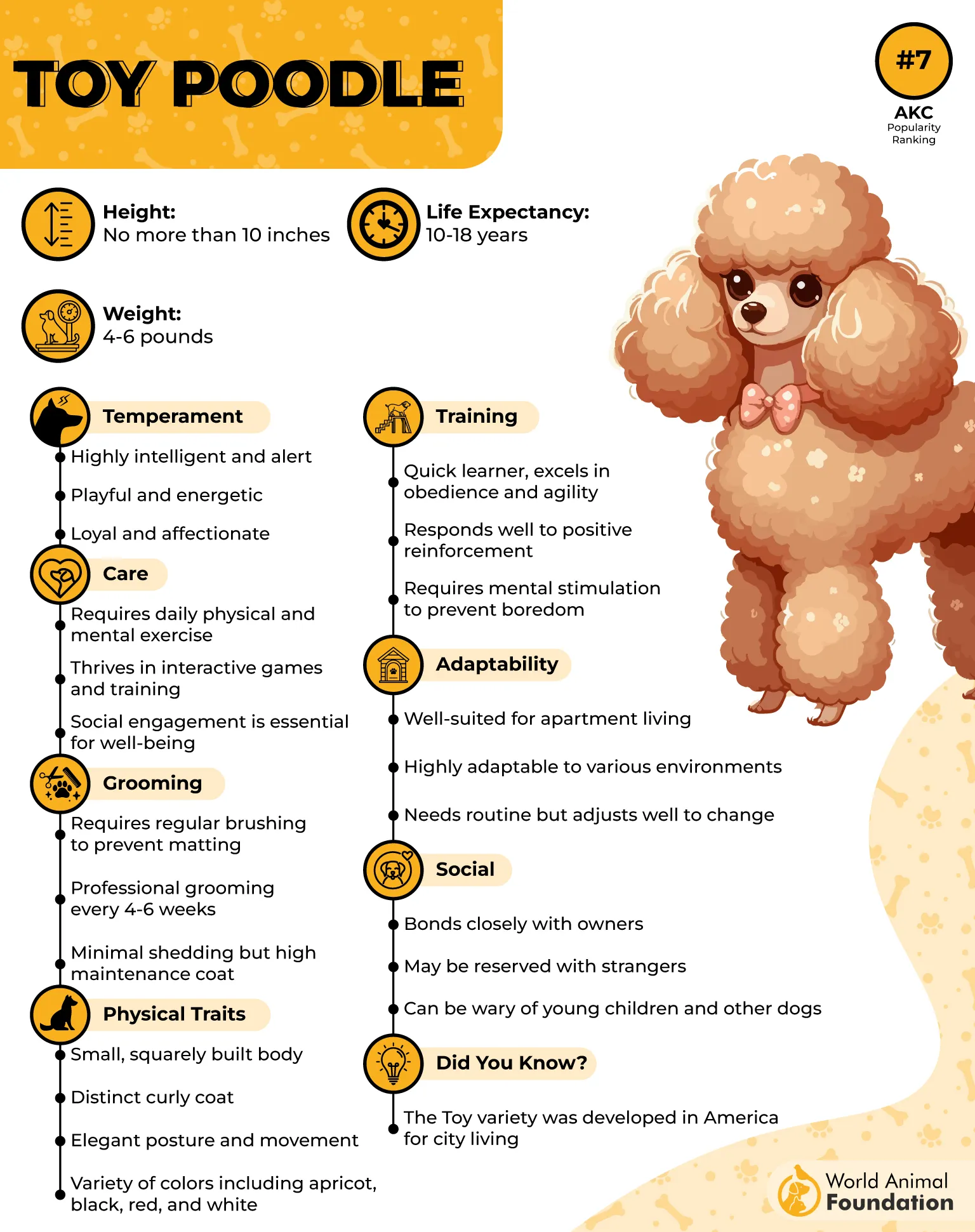
Interestingly, Toy Poodles even worked as circus performers back in the day before becoming the pampered lapdogs we know today. They’re generally calm and perfectly happy lounging around once their energy needs are met.
Daily play sessions help keep them mentally stimulated. Their dense, curly coat is hypoallergenic and sheds very little, but it does require daily brushing to prevent matting, along with a professional trim every 4-6 weeks.
5. Yorkshire Terrier
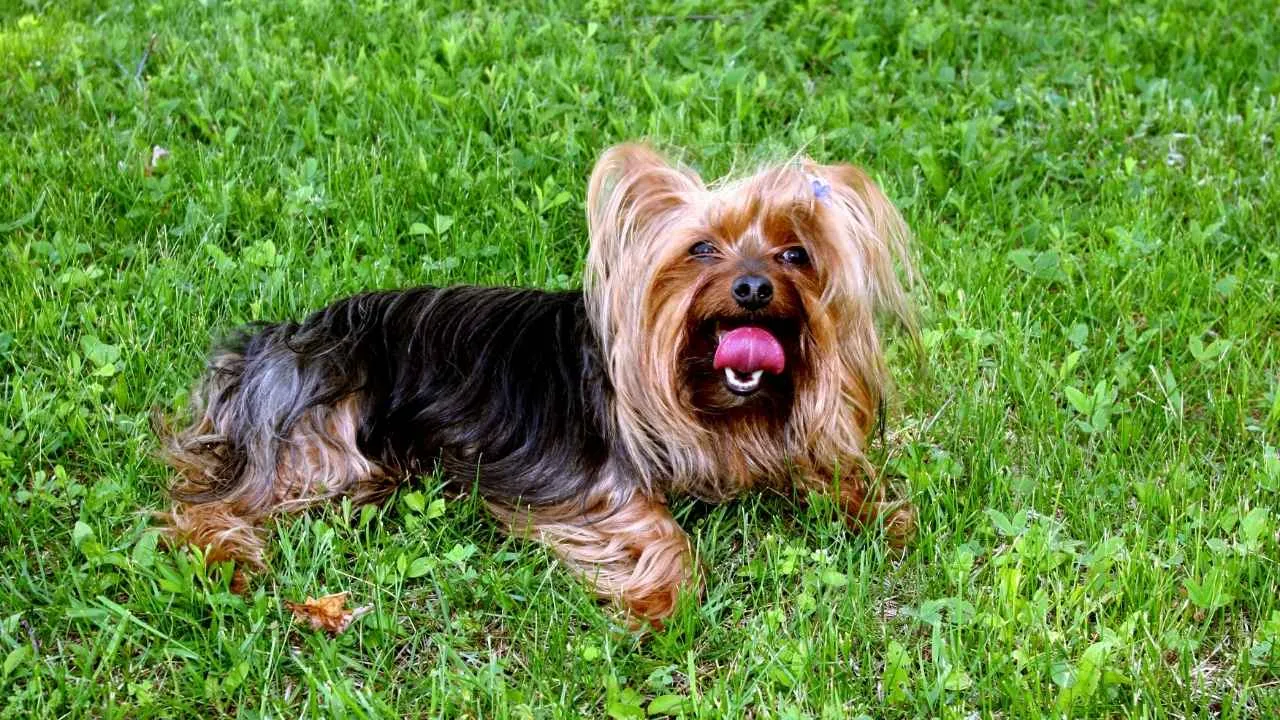
Yorkies are undeniably adorable, but they were actually bred to chase down rodents in 19th-century textile mills and coal mines. That working-dog history is exactly why they’re courageous, independent, and spunky, with strong protective instincts to match.
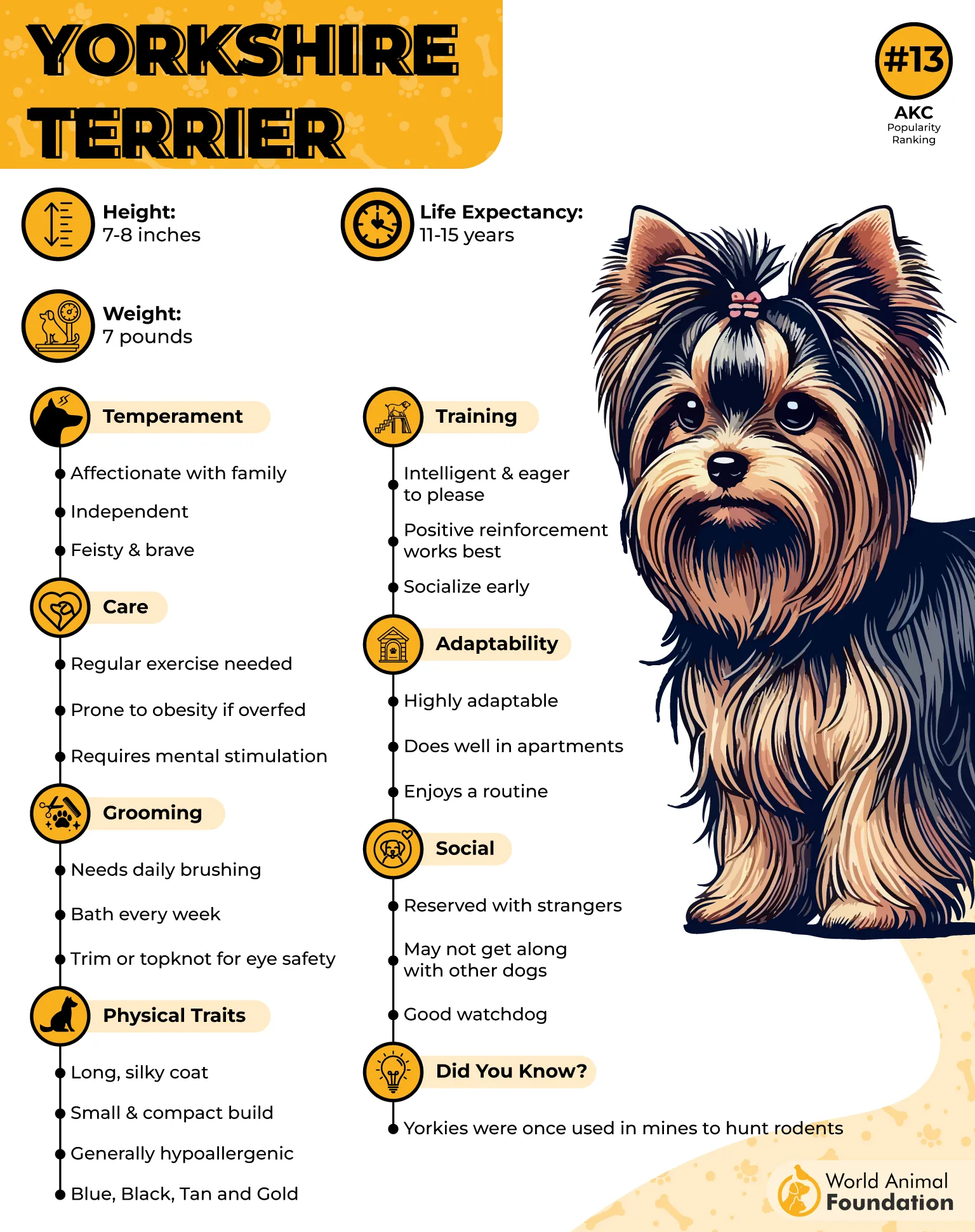
Yorkies are deeply affectionate with their families, often sticking close like tiny shadows. That said, their spirited nature means they can come across as wary or even a bit snappy toward strangers and small children if they haven’t been properly socialized. It’s that classic “big dog energy” packed into a small body.

These family dogs have moderate exercise needs, and interestingly, their hair is more similar to human hair than traditional dog fur. They still love daily walks, lively indoor games, and active play to work off that bold terrier drive.
Their coat doesn’t shed much, but it does need daily brushing to stay in good shape. Many owners opt for the popular “puppy cut,” keeping the coat trimmed short, which cuts brushing down to just 2-3 times a week and makes upkeep a whole lot easier.
6. Papillon
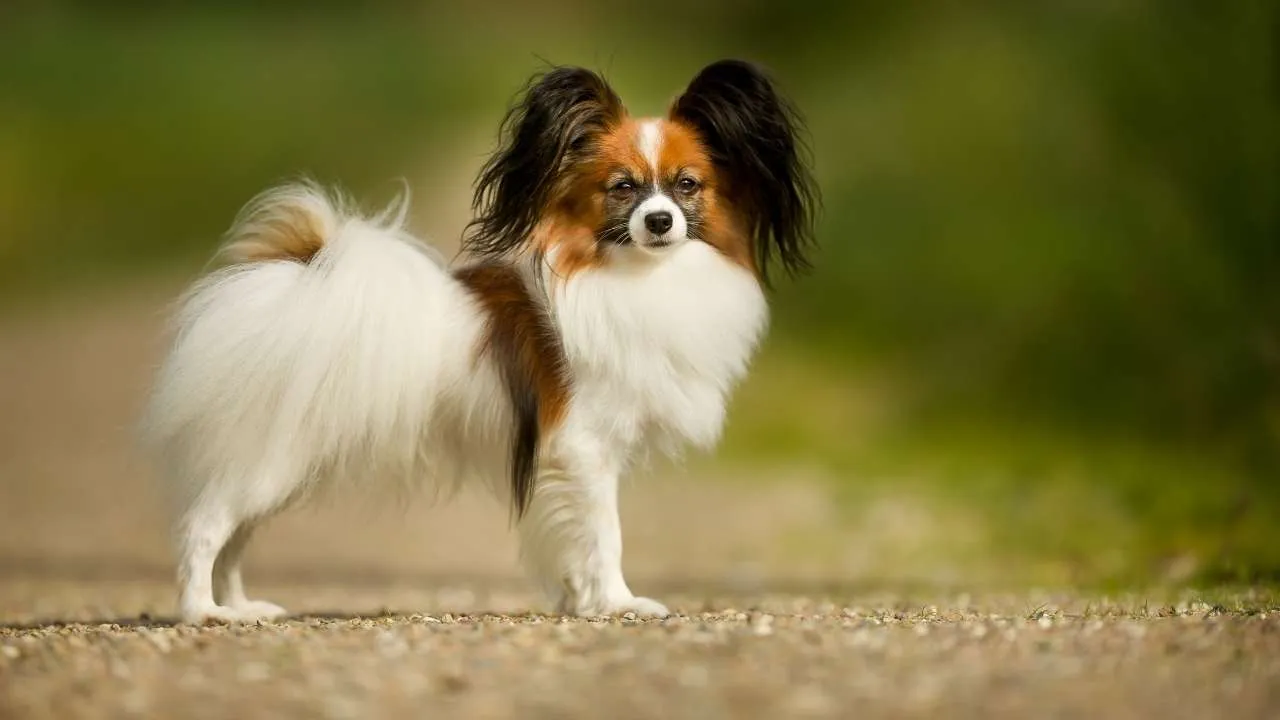
Papillons are instantly recognizable thanks to their wispy, butterfly-shaped ears, which are honestly their defining feature. Bred as elite lap dogs for European nobility and royalty, Papillons were once known as the “dwarf spaniel,” according to Purina.
They have an alert, happy, and friendly nature that makes them well-suited for therapy and service work. These pups stay small for life and have moderate exercise needs, enjoying regular walks, interactive games, and even agility sports.
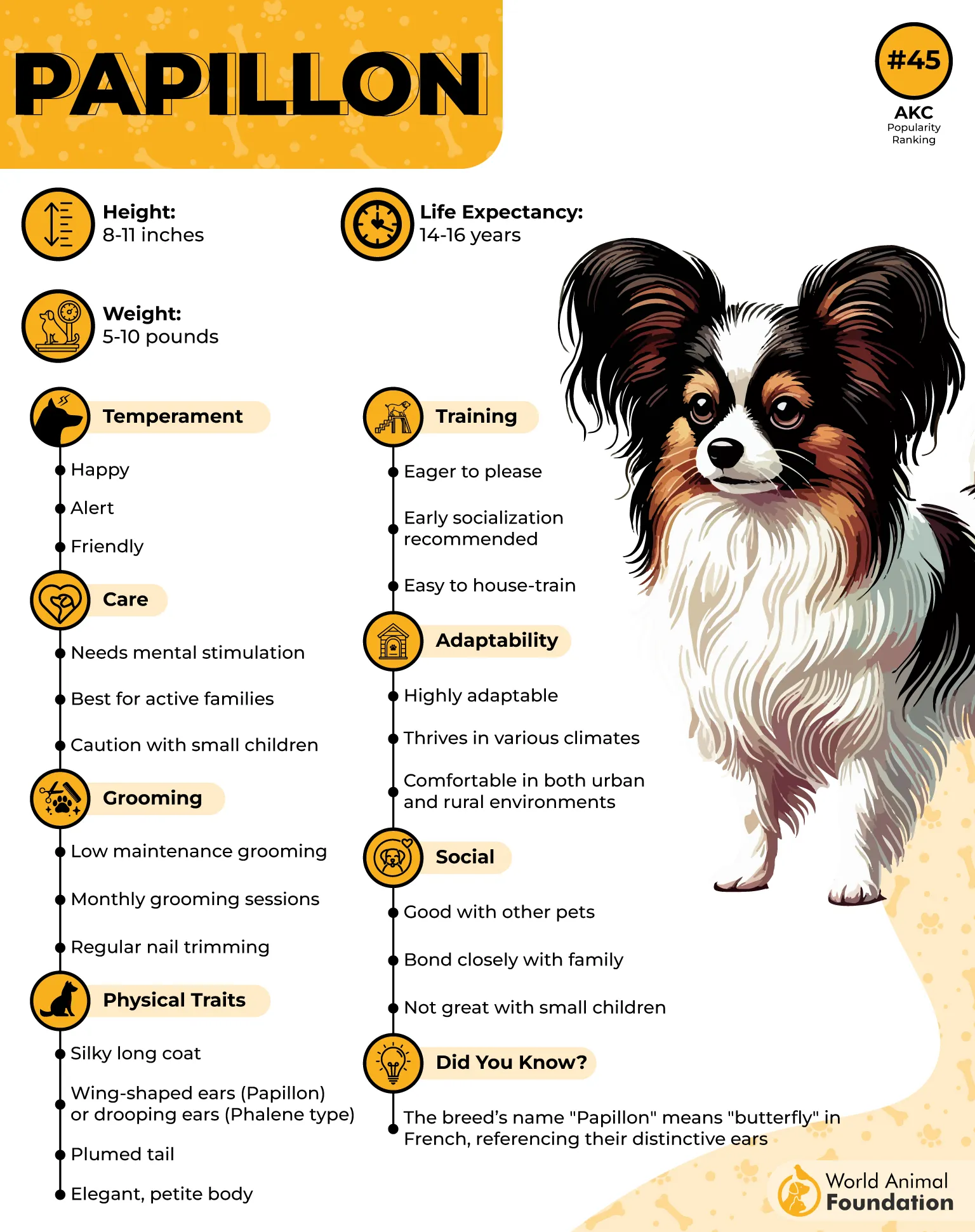
Papillons are also super easy to train and rank among the smartest dog breeds around. Their long, fine, silky coat sheds moderately and needs regular brushing to prevent tangles, especially around the ears and ruff.
They form strong bonds with their owners and can become distressed or lonely if left alone for too long. They also tend to bark and may show a feisty or stubborn streak if they’re not getting enough mental stimulation.
7. Shih Tzu
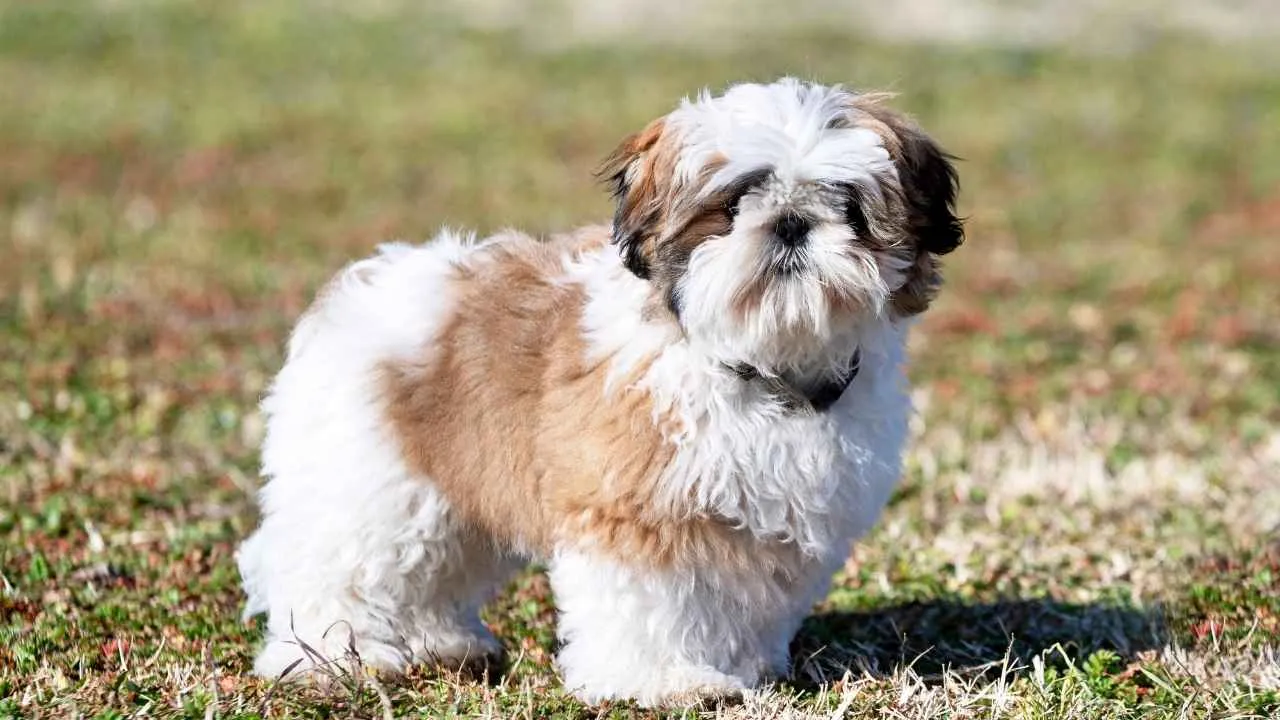
Shih Tzus are playful, outgoing, and deeply devoted little “lion dogs” with a sweet, gentle nature. Bred centuries ago as treasured companions for Chinese emperors and nobility, they still carry that watchful, vocal streak today, always ready to alert you to something new.
These tiny dogs need daily walks along with some indoor playtime to stay mentally engaged. They have big personalities and generally do well with kids, especially when properly socialized and trained. Training itself is moderately easy, though Shih Tzus can be a bit stubborn, so a gentle, patient approach with positive reinforcement works best.
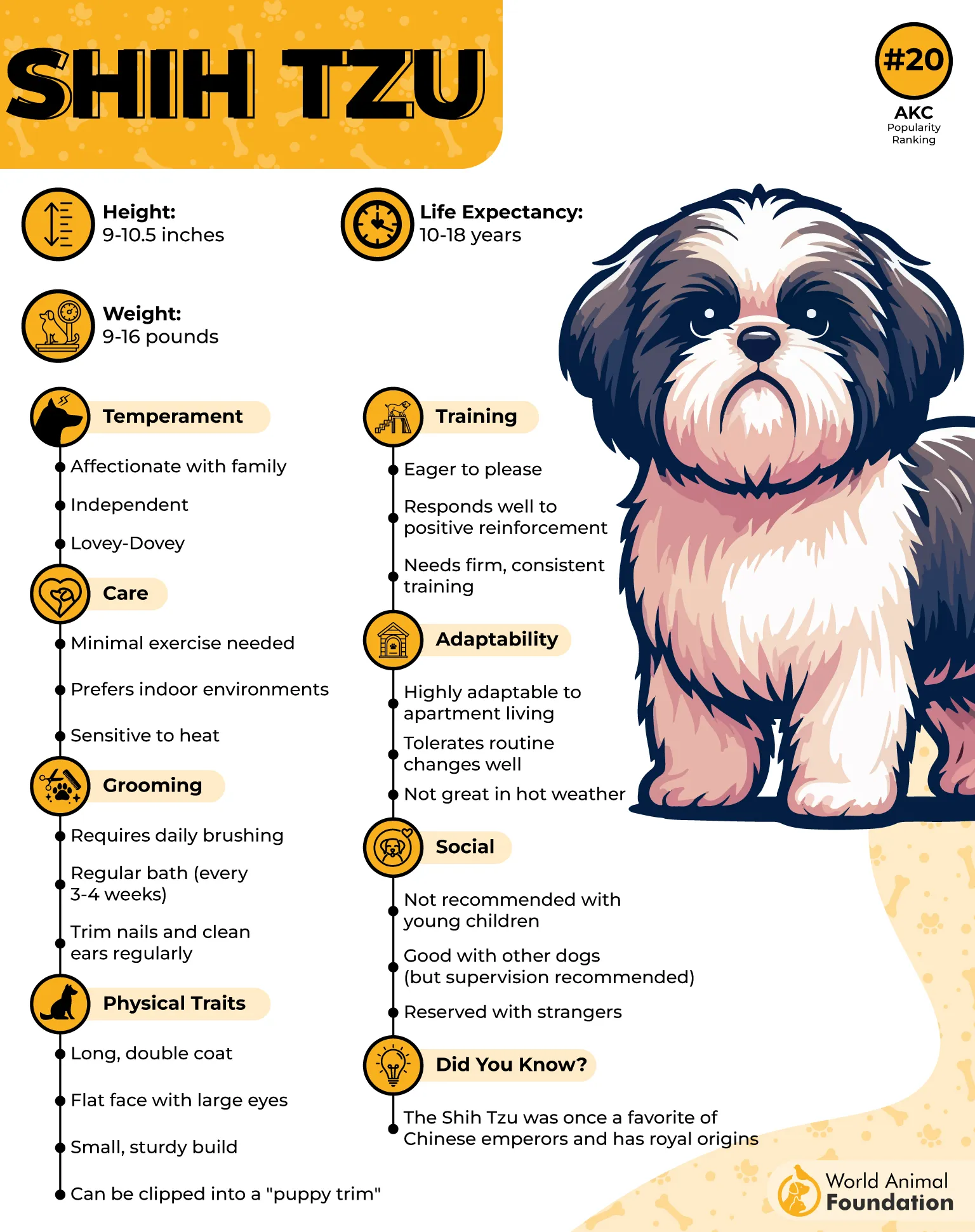
Their long coat grows continuously and needs daily brushing, or alternatively, many owners opt for a puppy cut that only needs brushing 2-3 times a week.
As a brachycephalic breed, Shih Tzus can sometimes struggle with breathing and are more sensitive to heat, so it’s important to keep them cool and avoid strenuous activity on hot days.
8. Japanese Chin
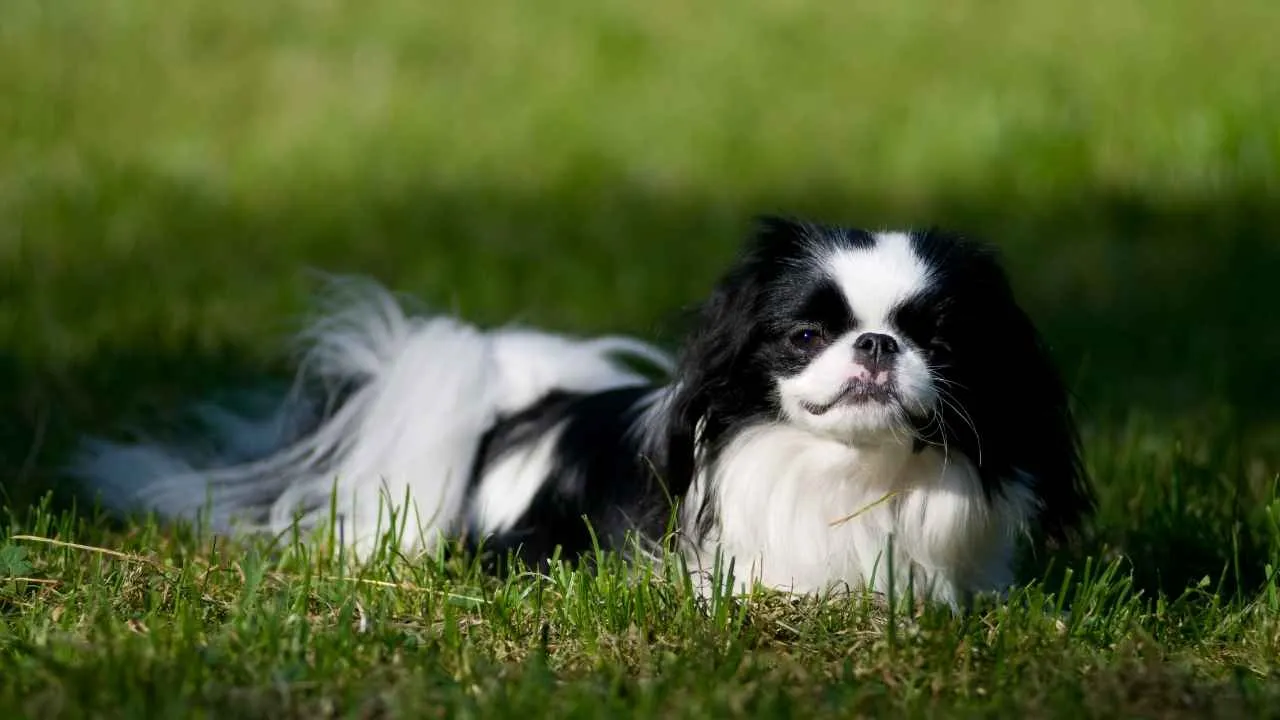
Japanese Chins are noble, independent, and almost cat-like in nature, often grooming themselves much like a cat would. They’re loving and devoted with family but tend to stay reserved around strangers. Originally bred as lapdogs for Japan’s imperial courts, they’ve held onto that refined, companionable spirit ever since.
They don’t need much exercise; just a short walk and some playtime is usually enough, though they do have a vocal side too. Sensitive and intelligent, if a little independent, the Japanese Chin’s whole purpose in life is really just to be a devoted companion.
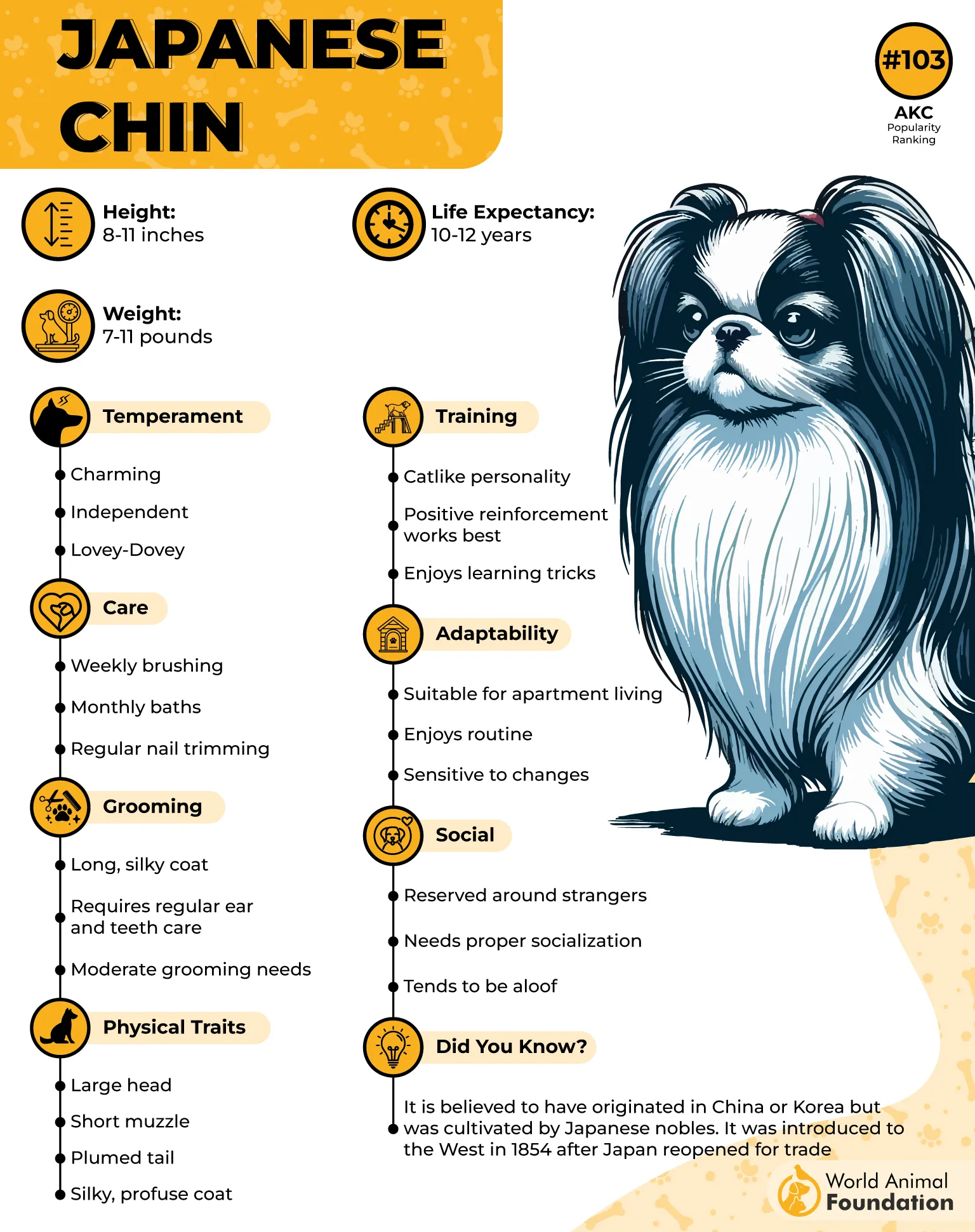
According to Hill’s Pet, they’re responsive and affectionate with people they know and trust, but tend to be reserved around strangers or in unfamiliar situations.
Their eagerness to please makes training a bit easier despite their independent streak and sensitive nature. Japanese Chins also have a straight coat that does shed, needing brushing about 2-3 times a week to keep it looking silky and smooth.
9. Havanese
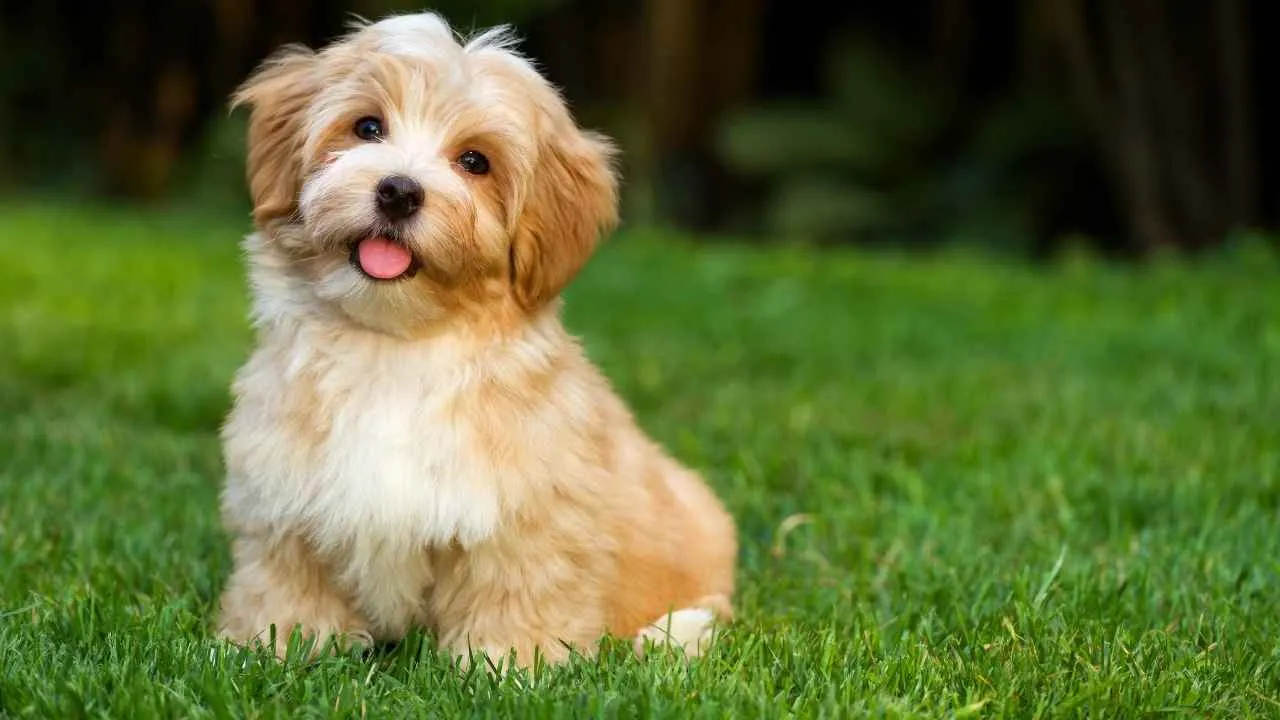
Havanese are outgoing, joyful, people-loving dogs with a true velcro personality; they simply love being wherever you are. As the national dog of Cuba, they were bred down from early European lapdogs imported to the island, refined over generations into the pampered companions we know today. These calm small dogs stay petite for life.
They have moderate exercise needs, doing well with daily walks and interactive play to stay both physically and mentally stimulated. Havanese are also highly intelligent and trainable, responding best to positive, consistent training methods.
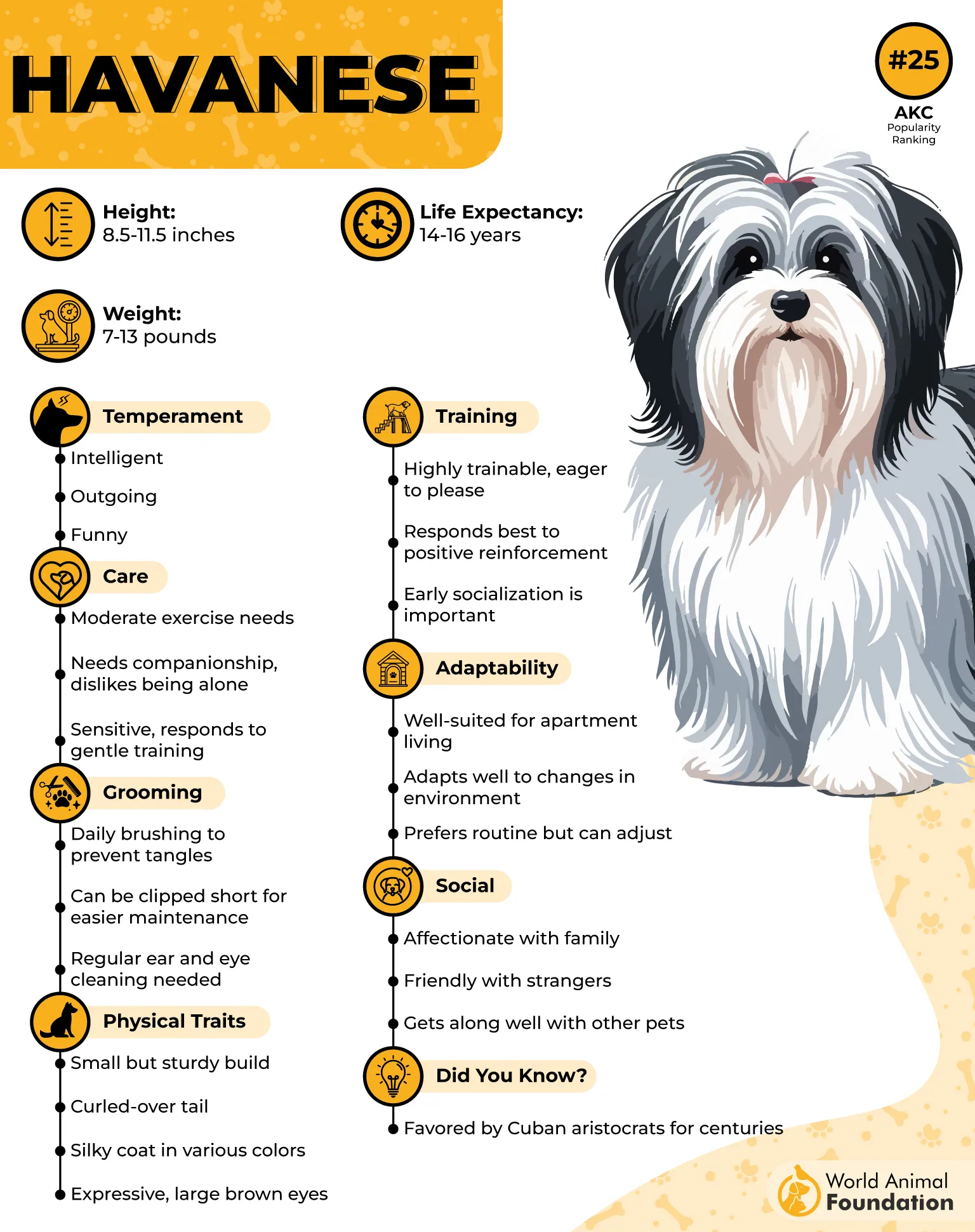
Their silky double coat is prone to matting and needs daily brushing unless kept in a shorter, clipped style. Daily wiping around the eyes and face also helps prevent tear stains and skin irritation.
The good news is their coat traps loose hair and barely sheds, making them a solid choice for allergy sufferers, though that daily brushing routine (or a puppy cut to cut down on maintenance) is still a must.
10. Bichon Frise
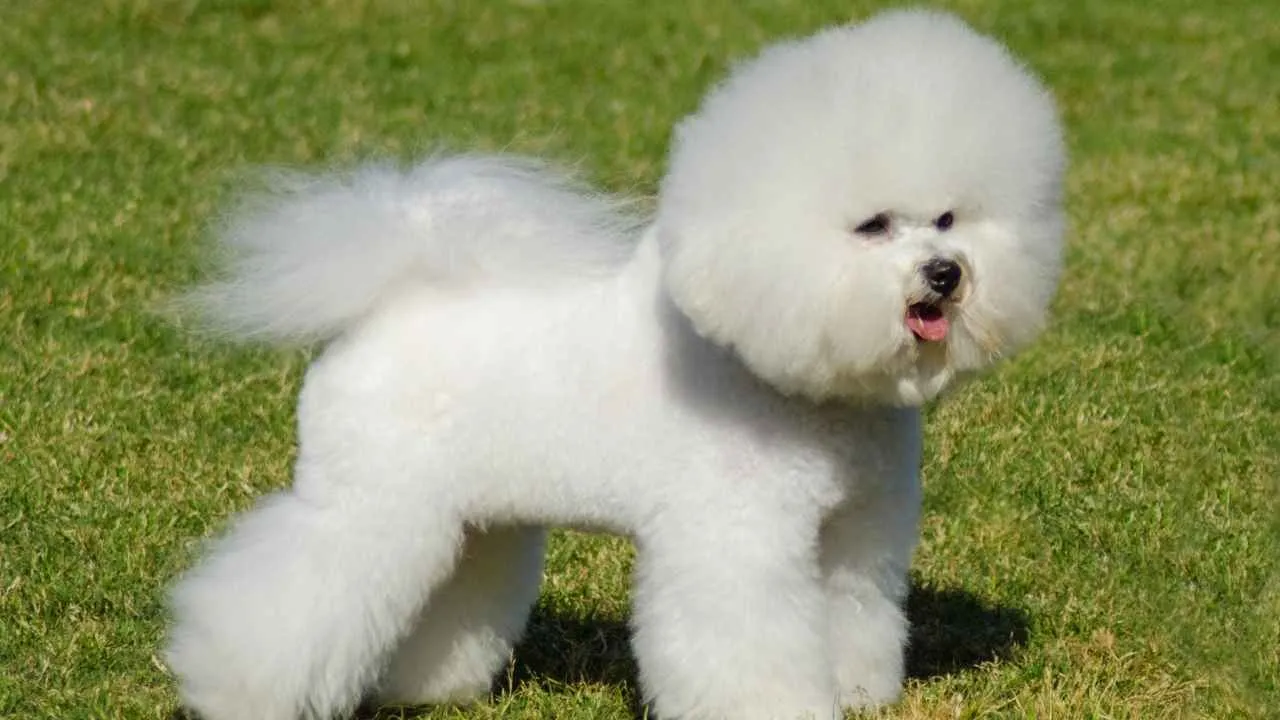
A stuffed teddy bear is basically what comes to mind whenever someone mentions the Bichon Frise. These charming white dogs have a curly, fluffy coat that’s often trimmed into a rounded shape, giving them that classic fluffball look. Joyful, affectionate, and total velcro dogs, they love sticking close to their people.
Bred as lapdogs, Bichons don’t carry a high prey drive, which makes them a great fit for first-time owners. Their exercise needs are moderate too, so short walks around the block usually do the trick.
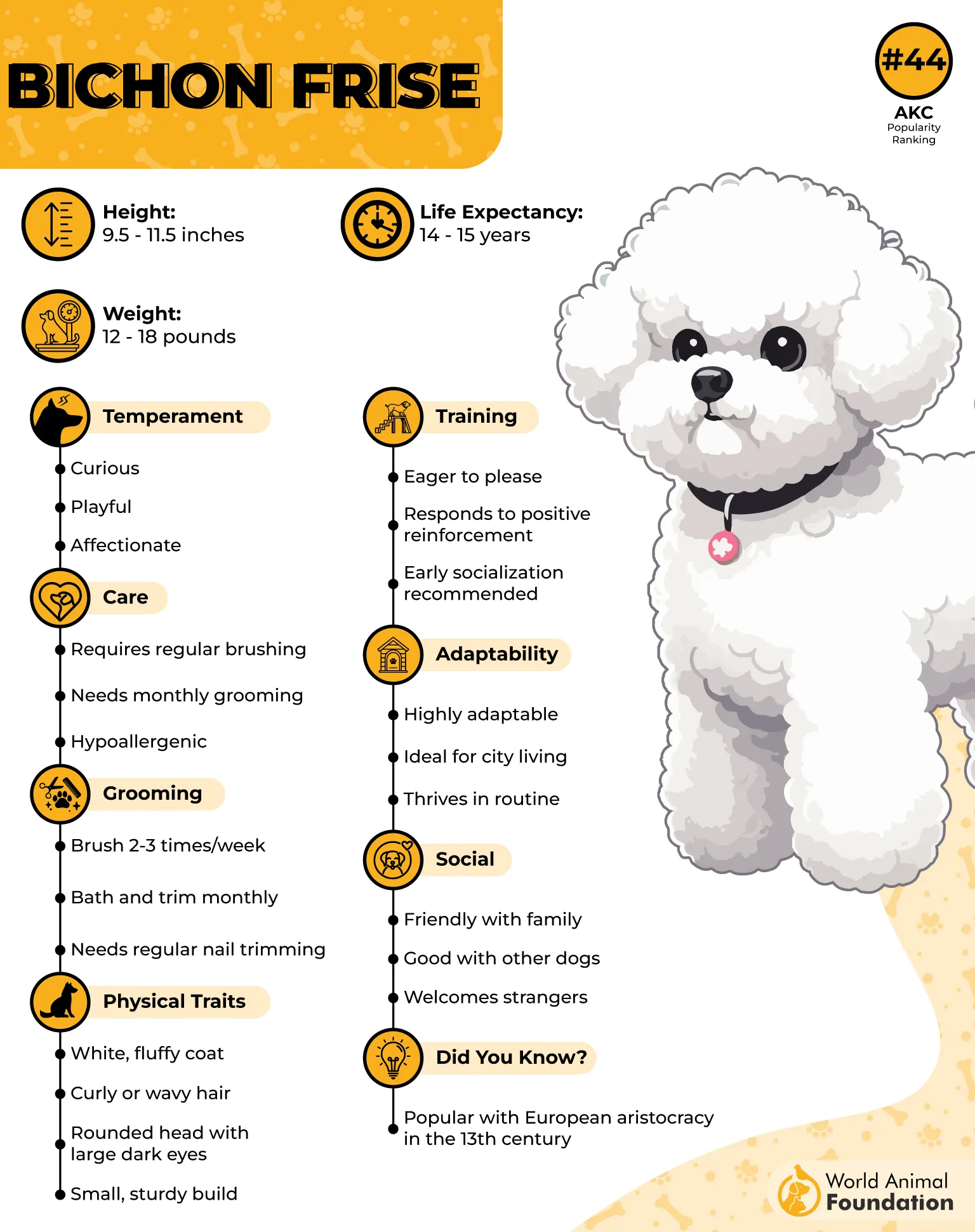
They’re also fairly easy to train, thanks to their eagerness to please, and praise or treats work wonders to keep them engaged. Their coat is hypoallergenic and traps loose hair rather than shedding it everywhere, though that means near-daily brushing to keep things tidy.
One thing to watch for: Bichon Frises are prone to separation anxiety and may bark, whine, scratch, or chew if left alone too long, so they really thrive on plenty of human interaction.
Conclusion
The 10 dog breeds that stay small above all share one thing in common: they stay lovely for life. Their energy levels, food needs, training requirements, and even their little coats pretty much stay the same as they grow.
That makes them perfect companions for apartments, smaller homes, or anyone keeping an eye on costs, since a smaller size usually means lower grooming and vet expenses compared to larger breeds. Just make sure to read through each breed’s details before deciding, since their temperaments and training needs can vary quite a bit from one to the next.
