




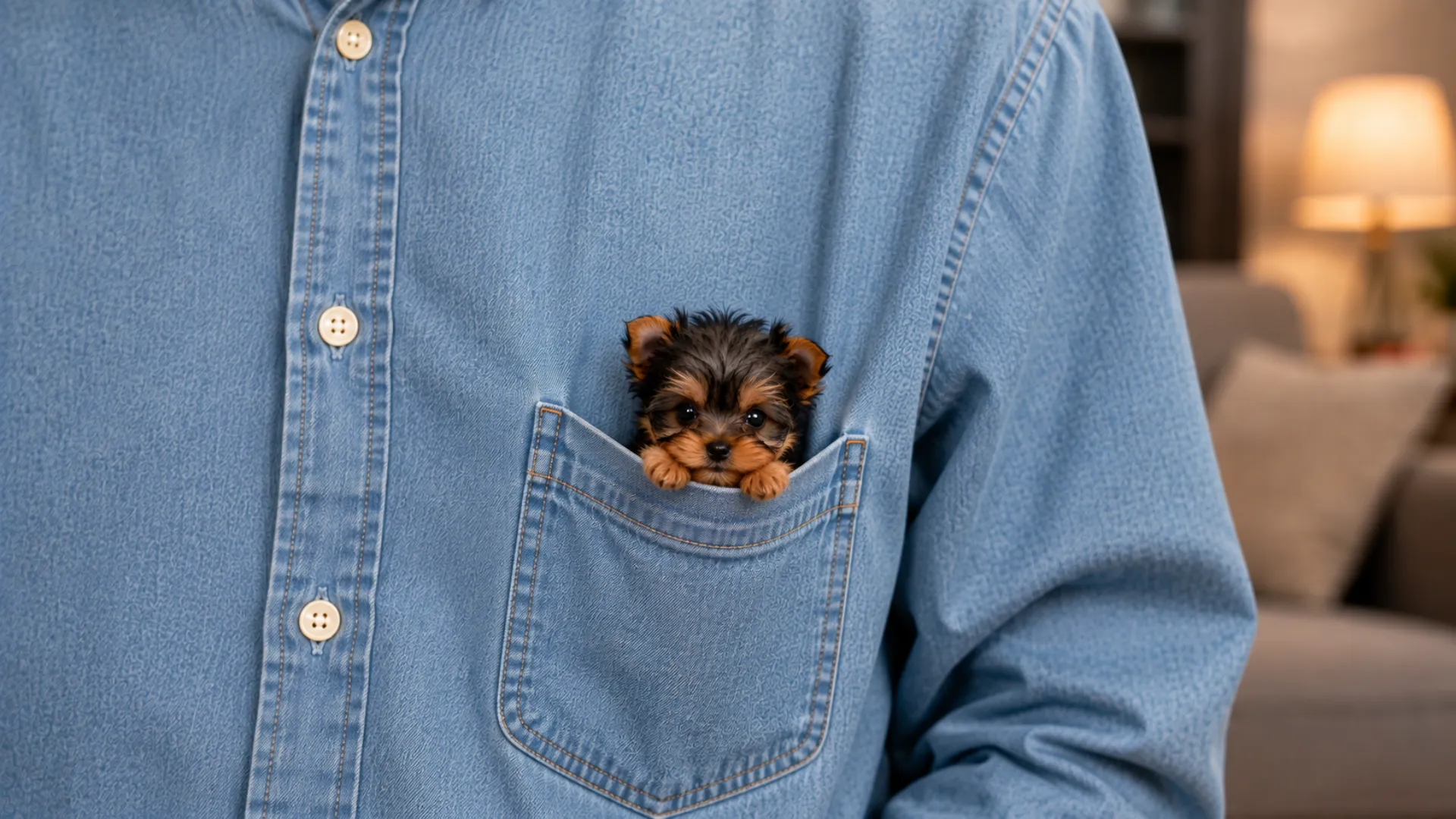
People often assume the smallest dogs are chosen simply because they are cute. While their appearance certainly catches attention, that is rarely the whole reason they become unforgettable companions.
The real magic begins once their personalities start shining through everyday life. A dog small enough to nap comfortably beside you may also become the first to investigate unfamiliar sounds, welcome visitors with endless enthusiasm, or invent amusing routines that make everyone smile.
These unexpected traits turn ordinary moments into memorable ones and give each tiny companion a character all its own. Living with a pocket-sized dog is rarely as predictable as people imagine. Their charm grows from the little habits that appear naturally over time rather than from their size alone.
Here, you’ll see adorable pocket-sized dog breeds, explore the delightful quirks that make them special, and see why these tiny companions leave such lasting memories.
Key Takeaways
Some of the smallest dogs have the funniest ways of making themselves noticed. A Yorkie may burrow under blankets while a Pomeranian keeps tabs on everything happening at home.
Shih Tzu has its own little signals too, from impatient foot stomps to those quick circles before settling down.
Havanese can perch on sofa cushions like a cat, while Papillon often claims the highest seat in the room to watch the action.
There is plenty more hiding behind those cute faces, so keep reading to discover the quirks that make each breed so memorable.
Adorable Pocket-Sized Dog Breeds and Their Quirks
1. Yorkshire Terrier
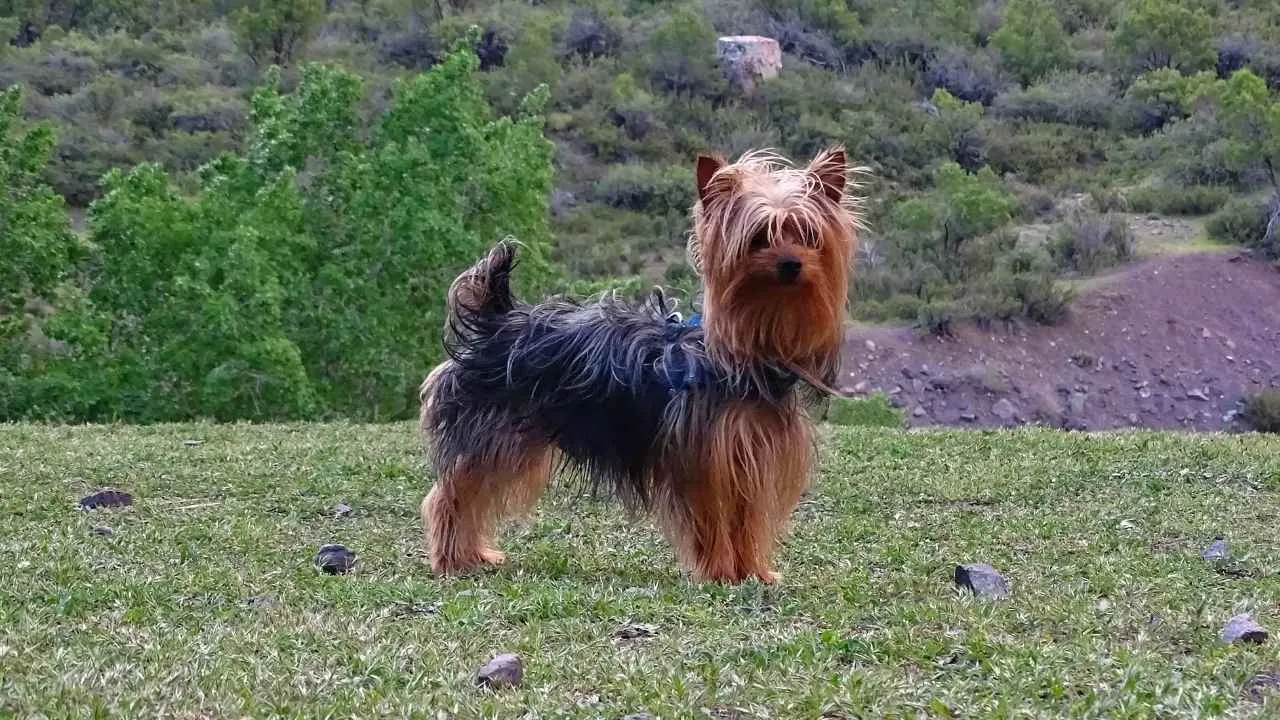
Yorkshire Terrier was originally bred in northern England after Scottish weavers brought these little dogs with them during the mid-1800s. Around busy textile mills, they hunted rodents with surprising determination before later becoming a much-loved companion breed.
Tiny Frame, Big Character
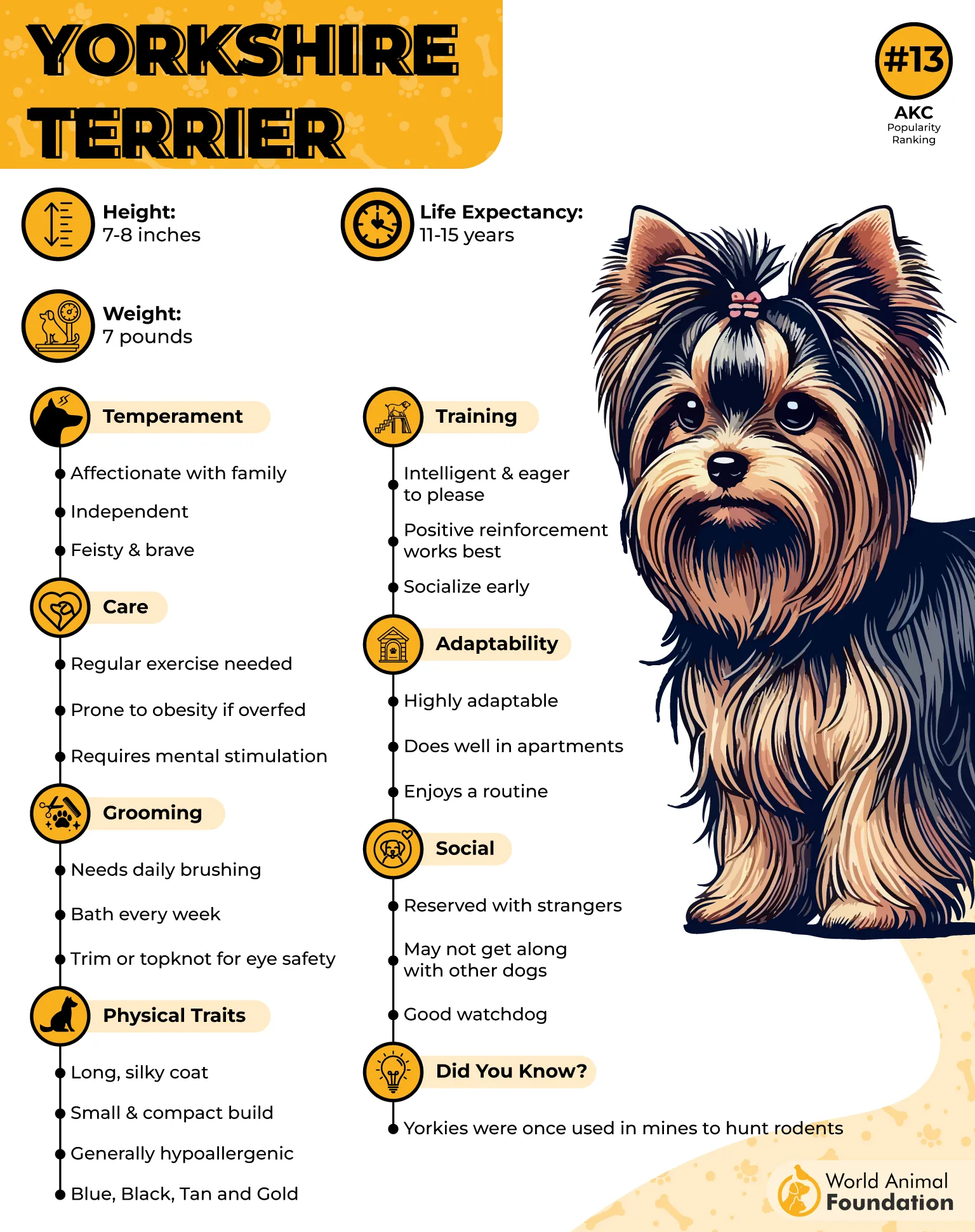
Yorkies measure only about 7 to 8 inches tall and weigh up to 7 pounds, yet their lively personality fills far more space than their size suggests. Long blue and tan hair, often trimmed into neat styles, gives this little dog an unmistakable appearance, as PetMD suggested.
These habits make everyday life even more entertaining:
Shreds tissues into tiny confetti pieces
Burrows deep beneath blankets and pillows
Collects socks like prized treasures
Full of Surprises
This small dog breed may confidently approach dogs several times its size with complete self-assurance, a behavior often described as the “Napoleon complex.” It can also pause to lick the air, using a specialized sensory organ to investigate lingering scent particles.
2. Shih Tzu
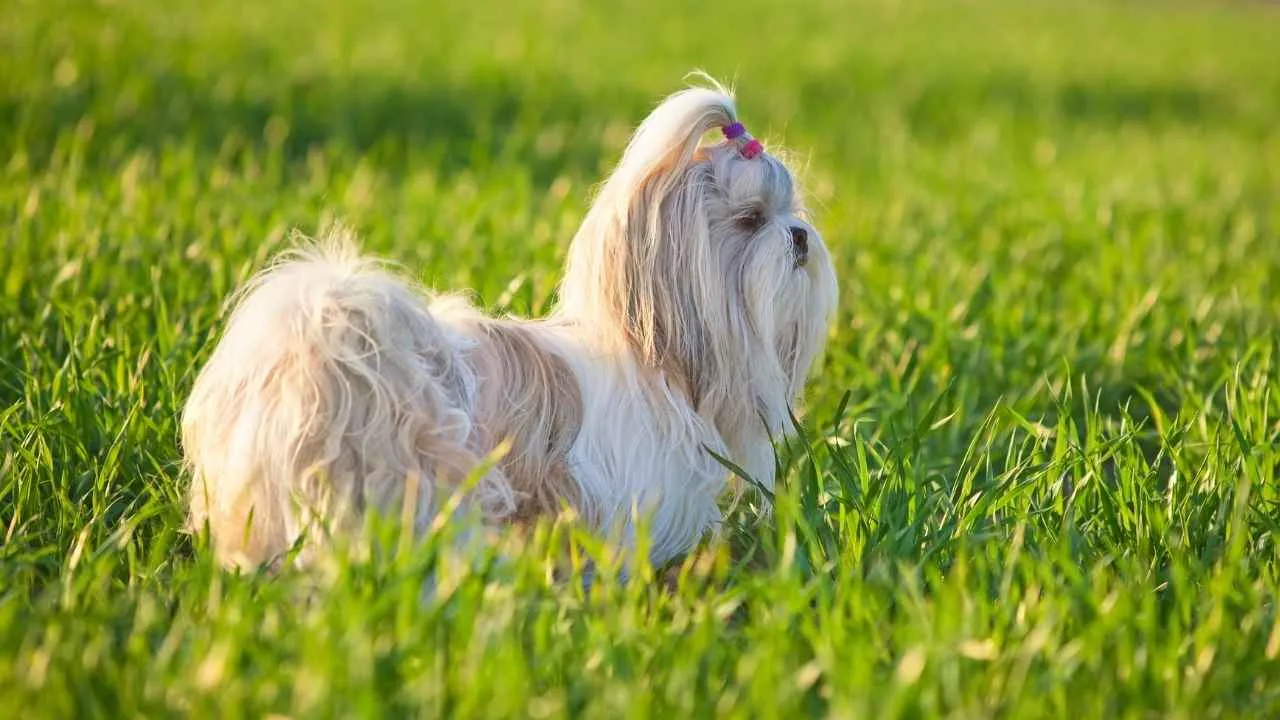
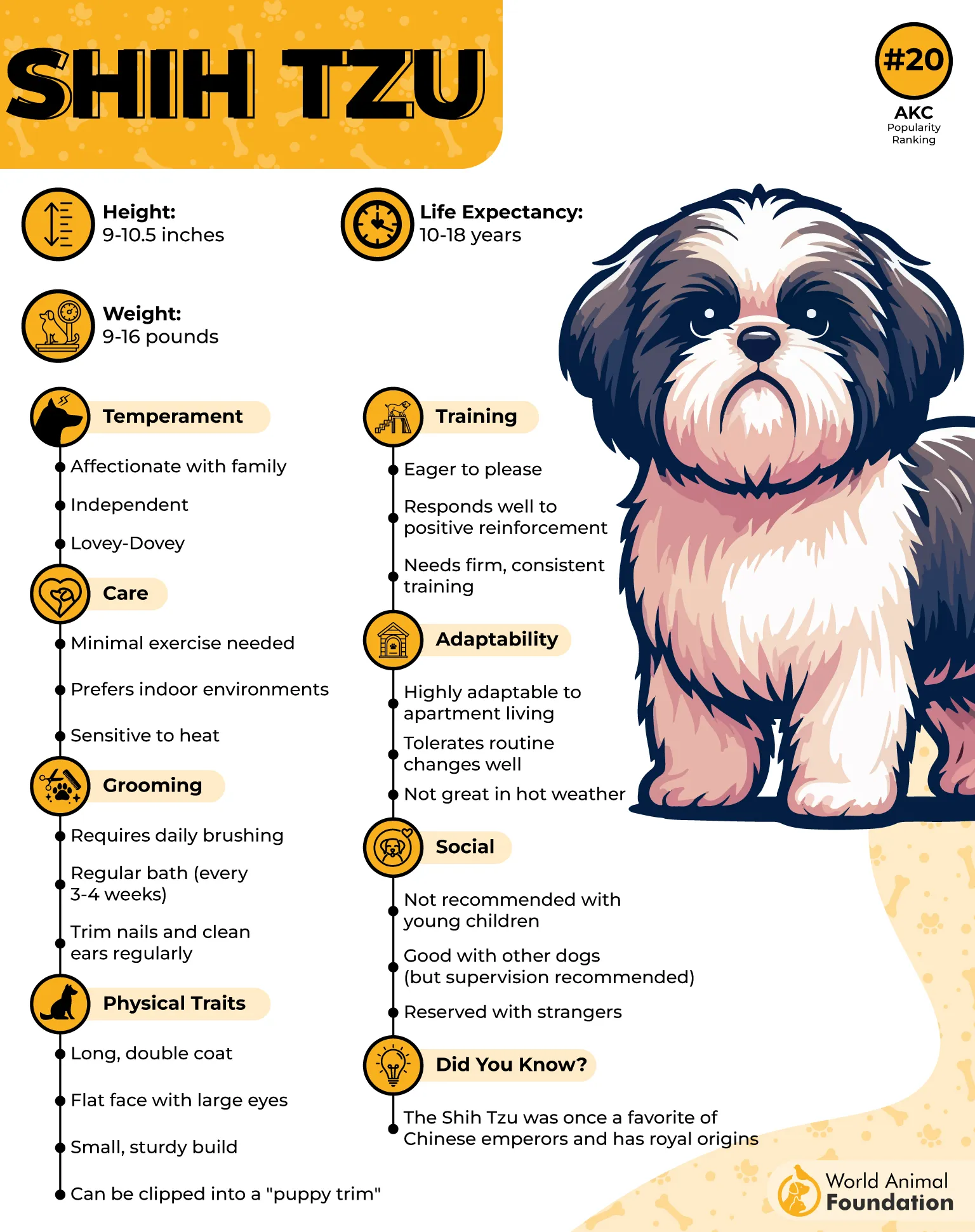
Long before Shih Tzu became a familiar name in the United States, written records placed dogs resembling this breed in East Asia more than 1,000 years ago. Historical references also describe small, sturdy “under the table” dogs in China as early as 1000 B.C., believed to be among their earliest ancestors.
More Than a Pretty Coat
A flowing outer coat often catches the eye first, yet beneath it sits a muscular frame capable of impressive agility. In fact, one Shih Tzu made breed history in 2014 by becoming the first to earn both a champion title and an agility title, as the AKC highlighted.
Some more fascinating details deserve a closer look:
Coat colors vary widely between individuals
Coat texture can change around 10 to 12 months of age
Grooming routines often require trial and adjustment
Tiny Habits, Big Personality
This tiny dog has a few amusing habits that quickly become familiar, including a loud nose puff or a tiny foot stomp when feeling impatient or waiting for dinner. Before curling up on a lap or cushion, this little dog often completes several quick circles as if choosing the perfect spot.
3. Pomeranian
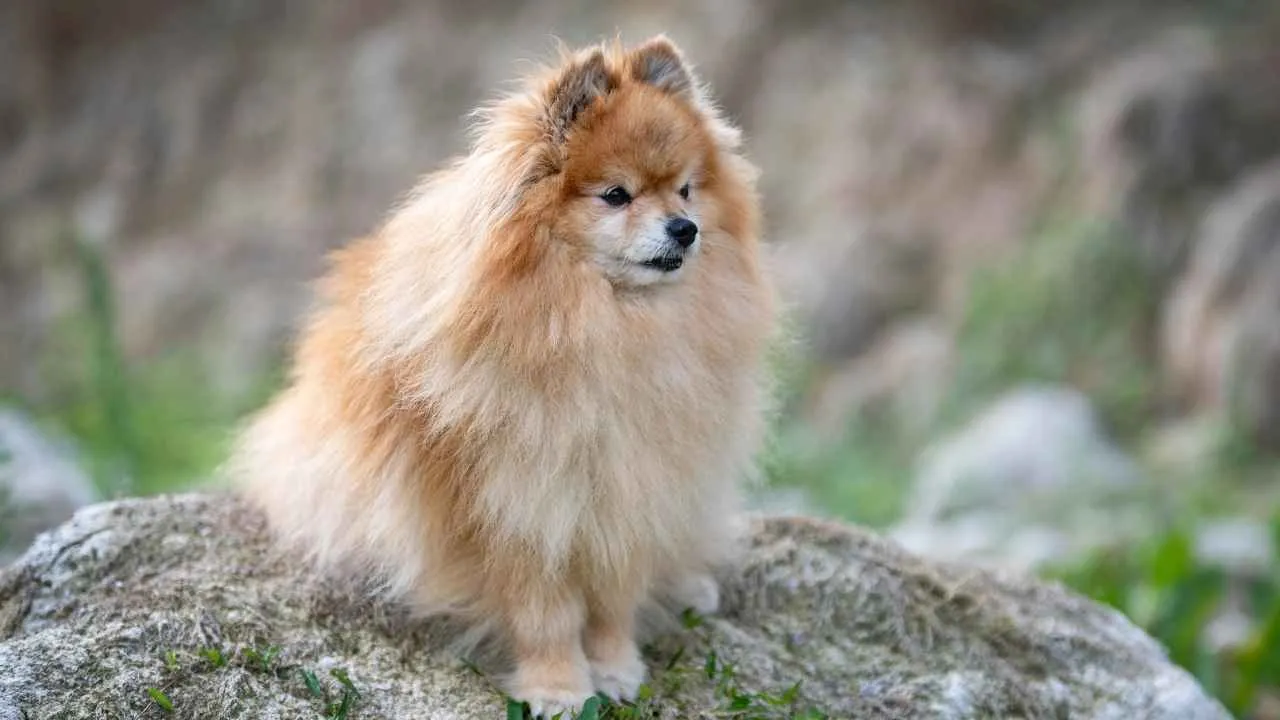
Pomeranian gained popularity in royal households before becoming a favorite companion far beyond palace walls. Its roots are tied to the historic region of Pomerania, while its small size and lively personality gradually attracted people from every walk of life.

Tiny Frame, Grand Presence
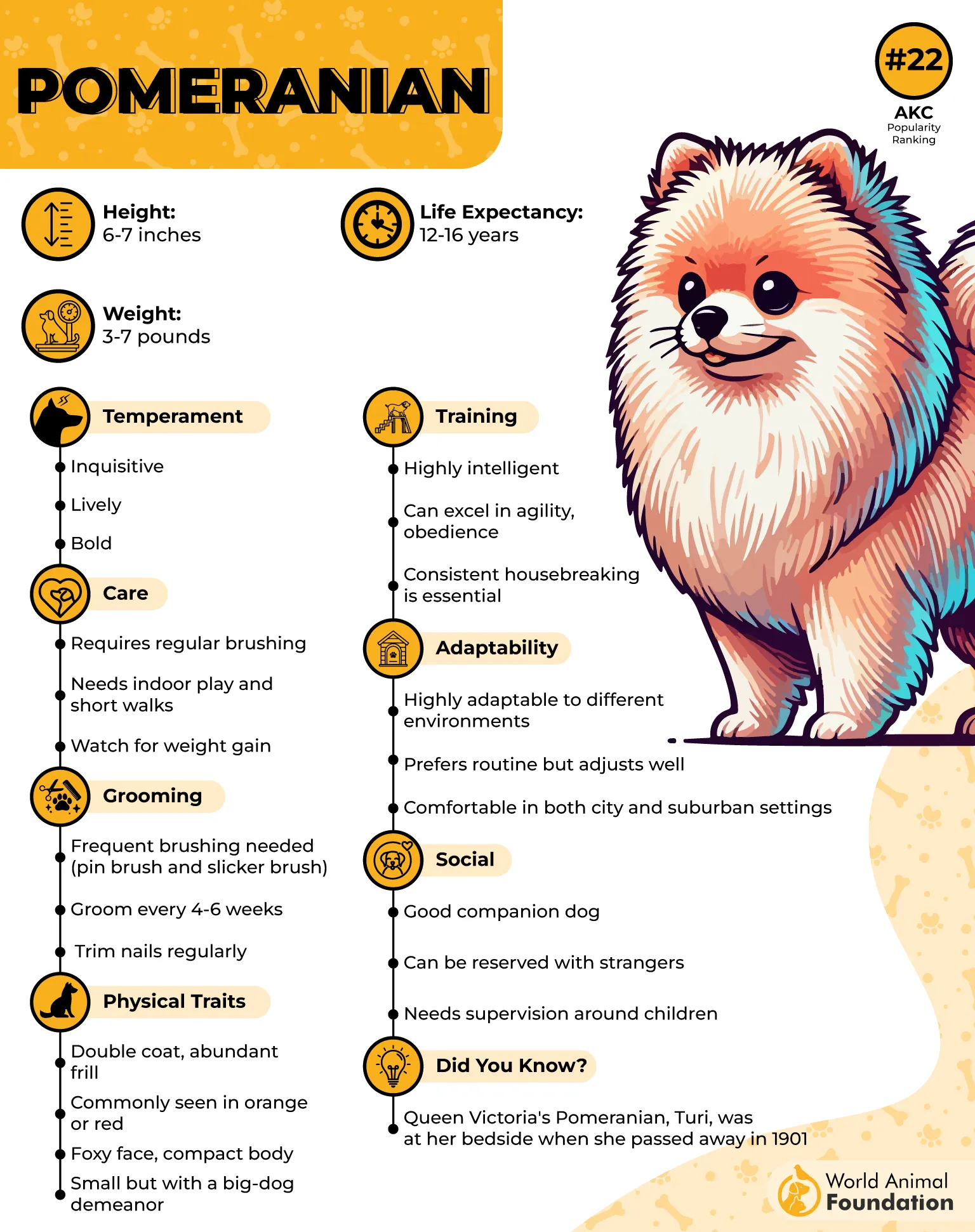
A body weighing no more than seven pounds pairs with a thick double coat that frames the chest and shoulders in a full ruff. Orange and red remain the shades most people recognize, although this breed also appears in nearly two dozen colors with different markings.
This is what makes this apartment-living breed special:
Grumbles and “talks” with expressive vocal sounds
Hides socks and small treasures in secret spots
Faces much larger dogs with surprising confidence
Full of Character
This intelligent little dog learns tricks and games quickly, yet entertainment often comes from its playful antics and constant curiosity around the home, as per Purina. It also keeps a close watch on daily activity, following its favorite person from room to room as though every chore deserves supervision.
4. Maltese
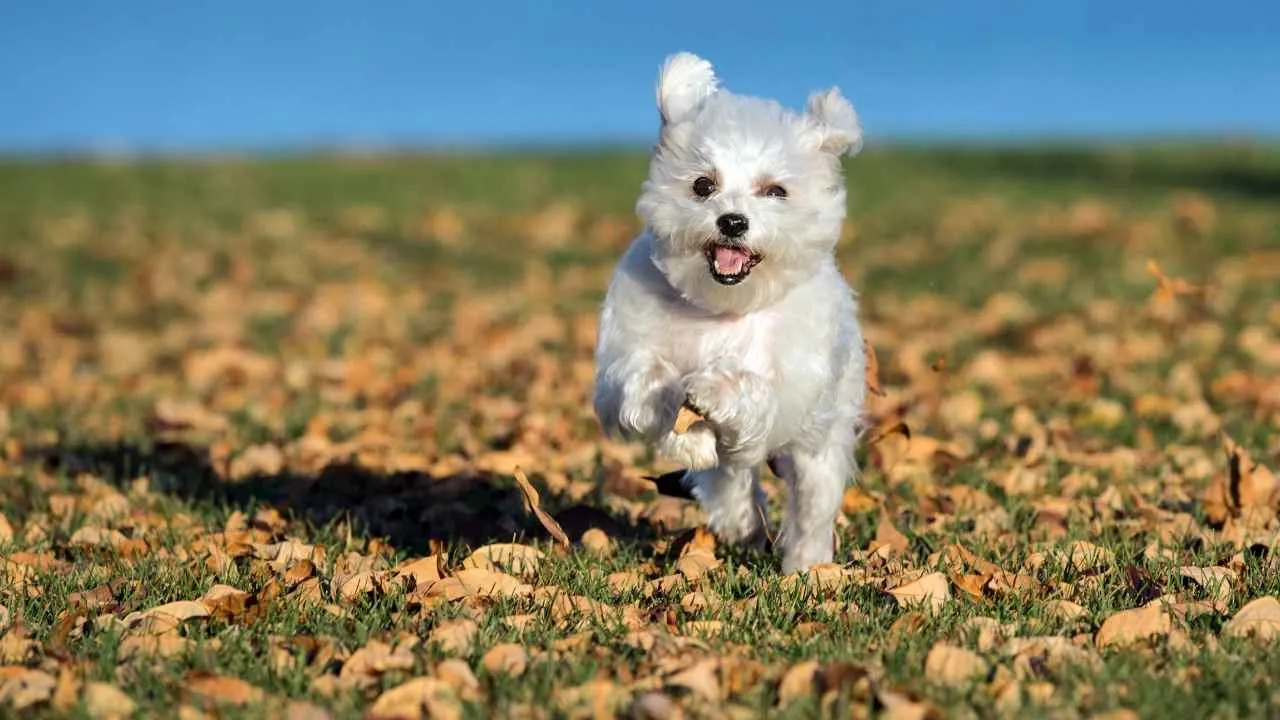
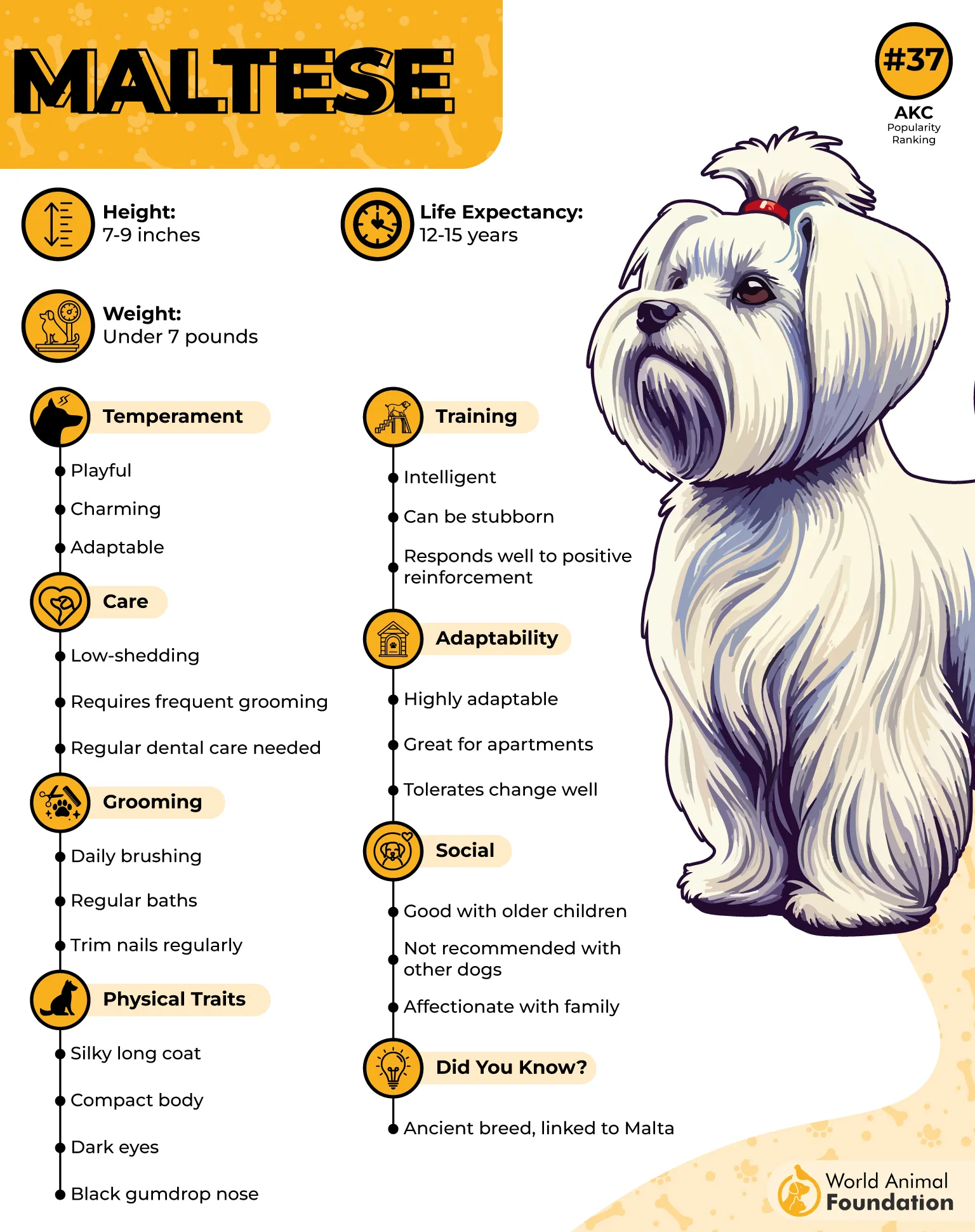
The Maltese was no stranger to ancient Egypt, Greece, or Rome, where these small dogs were kept as valued companions and admired for their elegant appearance.
Roman upper-class women often kept them close as fashionable favorites, and their popularity later reached European royalty during the 1800s and early dog shows.
Tiny Dog, Big Personality
A compact frame makes the Maltese dog an easy fit for smaller living spaces, while its lively character keeps everyday life entertaining. Time alone is not this breed’s favorite, so it fits best with people who spend much of the day at home or can bring their companion along.
Life with this breed has its details:
“Teacup” is not an official size classification
Faces strange sounds and much larger dogs confidently
Rain and wet grass often complicate house training
Silky Coat, Daily Care
Maltese grows fine hair instead of a double coat, which means shedding stays fairly low while tangles can build quickly without daily brushing. Their bright white facial hair also needs frequent cleaning because normal tears can leave noticeable staining over time.
5. Havanese
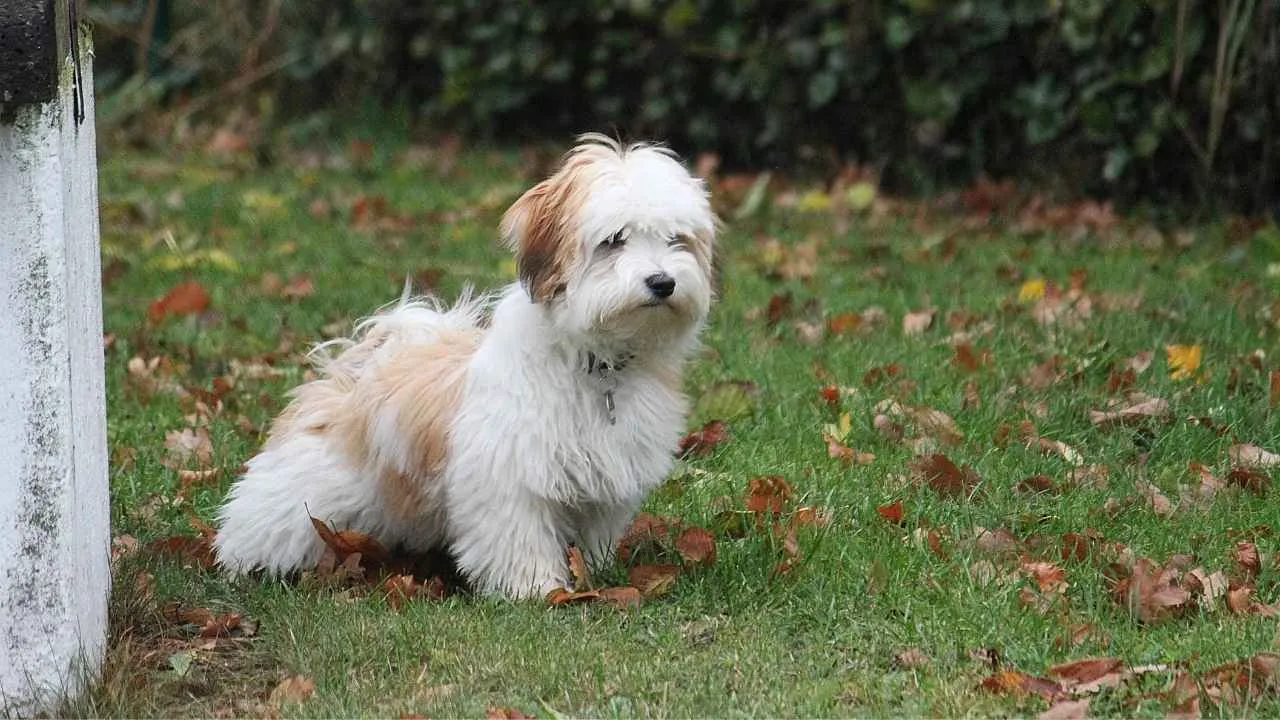
Havanese is the only dog breed native to Cuba, although its ancestors first arrived from Spain during the 1600s. Earlier generations were also called the Havana Silk Dog and the Spanish Silk Poodle before the modern breed became recognized under its current name.
Tiny Dog, Big Personality
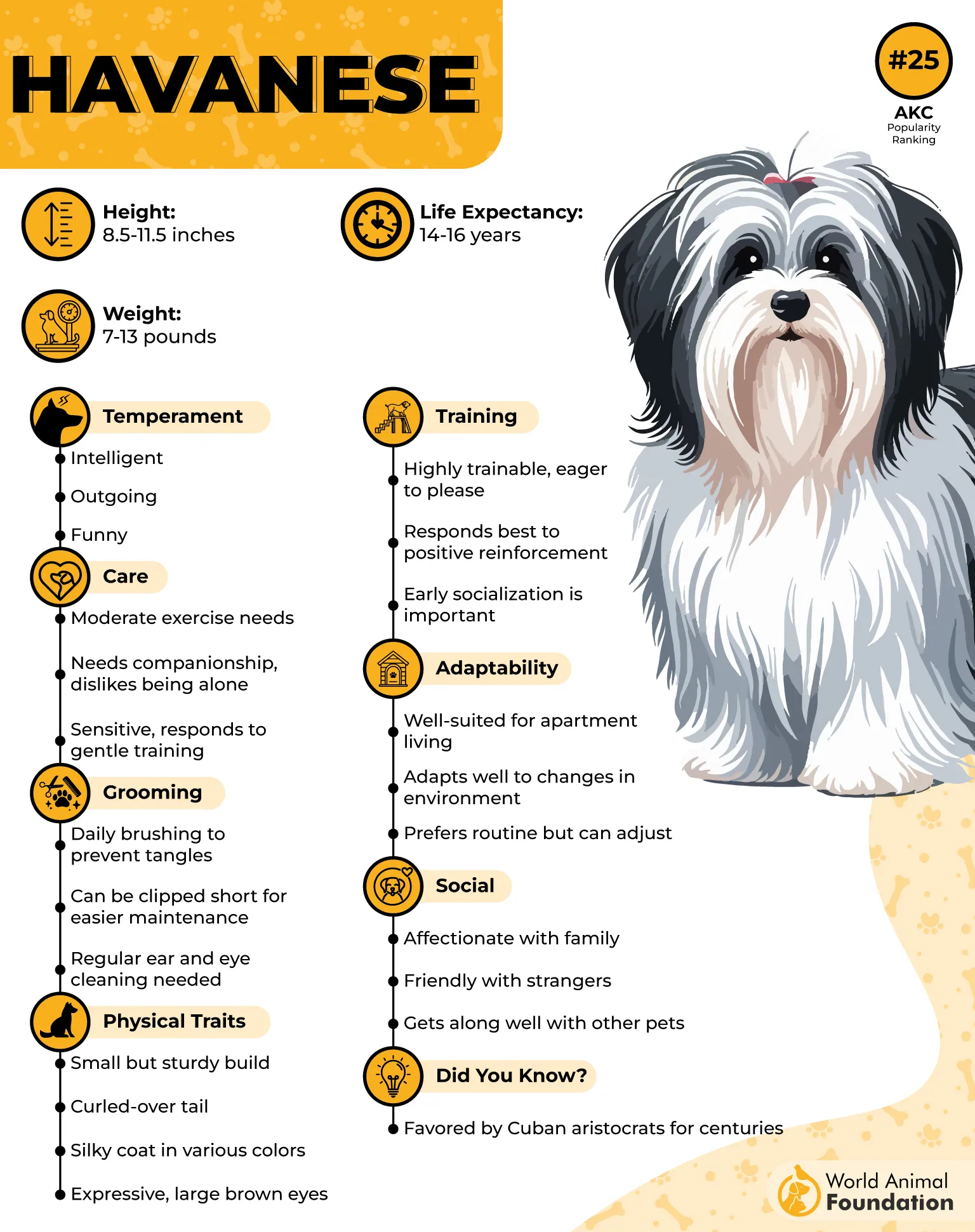
Havanese packs an impressive amount of character into a body that stands under a foot tall and typically weighs between 7 and 13 pounds. Bright, playful, and eager to interact, this little companion enjoys joining family activities instead of simply watching from the sidelines.
These habits make this breed especially memorable:
Perches along the top of sofa cushions like a cat
Walks upright on hind legs when excited
Tilts its head dramatically during conversations
Everyday Quirks
Havanese responds well to activities such as obedience training, agility, nose work, and scent walks that give its curious mind something to explore. Early socialization also helps this affectionate breed be good with children and get along well with other pets while building good everyday manners.
6. Papillon
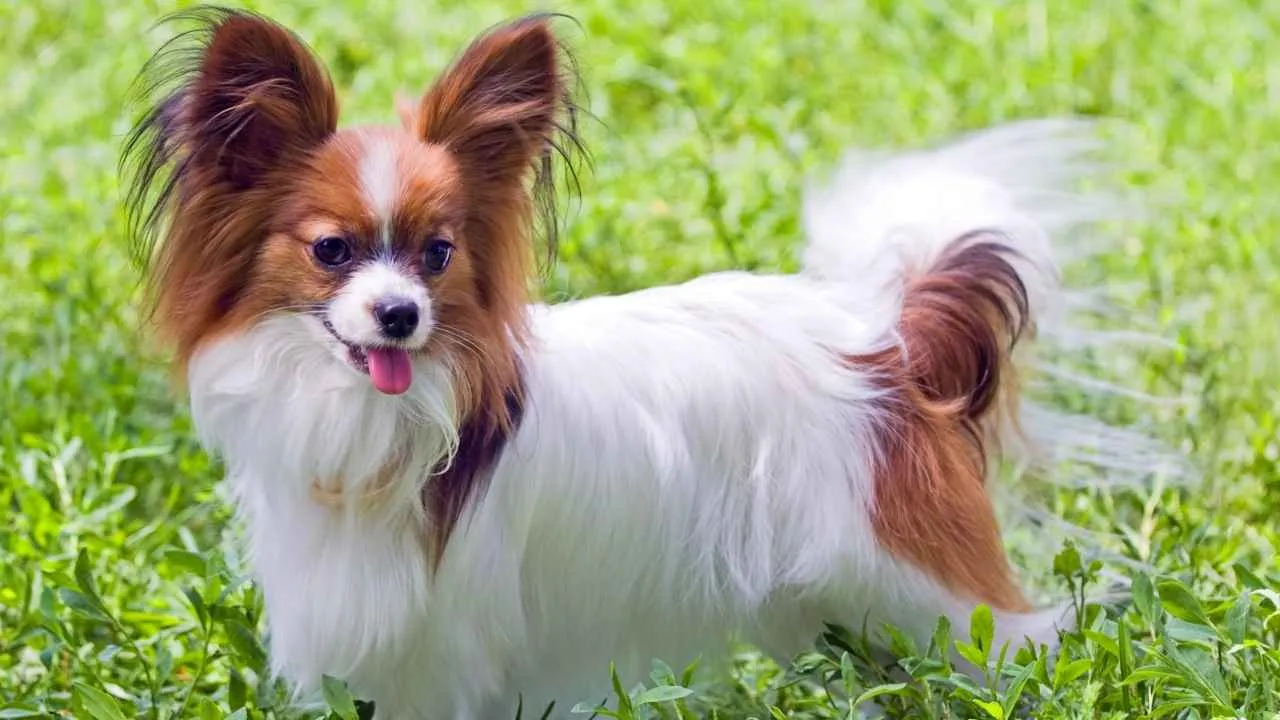
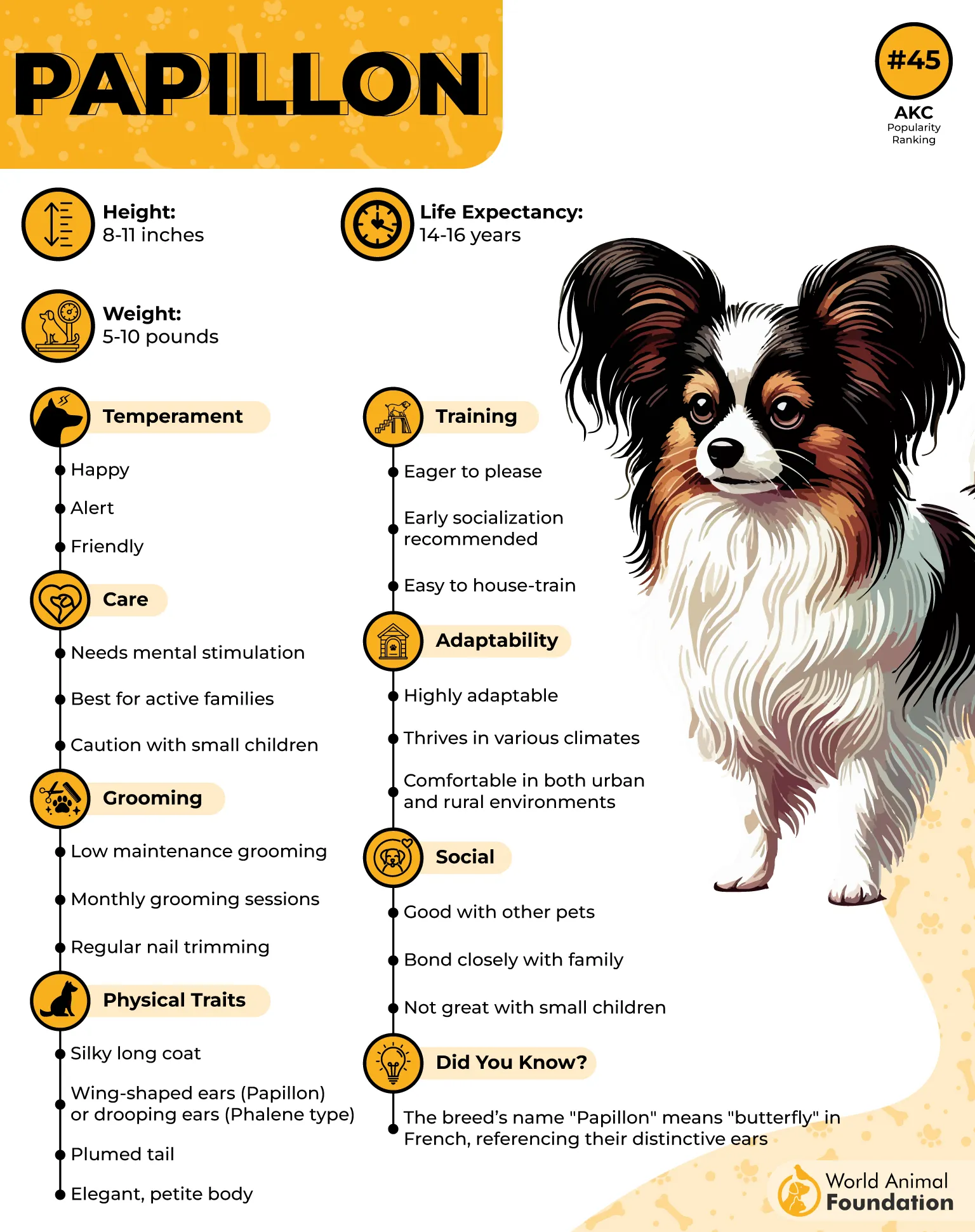
Papillon appeared in European royal courts centuries ago, where small spaniel-type dogs frequently appeared in paintings dating back to the 1500s. Its French name comes from the butterfly-shaped ears that later became the breed’s signature feature and most recognizable characteristic.
Tiny Dog, Busy Mind
This lap dog approaches nearly everything like a puzzle, picking up lessons from a single experience and remembering them for a long time. Without enough mental challenges, this clever little dog is quick to invent games and routines that may lead to unwanted mischief.
Here are some more interesting details to look at:
Some littermates are born with drop ears called Phalène
Coat is always parti-color or white with color
Ranked among the world’s smartest dog breeds
Quirks Worth Knowing
This furry friend often chooses the highest spot on a sofa or armchair before settling down to watch everything happening nearby. Its exceptional memory can also link unpleasant experiences with specific places or people, making patient, positive training especially worthwhile.
7. Pekingese
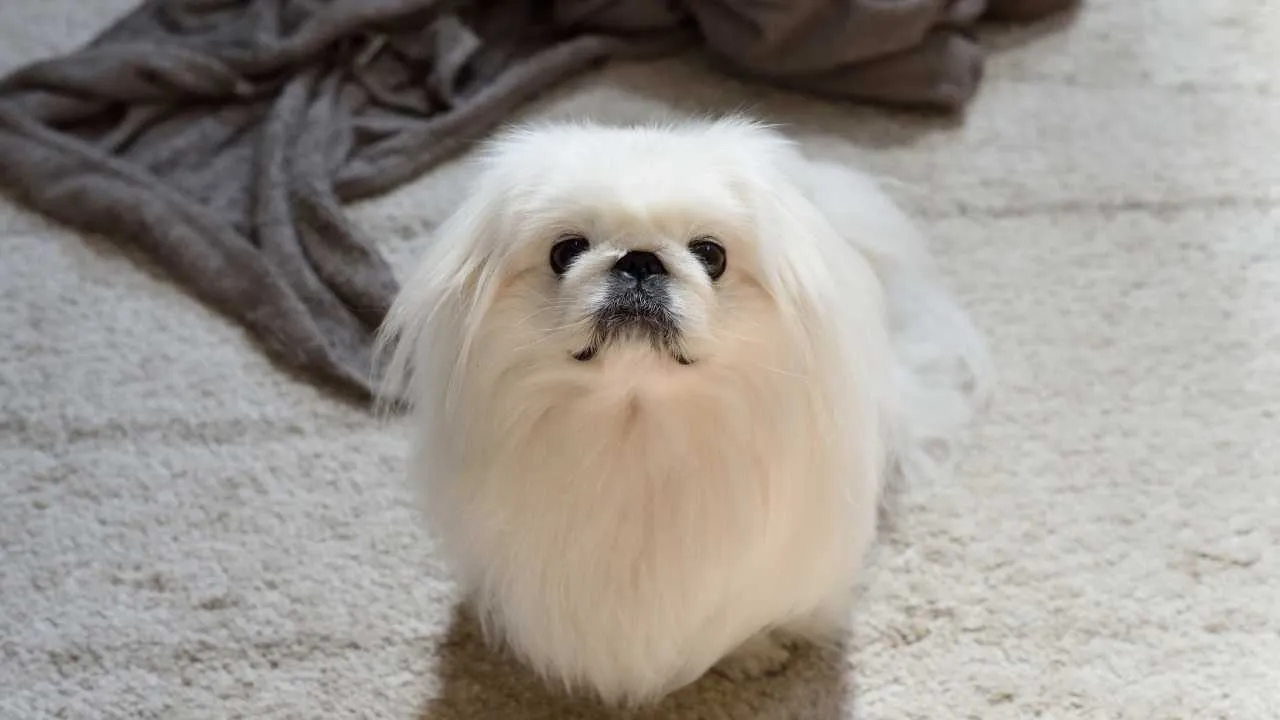
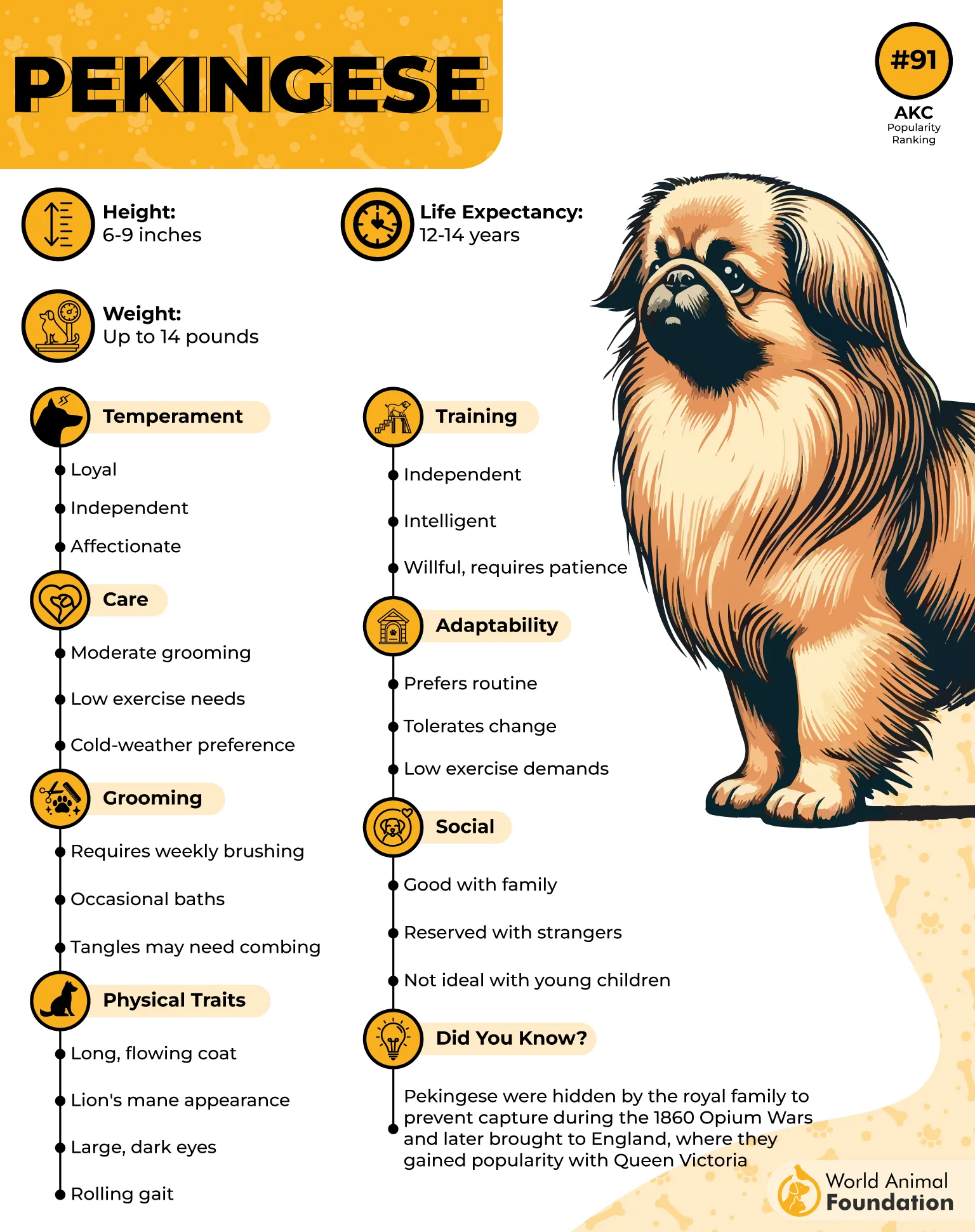
Pekingese spent centuries inside the imperial palaces of ancient China, where this little companion shared close ties with the royal court. Flat-faced breeds such as the Pug and Shih Tzu appeared around the same period, while the first Pekingese reached the West in 1860.
Tiny Dog, Bold Presence
Pekingese brings far more confidence than its size suggests, making it an entertaining choice for anyone drawn to small companions with unmistakable personality. Its lion-like neck ruff, dignified attitude, and deep, commanding bark give this breed a character all its own.
Here are some more of their qualities:
Historical “Sleeve Dogs” fit inside flowing royal robes
Distinct rolling walk comes from bowed front legs
Front-heavy body requires balanced support when lifted
Mind of Its Own
This lively little dog understands training quickly, although deciding whether a request deserves attention is often part of its personality. Positive reinforcement and training games usually work better than repeated commands, especially with a breed that enjoys making independent choices.
Conclusion
Living with these popular small dog breeds is rarely about size alone. The little habits, amusing routines, and unexpected confidence often become the moments that make these dogs unforgettable. The best small dog breeds appeal to many dog lovers because of their gentle nature, making them a wonderful family dog that thrives on human companionship.
Knowing those personalities before bringing one home helps create a happier experience for everyone involved, especially first-time dog parents and experienced pet parents alike. A thoughtful choice is far more rewarding than choosing based on appearance alone. Once the right match settles into your home, it quickly becomes clear that the small breeds often create the biggest memories every single day.
