




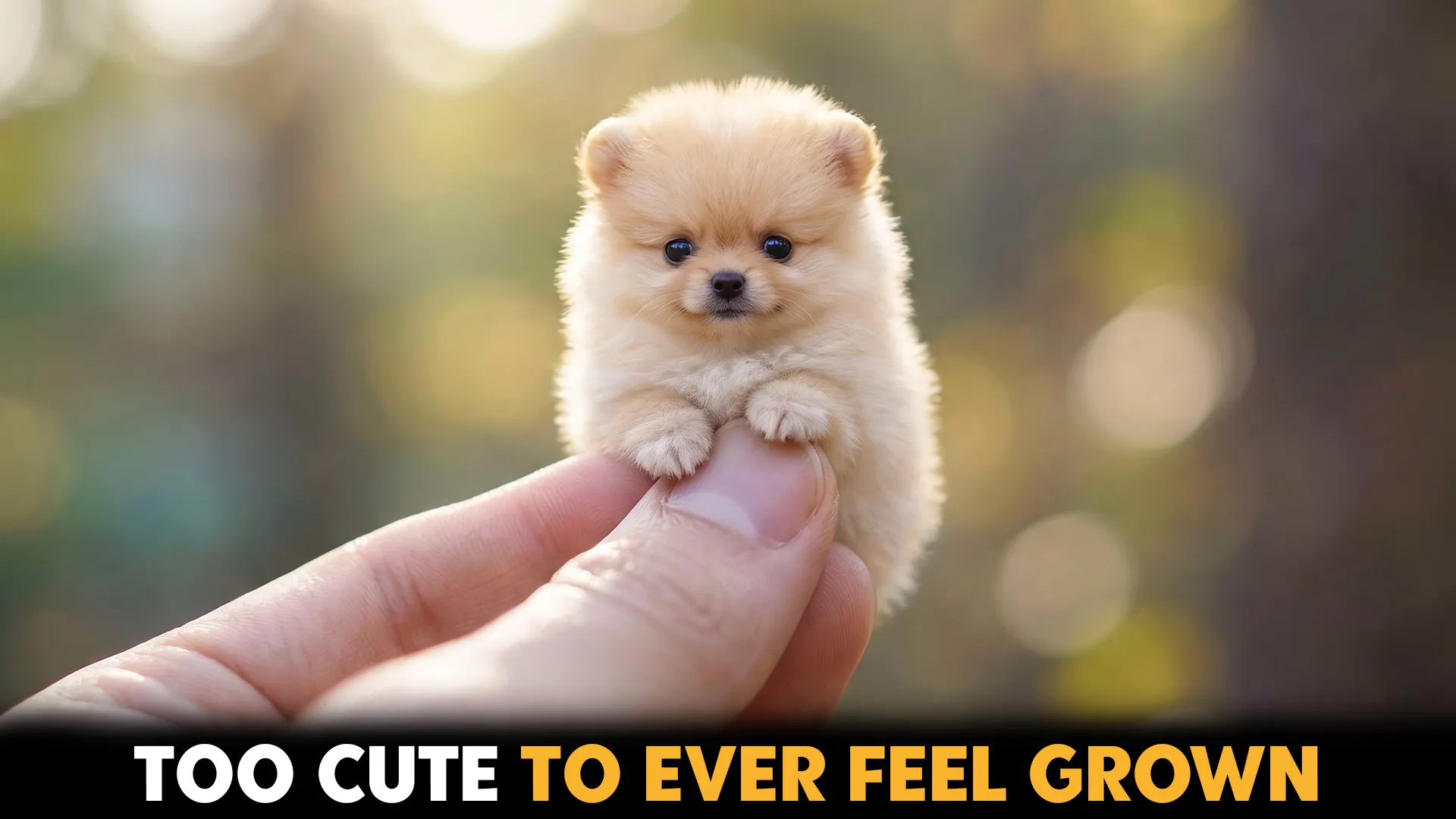
Anyone who loves dogs knows how quickly a tiny puppy can steal the spotlight at home. The tricky part comes later, when that little companion grows bigger than expected and needs more room than you had planned for.
For people who adore petite pets, finding a dog that keeps its small size into adulthood can make all the difference. Small dogs are often easier to carry, need less living space, and can suit apartment life when their daily exercise, mental stimulation, and other needs are met.
Their compact bodies also make everyday activities, from road trips to visits with friends, simpler to arrange. Still, size alone tells you very little about a dog’s personality, grooming needs, or energy level. Some tiny dogs are lively and vocal, while others prefer a quieter household.
Ahead, you’ll discover adorable dog breeds that stay tiny and lovable, with details to help you find a companion suited to your home and routine.
Key Takeaways
Tiny dogs can bring plenty of personality into a home, and these breeds stay petite even when they leave their puppy days behind.
Yorkshire Terriers were once used to hunt rats in textile mills, while Pomeranians descended from much larger Spitz dogs before selective breeding made them smaller.
Maltese dogs have a history stretching back thousands of years, and Toy Poodles became popular performers thanks to their quick learning skills.
Wait until you reach the Pekingese and discover why some of these little dogs were once small enough to fit inside an emperor’s robe.
Adorable Dog Breeds That Stay Tiny and Lovable
1. Yorkshire Terrier
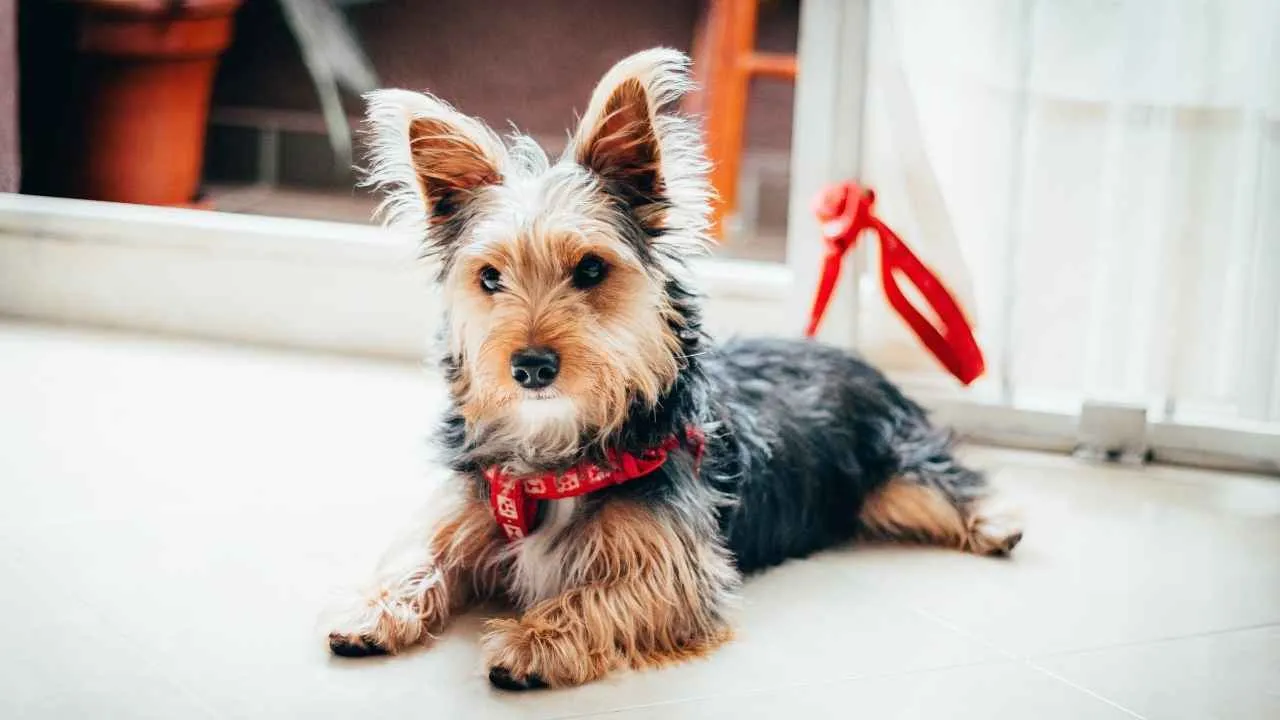
The Yorkshire Terrier originated in 19th-century Yorkshire, England, where Scottish workers brought small terriers to work in textile mills. These dogs hunted rats around the mills, and crosses with breeds such as the Waterside, Paisley, and Skye Terrier helped shape the Yorkie we recognize today, as noted by the AKC.
Small Frame, Floor-Length Hair
Teacup Yorkies have a fine coat that can grow all the way to the floor, giving the breed a very different look depending on how its hair is groomed. Its upright, V-shaped ears, dark sparkling eyes, and small black nose add plenty of character to its little face.

These characteristics make its appearance especially recognizable:
Upright ears shaped like little flags
Dark eyes with an alert expression
Hair that can reach floor length
A Big Personality
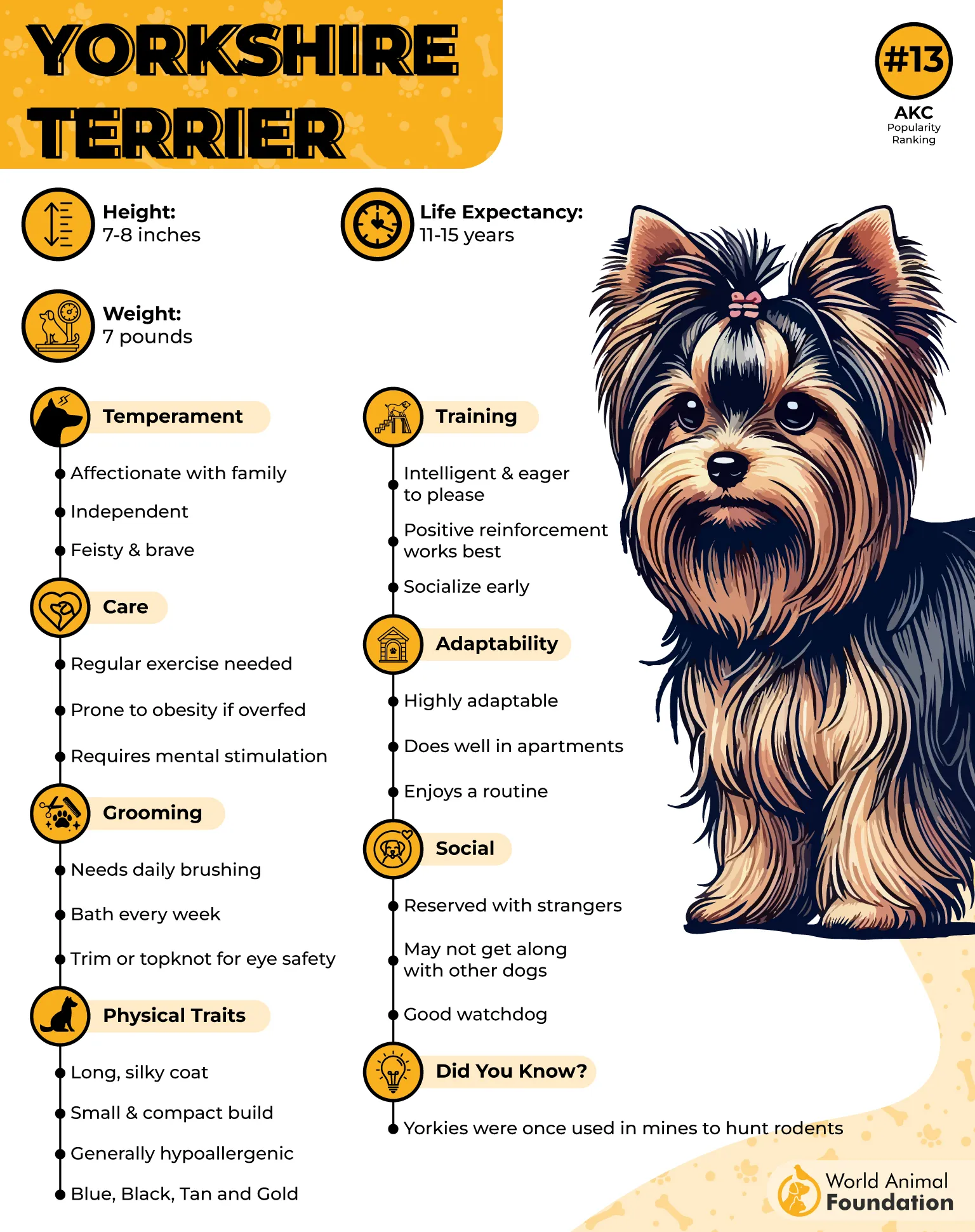
This hypoallergenic dog brings plenty of confidence into everyday life, often reminding its family when breakfast, walks, or playtime are due.
This clever little dog responds well to consistent training, and socialization from around seven or eight weeks can help it become comfortable with people and other dogs.
2. Pomeranian
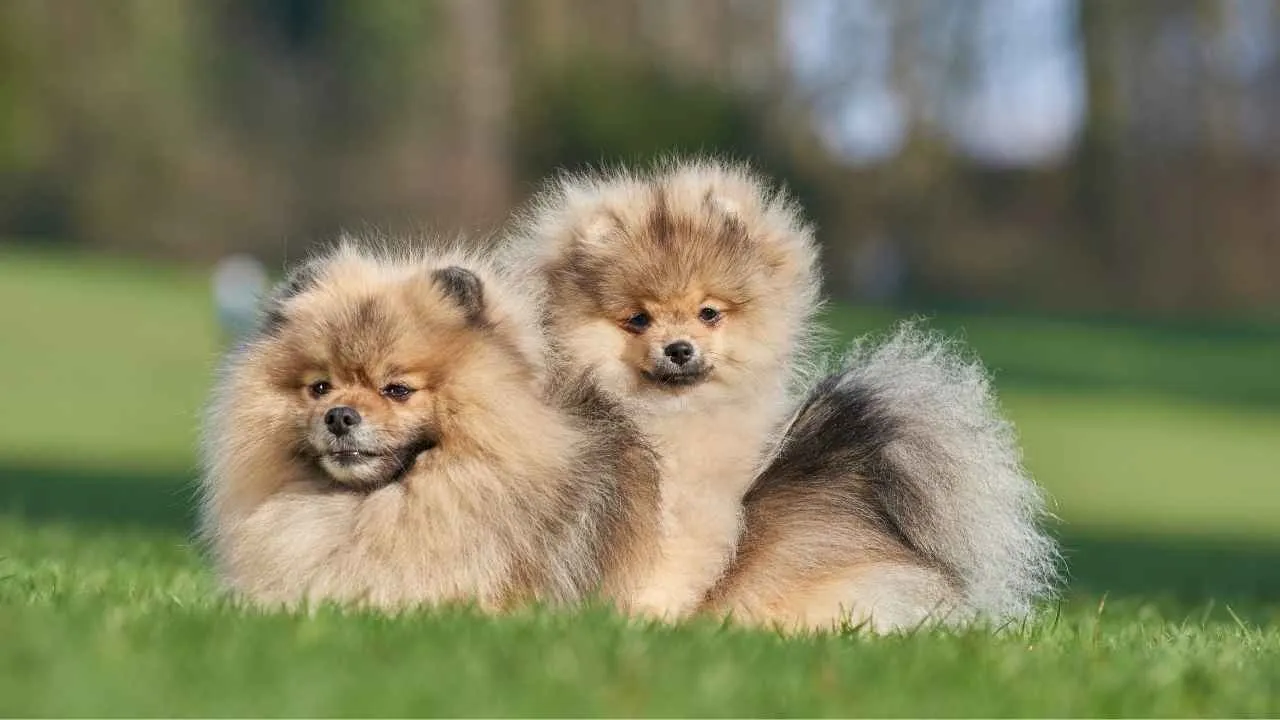
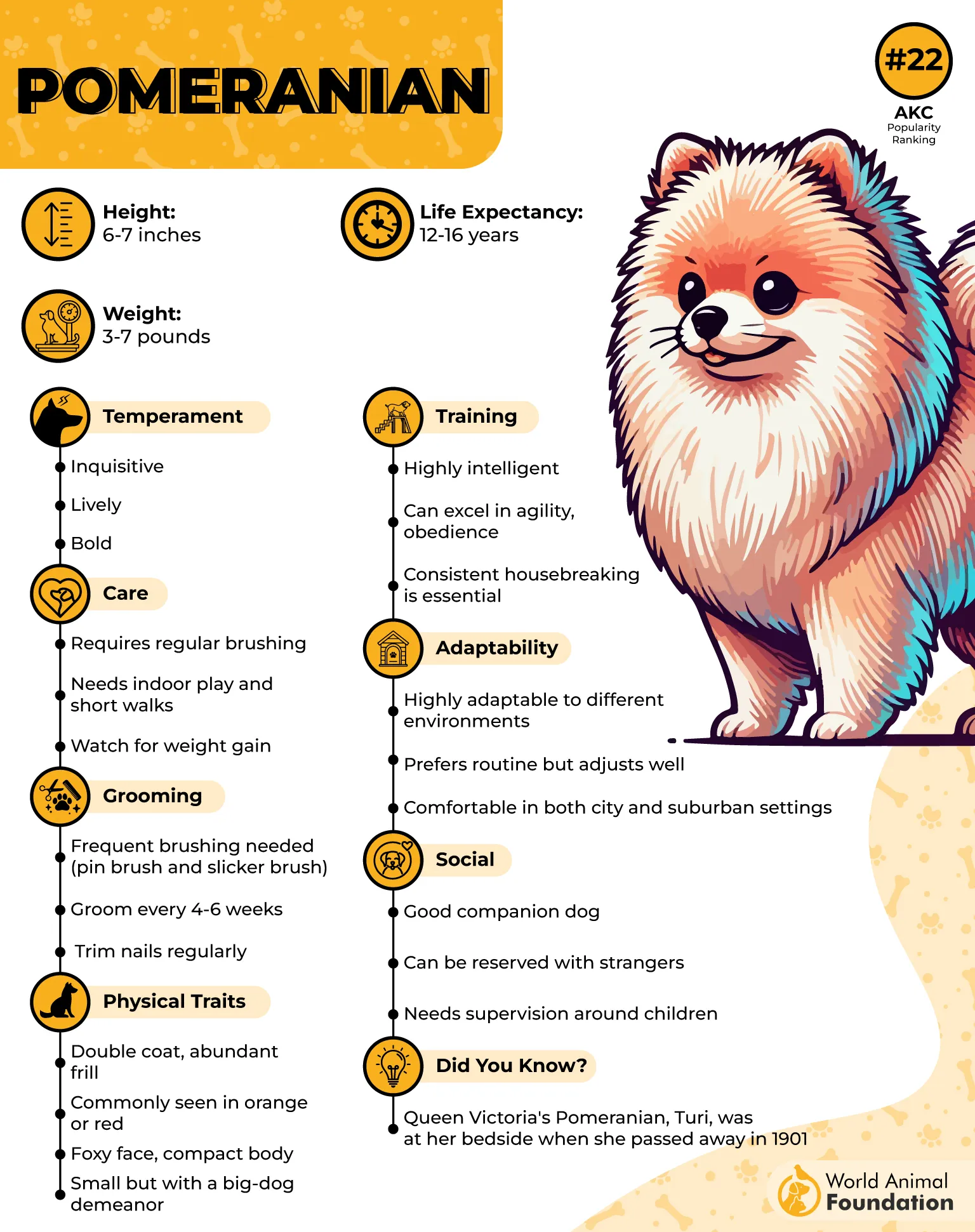
Pomeranian was originally bred in the Pomerania region of present-day Poland and Germany, with its ancestry linked to the German Spitz, as claimed by Omlet.
Selective breeding favored smaller puppies, and by the 18th century, these little dogs had gained popularity, including among royal admirers such as Queen Victoria.
Small Frame, Big Attitude
This small dog breed has a double coat with a dense, short undercoat and a longer, coarse outer layer that gives its body a particularly fluffy appearance.
Its small, high-set ears and almond-shaped eyes add to its alert expression, while the coat can influence the color of its nose.
Its small size comes with some distinctive features:
Nose color may match blue-gray, chocolate, or beaver-colored fur
Dark brown is the most common eye color
Sharp mind working best with clear memories
A Social Little Companion
Pomeranians often want to join whatever is happening around the home, greeting familiar people with playful enthusiasm and enjoying attention from different family members. Its confidence can sometimes lead to tense encounters with larger dogs, making early, positive introductions important.
3. Maltese
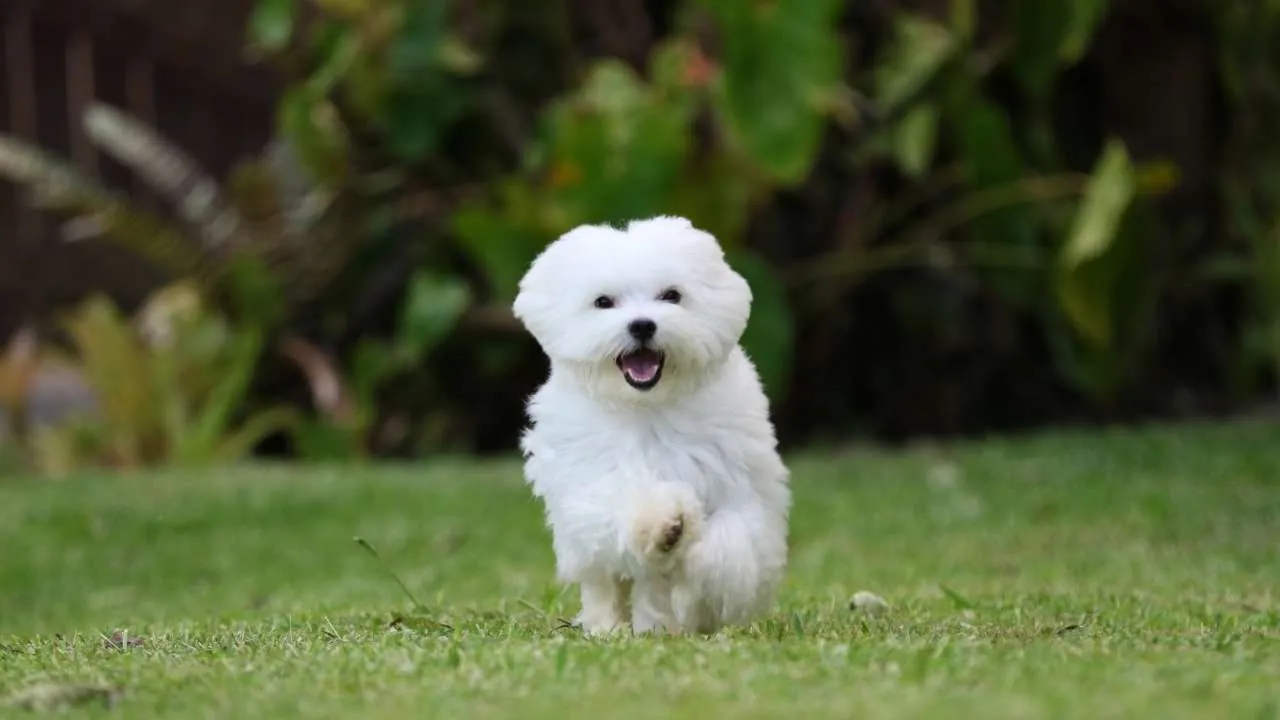
The Maltese is an ancient toy breed whose origins remain uncertain, although records of similar dogs date back to around 300 BC. Traders may have brought its ancestors through Asia to Central Europe, while Malta became closely associated with the breed as an important trading port.
A Coat of Pure White
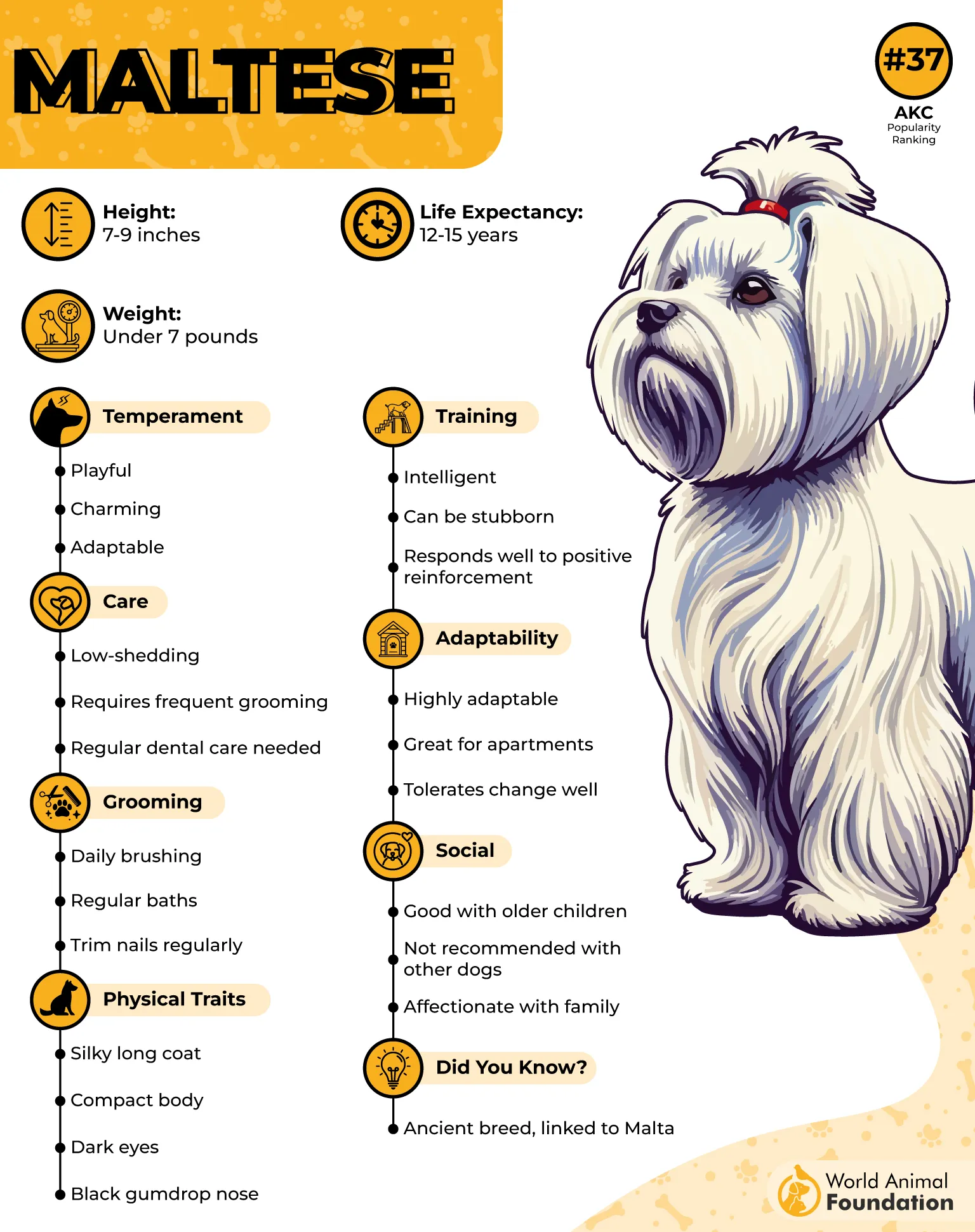
This breed has a silky, single-layered white coat that can grow all the way to the floor when left untrimmed. Its dark, rounded eyes and gumdrop-shaped black nose create a striking contrast against the pale fur, while the ears may have faint lemon or tan shading.
The following characteristics help distinguish its appearance:
Single coat rather than a double coat
Floor-length hair when left untrimmed
Black nose against an all-white coat
Playful Well Beyond Puppyhood
This companion dog retains a lively, playful attitude well into adulthood, often turning ordinary moments at home into opportunities for a game, as Hill’s Pet reported. Its small size makes gentle handling important, especially around young children who may not realize how easily a tiny dog can be hurt.
4. Toy Poodle
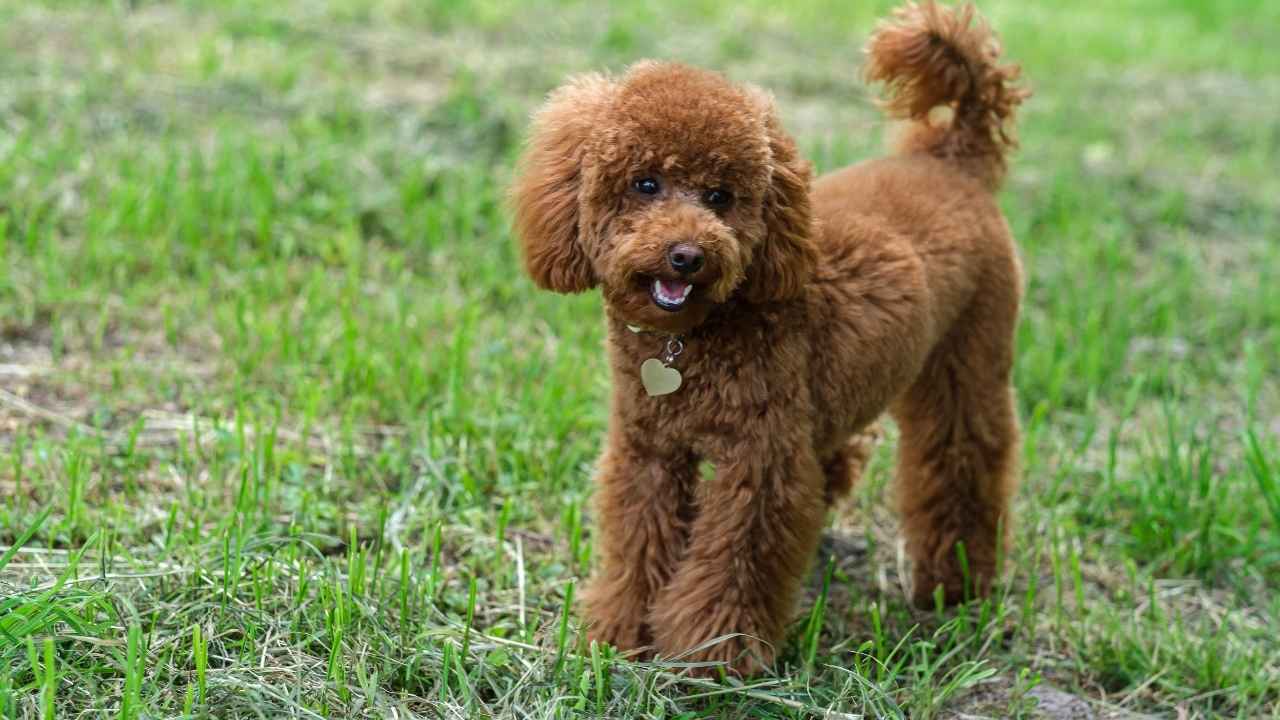
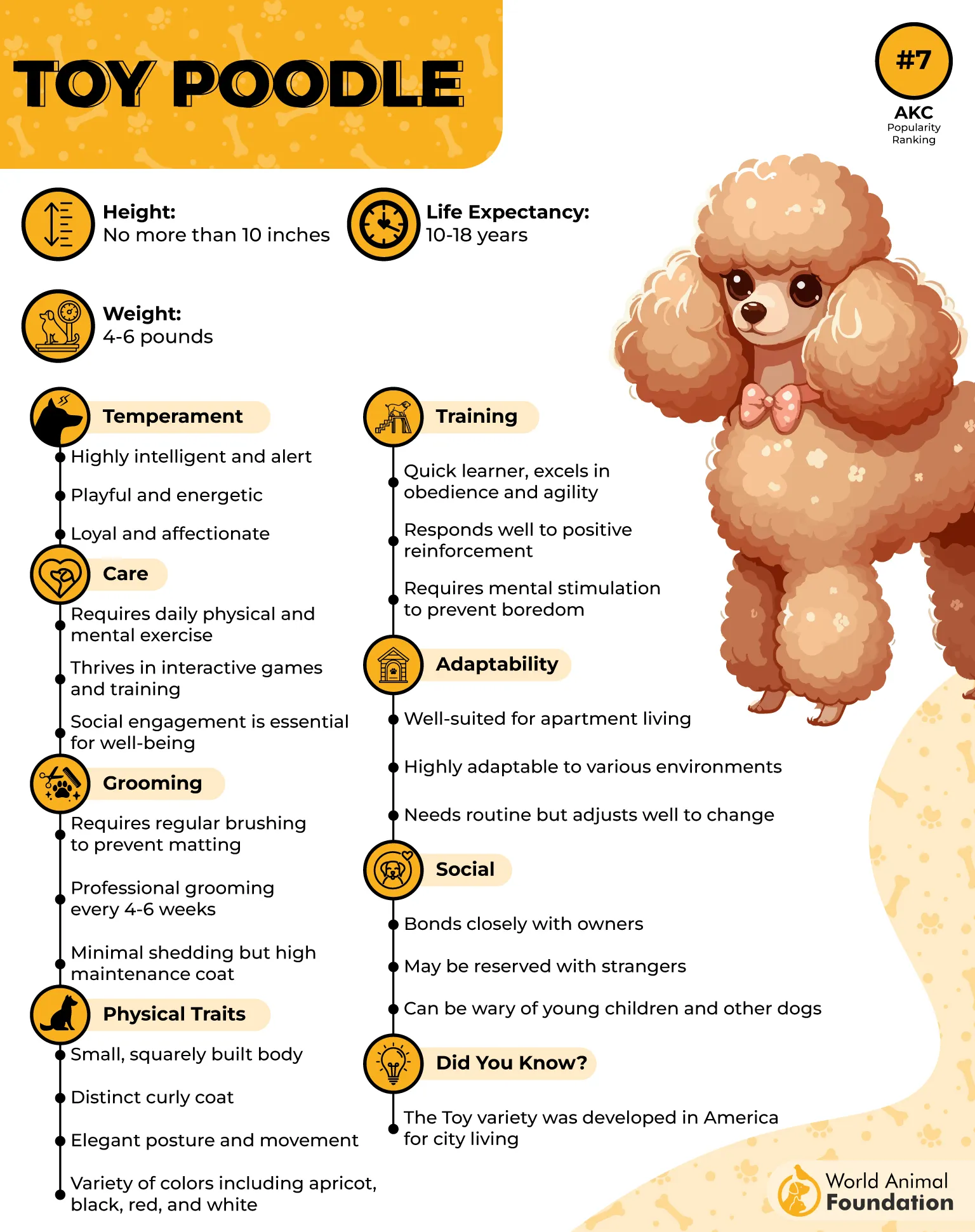
Toy Poodle belongs to the smallest of the three Poodle size groups, following centuries of changes from the breed’s working origins in Europe.
Poodles were used for duck hunting, military duties, guiding people with disabilities, and circus performances before selective breeding produced smaller companions.
A Coat Full of Color
This toy dog breed has a dense, curly coat that can grow long and needs regular trimming to prevent tangles. Its color range is extensive, with shades including apricot, red, cream, silver, blue, brown, black, white, and gray.
Beyond appearance, here’s what you need to take care of:
Small size makes rough play risky
Needs careful handling around children and larger dogs
Can chew things when left alone for too long
Quick to Learn
The Toy Poodle is highly intelligent and picks up tricks quickly, which helped make Poodles popular performers in circuses. That sharp mind needs regular training and interesting activities, as boredom can lead to mischief or attempts to control household routines.
5. Shih Tzu
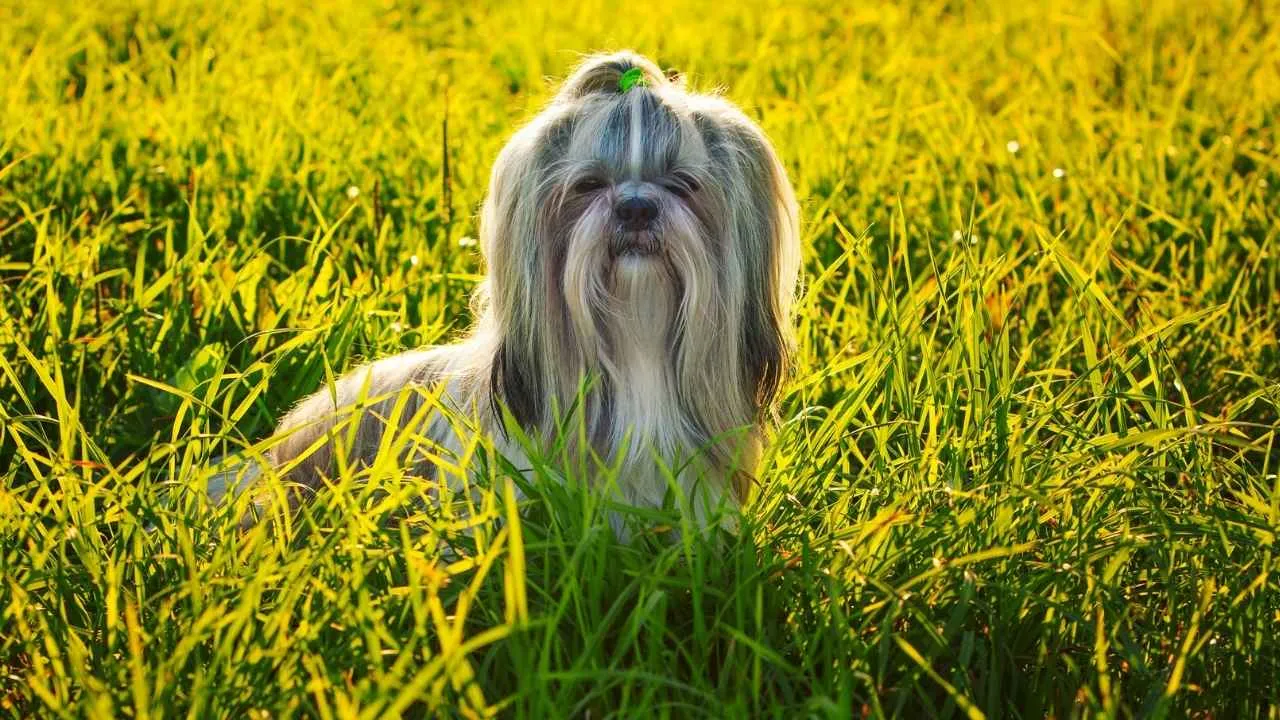
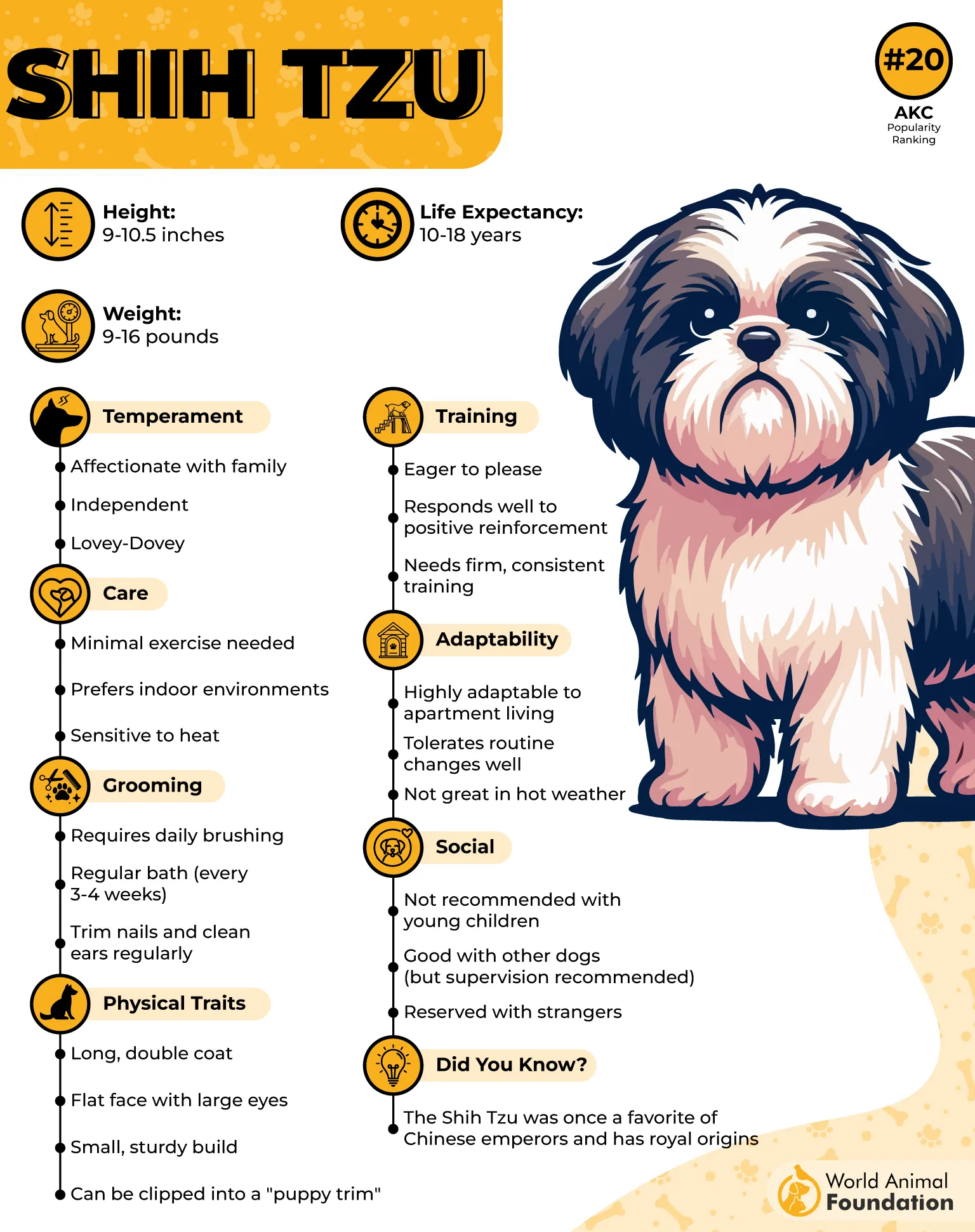
Shih Tzu has a long association with Chinese culture and Buddhism, where it was highly treasured and affectionately called the Lion Dog. Its early origins may also involve Tibet, and one theory suggests the breed emerged from crossing the Pekingese with the Lhasa Apso to create its distinctive appearance.
A Floor-Length Coat
Shih Tzu has a silky double coat that can grow long enough to brush the floor, with mostly straight hair that may also develop curls. For this tiny breed, coat color adds plenty of variety, from gold and white combinations to black and white patterns.
Its appearance reveals a few details worth knowing:
Flat, black nose with wide nostrils
White forehead marking called the “Star of Buddha”
Short haircuts available for easier coat care
Small Dog, Big Opinions
Shih Tzu enjoys human company and often claims a lap, bed, or sofa cushion for a cozy nap between play sessions. It can also be lively and alert when someone arrives at the door, sometimes barking with excitement as it prepares to greet a familiar face or new visitor.
6. Chihuahua
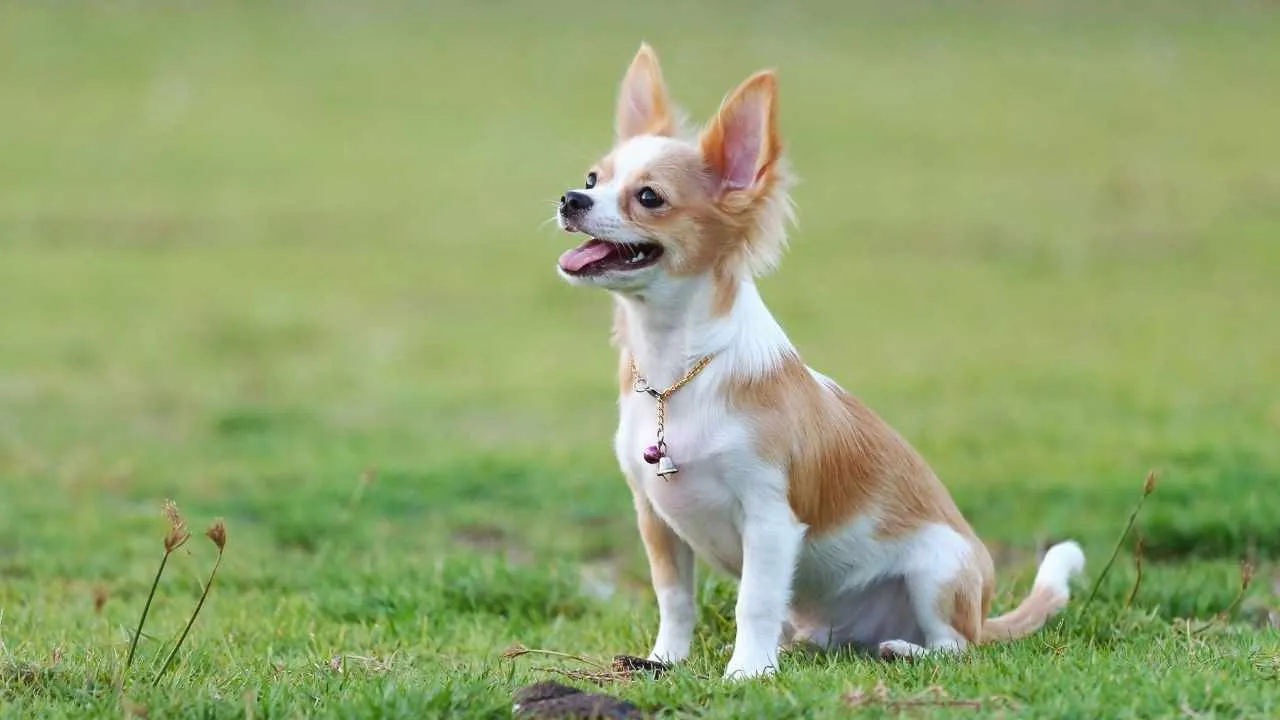
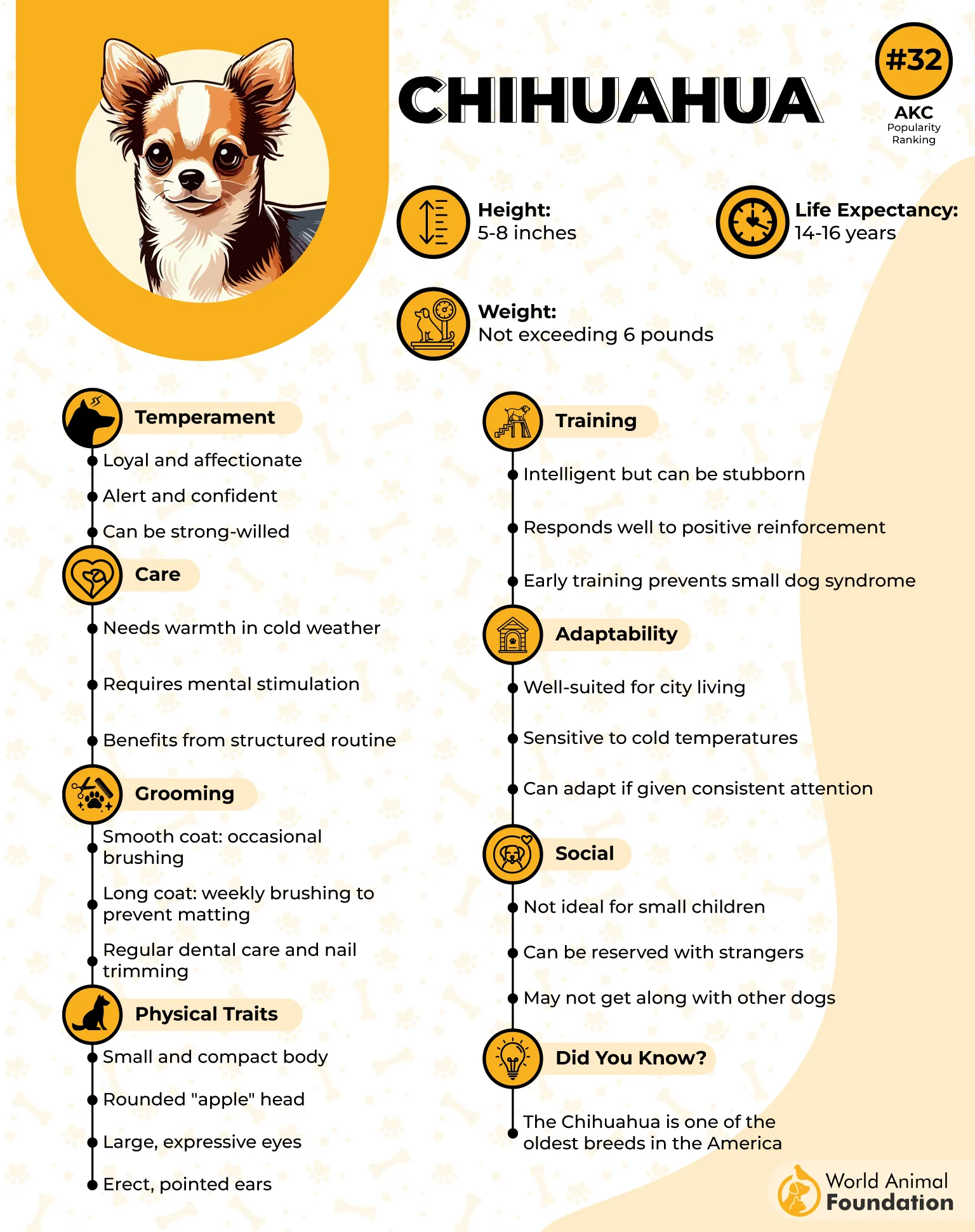
Chihuahua’s exact origins remain uncertain, with theories linking the breed to China or Central and South America. In 1850, several small dogs were found in Chihuahua, Mexico, and brought to the United States, where people gradually came to value them as companions rather than working dogs.
Small Frame, Distinctive Looks
This small breed fits easily into compact homes, but its petite build comes with plenty of personality and a need for daily interaction.
Apple-shaped or deer-shaped heads, expressive eyes, and large ears give this breed two recognizable looks, while its coat can be short or long in a wide range of colors.
Certain features help tell individual Chihuahuas apart:
Apple-head: Rounded skull with a short muzzle
Deer-head: Longer face with a more elongated head shape
Coat options: Short-haired and long-haired varieties
Brave and Vocal
Chihuahua often uses sharp, frequent barking to announce activity nearby, particularly when it feels uncertain or protective of its favorite person. It may form an especially close attachment to one household member and react warily when unfamiliar people approach that person.
7. Papillon
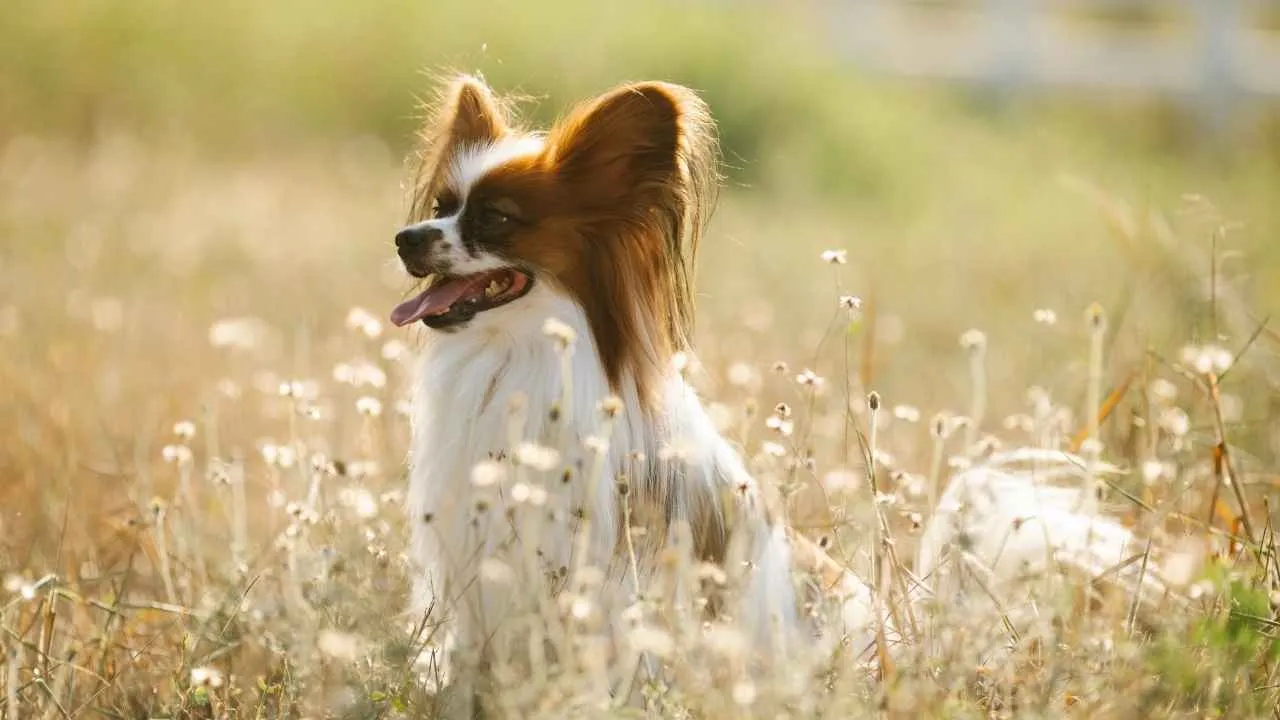
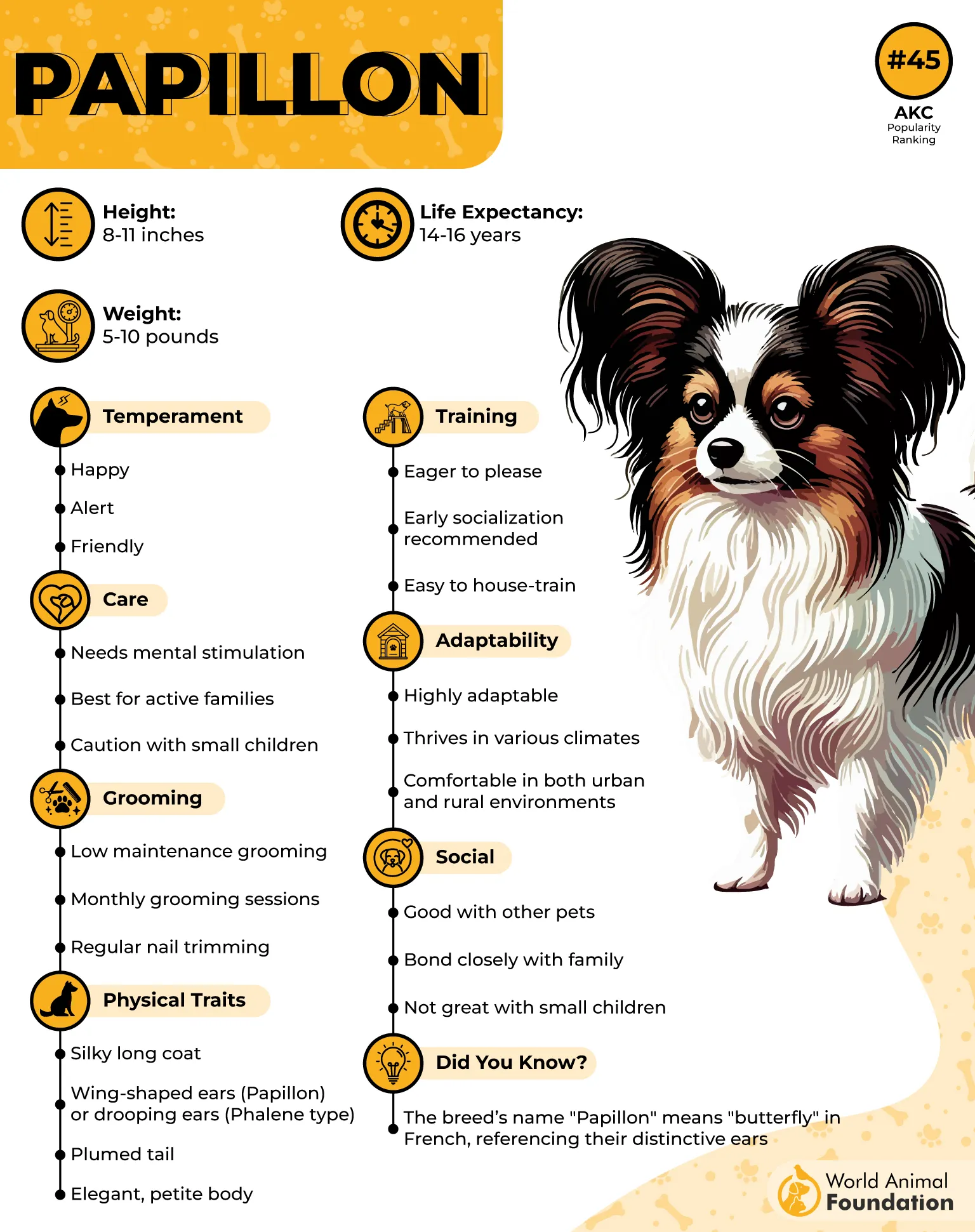
Papillon has a long history in France and became a favorite among ladies of the royal courts, with paintings featuring the breed dating back to the 13th century. Its name means “butterfly” in French, inspired by its large, fringed ears that resemble delicate wings.
Tiny With Personality
Papillon has a mostly white, fluffy coat with longer hair across the back, chest, and upper legs. Its plume-like tail adds to its distinctive outline, while its lively nature suits households looking for a small dog with plenty of curiosity and activity.
This is what makes this little breed especially interesting:
Has drooping ears instead of upright ones
Often enjoys learning tricks and responding to praise
May challenge dogs much larger than itself
Clever and Busy
This family dog enjoys learning new tricks and responds well to praise, play, and positive reinforcement during training sessions. Its eagerness to participate can make recall practice and puppy classes useful ways to build reliable habits and encourage calm behaviour around other dogs.
8. Pekingese
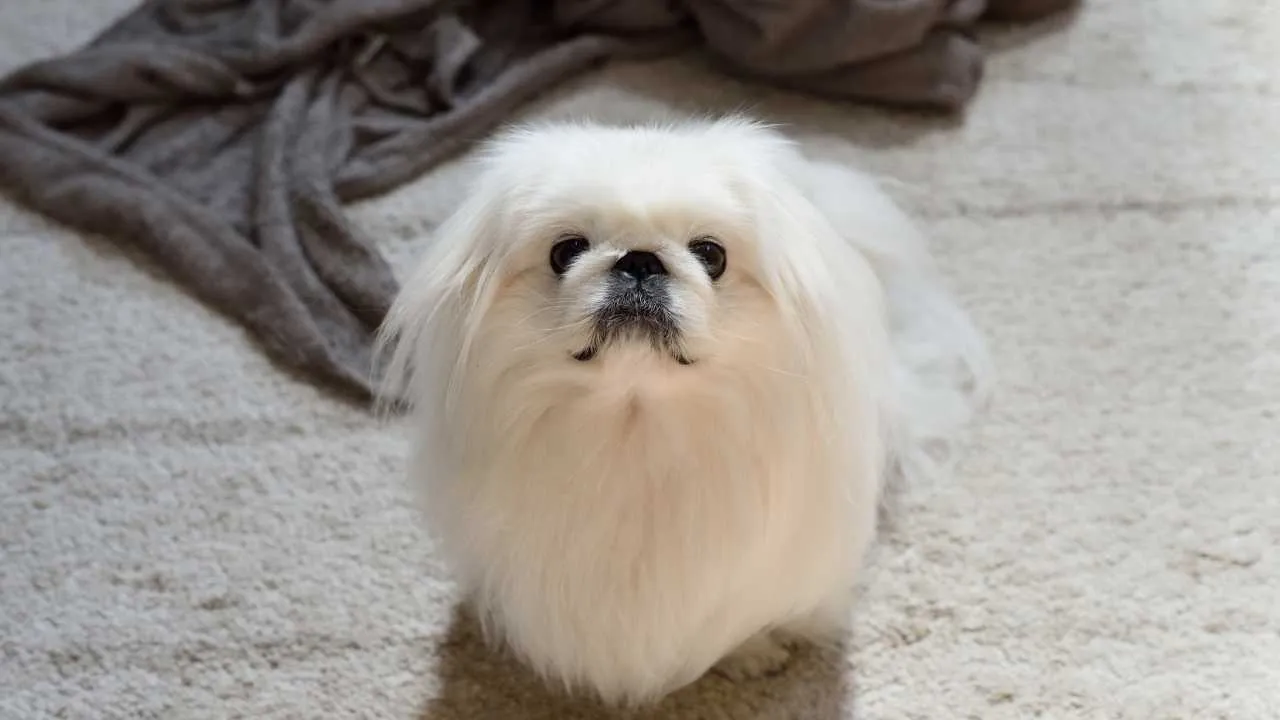
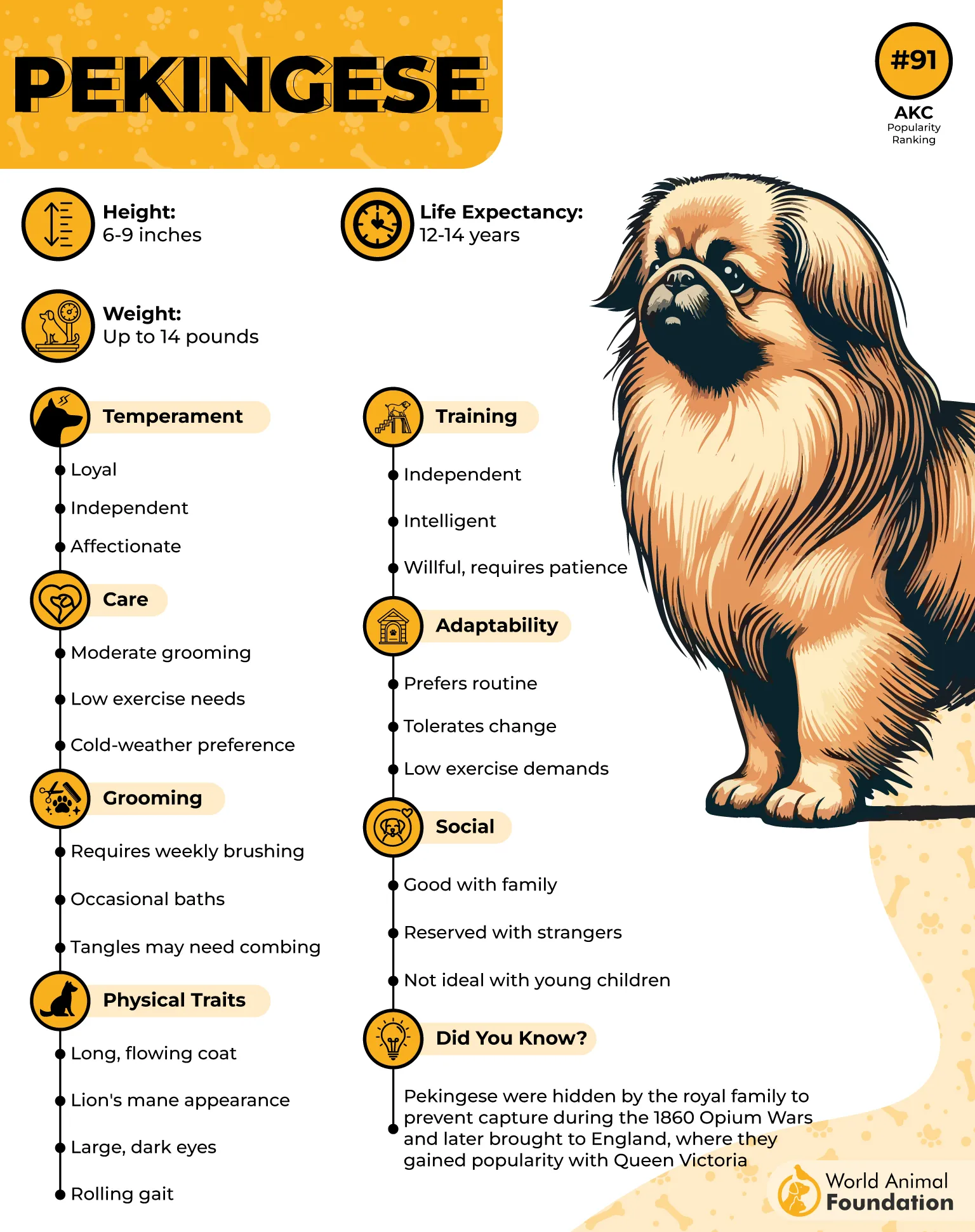
Pekingese dog originated in China, where Buddhist monks bred these small dogs as companions, earning them the nickname “Lion Dog.” The breed dates back around 2,000 years, and its tiniest members, called sleeve dogs, were small enough to fit inside the sleeves of Chinese emperors’ robes.
Small Body, Full Coat
Pekingese measures just 6–9 inches tall and can weigh up to 14 pounds, with a low-slung body covered in long, dense hair. Its coarse outer coat, soft undercoat, and thick mane around the neck create a distinctive silhouette that requires regular brushing.
Its coat comes in several striking shades:
Biscuit and cream come in soft, pale golden shades
Red sable and fawn sable have darker-tipped hairs
Black and tan show clear contrast, sometimes with a dark facial mask
A Watchful Little Housemate
This great family dog has an independent streak and often decides when it wants affection, although it enjoys being involved in household activities. A knock at the door may prompt a sharp bark, and its bold response to larger dogs calls for careful supervision around unfamiliar animals.
9. Japanese Chin
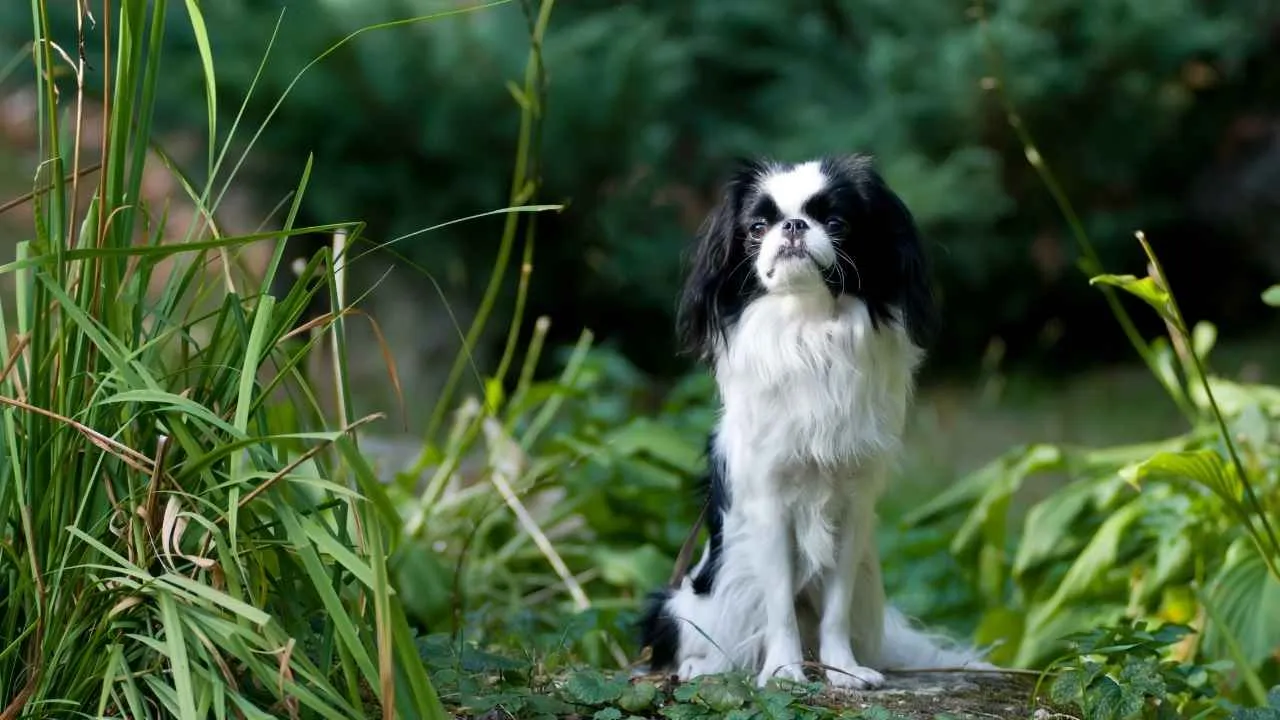
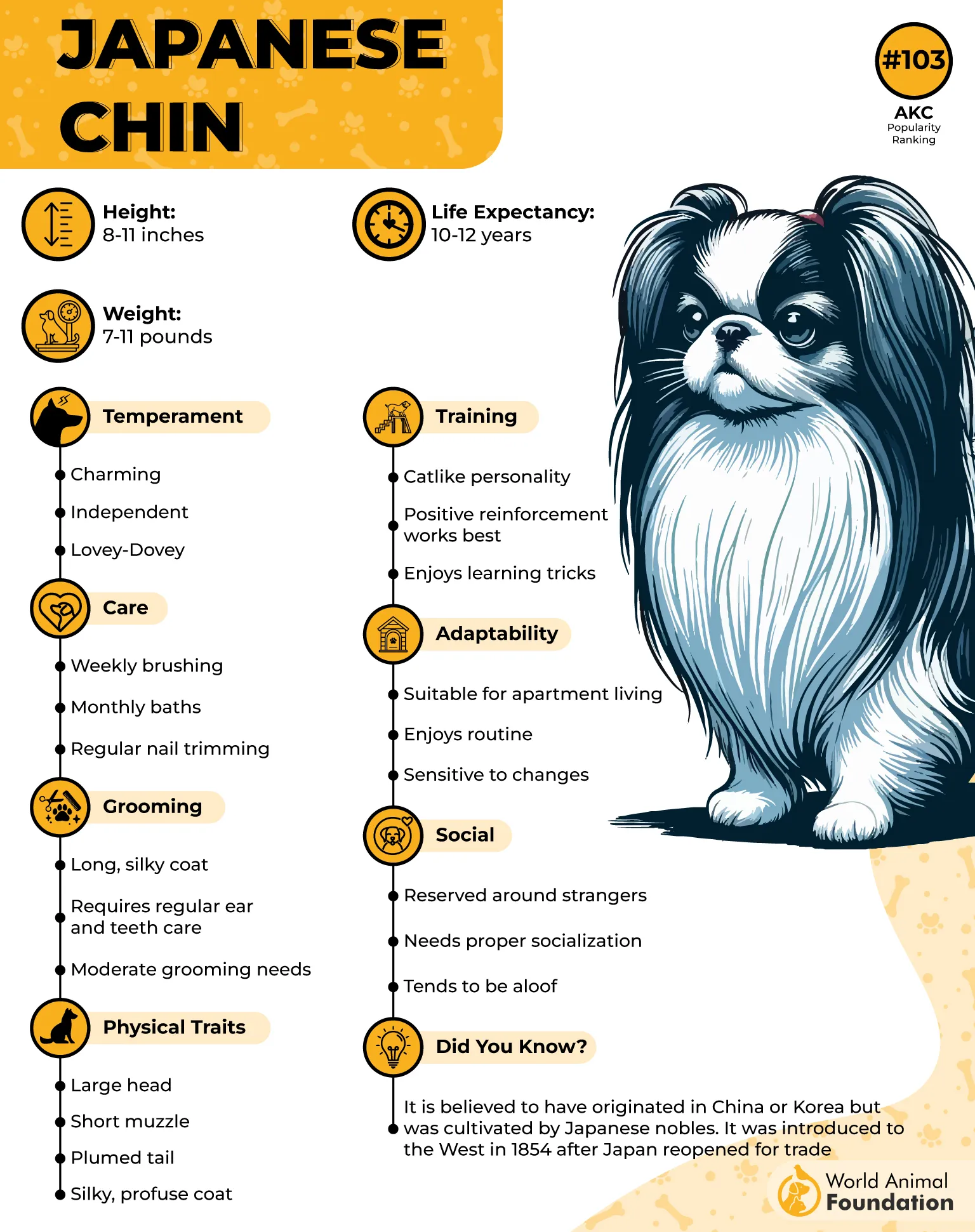
Japanese Chin has a long association with Asian nobility, particularly in Japan, where ownership was once reserved for the upper classes.
Although its origins are often linked to China, the breed reached the Western world during the 1800s and was prized primarily for companionship rather than working duties.
Small Frame, Silky Fringe
This lap dog has a compact body, a short muzzle, and a slightly rounded skull that gives its face a distinctive appearance. Its long, silky coat forms feathered ears, a shoulder mane, and flowing hair along the hind legs, with several striking color combinations.
Its coat comes in recognizable patterns:
Learns best through short, playful sessions and praise
May lose interest in long, repetitive lessons
Some Chins make singing sounds or perform the playful “Chin spin”
Catlike Habits
Japanese Chin often grooms its face with its paws and enjoys climbing onto high furniture, where its excellent balance helps it perch on chair backs or bookshelves. This curious habit can make you look twice when you spot your little companion surveying the room from an unexpected height.
10. Silky Terrier
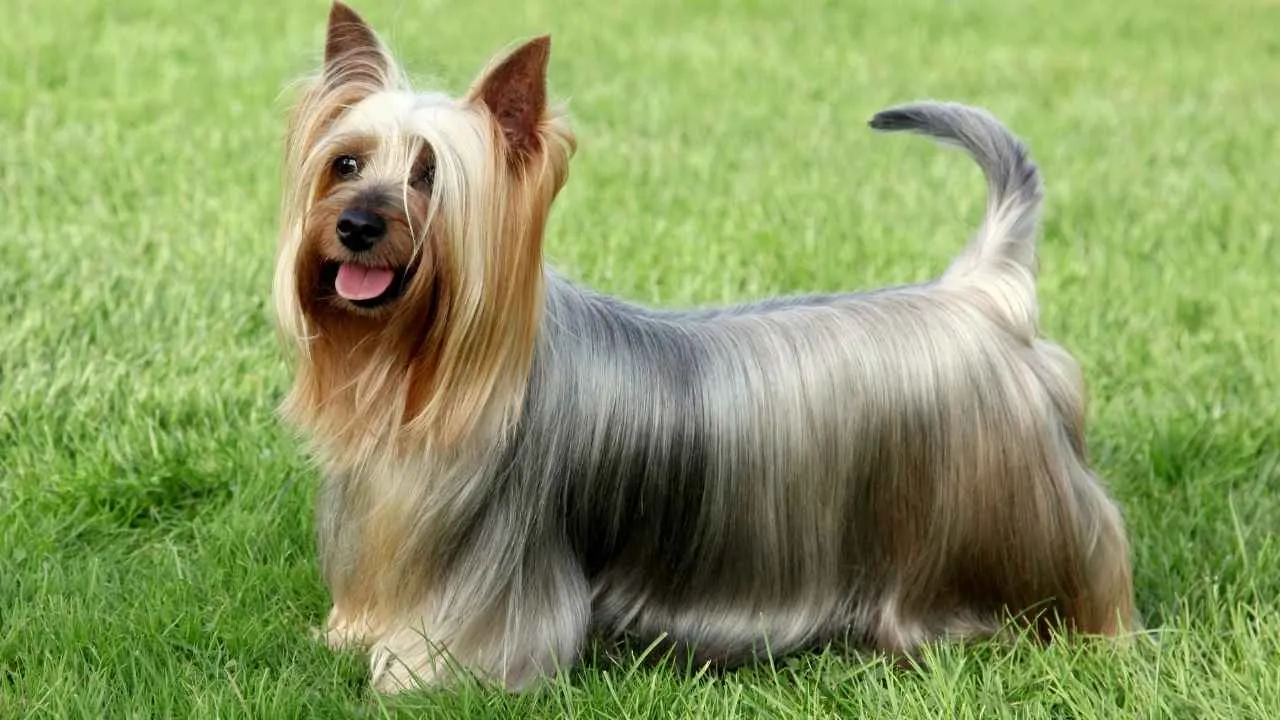
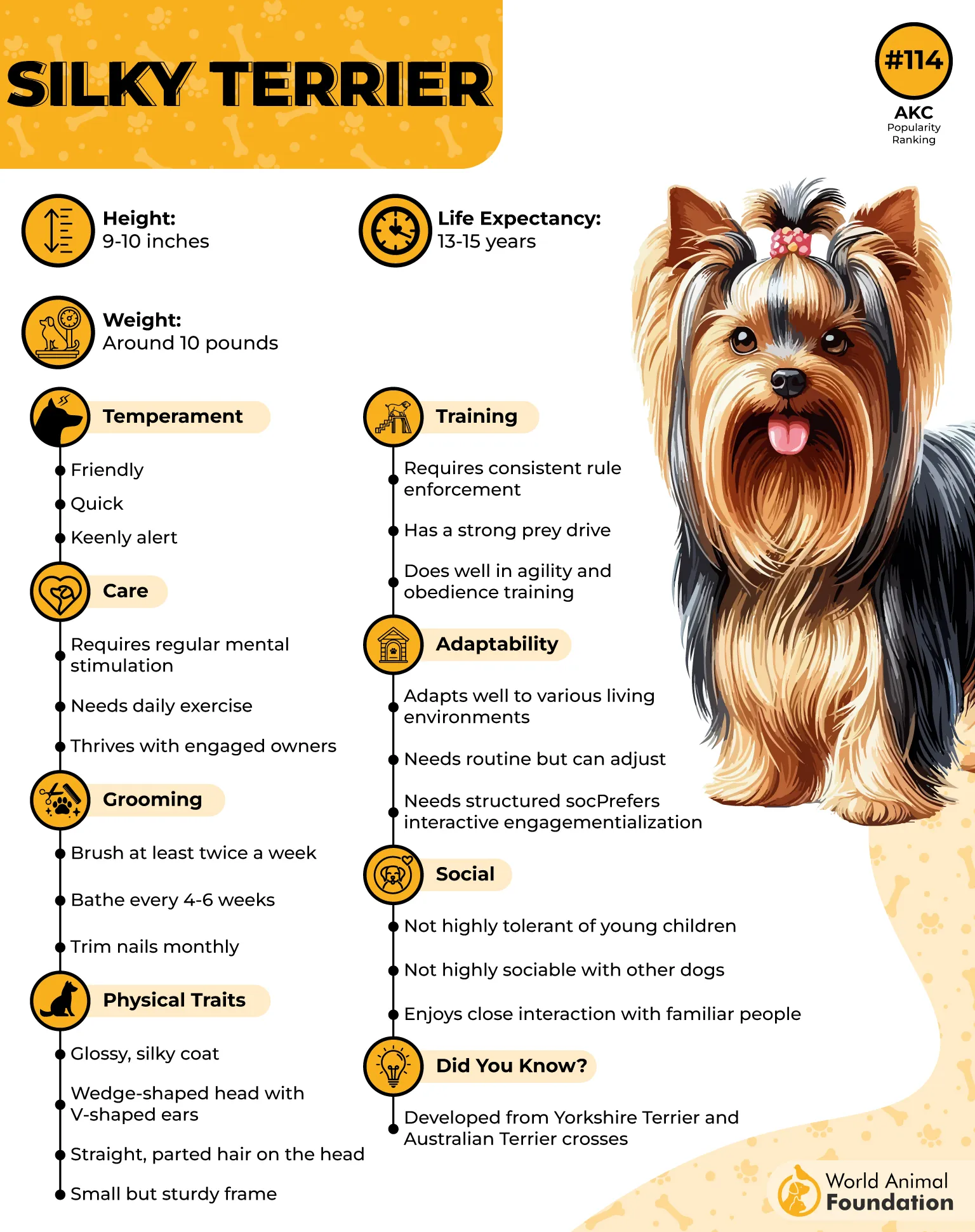
Silky Terrier emerged in Australia during the 1890s through crosses between imported Yorkshire Terriers and native Blue and Tan Australian Terriers. Its breed standard was drawn up in the early 1900s, and Australians still call this little dog the Australian Silky Terrier.
Small Frame, Big Attitude
Silky Terrier has a long, fine coat that gives its compact frame a polished appearance, while its traditional terrier instincts bring plenty of boldness to daily life.
Originally bred to hunt vermin such as rats and snakes, this little dog can quickly turn its attention toward a scurrying animal.
A few practical details are worth knowing:
Quick to bark when someone approaches the door
Learns tricks through consistent, reward-based practice
Better suited to older children who understand gentle handling
A Clever Playmate
This great family pet enjoys games, learning tricks for treats, and joining its people on everyday outings, from errands to trips to the office. Without enough activity or company, its sharp mind can turn toward mischief, and long periods alone may trigger separation anxiety.
Conclusion
Living with a tiny dog can bring companionship, entertainment, and plenty of affection in small packages. These little dogs may fit well into apartments and travel plans, but their needs still deserve careful thought. Some have a playful nature, enjoy dog sports, and love learning new skills, while others are more independent or quick to announce unfamiliar sounds.
Long coats with silky fur can require more brushing and trimming than expected. Because their bodies are delicate, gentle handling and supervised play are especially important for pet parents. Think about your home, schedule, and experience with dogs before settling on a companion. The best fit is one whose habits suit your everyday life.
