




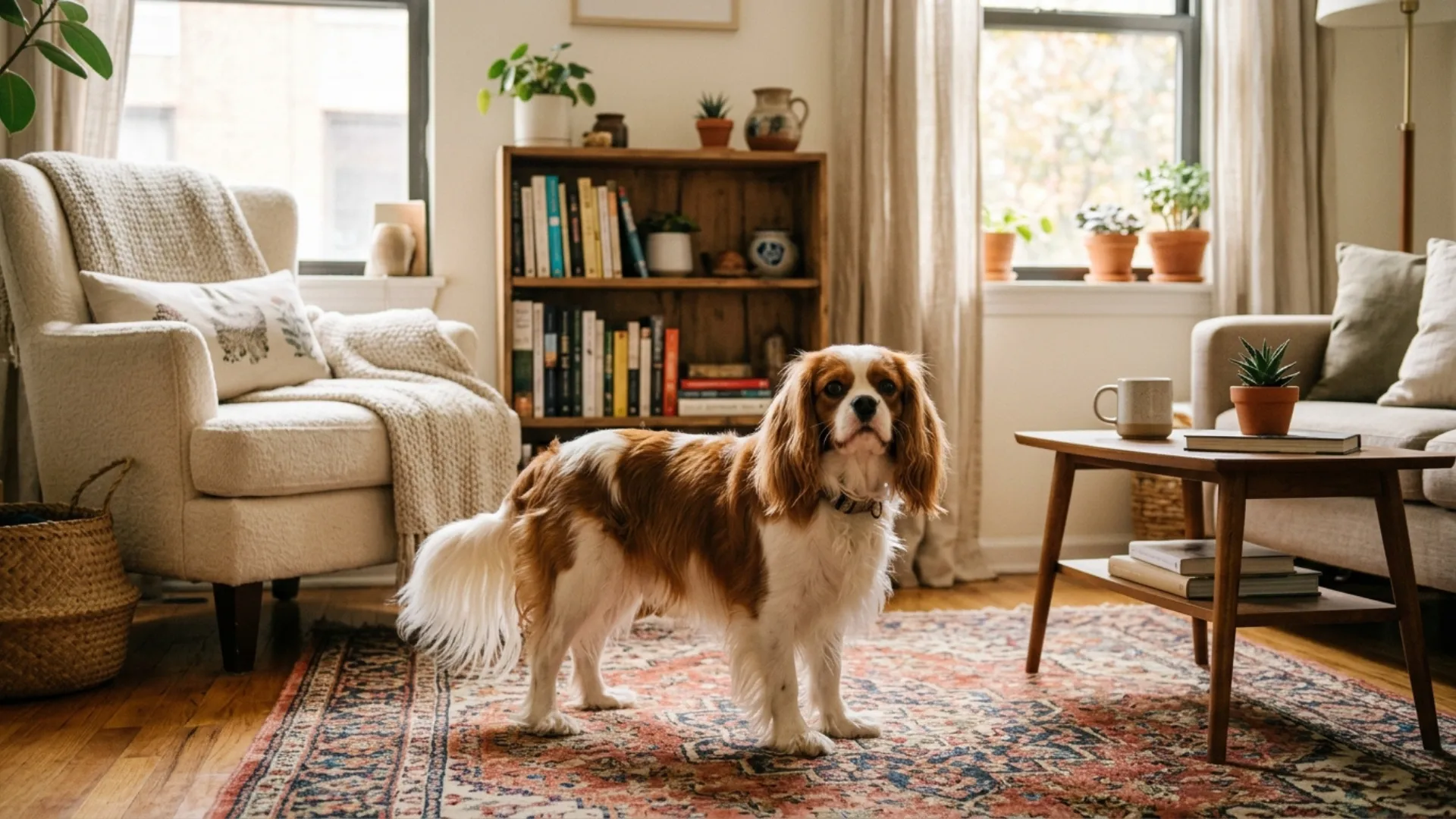
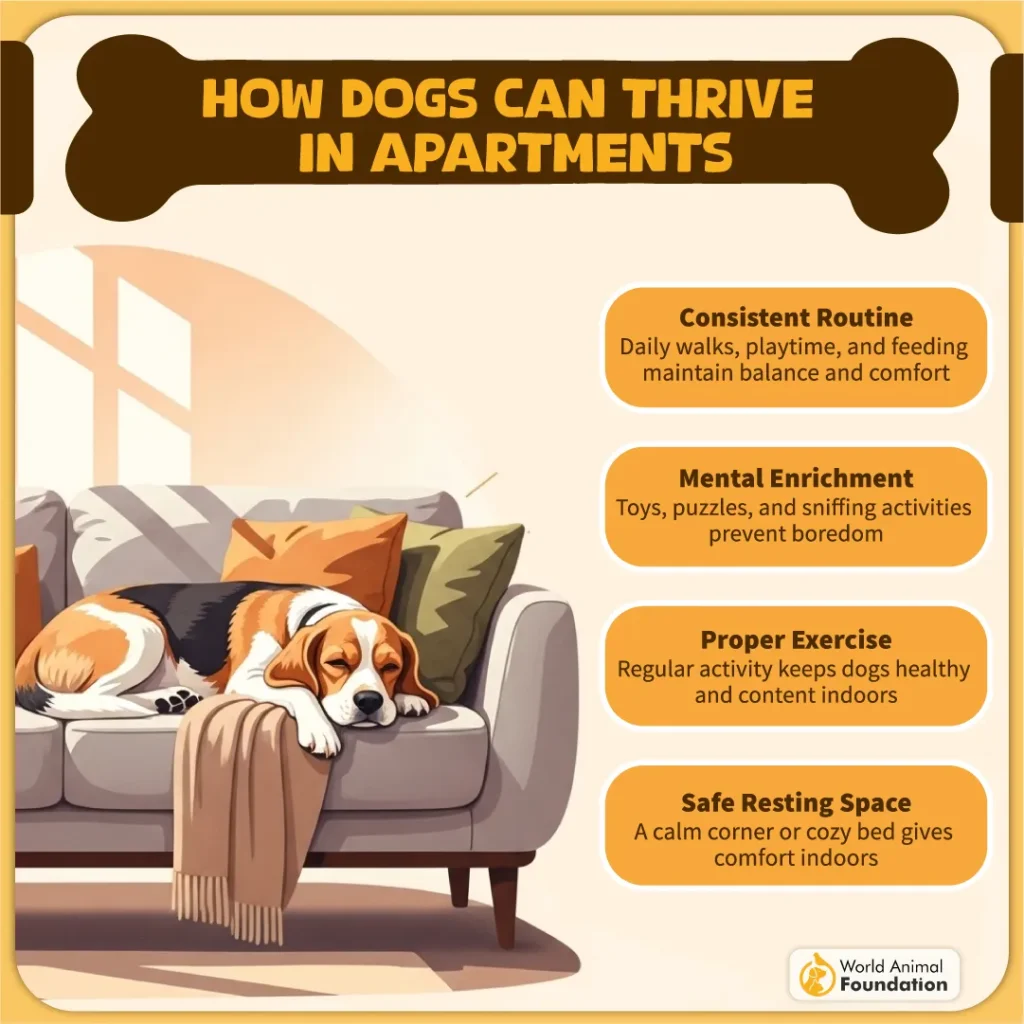
People often believe that any dog can adapt as long as it is trained well enough. That idea sounds reasonable, but it does not always match real experience.
Training helps, but it does not change a dog’s natural needs or tendencies. In smaller living spaces, those natural traits become more noticeable. Some dogs remain comfortable and settled, while others need more room, more movement, and more stimulation than the space can provide.
This is where many expectations start to shift. The goal is not to force adaptation, but to choose a dog that already fits the environment. When that alignment is there, daily life feels smooth instead of demanding. The right dog does not require constant adjustment from you. It works with your space rather than against it.
The sections ahead highlight dogs that naturally carry this balance, making them a better match for homes where space needs to stay simple and manageable.
Key Takeaways
Small living spaces reveal a dog’s true nature much faster than larger homes ever do.
Breeds like the Pug and French Bulldog naturally lean into indoor living, choosing laps, sofas, and quiet corners over constant movement
Cavalier King Charles Spaniel and Shih Tzu stay closely connected to people, adjusting their energy to match the rhythm of the home
As you go through the list, it becomes clear which dogs truly fit into compact spaces without needing you to change your life around them
Adorable Dog Breeds That Love Small Living Spaces
1. Pug
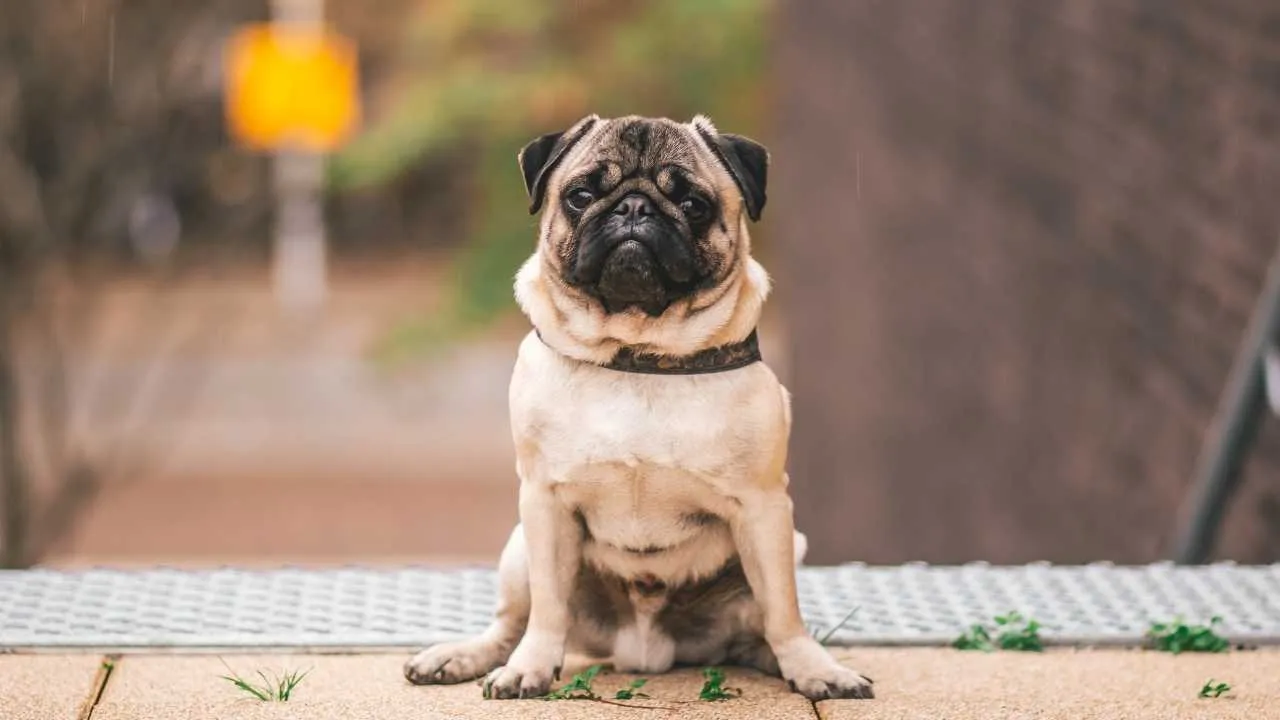
The Pug entered homes as a favored companion in Chinese imperial settings and later gained attention within Dutch royal circles.
Its small, muscular build fits the idea of “a lot in a little,” paired with a face full of shifting expressions, as Hills Pet noted. Round eyes and a wrinkled brow reflect moods that feel almost human.
Interaction shaped by closeness
This small dog breed leans into human presence, often choosing comfort spots like sofas and laps throughout the day. Its social nature fits different living setups, from quiet households to busier spaces with multiple people or pets.
A closer look reveals these everyday habits:
Settles near people during rest time
Engages easily across age groups
Adapts within shared living environments
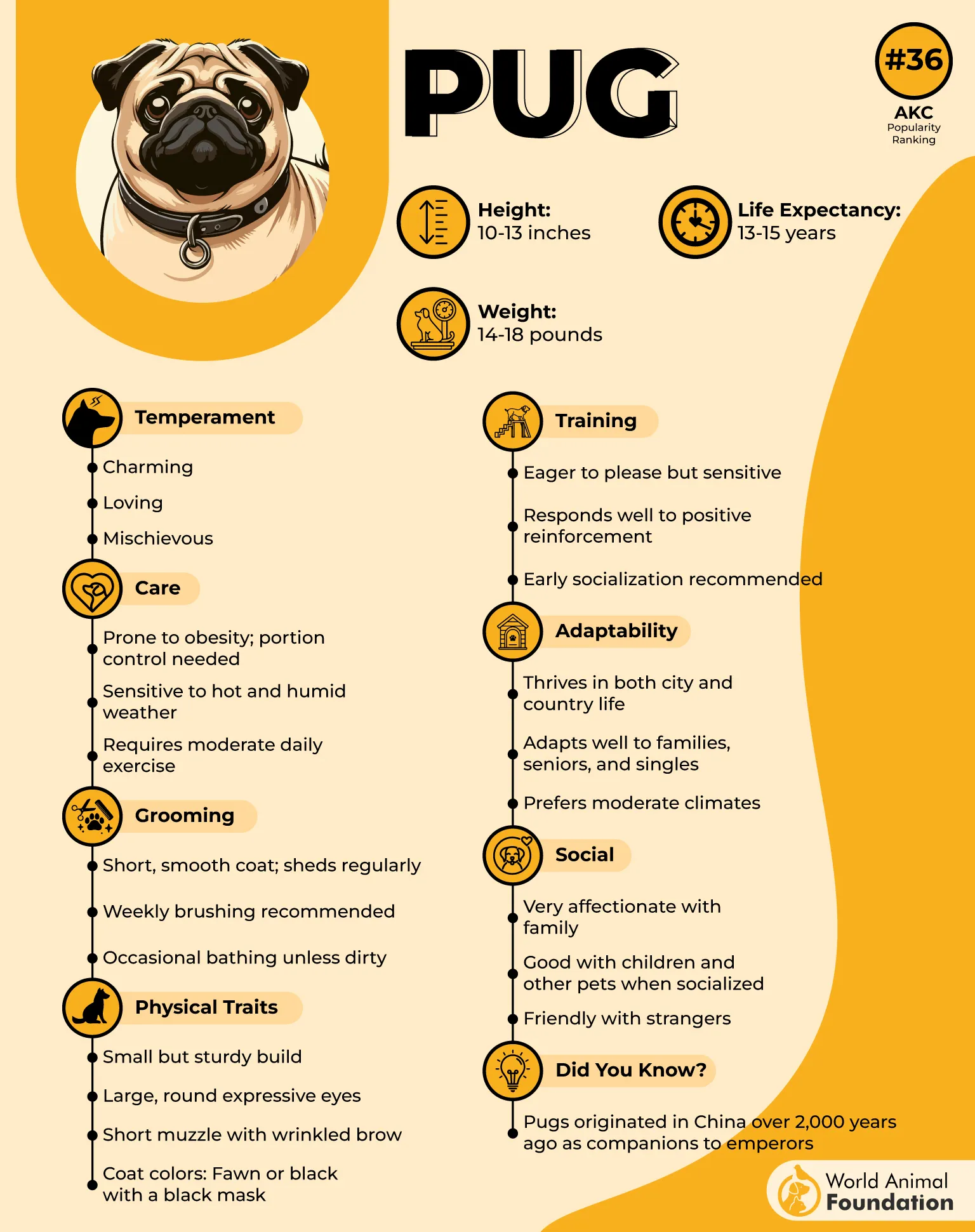
Living patterns and daily habits
In apartment life, it fits well due to its moderate activity needs, balancing playful moments with long periods of rest. Its fondness for food requires attention to portion control, especially with a tendency to lounge. Moderate climates suit it better than extreme heat or cold.
2. French Bulldog
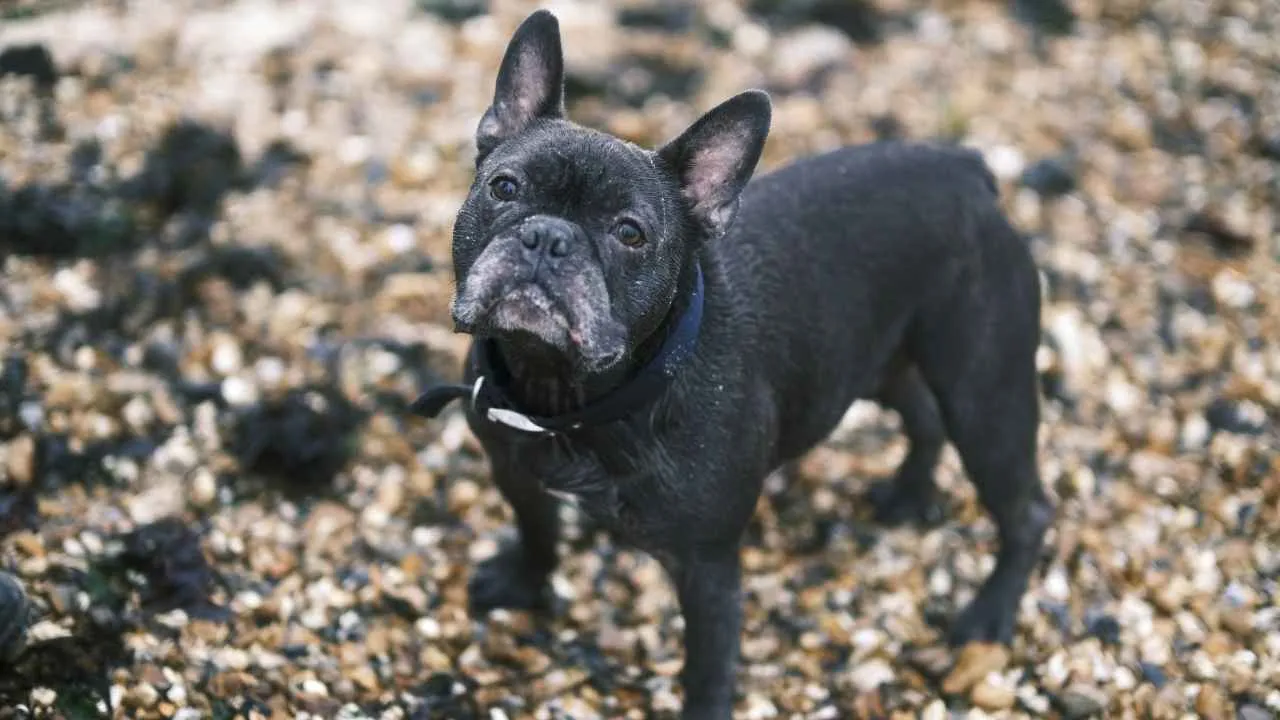
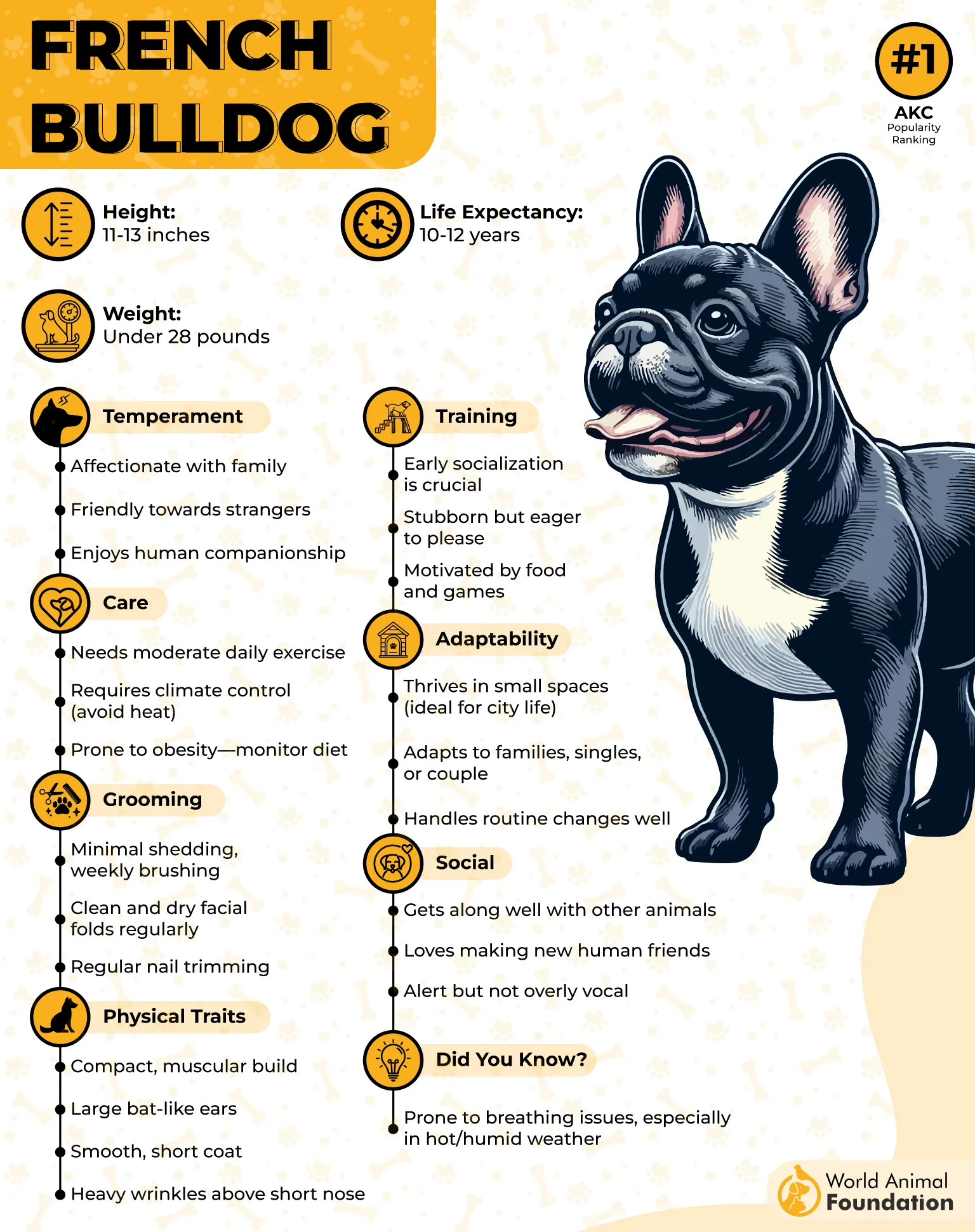
The French Bulldog is hard to miss with its bat ears standing tall and a square head framed by soft wrinkles. Its compact, muscular body sits beneath a smooth coat that feels easy to manage in tight living setups. The overall structure fits neatly into indoor spaces without feeling fragile.
Quiet presence with alert awareness
As great apartment dogs, Frenchies keep vocalization low, relying more on awareness than noise when something changes in their surroundings. Their alert nature connects directly to how it responds inside smaller homes and shared buildings.
That behavior becomes easier to notice through daily patterns:
Rarely barks without reason
Reacts quickly to unfamiliar sounds
Observes new activity without agitation
Social behavior in close spaces
Frenchies interact comfortably with different people and other dogs, often approaching new faces with curiosity rather than hesitation, as PetMD noted.
Their playful and affectionate nature blends easily into daily routines without overwhelming the space around them. This makes shared environments feel less restrictive.
3. Cavalier King Charles Spaniel
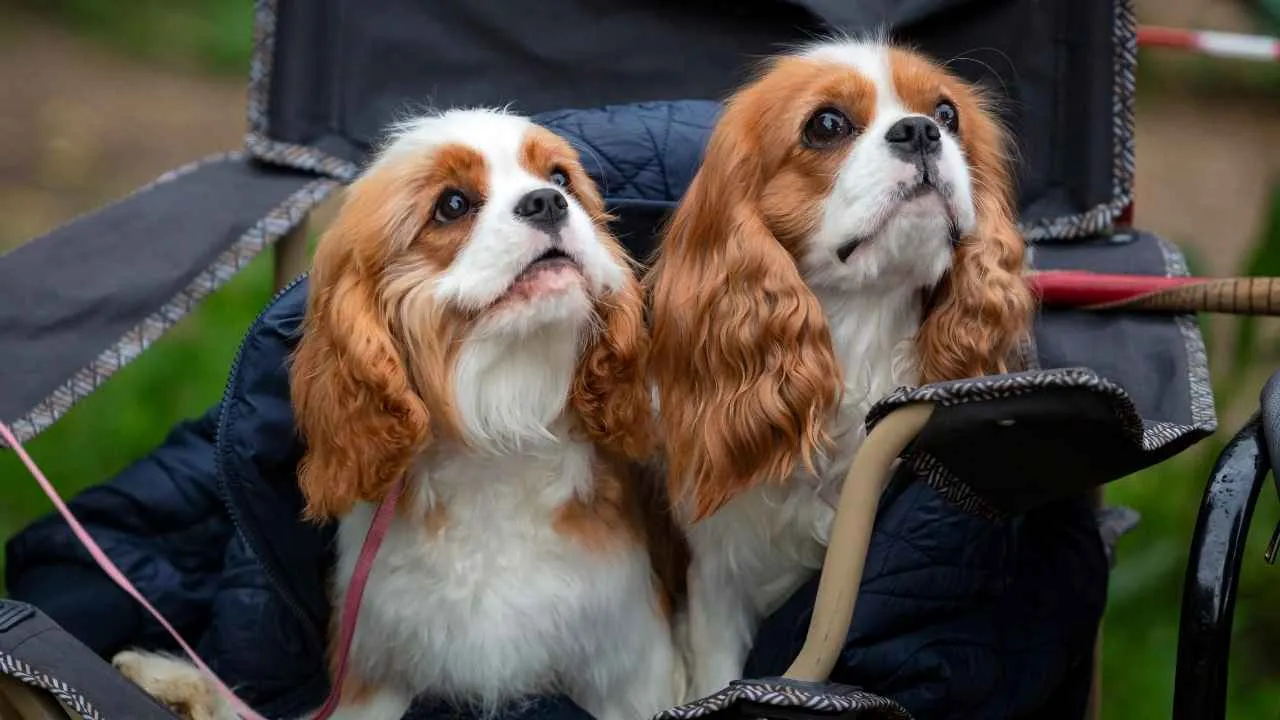
Cavalier King Charles Spaniels have a way of catching attention with their soft face and large, round eyes that reflect every emotion.
Their name ties closely with British royalty, adding a sense of elegance to their appearance. This gentle expression often shapes how people connect with them instantly.
Interaction shaped by closeness
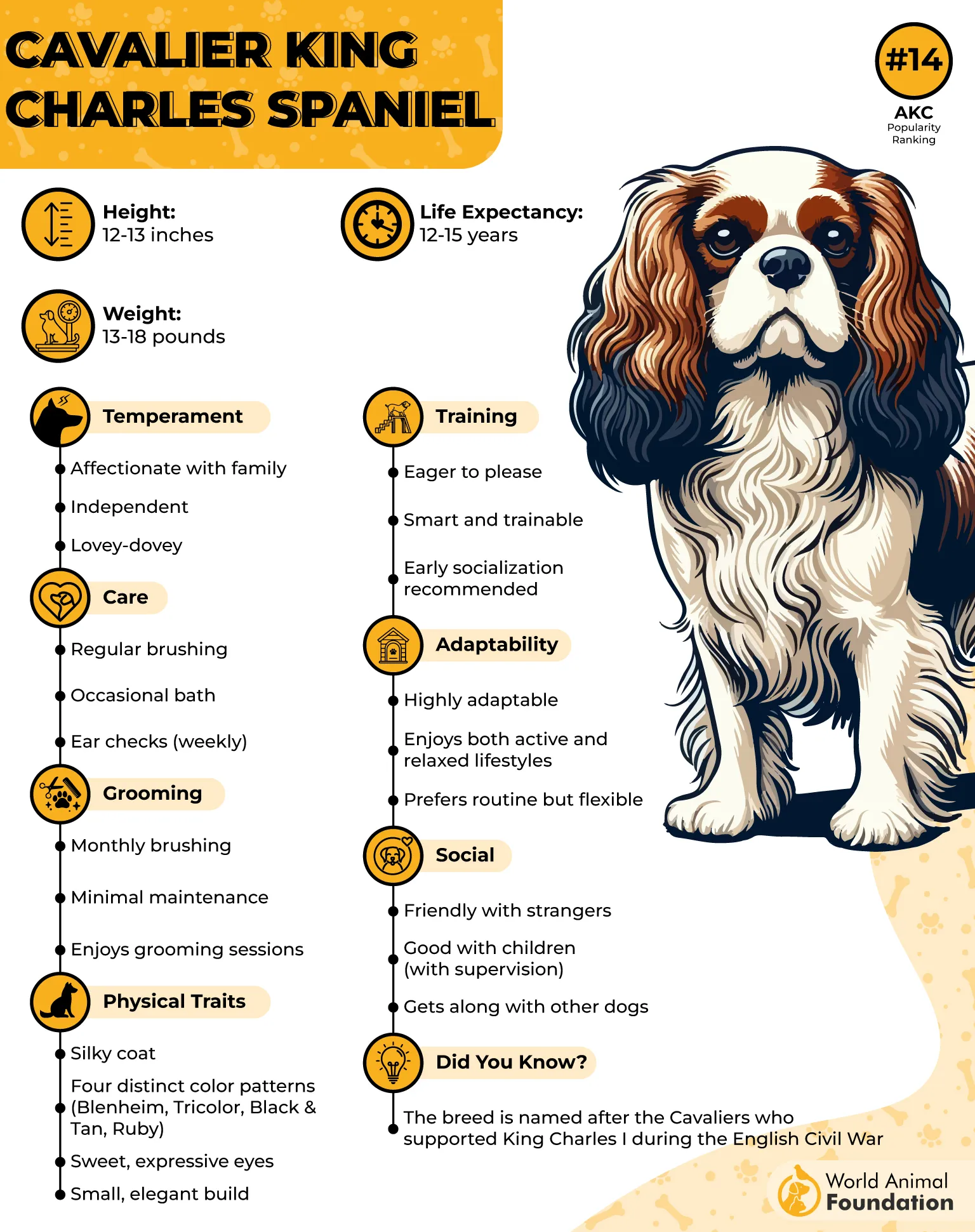
Cavaliers are affectionate dogs and engage closely with people, often staying involved in everyday moments rather than staying distant. Their temperament blends attentiveness with a relaxed presence around children and other pets.
This interaction becomes clear through small, consistent patterns:
Seeks regular contact with people indoors
Responds calmly around children and other dogs
Adjusts behavior based on household activity
Flexibility within small spaces
They adapt easily to apartment living, fitting into both active routines and quieter home environments. They can switch from playful outdoor activity to long indoor rest without difficulty. This range allows it to fit naturally into compact living arrangements.
4. Shih Tzu
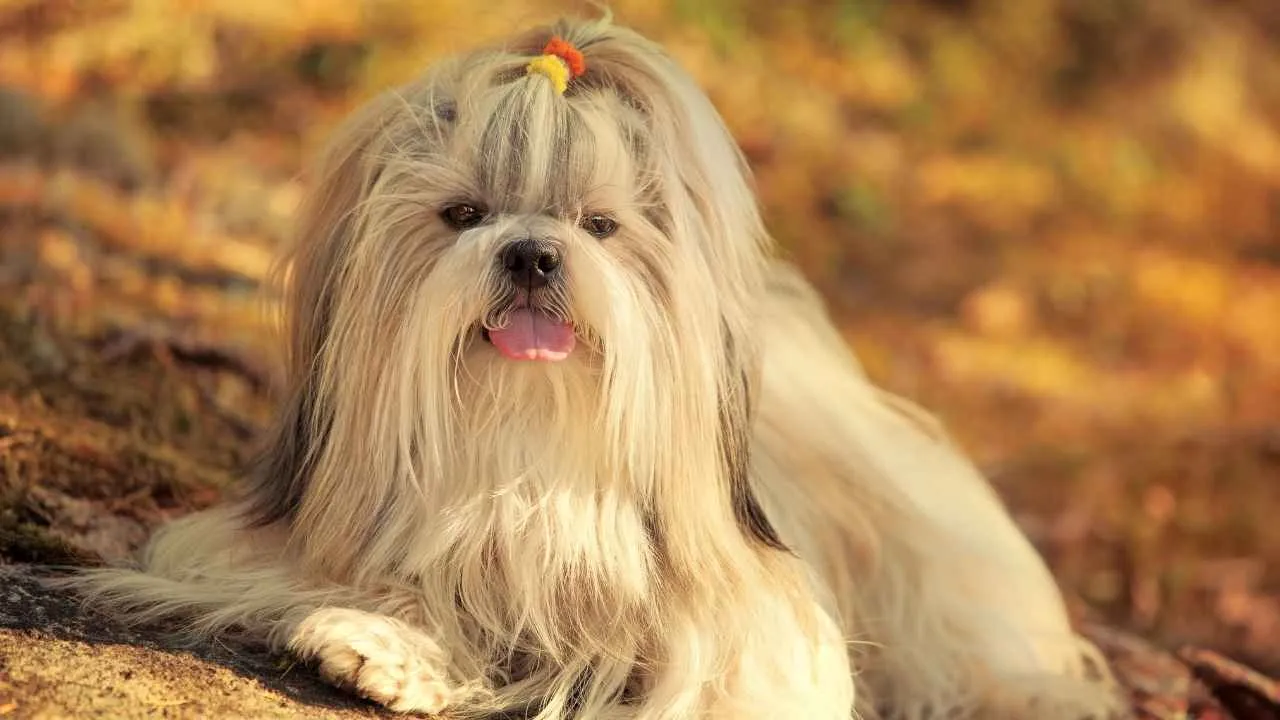
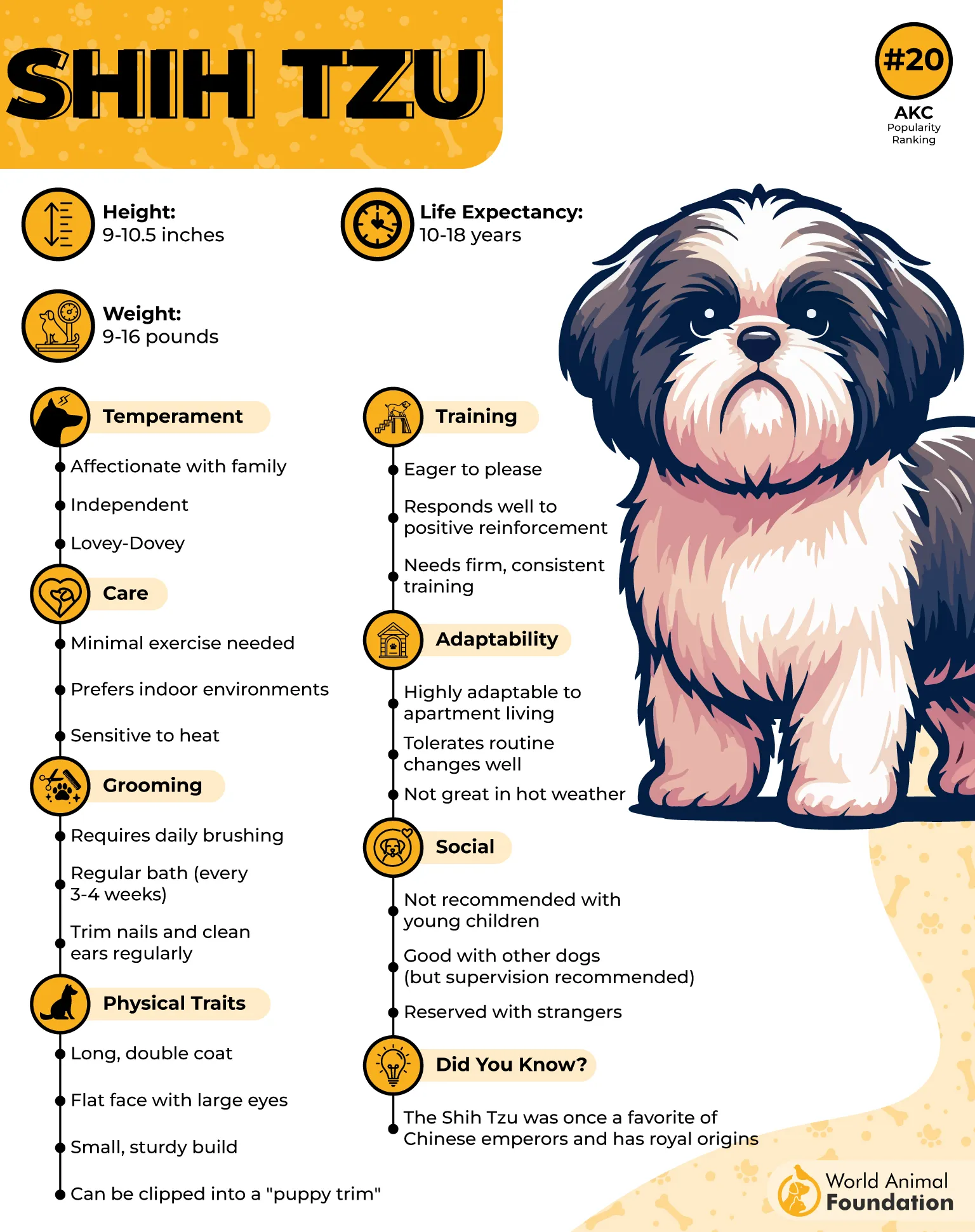
The Shih Tzu draws attention through its round face and large dark eyes, giving it a constantly animated, almost playful expression. Known as the “Lion Dog,” it spent centuries in royal settings, shaped for indoor companionship. Its sturdy build adds a surprising solidity beneath that soft appearance.
Indoor lifestyle by design
This charming dog fits naturally into smaller living spaces, where its idea of enjoyment centers around closeness rather than exploration. Time spent near people replaces the need for large outdoor activity.
That preference appears in simple daily habits:
Chooses laps and sofas over open spaces
Engages through quiet indoor play
Responds well to short daily walks
Care habits shaped by routine
Shih Tzu stays flexible when it comes to how you manage its grooming, including shorter trims that simplify coat maintenance, as mentioned by the AKC.
Its activity needs remain low, satisfied through brief walks and indoor movement. This rhythm fits well into homes where space is limited, but interaction is frequent.
5. Bichon Frise
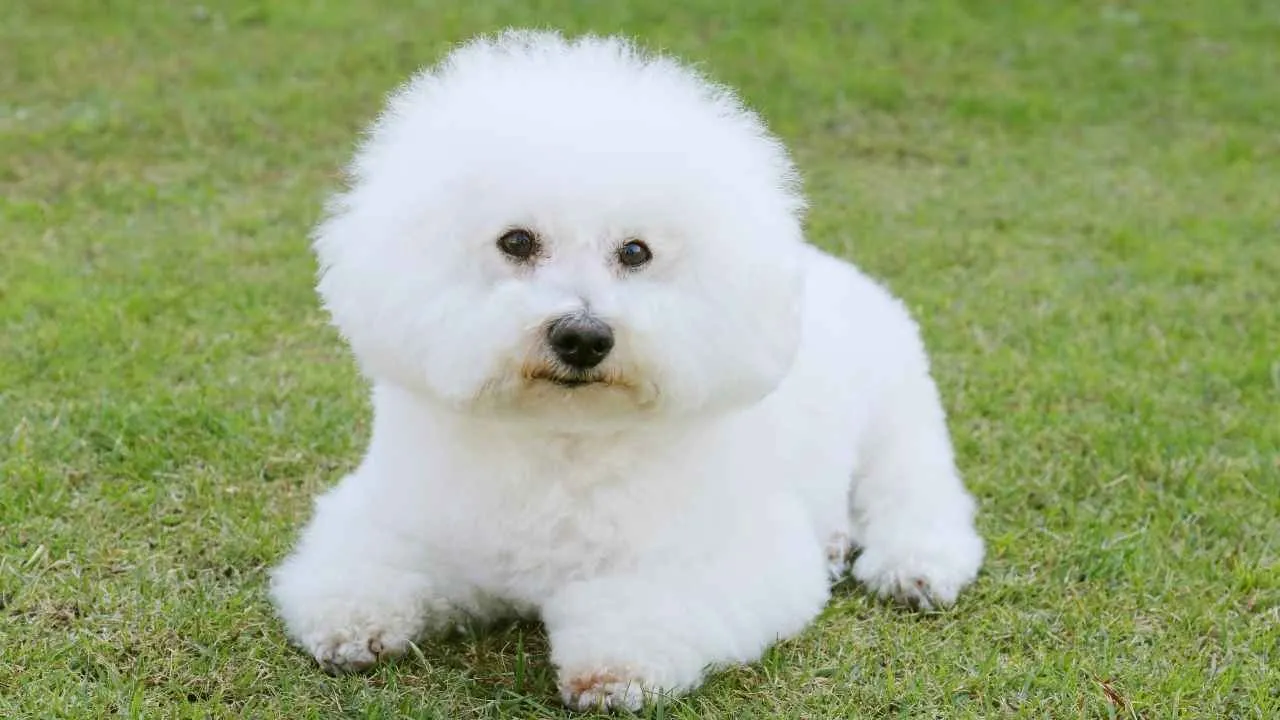
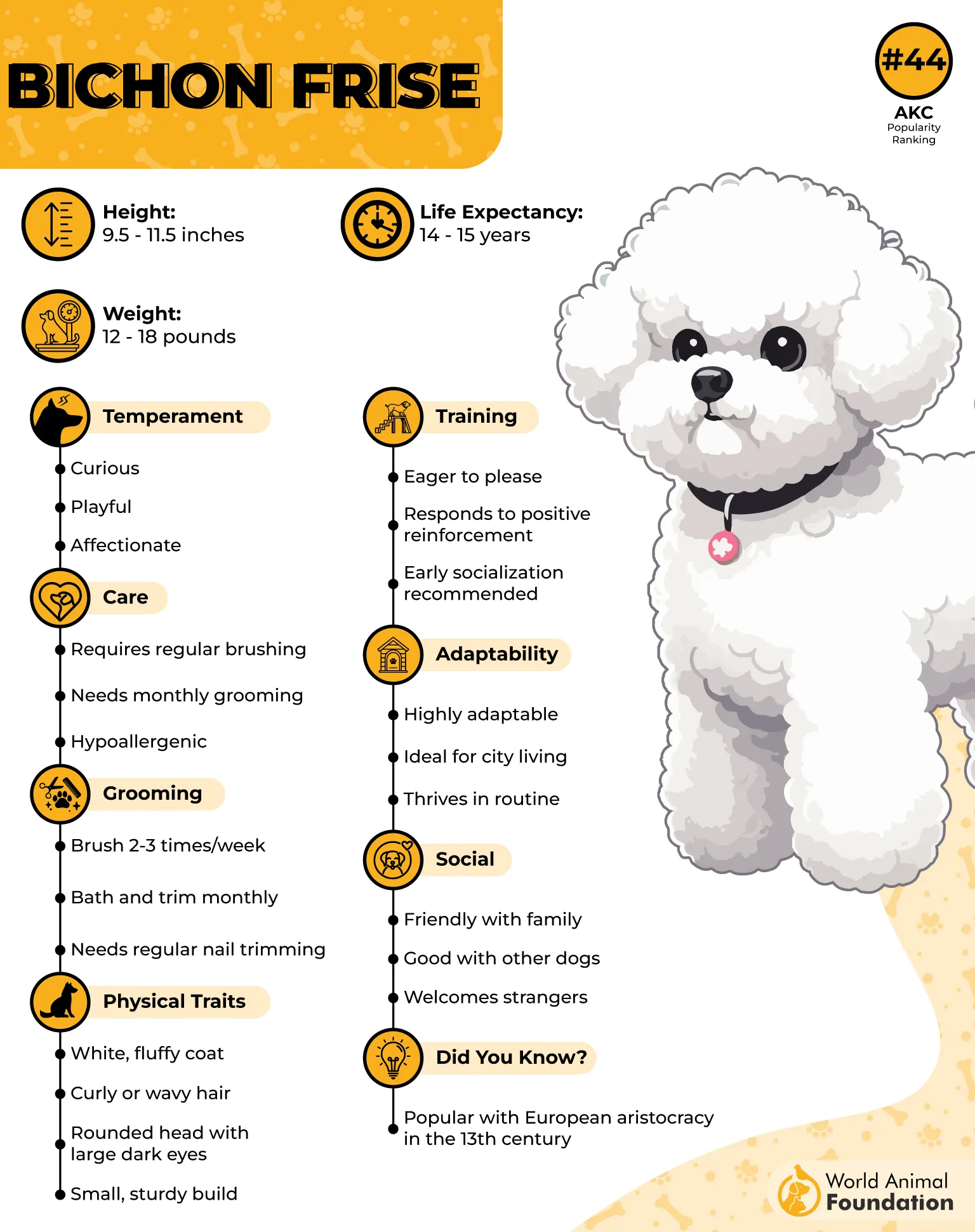
The Bichon Frise carries a bright and engaging look with its rounded coat and dark eyes that always seem switched on. Its presence feels lively and engaging, shaped by intelligence and a natural inclination to interact. This small, sturdy dog fits easily into apartment settings without feeling fragile.
Social ease in shared spaces
This toy dog blends into daily life by interacting freely with people, children, and other pets, treating new encounters as familiar experiences. Its alert curiosity keeps it aware of its surroundings while remaining approachable.
That behavior becomes clear in simple patterns:
Greets unfamiliar people without hesitation
Adjusts comfortably around other animals
Responds quickly to indoor activity
Activity that fits compact routines
The Bichon Frise alternates between calm stretches and short bursts of playful energy, often running briefly before settling again. Its activity style matches smaller homes where long exercise sessions are not always practical. Daily play and short walks keep this rhythm balanced.
6. Havanese
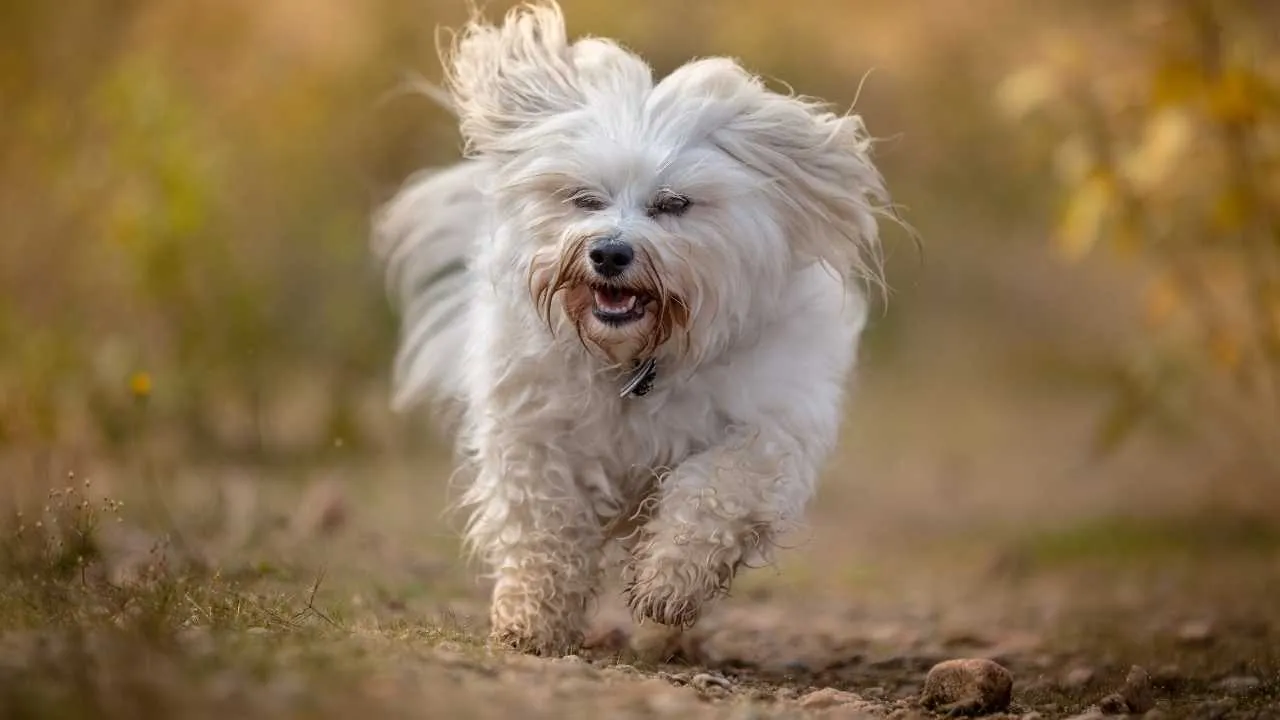
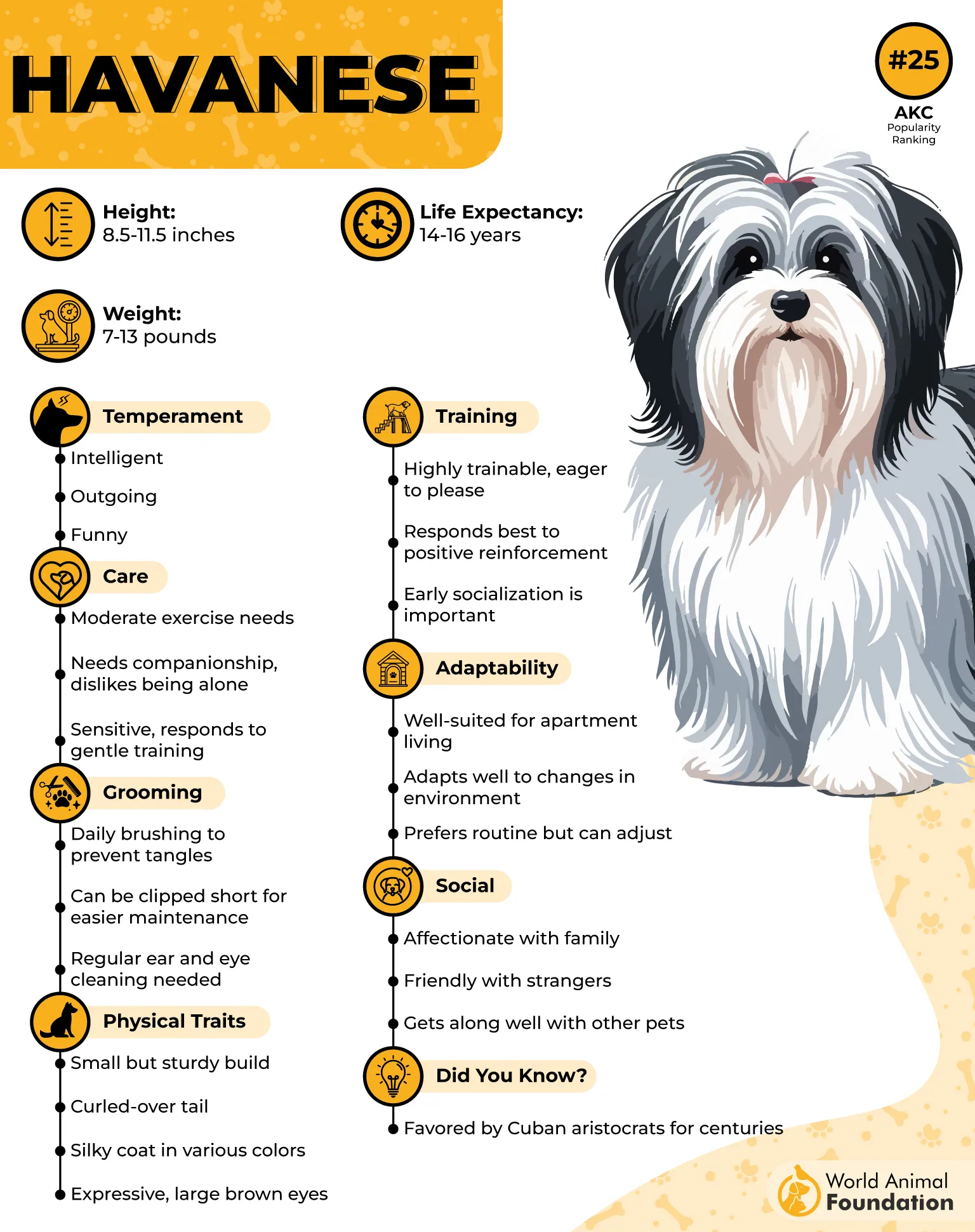
Havanese brings a cheerful personality shaped in Cuba, reflected in its lively step and expressive brown eyes. Its small yet sturdy frame fits easily into compact homes without feeling delicate. The breed’s appeal comes from its constant engagement with people around it.
Social instinct in daily life
The Havanese interacts with people through playful behavior and attention-seeking habits, often turning simple moments into lighthearted interactions. Its sociable nature connects well across age groups in close living spaces.
That energy appears in small, distinct ways:
Uses playful tricks to engage attention
Responds quickly during training sessions
Keeps interaction lively without excess noise
Activity suited for compact homes
This breed keeps its routine simple with indoor play and short walks without needing long stretches outside. Its activity level adjusts well to limited space while still keeping it engaged. Even indoor play sessions can meet much of their daily movement needs.
7. Yorkshire Terrier
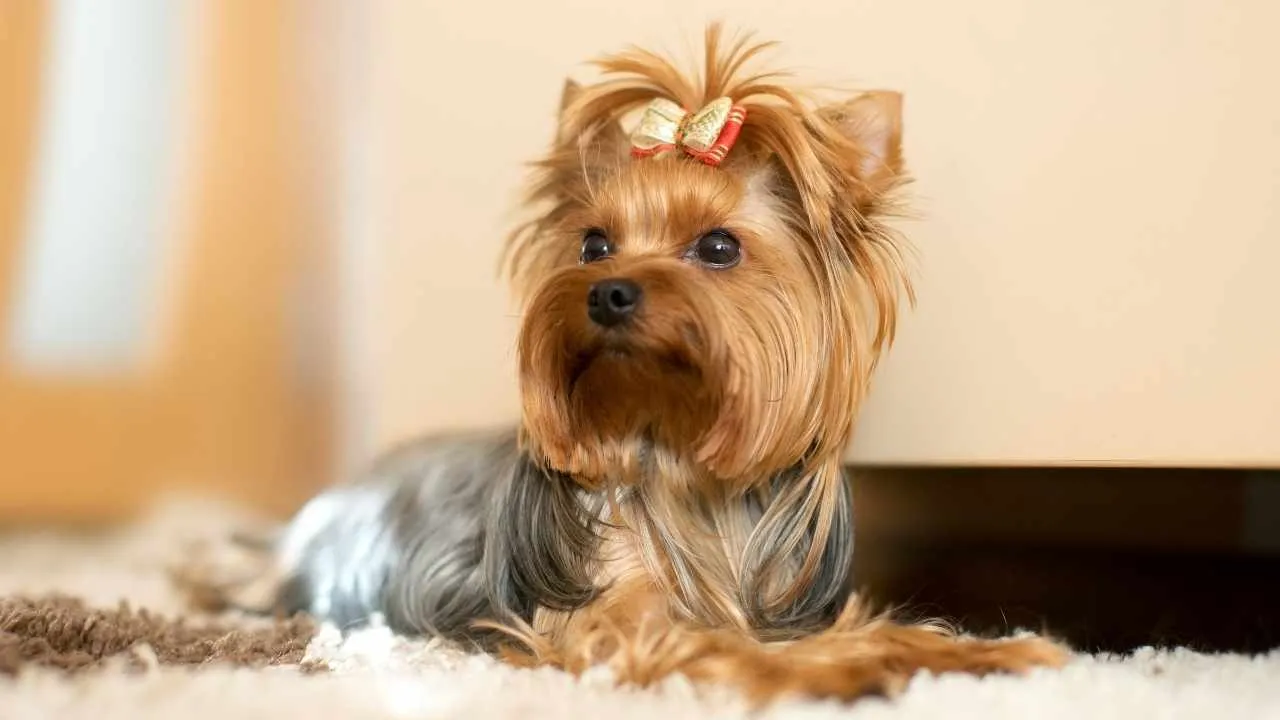
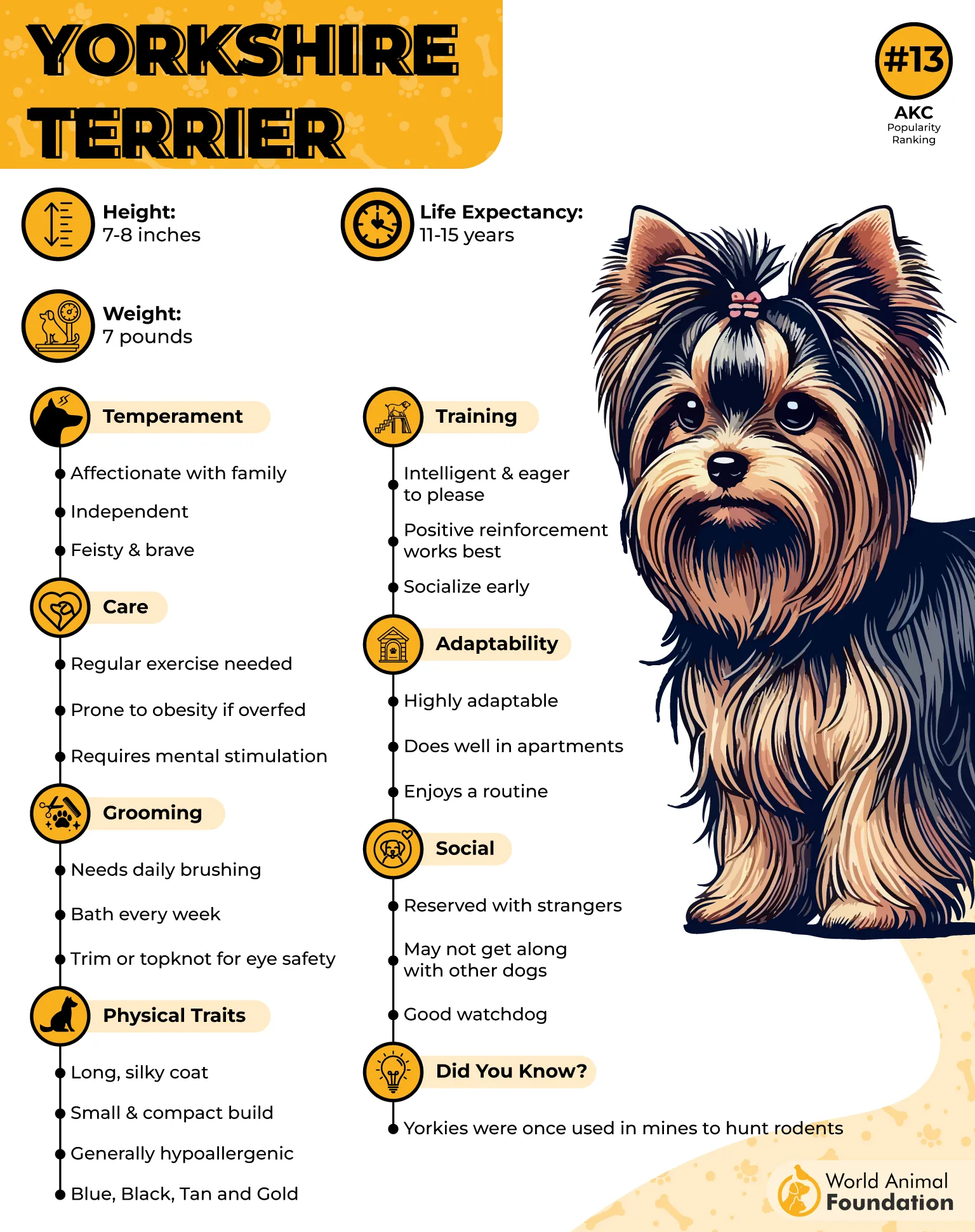
The Yorkshire Terrier pairs a glossy, floor-length coat with the instinct of an old-time ratter once used in mines and mills. Its compact size hides a bold, determined nature shaped by practical work. This mix creates a dog that feels lively even within a limited indoor space.
Daily behavior in compact living
As an apartment dweller, the Yorkie adjusts its activity through short walks and brief play sessions rather than long outdoor routines. Its intelligence connects closely with interaction and reward-based learning.
This becomes clear in everyday habits:
Responds well to praise and treat-based training
Engages in short bursts of play like chasing a ball
Adapts easily to steady walking routines
Temperament shaped by personality
This toy breed expresses a confident and sometimes bossy attitude, reflecting classic terrier behavior despite its size. It stays closely attached to people and often seeks involvement in daily activities. This creates a lively presence that keeps the environment interactive.
Conclusion
At some point, it stops feeling like you have to adjust your space at all. The dog moves through it naturally, resting where it feels right and staying close without creating pressure, especially in small apartments.
These breeds do not push against the limits of smaller homes. They work within them, staying calm indoors and keeping daily life steady and predictable.
There is no need to rethink routines or constantly manage energy or the dog’s exercise requirements. Everything holds its place, which is why many pet parents notice the difference. That quiet compatibility is what makes them stand out.
In the end, the right choice is not about size alone, but about choosing the right dog breed that fits the space you already live in.
