




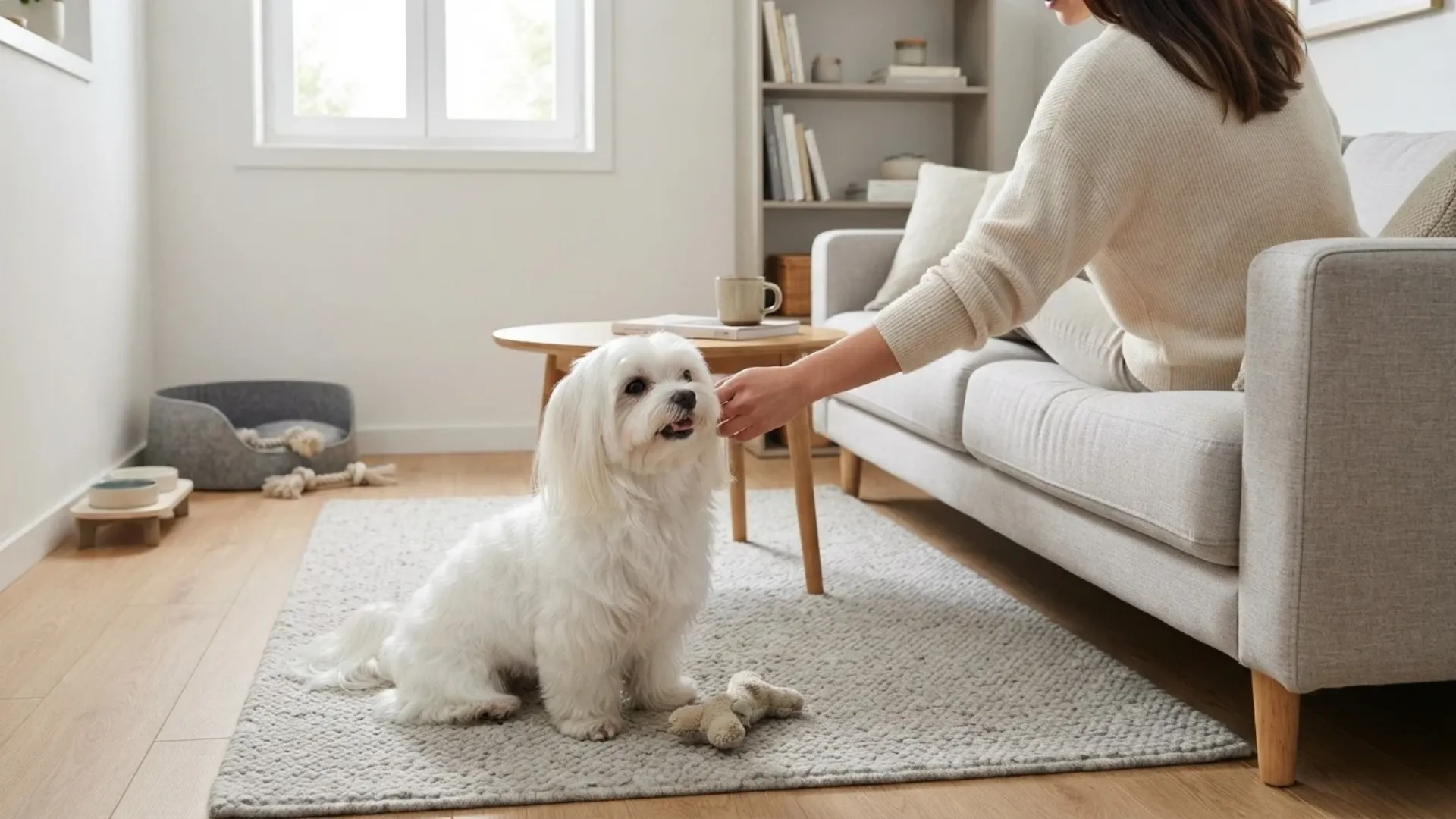
Tiny home, tiny apartment, tiny backyard—or absolutely no backyard at all? That doesn’t mean your dream of having an adorable four-legged roommate has to stay trapped on your Pinterest board forever. Plenty of small dog breeds were practically built for cozy living, as long as you meet their exercise, training, grooming, and social needs.
The best dogs for small homes aren’t simply the smallest. A six-pound dog can still act like the self-appointed CEO of neighborhood security. At the same time, a slightly larger companion may spend most of the afternoon happily snoozing beside you. Energy level, barking tendencies, trainability, grooming needs, and ability to settle indoors matter just as much as physical size.
Here are some of the best small dog breeds worth considering when square footage is limited but your capacity for puppy love definitely isn’t.
Adorable Dog Breeds Ideal for Small Homes
1. Havanese
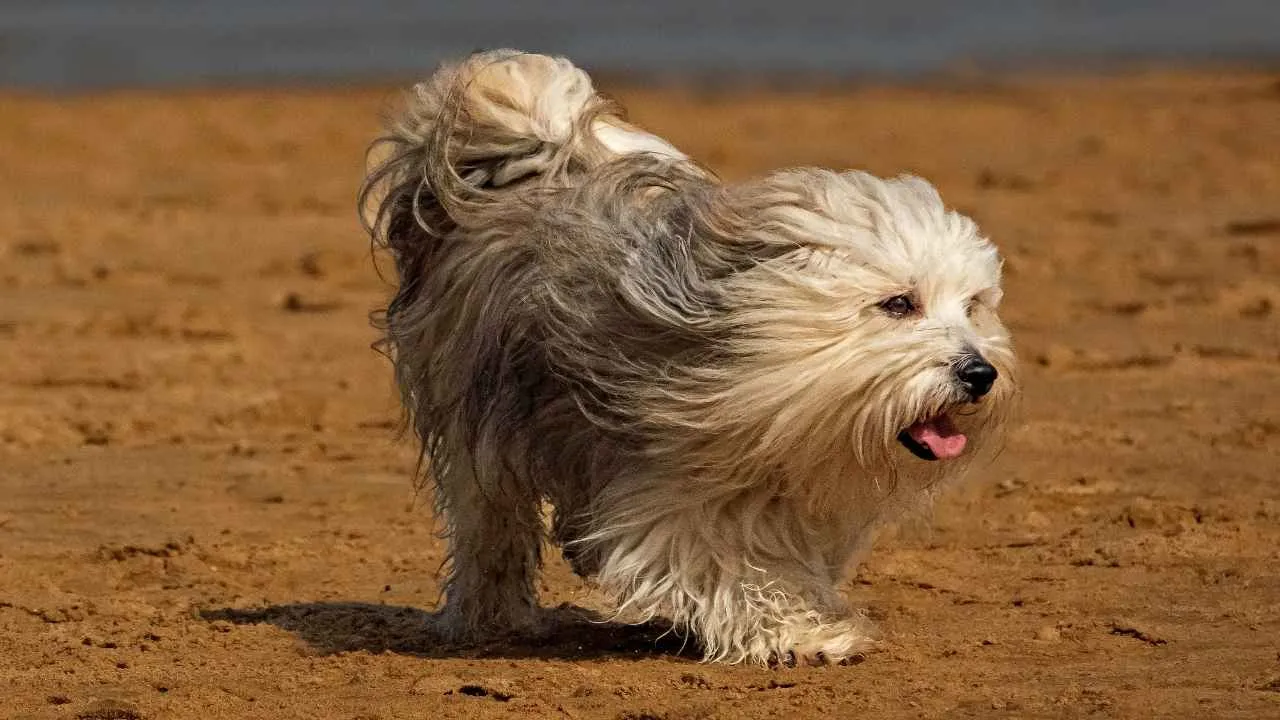
The Havanese is cheerful, sociable, and famously people-focused. This small dog was developed as a companion pup and is happiest when it is included in everyday family life.
Small-home living fits the Havanese surprisingly well when compared to other dogs because this breed combines a compact body with a personality that doesn’t require acres of land to stay entertained. Indoor games, training sessions, puzzle toys, and regular walks can provide useful outlets for their energy without turning your living room into a canine racetrack 24/7.
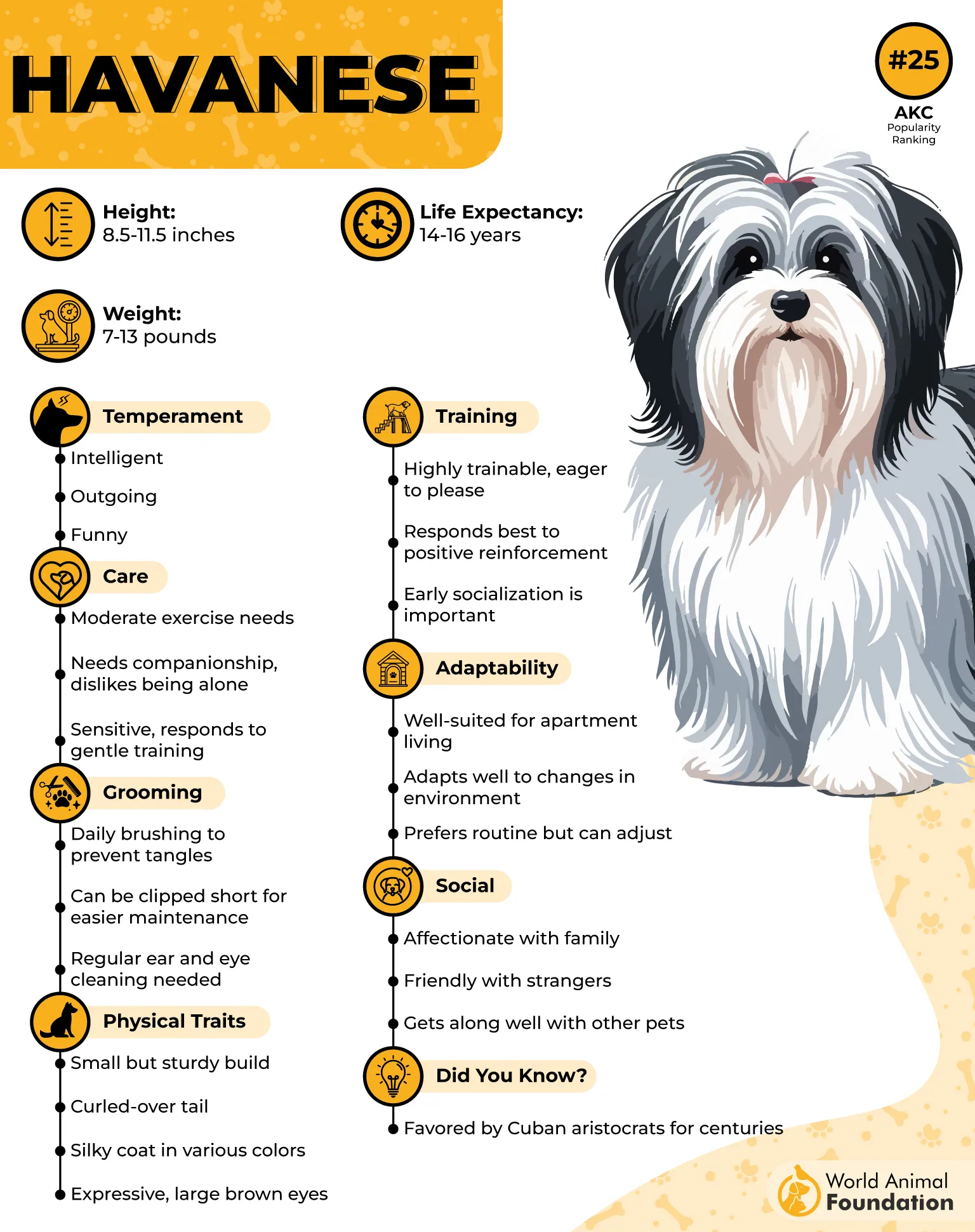
One of the breed’s biggest flexes is trainability. The AKC describes Havanese as smart, trainable extroverts, and their history as entertaining companion dogs helps explain why many enjoy tricks and interactive games.
They are highly social companions, so a tiny apartment filled with interaction may suit them better than a mansion where they’re routinely isolated.
Fun Facts You Need To Know Before Bringing It Home
Their compact, adaptable build makes them particularly appealing to city residents where floor space is precious.
Don’t confuse “small” with “decorative”—Havanese often enjoy learning tricks, training, and interactive play as much as couch cuddles.
2. Maltese
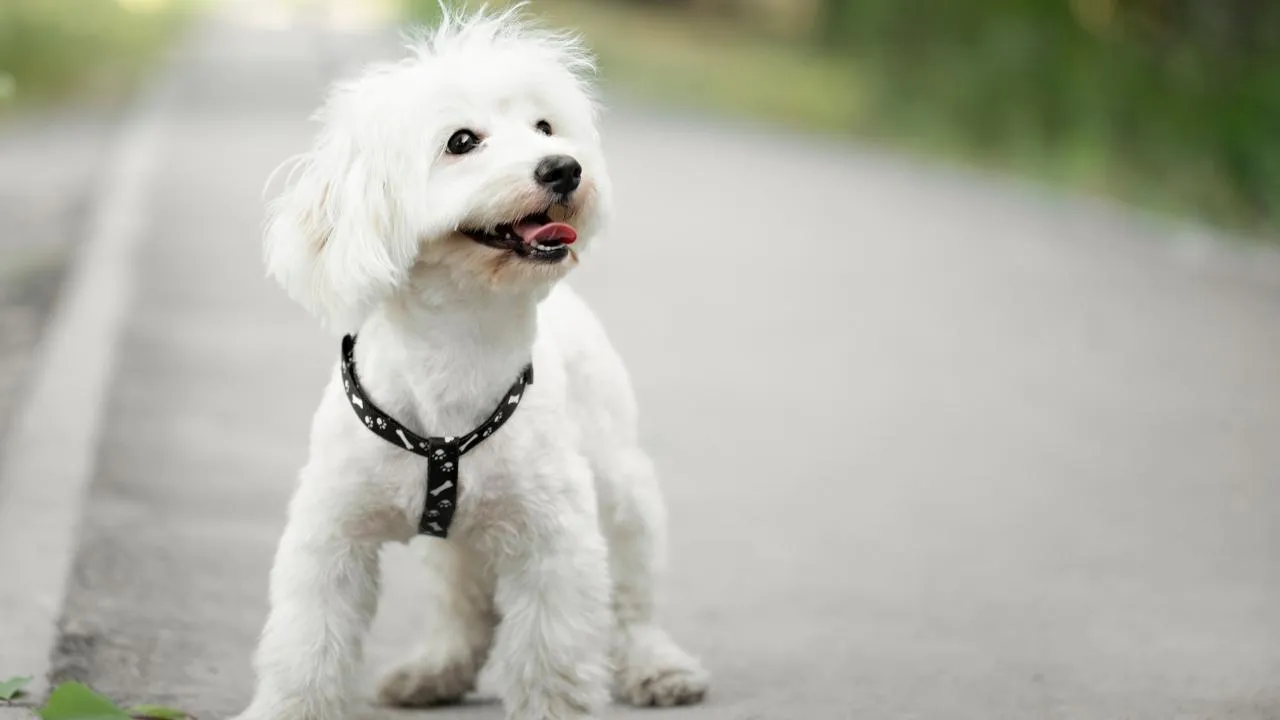
Beneath a luxurious white coat of Maltese is a playful, confident little companion with a history stretching back thousands of years around the Mediterranean world.
This apartment-living dog is more than a professional lap warmer, though. The Royal Kennel Club describes the breed as playful, friendly, affectionate, and sometimes surprisingly fearless, meaning that tiny body can come with a deluxe-size personality.
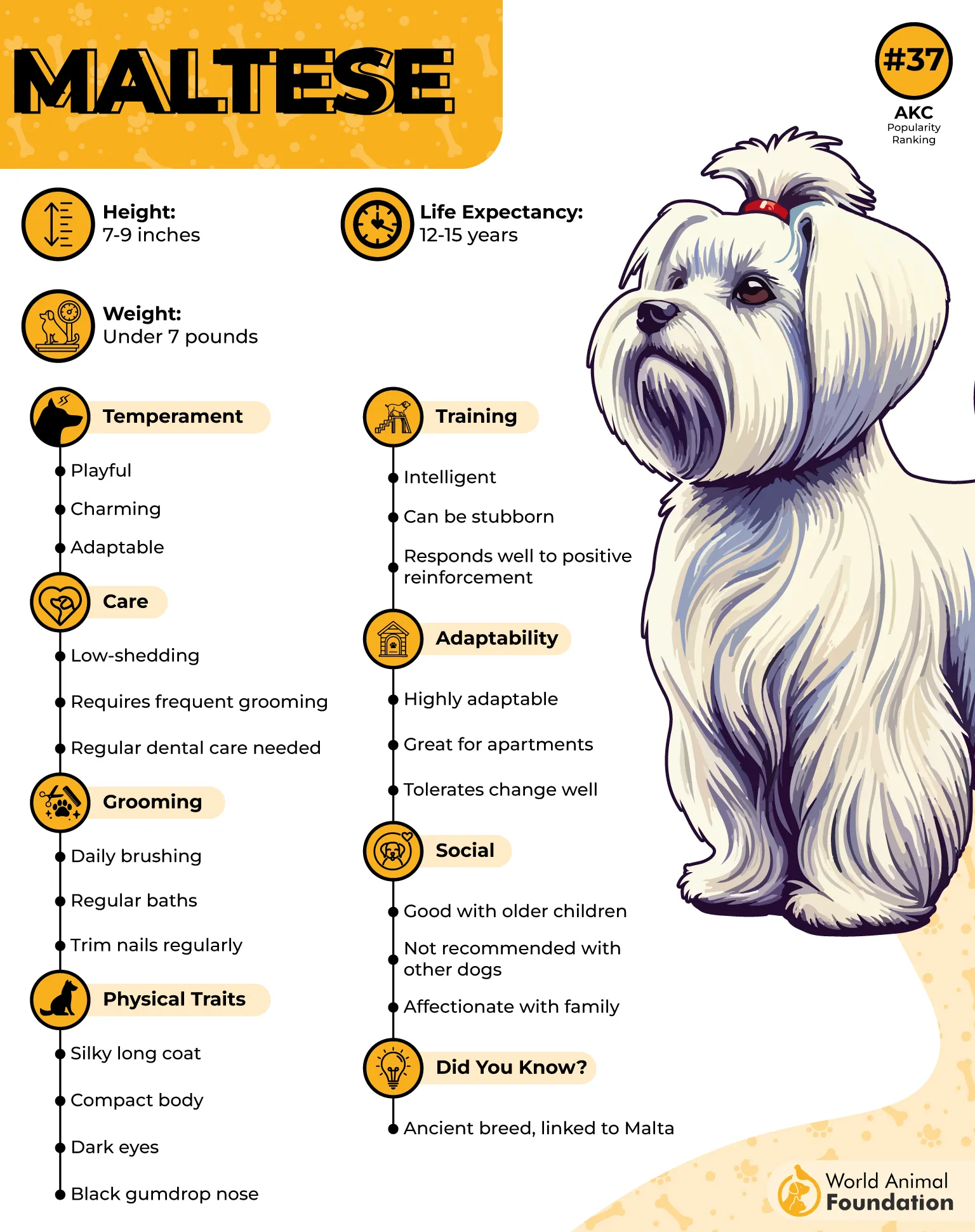
Positive, reward-based training is especially useful because this energetic dog can have an independent or stubborn streak, and nobody wins an argument by trying to out-stubborn a seven-pound aristocrat.
A long Maltese coat can require daily gentle brushing and combing to prevent tangles and mats, along with routine bathing, conditioning, nail care, ear checks, and dental attention. Maltese dogs thrive on human companionship rather than a highly independent lifestyle and stay tightly connected with their pet parents.
Fun Facts You Need To Know Before Bringing It Home
Maltese have been companion dogs for centuries, so being close to people isn’t exactly a new hobby for them.
That silky white coat sheds minimally, yet “minimal shedding” absolutely does not translate to “minimal grooming.”
3. Pomeranian
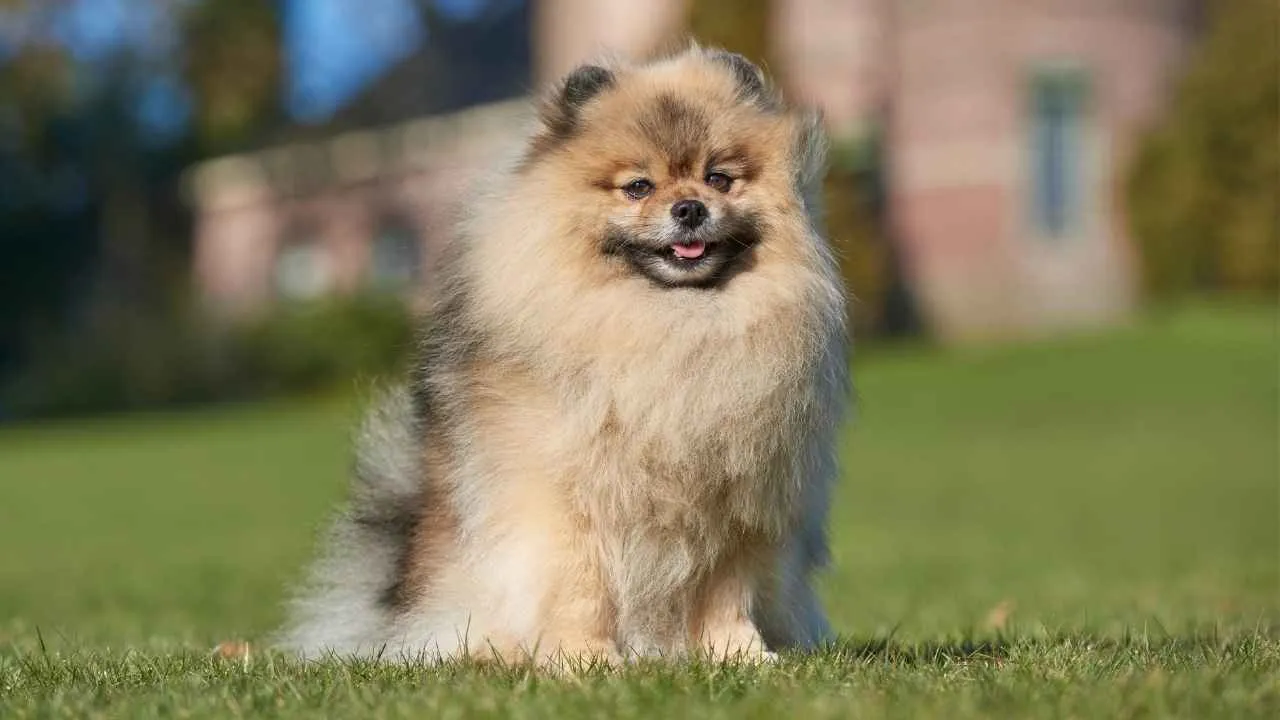
Pomeranians are fluffy extroverts that are lively, curious, intelligent, and famously confident, creating one of the funniest size-to-attitude ratios in the dog world.
That small size is obviously a win when floor space is limited, but their adaptability is even more useful. They can get useful exercise through indoor play and short walks, so they can live happily in city or suburban settings when their needs are met.
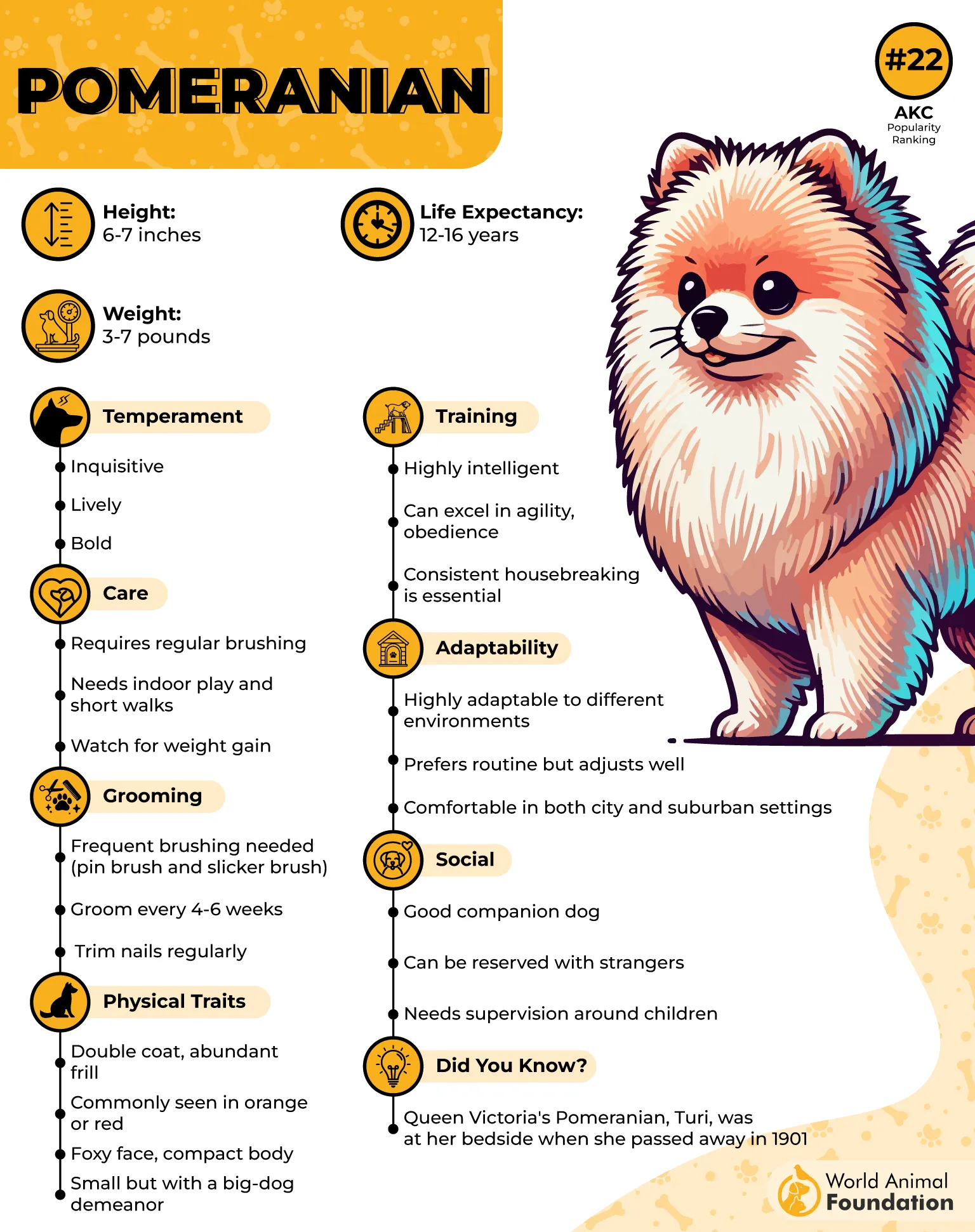
They also bring serious brainpower to the tiny-dog party. They can learn tricks and games quickly, and structured training gives all that alert curiosity somewhere productive to go. Without guidance, however, their natural alertness may turn every hallway footstep, elevator ding, or suspicious grocery bag into breaking news.
And yes, we need to discuss their coat. These pups have a profuse double coat with a prominent ruff around the chest and shoulders. Regular brushing and coat care are important, especially because living in a small home means loose fur has fewer places to hide—your black trousers will know everything.
Fun Facts You Need To Know Before Bringing It Home
Their exercise can include indoor games and shorter walks, a major perk when your “yard” is technically a balcony with two plants.
Poms come in numerous colors and markings, so the iconic orange fluff-ball look is only one version of the breed.
4. Bichon Frise
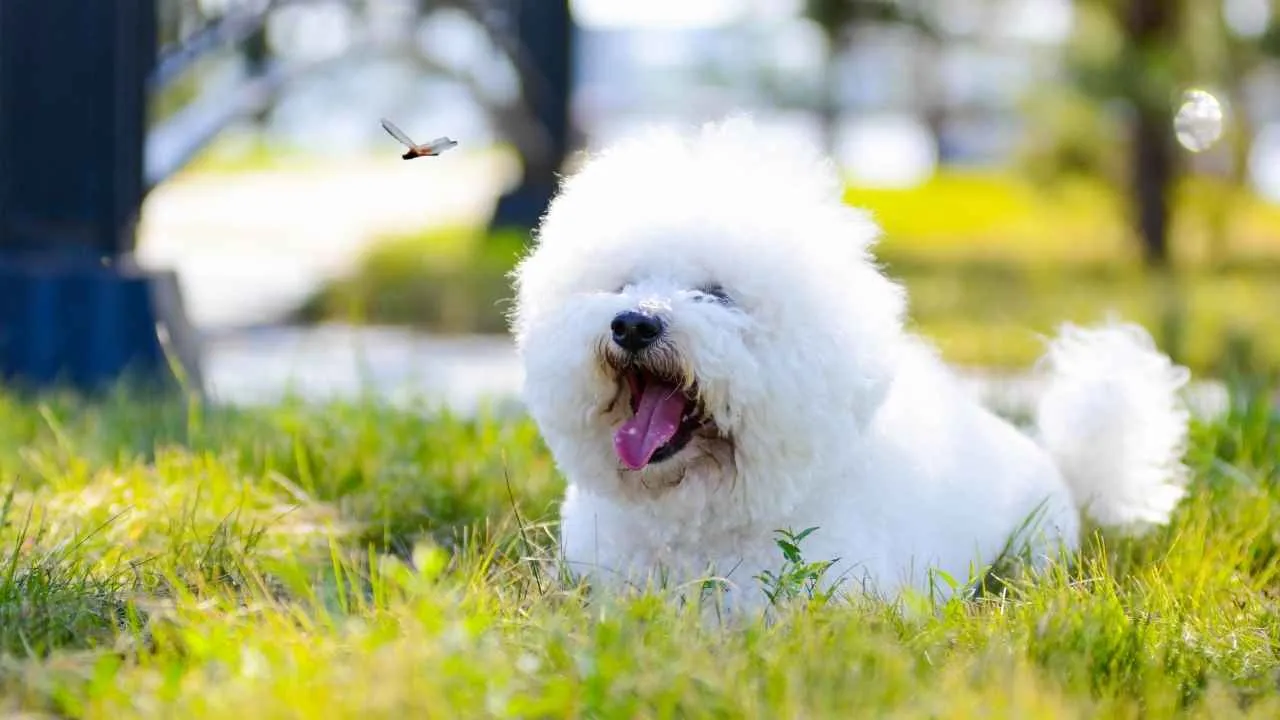
Imagine a cotton ball with legs that learned comedy and started following you around the house—that’s the Bichon Frise experience in one sentence. The breed is known for being playful, peppy, curious, and socially engaging, which gives it a very different vibe from more aloof toy dogs.
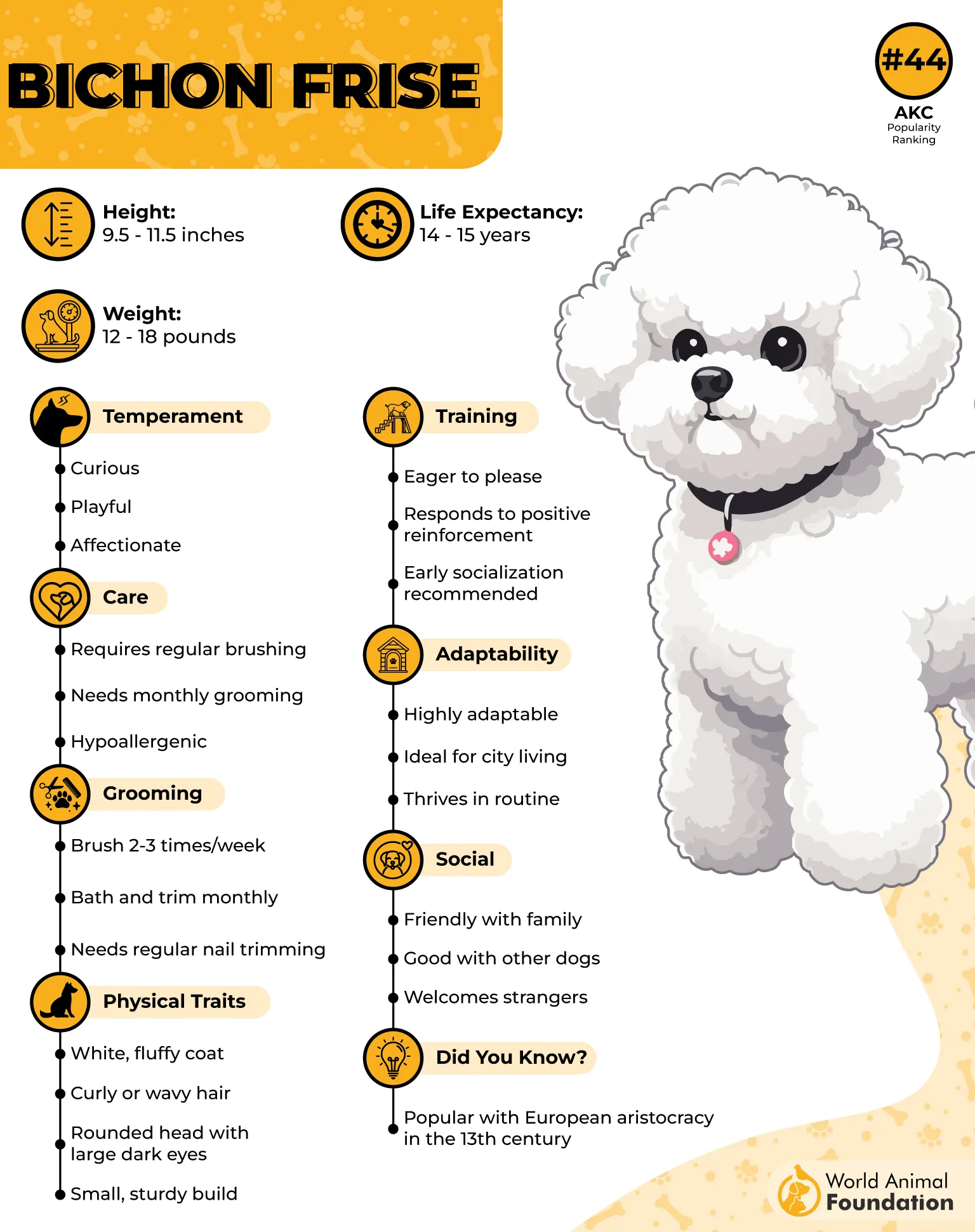
That modest size works beautifully when your home isn’t quite big. More importantly, they can adapt to environments ranging from downtown studio apartments to larger family homes.

These highly intelligent pups need activity and enrichment, but meeting those needs doesn’t automatically require enormous private outdoor space.
They are also sturdy little dogs hiding under all that powder-puff styling. They can enjoy training, lively play, and even canine sports, meaning they’re a surprisingly fun match for owners who want a compact dog without choosing a permanent couch ornament.
Fun Facts You Need To Know Before Bringing It Home
A Bichon may look delicate, but beneath the fluffy coat is a comparatively sturdy little body built for more than posing for photos.
Apartment space can work well, but make room in your schedule for brushing, play, training, walks, and the occasional glorious zoomie.
5. Cavalier King Charles Spaniel
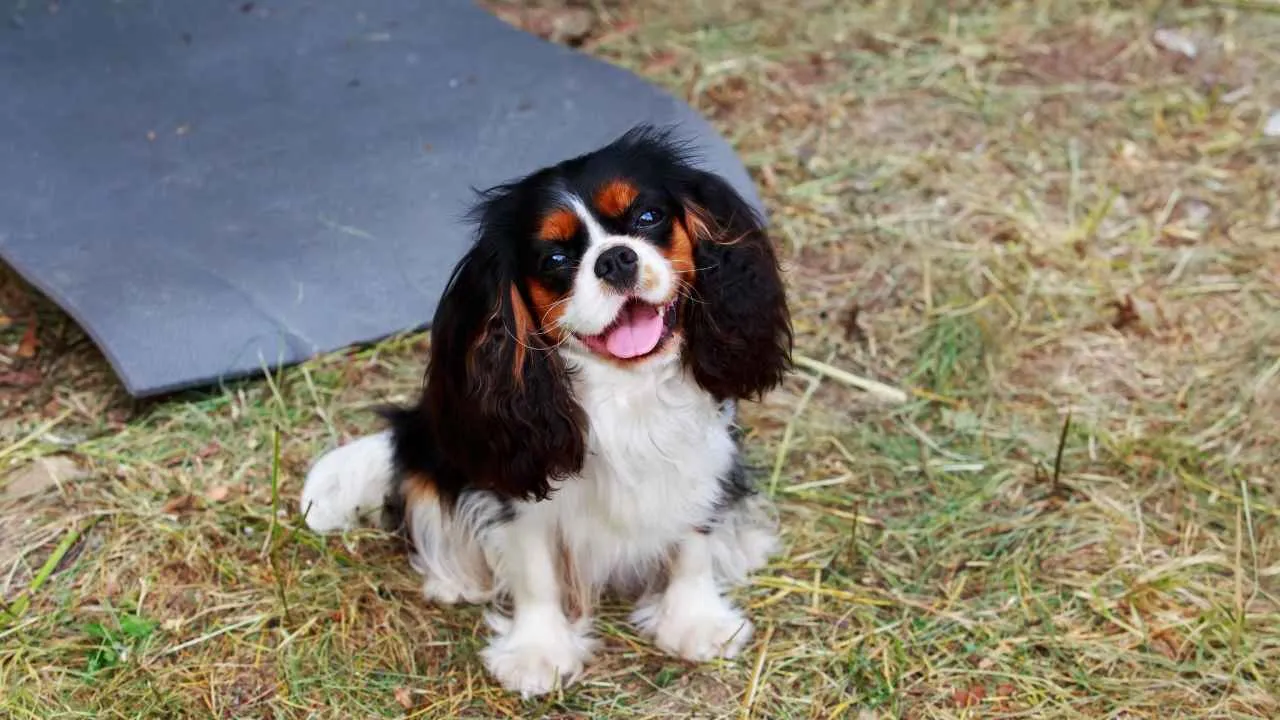
If someone designed a dog specifically to stare into your soul while stealing your favorite couch spot, the Cavalier King Charles Spaniel would be dangerously close. Their huge expressive eyes, feathered ears, gentle nature, and deeply affectionate temperament have made them legendary companion dogs.
One thing people sometimes underestimate is the spaniel side of the equation. Cavaliers were developed as companions, but their ancestry also carries sporting instincts, and many enjoy walks, agility, rally, obedience, and outdoor exploration as enthusiastically as they enjoy lap time.
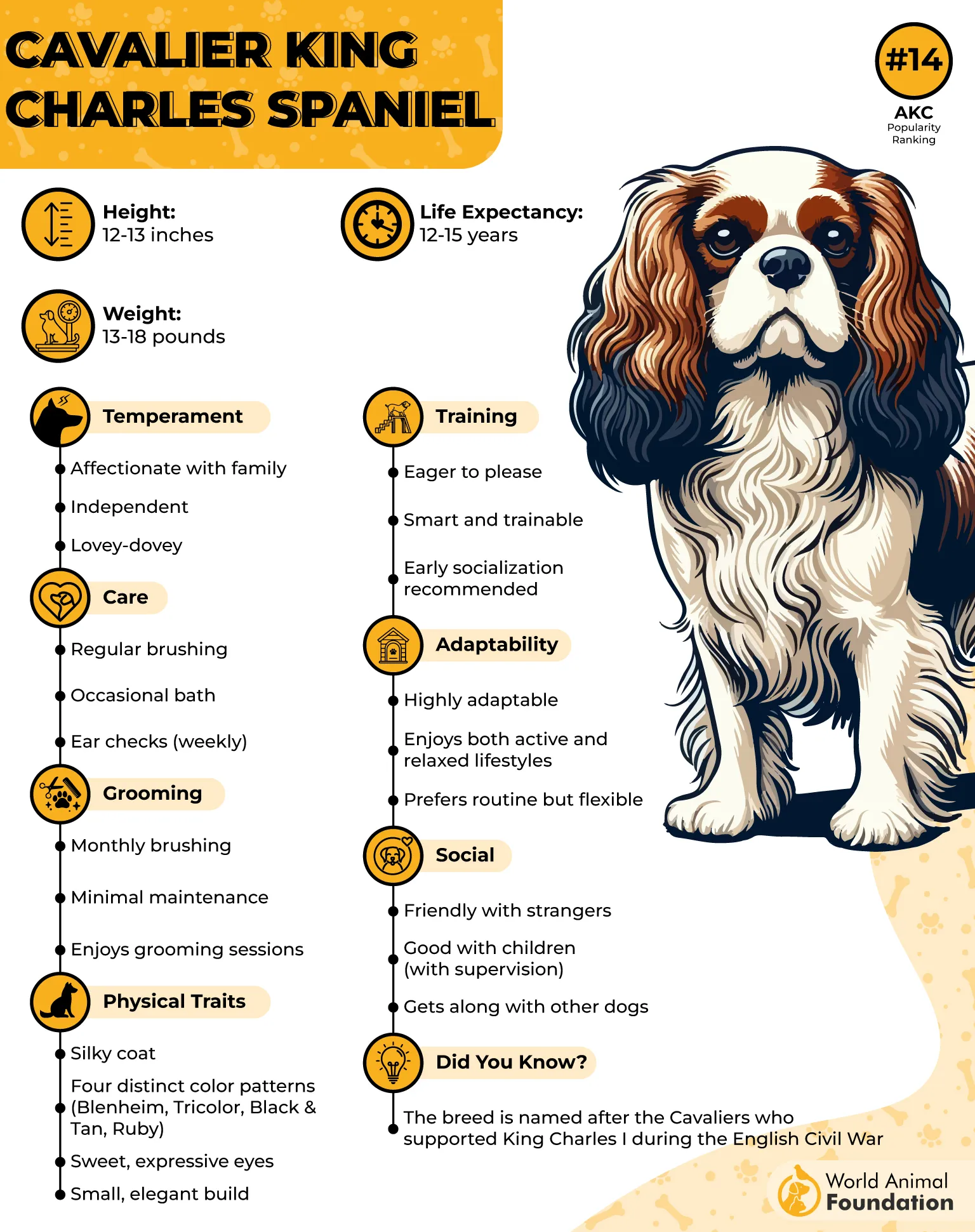
Their coat is considerably less intimidating than some of the glamorous breeds in this lineup. Regular brushing and occasional bathing help maintain the silky, medium-length coat, while their ears deserve special attention because those gorgeous feathered flaps can trap moisture and debris.
For someone working from home, a couple, or a family that wants a gentle dog woven into everyday life, a Cavalier can turn a modest living room into its own tiny royal court.
Fun Facts You Need To Know Before Bringing It Home
Cavaliers combine Toy Group companionship with genuine sporting-spaniel instincts, so “cuddly” and “active” can absolutely coexist.
Their four recognized coat varieties include Blenheim, tricolor, ruby, and black-and-tan.
6. Pekingese
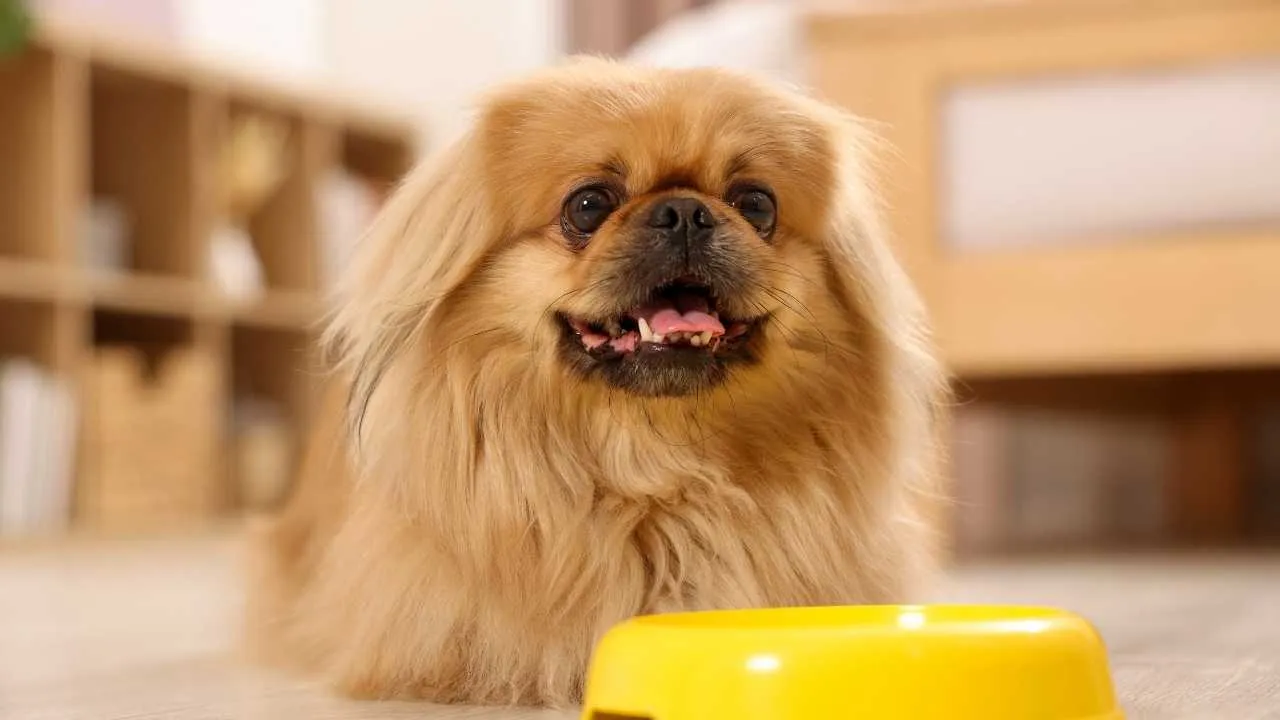
The Pekingese is an ancient Chinese companion with a broad face, abundant coat, distinctive rolling gait, and enough self-belief to make a much larger dog reconsider its résumé.
Physically, despite their big personalities, they’re built for compact living. Pekingese are stocky toy dogs, so they don’t need a giant home to live comfortably. Their historically companion-oriented lifestyle also makes them a great choice for people who want a dog that enjoys household life.
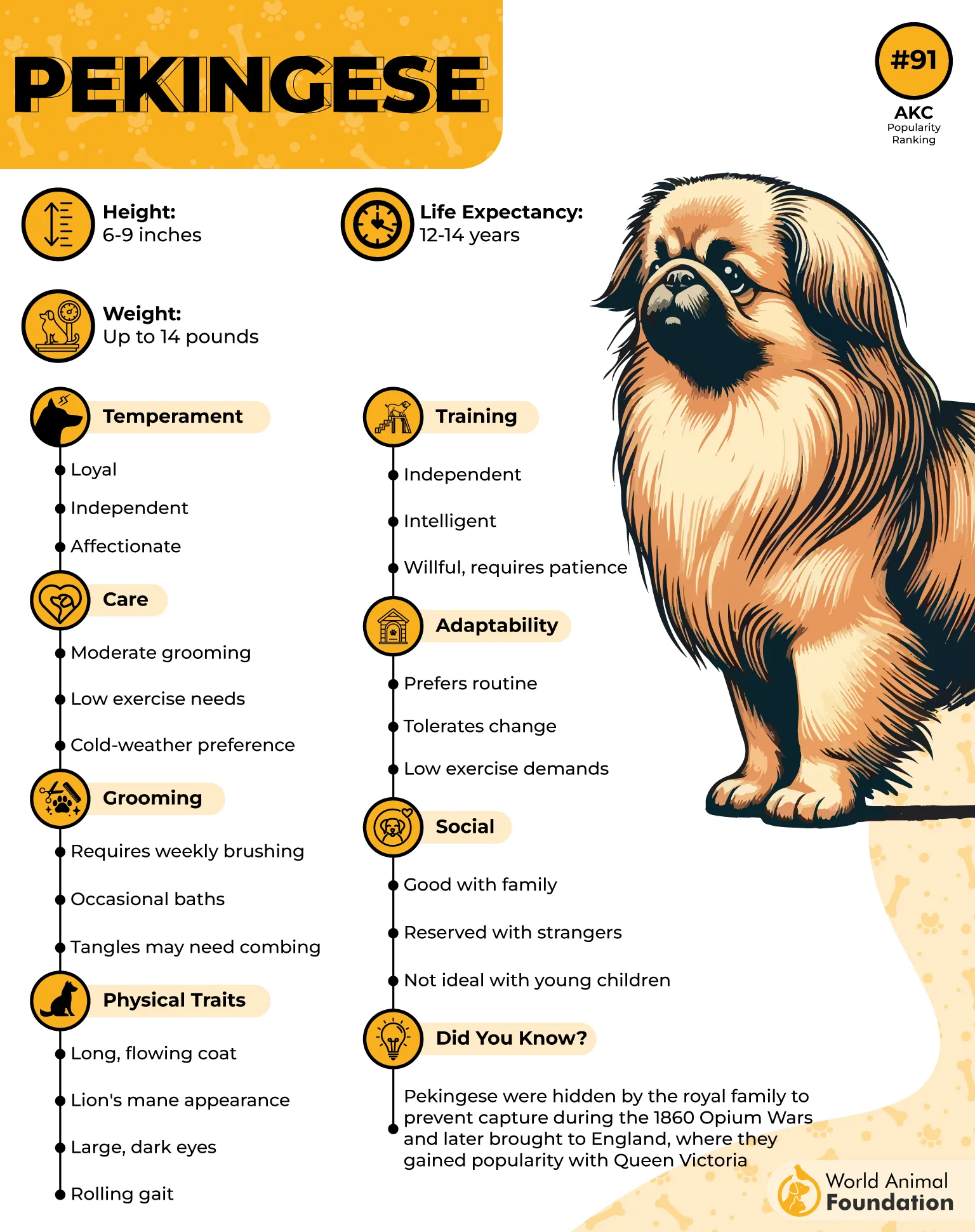
Don’t mistake that calm royal image for a complete absence of opinions. Pekingese can be independent, alert, and tightly bonded to their favorite people, while their watchdog instincts mean they may announce unfamiliar activity around the home.
Their ideal lifestyle generally isn’t about running beside your bicycle until everyone questions their decisions; controlled activity, comfortable temperatures, enrichment, and companionship are far more appropriate.
Fun Facts You Need To Know Before Bringing It Home
The Pekingese was developed for imperial Chinese households, which explains why “tiny palace resident” is basically its ancestral job description.
Their compact body can work beautifully in restricted floor plans, though grooming supplies will definitely need their own shelf.
7. Shih Tzu
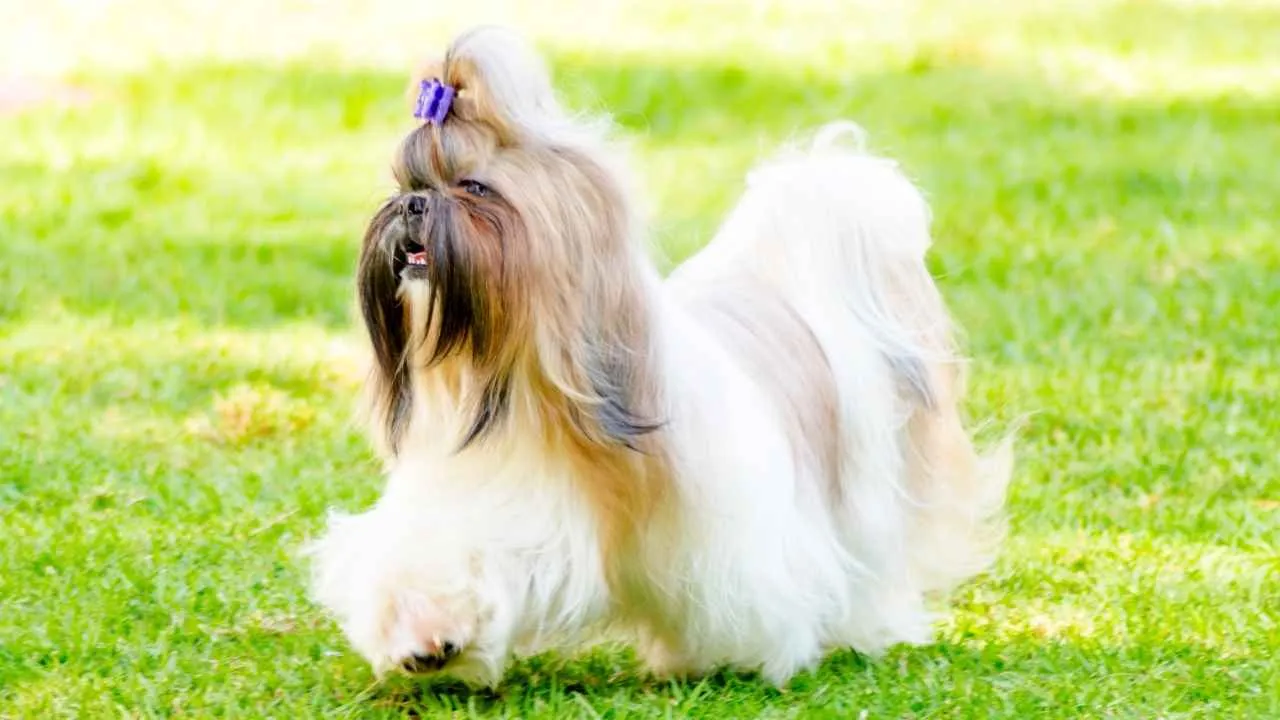
Shih Tzus are high-energy dogs that are playful, affectionate, and outgoing, and were developed mainly for companionship rather than demanding work.
These fiercely loyal dogs are famous lap companions, but that doesn’t mean they need “zero activity required.” Short walks, indoor play, training exercises, sniffing opportunities, and toys can all help prevent boredom and support healthy routines.
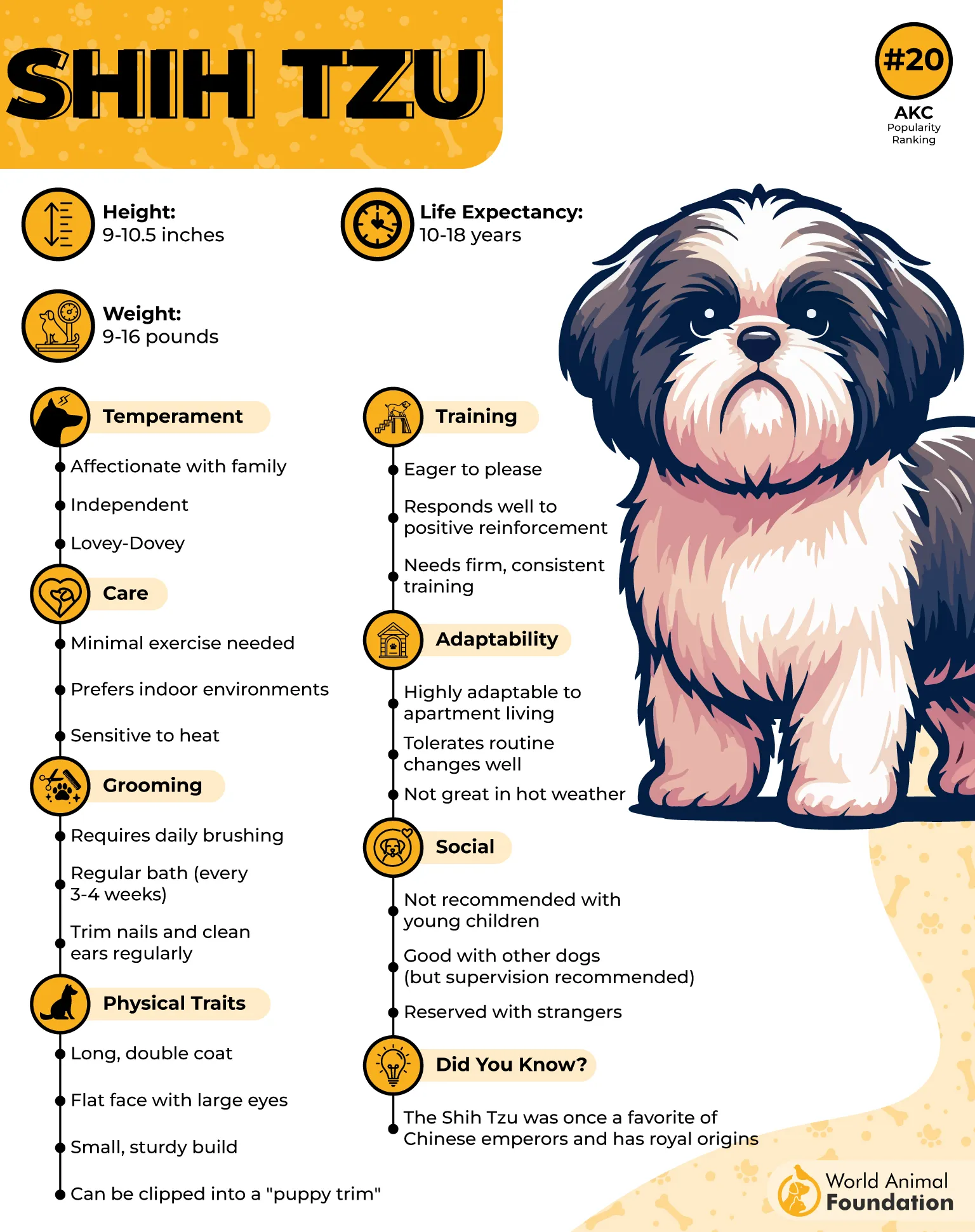
Because Shih Tzus are brachycephalic, Orvis warns owners to be especially sensible about strenuous activity and hot weather, rather than turning exercise into a tiny canine boot camp.
This good-natured breed really fits the theme because of its dedication to human company. Shih Tzus generally want to participate in home life, whether that means lounging beside you during a Netflix marathon or appearing immediately because somebody opened something vaguely resembling a snack wrapper.
Fun Facts You Need To Know Before Bringing It Home
Shih Tzus are often nicknamed “Lion Dogs,” reflecting their historic associations and lion-like appearance.
Because they adore human company, your limited square footage may become their dream setup—as long as you spend plenty of quality time in it.
Conclusion
Choosing a dog for a small home isn’t a competition to find the tiniest creature available. The real goal is matching your lifestyle with a breed’s energy, temperament, grooming demands, training needs, noise level, and desire for companionship.
Before bringing one home, spend time with adult dogs of the breed when possible, speak with reputable breeders or rescue organizations, research breed-specific health concerns, and make sure your daily schedule fits the dog’s needs—not just its dimensions.
