




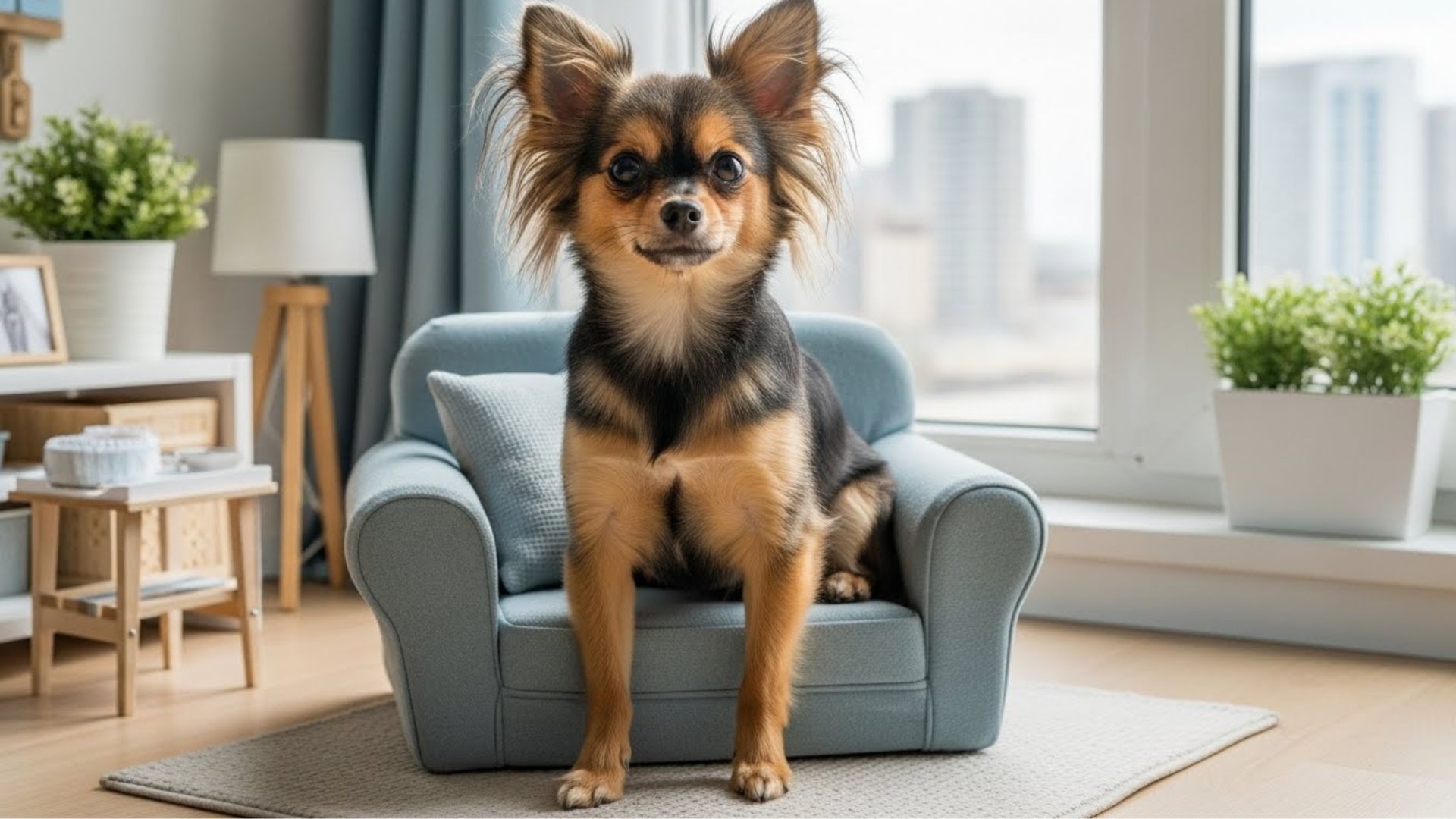
Small home, tiny adorable dog dreams? If you’ve ever stared at your tiny living room and thought, “Could a dog fit in here too?”—same.
This guide helps you find the right small-space buddy without losing your comfort, your schedule, or your sanity. So… are you craving a snuggly cuddlebug, a pocket-sized athlete, or a quiet little roommate?
Here’s the twist: a dog’s vibe matters more than their height. In an apartment, temperament, energy, and barking can make or break the match.
Think of the Tiny Home Trio: energy level (can they chill?), noise potential (chatty or calm?), and adaptability (can they handle routines and indoor fun?). Quick quiz: how many minutes of exercise can you truly do every day?
Before we meet the breeds, set up your space: a cozy bed spot, a crate or “den,” safe chew toys, and washable blankets. Stock up on boredom busters like puzzle feeders, lick mats, snuffle games, and “find it” treats—then plan potty breaks and practice calm hallway hellos.
Adorable Dog Breeds for Tiny Living Quarters
1. Russian Toy

Meet the Russian Toy: a tiny, bright-eyed companion that treats your apartment like a private palace. This breed tends to bond closely with its person and loves being involved in everyday life, making it a sweet match for tiny living quarters. Expect a little dog with a big opinion and a surprisingly elegant vibe.
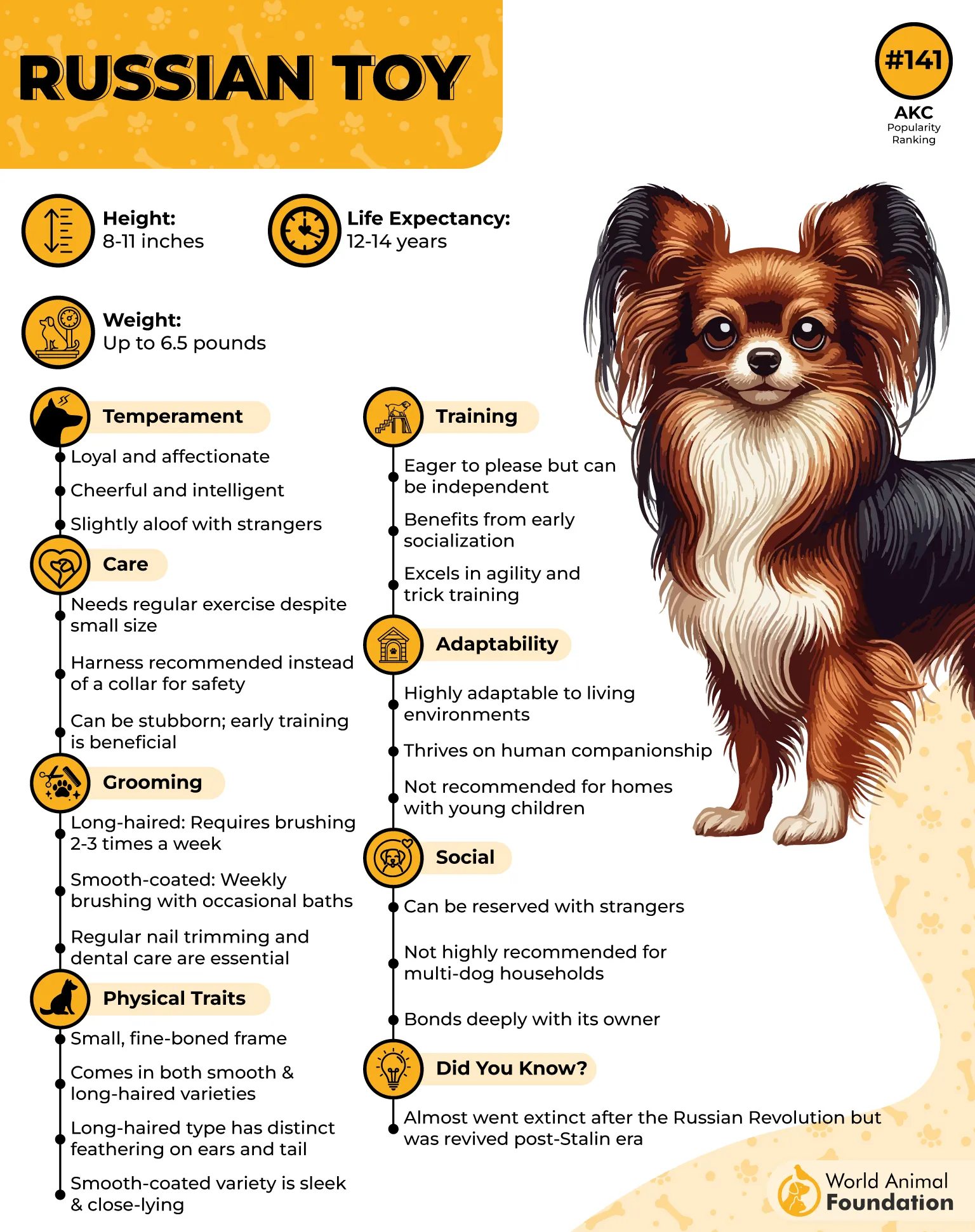
AKC explains that daily needs are small-dog practical: a couple of short walks plus indoor play usually does it. Training works best in quick, cheerful bursts—think 2–5 minutes of “sit,” “touch,” and “go to bed,” then celebrate like you’re both champions. Add a puzzle toy or a “find it” treat game when the weather or your schedule says “indoors only.”

Grooming & Shedding Reality
Smooth coat: easy weekly brushing
Long coat: comb feathering regularly to prevent tangles
Health Watch-outs
Knee concerns like patellar luxation can occur in toy breeds
Dental care is important—tiny mouths need routine brushing
Noise & Neighbor Meter: They can be quick to alert, so reward quiet moments and practice calm door greetings. Best for: apartment dwellers who want a devoted, portable companion and enjoy gentle, confidence-building training.
Tiny-Living Pro Tip: Set up a “safe perch” (a soft bed in a quiet corner) and teach a settle cue—instant calm in a small space.
2. Pug

The Pug is the comedian roommate who wants front-row seating for your whole day—especially snack time. Compact, affectionate, and famously people-focused, this breed often thrives in apartments where closeness is part of the lifestyle. If you want a dog that treats your lap like premium real estate, you’ve found your match.
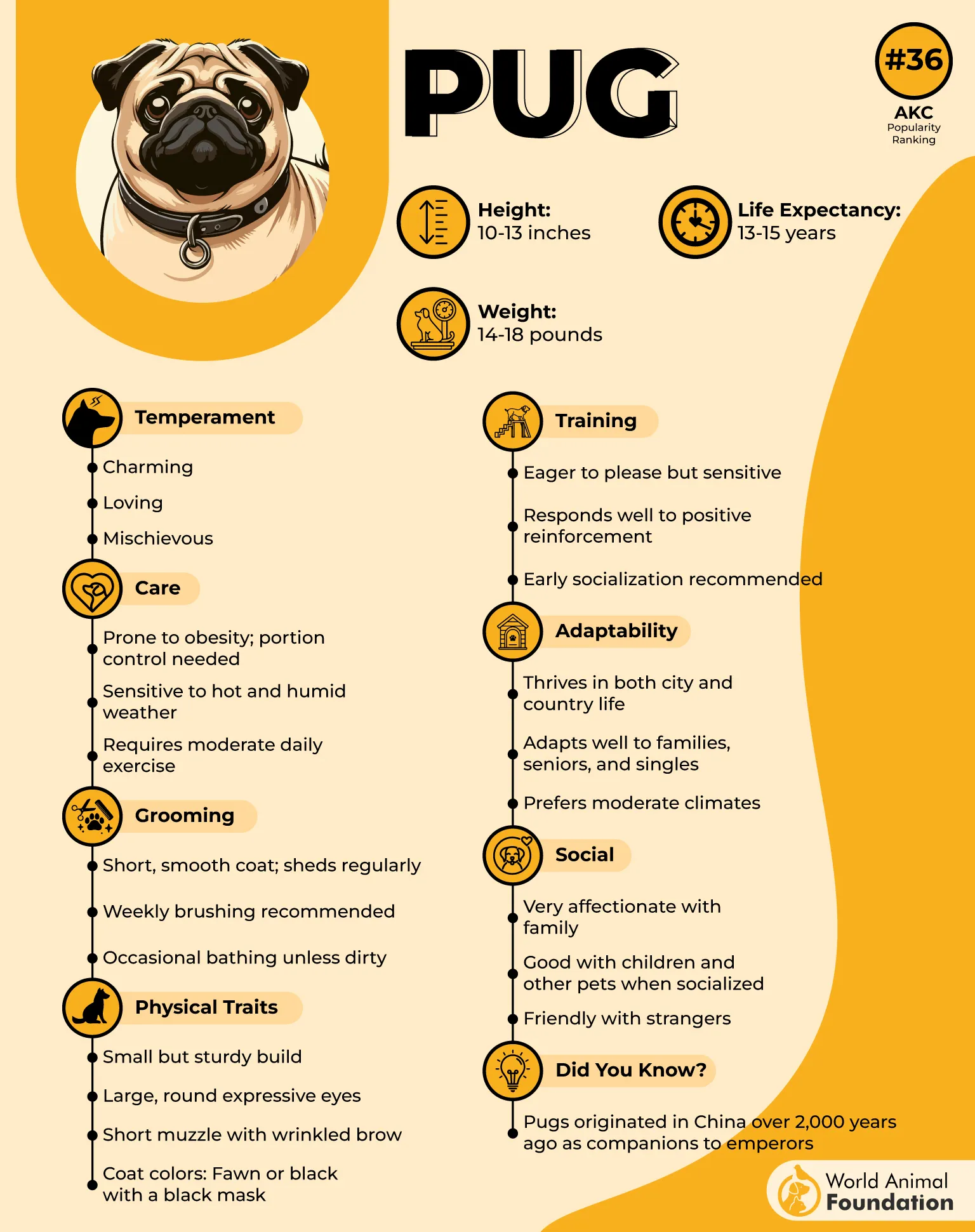
PetMD notes that for daily needs, think short walks, light play, and plenty of nap breaks. Training goes best with tasty rewards and a fun, upbeat tone—keep sessions short and end on a win. Because Pugs can be sensitive to heat and heavy exercise, aim for cooler walk times and a steady, healthy routine.
Grooming & Shedding Reality
Short coat, but noticeable shedding—brush regularly
Wrinkle cleaning helps prevent skin irritation
Health Watch-outs
Breathing/heat sensitivity can be a concern in flat-faced dogs
Weight gain can sneak up—portion control matters
Noise & Neighbor Meter: Usually moderate—snorts and sleepy grumbles beat constant barking. Best for: homebodies, families, and anyone who wants an easygoing cuddle partner for tiny living quarters.
Tiny-Living Pro Tip: Use slow feeders or scatter feeding to turn meals into enrichment and help manage weight.
3. Papillon

Papillons look like they moved into your apartment wearing butterfly ears—and then asked for a schedule. Lively, clever, and alert, they bring “tiny dog, big brain” energy to small-space living. They’re cheerful companions who love being part of the action, even if the action is just you making coffee.
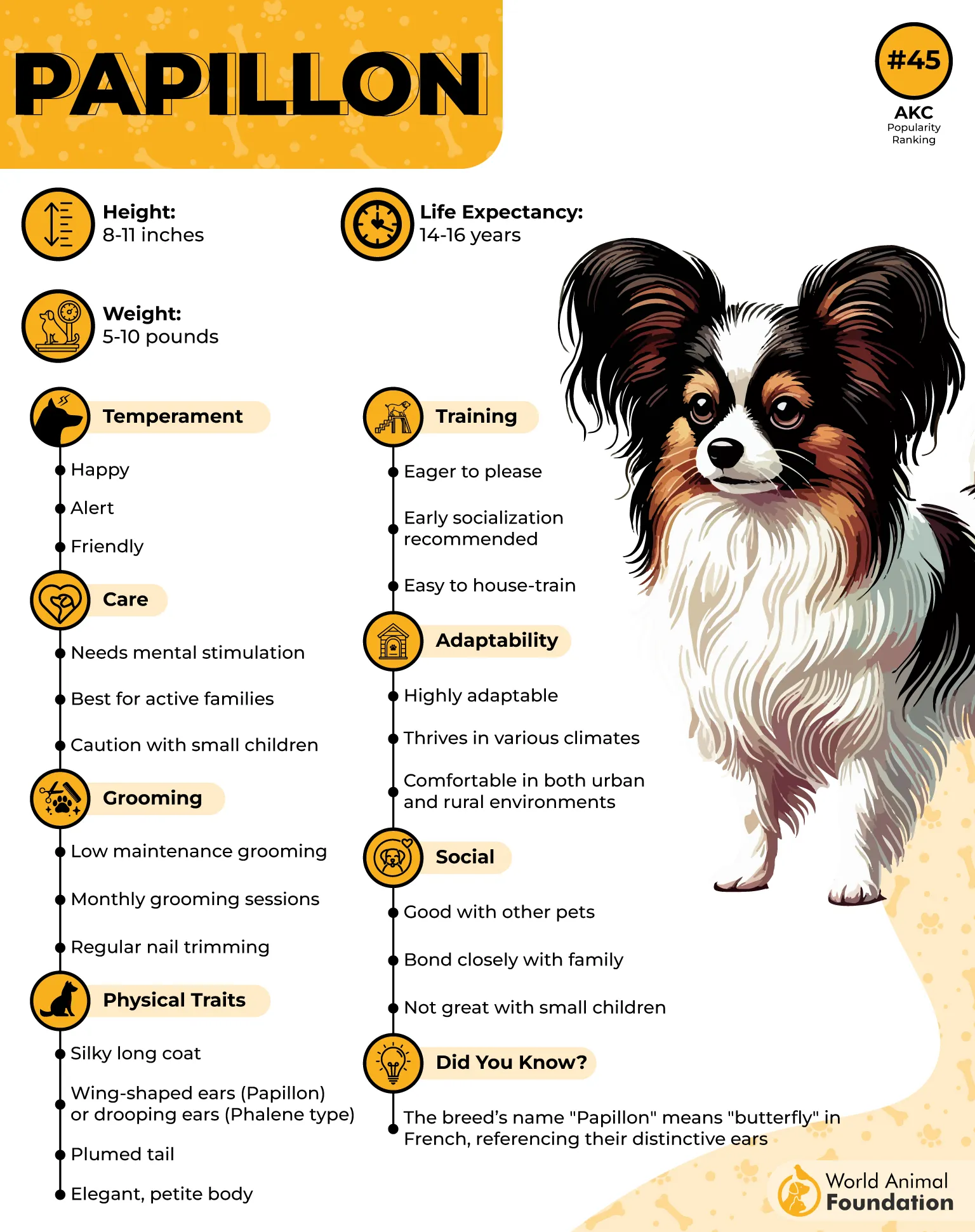
Their daily needs are more “brain and bounce” than “long-distance miles.” A couple of brisk outings plus indoor trick practice, mini-fetch, or “find it” games can keep a Papillon satisfied. Purina claims that training is a highlight with this breed—teach manners early, and you’ll have a confident little sidekick who enjoys learning.
Grooming & Shedding Reality
Silky coat needs regular brushing to avoid tangles
Feathering (ears, tail, legs) benefits from extra comb time
Health Watch-outs
Knee issues like patellar luxation can occur in small breeds
Dental upkeep is important—small dogs often need extra care
Noise & Neighbor Meter: They’re naturally watchful, so pair calm exposure with rewards for quiet behavior. Best for: apartment owners who enjoy interactive play and want a small dog that feels like a training partner.
Tiny-Living Pro Tip: Create a tiny “skills circuit” (touch → spin → place → settle) to burn energy fast in a hallway-sized space.
4. Chinese Crested

The Chinese Crested is the quirky-cute roommate who turns heads in the elevator and then melts into your lap like warm butter. In tiny living quarters, they shine as affectionate home companions—content to follow you from room to room and claim a blanket as their throne. Their vibe is often gentle, people-focused, and a little clownish in the best way.
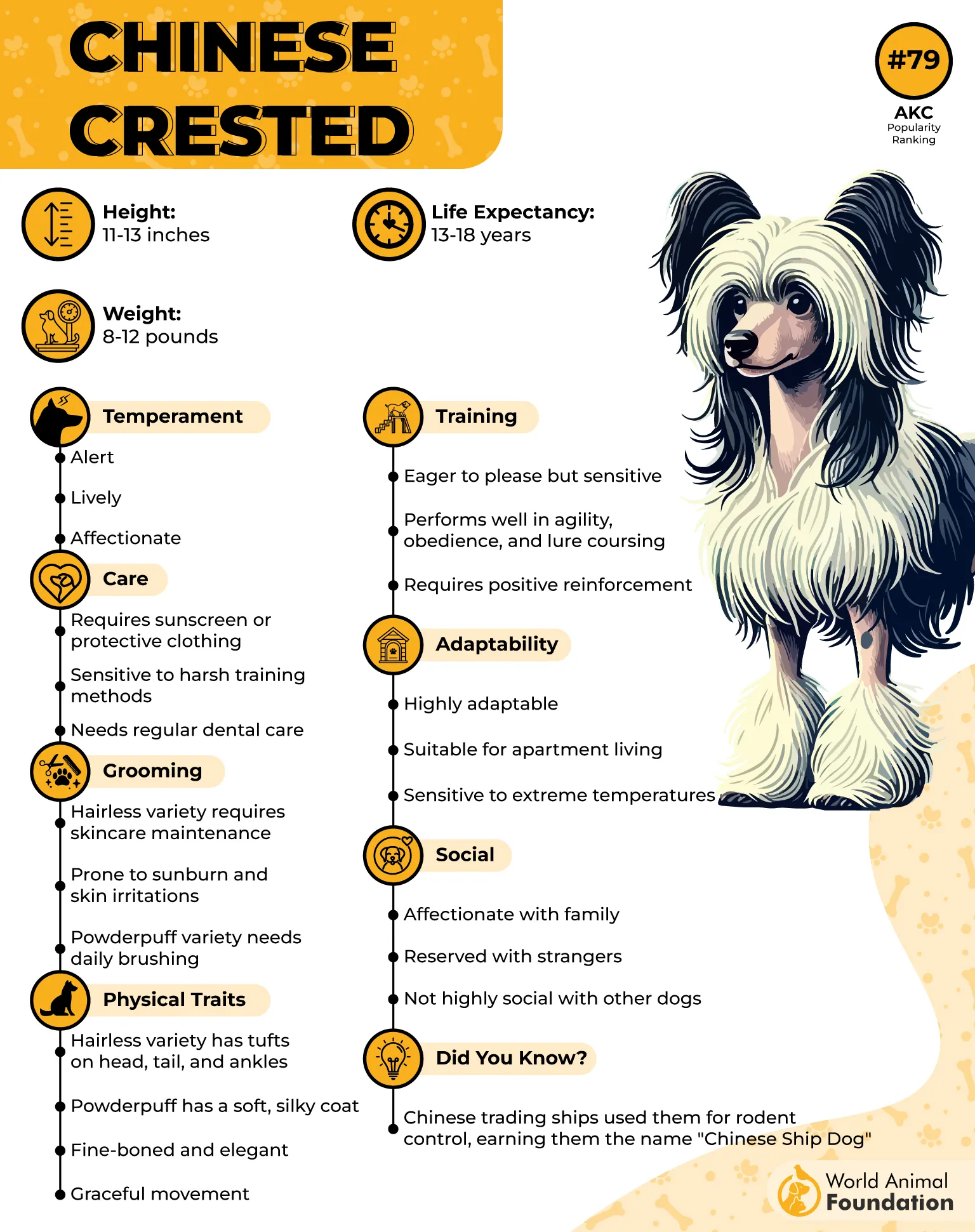
Daily needs are manageable: a couple of short walks plus indoor play and brain games keep them happy. Training is usually smooth with positive reinforcement and soft guidance; they respond to kindness more than pressure. Rotate simple enrichment (snuffle mats, treat puzzles, trick training) to keep that curious mind busy.
Grooming & Shedding Reality
Hairless: regular skin care (gentle baths, moisturizing as needed) and sun/cold protection
Powderpuff: frequent brushing to prevent mats and tangles
Health Watch-outs
Dental care is a must—toy breeds can be prone to dental issues
Skin sensitivity (hairless variety) can require routine monitoring
Noise & Neighbor Meter: Often moderate—teach calm greetings and reward quiet when hallway sounds happen. Best for: apartment dwellers who love a cuddly companion and don’t mind a little skincare routine.
Tiny-Living Pro Tip: Keep a “weather kit” by the door—soft sweater for chill days and pet-safe sun protection for bright walks.
5. Cavalier King Charles Spaniel

If your ideal dog is a living, breathing “welcome home,” the Cavalier King Charles Spaniel understands the assignment. They’re famously affectionate and people-oriented, making them a natural fit for tiny living quarters where closeness is part of the deal. Expect a sweet presence that’s happy to lounge, nap, and quietly keep you company.
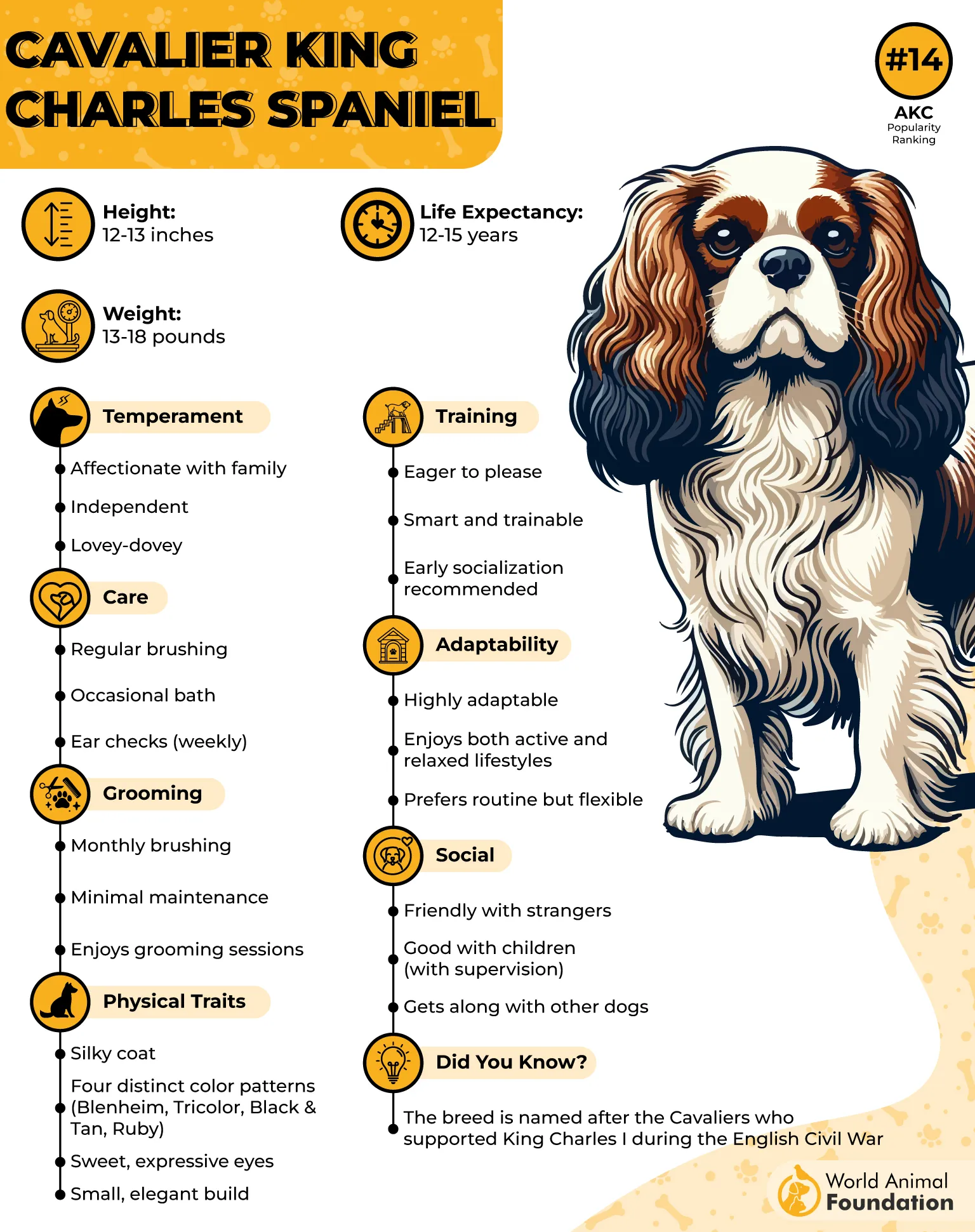
Daily needs lean toward moderate: steady walks, gentle play, and a bit of sniffing time to satisfy their curious nose. Training is typically friendly and cooperative—use praise, treats, and consistency, and you’ll get a polite little apartment ambassador. They do best with routine and reassurance, especially when learning to stay calm when you step out.
Grooming & Shedding Reality
Silky coat sheds—brush several times a week to reduce tangles and fluff drift
Ears need regular checks and gentle cleaning
Health Watch-outs
Heart issues can occur in the breed; regular vet checks are important
Weight management matters—extra pounds can strain joints and stamina
Noise & Neighbor Meter: Usually low to moderate; teach “settle” and reward calm door manners. Best for: cuddle seekers, quieter households, and anyone wanting a relaxed companion for apartment life.
Tiny-Living Pro Tip: Add a “sniff station” walk—five minutes of slow sniffing can feel like a mini adventure without needing a big space.
6. Japanese Chin

The Japanese Chin is the elegant little roommate who may act like they pay rent—especially when they claim the best cushion. They’re known for a refined, cat-like charm and often enjoy calm indoor living, which makes them a delightful match for tiny living quarters. Expect a companion that’s affectionate, observant, and occasionally hilarious in a “did you see what I just did?” way.
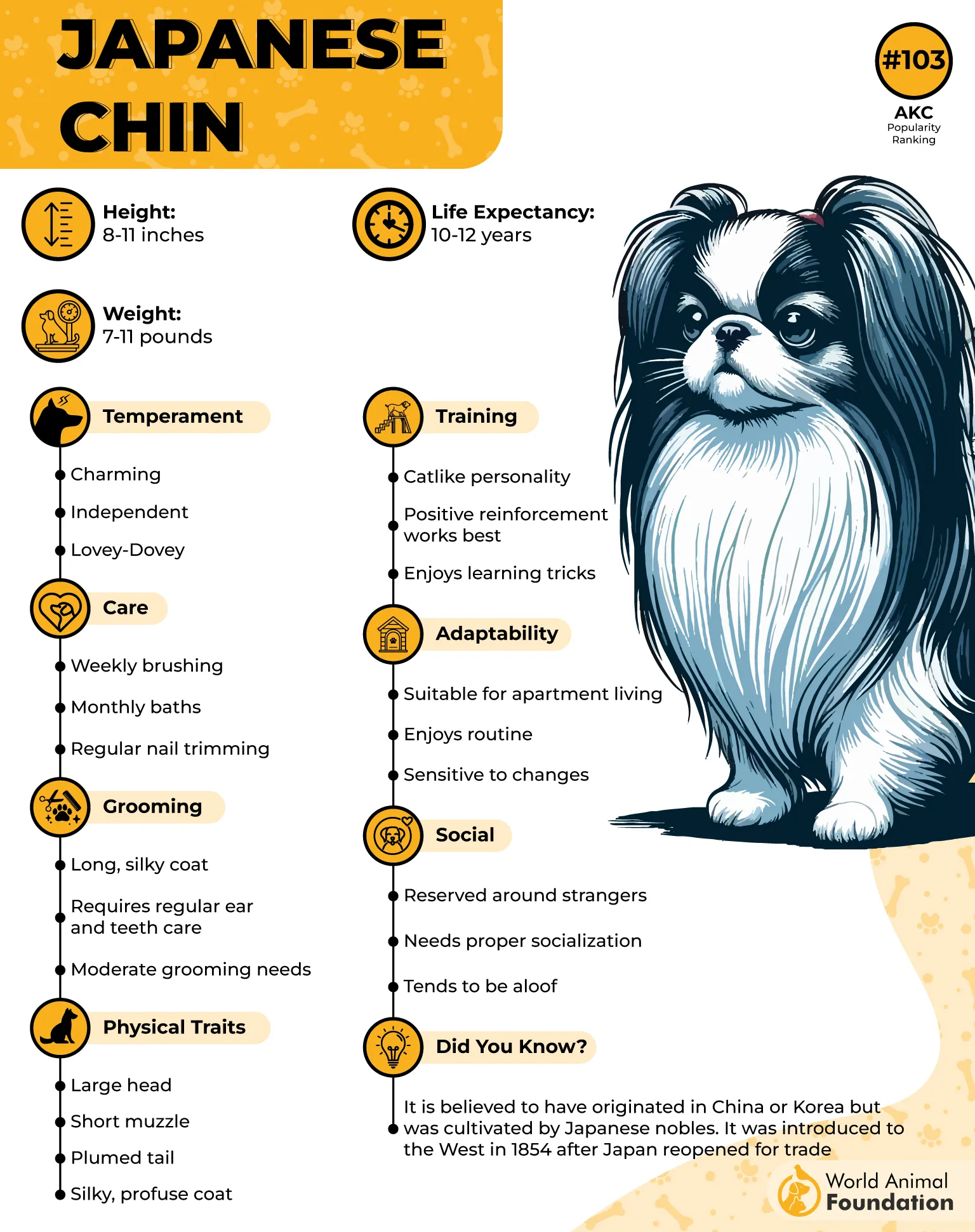
Daily needs are light to moderate: short walks, indoor play, and a few bursts of zoomies across the hallway can be plenty. Training works best when you make it a game—quick sessions, gentle cues, and rewards that feel like a compliment. They enjoy routines and often appreciate a quiet perch where they can watch the world like a tiny judge.
Grooming & Shedding Reality
Silky coat benefits from regular brushing to prevent tangles
Seasonal shedding can happen—extra brushing helps
Health Watch-outs
Flat-faced features can mean heat sensitivity; keep exercise cool and easy
Eye care can be important; monitor for irritation
Noise & Neighbor Meter: Generally peaceful, though they may bark at new sounds—teach a “thank you, quiet” cue. Best for: calm apartment homes, people who enjoy a low-key companion, and anyone who appreciates a little dignified sass.
Tiny-Living Pro Tip: Set up a small “window lounge” (safe perch + mat) to satisfy their curiosity without extra steps.
7. Toy Fox Terrier

Toy Fox Terriers are tiny rockets with excellent manners potential—if you give their brains a job. In small spaces, they’re often happiest when they can bounce, learn, and then curl up like a champion athlete after training. Think confidently, alert, and eager to be involved in everything you do.
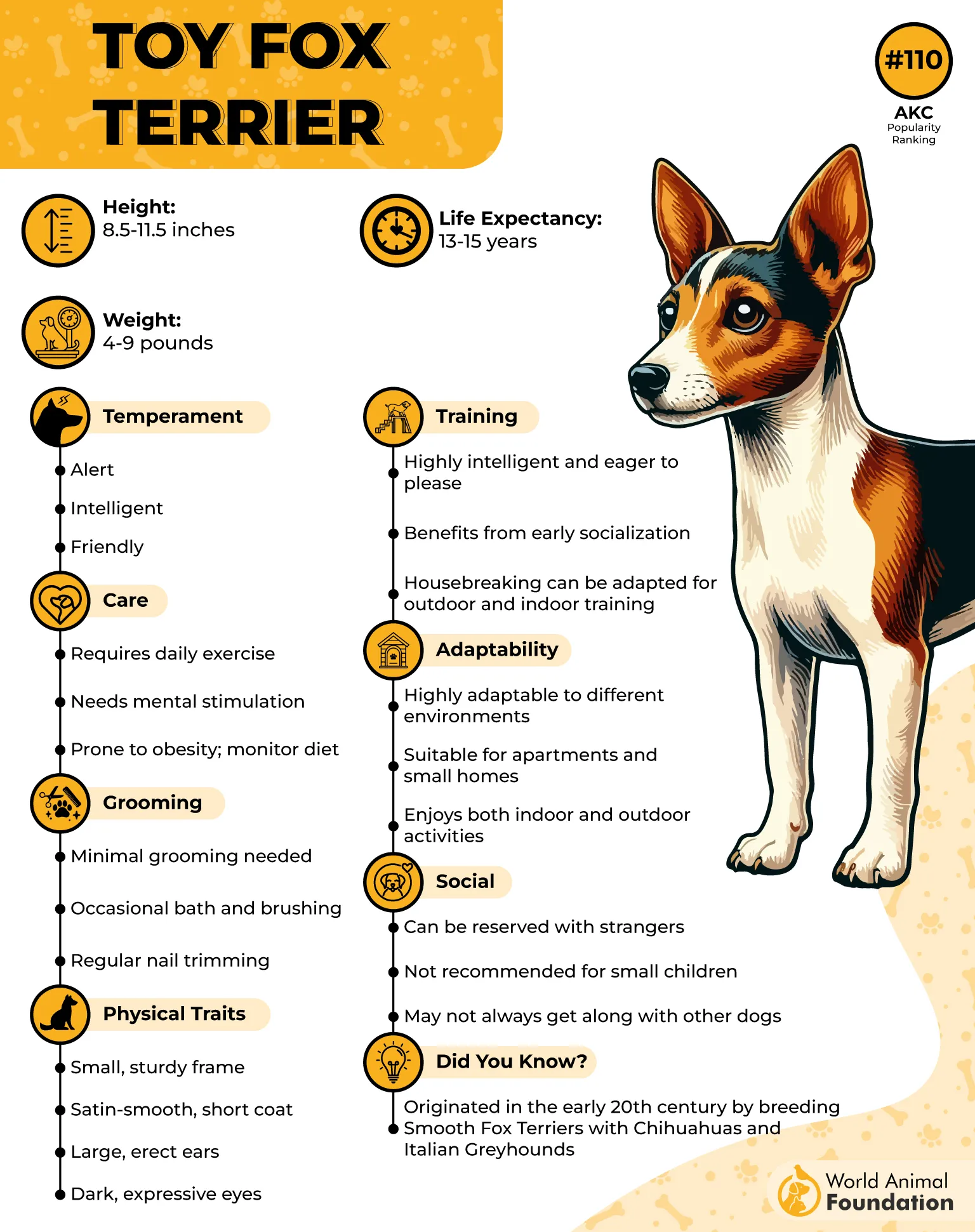
Daily needs: short walks plus high-quality playtime—fetch in a hallway, tug sessions, and quick training games go a long way. Training is usually a delight because they’re sharp; keep it structured and reward-based, and you’ll see fast progress. Teach “place” and “quiet” early to prevent the breed’s natural watchdog energy from becoming a neighbor notification system.
Grooming & Shedding Reality
A short coat is easy—weekly brushing keeps it sleek
Minimal grooming, but nail trims matter for indoor traction
Health Watch-outs
Toy breeds can experience knee issues like patellar luxation
Dental care supports long-term comfort
Noise & Neighbor Meter: Moderate to high if bored—use enrichment, routines, and calm-rewarding to keep things peaceful. Best for: active apartment owners who want a playful, trainable companion and enjoy interactive games.
Tiny-Living Pro Tip: Use a “two-toy rotation”—swap toys every few days to keep excitement high without buying a mountain of stuff.
Conclusion
For apartment living, small dog breeds can be the best dog breeds for dog owners who want apartment dogs with big personalities, an affectionate nature, and a furry companion that helps keep neighbors happy.
Add mental stimulation and daily walks in the morning, and you’ll have a good match that can adapt and fit perfectly.
Still deciding? Consider Miniature Pinscher, Dachshund (wiener dogs with elongated bodies), French Bulldogs, Yorkshire Terrier, and Chihuahuas as the best apartment dogs. Even a Greyhound can be well suited in a house without much space—share which pup you’re choosing!
