




There is something irresistible about a dog’s nose. It twitches when a new scent drifts through the air, presses gently into a waiting hand, and leads curious paws toward every interesting corner of the world.
Long before we notice a distant aroma or a hidden crumb, a dog’s nose has already mapped the story behind it. Shape plays a surprising role in this everyday magic. Some noses are short and rounded, giving a face its soft, endearing look.
Others stretch forward with elegant length, built for tracking faint scents across fields or forest trails. Each form brings its own charm and purpose, quietly shaping how dogs explore their surroundings. When people admire an adorable dog, the nose often sits right at the center of that appeal.
In the pages ahead, you will discover how different nose types influence appearance, scenting ability, and personality, revealing small details that make every wagging face unforgettable.
Key Takeaways
A dog’s nose does far more than sniff the air. It shapes the face we fall in love with and guides how each breed explores the world around it.
The Bloodhound carries one of the most powerful scenting noses in the canine world, while the Borzoi shows how a long, elegant snout can combine beauty with function.
Poodle, Greyhound, and Whippet reveal how length and structure influence both movement and scent awareness during activity.
As you move through these breeds, the Dachshund, Saluki, and German Shepherd show how one small feature quietly defines personality, purpose, and charm.
Adorable Dog Breeds and Their Notable Nose Types
1. Bloodhound
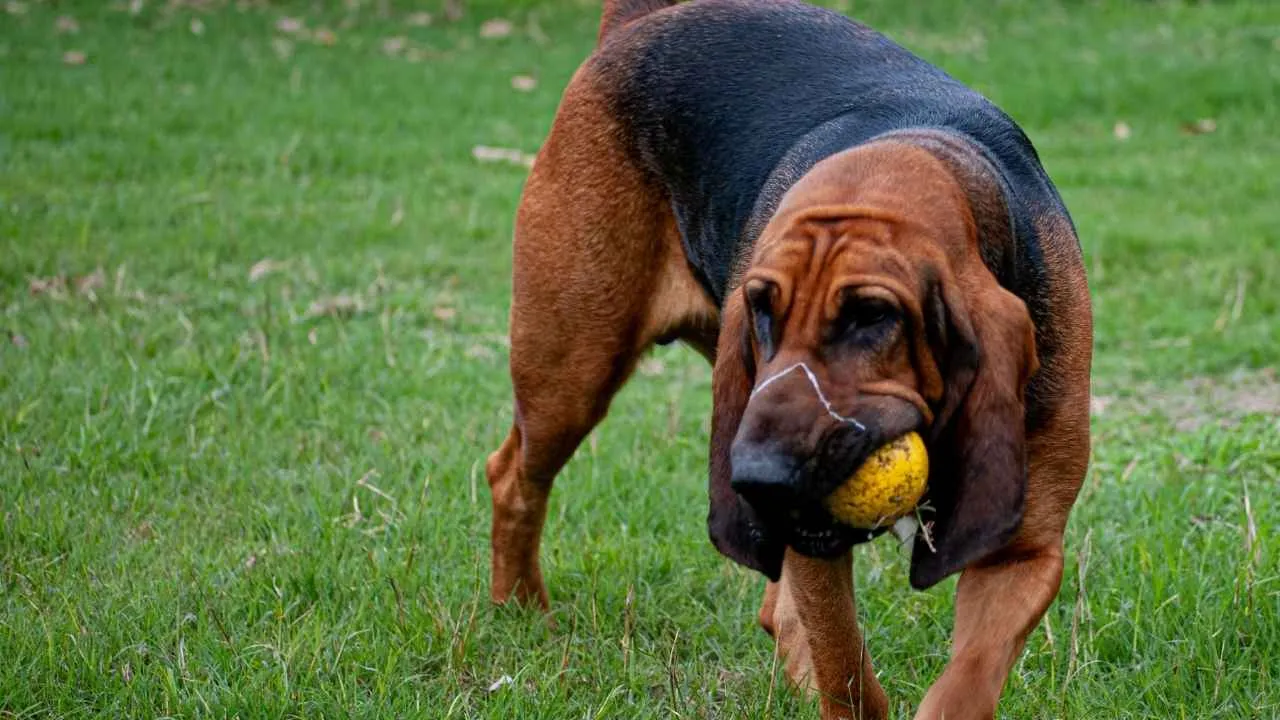
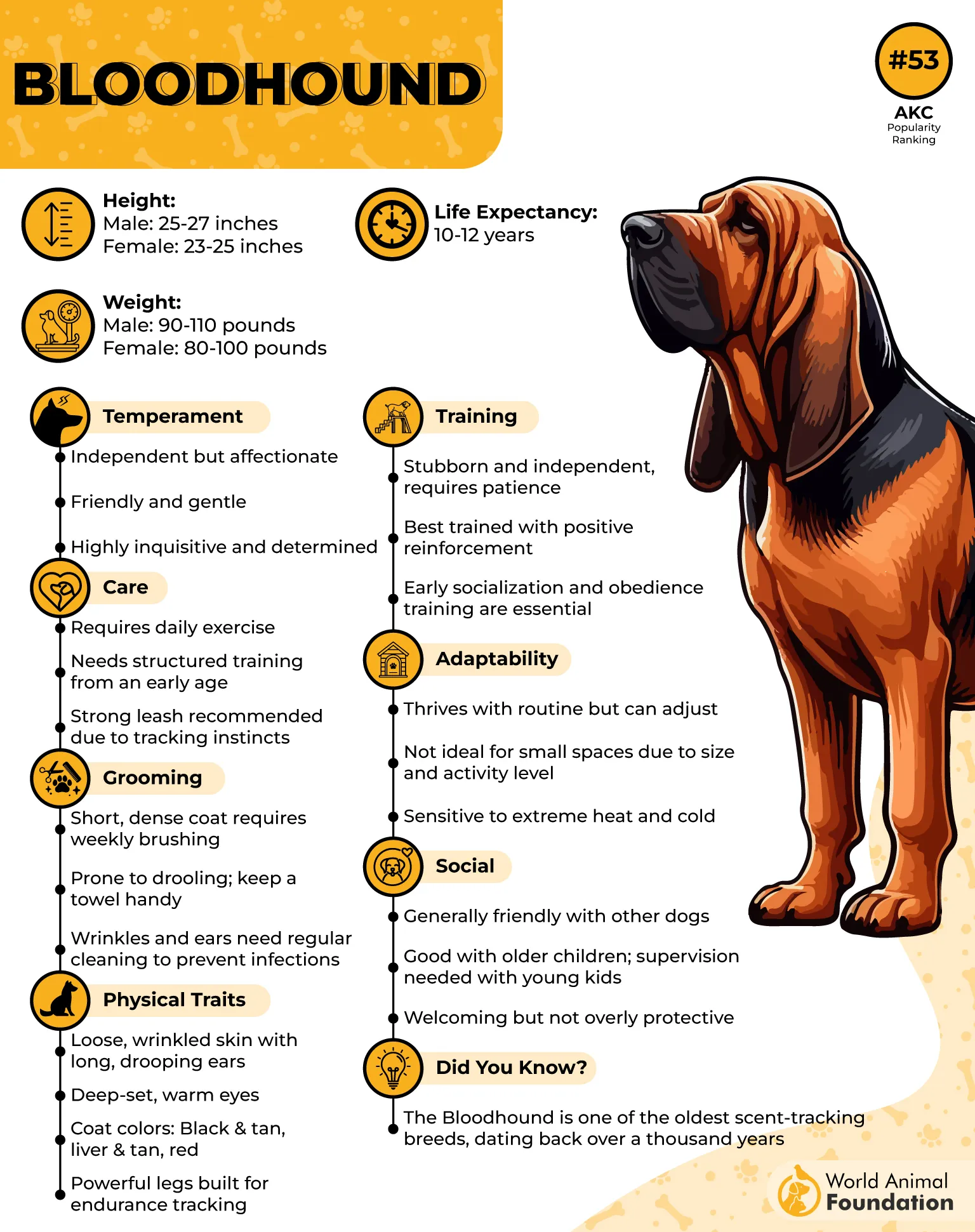
Bloodhound is instantly recognizable for its deeply wrinkled face, long ears, and exceptionally developed nose. The structure of its muzzle supports an extraordinary scenting ability that defines the breed’s identity. Every detail of its head shape contributes to how it interprets and follows scent trails.
Scenting Strength in Action
Because of its powerful tracking instincts, this breed relies heavily on its nose during outdoor activity.
Its natural drive is reflected in how it explores environments through scent detection.
Here’s a short transition that connects form and function naturally:
Extremely long and highly sensitive nose
Strong tracking ability across varied terrain
Performs well in scent-based activities
Temperament and Social Nature
Bloodhound is affectionate, active, and comfortable in family settings where interaction is regular, as PDSA stated.
It tends to enjoy companionship with both people and other pets, reflecting its pack background. Its calm presence indoors contrasts with its determination when following a scent outdoors.
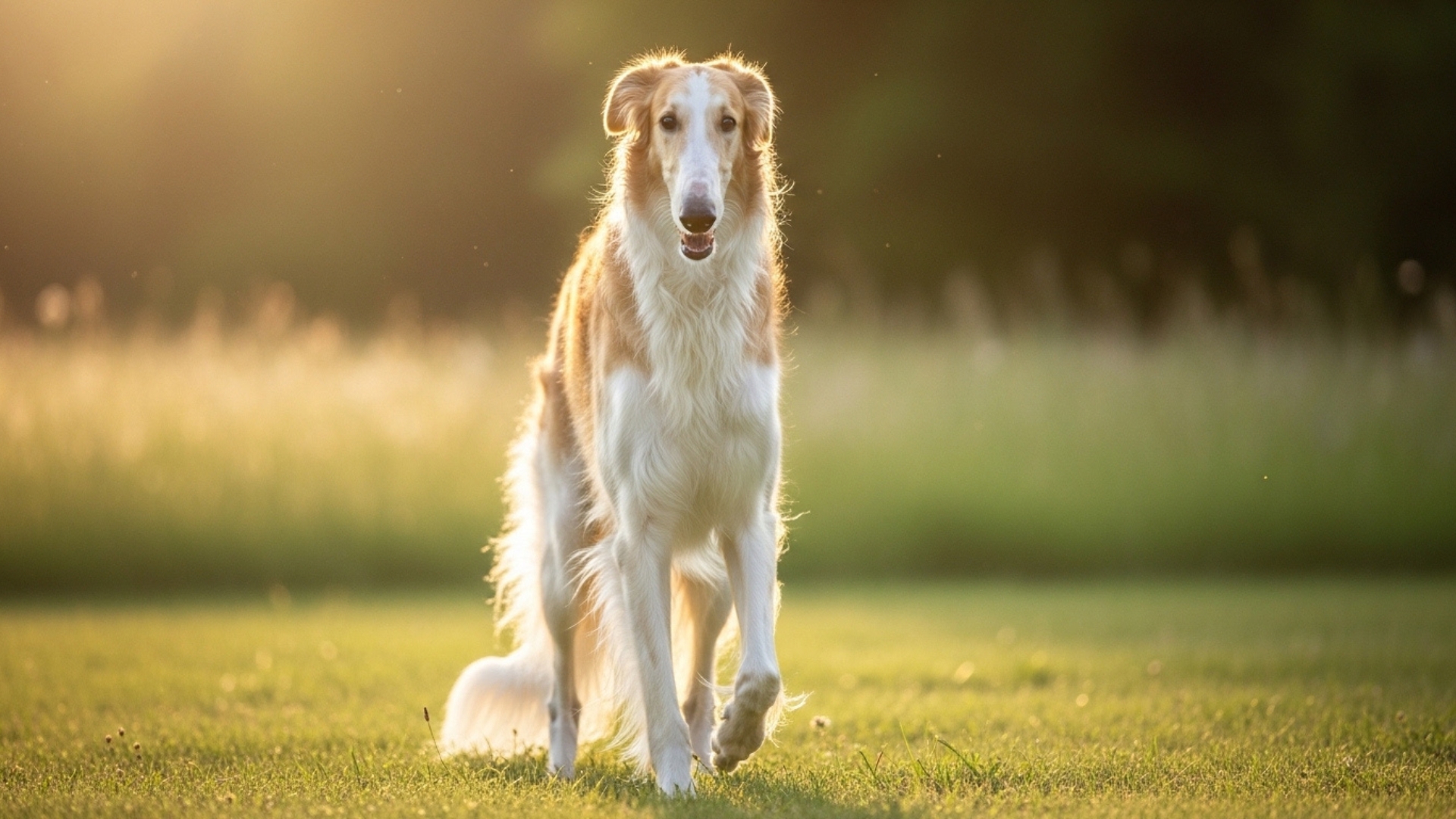
2. Borzoi
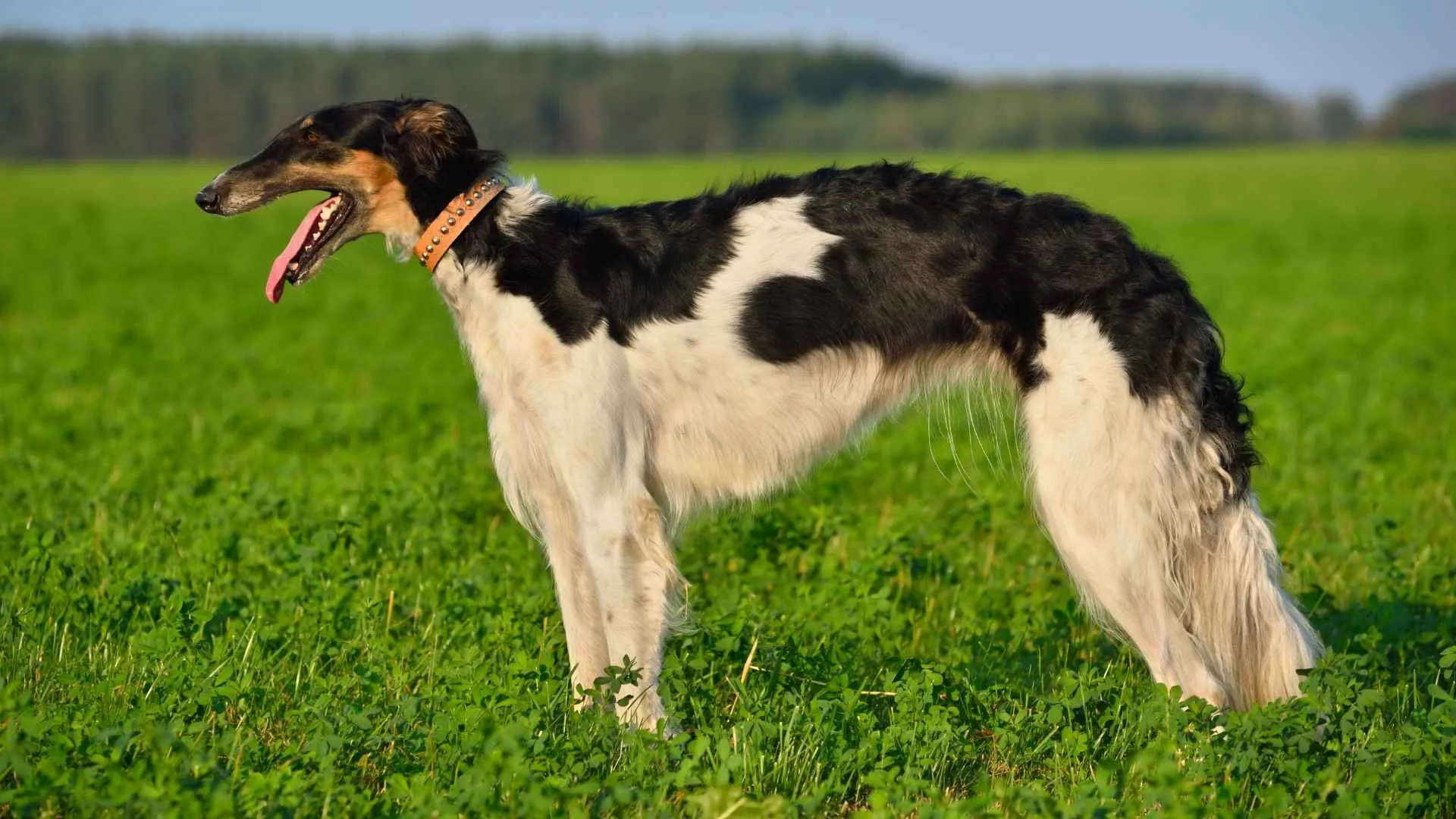
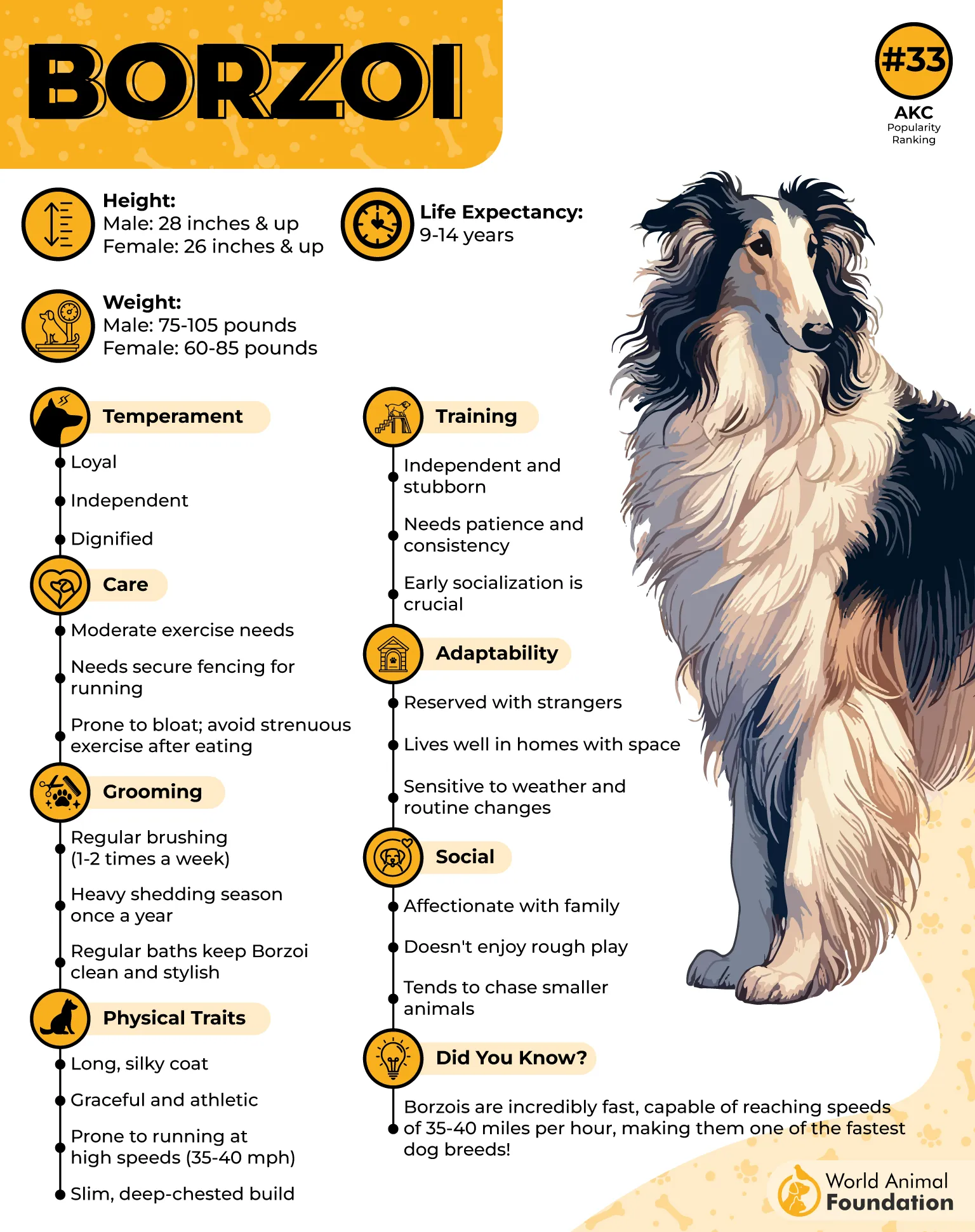
Borzoi is known for its exceptionally long and refined snout, which gives the breed a striking profile. Its elongated face contributes to efficient scent perception while maintaining a graceful appearance. This distinctive nose shape directly reflects the breed’s historical purpose and identity.
Form Meets Function
Bred in Russia for speed and hunting, the Borzoi’s head structure supports both vision and airflow during high pursuit. The extended muzzle works alongside its streamlined body, creating balance between beauty and performance.
Key nose characteristics of this breed include:
Extremely elongated muzzle
Strong scent awareness
Well-defined nasal bridge
Refined Expression
Beyond appearance, this dog’s nose type enhances its overall head symmetry and calm expression. This balance between elegance and functionality highlights how form contributes to purpose. Its profile remains one of the most recognizable features among long-snouted breeds.
3. Poodle
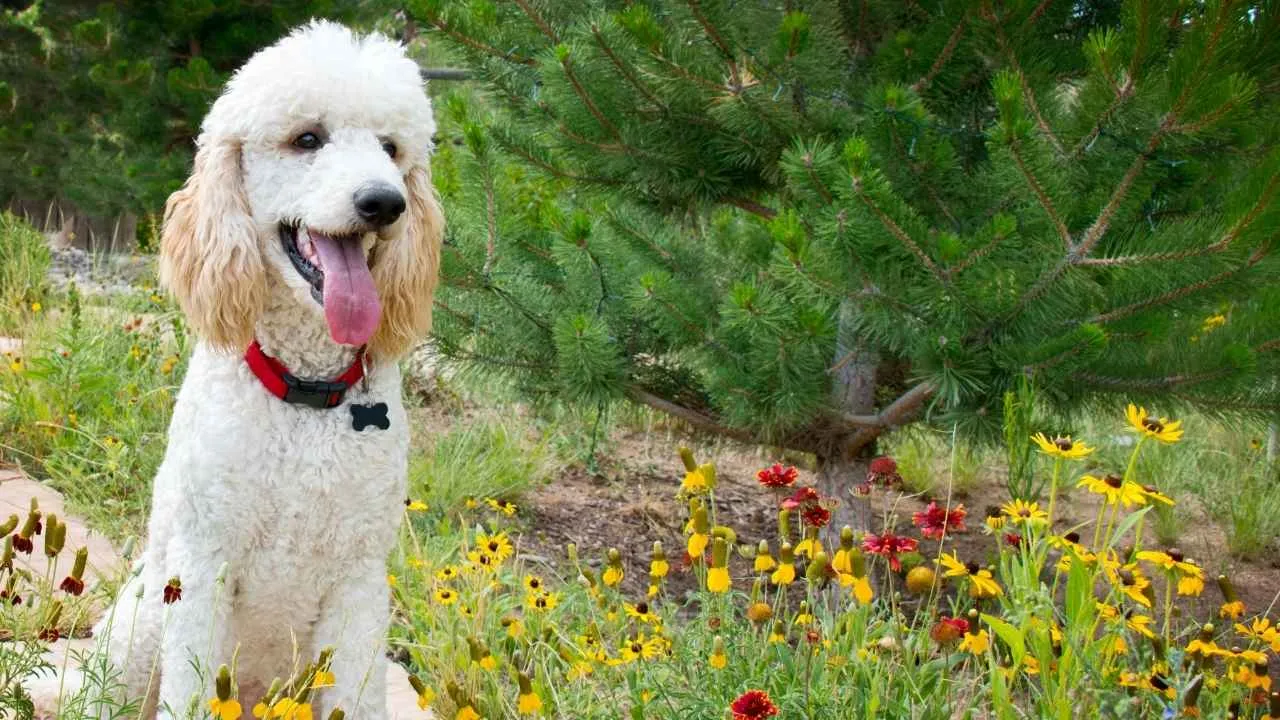
Poodles are widely recognized for their curly coat and elongated muzzle, features that shape their distinct facial profile. Its nose sits prominently within a refined structure, giving the face balance and expression. This visible anatomy plays an important role in understanding the breed’s identity.
Functional Design
Originally developed for water retrieval, the Poodle’s nose supported scent detection during hunting tasks, as Petplan writes. Its facial structure reflects purpose, not just appearance.
That steady presence is evident in these key qualities:
Long, well-defined snout
Highly responsive scent awareness
Balanced head proportions
Active Intelligence
They combine energy with sharp responsiveness, requiring daily engagement that challenges both mind and body. Structured activities help channel focus and reinforce learning. This mental sharpness enhances coordination between instincts and physical movement.
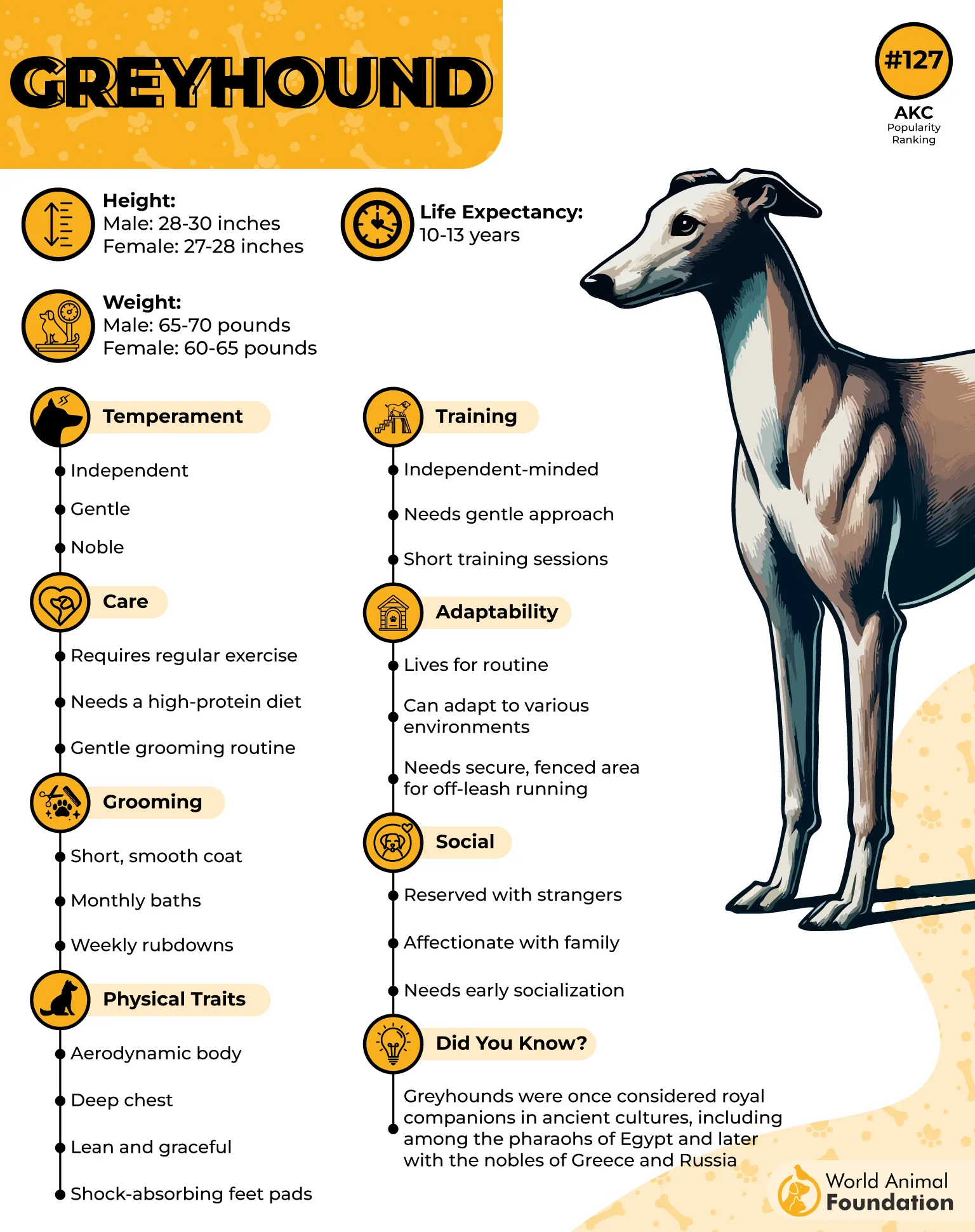
4. Greyhound
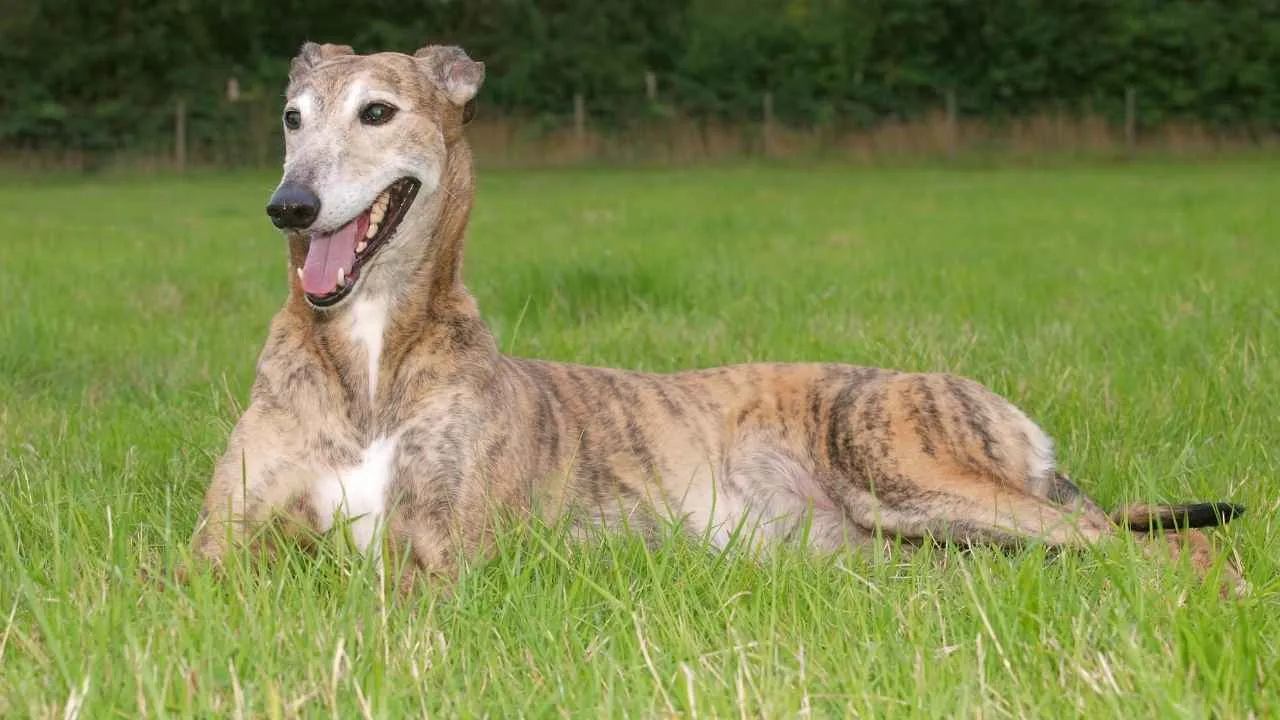
Greyhounds catch attention with their long, narrow muzzle and refined head shapes. Its slender nose structure reflects its heritage as a visual hunter. This streamlined facial design enhances both appearance and scent sensitivity.
Refined Scent Design
The breed’s nose sits on a lightweight frame that balances speed with awareness. Its folded ears and aerodynamic head create a distinctive profile that supports focused detection.
These traits strengthen its tracking ability:
An extended nasal bridge for airflow efficiency
Deep chest supporting oxygen flow
Slim head structure built for precision tracking
Calm Temperament at Home
Beyond its athletic build, this racing dog carries a gentle and relaxed presence indoors, as Hills Pet noted. It enjoys companionship and adapts well to shared living spaces with people and other pets. Daily walks help maintain engagement without demanding intense activity.
5. Whippet
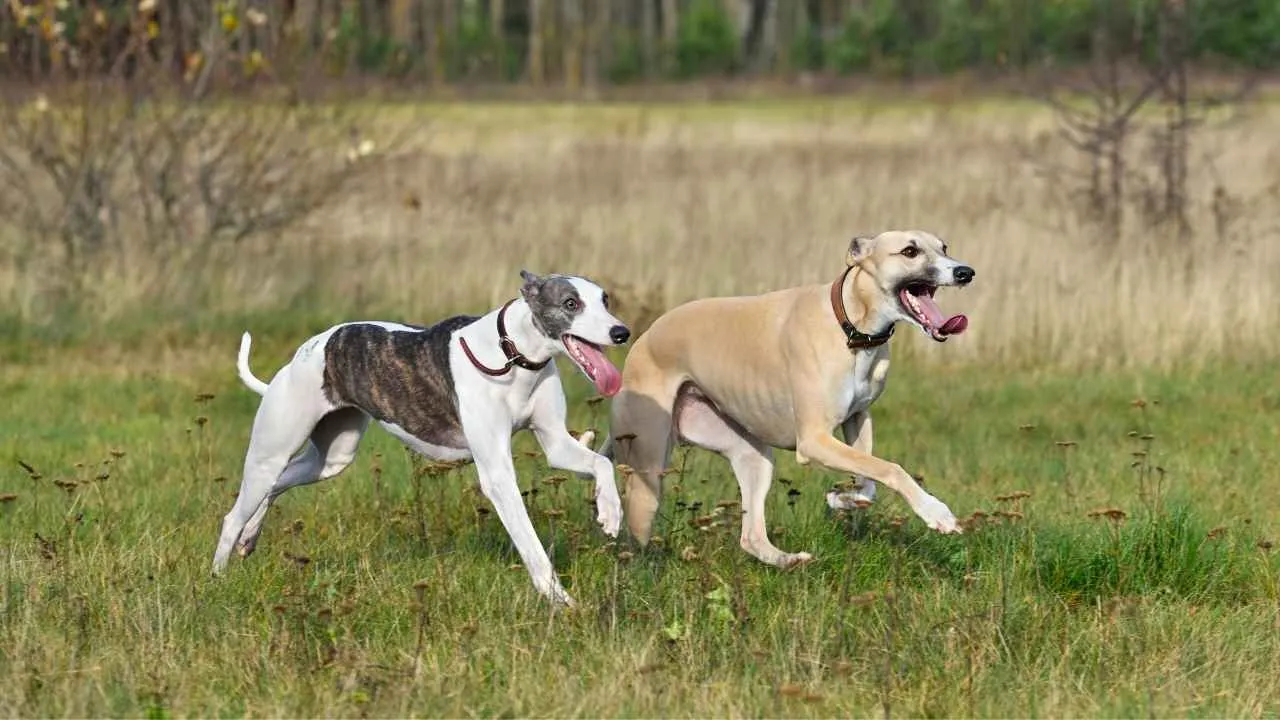
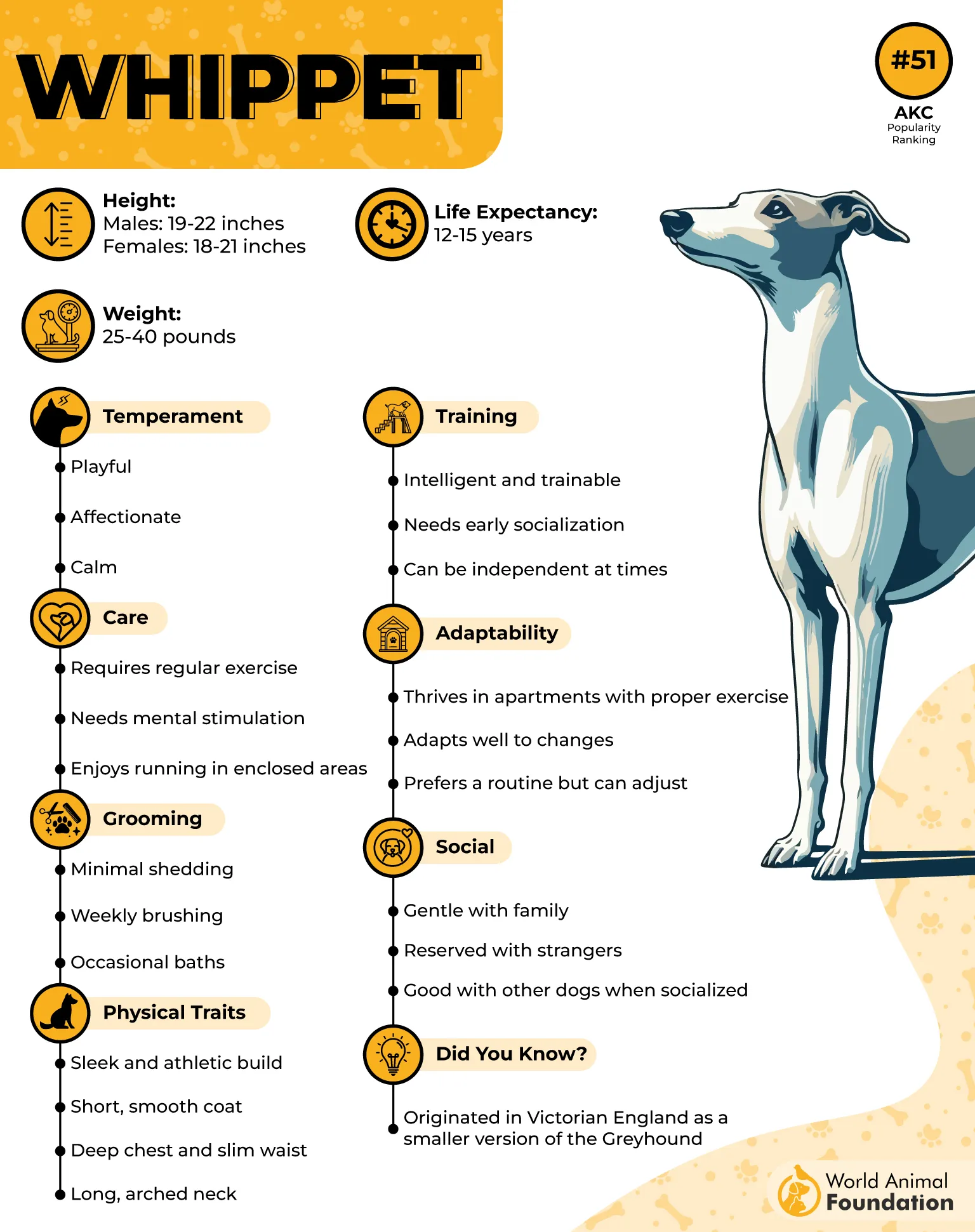
Whippet features a refined head shape with a long, narrow snout that aligns with its streamlined build. Its facial structure reflects speed-oriented design, with keen sight and an aerodynamic form. Originating in England, this breed blends elegance with purposeful physical structure.
Nose and Structure Details
The breed’s slender muzzle supports its visual focus and quick response during movement. Its facial design contributes to airflow and balance while running at high speed.
Their distinct features are clear in these physical traits:
Long, tapered muzzle
Rose-shaped ears
Lean, athletic frame
Movement and Instinct
Built for speed, the Whippet can reach remarkable acceleration, reflecting its hunting background as the American Kennel Club notes.
Its vision-driven instincts align with its facial structure, supporting the pursuit of small game. Regular activity in secure spaces allows this agile dog to express its natural abilities.
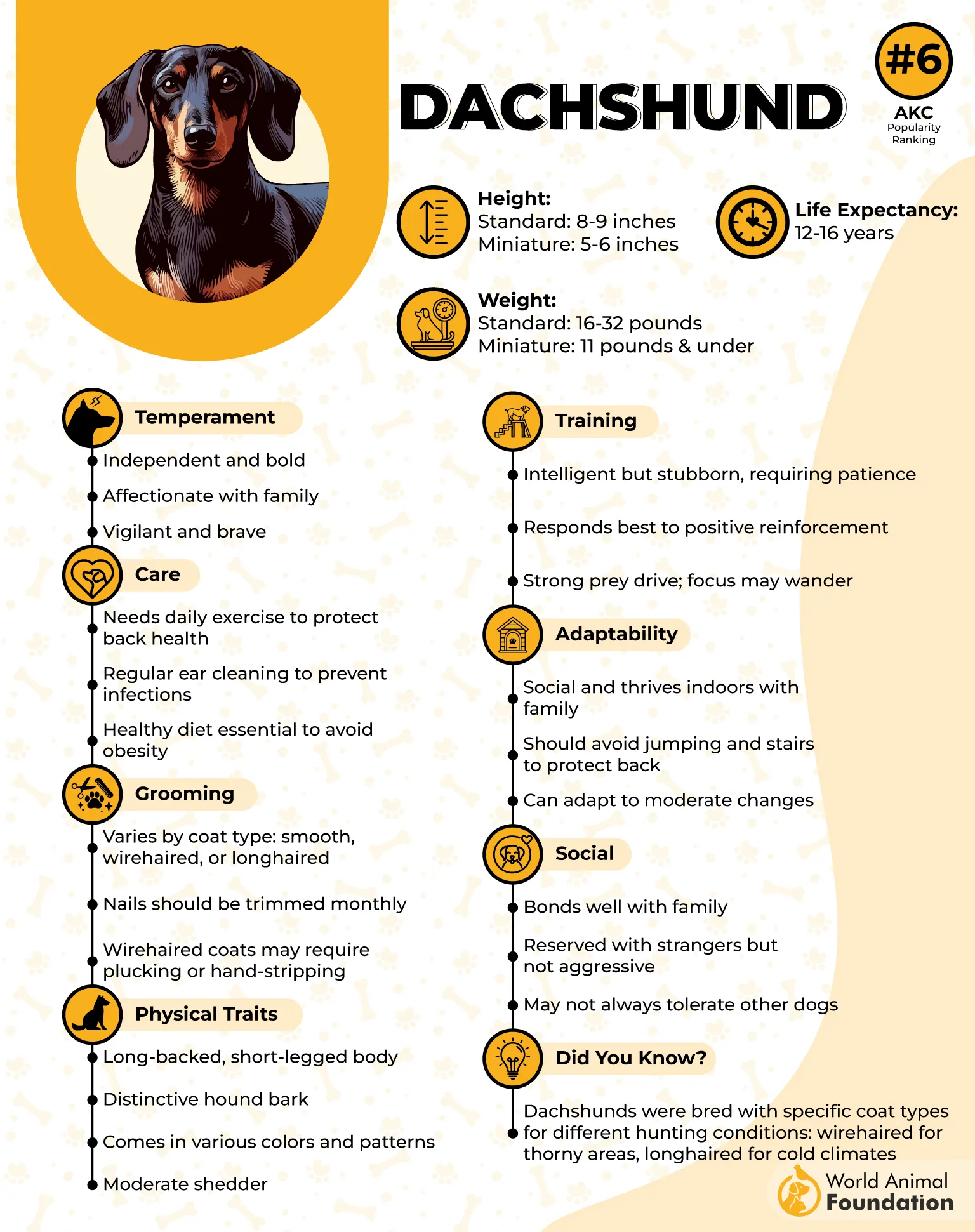
6. Dachshund
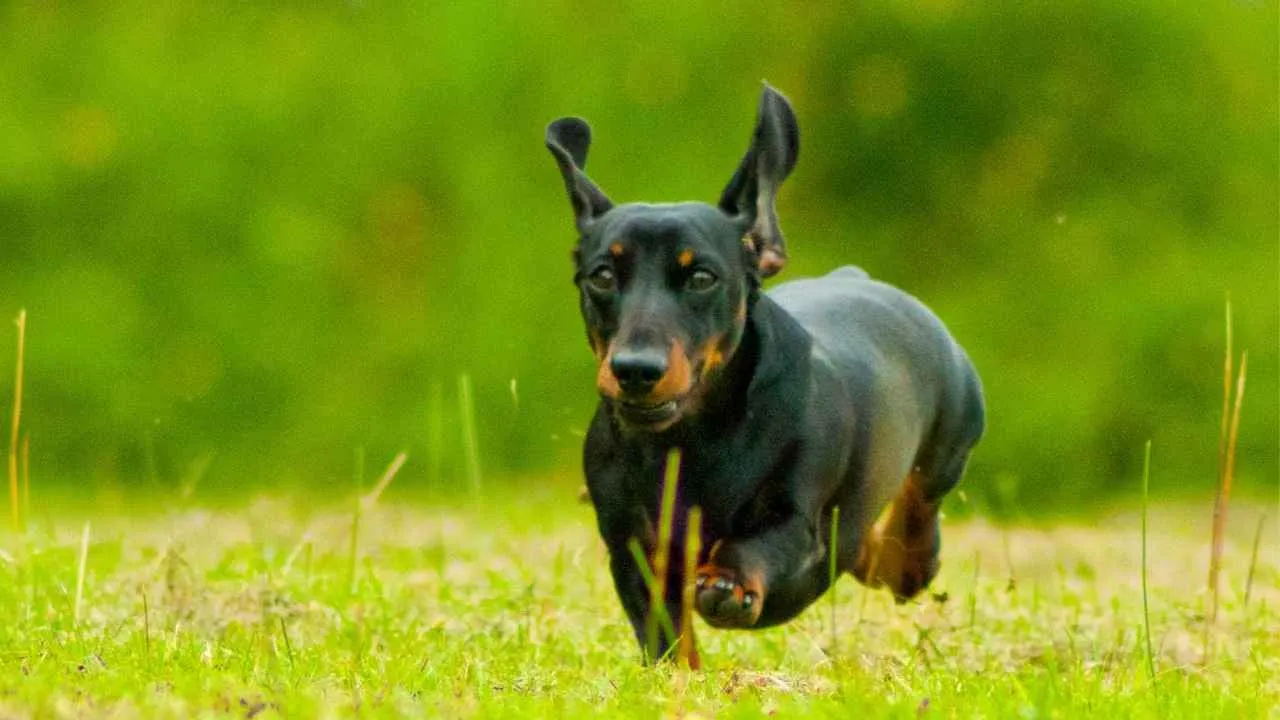
Dachshunds, also called weiner dogs, are known for their long body, short legs, and expressive snouts that shape their curious look. Its nose was historically developed for tracking scent close to the ground during hunts. This physical design naturally connects the breed to its remarkable scenting ability.
Scent Driven Heritage
This sausage dog was originally bred in Germany as a hunting dog, relying on its nose to locate burrowing animals. Its strong tracking instinct shaped both its temperament and structure over time.
These features enhance its detection performance:
Long snout built for ground-level tracking
Strong scent detection instinct
High prey awareness during outdoor activity
Connection to the Topic
Because of its nose structure and tracking background, the Dachshund represents how form and function work together in small breeds. The breed’s distinctive facial design directly supports its scent-oriented abilities. Its heritage continues to shape how it engages with its surroundings.
7. Afghan Hound
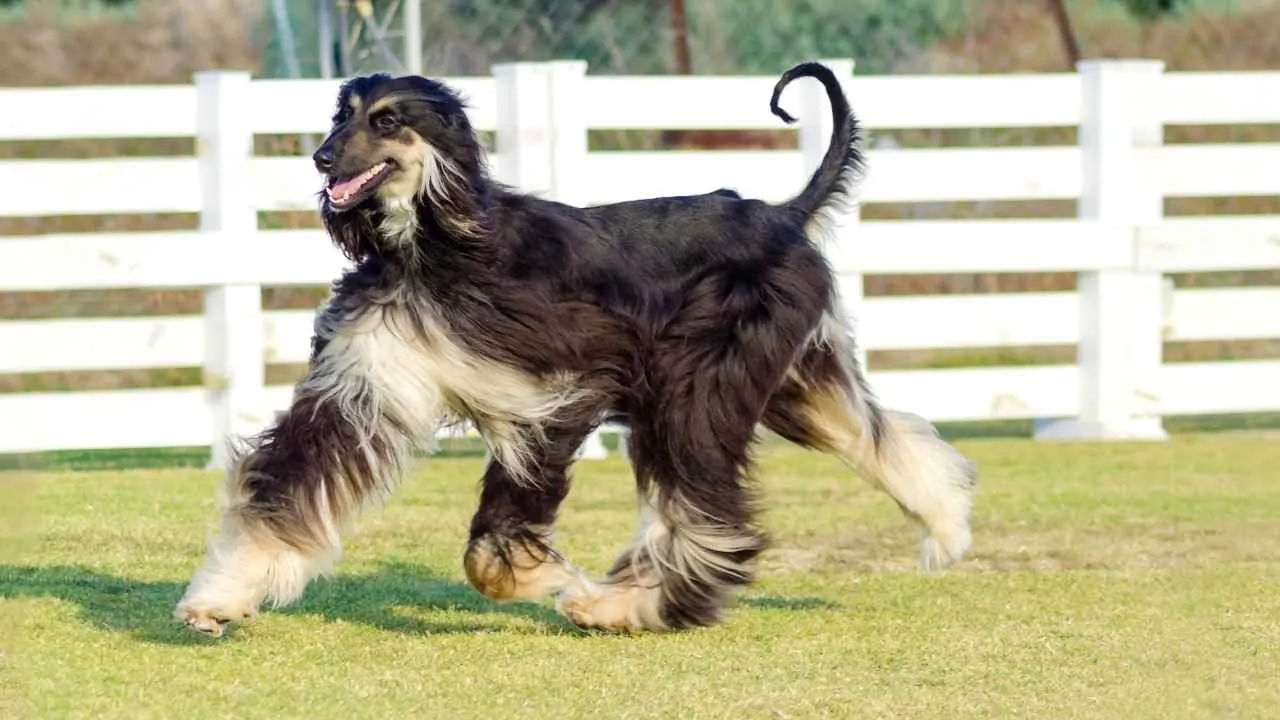
The Afghan Hound is known for its long muzzle and refined facial outline that frames its expressive nose. The slender head shape enhances the breed’s overall elegance and gives its profile a distinctive appearance. Its nasal structure complements a balanced and graceful silhouette.
Distinct Features
Beyond appearance, this breed’s facial design supports its keen awareness and visual focus during movement. The nose sits within a narrow, elongated face that reflects its heritage as a swift hunting companion.
Its defining elements include:
Long, tapered muzzle
Prominent nasal placement
Smooth facial contour
Heritage in Motion
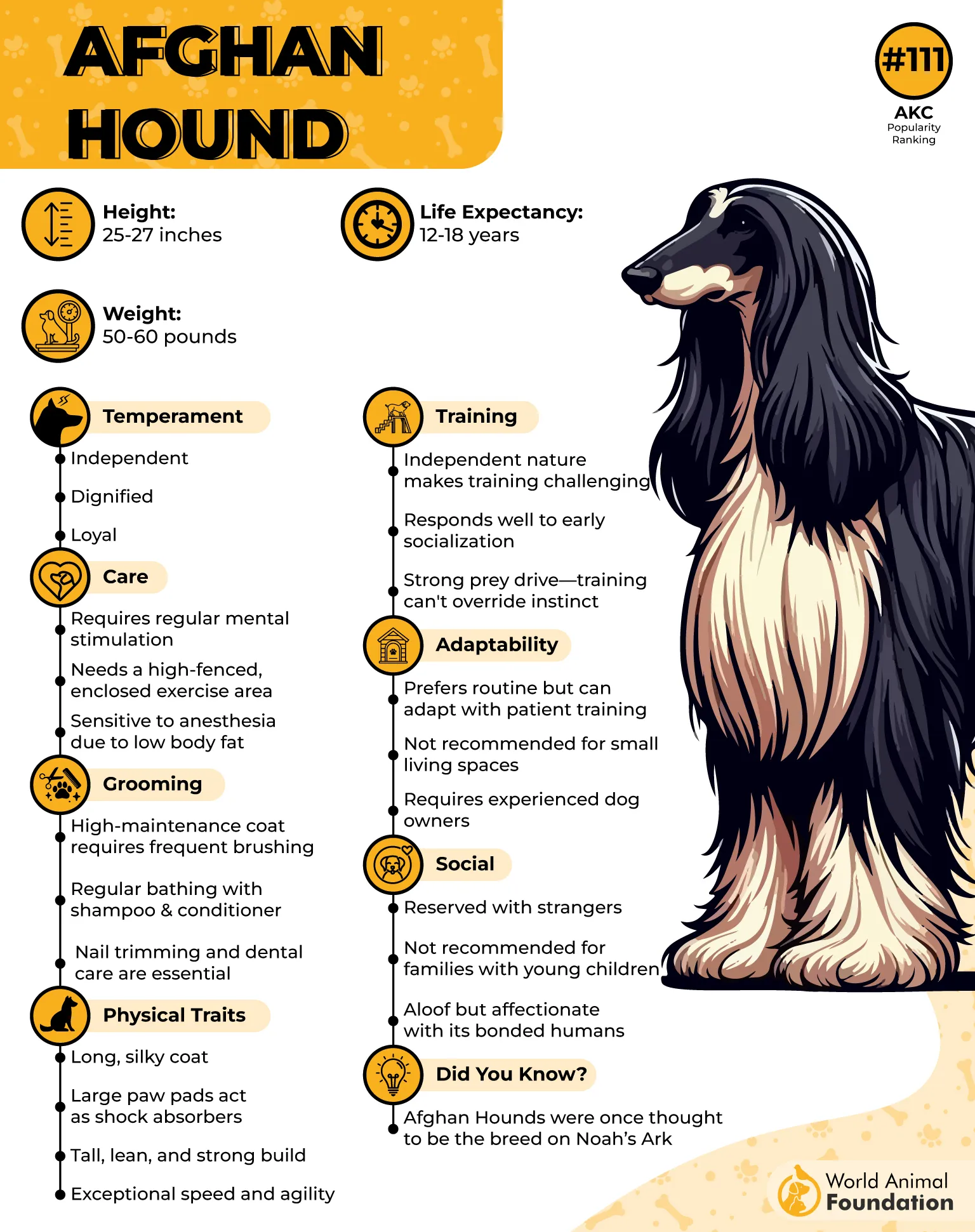
Afghan Hound’s refined nose aligns with its history as a field companion bred for tracking and pursuit across open terrain. Intelligence and independence shape its behavior, while agility enhances its natural athleticism. The breed’s structure supports speed and precision during activity.
8. Saluki
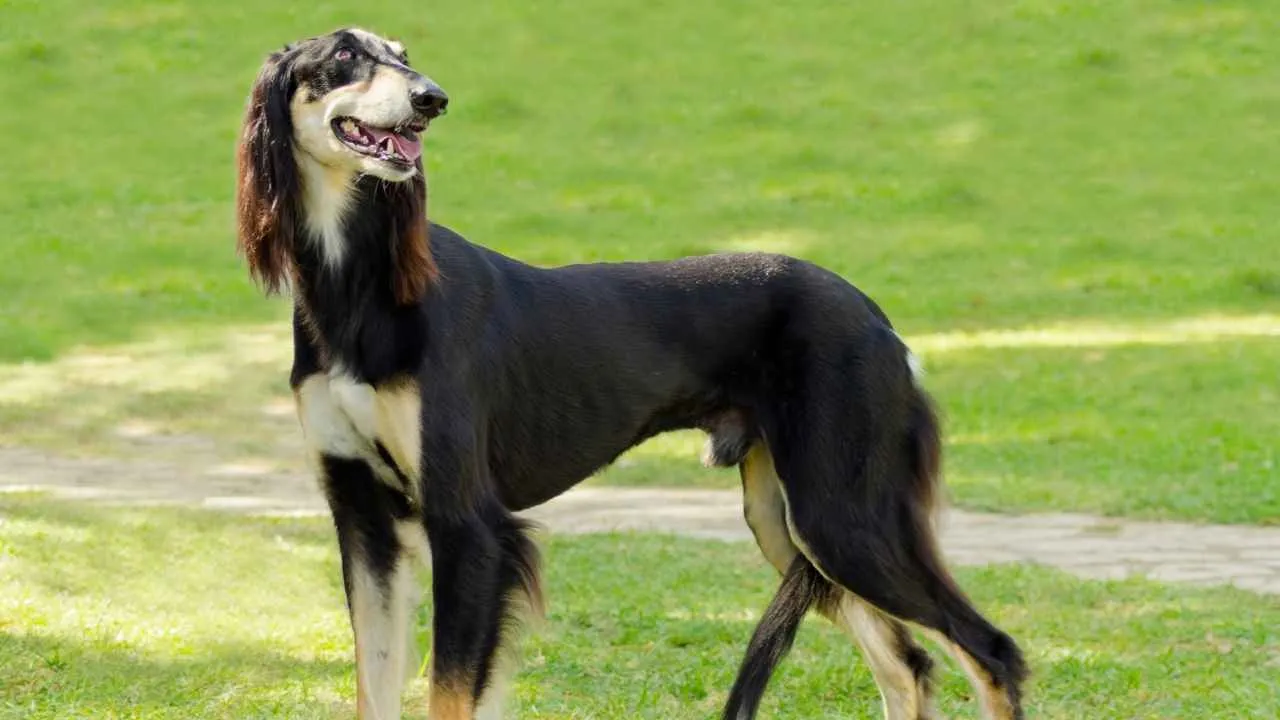
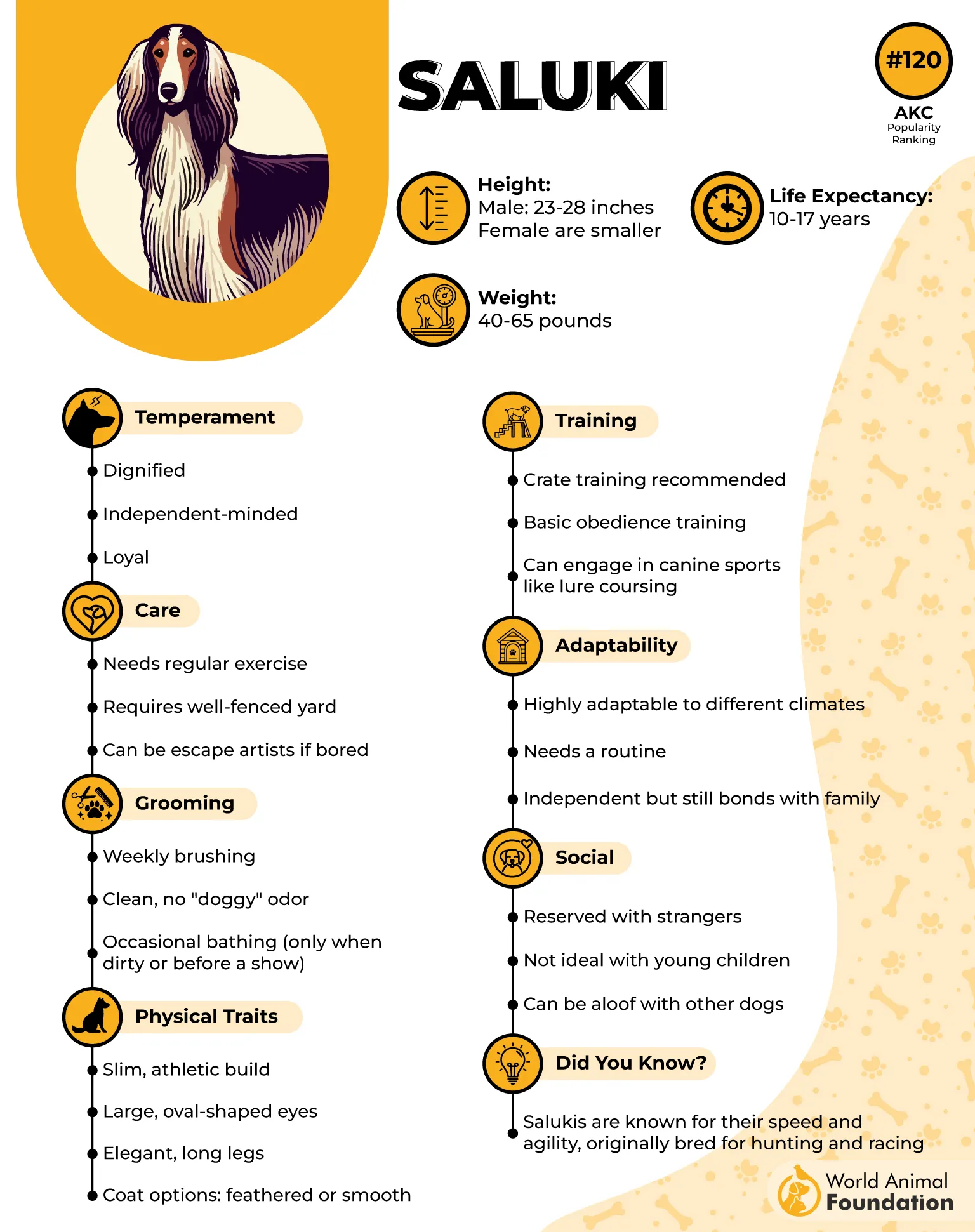
Saluki is an ancient breed once valued in royal circles, admired for its refined structure and graceful presence. Its long muzzle and feathered ears give it a distinctive outline that reflects both elegance and purpose. The breed’s slim frame is designed for speed and endurance in open landscapes.
Built for Speed
Their background as swift hunters shaped a body built for rapid acceleration and sharp focus. That natural design is visible in everyday behavior and movement.
That history comes through in their strong, agile build:
Long, narrow snout suited for scent awareness
Feathered ears and tail add visual balance
Remarkable sprinting ability, reaching high speeds
Activity and Environment
Saluki requires space to run freely in safe, enclosed areas where it can stretch its legs confidently. Daily movement supports both physical coordination and mental satisfaction. A secure environment allows this breed to express its natural speed without restriction.
9. German Shepherd
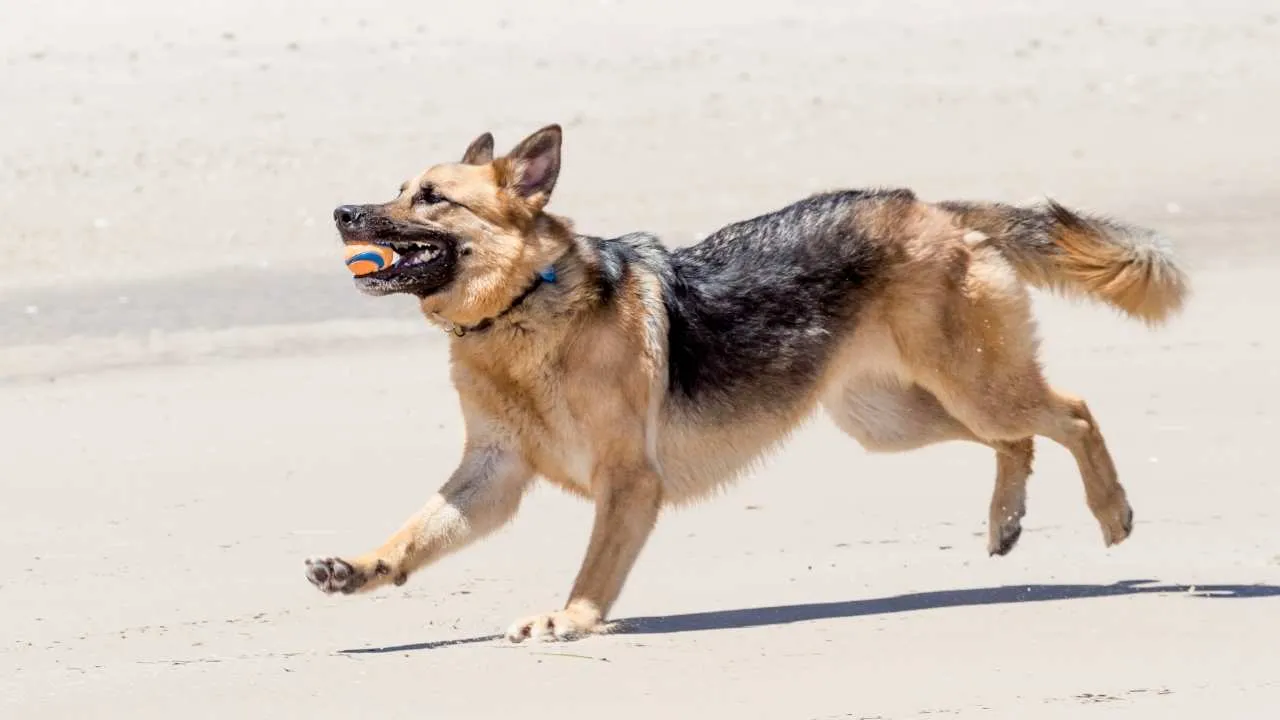
German Shepherd begins with a strong, balanced frame that supports its focused and purposeful expression. Its long muzzle and upright ears create a sharp outline that signals awareness. The breed’s coat pattern and confident posture add to its recognizable presence.
Functional Traits
The breed’s nose shape and head structure support precision in scent-related tasks and disciplined training work. Its intelligence and athletic build make it adaptable across demanding environments.
Their form and function work together in simple ways:
Long, well-defined muzzle
Alert ear positioning
Strong scent capability for tracking tasks

Everyday Presence
Beyond appearance, they maintain a steady temperament that suits both family settings and professional roles. Its expressive face and focused eyes make communication with handlers clear and direct. This breed’s heritage shapes both its physical form and working ability in equal measure.
10. Pharaoh Hound
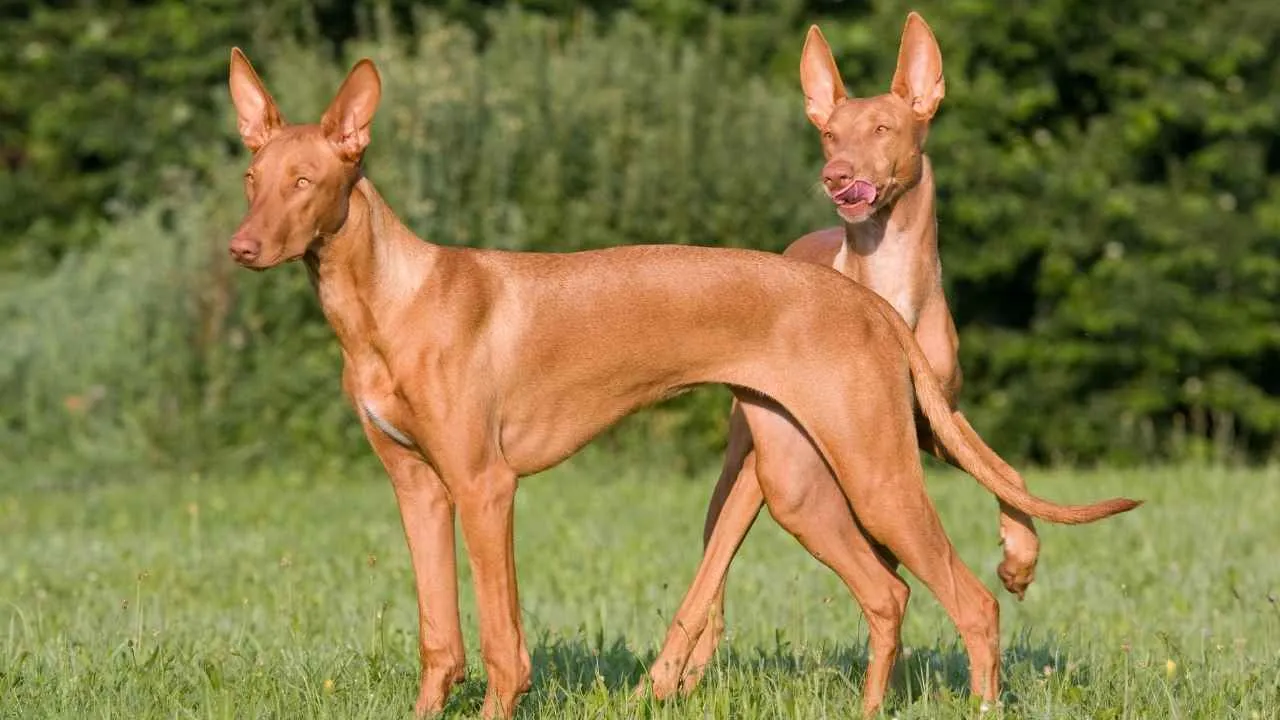
Pharaoh Hound traces its roots to some of the earliest depictions of hunting dogs found in Egyptian artwork around 4400 B.C. The breed later reached the island of Malta, where its speed and keen sight helped hunters track rabbits across rocky landscapes.
Distinctive Facial Features
Pharaoh Hound displays a refined head with a noticeably long muzzle that contributes to its alert and expressive appearance. They reveal excitement rarely and charmingly when the nose and ears develop a visible rosy tone during moments of enthusiasm.
These defining characteristics help explain the look more clearly:
Long, narrow muzzle with clean lines
Large upright ears framing the face
Smooth head shape that highlights the nose length
Social and Sensitive Nature
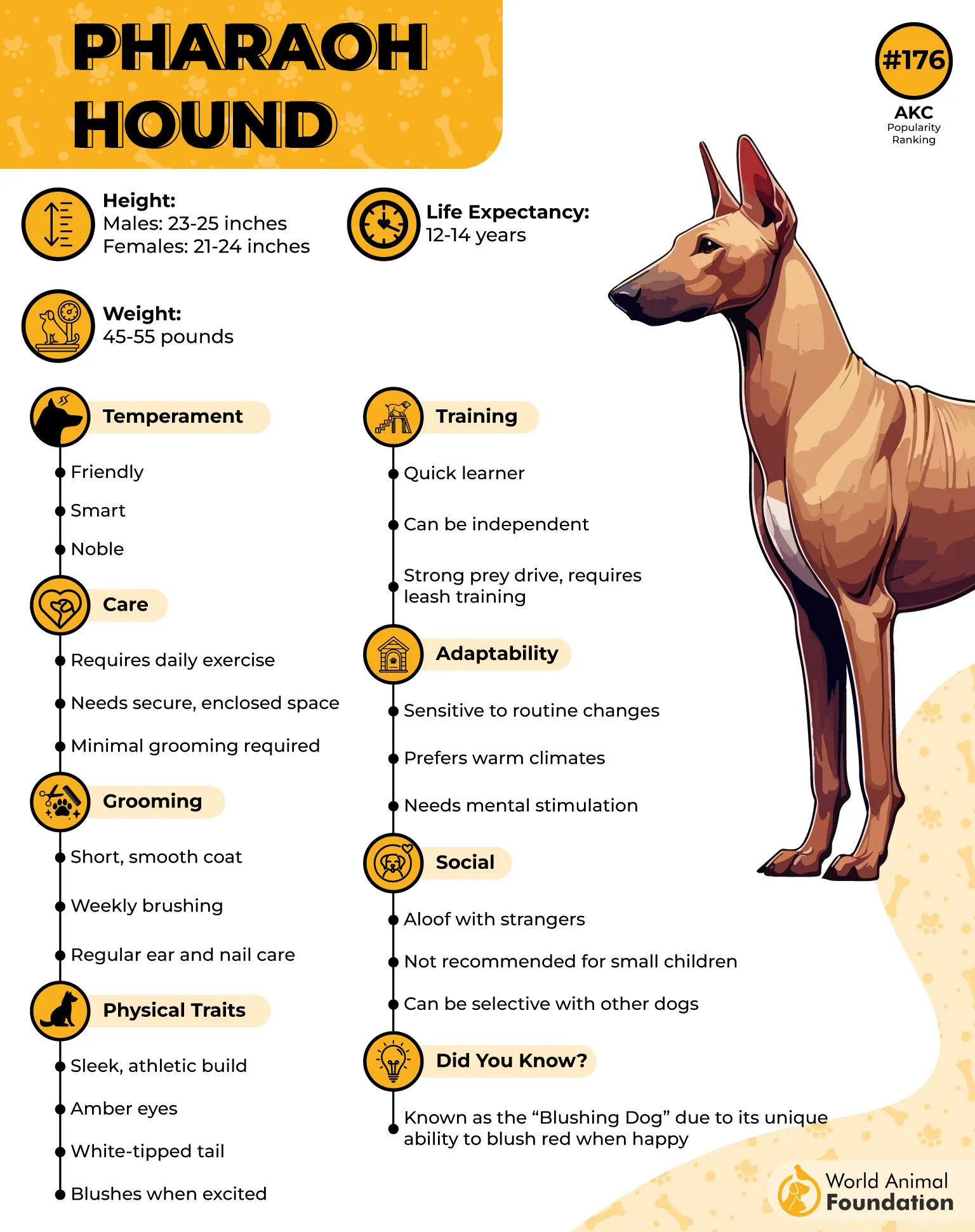
Pharaoh Hound blends its hunting heritage with a gentle temperament that fits comfortably within a family environment. Early social exposure allows this breed to interact peacefully with other dogs and even cats in the household. Smaller animals, such as birds or rodents, can trigger the instinct to chase.
Conclusion
A dog’s nose tells a quiet story about how it moves through the world. Many long-nosed dogs carry a sleek and elegant appearance that draws attention long before they begin to explore their surroundings.
While some people imagine certain breeds as tough or vicious dogs, most simply follow instincts shaped by history and purpose.
Pet parents often notice how these dogs tend to rely on scent when spending time outdoors or learning new routines. With daily exercise and ample mental stimulation, they become incredibly loyal companions and a great family pet.
In working roles, their noses even support search and rescue missions.
