




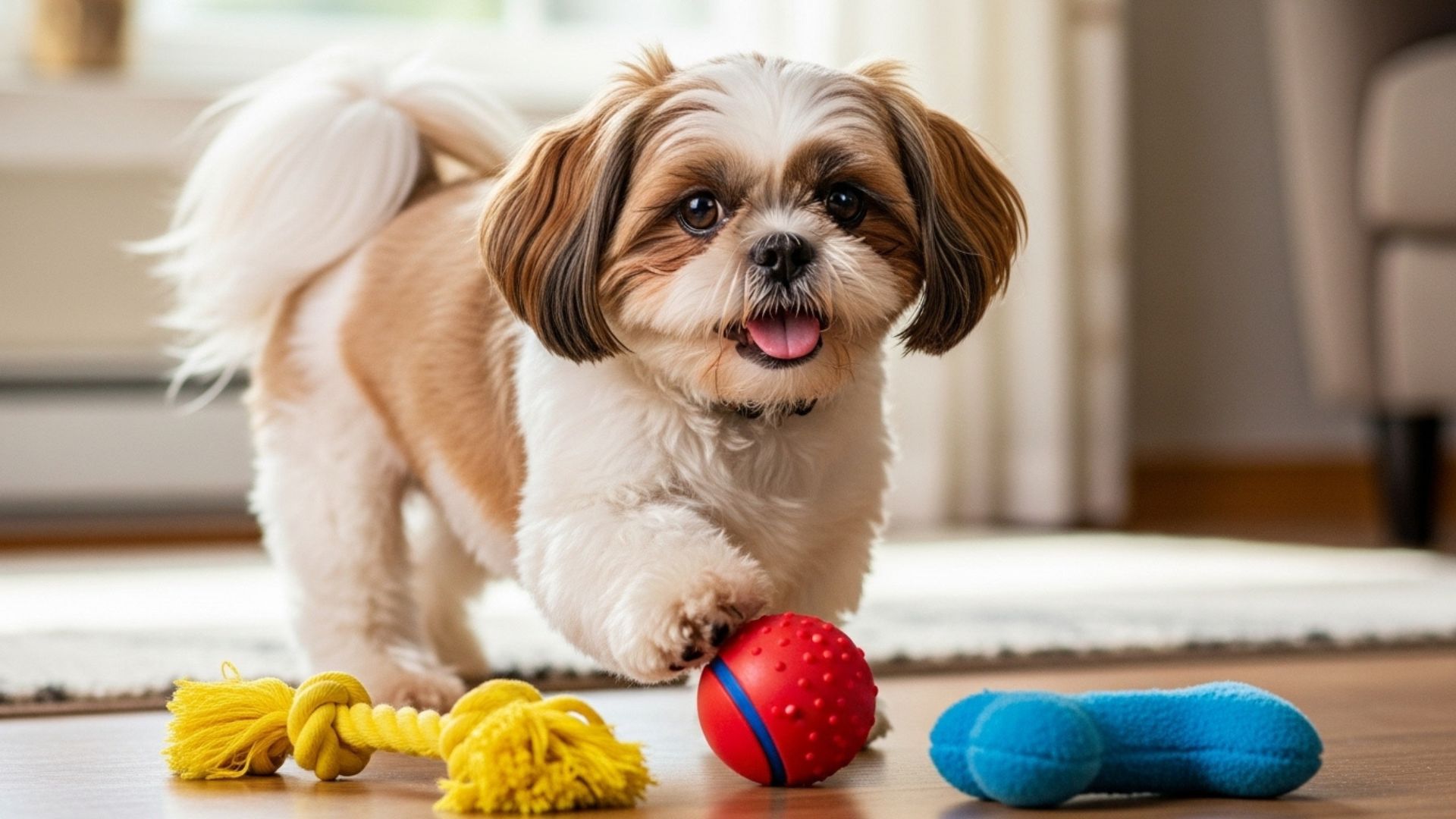
Small homes can still feel full of joy, laughter, and warm paws. Sounds crazy, right? Yet many dogs do great without a big yard. The secret is a good match. Some dog breeds are calm, people-focused, and totally fine with indoor living.
They relax indoors, enjoy a cozy bed, and stay content with the right routine. Apartment living also asks for good manners. Think less excessive barking, smart habits, and easy daily care.
And here’s the best part! According to the AKC, the best indoor dogs do not need too much room to feel safe and loved. With regular walks, indoor activities, and simple, proper training, they can stay healthy and generally happy.
This blog shares small dog breeds that handle confined spaces well, while still keeping your home life fun, sweet, and full of heart.
Adaptable Dog Breeds: Happy Living Primarily Indoors
1. Poodle
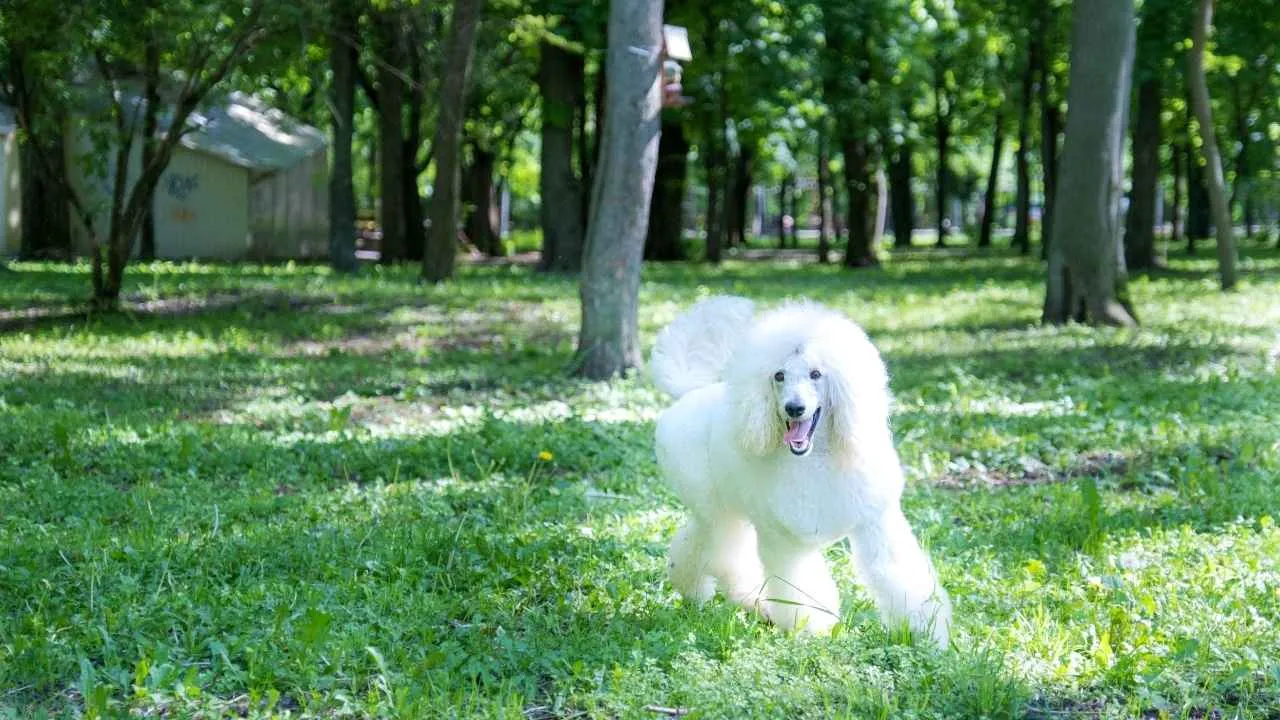
Toy Poodles look like classy little stars, but their personality is pure sparkle. This is one of those dog breeds that can switch from couch cuddles to zoomies in seconds. The brainpower is the real flex here.
These dogs pick up patterns fast, love routine, and often seem like they are reading the room. That makes indoor dogs like this easier to live with, because habits form quickly when the bond is strong.
A Toy Poodle can thrive in apartment living when the day includes a few clear outlets. It is not about much room. It is about focus. A short walk in the morning and another later can work well, plus quick indoor play sessions that feel like a game, not a chore.

Mental stimulation matters a lot. Puzzle feeders, scent games, and “find it” play keep the mind busy. But why bother with that? Because a bored smart pup can turn into a tiny chaos goblin.
Low shedding is another big win, especially for house dogs that share sofas and blankets. Their coat still needs care, but it is usually worth it.
Toy Poodles are also known for high trainability, so they can be well-suited to tight schedules and small spaces. Some even work as service dogs in certain roles because they learn tasks and cues so well.
Tiny routines that keep a Toy Poodle happy
Provide interactive toys that challenge the brain.
Keep daily walks steady, even if they are short.
Practice calm greetings to protect thin walls.
Add a simple indoor pee pad option for rainy days.
2. Shih Tzu

The Shih Tzu is basically a professional snuggler with a party side. If the goal is indoor living with a sweet vibe, this breed often fits right in. These dogs love people. They love laps.
They love being near the action, even if the “action” is just folding laundry. That affectionate nature is a big reason they land on lists of best indoor dogs.
Even with a playful streak, Shih Tzu dogs can do well in apartment life when the day includes a light structure. A short walk can help them settle, and gentle games indoors keep them bright-eyed.
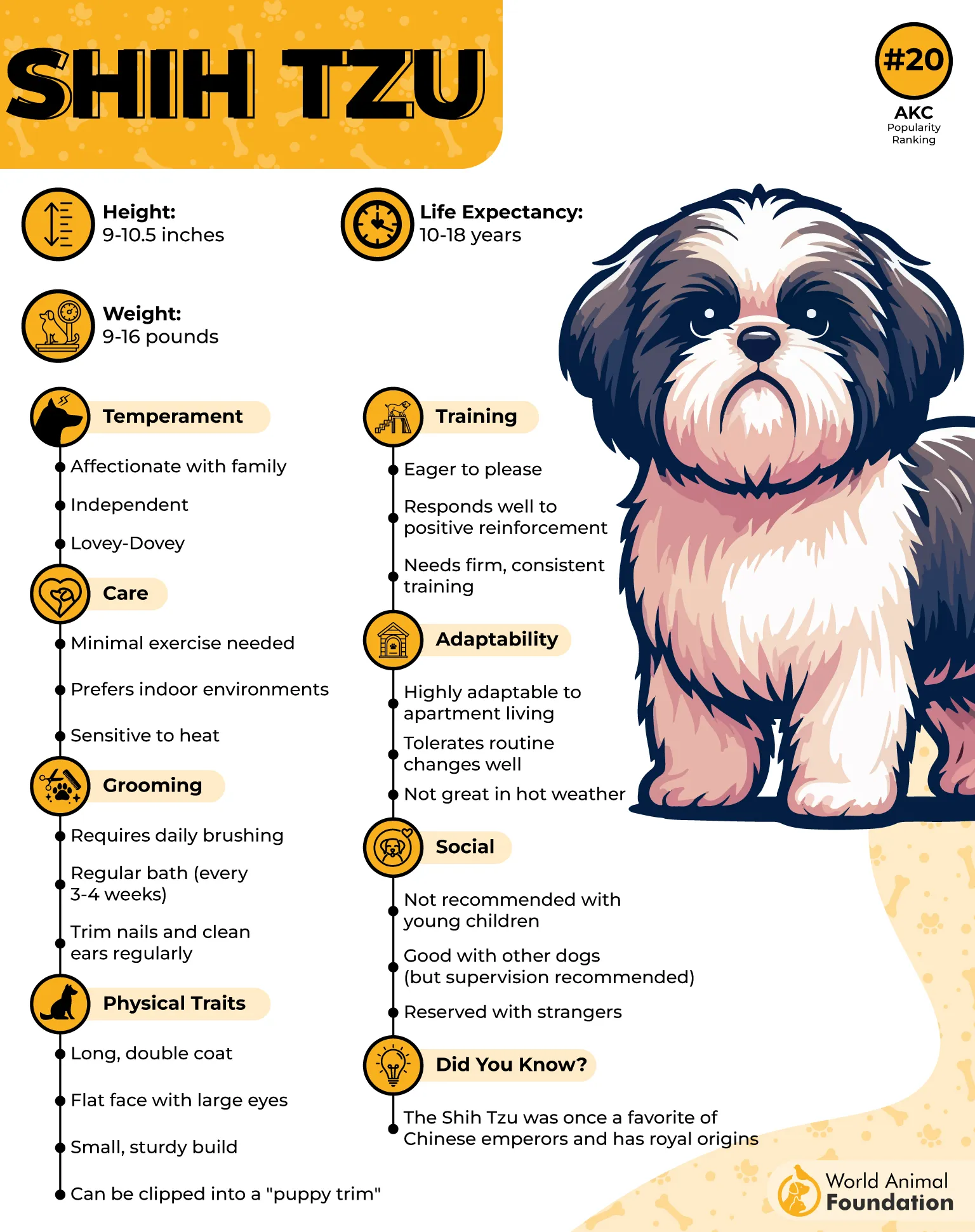
Many enjoy tug toys, soft fetch, and little chase games down a hallway. It helps their well-being without demanding much exercise. That balance is key for apartment dwellers who want a calm home rhythm.
Here’s the good part. Low shedding can make the home feel cleaner, but grooming still matters. Regular grooming helps keep the coat comfortable and reduces tangles. The face needs special attention, too.
Hair near the eyes can get annoying, so trimming or tying it back helps them see and play safely, as noted by Britannica Kids. Training can feel like it gets even worse, though, because the cute face can make rules feel optional. Still, consistent cues and treats work.
A Shih Tzu is one of the best dog breeds for people who want a gentle nature in a small home. They are often cheerful, loving, and deeply attached. That makes them wonderful indoor dogs, as long as they are included in daily life.
Little things that make a Shih Tzu’s life easier
Keep regular walks short and pleasant.
Stick to regular grooming to protect the coat and eyes.
Use simple rules so the home stays calm.
Offer indoor activities on slow days.
3. Brussels Griffon
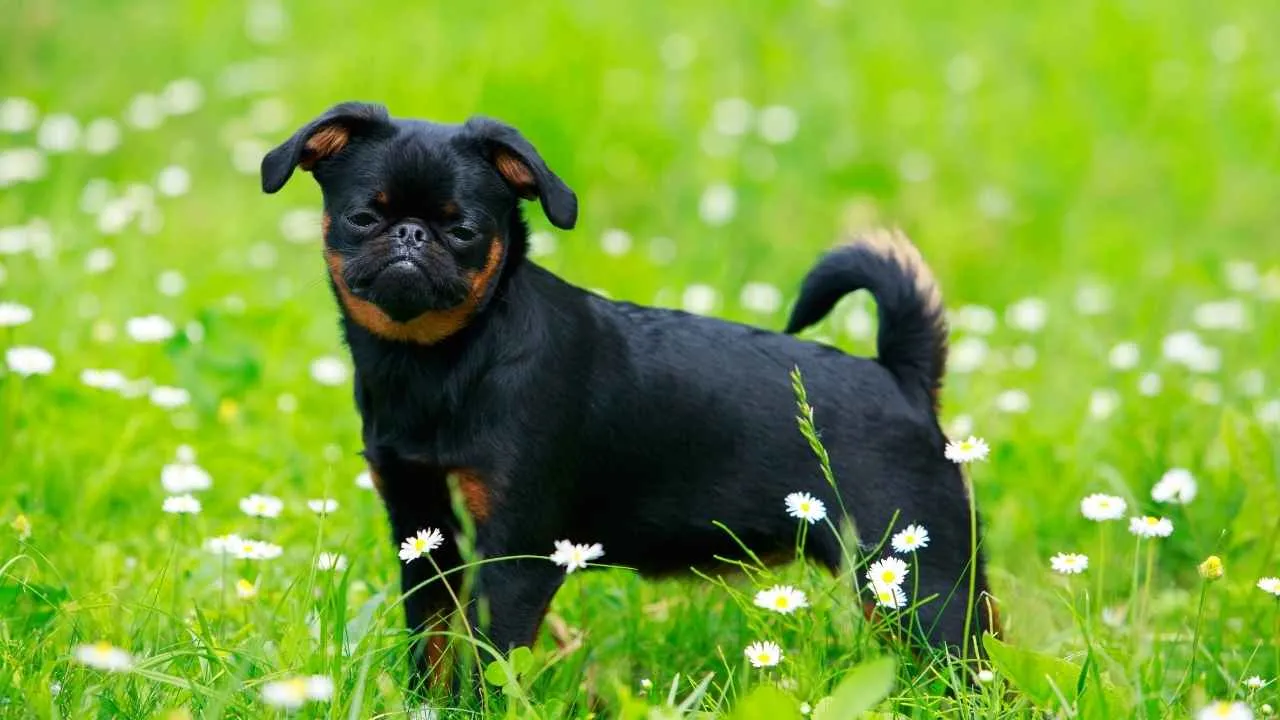
The Brussels Griffon is tiny, bold, and weirdly human-looking in the cutest way. Some call them “griffs,” and the nickname fits their big personality.
This is a companion dog that truly wants to be close. Think shadow mode, but adorable. In indoor living, that closeness can feel comforting, like having a fuzzy little roommate who always votes “stay in.”
PetMD notes that these dogs tend to handle confined spaces well because they are small and not known for drooling. That can be a relief in small apartments. They often prefer being where their person is, rather than roaming.
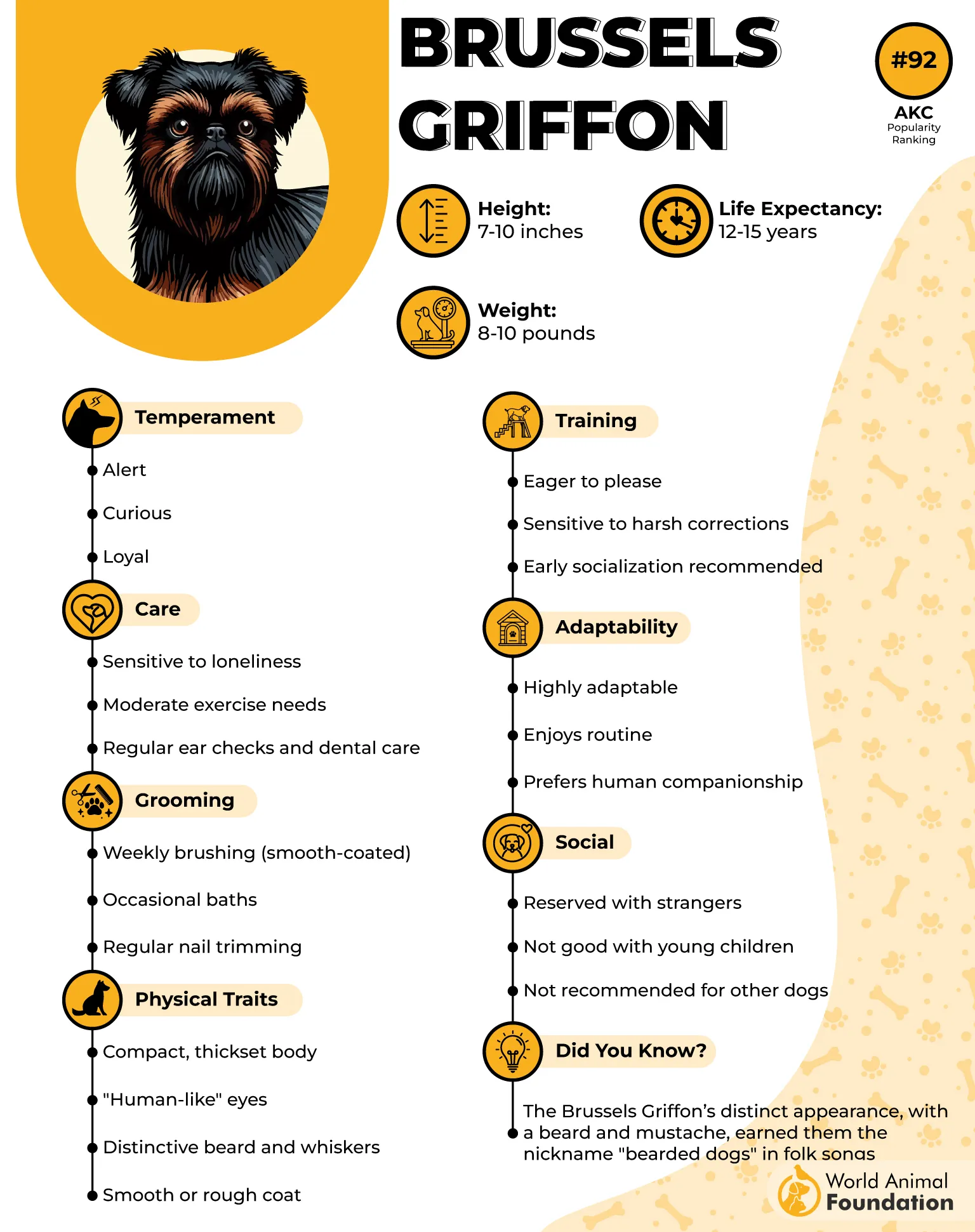
But wait, there’s more! This breed can be sensitive. Too much alone time can lead to sadness or mischief. A crate can help when the home is empty, not as punishment, but as a safe den.
They can be shy with new people, yet warm up when they feel secure. Early manners matter, especially because some griffs forget they are small and try to act tough around other dogs. Careful introductions help them stay safe.
Their energy is often steady, not wild. About 30 minutes of movement a day is common. A short walk plus play can cover it. They also love sleeping close, even sharing a bed if that is your thing.
Coat type changes grooming needs. Wiry coats are linked with low shedding, while smooth coats need more brushing in seasonal sheds. Health-wise, watch for issues like cataracts and kneecap trouble. Regular vet checks protect long-term well-being.
Best ways to support a Griff at home
Keep the day social so they relax indoors.
Use a cozy bed or crate as a safe spot.
Watch weight, treats add up fast.
Keep play gentle to protect small joints.
4. Havanese
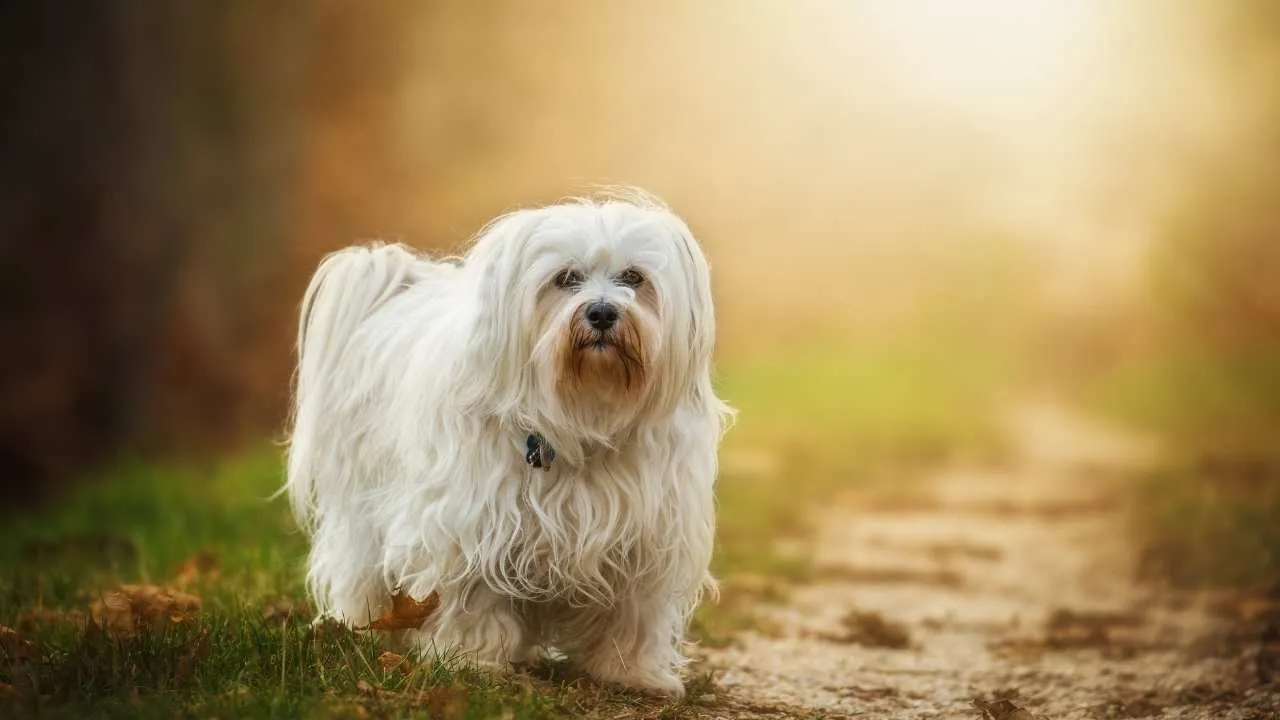
Havanese dogs feel like living confetti. They are silly, bright, and often surprisingly polite indoors. This breed is known for loving people, which can make indoor dogs like this feel deeply connected to the home.
They tend to enjoy being near the family, even if everyone is doing separate things. That makes them great house dogs for calm, cozy routines.
They often do well in apartment living because they are small, usually quiet, and happy with attention and play. They do not need much room to feel content, but they do need companionship. If the home is empty for long hours, it can be tough on them.
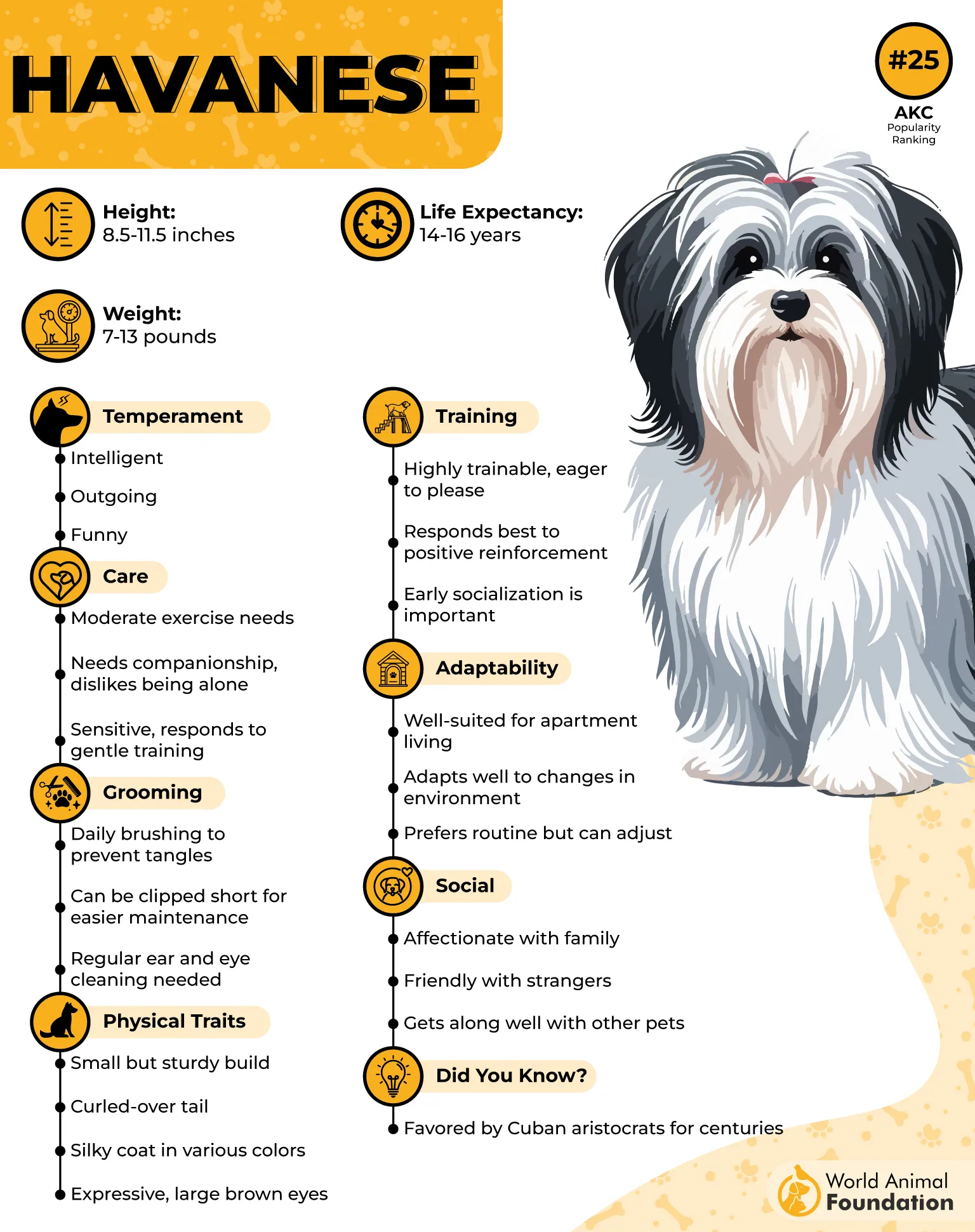
Some do better with other pets around, as long as introductions are kind and slow. They can also enjoy a steady sitter or a neighbor check-in.
Their coat is soft and silky. Many owners like them because they are often low-shedding, though grooming is still part of the deal. Brushing keeps knots away and helps the coat stay neat. For activity, they do well with daily walks and short games indoors.
Provide interactive toys and rotate them so boredom does not build. Mental stimulation can be simple, like hide-and-seek with treats.
Havanese dogs love being a furry companion in daily life. They are often generally happy when they get closeness, play, and a predictable routine. For people wanting the best indoor dogs with a playful heart, this breed can feel like a warm hug with paws.
Simple ways to keep a Havanese balanced
Mix regular walks with indoor play sessions.
Keep grooming steady so the coat stays comfy.
Plan companionship if you are gone often.
Use toys and gentle training for focus.
5. Papillon
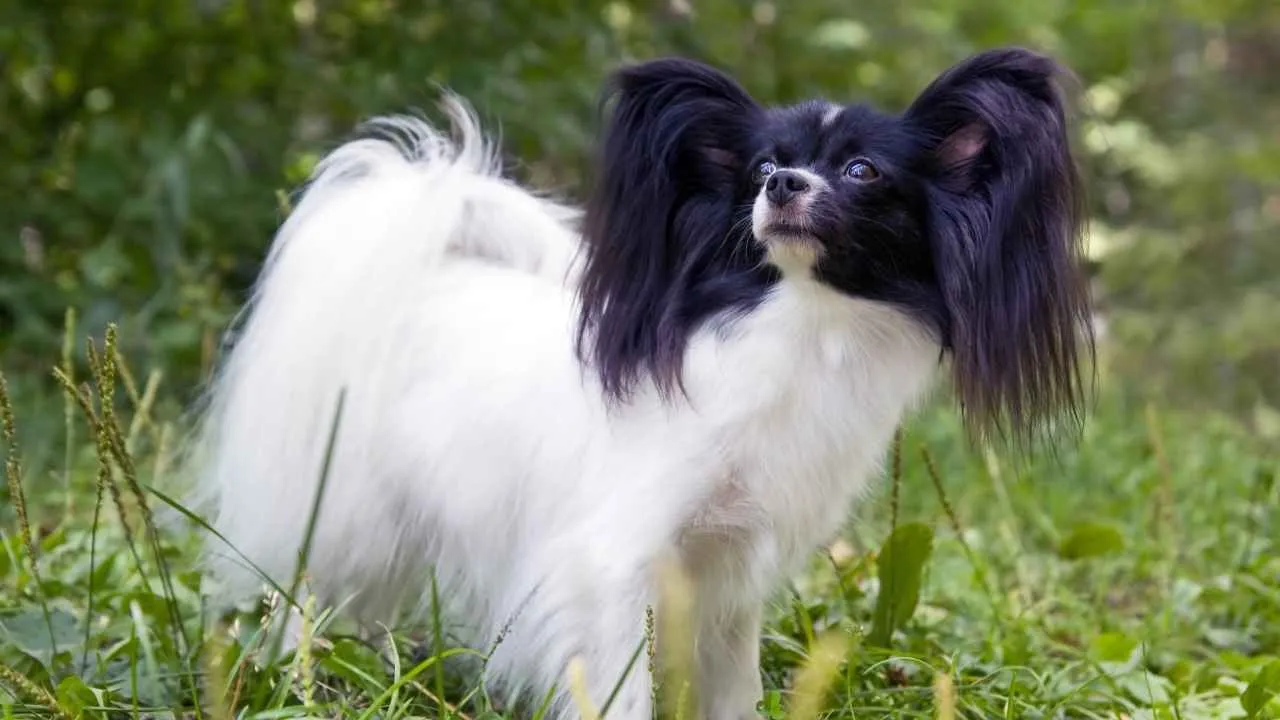
Papillons are tiny dogs with butterfly ears and a big, curious spirit. They look delicate, but many are confident and alert. This is one of those dog breeds that can surprise apartment dwellers. They are small, yet they like to stay busy.
The good news is that being busy does not always mean much exercise. It can also mean thinking games, quick training, and playful movement inside.
For indoor living, Papillons often shine when the day has structure. A short walk can help them settle, and a second one later can be a nice reset. They usually enjoy learning tricks, which is perfect for small spaces.
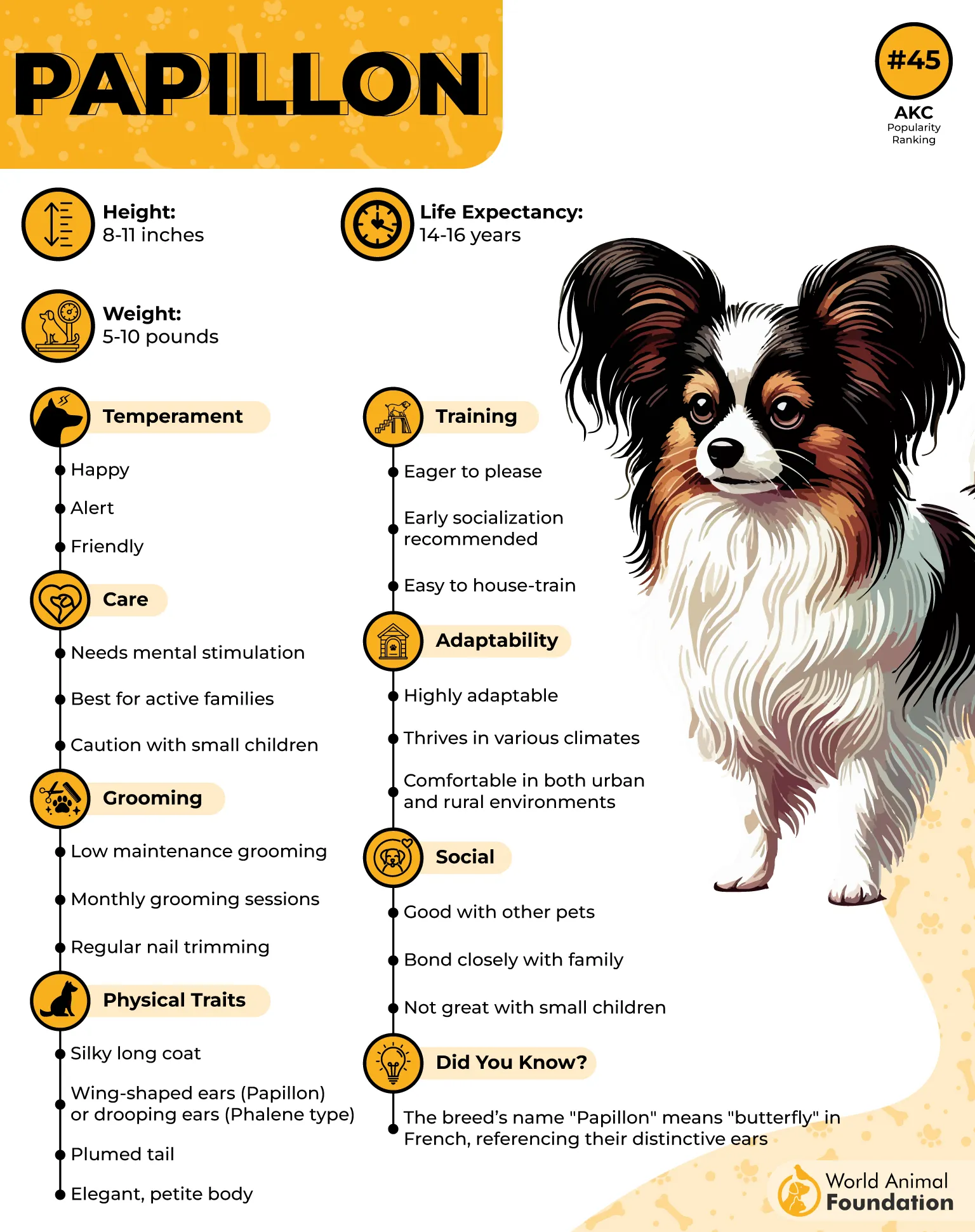
Training sessions can be quick and fun, like a mini talent show in your living room. Sounds crazy, right? But it works. Their intelligence responds well to clear rewards and a happy tone.
Because they are alert, manners matter in buildings with thin walls. With proper training, many learn when to bark and when to chill.
They also benefit from mental stimulation, like puzzle toys and “go to your mat” practice. They often like cozy spaces, such as a soft corner near the couch, where they can watch the room.
A Papillon can be well suited to apartment dogs lists when the home offers attention and gentle daily routines. They can become the best indoor dogs for people who like a lively, smart little buddy that stays connected without needing too much room.
Fun, easy Papillon life tips
Keep training playful and short.
Use a calm mat spot for quiet time.
Manage barking early for shared walls.
Add indoor activities on rainy days.
6. Yorkshire Terrier
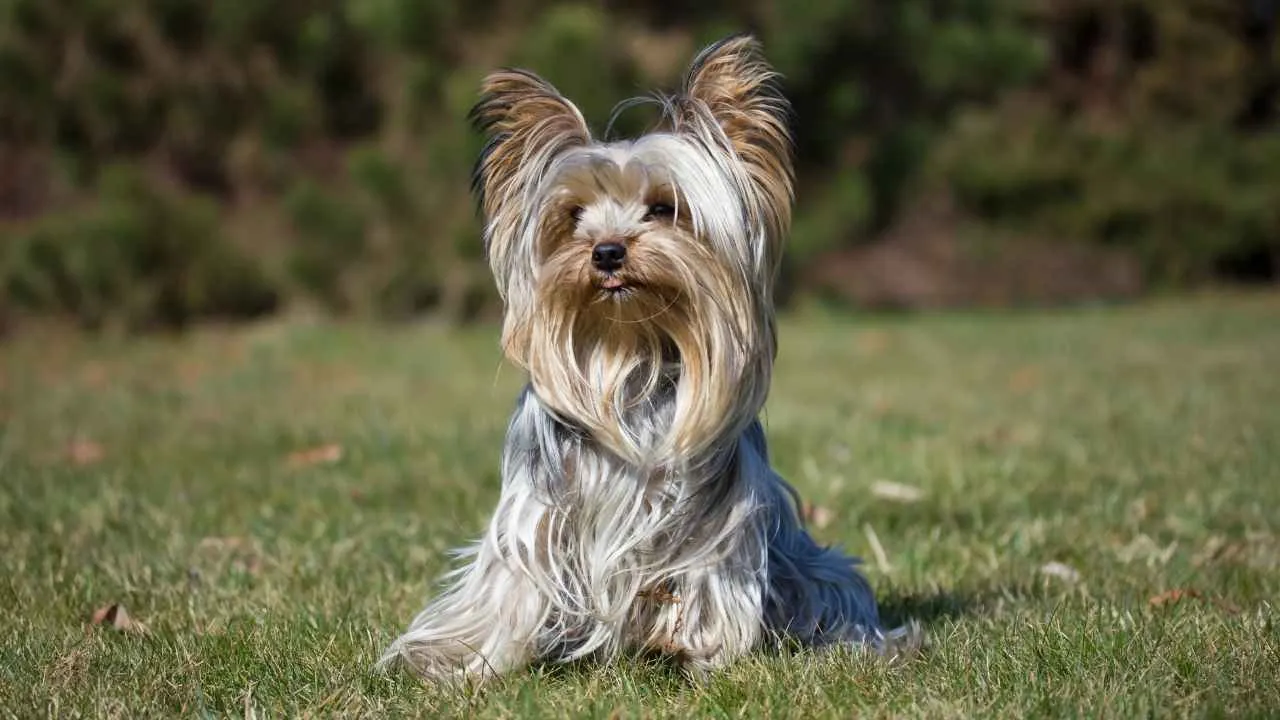
Yorkshire Terriers carry big confidence in a tiny frame. Many people think of them as fancy, but their roots are working terriers. That bold spark still shows up today.
These dogs are often feisty, but also deeply loving with their people. With the right start, they can be indoor dogs that fit neatly into apartment living.
Social skills matter for Yorkies. Early training and calm exposure help them feel safe around new sights and sounds. Without that, they may bark more than you would like, and excessive barking can be rough in close buildings.
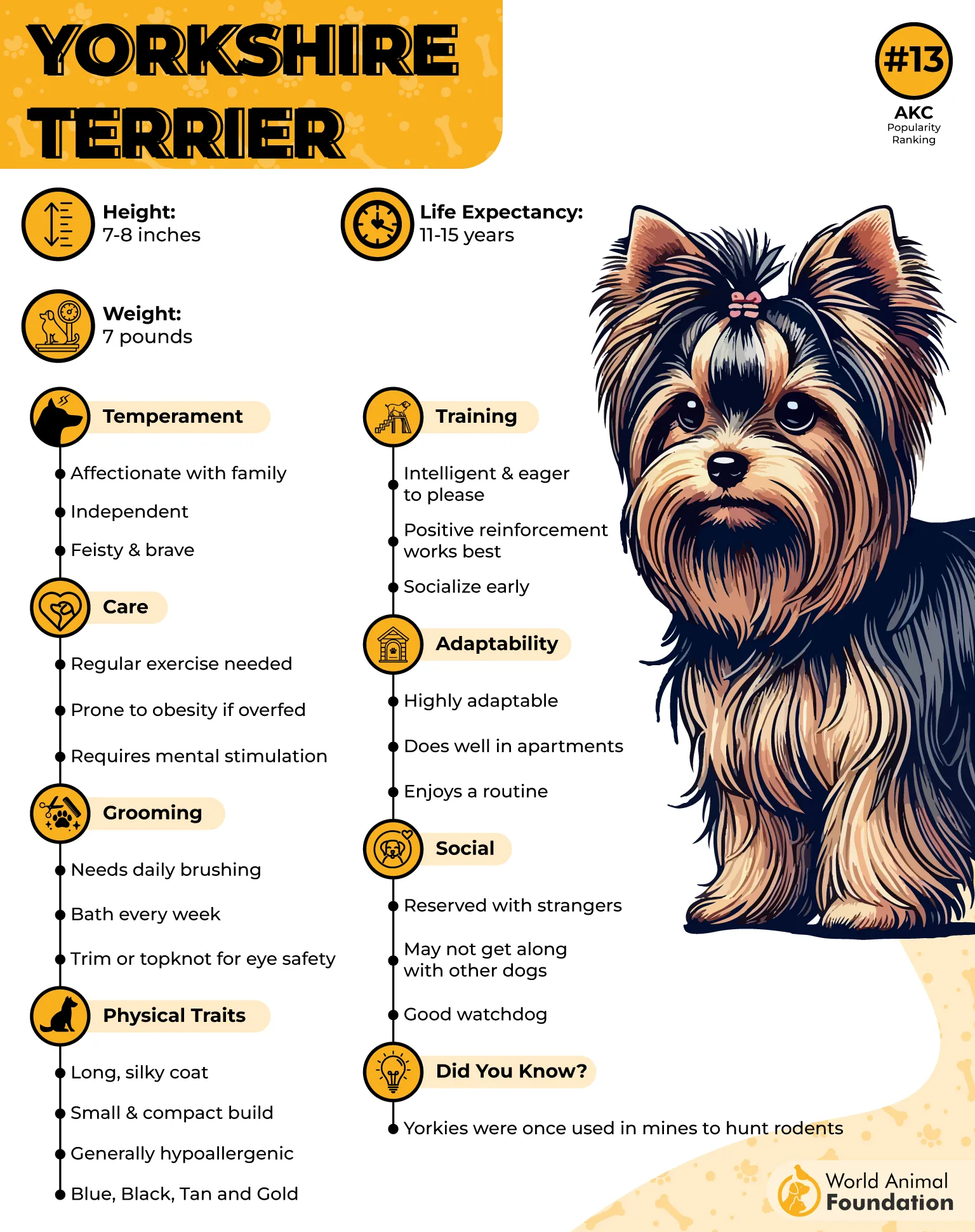
Here’s the best part! They are smart and learn quickly when the rules stay steady. Clear boundaries make them feel secure, not restricted.
Their coat is often described as hair-like, and many owners like that it can be low shedding. Keeping the coat trimmed short can make regular grooming easier. That is a big deal for house dogs that get carried, cuddled, and allowed on furniture.
Yorkies also enjoy daily walks, but it does not have to be long. A short walk plus indoor play can cover exercise needs. Some days, they will beg for more. Other days, they will love lounging like tiny royalty.
Yorkies can handle small apartments when they get attention and clear routines. They also tend to form a tight bond, becoming a loyal furry friend who follows you around like a little shadow.
Yorkie habits that help indoor life
Practice quiet cues for shared spaces.
Keep grooming simple with a neat trim.
Offer regular walks for steady energy.
Use games for focus and confidence.
7. Australian Silky Terrier
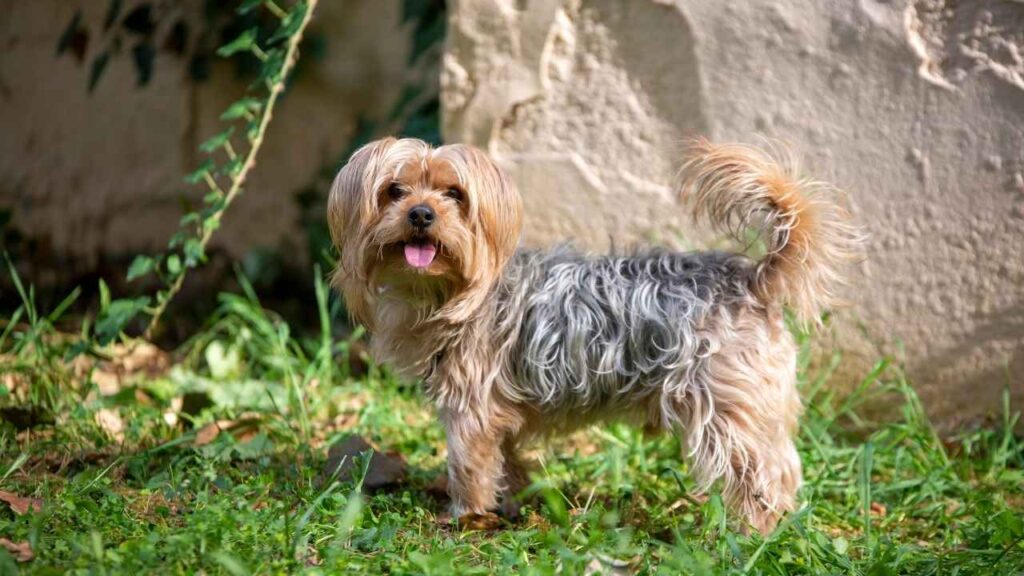
The Australian Silky Terrier is small, elegant, and full of personality. They are often lively and friendly, with a brave streak that makes them fun to live with.
Even though they have “terrier” in the name, they are widely loved as a companion breed. For apartment living, that means they often want to be involved, not ignored.
They can be great indoor dogs when the home offers a daily plan. About 30 to 45 minutes of movement is common for adults. That can be split into daily walks and playful time inside. Indoor activities matter because they also need mental stimulation.
Provide interactive toys, basic training games, or simple hide-and-seek to keep the mind busy. Without that, they may get restless, and then the “tiny watchdog” mode can kick in.
Their coat is long, fine, and very shiny. It is beautiful, but it needs regular grooming. Daily brushing helps prevent tangles, and a professional trim now and then keeps things neat. It is not hard, just steady.
Training is usually smooth with positive rewards, though a stubborn moment can appear. Keep sessions short, fun, and consistent. They do best when rules are clear, and praise is generous.
Silkies are well-suited to apartment life because they are compact and love closeness. They can thrive in confined spaces when they feel included and cared for.
Silky Terrier care that supports indoor living
Mix regular walks with playful games inside.
Keep brushing routine steady and gentle.
Teach quiet habits early for thin walls
Use training games to keep boredom away.
Conclusion
Indoor living can be a beautiful match when the right pup meets the right home. The best dogs for indoor life are not “lazy.” They are simply breeds that adapt well to a steady routine, cozy spaces, and loving attention.
The best indoor dogs also need basics like daily walks, fresh water, and kind rules that support their well-being. And here’s the best part! When the home offers comfort, play, and calm guidance, these dog breeds can stay healthy and generally happy without needing too much room.
Ready to choose? Think about time, noise limits, and how much grooming feels realistic. Then pick a furry companion that fits your life, not just your news feed.
